
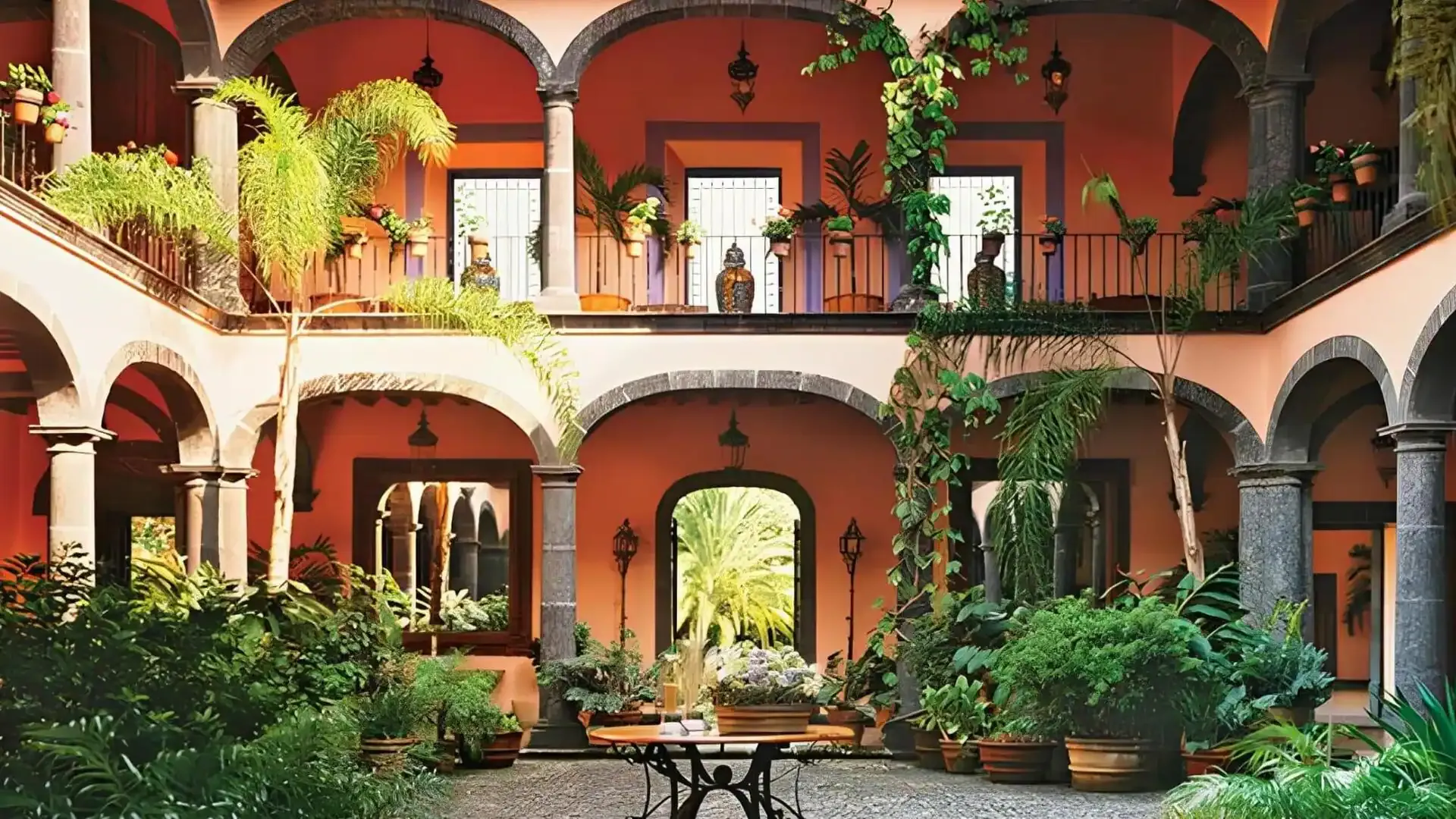
Your home should feel comfortable, useful, and personal. The way you decorate a room can change how it feels, from the colors on the walls to the furniture, lighting, flooring, and small decorative details.
But with so many interior design styles to choose from, finding the right one can feel confusing. Should you choose a clean modern room, a cozy farmhouse look, a relaxed coastal style, or something more colorful and creative?
The good news is that you do not have to follow one style perfectly. You can learn the main features of different design styles and then choose the colors, furniture, materials, and accessories that work for your home and lifestyle.
This guide explains 15 popular types of interior design styles, what makes each one different, and how you can use them in your own home.
What Defines an Interior Design Style?
An interior design style is more than choosing attractive furniture. It is the overall visual direction of a room. It includes the colors, materials, furniture shapes, patterns, lighting, artwork, and way the space is arranged.
For example, a modern room may use simple furniture, clean lines, and limited decoration. A traditional room may use symmetry, detailed furniture, richer colors, and classic materials.
Understanding these differences makes decorating easier. Instead of buying random items that you like individually, you can choose pieces that work together as part of a larger design.
You can also mix styles. Many beautiful homes combine two or more approaches rather than following one category from beginning to end.
For more inspiration, explore our home design ideas for practical decorating projects and room inspiration.
How Do Color, Materials, Furniture, and Layout Create a Style?
Color is one of the fastest ways to communicate a design style. Soft whites, pale blues, and sandy neutrals can create a coastal feeling, while deep colors and rich wood can create a more traditional atmosphere.
Materials are equally important. Wood, stone, metal, glass, linen, wool, leather, rattan, and ceramics can all change the character of a room.
Furniture shapes also matter. Straight, simple furniture often works well with modern and minimalist rooms, while curved, detailed, or antique-inspired pieces can support traditional or classic interiors.
Finally, consider the layout. A beautiful room can still feel uncomfortable if furniture blocks doors, windows, or walking paths. Good interior design should look attractive while supporting the way you actually use the space.
Can You Mix Different Interior Design Styles?
Yes. In fact, mixing styles can make a home feel more personal.
You might combine a modern sofa with a traditional wooden table, add a vintage mirror to a minimalist room, or use coastal accessories in a contemporary space.
The easiest way to mix styles successfully is to create something that connects them. You could repeat one color, material, shape, or finish throughout the room.
For example, a modern room with wooden furniture can easily include rustic accessories because the natural wood creates a visual connection.
The goal is not to make every item match. The goal is to make the different pieces feel as though they belong together.
15 Types of Interior Design Styles
Below are 15 popular interior design styles that can help you find a direction for your next decorating project.
1. Traditional Interior Design
Traditional interior design takes inspiration from classic European interiors and emphasizes balance, symmetry, and comfortable furniture.
You may see matching chairs, detailed woodwork, classic artwork, patterned fabrics, and warm wood finishes. Rooms often feel organized and formal without necessarily being uncomfortable.
Traditional design works particularly well if you enjoy timeless furniture and rooms that feel established rather than heavily influenced by short-term trends.
Key Features of Traditional Design
- Symmetrical furniture arrangements
- Classic wood furniture
- Patterned fabrics
- Decorative molding
- Rich or neutral colors
- Traditional artwork
- Comfortable upholstered furniture
You can modernize the style by using lighter colors and fewer decorative accessories.
2. Classic Interior Design
Classic interiors focus on elegance and carefully selected materials. The style can include marble, polished wood, velvet, brass, stone, and other refined finishes.
The overall appearance is usually balanced and sophisticated. Rather than filling the room with decorations, the focus is placed on quality, proportion, and timeless details.
Classic design can work particularly well in dining rooms, formal living rooms, entryways, and bedrooms.
If you like this style but want something less formal, transitional design can provide a useful middle ground.
3. Transitional Interior Design
Transitional design combines traditional comfort with modern simplicity.
This style is useful for homeowners who enjoy classic furniture but do not want their rooms to feel overly formal or old-fashioned.
A transitional living room might include a comfortable traditional sofa, a modern coffee table, neutral walls, contemporary lighting, and a classic piece of artwork.
Transitional Style at a Glance
| Feature | Traditional | Transitional |
|---|---|---|
| Furniture | Detailed | Mix of classic and modern |
| Colors | Rich and varied | Mostly neutral |
| Decoration | More decorative | More restrained |
| Overall feeling | Formal and comfortable | Balanced and relaxed |
The result is a flexible style that can evolve as your taste changes.
Modern Interior Design Styles
Modern design is often associated with clean lines, practical furniture, open spaces, and limited ornamentation.
It can work particularly well in apartments and contemporary homes because the emphasis on function helps prevent rooms from becoming visually crowded.
4. Modern Interior Design
Modern interior design has roots in design movements of the 20th century. It emphasizes simplicity, function, geometric forms, and materials such as wood, metal, glass, and leather.
Furniture generally has clear shapes and little unnecessary decoration.
A modern living room might use a simple sofa, a low-profile coffee table, a neutral color palette, and one large piece of artwork instead of many small accessories.
Modern design does not have to feel cold. Natural wood, warm lighting, textured fabrics, and plants can add softness.
For another approach to making compact spaces work, see our guide to small living room ideas.
5. Contemporary Interior Design
Contemporary design is different from modern design because contemporary means what is current or developing now.
Modern design refers to a particular design movement, while contemporary interiors can change as materials, technology, colors, and decorating preferences change.
Contemporary rooms often combine clean forms with interesting artwork, natural materials, sculptural furniture, and current colors.
Because the style changes over time, it is a good choice for people who enjoy updating their home as design preferences evolve.
6. Minimalist Interior Design
Minimalism focuses on simplicity, function, and intentional choices.
Instead of filling every wall, shelf, or table, minimalist rooms leave more open space. Furniture is selected carefully, and unnecessary decoration is reduced.
A minimalist home can use white, cream, beige, gray, or other neutral colors, although minimalism does not require a completely white room.
Simple Ways to Create a Minimalist Room
- Remove unnecessary objects
- Choose furniture with simple shapes
- Keep surfaces relatively clear
- Use a limited color palette
- Add storage to hide everyday clutter
- Choose quality over quantity
- Leave some areas of the room visually empty
Minimalism is especially useful when you want your home to feel calm and organized.
Warm and Textured Interior Design Styles
If you prefer a home that feels cozy, natural, and comfortable, warm design styles may be a better fit.
These styles often use wood, stone, woven materials, natural fabrics, and warm colors.
7. Farmhouse Interior Design
Farmhouse design combines practical living with a relaxed, welcoming appearance.
Common features include natural wood, simple furniture, comfortable textiles, neutral colors, and practical storage.
Modern farmhouse interiors may include cleaner lines and fewer rustic details than traditional farmhouse spaces.
The style works well for kitchens, dining rooms, family rooms, and entryways because it naturally creates a comfortable and lived-in atmosphere.
You can also introduce farmhouse elements without redesigning an entire room. Try a wooden bench, woven basket, vintage-style artwork, or simple linen curtains.
8. Rustic Interior Design
Rustic design celebrates natural materials and imperfections.
Wood, stone, leather, wool, linen, and weathered finishes are common. Instead of trying to make every surface look perfect, rustic design often highlights natural textures.
A rustic living room might combine a wooden coffee table, a stone fireplace, comfortable fabric seating, woven baskets, and warm lighting.
Rustic and farmhouse styles overlap, but rustic design generally places more emphasis on raw and organic materials.
9. Industrial Interior Design
Industrial design takes inspiration from warehouses, factories, studios, and urban lofts.
Typical features include:
- Exposed brick
- Metal
- Concrete
- Dark wood
- Open spaces
- Simple lighting
- Visible structural elements
Industrial rooms can sometimes feel hard or cold because of their materials. Adding leather, rugs, plants, wood, and warm lighting can make the space more comfortable.
Industrial style also mixes well with modern, rustic, and even bohemian elements.
Expressive Interior Design Styles
Not every home needs to follow a quiet neutral palette. If you enjoy color, artwork, collections, patterns, or unusual furniture, expressive styles give you more freedom.
10. Bohemian Interior Design
Bohemian, or boho, design has a relaxed and creative character.
It often combines textiles, plants, patterns, natural materials, vintage furniture, handmade pieces, and objects collected from different places.
There are no strict rules about matching everything. The goal is to create a layered room that feels personal and comfortable.
Try combining a patterned rug with woven baskets, colorful cushions, plants, wood furniture, and handmade accessories.
The key is balance. Even an informal bohemian room benefits from a few repeated colors or materials.
11. Eclectic Interior Design
Eclectic design combines pieces from different periods and styles.
For example, you could place a vintage chair beside a modern side table or combine traditional artwork with contemporary furniture.
The important part is creating a connection between different pieces. Repeating a color, finish, shape, or material can help the room feel intentional rather than random.
Eclectic design is a good option for people who do not want to limit themselves to one decorating style.
12. Maximalist Interior Design
Maximalism takes an expressive approach to decoration. Instead of reducing the number of objects, it embraces color, pattern, artwork, collections, and layers.
A maximalist room might include patterned wallpaper, colorful furniture, gallery walls, decorative objects, books, plants, and contrasting fabrics.
However, maximalism does not mean simply filling every available space. Good maximalist rooms still have a sense of composition.
Choose a few colors that repeat throughout the room. This helps many different objects feel connected.
Nature-Inspired Interior Design Styles
Nature-inspired styles are useful if you want your home to feel bright, relaxed, and connected to natural materials.
13. Coastal Interior Design
Coastal design is inspired by the relaxed feeling of seaside homes.
Typical colors include white, cream, pale blue, soft green, and sandy beige. Materials such as rattan, linen, jute, and light wood can add natural texture.
Coastal design does not require seashell decorations everywhere. A more sophisticated approach focuses on light, texture, natural materials, and a relaxed furniture arrangement.
For more ideas about combining natural materials and home decoration, explore our home design inspiration.
14. Scandinavian Interior Design
Scandinavian design combines functionality, simplicity, natural materials, and comfort.
Rooms often use light wood, soft neutral colors, simple furniture, warm textiles, and plenty of natural light.
The style is minimalist but does not have to feel empty or cold. Wool blankets, rugs, cushions, candles, plants, and warm lighting can create a comfortable atmosphere.
Scandinavian design is particularly useful for smaller homes because its emphasis on function and uncluttered spaces can help rooms feel more open.
15. Mid-Century Modern Interior Design
Mid-century modern design is known for its simple furniture shapes, tapered legs, organic forms, and practical approach to design.
The style became especially influential during the middle of the 20th century and remains popular today.
Common features include:
- Tapered wooden legs
- Simple geometric furniture
- Natural wood
- Clean lines
- Functional layouts
- Occasional bold accent colors
A mid-century modern room does not need to look like a museum. You can combine one or two vintage-inspired pieces with contemporary furniture for a more current appearance.
Interior Design Styles Comparison
Choosing between styles becomes easier when you compare their main characteristics.
| Style | Main Focus | Common Materials | Overall Feel |
|---|---|---|---|
| Traditional | Symmetry and detail | Wood, fabric | Classic and comfortable |
| Classic | Elegance | Marble, wood, velvet | Refined |
| Transitional | Balance | Wood, metal, fabric | Relaxed and polished |
| Modern | Function | Wood, metal, glass | Clean and structured |
| Contemporary | Current design | Mixed materials | Fresh and flexible |
| Minimalist | Simplicity | Wood, metal, fabric | Calm and uncluttered |
| Farmhouse | Practical comfort | Wood, linen | Welcoming |
| Rustic | Natural texture | Wood, stone | Warm and organic |
| Industrial | Structure | Metal, brick, concrete | Urban |
| Bohemian | Layering | Textiles, rattan, wood | Creative and relaxed |
| Eclectic | Mixed styles | Mixed materials | Personal |
| Maximalist | Color and pattern | Mixed materials | Bold and expressive |
| Coastal | Natural light | Rattan, linen, wood | Airy and relaxed |
| Scandinavian | Function and comfort | Light wood, wool | Simple and cozy |
| Mid-century modern | Iconic forms | Wood, fabric, metal | Retro and functional |
How to Choose the Right Interior Design Style
Choosing a design style should begin with your lifestyle rather than a trend.
Think about how you use each room. Do you have children or pets? Do you work from home? Do you entertain guests regularly? Do you prefer an uncluttered environment, or do you enjoy displaying collections and artwork?
Your answers can help narrow down the styles that make practical sense.
Consider Your Home’s Architecture
Look at the features that already exist in your home.
High ceilings, original molding, fireplaces, exposed brick, large windows, hardwood floors, and other architectural details can influence which styles work naturally with the space.
This does not mean you cannot use a different style. It simply means that working with existing features can sometimes produce a more cohesive result.
Pay Attention to Natural Light
Natural light affects how colors and materials look.
A room with large south-facing windows may handle deeper colors differently from a small room with limited daylight.
Before choosing paint or large furniture, observe the room at different times of the day. Notice which areas are bright and which corners need additional lighting.
The U.S. Department of Energy’s lighting guidance is a useful resource when planning efficient lighting for your home.
Create a Color Palette Before Shopping
One of the easiest ways to prevent a room from feeling disconnected is to choose your main colors before purchasing accessories.
A simple formula is:
Main color + secondary color + accent color
For example:
Coastal: white + sandy beige + soft blue
Scandinavian: soft white + light wood + gray
Modern: warm white + charcoal + natural wood
Bohemian: cream + terracotta + green
Once you have a palette, it becomes easier to decide whether a new rug, cushion, lamp, or artwork will actually work in the room.
Choose Furniture Based on Your Lifestyle
Beautiful furniture is not useful if it does not suit the way you live.
If you have a busy family, choose durable fabrics and furniture that can handle everyday use. If you entertain frequently, prioritize comfortable seating and surfaces that are easy to clean.
For smaller homes, consider furniture that performs multiple functions. Storage ottomans, nesting tables, sofa beds, and narrow shelving can help you make better use of limited space.
How to Mix Two or More Design Styles
You do not need to choose only one style.
A good starting point is to select one dominant style and one supporting style.
For example:
Modern + Rustic: clean furniture with natural wood and textured fabrics.
Coastal + Scandinavian: light colors, simple furniture, natural materials, and soft textiles.
Traditional + Contemporary: classic furniture combined with modern lighting and simple artwork.
Industrial + Bohemian: metal and brick balanced with colorful textiles, plants, and woven accessories.
Use a repeated color or material to connect the two styles.
How to Apply Your Style Throughout the Home
Once you have selected a design direction, you do not need to make every room identical.
Instead, repeat a few important elements throughout the house.
For example, you might use the same wood tone in the living room and bedroom, repeat one accent color in different rooms, or choose similar metal finishes for lighting and hardware.
Create a Welcoming Living Room
The living room is often the easiest place to establish your home’s design style.
Start with the largest pieces: sofa, chairs, rug, and coffee table. Then add lighting, artwork, curtains, cushions, and smaller accessories.
Choose one focal point, such as a fireplace, large window, artwork, or media wall.
If your living room is small, avoid overcrowding it. Our guide to small living room ideas on a budget includes additional ways to make a compact space feel comfortable and stylish.
Create a Comfortable Bedroom
Your bedroom should be restful rather than overly busy.
Use your chosen color palette in bedding, curtains, rugs, and artwork. Soft textures such as cotton, linen, and wool can add comfort.
Keep furniture practical and make sure there is enough space to walk around the bed.
A few carefully chosen accessories usually work better than filling every surface.
Carry Your Style Into the Kitchen and Bathroom
Kitchens and bathrooms do not need to look completely different from the rest of your home.
You can carry the same style through cabinet colors, hardware, lighting, countertops, tiles, mirrors, and accessories.
For example, a coastal home might use light wood, white cabinets, natural textures, and soft blue accents.
A modern home might use flat-front cabinetry, simple hardware, clean tile patterns, and streamlined lighting.
Do Not Forget the Entryway
Your entryway creates the first impression of your home.
Even a small entrance can communicate your design style through a mirror, console table, artwork, runner, bench, or storage basket.
Keep the area functional. A beautiful entryway is less useful if shoes, coats, bags, and keys have nowhere to go.
Use Lighting, Textiles, and Artwork to Finish the Look
You do not always need a renovation to change the style of a room.
Lighting, cushions, rugs, curtains, artwork, plants, and decorative objects can completely change the atmosphere.
This makes accessories a practical way to experiment with a new style before committing to expensive furniture or remodeling work.
For additional decorating inspiration, browse our home and interior design articles.
Coastal vs. Scandinavian Design
Coastal and Scandinavian interiors can look similar because both often use light colors and natural materials. However, they have different starting points.
| Feature | Coastal | Scandinavian |
|---|---|---|
| Main colors | White, blue, sand | White, gray, soft neutrals |
| Materials | Rattan, linen, weathered wood | Light wood, wool, cotton |
| Furniture | Relaxed and casual | Simple and functional |
| Decoration | Natural and beach-inspired | Minimal and practical |
| Lighting | Bright and airy | Warm and layered |
| Overall feeling | Relaxed and breezy | Cozy and simple |
Both can also be combined. Use Scandinavian furniture with coastal colors and natural textures for a relaxed, modern home.
How to Make Your Interior Design Style Feel Personal
A room should not look like a furniture showroom.
The best interiors usually contain things that tell a story. Family photographs, artwork, books, travel finds, handmade objects, vintage furniture, or meaningful gifts can make a room feel more personal.
Do not worry if every item does not belong to one exact design category.
Your home should reflect your life.
Start with a clear foundation, then allow the room to develop naturally over time.
Conclusion
There is no single interior design style that works for every home.
Traditional and classic interiors can create a timeless feeling. Transitional design combines old and new. Modern and minimalist styles focus on simplicity and function. Farmhouse and rustic interiors bring warmth and natural texture, while industrial design adds an urban character.
Bohemian, eclectic, and maximalist styles provide more freedom for color, pattern, and personal collections. Coastal and Scandinavian interiors create light, relaxed spaces, while mid-century modern design brings recognizable shapes and practical furniture into the room.
The most important step is to choose a style that fits your home, your budget, and the way you live.
You can also mix styles. Start with one main direction, choose a simple color palette, select practical furniture, and then add artwork, textiles, plants, lighting, and personal objects.
Good interior design is not about following every trend. It is about creating a home that feels comfortable, useful, and genuinely yours.
Frequently Asked Questions
What are the most popular interior design styles?
Popular styles include modern, contemporary, minimalist, traditional, transitional, farmhouse, rustic, industrial, bohemian, eclectic, maximalist, coastal, Scandinavian, classic, and mid-century modern.
Each style has its own approach to furniture, color, materials, patterns, and room arrangement.
What is the difference between modern and contemporary interior design?
Modern design refers to a specific design movement associated with the 20th century and is known for clean lines, functional furniture, and simple forms.
Contemporary design means current or developing design. It changes over time and can include elements from different periods and styles.
What defines minimalist interior design?
Minimalist design focuses on simplicity, function, and intentional decoration. It generally uses fewer objects, simple furniture, open space, and a controlled color palette.
Minimalism does not mean your home must be completely empty. It means choosing items carefully and avoiding unnecessary visual clutter.
Can I mix different interior design styles?
Yes. Mixing styles can create a more personal home. Try choosing one dominant style and adding elements from another style.
Use a common color, material, finish, or shape to connect the different pieces.
What is the difference between farmhouse and rustic design?
Both styles use natural materials and create a comfortable atmosphere, but rustic design usually emphasizes raw, weathered, and organic materials more strongly.
Farmhouse design often has a cleaner and more practical appearance and can range from traditional to modern farmhouse.
What makes coastal interior design different?
Coastal design is inspired by the relaxed atmosphere of seaside homes. It commonly uses light colors, natural textures, linen, rattan, light wood, and casual furniture.
A sophisticated coastal room does not need to be filled with nautical decorations.
What makes bohemian interior design unique?
Bohemian design emphasizes personal expression, layered textiles, plants, patterns, natural materials, vintage pieces, and collected objects.
There are fewer strict rules, allowing the homeowner to create a relaxed and individual space.
Is Scandinavian design the same as minimalism?
No. Scandinavian design shares some minimalist principles, including simple furniture and uncluttered spaces, but it also emphasizes warmth, comfort, natural materials, and cozy textiles.
This is why Scandinavian interiors can feel comfortable rather than stark.
How do I choose an interior design style for my home?
Start with your lifestyle, architecture, natural light, existing furniture, and budget.
Think about how you want the room to feel and how you use it every day. Then choose two or three styles that match your needs and compare their colors, materials, furniture, and decorating requirements.
You do not have to follow one style perfectly. Combining complementary elements can create a home that feels more personal.
Can I change my interior design style without renovating?
Yes. Start with inexpensive changes such as rugs, curtains, cushions, artwork, lighting, plants, and accessories.
You can gradually replace larger furniture pieces as your budget allows. This approach lets you test a style before making a major investment.


Pingback: 10 Small Backyard Pool Ideas for Your Home 2026