
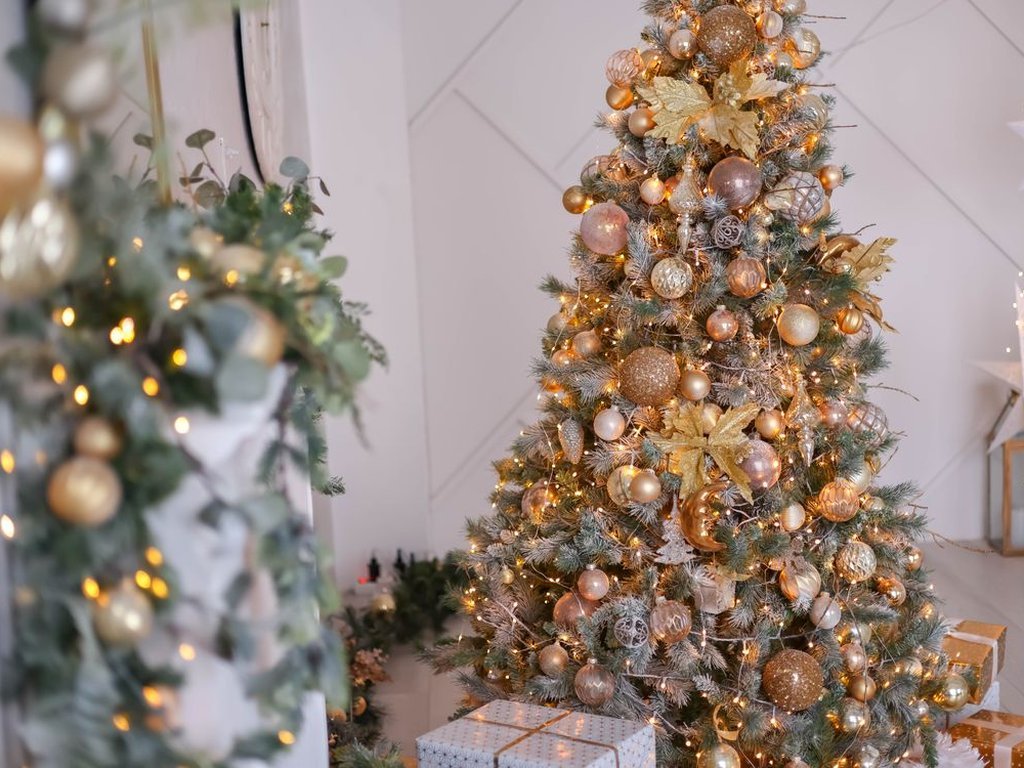
A Christmas tree decor idea is a planned style for dressing a tree with lights, ornaments, ribbon, a topper, and a skirt or collar in one clear color palette. The best trees start with lights, then add ribbon or garland, then large ornaments, then small ornaments, and finish with a topper. That order keeps the tree full and stops the branches from looking crowded in one spot.
This guide shares 20 Christmas tree decor ideas by style, from classic red and gold and woodland looks to coastal, minimal, pink, and small-tree styles. Each idea works for a real tree or an artificial tree, and most use items you can buy for under $50 or reuse from past years. Pick one style that fits your room, then use the tips to make it your own. For more seasonal ideas, visit Ideas Home Accessories.
Try Classic Red and Gold

Classic red and gold is the most trusted Christmas tree style because the warm colors suit almost any living room. Start with warm white lights, about 100 lights per foot of tree, then add red glass balls in two sizes and gold ribbon in wide loops. Mix shiny and matte ornaments in equal numbers so the tree has depth, and place a gold star on top. A red velvet skirt under the tree ties the look together and hides the stand.
Add Velvet Bows Everywhere

Velvet bows give a Christmas tree a soft, rich look without adding many new ornaments. Tie bows from 2.5-inch wide velvet ribbon in deep red, green, or black, and attach them to branch tips with thin wire so they stay in place. Use about 12 to 15 bows on a 7-foot tree, spaced evenly from top to bottom. The Spruce notes that velvet bows are a popular tree trend because they add texture and color in one simple step. Pair them with plain gold balls for a calm finish.
Go All White and Silver
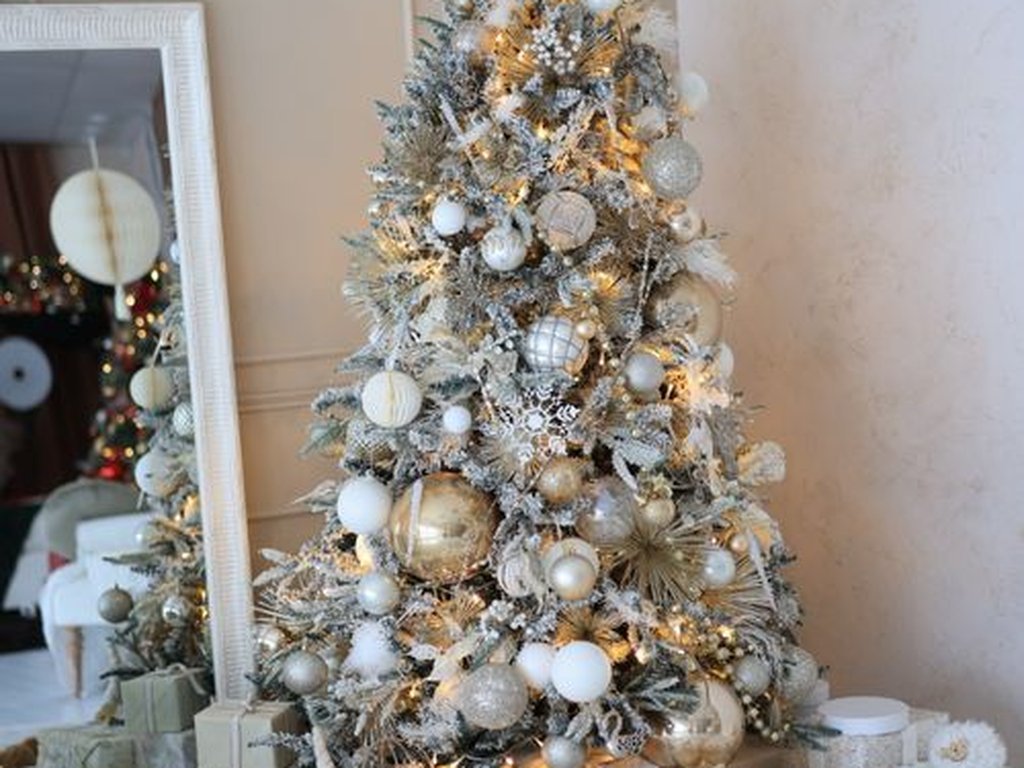
White and silver is the best choice for a bright, calm Christmas tree that still feels festive. Use cool white lights, silver glass balls, white snowflake ornaments, and a silver star topper on a green or flocked tree. Add silver bead garland in loose loops and a white faux-fur skirt at the base for softness. Keep the palette to white, silver, and one pale blue accent so the tree does not look busy. This style also suits small rooms because the light colors reflect light well.
Mix Woodland Greens and Browns
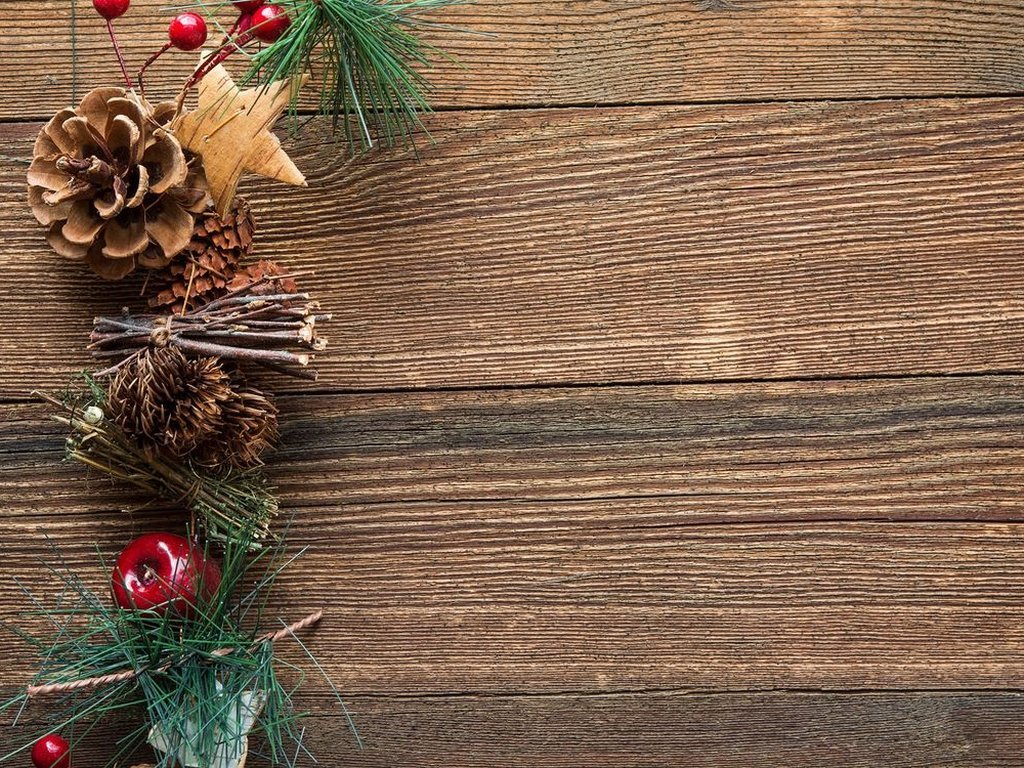
A woodland tree brings the feel of a forest indoors with natural colors and textures. Use deep green, brown, cream, and copper ornaments, plus felt owls, foxes, and mushrooms if you like a playful touch. Add pinecones, dried orange slices, and wooden bead garland, and top the tree with a simple wooden star. A burlap skirt or a woven basket at the base fits the theme well. Keep lights warm white so the greens and browns look rich instead of flat.
Use Blue and Silver Tones
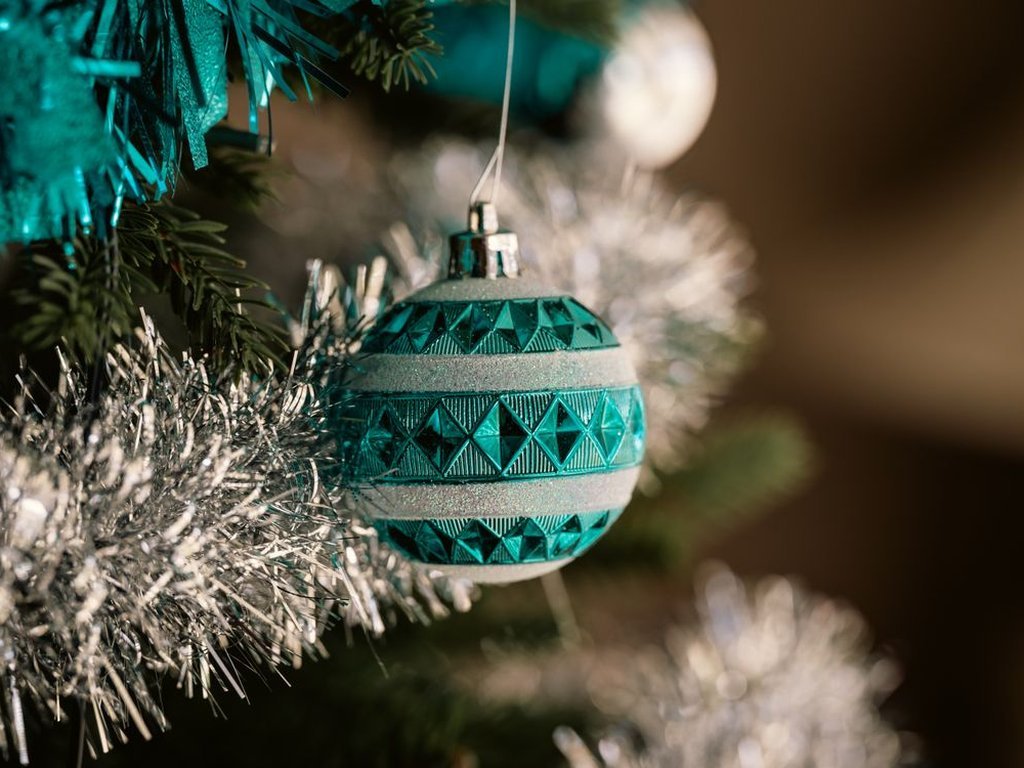
Blue and silver is a fresh change from red and green, and it works well in rooms with gray or navy furniture. Start with cool white lights, then add navy, icy blue, and silver ornaments in glass and matte finishes. Use silver ribbon in vertical strips and a silver snowflake topper to pull the look together. Add white faux snow picks between branches for a winter feel. For more holiday ideas, see our 25 Christmas kitchen decor ideas to match the tree with the rest of your home.
Hang Dried Orange Slices
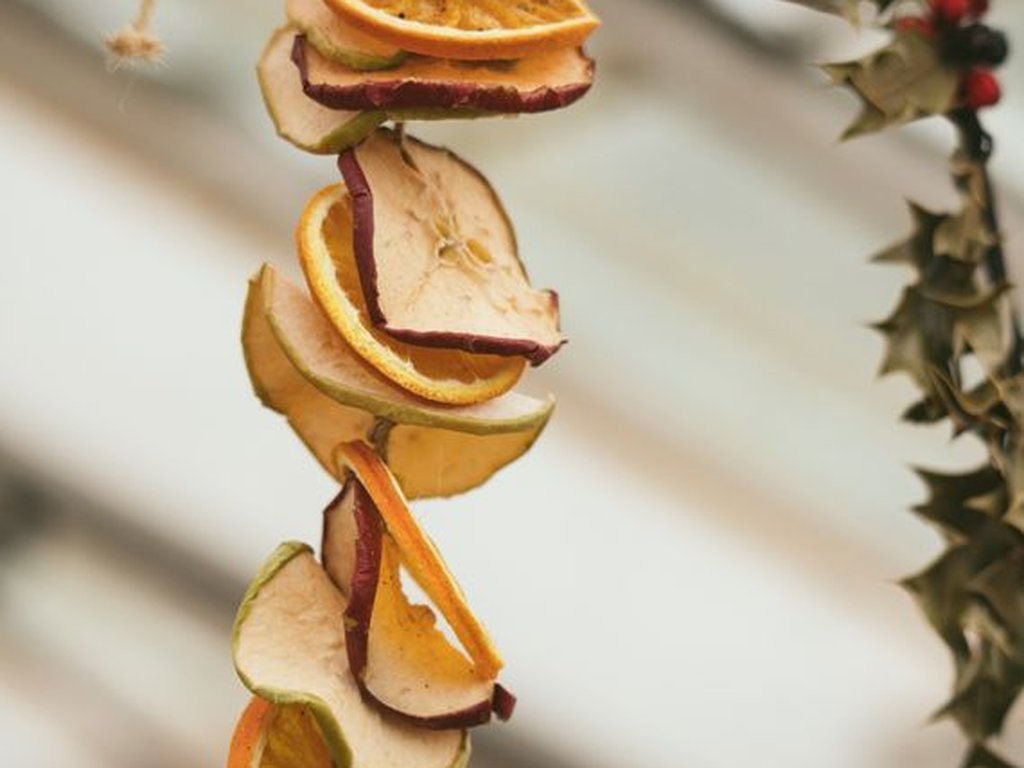
Dried orange slices add warm color, a light scent, and a handmade feel to a Christmas tree. Dry thin orange slices in a low oven until they are firm, then string them on twine or hang them singly with ribbon. Mix them with cinnamon sticks, red berries, and wooden beads for a simple, natural look. They cost little to make and suit rustic, woodland, and farmhouse trees. Use about 15 to 20 slices on a 6-foot tree so they show up without crowding the branches.
Choose a Rustic Burlap Look
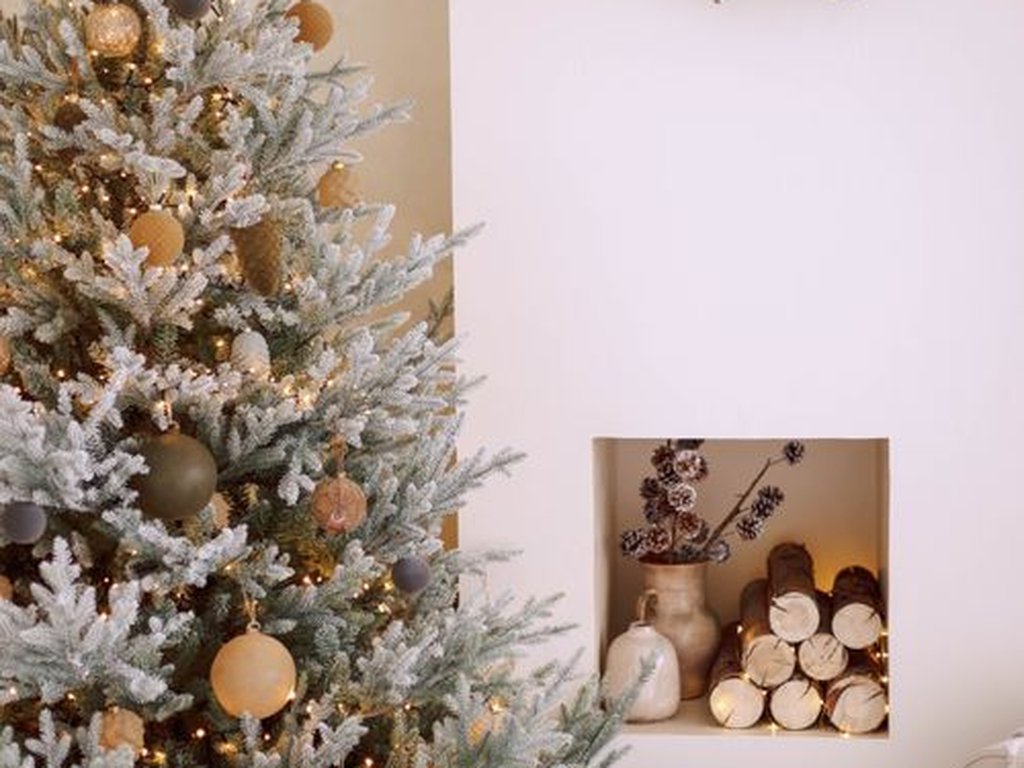
A rustic burlap tree uses rough texture and warm neutrals to feel homey and relaxed. Wrap wide burlap ribbon around the tree in loose loops, then add wooden ornaments, plaid balls, pinecones, and cream-colored lights. A burlap skirt or a galvanized metal collar at the base adds to the farmhouse feel. Avoid shiny plastic ornaments here because they clash with the soft, natural fabric. This style is a good fit for cabins, country homes, and rooms with wood floors and plaid throws.
Add Gold Ribbon Cascades
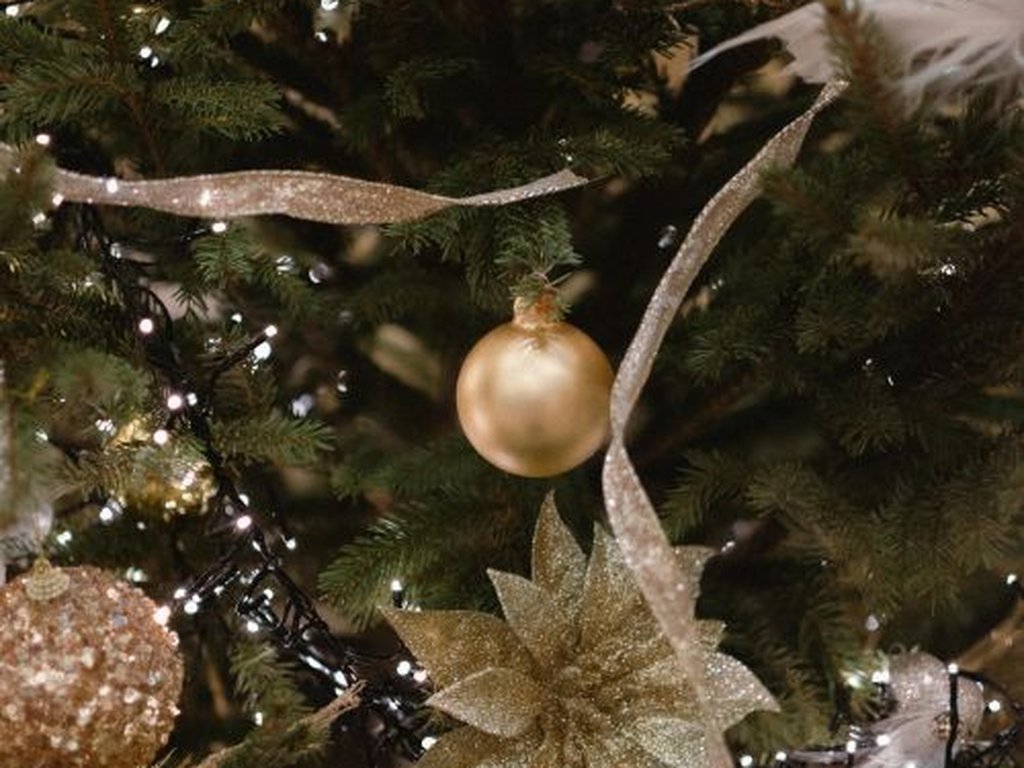
Gold ribbon cascades make a tree look full and polished with very little effort. Cut wired ribbon into strips about 3 feet long, pinch each strip in the middle, and tuck it into the branches so the ends fall down like a waterfall. Use 2.5-inch wide ribbon in gold, champagne, or copper, and repeat the strips every 12 inches around the tree. Crate and Barrel advises draping ribbon or garland before hanging ornaments so the ends sit neatly under the decor. Finish with gold balls and a gold star.
Decorate With Candy Canes
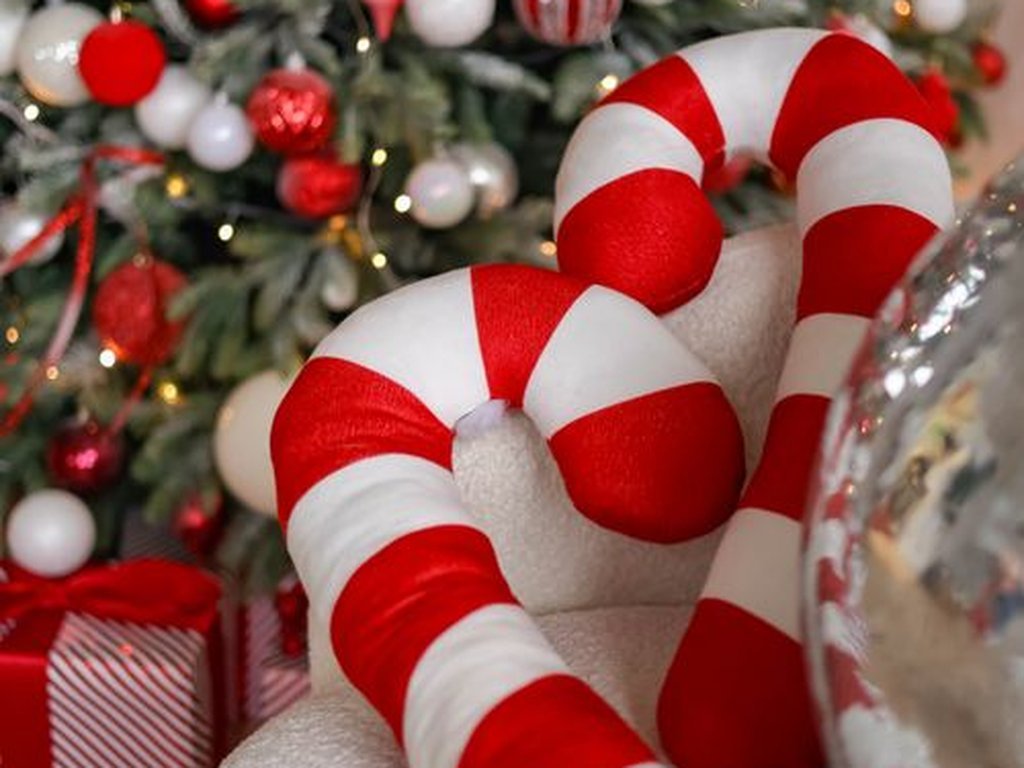
Candy canes make a Christmas tree fun for kids and simple to decorate on a budget. Hang real candy canes and striped glass ornaments in red and white, then add white lights and a red ribbon garland. Use a red and white striped skirt and place wrapped candy in small jars near the tree for a sweet display. Keep breakable ornaments high and candy canes low so children can reach them safely. This style pairs well with a red front door wreath and simple white stockings on the mantel.
Try Pink and Champagne
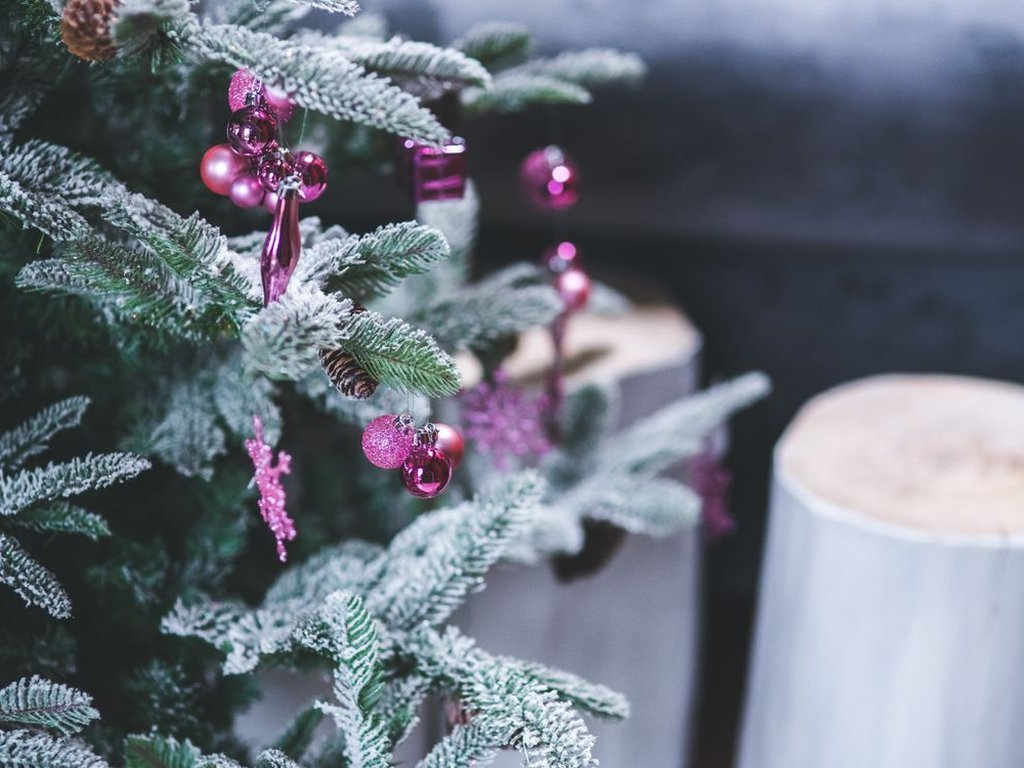
Pink and champagne is a soft, pretty tree style that works in bedrooms, girls’ rooms, and light living rooms. Use blush pink, rose gold, and champagne ornaments in glass, velvet, and glitter finishes, with warm white lights and a pale pink ribbon. Add white feather picks or faux flowers for a gentle, full look. Keep the tree skirt in cream or blush so the base does not fight the pastel colors. This style also photographs well, so it is a good pick if you share holiday photos with family.
Add Red Berry Picks
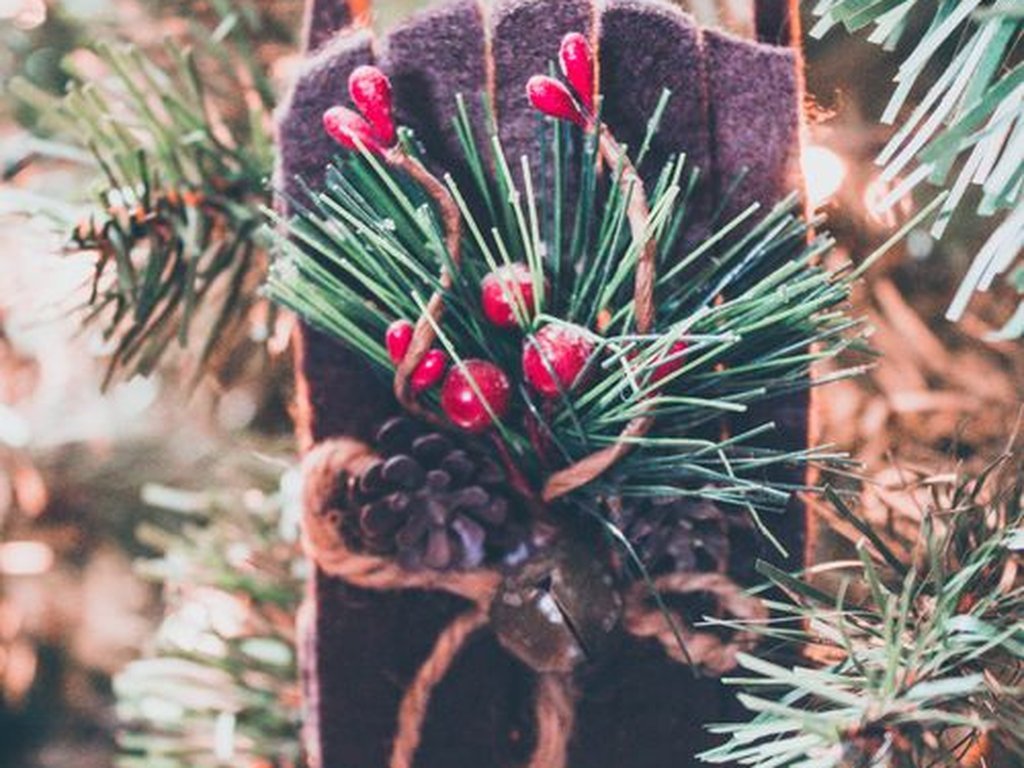
Red berry picks are the easiest way to add bright color and natural texture to a Christmas tree. Tuck clusters of three red berry sprays into the branches with floral wire, spacing them every 12 inches so the red shows evenly from top to bottom. Pair them with pinecones, warm white lights, and a burlap skirt for a woodland look that costs little. Use about 12 to 15 picks on a 6-foot tree, and push some deep inside the branches for depth. Berry picks also fill thin spots well, so they are a good fix for a sparse tree.
Add Flocked Snow Branches
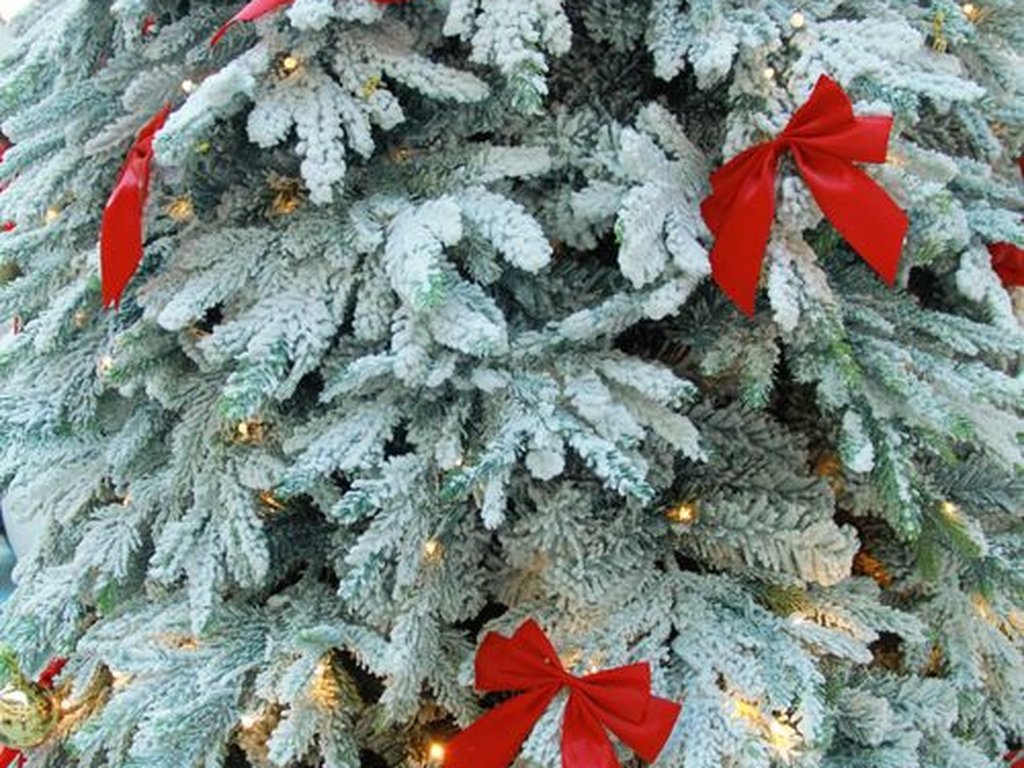
A flocked tree looks like it has fresh snow on every branch, even in a warm climate. Buy a pre-flocked tree or spray flocking on an artificial tree outdoors, then add white lights, silver ornaments, and clear icicle picks. Use a white or silver skirt and avoid dark red ornaments, which can look heavy against the white branches. Add a few frosted pinecones and white berry sprays to fill thin spots. Flocked trees shed a little, so place a mat under the tree and vacuum the floor once a week.
Add Mini House Ornaments
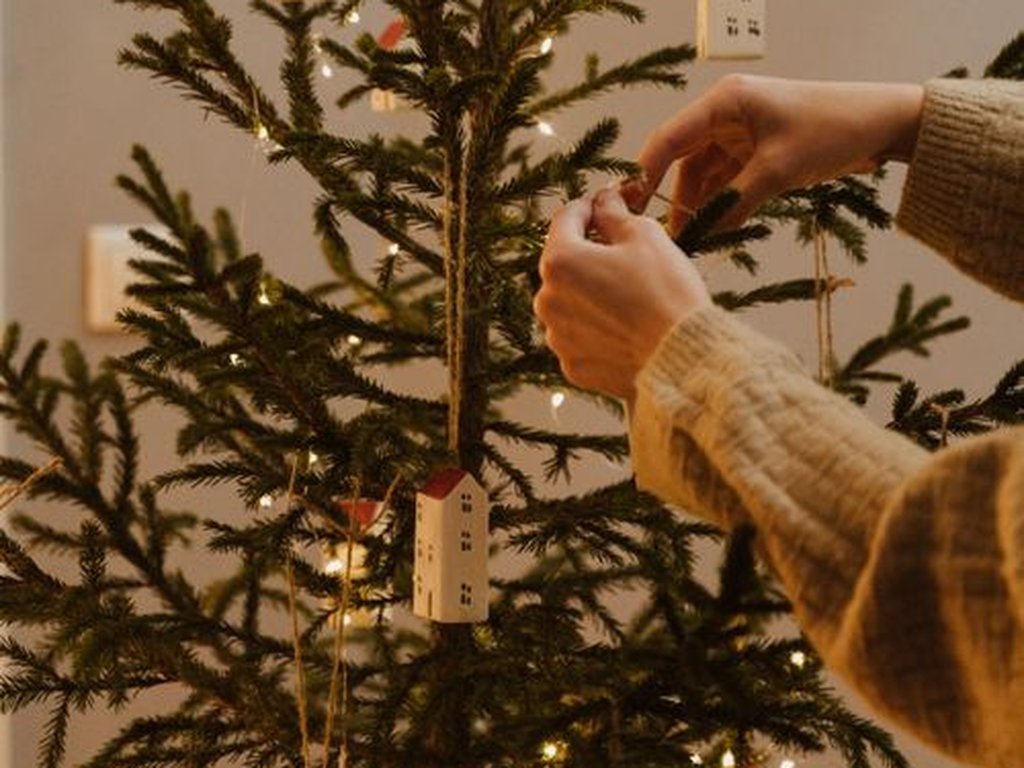
Mini house ornaments add a sweet, storybook feel to a Christmas tree. Hang small wooden or ceramic houses in cream, red, and green from the branches with thin ribbon, mixing them with warm white lights and plain glass balls. Place about 10 to 12 houses on a 6-foot tree, spread evenly so no branch looks crowded. Add a tiny wreath or a battery candle beside the tree to repeat the cozy village theme. This style suits family rooms and cottage homes, and the houses store well in a small box for next year.
Go Minimal With Few Ornaments
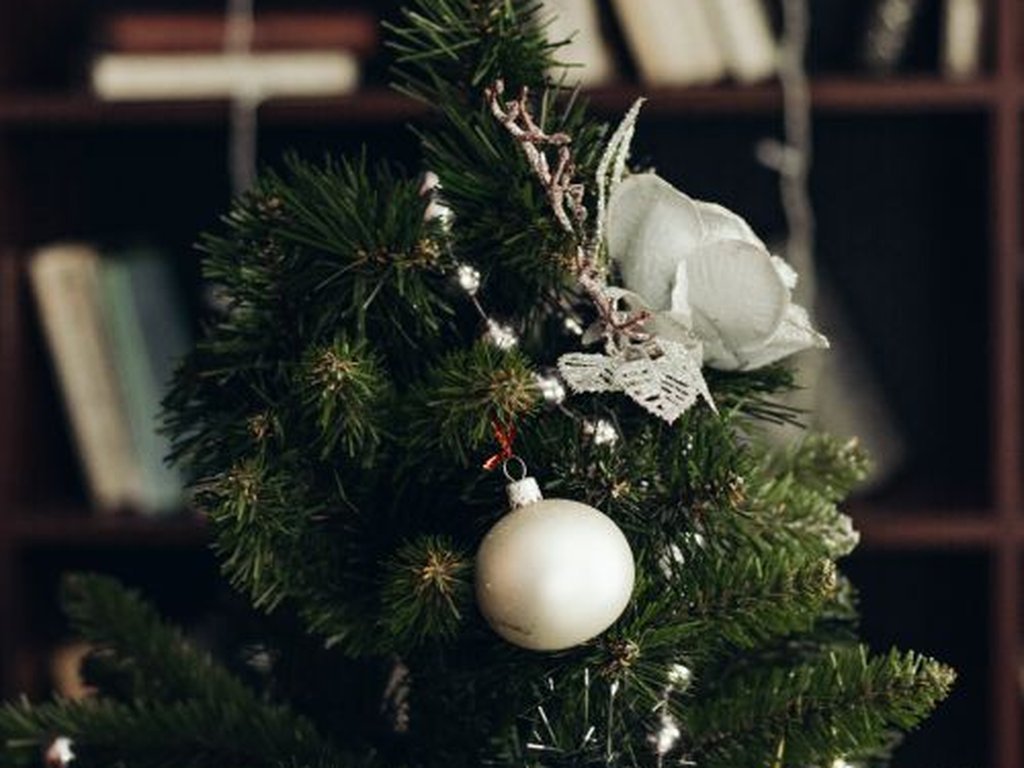
A minimal tree uses fewer ornaments and more empty space, which suits small rooms and calm homes. Pick one color, such as gold or white, and hang 20 to 30 ornaments on a 6-foot tree, spaced wide apart. Add warm white lights and a simple linen skirt, and skip heavy garland and large picks. The bare branches become part of the look, so fluff the tree well before you start. This style is quick to set up and take down, and it leaves the room feeling light instead of crowded.
Add Vintage Glass Baubles
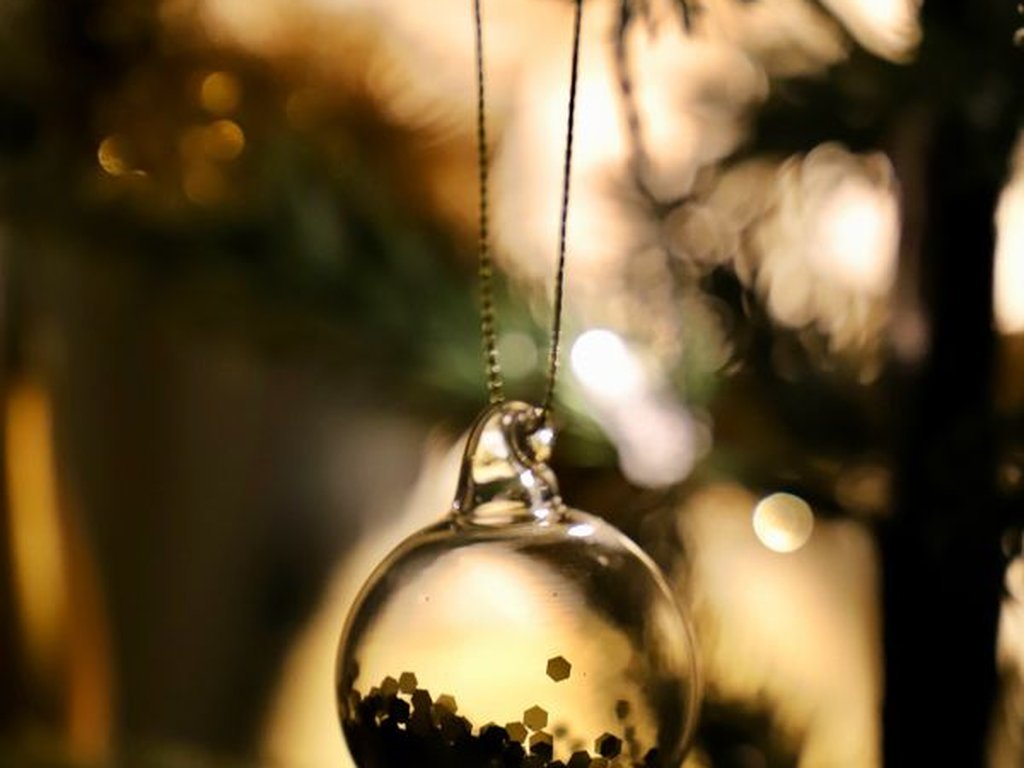
Vintage glass baubles give a tree charm and a story that new ornaments cannot match. Look for old glass balls in red, green, gold, and silver at thrift shops and flea markets, and check each one for cracks before you hang it. Mix them with plain matte balls in the same colors so the old pieces stand out. Hang breakable baubles high and near the trunk where they are less likely to fall. For fresh seasonal reading, browse the Ideas Home Accessories blog for more holiday decorating guides.
Use Emerald and Brass

Emerald and brass is a rich, grown-up tree style that fits rooms with dark green walls or brass lamps. Use deep green ornaments, brass bells, gold ribbon, and warm white lights, then add a brass star topper and a green velvet skirt. Add a few cream ornaments to stop the dark green from feeling too heavy. Keep the tree skirt simple so the brass details stand out. This palette also works for New Year parties, since the green and gold look festive well past Christmas Day.
Decorate a Small Tabletop Tree
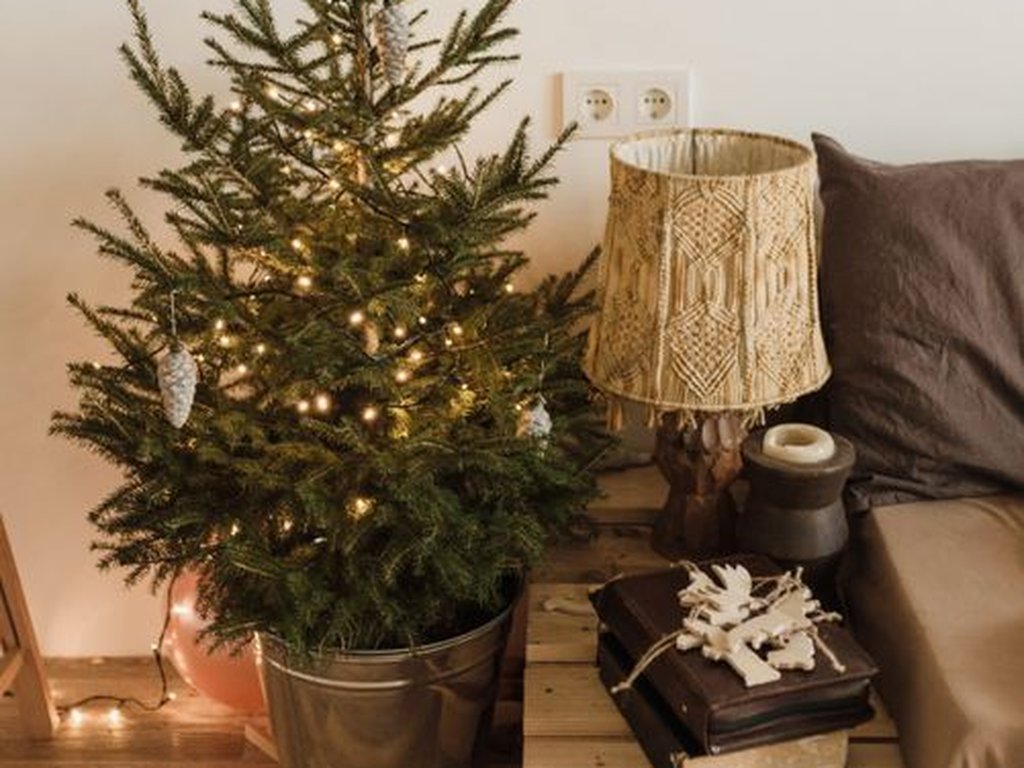
A small tabletop tree is the best choice for flats, dorms, and rooms with no floor space. Pick a tree 2 to 3 feet tall, place it in a basket or pot, and add 20 to 30 mini ornaments in one color scheme. Use battery fairy lights so you do not need a plug nearby, and top the tree with a star or bow. Place it on a side table, desk, or kitchen counter where you can see it. The Spruce suggests small-space tricks like using greenery and mirrors in small rooms when a full tree will not fit.
Add Pinecones and Berries
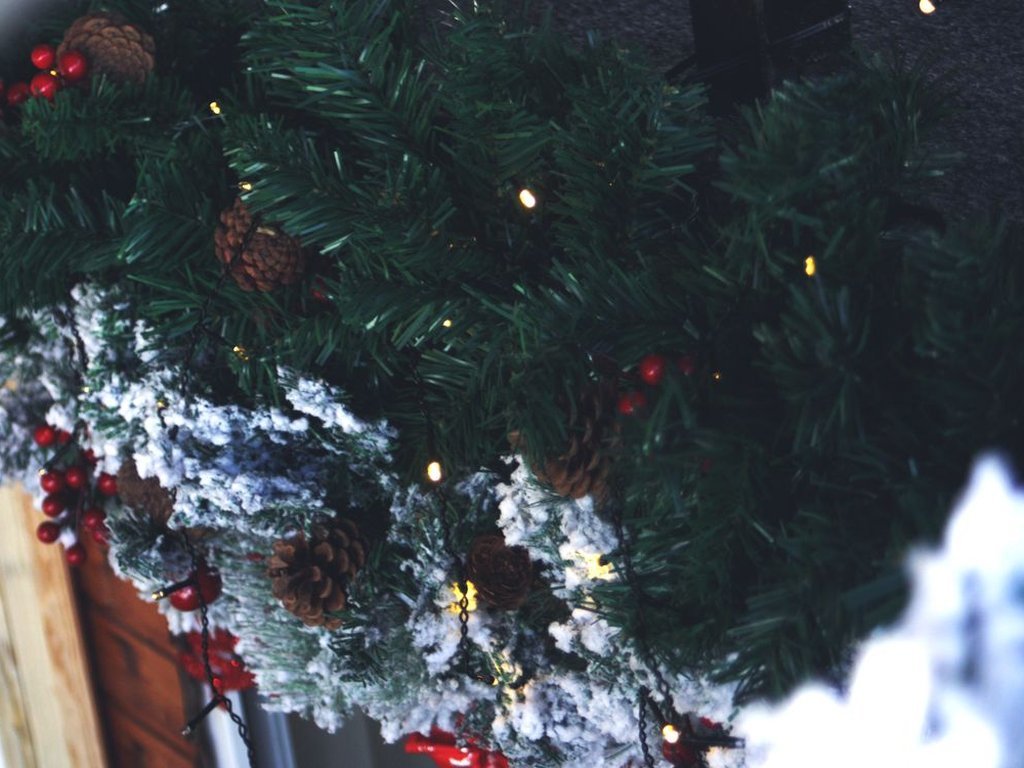
Pinecones and berries add natural texture and red color to a tree without much cost. Collect pinecones outdoors, bake them at low heat to kill bugs, then spray a few with gold paint and leave the rest plain. Tuck them into branches with floral wire, and add red berry picks in clusters of three. Use warm white lights and a burlap or plaid skirt to match the natural look. This style suits woodland, rustic, and farmhouse trees, and the pinecones can be reused for many years if stored dry.
Hang Red Star Ornaments

Red star ornaments give a Christmas tree a bold, cheerful look with very little effort. Hang red glass and wooden stars in two sizes from the branches, mixing shiny and matte finishes so the tree has depth. Add warm white lights, a red ribbon garland, and a gold star topper to pull the look together. Use about 15 to 20 stars on a 6-foot tree, placing larger stars deep in the branches and small ones near the tips. This style suits classic and farmhouse trees, and it pairs well with red stockings and a plaid skirt.
Finish With a Star Topper

A star topper is the classic finish that makes a tree look complete. Pick a topper that matches your palette, such as gold for classic trees, silver for white trees, or wood for rustic trees. Place it after the lights but before most ornaments, while you can still reach the top without knocking things off. Homes and Gardens advises putting lights on first, then the topper, so the top stays secure and visible. Measure the topper first so it suits the tree height and does not lean.
Frequently Asked Questions
How many ornaments do I need for a Christmas tree?
You need about 10 ornaments per foot of tree height, so a 6-foot tree needs around 60 ornaments and a 7-foot tree needs around 70. Count large, medium, and small ornaments together, and add a few extra picks or bows to fill gaps. Start with large ornaments deep in the branches, then add small ones near the tips.
What order should I decorate a Christmas tree in?
Decorate a Christmas tree in this order: lights first, then topper, then ribbon or garland, then large ornaments, then small ornaments and picks, and last the skirt or collar. Lights go first because they sit deep in the branches and are hard to add later. This order also stops you from knocking ornaments off while you work.
How many lights do I need per foot of tree?
You need about 100 lights per foot of tree for a full look, so a 6-foot tree needs about 600 lights and a 7-foot tree needs about 700. Use fewer lights for a soft glow and more for a bright, full tree. Test each strand before you hang it so you do not have to remove dead lights later.
Can I mix ornament colors on one tree?
Yes, you can mix ornament colors if you keep to two main colors and one accent color. For example, pair red and gold with a touch of green, or blue and silver with a touch of white. Mixing too many bright colors can make the tree look messy, so repeat each color in at least three spots.
What is the best tree skirt for a Christmas tree?
The best tree skirt is one that matches your tree style and covers the stand fully. Use velvet for classic trees, burlap for rustic trees, faux fur for white trees, and a metal collar for modern trees. Measure the tree base first, and pick a skirt at least 48 inches wide for a 7-foot tree.
How do I make a small tree look full?
Make a small tree look full by fluffing every branch, adding lights deep inside, and tucking picks, berries, and ribbon into thin spots. Place large ornaments near the trunk and small ones at the tips to add depth. A full skirt or basket at the base also makes the tree look taller and more finished.
Should I use warm white or cool white lights?
Use warm white lights for classic, rustic, and woodland trees because they give a soft, cozy glow. Use cool white lights for white, silver, and blue trees because they suit the icy palette. Do not mix warm and cool white on one tree, since the clash makes the tree look uneven.
How do I store Christmas tree ornaments safely?
Store ornaments in a sturdy box with dividers, wrap glass pieces in tissue paper, and keep the box in a dry place away from heat. Label each box by color or style so you can find sets next year. Keep heavy ornaments at the bottom and light paper ornaments on top to stop crushing.
Conclusion
A good Christmas tree starts with one clear style, not a pile of random ornaments. Pick a palette you love, add lights first, then ribbon, large ornaments, small ornaments, and a topper that fits the theme. Use the 20 Christmas tree decor ideas in this guide as a starting point, and change one or two details each year so the tree stays fresh. With a little planning, your tree can look polished, feel personal, and bring joy to your home all season long. For more ideas, browse the Ideas Home Accessories blog and the Ideas Home Accessories homepage.