
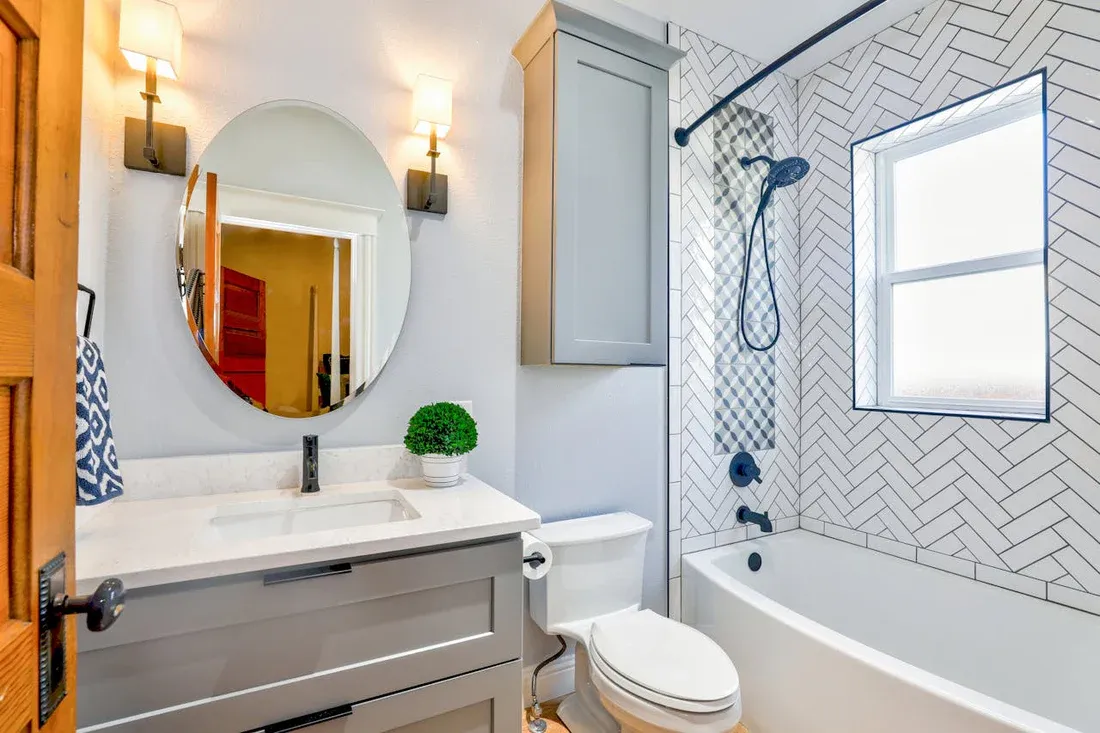
If you’ve ever stood in your bathroom and thought, “This space feels too tight,” you’re not alone. Small bathrooms are one of the most common challenges in modern homes. Whether it’s a compact apartment, a guest washroom, or an older home layout, limited space can feel frustrating.
But here’s the truth: a small bathroom is not a bad bathroom. In fact, with the right design choices, it can become one of the most beautiful and functional spaces in your home.
Imagine walking into a tiny bathroom that feels open, bright, and thoughtfully designed. Every item has its place. The lighting is soft but effective. The mirror makes the room feel twice its size. That’s the power of smart design.
Small Design Bathrooms – Smart Ideas to Make Tiny Spaces Feel Luxurious
In this guide, you’ll discover practical, designer-inspired ideas to transform your small bathroom into a stylish and comfortable space—without needing a huge budget or complicated renovations.
Space-Saving Layout Ideas
1. Floating Fixtures for an Open Feel
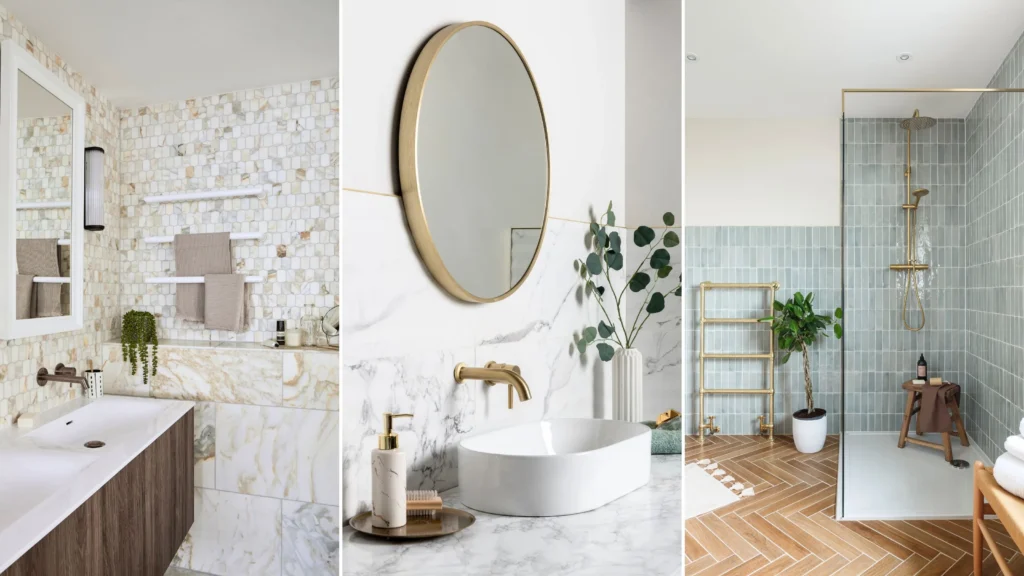
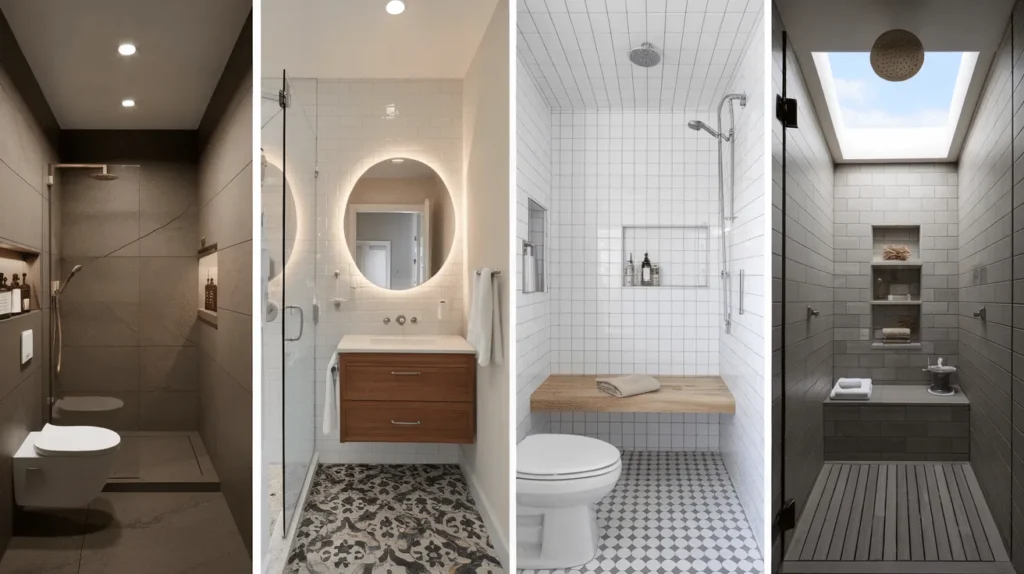
One of the easiest ways to create more visual space in small design bathrooms is by lifting elements off the floor. Floating vanities, wall-mounted toilets, and even open shelving can instantly make a bathroom feel less crowded.
When the floor is visible, your brain reads the room as larger. It’s a simple visual trick designers use all the time. A floating vanity, for example, creates breathing room underneath, making the space feel lighter and less boxed in.
In real homes, this works especially well in narrow bathrooms. Pair a wall-mounted sink with a slim cabinet above it, and suddenly the layout feels intentional instead of cramped. If you’re planning a remodel, this is one of the best space saving ideas you can apply without changing the entire structure.
Lighting Tricks
2. Layered Lighting for Depth
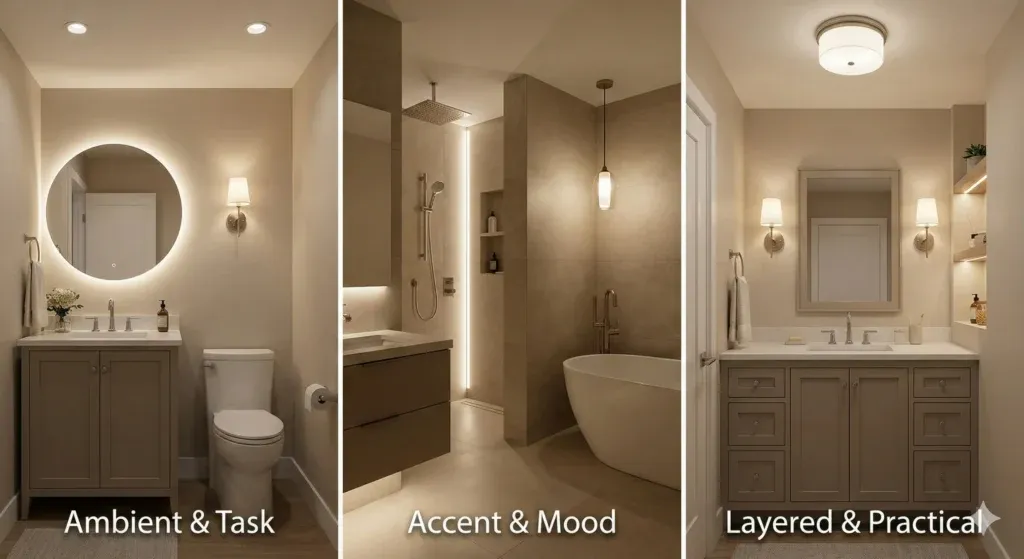
Lighting can completely change how a small bathroom feels. A single harsh light from above often creates shadows and makes the room feel smaller.
Instead, think in layers. Combine ceiling lights with soft wall sconces or LED strips under mirrors. This creates depth and spreads light evenly across the room.
For example, adding warm lighting behind a mirror gives a soft glow that feels luxurious, almost like a hotel bathroom. According to lighting principles explained by resources like Energy.gov , layered lighting improves both function and comfort.
In small design bathrooms, good lighting doesn’t just help you see better—it makes the space feel bigger, calmer, and more inviting.
Color and Paint Ideas
3. Light Colors with Subtle Contrast
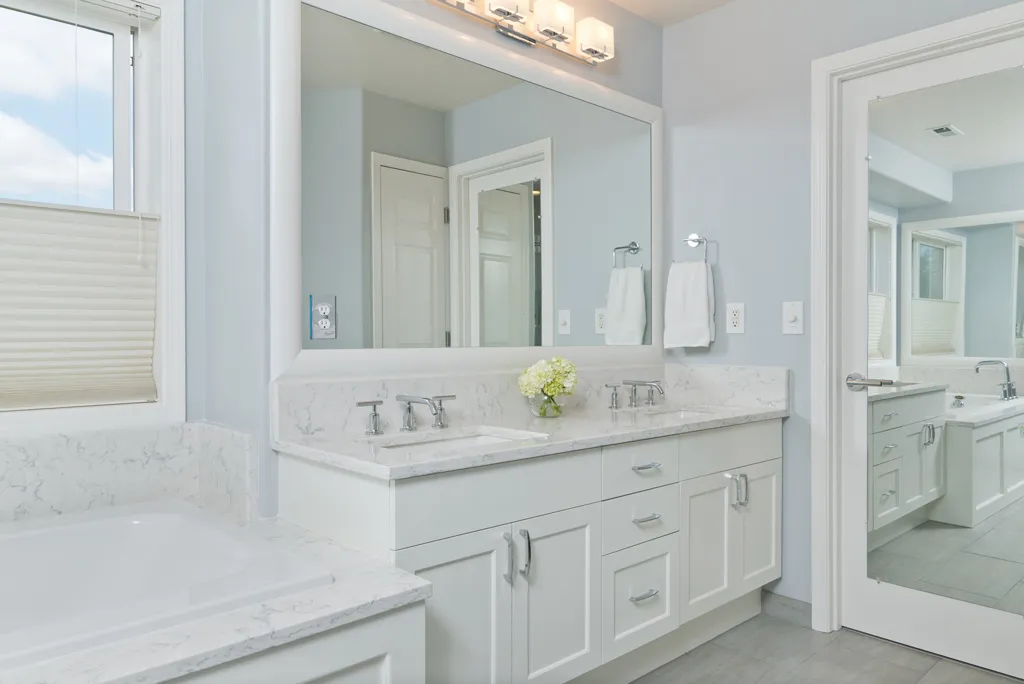
Color plays a huge role in how we perceive space. Light shades like soft white, pale grey, or muted beige reflect more light, making a room feel open.
But here’s where many people go wrong—they use only one flat color. The result? A boring, lifeless bathroom.
Instead, add subtle contrast. For example, pair white walls with a slightly darker vanity or textured tiles. This adds depth without making the room feel smaller.
A modern design approach often includes neutral tones with natural textures—like stone or wood finishes. You can explore color psychology further through design insights from Sherwin-Williams colors.
Mirror and Reflection Ideas
4. Oversized Mirrors to Double the Space
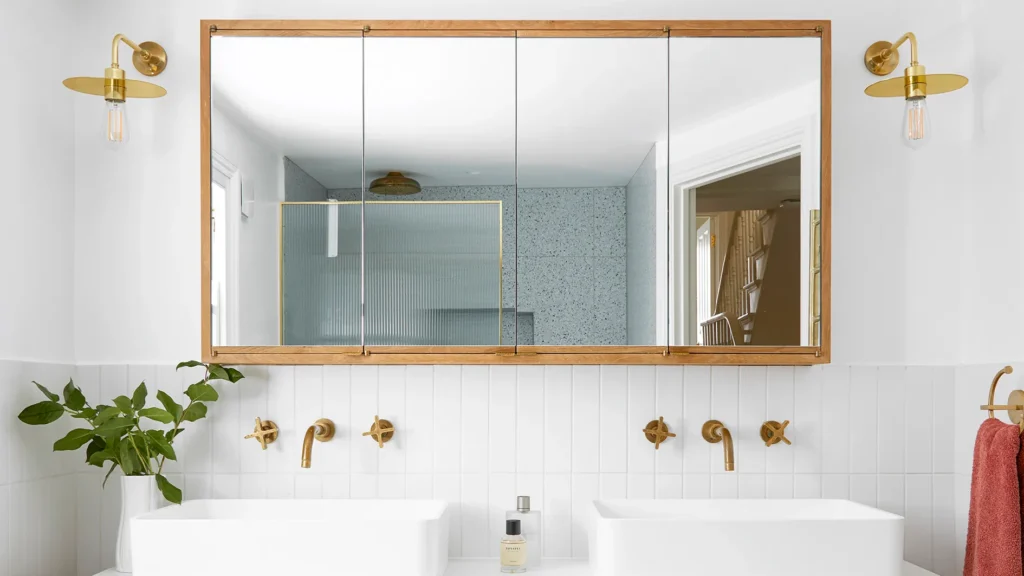
Mirrors are one of the oldest tricks in the book—but they work every time. A large mirror reflects both light and space, instantly making a bathroom feel bigger.
Instead of a small, standard mirror, go for a wall-to-wall mirror above the vanity. This creates a seamless look and removes visual breaks.
In many small ideas used by designers, mirrors are not just functional—they’re part of the decor. A round mirror with a thin black frame, for example, can add a modern touch while still keeping the space open. If you explore more design related room design then click here.
Storage Solutions
5. Vertical Storage That Works Hard
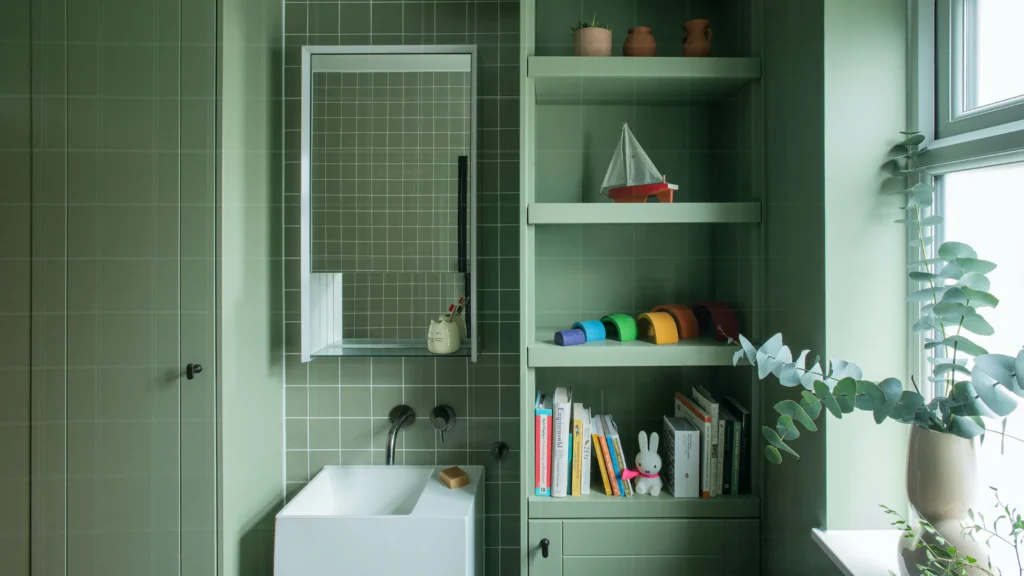
When floor space is limited, the only way to go is up. Vertical storage is a game-changer for small bathrooms.
Think tall cabinets, open shelves above the toilet, or even hooks behind the door. These solutions keep essentials organized without cluttering the room.
A practical example: install narrow shelves to store towels and toiletries. Keep frequently used items at eye level and decorative items higher up. This balance keeps the bathroom functional and visually appealing.
Shower and Fixtures
6. Glass Showers for Visual Continuity
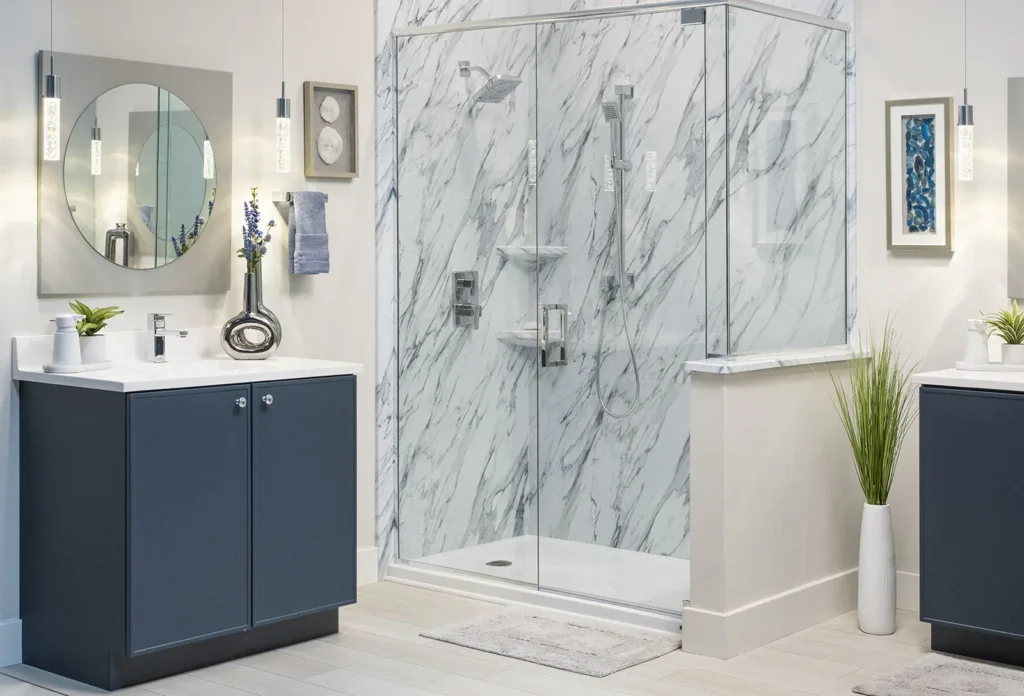
Shower curtains can break up a small bathroom visually, making it feel even tighter. A glass shower enclosure, on the other hand, keeps the sightline open.
Frameless glass is especially effective in modern design. It blends seamlessly with the rest of the space, creating a clean and uncluttered look.
Even in very small bathrooms, replacing a bulky shower setup with a sleek glass panel can completely transform the feel of the room.
Decor and Styling Tips
7. Minimal Decor with Maximum Impact
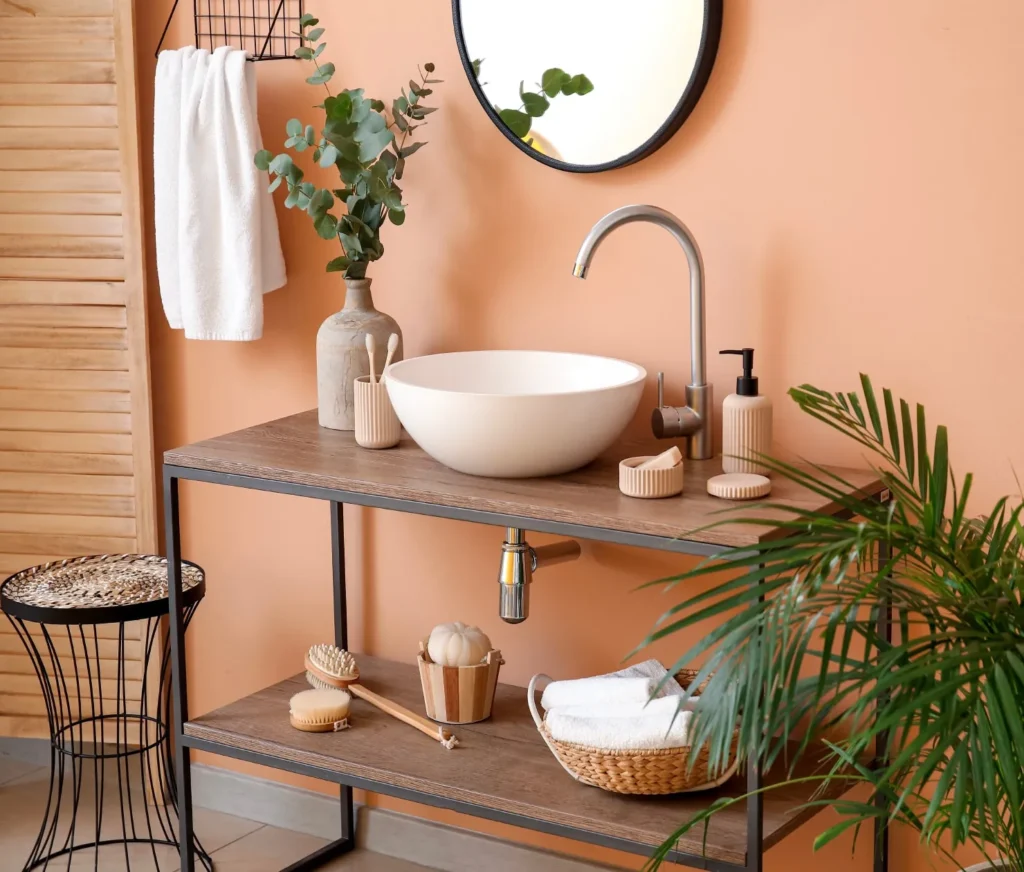
In small spaces, less is more—but that doesn’t mean no style. The key is choosing a few meaningful decor pieces instead of filling every corner.
A small plant, a textured soap dispenser, or a piece of wall art can add personality without overwhelming the space.
Think of your bathroom like a carefully styled photo. Every item should have a purpose. This approach keeps the space calm and visually pleasing.
Budget-Friendly Upgrades
8. Quick Changes That Make a Big Difference
You don’t need a full renovation to improve a small bathroom. Simple updates can have a big impact.
Change old fixtures, update cabinet handles, or repaint the walls. Even swapping out an outdated mirror for a modern one can refresh the entire space.
These small ideas are perfect if you’re working on a budget but still want a noticeable transformation.
Designer Tricks
9. Use Patterns Carefully
Patterns can add character—but in small bathrooms, they need to be used wisely.
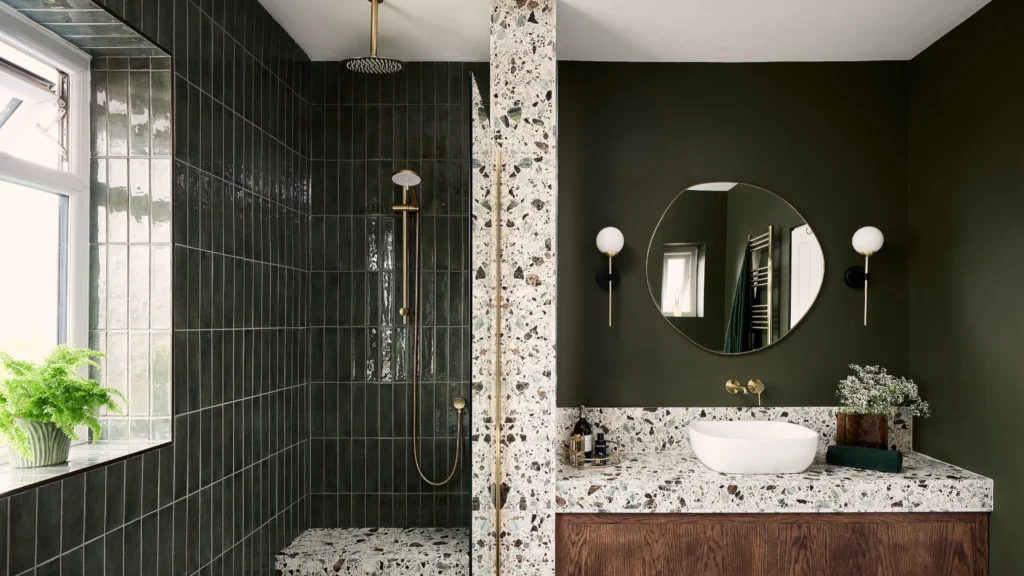
Instead of covering every wall, use patterned tiles on one feature wall or the floor. This creates a focal point without making the room feel busy.
A popular modern design trend is geometric tiles paired with neutral walls. This balance keeps the space stylish yet uncluttered.
Small Details That Matter
10. Consistency in Finishes
One often overlooked detail is consistency. Mixing too many finishes—like chrome, gold, and black—can make a small bathroom feel chaotic.
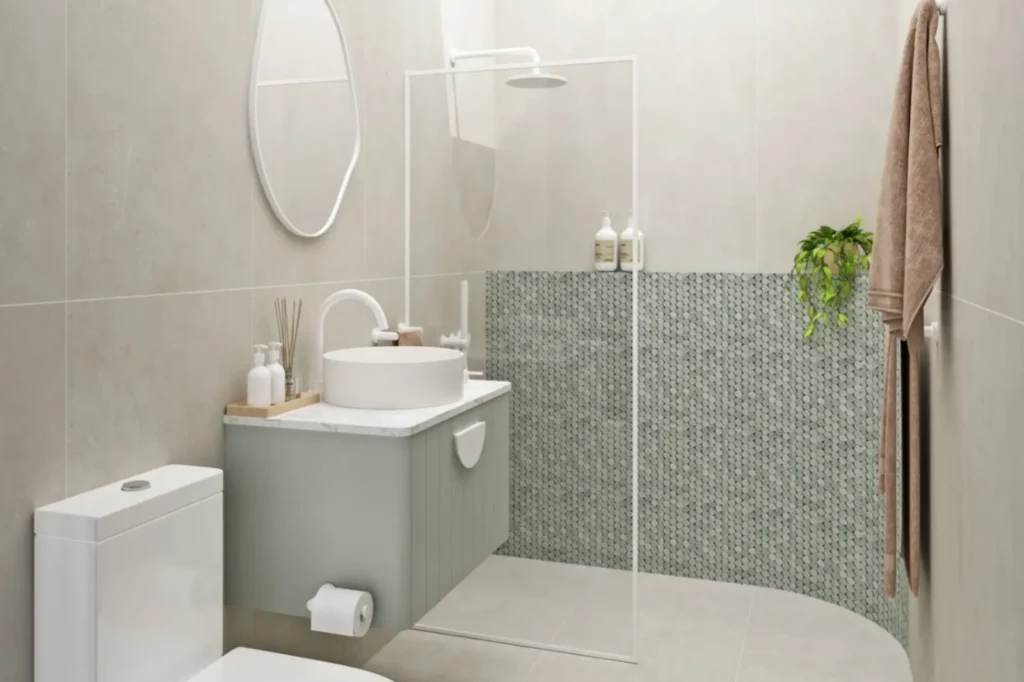
Choose one or two finishes and stick with them. This creates a cohesive look that feels intentional and polished.
Even small choices like matching towel racks and faucets can elevate the overall design.
Why This Matters
A well-designed bathroom is more than just a functional space. It affects how you start and end your day.
When your bathroom feels clean, organized, and beautiful, it creates a sense of calm. Even a small space can feel like a personal retreat when designed thoughtfully.
Common Mistakes to Avoid
- Using dark colors everywhere, making the space feel smaller
- Overloading with decor and accessories
- Ignoring lighting quality
- Choosing bulky furniture
- Not using vertical space
- Mixing too many styles
- Poor mirror placement
Best Tips for Beginners
Start simple. Focus on light colors, good lighting, and decluttering.
Measure your space carefully before buying anything.
Choose multi-functional items, like storage mirrors or compact vanities.
Stick to a clear design theme—modern, minimal, or classic.
Upgrade step by step instead of doing everything at once.
Real-Life Example
Before: A small bathroom with dark tiles, a heavy vanity, and poor lighting. It felt cramped and outdated.
After: The space was redesigned with a floating vanity, soft white walls, a large mirror, and layered lighting. A glass shower replaced the curtain, and vertical shelves added storage.
The result? The bathroom felt twice as big, brighter, and far more inviting—without expanding the actual space.
FAQ Section
1. What color is best for small bathrooms?
Light colors like white, beige, and soft grey work best to reflect light and create an open feel.
2. How can I make my bathroom look bigger?
Use mirrors, good lighting, and space saving ideas like floating fixtures.
3. Are dark bathrooms a bad idea?
Not always, but they need strong lighting and balance to avoid feeling cramped.
4. What type of mirror is best?
Large or wall-to-wall mirrors are ideal for small design bathrooms.
5. How do I add storage in a tiny bathroom?
Use vertical shelves, wall hooks, and compact cabinets.
6. Is glass shower better than curtain?
Yes, it keeps the space visually open and modern.
Conclusion
Designing a small bathroom doesn’t have to feel limiting. In fact, it’s an opportunity to get creative and thoughtful with every detail.
From smart layouts and lighting tricks to stylish decor and practical storage, small design bathrooms can be both beautiful and functional.
Start with one idea. Maybe it’s a new mirror, better lighting, or decluttering your space. Small changes can lead to big transformations.
And once you see the difference, you’ll realize—size doesn’t define style. Smart design does.


Pingback: Tudor Style House - Best Features, Ideas & Design Guide 2026