
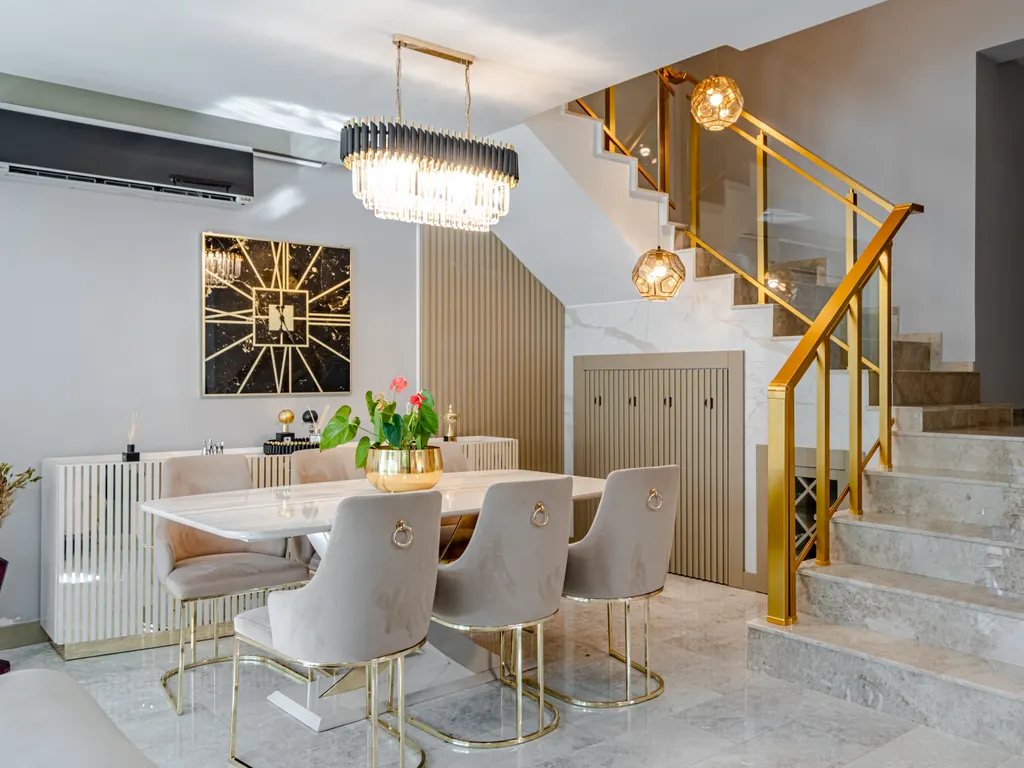
These dining room ideas will help you create a space that works for rushed weekday breakfasts and slow holiday dinners alike. With the hosting season underway, searches for dining room centerpiece ideas and dining room table decor are climbing fast, and it is easy to see why: the dining room is where the season actually happens. The 25 ideas below cover tables, seating, lighting, centrepieces, storage, rugs, wall treatments and small-space layouts, so you can borrow what fits your home and your budget.
Quick answer: Dining room ideas work best when the table size, light and walkways are sorted first, then one personal layer is added on top. Allow 24 inches of table width per person and 36 inches of clearance behind chairs, hang the chandelier 30 to 36 inches above the table, and keep centrepieces low so guests can see each other.
You do not need a renovation or a matching furniture set to make the room feel finished. Most of the changes here cost little, take an afternoon, and can be undone if you change your mind. Start with the pieces your family touches every day — the table, the chairs and the light — then add the layers that make the room feel like yours: colour, texture, art and a centrepiece that changes with the seasons.
If a holiday table is on your list, our 25 Elegant Thanksgiving Table Decor Ideas pairs perfectly with this guide. Use it for the feast itself, and use the ideas below for the room around it, all year long.
1. Start With a Table That Fits the Way You Actually Gather
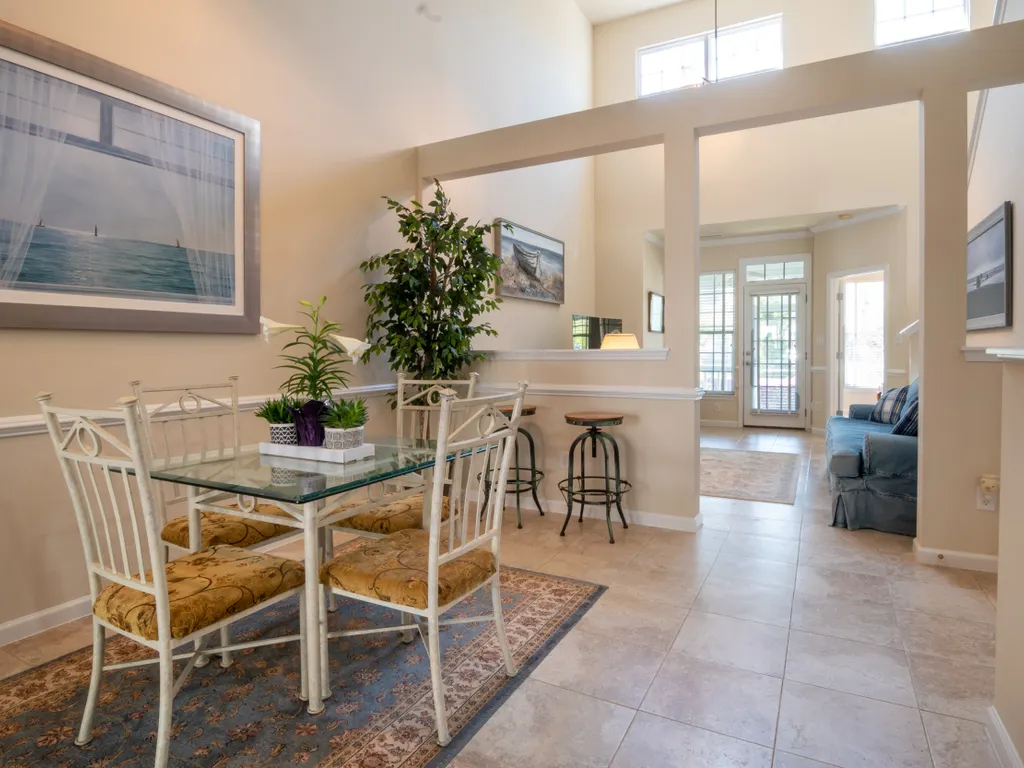
Before you fall for a style, measure honestly. Allow about 24 inches of table width per person and 36 inches of clearance behind each chair so nobody has to squeeze past a seated guest. A table that is too big crowds the room; one that is too small means elbows on the table edge at every meal.
Solid wood forgives daily life better than glass or high-gloss finishes, and an extendable leaf turns an everyday four-seater into a holiday table in seconds. If you host often, choose a table with leaves you can add without tools, and store them flat under a bed or behind the sideboard.
2. Mix Your Chairs Instead of Buying the Matching Set
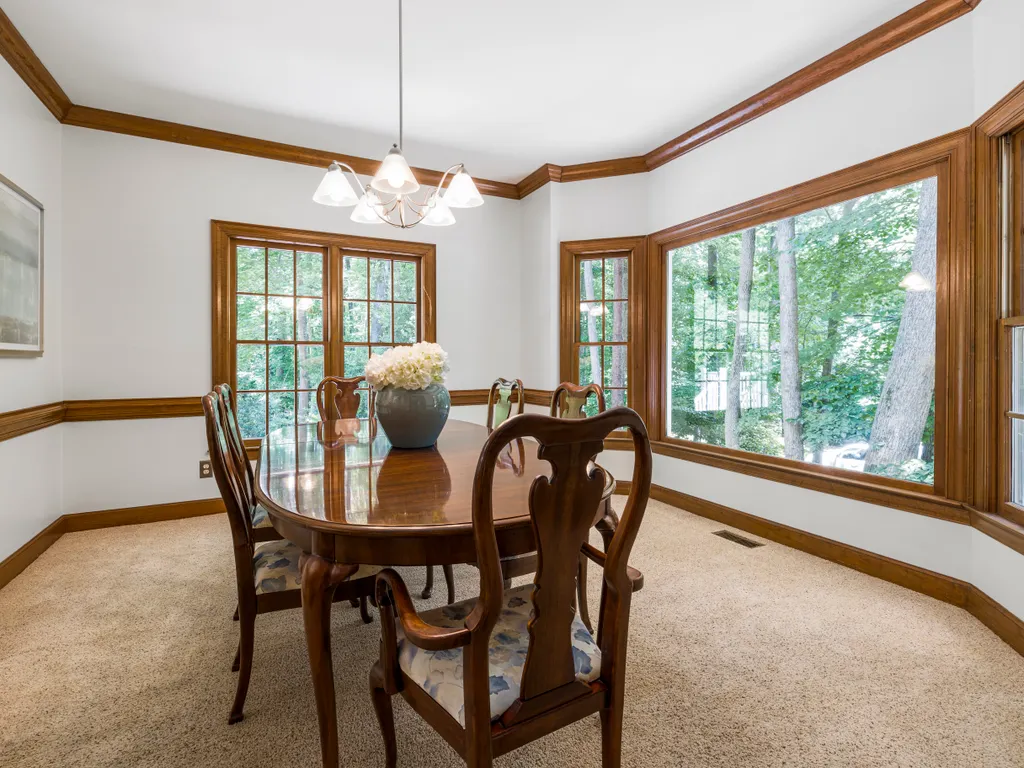
A matching set can make a dining room feel like a showroom. Try upholstered host chairs at the ends of the table and simpler wooden chairs along the sides. The mix feels collected and personal, and it lets you give the two people who sit longest the most comfortable seats.
Keep one common thread so the mix looks deliberate: the same wood tone, the same seat height, or the same fabric family. If the chairs are different heights, check that everyone can reach the table comfortably, and add a cushion to lower chairs rather than buying a whole new set.
3. Hang a Statement Chandelier at the Right Height
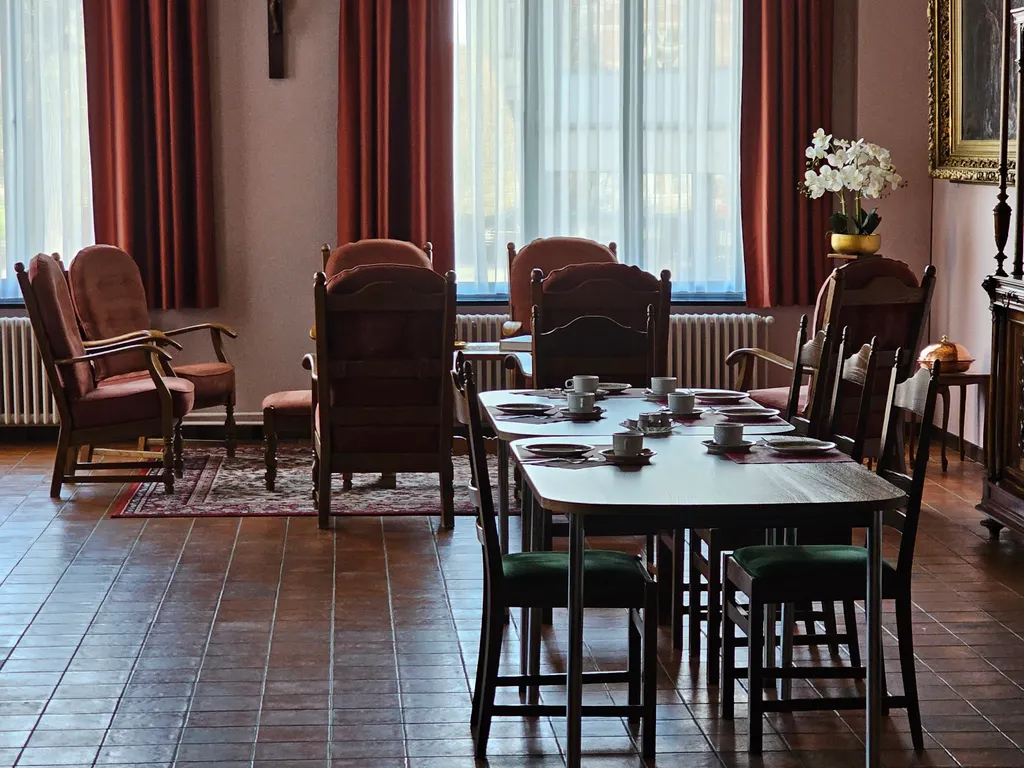
Lighting sets the mood of the whole room, so treat the chandelier as the centrepiece above the table. Hang its bottom edge 30 to 36 inches above the tabletop, and choose a fixture about one-half to two-thirds as wide as the table. Too high and the light feels lost; too low and it blocks conversation.
Put the fixture on a dimmer so the same light works for homework at four in the afternoon and a candlelit dinner at eight. Warm bulbs around 2700K flatter food and faces, and if your ceiling is low, a semi-flush fixture gives you the same drama without the dangling risk.
4. Build a Centrepiece You Can See Over
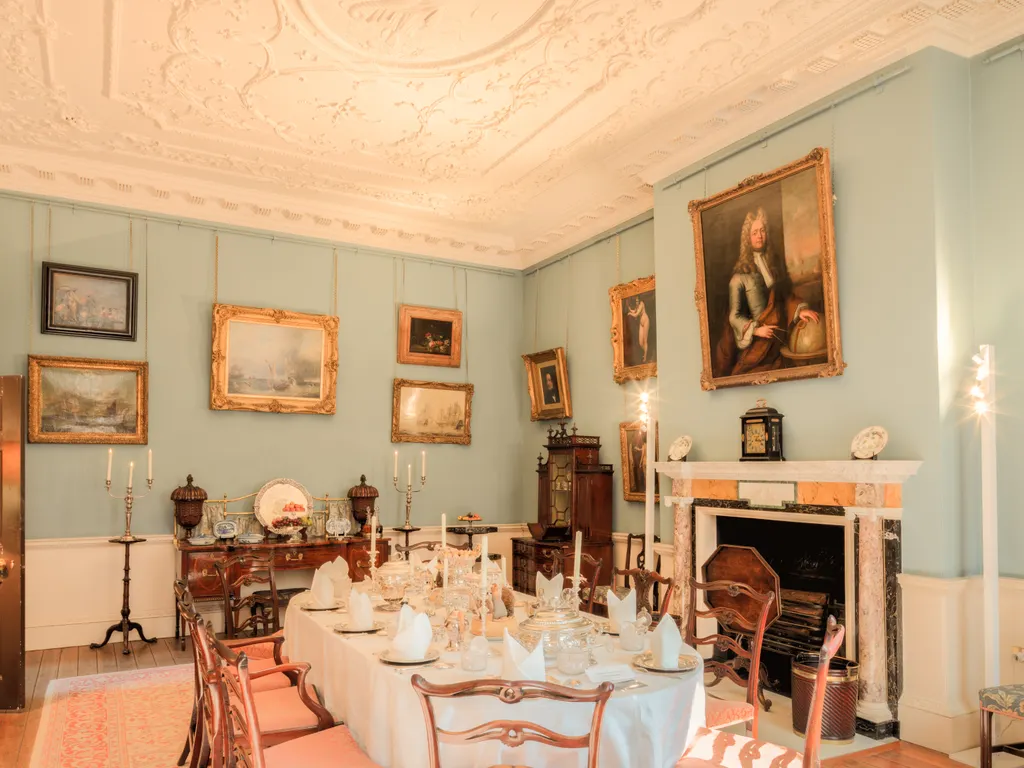
The best centrepieces stay low. Keep arrangements under 12 inches tall or use a flat runner with candles and greenery, so guests can see each other instead of a wall of flowers. A centrepiece should frame the conversation, not block it.
Build your centrepiece on a tray so you can lift the whole thing off when it is time to serve. Then the seasonal swaps are easy: fresh greenery in winter, citrus and herbs in summer, and a few pumpkins or pinecones when autumn arrives.
5. Add a Sideboard for Storage and Serving
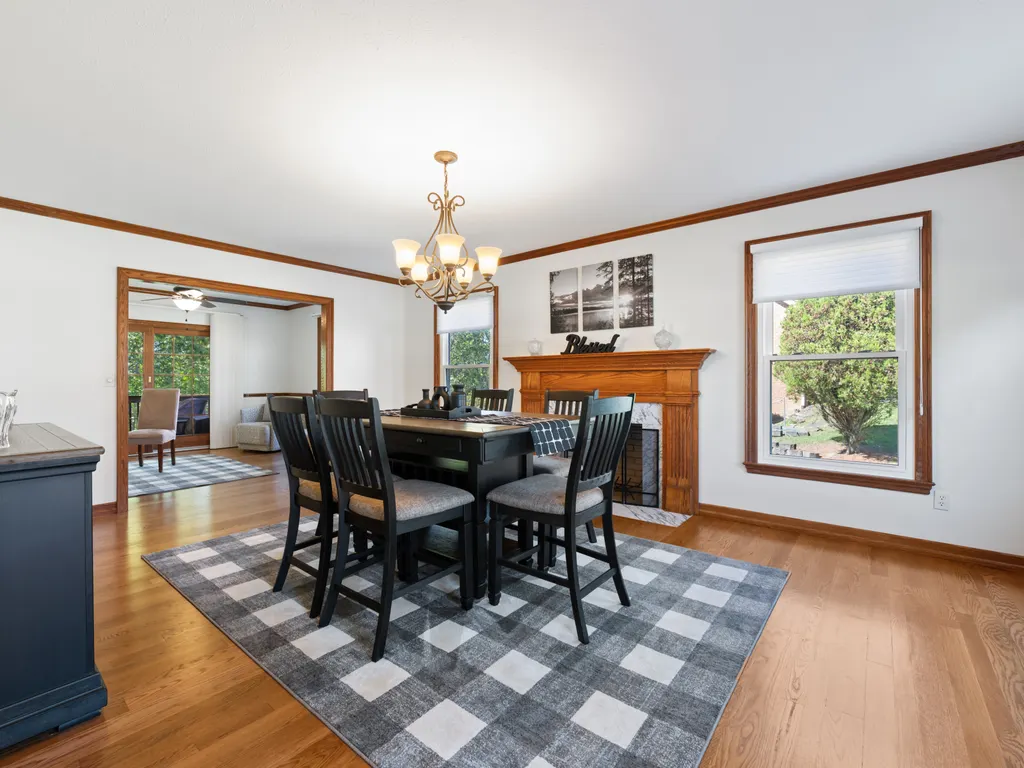
A sideboard is the hardest-working piece in a dining room. It stores placemats, candles, vases and serving dishes within arm’s reach, and at party time it becomes a buffet or a drinks station, keeping the table clear for the meal itself.
Choose one about as long as your table, or a little shorter, and leave at least 24 inches of walkway in front of it. The top is prime decorating space: a lamp, a mirror or a stack of cookbooks, and a vase you can swap with the seasons.
6. Layer a Rug That Is Big Enough for Pulled-Out Chairs
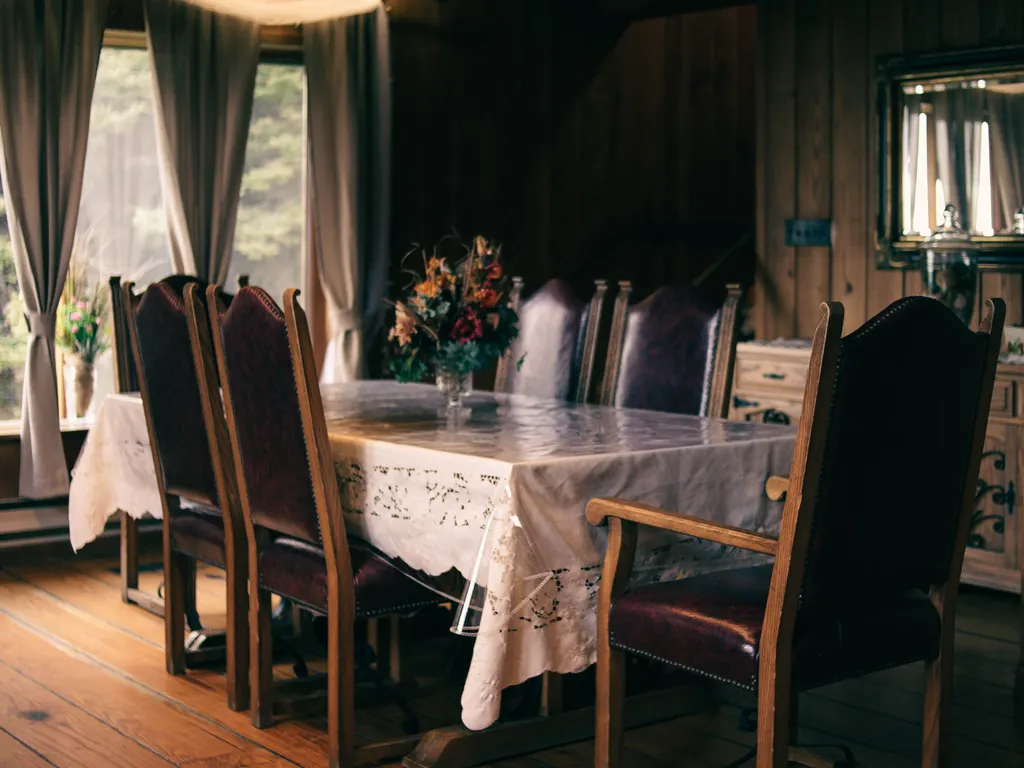
A rug that is too small is worse than no rug at all: chairs catch on the edge every time someone sits down. Size yours at least 24 inches larger than the table on all sides so chairs stay on the rug even when pulled out.
Pick a low pile or flatweave so chairs slide easily and crumbs vacuum up without a fight. With kids or pets, an indoor-outdoor rug is a smart move — most can be hosed down or scrubbed, and the patterns have become genuinely good looking.
7. Try a Round Table for Small Rooms and Easy Conversation
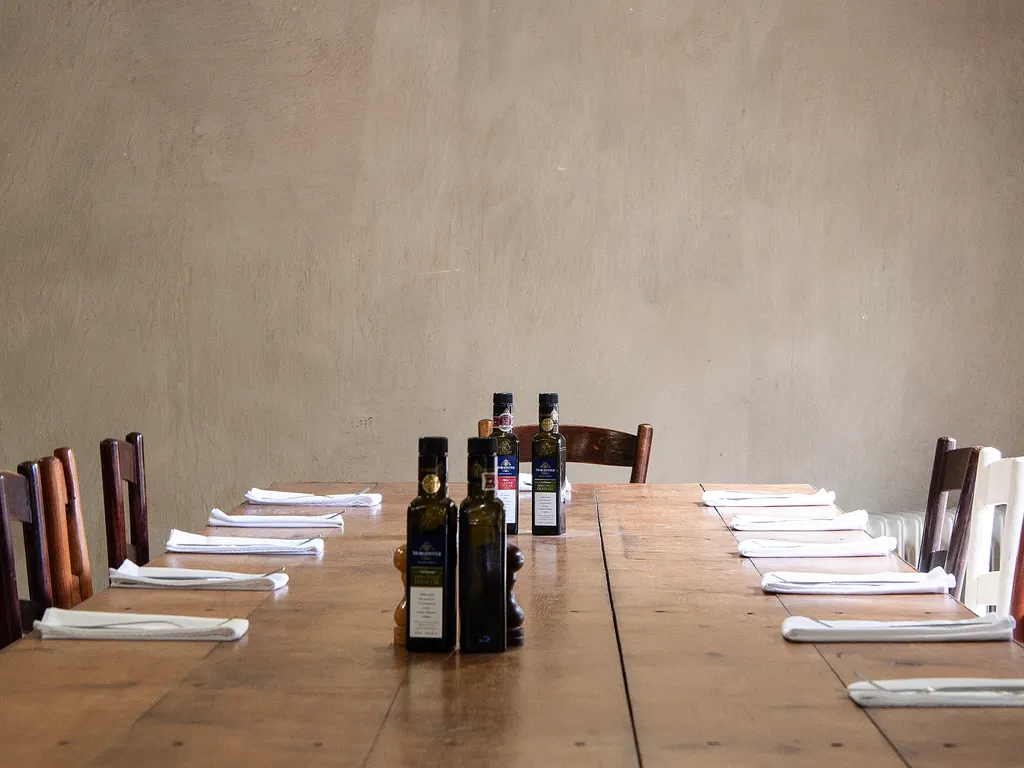
Round tables seat more people per square foot of floor than rectangular ones, and everyone can see everyone else, which makes conversation flow. A 48-inch round seats four comfortably, while a 60-inch round seats six, and there are no corners to bump into in a tight room.
A pedestal base is the trick that makes a round table work: it frees up legroom so you can squeeze in an extra chair when friends drop by. For more space-saving dining furniture, browse IKEA’s dining room ideas — the extendable rounds and drop-leaf tables are made for exactly this problem.
8. Add a Bench on One Side for Flexible Seating
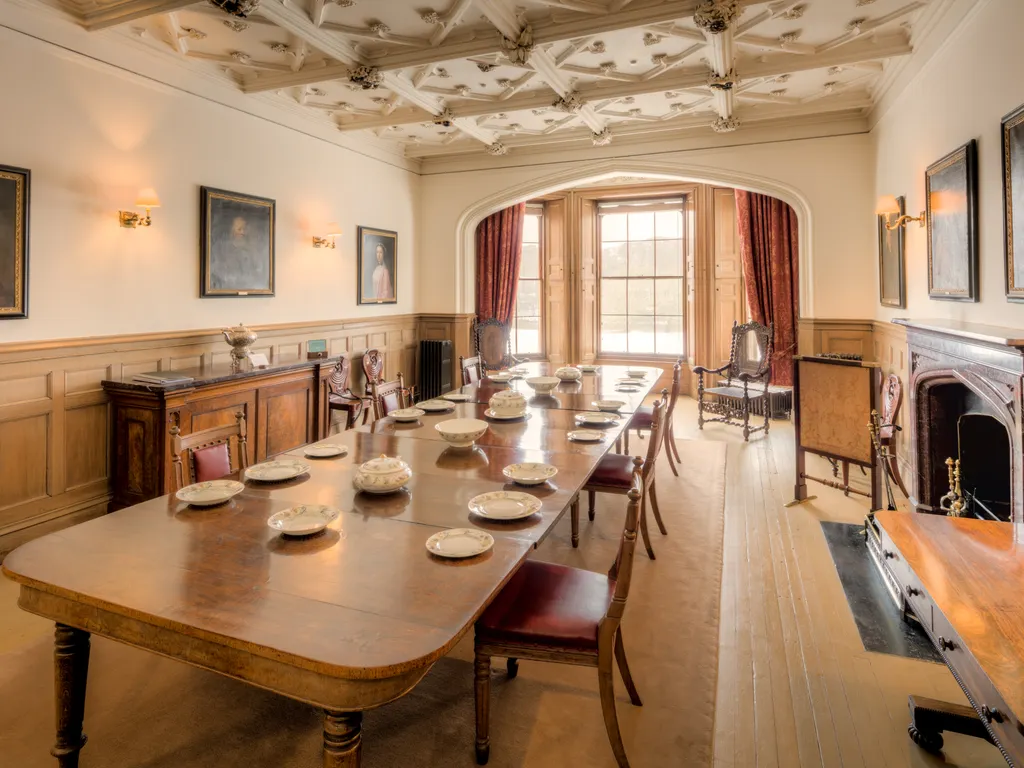
A bench on one side of the table is the most flexible seat in the house. It slides underneath when not in use, it holds two adults or three children, and it keeps the room looking open because there are no chair backs blocking the view.
Keep the bench backless for the lightest look, and add a long cushion if you want it comfortable enough for a full Sunday lunch. A bench in the same wood as the table ties the pairing together without looking matched.
9. Use a Mirror to Double the Light
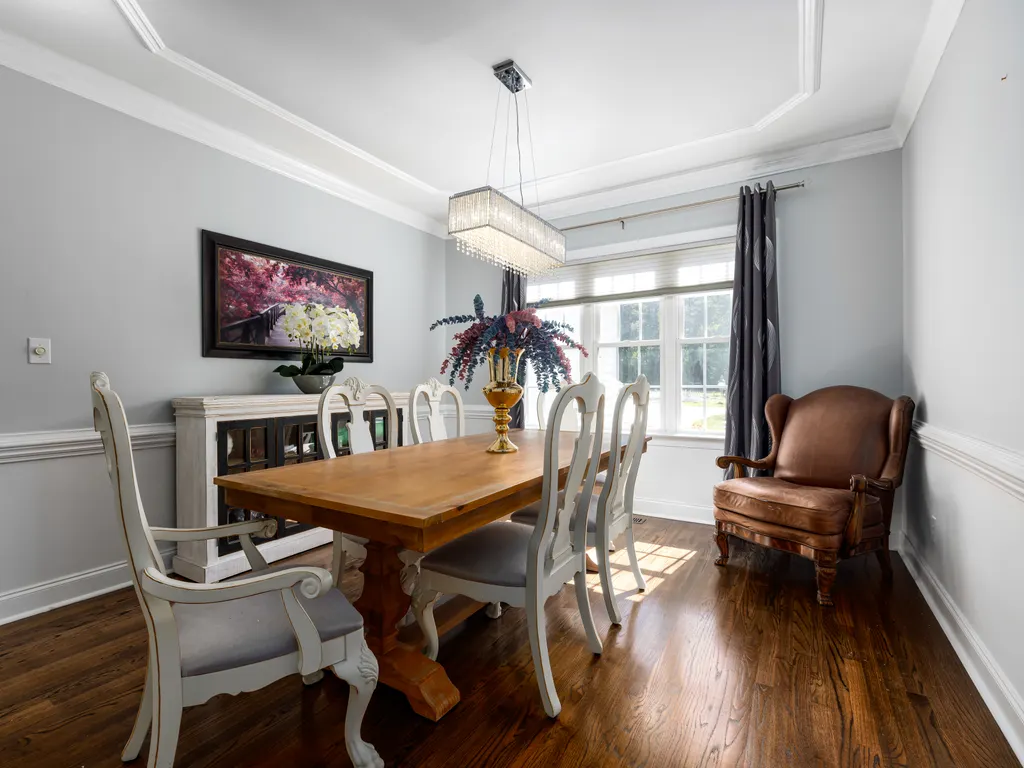
A large mirror opposite a window bounces daylight around the room and makes the space feel almost twice as large. It is the simplest fix for a dining room that feels dark or boxy, and it costs far less than a new window.
Hang the mirror so its centre sits at eye level, and make sure it reflects something worth looking at — the window, a plant, or the chandelier — not the cluttered side of the kitchen. A mirror over the sideboard is the classic placement for good reason.
10. Paint One Wall a Deep, Dining-Friendly Colour
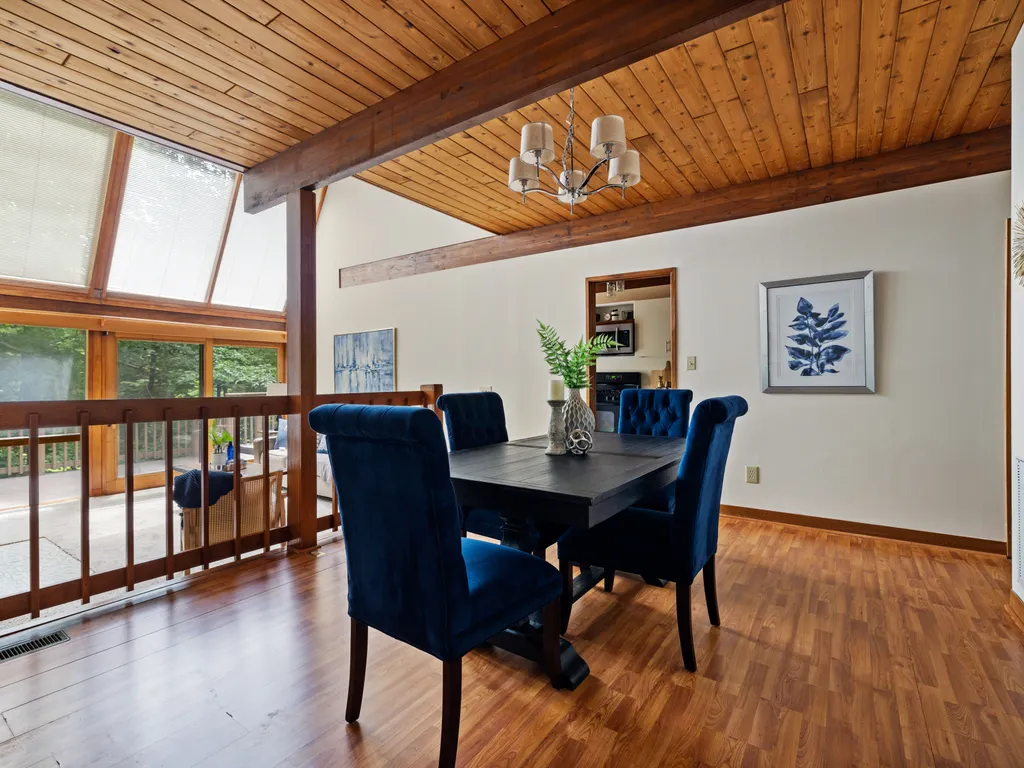
Deep green, navy or warm charcoal makes a dining room feel intimate and evening-ready, and the room needs only one painted wall to get the effect. Colour on the wall behind the sideboard or the table draws the eye and gives the room a focal point.
Test your sample at night under your actual lights before you commit, because colours shift dramatically after dark. Keep the ceiling and the table light so the room feels cosy rather than heavy, and use the same deep tone in a cushion or two to tie it together.
11. Bring In Wainscoting or Picture Moulding
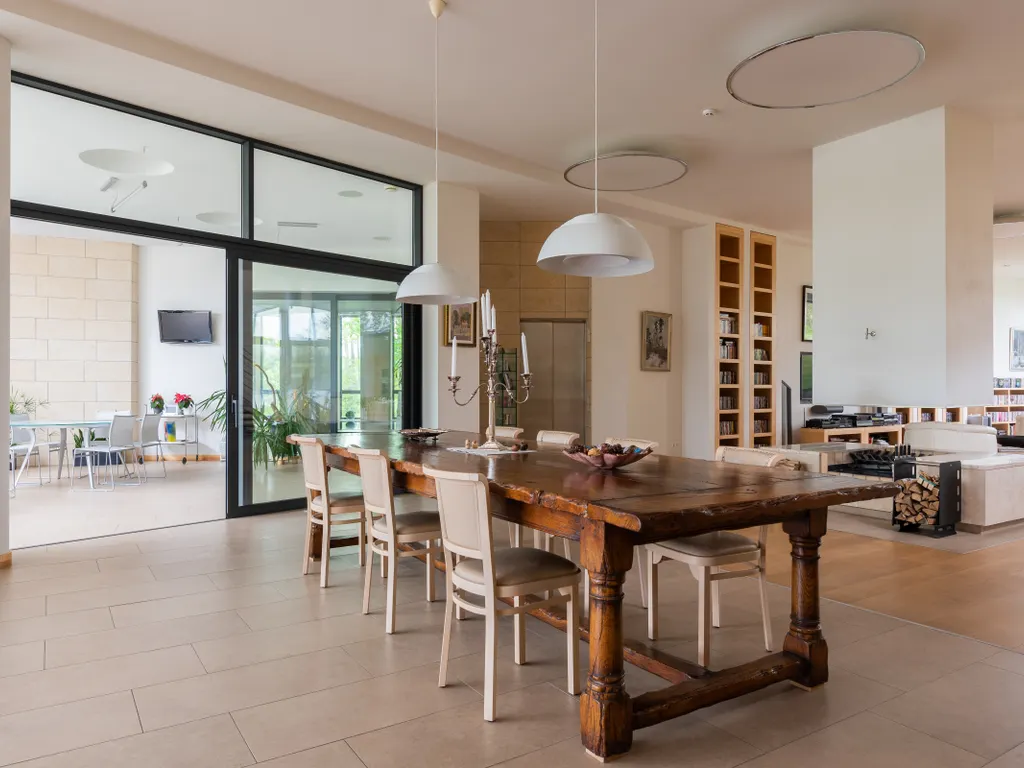
Wainscoting gives a plain dining room instant architecture, and it has a practical side too: it protects the lower wall from chair scuffs. Picture moulding frames the wall in rectangles and makes even a small room feel finished.
Paint the moulding the same colour as the wall for a subtle, tailored look, or choose a contrasting white on a coloured wall for a classic feel. Keep the chair rail at about one-third of the wall height, and hang art within the panels rather than across them.
12. Style a Hutch or Open Shelf With Everyday Pieces
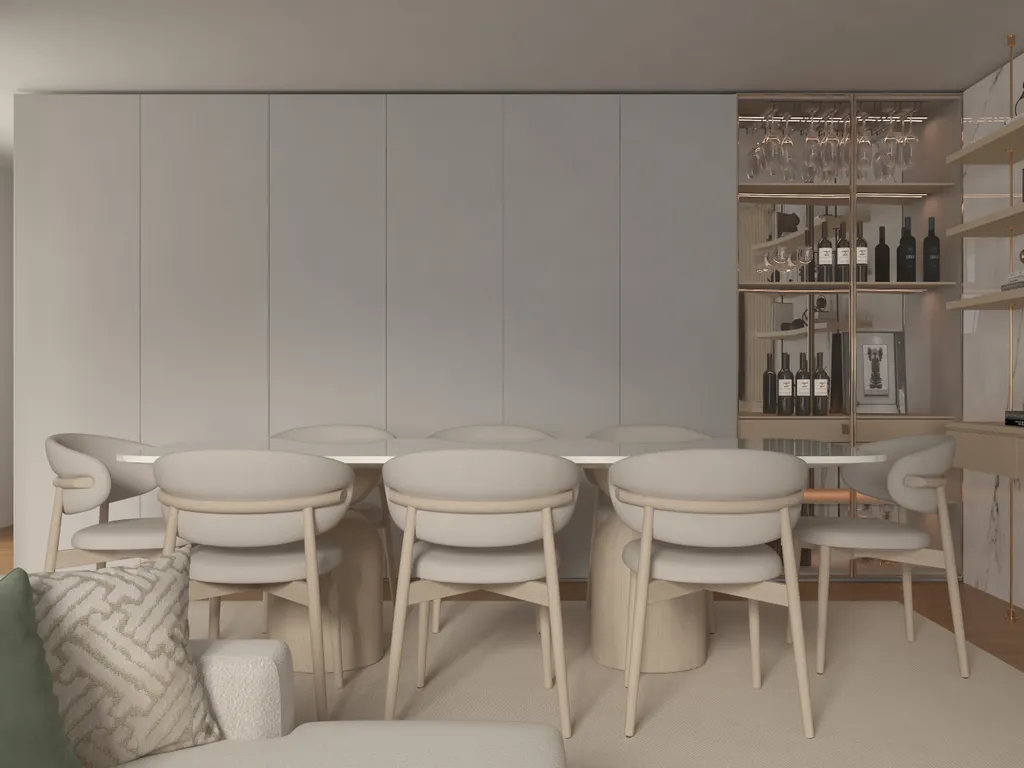
Display the dishes you actually use, not the ones you are saving for a special occasion that never comes. Group pieces by colour, vary their heights, and leave breathing room between groups so the shelf looks styled rather than stuffed.
Rotate the display with the seasons — a stack of white plates in summer, warm stoneware in autumn — and keep rarely used serving pieces on the highest shelf. A hutch that holds your real dishes earns its floor space every single day.
13. Choose Fabrics You Can Wash or Wipe
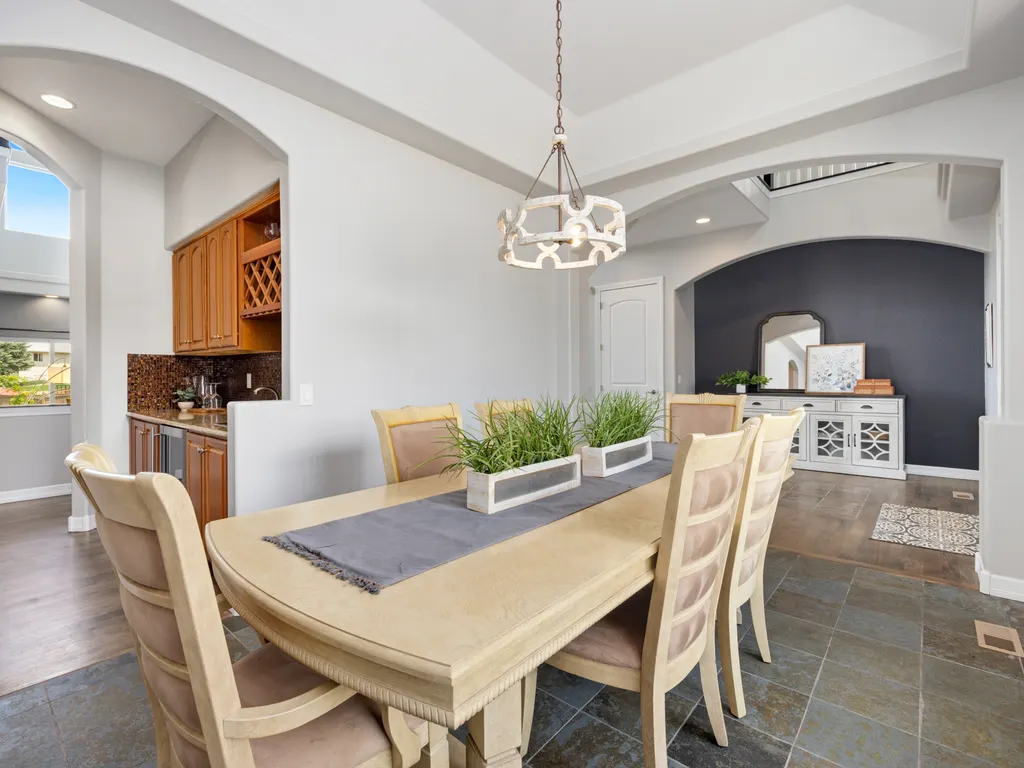
Dining rooms are where food, drink and small hands meet fabric, so choose seats that forgive spills. Performance fabrics, leather and vinyl wipe clean, and washable slipcovers mean a red-sauce accident is a laundry load, not a disaster.
Before you buy, test a fabric sample with the foods your family actually eats: tomato sauce, red wine, coffee. Darker patterns hide marks between washes, and a washable tablecloth or runner protects the table while adding colour.
14. Let the Windows Do the Work
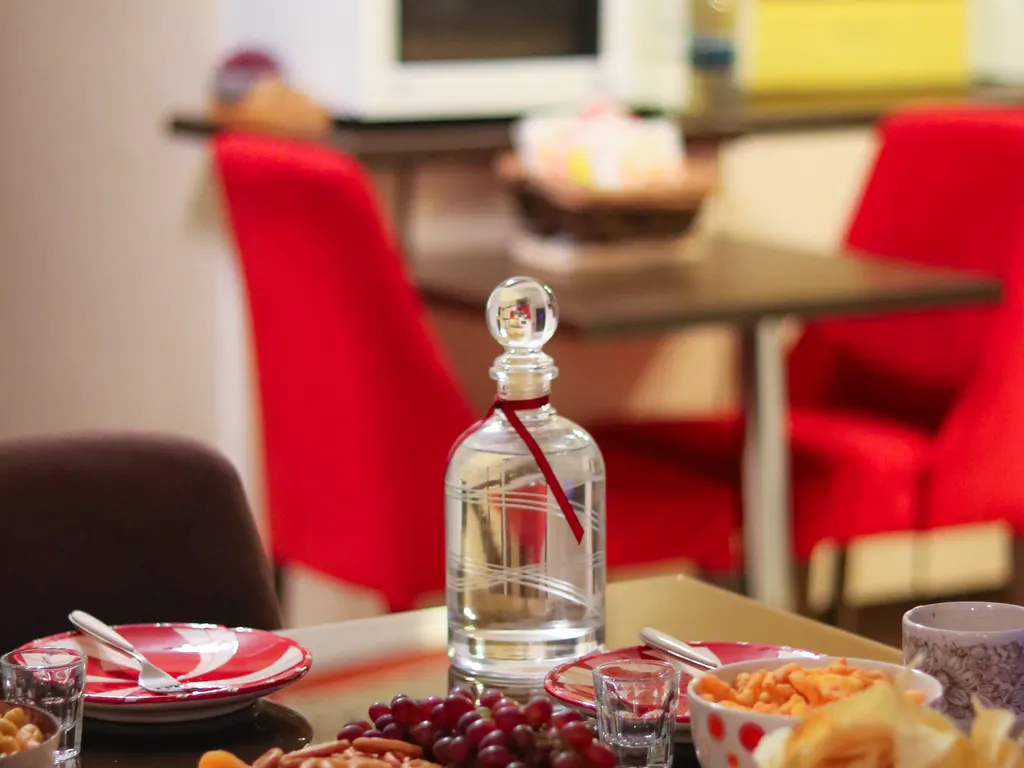
Natural light is the best free decorating tool a dining room has. Sheer linen curtains soften the light without blocking it, and a rod hung high and wide makes the window — and the room — look bigger than it is.
Keep windowsills clear of clutter so light flows in, and clean the glass at the start of each season; you will be surprised at the difference. If the view is not inspiring, a low plant on the sill draws the eye without blocking the light.
15. Rotate Your Table Decor With the Seasons
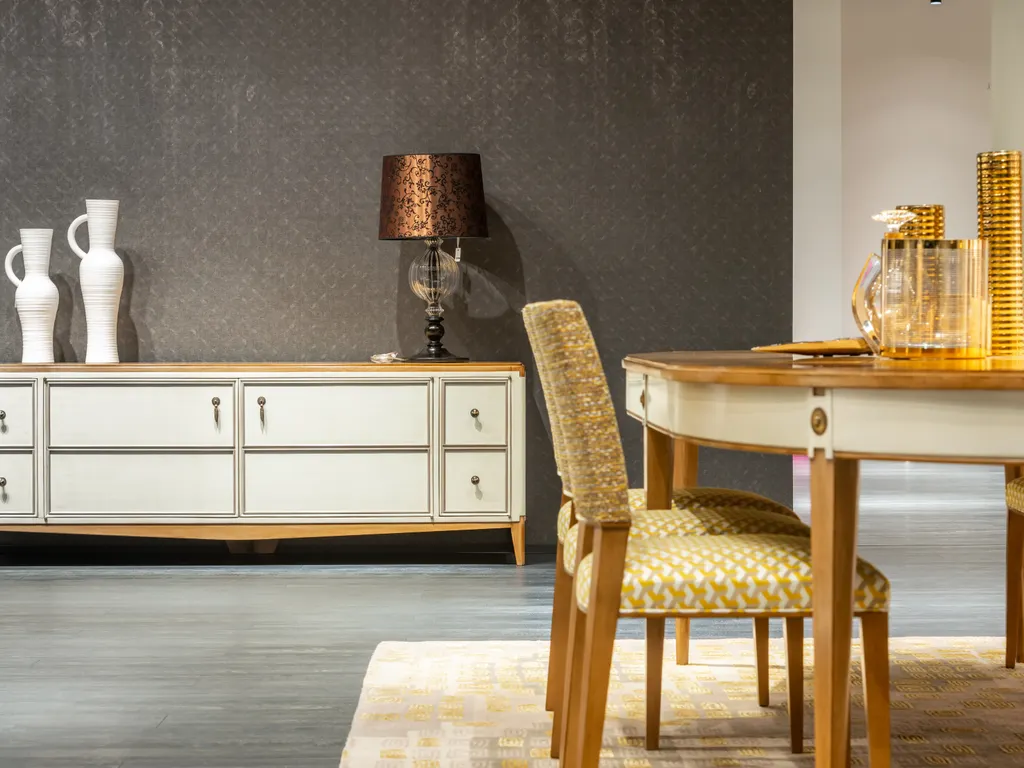
Keep one simple base — a linen runner, plain candleholders and neutral dishes — and swap just a few accents each season. It takes ten minutes, costs almost nothing, and the room feels fresh four times a year instead of frozen in one look.
Our seasonal dining table ideas show one base styled five different ways, so you can copy the formula. Store each season’s accents in one labelled box, and the switch becomes a ritual you actually enjoy.
16. Carve Out a Dining Nook in an Unused Corner
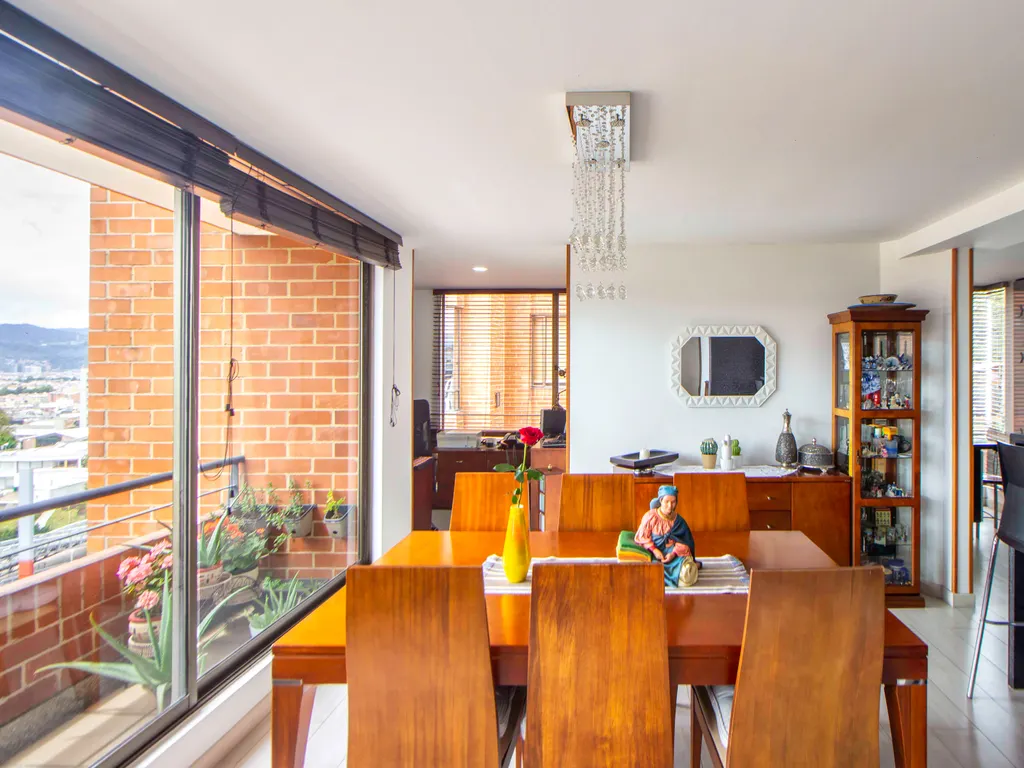
A corner banquette or two chairs and a small round table can turn dead space into the most-used seat in the house. Nooks suit morning coffee, homework and board games, and they make a small home feel like it has a dining room even when it does not.
A built-in bench with storage underneath doubles the value of the corner, hiding toys, games or table linens. For corner banquettes and built-in benches that make a small space work harder, see our small dining nook ideas.
17. Go Warm and Moody for Evening Hosting
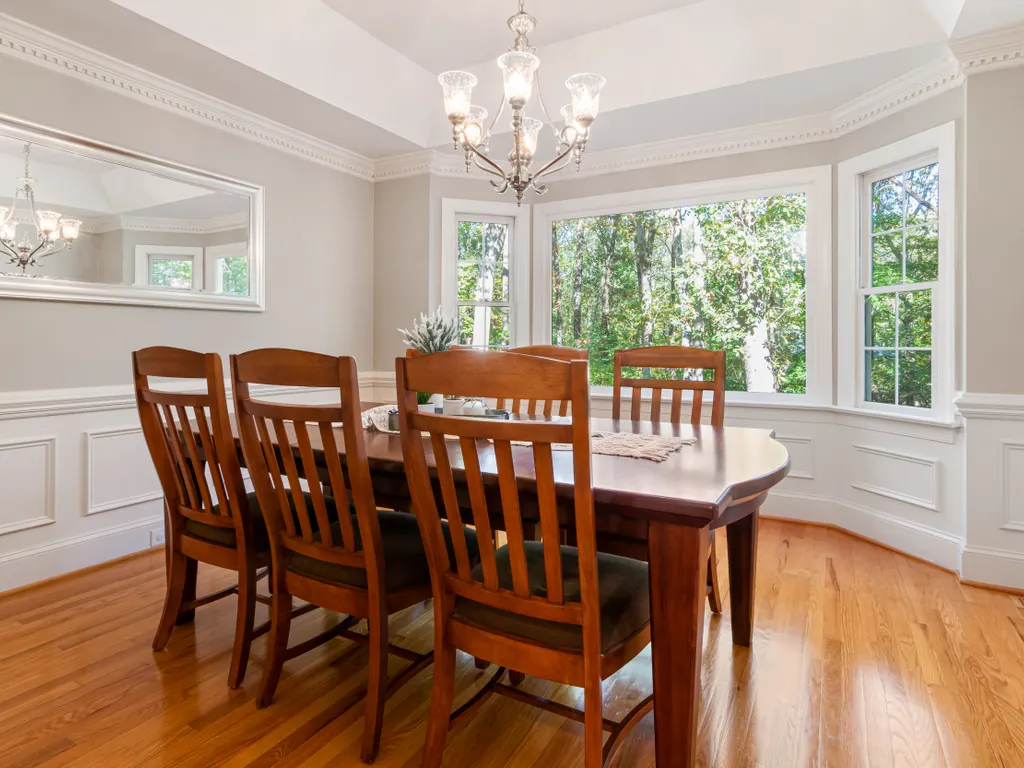
A darker dining room feels made for long, slow dinners. Deep walls, brass details and candlelight create the kind of glow that makes guests linger, and the room needs no more decoration than the light itself.
Balance the mood with a lighter tabletop or pale artwork so the room feels atmospheric rather than heavy. A single bright element — white plates, a pale linen runner, a brass candleholder — stops a moody room from tipping into gloom.
18. Keep It Light and Airy for Everyday Eating
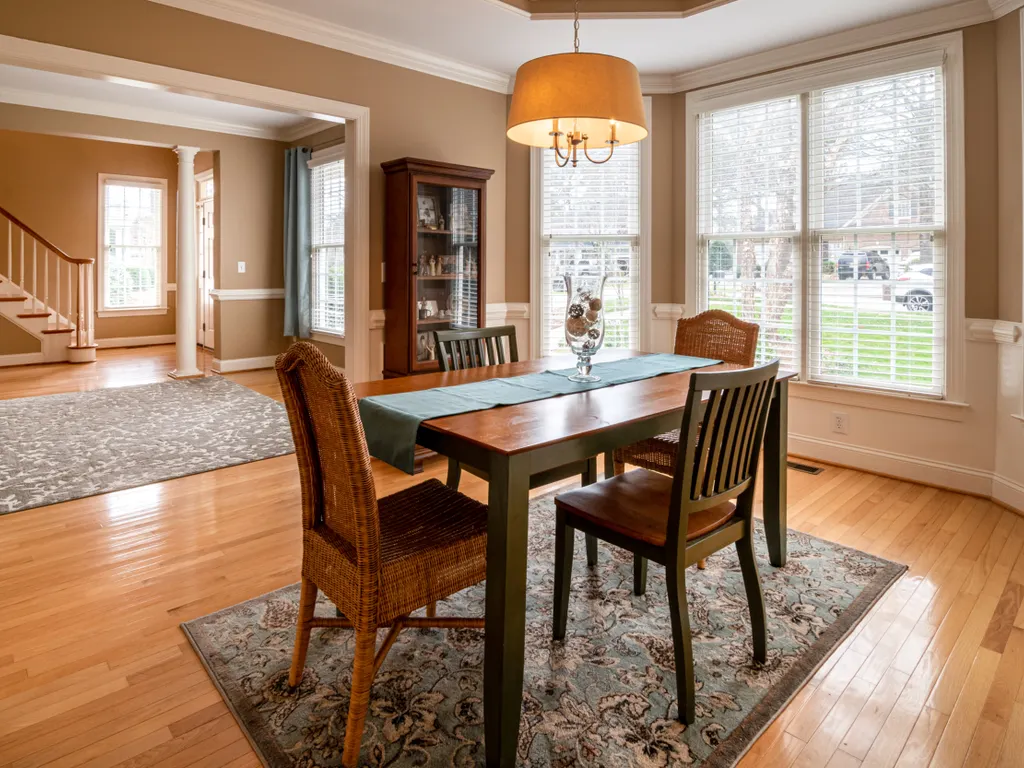
Not every dining room should be moody. White walls, light wood and linen make a room that suits breakfast, lunch and homework as happily as dinner, and the room feels bigger in the daytime because the light bounces freely.
Add texture so a pale room feels warm rather than stark: rattan chairs, woven placemats, a linen runner with a visible weave. One darker accent — a black pendant light or deep green cushion — keeps the lightness from feeling washed out.
19. Add Plants and Fresh Greenery Year-Round
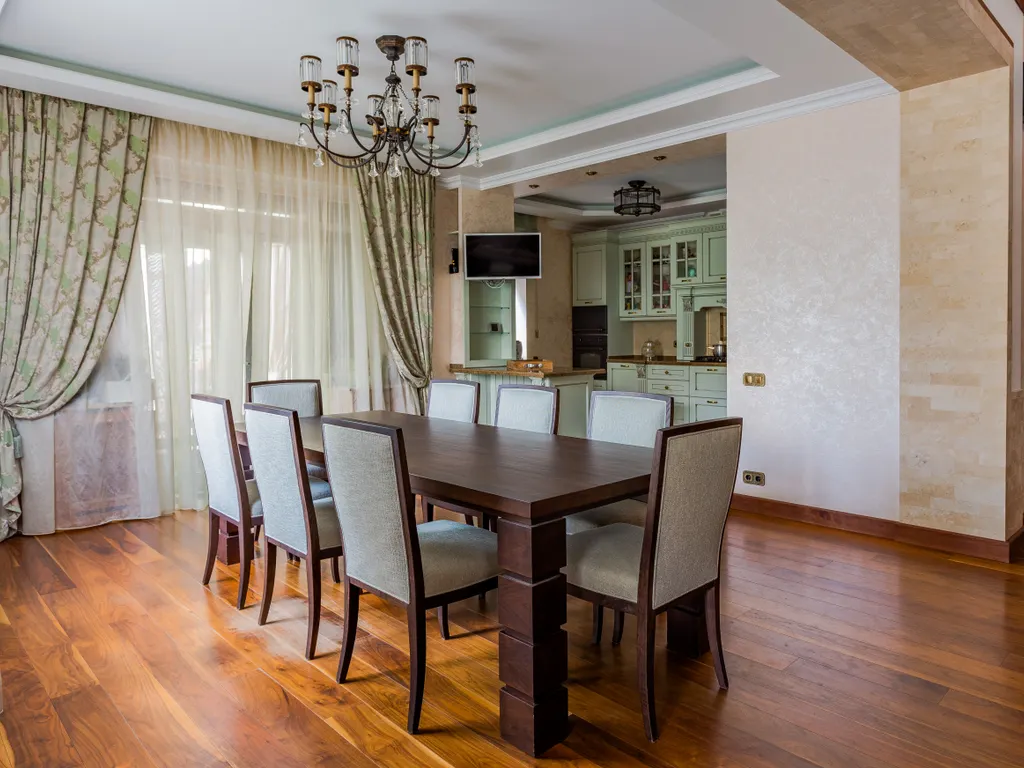
Greenery softens the hard edges of a dining room: table, chairs, sideboard, walls. A potted olive tree in the corner or a jar of herbs on the windowsill brings life into the room, and a small vase of eucalyptus on the table doubles as a centrepiece.
Choose plants you can actually keep alive — a snake plant or pothos forgives forgetful watering. Keep table arrangements low and away from the serving space, and fake greenery is fine if your room has little light, as long as it looks real from a chair away.
20. Use Candles for Instant Atmosphere
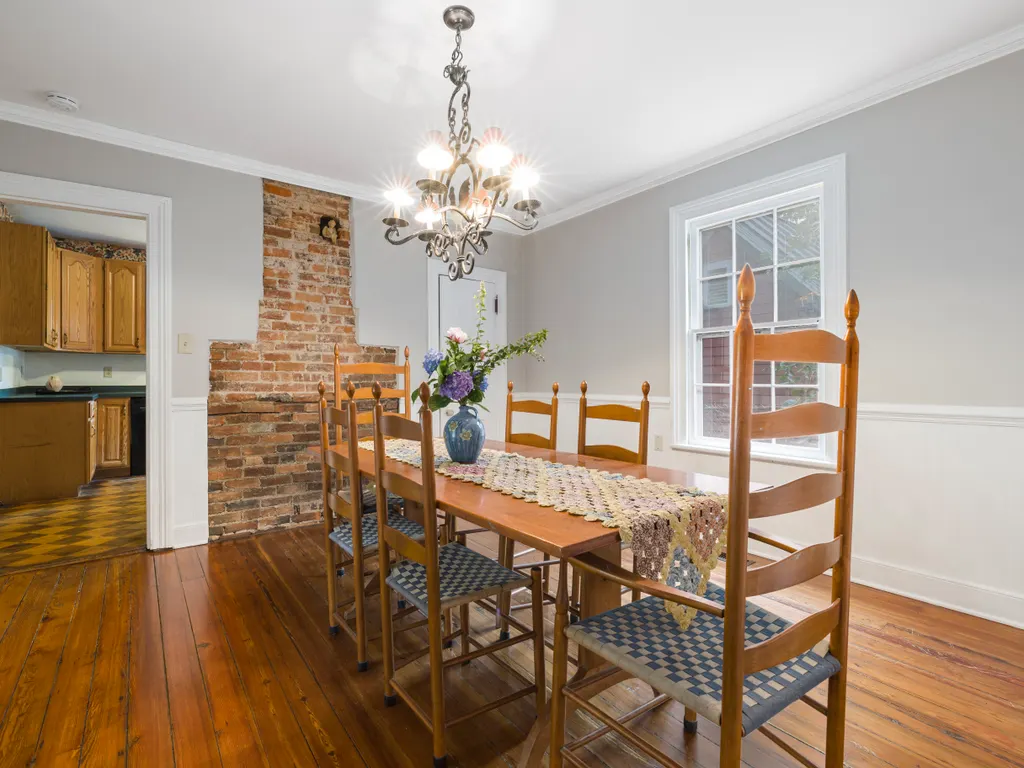
Candles are the cheapest atmosphere you can buy. Taper candles in simple holders down the centre of the table make a Tuesday dinner feel like an occasion, and pillar candles on a tray add glow without wobbling.
At the table, choose unscented candles so the food’s aroma wins, and save scented ones for the sideboard. With small children around, battery candles in the same holders give the same flicker with none of the worry.
21. Make Room for Kids Without Losing the Style
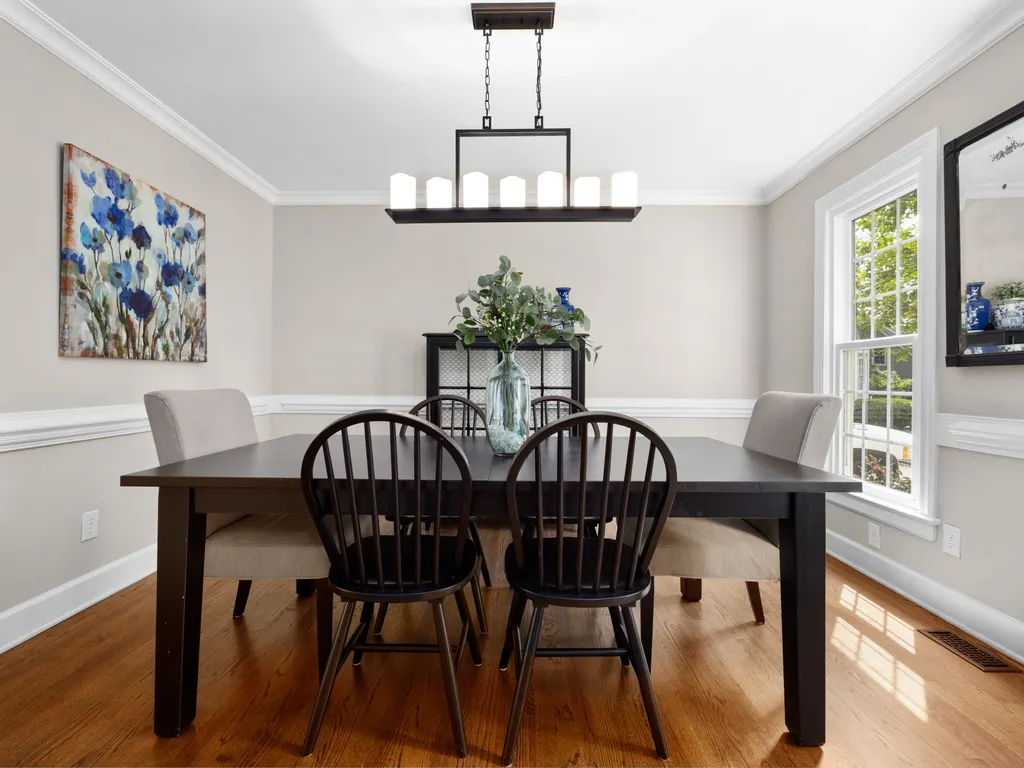
A family dining room works best when it is built for real life: a durable table, wipeable seats and a washable rug. Give children real plates and a real job — setting the table, folding napkins — and the room becomes theirs too, not a museum they are afraid to touch.
Keep a low drawer or basket within their reach for placemats and napkins, so setting the table is easy enough for them to do alone. Choose your prettiest pieces for the top shelf and let everyday life happen at table height.
22. Dress the Table With Linen, Not Clutter
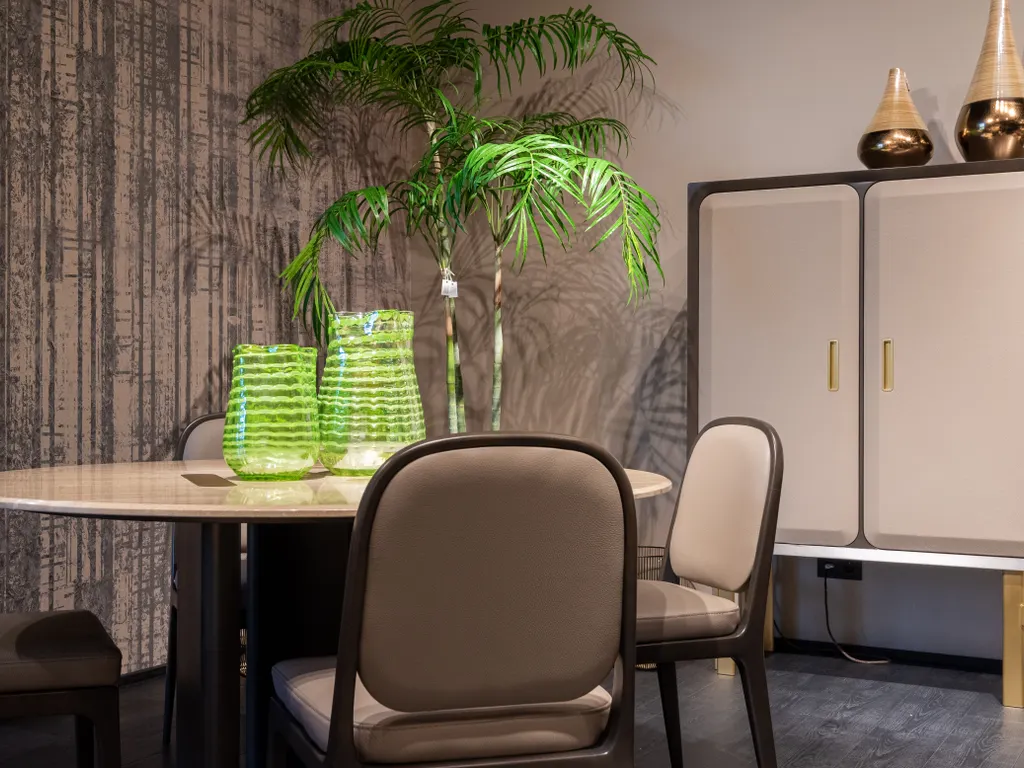
A linen tablecloth or runner sets the tone for the whole table and hides a multitude of scuffs. Layer placemats on top, set out simple place settings, and keep the surface mostly clear between meals so the room feels calm rather than crowded.
Washed linen looks good with wrinkles, so skip the ironing and store tablecloths rolled in a drawer to avoid hard creases. One good neutral tablecloth and two runners in seasonal colours cover the whole year.
23. Hang Art That Starts Conversations
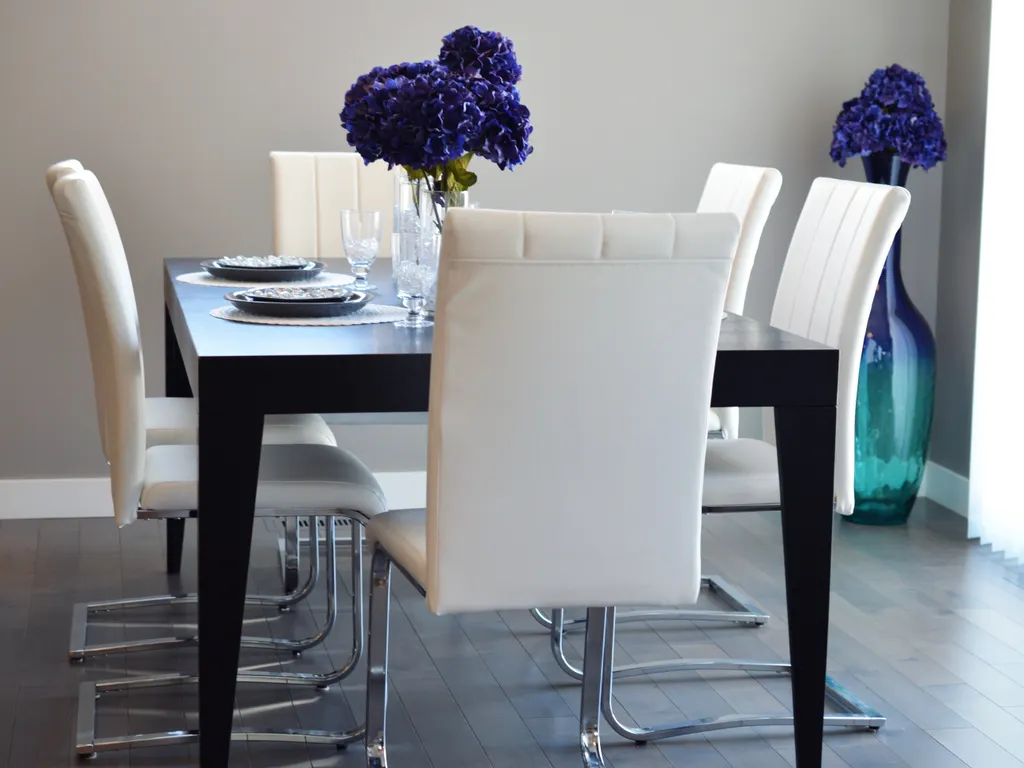
One large piece of art beats a scatter of small frames. Hang it so its centre sits about 57 inches from the floor, and size it to roughly two-thirds the width of the sideboard or table below it. The room gains a focal point and a talking point in one move.
Choose something you genuinely love — food prints, landscapes, or family photos in matching frames — rather than art bought to fill a wall. A piece with a story behind it gives guests something to ask about over dessert.
24. Plan a Hosting-Ready Layout With Clear Walkways
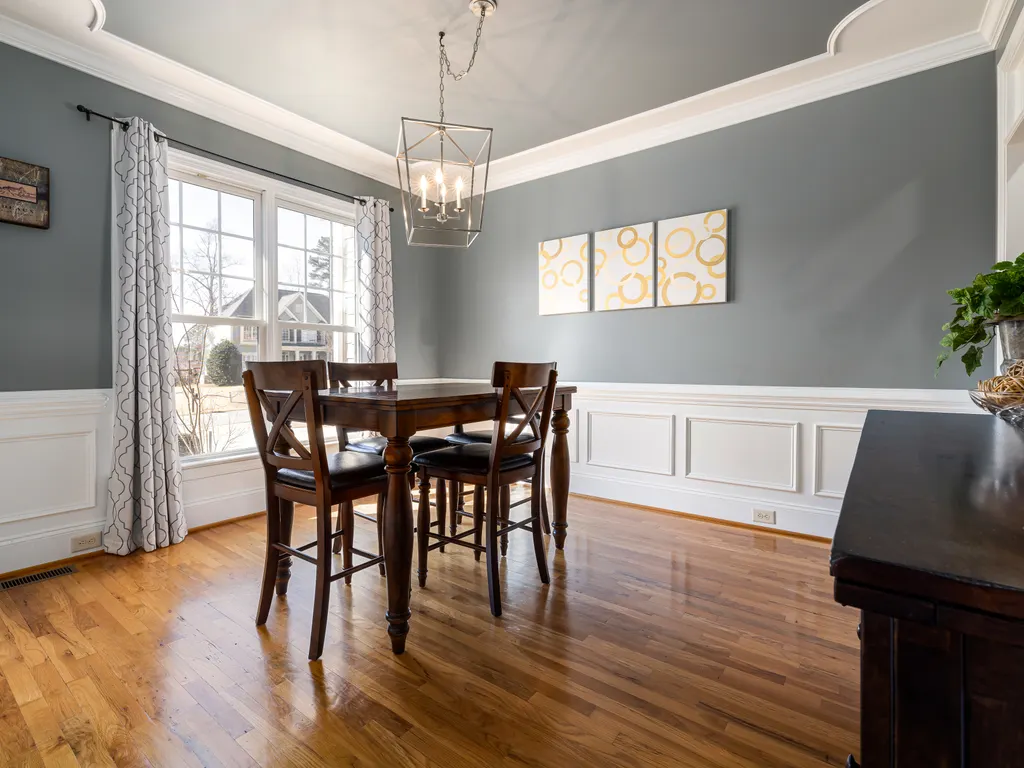
Hosting feels relaxed when people can move. Leave 36 inches of walkway around the table and 24 inches for chairs to pull out, and keep the path from the kitchen clear so the host is not trapped behind a chair.
Set up a drinks station on the sideboard so guests help themselves instead of crowding the kitchen, and park a spare chair or two near the door for unexpected guests. A room with breathing space makes a host look calm even when the timing is not.
25. Finish With a Personal Touch Only Your Home Has
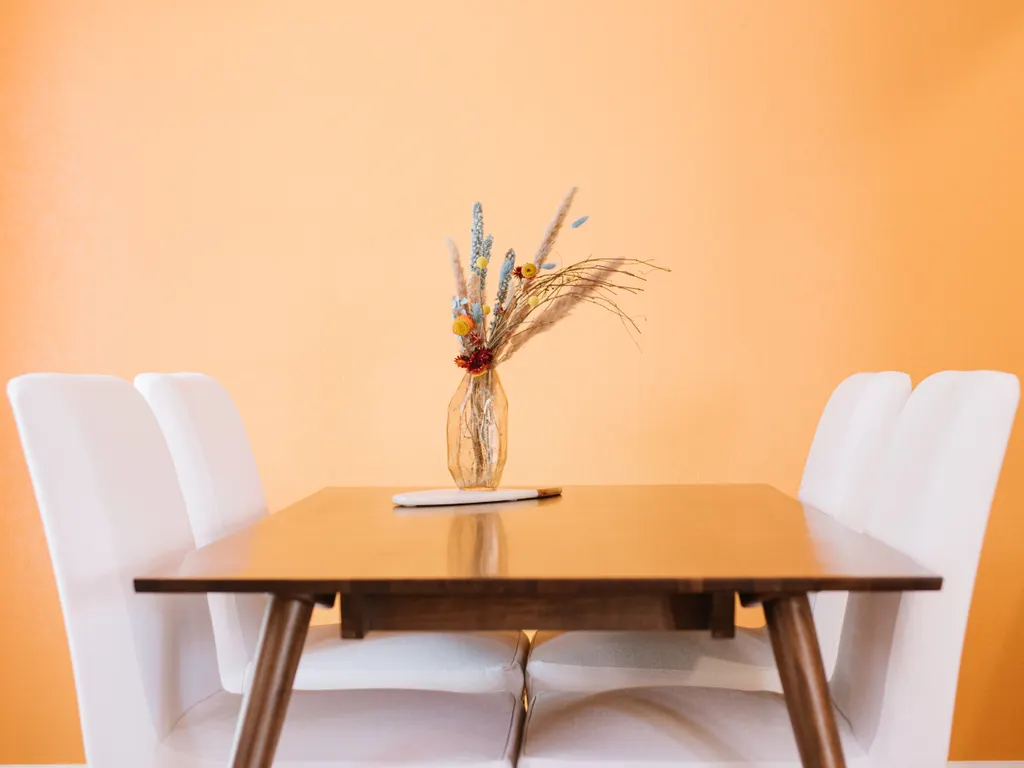
After the table, light and colour are sorted, the last layer is the one no shop can sell you: your own story. Heirloom dishes, a centrepiece you made, travel finds on the sideboard — these details are what make guests say a dining room feels like you.
Rotate a few personal pieces each season so the room keeps changing and you keep noticing it. The best dining rooms are not the most expensive ones; they are the ones where the room and the people in it clearly belong to each other.
Key Points to Remember
- Measure first: allow 24 inches of table width per person and 36 inches of clearance behind the chairs.
- Hang your chandelier 30 to 36 inches above the table and put it on a dimmer.
- Keep centrepieces low so guests can see each other across the table.
- Choose a rug at least 24 inches larger than the table on every side.
- Pick washable fabrics and a wipeable table surface if kids or pets share the table.
- Use one simple table base and swap seasonal accents instead of redecorating from scratch.
- Leave clear walkways around the table so hosting feels relaxed, not crowded.
Frequently Asked Questions About Dining Room Ideas
What size dining table do I need for a family of six?
A rectangular table about 72 inches long and 36 to 42 inches wide seats six comfortably, allowing roughly 24 inches of width per person. If your family grows at holidays, choose a table with an extension leaf: it seats four on ordinary days and six or eight when you need it, without taking up space all year.
How high should a chandelier hang above a dining table?
Hang the bottom of the chandelier 30 to 36 inches above the tabletop. For ceilings of 8 feet, stay near the lower end of that range; for taller ceilings, you can hang it a little higher. Choose a fixture about one-half to two-thirds as wide as the table, and add a dimmer so the light suits both homework and dinner parties.
What size rug goes under a dining table?
Your rug should extend at least 24 inches beyond the table on every side, so chairs stay on the rug when pulled out. For a standard six-seat rectangular table, an 8-by-10-foot rug is usually the right starting point. Choose a low-pile or flatweave rug so chairs slide easily and crumbs are simple to clean up.
How can I make a small dining room feel bigger?
Use a round or pedestal table, hang a mirror opposite the window to bounce light, and keep the colour palette light. A bench instead of chairs on one side opens up the sightlines, and keeping the table surface mostly clear stops a small room from feeling cluttered.
What is the easiest way to refresh dining room decor for the holidays?
Swap the centrepiece and the table runner, add candles and a little greenery, and change the cushion or napkin colour. Those four changes take about thirty minutes and cost very little, yet they make the whole room feel ready for guests.
Conclusion
You do not need to do all 25 of these dining room ideas at once. Pick the one that solves your biggest frustration — a table that fits, light that flatters, or a centrepiece you can see over — and start there. Small, deliberate changes add up fast, and the best dining rooms are the ones that get used every day, not just on special occasions. Try one idea this week, and tell us in the comments which one made the biggest difference in your home.
What a dining room refresh costs
A dining room refresh can start at $100 for a runner, candles and a centrepiece, or reach $3,000 to $6,000 for a new table, chairs and chandelier. The table below uses typical prices for the items in this post. Buy the table and the chairs first, since they set the room, and add the rest one season at a time.
| Item | Typical cost | What changes the price |
|---|---|---|
| Solid wood table, seats 6, 72 inches | $600 to $2,000 | Wood, leaves and finish |
| Extendable table, seats 4 to 8 | $700 to $2,500 | Leaf type and wood |
| Round pedestal table, 48 inches | $400 to $1,500 | Base, top and wood |
| Upholstered host chairs, pair | $200 to $800 | Fabric and fill |
| Wood side chairs, set of 4 | $200 to $900 | Wood and seat shape |
| Bench, backless, 60 inches | $150 to $600 | Wood and cushion |
| Statement chandelier | $200 to $1,200 | Size, material and arms |
| Sideboard, 60 inches | $400 to $1,500 | Wood, doors and drawers |
| Low-pile rug, 8 by 10 feet | $200 to $1,000 | Material and backing |
| Large mirror, 36 by 48 inches | $150 to $600 | Frame and glass quality |
| Linen runner and cloth napkins, set | $40 to $150 | Fabric and size |
| Wainscoting, one wall | $200 to $700 | Wall size and paint finish |
Allow $100 to $300 for delivery, hanging and an electrician if you are fitting a chandelier. If you are buying a rug, pick a flatweave or low pile, since high pile makes chairs hard to pull out and traps crumbs.
Sizes that make a dining room work
Measure the room before you shop. Allow 24 inches of table width per person, and 36 inches of clear walkway behind each chair, so guests can sit and stand without moving the table. A chandelier should be about half to two-thirds the table width, and hang 30 to 36 inches above the tabletop, with a dimmer. A rug should extend at least 24 inches past the table on every side, so chairs stay on the rug when pulled out. A sideboard should be about as long as the table or a little shorter, with at least 24 inches of walkway in front of it. Art above a sideboard should be about two-thirds its width, with its centre at 57 to 60 inches from the floor. For a round table, allow 24 inches of table edge per person, and a 48-inch table seats four, while a 60-inch table seats six.
How to plan the room in order
Start with the layout, not the shopping. Mark the table size on the floor with tape, place the chairs around it, and walk around for a day. Next, fix the walls and the light: paint, wainscoting and the chandelier. Then bring in the table and chairs, then the rug, then the sideboard. Add the centrepiece and art last, when you can see the finished room. The most common mistake is buying a table that is too big, so there is no walkway behind the chairs. A second mistake is a rug that is too small, so chairs catch on the edge at every meal. A third mistake is a chandelier hung too high, so the light feels lost. Check each size above before you order, and keep the receipts until the room is finished.
More questions about dining rooms
How much does a dining room refresh cost?
A runner, candle and centrepiece refresh costs $100 to $300. A full room with a new table, chairs, chandelier and rug usually costs $2,000 to $6,000, before any wall work.
What size table seats six?
A rectangular table about 72 inches long and 36 to 42 inches wide seats six, allowing 24 inches per person. An extendable table that grows from 60 to 84 inches is the best choice if you host at holidays.
What rug size goes under a dining table?
Pick a rug at least 24 inches larger than the table on every side. For a 72 by 36 inch table, that means a rug about 120 by 84 inches, or 10 by 7 feet at least.