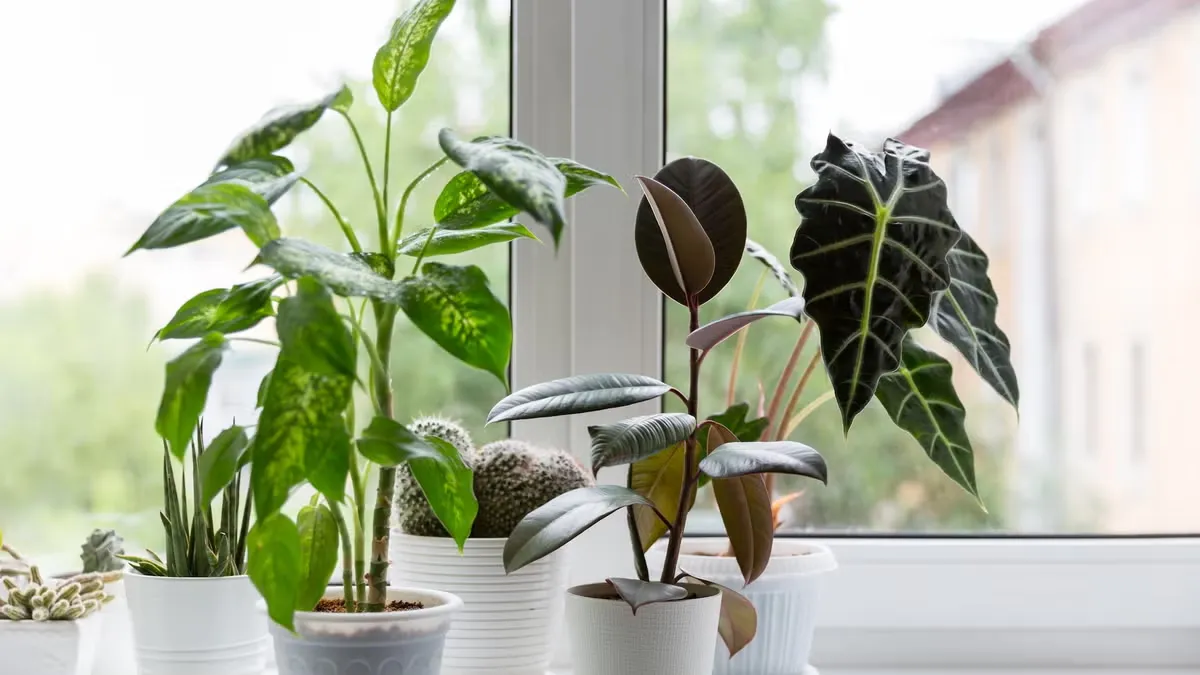
Indoor plants can make a room feel warmer, calmer, and more welcoming. A simple green plant can also fill an empty corner, dress up a shelf, or make a plain room look more complete. But choosing the right indoor plant is not always easy. Some plants want bright light, while others can handle lower light. Some need regular watering, while others prefer their soil to dry before you water again.
That is why choosing a plant based on your room, light, space, and care routine is more useful than choosing one only because it looks pretty. The RHS also recommends matching a houseplant to the light and growing conditions available in your home.
In this guide, you will find the 15 best indoor plants for different types of homes. You will also learn where to put them, how much light they need, how often they usually need water, and which plants need extra care around pets.
Quick Look at the 15 Best Indoor Plants
Here is a simple comparison to help you choose.
| Plant | Light | Care Level | Best Room | Good For |
|---|---|---|---|---|
| Snake Plant | Low to bright indirect | Easy | Bedroom, hallway | Beginners |
| Pothos | Low to bright indirect | Easy | Living room, shelves | Trailing decor |
| ZZ Plant | Low to bright indirect | Easy | Office, bedroom | Busy people |
| Spider Plant | Medium to bright indirect | Easy | Bedroom, kitchen | Beginners |
| Peace Lily | Medium to bright indirect | Medium | Living room, bathroom | Flowers |
| Rubber Plant | Bright indirect | Medium | Living room | Modern decor |
| Monstera | Bright indirect | Medium | Living room | Large statement plant |
| Areca Palm | Bright indirect | Medium | Living room | Tropical style |
| Parlor Palm | Medium indirect | Easy to medium | Bedroom, living room | Small spaces |
| Boston Fern | Bright indirect | Medium | Bathroom, bedroom | Lush greenery |
| Aloe Vera | Bright light | Easy | Sunny window | Easy-care plant |
| Jade Plant | Bright light | Easy | Desk, window | Small spaces |
| Chinese Evergreen | Low to medium | Easy | Bedroom, office | Low-light rooms |
| Calathea | Medium indirect | Medium | Bedroom, bathroom | Patterned leaves |
| Prayer Plant | Medium indirect | Medium | Shelf, bedroom | Colorful foliage |
Note: Light and watering needs can change depending on the variety, season, room temperature, humidity, pot, and soil. Check the soil before watering instead of following a fixed schedule. Illinois Extension notes that soil, light, temperature, humidity, container size, and plant type all affect watering needs.
1. Snake Plant
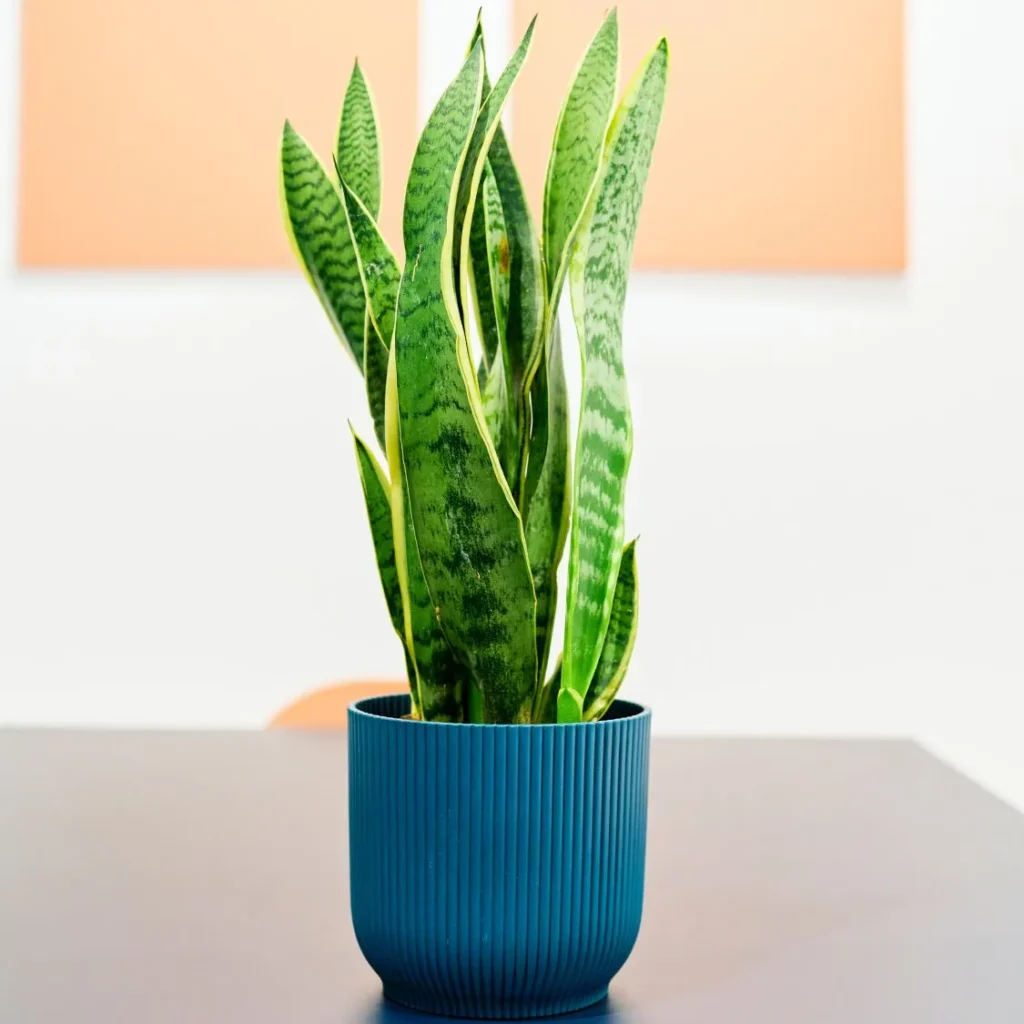
The snake plant is one of the most popular choices for people who want an easy houseplant. Its tall, upright leaves give a room a clean and modern look.
It works especially well in bedrooms, hallways, home offices, and empty corners. It can handle a range of indoor light conditions, although very dark areas are not suitable for long-term healthy growth.
The snake plant also does not like sitting in wet soil. Let the soil dry between waterings and use a pot with a drainage hole.
Snake Plant Care
| Need | Care |
|---|---|
| Light | Low to bright indirect light |
| Water | Let soil dry between watering |
| Soil | Well-draining mix |
| Style | Modern and minimal |
| Difficulty | Easy |
Pet note: ASPCA lists snake plants as toxic to cats and dogs if eaten.
2. Pothos
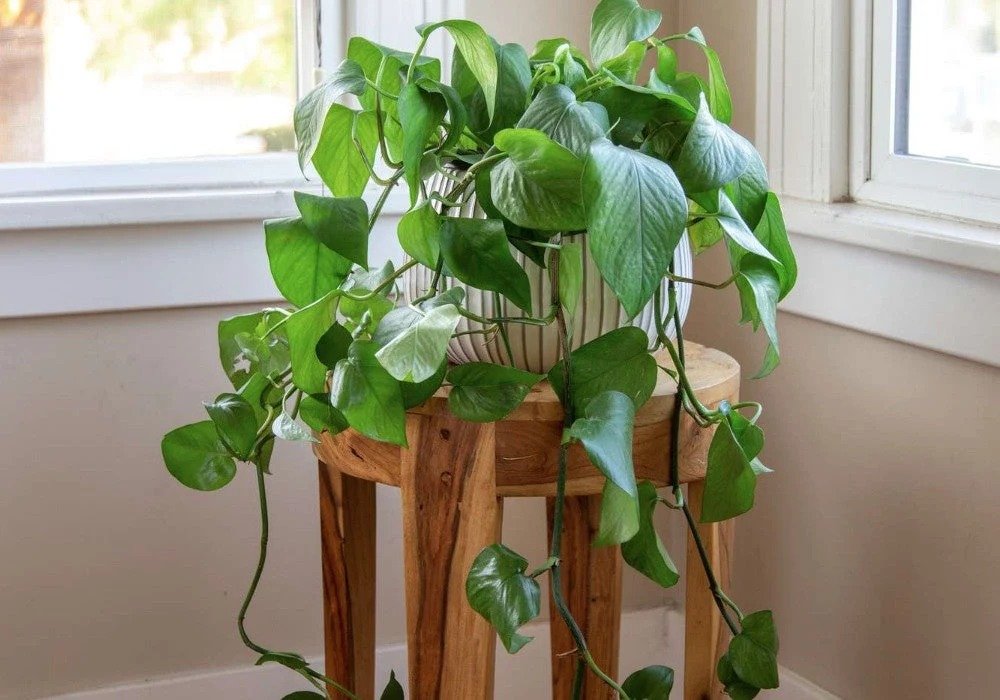
Pothos is a great choice when you want a plant that can grow over a shelf or hang from a basket. Its long vines make it useful for adding height and movement to a room.
Place pothos on a bookshelf, plant stand, kitchen shelf, or hanging planter. It is also a popular beginner plant because it can adapt to different indoor conditions.
Brighter indirect light can help keep variegated varieties looking more colorful.
Pothos Care
| Need | Care |
|---|---|
| Light | Low to bright indirect |
| Water | Water when the soil begins to dry |
| Style | Trailing |
| Best Use | Shelves and hanging baskets |
| Difficulty | Easy |
Pothos can be harmful to pets if eaten. ASPCA includes pothos among common houseplants containing insoluble calcium oxalates.
3. ZZ Plant
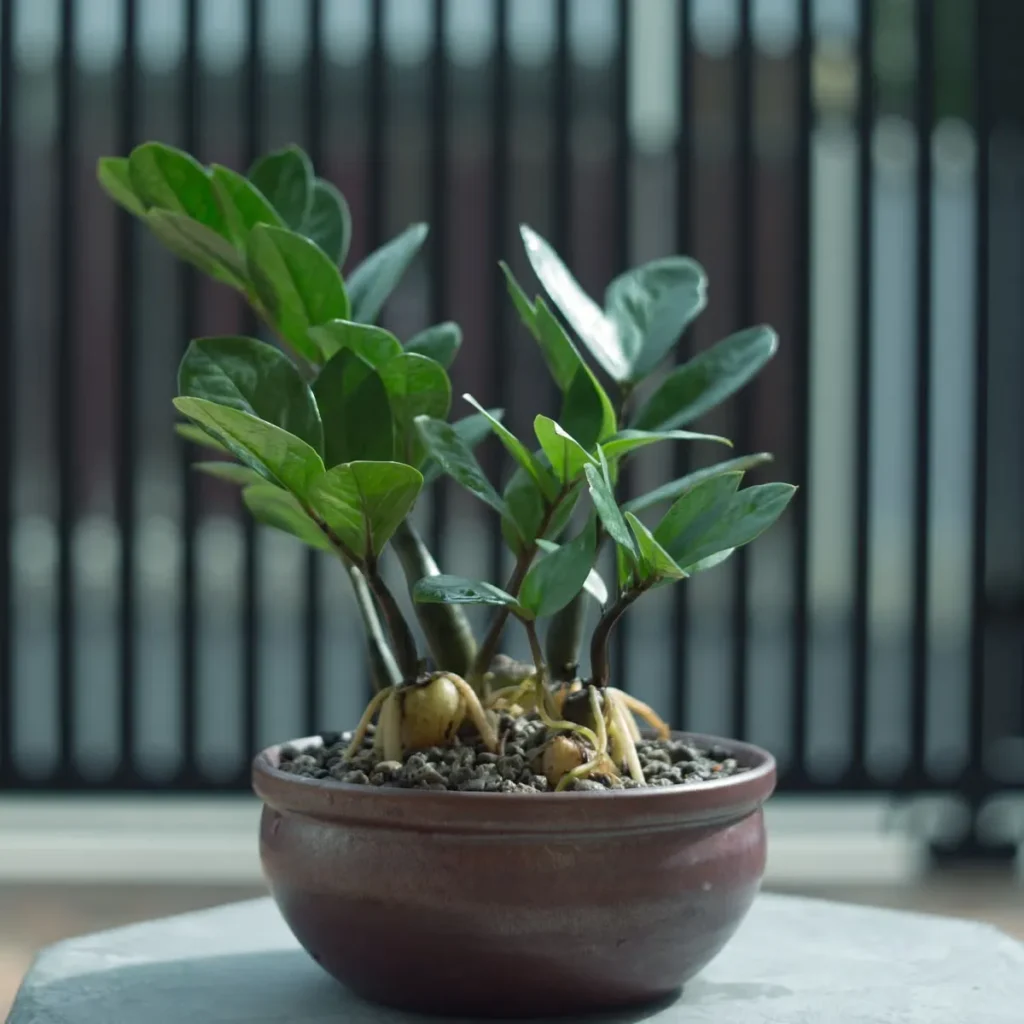
The ZZ plant is a strong option for people who sometimes forget about plant care.
Its thick stems and shiny leaves create a neat look that works well with modern, minimalist, and office-style interiors. The plant handles lower indoor light better than many houseplants.
One common mistake is watering too often. ZZ plants prefer to dry between waterings.
ZZ Plant Care
| Need | Care |
|---|---|
| Light | Low to bright indirect |
| Water | Allow soil to dry |
| Style | Modern |
| Best Room | Office or bedroom |
| Difficulty | Easy |
Use a container with good drainage so extra water does not stay around the roots.
4. Spider Plant
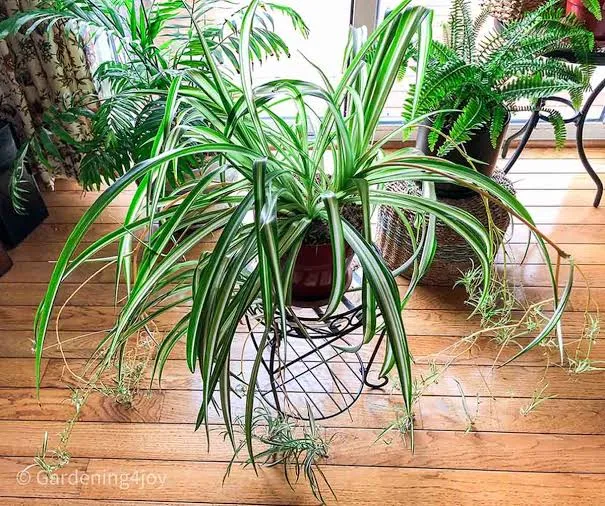
The spider plant is a classic houseplant that is especially good for beginners.
Its long, narrow leaves grow outward from the center, creating a soft and full shape. Mature plants can also produce small plantlets on long stems, making them fun to grow and share.
A spider plant looks beautiful in a hanging basket, on a shelf, or on a plant stand.
Spider Plant Care
Give it bright indirect or moderate light and water when the soil begins to dry. Avoid leaving the roots in standing water.
ASPCA lists spider plants as non-toxic to both cats and dogs.
5. Peace Lily
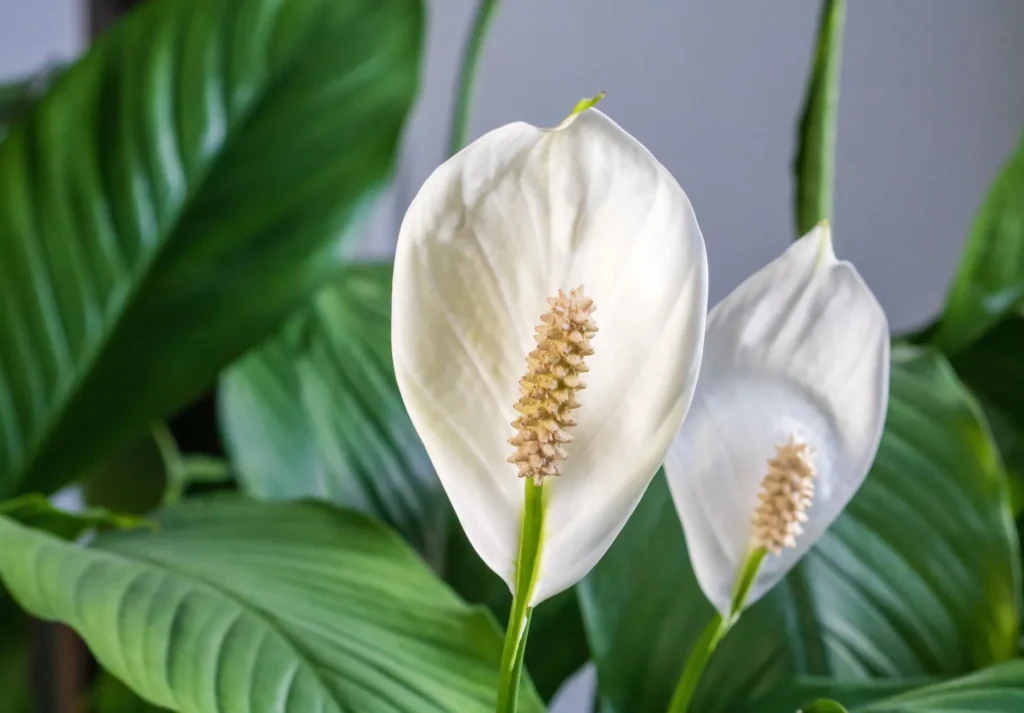
The peace lily is loved for its dark green leaves and white flowers. It can add a soft and elegant touch to a living room, bedroom, or bathroom.
One helpful feature is that a thirsty peace lily can droop noticeably. This can give beginners a visible sign that the plant needs attention. However, it should not be allowed to remain dry for long periods.
Peace lilies prefer indirect light and evenly moist soil, but soggy soil should be avoided.
Peace Lily Care
| Need | Care |
|---|---|
| Light | Medium to bright indirect |
| Water | Keep soil lightly moist |
| Humidity | Moderate to high |
| Style | Elegant |
| Difficulty | Medium |
Pet safety: Peace lilies are toxic to cats and dogs according to ASPCA.
6. Rubber Plant
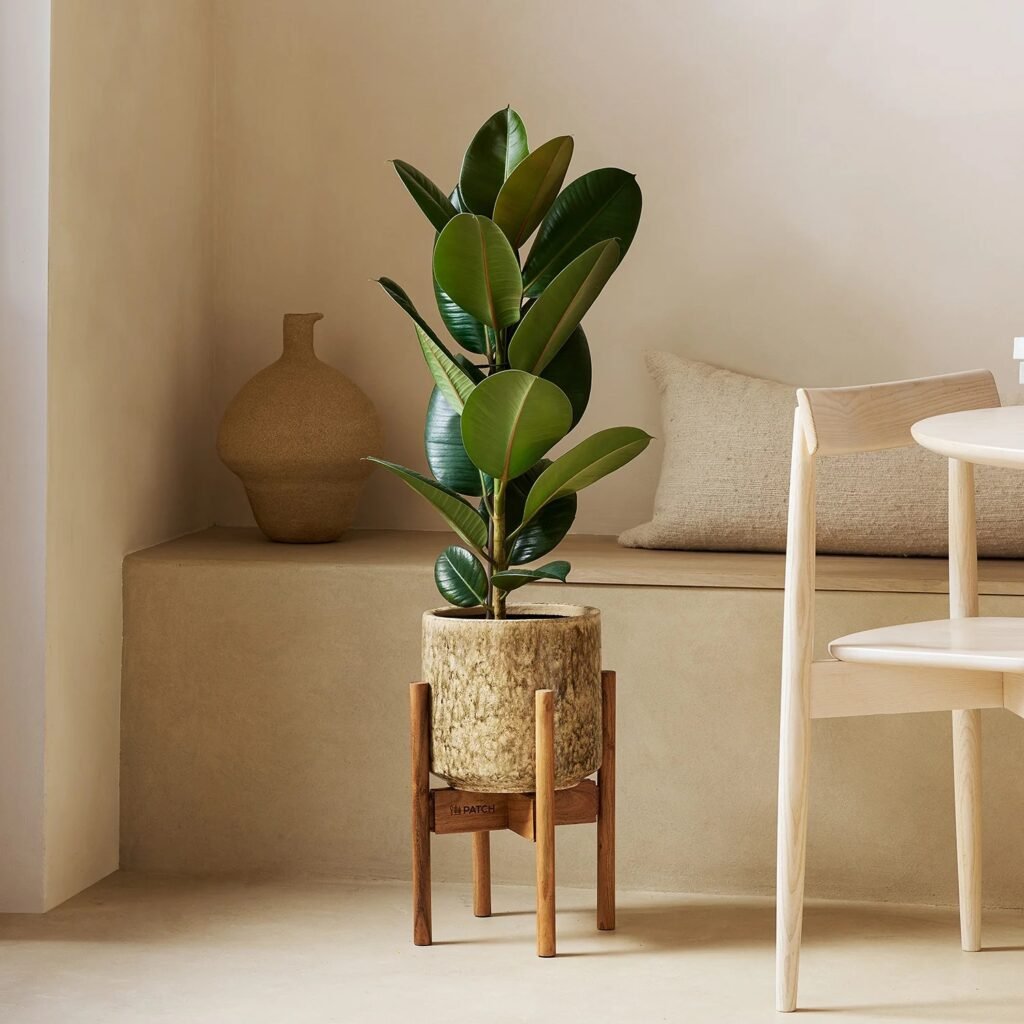
The rubber plant is a good option when you want a stronger visual statement without choosing a very large tree.
Its broad, glossy leaves can look beautiful against light walls and simple furniture. A rubber plant can work particularly well in modern living rooms.
Place it near bright, indirect light. Rotate the pot from time to time so the plant grows more evenly.
Rubber Plant Care
Water when the upper part of the soil has started to dry, and make sure the container drains well.
Dusting the large leaves is also useful because clean leaves look healthier and allow the plant to make better use of available light.
7. Monstera
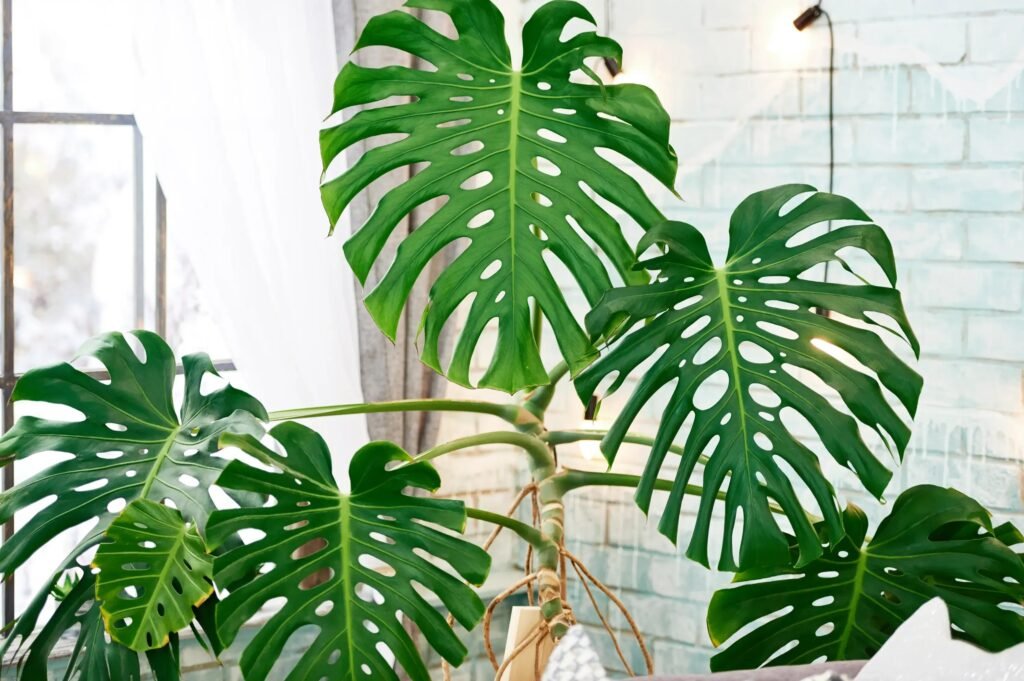
The Monstera deliciosa is a favorite for people who want large, tropical-looking leaves.
Its large split leaves can become a focal point in a living room, reading corner, or open-plan space.
Monstera usually looks best where it has plenty of bright, indirect light. Give it enough room because mature plants can become quite large.
Monstera Styling Idea
Place a Monstera in a simple ceramic pot beside:
- a sofa
- a reading chair
- a wooden console
- a low cabinet
- a bright window
This creates a natural focal point without adding lots of extra decor.
8. Areca Palm
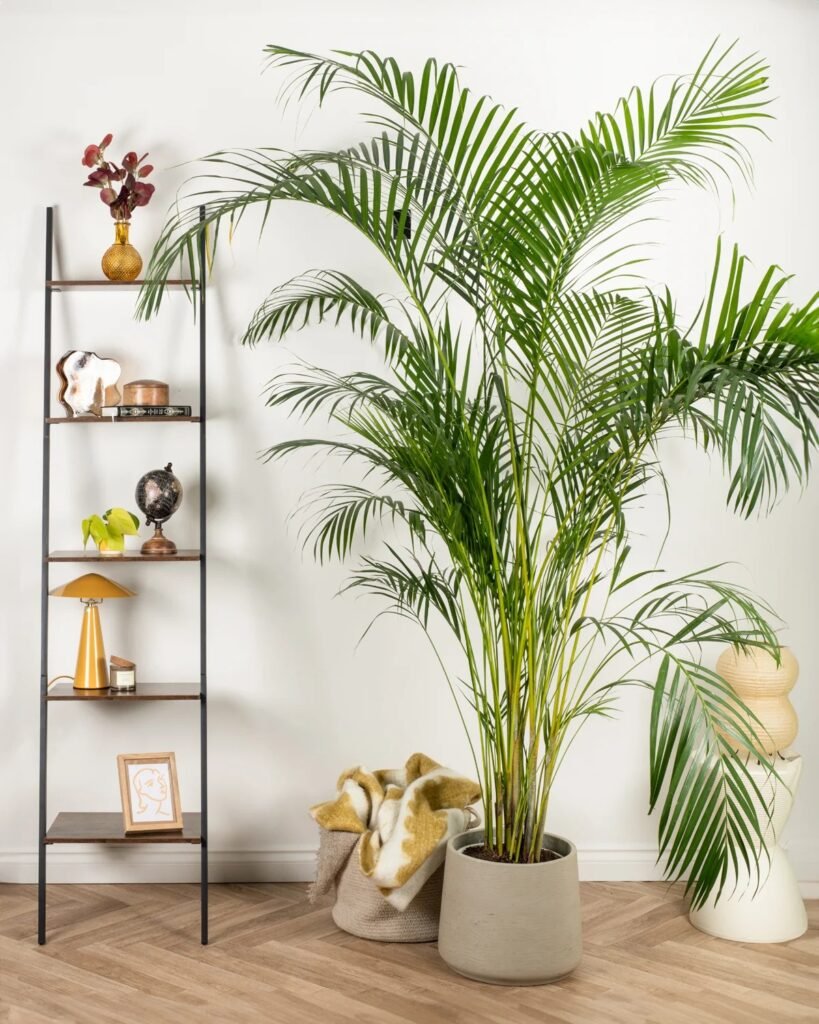
The Areca palm can bring a relaxed tropical feeling into your home. Its long, feather-like leaves add height and softness to large rooms.
It works especially well in living rooms where you have an unused corner.
Areca palms prefer bright, indirect light and regular care. Avoid placing them directly beside strong heating or cooling sources.
Areca Palm Care
The soil should be kept from becoming completely dry for long periods, but avoid waterlogged conditions. Good drainage is important.
Pet safety: ASPCA lists the Areca palm as non-toxic to cats and dogs.
9. Parlor Palm
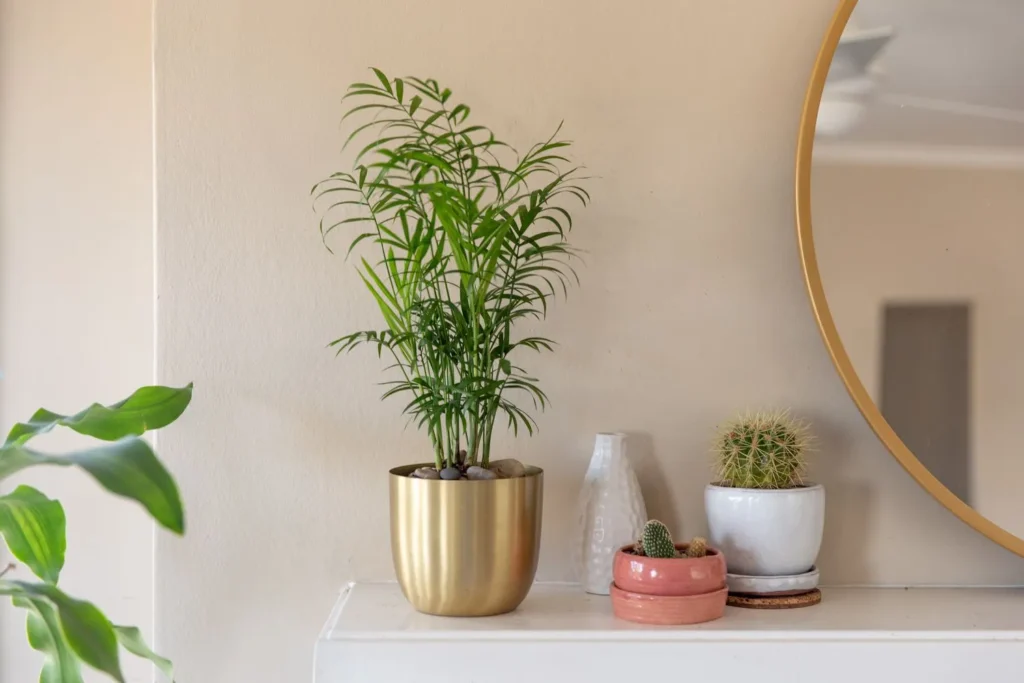
The Parlor palm is smaller and softer than many large indoor palms, making it a good option for apartments and smaller rooms.
Its gentle green leaves can add a relaxed feeling to a bedroom, entryway, or living room.
It also works well with traditional, boho, coastal, and modern interiors.
Why Choose a Parlor Palm?
A Parlor palm is useful when you want:
- A soft tropical look
- A medium-size plant
- Greenery for a small room
- A pet-friendly option
ASPCA lists Parlor palm as non-toxic to cats and dogs.
10. Boston Fern
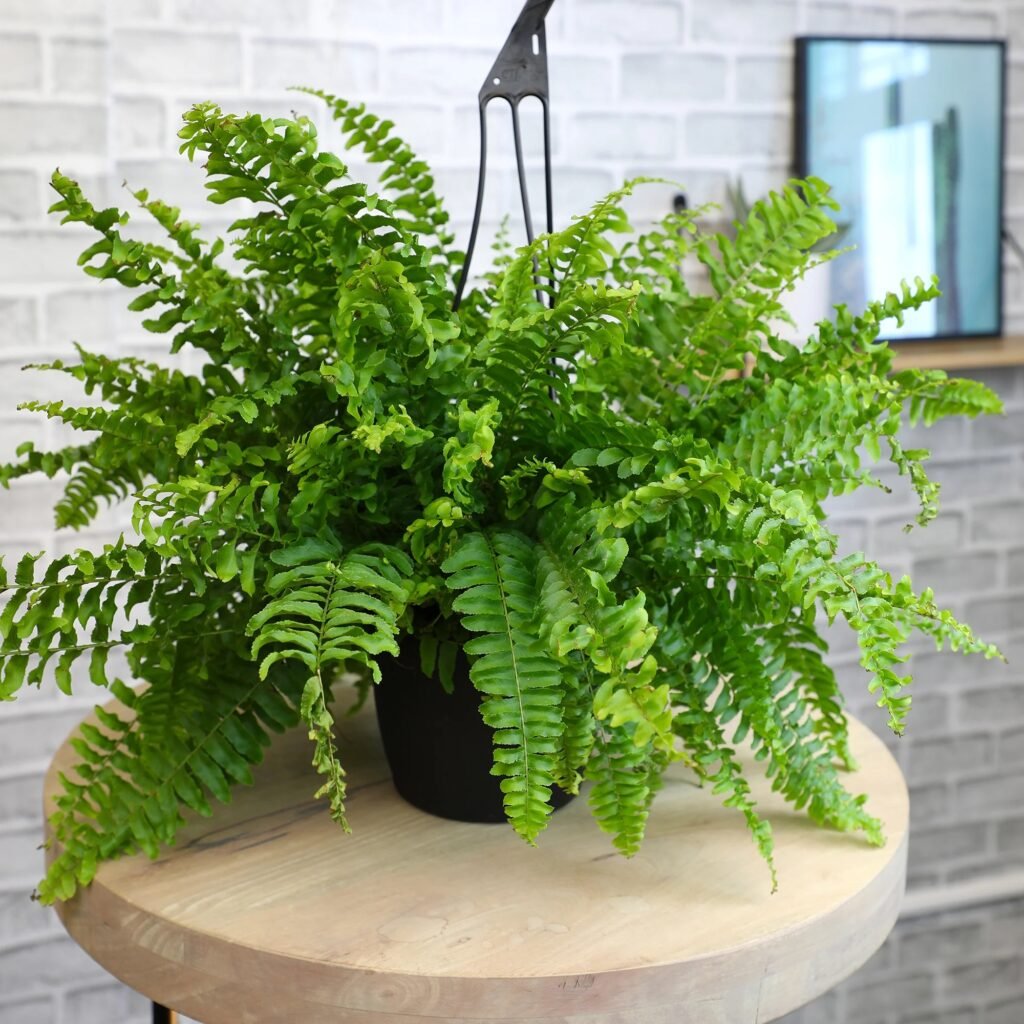
The Boston fern is known for its full, soft fronds. It can make a room feel fresh and lush.
This plant can be beautiful in a hanging basket or on a plant stand, especially where its leaves have room to spread.
Ferns generally appreciate more humidity than many dry-room houseplants. Bathrooms with suitable natural light can therefore be useful locations.
Boston Fern Care
Keep the growing mix from becoming completely dry, provide suitable indirect light, and give the plant good air circulation without placing it beside a strong draft.
ASPCA lists Boston fern as non-toxic to cats and dogs.
11. Aloe Vera
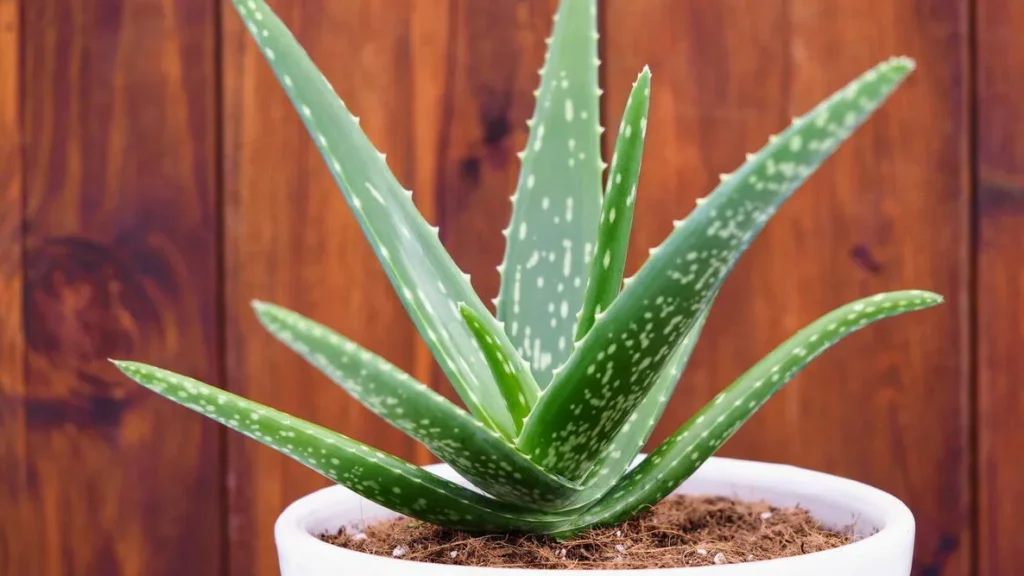
Aloe vera is an excellent choice for a bright windowsill.
Its thick, pointed leaves give it a simple shape that works nicely with modern home decor. It also needs less frequent watering than many tropical foliage plants.
The RHS advises allowing Aloe vera’s growing medium to dry between waterings and warns that overwatering can lead to root problems.
Aloe Vera Care
| Need | Care |
|---|---|
| Light | Bright light |
| Water | Allow soil to dry |
| Soil | Very well-draining |
| Best Place | Sunny window |
| Difficulty | Easy |
Avoid keeping aloe in a dark corner simply because it is called an easy plant. Easy-care does not mean it can live without light. The RHS notes that no houseplant can tolerate complete darkness because plants need light to make food.
12. Jade Plant
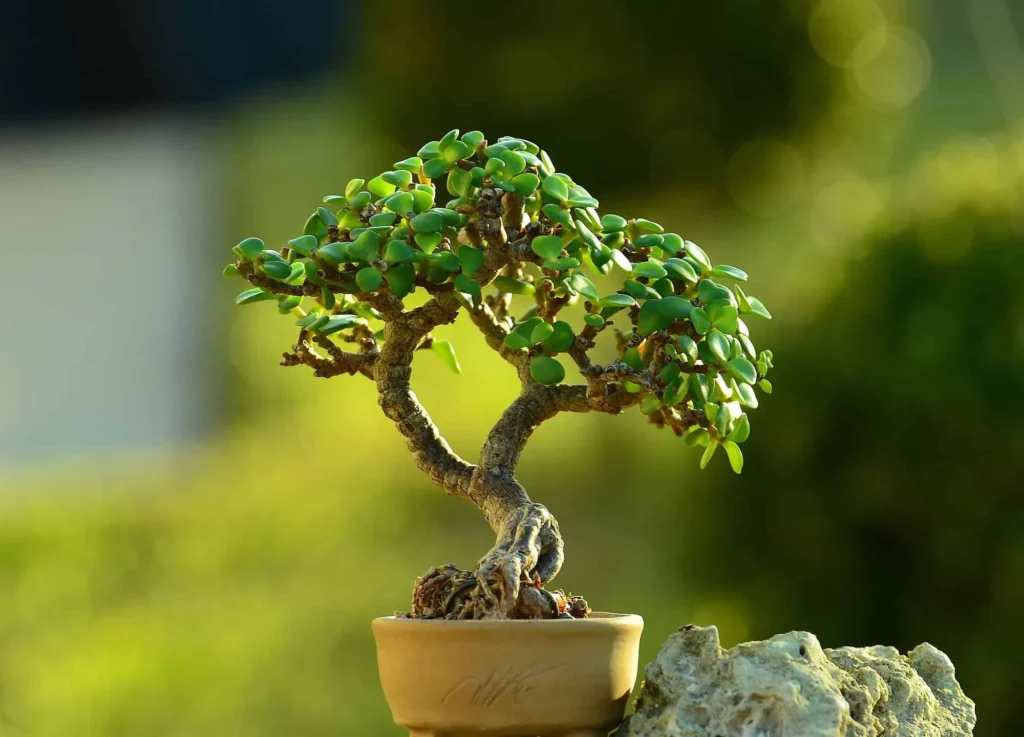
The jade plant has thick leaves and a small tree-like shape. It is a good choice for a desk, windowsill, side table, or small plant collection.
It prefers plenty of light and does not need frequent watering.
A simple clay or neutral ceramic pot can make a jade plant look especially attractive in a minimalist home.
13. Chinese Evergreen
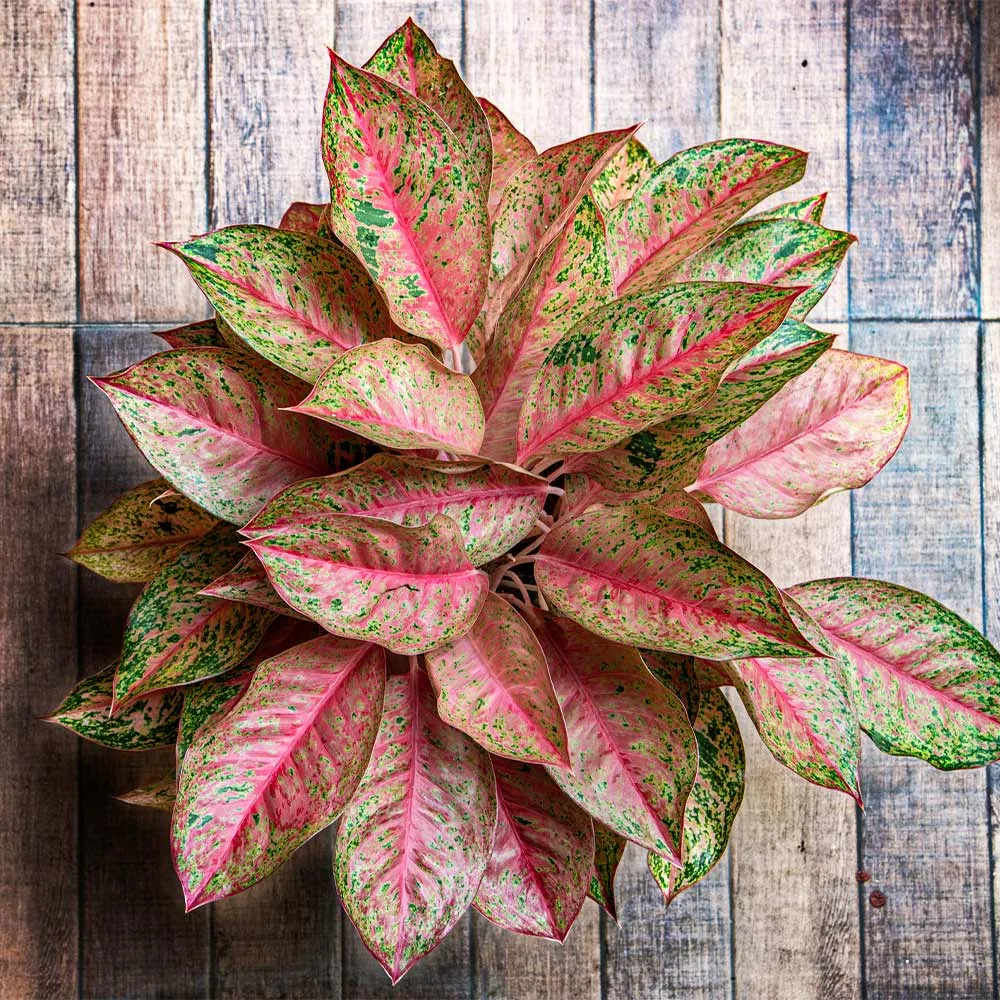
The Chinese evergreen, also called Aglaonema, is popular because it comes in varieties with different leaf patterns and colors.
It can work well in rooms that do not receive strong sunlight. However, low light does not mean no light. Every indoor plant still needs enough usable light to grow.
The Penn State Extension notes that Chinese evergreen can react to excessive light, showing why plant placement matters.
Best Places for Chinese Evergreen
Try it in:
- A home office
- A bedroom
- A living room corner
- A hallway with some natural light
Pet note: ASPCA lists Chinese evergreen as toxic to cats and dogs if eaten.
14. Calathea
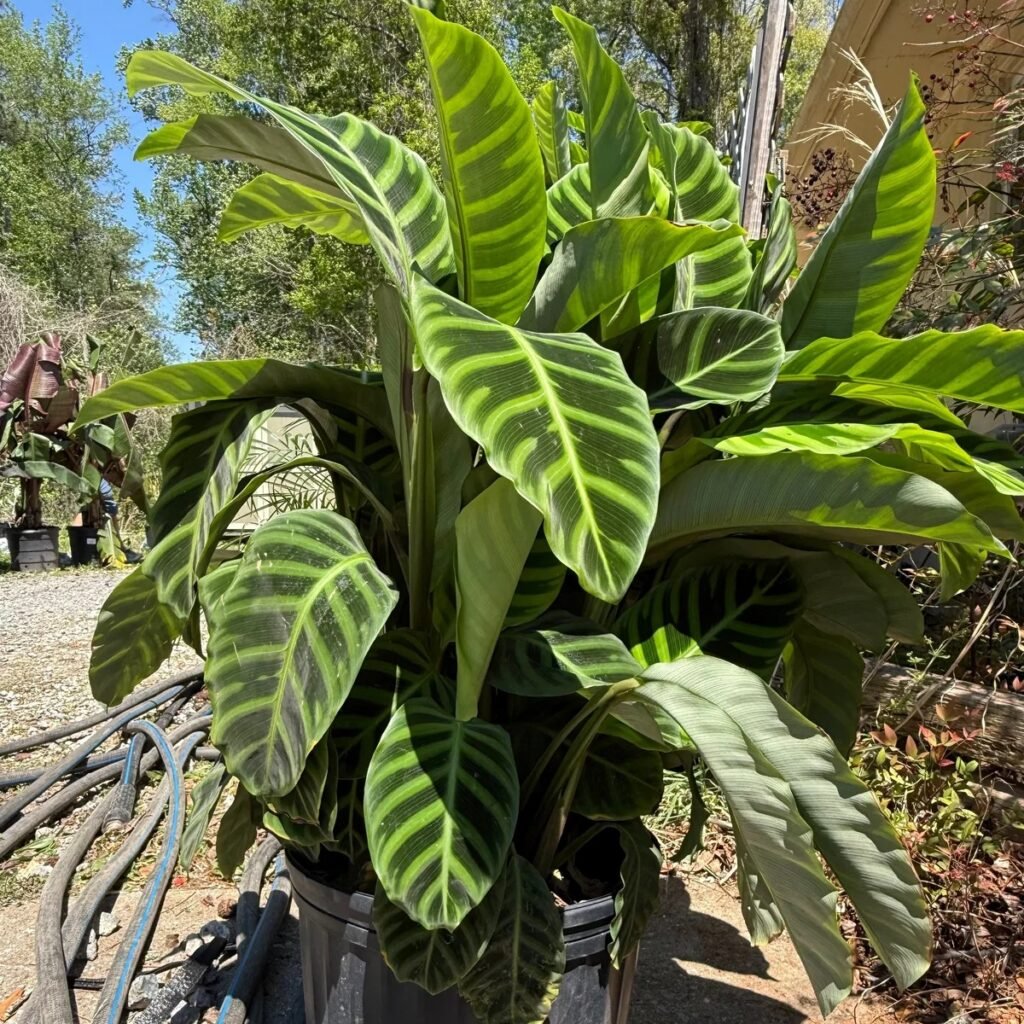
Calathea is a beautiful choice when leaves are the main decoration you want.
Many varieties have stripes, spots, or colorful patterns that can add visual interest without flowers.
Calathea can need more attention than tough plants such as snake plants or ZZ plants. Humidity, watering, and light need to be balanced carefully.
The University of Minnesota Extension notes that Calathea prefers filtered or shaded light and consistently moist, but not soggy, conditions.
Calathea Care
Keep it away from harsh direct sunlight and watch the soil carefully. A dry, warm room may require more attention than a naturally humid room.
Pet safety: ASPCA lists Calathea as non-toxic to cats and dogs.
15. Prayer Plant
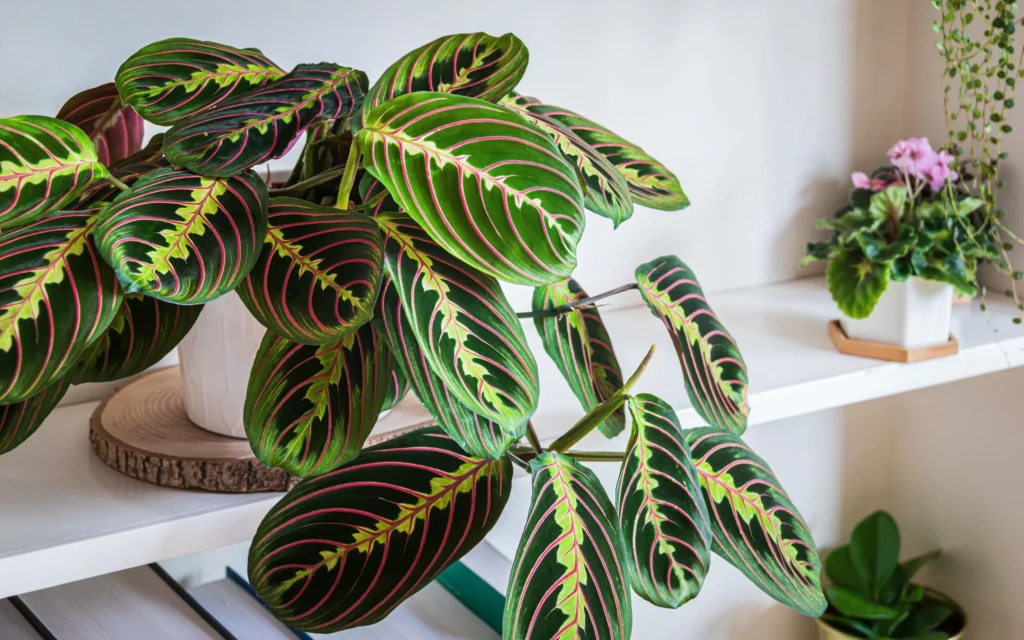
The prayer plant is another choice for people who like colorful and patterned leaves.
Its foliage can add personality to a shelf, bedside table, or small plant stand. It is especially useful when you want something different from plain green foliage.
Prayer plants prefer indirect light and evenly moist soil.
ASPCA lists the Prayer Plant as non-toxic to cats and dogs.
How to Choose the Best Indoor Plant for Your Home
The best indoor plant for you depends on the conditions in your room.
Before buying a plant, ask yourself four simple questions.
How Much Light Does the Room Get?
Look at your room during the day.
A bright room with filtered sunlight is different from a dark hallway. Strong direct sunlight through glass can also be too intense for some plants.
The RHS explains that light levels can change during the day and across the seasons. A location that is very bright in summer may have much weaker light in winter.
How Often Can You Water?
Think about your normal routine.
If you travel often or forget to water plants, choose forgiving options such as snake plant or ZZ plant.
If you enjoy daily plant care, you can choose plants with higher humidity or moisture needs.
How Much Space Do You Have?
A large Monstera or Areca palm needs more room than a small jade plant.
For a small apartment, use:
- Hanging plants
- Shelf plants
- Small tabletop plants
- Narrow plant stands
- Vertical displays
For large rooms, tall plants can fill empty corners and add height.
Do You Have Pets?
This question is very important.
Some popular houseplants are toxic to cats and dogs. ASPCA specifically lists plants such as snake plant, pothos, peace lily, and Chinese evergreen as toxic, while spider plant, Calathea, Areca palm, Parlor palm, and Boston fern are listed as non-toxic.
Even plants listed as non-toxic can still cause stomach upset if eaten in large amounts, so preventing pets from chewing houseplants is a sensible precaution.
Best Indoor Plants by Room
You do not need to use the same plant in every room. Match the plant to the room’s light and style.
| Room | Plants to Consider | Design Idea |
|---|---|---|
| Living Room | Monstera, Rubber Plant, Areca Palm | Use a tall plant in an empty corner |
| Bedroom | Snake Plant, Parlor Palm, Spider Plant | Keep the display simple |
| Bathroom | Boston Fern, Peace Lily, Calathea | Use moisture-loving greenery |
| Home Office | ZZ Plant, Chinese Evergreen, Pothos | Place a small plant near the desk |
| Kitchen | Pothos, Spider Plant, Aloe Vera | Use shelves or windowsills |
| Entryway | Snake Plant, ZZ Plant, Parlor Palm | Create a welcoming corner |
| Small Apartment | Pothos, Jade Plant, Spider Plant | Use shelves and hanging baskets |
When choosing a bathroom plant, remember that humidity alone is not enough. The room still needs enough usable light. RHS guidance explains that bathrooms and kitchens can have higher humidity, but plant light requirements still need to be considered.
You can also see our guide to Small Design Bathrooms for ideas on using greenery in a small bathroom.
Best Low-Light Indoor Plants
A low-light room can still have plants, but there is an important difference between low light and no light.
Good choices for lower-light areas include:
| Plant | Low-Light Tolerance | Care |
|---|---|---|
| Snake Plant | High | Easy |
| ZZ Plant | High | Easy |
| Pothos | Good | Easy |
| Chinese Evergreen | Good | Easy |
| Parlor Palm | Moderate | Easy to medium |
Do not place a plant in a completely dark room and expect it to stay healthy. Even easy-care houseplants need light.
When natural light is limited, a suitable grow light can help. RHS guidance explains that artificial lighting can be useful when natural light is limited, while ordinary household bulbs are generally not enough for plant growth.
Best Indoor Plants for Beginners
For a first plant, simple is usually better.
The RHS recommends easy-care plants for beginners because they are generally more forgiving when conditions or watering are not perfect.
Good beginner options include:
Snake Plant: Great for people who often forget watering.
ZZ Plant: Good for lower-light areas and simple care.
Pothos: Great for shelves and hanging baskets.
Spider Plant: Easy to grow and visually interesting.
Aloe Vera: Good for bright windows.
How to Make Indoor Plants Look Beautiful in Your Home
A healthy plant is already attractive, but the right styling can make it part of the room’s design.
Use Different Heights
Do not put every plant on the floor.
Try one tall plant, one medium plant, and one smaller plant together. This creates more depth.
Choose Simple Pots
White, beige, terracotta, black, and natural wood tones work well with many decorating styles.
A simple pot can let the leaves become the main feature.
Use Plant Stands
Plant stands raise smaller plants to eye level and can help fill an empty corner.
Wooden stands work particularly well with natural and modern interiors.
Use Hanging Baskets
Trailing plants such as pothos and spider plants work beautifully from hanging baskets.
They are useful when floor space is limited.
Match Plants With Your Room Style
For a modern room, choose plants with clean shapes.
For a boho room, combine hanging plants with woven baskets.
For a minimalist room, use one large plant instead of many small decorations.
For a traditional room, palms and classic foliage plants can add a softer feeling.
Common Indoor Plant Mistakes to Avoid
Even the easiest houseplant can struggle when the basic care is wrong.
Watering Too Often
More water does not always mean a healthier plant.
Many houseplants suffer from too much water. Illinois Extension recommends checking the soil rather than following a fixed watering calendar.
Ignoring Drainage
A decorative pot without drainage can trap extra water around the roots.
The RHS recommends containers with drainage holes so excess water can escape.
Giving Too Much Direct Sun
Some plants love bright light but do not want strong direct sunlight.
A sheer curtain can help filter harsh sunlight for plants that are sensitive to it.
Choosing a Plant Only for Its Looks
A beautiful plant is not automatically the right plant for your room.
Check:
- Light
- Watering needs
- Space
- Humidity
- Temperature
- Pet safety
Putting Plants in Completely Dark Rooms
A plant cannot survive forever without usable light.
Move plants closer to a bright window or consider suitable supplemental lighting when natural light is limited.
Simple Indoor Plant Care Routine
You do not need a complicated schedule to care for most houseplants.
Once or twice a week, check your plants.
Look at the soil before watering. Check the leaves for yellowing, brown spots, dust, or pests. Rotate plants when needed so they receive light more evenly.
Clean dust from large leaves with a soft, damp cloth. Remove dead leaves with clean scissors.
Most importantly, pay attention to what your plant is telling you. Wilting, yellow leaves, dry soil, and slow growth can all be signs that something in the plant’s environment needs to change.
How Often Should You Water Indoor Plants?
There is no single watering schedule that works for every indoor plant.
Watering depends on the plant species, pot size, soil, room temperature, humidity, and light.
Instead of saying “water every Sunday,” check the soil.
The University of Illinois Extension recommends checking the soil with your finger to about two inches deep when deciding whether many houseplants need water.
When watering, give the plant enough water to thoroughly moisten the growing medium, and allow excess water to drain from the pot.
Are Indoor Plants Good for Home Decor?
Yes. Indoor plants can become part of the room’s overall design.
They can add color, texture, height, and a natural element to spaces that may otherwise feel plain.
A tall plant can soften an empty corner. A trailing plant can make a shelf look less flat. A small plant can add life to a desk without taking much space.
This is especially useful when decorating on a budget because one well-placed plant can make a noticeable visual difference.
For more outdoor greenery inspiration, read our 10 Backyard Landscaping Ideas.
You can also find more home decorating inspiration on our Ideas Home Accessories blog.
A Simple Indoor Plant Setup for Beginners
You do not need 15 plants to make your home look green.
Start with three plants:
One tall plant: Monstera, Rubber Plant, or Areca Palm.
One easy shelf plant: Pothos or Spider Plant.
One compact plant: ZZ Plant, Jade Plant, or Aloe Vera.
Place them in different parts of the room rather than putting them all together.
This gives the room a natural flow without making it feel crowded.
Frequently Asked Questions About Indoor Plants
What is the best indoor plant for beginners?
Snake plant, ZZ plant, pothos, and spider plant are popular beginner choices because they can be relatively forgiving when grown in suitable indoor conditions. The RHS recommends easy-care houseplants for people who are new to growing plants indoors.
Which indoor plants need the least care?
Snake plants and ZZ plants are commonly chosen for simple care. However, no indoor plant can live without light and basic care.
What are the best indoor plants for low light?
Snake plant, ZZ plant, pothos, and Chinese evergreen can work well in lower-light indoor locations, provided there is still enough usable light for growth.
What is the best indoor plant for a living room?
There is no single best choice for every living room. Monstera, rubber plant, Areca palm, and Parlor palm can all work well depending on the room’s light, space, and design style.
What indoor plants are safe for cats and dogs?
ASPCA lists spider plant, Calathea, Areca palm, Parlor palm, Boston fern, and prayer plant as non-toxic to cats and dogs. Always check the exact plant species before bringing it into a pet-friendly home.
Can indoor plants live in a bathroom?
Yes, some indoor plants can do well in bathrooms because bathrooms can have higher humidity. However, they still need enough light. Boston fern, Calathea, and some palms can be considered when the bathroom has suitable natural light.
How do I know when my indoor plant needs water?
Check the soil instead of relying only on a calendar. Different plants dry at different speeds. Factors such as light, temperature, humidity, soil, and pot size all affect watering.
Why are my indoor plant leaves turning yellow?
Yellow leaves can have several causes, including watering problems, unsuitable light, natural aging, or other growing conditions. Check the soil, light, drainage, and the specific needs of your plant before changing your watering routine.
Can I put an indoor plant next to a window?
Yes, but first check the plant’s light needs. Some plants enjoy bright light, while others can suffer when exposed to strong direct sunlight for long periods.
Do indoor plants need fertilizer?
Many indoor plants benefit from feeding during active growth, but the amount and timing depend on the plant. Always follow the instructions for the fertilizer you use and avoid overfeeding.
Conclusion
The 15 best indoor plants are not necessarily the same for every home. The right choice depends on your room, available light, space, watering routine, and lifestyle.
Snake plants and ZZ plants are useful for beginners who want simple care. Pothos and spider plants are great for shelves and hanging displays. Monstera, rubber plants, and palms can make larger rooms feel more complete. Calathea and prayer plants can add beautiful patterns for people who enjoy more decorative foliage.
Before buying a plant, look at the conditions in your home first. Choose a plant that can grow well there, use a pot with good drainage, and check the soil before watering.
Most importantly, do not feel that you need a large indoor jungle. A few healthy plants placed in the right locations can completely change the feeling of a room.
Start with one plant that matches your space, learn its needs, and build your indoor garden slowly.