
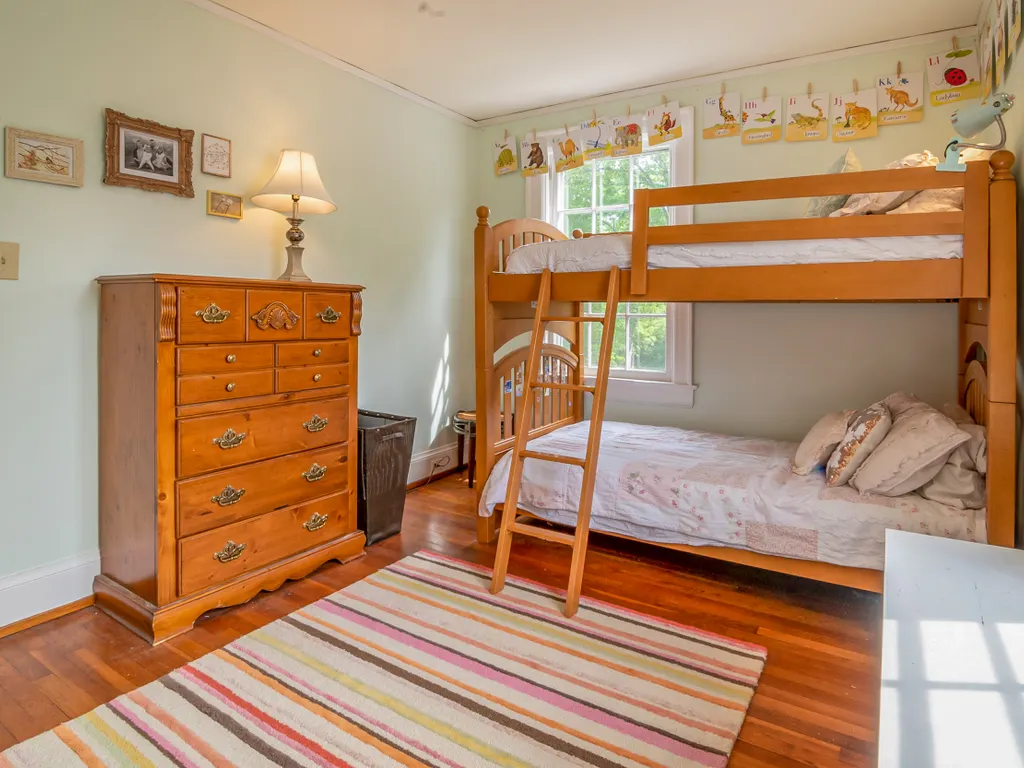
Planning a bedroom your child will love for years, not just one birthday? These 25 childrens bedroom ideas are made to grow with your child, from toddler to pre-teen. Each one is fun, practical and safety-conscious, so the room works for play, sleep, reading and homework, and you are not redecorating every year.
Quick answer: Childrens Bedroom Ideas that grow with your child start with an extendable bed, low open shelves, labelled bins and a desk that adjusts in height. Keep big furniture calm and neutral, add colour with bedding and cushions, and put safety first with anchored furniture, soft-close drawers and a guard rail on any high bed.
The trick is to keep the big pieces calm and flexible: a bed that extends, furniture that adjusts, storage that a child can actually use, and colour that can change with a few cushions and posters instead of a new paint job. Get the basics right and the room adapts as your child does. If you are working with a small room, these apartment bedroom ideas show how to make a small space work hard, and many of the tricks work just as well in a child’s room.
Below, every idea is written for real family life: safety first, storage that children can reach, and furniture that lasts. Start with the bed and the storage, then add the fun touches.
Key points:
- Choose furniture that grows: extendable beds, adjustable desks and wardrobes at child height.
- Keep the big pieces calm and neutral, and let colour live in bedding, posters and cushions.
- Storage children can reach means tidying actually happens.
- Safety first: anchor tall furniture, choose soft-close drawers and check rails and ladders.
- Plan zones: sleep, play, reading and homework, even in a small room.
1. Build a cosy reading nook with a window seat and cushions
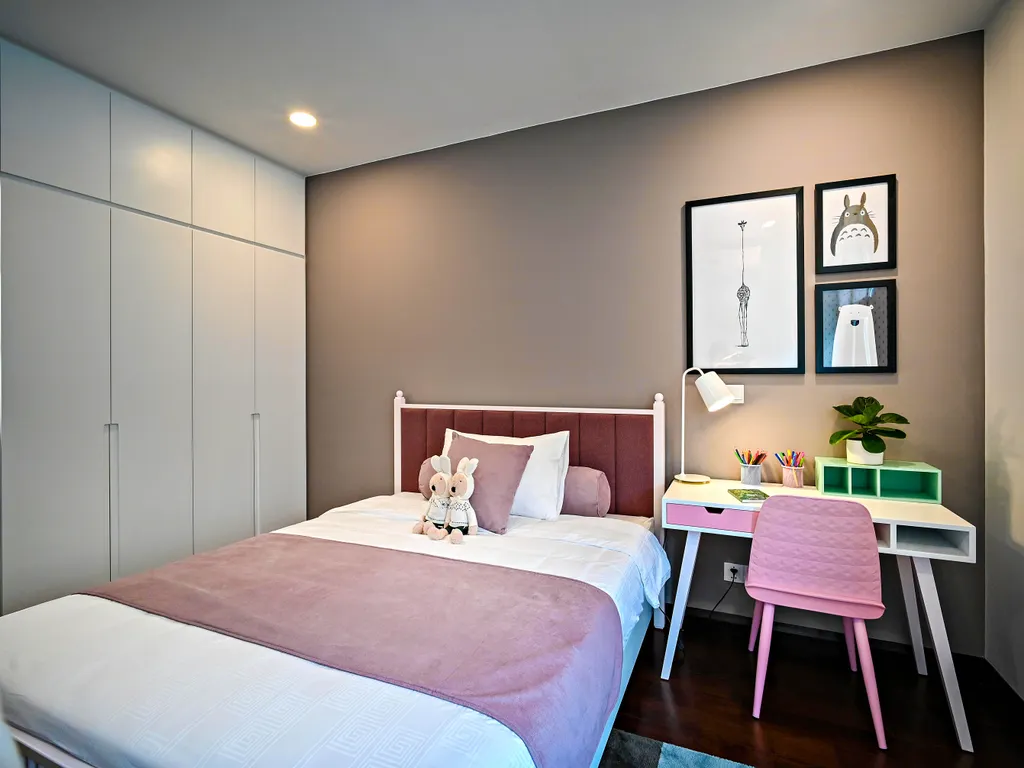
A reading nook turns an unused corner or a wide windowsill into the most-loved spot in the room. Add a cushion, a blanket and a small basket of books, and reading becomes something your child chooses to do, not a chore. Keep the books at child height so they can choose without asking.
- Place the nook near a window for natural light.
- Use washable cushion covers, they will be sat on, spilled on and jumped on.
- Rotate the books every few weeks so the nook feels new again.
2. Choose a bunk bed with a safety rail and a ladder that suits small feet
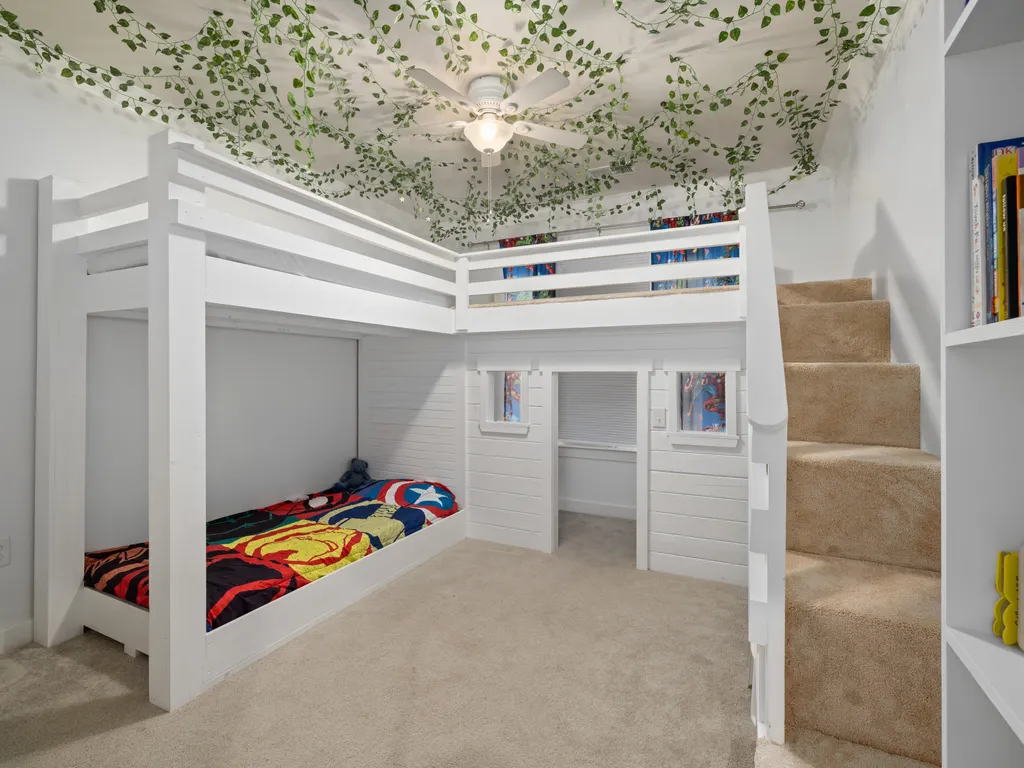
Bunk beds are the classic space-saver for shared rooms and sleepovers, and the best ones are built with safety first: full-length rails on the top bunk, a sturdy ladder and solid fixings. Choose one with a rail that is at least 16 cm above the mattress, and a ladder with wide, flat steps.
- Keep the top bunk for children aged 6 and over.
- Check the fixings once a month, children test furniture harder than adults.
- Add a small clip-on light on each bunk for bedtime reading.
3. Add a loft bed with a study desk underneath
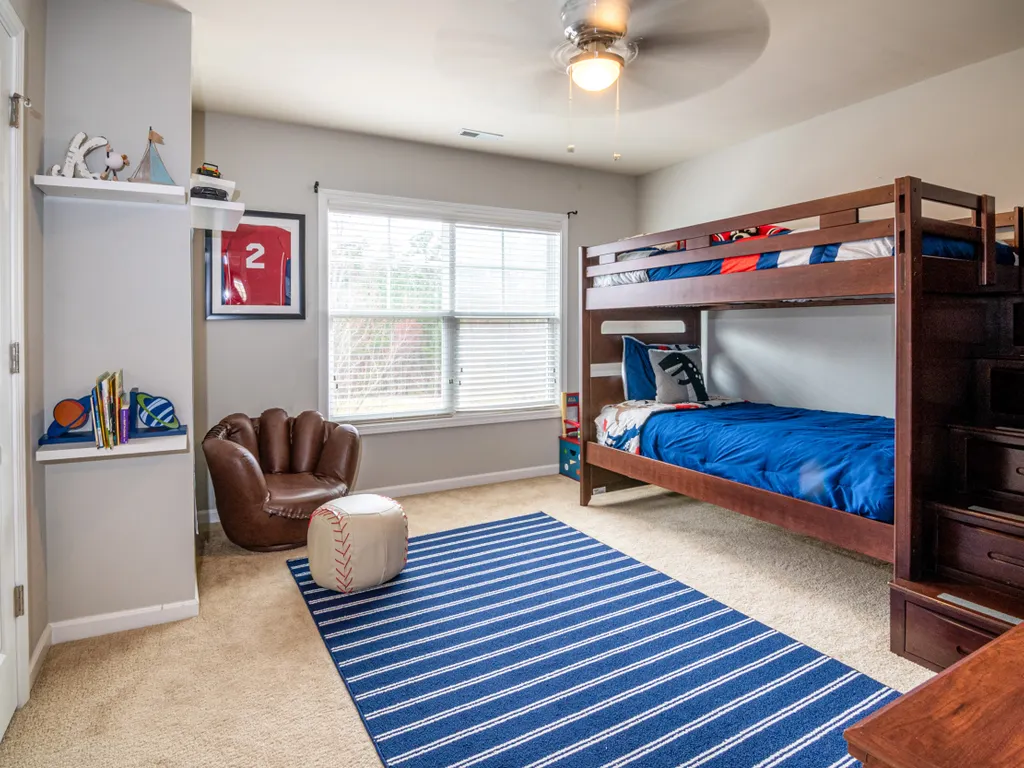
A loft bed lifts the sleeper up and frees the floor underneath for a desk, a reading chair or a play zone. It is the single best trick for a small bedroom, and older children love having a space that feels like their own den.
- Make sure there is enough headroom to sit up in bed.
- Keep the desk area well lit, a warm lamp makes homework far nicer.
- Fit a guard rail on the open side of the bed, all the way along.
4. Use low open shelves so toys are easy to reach and tidy away
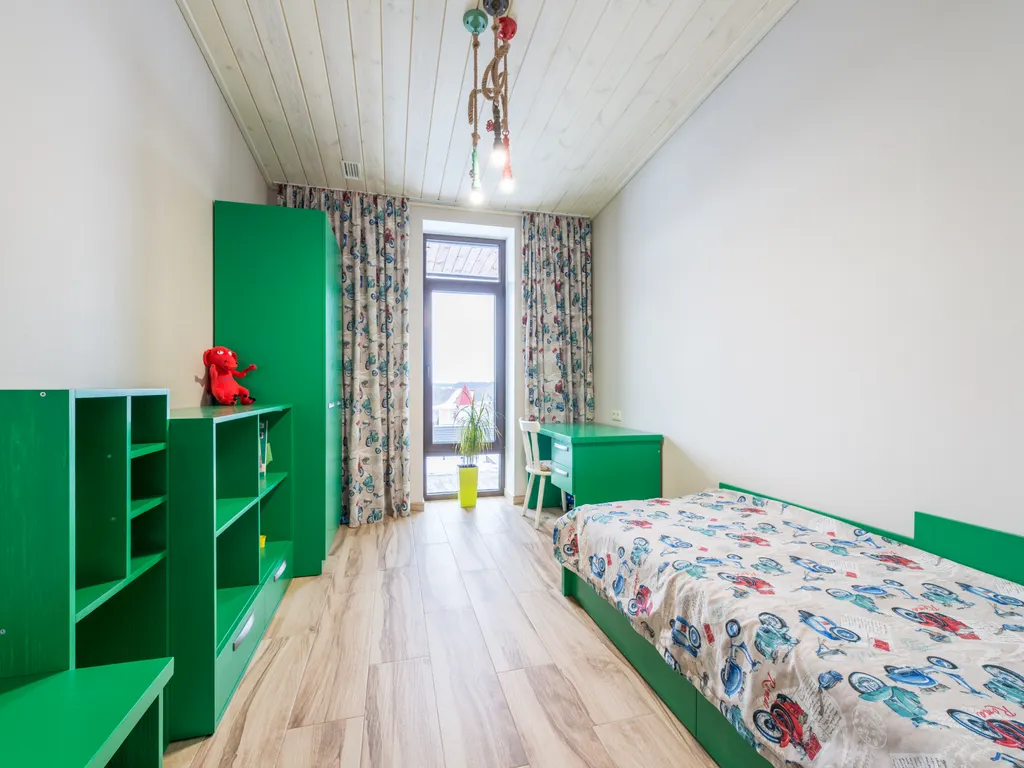
Open shelves at child height mean your child can see, choose and put away their own toys. Closed boxes hide things and get emptied in a single grab. Low shelves turn tidying into a five-minute job instead of a battle.
- Keep shelves no higher than your child’s shoulders.
- Use one shelf per type of toy so everything has a home.
- Anchor the shelving unit to the wall so it cannot tip.
5. Pick a bed that extends as your child grows
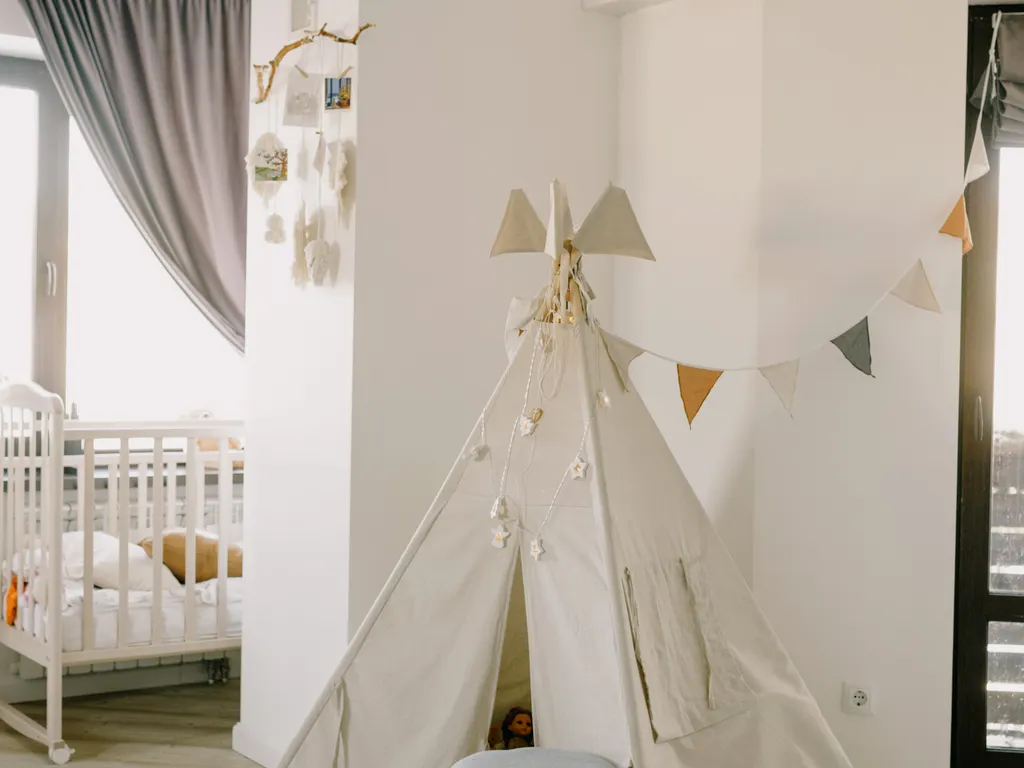
An extendable bed starts as a toddler bed and stretches to a full single bed as your child grows. You buy one bed instead of three, and your child keeps the bed they love, which makes bedtime easier at every age.
- Look for a frame that extends in at least two stages.
- Choose a mattress that fits each stage snugly, with no gaps at the ends.
- Let your child help choose the bedding, it makes the bed feel theirs.
6. Paint one wall in a calm, playful colour your child can live with
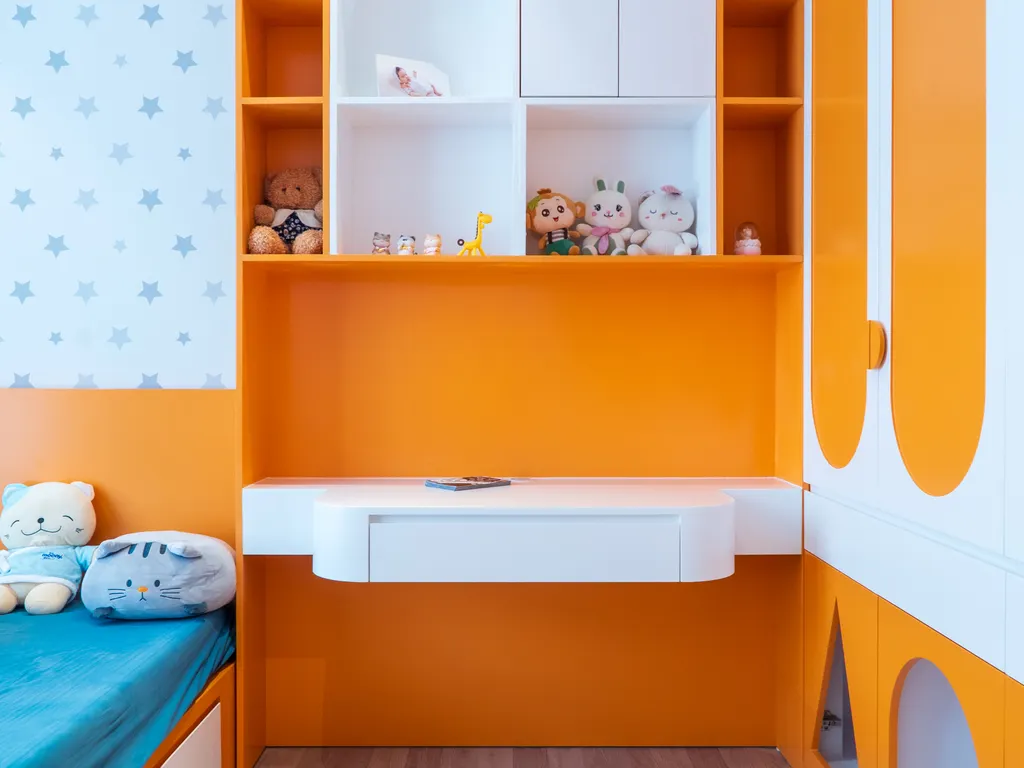
One accent wall in a soft, playful colour gives the room personality without overwhelming it. A pale sage, a warm sky blue or a gentle peach can stay right through to the pre-teen years, and it is cheap to change when tastes change.
- Test a large swatch first and look at it in morning and evening light.
- Choose washable paint, children touch walls more than you think.
- Keep the other walls white or warm white so the colour stays calm.
7. Add a study corner with a height-adjustable desk and chair

A small study corner gives your child a place for homework, drawing and crafts that is not the kitchen table. A desk and chair that adjust in height grow with them from first letters to exam revision, and a dedicated spot makes focus far easier.
- Set the desk so your child’s feet rest flat on the floor.
- Add a pegboard or a small shelf above the desk for pens and books.
- Keep the study corner near the window for the best light.
8. Use labelled toy bins that make tidying a game
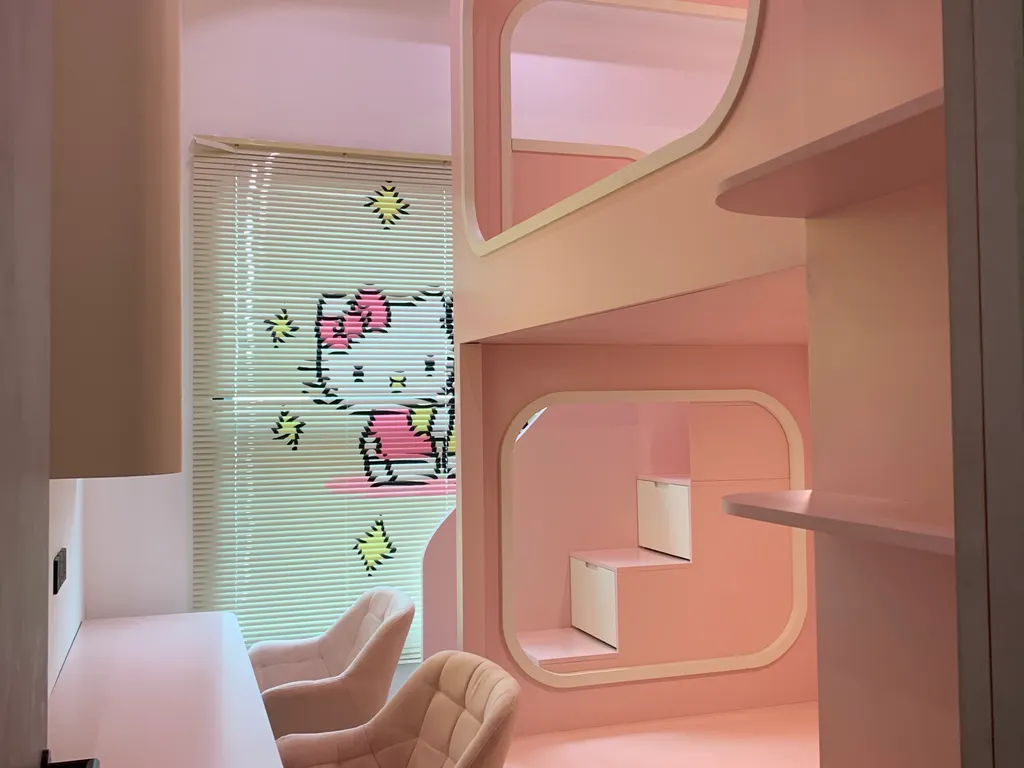
Labelled bins turn tidying from a chore into a sorting game. Pictures on the labels work for children who cannot read yet, and words work for older children. When every bin has a name, putting things away is quick and even fun.
- Use picture labels for toddlers, word labels for readers.
- Keep the number of bins small, four to six is enough.
- Put the bins on low shelves or in a cube unit your child can reach.
9. Hang a wall-mounted bookshelf at child height
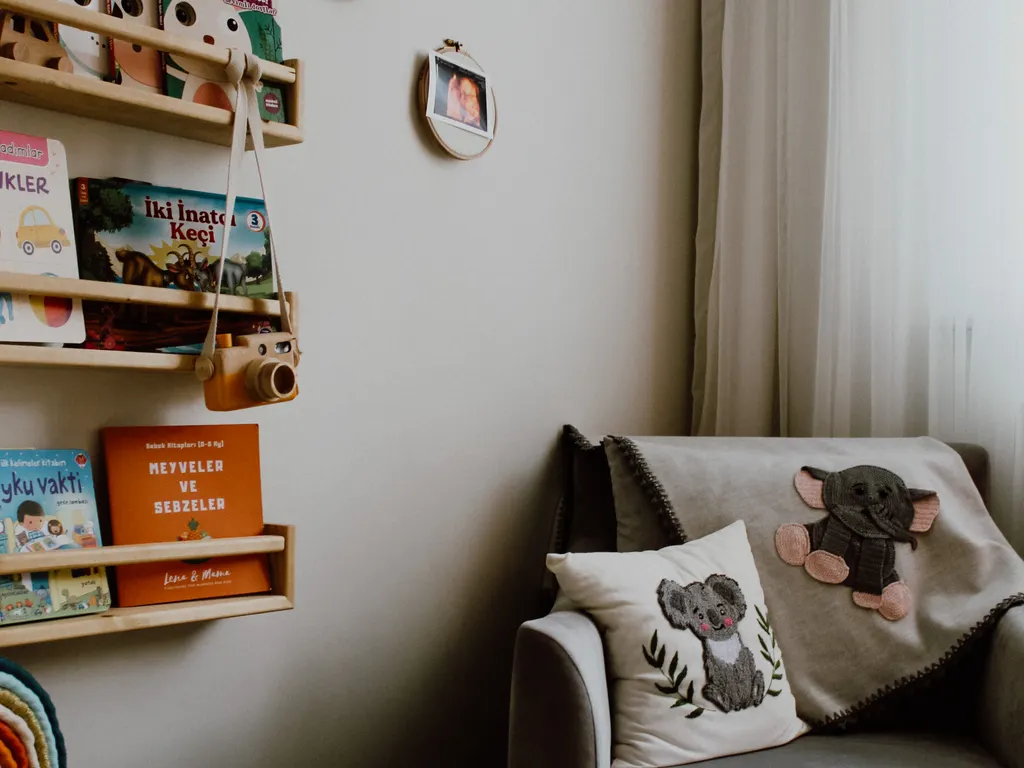
A wall-mounted bookshelf with the covers facing out turns books into decoration and makes choosing a bedtime story easy. It holds fewer books than a deep shelf, which is a good thing, as your child sees every title and actually picks one.
- Mount the shelf at your child’s eye level.
- Mix books with a small toy or photo to keep it personal.
- Rotate the books monthly to keep the shelf interesting.
10. Choose blackout curtains with a fun pattern for better sleep

Blackout curtains help your child fall asleep faster and sleep longer, especially in summer when the sun sets late. Choose a fun pattern your child loves and the curtains become part of the room’s decoration, not just a practical fix. For how much sleep children need at each age, see the AAP’s guide to healthy sleep habits.
- Measure the window and order curtains wider than the frame for full blackout.
- Choose a lining that blocks light completely, not just a dark fabric.
- Let your child pick the pattern, they will love the room more for it.
11. Add a soft rug that defines a play zone
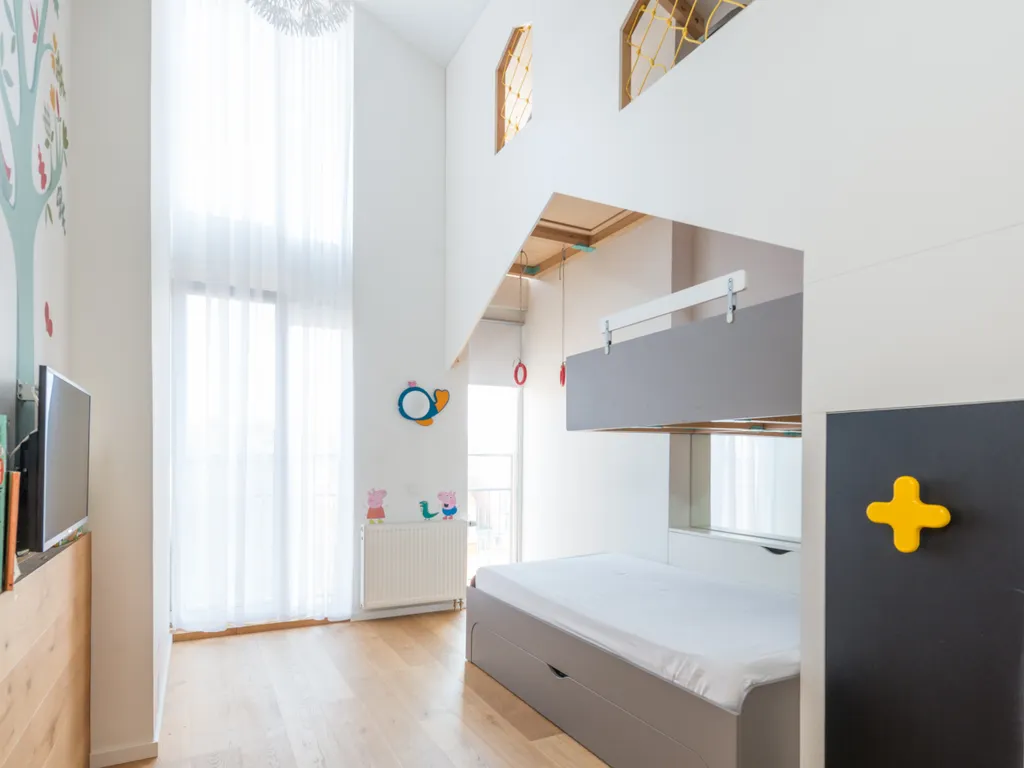
A soft rug marks out a play zone instantly, and it makes the floor comfortable for building blocks, playing cars or reading on the floor. Choose one that is easy to wash, and in a pattern that hides crumbs and dust.
- Choose a low-pile rug so toy wheels and blocks sit flat.
- Pick a washable rug if you can, spills are inevitable.
- Make the rug big enough for your child and a friend to play together.
12. Use a trundle bed for sleepovers
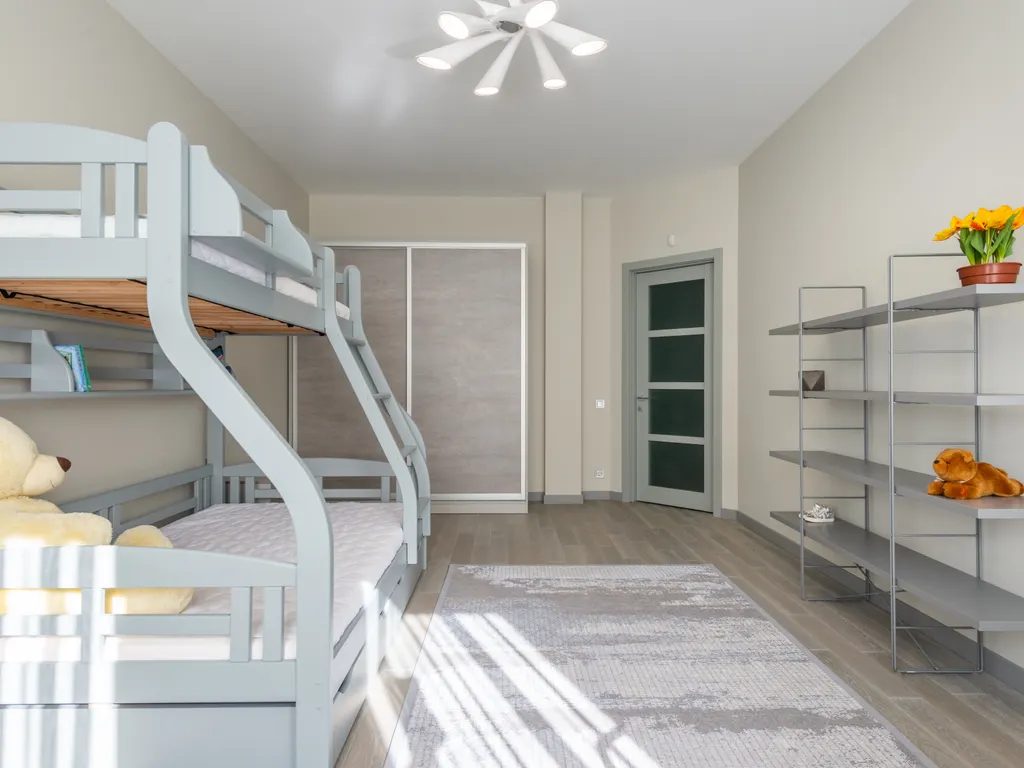
A trundle bed hides a second bed under the main one and rolls out for sleepovers, then slides away in the morning. It doubles the sleeping space without taking up any floor space, and it means your child can host a friend without the room feeling crowded.
- Check the trundle mattress is thick enough to sleep on comfortably.
- Keep the space under the bed clear so the trundle rolls out easily.
- Use the same bedding style on both beds for a tidy look.
13. Create a gallery wall for your child’s own art

A gallery wall of your child’s own drawings and paintings is worth more than any bought poster. Frame the best pieces, hang them at your child’s eye level, and swap them as new ones arrive. It tells your child their work matters.
- Use lightweight frames with plastic, not glass, for safety.
- Hang the art low enough for your child to see and touch.
- Rotate the display every month so new art gets a turn.
14. Add a small wardrobe with rails at child height
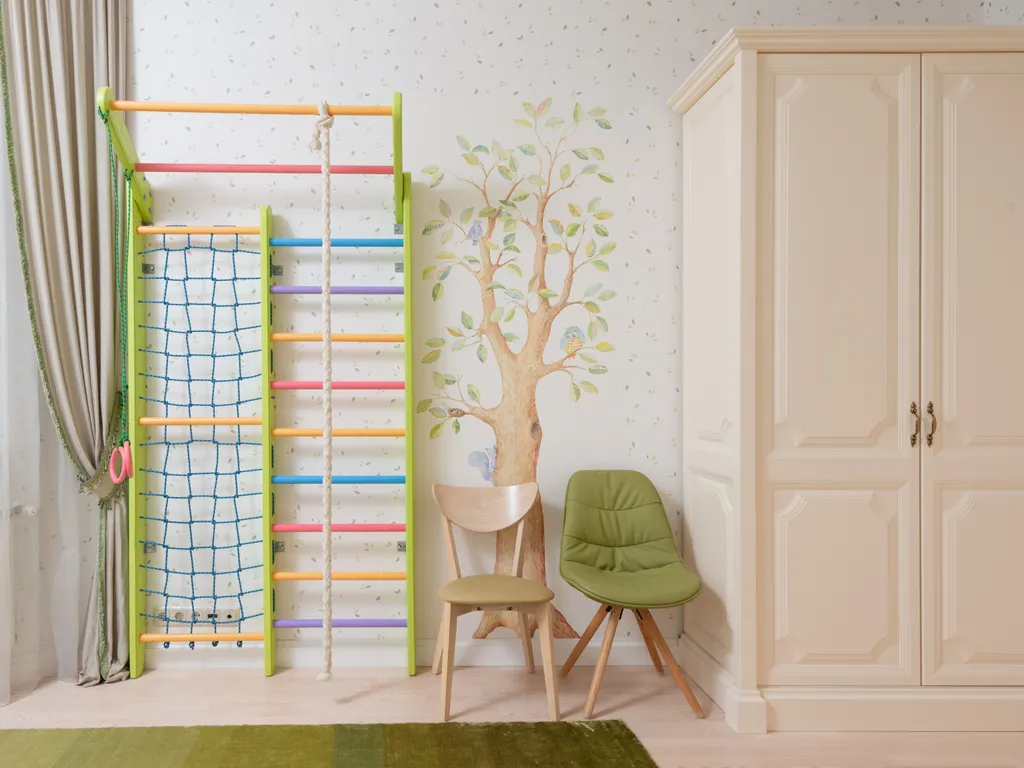
A small wardrobe with a rail at child height lets your child choose their own clothes and put them away, which builds independence and makes mornings easier. Keep the rail low, the hangers small and the choices few.
- Mount a second low rail inside an adult wardrobe if space is tight.
- Use child-sized hangers so clothes do not slip off.
- Keep the wardrobe tidy with two or three outfits per section.
15. Use a desk lamp with warm light for homework and reading
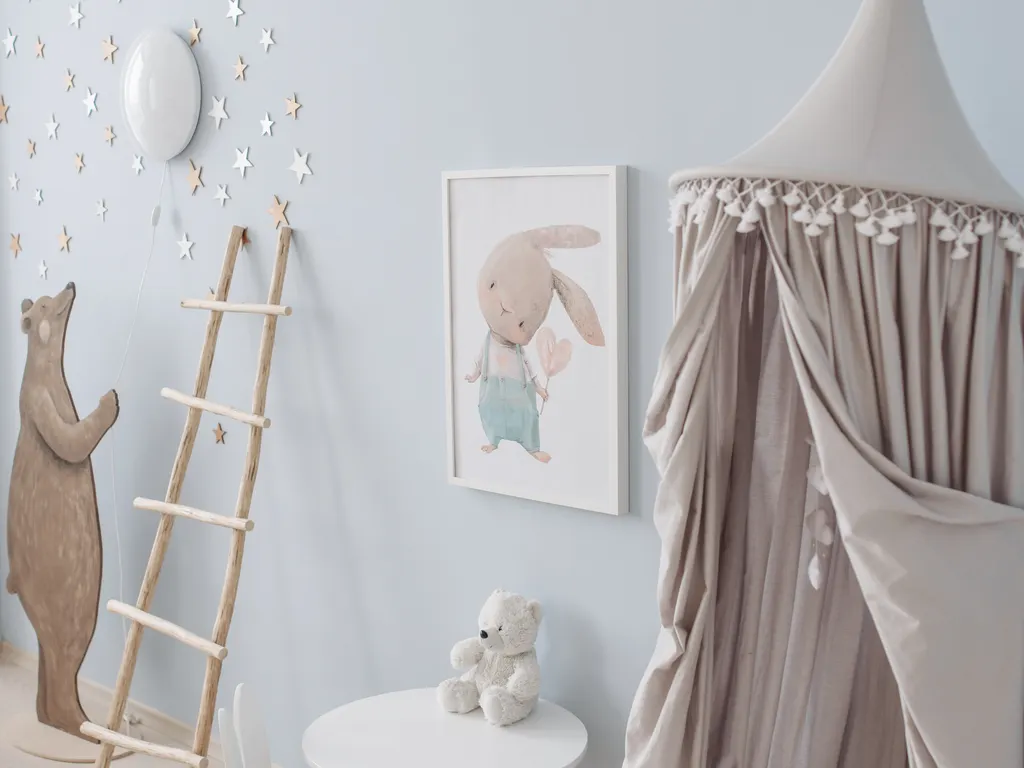
A warm desk lamp makes homework and bedtime reading comfortable, and it stops the room being lit by a single harsh ceiling light. Choose one with a flexible neck and a dimmer, so your child can set the light exactly where they need it.
- Choose warm white light, around 2700-3000K, for a cosy glow.
- Place the lamp on the opposite side to your child’s writing hand.
- Add a timer plug so the lamp switches off at bedtime.
16. Choose washable paint and wipe-clean surfaces
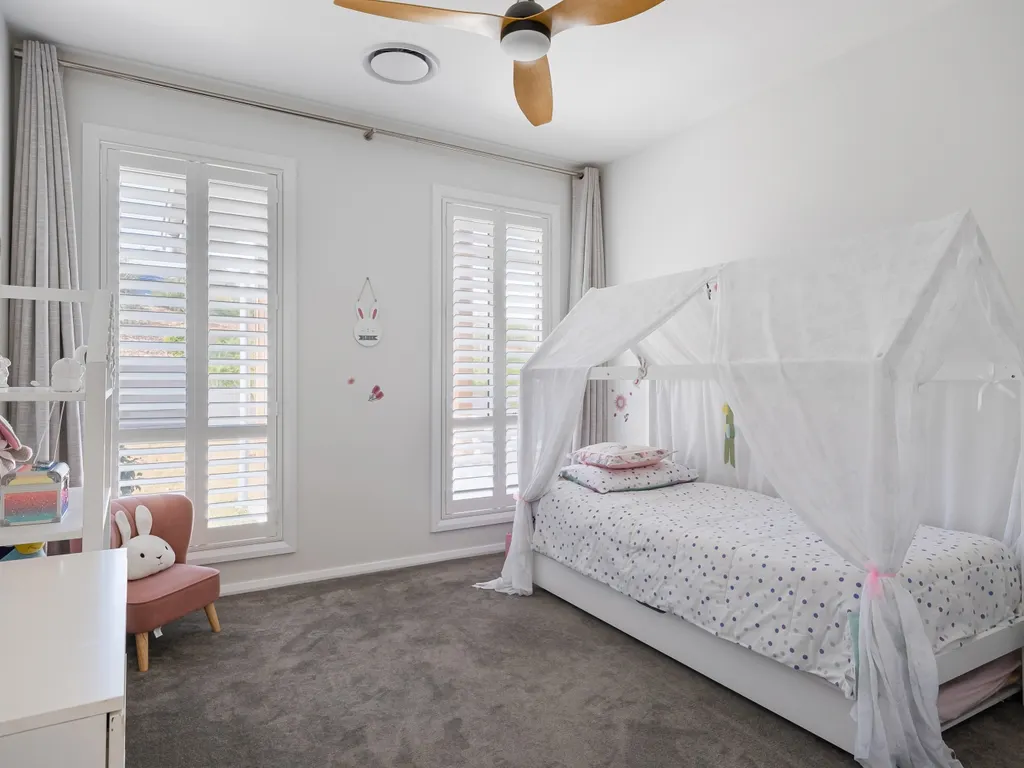
Washable paint and wipe-clean surfaces are the most practical choices in a child’s bedroom. Crayon, sticky fingers and spilled drinks wipe off in seconds, and you stop worrying about the walls, which is worth more than any fancy finish.
- Choose a washable emulsion in a mid-sheen for the walls.
- Use wipe-clean covers on the mattress and the cushions.
- Keep a small cleaning kit in the room so your child can help too.
17. Add a canopy or bed tent for a cosy hideaway
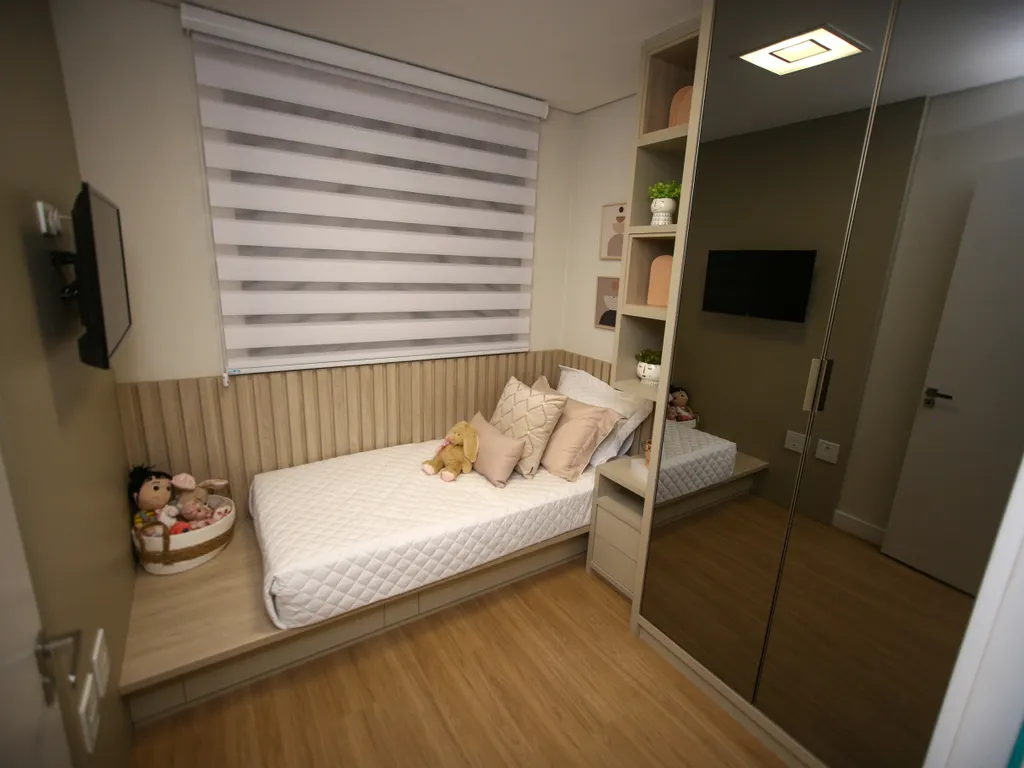
A canopy or a bed tent turns an ordinary bed into a hideaway, a castle, a spaceship or a reading den. It gives your child a private space to retreat to, and it makes bedtime feel like an adventure instead of a rule.
- Choose light, breathable fabric that does not trap heat.
- Fix the canopy firmly so it cannot fall during the night.
- Let your child choose the colour or theme, it is their hideaway.
18. Use under-bed storage drawers for clothes and toys

Under-bed drawers use space that would otherwise be wasted. Clothes, spare bedding and out-of-season toys fit neatly underneath, and the room stays tidy without another piece of furniture taking up floor space.
- Measure the space under the bed before buying the drawers.
- Use wheeled drawers your child can pull out and push back alone.
- Label each drawer so your child knows what lives where.
19. Create a calm-down corner with cushions and quiet toys

A calm-down corner is a small, soft space where your child can go when feelings get big. A few cushions, a blanket, some quiet toys and a couple of books give them a place to reset, and it teaches them to manage big emotions on their own.
- Keep the corner simple and uncluttered, it works because it is calm.
- Add a feelings chart or a few emotion cards for younger children.
- Never use the corner as a punishment, it should feel safe.
20. Add a growth chart on the wall to mark the years
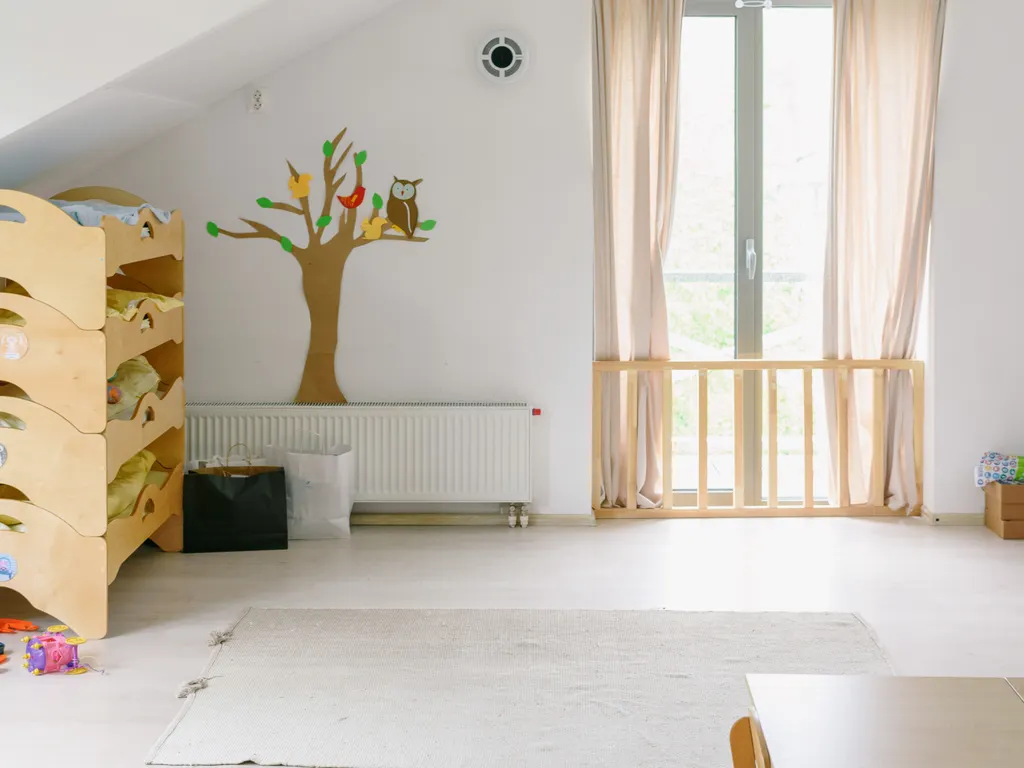
A growth chart on the wall or the door frame turns height into a family ritual. Measure on birthdays, mark the date and watch the years add up. It becomes a piece of family history that moves with you if you use a removable chart.
- Choose a removable chart if you rent, or paint one on the wall.
- Mark birthdays and special days, not just height.
- Keep a pencil nearby so you can mark the moment when it happens.
21. Use a bunk bed ladder with wide, non-slip steps
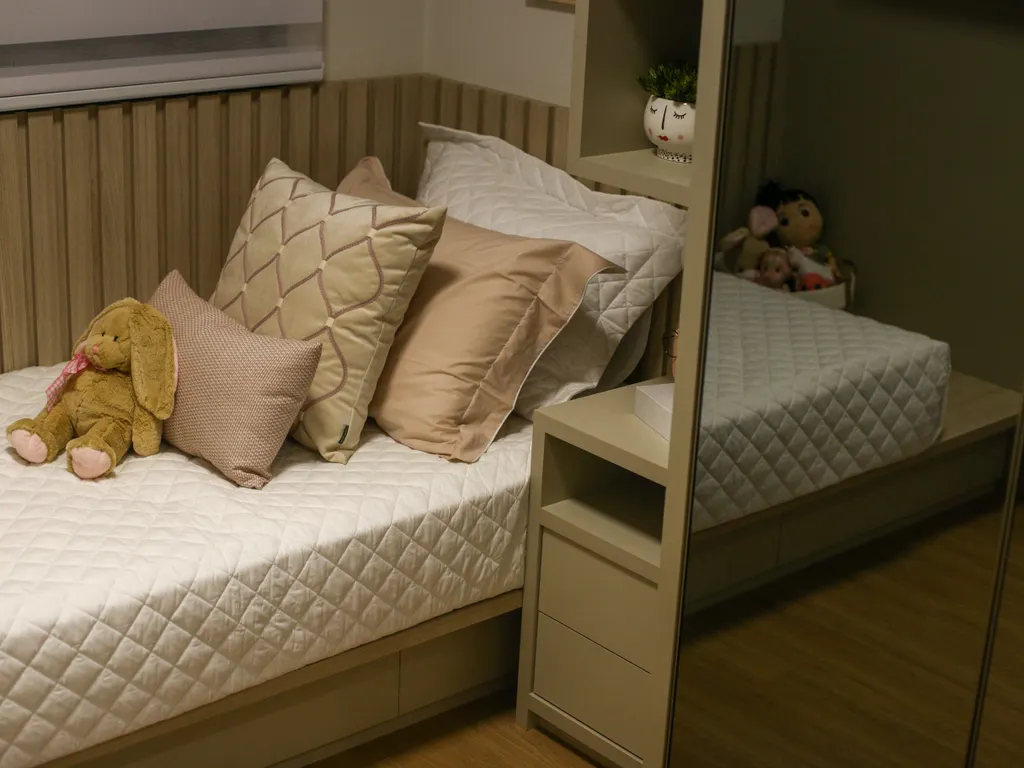
A good bunk bed ladder is wide, flat and non-slip, so small feet can climb up and down safely, even in socks and in the dark. If your bunk bed came with a round-rung ladder, swapping it for a flat-step version is one of the best safety upgrades you can make.
- Choose steps at least 8 cm deep with a non-slip surface.
- Add a small night light near the ladder for night-time trips.
- Teach your child to climb down facing the ladder, not backwards.
22. Add fairy lights or a star projector for bedtime
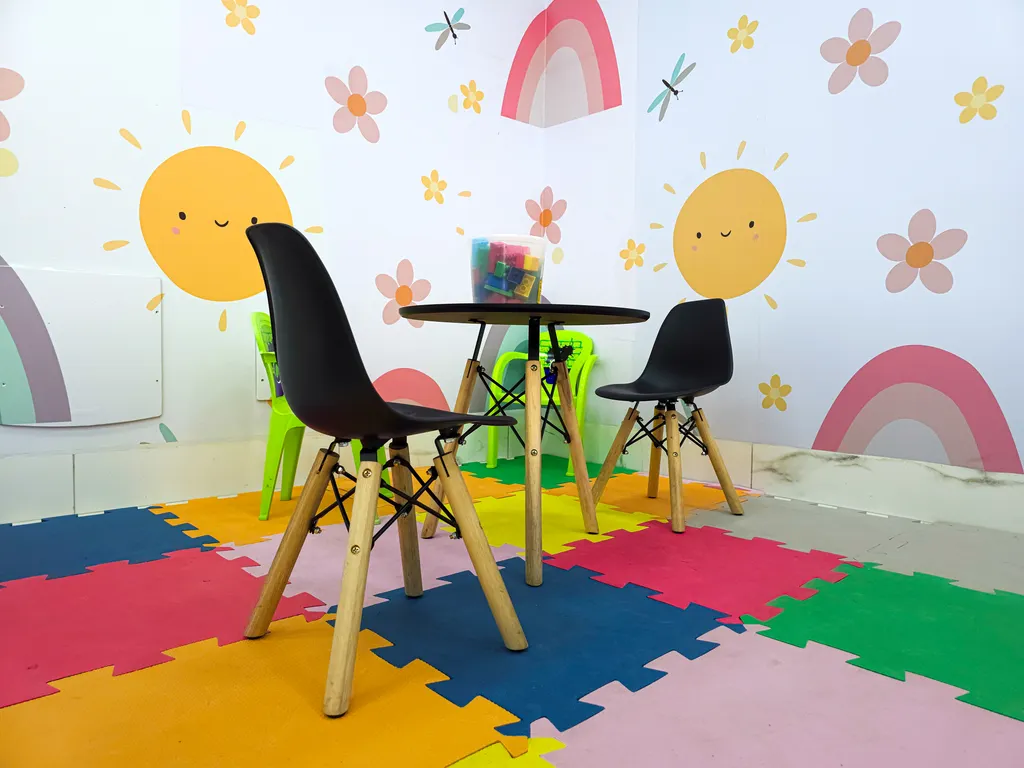
Soft fairy lights or a star projector make bedtime something to look forward to. A gentle glow on the ceiling settles a room and chases away the fear of the dark, and a timer means the lights switch themselves off once your child is asleep.
- Use battery lights with a timer so they switch off by themselves.
- Keep the light warm and dim, bright light wakes children up.
- Hang fairy lights out of reach of small fingers.
23. Choose storage furniture with soft-close drawers and doors

Soft-close drawers and doors stop trapped fingers, which is the most common bedroom injury for young children. They also stop the slamming that wakes babies and annoys everyone, and the furniture lasts longer because it is never slammed shut.
- Look for soft-close runners on drawers and dampers on doors.
- Anchor tall furniture to the wall. The U.S. CPSC’s Anchor It! site shows how, and why it matters.
- Check the fixings every six months as children grow heavier and stronger.
24. Make a homework station with pegboard and pencil pots
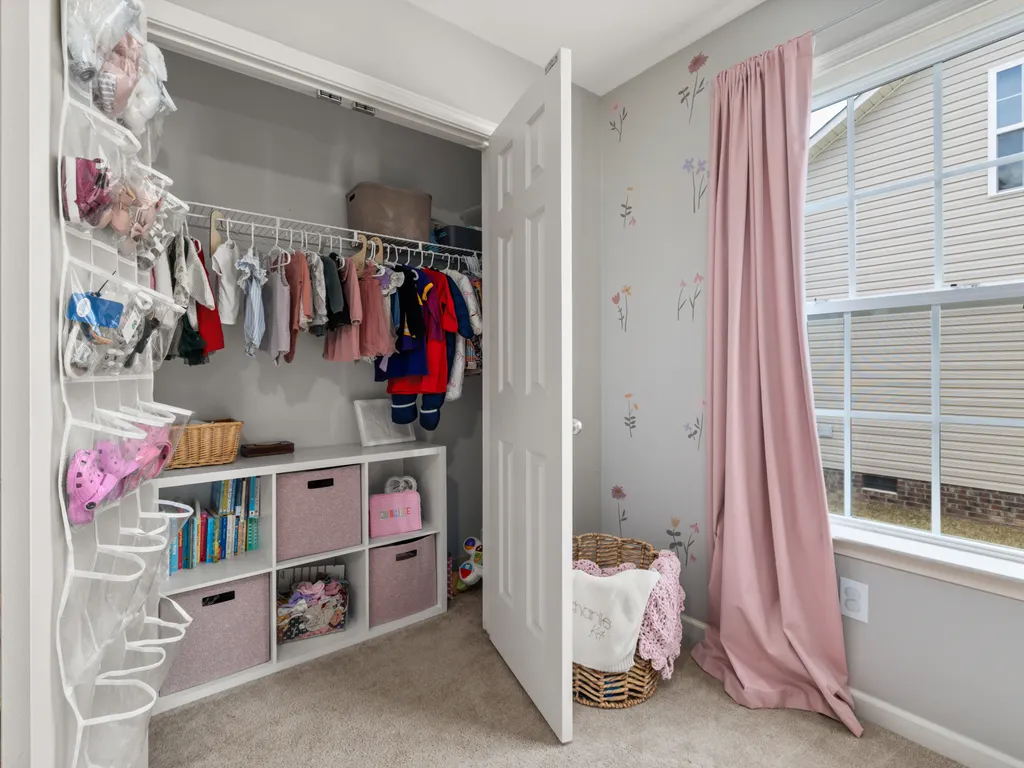
A pegboard above the desk holds pencil pots, scissors, rulers and a clock, so everything your child needs is visible and within reach. It keeps the desk surface clear for actual work, and it makes packing away as simple as hanging things back on their hooks.
- Hang the pegboard at arm’s reach from the chair, not too high.
- Use hooks and small pots so every item has a place.
- Let your child arrange the pegboard, they will use it far more.
25. Finish with a night light and a simple bedtime routine chart
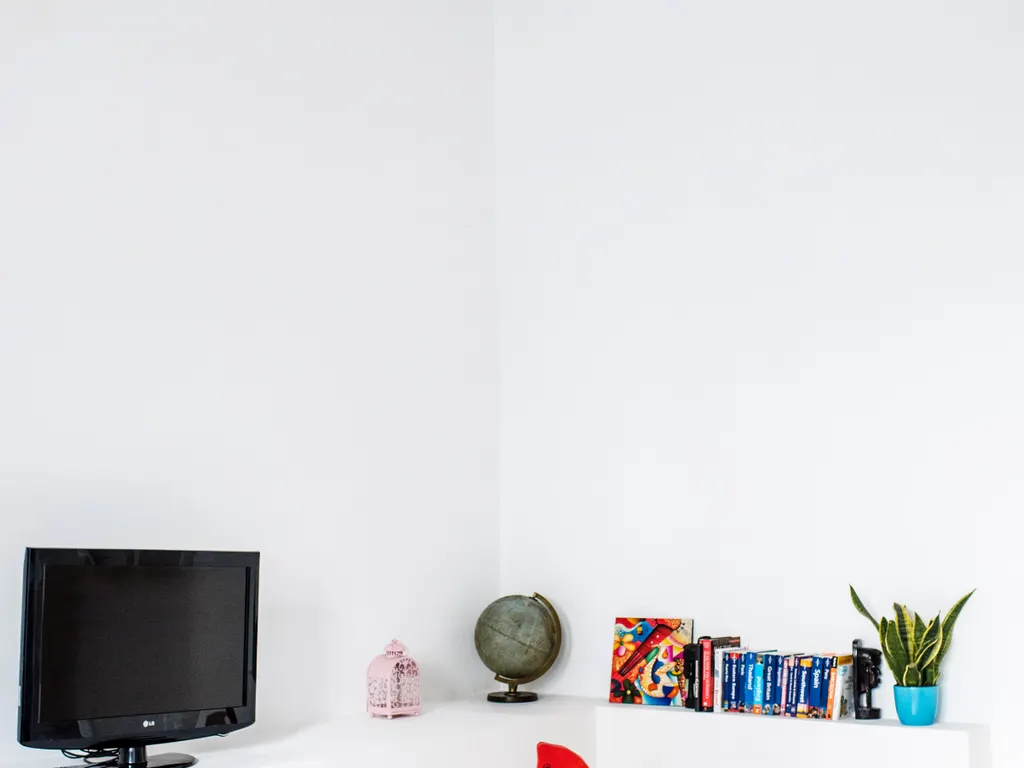
The last idea costs the least and changes bedtimes the most. A warm night light and a simple chart, bath, book, bed, give your child a routine they can follow, and a room that feels safe after dark.
- Choose a warm, dim night light, never a bright white one.
- Make the routine chart with pictures for younger children.
- Keep the chart at your child’s height so they can tick off each step.
How to plan a childrens bedroom that grows with your child
Start with the pieces that are hardest to change, then add the flexible ones:
- Choose the bed first. An extendable bed or a bunk bed sets the layout.
- Plan storage your child can reach: low shelves, labelled bins and under-bed drawers.
- Add a study corner with a desk and chair that adjust in height.
- Keep walls and big furniture calm and neutral, then add colour with bedding, cushions and posters.
- Finish with safety: anchor tall furniture, fit soft-close drawers and check rails and ladders.
Mistakes to avoid in a childrens bedroom
- Buying furniture your child will outgrow in a year. Choose adjustable pieces instead.
- Storing toys too high or in deep boxes. If your child cannot reach it, they cannot tidy it.
- Picking a theme that is too specific. A colour or a hobby is easier to outgrow than a whole room.
- Skipping the safety checks. Anchor tall furniture and check the fixings regularly.
- Forgetting a calm corner. Every child needs a place to rest and reset.
- Using bright white light at bedtime. Warm, dim light helps children fall asleep.
Frequently asked questions
What are the best childrens bedroom ideas for a small room?
A loft bed with a desk underneath, wall-mounted shelves and under-bed drawers make a small room feel bigger. Keep the furniture to a few flexible pieces and use the walls for storage, so the floor stays free for play.
How do I make a childrens bedroom safe?
Anchor tall furniture and bookshelves to the wall, choose soft-close drawers and doors, fit a guard rail on the top bunk and use wide, non-slip ladder steps. Check fixings every few months as your child grows.
What age should a child move to a bunk bed?
Most safety guidance says the top bunk is for children aged 6 and over. Younger children should sleep on the bottom bunk, and the ladder should have wide, non-slip steps they can use with confidence.
How can I make a childrens bedroom last from toddler to pre-teen?
Choose an extendable bed, an adjustable desk and neutral walls, then change the look with bedding, cushions and posters. The room grows by changing the soft furnishings, not the furniture.
What colours work best in a childrens bedroom?
Calm, playful colours work best: soft sage, warm sky blue, gentle peach or pale yellow on one wall, with white or warm white elsewhere. Bright colours work best as accents in bedding and toys, not on every wall.
Conclusion
These childrens bedroom ideas all share one goal: a room that is fun, safe and easy to live in, and that grows with your child instead of needing a fresh start every year. An extendable bed, storage your child can reach, a cosy reading nook and a study corner that adjusts with them do most of the work.
Start with the bed and the storage, add the safety checks, then let your child choose the colours and the fun touches. Do that, and you will have a bedroom that works for a toddler, a schoolchild and a pre-teen, and a child who loves their room at every age.
What a childrens bedroom costs, by age
A childrens bedroom can start at $200 for paint, bins and a night light, or reach $3,000 to $5,000 for a new extendable bed, bunk bed, desk and wardrobe. The table below uses typical prices for the items in this post. Spend the most on the bed and the mattress, since your child sleeps there every night, and save on bedding, posters and bins, which change as your child grows.
| Item | Typical cost | What changes the price |
|---|---|---|
| Extendable bed, toddler to single | $300 to $900 | Stages, wood and guard rail |
| Bunk bed with safety rail | $400 to $1,200 | Wood, ladder type and drawers |
| Loft bed with desk below | $500 to $1,500 | Height, desk size and rail |
| Trundle bed, single | $150 to $500 | Mattress thickness and wheels |
| Height-adjustable desk and chair | $150 to $500 | Range, top size and chair support |
| Low open shelves, one unit | $60 to $250 | Wood, depth and wall fixings |
| Labelled toy bins, set of six | $30 to $90 | Size, lids and label type |
| Blackout curtains, one pair | $50 to $180 | Lining, width and pattern |
| Washable rug, 5 by 7 feet | $60 to $200 | Washable backing and pile height |
| Small wardrobe, child height | $150 to $600 | Wood, rails and drawers |
| Wall anchor kit, per item | $10 to $25 | Wall type and furniture weight |
| Warm desk lamp with timer | $25 to $80 | Dimmer and colour range |
Allow $50 to $100 for spare bins, extra labels and a second set of washable cushion covers, since children spill and mark things in the first week. Buy the next mattress size before your child outgrows the old one, not after, so there is no gap in sleep while it is delivered.
Sizes and safety numbers to check before you buy
Measure the room and the bed before you order. A toddler bed is about 28 by 52 inches, a single bed is 38 by 75 inches, and a bunk bed needs at least 30 inches of clear space above the top mattress to the ceiling, so your child can sit up. The top bunk is for children aged 6 and over, and its guard rail should run the full length of the open side and sit at least 5 inches above the mattress. Leave 24 inches of clear floor on each side of the bed, and at least 30 inches in front of a wardrobe door. Shelves should sit no higher than your child’s shoulders, and a desk should let your child’s feet rest flat on the floor, with the chair seat at about 12 inches high for a 5-year-old and 16 inches for a 10-year-old. Anchor every tall unit to the wall with a rated kit, and check the fixings every six months. For a reading nook, keep cushions washable and the light warm, at 2700 to 3000K.
How to plan the room in order, by age
Start with safety, not shopping. Anchor the tall furniture, fit soft-close drawers and check the bunk rail and ladder. Next, place the bed, then the storage your child can reach, then the desk. Add colour last, with bedding and posters, so the room can change without new furniture. The most common mistake is buying a themed bed that your child outgrows in two years; a plain extendable bed with themed bedding lasts far longer. A second mistake is storing toys in deep boxes or high shelves, so tidying never happens. A third mistake is a desk that is too high, so your child perches on the edge of the chair. Set the desk and chair to the heights above, and check them again every six months as your child grows.
More questions about childrens bedrooms
How much should I spend on a childrens bedroom?
Plan on $200 to $800 for paint, bins, curtains and a rug, and $1,500 to $3,000 for a new bed, desk and wardrobe. Spend the most on the bed and mattress, and the least on themed bedding that will change in a year.
What size bed does a 5-year-old need?
A toddler bed, about 28 by 52 inches, suits most children up to age 5, and a single bed, 38 by 75 inches, suits ages 6 and over. An extendable bed covers both stages and is the cheapest long-term choice.
How do I keep a shared childrens bedroom tidy?
Give each child four to six labelled bins at their own height, one shelf each, and a colour for their bedding. Tidying works when every item has a home your child can reach without help.