
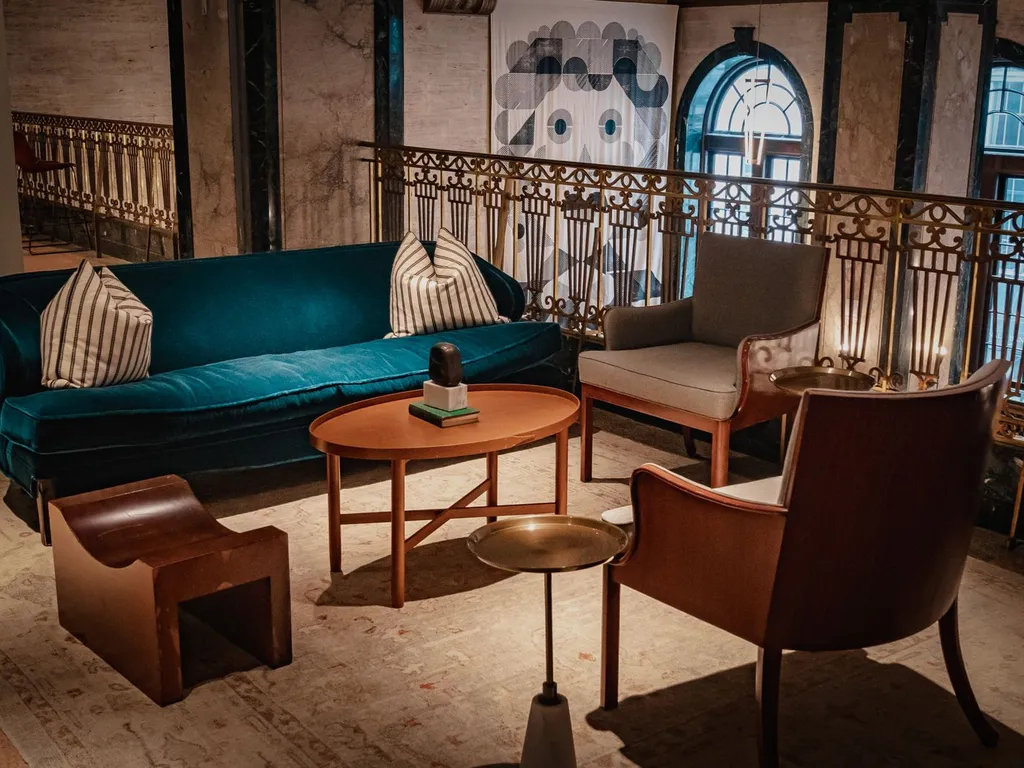
Eclectic is the style for people who refuse to choose. You love your grandmother’s carved chairs and a clean modern sofa, a faded Persian rug and a piece of bold abstract art — and eclectic decorating says you do not have to pick a side. Done badly, it becomes exactly what its critics claim: a room where nothing matches and everything shouts. Done well, it is the most personal style of all, a room that could only belong to one household.
Quick answer: Eclectic interior style ideas mix furniture, art and objects from different styles, eras and places, held together by one quiet base, one lead style and a colour repeated through the room. Start with calm walls and your best-loved pieces, add pattern and texture in small doses, then edit hard so the mix looks collected, not random.
The difference between collected and chaotic is not taste — it is structure. Every successful eclectic room follows the same handful of disciplines: a calm base, one lead style, colour repeated until it becomes a thread, patterns cast like actors. Among the types of interior design styles it is the hardest to fake and the easiest to live with, because it grows from what you already own. Ten disciplines follow.
In this guide: The Eclectic Mix at a Glance · Start With One Quiet Base · Let One Style Lead the Room · Bridge the Eras: Old Beside New · Mix Patterns on Purpose · Layer Textures Until It Feels Collected · Use Colour as the Common Thread · Say It With Art: The Mixed Gallery Wall · Furniture From Different Families, One Conversation · Bring the World Home: Global Finds With Stories · Edit Like a Curator: The Final Pass · Frequently Asked Questions About Eclectic Interior Style · Conclusion
The Eclectic Mix at a Glance
| Element | The eclectic move | Why it works |
|---|---|---|
| Base | Warm neutrals under everything | A calm ground lets mixed pieces coexist |
| Lead style | One style at roughly 70 percent | The room keeps a grammar |
| Eras | Antique beside modern | Each makes the other look better |
| Pattern | One hero, two supporting acts | Energy without noise |
| Texture | Rough, smooth and soft in every view | Richness you can feel |
| Colour | Two or three accents, repeated | The thread the eye follows |
| Art | Mixed frames, one composition | Personality at full volume |
| Furniture | No suites, shared scale | A conversation, not a chorus |
| Global finds | Grouped and given room | Stories, not souvenirs |
| Editing | Take away before adding | Collected stays collected |
1. Start With One Quiet Base
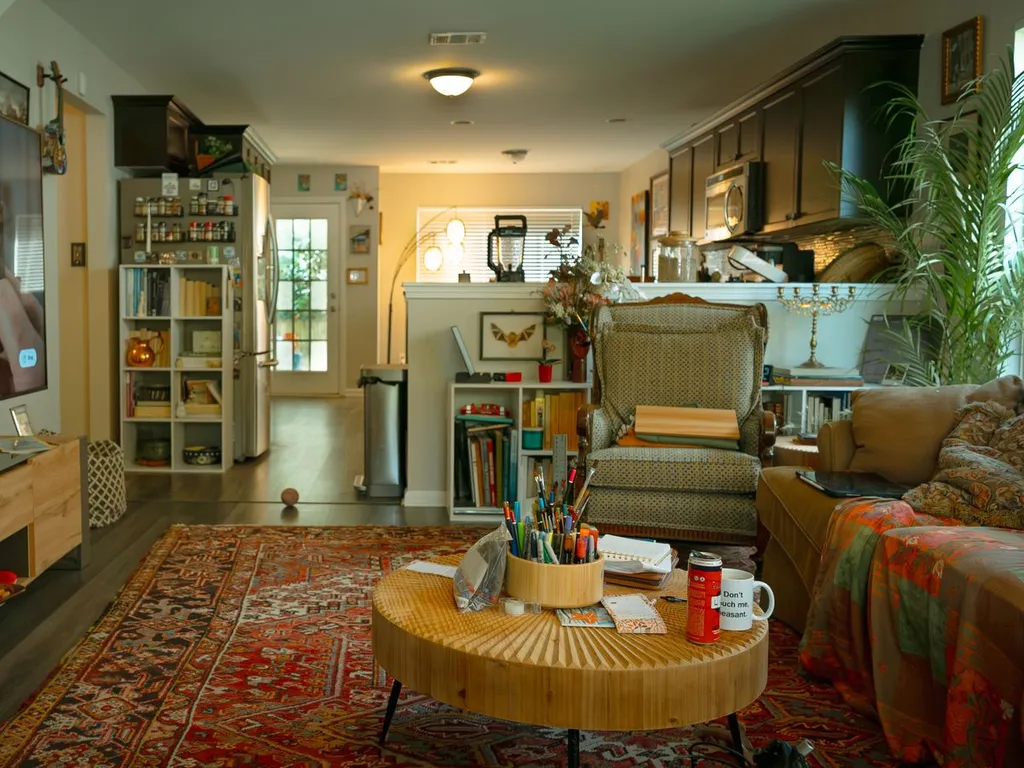
Every free mix needs something calm underneath it. In an eclectic room that job falls to the base: warm white or soft neutral walls, a plain sofa, pale floors, an undyed rug — the quiet 70 percent that lets the interesting 30 percent be interesting. The base is not a style at all, and that is the point: it is the silence between the notes, the thing that stops a carved chair, a kilim cushion and a cobalt vase from competing.
Choose the base from the calmest pieces you own. A linen sofa in a natural tone, walls in a warm off-white, curtains that filter light without adding a fourth pattern — these carry any combination you later throw at them. If your base is already loud, the mix has to quieten everywhere else, which is why most eclectic rooms start neutral and earn their colour in layers.
2. Let One Style Lead the Room

Eclectic does not mean equal shares. Pick one style to lead — mid-century, traditional, Scandinavian, whichever owns your biggest pieces — and let it set the room’s grammar: the furniture shapes, the wood tone, the general temperature. Other styles visit as accents: a woven pouf, an ornate gilt frame, one tribal cushion. A useful ratio is roughly 70 percent lead style and 30 percent guests — and the guests can rotate freely without the room losing its plot.
This is also the easiest way to start from what you have. Kanika Design’s guide to eclectic interior design makes the same point: begin with the pieces worth keeping, establish a few common threads, then add contrast only where the room can carry it. Your lead style is simply the thread that was already there; you only need to cast the supporting roles deliberately.
3. Bridge the Eras: Old Beside New
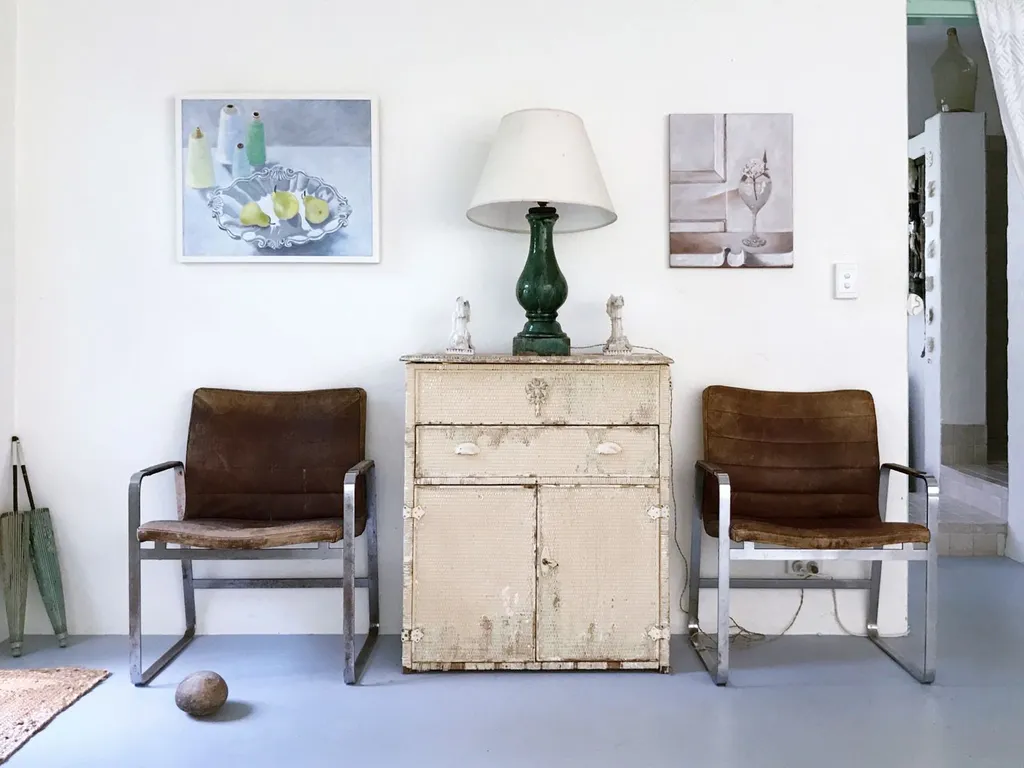
The signature eclectic move is a pairing across time: an antique gilt chair beside a plain modern sofa, a Victorian mirror over a minimalist console, a 1930s lamp on a new desk. Pieces from the world of traditional interior style ideas — carved wood, formal silhouettes, real patina — bring the history, while clean modern pieces stop that history hardening into a period set. Each makes the other look better: the antique reads as treasure rather than clutter, the modern piece gains warmth.
Bridge pieces do the diplomatic work between them: a neutral rug, a simple wooden table, a lamp with a foot in both worlds. It is no accident that the pieces designers reach for are often drawn from transitional interior style ideas, the style built entirely out of bridging old and new. Set one bridge beside every bold pairing and the eras stop colliding and start conversing.
4. Mix Patterns on Purpose
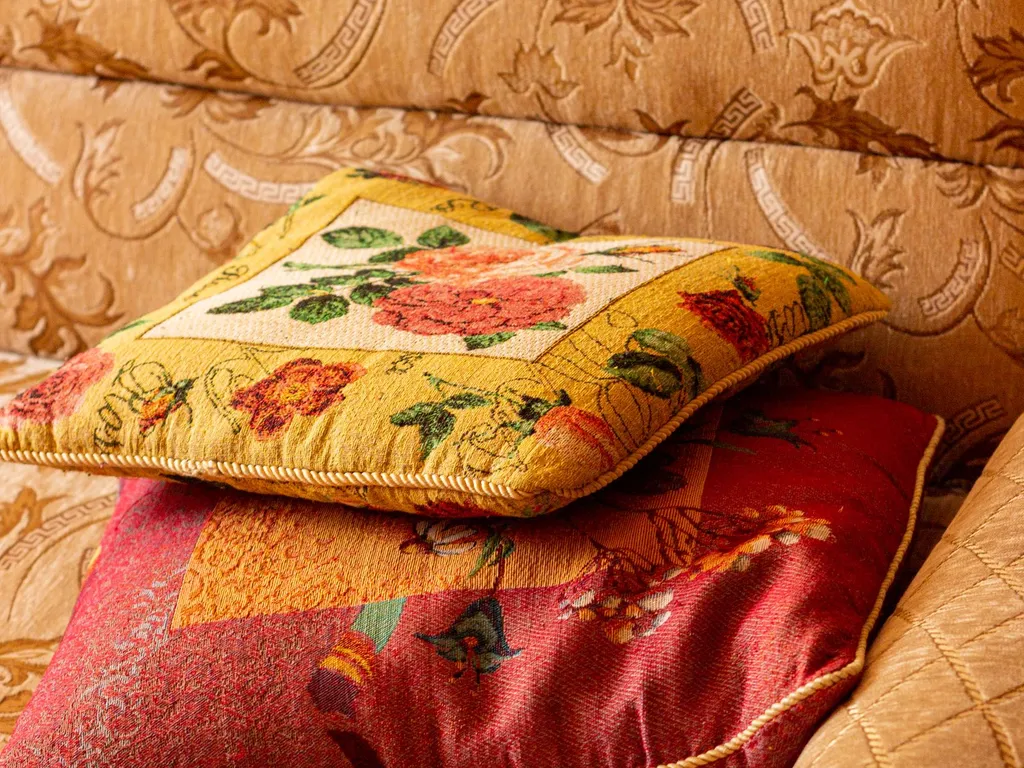
Pattern is where eclectic rooms either sing or fall apart, so treat it as a cast, not a crowd. One hero pattern takes the lead — a floral chair, a bold rug, a statement curtain. Supporting patterns appear at a different scale: a stripe against the floral, a small geometric against a large botanical. Three patterns in one view is a comfortable ceiling; the fourth turns harmony into noise.
What keeps the cast together is a shared palette. Tikkurila’s eclectic interior design guide encourages exactly this freedom — mixing different styles, patterns and textures across a room — with colour quietly doing the disciplining. Pull every pattern from the same three or four colours and a Persian rug can share a room with a monochrome geometric. Change the scale, keep the colour: that is the whole trick.
5. Layer Textures Until It Feels Collected
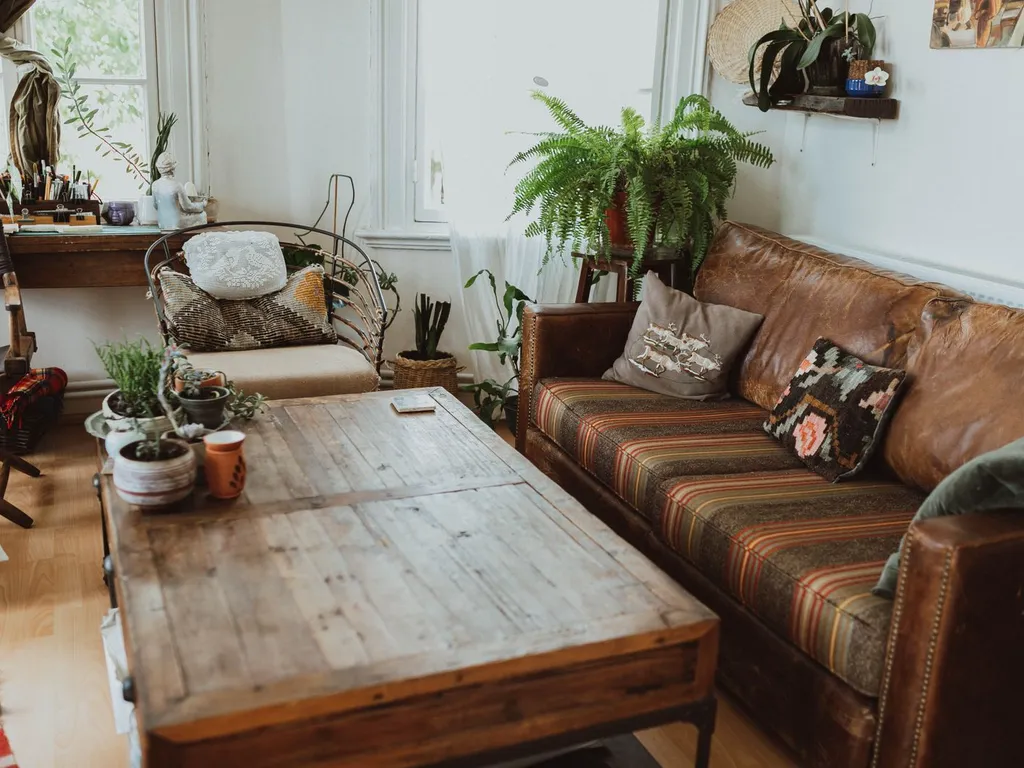
If pattern is eclectic’s voice, texture is its handshake — the thing you feel before you have finished looking. Mix the families deliberately: hard with soft, rough with smooth, shiny with matte. Worn leather beside velvet, raw wood beside marble, jute underfoot and linen at the window. A room built in one texture reads flat no matter how many styles it mixes; a room in six textures reads rich even in a single colour.
Build texture in the order you touch the room. Floor first — the rug is the largest texture you own. Then the seats, then the surfaces at hand height, then the walls. One coarse, one smooth and one soft texture in every seating area is a workable minimum. Texture is also the safest place to be brave: a chunky woven throw adds character without the commitment of pattern or colour.
6. Use Colour as the Common Thread
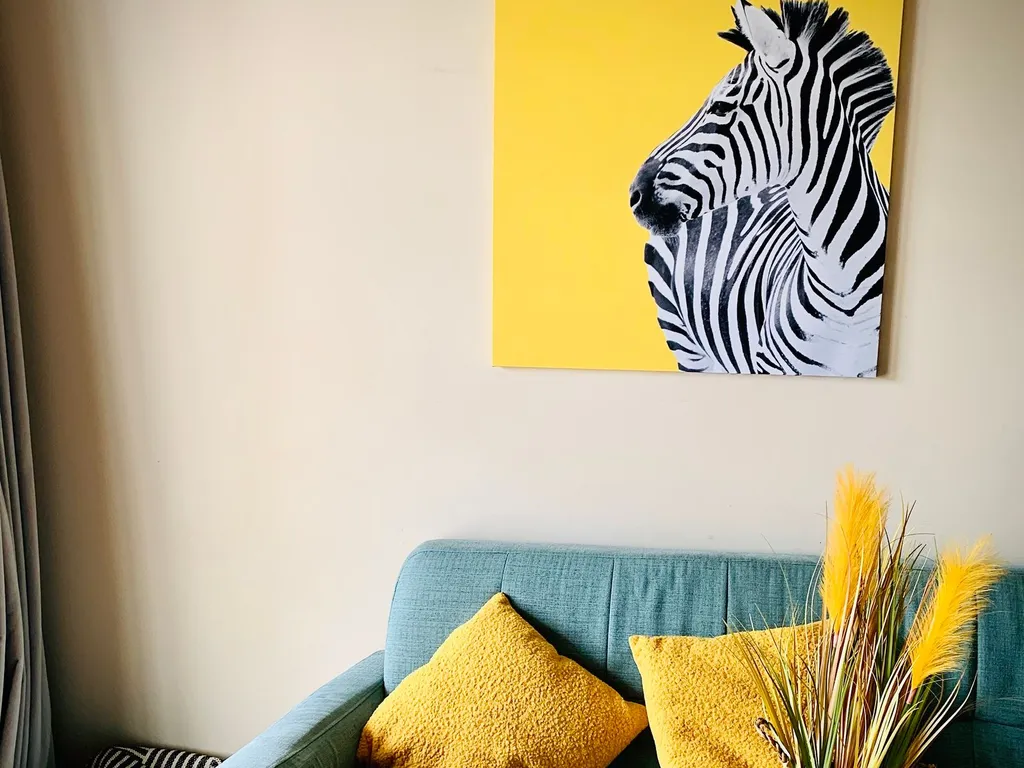
Ask what holds a confident eclectic room together and the answer is rarely a style — it is a colour, repeated. Choose two or three accent colours and let each appear at least three times, in different materials and at different heights: mustard in a cushion, a lamp and a corner of the artwork; teal in the sofa, a vase and a book spine. The eye reads that repetition as intention, and intention is the whole difference between eclectic and accidental.
Keep the doses uneven on purpose — roughly 60 percent base neutrals, 30 percent a secondary tone, 10 percent the sharp accent. And let the thread run through doorways: an eclectic house feels whole when the hall nods to the sitting room’s colours, even though no two rooms share a style. Colour is the cheapest continuity there is; three cushion covers can unify a house.
7. Say It With Art: The Mixed Gallery Wall

Nothing announces eclectic like a gallery wall, because art is where mixing needs no permission. An oil portrait in a black frame, an abstract in gilt, a botanical sketch, a landscape photograph, one woven or carved piece for depth — hung together, they tell a visitor exactly whose house this is. Mix subjects, mix centuries, mix frame finishes; the wall is a collection, and collections are supposed to disagree a little.
What they must not do is float. Hang the wall as one composition — lay it out on the floor first, keep the gaps between frames roughly even, and anchor it to the furniture below rather than the centre of the wall. One large piece gives the group a centre of gravity, and the lowest frame should sit a hand’s width above the surface below it, close enough to read as a single arrangement.
8. Furniture From Different Families, One Conversation
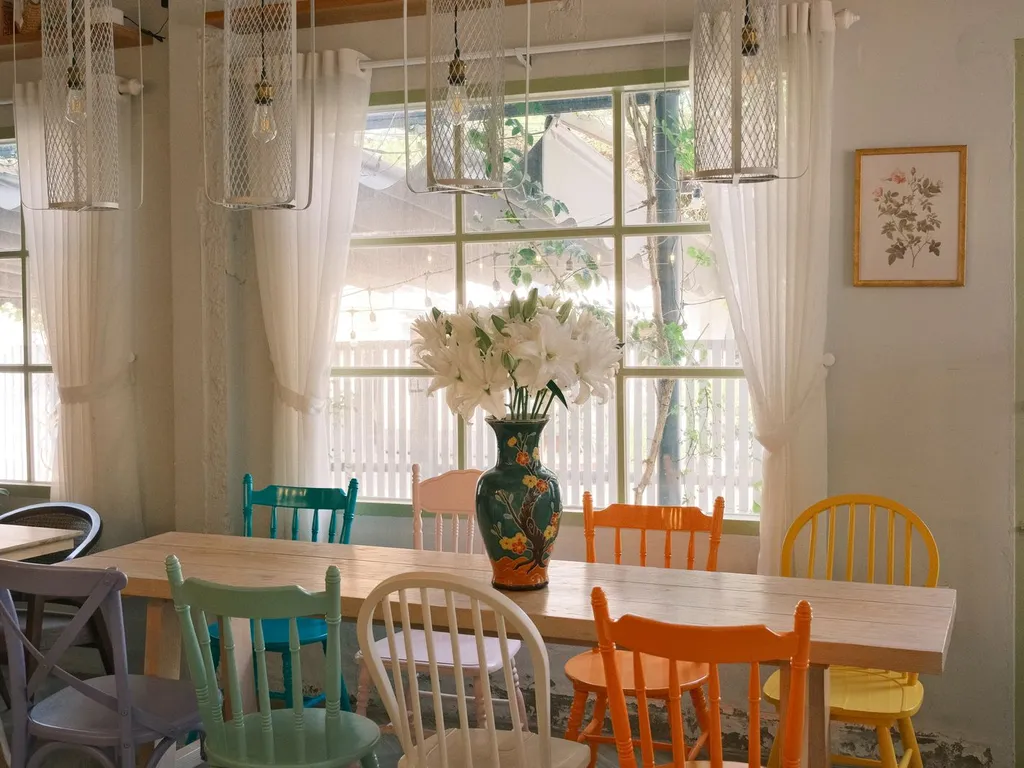
Matching suites are eclectic’s opposite, and the dining table is where the style proves itself in most homes: a rustic farmhouse table — the hero of our modern farmhouse kitchen look ideas — surrounded by chairs that were never a set. Two carved traditional chairs at the ends, a modern moulded chair and a rattan one along the sides. It works because the table is strong enough to host the argument, and because every chair is roughly the same height and weight of presence.
Apply the same casting everywhere: a sofa from one decade, an armchair from another, a coffee table from a third — held together by the colour thread and a shared sense of scale. Keep seats at similar heights, let one piece be the largest voice in each group, and repeat a single material across the room — the same wood tone, the same black metal — so the different families have a surname in common.
9. Bring the World Home: Global Finds With Stories
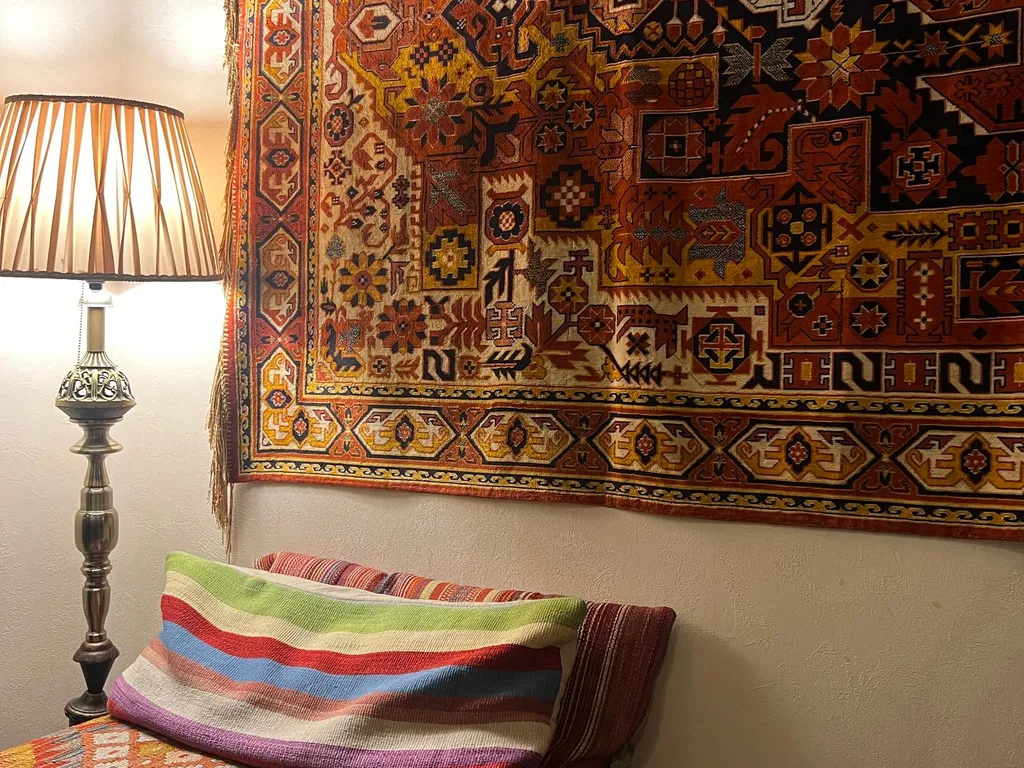
Eclectic is the natural home of the things you carried back: the Moroccan lantern, the blue-and-white porcelain, the woven basket, the terracotta pot that survived the flight in hand luggage. Travel finds and global crafts bring what no local shop can — a story with a place name in it — and their differences are the point. A shelf of them is a memoir you can dust.
Display them as a collection, not a scatter. Group by shelf, give the group one calm background, and mix the finds in with books and plants so they read as part of the room, not a souvenir shop. Rotate them seasonally if you own more than fits; the pieces in storage keep the displayed ones feeling chosen. And buy slowly — one real thing per trip beats a suitcase of imitations.
10. Edit Like a Curator: The Final Pass
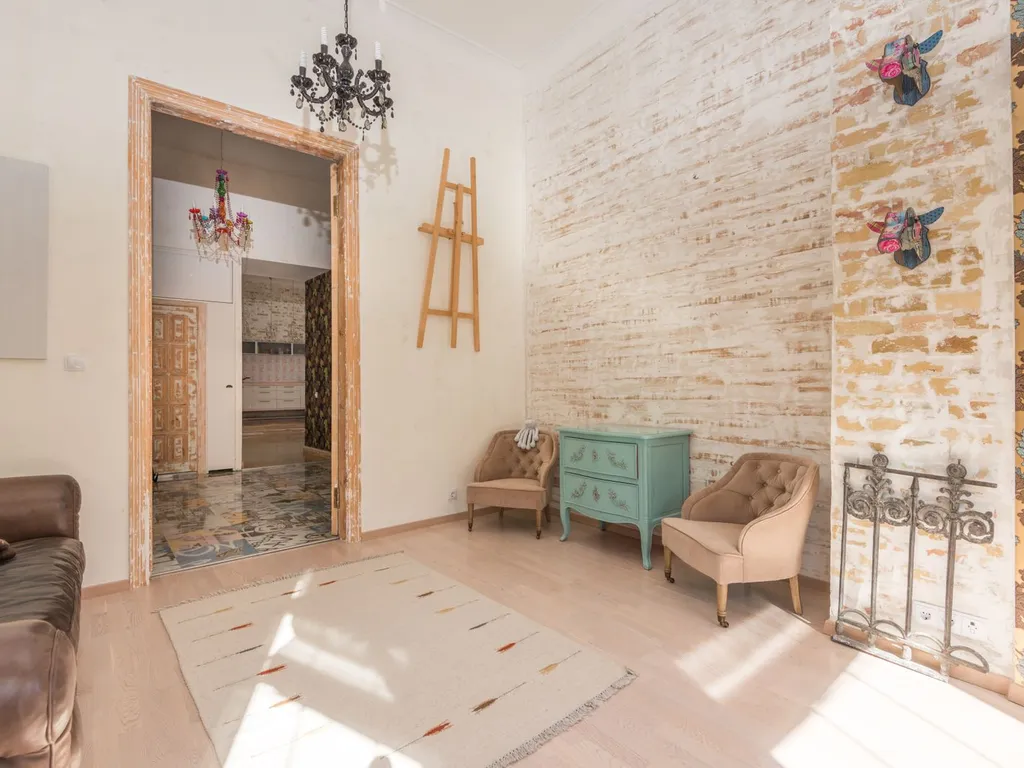
The last discipline is subtraction. Eclectic rooms fail by addition, almost never by subtraction: one more cushion, one more find, one more frame, until collected tips into cluttered. Curators know the rule — the space around an object is part of how it is seen. When a room starts to feel busy, remove three things before you add anything, and live with the gaps for a week. Most of the time the room was finished two objects ago.
Edit with the photograph test: take a picture of the room and look at the picture, not the room. Dead corners, shouting objects and surfaces with no rest in them all show up immediately on a screen. Then repeat the pass seasonally, because an eclectic home is never finished — it evolves as pieces arrive and leave, and the editing is what keeps that evolution looking deliberate.
Frequently Asked Questions About Eclectic Interior Style
What is eclectic interior style?
A deliberate mix of furniture, art and objects from different styles, periods and places, held together by shared threads — a calm base, a repeated colour palette, balanced scale — so the room reads as collected, not random.
What is the difference between eclectic and boho style?
Boho is one specific flavour of mixing: relaxed, global and heavily textile-led. Eclectic is the wider method. Any styles can be combined — formal traditional pieces beside minimal modern ones — and the result can be tailored and calm as easily as free-spirited.
How many styles can I mix in one room?
One lead style, a second clearly supporting it, and accents from a third is the comfortable range. Beyond that, keep the base quieter and the palette stricter to compensate.
How do I stop an eclectic room looking messy?
Work the disciplines: neutral base, one lead style, colour repeated three times, patterns at different scales, regular editing. Mess is eclectic before the threads are added.
Can eclectic style work in a small room?
Yes, with fewer and larger statements. Keep the base pale, limit the mix to two styles, choose one hero piece and let negative space do more of the work. Scale matters more than quantity.
What colours suit eclectic interiors?
Almost any, provided they repeat. Warm neutrals as the base with two or three accents — mustard, teal, rust, cobalt — is the classic recipe, but a monochrome eclectic room carried by texture works just as well.
Can I mix wood tones in an eclectic room?
Yes — mixed woods are part of the look. Keep the undertones in one family, all warm or all cool, and repeat each tone at least twice so the mixture reads as a choice, not an accident.
Is eclectic style expensive to achieve?
It is one of the cheapest styles to build, because it starts from what you already own: inherited pieces, travel finds and one or two considered buys. Spend on the base pieces and the hero, not on sets.
Can renters create an eclectic look?
Easily. The style lives in furniture, textiles, art and objects — all removable. Gallery walls hang from removable hooks, and the colour thread travels in cushions, rugs and lamps.
Where should I start with eclectic decorating?
With the base and the lead style: calm the walls and biggest pieces, decide which style your best furniture belongs to, then add one bridge piece and one hero. The mix grows from there.
Conclusion
Eclectic style is not the absence of rules — it is a different set of them. A quiet base, one lead voice, colour repeated until it becomes a thread, patterns cast like actors, textures layered, and a curator’s willingness to take things away. Follow those, and your grandmother’s carved chair and the sofa you bought last spring become what they always were: the beginning of a room that looks like nobody else’s — because it is yours.