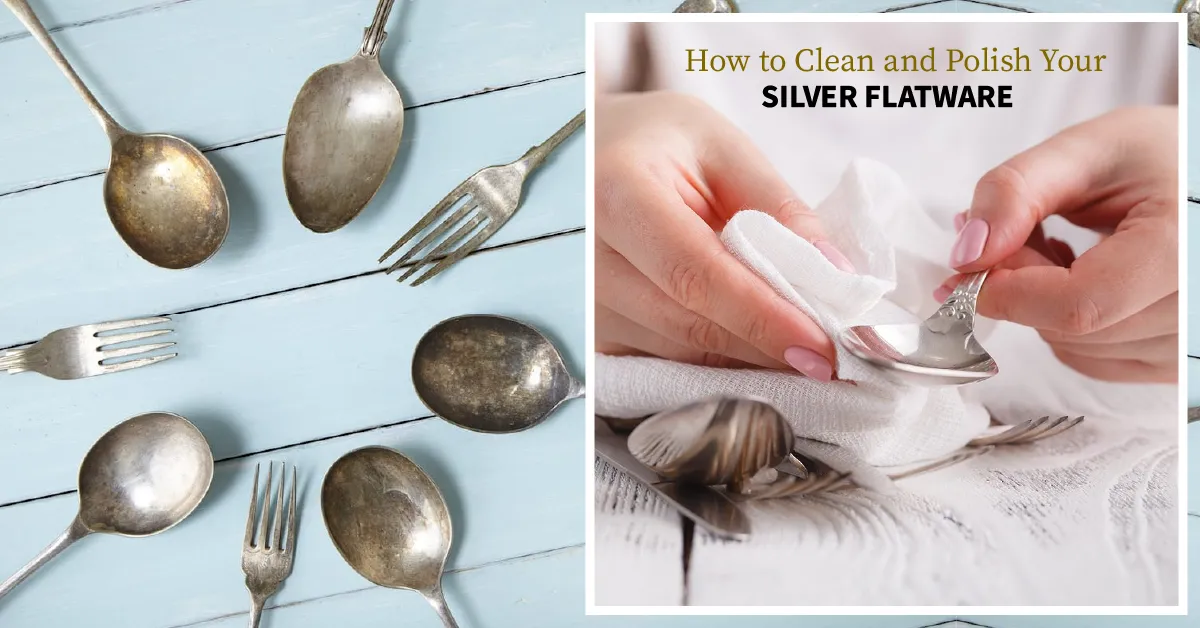
To polish silverware at home, first wash it with warm water and mild dish soap, then dry it with a soft cloth. Apply a small amount of silver polish or make a simple paste using baking soda and water. Gently rub the silver with a soft microfiber cloth, following the natural lines of the metal, and avoid using rough scrubbers that can scratch the surface. Rinse the silverware with clean water, dry it completely, and buff it with a clean, soft cloth to restore its shine. Store your silverware in a dry place to help prevent tarnish from coming back.
Silver Cleaning Methods Comparison
| Cleaning Method | Best For | Cost | Time Required | Safe for Silver? | Difficulty |
|---|---|---|---|---|---|
| Commercial Silver Polish | Heavy tarnish | $8–$20 | 10–20 minutes | ✅ Yes | Easy |
| Baking Soda Paste | Light to medium tarnish | Under $2 | 10–15 minutes | ✅ Yes | Easy |
| Aluminum Foil + Baking Soda | Heavy tarnish | Under $3 | 10 minutes | ✅ Yes | Easy |
| White Vinegar + Baking Soda | Moderate tarnish | Under $3 | 15–20 minutes | ✅ Yes | Easy |
| Lemon Juice Solution | Light stains | Under $2 | 10–15 minutes | ✅ Yes | Easy |
Supplies Needed to Polish Silverware
| Item | Purpose | Estimated Price |
|---|---|---|
| Mild Dish Soap | Removes grease and dirt | $3–$6 |
| Microfiber Cloth | Buffs and polishes silver | $5–$12 |
| Soft Sponge | Gentle cleaning | $2–$5 |
| Baking Soda | DIY silver polish | $2–$4 |
| White Vinegar | Removes tarnish | $3–$5 |
| Aluminum Foil | Chemical cleaning method | $2–$5 |
| Commercial Silver Polish | Professional shine | $8–$20 |
| Cotton Gloves (Optional) | Prevent fingerprints | $8–$15 |
Average Time Required to polish silverware at home
| Task | Time |
|---|---|
| Washing Silverware | 5 minutes |
| Applying Silver Polish | 10 minutes |
| Baking Soda Cleaning | 15 minutes |
| Aluminum Foil Method | 10 minutes |
| Buffing for Shine | 5 minutes |
| Total Time | 20–35 minutes |
Silverware adds beauty and elegance to any dining table, but over time it can become dull and tarnished. The good news is that you do not need expensive equipment or professional cleaning services to restore its shine. With a few common household items and the right cleaning method, you can make your silverware look almost new again.Keeping your silverware polished is one of the easiest ways to improve your home’s appearance. You can also learn how to make a boring room look better to create a more welcoming living space.
In this guide, you will learn how to polish silverware at home safely and effectively. We will cover the best cleaning methods, helpful tips, common mistakes to avoid, and simple ways to keep your silverware shiny for a long time. Whether you have family heirlooms or everyday silver utensils, this guide will help you achieve excellent results.
Common Mistakes to Avoid
| Mistake | Why It Is Bad | Better Alternative |
|---|---|---|
| Using Steel Wool | Scratches silver | Soft microfiber cloth |
| Using Bleach | Damages silver finish | Mild dish soap |
| Air Drying | Causes water spots | Dry immediately |
| Scrubbing Hard | Leaves scratches | Gentle polishing |
| Storing While Wet | Speeds up tarnish | Store completely dry |
How Often Should You Polish Silverware?
| Usage | Recommended Polishing |
|---|---|
| Daily Use | Every 2–3 months |
| Weekly Use | Every 3–4 months |
| Special Occasion Only | Every 6 months |
| Antique Silverware | Once or twice a year |
Best Commercial Silver Polishes
| Product | Best Feature | Approximate Price | Rating |
|---|---|---|---|
| Wright’s Silver Cream | Fast tarnish removal | $8–$12 | ⭐⭐⭐⭐⭐ |
| Weiman Silver Polish | Long-lasting shine | $9–$15 | ⭐⭐⭐⭐⭐ |
| Hagerty Silver Foam | Easy application | $10–$18 | ⭐⭐⭐⭐☆ |
| Goddard’s Silver Polish | Protects against tarnish | $8–$14 | ⭐⭐⭐⭐☆ |
Homemade Silver Cleaning Solutions
| Solution | Ingredients | Best For |
|---|---|---|
| Baking Soda Paste | Baking soda + Water | Light tarnish |
| Vinegar Mix | Vinegar + Baking soda | Moderate tarnish |
| Aluminum Foil Bath | Baking soda + Hot water + Foil | Heavy tarnish |
| Dish Soap Wash | Soap + Warm water | Everyday cleaning |
Signs Your Silverware Needs Polishing
| Sign | Meaning |
|---|---|
| Yellow Tint | Early tarnish |
| Dark Gray Color | Moderate tarnish |
| Black Spots | Heavy tarnish |
| Dull Appearance | Needs polishing |
| Fingerprints Stay Visible | Surface needs buffing |
Cost Comparison
| Cleaning Option | Estimated Cost Per Cleaning |
|---|---|
| Baking Soda Method | Less than $1 |
| Vinegar Method | Around $1 |
| Aluminum Foil Method | Around $2 |
| Commercial Silver Polish | $3–$6 |
| Professional Silver Cleaning Service | $30–$100+ |
Why Does Silverware Become Tarnished?
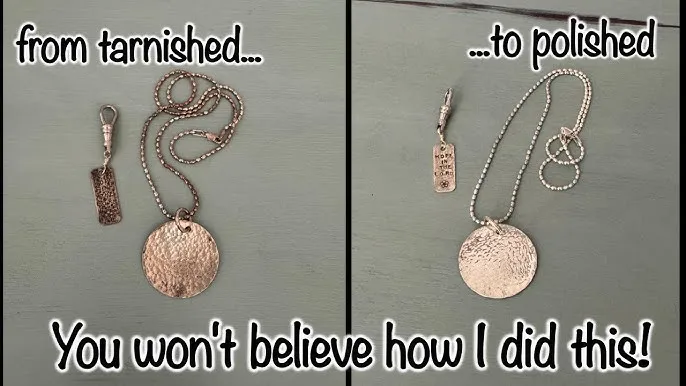
Silver naturally reacts with sulfur compounds found in the air. This reaction creates a dark coating called tarnish. Tarnish is normal and does not mean your silverware is damaged. Humidity, pollution, rubber, certain foods, and improper storage can speed up the tarnishing process.
The good news is that tarnish usually affects only the surface of the silver. Regular cleaning and proper storage can slow down tarnish and keep your silverware looking bright. Knowing why silver tarnishes helps you choose the best cleaning method and avoid unnecessary damage.
Gather Your Cleaning Supplies
Before you begin polishing your silverware, collect everything you need. Having your supplies ready makes the cleaning process faster and easier. Most of these items are already available in many homes.
You will need warm water, mild dish soap, a soft microfiber cloth, a soft sponge, baking soda, white vinegar (optional), aluminum foil, and silver polish if you prefer using a commercial product. Always avoid steel wool, rough brushes, or harsh cleaners because they can scratch the silver surface.
Wash the Silverware First
Always start by washing your silverware with warm water and a small amount of mild dish soap. This removes grease, dust, fingerprints, and food residue before polishing. Use a soft sponge and gently clean every piece without applying too much pressure.
After washing, rinse each piece thoroughly with clean water and dry it immediately using a soft towel. Leaving water on silverware may create water spots, making the polishing process less effective.
How to Polish Silverware with Silver Polish
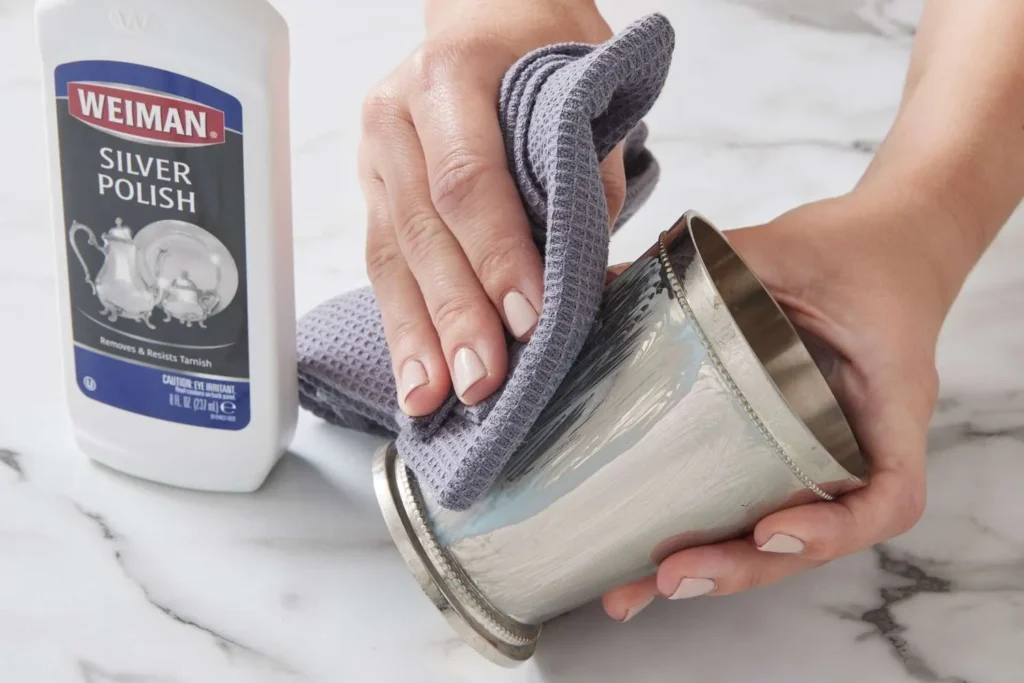
Commercial silver polish is one of the easiest ways to restore shine. Apply a small amount of polish onto a soft microfiber cloth and gently rub the silver using straight back-and-forth motions instead of circles. This helps reduce visible scratches.
Once the tarnish begins to disappear, wipe away the remaining polish with a clean cloth. Rinse the silverware if the polish instructions recommend it, then dry and buff each piece until it shines beautifully.
Clean Silverware with Baking Soda
Baking soda is one of the most popular home remedies for cleaning silverware. Mix baking soda with a small amount of water to make a smooth paste. Apply the paste gently with a soft cloth and rub lightly over the tarnished areas.
Rinse the silverware thoroughly with clean water and dry it immediately. Baking soda works well for light to moderate tarnish, but avoid scrubbing too hard because too much pressure may scratch delicate silver pieces.A clean and organized home goes beyond polished silverware. These simple tips to make your shower better can also help refresh your daily routine without spending money on renovations.
Use the Aluminum Foil Method
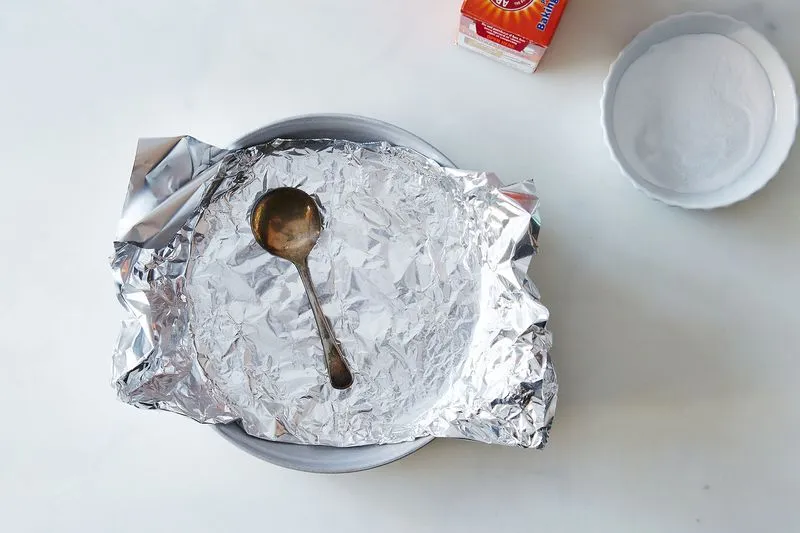
One of the easiest methods for heavily tarnished silverware uses aluminum foil, baking soda, and hot water. Line a bowl or baking dish with aluminum foil, place the silverware inside, sprinkle baking soda over it, and carefully pour hot water into the container.
The chemical reaction between the aluminum foil and baking soda helps lift tarnish from the silver. After a few minutes, remove the silverware, rinse it with clean water, and dry it with a soft cloth. This method works well for many silver items without excessive rubbing.
Buff the Silver for Extra Shine
After cleaning, use a clean microfiber cloth to gently buff the silverware. Buffing removes any remaining residue and gives the silver a bright, mirror-like finish. Always use gentle pressure to protect the surface.
Take your time while buffing each piece, especially decorative handles and detailed patterns. Proper buffing can make even older silverware look elegant and well cared for.
Mistakes to Avoid When Polishing Silverware
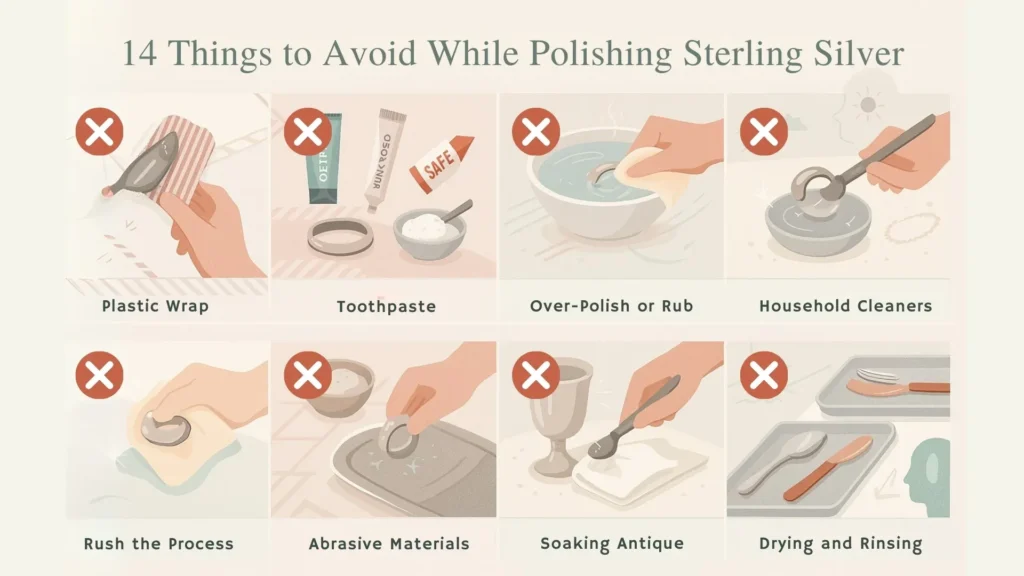
Many people accidentally damage silverware by using abrasive cleaners or rough scrubbing pads. These products can leave permanent scratches that are difficult to remove. Always choose soft cleaning materials designed for delicate surfaces.
Another common mistake is leaving silverware wet after cleaning. Moisture encourages tarnish and water spots. Always dry every piece completely before storing it to keep it looking its best.
How to Store Silverware Properly
Proper storage helps reduce tarnish and keeps your silverware shiny for longer. Store clean and dry silverware in a cool, dry place away from moisture. Anti-tarnish cloth bags or storage boxes can provide extra protection.
Avoid wrapping silverware in newspaper or storing it near rubber products because these materials may cause faster tarnishing. Keeping silverware separated also helps prevent scratches during storage.If you’re preparing your home for family gatherings or seasonal celebrations, don’t forget to polish your silverware and explore these Easter decorating ideas to create a beautiful dining atmosphere.
How Often Should You Polish Silverware?
You do not need to polish silverware every week. Most household silverware only needs polishing a few times each year, depending on how often it is used. Regular washing after meals and proper storage can greatly reduce tarnish buildup.
If you notice the silver beginning to lose its shine, polish it before the tarnish becomes heavy. Light cleaning is easier and safer than removing thick layers of tarnish.
Tips to Keep Silverware Shiny Longer
After every use, wash silverware promptly to remove food acids that may cause discoloration. Dry it immediately with a soft towel instead of letting it air dry. This simple habit helps maintain its shine.
Handle silverware with clean hands whenever possible because fingerprints contain natural oils that may contribute to tarnishing. Regular gentle care is the best way to keep your silver looking beautiful for many years.
Frequently Asked Questions (FAQs)
1. What is the best homemade silver polish?
A paste made from baking soda and water is one of the safest and most effective homemade silver polishes for removing light tarnish.
2. Can toothpaste clean silverware?
Some people use white toothpaste, but many toothpaste brands contain mild abrasives that may scratch silver. Baking soda paste or silver polish is a safer choice.
3. How often should I polish silverware?
Most silverware only needs polishing two to four times a year, depending on how often it is used and how it is stored.
4. Is baking soda safe for silverware?
Yes. Baking soda is generally safe when used gently with a soft cloth. Avoid heavy scrubbing to prevent scratches.
5. Why does silverware turn black?
Silver reacts with sulfur compounds in the air, creating a dark layer called tarnish. This is a natural process and can usually be removed with proper cleaning.
Conclusion
Learning how to polish silverware at home is simple and does not require expensive tools. Whether you use a commercial silver polish, a baking soda paste, or the aluminum foil method, regular cleaning and gentle care will keep your silverware looking bright and elegant. Always use soft cloths, avoid harsh cleaners, and store your silverware properly to slow down tarnish. With these easy techniques, your silverware can remain beautiful and ready for every special meal for many years.