
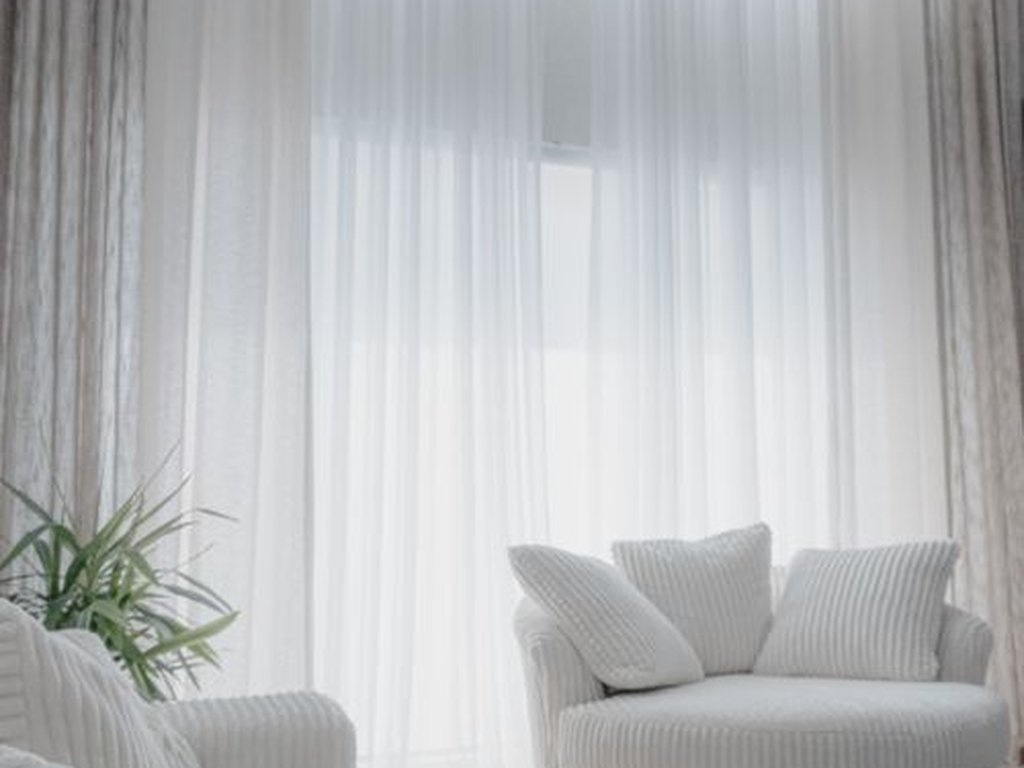
A minimalist living room is a calm, uncluttered space built on clean lines, a limited colour palette, and furniture that earns its place. The style works because every item has a purpose, so the room feels open and restful instead of bare and cold. The Spruce’s minimalist living room ideas show the same approach, with natural light, simple furniture, and a few well-chosen pieces doing all the work. You do not need a big budget or a renovation to get there.
This guide covers 25 minimalist living room ideas, from colour palettes and low sofas to hidden storage, lighting, and warm wood touches. Each idea explains what to do, what it costs, and how to keep the room calm without making it feel empty. Browse more ideas on the Ideas Home Accessories blog, or start at the Ideas Home Accessories homepage for the full collection.
Stick to a Two-Colour Palette
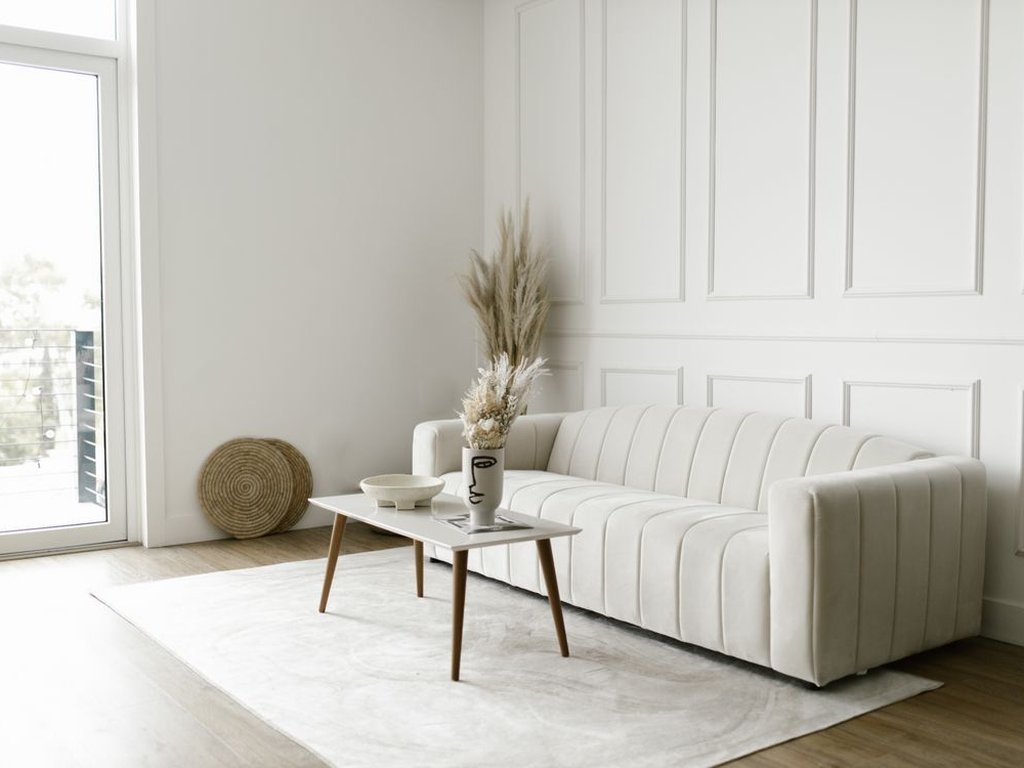
Yes, a two-colour palette is the fastest way to make a living room feel calm and pulled together. Pick one main neutral, such as warm white or soft grey, and one accent, such as sage green or navy, then repeat both across the sofa, cushions, rug, and art. Keep the walls in the main colour and use the accent in small touches only. A gallon of paint costs about $40 to $70, and new cushion covers run $10 to $25 each. Avoid a third strong colour, since it breaks the quiet look. The limit makes every choice easier.
Choose a Low-Profile Sofa
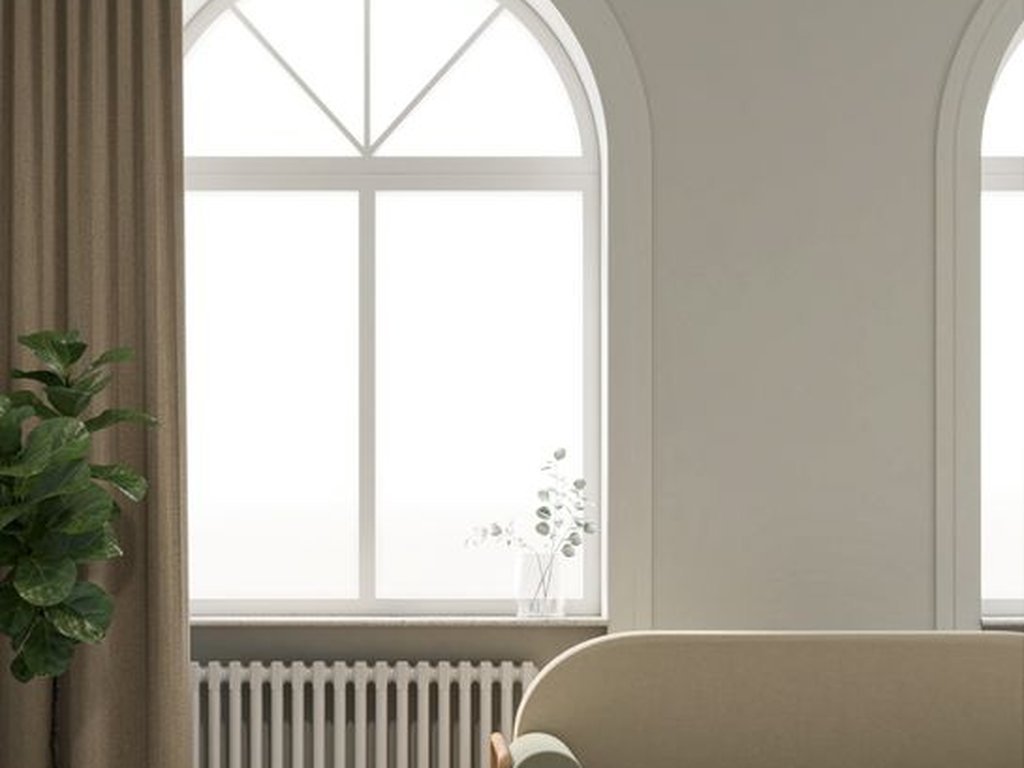
A low-profile sofa makes a living room feel open because it sits closer to the floor and leaves more wall visible above it. Choose a two-seat or three-seat sofa with a seat height near 40 centimetres, straight arms, and slim legs in wood or black metal. Pick a plain fabric in warm white, light grey, or beige so the shape does the talking. Low sofas start near $400 and good ones run $700 to $1,200. Sit on it first to check the seat depth suits your height. The low line keeps the room airy.
Clear Every Surface
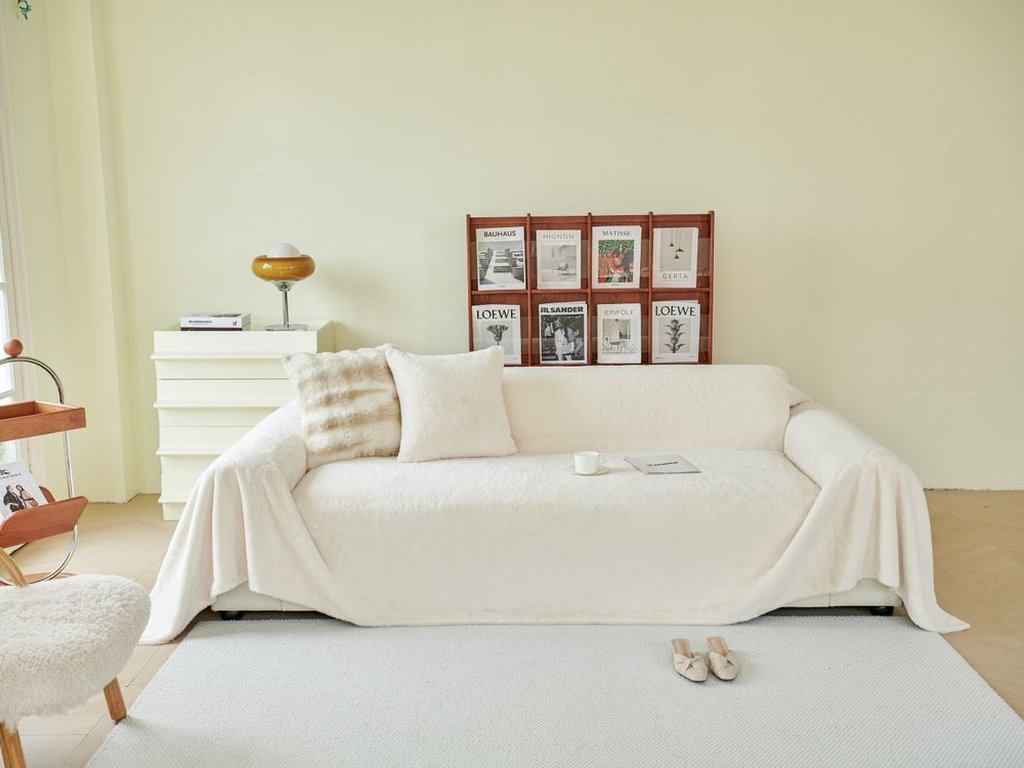
Clear surfaces are the heart of minimalism, since a tidy coffee table and sideboard make the whole room feel calm at once. Remove everything from the coffee table except one item, such as a vase or a single book, and clear the sideboard down to two or three pieces. Give every small item a drawer or a basket so it has a home out of sight. Spend ten minutes each evening putting things back, and the habit will hold. A clear surface costs nothing and changes the room more than new furniture.
Hide the TV
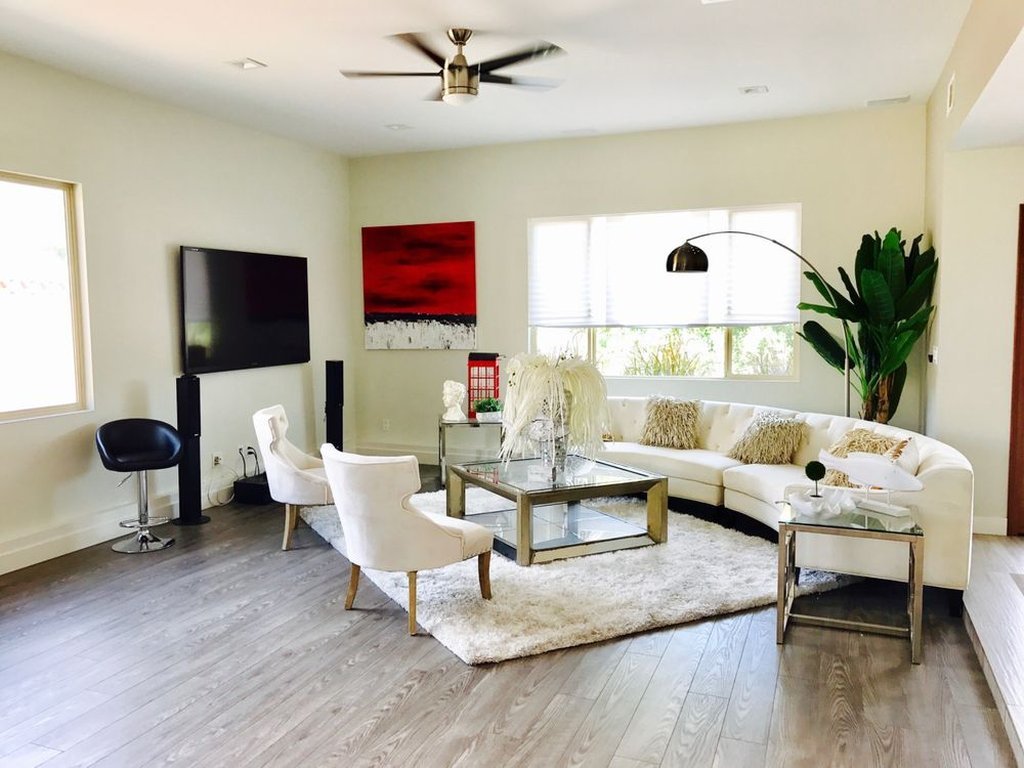
Hiding the TV keeps a minimalist living room calm because a black screen dominates the wall when it is off. Mount the TV inside a shallow cabinet with doors, or fit a sliding wood panel that covers it when you are not watching. A simple cabinet costs about $150 to $400, while a sliding panel runs $100 to $250 in materials. Keep the remote in a drawer beside the sofa so the setup stays tidy. When the screen is hidden, the wall reads as plain and quiet, and the room feels like a living space again.
Use Built-In Storage
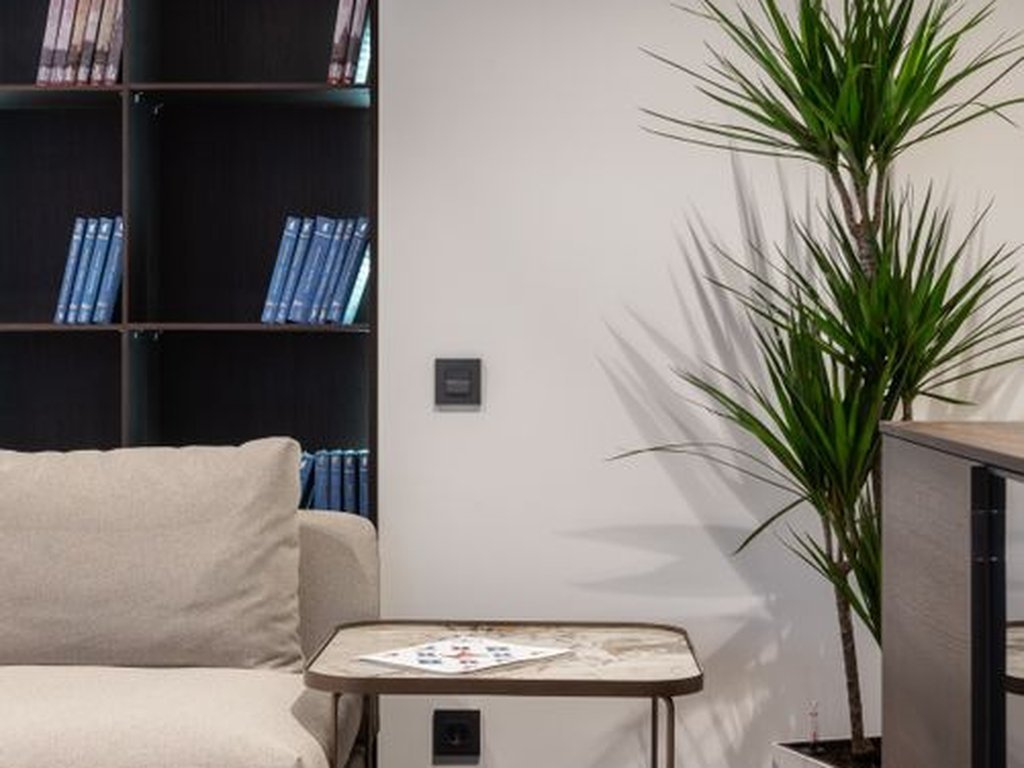
Built-in storage is the best way to hide clutter in a minimalist living room without adding bulky furniture. Fit a low wall cabinet under the TV, or add shallow built-in shelves beside the fireplace for books and a few objects. Keep the doors plain and handle-free so they blend into the wall. A simple built-in unit costs about $300 to $800 fitted, depending on size. Leave a third of each shelf empty so the display breathes. The room stays tidy because everything has a place behind a closed door.
Pick One Statement Artwork
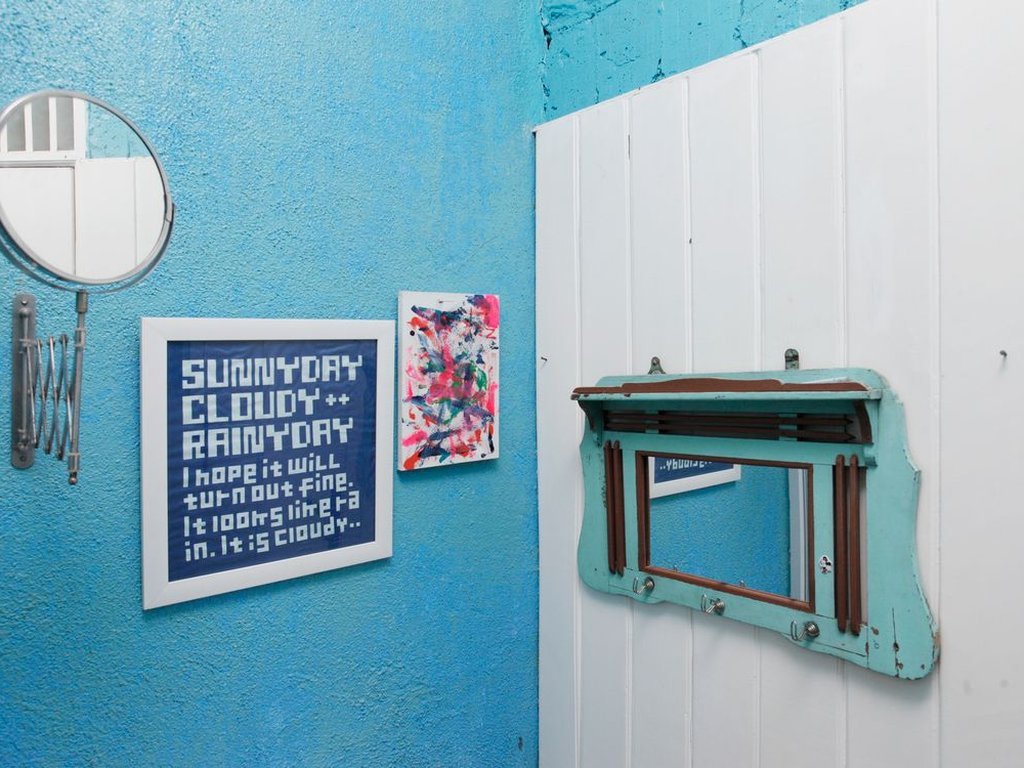
One large artwork gives a minimalist living room a focal point without the clutter of a gallery wall. Choose a single framed print or canvas about 90 to 120 centimetres wide and hang it above the sofa, centred at eye level, about 145 centimetres from the floor. Pick art in your room’s two colours so it ties the palette together. A good framed print costs $50 to $200, while an original canvas starts near $300. Keep the other walls bare so the one piece can breathe. It becomes the room’s personality.
Layer Soft Textures
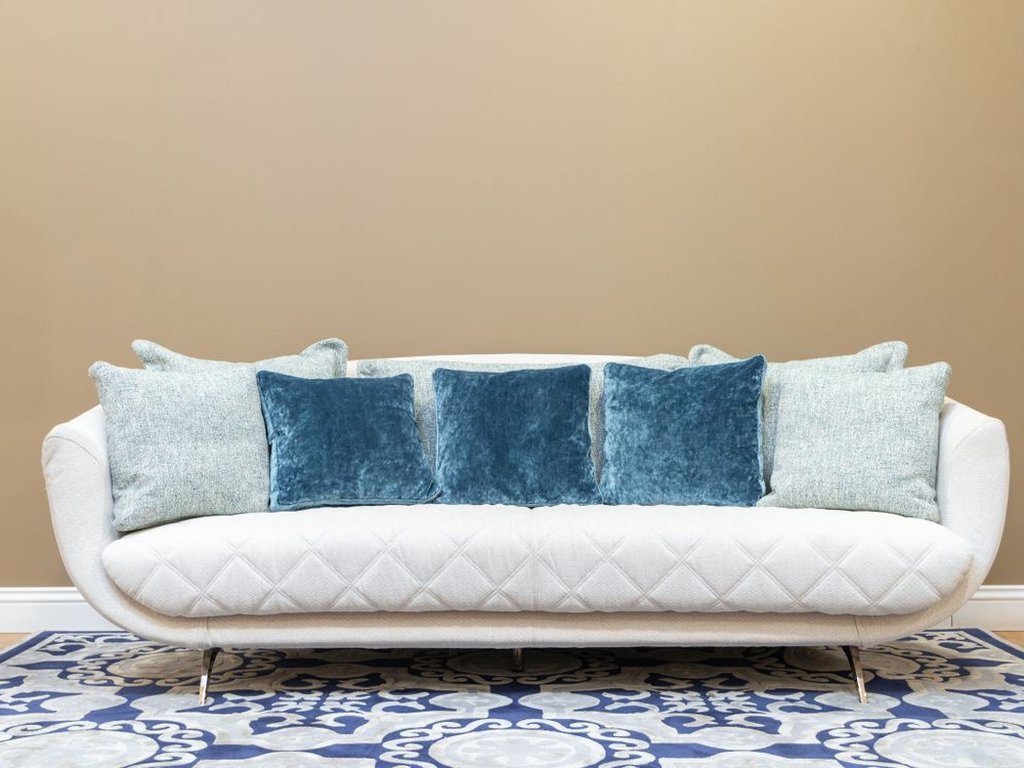
Soft textures stop a minimalist living room from feeling cold, and they cost far less than new furniture. Mix three textures on the sofa, such as a chunky knit throw, a smooth linen cushion, and a soft wool cushion, in your room’s two colours. Add a woven rug under the coffee table for warmth underfoot. Pillow covers cost $10 to $25 each, and a wool throw runs $30 to $60. Avoid shiny fabrics, since they fight the calm look. The mix adds depth without adding colour or clutter.
Add a Single Plant
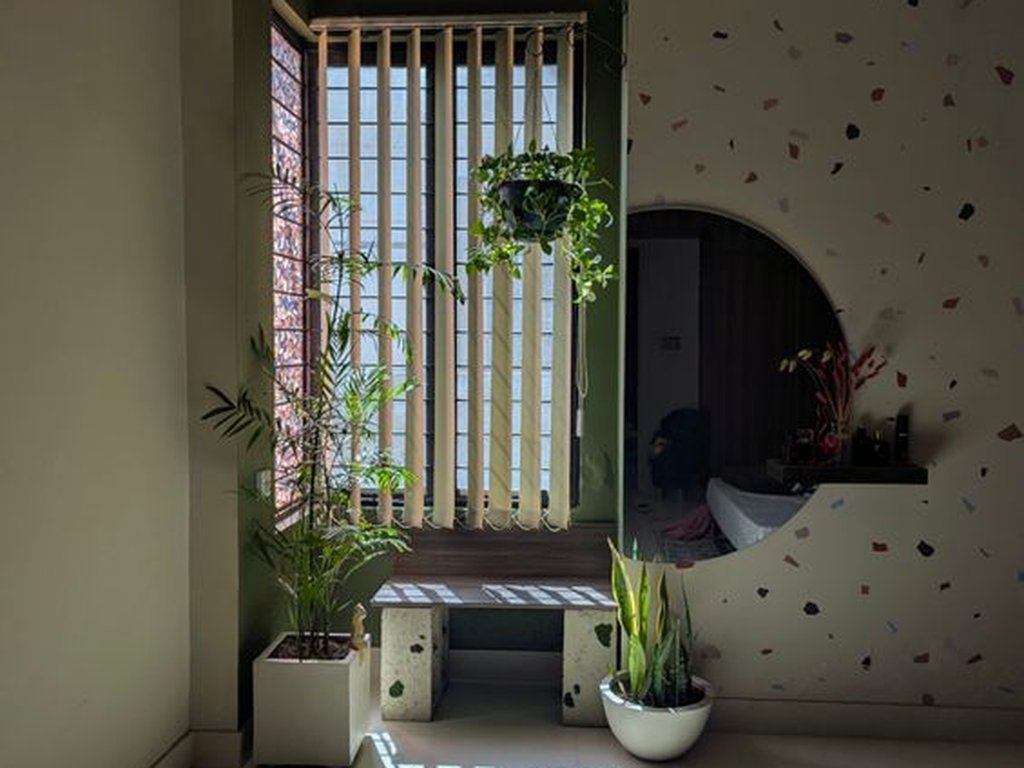
One large plant brings life into a minimalist living room without adding visual clutter. Choose a single statement plant, such as a fiddle-leaf fig or an olive tree in a plain ceramic pot, and place it in an empty corner near the window. A large plant costs $50 to $120, and a simple pot runs $20 to $40. Water only when the top two centimetres of soil feel dry, and wipe the leaves monthly so they stay glossy. Skip small plants scattered around the room, since one bold plant reads cleaner and calmer.
Choose Slim Furniture Legs
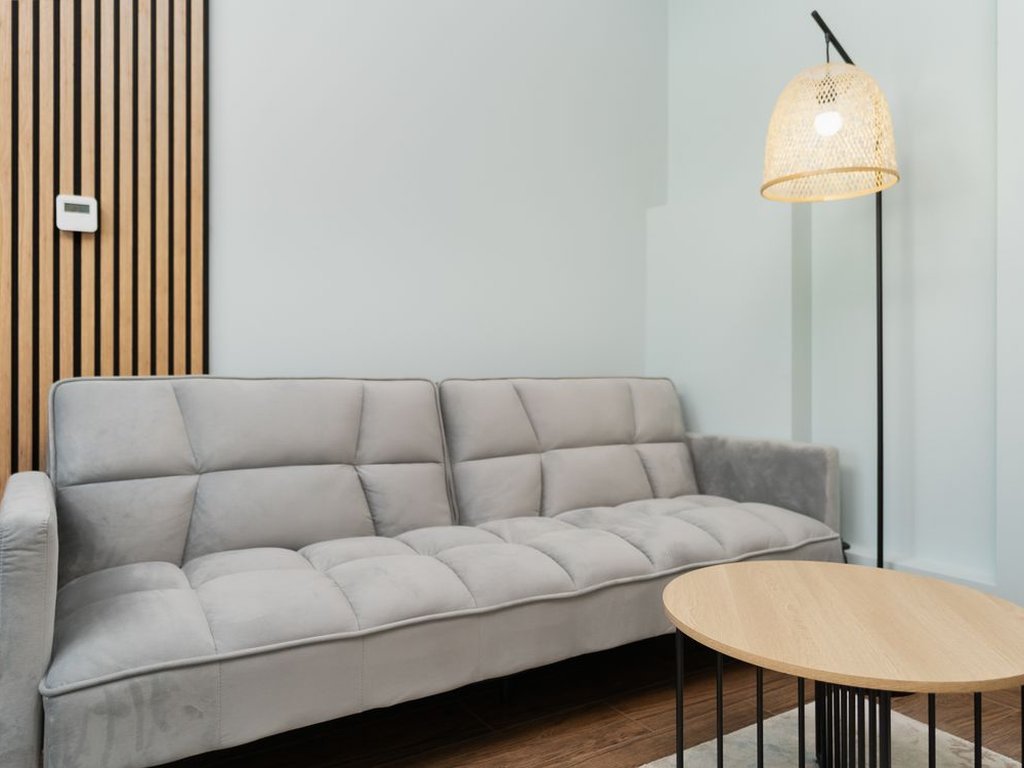
Slim furniture legs make a living room feel lighter because you can see the floor beneath each piece. Choose a sofa, armchairs, and a coffee table with tapered wood or thin black metal legs about 10 to 15 centimetres tall. Avoid heavy block bases and skirted sofas, since they sit like solid boxes on the floor. Slim-legged furniture costs no more than ordinary pieces, and most sofas offer a leg choice at no extra charge. The visible floor space tricks the eye into reading the room as bigger and calmer.
Keep the Floor Clear
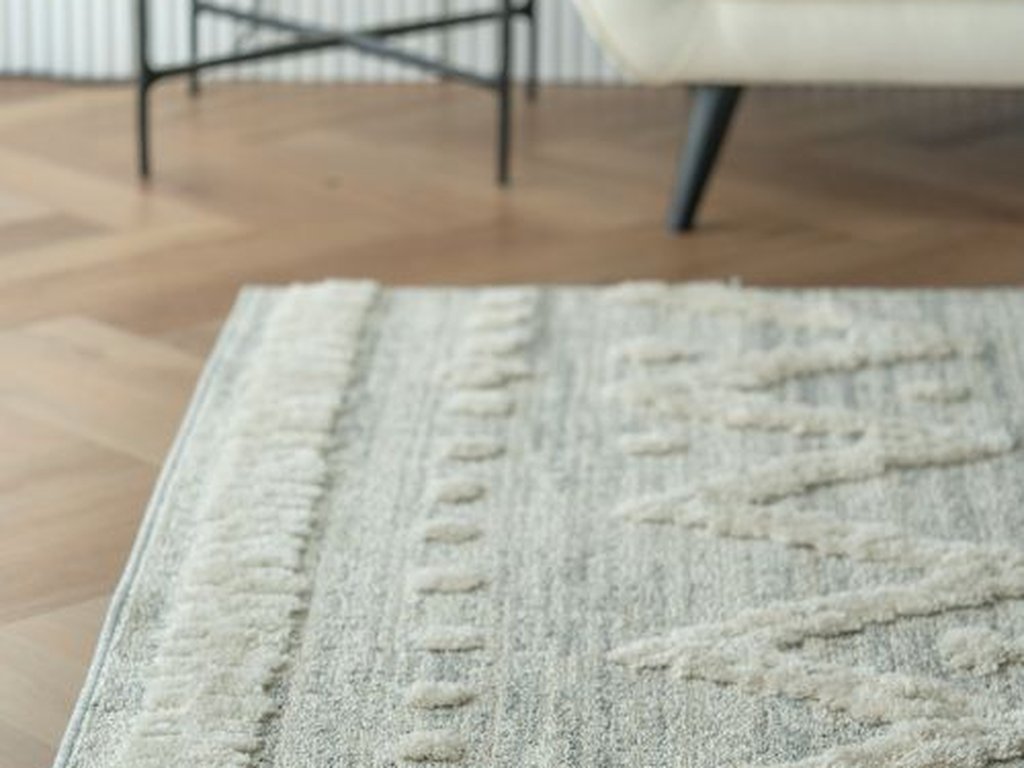
A clear floor makes a minimalist living room feel twice as big, since the eye travels without stopping. Keep only the sofa, one armchair, and a coffee table on the floor, and move side tables, baskets, and floor cushions against the wall or into a cupboard. Leave at least 75 centimetres of walking space between the sofa and the coffee table. Vacuum the open floor twice a week so it stays inviting. When the floor is clear, the rug and the furniture stand out, and the room feels calm and open.
Use Sheer Curtains
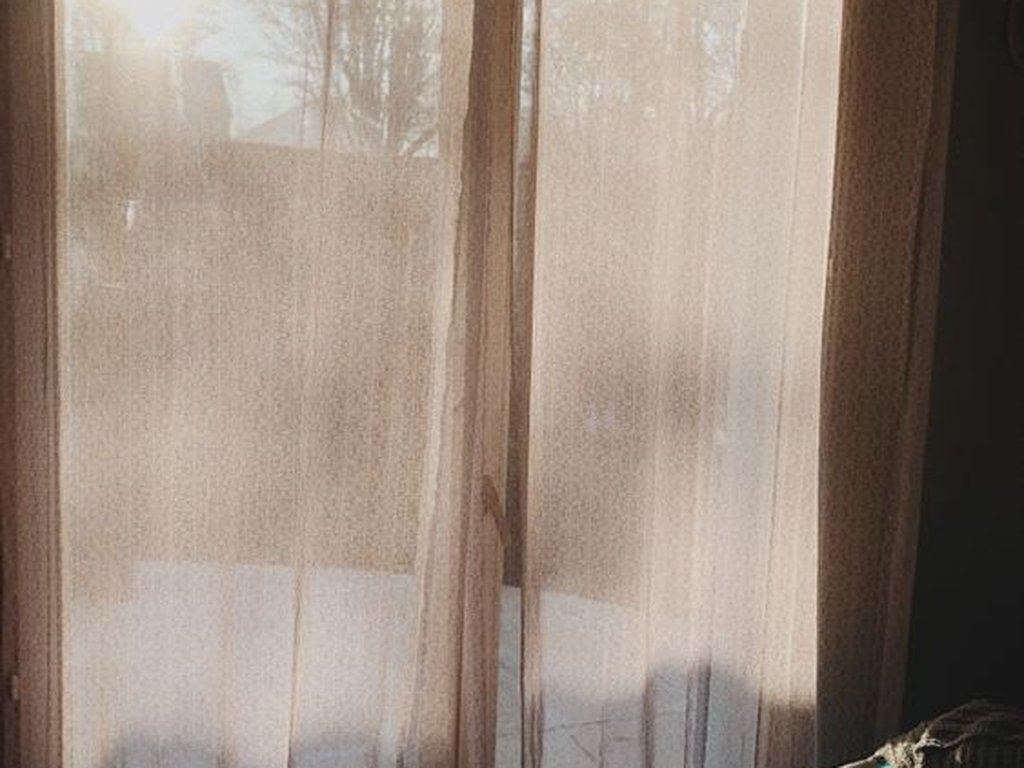
Sheer curtains soften a minimalist living room while letting daylight flood in, which keeps the room bright and airy. Hang a single sheer panel on each window, with the rod 10 to 15 centimetres above the frame and the fabric just brushing the floor. Choose white or warm white linen, since heavy dark fabric shrinks the room. A ready-made sheer panel costs $20 to $50 per window. Iron or steam the fabric after hanging so it falls straight. The soft light makes the whole room glow.
Limit Decor to Three Objects
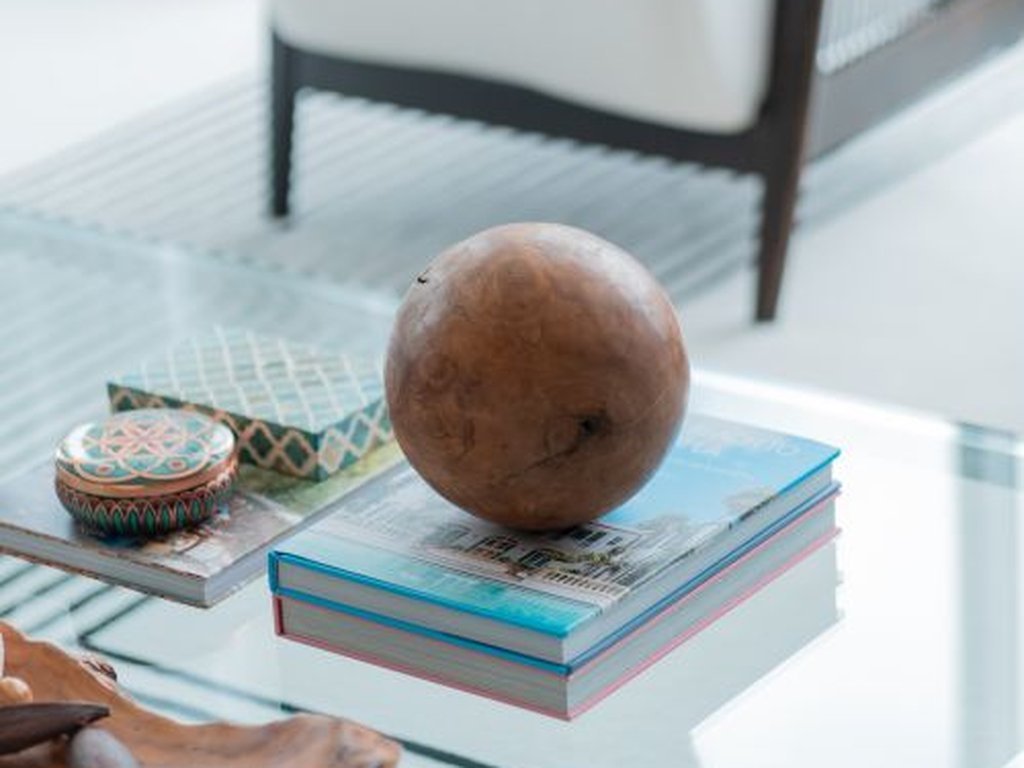
Three objects are enough to decorate a minimalist living room, and the limit keeps every piece meaningful. Pick one vase, one candle, and one book for the coffee table, or one sculpture, one plant, and one framed photo for the sideboard. Choose objects in your room’s two colours and in different heights so the group looks balanced. A ceramic vase costs $15 to $40, and a good candle runs $10 to $25. Remove anything that does not earn its place. The restraint makes each object feel special.
Choose a Neutral Rug
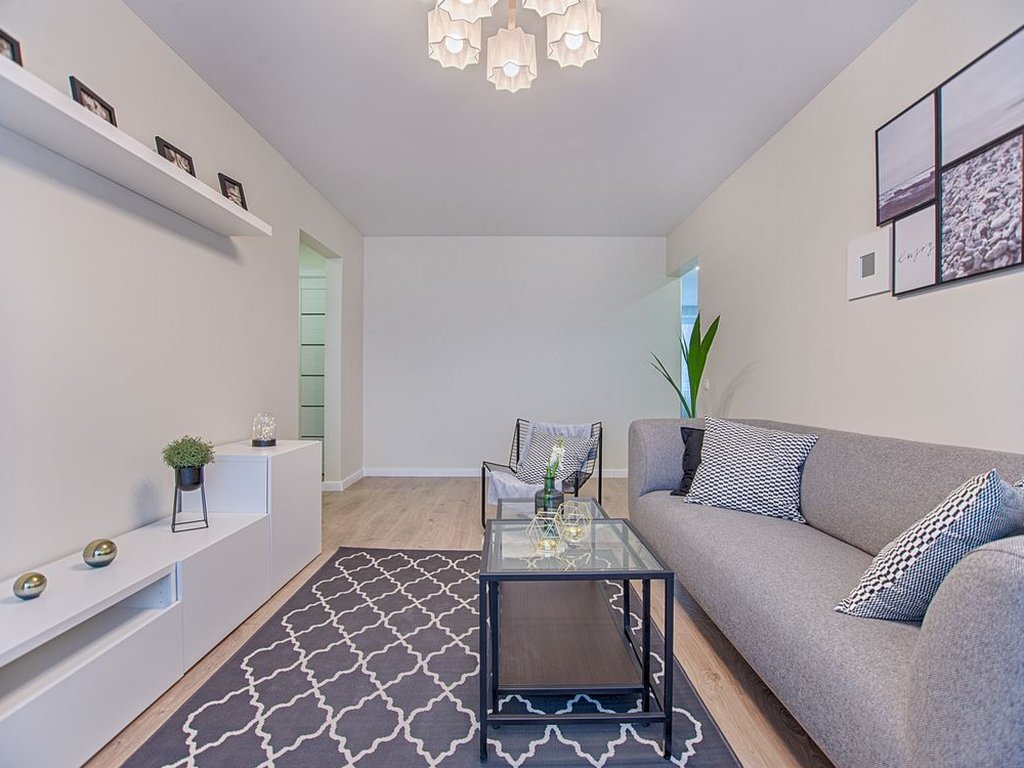
A neutral rug anchors a minimalist living room without adding pattern or colour that fights the calm palette. Choose a plain rug in cream, light grey, or warm beige, big enough for the front legs of the sofa and chairs to sit on it, usually 160 by 230 centimetres. Wool and wool-blend rugs feel softest underfoot and last for years. Prices run $100 to $300 for a good quality rug. Vacuum twice a week and use a rug pad underneath to stop slipping. The plain rug lets the furniture shine.
Add Warm Wood Touches
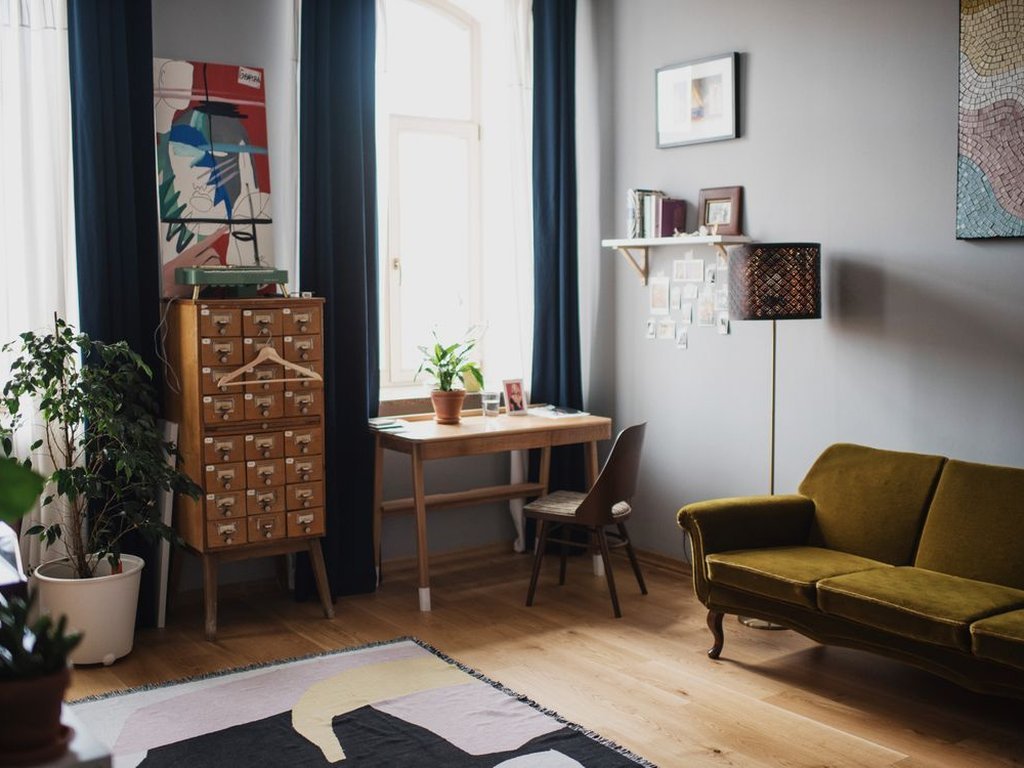
Warm wood touches stop a minimalist living room from feeling cold, especially one with white walls. Bring in a wooden coffee table, a picture frame, a tray, or a shelf in oak, walnut, or pine, and repeat the same tone twice so it looks planned. A wooden tray costs $20 to $40, while a side table runs $60 to $150. Oil the wood twice a year to keep it from drying out. Avoid mixing more than two wood tones. The grain itself becomes the decoration. For more warm-toned ideas, see our dark and moody living room ideas.
Use Hidden Lighting
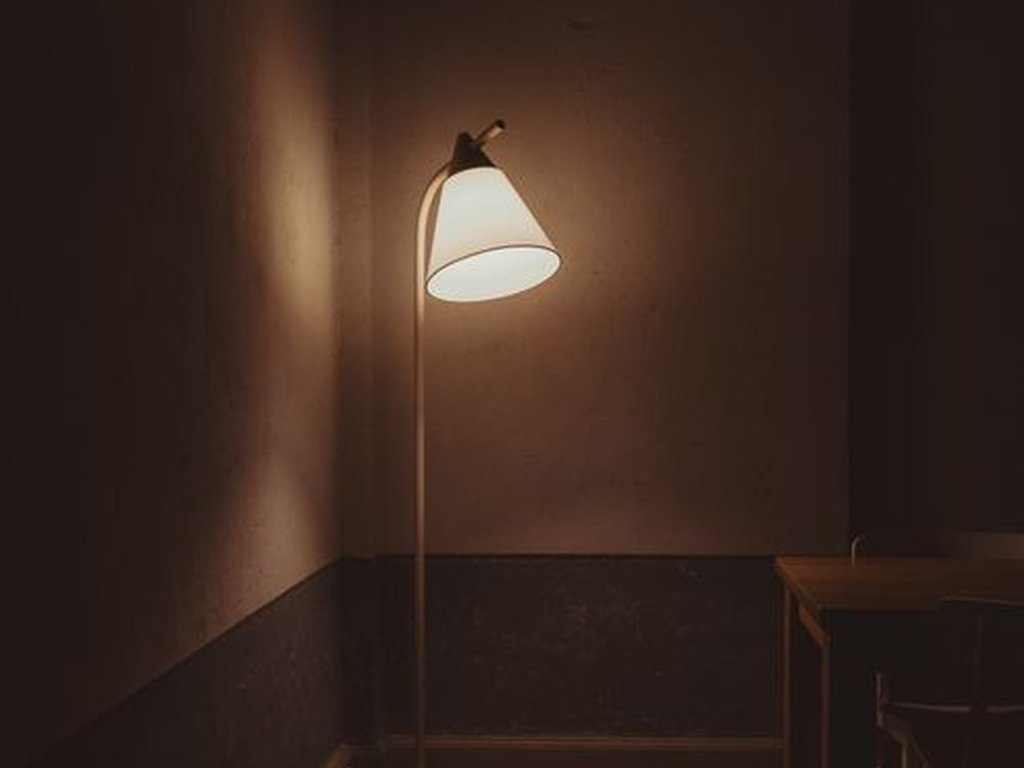
Hidden lighting keeps a minimalist living room calm because the light appears without visible fixtures cluttering the ceiling. Fit LED strip lights behind the TV console, under floating shelves, or along the top of a bookshelf, all on a dimmer switch. A 5-metre LED strip costs about $15 to $30, and a dimmer plug runs $10 to $20. Use warm 2700K light so the glow feels soft, not clinical. Switch the strips on in the evening instead of the ceiling light. The room glows gently with nothing to look at but the light itself.
Pick Matching Frames
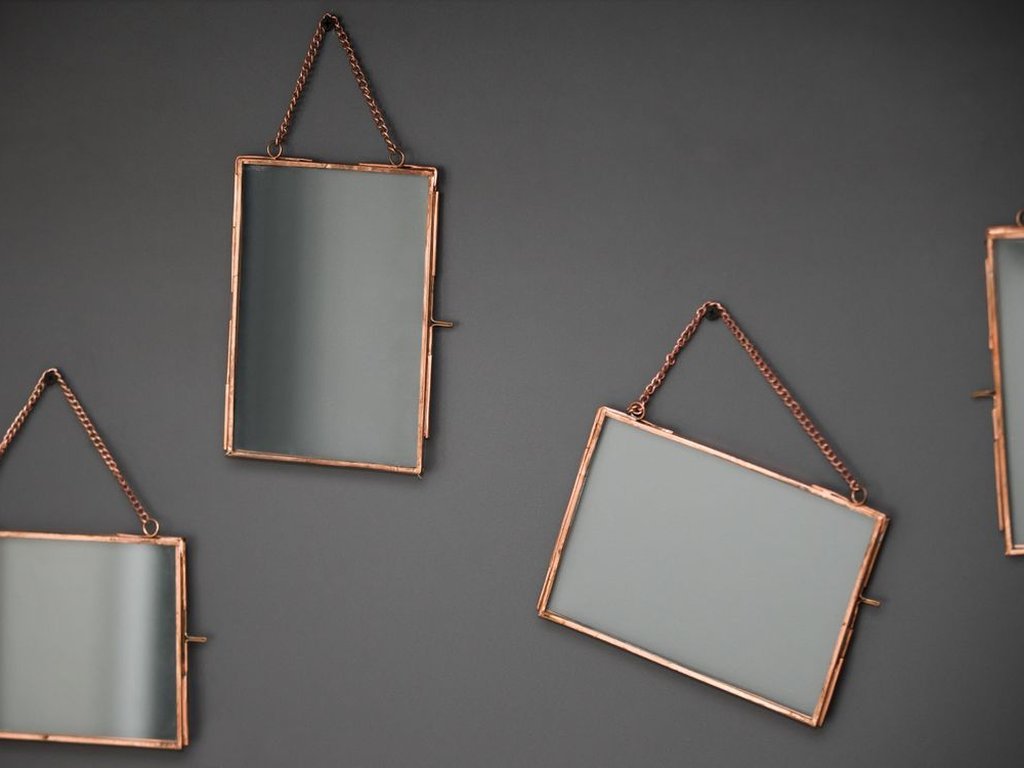
Matching frames make wall decor look calm and intentional in a minimalist living room, even when the pictures inside are different. Choose frames in one finish, such as black, white, or light wood, and one size, then hang two or three in a straight row above the sofa. Simple frames cost $5 to $15 each, and a row of three takes under an hour to hang. Keep the prints inside in your room’s two colours. Avoid mixing frame styles, since mixed frames read as clutter. The uniform row looks tidy and considered.
Keep One Coffee Table Book
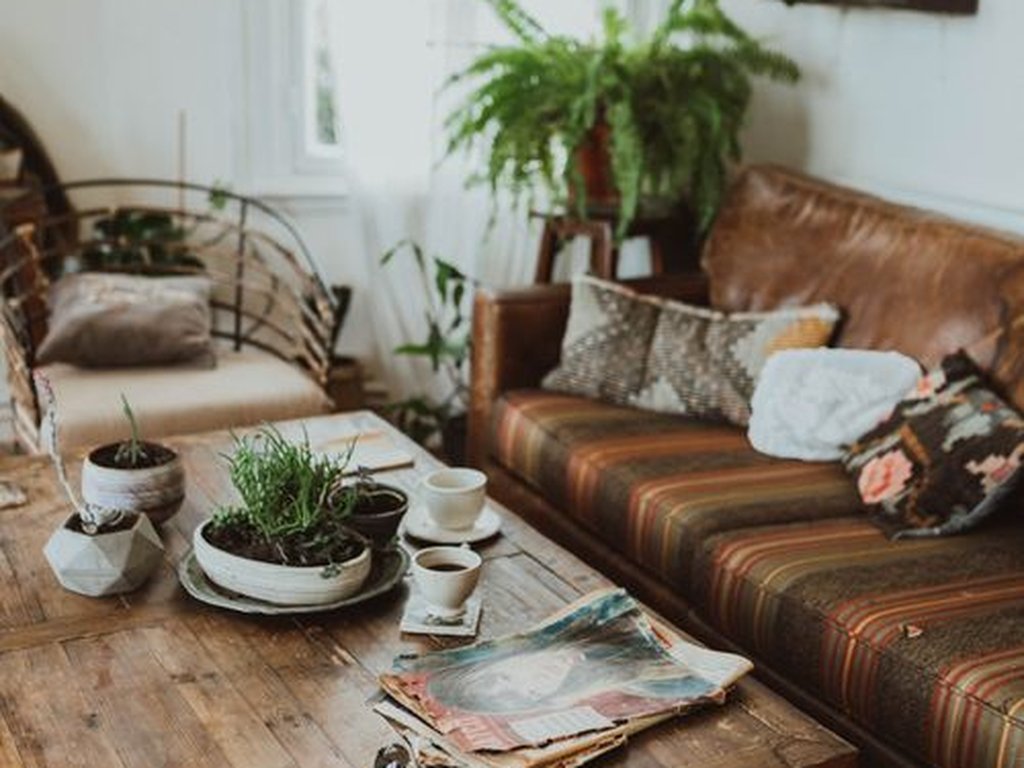
One coffee table book is all a minimalist living room needs on its table, and it doubles as decor and reading. Choose a large hardcover book on design, travel, or photography with a cover in your room’s colours, and lay it flat in the centre of the table. A good coffee table book costs $25 to $60 and lasts for years. Keep the rest of the table clear so the book stands alone. Swap the book every few months to keep the table feeling fresh. The single book looks curated, not crowded.
Use a Floating Media Console
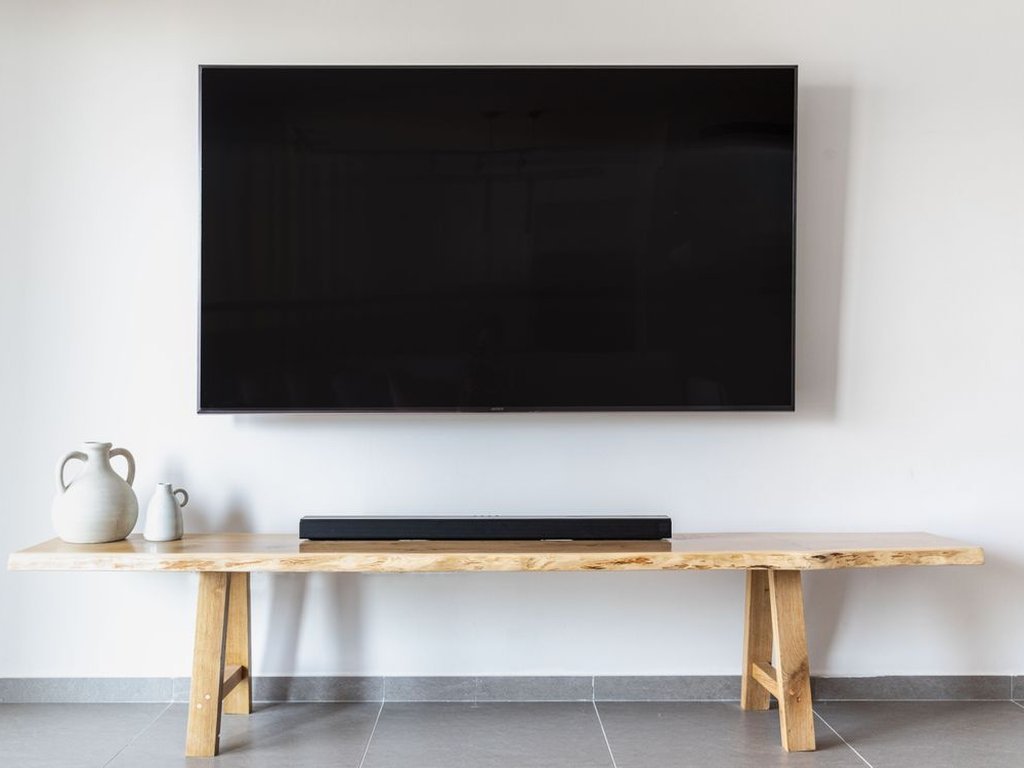
A floating media console keeps a minimalist living room light because it hangs on the wall and leaves the floor clear beneath it. Choose a low console about 120 to 180 centimetres wide in white, light wood, or matte black, and mount it 25 to 30 centimetres above the floor. A floating console costs $150 to $400, plus $20 to $40 for wall brackets. Hide cables inside the console so nothing dangles. The gap underneath makes the wall feel longer and the room feel bigger, while the TV sits neatly above.
Choose Armless Chairs
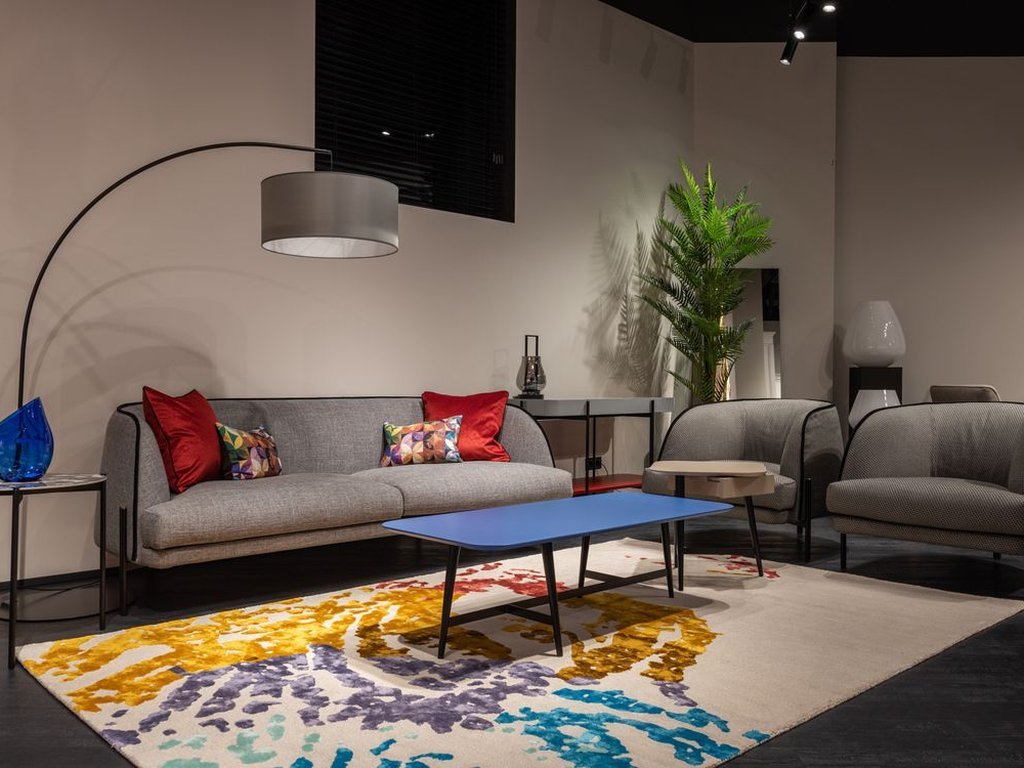
Armless chairs suit a minimalist living room because they take up less visual space than bulky armchairs. Choose two slim armless chairs in a plain fabric, and place them opposite the sofa with a small side table between them. A good armless chair costs $150 to $350, and the slim shape leaves the floor visible around it. Pick a colour from your two-colour palette so the chairs blend in. Add one small cushion each for comfort. The chairs give you extra seating without crowding the room or breaking the calm lines.
Add a Slim Floor Lamp
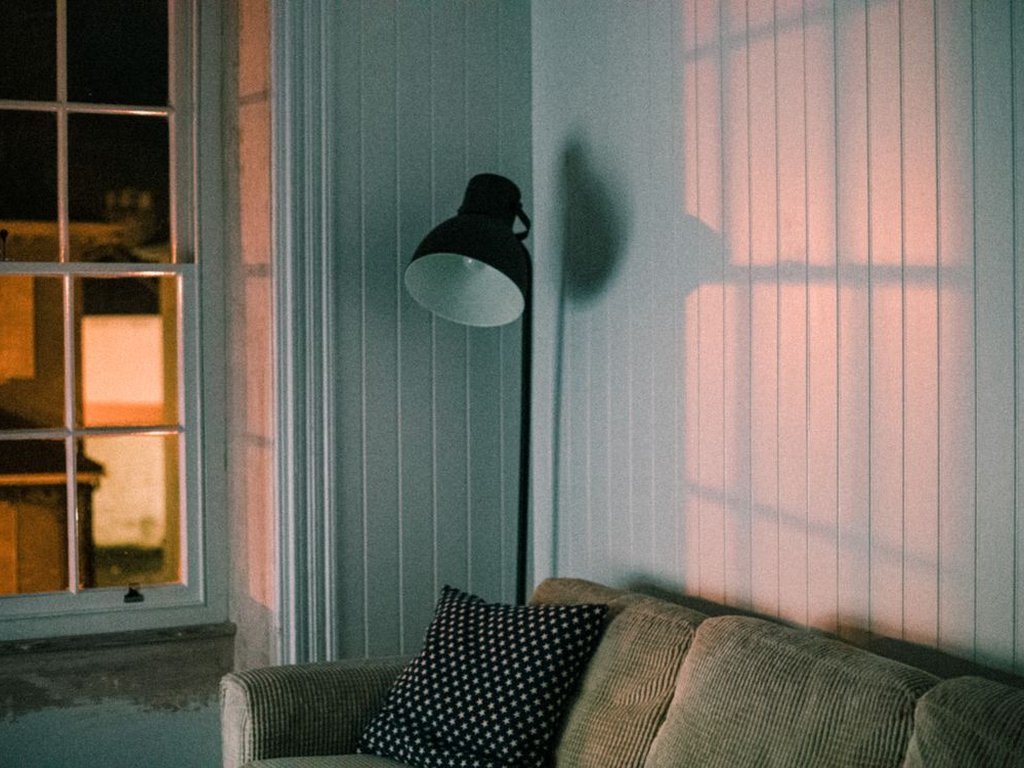
A slim floor lamp adds warm light to a minimalist living room without the bulk of a table lamp and side table. Choose a lamp with a thin black or brass stem and a simple white or linen shade, and place it in a dark corner beside the sofa. A good floor lamp costs $40 to $120, and a warm 2700K bulb runs about $5. Switch it on before dark and leave the ceiling light off in the evening. The single slim line draws the eye upward, while the soft pool of light warms the corner.
Keep Walls Mostly Bare
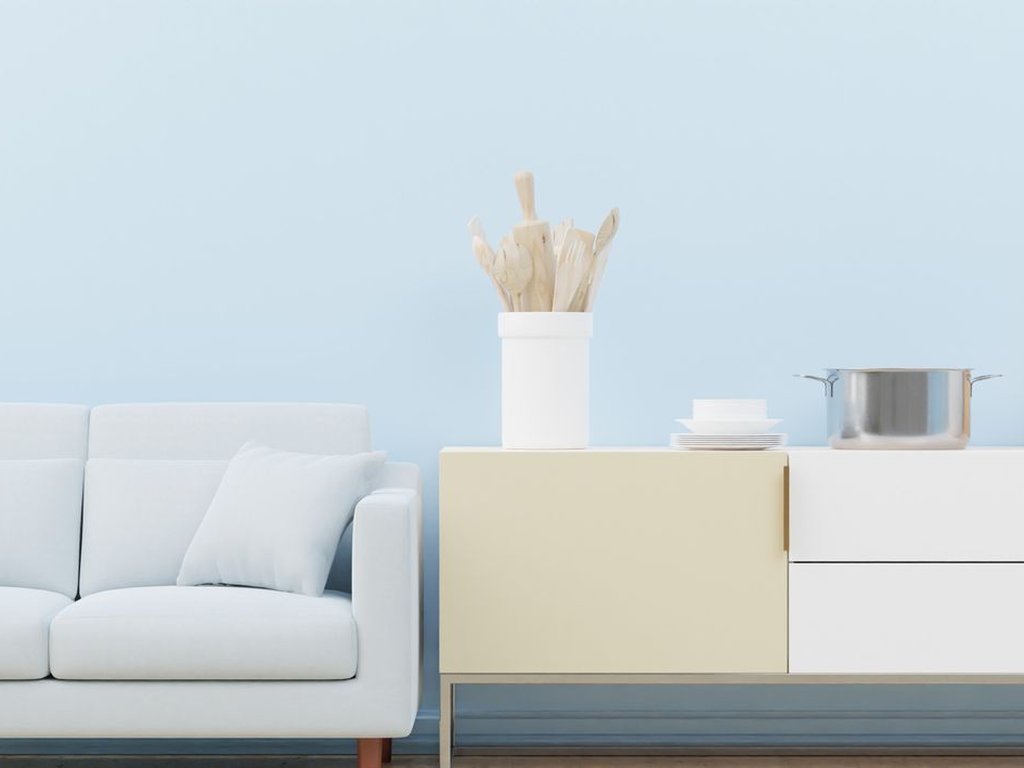
Bare walls are the boldest minimalist choice, since they let the architecture and the light do the decorating. Keep three walls completely empty and hang your one artwork on the fourth, above the sofa. A bare wall costs nothing and makes the room feel larger, because the eye rests instead of scanning. If a wall feels too empty, add a single slim floor lamp or a tall plant beside it, not more art. Resist the urge to fill every gap. The empty space is the design, and it is what makes the room feel calm.
Use a Monochrome Bookshelf
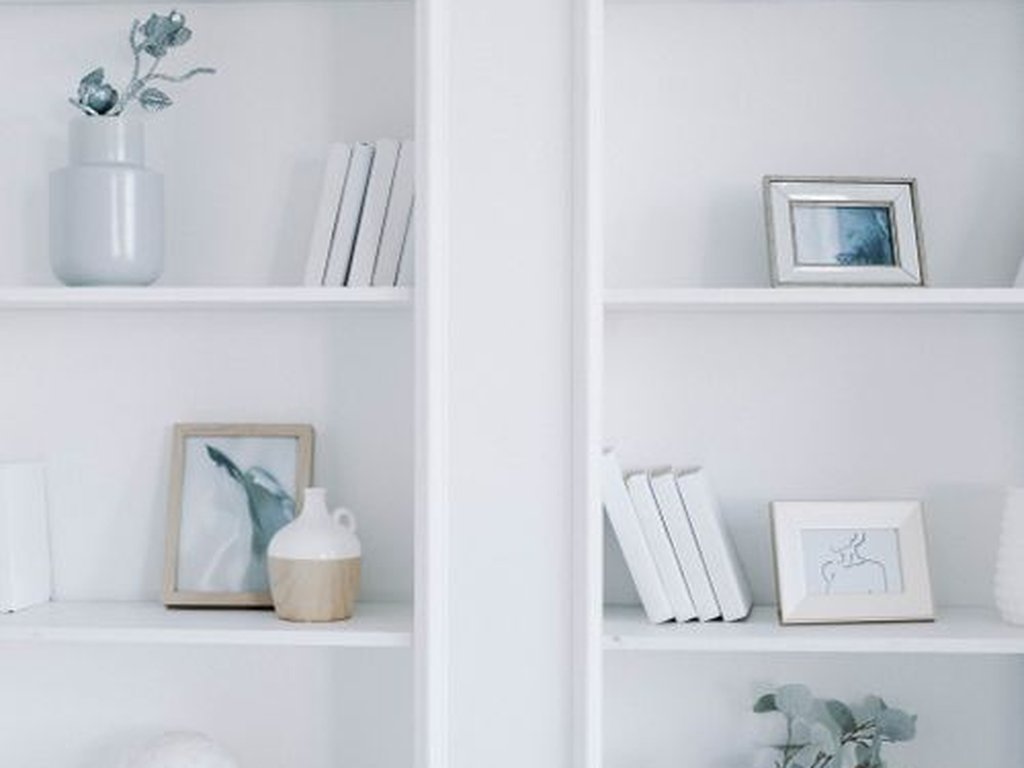
A monochrome bookshelf keeps books tidy in a minimalist living room instead of letting colour spill across the wall. Sort your books by size, then turn the spines inward or cover them in plain paper in your room’s colours, so the shelf reads as one calm block. A small white shelf costs $50 to $120, and plain paper covers cost pennies. Leave one shelf half empty for a vase or a small plant. The trick hides visual noise while keeping your books close. For more calm, uncluttered ideas, see our minimalist decor ideas.
Choose a Simple Fireplace Surround
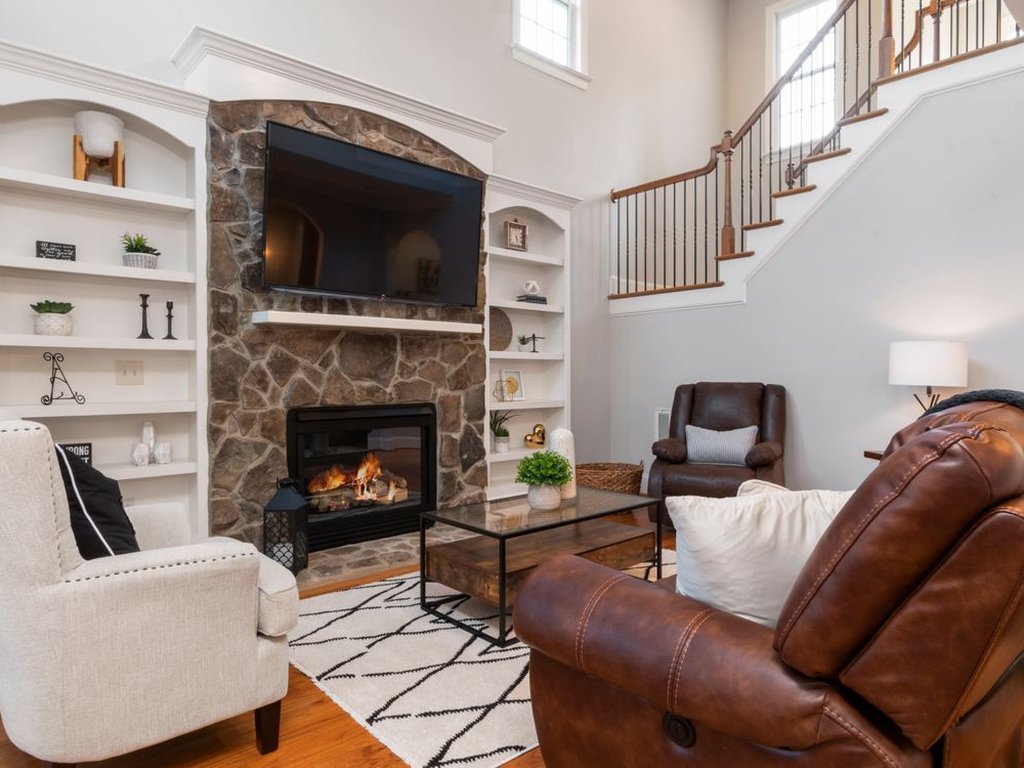
A simple fireplace surround suits a minimalist living room because it frames the fire without ornate detail. Choose a flat plaster, plain stone, or matte black metal surround with clean straight edges, and keep the mantel clear except for one vase or a single candle. A simple plaster surround costs about $300 to $600 fitted, while a stone slab runs $500 to $1,000. Paint the surround the same colour as the wall so it blends in. The fire becomes the focal point, and the room stays quiet around it.
Display One Vase
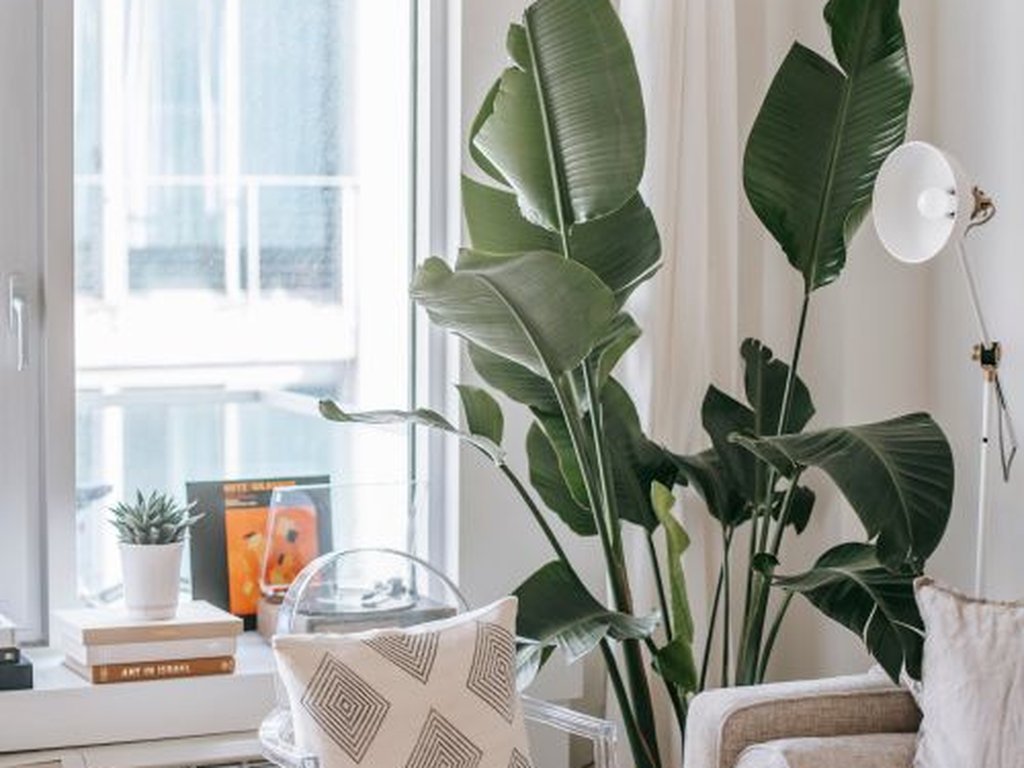
One vase is enough decoration for a minimalist living room sideboard or shelf, and it brings a natural shape into the room. Choose a tall ceramic or glass vase in white, cream, or clear glass, and fill it with a few dried branches or fresh stems. A good vase costs $15 to $40, and dried branches last for months with no care. Place the vase alone on the surface, not in a group, so it reads as a single sculptural piece. Change the stems with the seasons to keep it fresh. The lone vase feels calm and deliberate.
Leave Breathing Room
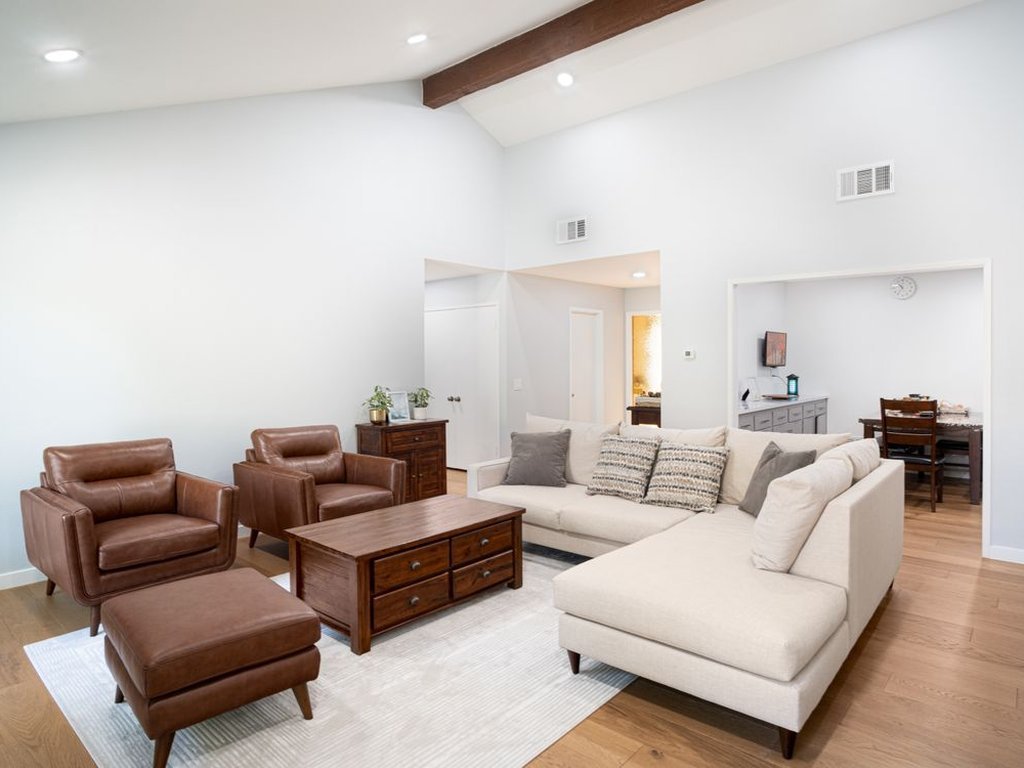
Breathing room is the final minimalist rule, since empty space is what makes the style work. Leave at least one corner of the living room completely empty, with no furniture, plant, or decor at all, and keep 75 centimetres of clear space around the seating area. An empty corner costs nothing and makes the whole room feel larger, because the eye has somewhere to rest. Resist filling it when you buy something new. The gap is not wasted space, it is the calm itself, and it is what separates a minimalist room from a plain one.
Frequently Asked Questions About Minimalist Living Room Ideas
What is a minimalist living room?
A minimalist living room is a calm, uncluttered space built on clean lines, a limited colour palette, and furniture that earns its place. It uses fewer pieces, plain surfaces, and plenty of empty space so the room feels open and restful. The style is not about owning nothing, but about keeping only what you use and love, arranged with breathing room around it.
How do I make my living room minimalist on a budget?
You can make a living room minimalist on a budget by removing things first, since decluttering costs nothing. Clear every surface, hide cables and small items in drawers, and keep only three decor objects out. Then paint the walls one warm neutral, which costs about $40 to $70 a gallon. Add a plain rug and matching cushion covers to finish the look for under $200.
What colours work best in a minimalist living room?
Warm white, soft grey, beige, and cream work best in a minimalist living room, with one accent such as sage green, navy, or terracotta. Stick to two colours in total so the room feels calm and pulled together. The Spruce’s minimalist decorating ideas show the same limited palette, with texture doing the work that colour usually does.
Can a minimalist living room still feel cozy?
Yes, a minimalist living room can feel cozy when you layer soft textures, warm wood, and warm light. Add a wool throw, linen cushions, a woven rug, and a floor lamp with a 2700K bulb. One large plant and a lit candle also warm the room. The key is texture and warmth, not more objects, so the room stays calm while feeling inviting.
How many pieces of furniture should a minimalist living room have?
A minimalist living room needs only a sofa, one or two chairs, a coffee table, and one storage piece such as a media console or sideboard. That is four or five pieces in total. Every extra piece should earn its place by being used daily. If a piece sits unused for a month, move it out and enjoy the extra space.
Should a minimalist living room have a TV?
A minimalist living room can have a TV, but it should be hidden when not in use. Mount it inside a cabinet with doors, or fit a sliding wood panel over it. Better Homes & Gardens shares small-space ideas that hide screens behind panels and inside furniture. When the black screen is covered, the wall reads as plain and the room feels calm again.
What is the best sofa for a minimalist living room?
The best sofa for a minimalist living room is a low-profile two-seat or three-seat sofa with straight arms, slim legs, and a plain fabric in warm white, light grey, or beige. Avoid patterns, skirts, and bulky arms, since they add visual weight. Low sofas start near $400, and the slim shape keeps the wall visible above it so the room feels open.
How do I keep a minimalist living room tidy?
Keep a minimalist living room tidy by giving every item a closed home, such as a drawer, a cabinet, or a basket. Spend ten minutes each evening putting things back, and follow a one-in, one-out rule when you buy something new. Built-in storage helps, since closed doors hide clutter. The habit matters more than the furniture, and a tidy room stays calm with very little effort.
Conclusion
A minimalist living room does not come from buying less furniture, but from choosing each piece with care and leaving space around it. Start with a two-colour palette and a low sofa, clear every surface, and hide the TV and the clutter behind closed doors. Add warmth with wood, texture, and one large plant so the room feels calm, not cold. For seasonal ideas, see our 25 Christmas kitchen decor ideas, and check the Ideas Home Accessories blog for more guides. The calmest rooms are the ones with room to breathe.
Related Articles
- 25 Minimalist Decor Ideas for a Calm, Clutter-Free Home
- 30 Dark and Moody Living Room Ideas
- 25 Cozy Apartment Ideas That Make Small Spaces Feel Like Home
- 20 Home Decor Trends to Know in 2026
- 25 Small Bedroom Ideas That Make Tiny Rooms Feel Big
- 25 Small Kitchen Ideas With Big Style for Tiny Kitchens
- 33 Painted Dresser Ideas to Transform Old Furniture
- 25 Christmas Decor Ideas for Living Rooms