

Bathroom tile can completely change the way a bathroom looks and feels. The right tile can make a small bathroom feel more open, give a plain shower more character, or make a large bathroom look like a relaxing spa. But choosing bathroom tile is not only about picking a color that looks good in a showroom. You also need to think about water, cleaning, floor safety, room size, lighting, grout, tile size, and how the tile will work with your vanity, mirror, fixtures, and other bathroom features.
Quick answer: The best bathroom tile ideas start with porcelain for floors and shower walls, large-format tile for a clean modern look, and subway tile for a classic finish that suits any budget. Pick one main tile and one accent, keep grout close to the tile colour, and order 10 to 15 percent extra for cuts.
There are many choices available today, including porcelain tile, ceramic tile, marble-look tile, subway tile, mosaic tile, large-format tile, patterned tile, stone-look tile, and wood-look tile. Some are better for bathroom floors, while others work especially well on walls or shower surfaces. A good bathroom design usually combines beauty with practical materials. The following ideas will help you choose a tile style that fits your bathroom instead of simply following a trend. Home Depot also notes that bathroom tile is available in many styles and that common bathroom tile choices can offer moisture resistance, durability, and relatively easy maintenance.
Best Bathroom Tile Ideas for a Beautiful and Modern Bathroom
1. Use Large-Format Tiles for a Clean Modern Bathroom

Large-format tile is one of the easiest ways to give a bathroom a clean and modern appearance. Common sizes such as 12-by-24-inch tiles can create fewer grout lines than smaller tiles, which makes the surfaces look calmer and less busy. This style works particularly well in contemporary bathrooms where you want the walls and floor to look smooth and connected. Soft white, warm beige, light gray, greige, and stone-look porcelain are useful choices when you want a simple background that will remain attractive for many years. Large tiles can also be used around a shower, behind a freestanding bathtub, or across a bathroom floor to create a continuous visual flow.
Large-format tile can be especially useful in a small bathroom, but installation needs careful planning. A large tile does not automatically make a room larger. The layout, grout color, lighting, and number of cuts all matter. If the installer has to make many small cuts around the toilet, vanity, drain, or corners, the finished design may not look as clean as expected. Always measure the room before purchasing tile and ask how the tile will be laid. For a shower floor, a smaller format is often more practical because it can follow the slope toward the drain and provide more grout lines for traction. Houzz examples show designers using large porcelain tiles for main floors while switching to smaller mosaics in shower areas when appropriate.
Large-format bathroom tile is also a good choice if your goal is a luxury bathroom without using large slabs of natural stone. Marble-look porcelain can provide a similar visual effect while offering a practical surface for many homeowners. Choose a design with soft veining if you want a timeless look. Strong dramatic veins can be beautiful, but they become a major design feature and may limit your future decorating choices. If you use heavily patterned large tile, keep the vanity, walls, and accessories relatively simple.
Another important point is grout. A grout color close to the tile color can make the surface look more continuous, while contrasting grout makes every tile shape more noticeable. Neither option is automatically right or wrong. Think about how much visual detail you want in the room. Also consider maintenance. Grout needs regular cleaning, particularly in wet areas. A practical bathroom design should look beautiful on installation day and remain manageable after years of daily use. For more guidance on grout application and maintenance, see this bathroom tile grouting guide.
2. Try Classic White Subway Tile With a Modern Twist
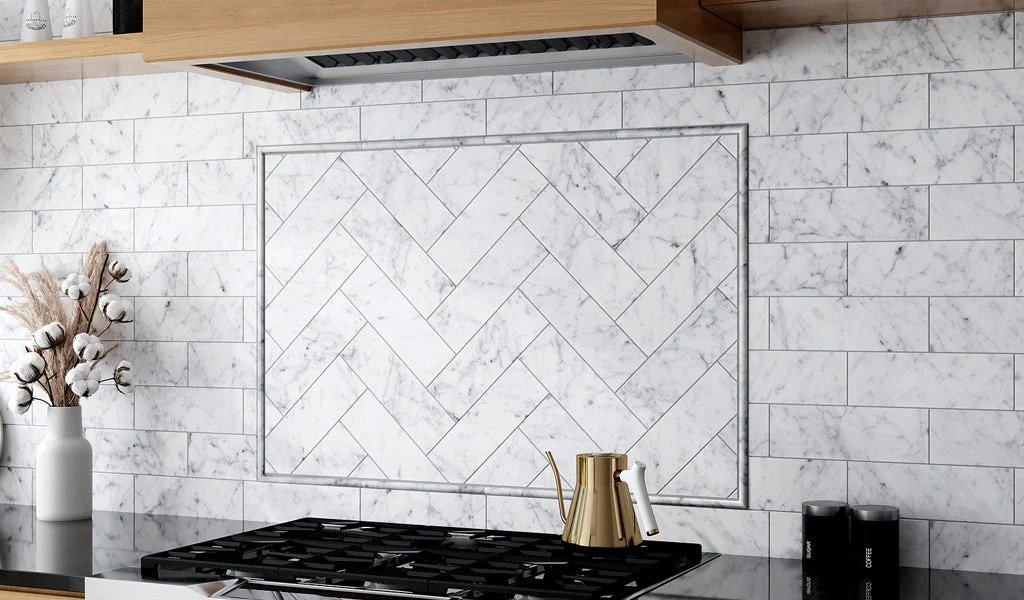
White subway tile remains one of the most flexible bathroom tile ideas because it can work with traditional, modern, farmhouse, transitional, coastal, and even industrial bathroom designs. The classic rectangular shape creates a familiar look, but the final appearance depends heavily on how the tiles are installed. A traditional running-bond layout feels classic, while vertical installation can emphasize ceiling height. A stacked layout can look more contemporary and structured. You can also use a slightly elongated subway tile when you want a more modern proportion.
The beauty of white subway tile is that it gives you a simple background while allowing other bathroom elements to become focal points. A wood vanity can add warmth, black fixtures can create contrast, and brass hardware can bring a more elegant feeling. If your bathroom is small, white tile can help reflect available light and prevent the walls from feeling visually heavy. However, covering every surface in bright white can sometimes make a bathroom feel cold. Adding warm wood, natural textures, soft beige accessories, or a subtle colored floor can create balance. Designers featured by Houzz have used white shower tile with patterned or colored floors to keep small bathrooms visually open while still adding personality.
The grout choice can dramatically change subway tile. White grout creates a quiet, almost continuous wall, while gray or darker grout emphasizes the rectangular pattern. If you love the classic subway look but want something less ordinary, consider a handmade-look ceramic tile with gentle variations in surface and color. The individual tiles may not look exactly identical, which gives the wall more texture and character. Glossy tile can bounce light around a darker bathroom, while matte or softly textured tile creates a quieter appearance.
When choosing subway tile for a shower, think beyond appearance. The tile should be appropriate for wet-area use and installed over a properly prepared waterproof substrate. The tile itself is only one part of a successful shower system. Proper waterproofing, slope, joints, and installation matter just as much as the tile design. A beautiful tile can still fail if the underlying installation is poor. This is why it is worth discussing the complete shower assembly with an experienced tile professional before beginning a major renovation.
3. Choose Marble-Look Tile for a Luxurious Bathroom

Marble-look tile is an excellent choice when you want a luxury bathroom without the high maintenance and cost associated with genuine marble. Porcelain tile designed to resemble marble can offer natural-looking veining, a polished or matte finish, and a surface that is more resistant to water and staining. Calacatta marble-look tile is often preferred when you want a bold, dramatic appearance, while Carrara marble-look tile has softer gray veining that feels more subtle and classic. Both options can work beautifully on shower walls, vanity backsplashes, bathroom floors, and around a freestanding bathtub.
One important decision is how much marble-look tile to use. Some people cover the shower walls with marble-look tile and keep the remaining surfaces simple, while others use the same tile across the floor and shower for a continuous spa-like effect. If you want a rich design, consider a book-matched marble-look pattern where the veins appear mirrored across tiles. For a calmer design, choose light veining with a clean background and keep the fixtures simple. Marble-look tile pairs well with white fixtures, black or brass hardware, and natural wood details.
Genuine marble is a beautiful material, but it is not always the most practical choice for a bathroom because it can be softer, more porous, and more likely to stain or etch if exposed to certain products. Marble-look porcelain offers a similar visual result with less ongoing maintenance. It does not require sealing in the same way, and it is typically easier to clean after daily use. If you choose marble-look tile, try to keep the veining consistent with the style of the room. Busy veining in a very small bathroom can feel visually crowded, while soft veining can make the room look elegant without overwhelming the design.
Another helpful idea is to pair marble-look wall tile with a simpler floor tile. For example, white marble-look tile on the shower walls can be combined with a neutral large-format floor tile. This creates contrast without making the design feel too busy. If you want a full marble-look bathroom, consider using a matte finish on the floor for traction and a polished finish on the walls to add visual depth. A well-planned marble-look bathroom can feel like a luxury hotel bathroom while remaining easy to maintain.
4. Add Hexagon Tiles for a Subtle Geometric Look

Hexagon tile is a simple way to add pattern without making a bathroom feel chaotic. The six-sided shape can work on a bathroom floor, shower floor, accent wall, or niche. Small hexagon tile is especially useful in shower floors because it can follow the slope toward the drain, and the extra grout lines provide more traction. Hexagon tile is available in porcelain, ceramic, marble-look, and matte finishes, so you can choose a style that matches the rest of the bathroom.
One popular idea is to use a single-color hexagon floor in soft gray, white, or charcoal. This creates texture without becoming visually busy. Another idea is to create a gradual blend from white to gray or from white to a soft blue. A subtle ombre design can become a beautiful focal point without overwhelming the bathroom. Hexagon tile also works well with subway tile. A white subway tile wall combined with a hexagon tile floor creates a balanced mix of classic and geometric design.
When installing hexagon tile, the layout is important. A small pattern can look visually busy if grout color contrasts strongly with the tile. A grout color close to the tile can keep the pattern subtle. If you want the hexagon shape to stand out, choose a slightly darker grout. In a shower, remember that hexagon tiles have more grout lines, which means more joints to clean. A quality grout and proper sealing can help keep maintenance manageable. For a shower floor, choose a tile size that supports proper drainage and feels comfortable underfoot.
Hexagon tile is also a practical choice for a bathroom that needs visual interest without committing to bold colors or patterns. Neutral hexagon tiles can remain stylish for many years and will not restrict future changes. If you decide to change paint, vanity hardware, or accessories later, a neutral hexagon floor will still work well. A hexagon accent wall behind a vanity or freestanding bathtub can also become a focal point that does not require covering the entire bathroom in patterned tile.
5. Use Wood-Look Tile for Warmth and Texture

Wood-look tile is a smart bathroom design idea because it brings warmth and texture into a room that often feels cold or clinical. Porcelain wood-look tile is made to resemble real wood, but it offers water resistance and durability that natural wood cannot match in a bathroom. This makes it a practical choice for floors, shower walls, vanity areas, and even feature walls. Light oak tones can make a small bathroom feel brighter, while darker walnut tones can give a large bathroom a more grounded and sophisticated appearance.
One of the biggest advantages of wood-look tile is that it does not warp, swell, or absorb water the way natural wood can. It is also easier to clean after daily use, particularly in a wet bathroom environment. Choose a wood-look tile with realistic grain and color variation. A flat, single-color design can look less convincing than a tile with natural-looking variation. The plank layout also matters. A staggered layout can make the floor feel more natural, while a herringbone layout can create a more formal or decorative effect.
Wood-look tile pairs especially well with white fixtures, matte black hardware, stone-look surfaces, and natural textures such as linen towels and woven baskets. If your bathroom uses a modern design, a wide-plank wood-look tile with a low-contrast grain can feel calm and refined. If you prefer a rustic bathroom, a narrower plank with stronger grain and warmer tones can add character. Wood-look tile can also make a small bathroom feel less cold underfoot when combined with underfloor heating.
When using wood-look tile, avoid combining too many competing patterns in the same bathroom. A wood-look floor already introduces visual texture, so the wall tile should usually remain simple. White subway tile, large-format tile, or plain neutral tile can balance the design. A wood-look accent wall can be beautiful, but it should not compete with a patterned floor. If you want a spa-like bathroom, consider a light wood-look floor, white walls, and natural accessories such as plants and wood-framed mirrors. This combination creates warmth while keeping the bathroom bright and clean.
6. Create a Shower Feature Wall That Stands Out

A shower feature wall is a great way to make a bathroom feel designed rather than simply functional. By using a distinctive tile on one shower wall, you can create a visual focal point without committing to a bold pattern throughout the entire bathroom. Popular choices include marble-look porcelain, colorful handmade-look tile, patterned cement-look tile, glass mosaic, or large-format tile with dramatic veining. The remaining shower walls can use a simpler, neutral tile so the feature wall stands out clearly.
A shower feature wall is also a practical way to use more expensive tile. Instead of covering the whole shower in a high-cost material, you can use it on one wall and select a lower-cost tile for the remaining surfaces. This approach allows you to achieve a high-end look while controlling your budget. Before choosing the tile, consider the lighting in the shower. A tile with a subtle pattern may look beautiful under bright lighting but appear flat in a dim shower. A glossy tile can reflect light and add depth, while a matte tile can create a more muted, spa-like effect.
When designing a shower feature wall, remember that waterproofing and installation matter just as much as appearance. A feature wall should be installed by an experienced professional who understands proper shower preparation. The grout lines, joints, and drainage need to be handled correctly to prevent water damage. A beautiful tile can still fail if the underlying system is not prepared properly. Also think about cleaning. A feature wall with very small tiles or a rough texture can be more difficult to clean than a smooth, large-format tile. Balance the visual impact with practical maintenance.
Another useful approach is to extend the feature tile beyond the shower. For example, a tile used on the shower wall can be repeated as a backsplash behind the vanity. This creates a sense of connection between different areas of the bathroom. If you use a very bold pattern on the feature wall, keep the rest of the bathroom relatively simple. Neutral walls, simple fixtures, and minimal accessories will let the feature wall become the main visual element without making the room feel cluttered.
7. Install Vertical Tiles to Make a Bathroom Feel Taller

Vertical tile installation is one of the most useful bathroom tile ideas for a small bathroom with a low ceiling or a narrow layout. Instead of placing rectangular tiles horizontally, install them vertically to draw the eye upward and create an impression of height. This technique works especially well with subway tile, elongated rectangular tile, and slim vertical tile. In a small bathroom, vertical tile can make the walls appear taller and the space feel less cramped.
Vertical tiles can be used in several ways. One common approach is to install vertical subway tile from floor to ceiling on the shower walls. Another idea is to use a vertical tile accent strip behind the vanity or along a narrow wall. This creates a visual line that makes the bathroom feel taller without covering the entire room in tile. The effect is especially noticeable in bathrooms with high windows or tall mirrors. Vertical lines can also be balanced with horizontal elements such as a long vanity or a horizontal mirror to prevent the room from feeling too narrow.
The color and finish of vertical tile also matter. Light-colored vertical tile can reflect available light and help a bathroom feel more open. A glossy finish can enhance this effect by bouncing light around the room. Dark vertical tile can create a more dramatic effect, but it may make a small bathroom feel smaller if used on every wall. If you prefer a darker look, consider using vertical tile on one accent wall and a lighter tile on the remaining surfaces.
Vertical tile installation requires careful planning because the grout lines become a prominent design feature. A grout color close to the tile can make the vertical lines appear softer, while a contrasting grout color can emphasize the pattern. Before starting installation, ask the installer to show you a small sample layout so you can see how the vertical lines will look in your bathroom. This can help you avoid a layout that feels too busy or visually unbalanced.
Related: Top 10 Small Bathroom Theme Design Ideas for a Cozy, Stylish Retreat
8. Mix Tile Sizes for a Custom Designer Look

Using two tile sizes can make a bathroom feel more detailed and intentional. A common combination is a large-format tile on the floor with a smaller tile in the shower or on a feature wall. Another popular approach is to use large tile on the walls and small mosaic tile on the shower floor. This mix adds visual variety while keeping the design cohesive. The key is to use tiles that share a similar color family or material so the combination feels planned rather than random.
Mixing tile sizes can also help solve practical problems. Large tile works well on flat surfaces where you want fewer grout lines, while small mosaic tile is better for curved or sloped surfaces where flexibility matters. A shower floor with a slope toward the drain often works better with small tile because it can follow the curve. A large tile on the same surface may need more cuts and may not drain properly. Similarly, a small tile can be used for a niche or a border where a large tile would be difficult to install.
When mixing tile sizes, think about the overall color palette. Neutral tones such as white, gray, beige, and stone-look porcelain work well together because they create a calm background. If you want a more dramatic design, you can use a patterned or colored tile as an accent and keep the other tile simple. Avoid using too many different patterns in the same bathroom. A design with two tile sizes and one accent pattern usually feels balanced, while a design with three or more competing patterns can feel chaotic.
A thoughtful mix of tile sizes can also make a bathroom look more expensive without significantly increasing the cost. Instead of purchasing a high-end tile for the entire bathroom, you can use it in a smaller area and pair it with a more affordable tile elsewhere. For example, a marble-look mosaic can be used as a shower niche accent while large-format porcelain covers the main floor. This creates a designer look while keeping the overall budget manageable.
9. Use Black-and-White Tile for Timeless Contrast

Black-and-white bathroom tile is one of the easiest ways to create strong contrast without using bright colors. A classic checkerboard floor, a black hexagon accent, or white subway tile with black grout can give a bathroom a timeless and structured appearance. This style works well in traditional, modern, and transitional bathrooms because it is based on contrast rather than a specific trend. A black-and-white bathroom can also feel more polished when combined with simple fixtures and minimal accessories.
One of the best ways to use black-and-white tile is to keep the balance controlled. Too much black can make a small bathroom feel dark, while too much white can make the contrast less noticeable. A common approach is to use a white tile as the main surface and black tile as an accent. For example, a white subway tile shower with a black mosaic floor creates a clear focal point without overwhelming the room. A black-and-white floor with white walls can also make a small bathroom feel more open.
Black-and-white tile also works well with different materials. A white vanity with black hardware, a black-framed mirror, and white walls can create a cohesive design. Natural wood can soften the contrast and prevent the bathroom from feeling too stark. If you want a more dramatic look, consider a black feature wall with white fixtures. This creates a strong visual statement while keeping the remaining surfaces light and simple.
When choosing black-and-white tile, think about cleaning and maintenance. Black tile can show water spots and dust more easily than white tile, particularly in a shower. A matte black finish can hide water marks better than a glossy black finish. White grout can also require more frequent cleaning, especially on a floor. A medium-gray grout can be a practical compromise that keeps the pattern visible without requiring constant maintenance.
10. Try Natural Stone-Look Tile for a Spa-Like Feel

Natural-look tile can make a bathroom feel connected to nature. Stone-look porcelain, travertine-look tile, and slate-look tile can create a warm and organic atmosphere without the maintenance challenges of genuine natural stone. These tiles often feature soft color variations, subtle veining, and a textured surface that makes the bathroom feel more like a spa. A stone-look floor combined with a simple white wall can create a calm and relaxing environment.
One of the best ways to use natural-look tile is to pair it with warm lighting and natural materials. Wood accessories, woven baskets, linen towels, and plants can enhance the spa-like feeling. A freestanding bathtub with stone-look tile around it can become a focal point that makes the bathroom feel like a retreat. If you want a more modern spa look, choose a large-format stone-look tile with minimal pattern. If you prefer a rustic spa look, choose a tile with stronger color variation and a textured surface.
Genuine natural stone can be beautiful, but it requires more maintenance than porcelain. Natural stone is porous and may need regular sealing to prevent staining. Porcelain stone-look tile offers a similar visual effect with less ongoing maintenance. It is also more resistant to water and easier to clean after daily use. If you choose a stone-look tile, make sure it is suitable for wet areas and has enough slip resistance for the floor. A matte or textured finish is usually safer than a highly polished finish in a bathroom.
A natural-look tile bathroom can also be enhanced with soft lighting and simple fixtures. A warm light can bring out the natural tones in the tile, while a cool light can make the room feel more clinical. Consider using dimmable lighting so you can adjust the atmosphere for different times of day. A stone-look tile bathroom with warm lighting, natural textures, and simple accessories can feel like a private spa without requiring a major renovation.
Best Bathroom Tile Ideas at a Glance
| Bathroom Tile Idea | Best For | Main Benefit |
|---|---|---|
| Large-Format Tile | Modern bathrooms | Fewer grout lines and clean look |
| White Subway Tile | Classic and versatile design | Flexible style and bright finish |
| Marble-Look Tile | Luxury bathrooms | Elegant veining without marble maintenance |
| Hexagon Tile | Pattern and shower floors | Subtle geometric design and traction |
| Wood-Look Tile | Warmth and texture | Water-resistant wood appearance |
| Shower Feature Wall | Focal point | High-end look with controlled cost |
| Vertical Tile | Small bathrooms | Makes the room feel taller |
| Mixed Tile Sizes | Custom designer look | Visual variety and practical layout |
| Black-and-White Tile | Timeless contrast | Strong visual structure |
| Natural Stone-Look Tile | Spa-like bathrooms | Warm organic appearance |
How Do I Choose Bathroom Tile for My Bathroom?
Start with the location. Floor tile should be slip-resistant, shower tile should be suitable for wet areas, and wall tile can be chosen mainly for appearance. After deciding where the tile will be used, think about room size, lighting, and style. A small bathroom may benefit from light colors and larger tiles, while a large bathroom can handle more pattern and contrast. Always get samples and view them in your bathroom under natural and artificial light. The color of a tile can look very different in a showroom compared with your home. Also consider your budget, maintenance preferences, and how long you plan to keep the design. A timeless neutral tile is often a safer choice than a very bold pattern that may feel dated in a few years.
What Is the Best Tile for a Small Bathroom?
For many small bathrooms, porcelain or ceramic tile in a light color is a practical choice. Large-format tile can reduce the number of grout lines, while glossy tile can reflect light. Vertical subway tile can make the walls appear taller. A light floor and simple wall tile can prevent the room from feeling visually crowded. Avoid using too many different patterns in a small space. One main tile and one accent are usually enough. A small bathroom can still have personality, but the design should remain calm and organized.
What Tile Is Best for a Bathroom Floor?
Bathroom floor tile should be selected with safety, durability, and water resistance in mind. Porcelain is a popular choice because it is dense, water-resistant, and available in many styles. Ceramic tile is also widely used and can be more affordable. For a shower floor, small-format mosaic tile is commonly preferred because it can follow the slope toward the drain and provide more grout lines for traction. A matte or textured finish is usually safer than a polished finish. Always check the slip resistance rating before purchasing floor tile. A tile that looks beautiful but becomes slippery when wet is not a good choice for a bathroom floor.
Should Bathroom Floor and Wall Tile Match?
Bathroom floor and wall tile do not have to match. Many designers use different tiles for the floor and walls to create contrast and visual interest. A common approach is to use a neutral large-format tile on the floor and a different tile on the walls. For example, a wood-look floor can be paired with white subway tile walls. A marble-look shower wall can be paired with a simple neutral floor. The key is to keep the color palette cohesive. The tiles should share a similar tone or material family so the design feels intentional rather than random.
Is Porcelain or Ceramic Tile Better for a Bathroom?
Both porcelain and ceramic tile can be useful in a bathroom, but porcelain is generally denser and more water-resistant. Porcelain is often preferred for floors and shower areas because it absorbs less water. Ceramic tile is often lighter and can be easier to cut, which makes it a good choice for walls. The best option depends on where the tile will be used, your budget, and the style you want. For a shower floor or bathroom floor, porcelain is usually the safer choice. For a wall or backsplash, ceramic tile can be perfectly suitable.
How Can I Make a Bathroom Look More Expensive With Tile?
A high-end bathroom is usually about coordination rather than cost. Choose a simple color palette, use a consistent grout color, and avoid mixing too many patterns. A marble-look tile, large-format tile, or a well-designed feature wall can create a luxury feeling without requiring expensive materials. Good lighting, quality fixtures, and careful installation also make a big difference. A bathroom with clean lines, minimal clutter, and thoughtful details often looks more expensive than a bathroom with many competing design elements.
How Do I Choose Grout Color for Bathroom Tile?
Grout can change the appearance of tile significantly. A grout color close to the tile color creates a calm, continuous surface. A contrasting grout color emphasizes the tile shape and pattern. For a modern look, a matching grout is often preferred. For a classic subway tile design, a slightly darker grout can highlight the rectangular pattern. Consider maintenance as well. Light grout can show stains more easily in wet areas, while a medium gray grout can be more practical. Always test the grout color with a sample tile before making a final decision.
Bathroom Tile Design Mistakes to Avoid
One common mistake is choosing tile before considering the size and lighting of the bathroom. A tile that looks beautiful in a showroom may feel too dark or too busy in a small, dim bathroom. Another mistake is using too many different tile styles in the same room. A bathroom with three or more competing patterns can feel chaotic. A third mistake is ignoring slip resistance on the floor. A polished tile can become dangerously slippery when wet. A fourth mistake is forgetting about grout maintenance. Grout in a shower needs regular cleaning and occasional sealing. Finally, a common mistake is not ordering enough tile. Always order 10 to 15 percent extra to account for cuts, breakage, and future repairs. A tile that is discontinued later can be difficult to match if you need a replacement.
Frequently Asked Questions About Bathroom Tile
What tile color makes a bathroom look bigger?
Neutral porcelain, stone-look tile, light subway tile, or a pale large-format tile can help a small bathroom feel more open. Light colors can reflect available light and reduce visual contrast. A grout color close to the tile color can also help the surface look more continuous. Avoid using too many different colors or patterns in a small space.
What is the best tile for a small bathroom floor?
Light-colored tile, large-format tile, and tile with fewer grout lines can help a small bathroom floor feel less busy. Porcelain is a common choice because it is water-resistant and durable. A matte or textured finish can provide more traction than a polished finish. A light floor combined with vertical wall tile can also make the room feel taller.
Can large tiles be used in a small bathroom?
Large tile can work very well in a small bathroom if the layout is planned carefully. Large-format tile creates fewer grout lines, which can make the room look calmer. However, many cuts around the toilet, vanity, or corners can reduce the clean appearance. Always measure the room and ask how the tile will be laid before purchasing.
What tile is best for a shower floor?
Small-format mosaic tile is commonly useful for a shower floor because it can follow the slope toward the drain and provide more grout lines for traction. Porcelain mosaic is a popular choice because it is water-resistant and durable. A matte finish is usually safer than a polished finish in a wet shower. Always ensure the shower floor has the correct slope and waterproofing.
Should bathroom tile go all the way to the ceiling?
Tile can extend to the ceiling in a shower or on a feature wall. Full-height tile can make a bathroom feel more finished and can protect the walls from moisture. In a small bathroom, full-height tile can also create a sense of height. If you prefer a less expensive option, tile can stop at a certain height and the remaining wall can be painted with a moisture-resistant paint.
What grout color should I use for bathroom tile?
Medium neutral colors can be practical because they show less staining than white grout and still look clean. A grout color close to the tile color creates a calm, continuous surface, while a contrasting grout color emphasizes the tile pattern. Always test the grout color with a sample tile before making a final decision.
Is matte or glossy tile better for a bathroom?
Neither finish is universally better. Glossy tile can reflect light and make a small bathroom feel brighter, while matte tile can create a softer, more natural appearance. Matte tile is often preferred for floors because it can provide more traction. Glossy tile is often used on walls where slip resistance is less important.
Can I mix different tile sizes in one bathroom?
Yes. Mixing tile sizes can create a custom designer look. A common combination is large-format tile on the floor with smaller tile in the shower or on a feature wall. The key is to use tiles that share a similar color family or material so the combination feels intentional. Avoid using too many different patterns in the same bathroom.
Should bathroom tile match the vanity?
There is no fixed rule. Tile and vanity do not need to match exactly, but they should work together. A white vanity can work with almost any tile, while a wood vanity can add warmth to a cool tile palette. A dark vanity can create contrast with light tile. The goal is to create a balanced design rather than an exact match.
How long does bathroom tile last?
Porcelain is widely used in bathroom applications because it is dense, water-resistant, and available in many styles. Ceramic tile is also commonly used and can be more affordable. With proper installation and regular maintenance, porcelain and ceramic tile can last for decades. The exact lifespan depends on the quality of the tile, the installation, and how well the grout and joints are maintained.
Final Thoughts
The best bathroom tile ideas are not only about following a trend. They are about choosing materials that work for your bathroom’s size, lighting, water exposure, and daily use. A large-format tile can create a clean modern look, white subway tile can provide a timeless background, marble-look tile can add luxury, and wood-look tile can bring warmth. A shower feature wall, vertical tile, mixed tile sizes, black-and-white contrast, and natural stone-look tile can all add personality when used thoughtfully.
Before purchasing tile, always measure the room, get samples, and view them under your bathroom’s lighting. Think about slip resistance, grout color, maintenance, and installation. A well-planned bathroom tile design can make the room feel more beautiful, more practical, and more enjoyable to use every day. If you want more bathroom design inspiration, you may also like these modern bathroom ideas for planning your next update.
Bathroom Tile Ideas: Costs, Measurements, and a Step-by-Step Plan
The bathroom tile ideas above cover the styles. This section adds the numbers and the order to follow. Use it to shortlist one main tile and one accent, check the sizes against your room, and buy in the right sequence so the main tile lands first.
What bathroom tile costs
Prices below are typical ranges for materials only, before labor. Installation often adds $5 – $15 per square foot, more for mosaics and large-format tile.
| Tile | Typical price range | Best use |
|---|---|---|
| Ceramic subway tile | $2 – $7 per sq ft | Walls, shower walls, backsplash |
| Porcelain floor tile | $3 – $10 per sq ft | Floors, shower floors, wet areas |
| Marble-look porcelain | $5 – $15 per sq ft | Shower walls, feature walls, floors |
| Wood-look porcelain plank | $4 – $12 per sq ft | Floors, feature walls |
| Mosaic tile | $7 – $20 per sq ft | Shower floors, niches, accents |
| Hexagon tile | $5 – $15 per sq ft | Shower floors, accent floors |
| Natural stone tile | $8 – $25 per sq ft | Feature walls, floors, needs sealing |
Measurements that matter for bathroom tile
- Order 10 – 15 percent extra: cuts, breakage, and future repairs.
- Small bathroom floor (40 sq ft): buy 44 – 46 sq ft of tile.
- Shower walls (3 walls, 8 ft high): measure each wall in square feet and add 10 percent.
- Grout joint: 1/16 inch for rectified tile, 1/8 inch for most wall tile, 3/16 inch for handmade-look tile.
- Shower floor slope: 1/4 inch per foot toward the drain.
- Slip resistance: choose a matte or textured finish for floors; check the DCOF rating of 0.42 or higher for wet areas.
Step-by-step plan
- Measure the floor and each wall in square feet. Add 10 – 15 percent for waste.
- Pick one main tile and one accent. Order samples and view them in your bathroom light.
- Confirm the tile suits wet areas and check the slip rating for the floor.
- Plan the layout: start from the most visible wall and avoid thin slivers at edges.
- Waterproof the shower properly before any tile goes up. Tile is not waterproofing.
- Tile the shower floor first, then walls, then the bathroom floor. Grout, seal, and leave 24 – 48 hours before use.
Mistakes that waste money
- Ordering tile before measuring. A shortfall means a second batch with a different dye lot.
- Using polished tile on a shower floor. It looks good and becomes slippery when wet.
- Skipping waterproofing. Tile and grout do not stop water; the membrane does.
- Mixing three or more patterns in one small bathroom. The room ends up looking chaotic.
- Choosing grout by the tube color alone. Test it with a sample tile first; it dries darker.
More Questions About Bathroom Tile Ideas
How much tile do I need for a small bathroom?
A small bathroom with 40 square feet of floor needs 44 – 46 square feet of tile after adding 10 – 15 percent for cuts and waste. Measure walls the same way: length times height, then add the same waste margin. Always round up to full boxes.
How much does it cost to tile a bathroom?
Ceramic tile costs $2 to $7 per square foot for materials, porcelain $3 to $10, and marble-look porcelain $5 to $15. Installation adds $5 to $15 per square foot. A small 40 square foot bathroom floor often costs $400 to $1,000 for materials and labor together.
How do I clean bathroom tile grout?
Scrub the grout once a month with a stiff brush and a pH-neutral cleaner. Seal cement grout once a year in wet areas. Avoid bleach on colored grout; it can fade the color and damage the seal.
Can I tile over old bathroom tile?
Yes, if the old tile is firmly attached, flat, and clean. Scuff the glaze, use a suitable primer, and check the added thickness against doors and fixtures. Loose or cracked tile must come off first.
How long does bathroom tile last?
Porcelain and ceramic tile last 20 to 30 years or more with proper installation and grout care. Natural stone lasts as long when sealed regularly. The grout usually needs attention before the tile does.
What size tile is best for a shower wall?
A 12 x 24 inch tile is a good pick for shower walls: fewer grout lines, a modern look, and easy cleaning. Use small mosaic tile on the shower floor so it follows the slope to the drain.
How do I measure a shower for tile?
Measure each area in square feet: each wall is length times height, the floor is length times width. Add the areas together, then add 10 to 15 percent for cuts and waste. Count niches and benches separately.
Does bathroom tile need sealing?
Porcelain and glazed ceramic tile do not need sealing. Cement grout does, once a year in wet areas. Natural stone tile needs sealing before grouting and once a year after that.