
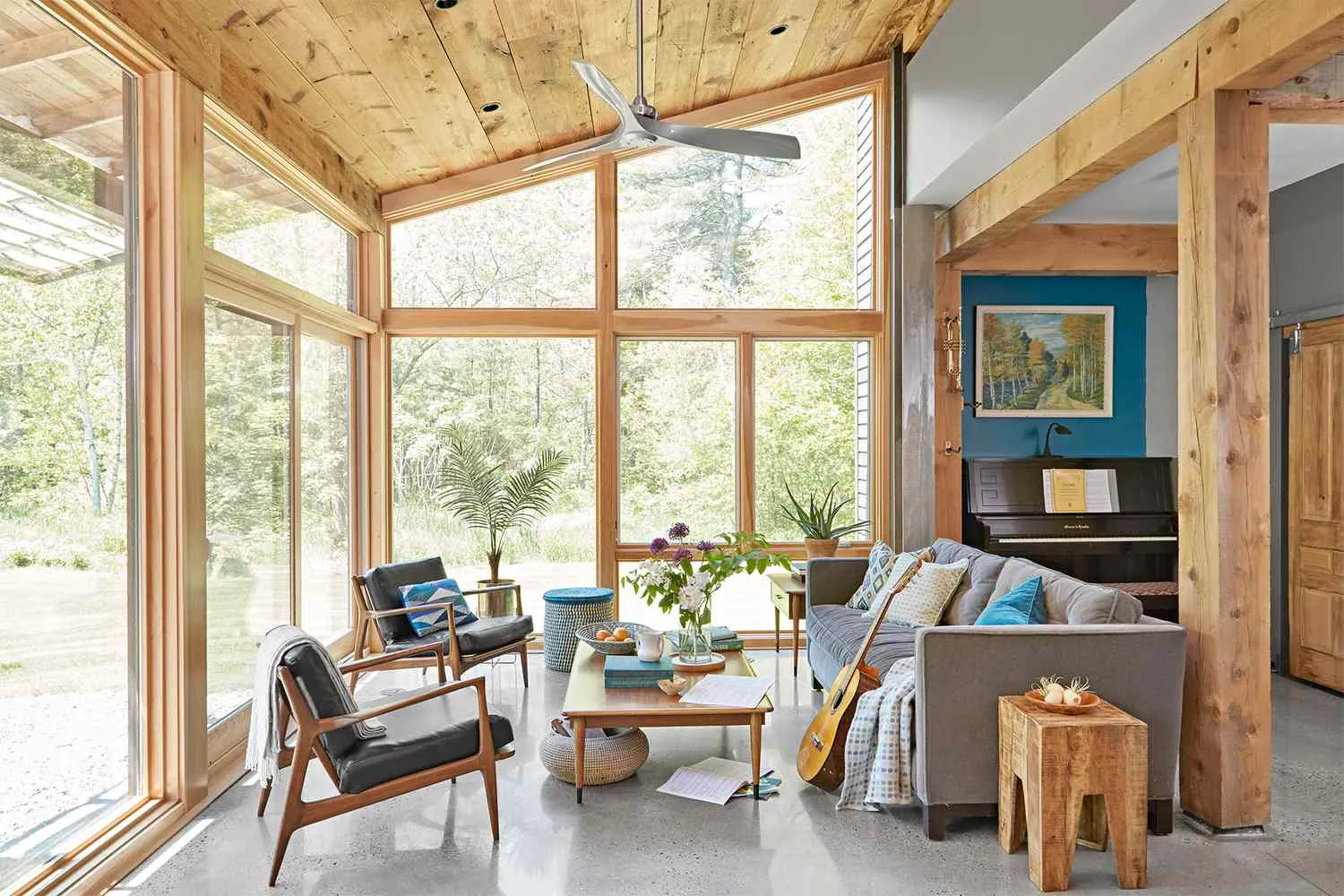
A sunroom can be one of the most enjoyable spaces in a home. Large windows bring in natural light, outdoor views make the room feel connected to nature, and the extra space can become a peaceful place for reading, relaxing, dining, working, or spending time with family. But a sunroom is not automatically comfortable just because it has lots of windows. Too much sunlight can create glare and heat, while poor furniture choices can make the room feel crowded or unfinished.
Quick answer: Sunroom ideas work best when the room has one clear job: a living room, a reading nook, a dining spot or a plant garden, with fade-resistant fabrics, layered lighting and shades for glare. Start with seating and sun control, then add plants and one warm lamp for the evening.
The best sunroom design starts with a simple question: How will you actually use the room? Once you know its purpose, it becomes much easier to select the right furniture, colors, window treatments, flooring, lighting, plants, and accessories. Interior-design guidance also recommends deciding the function of the room before decorating it because a reading room needs a different layout from a dining room or entertaining space.
In this guide, you will find 10 practical sunroom ideas that work for different home styles, room sizes, and budgets. Whether you have a large four-season sunroom, a small enclosed porch, or an older space that needs a simple refresh, these ideas can help you create a room that looks beautiful and is comfortable enough to use every day.
10 Best Sunroom Ideas to Transform Your Space
1. Create a Cozy Sunroom Living Room
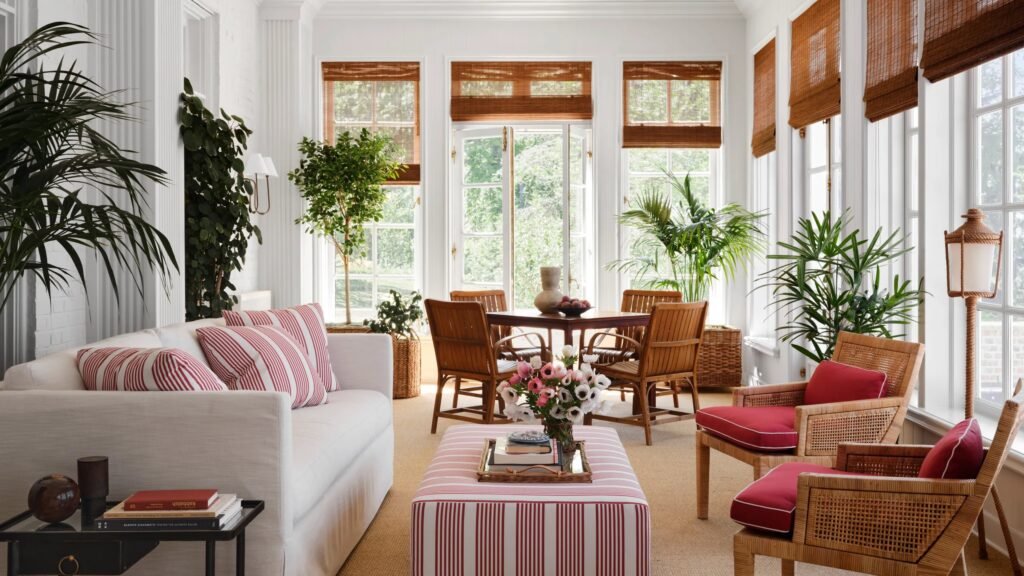
One of the easiest ways to make a sunroom useful is to turn it into a comfortable living room. Instead of treating the space like a glass display area, arrange it around everyday activities. Start with a comfortable sofa or two lounge chairs and place them where people can enjoy the outdoor view without blocking the main walking path. A small coffee table can sit between the seats, while a side table provides space for books, drinks, or a lamp. If the room is narrow, choose furniture with a smaller footprint rather than filling the space with oversized pieces. The goal is to create enough seating for the people who use the room while keeping the windows and views open.
Choose fabrics and materials carefully because sunrooms receive more direct sunlight than most indoor rooms. Upholstery, rugs, wood finishes, and artwork can fade over time when exposed to strong sunlight. Consider durable, fade-resistant fabrics and finishes that are suitable for bright rooms. A layered combination of woven furniture, soft cushions, a natural rug, and a wooden coffee table can create warmth without making the room feel heavy. This approach works especially well if your main house has a relaxed modern, coastal, farmhouse, or natural style. If you want more inspiration for creating comfortable rooms throughout your home, explore the home design ideas on Ideas Home Accessories.
The most important part is furniture placement. Do not automatically push every piece against the walls. In a larger sunroom, floating a sofa in the room can create a more intentional seating area. In a smaller room, a compact loveseat against one wall may leave more space for movement. Keep doors, windows, and major walkways clear. A sunroom should feel open, not like a storage room filled with furniture.
2. Design a Beautiful Sunroom Reading Nook
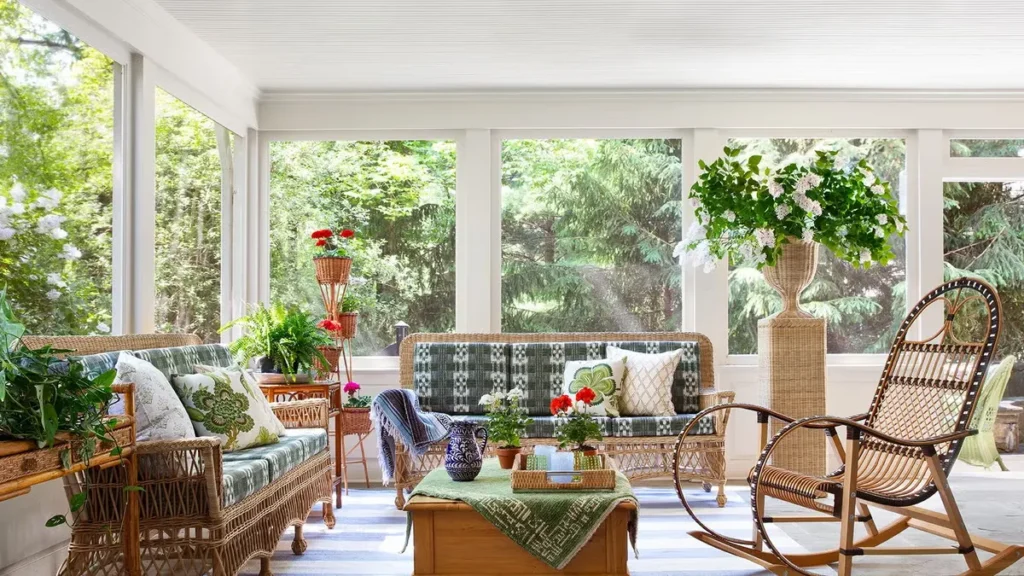
Put one comfortable armchair, a small side table, a floor lamp and a soft throw where the light is good but not glaring. You do not need a large room to create a reading nook. A comfortable armchair, small side table, floor lamp, and soft throw can be enough. Position the chair where it receives useful natural light without placing it directly in the strongest afternoon glare. If the room gets intense sunlight, add adjustable shades so you can control brightness while keeping the connection to the outdoors.
Add a small ottoman for your feet, a narrow bookshelf for books and a window bench for hidden storage. A small ottoman can give you a place to rest your feet, while a narrow bookshelf can hold your favorite books without taking much floor space. If built-in seating is possible, a window bench can provide both seating and hidden storage underneath. This is particularly useful in small sunrooms where every inch matters. Keep the color palette calm with shades such as warm white, beige, soft green, pale blue, or natural wood. These colors can help the room feel peaceful without competing with the garden view.
Add one warm floor lamp and a small table lamp so the nook works after sunset. Natural light is wonderful during the day, but it cannot replace task lighting in the evening. Use a floor lamp beside the chair or a wall-mounted reading light if the electrical layout allows it. A small table lamp can provide a softer layer of light for relaxing after reading. Avoid depending only on a bright overhead fixture because it can make the room feel less intimate.
For a complete design, add one or two personal details rather than filling the nook with accessories. A framed botanical print, ceramic vase, woven basket, or small plant can provide character. The goal is to create a place where you genuinely want to sit, not simply a corner that looks attractive in photographs.
3. Bring Nature Inside With a Sunroom Plant Garden
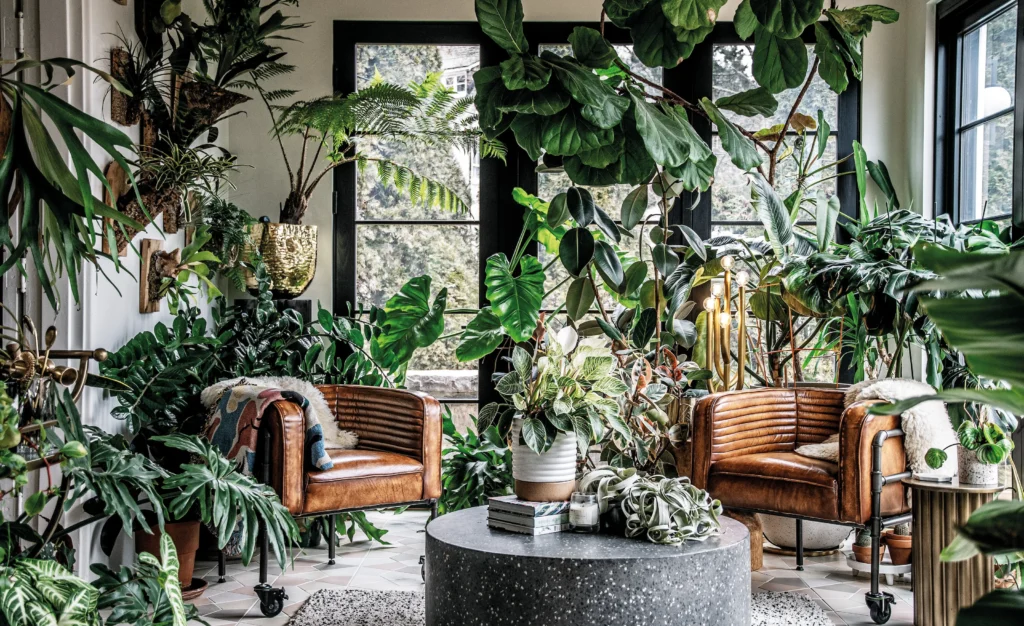
Check how much sun and heat the room gets before you buy any plants, starting with the sunniest window. However, choosing plants should involve more than picking the prettiest ones. First observe how much direct sunlight your room receives throughout the day. A bright south-facing window can provide very different conditions from an east-facing window with gentle morning light. Temperature changes also matter, especially in sunrooms that are not fully climate controlled.
Use plants at different heights to create visual layers. A tall plant can occupy an empty corner, medium plants can sit on stands or shelves, and smaller plants can decorate tables or windowsills. Do not place every plant directly against the glass. Some plants may struggle with intense direct sunlight, while others may thrive there. Give plants enough room for air movement and avoid blocking doors or walking paths. Current gardening guidance also recommends planning the room layout before adding plants and avoiding overcrowding so the space remains functional.
Choose containers that complement the home’s style. Terracotta pots work beautifully in rustic and Mediterranean-inspired rooms, while simple ceramic planters suit modern spaces. Woven baskets can soften a neutral room and add natural texture. Use plant stands when floor space is limited, but keep them stable and away from busy walkways.
A plant-filled sunroom can also become a small indoor garden. Depending on your conditions, you might grow herbs, flowering plants, tropical foliage, or even certain edible plants. Before purchasing anything, check each plant’s light, temperature, watering, and humidity requirements. A plant that looks perfect in a store may not be suitable for your particular sunroom.
The key is balance. Plants should make the room feel connected to nature rather than turning it into an indoor jungle. Leave some open space around furniture and windows so the architecture remains visible.
4. Use Natural Materials for a Warm Sunroom
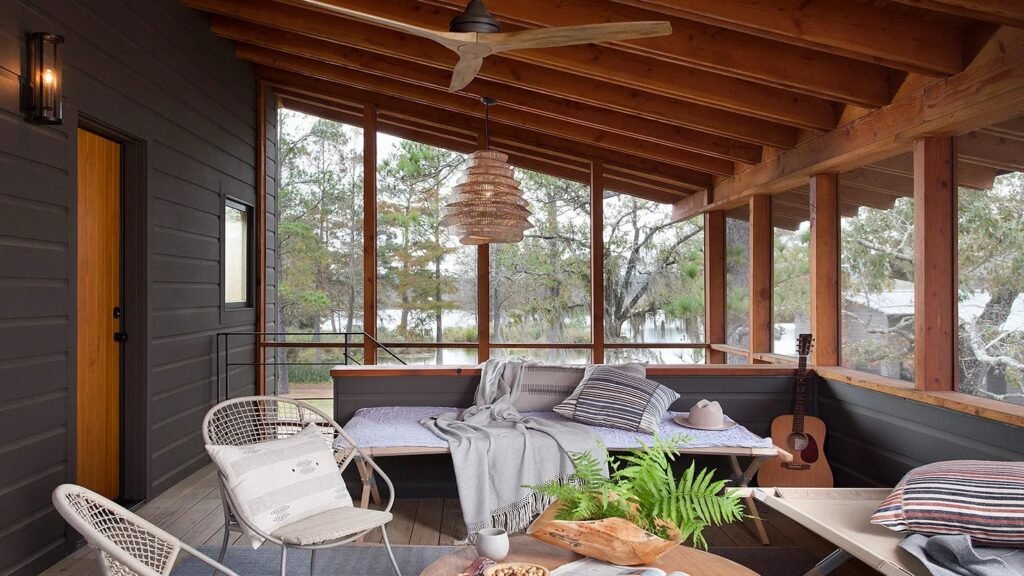
Warm a cold-feeling sunroom with wood, rattan, stone and woven textures on the largest surfaces. Natural materials are an effective way to add warmth and texture. Consider wood, rattan, wicker, bamboo, jute, linen, cotton, stone, and terracotta. These materials work especially well because they reinforce the indoor-outdoor feeling that makes sunrooms special. A wooden coffee table, woven chairs, linen cushions, and a natural-fiber rug can turn a plain glass room into a comfortable retreat.
Start with the largest surfaces. Flooring has a major effect on the room’s character, so consider materials that are durable and easy to maintain. Tile and stone are practical choices for spaces exposed to temperature changes or garden traffic. Wood can create a warmer appearance, but the specific product and installation should be suitable for the conditions in your room. A large rug can soften hard flooring and visually define a seating area. In a dining-focused sunroom, choose a rug that allows chairs to remain comfortably on the rug when pulled away from the table.
Furniture should also have visual breathing room. Wicker and rattan pieces can provide texture without looking visually heavy. You can mix them with upholstered seating so the room feels more like an indoor living space. Natural materials do not mean everything needs to be brown or beige. Add muted greens, soft blues, warm whites, clay tones, or gentle patterns to create contrast.
Avoid using too many different natural textures at once. If the floor already has strong stone patterns, for example, you may want simpler furniture and a quieter rug. Good interior design is often about balance rather than adding more.
Add a woven basket, linen curtains, a wooden tray and one handmade ceramic piece to warm a plain sunroom. A woven basket, linen curtains, wooden tray, textured cushion, or handmade ceramic piece can introduce character without requiring a major renovation. These details make the sunroom feel connected to the rest of the house.
Related: Top 10 Best Seating Ideas for Small Living Rooms
5. Make a Small Sunroom Feel Larger

Measure the floor, door swings and walking paths first, then choose furniture that fits the room. The biggest mistake is trying to place full-size furniture into a room that cannot support it. Start by measuring the available floor area, door swings, windows, and walking paths. Then choose furniture that fits the proportions of the room. A compact loveseat, two small chairs, or a built-in bench may work better than a large sectional sofa.
Keep the center of the room as open as possible. This creates a better sense of movement and makes the space appear larger. Use furniture with exposed legs rather than very bulky pieces that visually fill the floor. A glass or slim-frame coffee table can also make the room feel lighter. If storage is necessary, choose furniture that performs more than one job, such as a storage bench or an ottoman with hidden storage.
Paint the walls light and use pale upholstery and natural wood to make the room feel bigger. Light walls, pale upholstery, natural wood, and soft neutral rugs can reflect daylight and create an airy appearance. You do not have to make everything white. Warm beige, soft sage, light gray, cream, and pale blue can all work beautifully. A large mirror placed carefully can reflect light and views, although it should not create distracting glare.
Use vertical space when the floor is limited. Tall shelves can store books and accessories while keeping the floor clear. Hanging planters can bring greenery into the room without using valuable floor space. Window treatments should also be selected carefully. Heavy curtains may make a small sunroom feel enclosed, while light-filtering shades can provide privacy and glare control without removing all the natural light.
Give every piece a clear job so a small sunroom feels planned, not crowded. It is about giving every item a useful role. When furniture, storage, lighting, and decoration are carefully selected, even a compact sunroom can become one of the most useful rooms in the house. Designers also recommend multifunctional furniture and built-in seating as effective ways to maximize compact sunrooms.
6. Create a Modern Minimalist Sunroom

Keep the palette to two or three materials, one sofa and one low table so the view does the work. Instead of competing with the view, let the windows become the main feature. Choose simple furniture, a restrained color palette, and only a few carefully selected accessories. White, warm gray, beige, black accents, natural wood, and muted green can create a modern look without making the room feel sterile.
Furniture should have clear shapes and practical functions. A simple sofa, low coffee table, streamlined chairs, and one large rug can be enough. Avoid placing small decorative objects everywhere because clutter can weaken the clean appearance of a minimalist space. Instead, choose one statement piece such as a large piece of artwork, sculptural light fixture, distinctive chair, or large plant.
Soften the clean lines with a wool throw, linen cushions and one textured rug. Soft textiles are important because they prevent a modern sunroom from feeling too hard. Add cushions, a textured rug, and curtains or shades that soften the strong lines of the windows. Natural wood is another excellent choice because it adds warmth while maintaining a clean appearance.
Lighting should also follow the minimalist approach. During the day, allow natural light to do most of the work. At night, use a small number of well-positioned fixtures rather than many decorative lights. A floor lamp beside a chair or a simple pendant above a dining table can provide useful illumination while becoming part of the design.
Buy only what the room needs: skip the coffee table if you rarely use one. If you rarely use a coffee table, you may not need one. If the room doubles as an office, a small desk may be more useful than additional decorative seating. The strongest minimalist interiors are not empty; they are intentional.
A modern sunroom should feel calm, open, and connected to its surroundings. Let the view provide the decoration and use furniture and materials to support it.
7. Turn the Sunroom Into a Dining Area
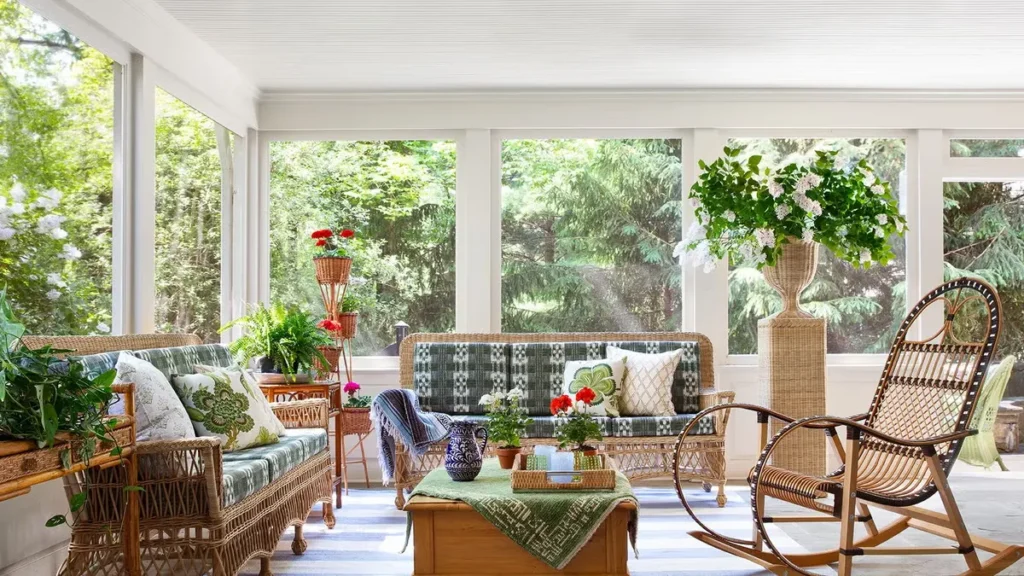
Put a compact dining table where the light is best and keep the chairs light enough to move. A round dining table is especially useful in smaller or medium-sized rooms because it creates a comfortable conversation area and allows people to move around it more easily. In a larger room, a rectangular table can provide more seating for family meals or entertaining.
Choose a table material that works with the rest of your home. Natural wood creates warmth, while painted furniture can provide a more traditional or cottage-inspired appearance. Glass can make a small room feel visually lighter, but it may require more cleaning. Chairs should be comfortable enough for longer meals and easy enough to move around the table.
Hang one pendant over the table and add a dimmer so evening meals feel warm. During the day, sunlight may provide enough illumination, but evenings require a dedicated light source. A pendant light above the table can define the dining area and provide a visual focal point. Install the fixture at a suitable height so it does not interfere with conversation or block the view.
Window treatments should provide flexibility. Bright morning or afternoon sun can create glare when people are eating, and direct sunlight can make certain foods or surfaces uncomfortable. Light-filtering shades allow you to control the brightness while maintaining some natural light. If privacy is important, adjustable treatments give you more control at different times of day.
Add a simple centerpiece rather than filling the table with decoration. A bowl of seasonal fruit, low floral arrangement, small vase, or natural branch can work well. Keep the centerpiece low enough that people can see across the table.
Leave a clear path from the table to the patio door so people move easily between inside and outside. Keep the door area clear and use similar colors or materials outside and inside. This can make the dining room feel like a natural extension of the outdoor living area.
8. Add Layered Lighting for Day and Night
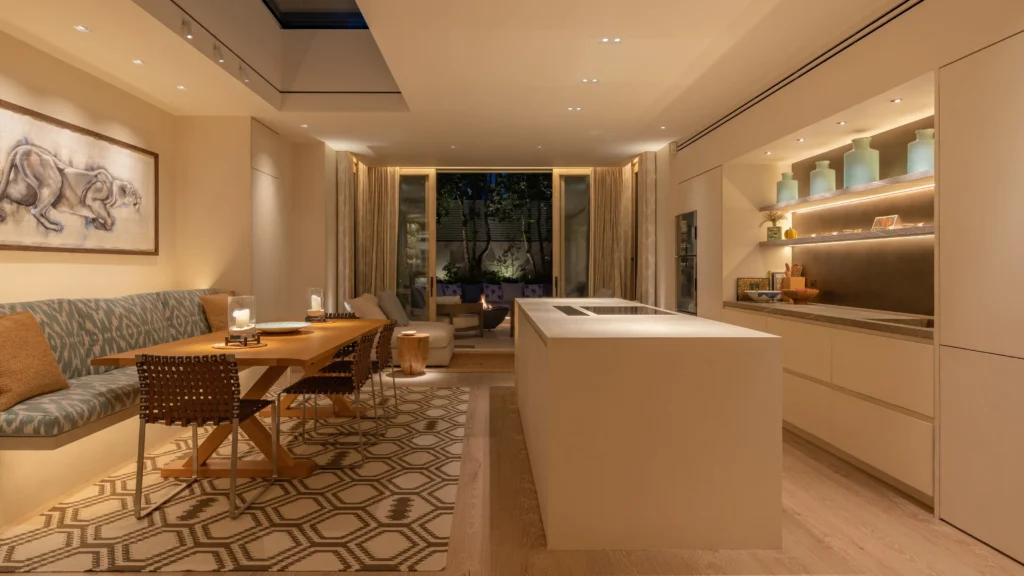
Layer three lights for the evening: one ceiling light, one floor lamp and one table lamp, each on its own switch. A room that looks beautiful at noon can feel dark or uncomfortable at night if it has only one ceiling fixture. Layered lighting solves this problem by combining different types of light for different activities.
Start with ambient lighting. This provides general illumination for the entire room. Depending on the architecture, this could come from ceiling fixtures, recessed lights, a central pendant, or another suitable source. Then add task lighting for activities such as reading, working, or eating. Floor lamps, table lamps, or dedicated lights can provide focused illumination. Finally, consider accent lighting to highlight plants, artwork, shelving, or architectural features.
Warm light can make a sunroom feel more comfortable in the evening. Instead of making the entire room extremely bright, use several moderate light sources. This creates depth and allows you to change the mood depending on the activity. A reading corner may need stronger task lighting, while a seating area may work better with softer ambient light.
Do not forget that window treatments are also part of the lighting strategy. Shades and curtains can control glare during the day and provide privacy at night. Choose treatments that can be adjusted instead of relying on one fixed solution. If your room faces strong afternoon sun, solar shades or light-filtering materials may be particularly useful.
For design inspiration, look at the room after dark before finalizing the lighting plan. Imagine reading, eating, talking with guests, or walking through the room. Each activity may require a different level of light.
Lighting should support the room rather than dominate it. Fixtures can certainly be decorative, but their first job is to make the space comfortable and functional.
A well-lit sunroom feels like a complete room at night rather than a beautiful glass box that only works during the day. That difference can dramatically increase how often you actually use the space.
Related: Bedroom Trends – The Year You Were Born (1980–2026)
9. Design a Comfortable Four-Season Sunroom

Seal draughts, fit good shades and add a ductless mini-split before choosing furniture for year-round use. A room with large areas of glass can gain significant heat during sunny weather and lose heat quickly during cold weather. The exact performance depends on the windows, insulation, orientation, climate, construction, and heating and cooling system. For a genuine four-season space, these building-performance decisions should be made before investing heavily in furniture.
Start by checking the windows and doors for drafts, damaged seals, or other problems. Energy-efficient glazing can help improve comfort, but the right specification depends on the local climate and building design. Insulation should also be appropriate for the floor, walls, and ceiling. If the room becomes extremely hot or cold, decorative changes alone will not solve the underlying problem.
A ductless mini-split heats and cools one room well without changing the main system. A ductless mini-split can be an option in some projects, while other homes may integrate the room into the existing HVAC system. Ceiling fans can improve air movement during warmer periods. Heating and cooling work should be planned with a qualified professional because electrical, structural, ventilation, and building-code requirements vary.
Window treatments are another important part of year-round comfort. They can reduce glare, provide privacy, and help manage solar exposure. Consider adjustable shades rather than permanent coverings so you can respond to changing weather and sunlight.
Furniture should also be selected with temperature and sunlight in mind. Avoid placing delicate fabrics or valuable wood finishes where intense sunlight will reach them continuously. Durable materials can reduce maintenance and extend the life of your furniture.
A four-season sunroom needs insulation, sealed windows and heating, not just more months of use. It is largely about how the room is constructed and conditioned. This is why practical planning should come before decorative spending.
A beautiful four-season sunroom combines good design with good building performance. When both work together, the room can become a genuine extension of your living space rather than a room that is comfortable only during mild weather. Sunroom guidance from home-improvement sources similarly emphasizes insulation, windows, heating, and cooling when year-round use is the goal.
10. Create a Relaxing Indoor-Outdoor Sunroom

Repeat one or two colours from the garden inside so the sunroom feels like a bridge to the outdoors. This works particularly well when the room has doors that open directly onto a patio, deck, or backyard. Use colors and materials that appear in both spaces so the transition feels natural. For example, a sunroom with natural wood furniture, green cushions, and woven accessories can connect easily with a garden filled with greenery.
Start by looking at the view from inside the room. Identify the most attractive part of the garden and arrange furniture so people can enjoy it. Avoid blocking the best view with tall cabinets, oversized furniture, or too many plants. Instead, use lower furniture and keep important sightlines open.
Mix indoor comfort with outdoor materials: a soft sofa, a stone-topped table and washable cushions. A better approach is to combine indoor comfort with durable materials. A comfortable upholstered chair can sit beside a rattan table, while a washable rug can define the seating area. Natural textures can connect the room to the garden without making it feel like an outdoor patio.
One or two garden colours repeated inside make the room feel connected to the outdoors. Pull one or two colors from the outdoor landscape and repeat them indoors. Green from foliage, blue from the sky, warm brown from wood, or soft stone tones can become part of the interior palette. This creates visual continuity without requiring the furniture to match the garden exactly.
Plants can reinforce the connection, but again, avoid overcrowding. A few large plants may create more impact than many small pots. Choose containers that complement the home’s architecture and place them where they will not interfere with doors or movement.
Keep the floor level continuous and the doors easy to reach so inside and outside flow together. Keep outdoor doors easy to access, use a durable doormat, and consider flooring that can tolerate occasional dirt or moisture. If the sunroom is a family space, practical details like these can matter more than decorative accessories.
The best indoor-outdoor sunrooms feel effortless. You can sit inside and enjoy the garden without feeling separated from it. The room provides protection and comfort while still giving you the visual experience of being outside.
How to Choose the Right Sunroom Style for Your Home
Choose the style that fits how you live, not the one that photographs best. It should match the architecture of your house, your lifestyle, the amount of available space, and the amount of maintenance you are willing to handle. A traditional home may suit a classic conservatory-inspired design with natural wood and comfortable upholstered furniture. A modern home may look better with simple lines, minimal furniture, large glass panels, and a restrained color palette.
Think about the room’s main purpose first. If your goal is relaxation, prioritize comfortable seating, soft lighting, and calming colors. If you want a dining room, start with the table, chairs, lighting, and walking space. If you want a plant room, evaluate sunlight, ventilation, temperature, watering, and drainage before purchasing plants. If the space needs to function as an office, make sure there is enough room for a desk, comfortable chair, storage, and glare control.
Start with seating and shades, then add the rest over time as the budget allows. You do not have to renovate everything at once. A simple furniture rearrangement, new rug, better lighting, plants, and window treatments can transform an existing sunroom without changing the structure. If you are planning a major renovation, however, spend more attention on insulation, windows, ventilation, electrical work, and heating and cooling before decorative details.
Pick washable, fade-proof fabrics if the sunroom gets daily use. A white upholstered sofa may look beautiful, but it may not be practical for a home with children, pets, or frequent outdoor traffic. Likewise, delicate plants may require more care than you want to provide. The best design is one you can maintain comfortably.
Multifunctional furniture, natural materials and layered lighting are the current sunroom trends.
Your sunroom should ultimately reflect how you live. There is no single correct style. A beautiful room is one that feels comfortable, functions well, and makes you want to spend time there.
Sunroom Furniture and Decor: What Should You Buy First?
If you are decorating a sunroom from an empty space, avoid buying accessories first. Start with the largest and most important pieces. Measure the room, identify the main walking paths, and decide where the furniture will go. Then purchase the main seating or dining furniture. Once those pieces are in place, you can determine whether you actually have room for side tables, storage, rugs, plants, and other accessories.
A good furniture plan should leave enough space to move comfortably. Do not block doors or make people walk awkwardly around a coffee table. If your room has a beautiful garden view, protect it by keeping tall furniture away from the main windows. In a small room, choose pieces that can perform multiple functions. A storage bench can provide seating and storage, while a small nesting table can be moved when extra floor space is needed.
Next, choose a rug if the room benefits from one. Rugs help define seating areas and make hard flooring feel warmer. Choose a size that allows the main furniture to sit comfortably within the seating zone. A rug that is too small can make the room look disconnected.
After the main pieces are established, add window treatments. This step should not be treated as purely decorative. Shades and curtains can control glare, improve privacy, and change how the room feels throughout the day. Select a material that works with the amount of sunlight the room receives.
Finally, add accessories. Plants, cushions, throws, artwork, baskets, books, and ceramics can give the space personality. Use fewer, better-chosen pieces instead of filling every empty surface.
If you want to improve other rooms using the same design principles, you can also explore easy home decorating ideas for practical ways to improve color, furniture placement, lighting, and accessories.
Common Sunroom Decorating Mistakes to Avoid
One common mistake is buying furniture without considering the room’s sunlight and temperature. A sunroom can be harder on furniture than a normal interior room because fabrics and finishes may receive strong UV exposure and temperatures can fluctuate. Another mistake is ignoring glare. A room may look wonderfully bright in the morning but become uncomfortable when direct afternoon sunlight enters through several windows. Adjustable window treatments can solve much of this problem.
Overcrowding is another issue. Because sunrooms are often visually open, large furniture can quickly make them feel smaller. Choose pieces according to the room’s scale and leave clear walking routes. Avoid placing too many plants, chairs, tables, decorative objects, and storage pieces in the same area.
Some homeowners also focus so much on daytime appearance that they forget nighttime use. If you want to read, eat, work, or relax in the room after sunset, plan appropriate lighting. A single ceiling light may not create enough warmth or task illumination.
Another mistake is choosing a color palette without considering the outdoor view. Your garden, trees, patio, and surrounding landscape are already part of the visual composition. Very strong interior colors may compete with that view. Neutral or nature-inspired colors can create a smoother relationship between indoors and outdoors.
Finally, do not confuse decoration with comfort. A beautiful chair that is uncomfortable will not make a successful reading nook. A dining room with beautiful furniture but no useful lighting will not work well at night. A plant-filled room with no space to move through it becomes frustrating.
The best sunroom design balances appearance with real-life use. Before adding anything, ask whether it improves comfort, function, storage, lighting, or visual balance. If it does none of these things, you may not need it.
Frequently Asked Questions About Sunroom Ideas
What is the best way to decorate a sunroom?
Start by deciding how you will use the room. Then choose furniture that fits the space, add a comfortable rug, control sunlight with suitable window treatments, and use plants and natural materials to connect the room with the outdoors. Keep the layout open enough for easy movement.
What furniture is best for a sunroom?
Comfortable sofas, lounge chairs, compact tables, storage benches, and dining furniture can all work. Choose pieces according to the room’s size and exposure to sunlight. Durable, fade-resistant fabrics and finishes are useful in bright spaces.
How can I make a small sunroom look bigger?
Use appropriately sized furniture, keep the center open, choose lighter colors, use vertical storage, and avoid excessive decoration. Built-in seating and multifunctional furniture can also save valuable floor space.
What colors work best in a sunroom?
Warm white, cream, beige, soft green, pale blue, natural wood, and muted earth tones are popular choices. The best color depends on the home’s style and the outdoor view. You can also use stronger colors through cushions, rugs, artwork, or one accent wall.
Are plants good for a sunroom?
Yes, but choose plants based on the actual light and temperature conditions. Some plants prefer bright indirect light, while others can tolerate direct sun. Avoid overcrowding the room and keep plants away from walking paths.
How do I keep a sunroom cool in summer?
Use suitable shades or solar-control window treatments, improve ventilation, use fans where appropriate, and consider an effective cooling system if the room becomes excessively hot. The correct solution depends on the windows, orientation, climate, and construction.
How can I make a sunroom cozy?
Add comfortable seating, a soft rug, warm lighting, cushions, throws, natural textures, and a few plants. Avoid filling the room with too many objects. A simple, well-planned layout often feels more comfortable than a heavily decorated one.
Can a sunroom be used all year?
Yes, if it is designed and constructed for year-round comfort. Insulation, energy-efficient windows, appropriate heating and cooling, ventilation, and effective shading are important. A decorative makeover alone cannot turn a poorly insulated three-season space into a true four-season room.
What is the best flooring for a sunroom?
Tile, stone, and other durable flooring materials are common choices because they are relatively easy to maintain. Wood can also work when the product and installation are appropriate for the room’s conditions. The best choice depends on climate, construction, maintenance needs, and design style.
How much furniture should a sunroom have?
Use enough furniture for the room’s purpose without blocking windows or walking paths. A small sunroom may need only two chairs and a small table, while a larger room could accommodate a sofa, chairs, coffee table, and storage.
Final Thoughts
The best sunroom ideas are not simply about adding beautiful furniture or copying a photograph from a magazine. A successful sunroom should solve real problems while creating a space that feels relaxing and connected to nature. Start with the room’s purpose, measure the available space, study the sunlight, and think about how you will use the room during different times of day.
From a cozy reading nook to a modern minimalist lounge, indoor garden, dining area, or four-season living space, there are many ways to make a sunroom useful. The most important choices are usually practical ones: comfortable furniture, good circulation, appropriate window treatments, durable materials, useful lighting, suitable plants, and proper temperature control.
You do not need to complete a major renovation to make a difference. Rearranging furniture, adding a rug, improving lighting, introducing plants, or installing better shades can dramatically change an existing sunroom. If structural work is needed, prioritize windows, insulation, ventilation, heating, and cooling before spending heavily on decoration.
Most importantly, design the room for your everyday life. A sunroom should be somewhere you actually want to sit, eat, read, work, talk, or relax. When comfort and style work together, the room becomes more than an attractive addition to the house—it becomes a natural part of your home.
Sunroom Ideas: Costs, Sizes, and a Step-by-Step Plan
The sunroom ideas above cover style and layout. This section covers the practical side: what a sunroom costs to furnish, which sizes fit, and the order to work in. Use these numbers to plan your sunroom without overspending or buying furniture that does not fit.
How Much Does It Cost to Furnish a Sunroom?
Prices below are typical United States ranges in 2026 for a sunroom of about 120 to 200 square feet. A simple refresh costs $400 to $900, while a full setup with new furniture costs $1,500 to $4,000.
| Item | Typical price | What to look for |
|---|---|---|
| Outdoor-safe sofa or loveseat | $400–$1,200 | Fade-proof fabric, 68 to 78 inches wide |
| Two lounge chairs | $300–$900 | UV-safe cushions, seat height 17 to 19 inches |
| Area rug (outdoor-safe) | $80–$300 | 5 x 7 feet for small rooms, 8 x 10 feet for large rooms |
| Cellular or solar shades (per window) | $60–$200 | Blocks 70 to 90 percent of UV light |
| Ceiling fan | $100–$350 | 52-inch fan suits rooms up to 200 square feet |
| Portable heater or mini-split | $100–$2,500 | Mini-split heats and cools, portable heater is a short-term fix |
| Coffee table | $100–$400 | Top 36 to 48 inches long, 16 to 18 inches high |
| Plant set (3 plants + pots) | $60–$180 | One tall plant, two medium plants |
| Floor lamp + table lamp | $60–$200 | Warm white bulbs, 2700K to 3000K |
| Outdoor-safe curtains (pair) | $40–$120 | 84 to 96 inches long, hang 4 to 6 inches above the window |
A fair starter budget is $1,000 to $1,500. That covers a loveseat ($600), a rug ($150), two shades ($200), and a plant set ($100). Shades are worth buying early, since sun control shapes how much you can use the room.
Measurements That Make a Sunroom Comfortable
- Walking paths: keep main paths 30 to 36 inches wide. Do not block the door to the garden or patio.
- Sofa to coffee table: leave 14 to 18 inches between the sofa and the table. Closer feels cramped, farther feels disconnected.
- Rug size: the front legs of the sofa and chairs should sit on the rug. Leave 6 to 8 inches of rug showing on each side of the sofa.
- Chair to window: leave at least 12 inches between a chair back and the glass, so the chair does not block the view or trap heat against the window.
- TV distance: sit 6 to 8 feet from a 50-inch TV. In a bright sunroom, a TV with an anti-glare screen works much better than a standard one.
- Shade coverage: shades should cover the full window plus 2 inches on each side, so no gap lets in a strip of harsh sun.
A 6-Step Plan to Furnish a Sunroom
- Watch the sun for one week. Note when the room gets direct sun and when it gets hot. This tells you which windows need shades first.
- Fix sun and heat control. Buy shades, a fan, or both before furniture. A room that is too hot at 3 pm will not get used.
- Measure and mark the layout. Use painter’s tape on the floor to mark the sofa, chairs, and table. Walk through the room to check the paths.
- Buy the big pieces first. Sofa, chairs, and rug set the size of everything else. Pick fade-proof fabrics made for bright rooms.
- Add light for the evening. One floor lamp by the seating and one table lamp by the reading chair make the room usable after sunset.
- Finish with plants and small items. Add three plants at different heights, plus cushions and a throw. Stop at five small items so the room stays calm.
More Sunroom Mistakes to Avoid
- Buying indoor-only fabric. Regular cotton and linen fade fast in strong sun. Pick outdoor-safe or fade-proof fabric for a sunroom.
- Skipping shades to save money. Without shades, glare makes the room hard to use on sunny days, and furniture fades faster.
- Pushing all furniture against the glass. Furniture pressed to the windows blocks the view and traps heat. Leave 12 inches of space.
- Using a rug that cannot handle sun and damp. A regular indoor rug can fade and hold moisture. Pick an outdoor-safe rug made for bright rooms.
- Forgetting the evening. A sunroom with no lamps is a dark glass box after sunset. Plan two lamps before you buy decor.
More Questions About Sunroom Ideas
How much does it cost to furnish a sunroom?
A simple refresh costs $400 to $900 for a rug, shades, and plants. A full setup with a sofa, chairs, rug, shades, and lighting costs $1,500 to $4,000 for a room of 120 to 200 square feet. Shades and fade-proof fabric are worth the extra money, since they protect the rest of your furniture.
What size rug is best for a sunroom?
A 5 x 7 foot rug suits a small sunroom with a loveseat and one chair. An 8 x 10 foot rug suits a larger sunroom with a sofa and two chairs. The front legs of the sofa and chairs should sit on the rug, with 6 to 8 inches of rug showing on each side.
Can I put a TV in a sunroom?
Yes, if you control the glare. Pick a TV with an anti-glare screen, place it on a wall that does not face the brightest windows, and add shades. Sit 6 to 8 feet from a 50-inch TV. Avoid placing a TV where direct sun hits the screen, since heat can shorten its life.
How do I stop glare in a sunroom?
Cellular shades or solar shades that block 70 to 90 percent of UV light are the most effective fix. Outdoor-safe curtains help too, and a matte rug cuts reflected glare from the floor. Place screens and reading chairs away from the brightest windows.
What window treatments are best for a sunroom?
Cellular shades insulate best and cut glare, while solar shades block UV light but keep the view. Outdoor-safe curtains add softness and can be drawn at night. Pick treatments that cover the full window plus 2 inches on each side.
How much does a sunroom addition cost?
A three-season sunroom addition usually costs $20,000 to $50,000, while a four-season sunroom with insulation and heating often costs $40,000 to $80,000 or more. The price depends on size, materials, and local labor. A simple enclosed porch conversion costs less than a new build.
Do I need a permit for a sunroom?
In most United States cities, a new sunroom addition needs a building permit, since it changes the structure of the house. A simple furnishing refresh needs no permit. Enclosing an existing porch may need one too. Check with your local building office before you start.