

Living room sofa placement ideas start with one simple rule: put your sofa where it faces the room’s main focal point, with clear walkways around it. Your sofa is the largest piece in the room, so its position sets the layout for every chair, table, and lamp. The Spruce’s rules for arranging living room furniture give the same advice, with a clear focal point, breathing room behind seats, and walkways kept open. You do not need new furniture to fix a room that feels wrong.
This guide covers 25 living room sofa placement ideas, from facing the TV or fireplace to floating a sofa, using a corner sectional, and dividing an open-plan room. Each idea tells you exactly where to put the sofa, how much space to leave, and what size or price to expect. Measure your room first, then try one layout at a time until the room feels open, balanced, and easy to use.
Face Your Sofa Straight at the TV
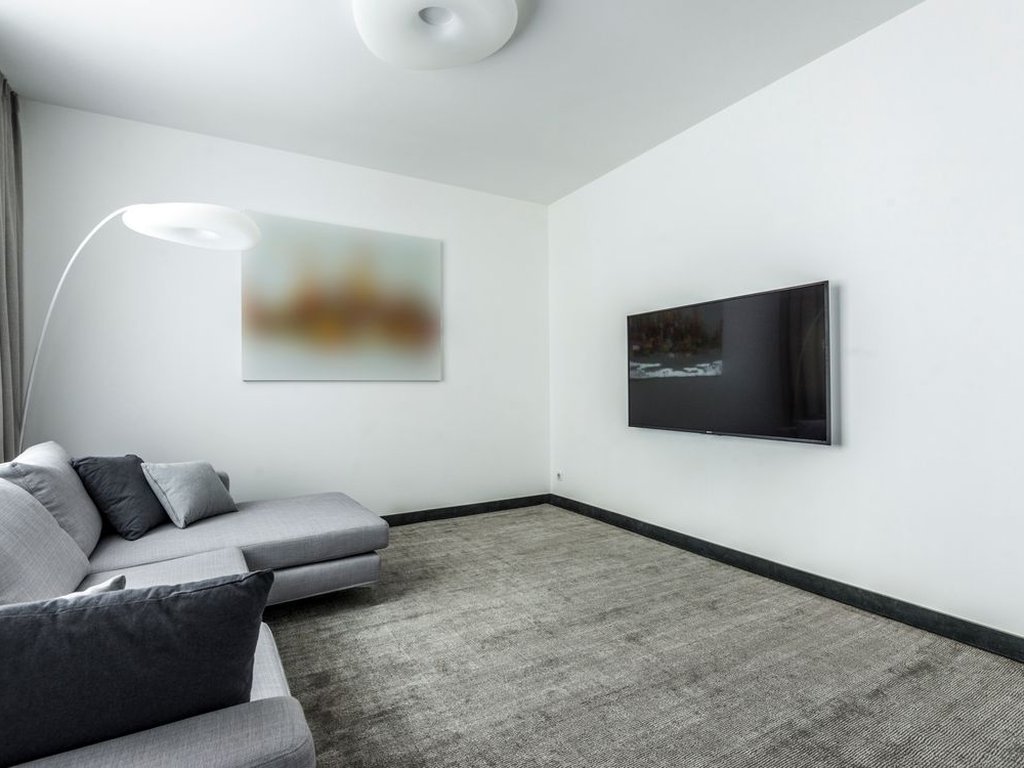
Face your sofa straight at the TV when watching films and shows is the main use of your room. Place the sofa on the wall opposite the screen, about 2 to 2.5 times the TV screen size away, so a 55-inch TV sits about 2.4 metres from the seats. Keep the screen centre near eye level when you sit down, about 105 centimetres from the floor. A three-seat fabric sofa costs $500 to $1,200, and a wall mount costs $40 to $90. Leave 75 centimetres of walkway behind the sofa.
Face Your Sofa Toward the Fireplace

Face your sofa toward the fireplace when you want a warm, calm room built for talking rather than watching TV. Put the sofa directly opposite the hearth, about 2.5 to 3 metres away, so the fire is easy to see and the heat reaches the seats. Keep at least 90 centimetres between the sofa and the hearth for safety, and never block the fire guard. A three-seat wool-blend sofa costs $700 to $1,500, and a stone fireplace surround costs $800 to $2,000 fitted. Add two chairs at an angle.
Float Your Sofa in the Middle of the Room
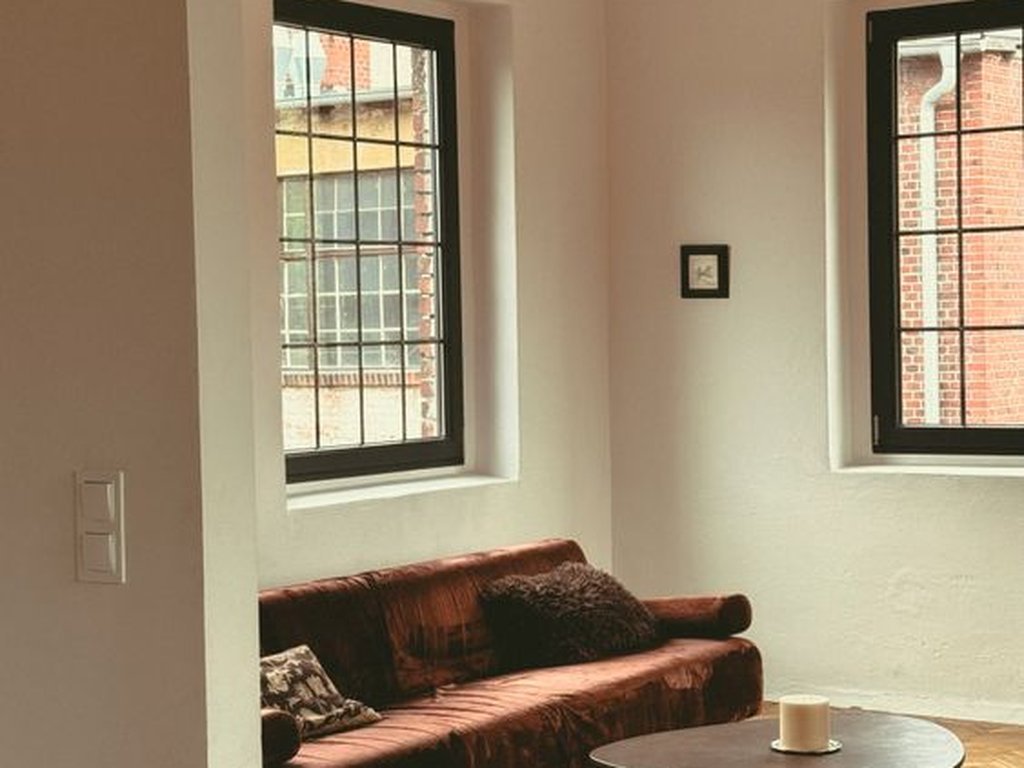
Float your sofa in the middle of the room when your living room is large and the walls are full of windows or doors. Pull the sofa at least 60 centimetres away from the wall, with its back facing the rest of the room, and anchor it with a rug that extends 15 centimetres past each side. A 160 by 230 centimetre wool rug costs $150 to $400, and a low three-seat sofa costs $600 to $1,400. Put a console table behind the sofa to finish the back view.
Tuck an L-Shaped Sectional Into a Corner

Tuck an L-shaped sectional into a corner when you need seats for five or six people without filling the whole room. Push the long side along one wall and the short side along the next wall, leaving 5 centimetres of space behind it so the fabric can breathe and the wall stays clean. A five-seat L-shaped sectional measures about 280 by 180 centimetres and costs $900 to $2,200 in plain fabric. Choose a left or right chaise to match your door swing, and keep the coffee table within easy reach.
Place Two Sofas Facing Each Other
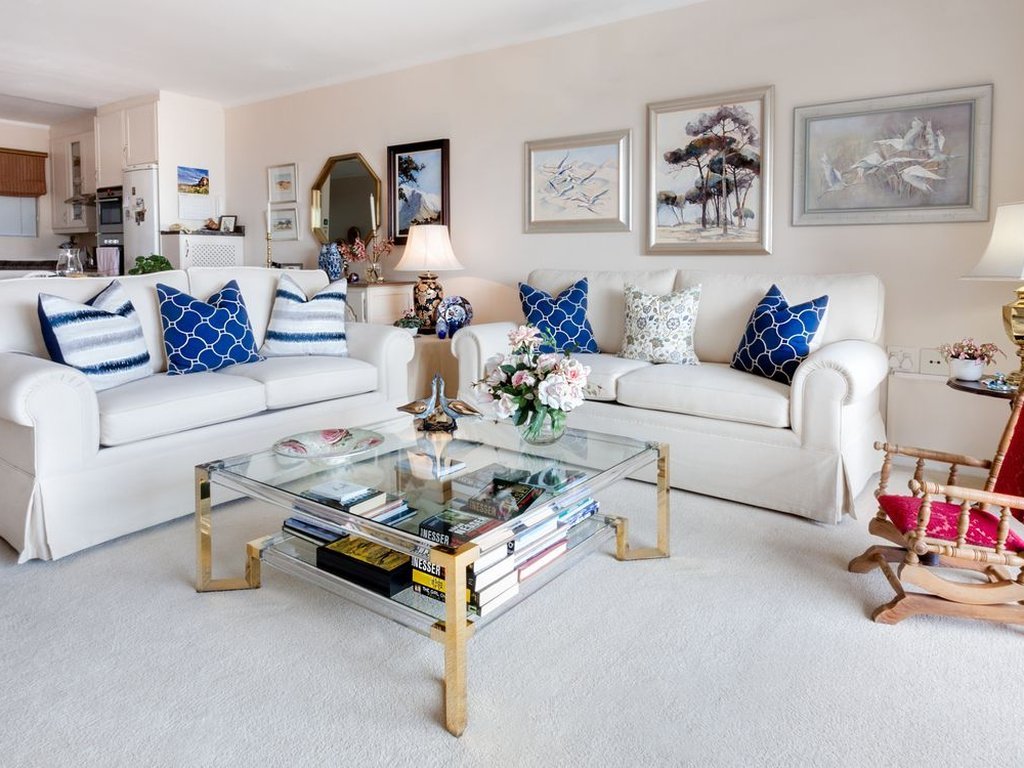
Place two sofas facing each other when talking, playing games, and hosting friends matter more than watching TV. Set the sofas 120 to 150 centimetres apart, with a coffee table between them, so people can talk without raising their voices and still reach their drinks. A pair of two-seat sofas costs $1,000 to $2,400, and a rectangular oak coffee table about 120 centimetres long costs $150 to $350. Put the TV on a side wall, or skip it here, so the room stays a true conversation space.
Put Your Sofa Against the Longest Wall
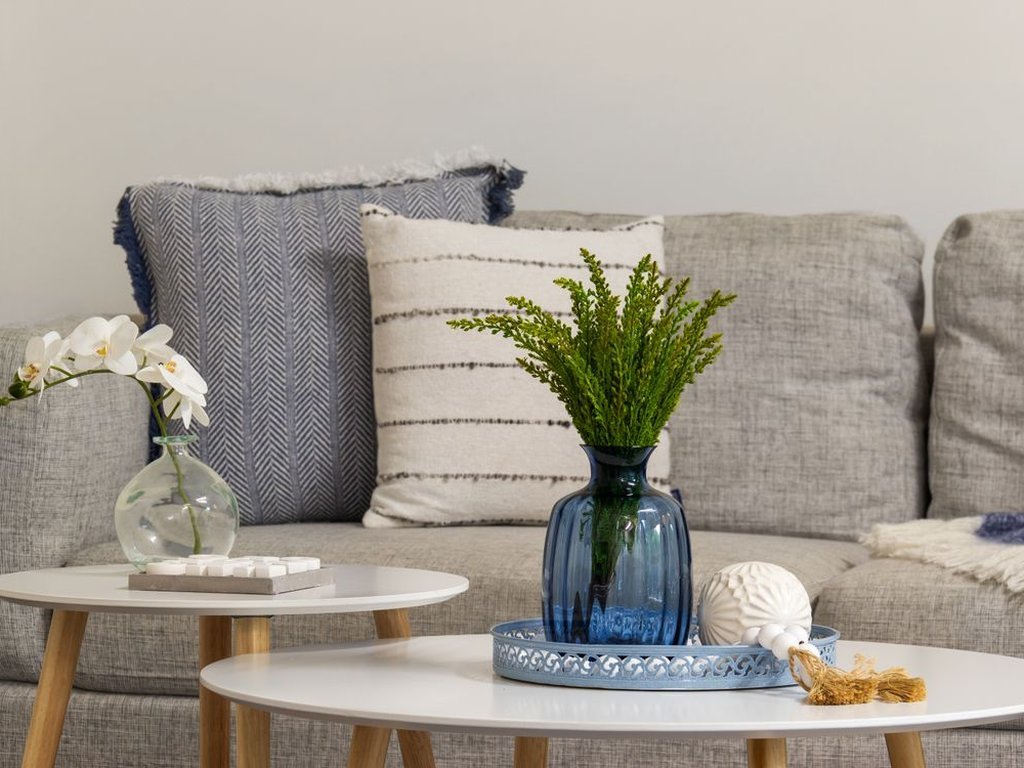
Put your sofa against the longest wall when your room is small or narrow and you need every bit of floor space. This simple move leaves the middle of the room open, gives you a clear path from door to window, and makes the room look wider than it is. A three-seat sofa about 210 centimetres long fits most long walls, and a slim fabric sofa costs $450 to $1,000. Leave 10 centimetres behind it for air flow, and for a calmer look, follow our minimalist living room ideas with plain cushions and one low table.
Place Your Sofa Under a Window
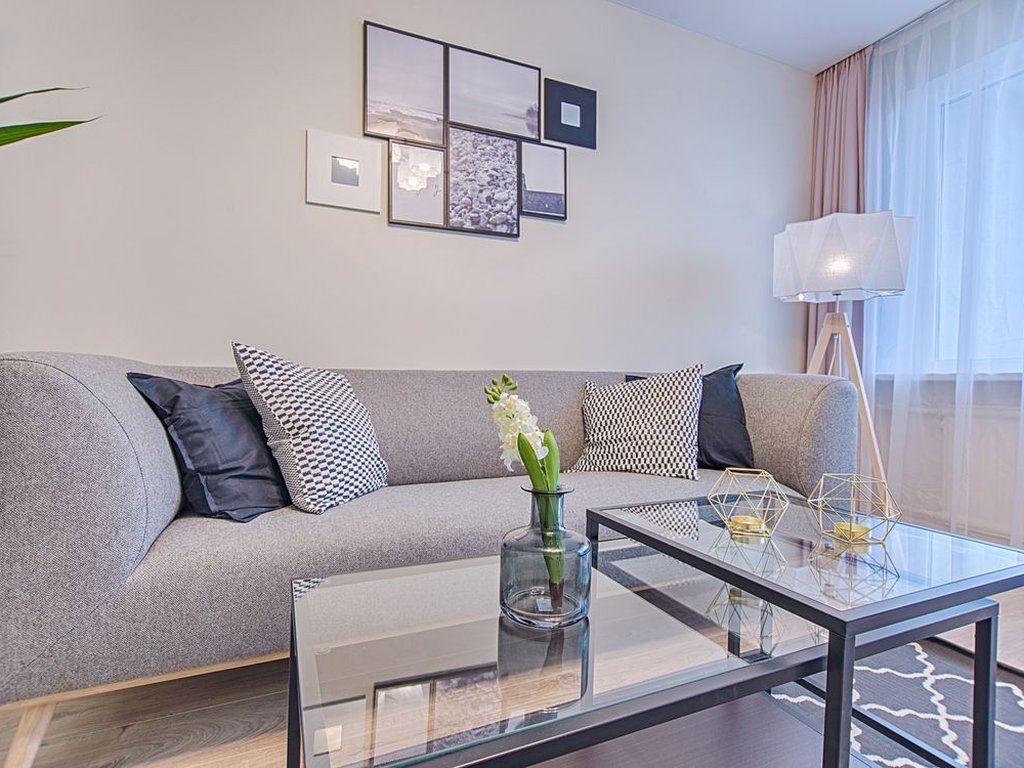
Place your sofa under a window when the wall is low and the view outside is plain, so the sofa fills a dead space. Choose a low-back sofa, no taller than 85 centimetres, so it sits below the window sill and does not block the light. A low two-seat sofa costs $400 to $900, and a linen curtain panel in warm white costs $25 to $50 per window. Keep the back cushions slim, add a floor lamp beside one arm, and use washable covers, since sunlight fades fabric faster near glass.
Angle Your Sofa Toward the View
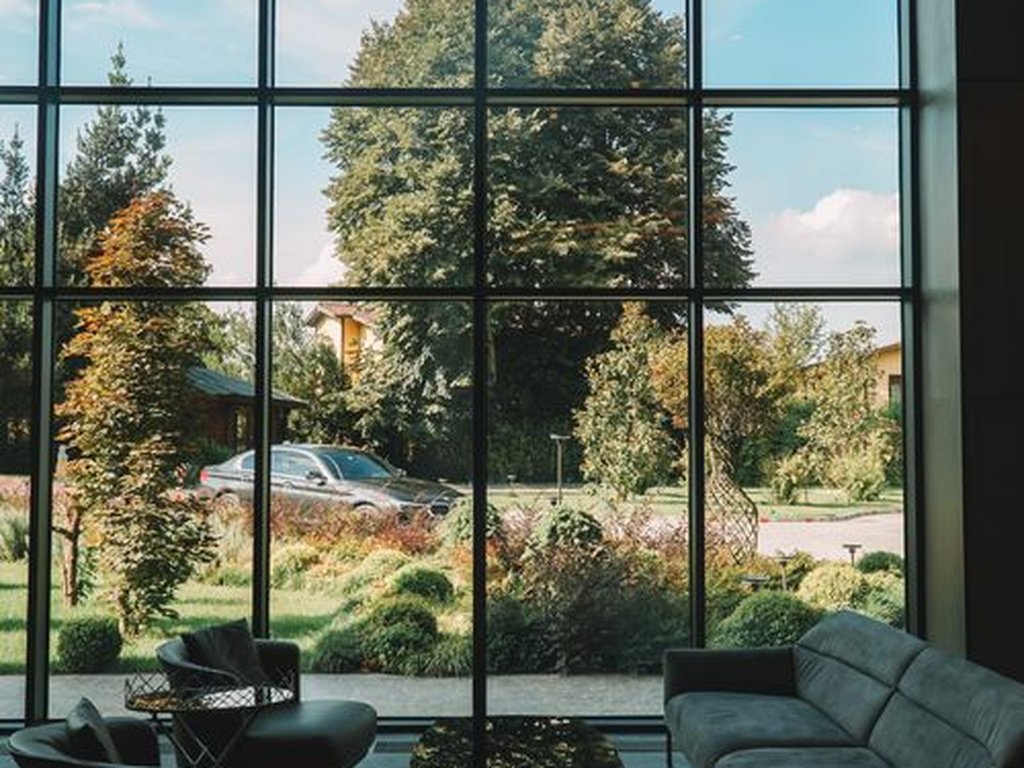
Angle your sofa toward the view when your best feature is a garden, a lake, or a city skyline outside a large window. Turn the sofa about 30 degrees from the wall, so the seats face the glass and the room feels open to the outside. A three-seat sofa on a swivel base is not needed; a plain fabric sofa costing $600 to $1,300 works well here. Keep the window clear of tall furniture, add sheer curtains for glare, and place a low coffee table so nothing blocks the sight line from the seats.
Angle Your Sofa Across a Corner
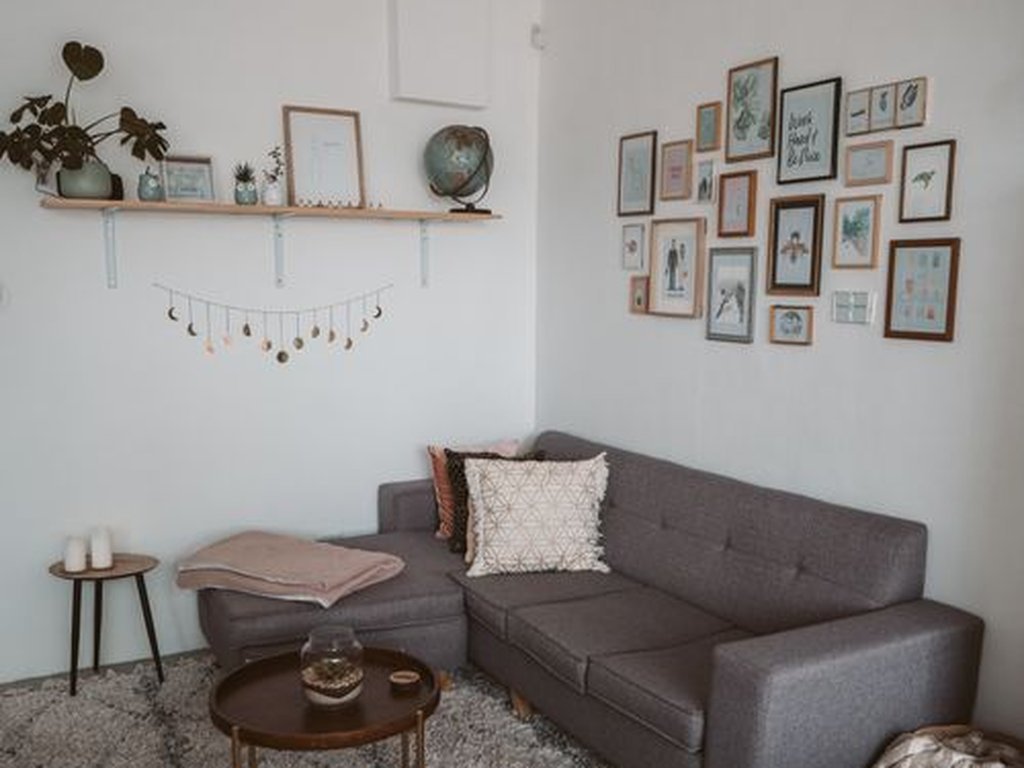
Angle your sofa across a corner when your room has an awkward corner or a fireplace set at 45 degrees. Place the sofa on a diagonal, with a floor lamp and a small plant filling the triangle of space behind it, so the dead corner becomes useful. A two-seat sofa about 160 centimetres long costs $450 to $950, and a tripod floor lamp costs $60 to $140. Leave 75 centimetres of walkway on each side, and angle one armchair to match, so the seating forms a soft V shape.
Build a U-Shape With a Sofa and Two Chairs
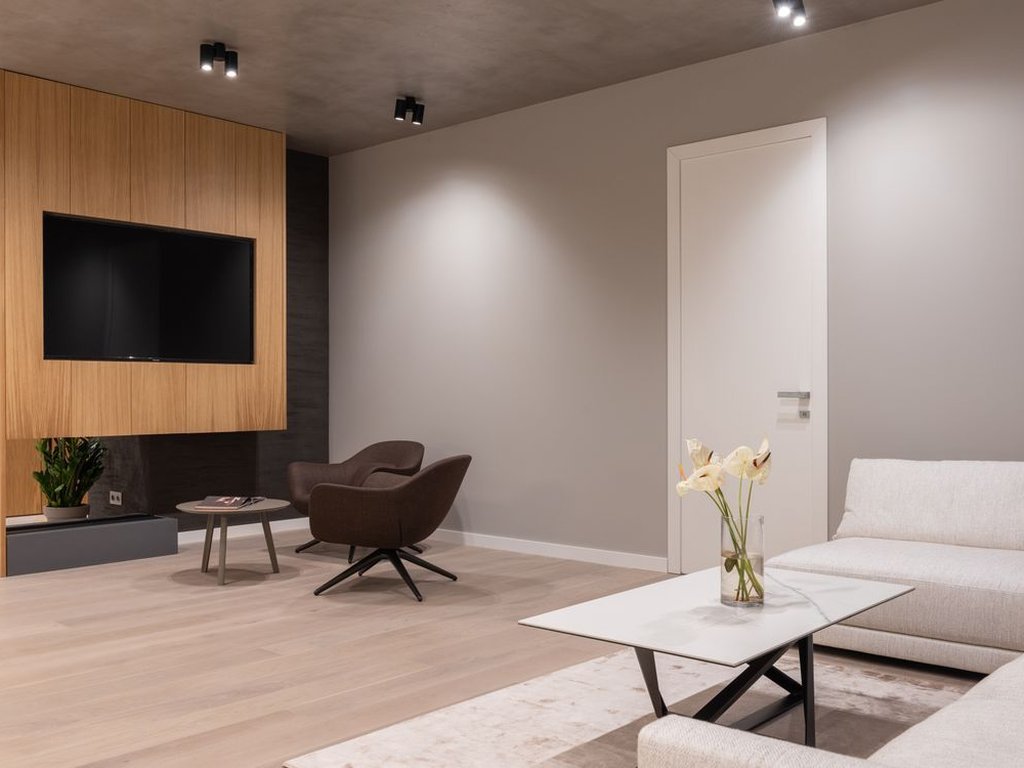
Build a U-shape with a sofa and two chairs when you want seats for six people that still feel close and cosy. Put the sofa on one side, a chair on each side at a slight angle, and a coffee table in the centre, with about 45 centimetres between the table and each seat. A three-seat sofa costs $600 to $1,400, and two matching fabric armchairs cost $250 to $500 each. Keep the open end of the U facing the door or the view, so people can walk in and join the group easily.
Use Your Sofa to Divide an Open-Plan Room
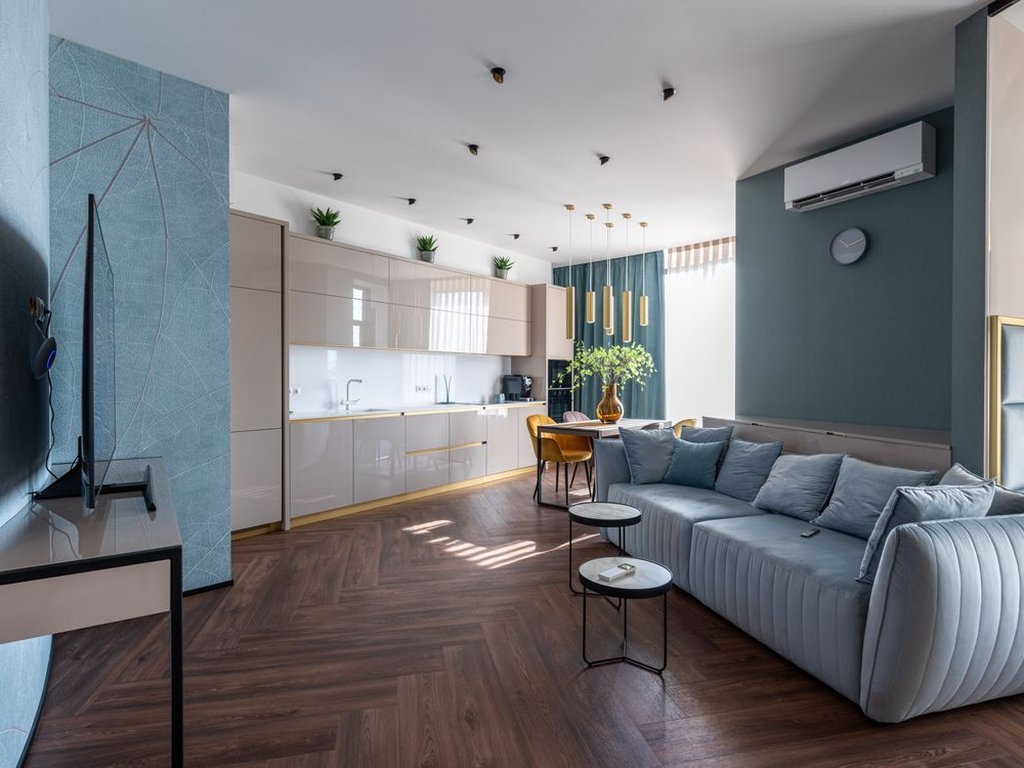
Use your sofa to divide an open-plan room when your living and dining areas share one large space with no wall between them. Place the sofa with its back to the dining table, about 90 centimetres behind it, so the sofa back marks the edge of the living zone. A three-seat sofa about 210 centimetres long costs $550 to $1,200, and a narrow console table behind it costs $80 to $200. Anchor the living side with a rug, and keep the dining side clear, so each area has its own clear purpose.
Turn Your Sofa Back to the Dining Area
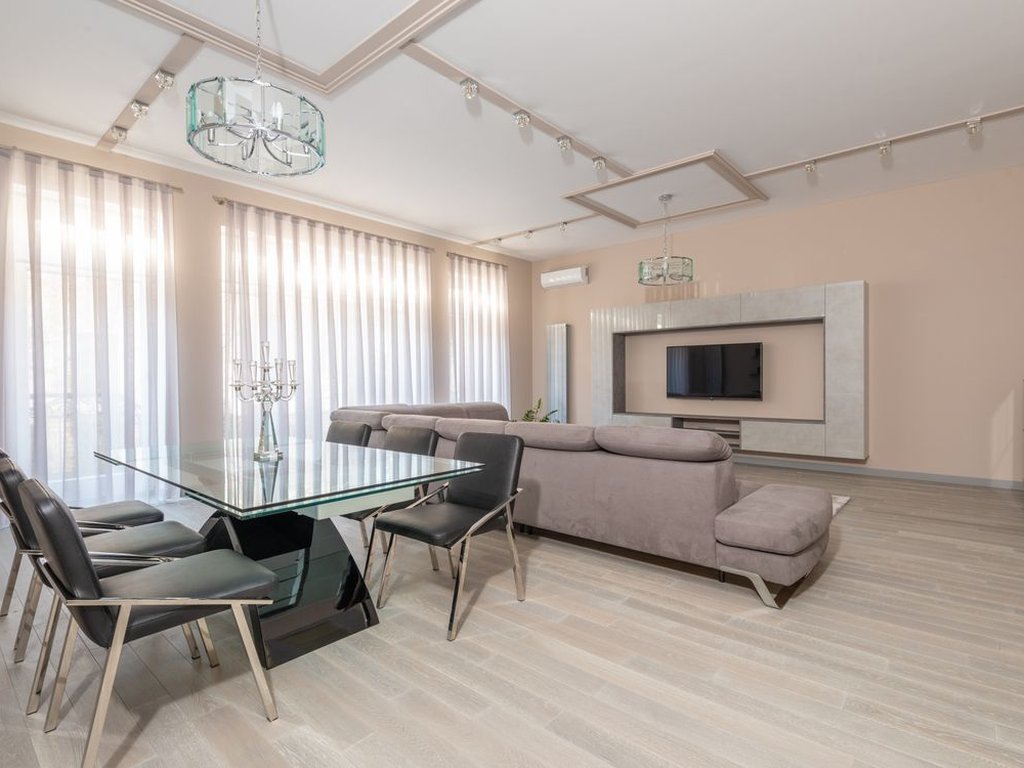
Turn your sofa back to the dining area when you want the living room to feel private, even in an open-plan home. The sofa back acts as a soft wall, blocking the sight of dirty dishes and giving the seating area its own calm mood. Choose a sofa with a neat, finished back in plain fabric, since you will see it every day, and a good three-seat sofa costs $600 to $1,300. Add a slim console table with a lamp behind it, and leave 90 centimetres behind the table for a clear walkway to the kitchen.
Put the Fireplace and TV on One Side
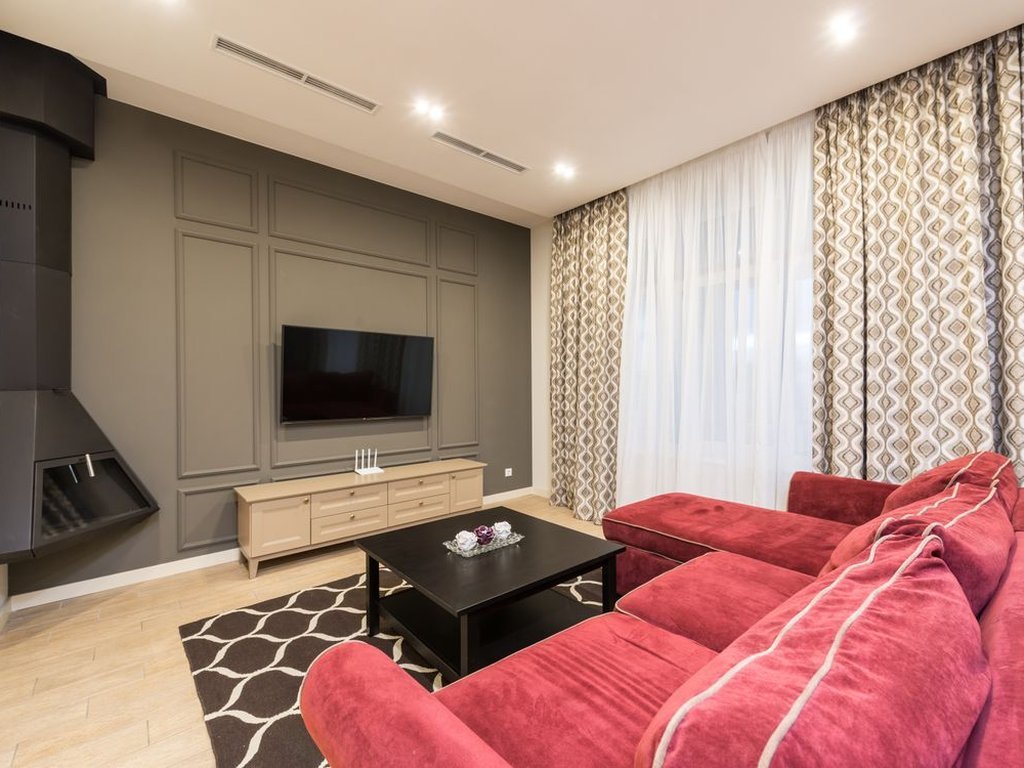
Put the fireplace and TV on one side when you want one focal wall that serves both film nights and quiet evenings. Mount the TV above the fireplace, or on the wall beside it, and face the sofa straight at that wall from about 2.5 metres away. A 55-inch TV weighs about 15 kilograms, so use a wall mount rated for at least 30 kilograms, costing $50 to $100. Keep the mantel clear, use a low media unit in oak for storage, and angle one chair toward the fire for readers.
Choose a Small Sofa for a Small Room
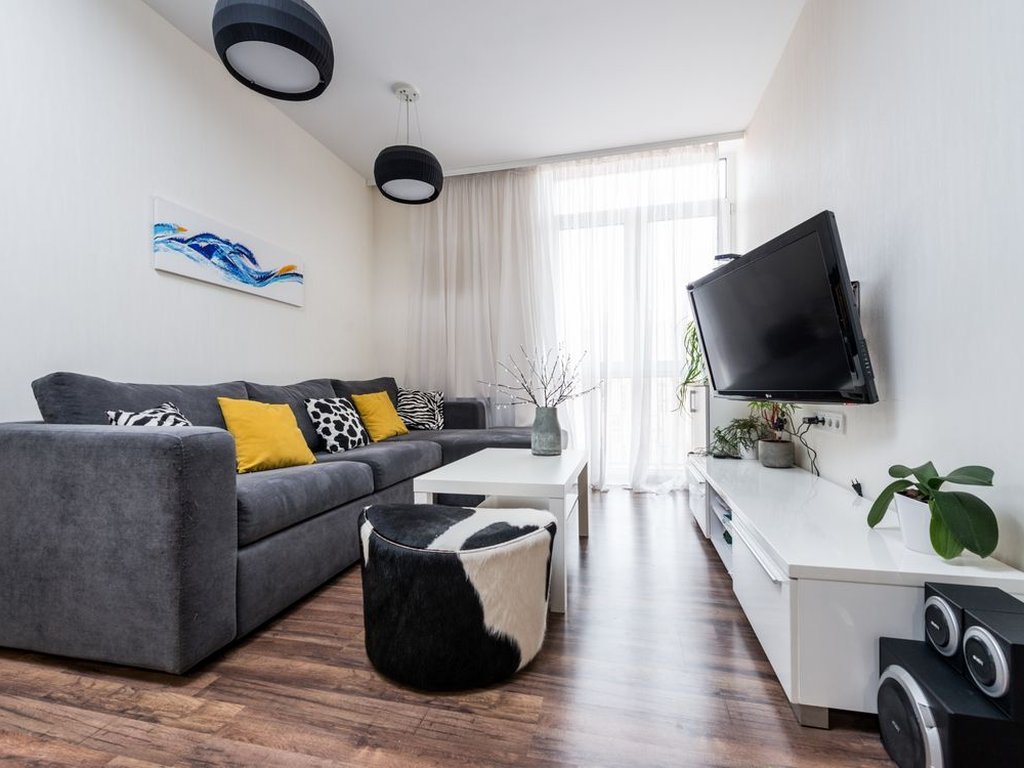
Choose a small sofa for a small room when a full three-seat sofa would block the door or crowd the walkways. A two-seat sofa about 150 centimetres long seats two people well and leaves room for a chair, a side table, and a clear path to the window. A compact fabric sofa costs $350 to $800, and a round coffee table about 80 centimetres across costs $80 to $200. For more small-space layouts, see our cozy living room ideas for small spaces, and keep the rug under the front legs only.
Pair a Sofa With One Armchair for Reading
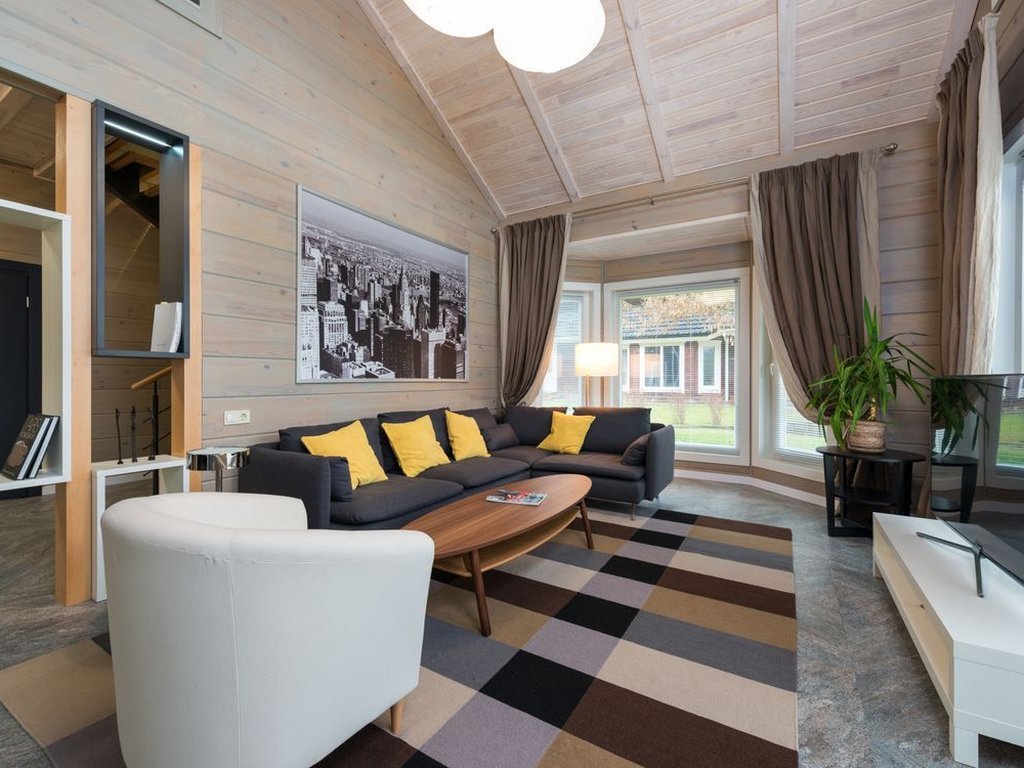
Pair a sofa with one armchair for reading when you want a quiet corner without buying a full second sofa. Place the armchair at a right angle to the sofa, near a window or a floor lamp, with a small side table between them for a book and a cup. A fabric armchair costs $200 to $500, and an arc floor lamp with a warm 2700K bulb costs $70 to $150. Leave 60 centimetres between the chair and the sofa, angle the chair toward the light, and add a soft wool throw for cold evenings.
Add a Chaise Sectional for Stretching Out
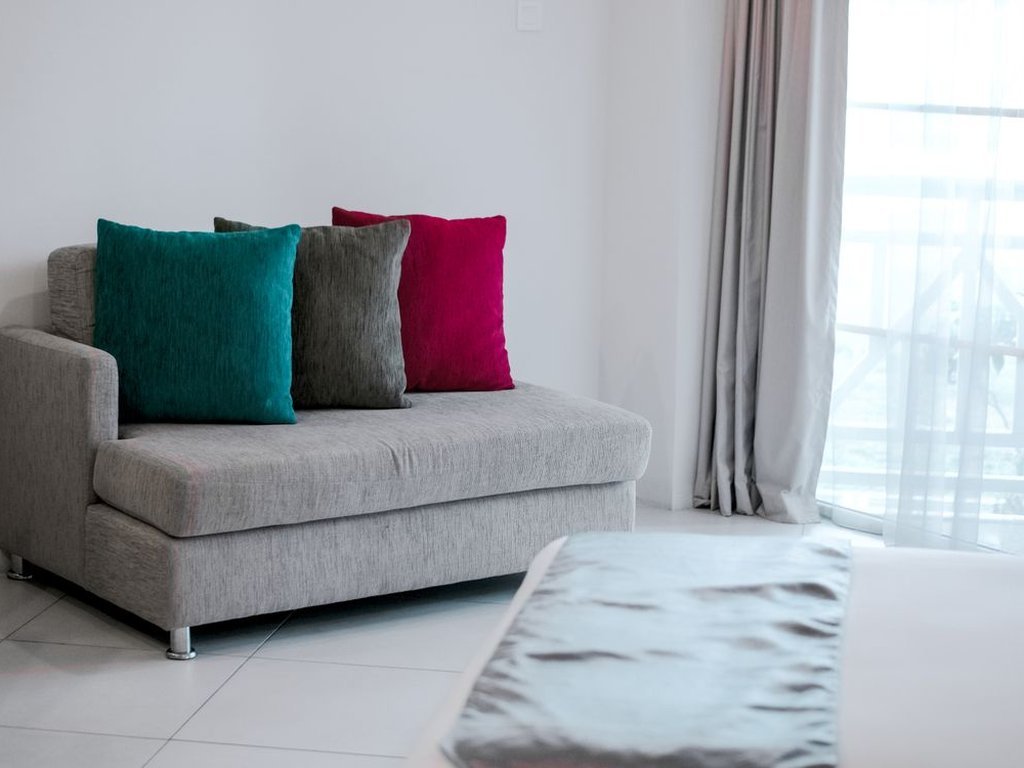
Add a chaise sectional for stretching out when you love to lie down with a book or watch films with your feet up. The chaise end extends about 150 centimetres from the sofa back, so measure the room first and leave 75 centimetres of walkway past the chaise tip. A chaise sectional in plain grey fabric costs $800 to $1,800, and a washable linen slipcover costs $60 to $120. Put the chaise on the side away from the door, and keep the coffee table on the short side so legs stay clear.
Face Your Sofa Toward Natural Light
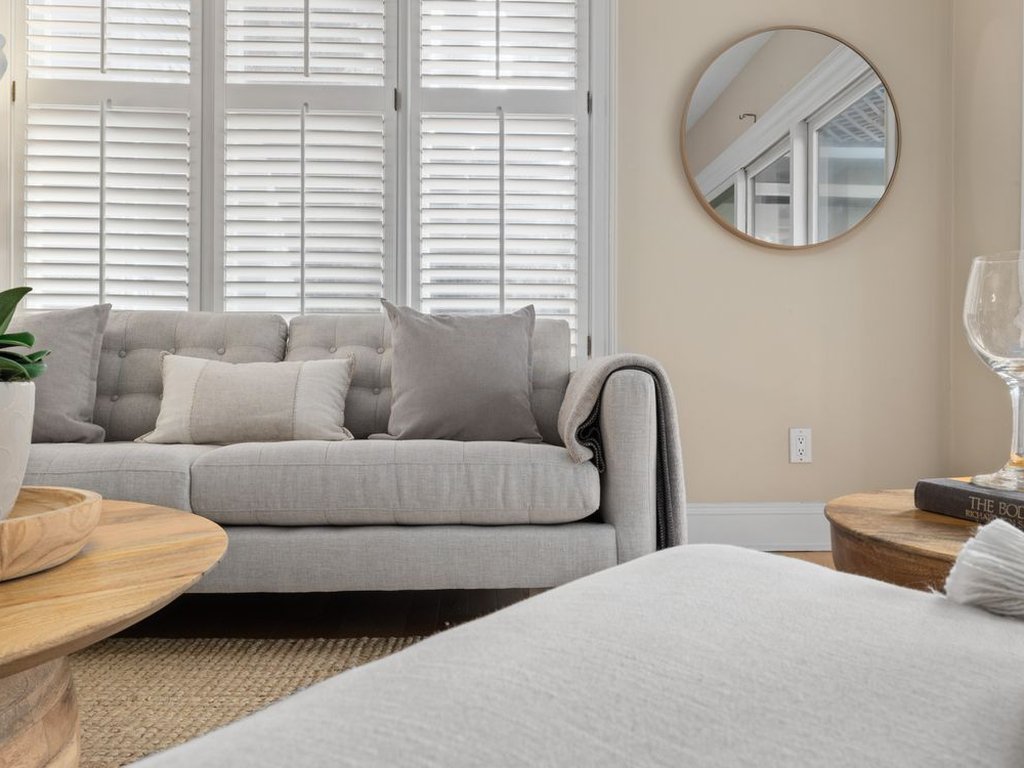
Face your sofa toward natural light when your room feels dark and you want the seats to catch the morning sun. Place the sofa opposite a large window, about 2 metres away, so the light falls on the seats without shining straight into your eyes. A light grey fabric sofa costs $550 to $1,200, and a sheer linen curtain panel costs $25 to $50 per window. Avoid placing the TV opposite the window, since glare ruins the picture, and add a pale rug to bounce the light around the room.
Create a Symmetrical Pair of Sofas
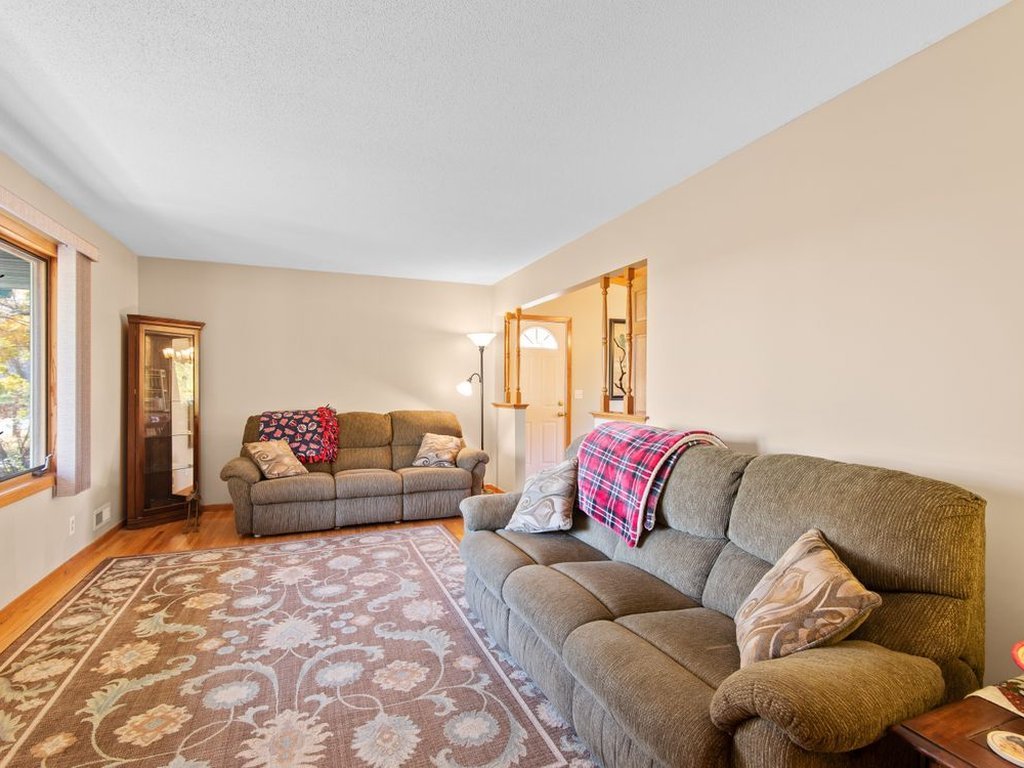
Create a symmetrical pair of sofas when you want a formal, balanced room that suits a large square space. Place two matching sofas opposite each other, centred on a rug, with a coffee table between them and matching lamps at each end. Two three-seat sofas cost $1,200 to $2,800, and a 200 by 300 centimetre rug costs $200 to $500. Keep the layout centred on the room, hang one large picture above one sofa, and match the cushions on both sides so the balance feels planned, not stiff.
Centre Your Sofa on a Large Rug
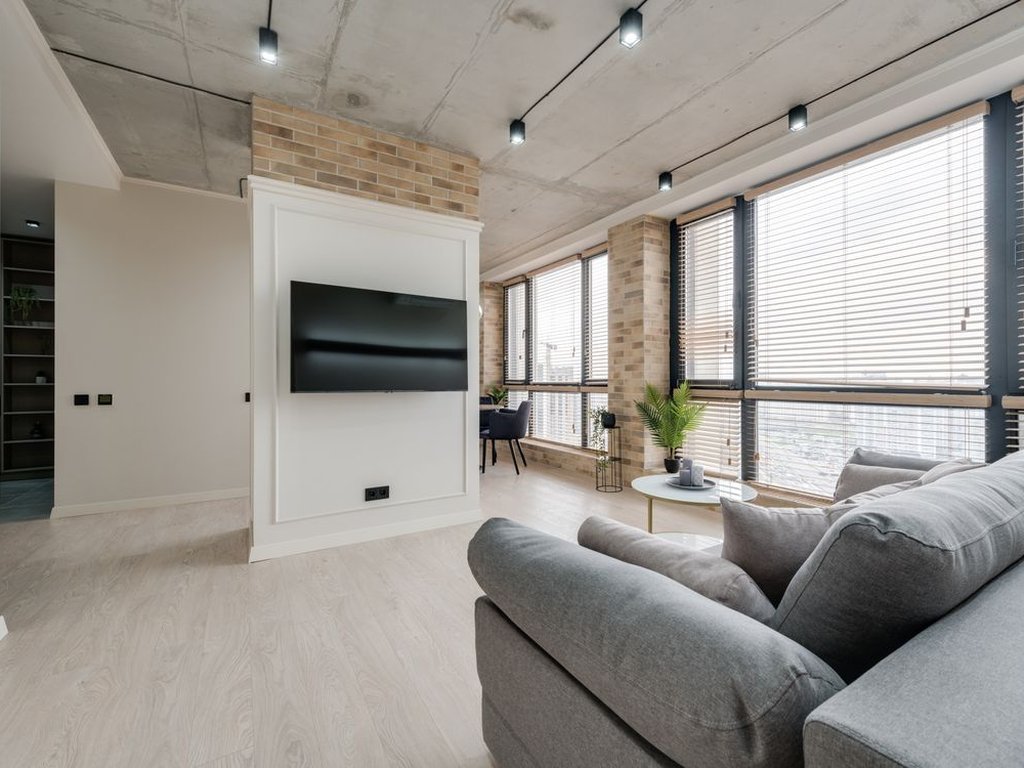
Centre your sofa on a large rug when your seating area feels scattered and the furniture seems to float on bare floor. Put the rug first, then place the sofa so its front legs sit on the rug and the rug extends at least 15 centimetres past each arm. A 200 by 300 centimetre wool-blend rug costs $200 to $500, and a three-seat sofa about 210 centimetres long costs $550 to $1,300. Match the rug colour to one cushion, keep the coffee table on the rug, and leave bare floor around the edges as a frame.
Choose a Leather Sofa as the Anchor
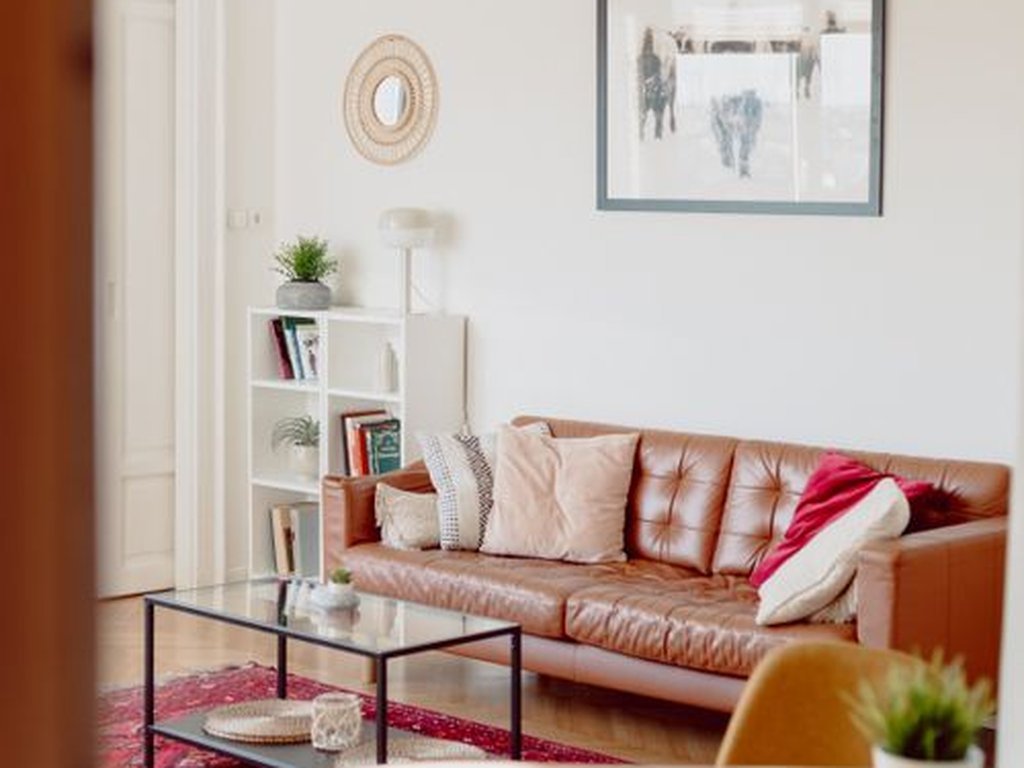
Choose a leather sofa as the anchor when you want one strong piece that sets the tone for the whole room. Place a brown leather three-seat sofa against the main wall, facing the TV or fireplace, and build the rest of the room around it with plain fabric chairs. A full-grain leather sofa costs $1,200 to $3,000, and a leather care kit costs $20 to $40. Wipe it weekly, condition it twice a year, and keep it out of direct sun, since heat and light dry the leather and fade the colour.
Add a Console Table Behind a Floating Sofa
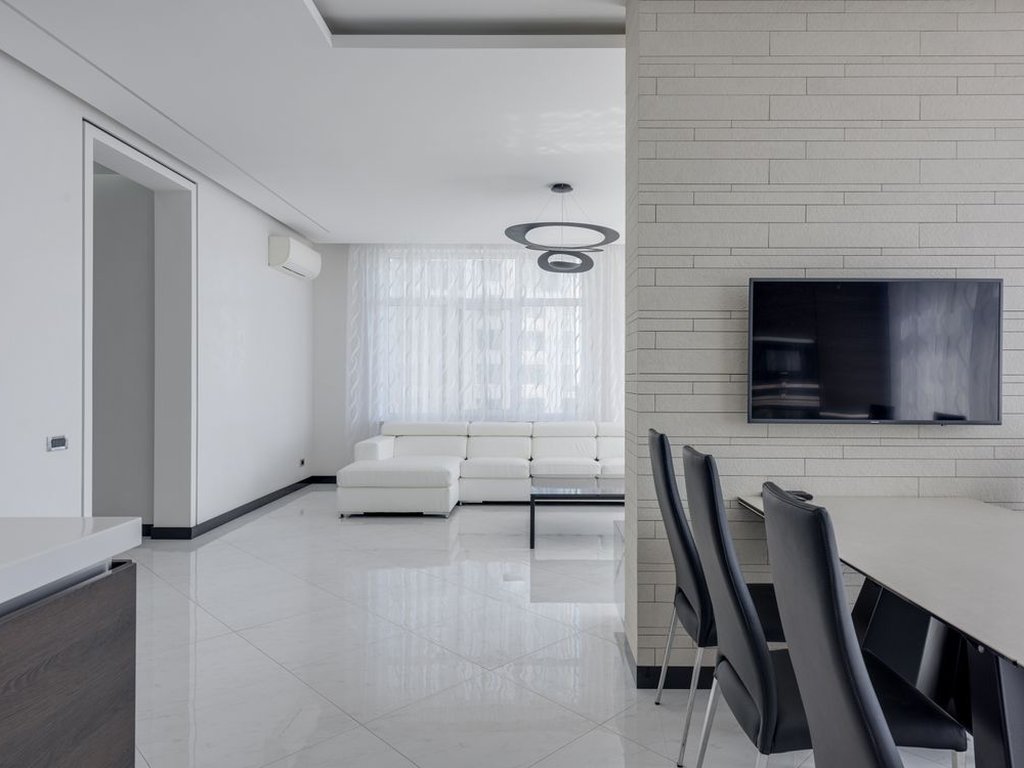
Add a console table behind a floating sofa when the back of the sofa looks bare from the dining area or the front door. Choose a narrow table about 100 to 120 centimetres long and 75 centimetres high, so it lines up with the sofa back without blocking the view over it. A solid oak console table costs $120 to $300, and a pair of small table lamps costs $40 to $90. Style it with one vase, a stack of books, and a lamp, and leave 75 centimetres behind it for a clear walkway.
Place Your Sofa by a Bay Window
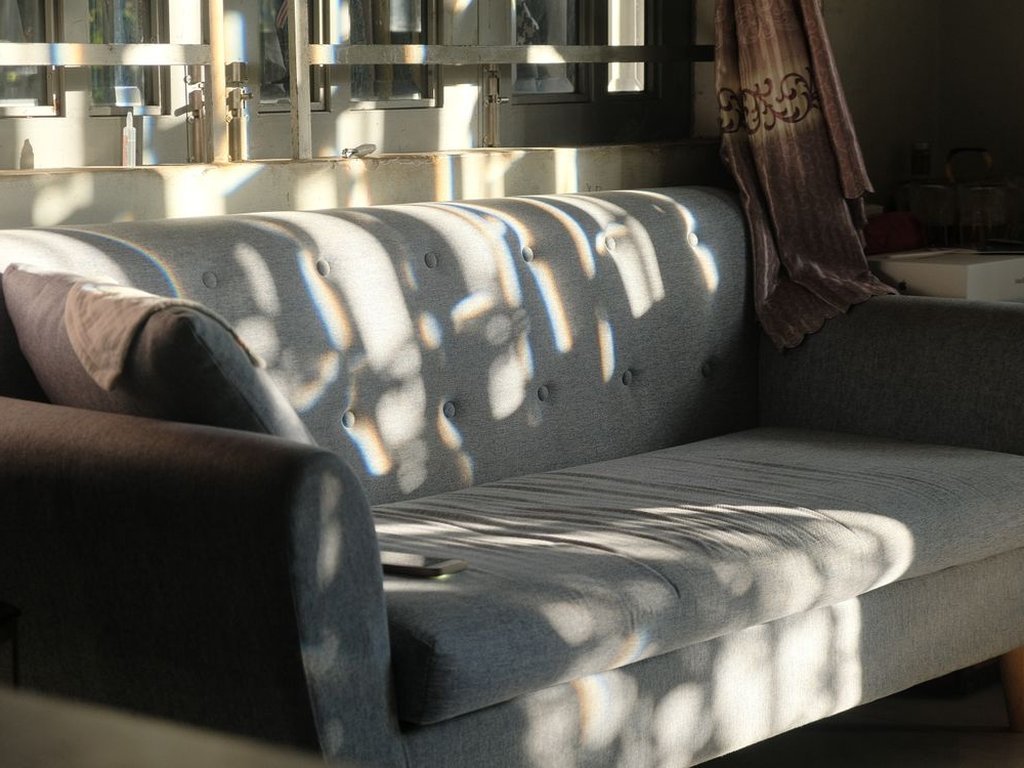
Place your sofa by a bay window when the bay is too small for a dining table but perfect for a reading seat. Put a low two-seat sofa across the bay, or angle it to face into the room, so the window becomes a bright backdrop behind the seats. A two-seat sofa about 150 centimetres long costs $400 to $900, and a pair of linen curtains costs $50 to $100. Add a slim side table, keep the sill clear for plants, and use a pale fabric, since the bay gets strong sun for much of the day.
Keep Walkways Clear Around the Sofa
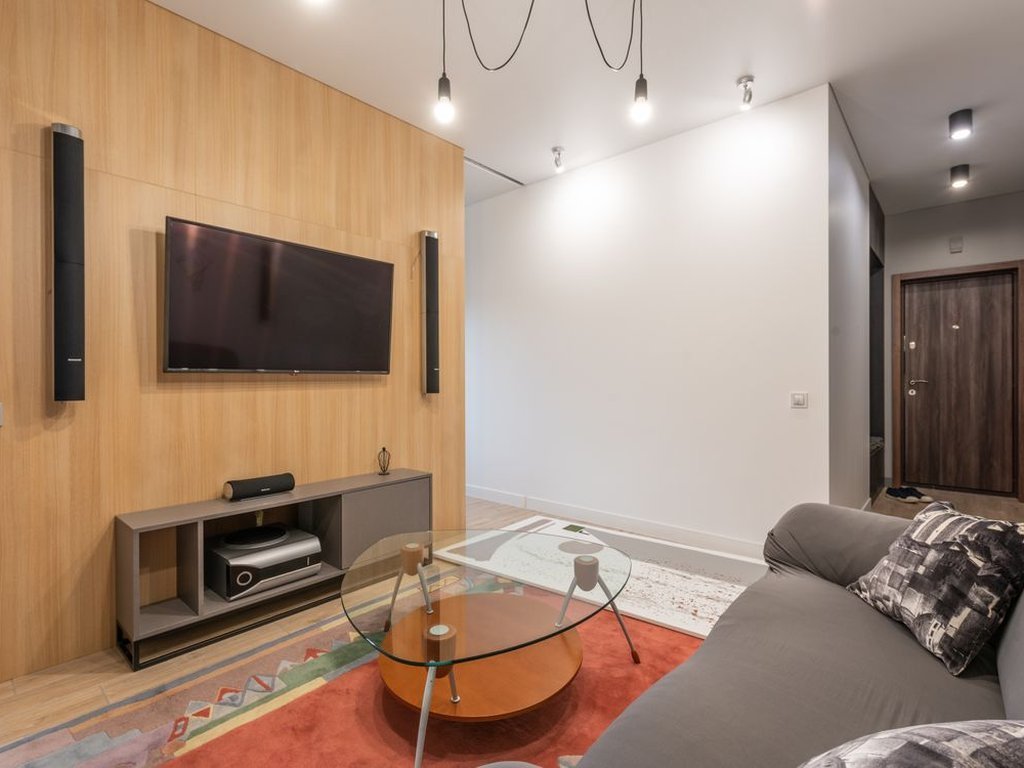
Keep walkways clear around the sofa when your room has two doors or a path to the kitchen that cuts through the seating area. Leave 75 to 90 centimetres of open floor on the main route, and 60 centimetres on smaller paths, so people can pass without turning sideways or stepping over feet. A slim three-seat sofa about 200 centimetres long costs $500 to $1,100, and moving a side table costs nothing. For long, narrow rooms, see our living room layout ideas for rectangular rooms before you push the sofa against a wall.
Face Your Sofa Toward a Feature Wall

Face your sofa toward a feature wall when your room has no fireplace or TV wall worth looking at. Paint one wall in a deep shade, such as Farrow and Ball Hague Blue, hang one large picture, or fit wood slats, then place the sofa opposite it about 2.5 metres away. A litre of Farrow and Ball paint costs about $110, and a large framed print about 90 centimetres wide costs $80 to $200. Keep the other walls pale, add two chairs at an angle, and let the feature wall do the work.
Place a Colourful Sofa as the Focal Point
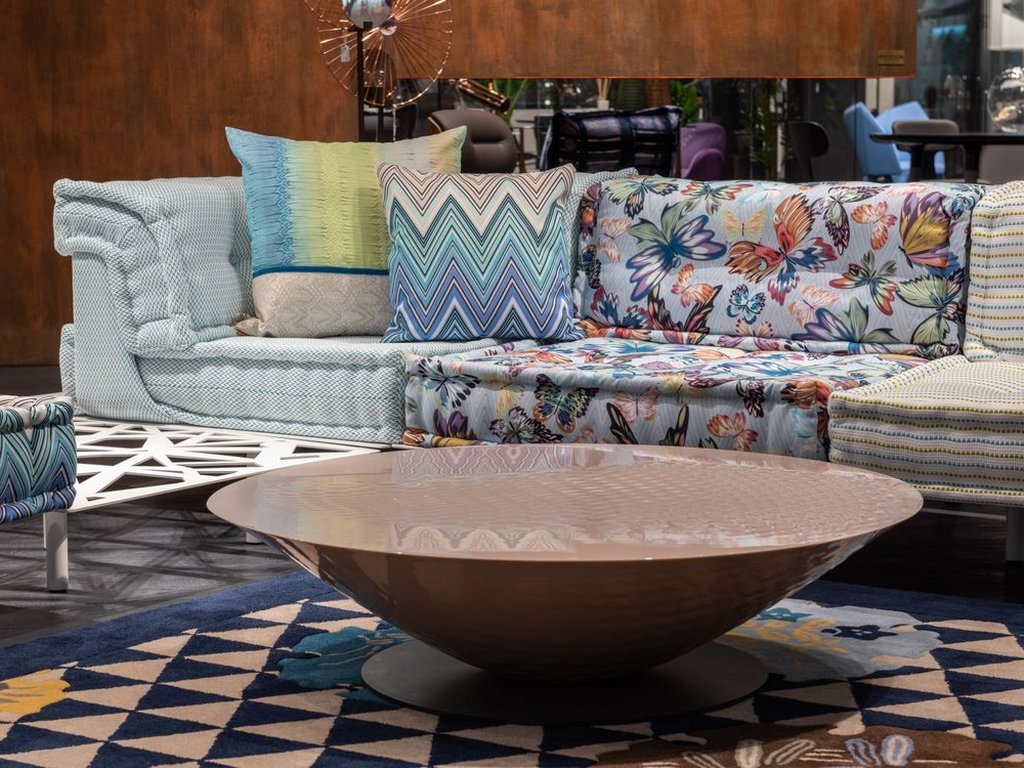
Place a colourful sofa as the focal point when your room is plain and you want one bold piece to give it life. Choose a sofa in teal, mustard, or emerald velvet, place it on the main wall facing into the room, and keep the walls, rug, and chairs in pale, plain colours. A three-seat velvet sofa costs $700 to $1,600, and a set of plain linen cushion covers costs $10 to $25 each. Repeat the sofa colour once, in a vase or a picture, so the bold choice looks planned and the room still feels calm.
Frequently Asked Questions About Living Room Sofa Placement Ideas
Where should I put my sofa in the living room?
Put your sofa facing the room’s main focal point, such as the TV, fireplace, or best window view, with clear walkways around it. In a small room, place it against the longest wall. In a large or open-plan room, float it in the middle to mark the living zone. Leave 75 centimetres of walkway on the main route.
How far should a sofa be from the TV?
Place your sofa about 2 to 2.5 times the TV screen size away from the screen, so a 55-inch TV sits about 2.4 metres from the seats. Keep the screen centre near eye level when you sit down, about 105 centimetres from the floor. Sit and test the view before you fix the sofa in place, and move it closer if the picture feels small.
Should a sofa touch the wall?
No, a sofa does not need to touch the wall, and a small gap usually looks better. Leave 5 to 10 centimetres behind it for air flow, and pull it out further in a large room to create a floating layout. In a small room, pushing it close to the wall saves floor space, so use the gap that suits your room size.
How much space should I leave behind a floating sofa?
Leave at least 60 centimetres behind a floating sofa if nobody walks there, and 75 to 90 centimetres if it is a main walkway. A console table behind the sofa needs about 75 centimetres of clear floor behind it too. Measure the route with tape on the floor before you move the sofa, so the gap is real, not guessed.
What is the best sofa placement for a small living room?
The best sofa placement for a small living room is against the longest wall, with a two-seat sofa about 150 centimetres long. This leaves the middle open, keeps the walkways clear, and leaves room for one chair and a small side table. Choose a low-back sofa with slim arms, and keep the rug under the front legs only, so the room feels larger.
Can I put a sofa in front of a window?
Yes, you can put a sofa in front of a window if the sofa back is low enough to sit below the sill. Choose a sofa no taller than 85 centimetres, keep the curtains clear of the arms, and use washable or fade-proof fabric, since sunlight fades colour near glass. Avoid blocking a window that is the room’s only source of light.
How do I arrange a sofa in an open-plan living room?
Arrange a sofa in an open-plan living room by placing it with its back to the dining or kitchen area, so the sofa back marks the edge of the living zone. Anchor the living side with a large rug, add a console table behind the sofa, and keep 90 centimetres of walkway behind it. Each area then has its own clear purpose and boundary.
What size rug should go under a sofa?
Choose a rug that extends at least 15 centimetres past each arm of the sofa, with the front legs sitting on the rug. A 160 by 230 centimetre rug suits most three-seat sofas, while a 200 by 300 centimetre rug suits a sectional or a large seating group. The Spruce’s furniture arrangement rules give the same rug guidance, with front legs on the rug and walkways kept clear around it.
Conclusion
The best living room sofa placement is the one that faces your focal point, seats everyone well, and leaves clear walkways around the furniture. Start by picking one focal point, then place the sofa first and build the chairs, rug, and tables around it. Measure the gaps before you move heavy furniture, and try a floating layout if the room feels boxed in. A good layout costs nothing to test, and it can make the same sofa and the same room feel brand new.
Related Articles
- 25 Minimalist Living Room Ideas for a Calm, Clutter-Free Space
- 20 Cozy Living Room Ideas for Small Spaces That Feel Big
- 25 Living Room Accent Wall Ideas to Make Your Room Stand Out
- 15 Living Room Layout Ideas for Rectangular Rooms That Work
- 20 Modern Living Room Ideas for a Fresh, Stylish Home
- 30 Dark and Moody Living Room Ideas for a Cozy Home
- 25 Small Bedroom Ideas That Make Tiny Rooms Feel Big
- 25 Minimalist Decor Ideas for a Calm, Clutter-Free Home