
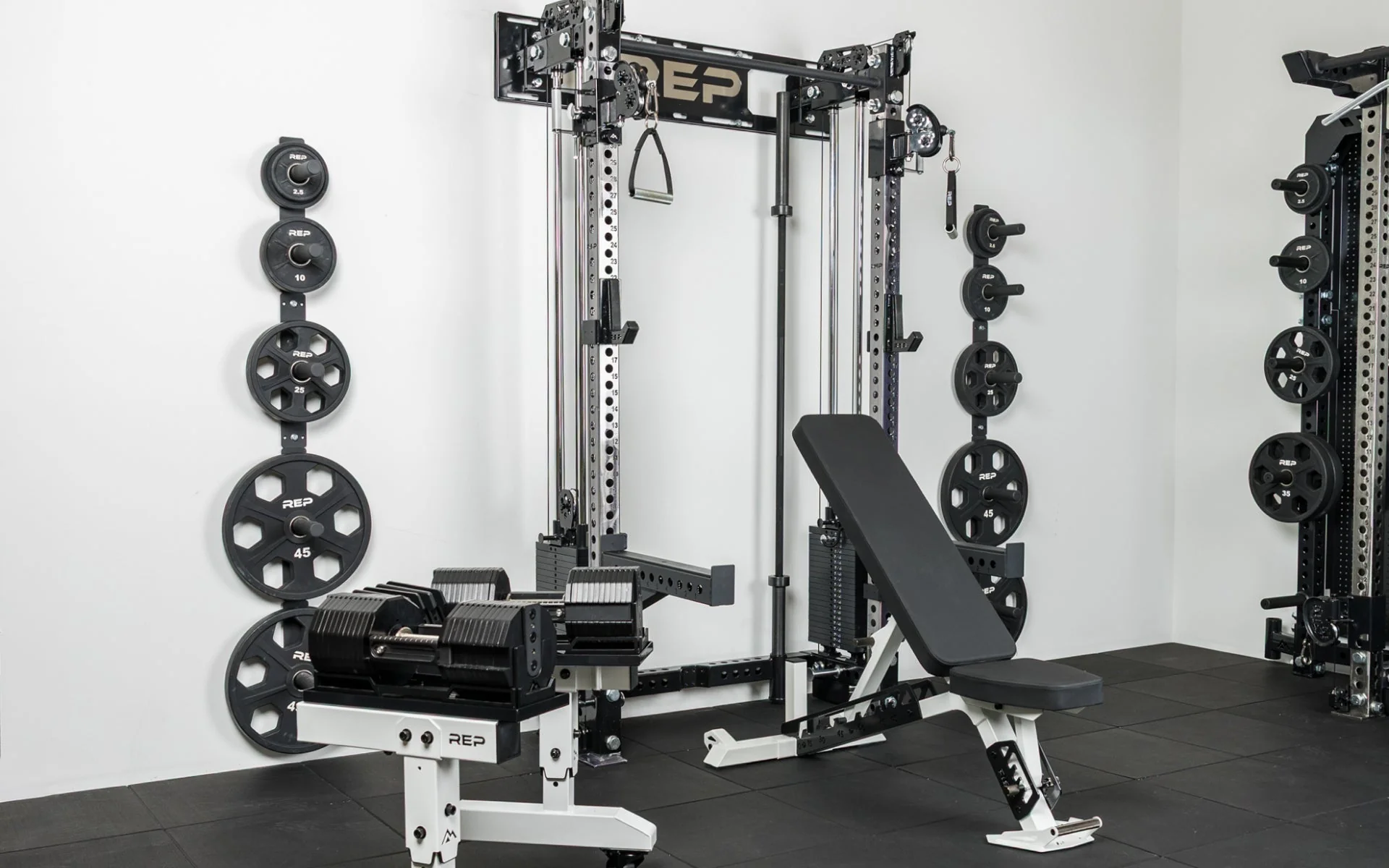
Doing gymnastics at home is a great way to stay active, strong, and healthy. You don’t need a big gym or expensive equipment to start. With a little creativity, you can turn any small space in your home into a fun gymnastics area. These home gymnastics ideas are perfect for kids, beginners, and even adults who want to stay fit. The best part is that you can practice anytime, feel comfortable, and save money. In this guide, you will learn simple, safe, and smart ways to create your own home gymnastics setup, even if you have a small room or a low budget.
Quick answer: Smart home gymnastics needs only a clear floor, a folding mat and low-cost basics: stretching, rolls, balance work and strength moves you can do in a small room. Start with a mat, resistance bands and a low beam for about $150 to $300, practice 3 to 4 days a week, and keep an adult watching when kids train.
Top 10 Home Gymnastics Ideas for Beginners
Start with a clean, open space, soft mats and basic moves like stretching, rolls and balance work. First, choose a clean and open space where you can move freely without hitting furniture. Even a small corner in your living room can work if you organize it well. Use soft mats or carpets to protect your body from injuries. These mats are very important, especially for kids and beginners who are still learning balance and control. You can also use folded blankets if you don’t have proper mats. Next, start with basic moves like stretching, rolls, and balance exercises. These moves help your body become flexible and strong. Another great idea is to use a wall for support when practicing handstands. This makes learning easier and safer. You can also place tape on the floor to create balance lines. This helps improve focus and coordination. Try to keep your space simple and not crowded. A clean area helps you stay safe and focused. Add a small mirror if possible so you can see your movements and improve your posture. These small steps can turn your home into a perfect beginner-friendly gymnastics space.
Best Equipment for Home Gymnastics Setup
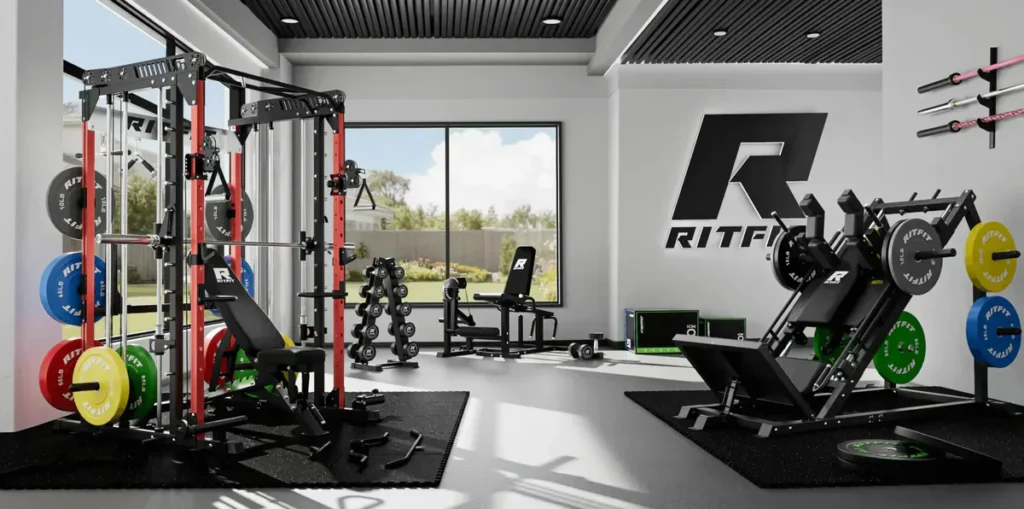
A good mat comes first, then resistance bands, a pull-up bar and a low balance beam. Simple and affordable equipment can help you practice better. A good quality gymnastics mat is the most important item. It keeps you safe and reduces the risk of injury. Resistance bands are also useful because they help build strength and flexibility. You can use them for stretching and light workouts. A pull-up bar is another great option if you have space. It helps improve upper body strength. Balance beams for home use are also available and are usually low to the ground, making them safe for beginners. If you have kids, foam blocks and soft play shapes are excellent choices. These items make practice fun and safe. Always choose equipment that fits your space and budget. You don’t need everything at once. Start small and add more items as you improve. Keep your equipment organized so your space looks neat and feels comfortable. A well-organized area helps you stay motivated and enjoy your practice.
Simple Home Gymnastics Setup Ideas for Small Spaces
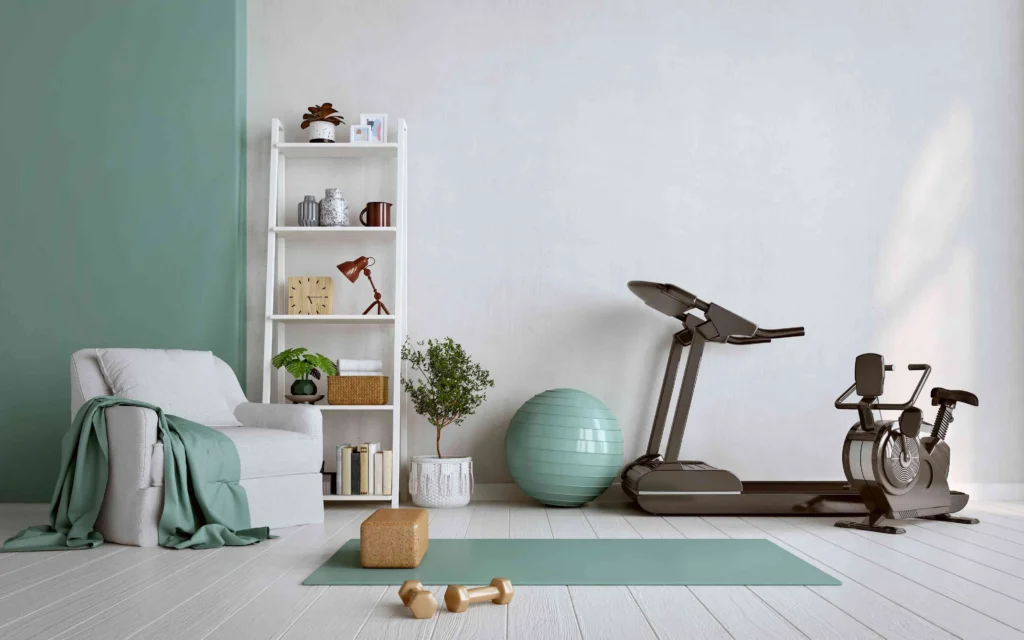
Use a spare corner, foldable mats and wall-mounted gear so the area packs away after practice. You can still create a great gymnastics area. The key is smart use of space. First, choose a corner that is not used often. Move small furniture away when you want to practice. Use foldable mats that you can store easily after use. This keeps your home tidy. Wall-mounted equipment is also a smart idea. For example, a wall bar or foldable bar can save space and still give you good practice options. Use vertical space instead of floor space whenever possible. You can also use multi-purpose furniture like a sturdy bench for step-ups or balance practice. Keep your setup simple and flexible. This way, you can quickly change your space back to normal after your workout. Good lighting and fresh air also make your practice more enjoyable. Even a small space can become a perfect gymnastics area with the right ideas.
Step-by-Step Guide to Create a Home Gymnastics Area
- Choose a safe and open area in your home
- Pick a space with enough room to move freely
- Remove sharp objects, tables, or hard furniture
- Make sure the floor is flat and safe
- Add soft flooring
- Use gymnastics mats, carpets, or thick blankets
- Cover the whole practice area if possible
- Soft flooring helps protect you from injury
- Bring in basic gymnastics equipment
- Start with simple items only
- Good beginner equipment includes:
- Resistance bands
- A small balance beam
- A pull-up bar
- Foam blocks or cushions
- Do not buy too much at the beginning
- Organize your gymnastics space
- Keep all equipment in one place
- Use baskets, shelves, or storage boxes
- Make sure everything is easy to reach
- Create a practice routine
- Decide what days and times you will practice
- Practice every day or 3–5 times each week
- Start with simple moves before harder skills
- Keep the area clean and comfortable
- Put equipment away after practice
- Keep the space neat and free from clutter
- Add good lighting or a fan to make the area feel better
- Follow safety rules every time
- Warm up before starting
- Wear comfortable clothes
- Stop if you feel pain or feel unsafe
- Enjoy and improve slowly
- Practice a little each week
- Stay patient and have fun
- Your home gymnastics area will get better over time
Budget-Friendly Home Gymnastics Ideas
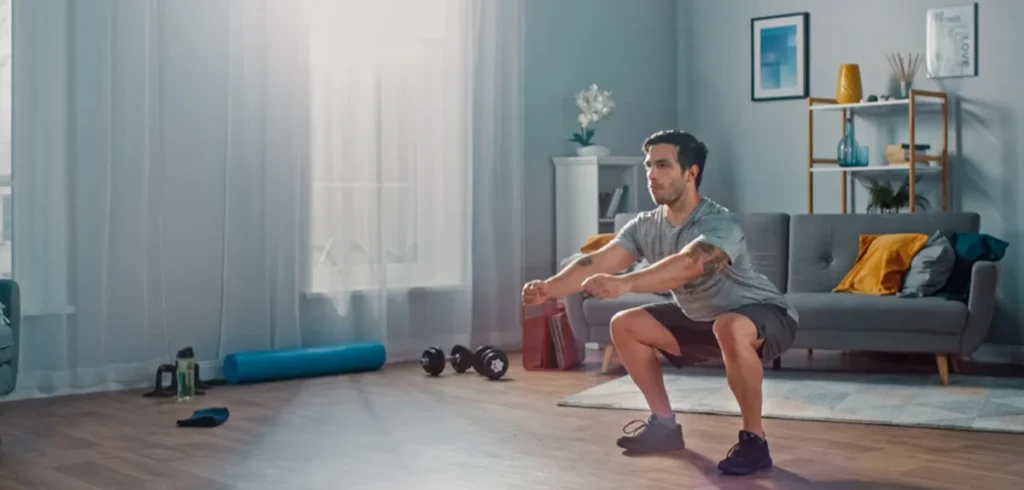
Use old mattresses or thick blankets as mats, a chair for support, tape lines for balance and water bottles as light weights. There are many low-cost ideas that work just as well. Use old mattresses or thick blankets as mats. They are soft and safe for basic exercises. Use chairs for support when doing stretches or balance moves. You can also use a wall for handstands and leg exercises. Instead of buying expensive beams, use tape on the floor to practice balance. Water bottles can be used as light weights for strength training. You can even make DIY equipment using simple materials at home. The goal is to stay active and practice regularly, not to spend money. With a little creativity, you can build a complete gymnastics setup on a small budget.
Home Gymnastics Ideas for Kids
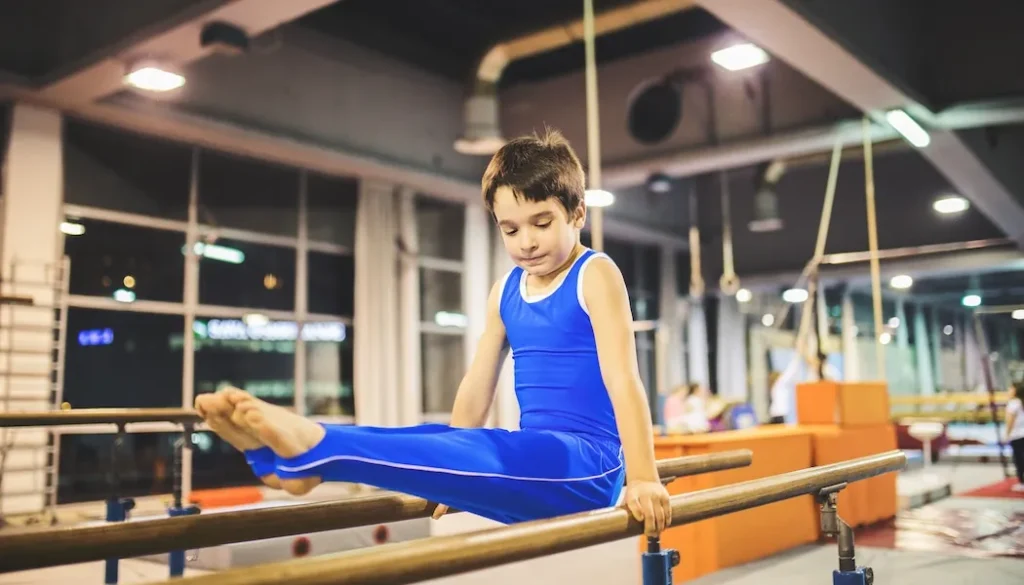
Give kids a soft mat, foam shapes and short, fun sessions with an adult watching every time. Create a safe and colorful space where kids feel excited to practice. Use soft mats and foam shapes to avoid injuries. Add fun elements like tunnels, mini trampolines, or soft blocks. These items make practice enjoyable. Encourage kids to try simple moves like rolls, jumps, and balance walks. Always supervise them to ensure safety. You can also create small challenges or games to keep them engaged. For example, ask them to balance on one foot or jump over small objects. Keep sessions short and fun so they don’t get tired. A positive environment helps kids build confidence and enjoy gymnastics.
Modern Home Gymnastics Room Design Ideas
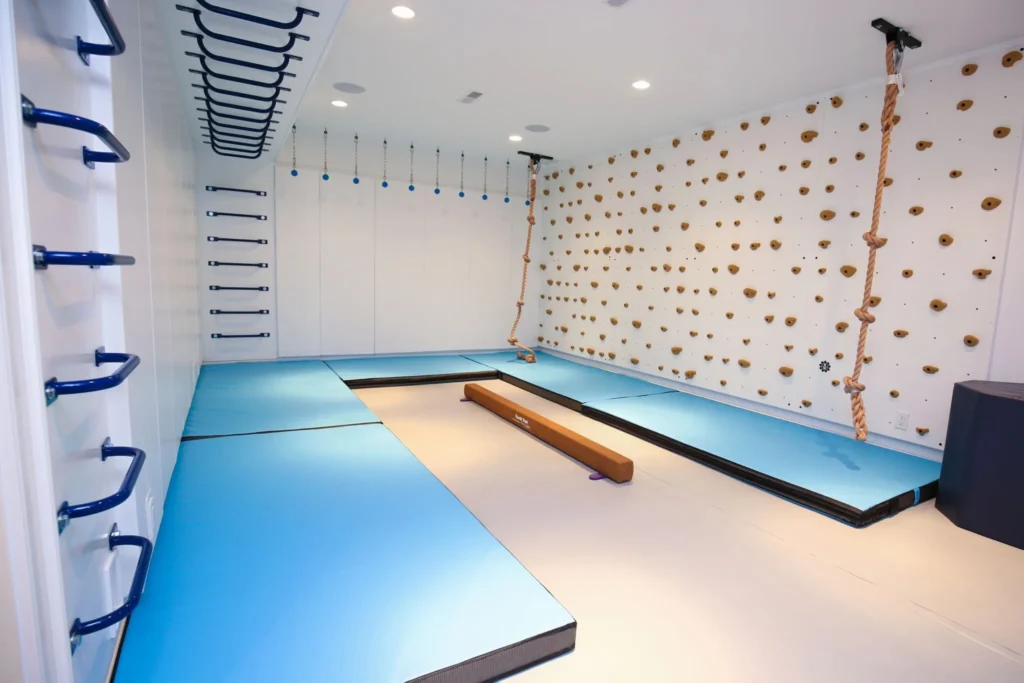
A modern gymnastics space looks clean, simple, and stylish. Use neutral colors like white, grey, or light wood tones. These colors make the space feel calm and open. Add mirrors to make the room look bigger and help with posture correction. Use storage boxes to keep equipment organized. Good lighting is very important. Natural light is best, but you can also use soft LED lights. Keep the design minimal so there is enough space to move freely. A modern setup not only looks good but also improves your focus and motivation.
Table: Basic Home Gymnastics Equipment Guide
| Equipment | Purpose | Budget Option |
|---|---|---|
| Gymnastics Mat | Safety and comfort | Blankets or mattress |
| Resistance Bands | Strength and flexibility | Elastic bands |
| Balance Beam | Balance practice | Tape line on floor |
| Pull-Up Bar | Upper body strength | Door frame bar |
| Foam Blocks | Kids practice | Cushions or pillows |
Safety Tips for Home Gymnastics
Warm up first, use a mat every time, and stop at once if anything hurts. Always warm up before starting any exercise. This helps prevent injuries. Wear comfortable clothes that allow easy movement. Keep your area clean and free from obstacles. Never try difficult moves without proper practice. Start with simple exercises and slowly move to advanced ones. If you feel pain, stop immediately and rest. For kids, adult supervision is very important. Use proper mats to protect your body. Following these safety tips will help you enjoy gymnastics without risk.
Conclusion
Home gymnastics is a fun, easy, and affordable way to stay active. You don’t need a big space or expensive tools. With simple ideas and smart planning, you can create a perfect gymnastics area at home. Start small, stay safe, and practice regularly. Over time, you will see great improvement in your strength, balance, and confidence.
FAQs (People Also Ask)
1. Can I do gymnastics at home without equipment?
Yes, you can start with basic exercises like stretching, rolls, and balance without any equipment.
2. What is the best floor for home gymnastics?
Soft mats or carpets are best because they protect your body from injuries.
3. How much space do I need for home gymnastics?
Even a small area is enough if it is clean and free from obstacles.
4. Are home gymnastics safe for kids?
Yes, if proper safety measures and supervision are followed.
5. How often should I practice gymnastics at home?
You can practice 3–5 times a week for the best results.
Smart Home Gymnastics Costs: What a Small-Space Setup Really Costs
A starter kit with a folding mat, bands and a low beam runs about $150 to $300. Most home setups cost less than one month of gym classes. The table below shows typical prices for the gear that matters most.
| Item | What it is for | Typical price |
|---|---|---|
| Folding gymnastics mat, 4 x 8 ft | Floor skills and landings | $60–$120 |
| Low balance beam, 8 ft | Balance and beam walks | $70–$150 |
| Doorway pull-up bar | Upper-body strength | $25–$50 |
| Resistance bands, set of 5 | Strength and stretching | $15–$30 |
| Foam blocks or wedge mat | Safe practice for kids | $30–$80 |
| Yoga mat, thick | Stretching and floor work | $20–$40 |
| Wall mirror, 24 x 36 in | Checking form | $30–$60 |
A starter smart home gymnastics kit with a folding mat, bands, and a low beam runs about $150 to $300. Add a pull-up bar and foam blocks, and the total lands near $200 to $400. That is the whole setup, and it lasts for years.
Skip the big-ticket items at first. A full home beam, a bar set, or a spring floor can cost $500 to $2,000, and most beginners never use them. Buy the basics, practice for three months, then decide what to add.
Smart Home Gymnastics Floor Plan: How Much Space Each Skill Needs
Smart home gymnastics works in small rooms when you match each skill to the space it needs. Use this table to plan your floor before you buy anything.
| Skill | Floor space needed | Ceiling height needed |
|---|---|---|
| Stretching and splits | 4 x 6 ft | Any height |
| Forward rolls and cartwheels | 6 x 10 ft | 8 ft |
| Handstands against a wall | 4 x 6 ft | 8 ft |
| Balance beam walks | 4 x 10 ft | 8 ft |
| Jumping and tuck jumps | 5 x 5 ft | 9 ft |
| Pull-ups and hangs | 3 x 3 ft | 8 ft |
Measure the room with a tape measure before you order a mat. A 4 x 8 foot mat is the most common size, and it fits in most bedrooms with room to spare. If your room is under 8 x 8 feet, use a 4 x 6 foot mat and keep the skills to floor work, stretching, and handstands. A room size calculator helps you work out the floor area fast.
Smart Home Gymnastics Weekly Plan for Beginners
A short, steady plan beats a long one you quit after a week. Here is a simple 4-day plan for smart home gymnastics beginners:
- Day 1 – Stretch and balance (20 minutes). Warm up for 5 minutes, stretch for 10, then practice beam walks and single-leg stands for 5.
- Day 2 – Strength (25 minutes). Pull-ups or hangs, push-ups, hollow holds, and resistance band work. Rest 60 seconds between sets.
- Day 3 – Rest or light walk. Let sore muscles recover. A short walk or gentle stretch is enough.
- Day 4 – Floor skills (25 minutes). Forward rolls, cartwheel drills, and handstand holds against a wall. Stop if form breaks down.
Practice 3 to 4 days a week, not 7. Muscles grow stronger on rest days. After 6 to 8 weeks, add a fifth day or try a harder skill.
Smart Home Gymnastics Mistakes to Avoid
- Skipping the warm-up. Cold muscles tear more often. Spend 5 minutes on light movement before any skill work.
- Practicing on a hard floor. A rug is not a mat. A folding mat spreads the force of a landing and cuts the risk of bruises and wrist pain.
- Learning flips from a video alone. Flips need a spotter and a safe landing zone. Stick to rolls, handstands, and cartwheels at home, and learn flips with a coach.
- Buying gear before measuring the room. A beam that does not fit the room ends up in the garage. Measure first, then order.
- Training through pain. Sore muscles are normal; sharp joint pain is not. Stop and rest if a wrist, ankle, or back hurts during a move.
- Letting kids practice alone. Kids need an adult in the room for beam work, bars, and anything above floor level.
For safety rules and coaching standards, check the guidance from USA Gymnastics, the sport’s national governing body.
More Smart Home Gymnastics Questions
How much room do I need for smart home gymnastics?
A clear floor area of 8 x 8 feet is enough for most beginner skills: stretching, rolls, cartwheels, handstands, and beam walks. You need at least 8 feet of ceiling height for handstands and jumps. Small rooms work well when you keep the mat flat and the clutter out of the way.
Is smart home gymnastics safe for kids?
Yes, with the right setup and an adult watching. Use a thick mat, keep the beam low, and skip flips at home. Kids should practice skills they can already do with good form, and try new skills only with a coach or a spotter in the room.
What is the cheapest way to start smart home gymnastics?
Start with a folding mat and a set of resistance bands, about $75 to $150 in total. Add a low beam later, after a few months of practice. Skip mirrors, bars, and big gear until you know which skills you enjoy.
Can I do smart home gymnastics in an apartment?
Yes, if you keep the noise down and the moves low. Stick to stretching, balance work, and handstands. Skip jumping and tumbling on hard floors, and use a thick mat to soften landings. Check with your building about noise rules before you set up a practice space.
How long does it take to see progress in smart home gymnastics?
Most beginners feel steadier on the beam and stronger in holds after 4 to 6 weeks of regular practice, 3 to 4 days a week. Flexibility takes longer, often 8 to 12 weeks. Small, steady gains beat fast jumps that lead to injury.
A smart home gymnastics setup does not need a big room or a big budget. A spare room can become a practice space in a weekend. If the room feels plain, our guide to making a boring room look better has cheap ways to make it feel like a place you want to use.