
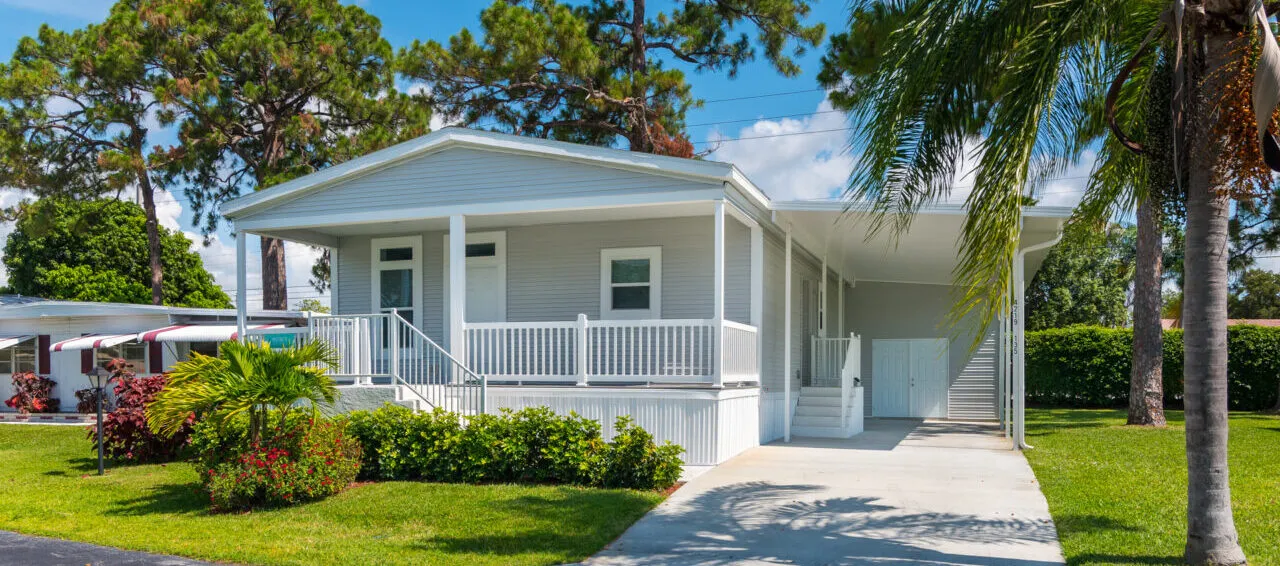
Mobile homes are smart, affordable, and flexible. But many people forget one important part — skirting. Skirting is the material that covers the space under your mobile home. It is not just for looks. It also protects your home from weather, animals, and cold air.
Quick answer: Mobile home skirting ideas work best when you pick a material that fits your budget, your climate, and the look of your home, because skirting covers the open space under the home and blocks cold air, pests, and moisture. Vinyl is the cheapest and easiest, while brick, stone, and metal cost more but last longer.
Good skirting can make your home look clean, modern, and strong. It can also help save energy and keep your home warmer in winter and cooler in summer.
In this guide, you will learn 10 simple mobile home skirting ideas. These ideas are easy to understand, budget-friendly, and perfect for small or modern homes. You will also get tips, examples, and step-by-step guidance to help you choose the best option.
Why Mobile Home Skirting Is Important
Skirting matters because it protects your pipes from freezing, keeps animals out, and makes the home look finished.
Skirting helps in many ways:
- Protects pipes from freezing
- Keeps animals away
- Improves home appearance
- Saves energy
- Adds value to your home
Without skirting, your home may look unfinished and feel less comfortable.
1. Vinyl Skirting – Easy and Affordable
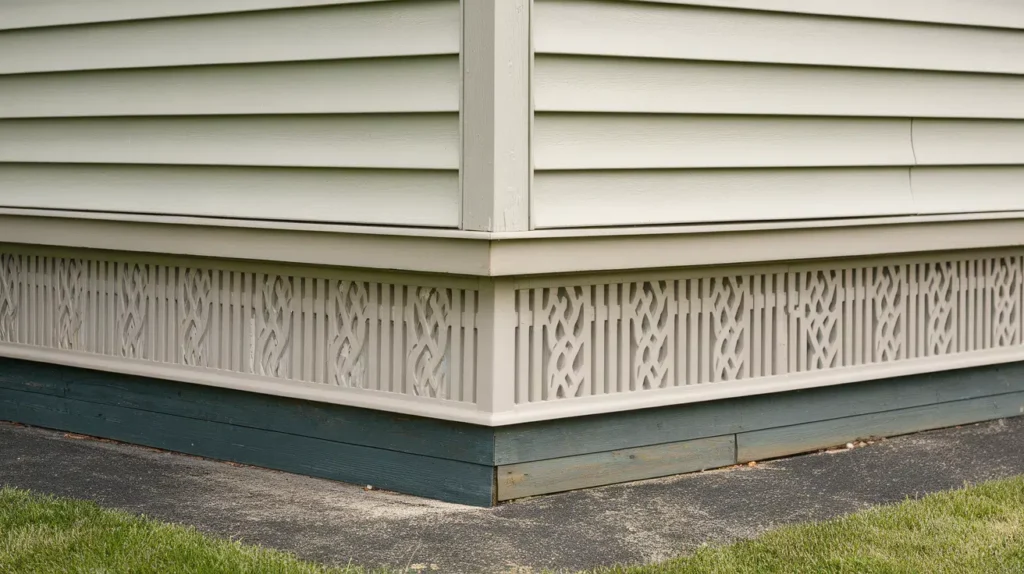
Vinyl skirting is one of the most popular choices. It is cheap, easy to install, and looks clean.
Why choose vinyl?
- Low cost
- Lightweight
- Comes in many colors
- Easy to clean
Best for:
- Budget homes
- Quick upgrades
- Beginners
Simple Tip:
Choose light colors like white or beige to make your home look bigger and brighter.
2. Brick Skirting – Strong and Classic Look
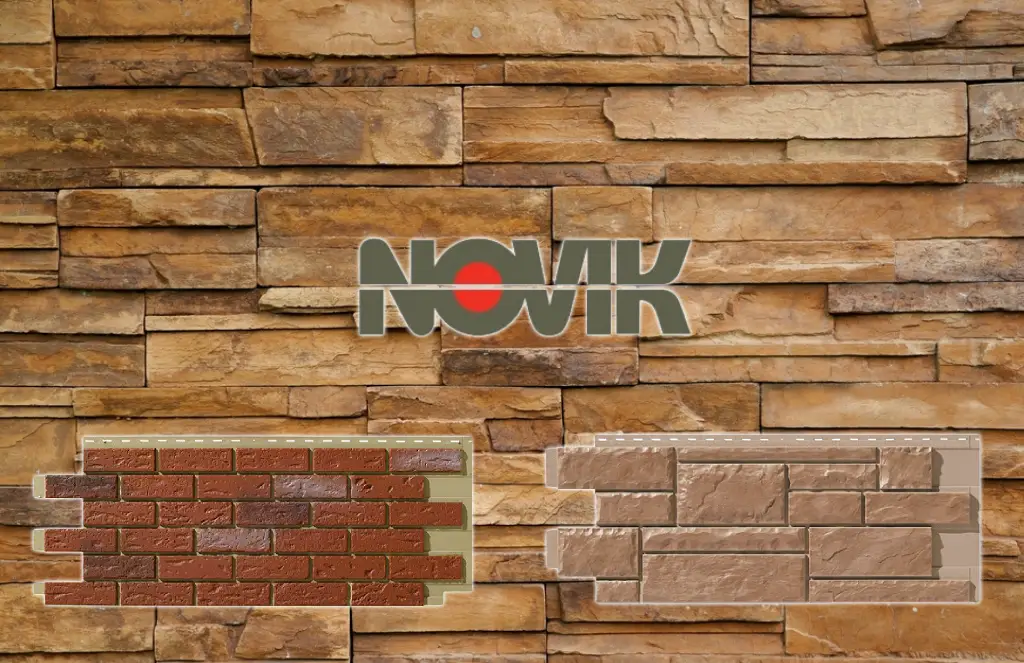
Brick skirting gives a solid and rich look. It makes your mobile home look like a regular house.
Benefits:
- Very strong
- Long-lasting
- Adds home value
Real-life example:
If your home has a traditional design, red or brown bricks can match perfectly.
Tip:
Brick is more expensive, so use it if you want a long-term upgrade.
3. Wood Skirting – Natural and Warm Style
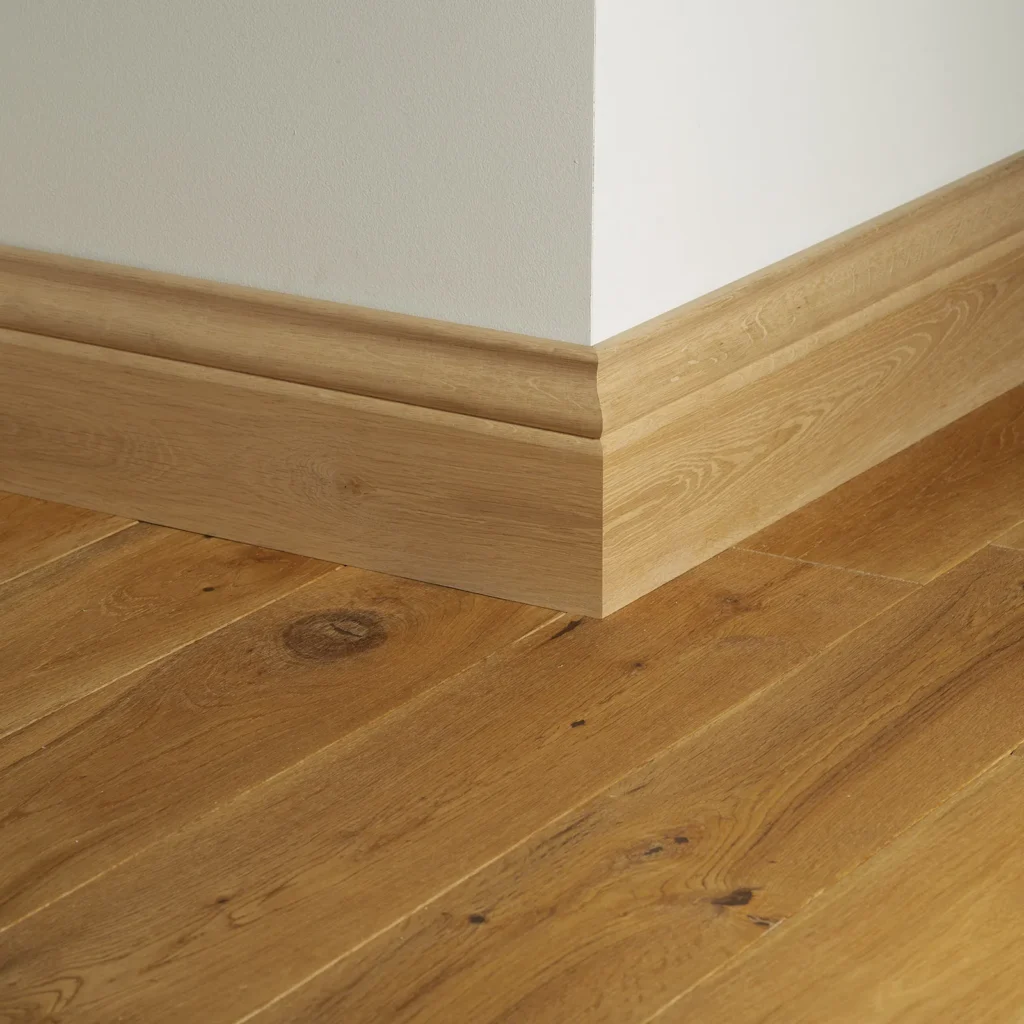
Wood skirting gives a natural and cozy feel. It is perfect for people who love simple and warm designs.
Why people love it:
- Looks natural
- Easy to customize
- Can paint or stain
Best colors:
- Light brown
- Dark wood
- White paint
Important Tip:
Always treat wood to protect it from water and insects.
4. Metal Skirting – Modern and Strong
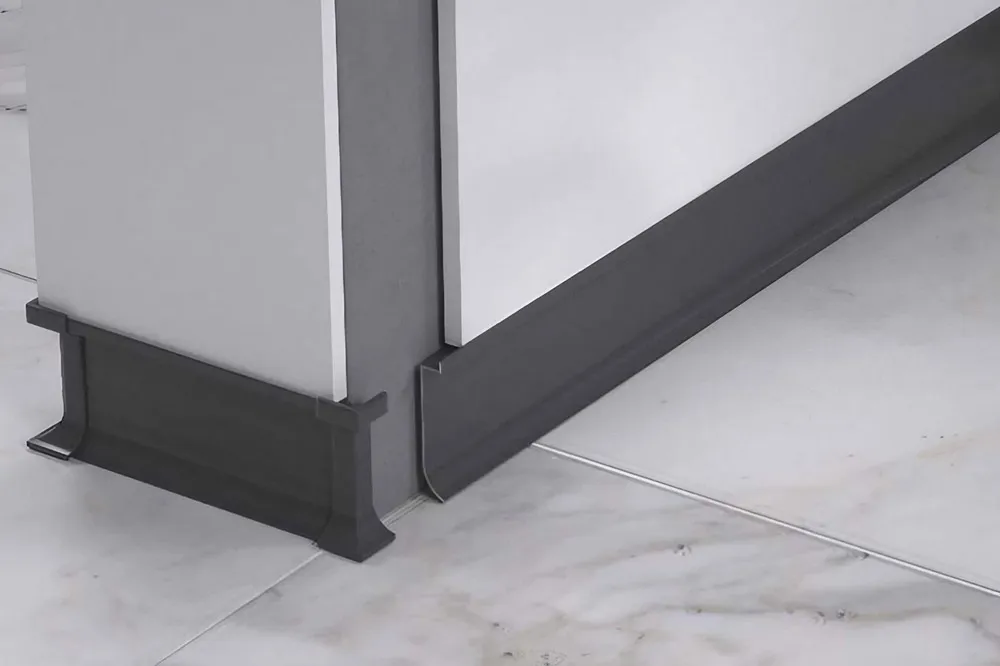
Metal skirting is strong and looks modern. It is great for people who want a clean and industrial design.
Benefits:
- Durable
- Weather-resistant
- Low maintenance
Best for:
- Modern homes
- Rainy or windy areas
Tip:
Choose coated metal to avoid rust.
5. Concrete Skirting – Maximum Protection
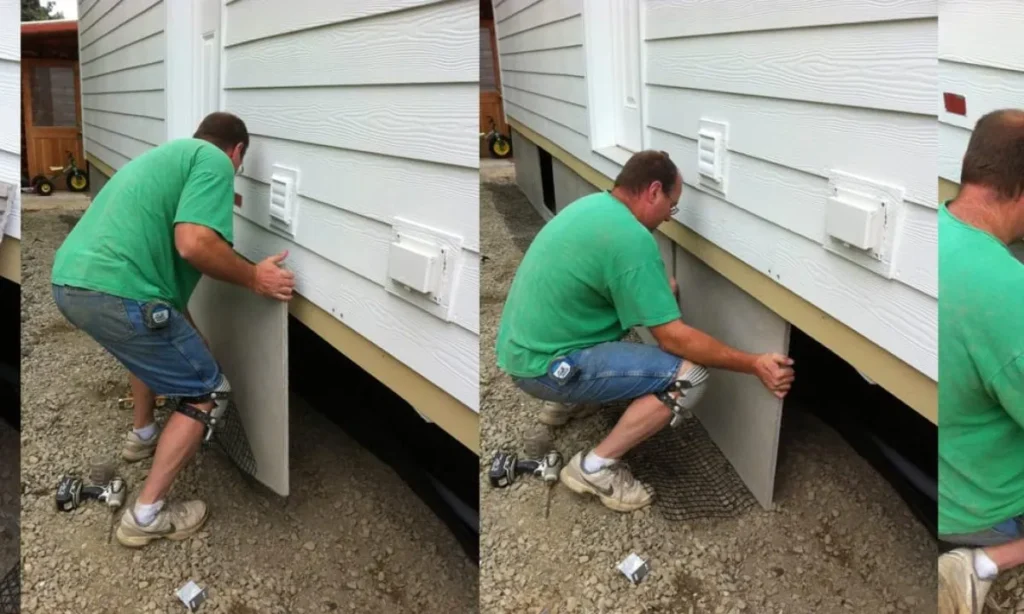
Concrete skirting is one of the strongest options. It gives full protection and lasts many years.
Advantages:
- Very strong
- Fire-resistant
- Long-lasting
Example:
In areas with strong winds or storms, concrete is a safe choice.
Tip:
It costs more, but you won’t need to replace it often.
6. Faux Stone Skirting – Luxury Look on Budget
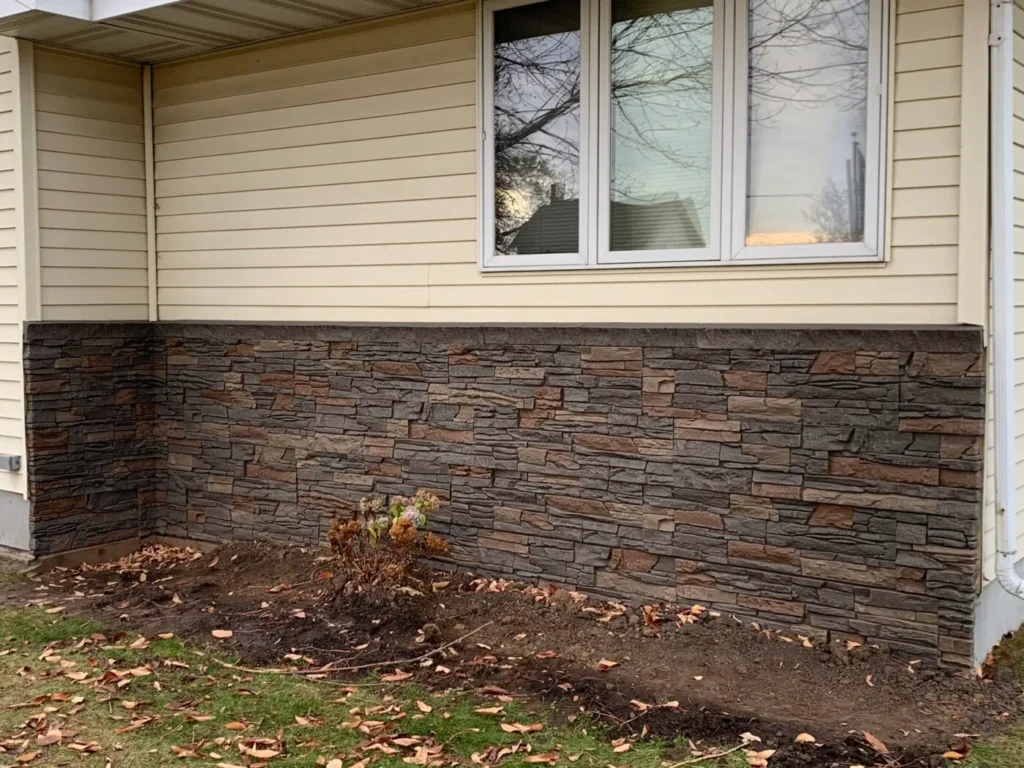
Faux stone looks like real stone but costs less. It gives a stylish and modern look.
Why choose faux stone?
- Beautiful design
- Affordable
- Lightweight
Best use:
- Front side of home for better appearance
Tip:
Mix it with vinyl to save money.
7. Lattice Skirting – Simple and Airy Design
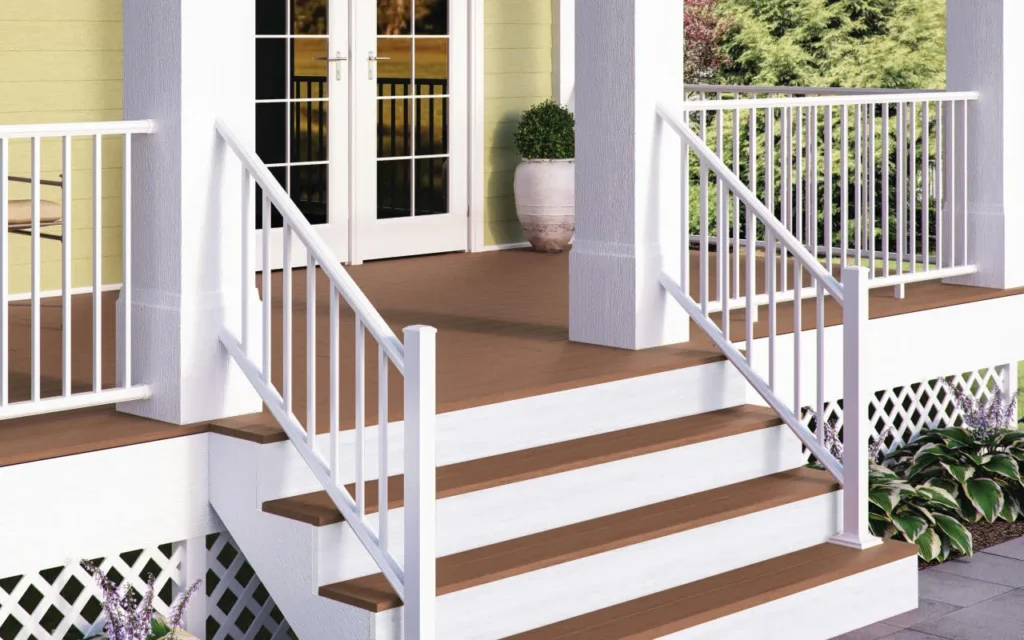
Lattice skirting has small holes and patterns. It allows airflow and looks decorative.
Benefits:
- Good ventilation
- Stylish patterns
- Low cost
Best for:
- Warm areas
- Garden-style homes
Tip:
Paint it white for a fresh and clean look.
8. Recycled Material Skirting – Eco-Friendly Idea
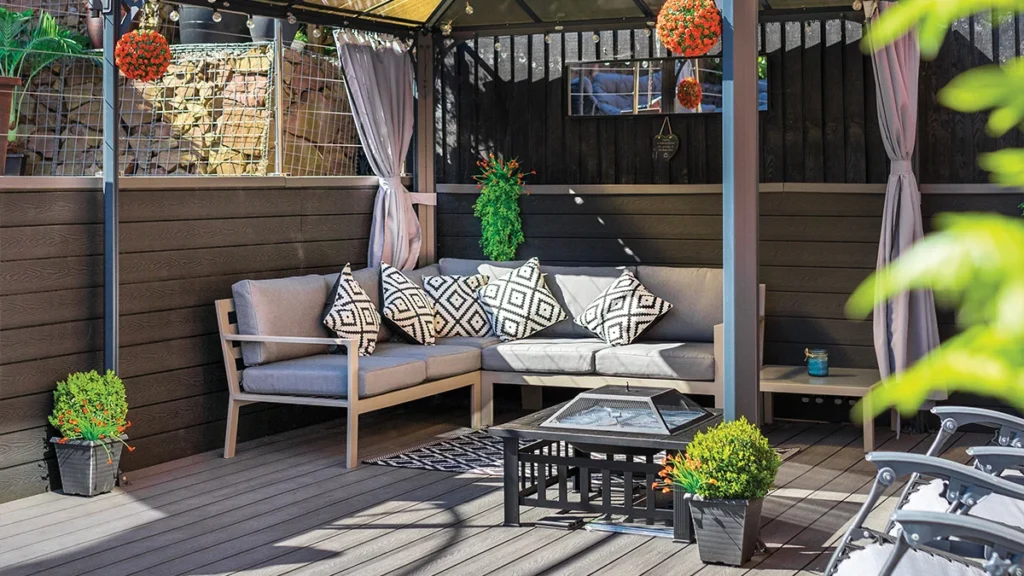
You can use recycled materials like old wood, pallets, or panels.
Why this is great:
- Saves money
- Good for environment
- Creative designs
Example:
Use wooden pallets to create a rustic look.
Tip:
Seal materials properly for long life.
9. Stone Skirting – Natural and Premium Feel
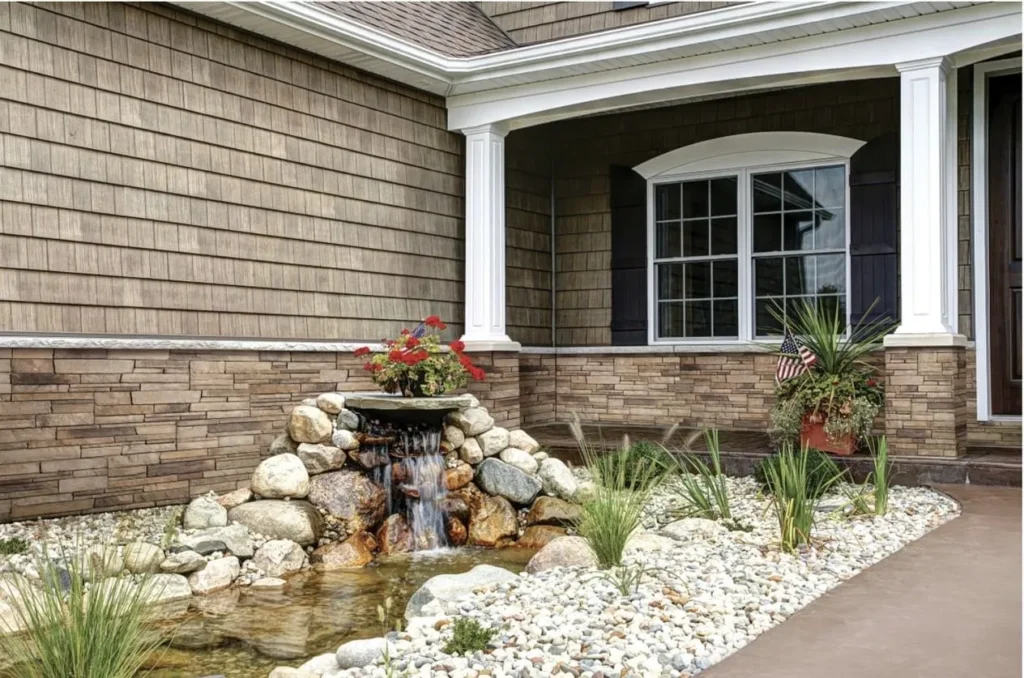
Real stone gives a high-end look. It is strong and beautiful.
Benefits:
- Very durable
- Natural beauty
- Increases home value
Best for:
- Permanent homes
- Luxury designs
Tip:
Use stone only on visible areas to reduce cost.
10. Mixed Material Skirting – Smart Combination
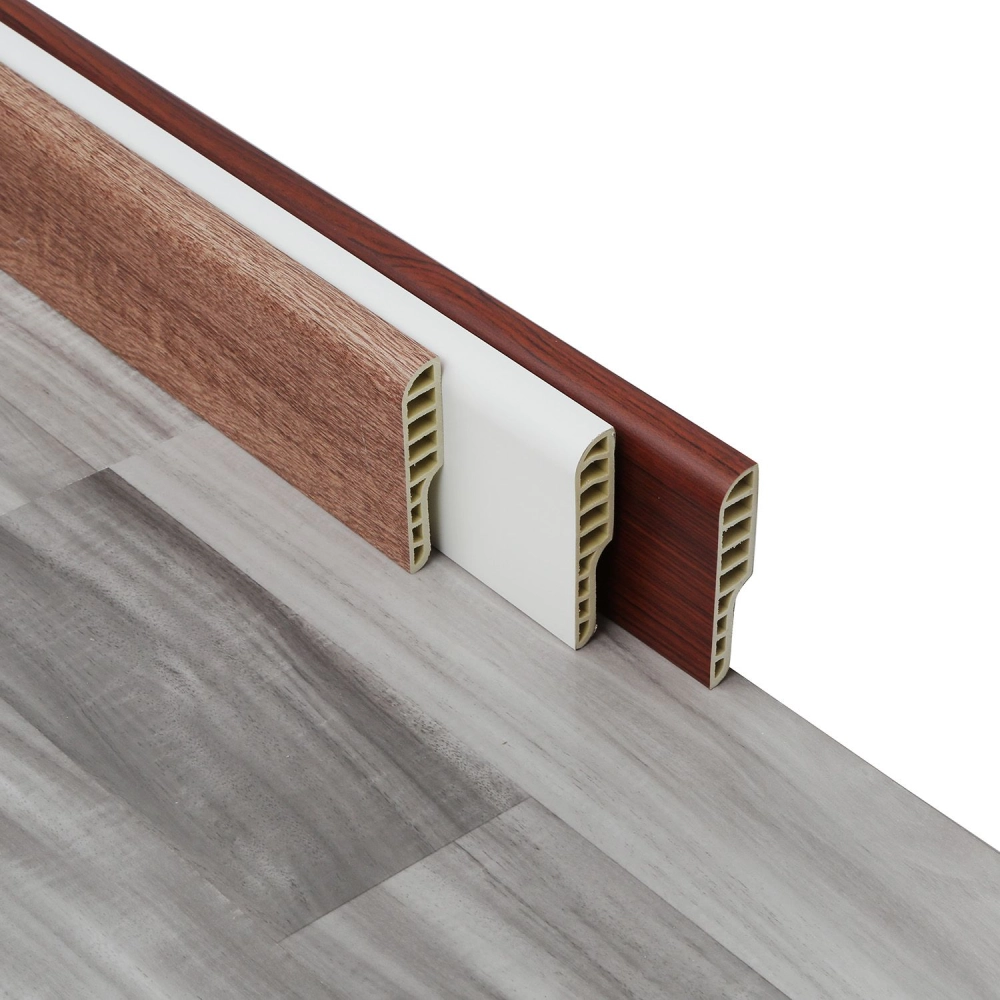
You can mix two or more materials for a unique design.
Example combinations:
- Vinyl + Faux stone
- Wood + Lattice
- Brick + Metal
Why it works:
- Saves money
- Looks creative
- Custom design
Tip:
Use expensive material in front and cheaper material on sides.
Comparison Table of Mobile Home Skirting Ideas
| Skirting Type | Cost Level | Durability | Look Style | Best For |
|---|---|---|---|---|
| Vinyl | Low | Medium | Clean | Budget homes |
| Brick | High | High | Classic | Permanent homes |
| Wood | Medium | Medium | Natural | Cozy designs |
| Metal | Medium | High | Modern | Strong protection |
| Concrete | High | Very High | Solid | Extreme weather |
| Faux Stone | Medium | Medium | Stylish | Front design |
| Lattice | Low | Low | Decorative | Warm areas |
| Recycled | Low | Medium | Creative | DIY lovers |
| Stone | High | Very High | Premium | Luxury homes |
| Mixed | Flexible | Flexible | Custom | Smart budgets |
Step-by-Step Guide to Install Mobile Home Skirting
Follow these simple steps:
Step 1: Measure Area
Measure the space around your home.
Step 2: Choose Material
Pick based on budget and style.
Step 3: Prepare Ground
Clean and level the area.
Step 4: Install Frame
Add support frame if needed.
Step 5: Attach Skirting
Fix panels properly.
Step 6: Add Ventilation
Leave space for airflow.
Step 7: Finish and Paint
Paint or polish for better look.
Tips for Small Spaces
If your mobile home is small:
- Use light colors
- Choose simple designs
- Avoid heavy materials
- Use vertical patterns to make space look bigger
Budget-Friendly Skirting Ideas
Want to save money? Try these:
- Use vinyl or lattice
- Mix materials
- DIY with recycled wood
- Paint old skirting instead of replacing
Modern Design Tips
To make your home look modern:
- Use black or grey colors
- Choose metal or faux stone
- Keep lines clean and simple
- Add lights near skirting
Common Mistakes to Avoid
Avoid these errors:
- No ventilation
- Poor installation
- Choosing wrong material for weather
- Ignoring maintenance
Conclusion
Mobile home skirting is very important for both style and protection. The right choice can make your home look beautiful and feel more comfortable.
You don’t need a big budget. Even simple options like vinyl or lattice can make a big difference. If you want a luxury look, you can go for stone or brick.
The best idea is to choose what fits your budget, weather, and style.
FAQs (People Also Ask)
1. What is the cheapest mobile home skirting?
Vinyl and lattice skirting are the cheapest options. They are easy to install and budget-friendly.
2. Which skirting is best for cold weather?
Concrete, brick, and insulated vinyl are best for cold areas.
3. Can I install mobile home skirting myself?
Yes, many options like vinyl and wood are DIY-friendly.
4. How long does skirting last?
It depends on material. Vinyl lasts 10–20 years, while brick and concrete can last much longer.
5. Does skirting increase home value?
Yes, good skirting improves both look and value of your home.
Mobile Home Skirting Ideas: What Each Material Costs
Skirting prices vary a lot by material. The table below shows typical costs per linear foot so you can plan mobile home skirting ideas on any budget.
| Material | Cost per linear foot | Cost for a 14 x 60 ft home* | Lifespan |
|---|---|---|---|
| Vinyl | $4–$8 | $600–$1,200 | 10–20 years |
| Lattice | $3–$6 | $450–$900 | 5–10 years |
| Wood | $6–$12 | $900–$1,800 | 10–15 years |
| Metal | $8–$15 | $1,200–$2,250 | 20–30 years |
| Faux stone | $10–$20 | $1,500–$3,000 | 20–30 years |
| Brick | $15–$30 | $2,250–$4,500 | 50+ years |
| Concrete block | $12–$25 | $1,800–$3,750 | 50+ years |
| Real stone | $20–$40 | $3,000–$6,000 | 50+ years |
*A 14 x 60 foot home has about 148 linear feet of skirting. These are material-only prices. Add $500 to $1,500 for labor if you hire a pro, or save that money with a DIY install.
Mobile Home Skirting Ideas: How to Measure for Skirting
Good mobile home skirting ideas start with good measurements. Follow these steps before you buy:
- Measure the length of each side of the home, in feet.
- Measure the height from the ground to the bottom of the home at several spots. Ground level is rarely flat.
- Add the four side lengths together for the total linear feet.
- Add 10 percent extra for cuts, mistakes, and damaged panels.
- Count the vents you need. Plan one vent every 8 to 10 feet, plus one near each corner.
- Write down the tallest and shortest heights so you can order panels that fit both.
For a 14 x 60 foot home, the perimeter is 14 + 60 + 14 + 60 = 148 feet. Add 10 percent, and you need about 163 feet of skirting. A room size calculator can help you work out the perimeter fast.
More Mobile Home Skirting Ideas Mistakes to Avoid
- Skipping the vents. A sealed crawl space traps moisture and leads to mold. Leave one vent every 8 to 10 feet.
- Installing panels on uneven ground. Level the ground first, or the bottom edge will gap and let animals in.
- Using indoor paint outside. Exterior skirting needs exterior paint or stain. Indoor paint peels in a year.
- Forgetting the access door. You need a way to reach pipes and wiring under the home. Plan a 24 x 24 inch access panel on one side.
- Butting panels tight together. Vinyl and metal expand in heat. Leave a 1/4 inch gap between panels or they will buckle in summer.
- Choosing a material that does not fit the climate. Wood rots fast in wet areas. Metal rusts near the sea. Match the material to your weather.
For building rules on mobile home skirting, check the U.S. Department of Housing and Urban Development (HUD) guidance for manufactured homes.
More Mobile Home Skirting Ideas Questions
What is the cheapest mobile home skirting idea?
Vinyl and lattice are the cheapest, at $3 to $8 per linear foot. For a 14 x 60 foot home, that is $450 to $1,200 in materials. Vinyl is the better pick if you want the skirting to last, since lattice needs more upkeep.
How long does mobile home skirting last?
Vinyl lasts 10 to 20 years. Wood lasts 10 to 15 years with sealing. Metal and faux stone last 20 to 30 years. Brick, concrete, and real stone last 50 years or more. Sun, water, and ground contact shorten every material’s life.
Can I install mobile home skirting myself?
Yes, vinyl, lattice, and wood are all DIY-friendly. A 14 x 60 foot home takes one weekend with two people. Brick, concrete, and stone need a pro. If the ground is uneven, level it first or the panels will not sit straight.
Does mobile home skirting need ventilation?
Yes. Plan one vent every 8 to 10 feet of skirting, plus one near each corner. Vents let air flow under the home and stop moisture and mold. Mesh-backed vents also keep animals out.
How do I keep animals out from under my mobile home?
Use solid panels with no gaps, bury the bottom edge 2 to 3 inches into the ground, and cover vents with 1/4 inch mesh. Check the skirting each spring for gaps, cracks, or loose panels.
These mobile home skirting ideas work on any budget. Good skirting also helps the yard look finished. Our backyard landscaping calculator can help you plan the beds and paths around the home, and the small patio ideas guide shows how to build a seating area by the front door.