
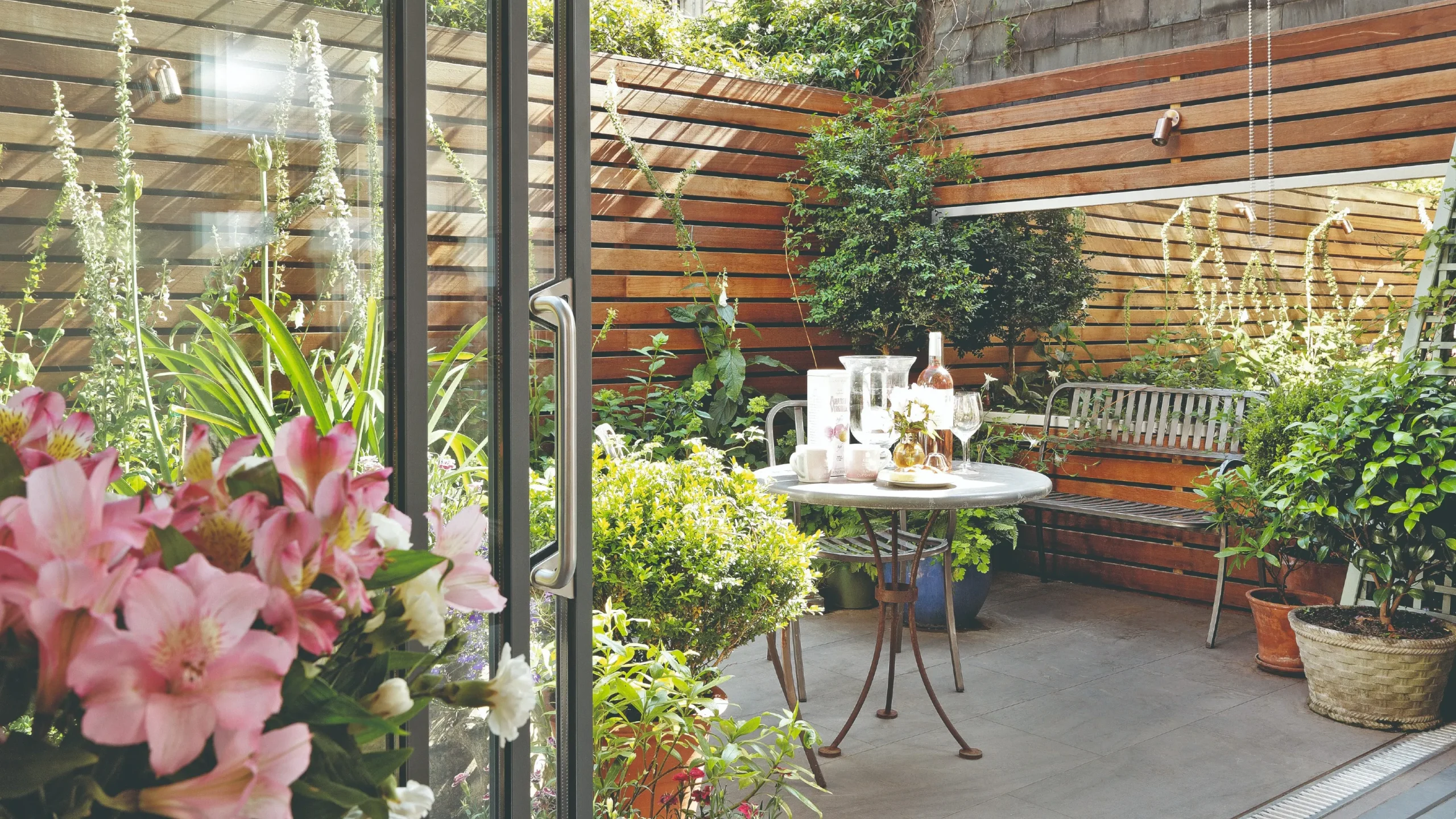
A small patio can be much more than a few chairs sitting on a concrete slab. With the right layout, furniture, lighting, plants, and decor, even a very small outdoor area can become a comfortable extension of your home. The key is not to put more things into the space. Instead, every item should have a clear purpose. Recent small-patio design guidance from professional design publications focuses heavily on scale, flexible furniture, defined zones, privacy, lighting, and reducing visual clutter.
Quick answer: Small patio ideas work best when you pick right-size furniture, keep the center open, and add vertical plants, warm light, and one privacy screen, because a tiny patio feels like a real room when every piece earns its place. Start with a bistro set and a rug, then add shade and layered lighting.
Start by Deciding How You Want to Use Your Small Patio
Before buying patio furniture or choosing outdoor decorations, decide what the patio needs to do for you. This is one of the most important steps in a small patio makeover because limited space cannot comfortably support every possible activity. A patio designed mainly for morning coffee will need different furniture from one designed for family meals or evening entertaining. For a relaxing patio, two comfortable chairs, a small table, an outdoor rug, and soft lighting may be enough. For dining, a compact round table with folding chairs can make better use of the available floor area. For reading, a comfortable lounge chair and a small side table may be more useful than a complete patio furniture set. Architectural Digest’s recent guidance similarly recommends deciding how the space will be used before adding furniture and avoiding unnecessary pieces that create visual clutter.
Think about your patio as an outdoor room rather than an empty space that needs to be filled. Start with one main purpose and build the design around it. You can create a small outdoor living room, breakfast corner, garden retreat, reading space, or entertaining area without needing a large yard. Measure the usable floor area first, including where doors open and where people normally walk. Then mark the areas that need to remain clear. This simple planning step can prevent one of the most common small patio problems: buying furniture that looks attractive in a store but leaves no comfortable walking space at home. A good design should allow people to enter, sit, stand, and move around without constantly bumping into furniture. Once the main purpose is clear, choosing colors, materials, plants, lighting, and accessories becomes much easier.
Choose Furniture That Fits the Patio Instead of Filling It
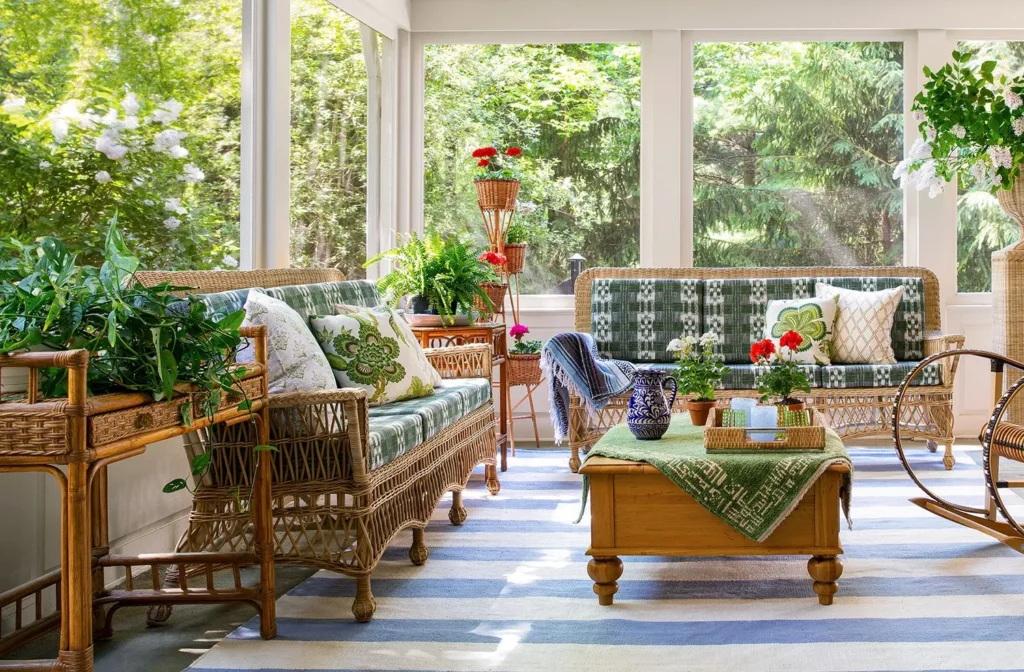
Furniture has one of the biggest effects on how a small patio feels. Large sofas, deep lounge chairs, wide dining tables, and oversized coffee tables can quickly consume the available floor space. Instead, look for furniture that has a smaller footprint and can perform more than one job. A compact bistro table can provide a place for coffee, meals, or working outside. A bench can provide seating for several people while staying close to a wall or fence. Folding chairs can be stored when they are not needed, while nesting tables can be separated when guests arrive and stacked when you need more open floor space. Recent patio design advice also highlights folding, stackable, modular, and built-in seating as useful solutions for compact outdoor areas.
Do not automatically buy a matching patio furniture set. A complete set may contain pieces that you do not really need. Instead, choose individual pieces according to your actual space. For example, a narrow patio might work better with a wall-side bench, two lightweight chairs, and a small round table than with a traditional loveseat and rectangular coffee table. Furniture with storage is another smart choice. A storage bench can hold cushions, gardening tools, blankets, or outdoor toys without requiring a separate storage box. When choosing materials, consider weather exposure, cleaning requirements, and the amount of maintenance you are willing to do. Outdoor fabrics should be suitable for exterior use, and cushions should be easy to remove and store when the weather changes. The best small patio furniture is not simply attractive; it earns its place by providing comfort, flexibility, storage, or more than one function.
Use the Layout to Make a Small Patio Feel Bigger
A good layout can make a small patio feel surprisingly open. Start by keeping the main walking path clear, especially if the patio is directly outside a back door. Avoid placing a chair, table, or large planter directly in the natural route between the house and garden. Whenever possible, push furniture toward the edges and keep a simple open area in the center. This creates visual breathing room and makes the patio easier to move through. A small round table can also improve circulation because it does not have sharp corners extending into walking paths. For narrow patios, a bench placed along the longest wall can provide seating without dividing the space. For square patios, a small conversation arrangement can create a clear central zone. Designers increasingly treat compact patios as outdoor rooms, meaning proportion and scale should be considered in much the same way as they are indoors.
You can also create the feeling of separate zones without physically dividing the patio. An outdoor rug can define a seating area, while a small planter can visually separate dining from lounging. Lighting can define another zone after dark. For example, string lights above a seating area can make it feel like a small outdoor living room, while a lantern near the table can create a dining focal point. Avoid too many patterns, colors, and materials because visual complexity can make a small space feel even smaller. A simple palette of two or three main colors usually works well. You might use warm wood, cream textiles, and green plants for a natural look, or charcoal, gray, and white for a modern patio. The goal is not to make the patio look empty. It is to make every area easy to understand.
Add Vertical Plants Instead of Covering the Floor
Plants can transform a small patio, but too many large pots on the floor can quickly remove valuable walking and seating space. Vertical gardening is therefore one of the most useful small patio ideas. Use wall-mounted planters, hanging baskets, narrow trellises, tall containers, or climbing plants to bring greenery upward. A tall, narrow planter can create height without taking as much floor space as a wide planting bed. A trellis with a suitable climbing plant can also soften a plain wall or fence while adding privacy. Container gardening is particularly useful where there is little or no garden soil. The Royal Horticultural Society notes that containers are well suited to patios and other areas where soil space is limited, although container plants need regular watering and good drainage.
When choosing patio plants, pay attention to sunlight, wind, temperature, watering needs, and the size of the mature plant. Do not choose a plant only because it looks good at the garden center. A plant that becomes very wide may overwhelm a tiny patio within a season or two. Consider combining different heights rather than filling the floor with many small pots. One taller plant can create a vertical focal point, medium-height plants can soften seating areas, and trailing plants can add movement from shelves or hanging baskets. Herbs such as rosemary, thyme, and mint can also make a patio more useful, although individual plants have different growing requirements. For a low-maintenance design, group plants with similar watering and light needs together. The result should feel like a small garden room rather than a collection of unrelated pots.
Related: Top 10 Tacky Small Living Room Decor Mistakes – Designer Advice
Create Privacy Without Making the Patio Feel Closed In
Add privacy with tall planters, narrow trees, trellises, outdoor curtains, or screens that block the view without closing in the patio. The challenge is to block unwanted views without creating a heavy wall that makes the patio feel smaller. Tall planters, narrow trees, trellises, outdoor curtains, screens, and climbing plants can provide privacy while keeping the design attractive. A row of carefully placed plants can soften a boundary while still allowing light through. Recent small-patio design guidance specifically recommends tall leafy container plants and carefully positioned furniture as ways to create privacy without completely closing the space.
Think about privacy from the direction where people actually look into the patio. You may not need a screen around every side. One privacy panel on the exposed side can be enough. A high-backed bench or compact sectional can also act as a visual barrier while providing seating. If the patio is overlooked from an upper floor, consider overhead elements such as a pergola, shade sail, or climbing structure, provided the structure is suitable for your property and local conditions. Outdoor curtains can provide flexible privacy because they can be opened when you want more light and closed when you want a more enclosed feeling. Avoid using too many tall barriers in a very small space. One carefully positioned privacy feature often works better than surrounding the entire patio with walls, screens, and large plants.
Use Lighting to Turn a Small Patio Into an Evening Room
Lighting can completely change the atmosphere of a small patio after sunset. Instead of relying on one very bright light, use several softer sources at different heights. String lights can provide overhead illumination, wall lights can brighten vertical surfaces, and lanterns can add a warm glow around seating. Small solar lights can highlight plants or pathways without taking up much room. Layered lighting is especially useful in compact spaces because it creates depth and gives different areas a purpose after dark. Current outdoor-decor guidance recommends combining overhead, mid-level, and low-level lighting rather than relying on one source.
The most important thing is to avoid making the patio too bright. A small patio usually feels more comfortable when lighting is soft and directed rather than harsh and exposed. Use lighting to highlight the things you want people to notice: a beautiful plant, seating area, textured wall, or dining table. If you use string lights, keep them high enough that people will not hit them while standing or walking. Outdoor electrical equipment should be appropriate for exterior use, and permanent electrical work should be handled safely according to local requirements. Candles and lanterns can create atmosphere, but open flames should be placed securely away from fabrics and anything that can burn. With thoughtful lighting, even a basic concrete patio can feel like a finished outdoor living room.
Make a Small Concrete Patio Look More Stylish
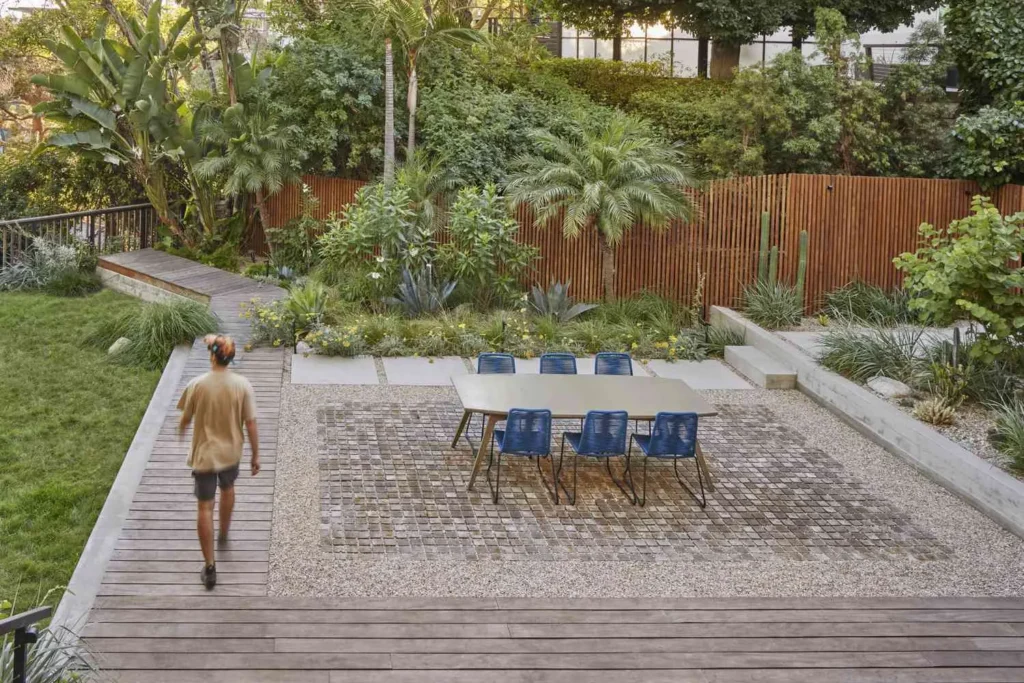
A plain concrete patio does not need to be removed to create a beautiful outdoor space. In many cases, the existing surface can become the foundation for a complete design. An outdoor rug is one of the easiest ways to visually define a seating area and introduce color or texture. Large planters can soften hard edges, while furniture in natural wood, metal, or woven materials can add warmth. If the concrete is structurally sound, suitable outdoor paint or a professional resurfacing treatment may also change its appearance. Before applying any coating, make sure the surface is clean, dry, suitable for the product, and properly prepared. Moisture and poor preparation can cause finishes to fail.
Flooring changes can also create a more intentional design. Outdoor-rated tiles, pavers, deck tiles, or other suitable surfaces can give an old patio a fresh appearance, but the choice should match the existing drainage and construction. Do not cover drainage points or create a surface that directs water toward the house. For a small patio, keeping the flooring simple is often more effective than combining many different patterns. A continuous surface can help the area look calmer and more spacious. If you want to add contrast, use the furniture, rug, cushions, and plants rather than creating a complicated floor pattern. The patio should look like one coordinated room, not several small design projects competing for attention.
Add Shade So the Patio Can Be Used During the Day
Add shade so the patio stays usable in the afternoon heat. Shade can make a small patio more comfortable and can also help define the outdoor room. Depending on the space, options include a cantilever umbrella, wall-mounted shade, shade sail, pergola, retractable awning, or a simple outdoor umbrella. A smaller umbrella can be particularly useful because it can be moved or folded away when you need more open space. A pergola can provide a stronger architectural feature and can support lighting or suitable climbing plants, but it requires more planning and may be subject to local building requirements.
Choose shade according to the direction of the sun rather than simply buying the largest covering possible. Observe where the sunlight falls during the hours when you normally use the patio. A smaller shade positioned correctly can be more useful than a large structure in the wrong location. Also consider wind because umbrellas and lightweight shade structures can become unstable in strong conditions. If the patio is very small, a wall-mounted or retractable solution may preserve more floor area than a large freestanding structure. Shade should make the patio more usable without making it visually heavy. When combined with comfortable seating, plants, and appropriate lighting, it can help turn a small patio into a genuine extension of the home.
Try a Small Patio Makeover on a Budget
You do not need to replace everything to convert a small patio into a better space. Start by removing items that are broken, rarely used, oversized, or simply taking up floor space. Then clean the patio thoroughly and evaluate what can be reused. A simple furniture rearrangement can sometimes make a larger difference than buying new furniture. Add one strong focal point, such as a comfortable bench, attractive planter, outdoor rug, or compact bistro table. From there, add smaller details only when they solve a real design or comfort problem. Budget-friendly small outdoor spaces can be improved through smart layouts and carefully selected upgrades rather than expensive renovations.
A useful way to control spending is to divide the project into stages. First fix function: seating, walking space, shade, and drainage. Next improve appearance with flooring, paint, plants, or textiles. Finally add atmosphere with lighting and accessories. This prevents you from spending most of your budget on decorations before solving basic comfort issues. You can also reuse furniture from other parts of your home if the material and weather conditions allow it. An old stool can become a plant stand, a narrow shelf can hold outdoor accessories, and a suitable storage bench can provide both seating and organization. The best budget patio is not the one with the most inexpensive decorations. It is the one where each dollar improves how the space looks, feels, or functions.
Small Patio Ideas for Different Patio Shapes
A narrow patio needs a different approach from a square patio. For a long, narrow area, place seating along one side and keep the main path open. A slim bench, folding chairs, or a narrow bistro table can work well. For a square patio, you have more flexibility and can create a small conversation zone in the center or place furniture along two adjoining sides. A tiny corner patio may need only two chairs and a small table, while a larger compact patio could accommodate a bench and dining table if both are properly scaled. The shape of the patio should guide the layout rather than forcing a particular furniture arrangement into the available space.
For apartment patios and balconies, check building rules before attaching screens, lighting, planters, or other items to walls and railings. Weight is also important on elevated structures, so avoid adding heavy planters or furniture without confirming what is permitted. For a townhouse patio, vertical privacy features and wall-hugging furniture can make the space more comfortable. For a small backyard patio, use plants and a simple transition into the garden to make the patio feel connected to the wider landscape. If the patio is covered, focus on lighting, comfortable textiles, and ventilation. If it is completely open, prioritize shade, weather-resistant furniture, and drainage. The same small patio ideas can therefore be adapted to different homes by changing the scale and placement of each element.
Related: How to Organize a Kid’s Closet – Simple and Practical Ideas
Use Color and Texture to Give the Patio Personality
Color is an easy way to give a small patio a strong design identity without adding more objects. Start with the existing colors of your home, fence, flooring, and garden. Then choose one main neutral and one or two accent colors. For example, beige and natural wood can create a warm relaxed patio, while gray and black can create a modern look. Green plants work with almost every palette and can provide natural color without making the design feel busy. If you like brighter colors, use them through cushions, rugs, pots, or small accessories that can be changed later.
Texture is just as important as color. A small patio can feel flat if every surface is smooth and hard. Add woven furniture, textured cushions, natural wood, stone-look planters, outdoor rugs, and leafy plants to create visual depth. However, avoid using too many different textures at once. A few repeated materials will make the patio feel more intentional. For example, you could repeat wood in the furniture and planters, then use one fabric color in the cushions and rug. This creates a visual connection between separate items. The result is a patio that feels designed rather than simply decorated.
Common Small Patio Decorating Mistakes to Avoid
One of the biggest mistakes is overcrowding the patio. People often try to include a sofa, dining table, fire feature, multiple planters, storage, decorations, and several chairs because each item looks useful on its own. Together, however, they can make the space difficult to use. Recent professional advice emphasizes clarity and editing in small patios: fewer well-considered pieces can create a stronger result than many competing elements. Another common mistake is choosing furniture based on appearance alone. Always measure the furniture, compare those measurements with your usable patio area, and account for space needed to pull chairs away from tables.
Another mistake is ignoring maintenance. A patio filled with many plants may look beautiful at first but can become difficult to water and prune. Containers require regular care, and their drainage needs to be considered carefully. Avoid blocking drains, covering access points, or placing fragile accessories where weather can damage them. Also think about where cushions will go during rain or winter. Storage should be part of the design rather than an afterthought. Finally, do not copy a large luxury patio exactly. What works in a huge backyard may feel oversized in a compact space. Use the design idea, but adapt its scale to your own patio.
Frequently Asked Questions About Small Patio Ideas
How do I make a small patio look bigger?
Keep the center as open as possible, use appropriately scaled furniture, choose a simple color palette, and use vertical space for plants and lighting. A continuous floor treatment and furniture placed toward the edges can also help the patio feel less crowded.
What furniture is best for a very small patio?
Folding chairs, compact bistro sets, wall-side benches, nesting tables, and multifunctional storage seating are useful choices. The best furniture depends on how you plan to use the patio, but flexibility is especially valuable when floor space is limited.
How can I add privacy to a small patio?
Try tall planters, narrow trees, trellises, climbing plants, outdoor curtains, or one strategically positioned privacy screen. You usually do not need to enclose every side of the patio.
What plants are good for a small patio?
Choose plants according to the amount of sunlight, wind, temperature, and maintenance you can provide. Containers allow you to grow many different plants where ground space is limited, but drainage and regular watering are important.
How can I decorate a small patio cheaply?
Start by rearranging what you already own. Then focus your budget on one or two high-impact improvements, such as a compact seating piece, outdoor rug, planter, shade solution, or lighting. Avoid buying many small decorations that quickly create clutter.
How do I make a concrete patio look better?
Clean the surface, add an outdoor rug, introduce plants, use attractive furniture, and consider an appropriate outdoor coating or resurfacing option if the concrete is suitable. Keep the color and pattern simple so the small area does not look busy.
How do I make a small patio cozy at night?
Use layered lighting such as string lights, lanterns, wall lighting, and low-level accent lights. Add comfortable outdoor cushions and one or two soft textiles that are suitable for exterior use.
Can a small patio become an outdoor living room?
Yes. Treat the patio like a room by defining a floor, seating area, lighting, shade or overhead element, and a sense of privacy. You do not need a large footprint; you need a clear purpose and furniture that fits the available space.
Conclusion
The best small patio ideas converted into real improvements are not necessarily expensive or complicated. A successful transformation starts by understanding how the space will be used. Once you know whether the patio is mainly for dining, relaxing, reading, entertaining, gardening, or morning coffee, you can choose furniture and decor that support that purpose. Keep the layout simple, protect the walking path, choose furniture that fits the scale of the patio, and use vertical space for plants and privacy. These decisions can make a compact outdoor area feel much more useful.
Think of your patio as a small outdoor room rather than leftover space. Add comfortable seating, suitable shade, layered lighting, a few carefully chosen plants, and a consistent color palette. Avoid overcrowding and give every item a reason to be there. With thoughtful planning, even a narrow concrete slab, apartment patio, townhouse courtyard, or tiny backyard corner can become a beautiful part of the home. The goal is not to make a small patio look large. The goal is to make its limited space work beautifully for the people who use it.
Small Patio Ideas: What a Patio Makeover Costs
Most small patio ideas cost less than a new sofa. The table below shows typical prices for the changes in this guide. These small patio ideas fit a 6 x 8 foot patio as well as a 10 x 12 foot one.
| Change | Typical cost | Time needed |
|---|---|---|
| Outdoor rug, 5 x 7 ft | $40–$120 | 10 minutes |
| Bistro set (table + 2 chairs) | $80–$250 | 30 minutes |
| String lights, 25 ft | $15–$40 | 20 minutes |
| Wall-mounted planters (set of 3) | $25–$60 | 30 minutes |
| Outdoor curtains (pair) | $30–$80 | 30 minutes |
| Deck tiles, 10 x 10 ft area | $100–$300 | 2–3 hours |
| Foldable lounge chair | $50–$150 | 5 minutes |
| Small fire pit (tabletop) | $30–$80 | 10 minutes |
| Storage bench | $60–$150 | 30 minutes |
A full small patio ideas refresh with a rug, lights, seating, and plants often costs $250 to $600 and takes one weekend. Start with the rug and lights — those two changes alone make the biggest difference for the least money.
Small Patio Ideas for Renters
Small patio ideas for renters need to be easy to undo. Here are changes that leave no marks:
- Deck tiles that click together. They sit on top of concrete and lift off when you move. No glue, no screws.
- Freestanding planters. Tall planters add privacy without drilling into a wall or railing.
- A tension rod with outdoor curtains. It fits between two walls and comes down in minutes.
- Battery or solar lights. String lights and lanterns need no wiring and no holes.
- Folding furniture. A bistro set folds flat for moving day and stores in a closet in winter.
These small patio ideas keep your deposit safe. Keep the original patio as you found it. Photograph it before you start, and keep the receipts for anything you add.
More Small Patio Ideas Mistakes to Avoid
Good small patio ideas start with a tape measure, not a shopping cart.
- Buying furniture before measuring. A 3-seat sofa will not fit a 6 x 8 foot patio. Measure first, then shop.
- Using indoor fabric outside. Indoor cushions soak up rain and grow mold. Use outdoor-rated fabric that dries fast.
- Blocking the door. Leave a clear path from the house door to the patio steps. A blocked door is a trip hazard.
- Forgetting drainage. A rug that holds water will stain the concrete. Pick a rug that drains and dries fast.
- Lighting only from above. One bright porch light flattens the patio. Add low lanterns and string lights at eye level.
- Planting without checking sun. A plant that needs full sun will fail on a shaded patio. Match the plant to the light you have.
More Small Patio Ideas Questions
How much do small patio ideas cost?
A light refresh with a rug, lights, and plants costs $100 to $250. A full makeover with new furniture, deck tiles, and shade costs $400 to $900. Renters can do the same look for less with folding furniture and click-together tiles.
What are the best small patio ideas for a concrete slab?
Start with an outdoor rug to cover the concrete, then add deck tiles or paint if the slab is sound. A bistro set and a few planters soften the edges. String lights overhead turn a plain slab into an evening room.
How do I make a small patio look bigger?
Keep the center open, use furniture with thin legs, and pick one color palette. These small patio ideas keep the floor visible and the center open. A mirror on the wall or a light-colored rug makes the space feel wider. Avoid large, dark pieces that fill the floor.
Can small patio ideas work on a balcony?
Yes. Use a folding bistro set, wall planters, and a narrow bench. Check the building rules first — many balconies have weight limits and rules about railings and lights.
What plants work best for small patio ideas?
Herbs like basil, mint, and rosemary grow well in pots and smell good. For color, try petunias, marigolds, or geraniums. For privacy, use tall grasses or a small trellis with climbing jasmine. Pick plants that fit your sun and watering habits.
How do I keep a small patio tidy?
Use a storage bench for cushions and tools, and limit the decor to a few large pieces. Sweep once a week and wipe the furniture after rain. A tidy patio feels bigger than a cluttered one.
Small patio ideas work best when you pick a few changes and do them well. For the yard around the patio, our backyard landscaping calculator helps you plan beds and paths. For evening light, our stylish outdoor fireplaces guide shows safe options for small spaces. For plant care basics, the Old Farmer’s Almanac planting guides are a solid reference.
These small patio ideas prove that a tiny outdoor space can feel like a real room. Start with the rug and lights, and let these small patio ideas grow from there.