A storage unit can be a very useful part of managing your home, but it is not something every homeowner needs. The right time to rent one is usually when your home, move, renovation, or life situation creates a temporary need for more space. For example, you may be moving out of your current house before your new home is ready. You may be renovating several rooms and need to protect your furniture from dust and damage. You may also be downsizing and need more time to decide what to keep, sell, donate, or give away. In situations like these, a storage unit can give you breathing room without forcing you to make rushed decisions. Current moving guidance also identifies mismatched moving dates, renovations, downsizing, and temporary transitions as common reasons people use storage.
For a home decor enthusiast, storage can also be useful when you have seasonal decorations, furniture that you plan to use later, family keepsakes, or home accessories that do not fit your current design. However, renting a unit should not become an excuse to keep everything. If you are storing things you already know you will never use, you may simply be paying every month to delay decluttering. Professional organizing advice recommends making thoughtful decisions before a move rather than carrying unnecessary clutter into the next home. The goal is not simply to have more storage. The goal is to create a home that feels comfortable, organized, attractive, and easy to live in.
When Should You Get a Storage Unit?
You should consider a storage unit when you have a clear reason for temporarily moving belongings out of your home and you have a realistic plan for how long you will need the space. The most common example is a gap between two homes. Imagine that your lease ends on June 1, but your new house is not ready until June 20. You still need somewhere safe for your sofa, dining table, bedroom furniture, boxes, and other belongings. A storage unit can bridge that gap. Storage is also useful during home renovations because furniture can be moved away from construction dust, paint, tools, and workers. In these situations, the unit is solving a specific problem rather than simply providing extra space.
You may also need storage when your lifestyle changes. Downsizing, moving to a smaller apartment, temporarily living somewhere else, or traveling for an extended period can leave you with more belongings than your current home can hold. A storage unit gives you time to make decisions instead of throwing away valuable or meaningful things simply because you are under pressure. Before renting, however, ask yourself three questions: Why do I need storage? How long will I need it? What exactly will I put inside? If you can answer all three clearly, storage may be a practical solution. If you cannot explain why you need the unit or what you will store, start with decluttering and better organization inside your home.
Quick decision table
| Situation | Storage Unit? | Why |
|---|---|---|
| Moving dates do not match | Yes | Creates a temporary bridge |
| Home renovation | Often yes | Protects furniture |
| Downsizing | Sometimes | Gives you time to decide |
| Seasonal decorations | Maybe | Keeps your home uncluttered |
| Too many items you never use | No | Decluttering is better |
| Temporary relocation | Often yes | Keeps belongings safe |
| Staging a home for sale | Sometimes | Creates a cleaner look |
| Need space permanently | Maybe | Consider built-in storage first |
1. You Are Moving Between Homes

Moving between homes is one of the clearest reasons to rent a storage unit. A perfect move would mean leaving one house in the morning and entering the next house the same day, but real moves are often less predictable. Closing dates can change, a rental can end before the next property is available, or construction can delay your move-in date. Instead of keeping all your furniture in a truck, asking friends and family for space, or paying for repeated moving services, a storage unit can give your belongings a temporary home. Storage guidance commonly describes date mismatches as one of the main reasons people use temporary storage during a move.
This can also make your move easier from a home-design perspective. Rather than moving every item directly into your new house, you can bring in the essentials first and think about the layout before unpacking everything. This is especially helpful if you are moving into a smaller or differently shaped home. You can decide where the sofa should go, how much furniture the bedroom really needs, and which decorative pieces fit the new style. If some items do not work in the new space, you can decide later whether to sell, donate, give away, or keep them. A storage unit therefore gives you time, but it should have a purpose and an end date.
Important points
- Confirm your move-out and move-in dates.
- Ask about the minimum rental period.
- Check whether the unit is month-to-month.
- Leave enough time for unexpected delays.
- Create an inventory before storing your belongings.
- Keep important documents and valuables with you.
- Do not store everything without first sorting it.
Related: Small Patio Ideas Converted – Smart Ways to Transform a Tiny Outdoor Space
2. You Are Renovating Your Home

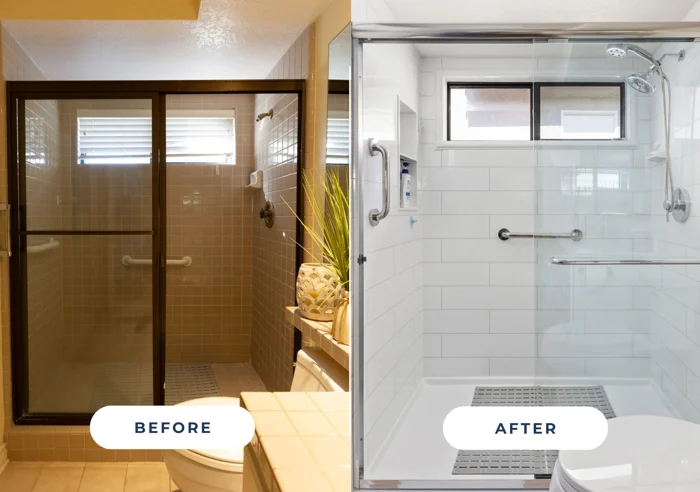
A home renovation is another strong reason to consider temporary storage. Even a small renovation can create dust, paint splashes, sawdust, tools, construction materials, and constant movement through rooms. If you are replacing flooring, painting walls, remodeling a kitchen, updating a bathroom, or completing several rooms at once, furniture can become an obstacle. Moving furniture into a storage unit can give workers more room and reduce the chance of accidental damage. A storage unit can be particularly useful when you want to protect expensive sofas, wooden furniture, rugs, artwork, or decorative pieces while work is happening. Storage guides identify renovation as a common short-term reason for renting storage.
Before putting furniture into storage, prepare it properly. Clean upholstered pieces before wrapping them, make sure wooden furniture is dry, and avoid sealing anything damp inside plastic. Mattresses should be protected with suitable covers and kept off the floor where possible. Fragile home accessories should be wrapped individually and placed in strong boxes. Label each box with the room and general contents so you do not have to open every box later. If your renovation will last only a few weeks, you may not need a large unit. Measure the furniture first and rent enough space for safe storage rather than paying for unused square footage.
Renovation storage checklist
| Item | Preparation |
|---|---|
| Sofa | Clean, dry and cover |
| Wooden furniture | Clean and protect surfaces |
| Mattress | Use a breathable protective cover |
| Rugs | Clean and roll properly |
| Artwork | Wrap and protect corners |
| Electronics | Use original boxes if available |
| Kitchen items | Clean and pack securely |
| Small decor | Wrap individually |
3. You Are Downsizing to a Smaller Home

Downsizing can be exciting, but it can also create a difficult storage problem. A larger house may have enough room for extra chairs, cabinets, seasonal decorations, old books, family furniture, children’s belongings, and boxes that have not been opened for years. When you move into a smaller apartment, townhouse, or retirement home, everything may no longer fit. A storage unit can provide a temporary place for belongings while you decide what deserves a place in your new home. This can be especially helpful when the items have sentimental value and you do not want to make an immediate decision. Recent decluttering guidance emphasizes sorting belongings before or during a move so unnecessary items do not automatically follow you into the next home.
However, downsizing is also one situation where you should be careful about using storage indefinitely. A storage unit can easily become a place where undecided belongings disappear from your daily life. Months later, you may still be paying for boxes you have not opened. Instead, create a timeline. For example, give yourself three or six months to decide what stays. Divide your belongings into categories such as keep, sell, donate, family, recycle, and discard. If you still cannot make a decision about something, ask whether you would pay to move it again. If the answer is no, it may not deserve permanent storage.
A simple downsizing method
- Start with one room.
- Remove obvious rubbish first.
- Separate everyday essentials.
- Identify valuable or sentimental items.
- Measure furniture before deciding to keep it.
- Photograph large pieces you may sell.
- Donate useful items instead of storing them forever.
- Give yourself a deadline for stored belongings.
4. You Need to Stage Your Home Before Selling
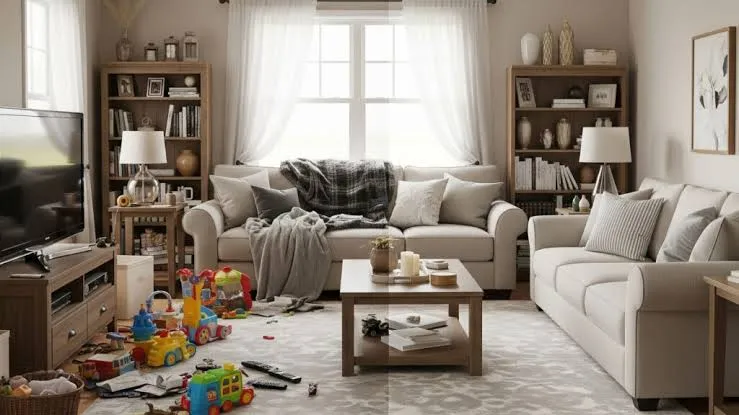
Home staging is another situation where temporary storage can make sense. When buyers walk into a home, they need to see the rooms clearly. Too much furniture, excessive decoration, crowded shelves, piles of boxes, and overfilled closets can make rooms feel smaller. Removing some belongings can create more visual space and help potential buyers understand how each room could be used. Current home organization advice also notes that visible clutter can make a home feel less calm and that hidden or well-planned storage can improve the appearance of a space.
You do not need to empty your entire house to stage it. Start with the rooms that look crowded. Remove extra side tables, duplicate chairs, large decorative collections, oversized accessories, excess toys, personal paperwork, and furniture that blocks walking paths. Store only the items that you genuinely plan to keep after the sale. If you are uncertain whether something will be needed later, include it in your storage inventory. Once the home sells and you move, you can decide where those belongings belong. The goal is to make your home feel open and functional without making it look empty or cold.
What to consider storing when staging
- Extra furniture
- Seasonal decorations
- Excess books
- Large collections
- Children’s toys
- Extra kitchen equipment
- Personal photographs
- Oversized decorative accessories
- Clothing that is out of season
- Extra lamps and side tables
5. You Have Seasonal Decorations and Limited Home Storage
Seasonal decorations can quickly take over closets, garages, basements, and spare bedrooms. Christmas decorations, Halloween items, outdoor furniture, holiday dishes, artificial trees, garden accessories, and seasonal clothing may be used for only a few weeks each year. If your home has limited storage space, a storage unit can keep these items out of your everyday living areas. This can be particularly useful when your home is small and you want to maintain a clean interior throughout the year.
But seasonal storage only makes financial sense when the items are genuinely valuable to you and you have enough of them to justify the cost. If you have only a few boxes of decorations, an organized closet, attic shelf, under-bed container, or storage bench may be a better option. Think about how often you use each item before paying for off-site storage. You should also label seasonal boxes clearly. For example, use labels such as Christmas lights, summer patio decor, fall decorations, or winter clothing. Keep an inventory on your phone so you know what is stored without opening every box.
Better seasonal storage organization
| Storage method | Best for |
|---|---|
| Under-bed boxes | Clothing and small decorations |
| Closet shelves | Small seasonal items |
| Storage ottoman | Blankets and soft accessories |
| Garage shelving | Outdoor and large items |
| Attic containers | Lightweight seasonal items |
| Storage unit | Large collections and furniture |
6. You Are Temporarily Relocating
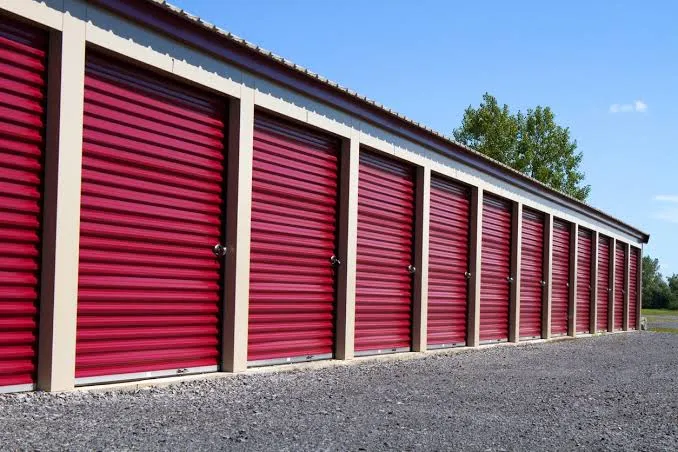
A temporary relocation can make a storage unit very useful. You may be moving to another city for work, studying somewhere else for a year, spending an extended period abroad, or temporarily living with family. Taking every piece of furniture with you may be expensive or impractical, especially when you expect to return home. Selling everything can also create unnecessary replacement costs later. In this situation, storage can act as a temporary home for furniture, decorations, appliances, and other belongings that you do not need immediately.
Before choosing storage for a temporary relocation, calculate the full cost. Include the monthly unit price, moving costs, insurance or protection, packing supplies, and the cost of moving everything back later. Compare that total with the realistic cost of selling and replacing your belongings. Do not automatically store inexpensive items simply because you own them. If a basic piece of furniture would cost less to replace than several years of storage, selling or donating it may make more sense. For valuable furniture, family heirlooms, artwork, or pieces that would be difficult to replace, storage can be easier to justify.
Ask yourself these questions
- How long will I be away?
- Will I definitely need these items when I return?
- Would replacing them cost more than storage?
- Are the items sentimental or difficult to replace?
- Is my storage facility secure?
- Do the items need climate control?
- Does my insurance cover stored belongings?
7. Your Home Has Become Too Crowded

A crowded home does not always mean you need a storage unit. Sometimes the real problem is poor organization, too much furniture, or belongings that no longer serve a purpose. Before renting storage, walk through every room and look at what is actually taking up space. Are your hallways blocked by furniture? Are closets full of clothes you no longer wear? Are cabinets holding duplicate kitchen items? Are decorative surfaces covered with accessories? Are boxes sitting in corners because you have not decided what to do with them? These questions can reveal whether you need additional storage or simply need to edit what you own.
Professional organizers often emphasize that hidden clutter is still clutter. Simply moving unwanted belongings from the living room into a storage unit does not solve the underlying problem. A storage unit should be used for a clear purpose, not as an unlimited extension of your house. Try decluttering first. Keep items that are useful, meaningful, or genuinely enjoyed. Sell or donate things that are still useful but no longer needed. Dispose of broken or unsafe items responsibly. Once you have completed that process, you may discover that your home already has enough storage.
Storage or decluttering?
| Problem | Better first step |
|---|---|
| Too many old clothes | Declutter |
| Broken furniture | Dispose or repair |
| Seasonal decorations | Organize or store |
| Moving next month | Storage may help |
| Renovation | Storage may help |
| Downsizing | Temporary storage may help |
| Important family items | Consider secure storage |
| Items you never use | Declutter |
Related: Top 10 Best Small Kitchen Design Ideas for a Beautiful, Functional Space
8. You Have Valuable or Sentimental Items That Need Space
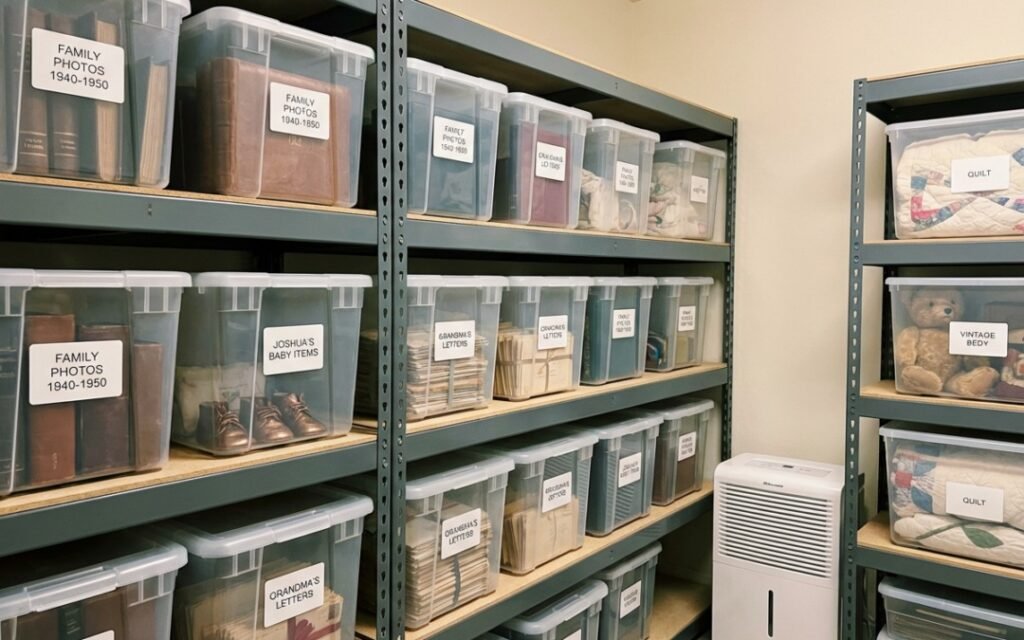
Some belongings are difficult to replace. Family furniture, photographs, artwork, heirlooms, collectibles, and certain decorative pieces may have emotional or financial value. If you cannot safely keep these items in your current home, specialized storage may be worth considering. However, not every storage unit is appropriate for sensitive belongings. Temperature, humidity, water, pests, sunlight, security, and handling can all affect stored items. Insurance guidance recommends checking facility security and considering climate-controlled storage for belongings that may be damaged by temperature or moisture changes.
If you are storing valuable items, choose the facility carefully rather than selecting the cheapest option. Ask about access control, cameras, lighting, water protection, fire protection, pest control, and climate conditions. Take photographs before storing each valuable item and keep a written inventory. If your insurance policy may cover belongings away from home, confirm the limits and exclusions before assuming you are protected. Storage insurance requirements and coverage can vary, so read the rental agreement carefully.
Items that may benefit from climate-controlled storage
- Wooden furniture
- Artwork
- Photographs
- Books
- Important documents
- Electronics
- Leather furniture
- Musical instruments
- Collectibles
- Certain fabrics
- Mattresses
- Antiques
How Do You Know What Size Storage Unit You Need?
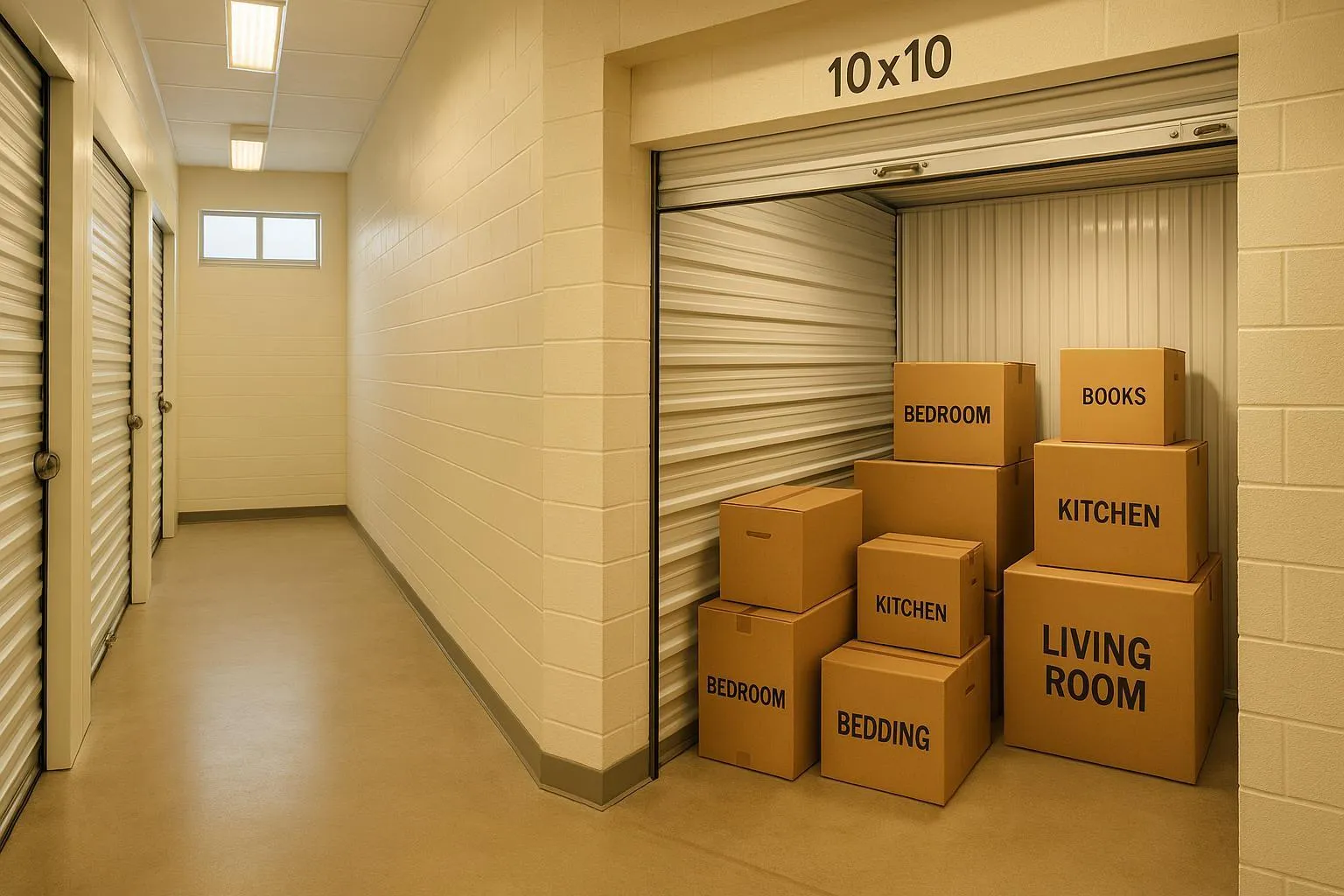
Choosing the right storage size is important because a unit that is too small can force you to stack belongings unsafely, while a unit that is too large can increase your monthly cost. Start by making an inventory of everything you intend to store. Measure large furniture such as sofas, beds, wardrobes, dining tables, cabinets, and appliances. Then estimate the number of boxes. Many storage providers offer size guides, but the exact amount that fits depends on the shape of your belongings and how efficiently you pack them. Current storage guides commonly describe a 10-by-10-foot unit as a possible fit for belongings from a smaller home, but this should be treated as a general example rather than a guarantee.
Do not pack a unit so tightly that you cannot reach anything. Leave a narrow walkway when possible, especially if you expect to visit the unit during the rental period. Put frequently needed items near the front and heavier boxes toward the bottom. Furniture that can be disassembled should generally be taken apart carefully to save space, with screws and hardware placed in labeled bags. Keep an inventory showing where important items are located. A well-organized unit can hold more usable belongings than a unit where everything is randomly stacked from floor to ceiling.
General storage-size guide
| Approximate unit | Possible use |
|---|---|
| Small locker | Boxes, documents, seasonal items |
| 5 × 5 ft | Small furniture and boxes |
| 5 × 10 ft | Contents of a small room |
| 10 × 10 ft | Furniture and boxes from a smaller home |
| 10 × 15 ft | Larger household contents |
| 10 × 20 ft | Multiple rooms or a larger move |
Important: Storage-unit dimensions and capacity vary by facility. Use the table as a planning guide and confirm the actual dimensions before renting.
What Should You Not Put in a Storage Unit?
Not everything belongs in a storage unit. Facilities can have restrictions on items such as food, flammable materials, chemicals, explosives, perishable goods, and other hazardous materials. You should always read the facility’s rental agreement and prohibited-items list before moving anything into the unit. You should also avoid storing anything that could spoil, leak, attract pests, or create a safety risk. If an item requires special handling, ask the storage company before bringing it inside.
You should also think carefully about important documents, irreplaceable photographs, expensive jewelry, cash, passports, medications, and other belongings that you may need regularly. A storage unit is not the same as a bank vault. If something is extremely valuable or impossible to replace, consider whether storing it somewhere else would provide better protection. For normal household belongings, a secure facility with controlled access, good lighting, surveillance, appropriate protection from moisture, and suitable insurance can reduce common risks.
Items to check before storing
| Item | Storage advice |
|---|---|
| Food | Usually avoid |
| Plants | Avoid |
| Wet items | Never store wet |
| Flammable chemicals | Usually prohibited |
| Important documents | Consider safer accessible storage |
| Jewelry | Keep elsewhere |
| Electronics | Protect from moisture and temperature |
| Furniture | Clean and cover |
| Clothing | Clean and completely dry |
| Photos | Use protective containers |
Should You Choose Climate-Controlled Storage?
Climate-controlled storage can be useful when you are storing items that are sensitive to temperature or humidity. Standard storage may be enough for some durable household belongings, but furniture, electronics, books, photographs, artwork, leather, musical instruments, and certain collectibles may need more stable conditions. The exact meaning of “climate controlled” can vary between facilities, so ask what temperature and humidity controls are actually provided. Insurance and storage guidance notes that dampness and temperature extremes can damage furniture, appliances, and other belongings.
The extra cost may not be necessary for every box. If you are storing metal garden tools or durable plastic containers for a short period, standard storage may be adequate depending on the facility and local conditions. If you are storing a valuable wooden dining table, leather sofa, family photographs, or electronics for several months, environmental protection becomes more important. Think about the replacement cost of the item rather than simply choosing the cheapest storage option. Spending more on suitable conditions may be reasonable when the belongings themselves are difficult or expensive to replace.
Climate-control decision
Consider climate-controlled storage when:
- The item is sensitive to humidity.
- The item has significant financial value.
- The item has sentimental value.
- You plan to store it for a long time.
- The facility has significant temperature changes.
- You are storing wood, leather, books, photographs, or electronics.
How Much Does a Storage Unit Cost?
The cost of a storage unit depends on several factors, including location, unit size, rental length, access type, security, climate control, and availability. Because prices vary considerably between cities and facilities, it is better to compare the total monthly cost than to rely on a single national average. Some facilities also advertise introductory prices that later increase, so read the full rental agreement before signing. Ask about deposits, administrative fees, lock charges, insurance requirements, late fees, and notice periods. A low advertised monthly price is not necessarily the final amount you will pay.
You should also calculate the cost of moving belongings into and out of the unit. Storage can require two additional handling stages: first moving items into storage and later moving them from storage to your home. If you need movers, those costs can become significant. Create a simple budget before renting. Add the monthly storage fee, insurance or protection, transportation, packing materials, and expected rental length. Then compare that total with your alternatives. The cheapest decision is not always the one with the lowest monthly storage price; it is the option that solves your space problem at a reasonable total cost.
Related: 10 Best Bathroom Tile Ideas for Every Style and Budget
Storage budget checklist
| Cost | Include it? |
|---|---|
| Monthly rent | Yes |
| Security deposit | If required |
| Insurance/protection | Check requirement |
| Lock | Possible extra cost |
| Moving truck | Yes |
| Professional movers | If needed |
| Boxes and packing materials | Yes |
| Climate control | If needed |
| Late fees | Check agreement |
| Final moving cost | Yes |
How Should You Prepare Your Home Before Renting Storage?
Before renting a unit, declutter first. This is one of the most important ways to reduce storage costs. There is little value in paying to store broken furniture, unwanted clothing, duplicate kitchenware, old electronics that no longer work, or decorative pieces you have not used for years. Moving is a natural opportunity to review what you own. Recent organizing guidance recommends sorting belongings before packing so you do not spend time and money transporting things that you no longer want.
Once you know what you are keeping, create an inventory. Photograph valuable furniture and fragile items before packing them. Label boxes on several sides so you can identify them even when they are stacked. Use strong boxes of similar sizes where possible because they are easier to stack. Keep heavy items in smaller boxes and lighter items in larger boxes. Do not place fragile decorations underneath heavy furniture. If you disassemble furniture, put screws, brackets, and instructions into labeled bags attached to the furniture. Good preparation makes both storage and the eventual move back into your home much easier.
Before-storage checklist
- Declutter.
- Sell or donate unwanted belongings.
- Photograph valuable items.
- Make an inventory.
- Clean furniture.
- Dry everything completely.
- Label every box.
- Protect fragile pieces.
- Disassemble large furniture when appropriate.
- Check the storage company’s prohibited-items list.
- Confirm insurance or coverage.
- Choose the correct unit size.
How Can You Organize a Storage Unit Like a Professional?
The best storage unit is not simply full; it is organized. Think about the unit as a small room that needs a floor plan. Place large furniture around the edges when possible and create a path toward the back. Put items you will need soon near the entrance. Seasonal belongings that will not be needed for months can go farther back. Do not bury a box of important documents behind a heavy wardrobe. If you know you will need something later, make access to it part of your original plan.
Use clear labels and maintain a digital inventory on your phone. For example, you might record Box 01 — winter blankets, Box 02 — dining accessories, Box 03 — Christmas decorations, and Box 04 — framed artwork. Photograph the inside of the unit after it is organized. This creates a visual reference that can save time later. Leave space around sensitive belongings when possible and avoid placing boxes directly on a floor that could be exposed to moisture. The exact facility rules should always take priority.
A simple storage-unit layout
Front: Frequently needed boxes
Middle: Medium-use household items
Back: Seasonal and long-term storage
Sides: Furniture and large items
Top shelves: Lightweight boxes only
Walkway: Keep accessible
What Should You Look for in a Storage Facility?
Security should be one of your first considerations. Look for controlled access, good lighting, fencing, surveillance, and clear procedures for entering the property. Ask how the facility handles fire, water intrusion, pests, and emergencies. Insurance guidance from the Insurance Information Institute recommends checking security features and asking about risks such as fire and flooding. Do not assume that every storage building offers the same level of protection simply because it has a gate.
Cleanliness and accessibility matter too. Visit the facility before signing if possible. Look at the corridors, floors, doors, and surrounding area. Notice whether the building smells damp. Ask whether you can access your unit whenever you need it or only during specific hours. Find out whether there are elevators, carts, loading areas, vehicle access, or restrictions on how long you can park while loading. A facility can look inexpensive on paper but become inconvenient if every visit is difficult. Choose storage based on the complete service, not just the advertised monthly rent.
Questions to ask the storage company
- What is the exact monthly price?
- Does the price increase after an introductory period?
- Is a deposit required?
- Is insurance required?
- What does the insurance cover?
- Are there additional administrative fees?
- What items are prohibited?
- What are the access hours?
- Is the building climate controlled?
- How secure is the facility?
- What happens if I need to end the rental?
- Is there a notice period?
- Are carts or elevators available?
- Can I access the unit during the rental period?
- What happens if my payment is late?
Is a Storage Unit Better Than Adding Storage to Your Home?
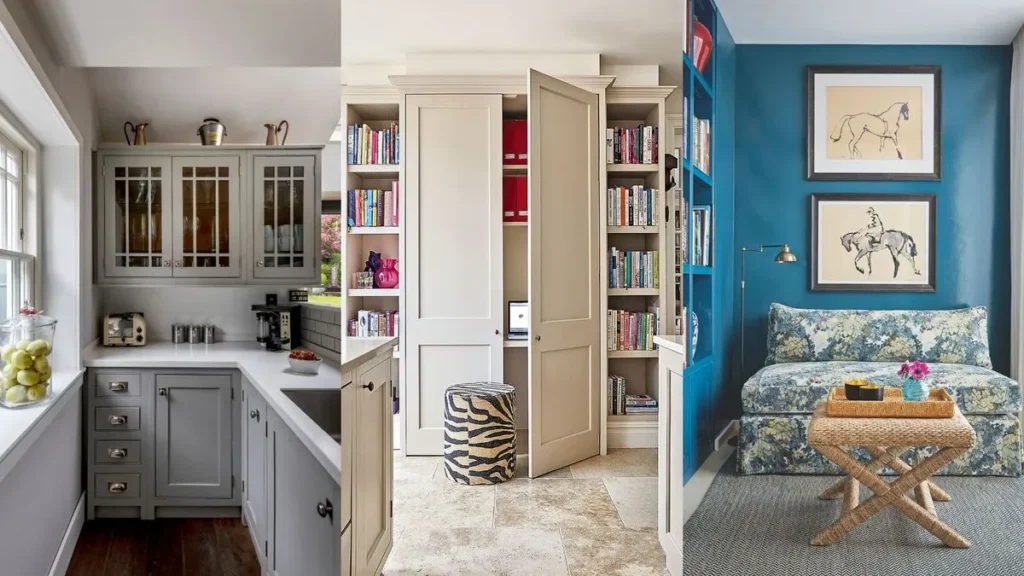
A storage unit is usually a temporary solution, while built-in home storage is a long-term improvement. If your main problem is that your home does not have enough everyday storage, consider whether you can improve the space you already have. Shelving, built-in cabinets, under-bed drawers, storage benches, baskets, wall-mounted organizers, and multipurpose furniture can create useful storage without sending your belongings somewhere else. Good home organization can also make a room feel calmer and more spacious.
For example, a storage ottoman can hold blankets while also providing seating. A bed with drawers can replace several storage boxes. Tall cabinets can use vertical space without taking up a large amount of floor area. Closed cabinets can hide everyday clutter while keeping a room visually clean. These solutions are especially useful when you expect to live in the home for many years. If, however, your need is clearly temporary because of a move, renovation, or short-term relocation, renting a storage unit may be more practical than spending money on permanent construction.
Storage options comparison
| Option | Best for | Long-term value |
|---|---|---|
| Storage unit | Temporary needs | Low to medium |
| Built-in cabinets | Permanent storage | High |
| Storage bed | Bedroom items | High |
| Storage ottoman | Blankets and small items | High |
| Wall shelves | Decor and books | High |
| Decluttering | Unwanted items | Very high |
| Garage shelving | Tools and seasonal items | High |
When Is a Storage Unit Not Worth It?
A storage unit may not be worth the cost when you are using it to avoid making decisions. If you have boxes that have not been opened for years, broken furniture, outdated clothing, duplicate household goods, or inexpensive objects you rarely use, paying monthly rent simply moves the clutter somewhere else. Before renting, calculate how much you expect to pay over six months, one year, and two years. That number can make the decision much clearer.
Storage may also be unnecessary when you can solve the problem with better organization inside your home. If your closet is poorly arranged, adding shelves may be more useful than renting an external unit. If your garage is full of random boxes, sorting and installing shelving may create the space you need. The right solution depends on whether your problem is temporary lack of space or too many belongings. Temporary problems are often good candidates for storage. Permanent clutter usually calls for decluttering and better organization.
Signs you probably do not need storage
- You have not sorted your belongings yet.
- Most stored items are unwanted.
- You are storing broken things.
- You cannot name a reason for keeping the items.
- You expect to store them indefinitely.
- The same items could fit after better organization.
- Storage would cost more than replacing inexpensive belongings.
- You rarely use or value the items.
How Long Should You Keep a Storage Unit?
There is no single correct storage period. Some people need storage for a few weeks while moving, while others may need several months during a renovation or life transition. The important point is to create a review date. When you rent the unit, write down the reason you rented it and the date you expect to reassess it. If you initially planned to keep belongings for three months, review the situation before the fourth month begins. Ask whether the original reason still exists.
Long-term storage deserves extra attention because monthly payments can quietly become a large expense. If you have stored something for a year and still have no realistic plan for using it, reconsider whether it deserves the cost. Some belongings are worth keeping because they are irreplaceable, sentimental, or expensive to replace. Others may not be. The answer should be based on the item’s usefulness, value, emotional importance, replacement cost, and the total amount you are spending to store it.
Storage timeline
| Storage period | Common reason |
|---|---|
| A few weeks | Moving gap |
| 1–3 months | Moving or renovation |
| 3–6 months | Downsizing or temporary relocation |
| 6–12 months | Extended relocation |
| More than 1 year | Valuable or long-term belongings |
Frequently Asked Questions
When should you get a storage unit?
You should consider a storage unit when you have a specific temporary need for additional space. Common situations include moving between homes with a date gap, renovating your house, downsizing, staging your home for sale, temporarily relocating, or storing seasonal belongings. The decision becomes stronger when the belongings are worth keeping and you have a realistic plan for retrieving them later.
Is it better to rent storage or declutter?
If your home contains items you no longer use or want, decluttering is usually the more direct solution. Storage makes more sense when you genuinely want to keep the belongings but temporarily do not have enough space for them. Before renting, separate your belongings into keep, sell, donate, recycle, and discard categories.
How much storage space do I need?
It depends on the number and size of your belongings. Make an inventory and measure large furniture before choosing a unit. Storage companies often provide size guides, but actual capacity depends on how efficiently the unit is packed. Avoid renting a unit that is much larger than necessary.
Do I need climate-controlled storage?
Not always. Climate-controlled storage can be useful for belongings that are sensitive to humidity or temperature changes, such as wooden furniture, artwork, books, photographs, electronics, leather, and certain collectibles. Ask the facility exactly what climate control includes before paying extra for it.
Should I insure my storage unit?
You should understand how your belongings are protected before storing them. Some facilities require proof of insurance, while your existing homeowners or renters policy may provide limited off-premises coverage. Coverage varies, so check your policy and the storage agreement instead of assuming your belongings are automatically protected.
Can I store furniture in a storage unit?
Yes, furniture is commonly stored in storage units, but it should be prepared properly. Clean and dry furniture before storage, protect upholstered pieces, cover surfaces appropriately, and avoid trapping moisture. Valuable or moisture-sensitive furniture may benefit from climate-controlled storage.
What should I not put in a storage unit?
Do not assume that everything can be stored. Facilities commonly restrict hazardous, flammable, perishable, or potentially damaging materials. Always read the facility’s prohibited-items policy. Avoid storing irreplaceable valuables or important items that you need frequent access to unless the storage arrangement is specifically suitable.
Is a storage unit good for a small home?
It can be, especially if your small home has limited closets and you have seasonal items, furniture, or belongings that you genuinely need to keep. However, first look at better organization methods such as vertical shelving, storage furniture, under-bed storage, and decluttering.
How can I save money on a storage unit?
Declutter before renting, choose the smallest practical unit, compare the full monthly cost, ask about promotions and fees, and avoid paying for space you do not use. Pack efficiently and review the rental regularly so you do not continue paying for items you no longer need.
How do I keep a storage unit organized?
Create an inventory, label every box, put frequently needed items near the front, use a walkway, and keep heavy boxes low. Photograph the finished arrangement so you can remember where everything is. Good organization is especially important if you expect to access the unit during the rental period.
Final Thoughts
The best time to get a storage unit is when it solves a clear and temporary home-storage problem. Moving between homes, renovating, downsizing, staging a property, temporarily relocating, or protecting selected belongings can all be legitimate reasons to rent one. The key is to decide what you are storing, why you are storing it, how long you expect to keep it, and how much the complete process will cost. A storage unit should make your life easier rather than become another place where clutter collects.
For a home focused on comfort and design, think of storage as part of a larger organization plan. Start by removing things you no longer need. Then organize what remains inside your home. If you still have a genuine temporary space problem, choose storage carefully and protect your belongings properly. Look for good security, suitable environmental conditions, reasonable access, clear rental terms, and appropriate insurance. With the right plan, a storage unit can help you keep your home cleaner, protect your furniture during major changes, and give you the breathing room needed to create a home that feels organized, beautiful, and comfortable.