

A small room with one ceiling light has a familiar problem: the middle of the room is lit, the corners are not, and everything you actually do — reading, working, putting on makeup, finding the other shoe — happens in the corners. The instinct is to fit a brighter bulb. The better fix is to stop asking one light to do three jobs and split the work into layers, each placed where its job happens.
Quick answer: The best small room lighting ideas use layers: one ceiling light for the base wash, one or two task lights where you read, work or cook, and one or two accents for depth, all on separate switches or dimmers. Aim for 1,500 to 3,000 lumens, with every bulb at the same 2700 to 3000K.
That is what these ten ideas do. None needs a big room, a big budget or an electrician in most cases: a low-profile ceiling light for the base, sconces and slim lamps for the middle heights, strips and pendants where tasks happen, and bulbs chosen by number rather than by habit. Layered light does not just brighten a small room — it erases the dark edges that make it measure small.
In this guide: The Layered Plan at a Glance · Plan Three Layers Before You Buy Anything · A Low-Profile Ceiling Light as the Ambient Base · Wall Sconces: Eye-Level Light, Zero Floor Space · One Slim Floor Lamp for the Dark Corner · Table and Desk Lamps Where the Tasks Happen · Pendants and Under-Cabinet Strips in a Small Kitchen · Mirrors and Pale Shades That Multiply Light · Dimmers and Smart Bulbs: One Room, Three Moods · Layered Vanity Light, Borrowed From the Bathroom · Buy by Lumens and Match the Kelvin · Frequently Asked Questions About Small Room Lighting · Conclusion
The Layered Plan at a Glance
| Layer | Share of the work | Fixtures that do it in a small room |
|---|---|---|
| Ambient | The base wash, ~50% | Flush mount or semi-flush ceiling light |
| Task | Focused light at the point of use, ~35% | Desk lamp, floor lamp, pendants, under-cabinet strips |
| Accent | Depth and glow, ~15% | Sconces, shelf lights, LED strips |
| Control | Mood, on demand | Dimmers and smart bulbs on separate switches |
1. Plan Three Layers Before You Buy Anything
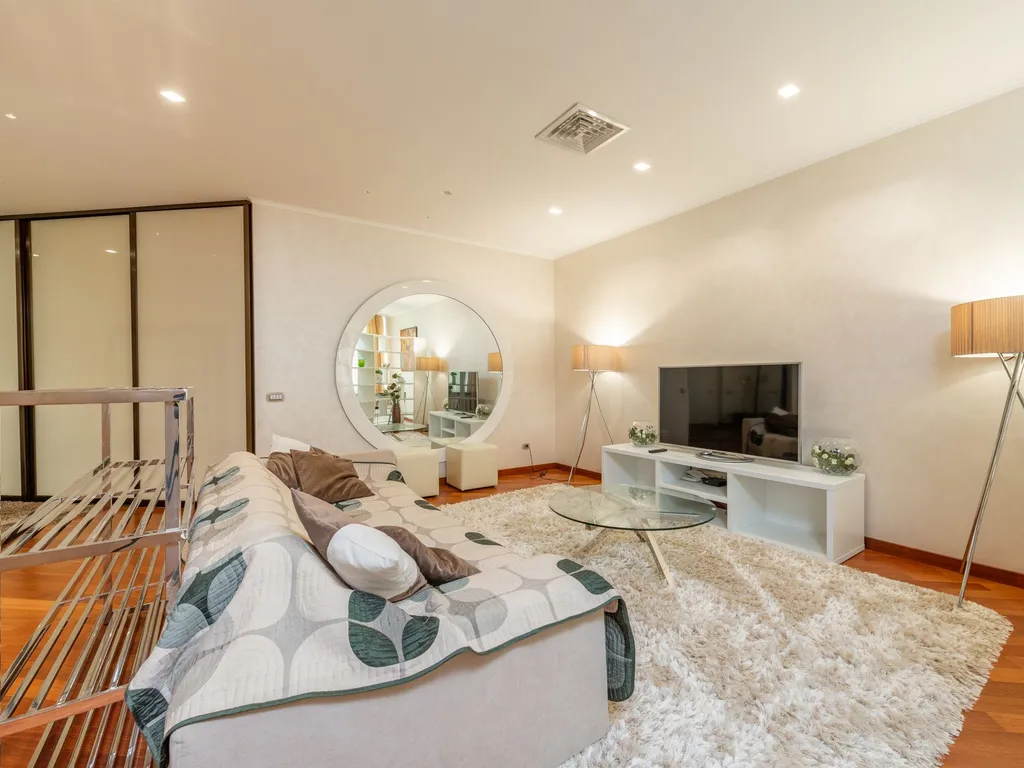
Every small room needs the same three layers: ambient for the general wash, task light aimed at surfaces, and accent light for depth. Ambient light is the general wash that lets you move around safely. Task light is aimed at a surface — a book, a desk, a chopping board. Accent light exists to be looked at as much as to look by: it washes a wall, lights a shelf, gives the room depth. Groundwork Interiors’ guide to lighting a room in layers makes the point sharply: the alternative is not more lights, it is different lights doing different jobs, on different switches.
Plan the layers on paper first. Walk the room and mark where each activity sits, then assign each a layer before you shop. In a small room the count stays modest — one ambient source, two or three task lights, one or two accents — but because each is placed deliberately, the total feels like far more light than a single bright ceiling fitting ever delivers.
2. A Low-Profile Ceiling Light as the Ambient Base
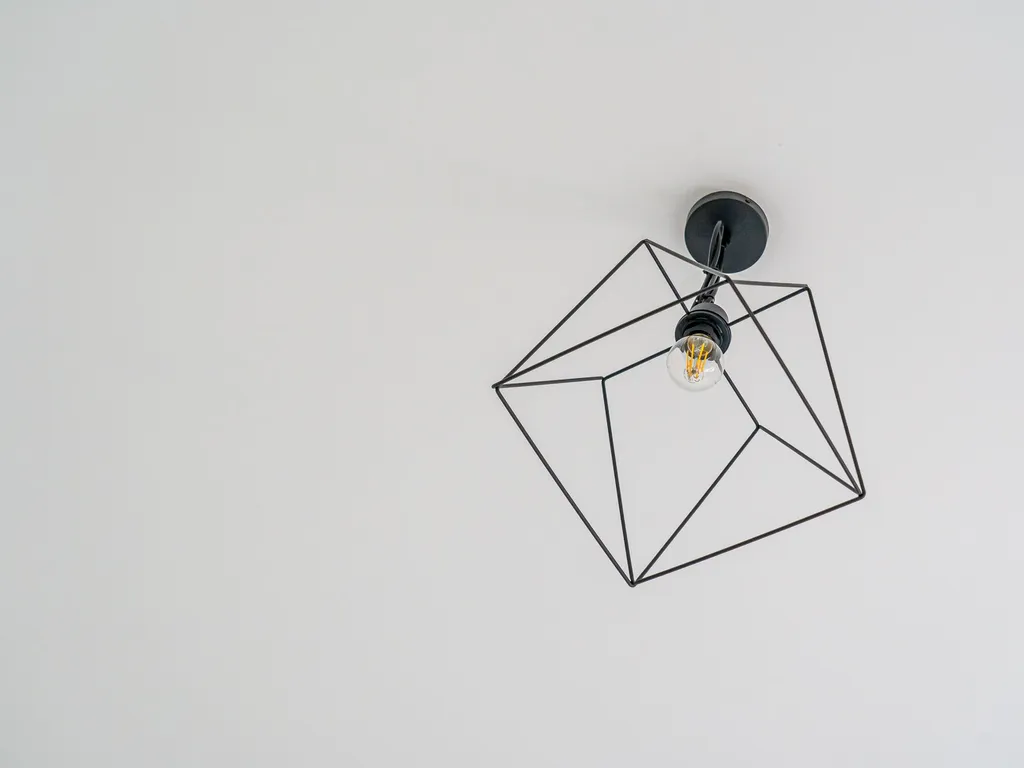
The ambient layer in a small room belongs tight to the ceiling. A flush mount or semi-flush fitting keeps the centre of the room clear — no pendant hanging at forehead height, no chandelier eating the room’s one tall dimension. Choose a frosted or opal shade rather than exposed bulbs: the diffusion spreads the wash sideways onto the walls instead of drilling a bright pool straight down.
Size it by the room, not by drama. A fitting roughly 30–40 cm across serves most small rooms; oversized ceiling lights make the ceiling feel lower, not grander. Put it on a dimmer if you possibly can (see §8) — the ambient layer is the one you will adjust most often, because it sets the ceiling on every other layer’s brightness.
3. Wall Sconces: Eye-Level Light, Zero Floor Space
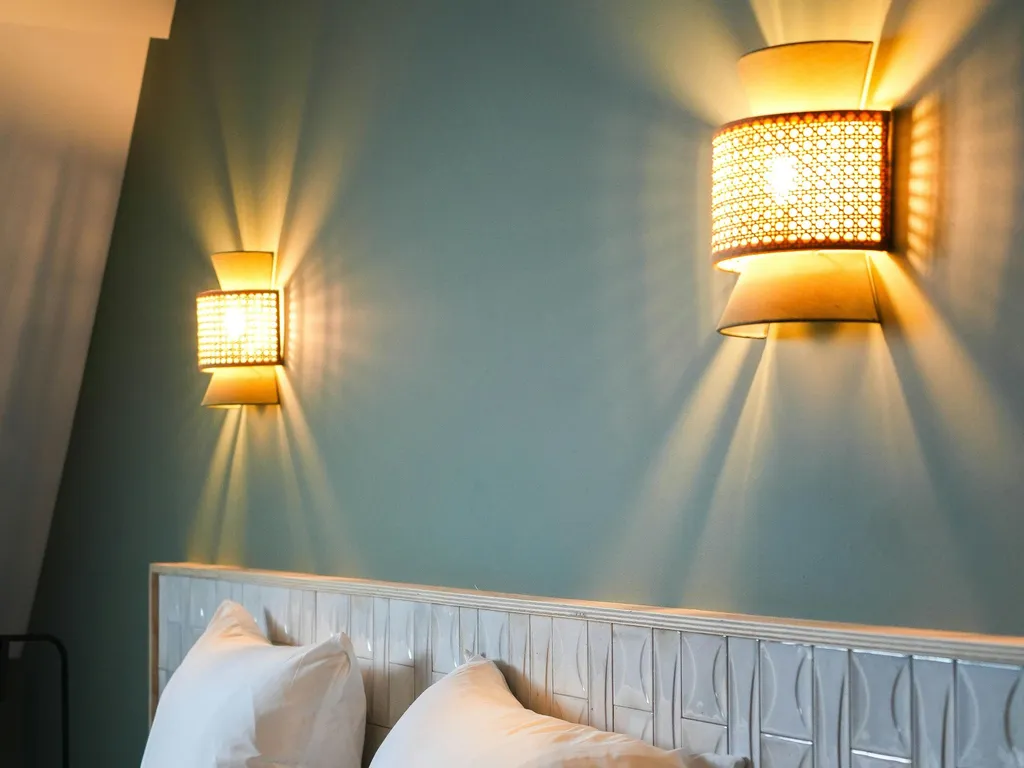
Floor space is the scarcest resource in a small room, and sconces spend none of it. Mounted at eye level — around 150–170 cm from the floor — they put light where faces are, which is why a sconce-lit room feels warm at half the wattage of an overhead-lit one. In pairs they also give a wall rhythm: flanking a sofa, a mirror or a piece of art turns a blank surface into a designed plane.
Hardwired sconces need an electrician, but plug-in versions with a cord cover do the same visual work in an afternoon, which makes them the renter’s ambient upgrade. Aim shades up, down or both deliberately: up washes the ceiling and lifts it, down pools light for reading, and a fabric shade softens either into the flattering middle layer small rooms run on.
4. One Slim Floor Lamp for the Dark Corner
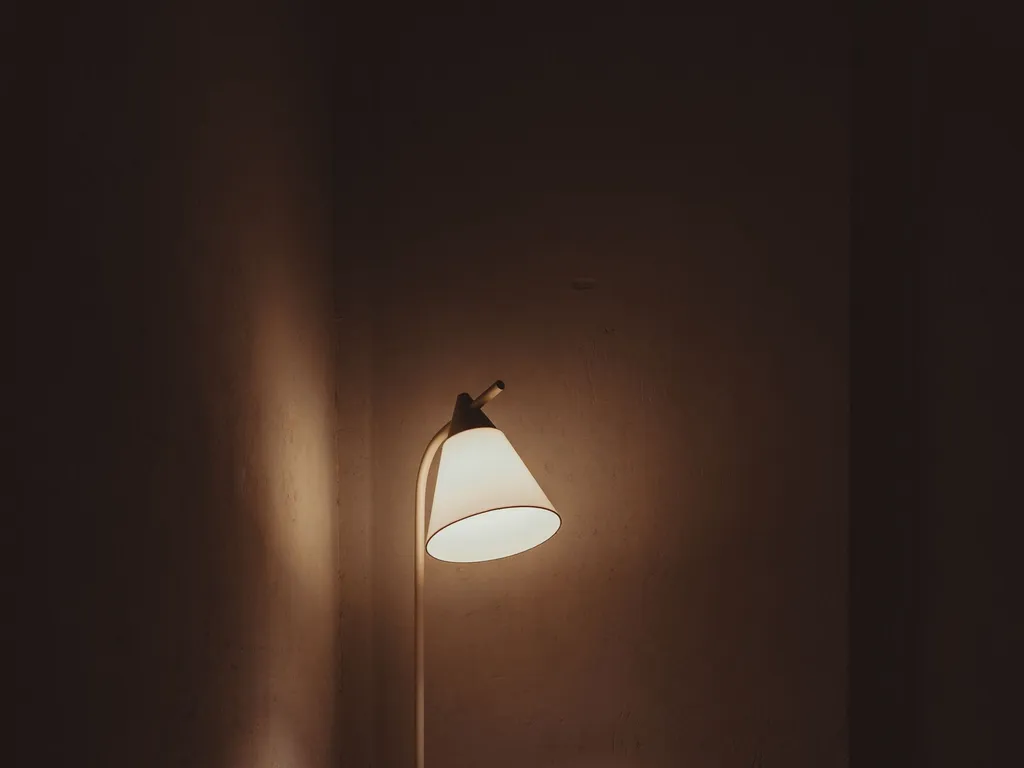
Put one slim floor lamp in the darkest corner, beside the armchair, where the ceiling light never reaches. A slim floor lamp fixes it without furniture Tetris. An arc lamp is the space-cheat version: its base tucks behind or beside the chair while the head curves over the seat, delivering reading light from above with a footprint no bigger than a dinner plate.
Choose the base before the shade. A heavy, narrow base (25 cm or less) slides under a sofa or behind a chair leg, and a lamp around 150–170 cm tall puts the shade just above seated eye level, where it lights the page instead of glaring into your eyes. One good floor lamp, placed at the room’s darkest point, does more for the evening feel than a second ceiling light ever would.
5. Table and Desk Lamps Where the Tasks Happen

Task light obeys one rule: it belongs within arm’s reach of the task, on its own switch. A desk lamp aimed at the notebook, a table lamp beside the sofa arm, a clip light on the headboard — each lets you light one square metre properly instead of raising the whole room to office brightness. In a small apartment that usually doubles as an office, this is the layer that saves your eyes.
Scale is the discipline. A table lamp around 35–50 cm tall suits side tables and desks in compact rooms; the shade’s bottom edge should sit near seated eye level so the bulb stays hidden. Adjustable arms earn their keep at desks — angle the beam onto the work, away from the screen, and the same lamp serves paperwork at noon and reading at nine.
6. Pendants and Under-Cabinet Strips in a Small Kitchen
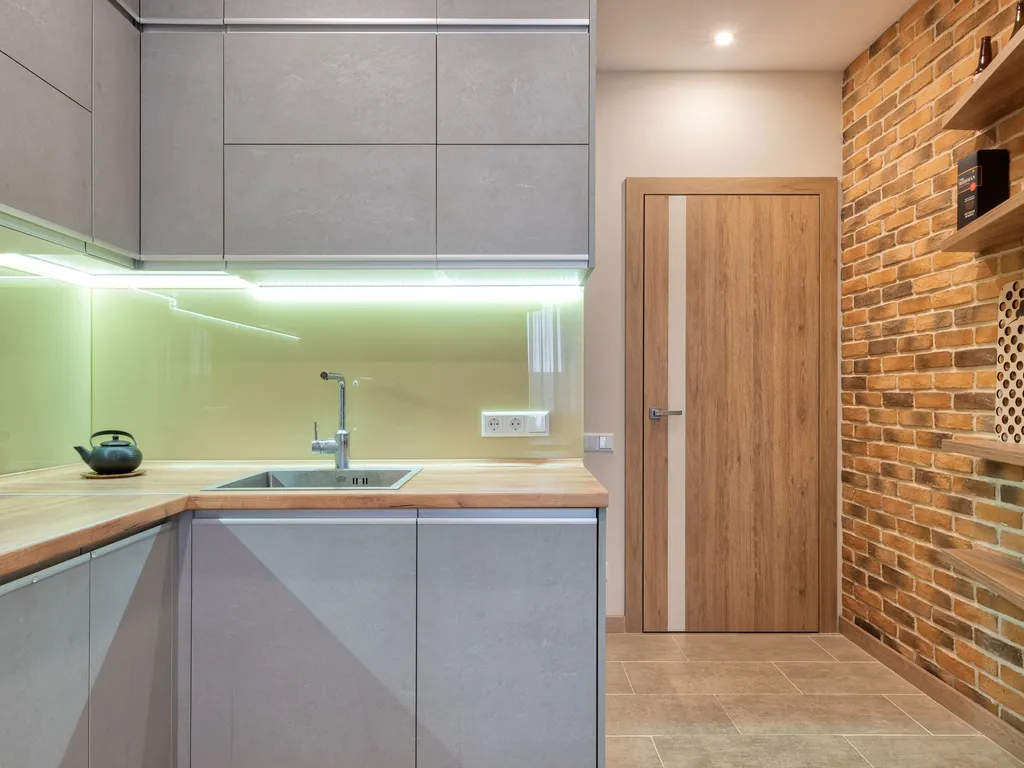
Light the counter from the work surface, not the ceiling: your body stands between the ceiling light and the chopping board. The fix is the same layering, compressed. Slim pendants over an island or peninsula put task light directly on the work surface, and an LED strip under the wall cabinets lights the counter run with no shadow at all — the strip is hidden, so the light seems to come from the cabinet itself.
For the pendant layer specifically, our kitchen island lighting ideas work through sizing, spacing and hanging heights for islands of every length. Keep pendants slim in a small kitchen — two narrow shades beat one wide one — and hang them roughly 75–90 cm above the counter so they light the surface without blocking the sightline across the room.
7. Mirrors and Pale Shades That Multiply Light

Some of the cheapest light in a small room is light you already own, bounced twice. A mirror placed opposite or beside a window catches daylight — and lamplight after dark — and throws it into the half of the room the source never reaches. It is the same borrowed-light principle behind our visual tricks for small rooms ideas: the eye reads the reflection as more space and more light at once.
Shades are the other multiplier. A pale linen or white shade passes and diffuses light in every direction; a dark or metal shade throws it all up or down and keeps the rest for drama. In small rooms, default to pale shades on the ambient and accent layers, and save the moody dark shade for exactly one lamp. Glossy, light surfaces — a lacquered side table, a pale rug — keep the bounce going.
8. Dimmers and Smart Bulbs: One Room, Three Moods
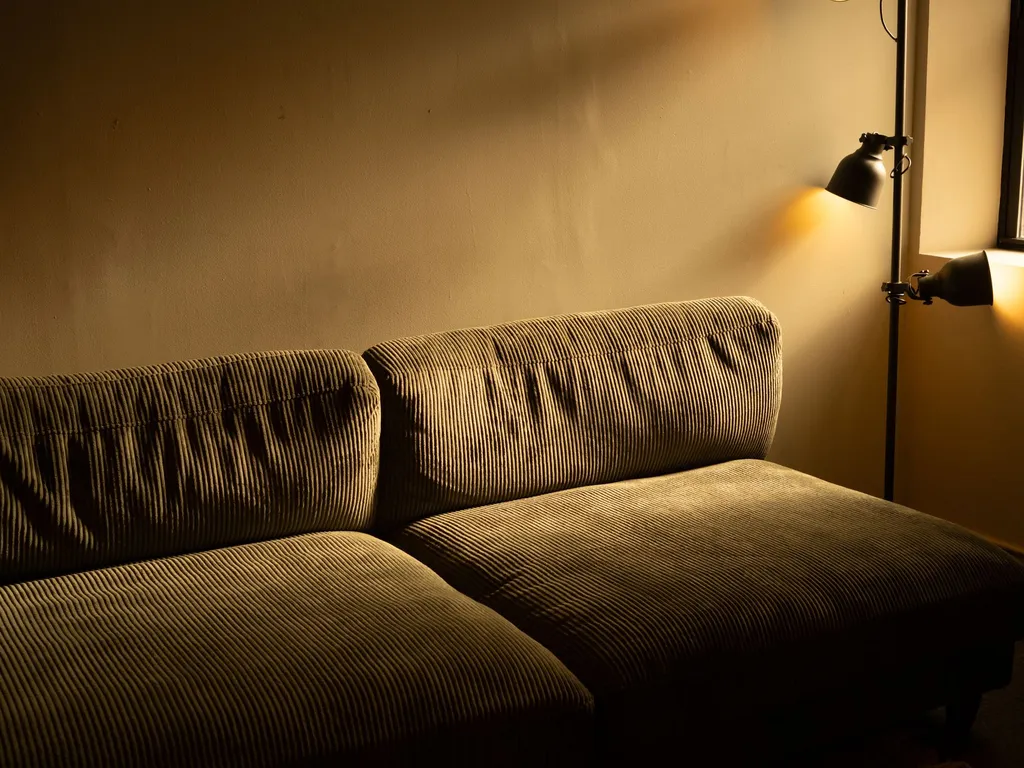
Layers only pay off if you can run them separately. A dimmer on the ceiling light, smart bulbs in the lamps, or simply lamps on different switches gives one small room its three settings: everything up for cleaning and finding things, task and accent only for the evening, accent alone for a film. Without control, layered lighting is just several lights that happen to be on.
Start cheap. One smart bulb in the most-used lamp and a plug-in dimmer on another teaches you how you actually use the layers before any wiring happens. Two practical notes: only pair dimmers with bulbs marked dimmable, and choose dimmers rated for LEDs, or you will trade moodiness for flicker and buzz. Renters can do all of this — nothing here touches the wiring.
9. Layered Vanity Light, Borrowed From the Bathroom
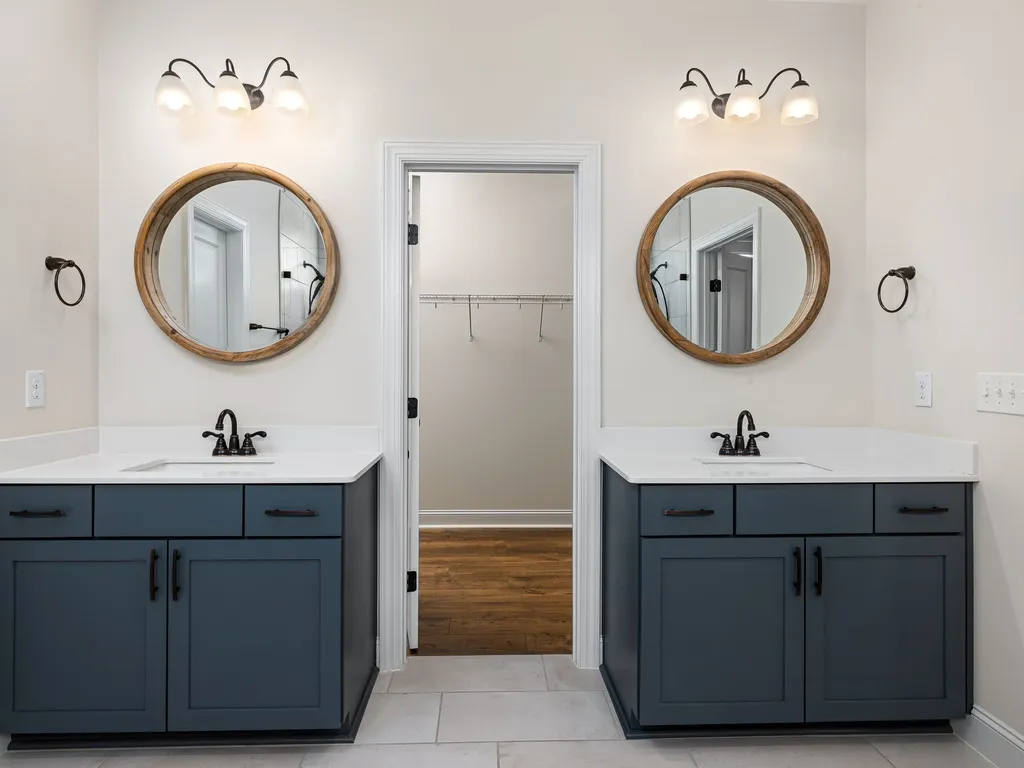
Use the bathroom’s layering: sconces at face height on both sides of the mirror for the task, and a soft ceiling light behind them for the base. Our bathroom lighting layers ideas break that system down fixture by fixture, and it is worth stealing wholesale for any small room with a mirror or a desk.
The same fixture choice is also a space trick: cross-lighting from both sides erases the shadows that make a small bathroom feel cave-like, which is why it anchors our small bathroom visual space ideas as well. Vertical sconces or a lit mirror keep the hardware on the wall, the counter clear, and the light exactly at the height the room is used at.
10. Buy by Lumens and Match the Kelvin
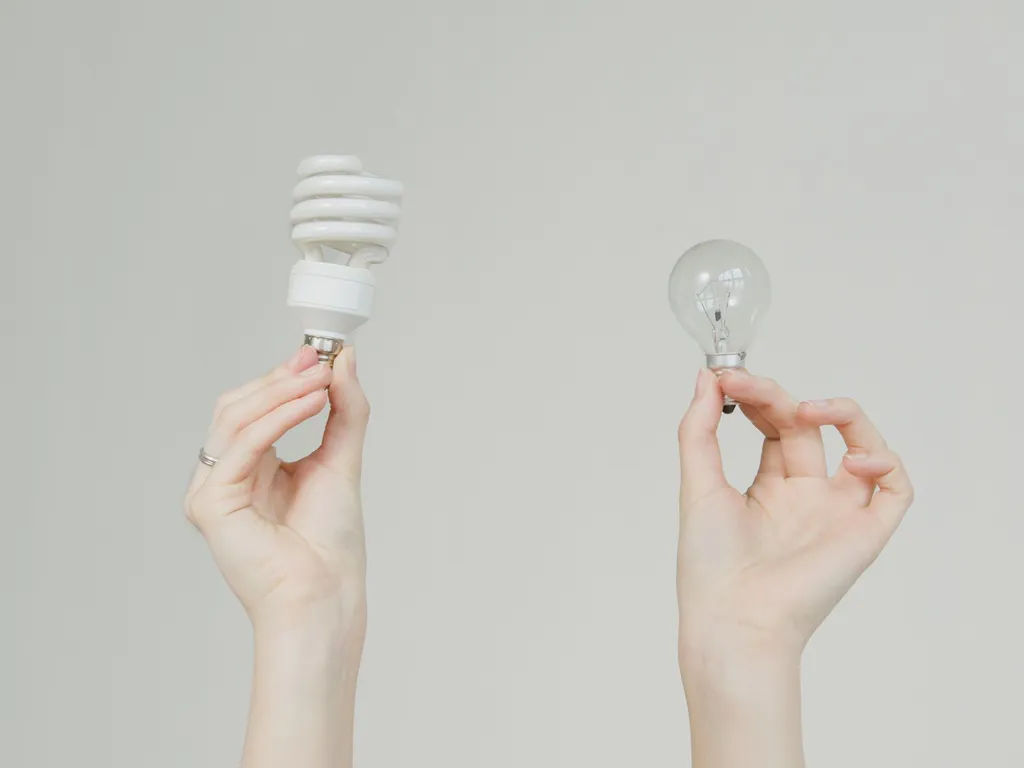
Every layer above fails if the bulbs disagree with each other. Buy by lumens — actual brightness — not watts, which only measure power used: the US Department of Energy’s bulb-buying guidance shows 800 lumens (the old 60-watt equivalent) needs only about 6–10 watts from an LED. As a working budget, a small living room wants roughly 1,500–3,000 total lumens spread across its layers, with task lights the brightest point in the mix.
Then match the colour temperature. Kelvin is the second number on the box: 2700–3000K is the warm range living rooms and bedrooms relax in, 3500–4000K the crisper range for desks and kitchens. The rule that matters is consistency — every bulb in one sightline at the same Kelvin. A room mixing warm and daylight bulbs looks untidy at any brightness; a room matched at 2700K looks designed even with bargain fixtures.
Frequently Asked Questions About Small Room Lighting
How many light sources does a small room need?
Three to five: one ambient ceiling light, one or two task lights where activities happen, and one or two accents. Count matters less than placement — five lights in the wrong places lose to three in the right ones.
How many lumens does a small room need?
Roughly 1,500–3,000 lumens in total for a small living room or bedroom, spread across layers rather than from one source. Task spots — a desk, a reading chair — want the brightest share aimed directly at the surface.
What colour temperature is best for a small room?
2700–3000K for living and sleeping areas, where warm light flatters and relaxes; 3500–4000K for desks, kitchens and vanities. Whichever you choose, keep every bulb in the room at the same Kelvin.
Can I layer lighting in a rental?
Yes. Plug-in sconces, floor and table lamps, LED strips with adhesive backing and smart bulbs all layer light without touching wiring. Plug-in dimmers complete the control layer, and everything leaves with you.
Are LED strips worth it in a small room?
Yes — they are the cheapest accent and under-cabinet task light available, they hide entirely, and they use almost no power. Choose warm white (2700–3000K) to match your other bulbs and a high CRI for kitchens.
Where should sconces be mounted?
At eye level, about 150–170 cm from the floor to the centre of the fitting, in pairs flanking whatever they serve — a sofa, mirror or artwork. Plug-in versions avoid wiring; hardwired versions look cleanest.
Why does my small room still feel dark with a bright ceiling light?
Because one overhead source lights the middle and shades the corners, and your own body shadows the surfaces you use. Add light at middle and low heights — a lamp in the dark corner — and the room’s edges come back.
Do dimmers work with LED bulbs?
Only with bulbs marked dimmable, on dimmers rated for LEDs. The wrong pairing flickers or buzzes. Smart bulbs sidestep the issue entirely, since the dimming happens inside the bulb — a good renter-friendly route.
What is CRI and does it matter?
CRI (colour rendering index) measures how naturally colours appear under a light. 80+ is fine for general use; 90+ is worth it where colour decisions happen — vanities, wardrobes, kitchens and art walls.
What is the cheapest lighting upgrade for a small room?
One lamp in the darkest corner, fitted with a bulb that matches the room’s Kelvin. It costs the least, moves the most light to where the room felt smallest, and starts the layering habit the rest of this list builds on.
Conclusion
A small room does not need more light; it needs light in more places. Base it on a low-profile ceiling fitting, add sconces and slim lamps at the heights people actually sit and stand at, hide strips where tasks happen, and control the layers separately so the room can change its mind by the hour. Match the bulbs by lumens and Kelvin, and the dark corners — the ones that made the room feel small — simply stop existing.