If you have ever wondered what bedrooms looked like when you were born, you are not alone. Bedroom design can tell us a surprising amount about the time in which people lived. Colors, furniture, fabrics, lighting, technology, and even the way people used their bedrooms have changed dramatically from 1980 to 2026. A bedroom from 1982 could feel completely different from one built in 1992, while a room from 2012 may look very different from a bedroom designed today. These changes were not only about fashion. They were also connected to changing homes, lifestyles, technology, popular culture, materials, and ideas about comfort. Looking back at these trends can be useful when you want to create a bedroom with character instead of simply copying the newest look. Historical bedroom references also show why certain styles keep returning. Florals, vintage furniture, natural materials, rich colors, stripes, and traditional details have all appeared in different forms over time. Architectural Digest’s overview of bedroom design through the decades similarly shows that today’s rooms often borrow ideas from several earlier periods rather than following one strict style.
This guide takes you from 1980 through 2026, with a quick reference for every year and deeper explanations of the major design periods. The goal is not to tell you that one year had one exact bedroom style. Real homes were much more varied than that. Instead, each year represents some of the design ideas that were visible around that period. This makes the guide especially useful if you are searching for bedroom trends by year, bedroom trends the year you were born, 1980s bedroom ideas, 1990s bedroom decor, 2000s bedroom trends, 2010s bedroom design, or 2020s bedroom trends. If you are decorating your own room, the most useful approach is to take one or two details from your birth year and combine them with modern comfort. A vintage-inspired headboard, an old-fashioned floral print, a warm paint color, or a classic bedside table can add personality without making the entire room look dated.
Bedroom Trends From 1980 to 1989
The early 1980s brought a bedroom style that was expressive, decorative, and often full of color. Pastel shades, ruffles, brass details, floral fabrics, decorative headboards, and heavy window treatments were common visual ingredients. By the middle of the decade, bedrooms could become even more dramatic, using stronger combinations such as teal, magenta, pink, purple, and gold. Four-poster beds and sculptural metal headboards also appeared in period interiors. In other homes, teenage bedrooms became highly personal spaces containing desks, posters, books, decorative objects, and entertainment equipment. The important point is that there was no single 1980s bedroom. Some rooms were romantic and pastel, while others were bold and colorful. The decade generally gave homeowners permission to decorate with more personality and visual detail. Contemporary historical references also document the popularity of geometric patterns, electric accents, brass, and large furniture during the period.
If you were born during the 1980s and want to bring that feeling into a modern bedroom, avoid copying every detail at once. Instead, choose one strong feature. A brass bed frame can become the focal point of a neutral room. A dusty pink wall can create an updated version of an old pastel palette. A floral quilt can bring back the romantic side of the decade, while a geometric rug can reference the more energetic side. Modern lighting and simple furniture can keep the room from looking like a movie set from the 1980s. This is an important lesson when decorating with any historical trend: use the past as inspiration rather than a rulebook. A modern bedroom can borrow the colors, shapes, or textures of an earlier period while still having comfortable bedding, practical storage, good lighting, and enough open space for everyday life.
1980–1982 – Ruffles, Pastels, and Decorative Bedrooms
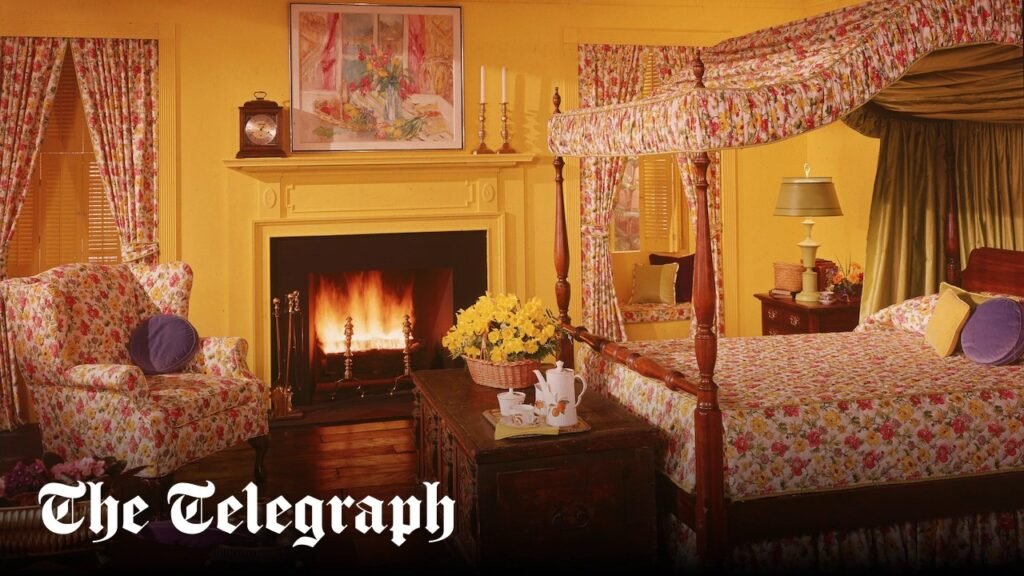
Bedrooms from 1980 to 1982 often leaned toward soft, decorative styling. Ruffles, pastel colors, floral patterns, brass headboards, and layered fabrics created a romantic appearance. The bed was frequently treated as the main visual feature, rather than simply being a functional place to sleep. Window treatments could also be elaborate, helping the entire room feel coordinated. Soft pink, peach, pale blue, cream, and mauve were useful colors for creating the gentle look associated with the beginning of the decade. Historical bedroom references from this period specifically identify ruffles, pastels, and brass headboards as important visual details.
To recreate this period today, simplify the decoration. Start with a warm cream or muted pink wall, then add a fabric headboard, a floral duvet, and one brass accent. Avoid covering every surface with matching fabric because modern rooms generally benefit from more visual breathing space. A small vintage mirror or traditional bedside lamp can provide another connection to the period without overwhelming the room. If your goal is a bedroom that feels nostalgic but still sophisticated, combine one historical element with modern bedding and simple flooring. This approach works particularly well in primary bedrooms because the softer palette can feel warm and personal. You can also use the same principle in a guest room, where a floral print and traditional bedside table can create a welcoming atmosphere without requiring an expensive renovation.
Related: 10 Iconic Types of Interior Design Styles According to Experts
1983–1985 – Teal, Magenta, Brass, and Four-Poster Beds
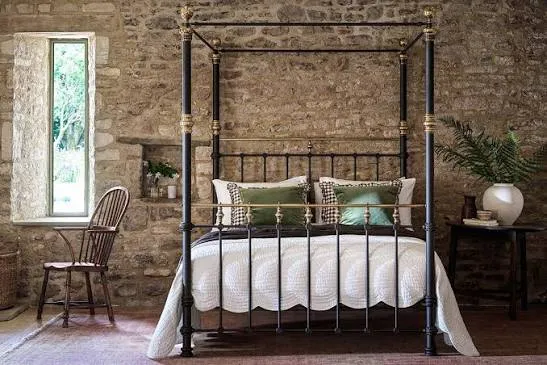
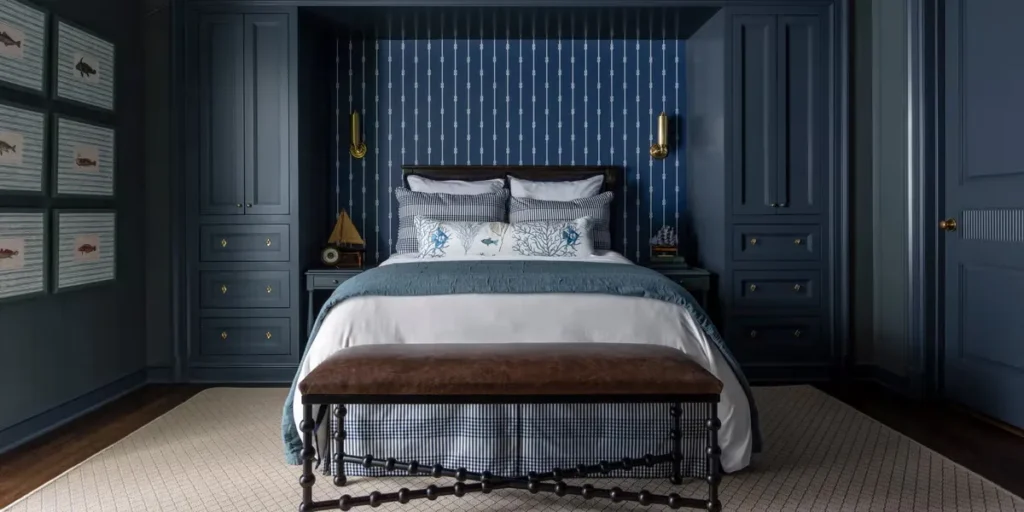
Around 1983, some bedrooms moved from soft pastel decoration toward stronger color combinations. Teal walls, magenta bedding, metallic details, and sculptural furniture created a much more dramatic look. By 1984 and 1985, four-poster beds and decorative fringe appeared again, while bedrooms increasingly became personal spaces containing books, photographs, and objects connected to the people living there. This shift is important because it shows that bedroom design was becoming more than a coordinated furniture set. The room was beginning to communicate the personality of its owner.
For a modern interpretation, choose one bold color rather than several competing colors. Deep teal can work beautifully behind a simple upholstered bed, while dusty magenta can be introduced through a quilt, pillow, or artwork. Brass is especially useful because it adds warmth without requiring a complete redesign. If you prefer traditional furniture, a modern four-poster bed can provide the same architectural feeling as an older version while offering cleaner lines. Add personal books, framed photographs, or artwork to make the room feel lived in. The strongest lesson from this period is that a bedroom becomes more meaningful when it contains things that actually belong to the person who sleeps there. Do not decorate only for photographs. Design the room so it works for reading, dressing, relaxing, and sleeping.
1986–1989 – Teen Bedrooms, Stripes, and Personal Style
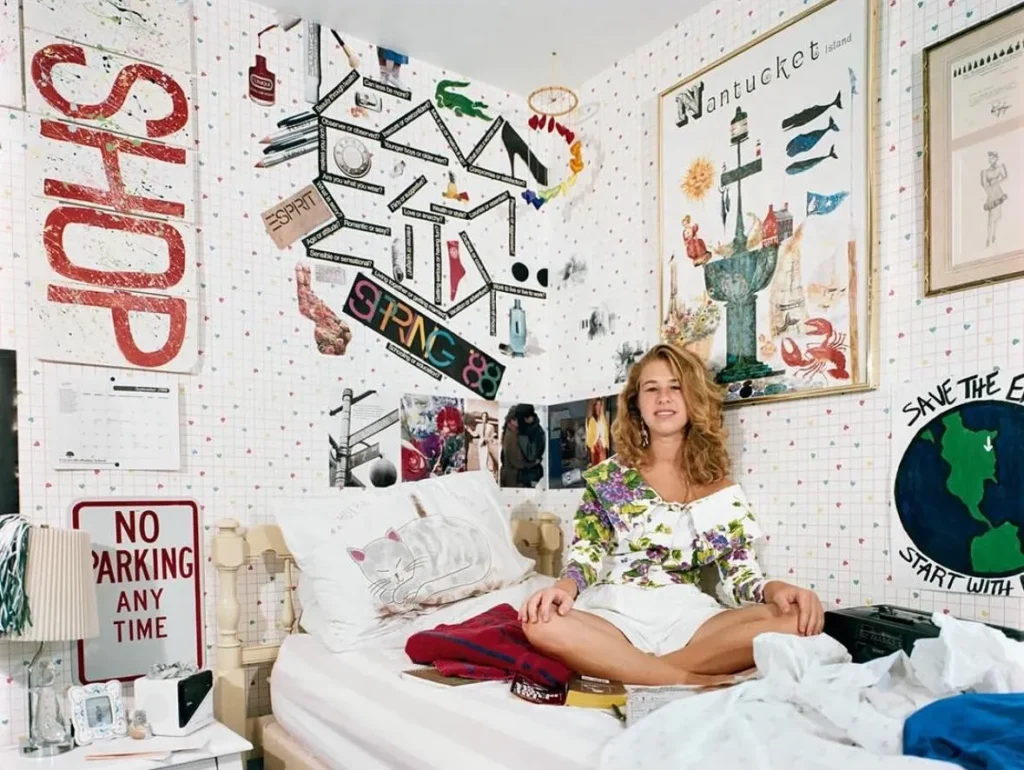
The second half of the 1980s brought more variety. Teen bedrooms could include desks, posters, tiered curtains, wall decorations, books, and other signs of personal identity. Neutral colors were also used in some rooms, while bold patterns remained popular elsewhere. By the end of the decade, stripes and geometric patterns were strong visual elements. IKEA’s historical catalog archive, for example, documents the popularity of monochrome stripes and metal-framed beds in the late 1980s.
If you were born between 1986 and 1989, you can capture the period with a simpler modern formula. Choose a striped duvet or rug, add a metal or wood bed, and display a small collection of personal artwork. A dedicated desk can reference the multifunctional bedroom while also serving a useful purpose today. For adults who want nostalgia without a childhood-room appearance, use better-quality materials and keep the color palette controlled. Navy and cream stripes, black metal, warm wood, and one colorful accent can create a sophisticated interpretation. This is also a good example of how old trends can become useful again. The idea of making the bedroom personal has remained important even though the objects inside the room have changed.
Bedroom Trends From 1990 to 1999
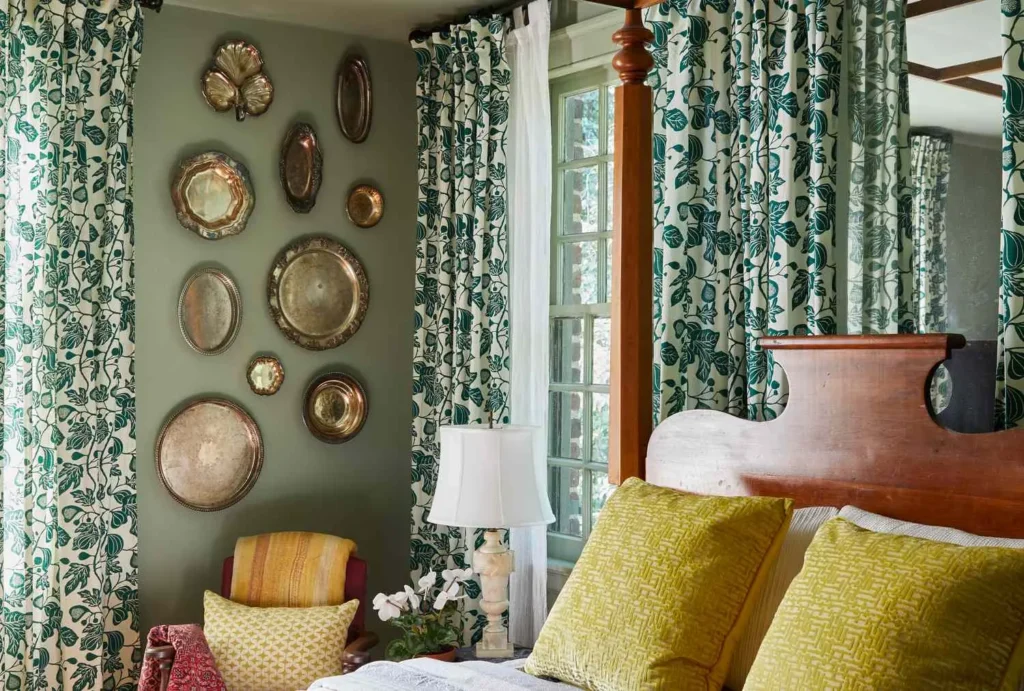
The 1990s moved through several different bedroom looks. Early in the decade, bright colors and futuristic furniture could appear in youth bedrooms, while the middle years brought a stronger interest in minimalism, soft neutrals, and uncluttered spaces. Toward the late 1990s, romantic styling, soft pastels, drapery, and traditional details returned. Canopy beds and lightweight hanging fabrics also became recognizable features of the period. The decade therefore cannot be reduced to one color or one furniture style. It was a transition from the bold excess of the 1980s toward simpler rooms while still keeping plenty of personality.
The 1990s are especially useful for today’s homeowners because several of their ideas are easy to update. A soft neutral wall, comfortable bedding, warm bedside lighting, and a simple canopy can create a calm room without requiring much furniture. Small-space storage also became increasingly important, particularly in children’s and teenagers’ rooms. If you are working with a compact bedroom, take inspiration from flexible furniture rather than trying to reproduce an old room exactly. A modern storage bed, slim nightstand, wall-mounted reading light, and a small desk can deliver the same practical spirit in a much cleaner form. For a romantic bedroom, use linen curtains, a soft headboard, and a few traditional accessories rather than filling the entire room with frills.
1990–1992 – Bright Colors and Futuristic Details
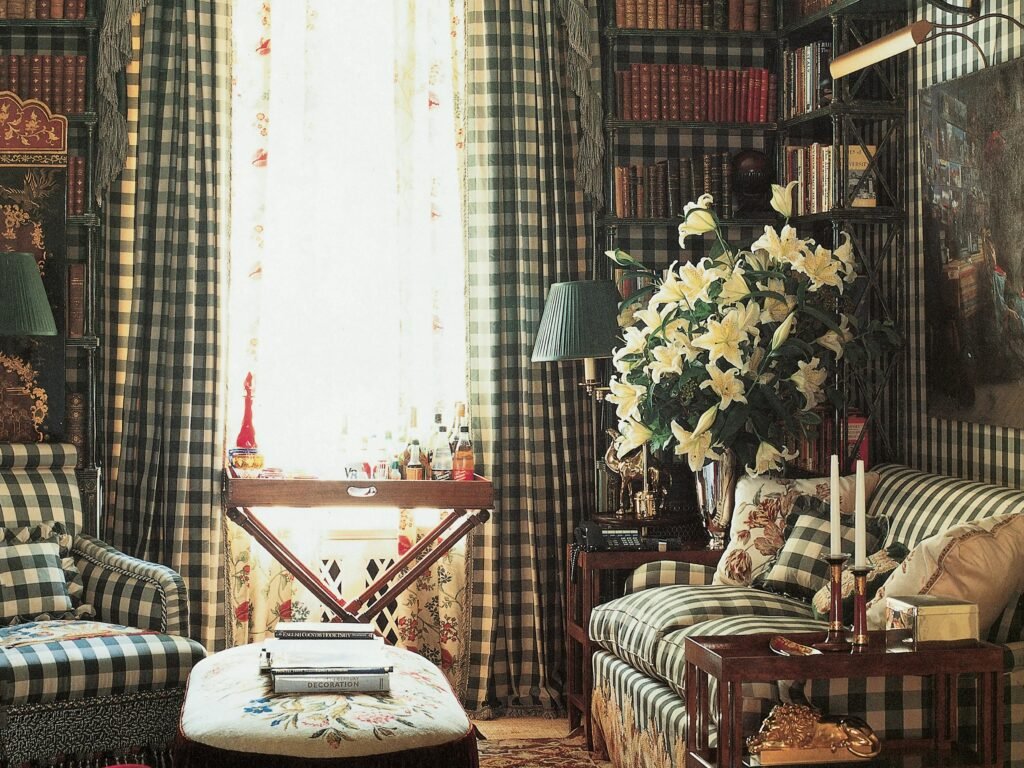
Early-1990s bedrooms could still carry some of the energetic spirit of the previous decade. Neon colors, bright accents, unusual furniture shapes, and futuristic materials were especially noticeable in youth-oriented spaces. Inflatable chairs and playful furniture could turn bedrooms into places for hanging out rather than sleeping alone. At the same time, many homes were moving toward practical storage and more flexible layouts. Historical bedroom timelines also show that small-space storage solutions were becoming important during this period.
A modern version of this style works best when the playful element is controlled. Try a white or warm neutral wall with one bright accent color, such as electric blue, purple, pink, or green. Instead of buying novelty furniture, use a curved chair, colorful lamp, or unusual artwork. If the bedroom is small, keep the floor clear and use vertical storage. This creates the feeling of a fun 1990s room without sacrificing comfort. You can also use transparent or acrylic-style accessories sparingly to reference the futuristic side of the period. The key is balance: one or two playful details are enough to create nostalgia, while the rest of the room should support everyday use.
1993–1996 – Minimalism, Soft Neutrals, and Comfort
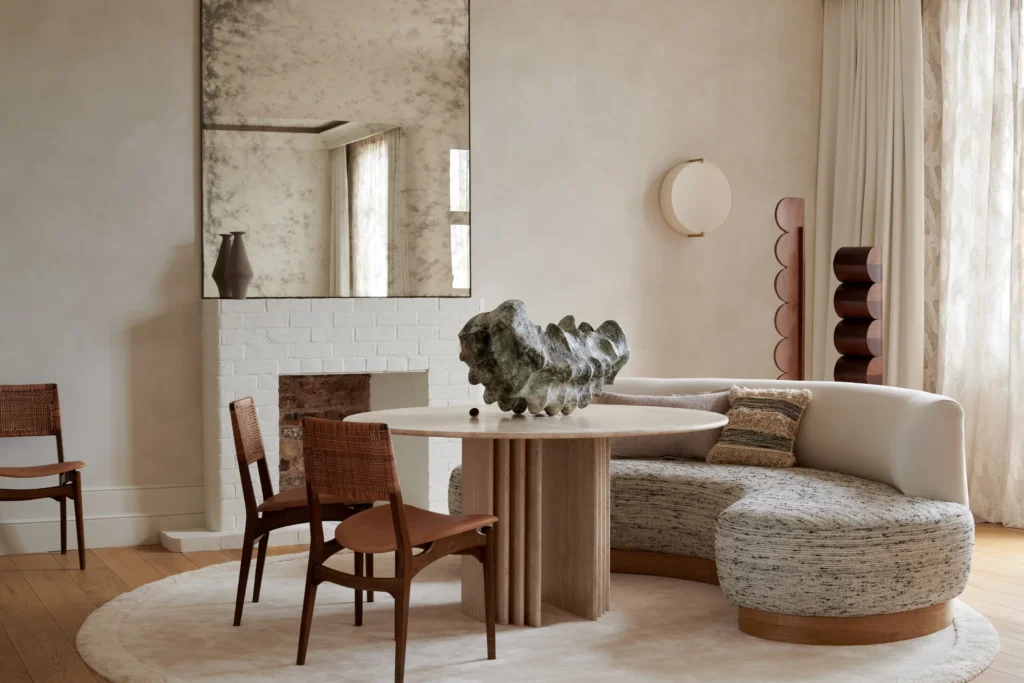
By the middle of the 1990s, bedroom design often became quieter. White, cream, beige, pale gray, and other soft colors created a calmer background. Furniture became less visually complicated, and rooms could feel more open. The movement toward minimalism did not mean that bedrooms had to become cold. Soft bedding, warm lamps, curtains, rugs, and comfortable seating could make simple rooms inviting. This period is useful to study because it shows that removing decoration can sometimes make a room feel more relaxing.
If you want to use this style today, focus on texture rather than adding many objects. A cream wall can be combined with linen bedding, a wool rug, natural wood furniture, and a fabric lampshade. The room should have enough storage so that everyday items do not cover every surface. A minimalist bedroom is not simply an empty room; it is a room where the objects that remain have a clear purpose. This approach can also make a small bedroom appear more spacious. Use matching or related colors across the bed, curtains, and rug, but introduce small changes in texture so the room does not look flat. The result can feel timeless rather than tied to one decade.
1997–1999 – Romantic Canopies, Drapery, and Pastels
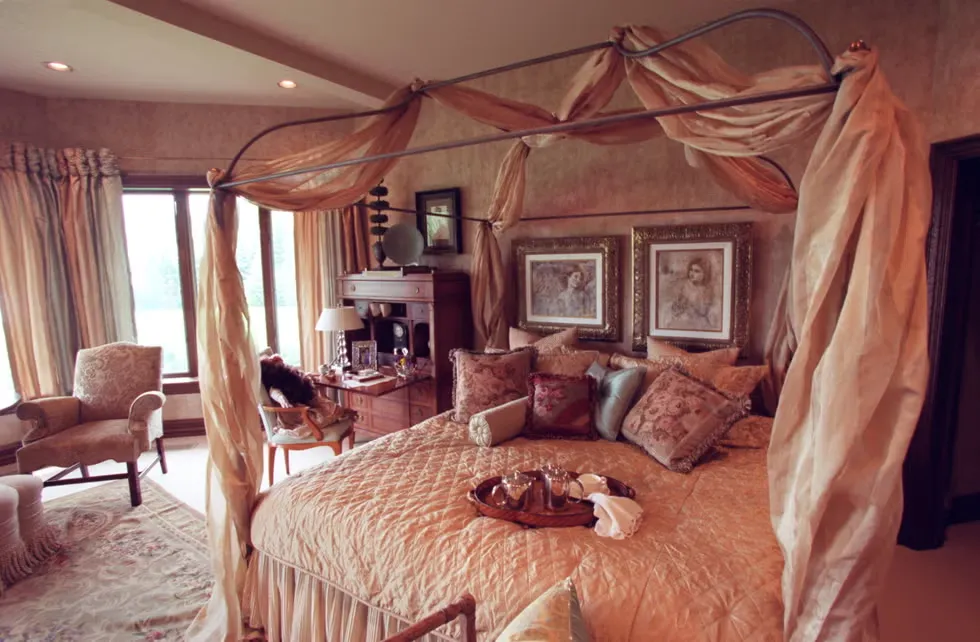
Late-1990s bedrooms brought romantic decoration back into focus. Canopy beds, soft drapery, pastel colors, floral details, and traditional furniture could create a dreamy atmosphere. Some rooms also used rustic or shabby-chic influences, combining painted furniture with soft textiles. This was a period when bedrooms could feel intentionally nostalgic rather than purely modern. The romantic approach also helped make the bedroom feel like a private retreat.
To update this look, choose one romantic feature and make it the center of the room. A canopy frame, arched headboard, vintage dresser, floral wallpaper, or linen curtains can all perform that role. Keep the rest of the room simple so the main feature has space to stand out. If you love vintage bedroom ideas, search antique shops, estate sales, and secondhand stores for small furniture pieces with character. You do not need an entire matching bedroom suite. One older piece can provide more personality than several new decorative objects. Pair it with modern bedding, practical lighting, and hidden storage to create a bedroom that feels both nostalgic and useful.
Bedroom Trends From 2000 to 2009
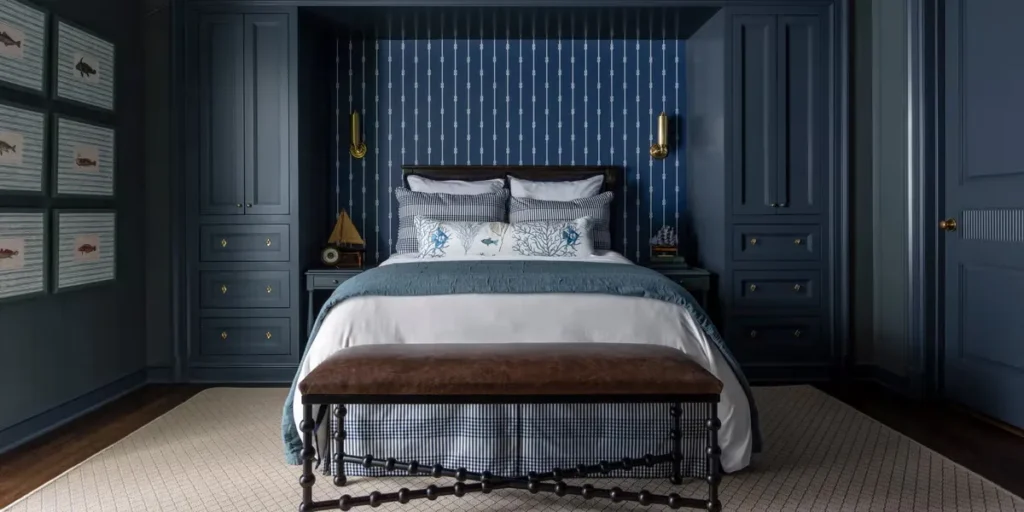
The 2000s introduced another major change in bedroom decorating. Early in the decade, bold colors, themed rooms, coordinated furniture, romantic details, and decorative accessories were common. Purple and lilac became recognizable colors, while natural materials such as bamboo and woven textures also gained attention. Futon-style beds and sleigh beds appeared in different bedroom settings. Toward the end of the decade, mirrored furniture, coordinated monochrome rooms, statement lighting, and cleaner surfaces became more noticeable.
The most useful lesson from the 2000s is the importance of choosing a theme carefully. A completely themed room can quickly look dated, but one repeated material or color can create a strong design identity. For example, a modern bedroom could use natural wood, woven baskets, linen bedding, and a single purple accent to reference early-2000s trends without reproducing the entire look. If you like mirrored furniture, use one mirrored nightstand or dresser rather than covering the room in reflective surfaces. The same rule applies to oversized decorative lighting. A statement pendant can be beautiful when the rest of the room remains quiet. Good bedroom design is often about knowing where to stop.
2000–2003 – Bold Color, Themes, and Romantic Details
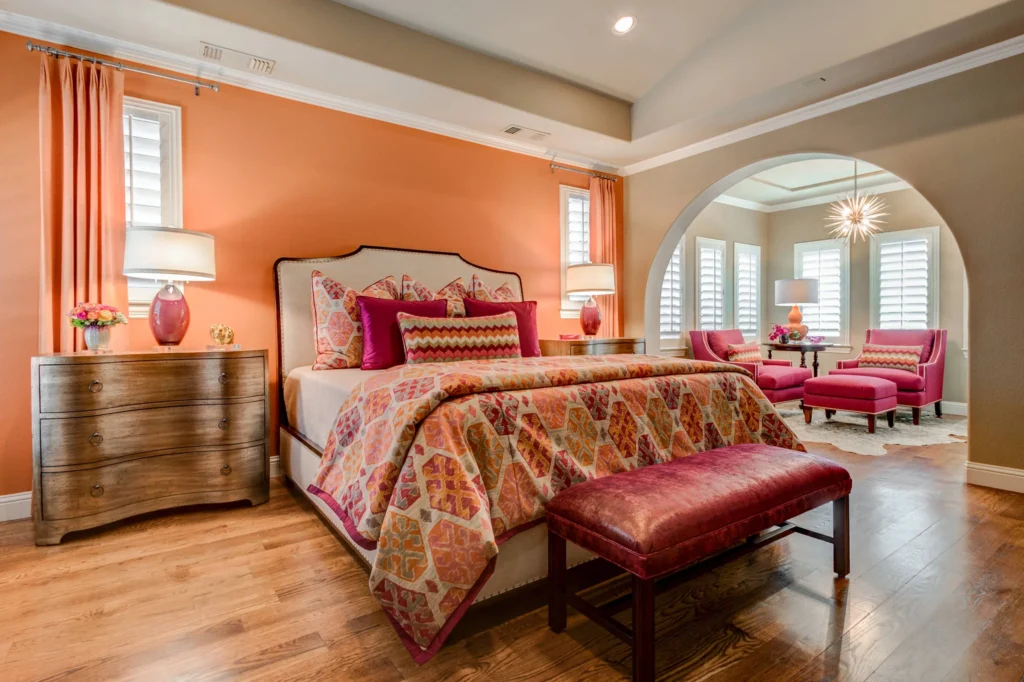
The first years of the 2000s continued some of the romantic ideas of the late 1990s but made them more polished and coordinated. Bold colors could be combined in controlled palettes, while furniture and accessories were often selected around a particular theme. Satin, silk-like fabrics, florals, decorative lamps, vases, and classical furniture shapes could create a bedroom that felt carefully styled. Purple and lilac were also visible in bedroom design during the period.
Today, the easiest way to borrow this style is through color and fabric. A lilac wall, velvet headboard, floral artwork, or decorative lamp can provide the reference without making the room look dated. If you prefer a more mature look, replace shiny synthetic fabrics with linen, cotton, or velvet and use a limited number of decorative pillows. You can also combine an old-fashioned color with modern furniture. For example, lilac walls with a simple oak bed can feel much more contemporary than a complete reproduction of a 2002 bedroom. When using a historical trend, material quality matters as much as color.
2004–2006 – Natural Materials and Relaxed Bedroom Design
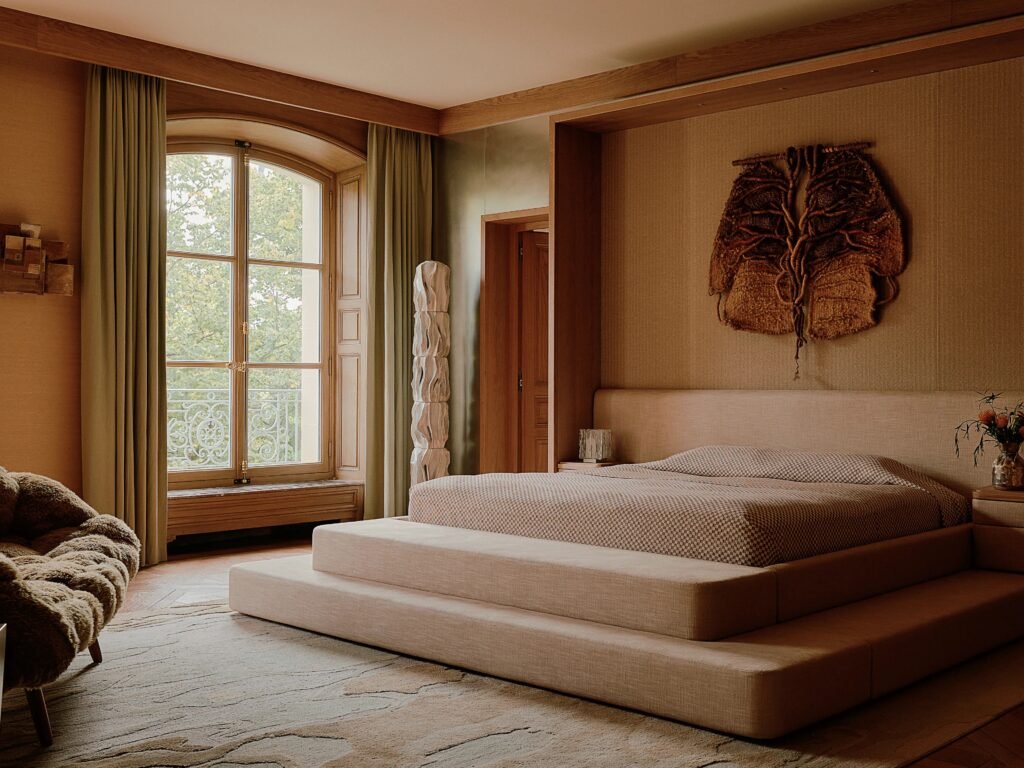
Around the middle of the 2000s, nature-inspired materials became more noticeable. Bamboo, woven surfaces, wood, and other natural textures brought warmth into bedrooms. Furniture could feel more relaxed and less formal, while the use of natural materials helped create a connection with outdoor-inspired decorating. This movement also fits well with today’s interest in organic textures and natural materials, which means some mid-2000s ideas can be reused without much change.
To create this look today, begin with natural wood furniture and add woven baskets, a jute or wool rug, cotton bedding, and a few plants. Keep the palette simple with cream, tan, soft green, warm brown, or muted blue. Avoid turning the room into a collection of matching “natural” products. Variety makes the room feel more authentic. A wood nightstand beside a fabric bed, for example, creates more visual interest than a complete matching set. If you are decorating a rental, focus on removable elements such as bedding, rugs, lamps, baskets, and artwork. These can introduce natural texture without changing the structure of the room.
Related: When Should You Get a Storage Unit? 8 Signs You Need One
2007–2009 – Monochrome, Mirrored Furniture, and Statement Lighting
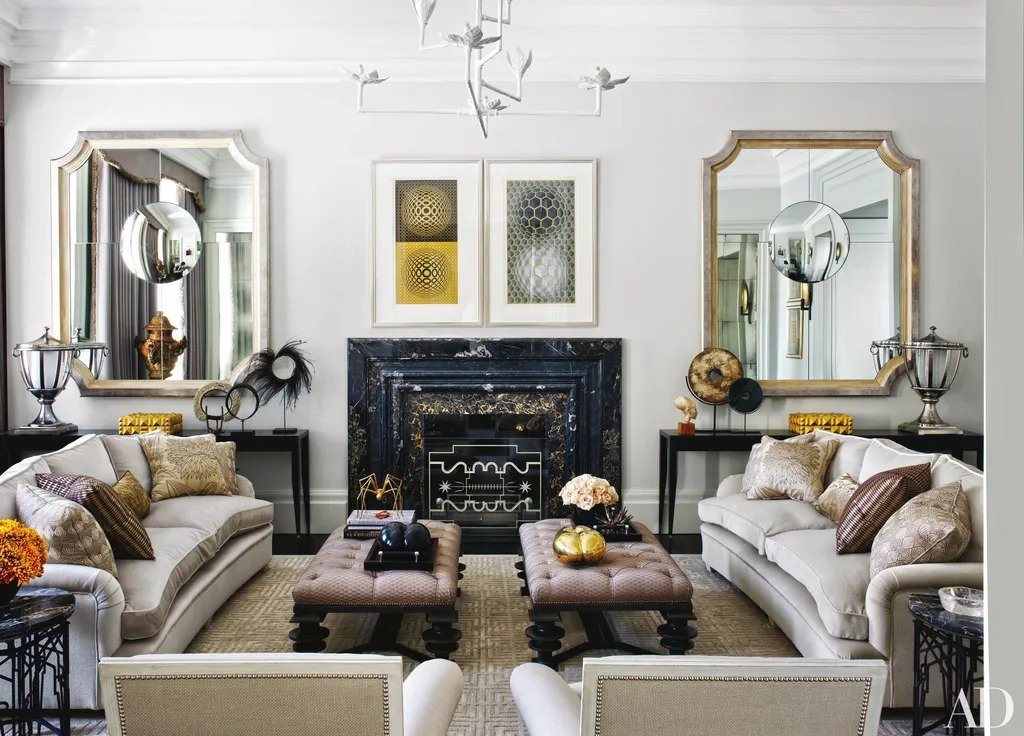
The later 2000s brought coordinated monochrome rooms and stronger attention to furniture and lighting. Rooms could be decorated almost entirely in powdery pink, blue, yellow, or another single color family. Patterns were used across several parts of the room, including bedding, headboards, seating, and bed skirts. By 2008 and 2009, mirrored furniture and larger statement light fixtures became more visible, while smaller bedside lamps were no longer the only lighting option.
A modern interpretation should focus on tonal color rather than exact matching. If you choose blue, use three or four shades of blue rather than buying every item in exactly the same color. Add white, cream, natural wood, or another neutral to create breathing room. For mirrored furniture, choose one reflective surface and keep the rest matte. Lighting deserves special attention because a bedroom should not rely on one ceiling fixture. Combine general lighting with bedside lamps or wall sconces so the room can change from bright in the morning to soft in the evening. This practical approach keeps the useful parts of the 2000s style while leaving behind the more excessive details.
Bedroom Trends From 2010 to 2019
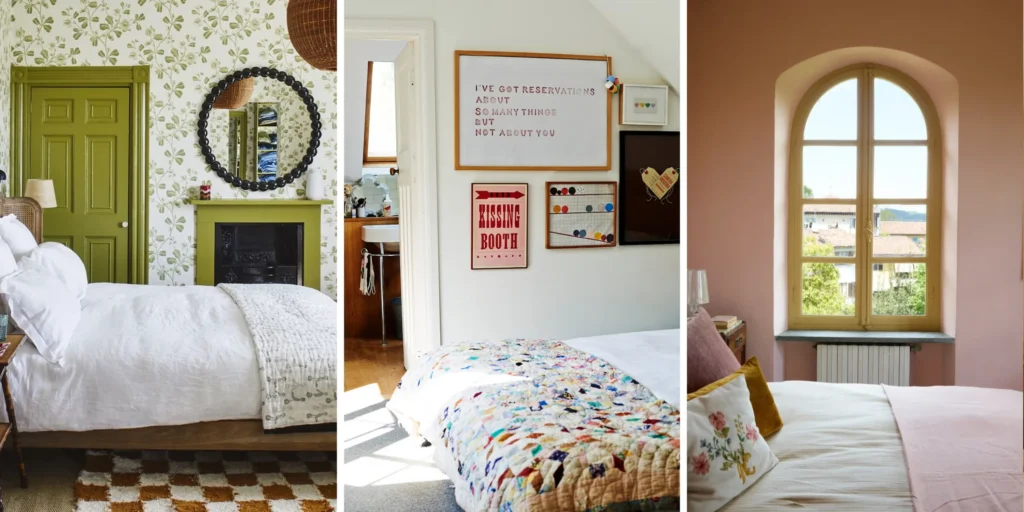
The 2010s brought social-media-friendly bedroom design into the mainstream. White walls became popular backgrounds for bold bedding, artwork, plants, statement walls, oversized floral patterns, chevron, and carefully arranged accessories. Vintage furniture also returned, while soft contrast and layered textures became important. Later in the decade, gray became a common neutral, and monochromatic rooms remained popular. The decade was strongly influenced by the desire to create rooms that looked polished in photographs while still feeling comfortable in daily life.
For today’s homeowner, the best lesson from the 2010s is the value of a strong foundation. White or neutral walls can still work, but they do not need to be paired with an entirely white room. Add natural wood, warm textiles, artwork, plants, or a deeper accent color to avoid a flat appearance. If you liked the statement-wall trend, you can update it with wallpaper, limewash, paneling, or a darker paint color. Instead of copying a 2015 bedroom exactly, ask which part you actually like: the floral pattern, the contrast, the vintage furniture, or the clean background. Keeping one idea makes the room feel intentional.
2010–2012 – Statement Walls and Pattern
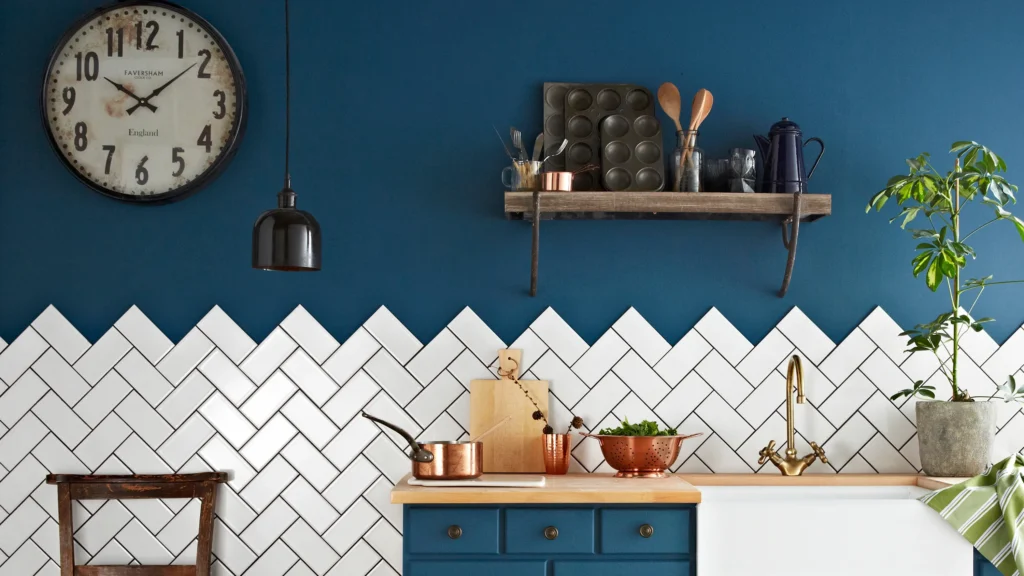
The beginning of the 2010s made the statement wall a major bedroom decorating idea. Instead of treating every wall equally, homeowners could use one wall as a visual backdrop for the bed. Wallpaper, large-scale patterns, painted designs, and strong colors gave the room a clear focal point. Around 2012, vintage furniture and more expressive patterns also became important, creating rooms with more personality and visual history.
A statement wall remains useful today because it can change the entire appearance of a bedroom without requiring a full renovation. Place the feature behind the bed so it naturally becomes the focal point. If the pattern is large, keep bedding relatively quiet. If the wallpaper is subtle, you can introduce stronger bedding or artwork. For renters, removable wallpaper is an option, but always check the manufacturer’s instructions and your lease before installation. A statement wall should support the bed rather than compete with it. This simple design rule can make even an inexpensive bedroom feel more professionally planned.
2013–2015 – Soft Contrast, Florals, and Layered Personality
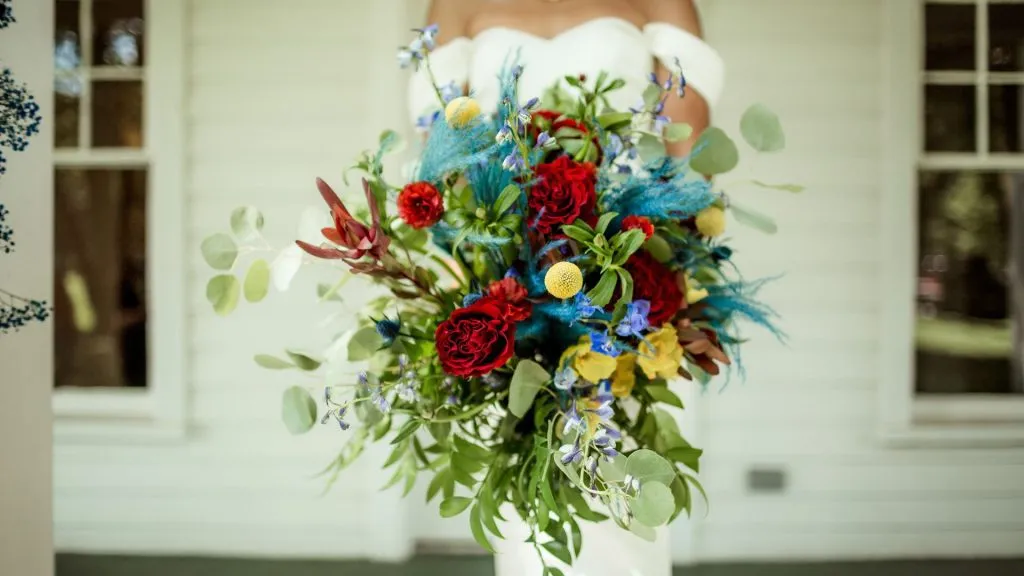
The middle of the 2010s favored soft contrast. Designers and homeowners combined muted colors from different parts of the color wheel, creating rooms that felt more interesting without becoming extremely bold. Floral patterns also returned strongly, including patterned curtains and bedding. Monochromatic palettes continued, but instead of using exactly the same shade everywhere, decorators could layer related tones.
This approach works particularly well in a modern bedroom because it gives you freedom to add personality without overwhelming the space. Try dusty blue with warm beige, soft green with cream, or muted pink with warm brown. Use the strongest pattern on one major surface and quieter patterns elsewhere. For example, a floral curtain can work with a plain duvet and a small striped cushion. If you prefer a neutral bedroom, use contrast through texture rather than color. Linen, boucle, wood, wool, and woven materials can make a neutral room visually rich. This is a professional interior-design technique because the room remains calm while still giving the eye something to explore.
2016–2019 – Gray, Hygge Influence, and Calm Layering
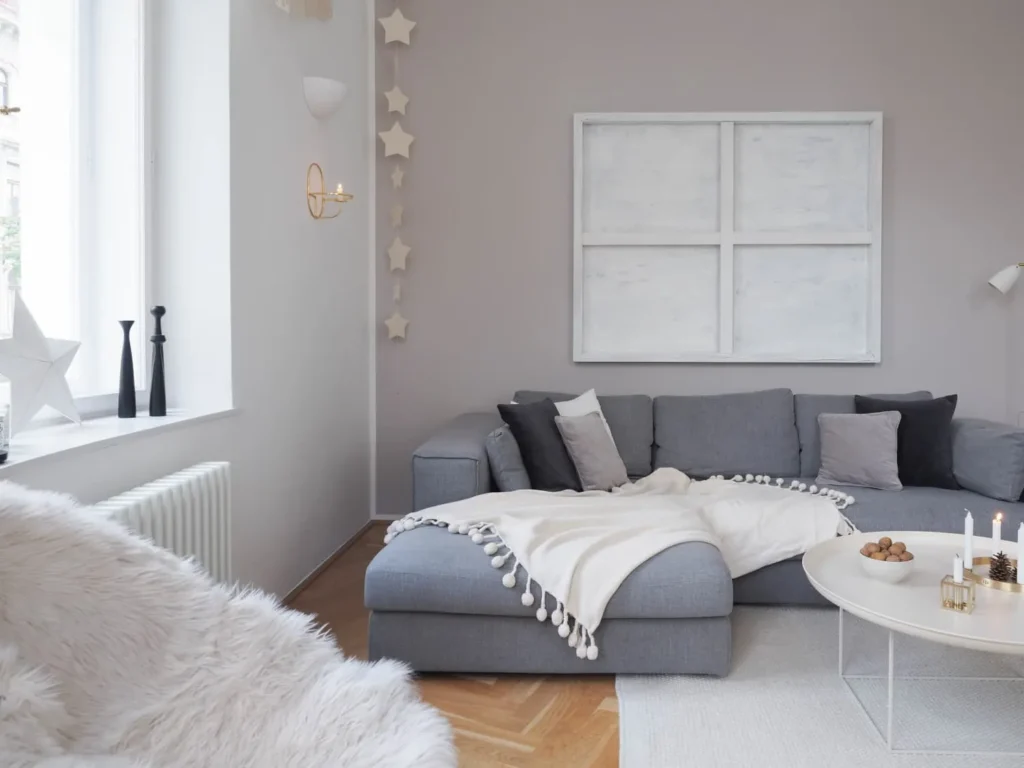
Later-2010s bedrooms often moved toward gray, soft neutrals, layered bedding, comfortable textures, and relaxed styling. Scandinavian and hygge-inspired ideas influenced many interiors, encouraging homeowners to make bedrooms feel cozy and practical. Vintage and repurposed objects also continued to add personality. IKEA’s historical review notes the popularity of gray tones later in the decade and stronger monochromatic palettes around 2018.
If you liked this period, do not assume that every surface needs to be gray. Modernize the look with warm gray, mushroom, taupe, cream, natural oak, or muted green. Layer the bed with a simple duvet, textured throw, and a limited number of pillows. Add warm bedside lighting and a rug that extends beyond the bed to make the room feel comfortable. The most important detail is balance. A calm bedroom should still have enough contrast to prevent everything from blending together. A dark wood nightstand, black picture frame, or deeper textile can create the small amount of contrast needed to give the room structure.
Bedroom Trends From 2020 to 2026
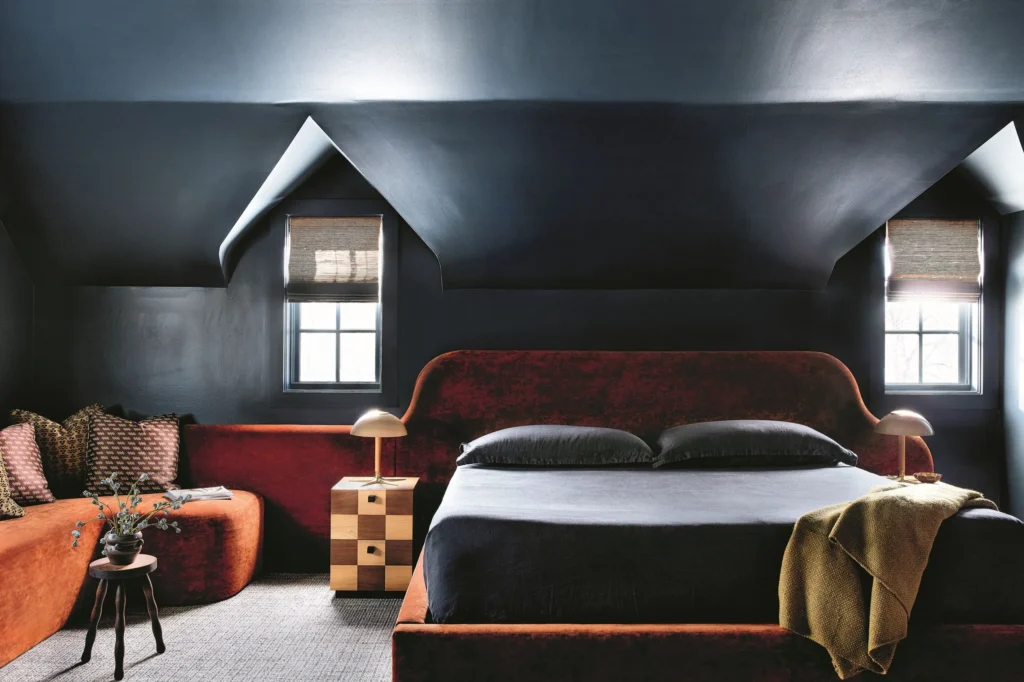
The 2020s changed the way many people thought about bedrooms. As homes became more important for work, rest, exercise, and personal time, bedrooms increasingly became spaces for comfort and recovery. Design also became more personal. Instead of one dominant aesthetic, homeowners began combining vintage pieces, natural textures, richer colors, handmade objects, traditional patterns, and modern furniture. Recent design coverage describes a movement toward warmer natural colors, vintage pieces, pattern, individuality, and more intentional bedroom environments.
By 2026, the bedroom is increasingly being treated as a space designed around how a person actually lives and sleeps. Current design discussions include screen-free or “analog” bedrooms, softer lighting, tactile materials, natural-fiber rugs, controlled technology, layered window treatments, and layouts that protect the sleeping area from unnecessary activity. Designers are also paying greater attention to sleep-focused environments rather than simply creating rooms that look good in photographs. This does not mean every modern bedroom should be minimal or technology-free. The important idea is intentionality. If technology helps you sleep or relax, it can be integrated carefully. If it keeps you awake, hiding or removing it may make more sense. Modern bedroom design is increasingly about matching the room to the person rather than forcing every home into one trend.
2020–2022 – Natural Texture, Comfort, and Personal Retreats
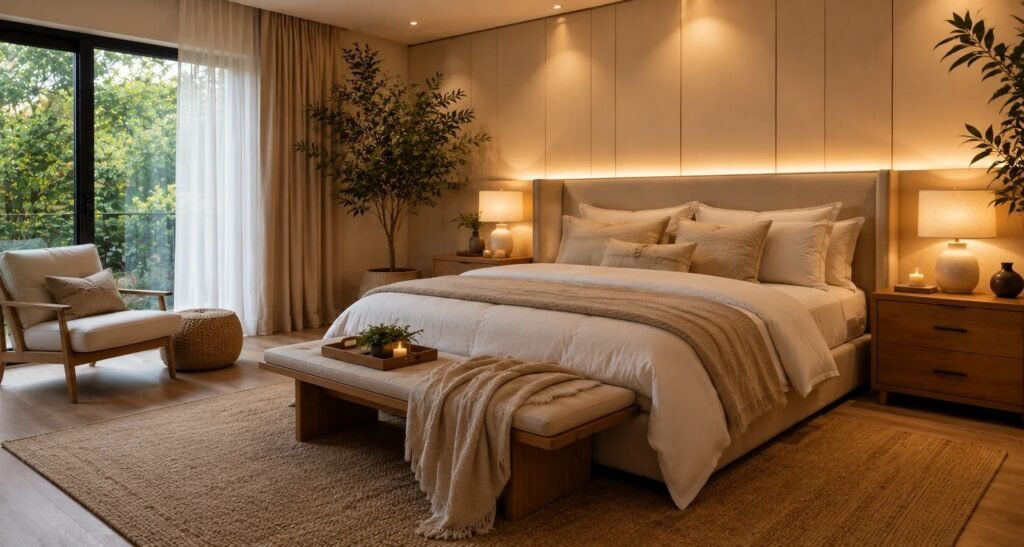
The early 2020s placed greater emphasis on comfort, natural materials, and the emotional experience of the home. Linen, wood, rattan, plants, warm neutrals, and tactile fabrics became useful ways to make bedrooms feel more connected to nature. At the same time, vintage pieces and personal objects gained importance because people wanted rooms that felt individual rather than copied from a showroom.
To recreate this style, build the room around texture. Start with cotton or linen bedding, add a woven basket, choose a wood bedside table, and use a rug to soften the floor. Plants can add life if the room receives enough light, but they should not be used simply because they are fashionable. Choose plants that suit your environment and your ability to care for them. Personal objects are equally important. A framed photograph, inherited table, favorite book, or handmade ceramic piece can make the bedroom feel connected to your life. These small details often make a larger difference than buying an entire new furniture set.
2023–2024 – Warm Neutrals, Vintage Pieces, Color, and Pattern
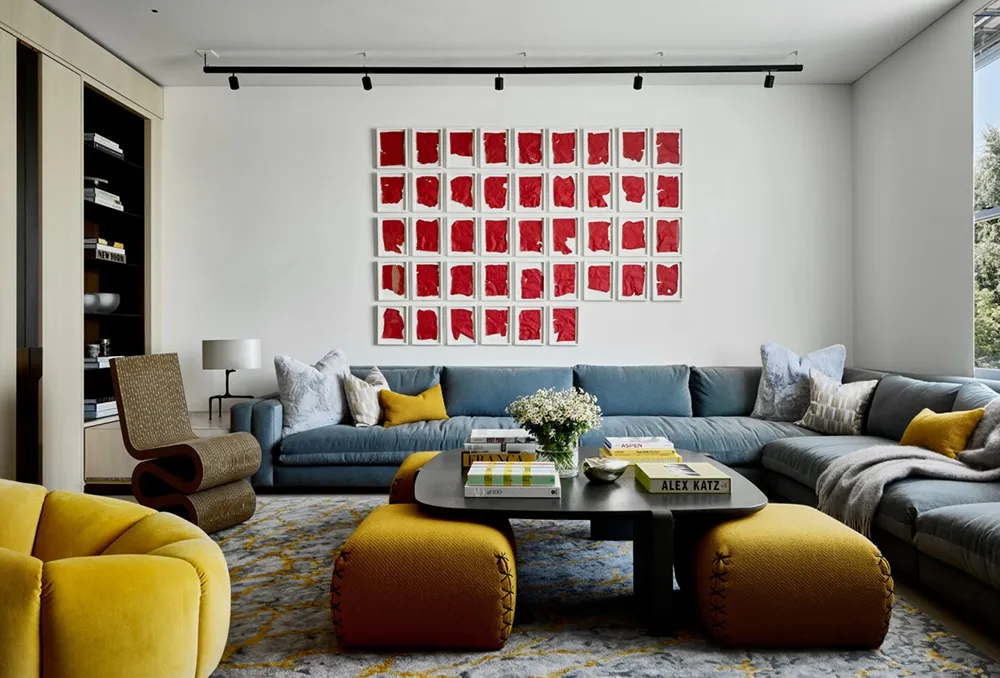
By 2023 and 2024, bedroom design was moving away from the idea that a peaceful bedroom had to be completely white or beige. Designers increasingly discussed richer natural colors, vintage furniture, traditional patterns, color drenching, and simpler bedding arrangements. The focus was on creating rooms with depth and personality while maintaining comfort. Architectural Digest’s 2024 trend coverage highlighted richer natural colors, simple linen styling, vintage pieces, stronger use of color, and pattern as important directions.
For your own bedroom, combine these ideas rather than choosing all of them. A warm olive, clay, cocoa, muted blue, or deep green wall can provide more character than stark white. Pair it with natural wood and simple bedding. Add one vintage object, such as a dresser, mirror, chair, or bedside table. If you want pattern, choose one dominant print and let the surrounding pieces support it. You can also use color drenching by carrying a similar color across the walls, trim, or selected furnishings, but introduce texture so the room does not become visually flat. The goal is not to make the room “trendy.” The goal is to make it feel complete and personal.
2025–2026 – Deeper Color, Sleep-Focused Design, and the Analog Bedroom
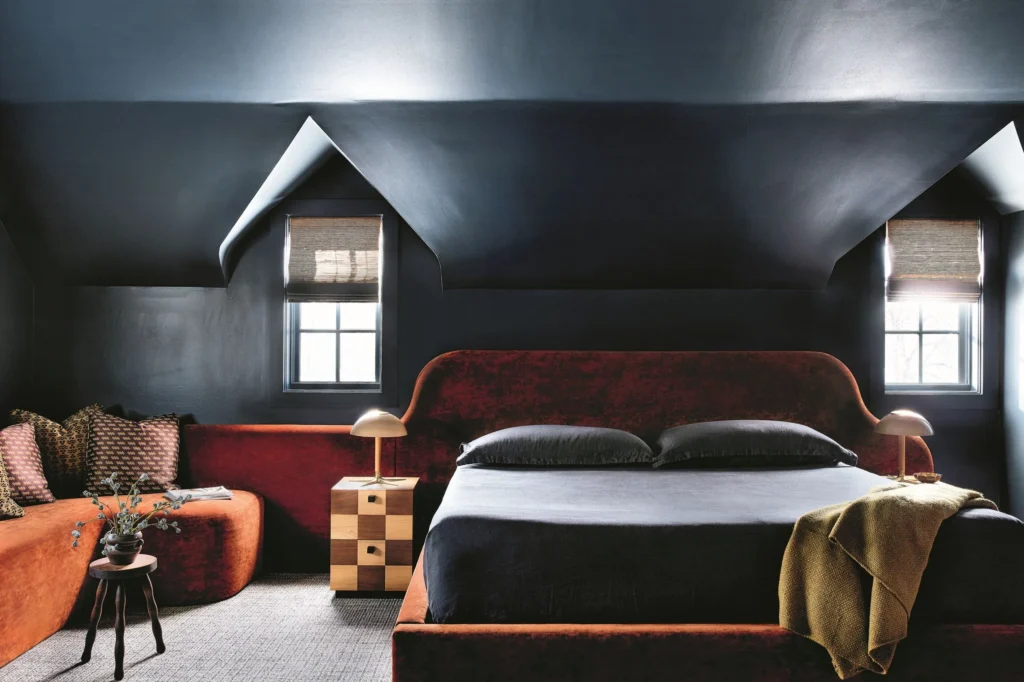
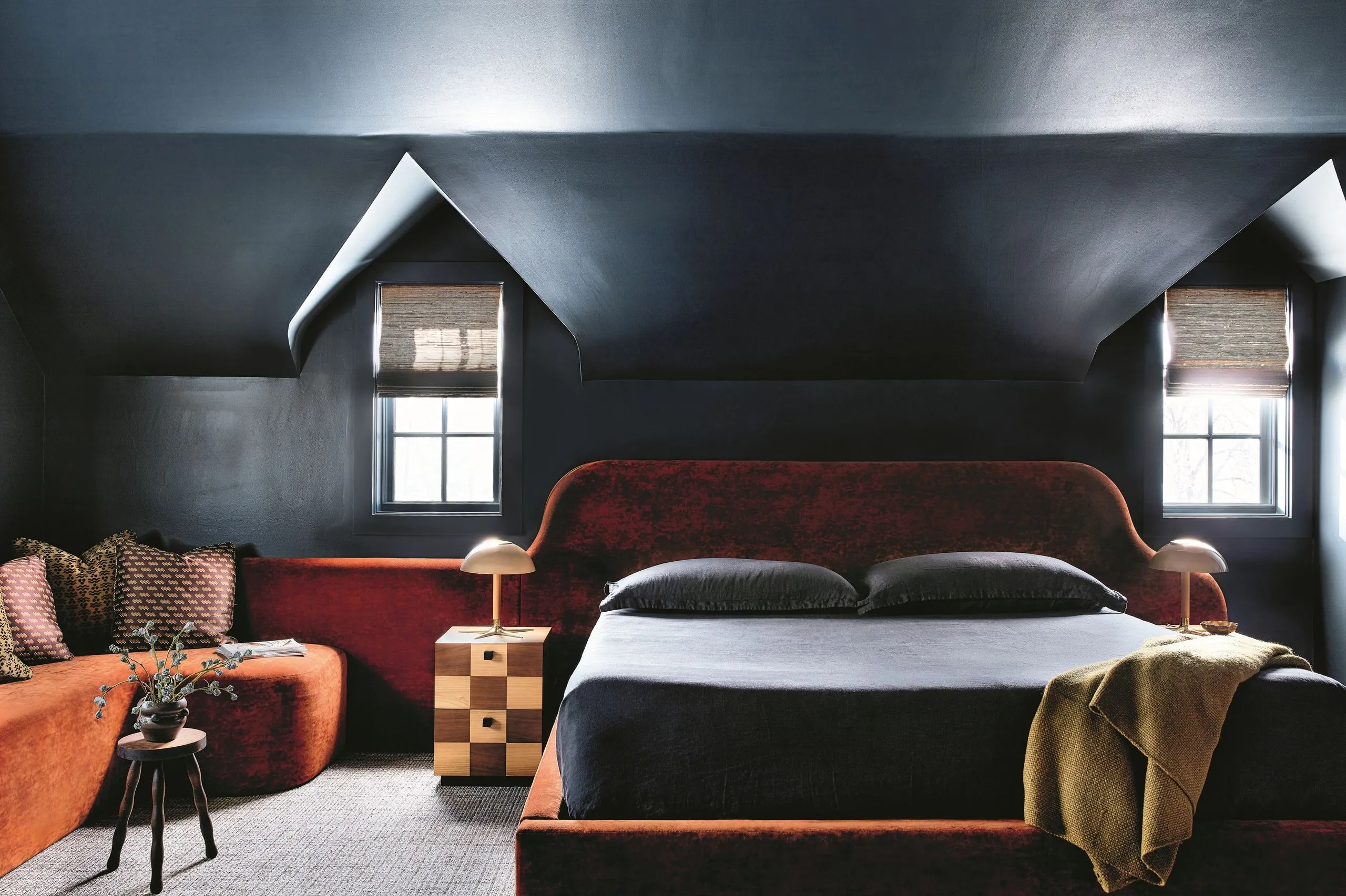
The newest direction is less about one particular color and more about making the bedroom intentional. Recent 2025 and 2026 design coverage points toward deeper colors, color drenching, textured materials, dark wood, vintage references, and more personalized spaces. At the same time, designers are paying increasing attention to the bedroom’s purpose as a place for sleep. Current 2026 coverage discusses screen-free or “analog” bedrooms, tactile materials, softer lighting, books, natural-fiber rugs, and reducing visual stimulation.
This gives homeowners an excellent opportunity to combine beauty with practical design. Start by asking what prevents you from relaxing in your bedroom. If clutter is the problem, improve storage. If harsh light is the problem, layer lamps and window treatments. If screens keep your attention, create a small reading area or keep the television out of the main sleeping zone. If the room feels cold, add wood, wool, linen, curtains, or upholstered furniture. Current professional bedroom design is not necessarily about buying more things. It is about choosing the right things. A beautiful bedroom should work at night, in the morning, and during the quiet moments between.
Related: How to Organize a Kid’s Closet – Simple and Practical Ideas
Bedroom Trends by Year: 1980–2026 Quick Reference
| Year | Bedroom design direction |
|---|---|
| 1980 | Pastels, ruffles, floral fabrics, decorative beds |
| 1981 | Soft romantic colors and layered textiles |
| 1982 | Pastels, brass, ruffles, coordinated decor |
| 1983 | Teal, magenta, sculptural metal, stronger contrast |
| 1984 | Four-poster beds, fringe, traditional details |
| 1985 | Romantic furniture, personal accessories, layered fabrics |
| 1986 | Teen rooms, desks, curtains, personal decoration |
| 1987 | Bold patterns, expressive colors, personalized rooms |
| 1988 | Stripes, metal beds, graphic patterns |
| 1989 | Teen-focused rooms, posters, practical furniture |
| 1990 | Bright colors, playful furniture, flexible storage |
| 1991 | Colorful youth rooms and practical layouts |
| 1992 | Futuristic details mixed with comfortable bedroom design |
| 1993 | Minimalism, white, cream, simple furniture |
| 1994 | Soft neutrals and uncluttered rooms |
| 1995 | Rustic touches, multiple lamps, practical storage |
| 1996 | Comfortable minimalism and warm textiles |
| 1997 | Pastels, drapery, romantic styling |
| 1998 | Canopy beds and dreamy bedroom decoration |
| 1999 | Romantic details, traditional furniture, soft colors |
| 2000 | Bold coordinated color and themed bedrooms |
| 2001 | Romantic fabrics, decorative accessories |
| 2002 | Purple, lilac, classical furniture influences |
| 2003 | Coordinated colors and decorative bedroom styling |
| 2004 | Natural materials and woven textures |
| 2005 | Bamboo, wood, relaxed natural styling |
| 2006 | Woven materials and rustic-inspired furniture |
| 2007 | Monochrome color schemes and coordinated patterns |
| 2008 | Mirrored furniture and statement lighting |
| 2009 | Cleaner surfaces and larger decorative lighting |
| 2010 | Statement walls and bold backdrops |
| 2011 | Patterned feature walls and coordinated decor |
| 2012 | Vintage furniture and expressive patterns |
| 2013 | Soft contrast and layered bedroom styling |
| 2014 | Muted colors and comfortable textures |
| 2015 | Florals, monochromatic rooms, patterned curtains |
| 2016 | Calm neutrals and cozy layered bedding |
| 2017 | Gray palettes and relaxed Scandinavian influence |
| 2018 | Strong monochrome palettes and cozy textures |
| 2019 | Personalized, comfortable, social-media-ready spaces |
| 2020 | Natural textures, comfort, warm neutrals |
| 2021 | Vintage details, personal spaces, layered materials |
| 2022 | Natural colors, tactile materials, relaxed bedrooms |
| 2023 | Warm neutrals, vintage pieces, personality |
| 2024 | Richer colors, simple linens, pattern, antiques |
| 2025 | Deeper colors, dark wood, nostalgia, textured materials |
| 2026 | Sleep-focused rooms, analog living, personal style, intentional lighting |
This year-by-year table should be treated as a quick design reference, not a claim that every bedroom in a particular year looked identical. Bedroom trends normally develop gradually, overlap across years, and vary between regions and households. The historical record shows exactly this kind of overlap: for example, romantic details continued into the 2000s, natural materials returned repeatedly, and vintage influences appeared again in the 2010s and 2020s.
How to Use Your Birth Year in Modern Bedroom Design
Your birth year can be a fun starting point for decorating, but it should not become a strict design limitation. If you were born in 1985, you do not need a completely 1985 bedroom. Instead, identify the parts of the period that appeal to you. Maybe you like brass, floral patterns, four-poster beds, or deep colors. Choose one or two of those details and combine them with modern furniture and lighting. Someone born in 1995 might prefer soft neutrals and minimalism, while someone born in 2005 might enjoy natural textures or purple accents. The year gives you a story, but your personal taste should determine the final room. This is especially important because bedrooms are private spaces. Unlike a formal living room, the bedroom should reflect how you actually relax.
A professional-looking bedroom usually has a clear focal point, a controlled color palette, comfortable lighting, practical storage, and a mixture of textures. Start with the bed because it is normally the largest visual object. Then choose the wall color, rug, window treatment, bedside tables, lighting, and accessories around it. Keep historical details limited enough that the room does not become a museum. For example, a 1980s-inspired room could use a modern upholstered bed, brass lamps, and dusty pink walls. A 1990s-inspired room could use a simple canopy, warm white walls, and natural linen. A 2000s-inspired room could use lilac artwork and one mirrored piece. A 2010s room could use a statement wall with modern bedding. A 2020s room could combine warm colors, natural wood, vintage furniture, and softer lighting. The result should feel inspired by history but designed for today.
What Bedroom Trends Keep Coming Back?
One of the most interesting things about bedroom design is that trends rarely disappear completely. They usually return in a new form. Florals appeared strongly in earlier decades and continue to return through modern wallpaper, bedding, and curtains. Natural materials have also appeared repeatedly, from older woven furniture to today’s interest in linen, rattan, wood, and wool. Traditional beds, vintage furniture, stripes, warm colors, and decorative lighting also continue to find new audiences. The difference is usually in scale, materials, and how these elements are combined. A floral bedroom from the 1980s might have coordinated curtains, bedding, and wallpaper, while a modern bedroom might use one floral wallpaper with plain linen bedding.
Color is another trend that repeatedly changes and returns. The 1980s used bold combinations and pastels, the 1990s explored softer neutrals, the 2000s brought stronger coordinated palettes, the 2010s favored whites and grays in many interiors, and the 2020s have increasingly welcomed richer natural colors and deeper tones. Recent design coverage also points toward more personalized color choices rather than the idea that every bedroom should use pale neutrals. This is good news for homeowners because it means there is no single “correct” bedroom color. Choose a color based on the atmosphere you want, the natural light in the room, the furniture you already own, and the way you want the room to feel at night.
How Can You Mix Different Bedroom Decades Without Making the Room Look Old?
The easiest way to mix decades is to create one modern foundation and add carefully selected vintage references. Your foundation could include a contemporary bed, simple flooring, practical storage, and modern lighting. Then add one older-looking dresser, a vintage mirror, a traditional fabric, or artwork inspired by a particular decade. This creates a layered room instead of a themed room. Designers frequently use historical pieces this way because older furniture can add individuality and depth without forcing the entire interior into one period.
Another useful method is to connect different decades through color. Suppose you love the 1980s but also like the natural look of the 2020s. Use dusty pink or teal as a small accent with warm oak, linen, and woven textures. If you like the 1990s and modern design, combine a simple canopy with a contemporary platform bed or use soft cream walls with one traditional dresser. The trick is repetition without duplication. Repeat one color, material, shape, or texture two or three times, but do not buy every item from the same collection. This makes the bedroom feel collected over time, which is usually more interesting than a room where everything was purchased on the same day.
What Is the Best Bedroom Trend for a Modern Home?
There is no single bedroom trend that works for every person or every home. A modern bedroom should respond to the person using it. Some people sleep better in a simple room with very little decoration. Others feel more comfortable surrounded by books, artwork, color, plants, and personal objects. Current design thinking increasingly recognizes this difference, with designers discussing bedrooms as personal environments rather than spaces that need to follow one universal visual formula.
A practical modern bedroom should therefore begin with comfort and function. Choose a mattress and bed that suit your needs, create useful bedside storage, control natural light, use comfortable bedding, and provide enough lighting for different activities. Then add your preferred style. If you love history, use vintage furniture. If you like modern design, choose clean lines. If you enjoy maximalism, layer pattern carefully. If you prefer minimalism, reduce visual clutter while keeping enough texture for warmth. The strongest bedroom is not necessarily the one that follows the newest trend. It is the one that continues to feel good after the trend has moved on.
Frequently Asked Questions About Bedroom Trends by Year
What bedroom trends were popular in the 1980s?
1980s bedrooms commonly used bold colors, pastels, floral fabrics, ruffles, brass details, geometric patterns, decorative headboards, and heavy window treatments. The decade also saw a wide range of styles, from romantic pastel bedrooms to stronger teal, pink, and metallic combinations.
What did bedrooms look like in the 1990s?
1990s bedrooms varied from colorful youth rooms to minimalist neutral spaces and romantic bedrooms with canopy beds and soft fabrics. The decade is particularly associated with a move toward calmer colors, practical storage, and more relaxed decoration.
What were popular bedroom trends in the 2000s?
The 2000s included coordinated color schemes, romantic fabrics, purple and lilac, themed rooms, natural materials, bamboo, woven textures, sleigh beds, monochrome decoration, mirrored furniture, and statement lighting.
What was the most popular bedroom style in the 2010s?
There was no single style throughout the 2010s, but many bedrooms used white or neutral backgrounds with statement walls, bold patterns, floral prints, vintage furniture, plants, layered textiles, and later gray and monochrome palettes.
What are the biggest bedroom trends in 2026?
Current bedroom design is moving toward personal, comfortable, intentional spaces. Deeper colors, natural and tactile materials, vintage pieces, layered lighting, screen-free areas, and sleep-focused layouts are receiving attention. The modern bedroom is increasingly designed around the individual’s routines rather than a single universal aesthetic.
How can I make my bedroom look timeless?
Use a simple foundation, quality bedding, practical furniture, layered lighting, natural textures, and a controlled color palette. Add trends through items that are easy to replace, such as pillows, throws, artwork, or small accessories. This lets you update the room without replacing major furniture.
Should I decorate my bedroom according to the year I was born?
Your birth year can be a fun source of inspiration, but it should not control the entire design. Choose one or two details from that period and combine them with modern comfort and your personal taste.
Conclusion
Bedroom design from 1980 to 2026 tells a story of changing lifestyles and changing ideas about home. The 1980s embraced decoration, color, brass, patterns, and larger visual statements. The 1990s moved between playful design, minimalism, romance, and practical storage. The 2000s experimented with coordinated themes, natural materials, monochrome decoration, mirrored furniture, and statement lighting. The 2010s made statement walls, white backgrounds, plants, patterns, gray, and social-media-friendly styling highly visible. The 2020s have increasingly brought back richer colors, natural materials, vintage furniture, personal objects, and a stronger focus on comfort and sleep. Looking at these periods together shows that bedroom trends do not move in a straight line. Ideas disappear, return, and become modern again.
The most useful lesson is that you do not need to choose between a historical bedroom and a modern bedroom. You can take the best idea from the year you were born and adapt it to your home today. A brass detail from the 1980s, a soft neutral from the 1990s, natural wood from the 2000s, a statement wall from the 2010s, or a vintage piece and warm color from the 2020s can all work together when they share a thoughtful palette. Start with how you want the bedroom to function, then build the look around that purpose. Trends can provide inspiration, but personal comfort, good proportions, useful storage, appropriate lighting, and a room that feels like your own will always matter more.