
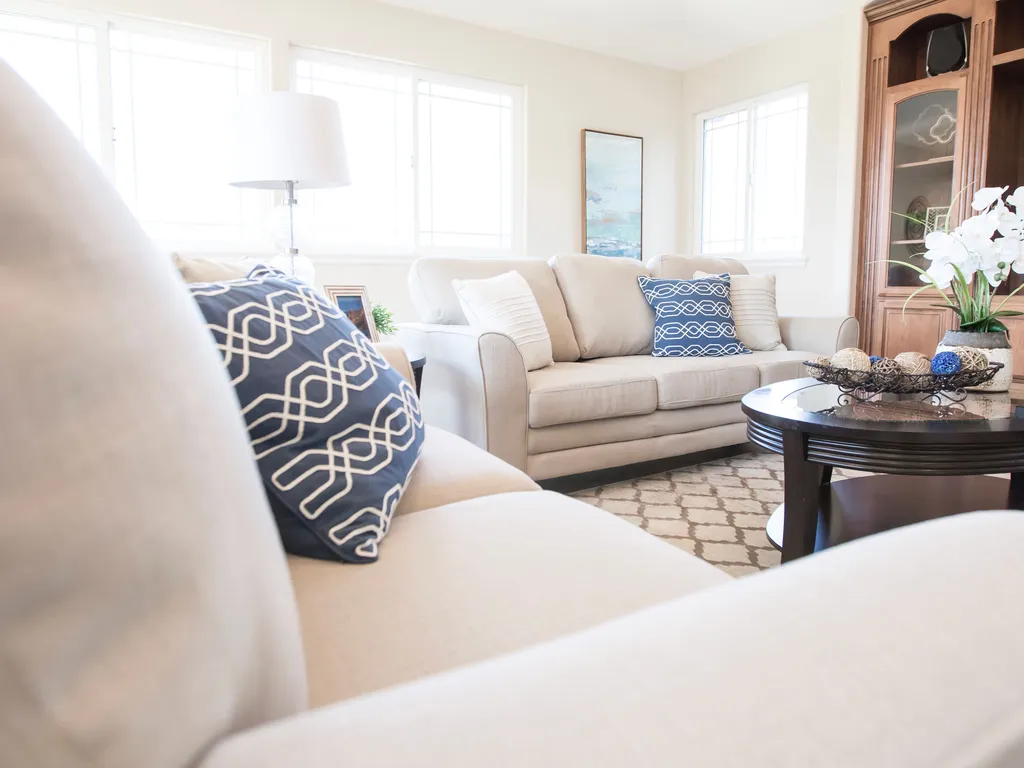
Blue and beige is the palette of a sandy beach under a clear sky, and it is one of the easiest color partnerships to live with. Beige brings warmth, softness and a neutral backdrop that forgives everyday life, while blue brings the cool, calm contrast that stops beige from ever looking dull. Together they can feel breezy and coastal, classic and tailored, or soft and Scandinavian, depending on which shades you choose and how much of each you use.
Quick answer: Blue and beige palette ideas work best when you keep about 60 percent warm beige, add 30 percent blue in one dusty family, and use 10 percent for accents. Pick light oak, layer linen and wool, and test blue swatches in the room’s light. A paint and textile refresh costs $250 to $700.
This is also the pairing at the heart of relaxed seaside decorating, so if the shoreline look is your goal, start with these combinations and then explore our coastal interior style ideas for the full room-by-room treatment. Below are ten ways to build the palette, from a quiet beige base with a whisper of blue to a bold cobalt statement, plus the ratios, textures and patterns that keep the two colors in balance.
In this guide: Blue and Beige at a Glance · Start With a Warm Beige Base · Layer Blues From Pale to Deep · Navy and Beige: The Classic That Never Dates · Powder Blue for Light, Airy Rooms · Use the 60-30-10 Split to Keep the Balance · Let Texture Stop Two Quiet Colors Feeling Flat · One Bold Blue Statement Piece · Mix Patterns in Blue and Beige · Take the Palette Into the Bedroom · Small Rooms and Renters: Blue and Beige Without Painting · Frequently Asked Questions About Blue and Beige Palettes · Conclusion
Blue and Beige at a Glance
| Element | Beige’s job | Blue’s job |
|---|---|---|
| Walls | Warm, light-reflecting backdrop | Optional accent wall or painted trim |
| Large furniture | Sofas and chairs you keep for years | One statement piece or cushions |
| Textiles | Linen, wool and jute foundations | Throws, cushions and bedding accents |
| Flooring and rugs | Natural wood and woven neutrals | Patterned or solid blue anchor rug |
| Accessories | Baskets, ceramics and warm metals | Art, vases and lamps with color |
1. Start With a Warm Beige Base
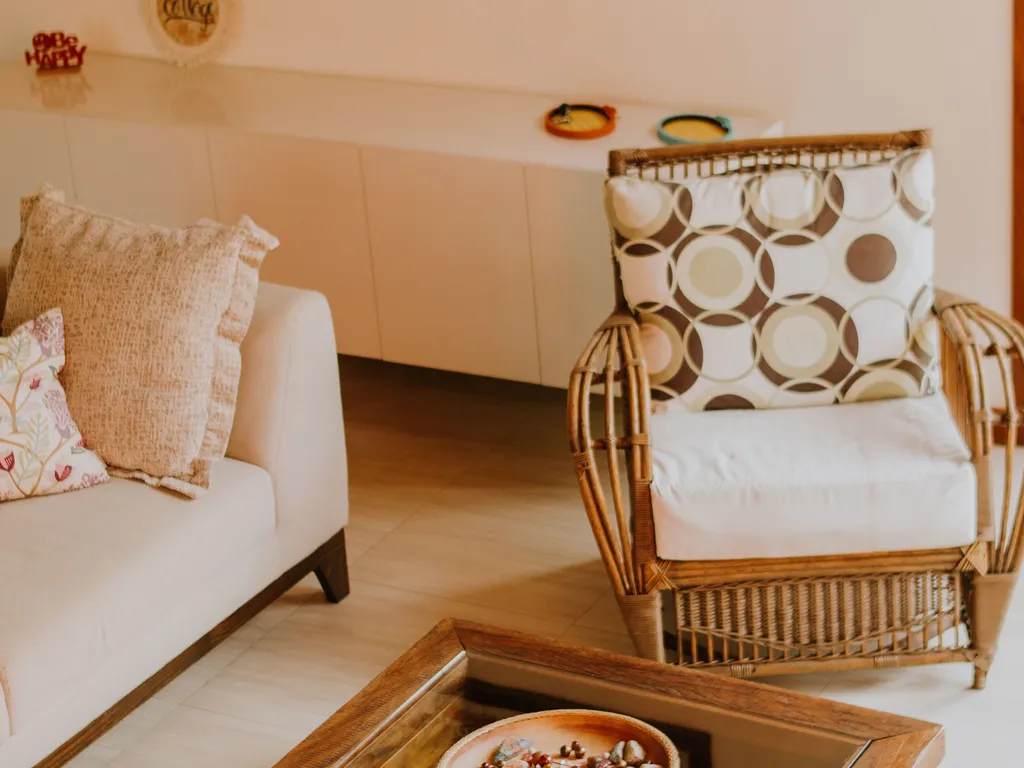
The most foolproof version of this palette lets beige do the heavy lifting. Paint the walls a warm beige, choose a beige or oatmeal sofa, and lay a natural woven rug underfoot. That sandy foundation covers roughly seventy percent of what you see, and it creates the calm, sunlit feeling people love about this combination before a single blue item enters the room.
Then add blue in small, deliberate doses: a pair of dusty blue cushions, one ceramic vase, a framed print with a blue horizon. Color guides to warm beiges consistently list blues among their best partners — this rundown of colors that compliment Accessible Beige names shades from pale Tradewind through Rainwashed to deep Navy — because blue’s coolness balances beige’s warmth without a fight. Keep the first blue accents mid-toned rather than pastel or near-black, and the room will read balanced from day one.
2. Layer Blues From Pale to Deep
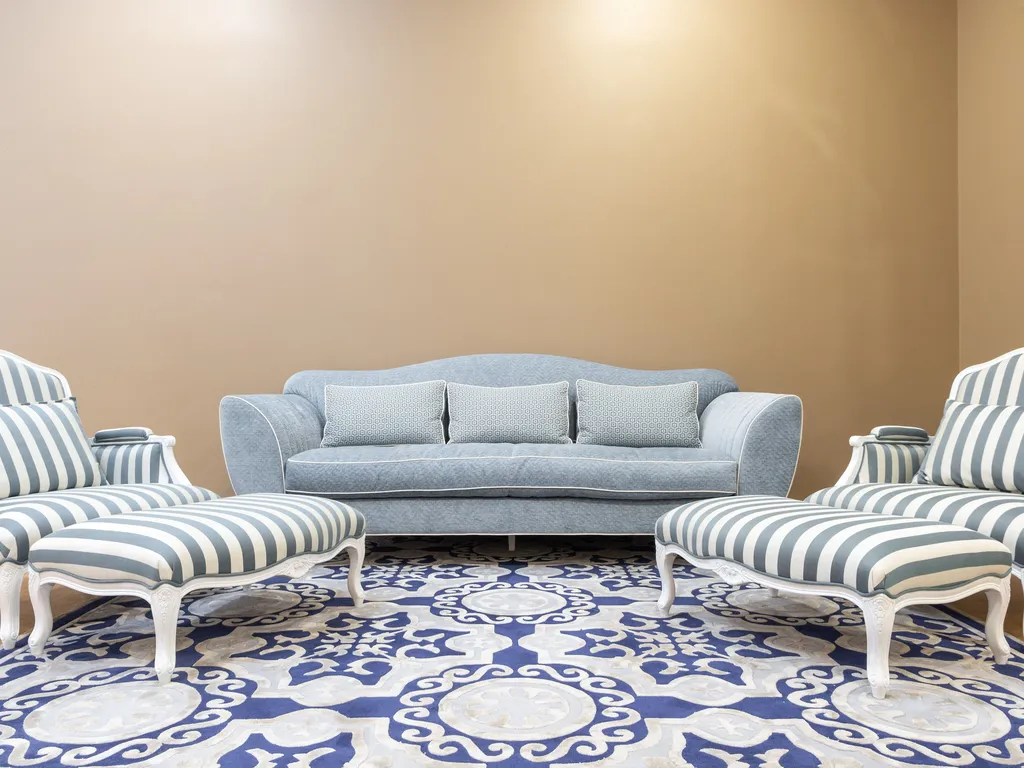
A single shade of blue repeated everywhere can look flat, but three shades used together create instant depth. Start with the palest sky blue on the largest soft surfaces, such as a throw or a pair of cushions, then step down to a mid denim tone, and finish with a small amount of navy in the smallest items. The gradient mimics the sea itself, which is never one color.
The trick is to keep all three blues in the same family. Choose blues that share a slightly gray, dusty undertone and they will sit together peacefully; mix a greenish teal with a purple-leaning navy and the layers will argue. Test your cushions and throws side by side in daylight before committing, and echo each shade at least twice in the room so no single piece looks like a mistake.
3. Navy and Beige: The Classic That Never Dates
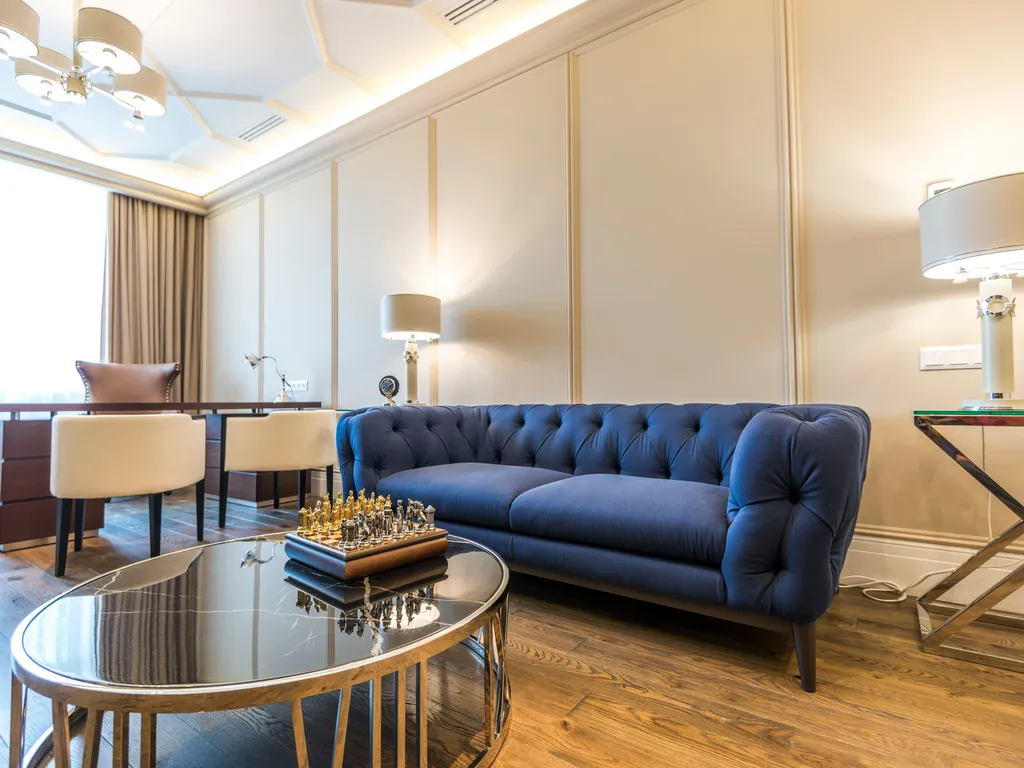
If you want the polished end of this palette, navy is your blue. A navy velvet sofa against cream or beige walls looks tailored and expensive, yet the warm backdrop keeps it welcoming rather than formal. Beige linen curtains, a beige rug and light wood furniture stop the deep blue from swallowing the light, and a brass lamp or picture frame adds the warm metallic note this combination loves.
Navy also hides a multitude of sins, which makes it practical for family sofas, dining chairs and entryway benches. Balance is the only rule: the darker the blue piece, the lighter and warmer everything around it should be. If the room still feels heavy, add one more beige textile rather than removing blue, and check the scheme at night under warm bulbs, not just in daylight.
4. Powder Blue for Light, Airy Rooms
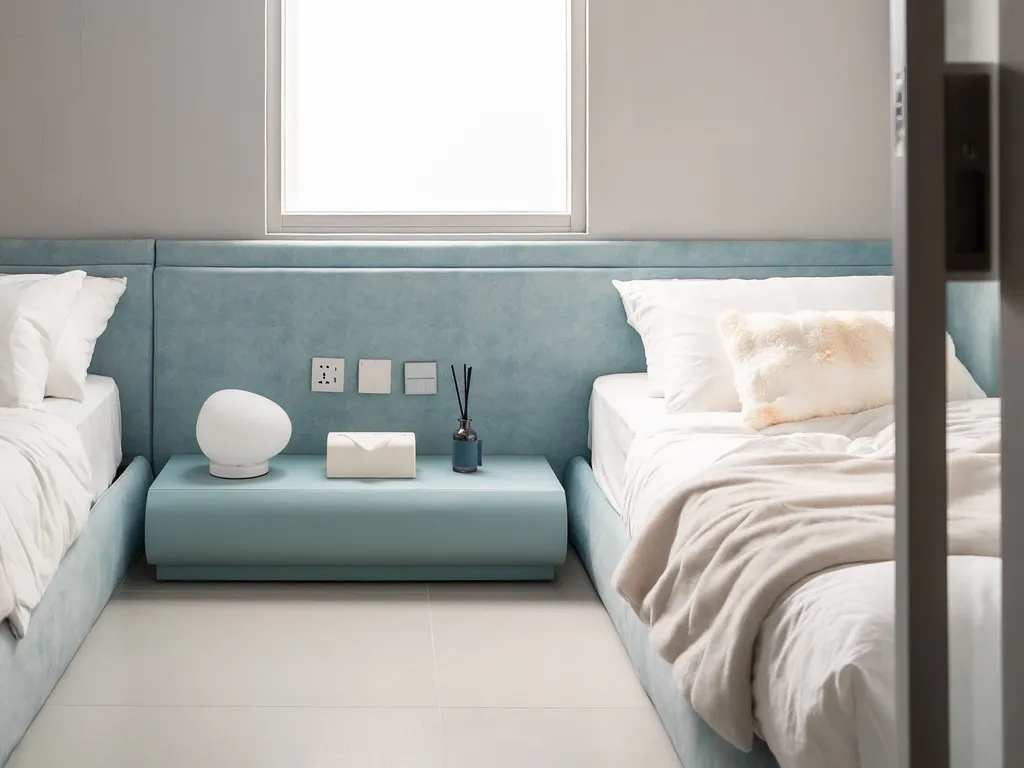
Swap the roles and put the pale color on the walls instead. Powder blue paint makes a room feel bigger, brighter and fresher, especially in north-facing spaces that need help. Against it, beige furniture, cream upholstery and bleached wood keep the scheme grounded and stop the blue from drifting toward a child’s bedroom.
Choose a powder blue with a hint of gray rather than a sugary pastel, and warm it up with natural textures: a jute rug, a woven basket, an oatmeal throw. This version of the palette suits bedrooms, nurseries and small living rooms beautifully, and because the walls carry the color, your beige furniture can stay exactly as it is for years while cushions and art change the mood.
5. Use the 60-30-10 Split to Keep the Balance
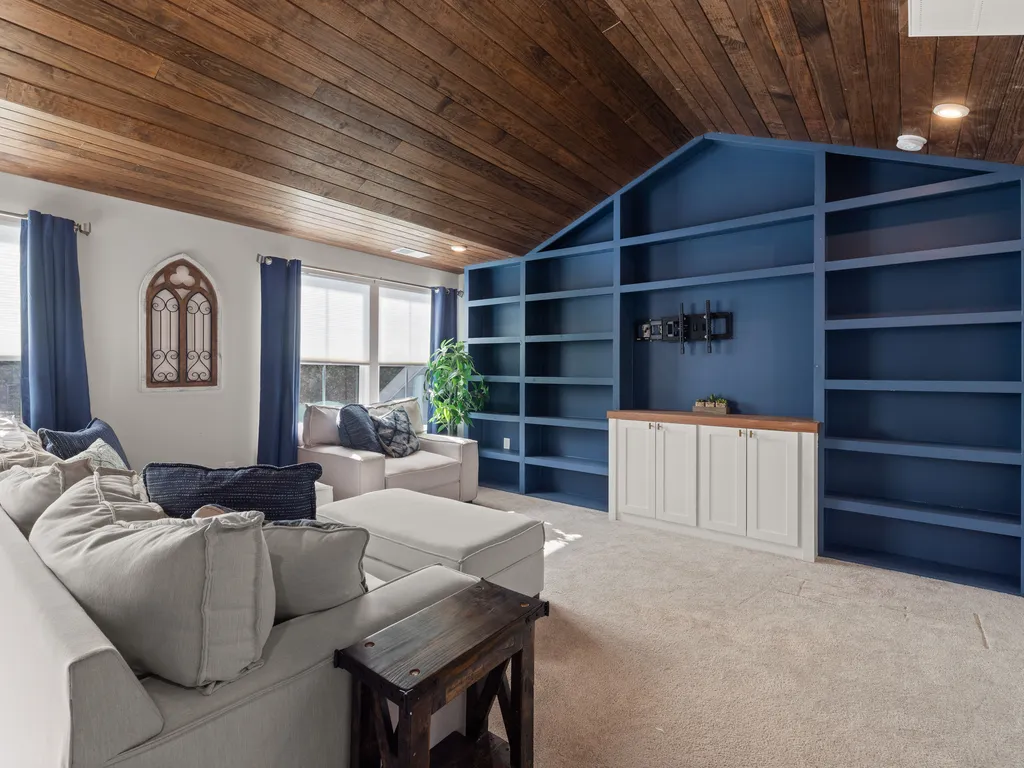
When a blue and beige room feels “off,” the colors are rarely the problem; the proportions are. The classic decorating ratio fixes it: about sixty percent of the room in your dominant color, thirty percent in the secondary color, and ten percent in a stronger accent. For most homes that means beige walls and big furniture at sixty, a supporting blue across curtains, rug and chairs at thirty, and a deep navy or cobalt ten percent in cushions and art.
This is the same disciplined approach we recommend for compact spaces in our small apartment color palette ideas, and it works at any size. Before buying anything, gather paint swatches and fabric samples on one table and physically sort them into three piles sized like your ratio. If the accent pile is bigger than your hand, something in it needs to move back to a supporting role.
6. Let Texture Stop Two Quiet Colors Feeling Flat
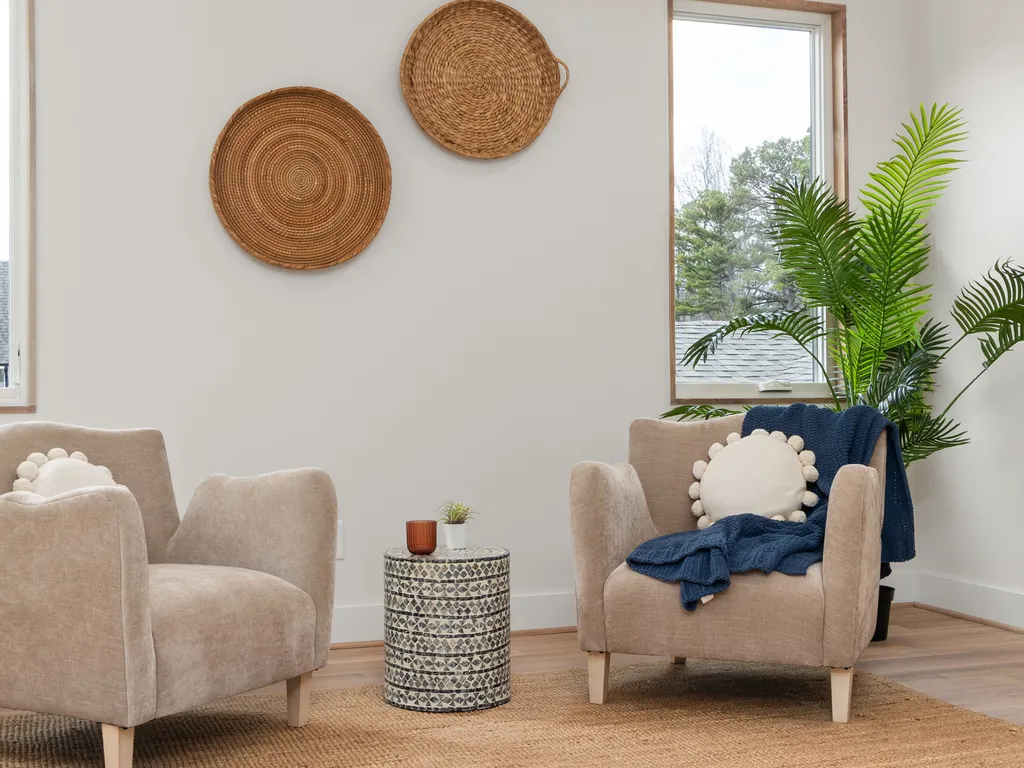
Blue and beige are both quiet colors, so the interest in the room has to come from touch. Layer a chunky cable-knit throw over a smooth linen sofa, set velvet cushions beside slubby woven ones, and put a nubby jute rug under a soft wool one. Every surface that catches light differently adds depth that color alone cannot provide.
This is especially true if your beige leans neutral-warm; our warm neutral palette ideas show how far texture can carry a soft scheme before you add any strong color at all. Aim for at least three distinct textures in every seating area, and repeat the hero texture, such as the knitted throw, in a second spot so the layering looks planned rather than piled on.
7. One Bold Blue Statement Piece
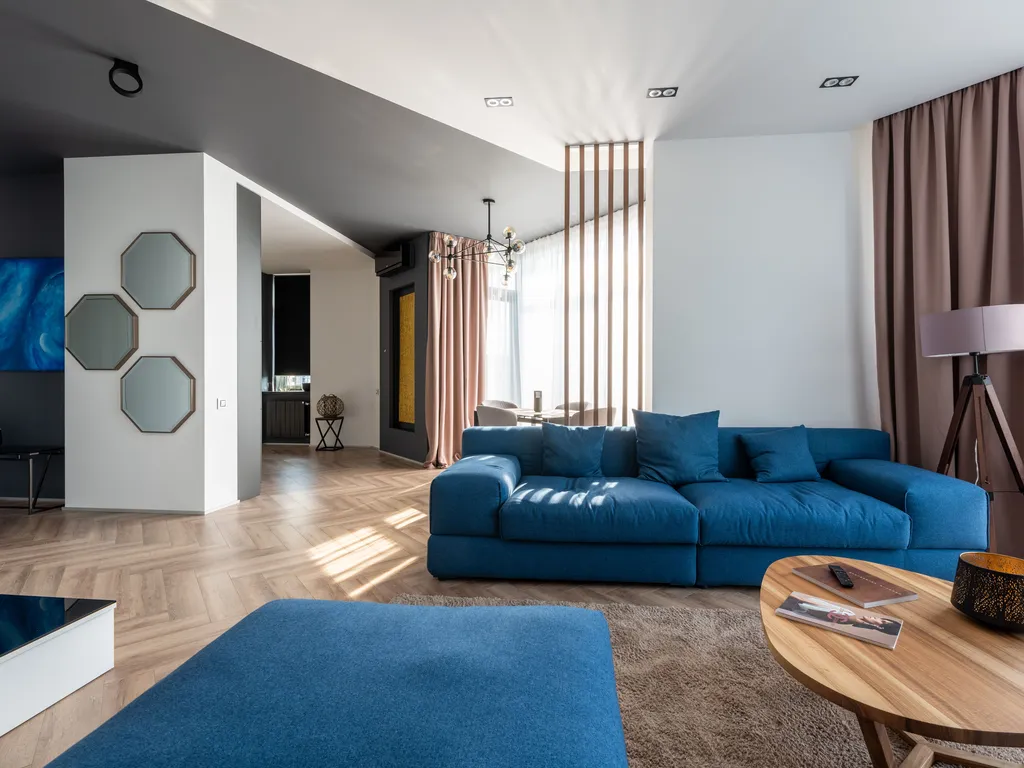
A calm beige room can take one loud guest. A cobalt or royal blue sofa, a pair of sapphire armchairs or a painted blue bookcase gives the whole scheme a focal point and makes the surrounding neutrals look intentional rather than safe. The bolder the piece, the quieter everything else should be: plain beige walls, a plain rug, and cushions in cream rather than more blue.
Roundups of beige and blue living rooms, such as Suite101’s blue and beige living room ideas, return to this move again and again because it delivers maximum impact for one purchase. Test the exact shade against your beige first, since bright blues can expose yellow undertones in beige paint. If a sofa is too big a leap, a blue velvet armchair delivers the same effect at a third of the commitment.
8. Mix Patterns in Blue and Beige
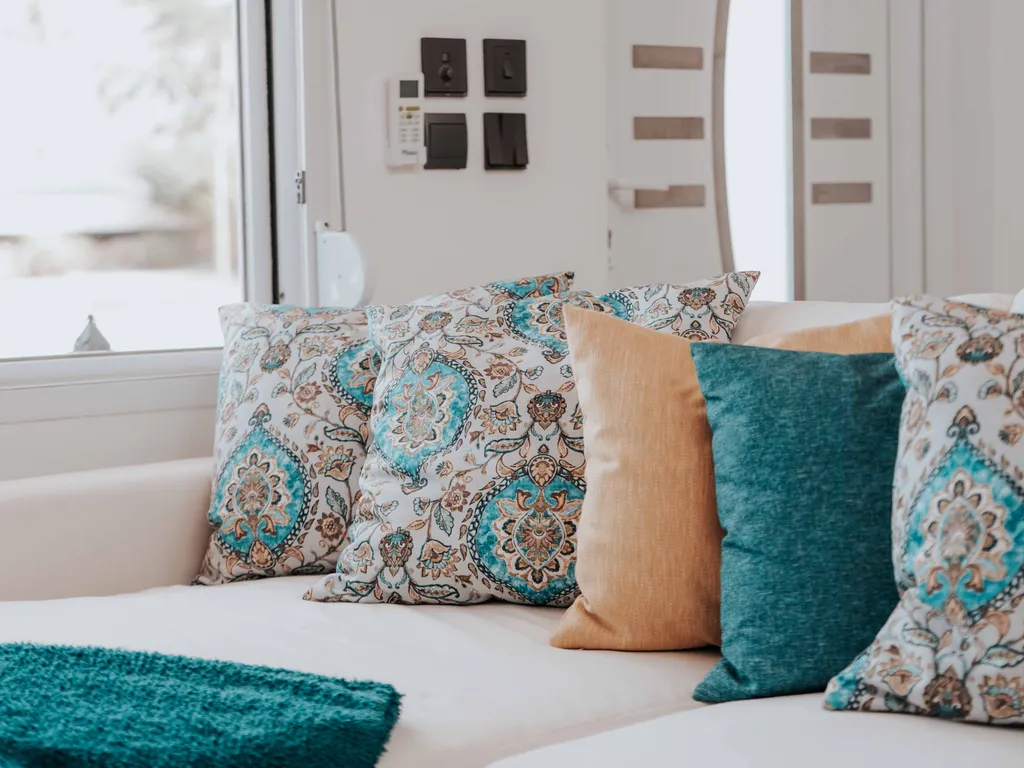
A two-color palette is the safest possible playground for pattern, because anything you choose already matches. Combine a classic blue and white stripe on cushions, a faded Persian-style rug in blue and beige, and one blue and white porcelain piece, and the room gains the collected, layered feeling that solid colors cannot create alone.
Keep the scales different so the patterns do not compete: one large-scale pattern such as wide stripes, one medium pattern such as the rug, and one small print in a cushion or shade. Leave breathing room with solid beige upholstery between them. If you are nervous, start with stripes only; they are the most forgiving pattern in this palette and they nod to the coastal theme without a single seashell in sight.
9. Take the Palette Into the Bedroom
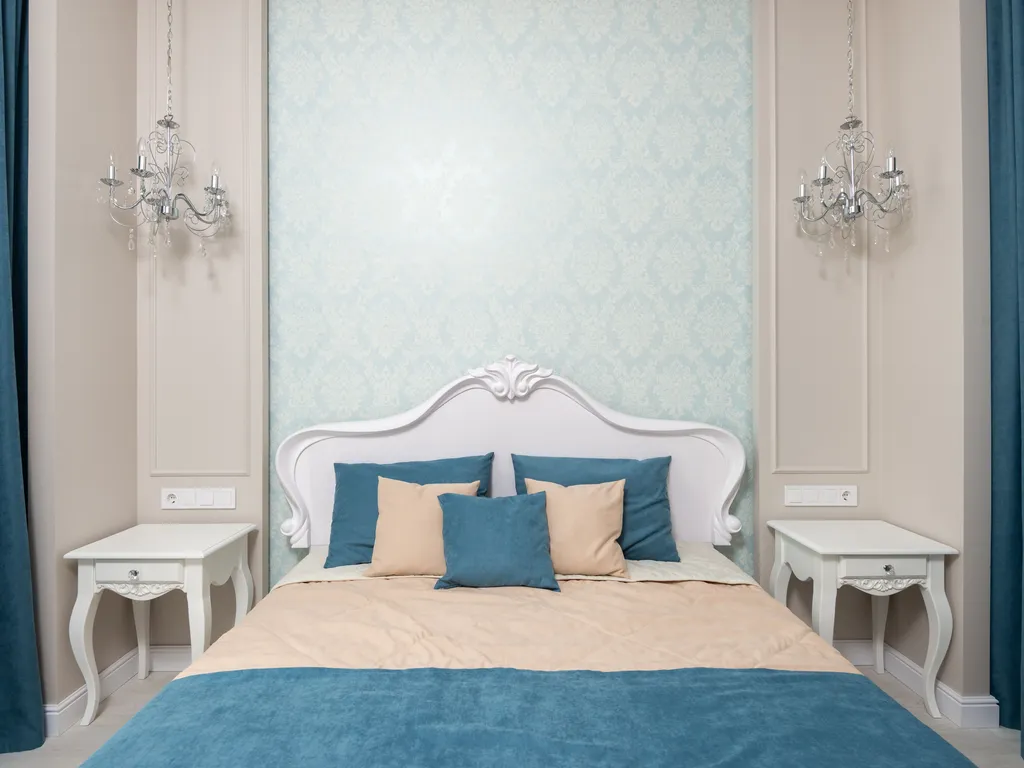
Bedrooms are where this palette earns its keep, because blue is associated with calm and lower heart rates while beige keeps the room feeling warm at night. Dress the bed in natural beige or oatmeal linen, layer a dusty blue knitted throw across the foot, and add navy or denim cushions for the depth that makes the bed look styled rather than simply made.
Keep the blues softer here than in the living room; save the boldest navy for cushions rather than walls, unless your bedroom gets strong morning sun that can handle a deep accent wall behind the headboard. Warm wood nightstands and a beige lampshade keep the evening light golden, and a small blue ceramic or piece of art on the dresser ties the bed to the rest of the room.
10. Small Rooms and Renters: Blue and Beige Without Painting
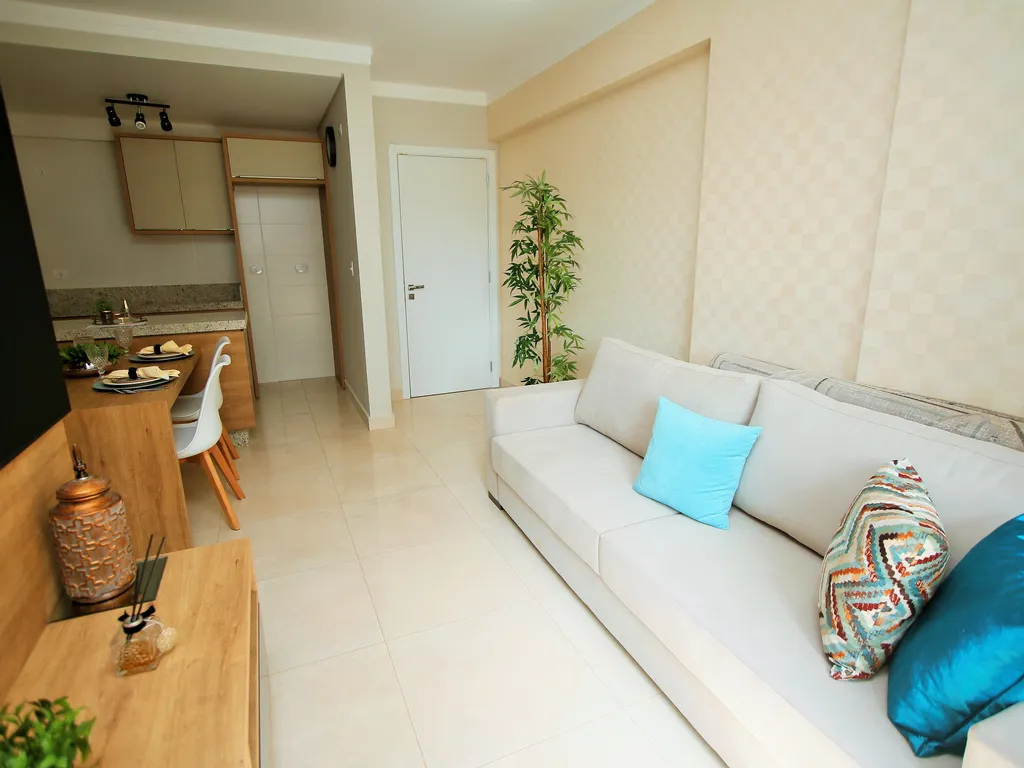
You do not need to own your walls to use this palette. If your rental already has beige or warm white walls, you are halfway there: bring the blue entirely through textiles and accessories. A cream loveseat, a round beige rug, blue cushions and one blue ceramic lamp will establish the whole scheme in an afternoon, and every piece leaves with you when you move.
Think of it as building a year-round neutral base and letting blue be the changeable layer. In a small room, keep the beige pale and the blue concentrated at one end of the space, such as the seating corner, so the eye reads one calm backdrop instead of scattered color. Swap cushion covers between powder blue in summer and navy in winter, and the same room feels freshly decorated twice a year.
Frequently Asked Questions About Blue and Beige Palettes
Which shade of blue goes best with beige?
Dusty mid-blues and navy are the most reliable partners because their gray or deep undertones respect beige’s warmth. Powder blue works when you want a lighter feel, and denim blue is the easiest accent to add through cushions and throws.
How do I stop beige looking boring?
Beige only looks boring when it is flat. Add blue contrast, at least three textures such as linen, knit and jute, and one warm metal or wood tone. A beige room with layered texture and a clear blue accent reads calm and designed, never dull.
Can blue and beige work in a small room?
Yes, it is one of the best small-room palettes. Keep the beige pale to bounce light, use blue in a few concentrated spots rather than everywhere, and choose one statement piece instead of many small blue accessories competing for attention.
What colors can I add to blue and beige?
Warm white and cream blend in seamlessly. For a third color, try sage green for a botanical feel, terracotta or rust for extra warmth, or soft blush for bedrooms. Add only one extra color at a time so the calm balance survives.
Does blue and beige suit a modern style?
It does. Choose clean-lined furniture, a graphic stripe or abstract art, and a saturated blue such as cobalt as the single accent. The palette turns classic or coastal with traditional shapes, and crisp and contemporary with simple shapes.
What wood tones work with blue and beige?
Light oak, natural pine and warm walnut all work. Pale woods keep the coastal mood, while mid-tone walnut adds the warmth that stops blue feeling cold. Avoid orange-toned woods, which fight with beige’s undertones.
Should the blue be warm or cool?
Slightly muted blues work best. A blue with a touch of gray, sometimes called a dusty or smoky blue, sits comfortably next to warm beige, while a very icy blue can make beige look yellow by comparison. Always compare swatches together.
Can I use blue and beige in a kitchen or bathroom?
Absolutely. Navy cabinets with beige or warm white walls are a kitchen classic, and in bathrooms, beige tiles with blue towels, a blue vanity or blue patterned floor tiles give a spa feeling that is warm rather than clinical.
How much blue is too much?
When blue stops being the accent or partner and the beige disappears, the room usually feels cold. If you can no longer see the beige at a glance, rebalance with a beige rug, throw or curtain before removing any blue you love.
Is blue and beige a good palette for resale or staging?
Yes. It photographs beautifully, feels both current and classic, and appeals to buyers who want color without risk. Keep walls beige, keep the blue in removable items, and the home reads styled but neutral to the widest audience.
Conclusion
Blue and beige succeeds because each color fixes the other’s weakness: beige warms blue’s coolness, and blue rescues beige from blandness. Start with the beige base, layer your blues from pale to deep, respect the 60-30-10 balance, and let texture and one or two patterns do the decorating work. Whether your room ends up coastal, classic or quietly modern, the result is a space that feels like a deep breath: calm, warm and easy to live in every single day.
What a Blue and Beige Room Costs: Typical Price Ranges
Blue and beige is a low-risk palette to buy for, because beige covers the big, long-life pieces and blue comes in as paint, cushions and art that are easy to swap. The table below gives typical US price ranges for a standard 12 by 14 foot living room.
| Item | Typical price range | Notes |
|---|---|---|
| Interior wall paint, 1 gallon | $35 to $75 | Covers about 350 square feet per coat |
| Paint sample pots, 3 colours | $15 to $45 | Test blue and beige side by side in the room |
| Beige linen sofa, 3-seat | $700 to $2,000 | Slipcovers cut cleaning costs later |
| Navy or dusty blue armchair | $300 to $900 | One blue chair is often enough |
| Cushions in blue, set of 2 | $30 to $90 | Mix a stripe with a solid |
| Throw blanket, cotton or wool | $35 to $110 | Pick a mid blue, not the palest shade |
| Rug, 8 by 10 feet, blue pattern on beige | $200 to $800 | Pattern hides marks in a family room |
| Linen curtains, one pair | $70 to $240 | Beige curtains keep the room light |
| Blue ceramic vases, set of 2 | $25 to $80 | Two sizes look better than a matched pair |
| Framed coastal art, 24 by 36 inches | $60 to $250 | One large piece beats four small ones |
| Wood side table, light oak | $90 to $300 | Warm wood stops beige looking flat |
| Table lamp with blue base | $45 to $150 | Warm bulb, 2700K to 3000K |
A paint-and-textiles refresh often lands between $250 and $700. A full room with a new sofa, rug and curtains often lands between $1,500 and $3,500. Navy kitchen cabinets, done by a pro, cost $1,800 to $5,000 for a small to mid-size kitchen; a DIY paint job on the same cabinets costs $350 to $900 in paint, primer and supplies.
Measurements That Keep Blue and Beige Balanced
- The 60-30-10 split: about 60 percent beige and warm white, about 30 percent blue, and about 10 percent wood, black or brass. In a 12 by 14 foot room, that means beige walls and sofa, blue cushions, rug and one chair, and wood or black for the small pieces.
- Paint coverage: one gallon covers about 350 square feet per coat. A room with 8 foot ceilings and 416 square feet of wall needs 2 gallons for two coats.
- Blue test squares: paint each blue in a square at least 24 by 24 inches, next to a beige square the same size. Check them at 9 a.m., at noon and at 7 p.m. for 3 days.
- Rug size: an 8 by 10 foot rug fits a 3-seat sofa with at least 6 inches under the front legs. A 5 by 8 foot rug is too small for most living rooms.
- Curtain rod: hang it 4 to 6 inches above the window and 3 to 6 inches past each side, so the open curtains clear the glass.
- Art height: hang the centre of a picture 57 to 60 inches from the floor, and leave 6 to 8 inches between a sofa back and the bottom of the frame above it.
- Pattern scale: use one large pattern, one medium pattern and one small pattern. A wide stripe, a mid-size check and a small dot work together; three large patterns fight.
- Light: aim for 2700K to 3000K bulbs. Cool 4000K light can make dusty blue look grey and beige look cold.
Step-by-Step Planning for a Blue and Beige Room
- Pick the beige first. Beige is the base you will live with for years, so choose a warm beige with a yellow or pink base, not a grey one, and test it on two walls.
- Pick one blue family. Choose blues that share the same grey or dusty base. A dusty mid blue, a navy and a powder blue from the same family sit well together; a bright royal blue and a pale baby blue do not.
- Write the 60-30-10 plan down. List what will be beige, what will be blue and what will be the 10 percent accent. If blue passes 40 percent, move some blue pieces out.
- Order the sofa and rug first. Their sizes set the room. Buy cushions, throws and vases after, in tones that match the rug, not the paint chip alone.
- Layer texture before pattern. Add linen, wool, jute and wood first. Two quiet colours need touch to stay interesting, and texture costs less than new furniture.
- Paint in order. Patch, sand and prime, cut in the edges, then roll in 4 foot sections. Wait at least 4 hours between coats.
- Check the room at night. Turn on the lamps you will actually use and look at the blue. If it reads black, the blue is too dark or the light is too weak.
Mistakes to Avoid
- Using a cool grey-beige with a warm blue: the two bases clash. Test beige and blue cards side by side in the room’s light.
- Letting blue take over: when blue passes half the room, beige stops warming it and the room feels cold. Keep blue near 30 percent.
- Mixing three blue families: a dusty blue, a bright blue and a teal blue in one room look like a mistake. Pick one family.
- Buying a rug that is too small: measure the seating area first. A small rug makes the sofa look stranded.
- Forgetting the wood tone: without warm wood, blue and beige can feel flat and cold. Add at least two wood pieces in the same tone.
- Using only one texture: flat cotton on the sofa, flat cotton on the cushions and flat paint on the walls gives the room no depth. Mix linen, wool, jute and smooth ceramic.
More Questions About Blue and Beige Palettes
How much paint do I need for a blue accent wall?
One accent wall in a 12 by 14 foot room is about 112 square feet. One gallon gives two coats on that wall with paint left for touch-ups. Buy a quart if the wall is under 80 square feet.
What beige goes with navy blue?
A warm beige with a cream or sand base, such as Benjamin Moore Manchester Tan or Sherwin-Williams Accessible Beige. Hold the beige card next to the navy in daylight; if the beige looks pink, it is too warm for that navy.
Can I use blue and beige in a kitchen?
Yes. Navy lower cabinets with beige or warm white uppers is the most used mix. Keep the worktop pale and the handles warm brass or black, and test the navy under the kitchen lights before you commit.
Does blue and beige work in a north-facing room?
Yes, if the beige is warm and the blue is dusty, not icy. A pale powder blue can look cold in a north-facing room, so use a mid blue and warm 2700K bulbs.
What metal goes with blue and beige?
Warm brass and aged gold suit the coastal and classic versions. Black iron suits the modern version. Pick one metal and use it on lamps, frames and handles.
Can I mix blue and beige with grey?
Keep grey to a small amount, and use a warm grey, not a cool one. A cool grey sofa with beige walls and blue cushions often looks muddy, while a warm greige sofa ties the three together.