
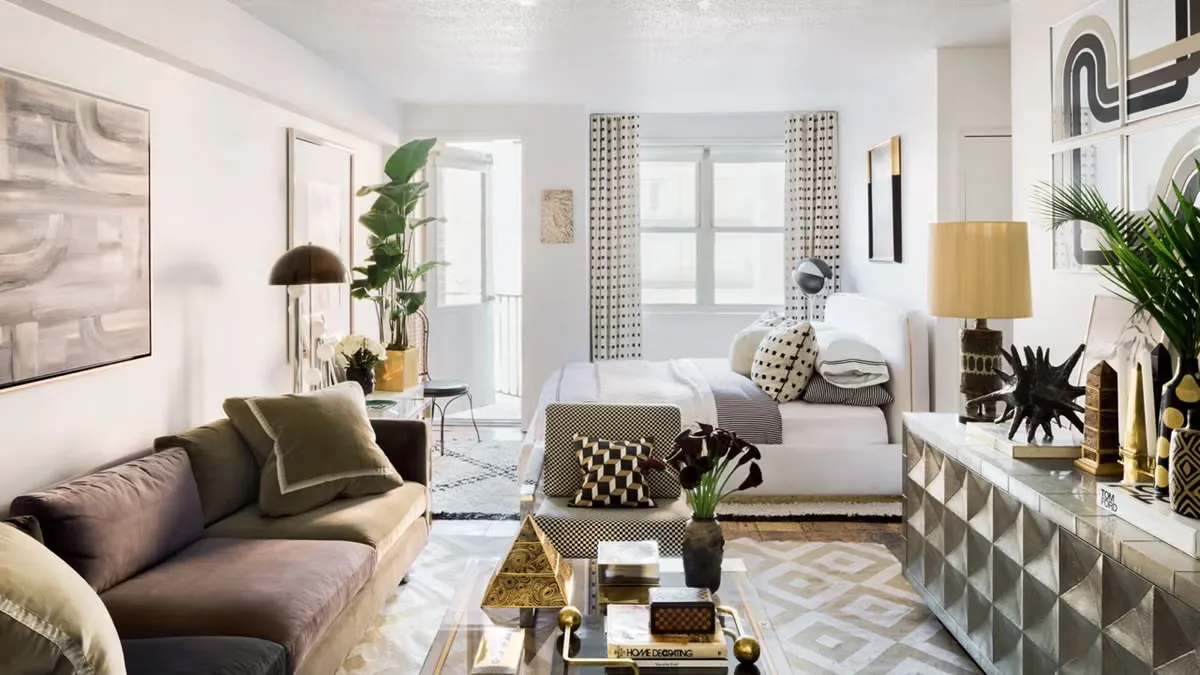
Decorating a studio apartment can feel difficult because one open room has to do the work of several rooms. Your bedroom, living room, dining area, home office, and sometimes even your entryway all share the same space. The goal is not simply to make the apartment look pretty. A good studio apartment design should make daily life easier, keep clutter under control, and help every area feel comfortable without making the room feel crowded.
Quick answer: Decorate a studio apartment by splitting the room into zones: sleeping at one end, living by the light, and work near an outlet, divided by a rug, a curtain, or a bookcase. Measure first, keep walkways 30 to 36 inches wide, and buy a sofa bed or loveseat of 68 to 78 inches. A light refresh costs $300 to $500.
The best approach is to think about your studio as a collection of small zones rather than one large room. Start with the layout, decide where you will sleep, relax, work, eat, and store your belongings, and then choose furniture that supports those activities. Rugs, lighting, shelves, curtains, furniture placement, and color can create visual boundaries without building permanent walls. Current small-space design guidance also recommends planning the layout before buying furniture and using vertical space when floor space is limited.
1. Start by Measuring Your Studio Apartment
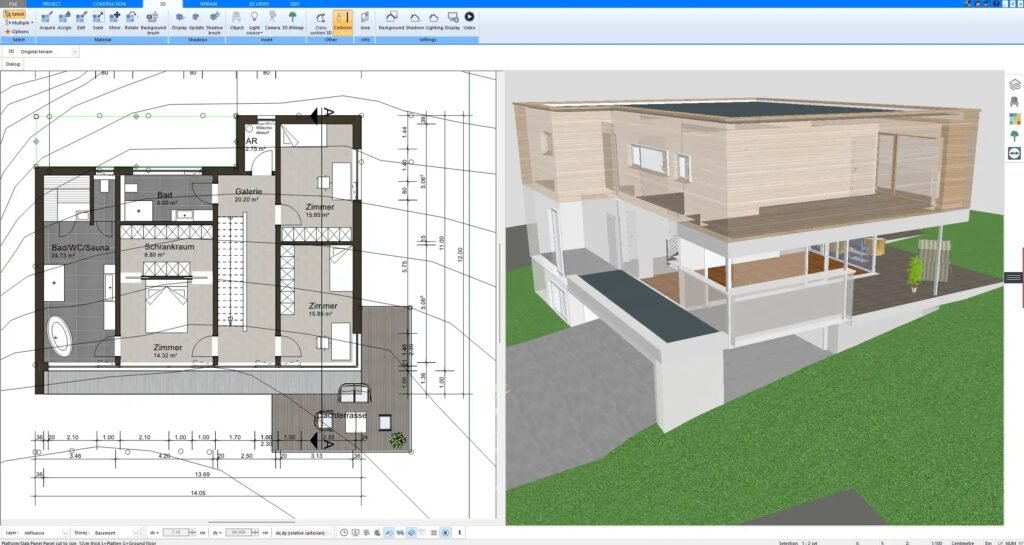
Before decorating, measure the entire apartment. This simple step can prevent many expensive mistakes. Measure the length and width of the main room, but also measure the walls, windows, doors, closets, kitchen area, radiators, outlets, and other fixed features. Then measure your furniture, including the bed, sofa, dining table, desk, and storage pieces you already own. A piece that looks small in a showroom can feel much larger when placed inside a compact studio.
Create a simple floor plan on paper or use a free online floor-planning tool. Mark where doors open and where you need to walk comfortably. Think about the main paths you use every day, such as the route from the entrance to the kitchen, bathroom, bed, and living area. Do not fill every empty corner with furniture. Empty floor space is valuable in a studio because it helps the room feel open. Before purchasing anything, test different arrangements using measurements. This gives you a clearer idea of what will actually work rather than relying only on photographs or product dimensions.
Important points
- Measure before buying furniture.
- Record door and window locations.
- Measure furniture depth as well as width.
- Keep important walking paths open.
- Do not block radiators, vents, outlets, or windows.
- Leave some open floor area.
- Test your layout before purchasing large pieces.
2. Divide the Studio Into Functional Zones
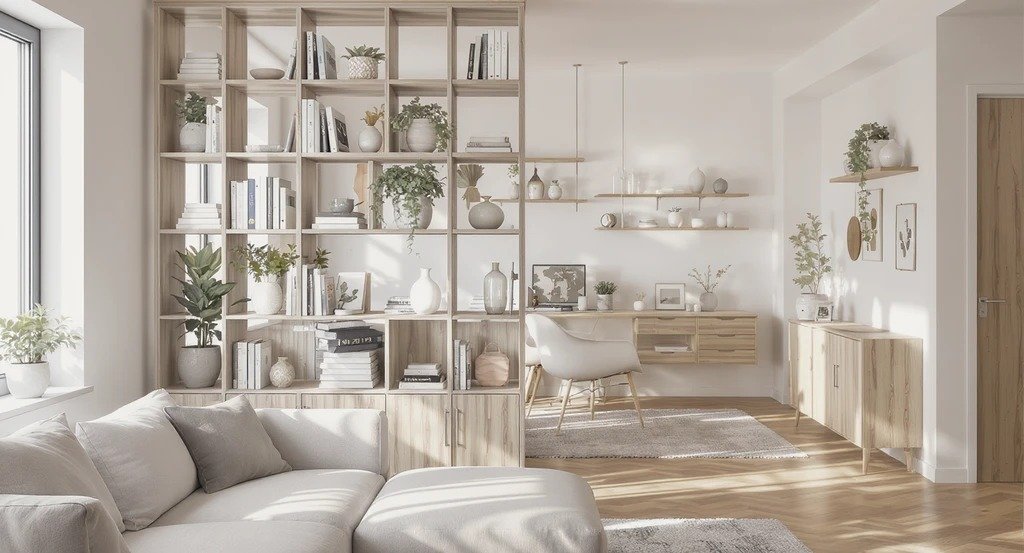
One of the most important studio apartment decorating ideas is to create clear zones. Even though your apartment may have only one main room, it does not need to feel like one undefined space. Think about the activities that happen there and give each activity its own visual area. A sleeping zone can contain the bed and bedside table. A living zone can contain the sofa, coffee table, and rug. A work zone can have a compact desk and chair. A dining zone can sit near the kitchen.
You do not always need a physical wall to create these areas. A rug can define the living room, while a bookcase can separate the bed from the sofa. Lighting can also create zones because a floor lamp beside a chair gives that corner a different purpose from a desk lamp or bedside light. This approach makes the apartment easier to understand visually and can make the space feel more organized. Designers frequently recommend zoning as a way to make one open studio function more like several rooms.
| Zone | Useful furniture | Simple divider |
|---|---|---|
| Sleeping | Bed, nightstand | Curtain, bookcase |
| Living | Sofa, coffee table | Rug |
| Working | Small desk, chair | Shelf or lighting |
| Dining | Small table, chairs | Pendant light |
| Entry | Hooks, narrow console | Mirror or wall shelf |
3. Choose a Studio Apartment Layout That Fits Your Lifestyle
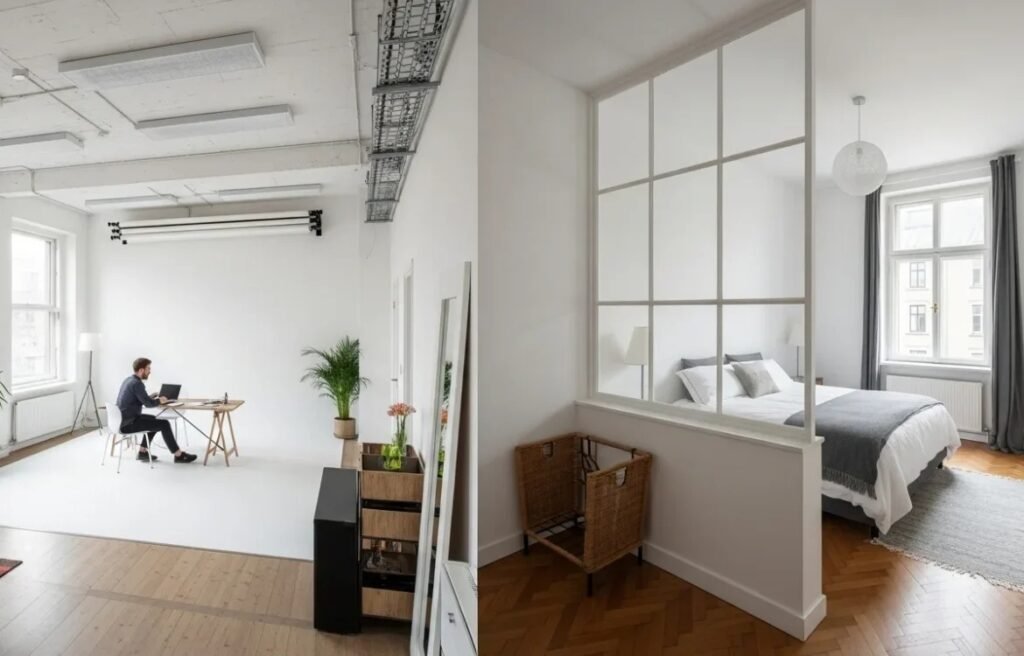
There is no single perfect studio apartment layout. The best arrangement depends on how you actually use the room. If you work from home, your desk may deserve more space than a dining table. If you rarely work at home, you might prefer a larger sofa and more comfortable living area. If you entertain friends often, keep the seating area open and choose furniture that can move easily. Your lifestyle should guide the floor plan instead of copying a layout from a photograph.
Start with the largest and most important item, usually the bed. Decide where it can sit without blocking windows, doors, or major walking routes. Then position the sofa and other large furniture around it. Try not to place every large item against a wall simply because there is empty wall space. Sometimes positioning a sofa or open shelving strategically creates a better division between zones. The important thing is to maintain a comfortable flow through the apartment. A beautiful studio that is difficult to walk through will not work well in everyday life.
Common layout options
Open layout: Keep the bed, sofa, and work area visually connected. This works well when you want the studio to feel spacious.
Bed-and-sofa zoning: Place the bed toward one end of the room and use a rug, sofa, or bookcase to create separation.
Bookcase divider: Use an open shelving unit between the sleeping and living areas while allowing light to pass through.
Curtain divider: Hang a ceiling-mounted curtain around the bed when you want privacy without building a permanent wall.
4. Select Multifunctional Furniture

Every piece of furniture in a small apartment should have a purpose. Multifunctional furniture is especially useful because one item can perform two or more jobs. A storage ottoman can provide seating, hold blankets, and act as a footrest. A sofa bed can provide everyday seating and become a guest bed. A dining table can double as a home office. A bed with drawers underneath can provide storage without taking additional floor space.
However, multifunctional furniture should not be used simply because it sounds clever. Make sure the furniture is comfortable and practical for the way you live. A table that is too small to work at or a sofa bed that is uncomfortable may create more problems than it solves. Look for furniture with a simple shape and a scale appropriate for the room. Current small-space recommendations also emphasize furniture that can serve more than one function and storage built into furniture.
Related: 12 Designer-Approved Features That Make Your Living Room Look “Timeless”
Useful multifunctional furniture
- Storage bed
- Sofa bed
- Storage ottoman
- Nesting tables
- Drop-leaf dining table
- Fold-down desk
- Bench with hidden storage
- Coffee table with shelves
- Narrow console table
- Rolling storage cart
5. Use Vertical Space for Storage

When floor space is limited, look at your walls. Many studio apartments have unused vertical space that can become valuable storage. Tall bookcases, wall-mounted shelves, hooks, pegboards, and narrow cabinets can store everyday items without taking up much floor area. Vertical storage also draws the eye upward, which can make the room feel taller.
Use a combination of open and closed storage. Open shelves are useful for books, plants, artwork, and attractive objects, while closed cabinets are better for items that create visual clutter. Avoid filling every shelf. A few carefully selected objects often look better than dozens of small decorations. You can also use the space above doors, under the bed, inside an ottoman, and behind doors. IKEA’s studio-apartment guidance specifically highlights vertical storage, hidden storage, and wall organizers as practical ways to use limited space.
Smart storage locations
| Location | Storage idea |
|---|---|
| Under bed | Storage boxes or drawers |
| Behind door | Hooks or hanging organizer |
| Above desk | Floating shelves |
| Beside sofa | Slim shelving |
| Entry wall | Hooks and small shelf |
| Kitchen wall | Rail or pegboard |
| Under coffee table | Baskets |
| High wall | Tall bookcase |
6. Create a Private Sleeping Area
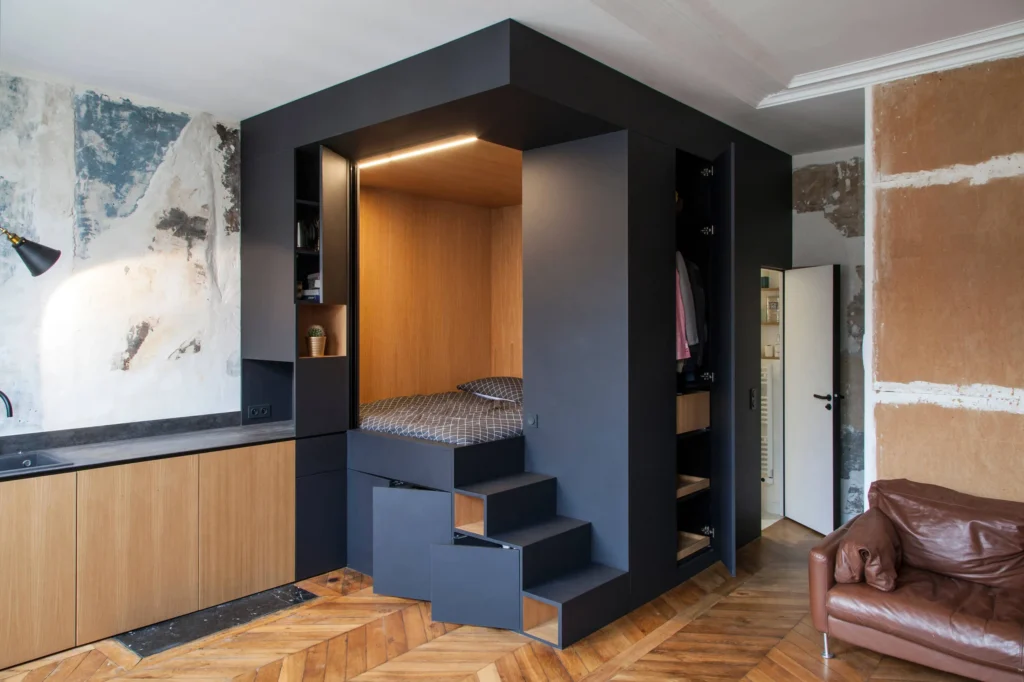
Hide the bed from the living area with a curtain, bookcase, or screen. You can create a more private sleeping zone without constructing a permanent wall. Curtains are one of the easiest solutions. A ceiling-mounted curtain can be opened during the day and closed at night. Choose a fabric that fits your decor and allows some light through if the sleeping area does not have its own window.
An open bookcase is another option. It creates a visual boundary while allowing light and air to move between areas. A low cabinet can also provide separation without making the apartment feel boxed in. If you prefer a completely open layout, make the bed look intentional by using attractive bedding, a coordinated headboard, and a small rug. The key is to make the sleeping area feel like a designed zone rather than furniture placed randomly in the middle of the room. Curtains and bookcases are also commonly suggested as ways to create privacy and visual separation in studios.
7. Use Rugs to Define Different Areas
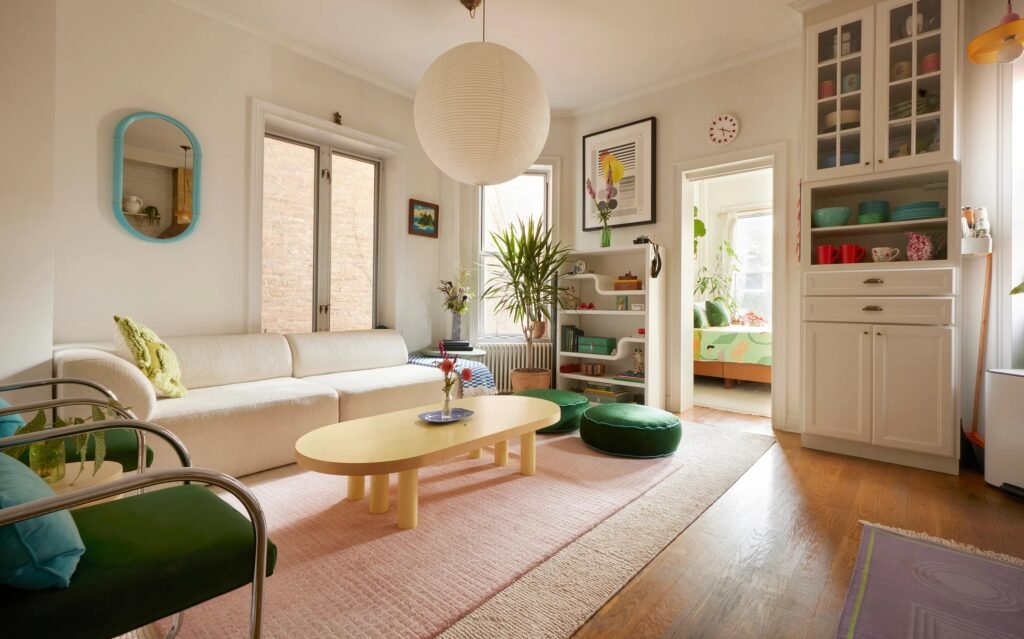
Rugs are one of the easiest decorating tools for a studio apartment. They help separate areas without taking up wall space. For example, place a rug underneath the sofa and coffee table to visually establish the living room. A smaller rug beside or underneath the bed can help identify the sleeping zone. If you have a dining area, a rug underneath the table can make that part of the apartment feel separate.
Choose rug sizes carefully. A rug that is too small can make furniture look disconnected. A rug that is too large can make the apartment feel crowded. You do not need a different patterned rug for every zone. Using complementary colors and textures helps the apartment feel connected. Rugs are particularly useful because they create visual boundaries while keeping the room physically open. Wayfair also recommends rugs as a practical method for separating sleeping, dining, and living areas in a studio.
8. Choose a Simple and Consistent Color Palette
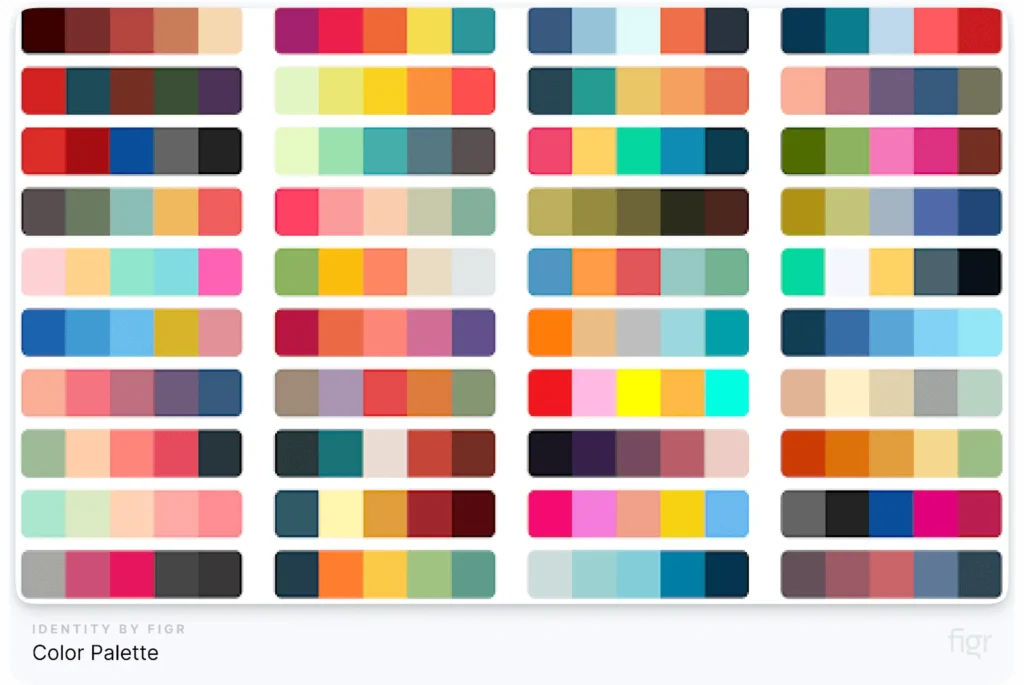
A small apartment does not have to be completely white. The more important goal is consistency. Choose one main color, one supporting color, and one or two accent colors. Warm white, cream, beige, soft gray, light taupe, or muted green can create a calm background. Then add stronger colors through pillows, artwork, blankets, plants, or small furniture pieces.
Using the same color family throughout the studio can make separate zones feel connected. For example, you could use warm white walls, natural wood furniture, beige textiles, and muted green accents. The bedroom and living area can have different textures while still sharing the same palette. Avoid introducing too many unrelated colors because visual variety can quickly become visual clutter in a small room. A cohesive style and limited palette are widely recommended for making compact studios feel harmonious.
Simple color formula
60% — Main color: walls, large furniture, large textiles
30% — Supporting color: curtains, rugs, bedding, chairs
10% — Accent color: artwork, pillows, plants, accessories
Related: Lotus Flower – Meaning, Symbolism, Colors & Home Decor Ideas
9. Layer Your Lighting

Good lighting can completely change the feeling of a studio apartment. A single ceiling light often makes a small apartment look flat because every part of the room receives the same light. Instead, create layers. Use general lighting for the whole room, task lighting for activities such as reading or working, and accent lighting for atmosphere.
Place a floor lamp near the sofa, a desk lamp at your workspace, and a bedside lamp near the bed. If your rental allows it, wall sconces or plug-in lights can save valuable table space. Warm lighting is generally comfortable in living and sleeping areas, while brighter task lighting can help when you are working. Lighting can also reinforce your zones: a pendant over a dining table makes that area feel intentional, while a small lamp beside a chair creates a reading corner. IKEA recommends combining ambient, task, and accent lighting to create a more comfortable studio.
10. Use Mirrors to Make the Studio Feel More Open

Mirrors can add depth and reflect light, making a compact room feel brighter. A large mirror placed where it can reflect daylight can be particularly useful. You can put a full-length mirror near the entry, lean a large mirror against a wall, or use a decorative wall mirror above a console.
Think about what the mirror reflects before installing it. A mirror facing a messy storage area may make the clutter more noticeable because it visually doubles it. Instead, position mirrors toward windows, attractive artwork, plants, or an open part of the room. You do not need many mirrors. One well-positioned large mirror can have more impact than a collection of small mirrors. Wayfair similarly recommends mirrors for reflecting natural and artificial light and adding visual depth to compact apartments.
11. Choose Furniture With the Right Scale
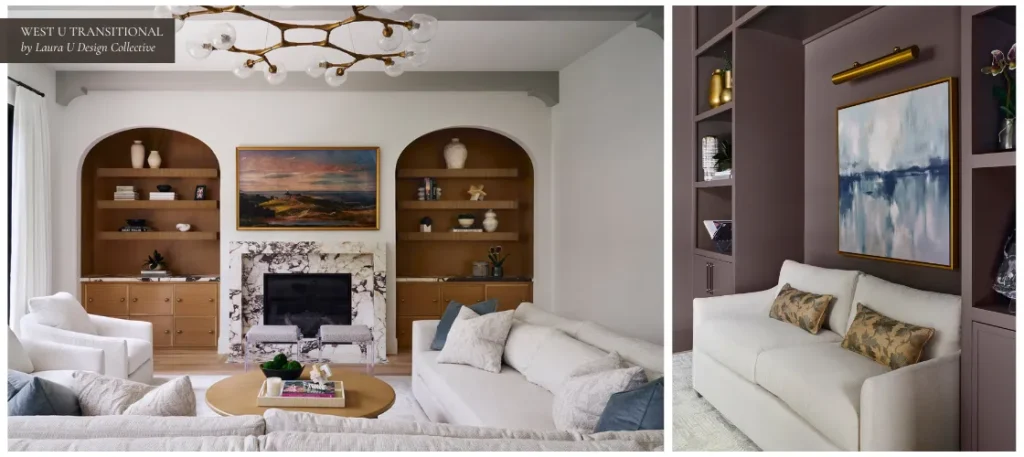
Small does not always mean better. The goal is to choose furniture that fits the room without making it difficult to move around. A very small sofa may leave the living room looking unfinished, while a huge sectional can consume most of the floor. Look for pieces with proportions that match the apartment.
Furniture with visible legs can sometimes make the floor feel more open because more of the floor remains visible. Slim-profile tables and chairs can also help. Before buying, use painter’s tape on the floor to mark the furniture dimensions. Walk around the taped area and imagine opening drawers, pulling out chairs, making the bed, or walking to the kitchen. This simple test can reveal whether a piece is actually suitable for your studio.
12. Make the Entryway Work Hard
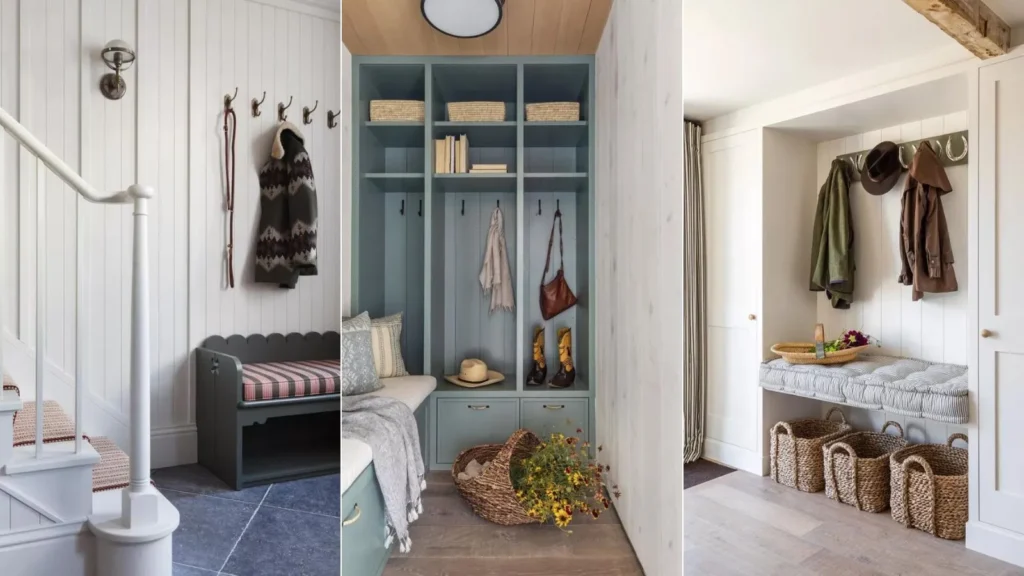
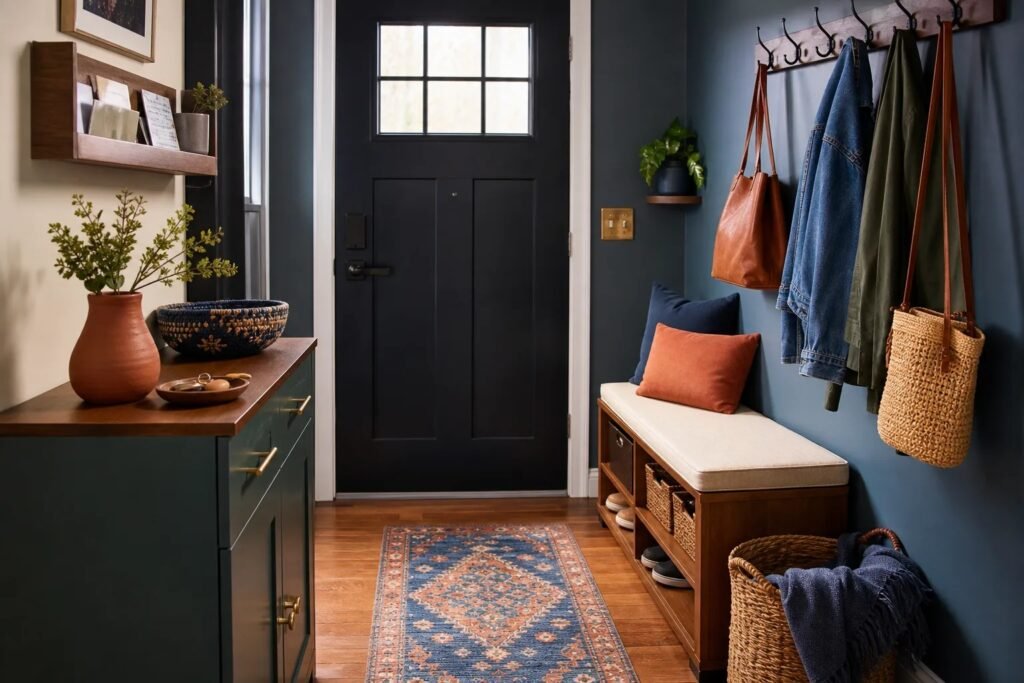
Make the entry work hard even though it may only be a small section of wall. However, a poorly organized entry can quickly spread clutter throughout the entire apartment. Create a small landing area where you can place keys, shoes, bags, coats, and other everyday items.
A narrow console, wall-mounted shelf, hooks, mirror, or small bench can create an attractive entry without using much floor space. If you do not have enough room for a traditional console, install a floating shelf. Add a small basket underneath for shoes or accessories. The goal is to give everyday objects a home as soon as you walk through the door. Good organization at the entrance can make the entire studio feel cleaner.
13. Decorate With Plants Without Overcrowding

Plants can bring color and life into a studio apartment, but you do not need a jungle. Choose a few plants that fit the amount of natural light available. A tall plant can fill an empty corner, while small plants can sit on shelves or windowsills. Hanging plants can also add greenery without taking up floor space.
Use plant pots that match your overall color scheme. Natural materials such as woven baskets, ceramic pots, and wood can add warmth to a neutral studio. If your apartment has limited natural light, choose plants that tolerate those conditions or use suitable artificial greenery. Most importantly, leave enough space for movement and cleaning. Plants should improve the room rather than become another source of clutter.
14. Use Artwork Carefully
Wall art is an excellent way to give a studio personality. Instead of covering every wall with small decorations, consider one larger artwork as a focal point. A statement piece above the sofa or near the bed can make the apartment feel intentional without taking up floor space.
You can also create a small gallery wall, but keep the frames visually connected. Similar frame colors or a consistent color palette will make the arrangement feel organized. Artwork should support the overall style of the apartment. If your furniture is simple and neutral, colorful artwork can provide energy. If your furniture already has strong colors or patterns, quieter artwork may create better balance.
15. Keep Clutter Under Control
 Keep surfaces clear with a designated spot for every frequently used item and a simple daily reset routine. Because everything is visible in an open-plan room, clutter has a bigger visual effect than it does in a larger home. Give frequently used items a designated location and create a simple daily reset routine.
Use baskets for blankets, trays for small objects, boxes for paperwork, and closed cabinets for items you do not want visible. Do not buy storage simply to keep more things. Before adding another storage unit, ask whether the item needs to stay in the apartment. Regular decluttering is one of the simplest ways to protect your available space. Recent studio-apartment design advice similarly emphasizes reducing clutter and using storage strategically rather than allowing every surface to become a storage area.
How Do I Decorate a Studio Apartment on a Budget?
You do not need to replace all your furniture to make a studio apartment look better. Start with layout changes because they cost nothing. Move the sofa, reposition the bed, change the direction of the rug, or create a clearer separation between zones. Sometimes the room looks completely different simply because furniture has been arranged more thoughtfully.
After fixing the layout, focus your budget on items that have a large visual or practical impact. New curtains, bedding, lighting, artwork, cushions, and a well-sized rug can change the atmosphere without requiring a major renovation. Look for secondhand furniture, multifunctional pieces, and removable decorating solutions if you rent. Spend more carefully on pieces you use every day, such as a mattress, sofa, or desk chair, and save on decorative accessories that can be changed later.
How Do I Make a Studio Apartment Feel Bigger?
The feeling of space comes from more than square footage. Keep major walking routes clear, use furniture with appropriate proportions, take advantage of vertical storage, and avoid covering every wall with heavy furniture. Let natural light move through the room whenever possible. Open shelving can work as a divider while maintaining visual connection between zones.
A consistent color palette can also make the apartment feel more connected. Mirrors can reflect light and create depth, while curtains hung closer to the ceiling can emphasize vertical height. The goal is not to make every item tiny. Instead, choose fewer pieces that work well together and make sure each one has a clear purpose. Good studio design is about using space intentionally rather than simply removing furniture.
What Furniture Is Best for a Studio Apartment?
The best furniture is furniture that fits your lifestyle and performs more than one useful function. A storage bed can combine sleeping and storage. A compact desk can serve as a work area and dressing table. A dining table can become a workspace. A storage ottoman can provide seating and hold blankets.
Choose flexible pieces whenever possible. Nesting tables can be separated when guests arrive and stacked when you need more floor space. Folding chairs can be stored away. A rolling cart can move between the kitchen, office, and living area. The right furniture should make the apartment easier to use rather than simply fill empty space.
How Can I Separate My Bedroom in a Studio Apartment?
There are several ways to separate a bedroom without constructing a permanent wall. Curtains are one of the easiest options because they can be opened or closed. An open bookcase creates a stronger visual boundary while still allowing light to pass through. A tall plant grouping can provide a softer divider.
You can also use furniture placement. Positioning the sofa with its back toward the bed can naturally create two areas. A console behind the sofa can strengthen the division and provide additional storage. Rugs and lighting can complete the separation by giving the bedroom and living area different visual identities.
How Do I Make a Studio Apartment Look Expensive?
A sophisticated studio is usually more about editing and consistency than expensive furniture. Choose a limited color palette, use quality-looking textiles, repeat materials throughout the room, and avoid too many small decorative items. Curtains that reach close to the floor, attractive lighting, framed artwork, and coordinated bedding can make a significant difference.
Keep surfaces relatively clear and display only the objects you genuinely like. A few carefully selected accessories often look more intentional than many inexpensive decorations. Natural materials such as wood, linen, cotton, woven fibers, and stone-look finishes can also add visual warmth. The key is to create a room where the colors, materials, furniture, and accessories look like they belong together.
Studio Apartment Decorating Mistakes to Avoid
Even a good decorating plan can fail when common small-space mistakes are repeated. One of the biggest problems is buying furniture before measuring. Another is trying to place too many large pieces in the room. A studio needs breathing room, so avoid filling every corner simply because space is available.
Another common mistake is using only one overhead light. This can make the apartment feel flat and does little to define different areas. Avoid excessive patterns, too many unrelated colors, and open storage that is constantly overflowing. Finally, do not sacrifice comfort for appearance. Your studio is your home, so the bed should be comfortable, the sofa should support your daily use, and the work area should be practical.
| Mistake | Better solution |
|---|---|
| Buying before measuring | Measure first |
| Too much furniture | Choose fewer useful pieces |
| One ceiling light | Layer different light sources |
| No clear zones | Use rugs and furniture placement |
| Open shelves full of clutter | Mix open and closed storage |
| Too many colors | Use a consistent palette |
| Blocking windows | Keep natural light clear |
| Ignoring vertical space | Use tall storage |
| Tiny decorative pieces everywhere | Choose fewer statement pieces |
| Sacrificing comfort | Prioritize daily-use furniture |
A Simple Studio Apartment Decorating Plan
If you are starting from an empty studio, follow the decorating process in stages. First, measure the room and identify fixed features. Second, decide what activities need space. Third, create a rough layout. Fourth, choose the largest furniture pieces. Only after these steps should you start adding decorative details.
Next, establish your color palette and choose your rugs. Add storage where it is genuinely needed, especially in unused vertical areas. Then add lighting to each major zone. Finish with artwork, plants, cushions, throws, mirrors, and other personal details. This order helps prevent you from spending money on decorations before solving the practical problems.
Studio decorating checklist
- Measure the complete room.
- Draw a basic floor plan.
- Identify sleeping, living, dining, and work zones.
- Choose the bed and sofa first.
- Keep walking paths open.
- Add multifunctional furniture.
- Use vertical storage.
- Create bedroom privacy if needed.
- Add rugs to define zones.
- Select a consistent color palette.
- Layer your lighting.
- Add one or two mirrors.
- Use plants for natural color.
- Choose meaningful artwork.
- Hide everyday clutter.
- Review the room before buying more decor.
How to Create a Stylish Studio Without Making It Feel Crowded
A stylish studio apartment should not look like a furniture showroom. It should feel personal, comfortable, and easy to live in. Choose a few pieces that express your style instead of trying to display every trend. If you love modern design, combine clean furniture with warm wood and soft textiles. If you prefer a cozy look, use layered fabrics, plants, artwork, and warm lighting. If you like minimalist interiors, keep the furniture simple and focus on quality.
The strongest design comes from balance. You need enough furniture to make the apartment useful but enough empty space to keep it comfortable. You need storage but also need some objects on display. You need privacy but should not block all natural light. Think about how the room feels when you wake up, prepare breakfast, work, relax, clean, and go to bed. A successful studio design supports all of those moments.
Frequently Asked Questions About Decorating a Studio Apartment
What is the best way to decorate a studio apartment?
The best approach is to start with the layout and divide the room into functional zones. Use furniture placement, rugs, lighting, shelves, and curtains to create visual boundaries. Then choose multifunctional furniture, vertical storage, and a consistent color palette.
What colors make a studio apartment look bigger?
Light and soft colors such as warm white, cream, beige, light gray, and muted natural tones can help create an open feeling. You can still use darker or brighter colors as accents through artwork, cushions, rugs, or small furniture.
Should the bed be in the living room of a studio apartment?
In many studios, the bed shares the main room with the living area. That is not a problem if the layout is intentional. Use a rug, curtain, bookcase, sofa placement, or lighting to give the sleeping area its own visual identity.
Is a sofa or sofa bed better for a studio apartment?
It depends on your needs. A standard sofa may provide better everyday comfort, while a sofa bed can be useful when you regularly need an additional sleeping surface. Compare comfort, dimensions, storage, and how often you will actually use the bed function.
How can I add storage without making my studio look cluttered?
Use a mixture of hidden and visible storage. Choose beds with drawers, storage ottomans, tall cabinets, wall shelves, baskets, and narrow furniture. Keep open shelving edited rather than filling every available space.
Can I use a room divider in a studio apartment?
Yes. Curtains, open bookcases, folding screens, shelving units, and strategically positioned furniture can divide a studio. Choose an option that provides the amount of privacy you need without unnecessarily blocking light.
How many rugs should a studio apartment have?
There is no fixed number. Use rugs when they help define zones. One large living-area rug and a smaller sleeping-area rug may be enough for some studios. The important thing is that the rugs work together rather than making the room feel visually fragmented.
How do I decorate a very small studio apartment?
Start with only essential furniture. Use multifunctional pieces, vertical storage, wall-mounted solutions, light colors, mirrors, and layered lighting. Keep pathways open and avoid filling every wall and surface with decoration.
Conclusion
Learning how to decorate a studio apartment is really about learning how to make every part of one room work harder. Instead of treating the apartment as one large empty box, divide it into useful zones for sleeping, relaxing, working, eating, and storing your belongings. Then use furniture placement, rugs, lighting, shelves, curtains, and color to give those zones their own identity.
The most successful studio apartments are not necessarily the ones with the smallest furniture or the most expensive decor. They are the spaces where every item has a reason to be there. Choose furniture that fits, storage that solves real problems, lighting that creates atmosphere, and decorations that reflect your personality. Keep clutter under control and leave enough open space for comfortable movement. With thoughtful planning, even a compact studio apartment can feel organized, welcoming, stylish, and genuinely like home.
How to Decorate a Studio Apartment: Costs, Measurements, and a Room-by-Room Plan
Learning how to decorate a studio apartment gets much easier once you have real numbers to work with. This section adds the missing piece: what things cost, what sizes fit, and the order to do the work in. Use it as a planning sheet before you buy anything new.
How Much Does It Cost to Decorate a Studio Apartment?
Prices below are typical United States ranges in 2026 for a studio of about 400 to 600 square feet. You can do a fresh look for as little as $300, or a full refresh for $800 to $2,000.
| Item | Typical price | What to look for |
|---|---|---|
| Sofa bed or loveseat | $300–$900 | 68 to 78 inches wide, seat depth 34 to 38 inches |
| Area rug, living zone | $80–$300 | 5 x 7 feet for small rooms, 8 x 10 feet for larger ones |
| Room divider curtain + track | $40–$150 | Ceiling track, fabric at least 84 inches long |
| Open bookcase divider | $120–$400 | 60 to 72 inches tall, 12 inches deep |
| Storage bed frame (queen) | $250–$700 | Drawers or lift-up base, 60 x 80 inches |
| Small dining table + 2 chairs | $150–$450 | Table 30 x 30 to 36 x 36 inches |
| Floor lamp + desk lamp | $50–$180 | Warm white bulbs, 2700K to 3000K |
| Wall mirror | $40–$200 | 24 x 36 inches or larger for a real effect |
| Peel-and-stick wallpaper (one wall) | $60–$150 | One roll covers about 28 square feet |
| Floating shelves (set of 3) | $30–$90 | 24 to 36 inches long, 8 to 10 inches deep |
A smart order for a $800 budget is: rug ($150), sofa bed or good loveseat ($400), curtain divider ($80), two lamps ($90), and a mirror ($80). That covers the five items guests notice first, and you can add shelves and art later.
Measurements That Make a Studio Work
- Walking paths: keep main paths 30 to 36 inches wide. A path under 24 inches feels cramped and makes the room hard to use.
- Sofa to TV: sit 5 to 7 feet from a 43-inch TV, and 7 to 9 feet from a 55-inch TV. Closer than that, the screen fills too much of your view.
- Rug under the sofa: the front legs of the sofa and chairs should sit on the rug. Leave 6 to 8 inches of rug showing on each side of the sofa.
- Bed clearance: leave at least 24 inches on one side of the bed for getting in and out, and 30 inches at the foot if you open drawers there.
- Desk depth: a desk 20 to 24 inches deep fits a laptop and a lamp without pushing you against the wall.
- Dining space: allow 24 inches of table width per person, and 36 inches behind a chair so people can pull it out.
A 6-Step Plan to Decorate a Studio Apartment
- Measure and sketch. Measure the room, the doors, and the windows. Draw the plan on paper and mark the bed, sofa, and desk first.
- Set the zones. Place the bed at one end, the sofa near the main light source, and the desk near an outlet. Keep 30 inches of walking space between zones.
- Buy the big pieces first. Order the bed, sofa, and rug before small decor. Big pieces set the sizes everything else must fit.
- Add storage second. Once the big pieces are in place, you can see where shelves, hooks, and baskets actually fit.
- Layer the light. Add one floor lamp by the sofa, one lamp by the bed, and one task lamp at the desk. Three light sources beat one ceiling light every time.
- Finish with art and plants. Hang one large piece of art instead of five small ones, and add two or three plants. Step back and remove one item before you add another.
More Studio Apartment Mistakes to Avoid
- Buying a sofa that is too deep. A 40-inch-deep sofa eats a 12-foot room. Check the depth on the product page before you order.
- Using three rugs that do not match. Rugs in clashing colors split the room into small boxes. Use one rug style in two sizes, or one large rug only.
- Blocking the only window with tall furniture. A bookcase in front of a window cuts light for the whole room. Keep tall pieces on window-free walls.
- Skipping a landing spot by the door. Without hooks and a small tray, keys, bags, and mail end up on the dining table and the bed.
- Buying storage before you sort. Sort and remove what you do not use first. Storage boxes full of things you never use just hide the clutter.
More Questions About Decorating a Studio Apartment
How much does it cost to decorate a studio apartment?
A light refresh costs about $300 to $500 for a rug, lamps, and a mirror. A full refresh with a sofa bed, rug, divider, and storage costs about $800 to $2,000 for a 400 to 600 square foot studio. Buy the bed, sofa, and rug first, since those set the room.
What size sofa fits a studio apartment?
A loveseat of 68 to 72 inches wide suits most studios. In a studio under 400 square feet, a 60 to 66 inch apartment sofa or a sofa bed works better. Check the depth too: 34 to 38 inches is a good range. Measure your door first, since many sofa beds need a 32-inch clear doorway.
How do I decorate a dark studio apartment with few windows?
Use light wall colors, one large mirror across from the window, and three warm light sources instead of one ceiling light. Pick furniture with legs so you can see floor under it, and avoid heavy dark curtains. A light rug also lifts the room more than a dark one.
Can I paint the walls in a rental studio apartment?
Many landlords allow paint if you return the walls to white when you leave, but always ask first and get the answer in writing. If paint is not allowed, use peel-and-stick wallpaper on one wall, large art, and fabric panels to add color without touching the walls.
How do I hide a bed in a studio apartment?
A ceiling curtain track ($40 to $150) is the cheapest fix. An open bookcase works as a divider and adds storage. A sofa bed that folds away each morning is the tidiest option, and a room divider screen works for renters who cannot mount anything.
What size TV is best for a studio apartment?
A 43-inch TV suits a viewing distance of 5 to 7 feet, which fits most studio layouts. A 55-inch TV needs 7 to 9 feet. Wall-mount the TV to save floor space, and keep the center of the screen at eye level when seated, about 42 inches from the floor.
How long does it take to decorate a studio apartment?
Plan one weekend for measuring, sketching, and ordering. Delivery of large pieces takes 1 to 3 weeks. Setting up the room takes one full day, and small fixes such as art and lamps take another afternoon. Give yourself 3 to 4 weeks from start to finish.