

Good mudroom ideas start with a simple truth: the entry is the hardest-working room in the house, even if it is not a room at all. With Thanksgiving around the corner, coats, boots, bags and guests are about to arrive in a wave, and a mudroom that works hard keeps the mess by the door instead of letting it travel through the house.
Quick answer: The mudroom ideas below cover the pieces that matter most — a storage bench, hooks at the right heights, cubbies for every family member, durable mudroom flooring and shoe storage that actually hides the pile. Whether you have a dedicated room, a back-door corner or just a stretch of hallway, there is a version here that fits your space and your budget.
1. Start With a Storage Bench
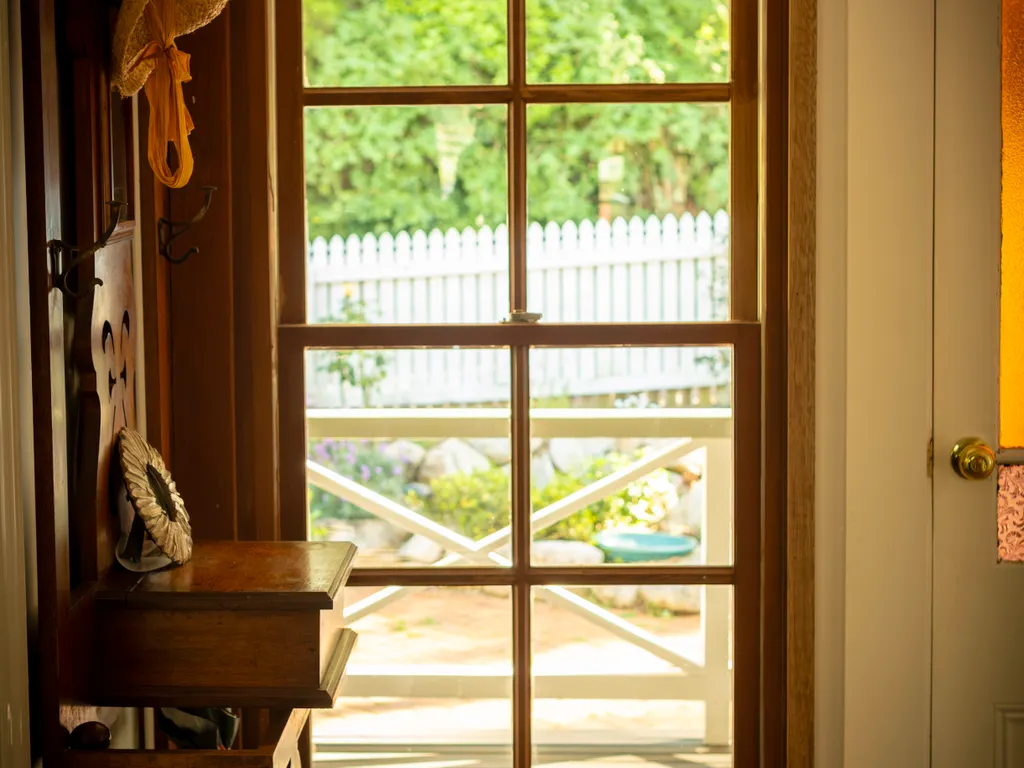
A bench is the anchor of nearly every mudroom, and it earns its place twice over: it gives everyone somewhere to sit while pulling on boots, and the space underneath swallows shoes, bags and sports kit. Choose one with open cubbies or a lift-up lid so the clutter stays reachable but out of sight.
Size matters more than style here. A bench around 17 to 18 inches high suits most adults, and 14 to 16 inches deep keeps the walkway clear. If you are building your own, this guide to mudroom bench heights is a handy reference for getting the seat height right before you cut a single board.
2. Hang Coat Hooks at Two Heights
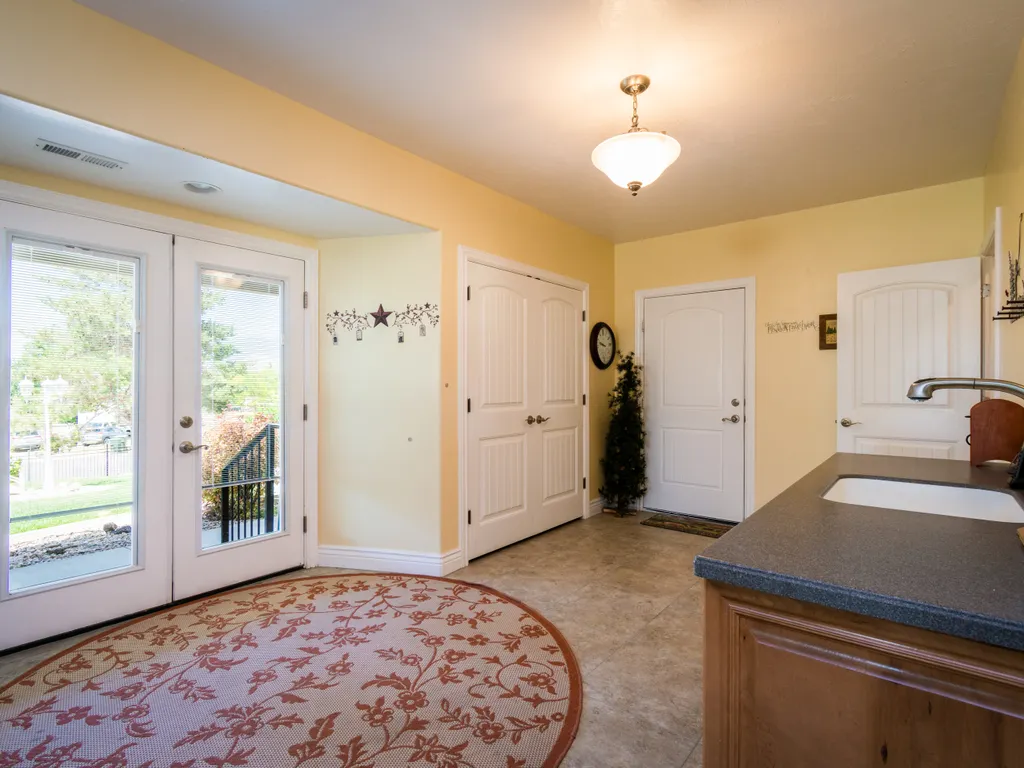
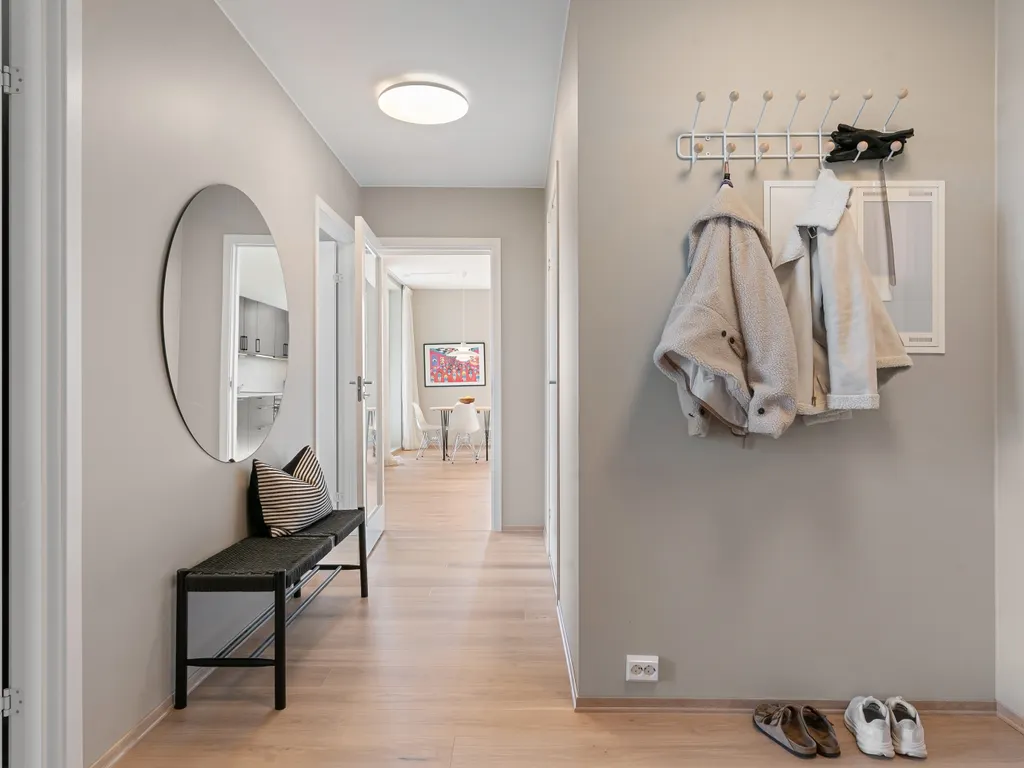
One row of hooks at adult height is why children’s coats end up on the floor. Mount a second, lower rail at around 42 to 48 inches so kids can hang their own jackets and school bags — and actually do it. Sturdy double hooks hold a coat plus a bag without slipping.
Space hooks about 8 to 12 inches apart so bulky winter coats do not crowd each other, and use a continuous rail or board so you can move hooks as the family grows. Label each hook or leave a little breathing room between them, and the morning rush gets noticeably calmer.
3. Give Every Family Member a Cubby
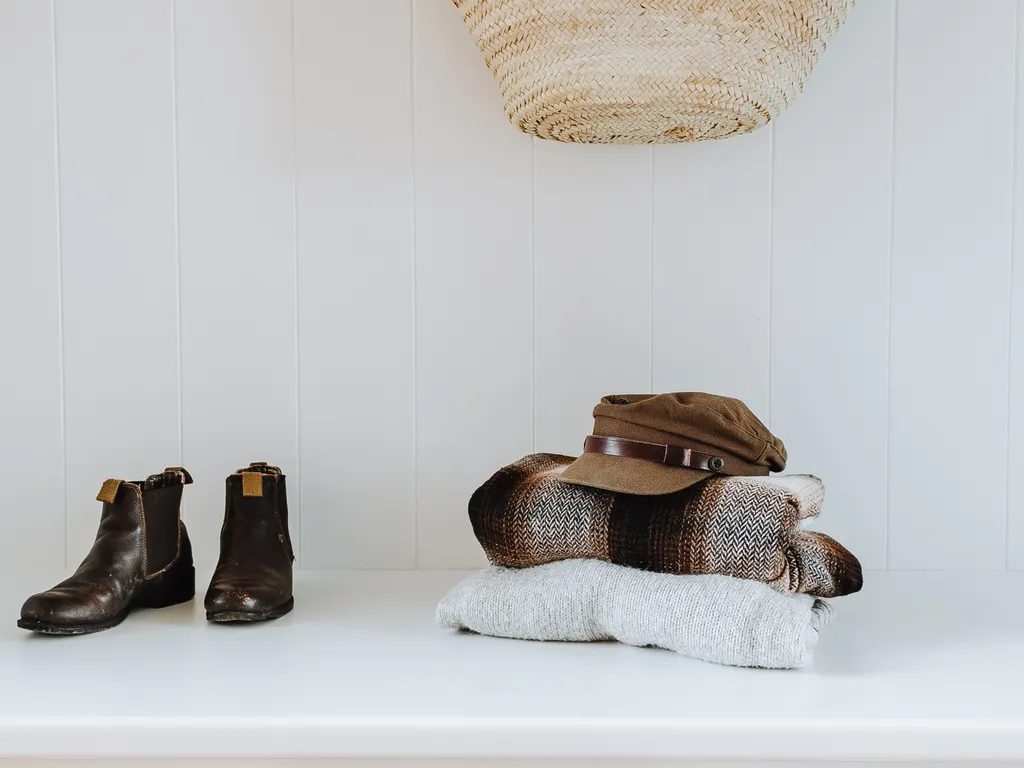
Cubbies turn a shared mudroom into personal territory: one open bay per person, with a hook above and a basket or shelf below. When everyone knows exactly where their things live, the pile by the door stops growing — and nobody can blame anyone else for the mess.
Keep each cubby the same size so there is nothing to argue over, and add a name label, a small photo or a coloured basket so younger children can find theirs at a glance. Cubbies work best when they are shallow and open, so nothing gets buried at the back.
4. Lay a Boot Tray by the Door
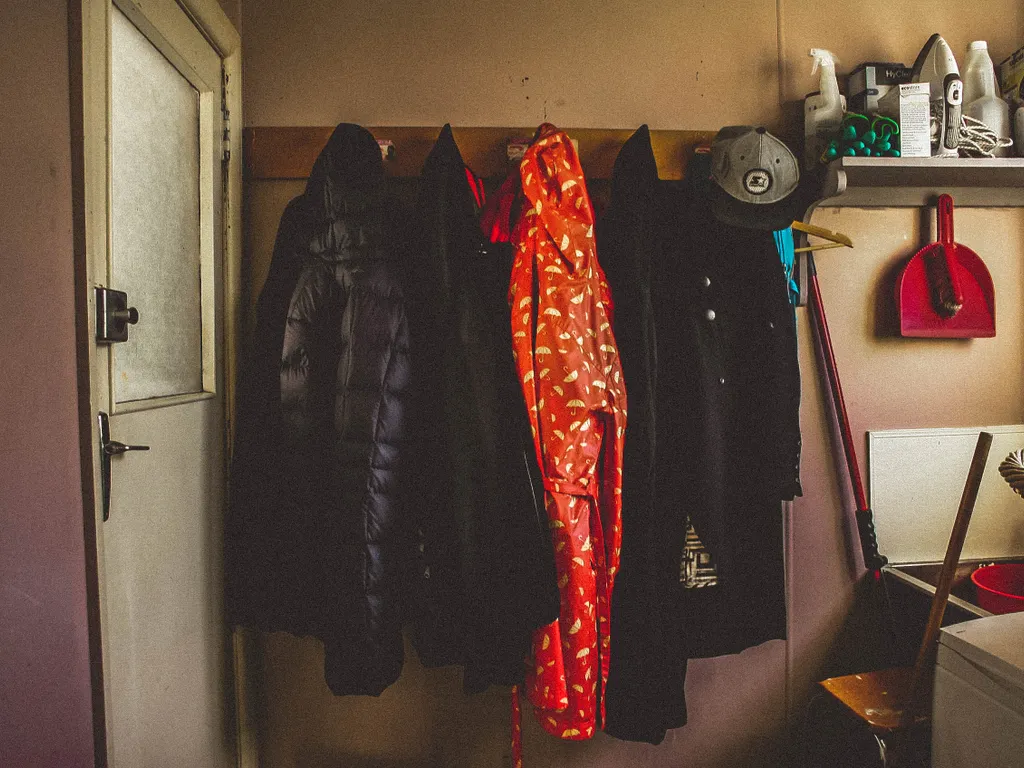
A boot tray is the cheapest mudroom upgrade that makes a real difference. It catches rain, snow and mud before they reach the floor, and it gives wet boots a defined home instead of a spreading puddle. Choose a tray with a raised lip and a slatted or ribbed base so shoes dry faster.
Size the tray to your household — a single tray holds two or three pairs, so a busy family may need two side by side. Empty and rinse it once a week, and in winter add a layer of pebbles or a coir mat on top for extra grip and drainage.
5. Choose Flooring That Can Take a Beating
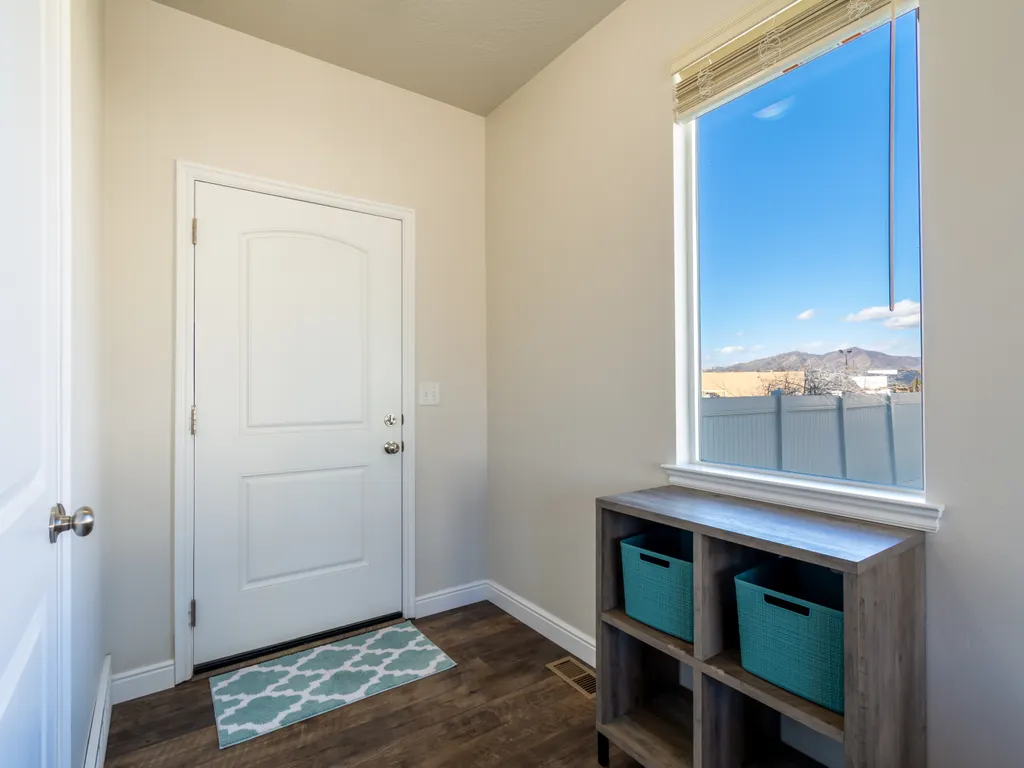
Mudroom flooring has a harder life than any other floor in the house: wet boots, grit, dropped bags and constant traffic. Porcelain or ceramic tile, luxury vinyl plank and sealed concrete all shrug off water and wipe clean, which is why they top most mudroom flooring lists. Avoid unfinished wood and carpet in the landing zone.
If you already have wood floors, protect the busiest patch with a large washable rug or a tile inset by the door. Dark grout hides dirt between cleans, and a textured or matte finish gives wet feet better grip than glossy tile. Good flooring is the difference between a mudroom that looks tired by spring and one that still looks new.
6. Add Closed Shoe Storage
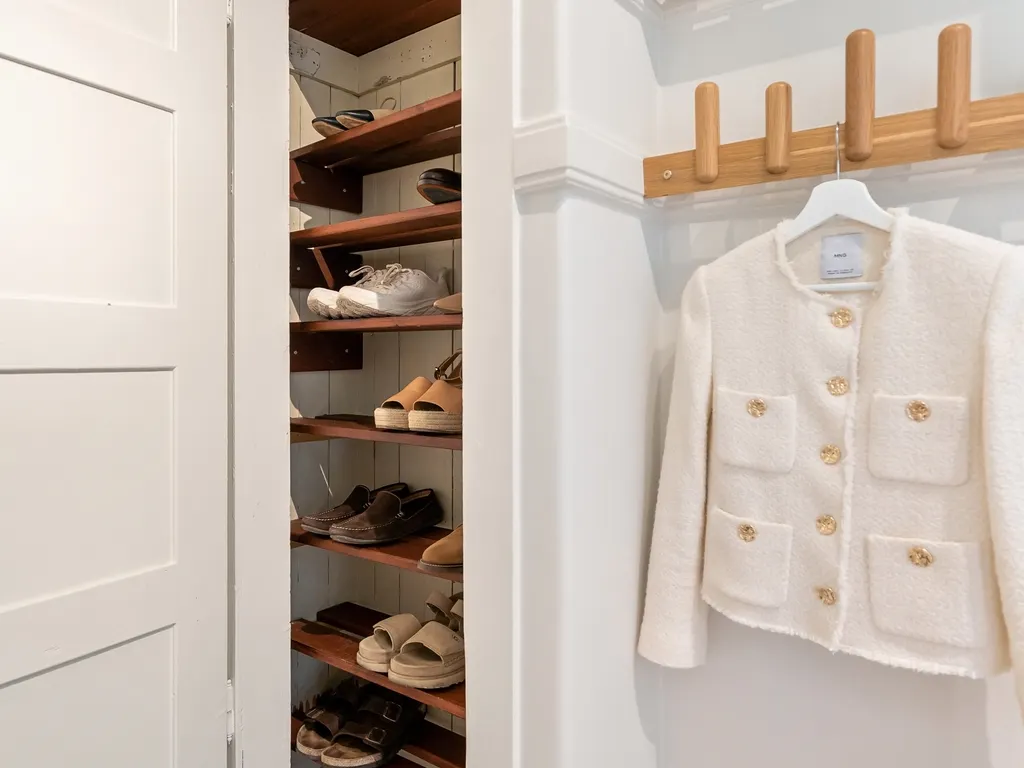
Open shoe shelves are convenient, but a wall of mismatched trainers is not a look most people want in their entry. A slim tipping cabinet or a pair of lidded baskets hides the everyday pile while keeping shoes easy to grab. For narrow entries, wall-mounted cabinets only 6 to 8 inches deep do the job without stealing floor space.
Keep the daily pairs — one per person — in the easy-access spot and move the rest to a closet or the garage. A simple rule helps: if a pair has not been worn this week, it does not live by the door. This guide to small-space entryway storage compares open and closed shoe storage and helps you pick the setup that suits a tight entry.
7. Corral the Small Stuff With Baskets and Bins
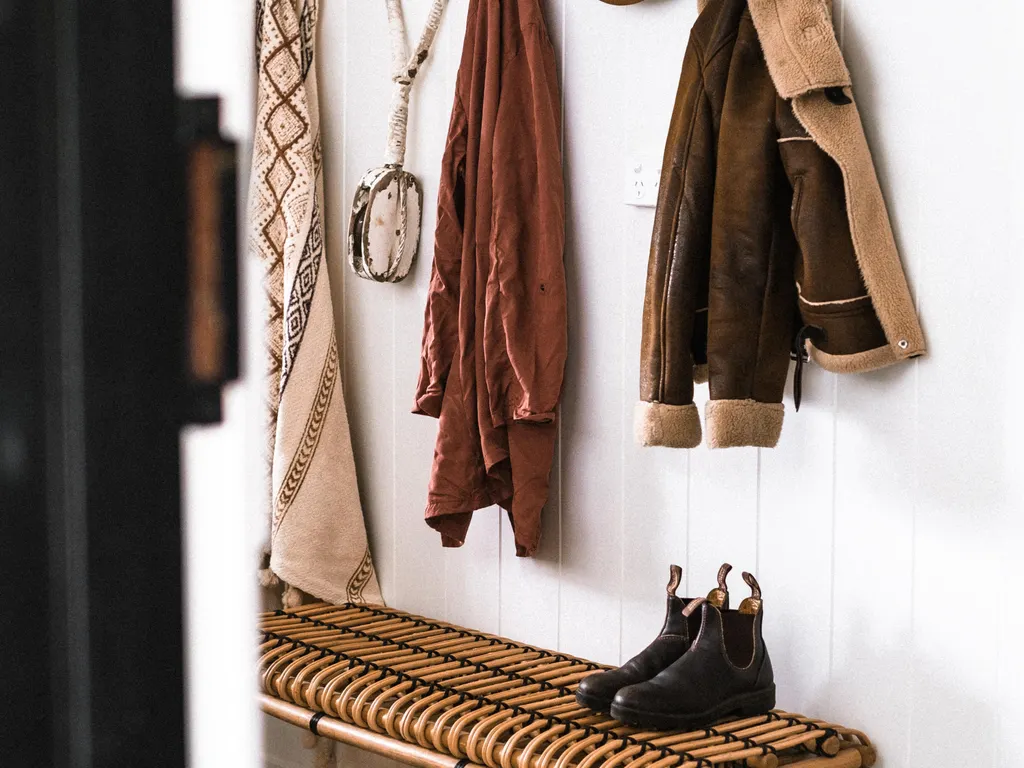
Gloves, hats, scarves, sunglasses and dog leads are small enough to vanish and annoying enough to hunt for. A basket on each cubby shelf or a row of labelled bins corrals them into one place, so the whole family knows where to look — and where to put things back.
Natural fibres like seagrass and woven cotton look warm and hide scuffs, while clear or open-front bins make the contents obvious at a glance. Give each basket a job — one for winter accessories, one for sports kit, one for the dog — and empty them with the seasons so they never overflow.
8. Add a Half-Wall of Board-and-Batten
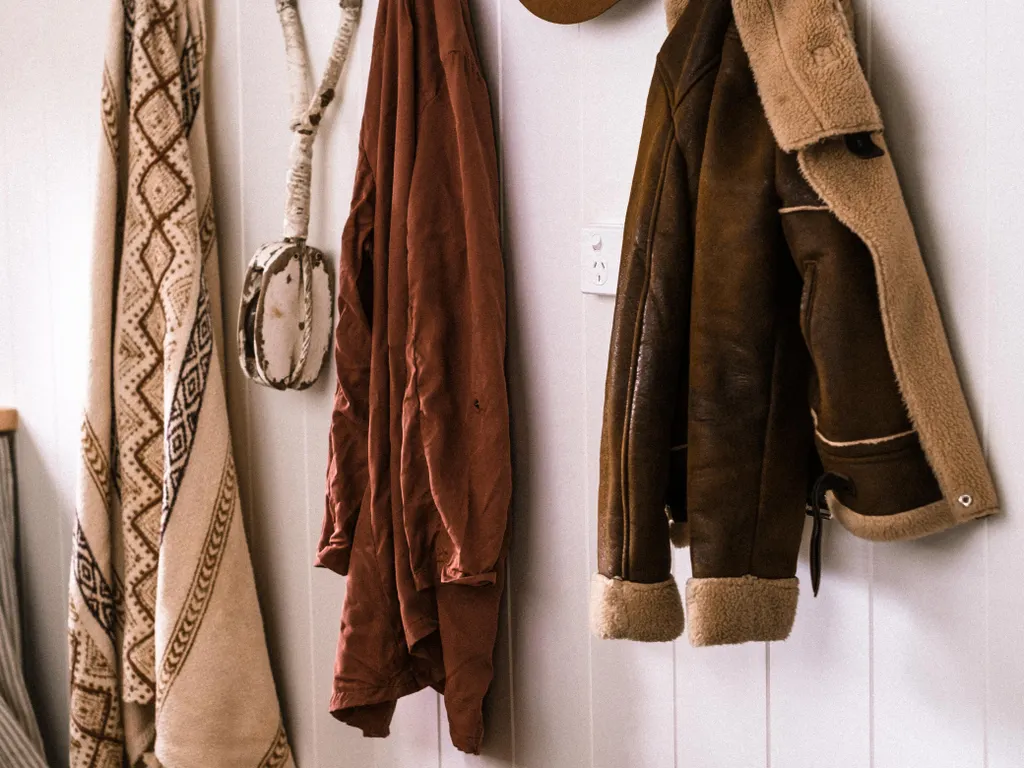
A half-wall of board-and-batten or beadboard does three jobs at once: it protects the wall from scuffs and wet coats, it adds character to a plain entry, and it gives hooks and rails something solid to bite into. Paint it the same colour as the trim for a calm, built-in look, or go bold with a deep green or navy.
Run the panelling to about 48 inches high — just above hook height — and cap it with a slim ledge that doubles as a shelf for small plants or a clock. It is one of the most forgiving DIY projects in this list: straight cuts, a nail gun and a weekend are all it takes.
9. Layer the Lighting

Mudrooms are often windowless or face north, so lighting makes a bigger difference here than in almost any other room. One overhead fixture leaves shadows exactly where you need to see — inside cubbies and under shelves — so layer it: a ceiling light for general brightness, a wall sconce by the mirror and a small LED strip under the bench or shelf.
Warm white bulbs (around 2700K to 3000K) keep the space welcoming rather than clinical, and a motion sensor or a timer means the lights are never left on all day. If your mudroom has a window, keep the glass clear and the light source simple — daylight does the rest.
10. Build a Pet Station
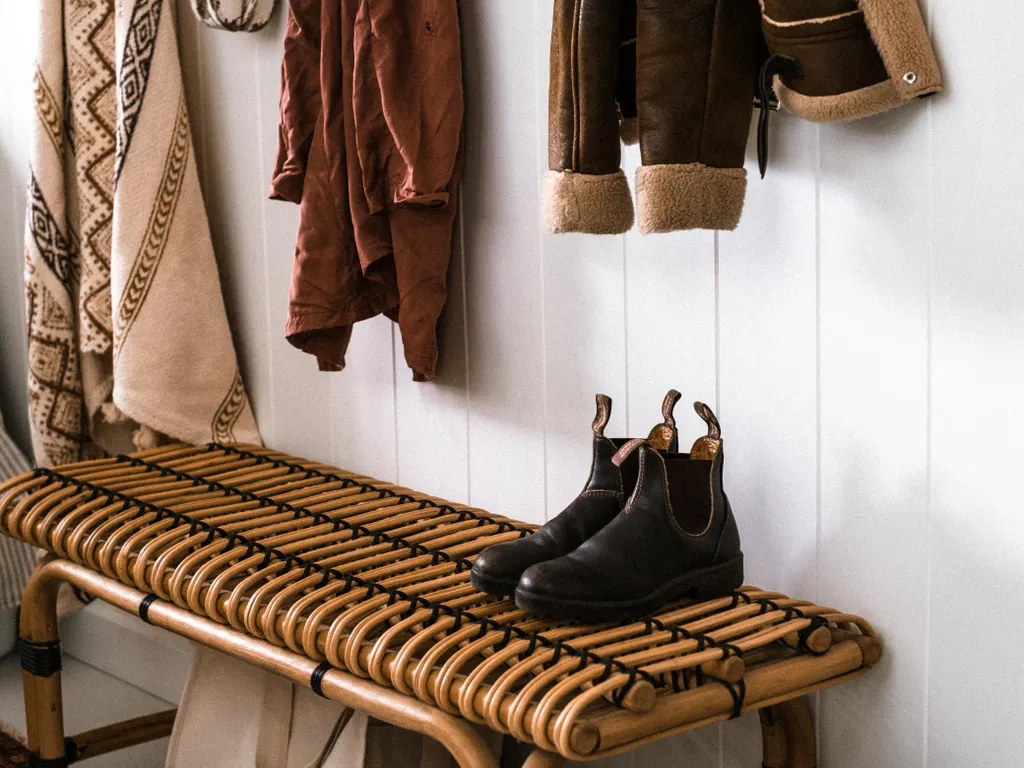
If a dog comes in muddy, the mudroom is the last line of defence for the rest of the house. A pet station — a low shower or a deep utility sink, a shelf for towels and leads, and a food and water spot — keeps the mess contained and the routine simple.
A handheld shower head and a non-slip mat turn a small tiled nook into a paw-washing station, and a lidded bin for kibble keeps feeding time tidy. Keep a stack of old towels in a basket at dog height, and add a hook for the lead right by the door so walks start and end in the same spot.
11. Combine the Mudroom With the Laundry Room
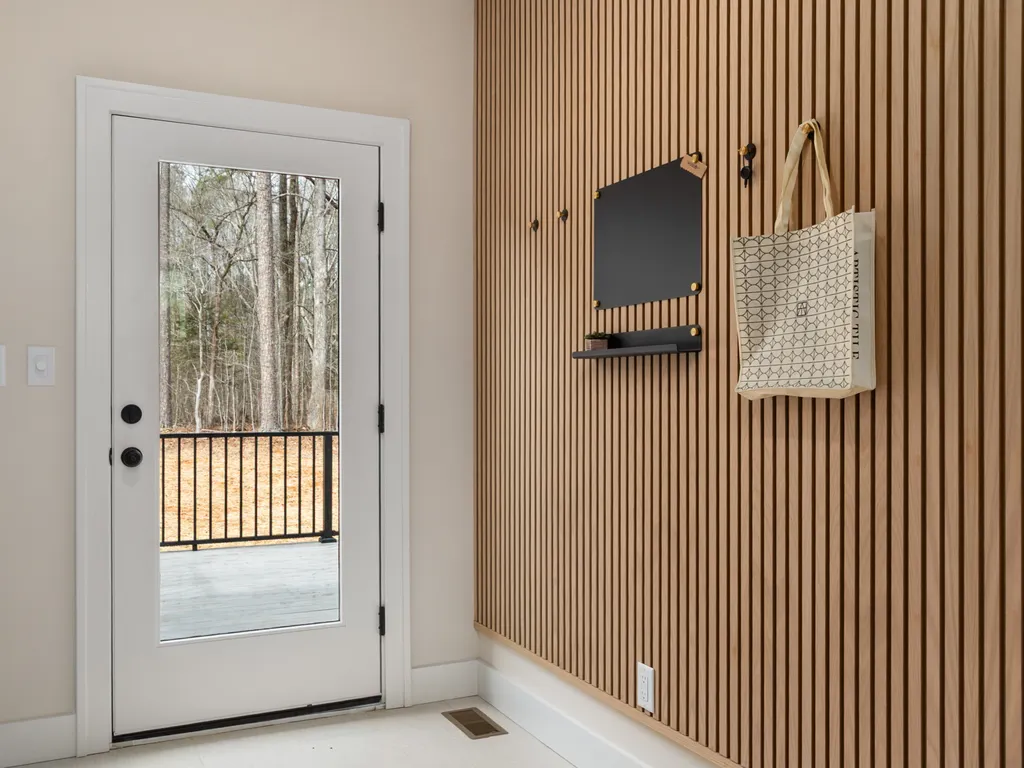
Pairing the mudroom with the laundry room is one of the smartest space-saving moves in a home, because the two rooms share the same jobs: dealing with dirty things. Coats and boots come off by the door, and muddy clothes go straight into the machine — no trail through the house.
If you are planning the layout, put the washer and dryer on one wall and the bench, hooks and cubbies on the other, with a folding counter between them. Our laundry room design ideas show layouts that make the shared space work, including drying racks and storage that suit a busy entry.
12. Make the Garage Entry Work Harder
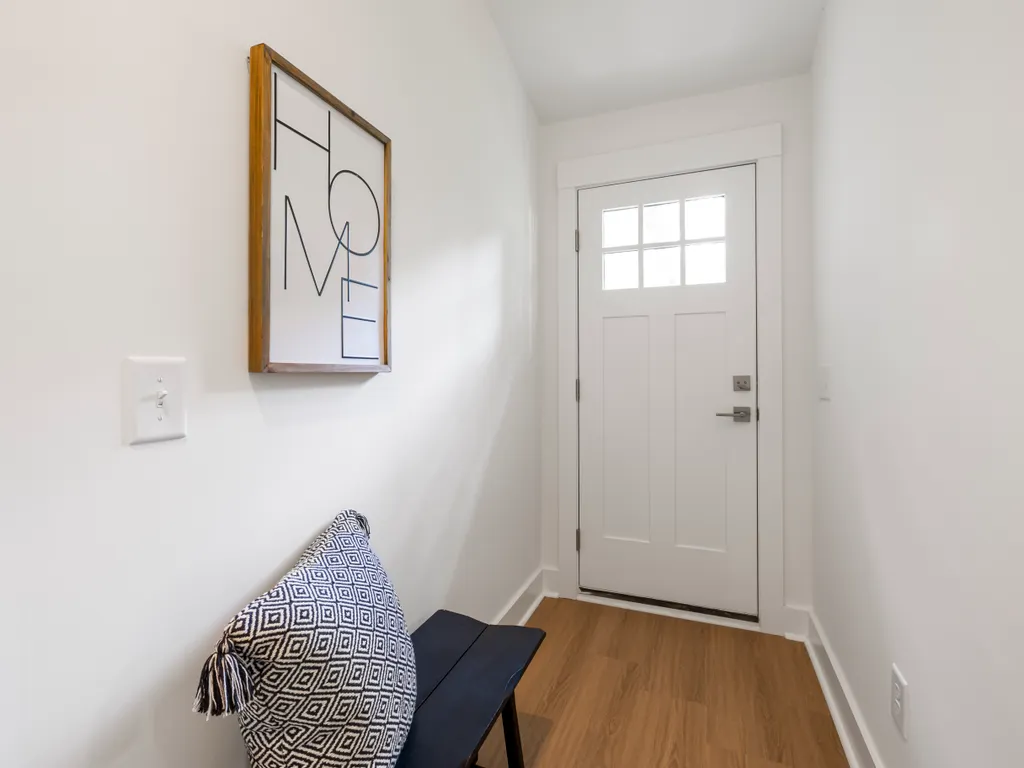
In many homes the garage door is the real front door, so the garage entry deserves the full mudroom treatment. A run of lockers or a bench with hooks, a shoe shelf and a boot tray turns a bare threshold into an organised landing zone — and keeps the garage itself tidier too.
Because this entry takes the brunt of the weather, choose wipe-clean surfaces and a floor drain or a heavy-duty mat. Add a small shelf or a wall-mounted rack for keys and a charging spot for the car keys, and the garage entry becomes the easiest way in and out of the house.
13. Turn the Back Door Into a Mudroom
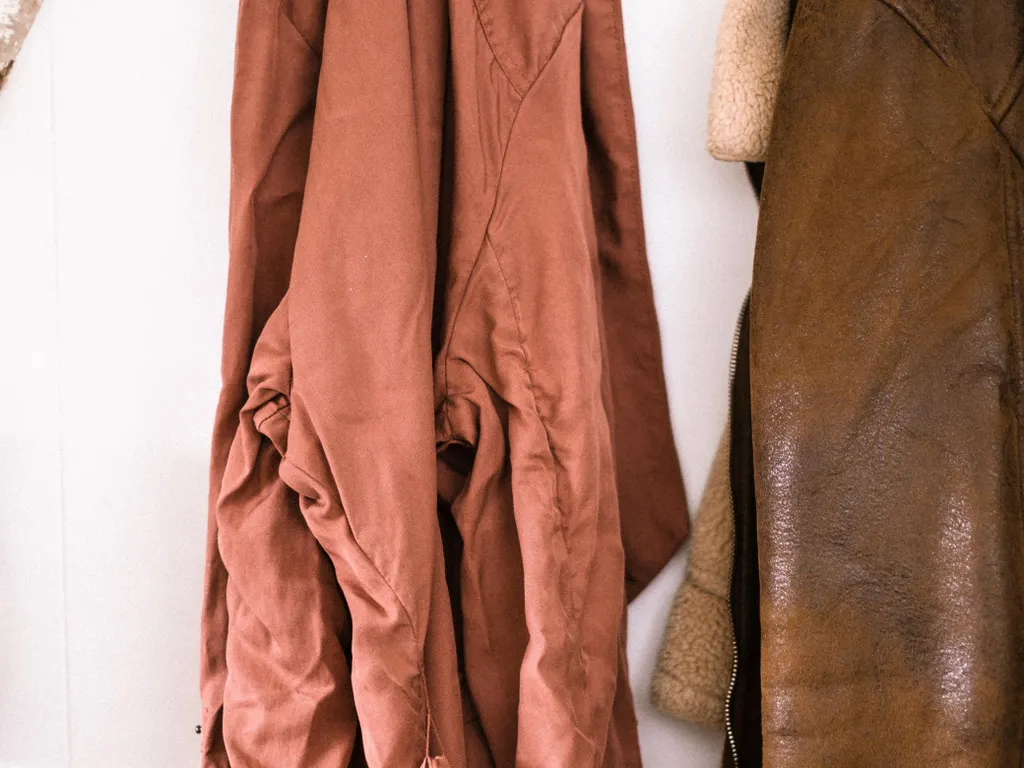
The back door is often the busiest entrance, especially in homes with a garden, so give it a mudroom setup of its own. A compact bench, a row of hooks, a boot tray and a basket or two are enough — the goal is a place for everything that comes in from outside, right where it enters.
If space is tight, go vertical: hooks and a shelf above the bench, shoe storage underneath, and a slim mirror to check the garden-to-guest transition. A washable rug or a coir doormat catches the worst of the dirt, and a covered porch or an overhang keeps the rain off while you fumble for keys.
14. Create a Mini Mudroom in a Hallway Corner
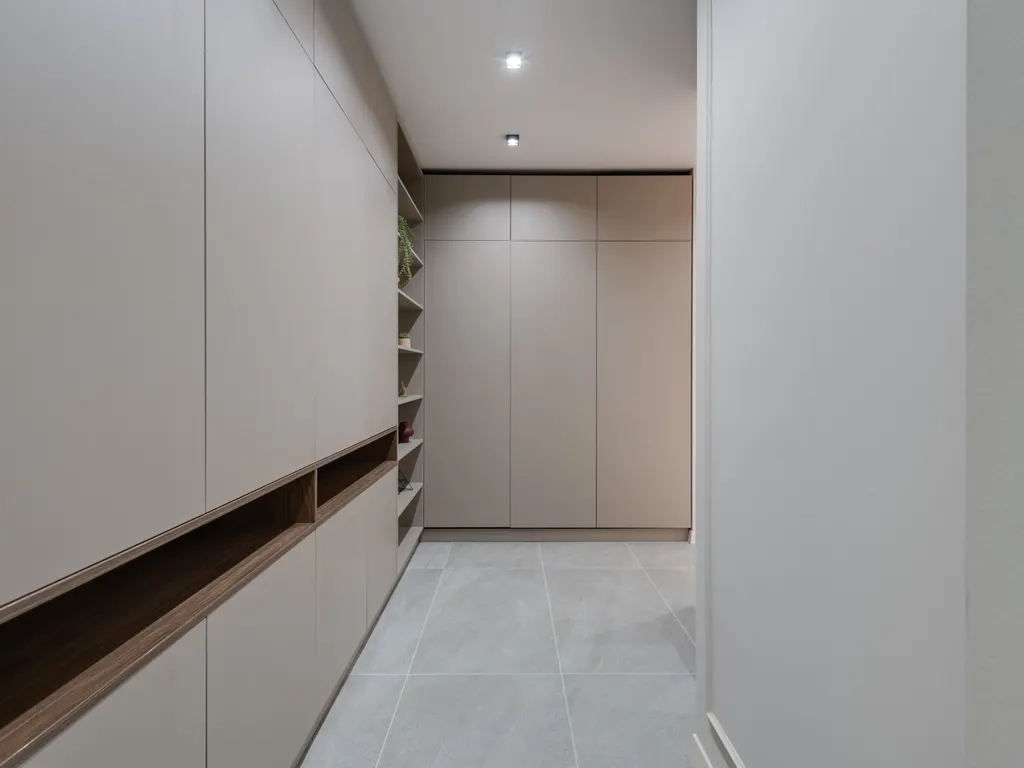
No spare room? A hallway corner can become a mudroom with surprisingly little: a narrow bench or a wall-mounted shelf, a few hooks and a basket for shoes. The trick is to define the zone so it reads as a mudroom, not as clutter — a rug or a panelled wall section marks the boundary.
Slim furniture is essential here: a bench 12 to 14 inches deep still seats one person, and folding hooks disappear when not in use. Our tiny entryway solutions and hallway ideas both show how a small footprint can work hard without blocking the route through the house.
15. Set Up a Slim Landing Zone
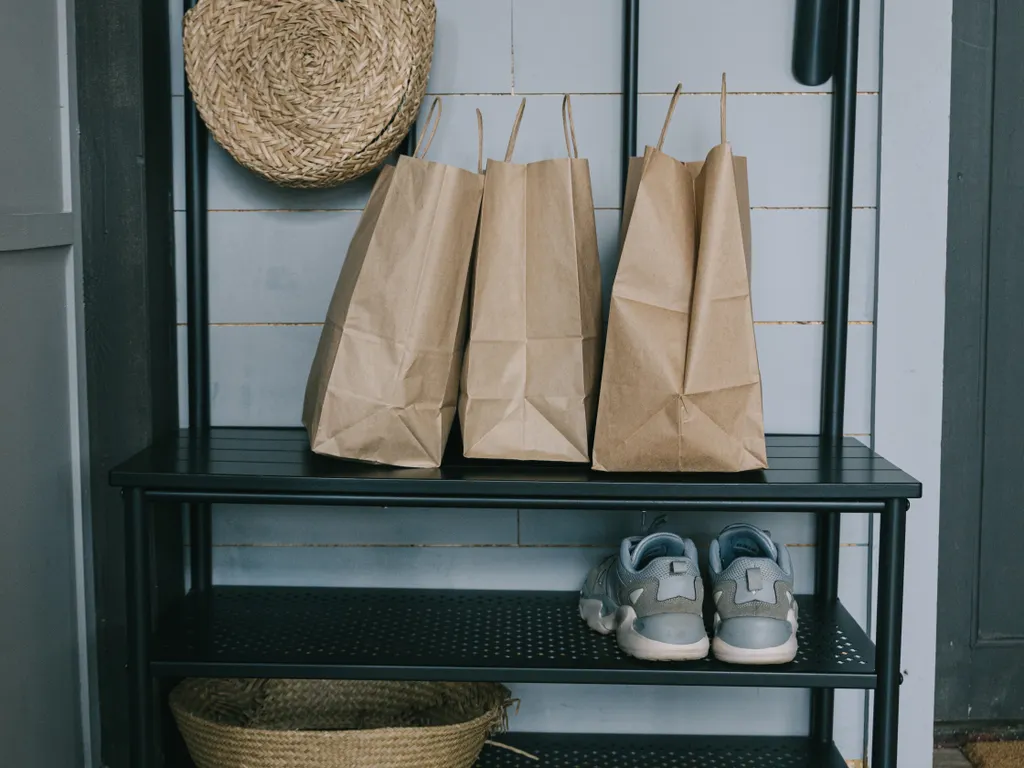
Not every mudroom needs a bench. A slim console or a floating shelf, a tray for keys and a small mirror can be all the landing zone a front entry needs — a place to set down the day’s essentials the moment you arrive, and to pick them up again without thinking.
Keep the surface nearly empty on purpose: a tray for keys and sunglasses, a small bowl for loose change, and nothing else. The moment the landing zone starts collecting mail and random objects, it stops working. A wall-mounted shelf keeps the floor clear for bags and boots.
16. Add a Mirror to Bounce the Light
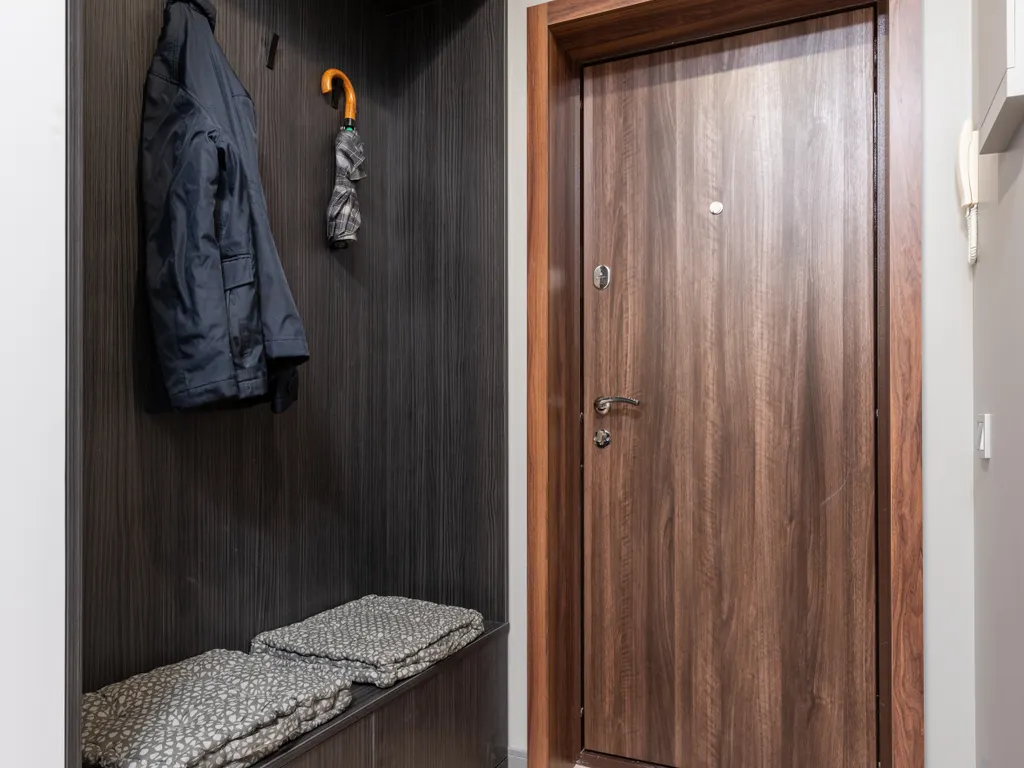
A mirror is the mudroom’s best friend. It bounces daylight into dark corners, makes a narrow entry feel wider, and gives everyone a last check before heading out. Hang a large round or arched mirror above the bench or console, where it catches the light from the door or a window.
Choose a frame that can take a knock — wood or metal rather than a delicate gilded edge — and hang it at eye level for the tallest person in the house. In a windowless mudroom, a mirror opposite a light source works nearly as well as a window, doubling the brightness of a single bulb.
17. Run a Peg Rail for Bags and Dog Leads
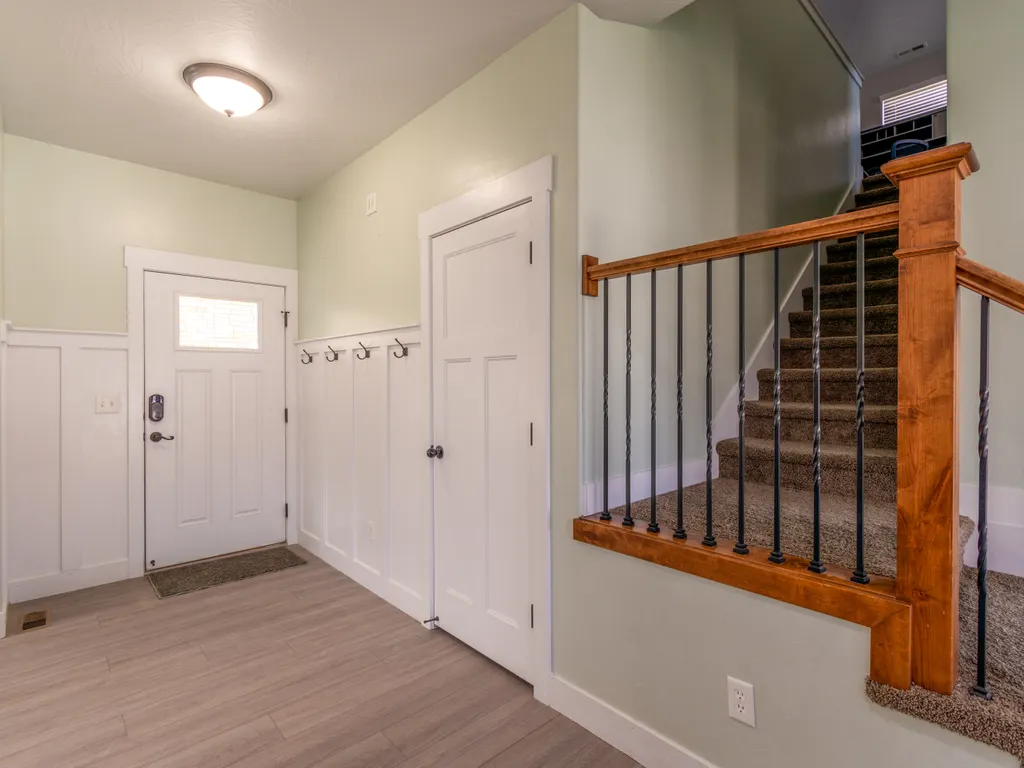
A shaker-style peg rail is one of the simplest mudroom ideas and one of the most flexible. A row of wooden pegs takes coats, bags, hats, dog leads and even drying sports kit, and because the pegs stick out, things hang without sliding off or bunching together.
Run the rail the full length of the bench wall so everyone gets two or three pegs, and mount it at adult height with a second, lower rail for children. Peg rails are cheap, renter-friendly when mounted with the right fixings, and easy to repaint when the room gets a refresh.
18. Use the Space Above for Out-of-Season Gear
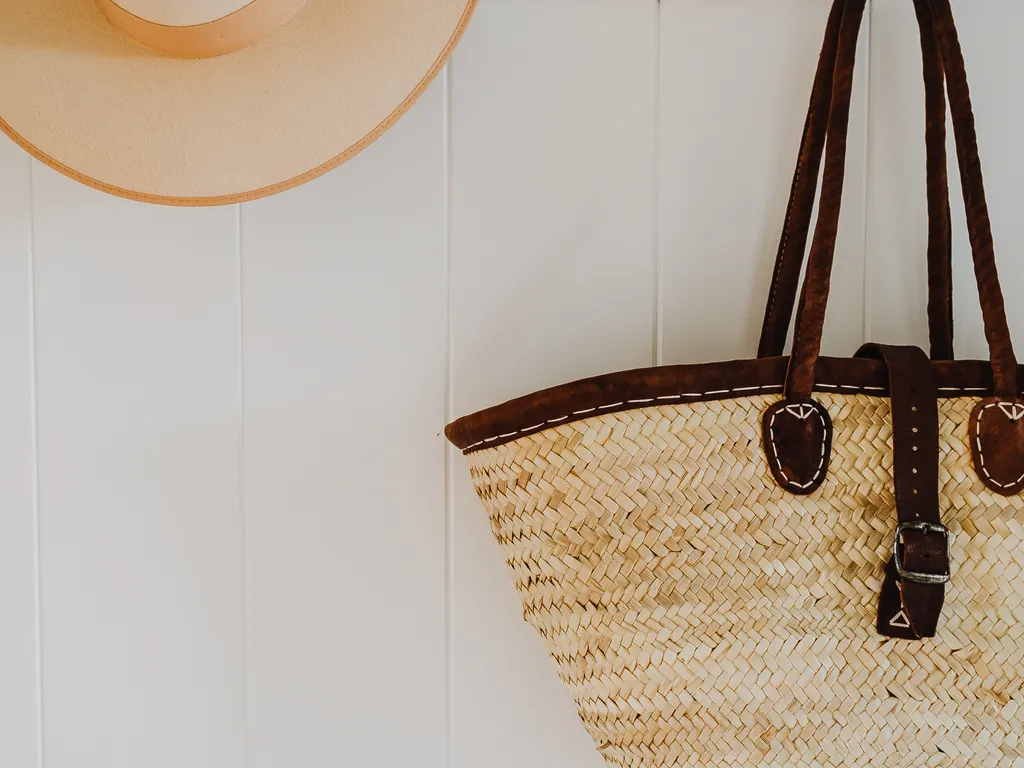
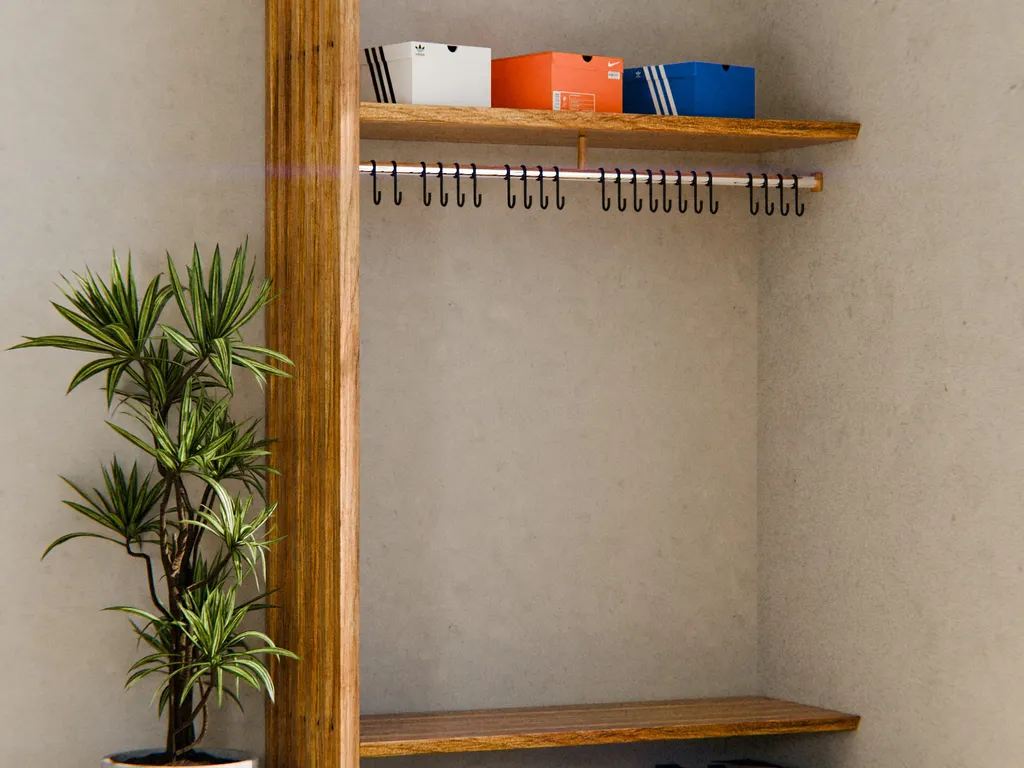
The space above the hooks is usually wasted, yet it is perfect for the things you only need twice a year: heavy winter coats in spring, beach bags in winter, and spare boots. A high shelf with labelled boxes keeps out-of-season gear out of the way but still findable.
Use boxes with lids so dust stays out, and label them clearly — “Winter”, “Summer”, “Spare” — so nobody has to open three boxes to find a hat. Keep the shelf at a height you can reach with a short step, and anything heavier than a coat should live lower down for safety.
19. Create a Drop Zone for Keys, Mail and Phones
Small things cause the most daily friction: keys, wallets, phones and the post. A dedicated drop zone — a wall-mounted organiser, a tray on the console or a row of small hooks — gives each of them a home, so nothing gets lost and the kitchen counter stays clear.
Sort mail the moment it arrives: a two-slot organiser with “Action” and “Recycling” keeps the pile honest, and a charging spot for phones means the whole family plugs in at the door. The drop zone works best when it is the first thing you reach on the way in and the last thing you touch on the way out.
20. Roll Out a Washable Runner
A washable runner is the mudroom’s best protection and its easiest style update. It catches grit and water, softens a hard floor under bare feet, and comes in patterns that hide dirt between washes — then goes straight in the washing machine when it needs a refresh.
Choose a low-pile, non-slip runner that sits flat against the door threshold so it never catches on the door swing, and size it to the length of the bench wall so it reads as intentional rather than an afterthought. Patterns with a busy weave or a dark base are the most forgiving in a high-traffic entry.
21. Build in a Boot and Welly Rack

Tall boots and wellies do not sit neatly in a shoe cubby — they flop over, lose their shape and collect dust. A dedicated boot rack, with boots stored upside down on pegs or slats, keeps them upright, ventilated and easy to grab when the weather turns.
A simple slatted rack under the bench or a wall-mounted pair of boot pegs does the job; add a drip tray underneath for wet days. Keep the family’s most-worn pairs here and the occasional ones in a closet, so the rack never becomes a boot museum.
22. Add a Chalkboard or Family Command Centre
The mudroom wall is the one place the whole household passes every day, which makes it the natural home for a family command centre: a chalkboard or whiteboard for reminders, a calendar, a few clips for school notes and a hook for the car keys.
Keep it small and useful — a weekly calendar, the dinner plan, and a spot for permission slips — and clear it every Sunday so it never becomes wallpaper. A chalkboard painted in the same colour as the wall looks intentional, and the kids can use the lower half for drawing while they wait for their shoes.
23. Make It Kid-Friendly
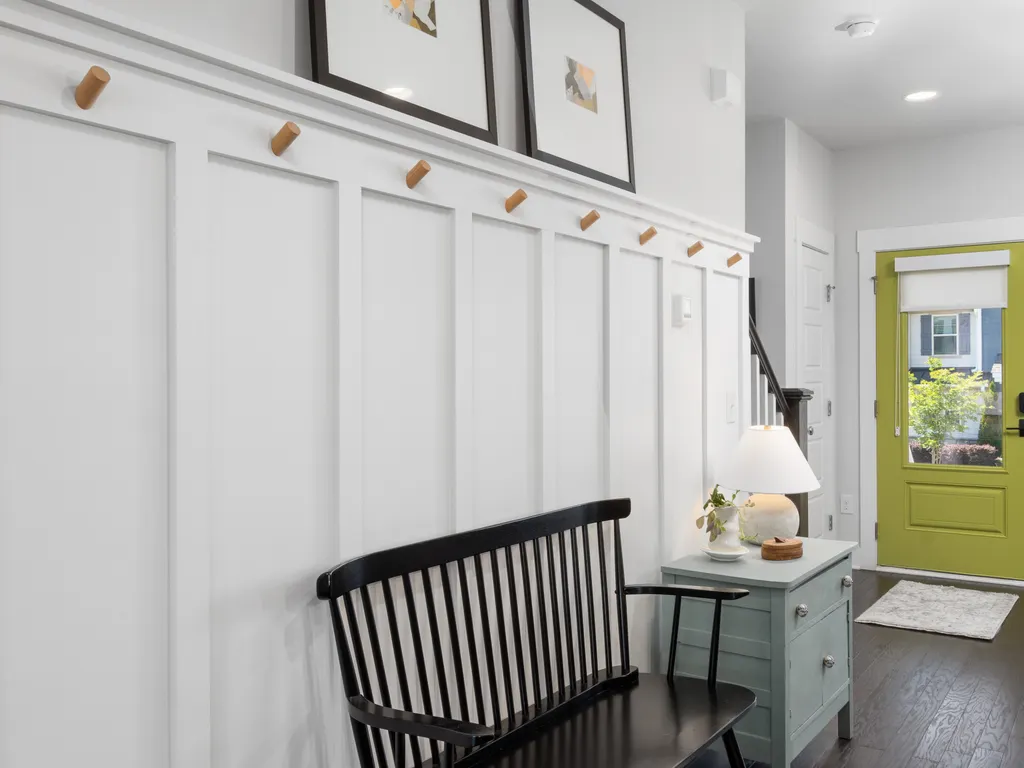
A mudroom that children can use themselves is a mudroom that stays tidy. Low hooks at their eye level, baskets they can reach, a bench they can climb onto without help, and labels with pictures rather than words all let kids put their own things away — which is the whole point.
Give each child one basket and one hook, and make the rule simple: coat on the hook, shoes in the basket, bag on the peg. Keep a step stool nearby for the higher shelves, and choose finishes that wipe clean, because muddy hands are going to touch everything.
24. Refresh a Mudroom on a Budget
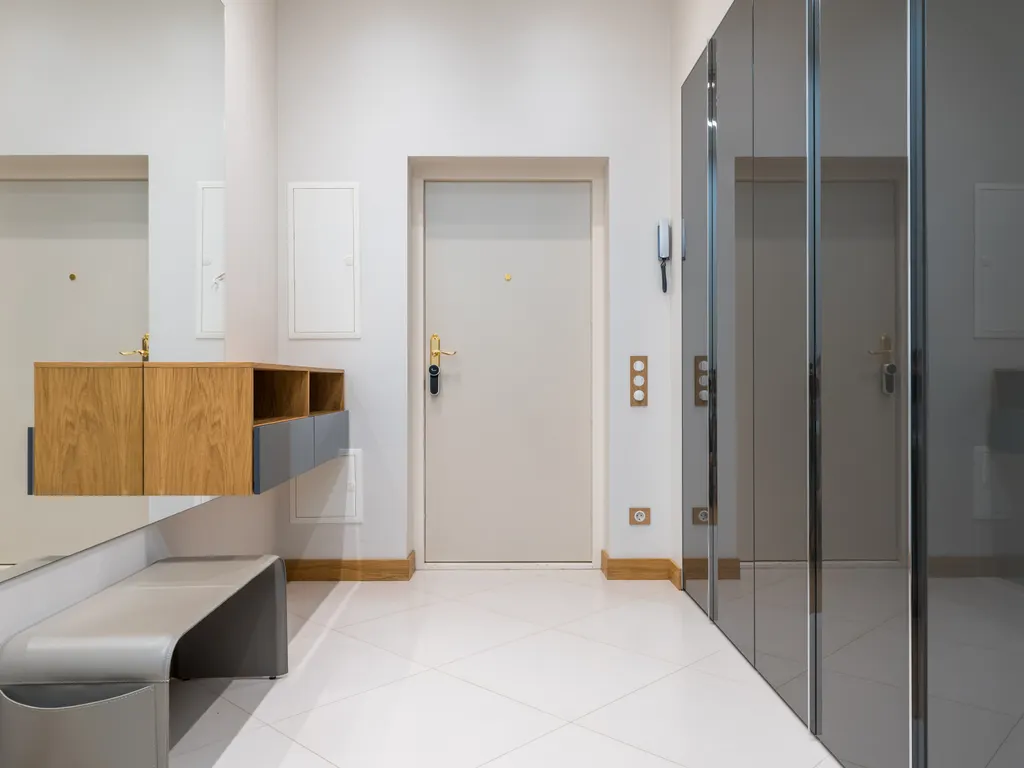
A mudroom makeover does not need a contractor. Paint is the cheapest transformation: a fresh coat on the walls, a bold colour on the bench or the panelling, and new hardware on the hooks can make a tired entry feel brand new for the price of a weekend and a few tins of paint.
Add a freestanding bench or a secondhand hall tree, a couple of woven baskets and a washable runner, and you have a working mudroom for a modest budget. Focus on the pieces that do the most work first — hooks, a tray and storage — and add the decorative touches later.
25. Add Seasonal Swaps and Finishing Touches
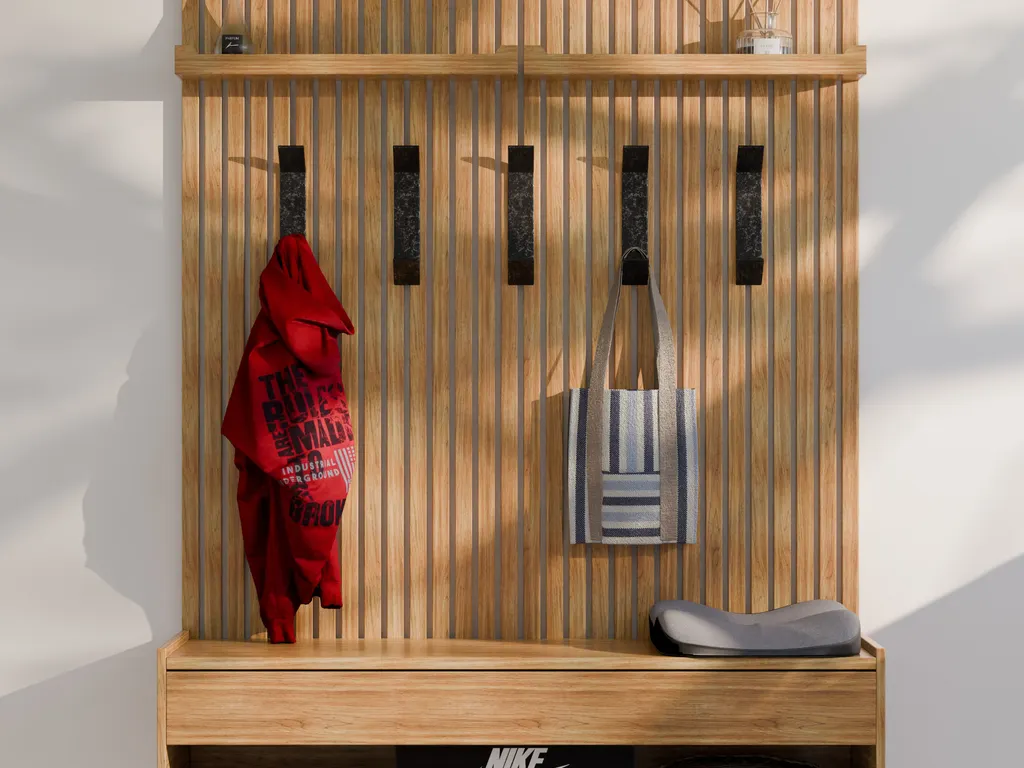
The best mudrooms change with the seasons. In autumn, swap in heavier hooks, a bigger boot tray and a basket for scarves and gloves; in spring, lighter baskets, a plant or two, and the winter gear stored away upstairs. A seasonal swap takes an hour and keeps the entry matched to real life.
Finishing touches are what make the space feel finished rather than functional: a framed print, a small vase, a scented candle or a coir mat with a friendly message. Keep them minimal — a mudroom is a working room first — but a few thoughtful details are what turn a storage wall into a welcoming entry.
Key points
- Start with the bench, hooks and boot tray: those three pieces do most of the work.
- Hang hooks at two heights so children can use the mudroom too.
- Choose hard-wearing mudroom flooring and shoe storage with doors or lids to hide the pile.
- Give every person a cubby or basket, and keep one pair of shoes each by the door.
- A pet station, a drop zone and a washable runner keep daily mess contained.
- Even a hallway corner can work as a mini mudroom with slim furniture and vertical storage.
Frequently Asked Questions
What is the best flooring for a mudroom?
Porcelain or ceramic tile, luxury vinyl plank and sealed concrete handle water, grit and heavy traffic best. They wipe clean and resist stains. If you have wood floors, protect the landing zone with a large washable rug or a tile inset by the door, and choose a matte finish for grip when wet.
How do I keep shoes organised in a mudroom?
Give every person one pair by the door and store the rest elsewhere. Closed shoe storage, like a slim tipping cabinet or lidded baskets, hides the pile and keeps dust off. A boot tray underneath catches water, and a “one pair each” rule stops the collection from creeping back.
What size should a mudroom bench be?
A bench around 17 to 18 inches high and 14 to 16 inches deep suits most adults and keeps the walkway clear. In a hallway corner, a 12-inch-deep bench still works for sitting. Leave at least 36 inches of clear floor in front of the bench so the door can swing and people can pass.
Can you have a mudroom without a dedicated room?
Yes — a hallway corner, a stretch of wall by the back door or a garage entry can work as a mudroom. Use a slim bench or a wall-mounted shelf, hooks, a boot tray and baskets to define the zone, and keep the furniture shallow so the route stays clear.
The best mudroom ideas are not the fanciest ones — they are the ones your household actually uses. A bench to sit on, hooks at the right height, a tray for wet boots and a place for every pair of shoes will carry a mudroom through Thanksgiving guests, winter slush and the everyday school run. Start with the three pieces that do the most work, add the extras that suit your family, and your entry will finally work as hard as you do.
What a Mudroom Costs: Typical Price Ranges
A mudroom can be a $150 refresh with a bench, hooks and a tray, or a $6,000 built-in wall that needs a carpenter. The table below gives typical US price ranges, so you can see where the money goes before you start.
| Item | Typical price range | Notes |
|---|---|---|
| Freestanding storage bench, 48 inches | $150 to $500 | Open cubbies underneath are the most useful |
| Built-in bench and cubbies, 6 feet wide | $1,500 to $5,000 | Carpenter-built; paint and trim add $200 to $600 |
| Coat hooks, heavy-duty, set of 6 | $25 to $80 | Pick hooks rated for 20 pounds or more |
| Peg rail, 48 inches | $30 to $90 | Shaker style, easy to fit yourself |
| Boot tray, 36 by 14 inches | $20 to $60 | Raised lip and slatted base dry boots faster |
| Washable runner, 2 by 6 feet | $40 to $150 | Low pile, non-slip backing |
| Woven baskets, set of 4 | $40 to $120 | One per person, same size |
| Shoe cabinet, 2-door | $120 to $450 | Closed doors hide the pile |
| Board-and-batten, half wall, 8 feet | $150 to $400 | DIY with primed boards; pro fitting costs more |
| Porcelain tile floor, per square foot fitted | $12 to $25 | For a 6 by 8 foot mudroom, $576 to $1,200 |
| Luxury vinyl plank floor, per square foot fitted | $6 to $12 | Water-resistant, good for families with pets |
| Wall-mounted light or sconce | $50 to $200 | Warm bulb, 2700K to 3000K |
| Round mirror, 24 inches | $40 to $140 | Hang it where it will not get hit by bags |
A hallway-corner mudroom often lands between $150 and $500. A full wall of built-ins with tile floor, bench, hooks and lighting often lands between $2,500 and $7,000. Painting the walls and panelling yourself costs $80 to $250 in paint and supplies and can change the room in a weekend.
Measurements That Make a Mudroom Work
- Bench height and depth: a bench 17 to 18 inches high and 14 to 16 inches deep suits most adults. A bench 12 to 14 inches deep still works in a narrow hall.
- Hook heights: hang adult hooks 60 to 66 inches from the floor, and a second row for children at 42 to 48 inches. Space hooks 8 to 12 inches apart so winter coats do not crowd.
- Cubby size: give each person a cubby 14 to 16 inches wide and at least 14 inches deep. A 12 inch cubby is too narrow for a school bag.
- Walkway: leave at least 36 inches of clear floor between the bench front and the opposite wall or door swing. Less than 30 inches feels cramped with boots on.
- Boot tray: one tray 30 by 15 inches holds 2 to 3 pairs. A family of four needs two trays side by side, or one 48 inch tray.
- Runner: a runner should run at least 6 inches short of the door threshold and 12 inches short of the far wall, so it never catches on the door.
- Panelling height: run board-and-batten to about 48 inches high, just above hook height, and cap it with a ledge 3 to 4 inches deep.
- Mirror height: hang the centre of a mirror 57 to 60 inches from the floor, and keep it 6 inches clear of hooks so bags do not hit it.
Step-by-Step Planning for a Mudroom
- Count the users and their gear. List every person, pet and bag that comes through the door. That count sets the number of hooks, cubbies and shoe spots — not the other way round.
- Measure the wall and the door swing. Measure the full wall, the door width and the swing arc, then mark the bench, cubbies and tray on the floor with painter’s tape and walk through it for a day.
- Pick the floor first. In a wet entry, the floor is the hardest-working surface. Choose tile or vinyl plank before you pick paint, because the floor tone sets the rest.
- Order the bench and storage. Built-ins take 2 to 4 weeks to make and fit, so order them before paint and small decor. A freestanding bench can be bought in a day.
- Fit hooks and rails at two heights. Fix a continuous rail or board first, then mount hooks to it. That way you can move a hook later without new holes in the wall.
- Add the drop zone. Put a tray, a small shelf and a mail sorter within 12 inches of the door, at 36 to 42 inches high, so keys and post land there first.
- Test it for a week. Live with the set-up for 7 days, note what ends up on the floor, and move one thing at a time until nothing does.
Mistakes to Avoid
- Building cubbies too narrow: a 10 inch cubby will not hold a bag. Measure your largest bag and add 2 inches.
- Putting hooks at one height only: children cannot reach adult hooks, so their coats land on the floor. Add the lower row.
- Choosing a rug that slides: a runner with no grip will bunch under wet boots. Use a non-slip underlay or a runner with a rubber back.
- Forgetting the door swing: a bench or shoe cabinet in the door arc will get hit every day. Check the swing before you buy.
- Using open shelves for shoes: open shoe shelves show every pair. Use a cabinet with doors for the overflow and keep one pair per person out.
- Skipping the boot tray: without a tray, wet boots soak the floor and the rug. One tray costs less than one floor repair.
More Questions About Mudroom Ideas
How much does a built-in mudroom cost?
A carpenter-built wall 6 feet wide with a bench, cubbies, hooks and a shelf usually costs $1,500 to $5,000, plus $200 to $600 for paint and trim. A simple DIY version with ready-made units costs $400 to $1,200.
What size should a mudroom be?
A mudroom for a family of four works in 6 by 8 feet, or 48 square feet. A hallway corner can work in 4 by 6 feet if the bench is 12 to 14 inches deep and storage goes up the wall.
What is the best flooring for a mudroom?
Porcelain tile is the toughest and easiest to clean, at $12 to $25 per square foot fitted. Luxury vinyl plank is a cheaper, warmer option at $6 to $12 per square foot fitted.
How do I keep a mudroom tidy?
Give every person one hook, one cubby and one pair of shoes by the door. Empty the boot tray once a week, sort the mail daily, and move out-of-season gear to a high shelf.
Can I add a mudroom to a small hallway?
Yes. Use a slim bench 12 to 14 inches deep, hooks and a shelf above it, a shoe cabinet 10 to 12 inches deep, and a washable runner. Keep the floor clear and store the rest elsewhere.
Do mudrooms add value to a house?
Buyers like a tidy entry, and a well-built mudroom helps a home show well. It rarely pays back its full cost on its own, but it helps a home sell faster in family areas.