
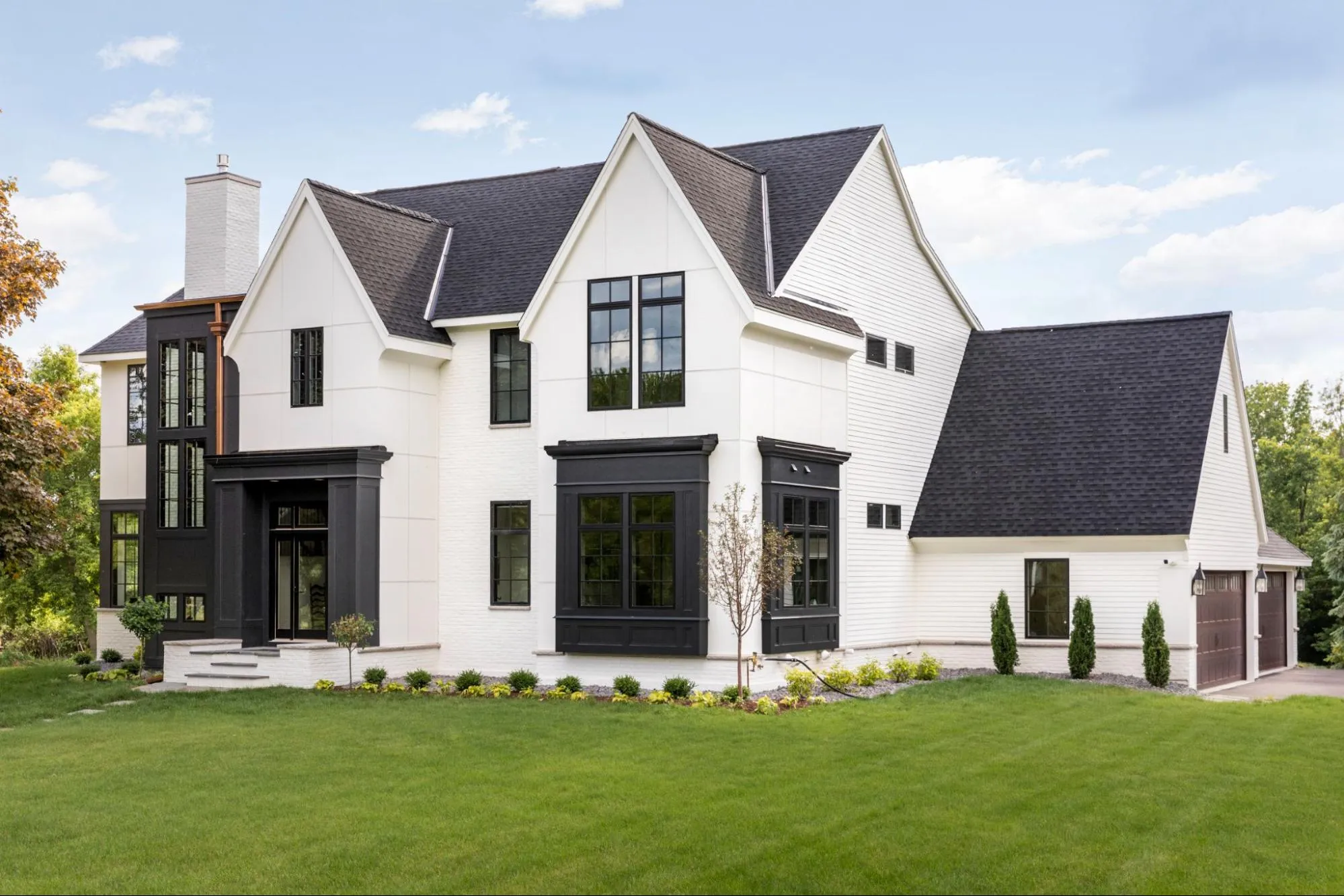
A Tudor Style House has a special look that feels warm, classic, and full of character. These homes often have steep roofs, large chimneys, brick or stucco walls, tall windows, and dark wood details. The style takes inspiration from homes built during the Tudor period in England and later became popular in other countries, especially the United States.
Quick answer: Tudor style home design means a steep roof, half-timbering, brick or stucco walls, tall windows, and a large chimney, with dark wood and warm colors inside. Modern Tudor homes keep the shape and the best details but use light walls and good lamps so rooms stay bright. A small Tudor touch-up costs $300 to $1,200.
Today, Tudor-style homes are still loved because they can feel both traditional and cozy. You can also bring Tudor ideas into a modern home through colors, wood, stone, lighting, furniture, and simple decorative details.
In this guide, we will explain what a Tudor style house is, its main features, interior ideas, exterior ideas, colors, landscaping, modern updates, and simple ways to get the Tudor look without making your home feel old or dark.
If you enjoy home decorating and design ideas, you can also explore more inspiration on Ideas Home Accessories.
What Is a Tudor Style House?
A Tudor style house is a home inspired by English architecture from the Tudor period, which lasted from the late 15th century to the early 17th century.
Modern Tudor homes are not exact copies of old English houses. Instead, they use selected design details that create a similar feeling. Common features include steeply pitched roofs, prominent gables, brick or stucco exteriors, half-timbering, tall windows, and large decorative chimneys.
The Tudor look became especially popular in American homes during the 1920s and 1930s. Many of these homes are still found in older neighborhoods today.
The style is often described as storybook-like because of its interesting rooflines, asymmetrical shapes, timber details, and cozy appearance.
Main Features of a Tudor Style House
Tudor homes are easy to recognize because several design elements work together.
Here are some of the most common features:
| Feature | What It Looks Like |
|---|---|
| Steep roof | A roof with a strong, dramatic slope |
| Gables | Pointed sections that add height and character |
| Half-timbering | Dark wood beams placed over lighter walls |
| Brick | Often used for walls, chimneys, or accents |
| Stucco | Light-colored exterior wall finish |
| Tall windows | Narrow or grouped windows |
| Large chimney | A strong architectural feature |
| Arched doors | Rounded or pointed doorway designs |
| Asymmetrical shape | Different roof and wall sections instead of perfect symmetry |
| Dark wood | Used for beams, doors, floors, and furniture |
These details give Tudor homes their recognizable personality.
Tudor Style House Exterior Ideas
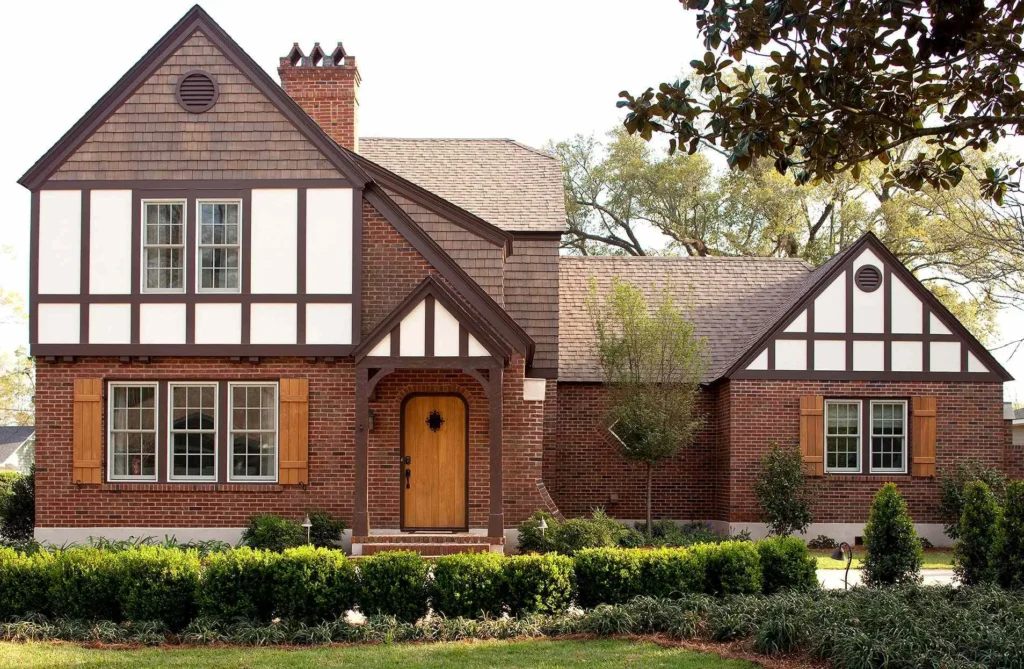
The exterior is one of the most important parts of Tudor design.
You do not need every traditional feature to create the look. A few carefully chosen details can be enough.
1. Use Brick for a Classic Look
Brick is one of the easiest materials for creating a traditional Tudor feeling.
Red, brown, aged, or mixed-color brick can make the home look warm and established. You can also use brick only around the entrance, chimney, or lower portion of the house.
If a full brick exterior is too expensive, brick accents can create a similar effect.
2. Add Dark Half-Timber Details
Half-timbering is one of the features most people notice first.
It uses dark wood or wood-like beams over a lighter wall surface. The beams can create diagonal, vertical, and horizontal patterns.
For a modern home, avoid adding too many patterns. A few simple timber sections can give the exterior Tudor character without making it look busy.
3. Choose a Steep Roof
A steep roof helps create the classic Tudor silhouette.
Dark gray, brown, or weathered roofing materials can work well with brick, stone, or cream-colored walls.
If you are building a new home, the roof shape should be planned with the whole exterior rather than added as a decoration later.
4. Make the Chimney a Feature
Traditional Tudor houses often have large and noticeable chimneys.
A tall brick chimney can become an important focal point. Decorative brickwork around the chimney can make the design even more interesting.
5. Use Interesting Windows
Tall, narrow windows are common in Tudor-inspired homes.
Leaded or divided glass can create a traditional appearance. Modern windows can also be used if you want better energy performance while keeping the Tudor look.
The goal is to keep the shape and proportions visually consistent with the architecture.
Tudor Style House Colors
Color is very important in Tudor design.
Traditional Tudor homes often use a combination of warm brick, cream or beige walls, dark brown timber, and muted natural colors.
| Exterior Element | Color Ideas |
|---|---|
| Brick | Red, brown, dark red, mixed brick |
| Stucco | Cream, beige, warm white |
| Timber | Dark brown, charcoal, black |
| Front door | Deep green, brown, black, burgundy |
| Roof | Charcoal, dark gray, brown |
| Stone | Warm gray, beige, natural stone |
| Trim | Cream, soft white, dark brown |
For a modern Tudor home, you can use softer colors such as warm white, light beige, sage green, and natural wood.
Tudor Style House Front Door Ideas
The front door can make a big difference.
Traditional Tudor doors often have an arched or slightly pointed shape. Heavy wood, iron hardware, and simple panels can make the entrance feel authentic.
Try these ideas:
- Dark wooden front door
- Arched doorway
- Black iron door hardware
- Small divided glass panels
- Stone or brick around the entrance
- Wall lanterns on both sides
- Green plants near the doorway
- Simple wooden canopy
A strong entrance gives the house a welcoming feeling without needing too many decorations.
Tudor Style House Landscaping Ideas
Landscaping should support the architecture rather than hide it.
Tudor homes look especially attractive with natural and slightly informal gardens.
Consider:
- Brick garden paths
- Stone walkways
- Green shrubs
- Climbing plants
- Rose bushes
- Small trees
- Boxwood
- Hydrangeas
- Natural stone borders
- Wooden garden gates
A curved or gently winding path can make the entrance feel more inviting.
You can also use warm outdoor lighting to highlight the front door, trees, brick walls, and architectural details.
Tudor Style House Interior Design
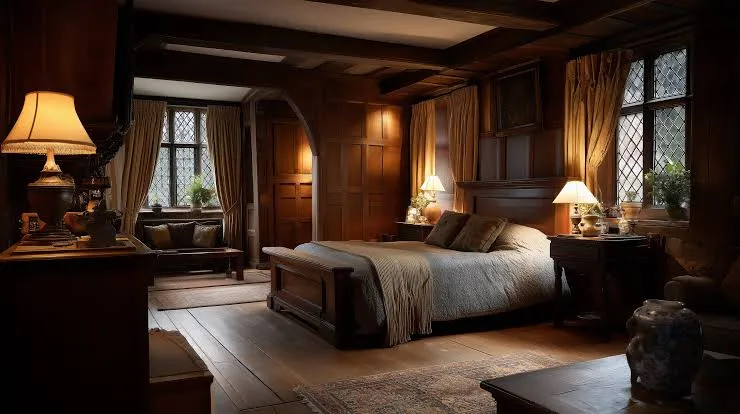
The Tudor style should not stop at the front door.
Inside, you can use the architecture as the starting point for your decorating choices.
The traditional look often includes wood, stone, warm colors, fireplaces, textured fabrics, and comfortable furniture.
However, a modern Tudor interior does not need to be dark.
A good approach is to mix traditional details with lighter walls, modern lighting, simple furniture, and natural materials.
Tudor Living Room Ideas
The living room is a perfect place to create a Tudor-inspired atmosphere.
A fireplace can become the main focal point. If your home already has exposed beams or wood trim, let those features stand out.
Try adding:
- A large comfortable sofa
- Leather chairs
- Wood coffee table
- Soft area rug
- Stone or brick fireplace
- Warm lamps
- Simple artwork
- Natural fabrics
- Decorative books
- Brass or black metal accents
If the room has a lot of dark wood, balance it with lighter walls, curtains, and upholstery.
For more living room inspiration, visit the home design ideas section on Ideas Home Accessories.
Tudor Style Kitchen Ideas
A Tudor-inspired kitchen can feel warm and timeless.
You do not need an old-fashioned kitchen to get the look.
Try combining traditional materials with modern appliances.
Good choices include:
- Wood cabinets
- Cream cabinets
- Dark wood island
- Natural stone countertops
- Brick backsplash
- Brass hardware
- Pendant lights
- Open wood shelves
- Farmhouse-style sink
- Warm flooring
A modern Tudor kitchen can also use simple white cabinets with dark wood accents. This keeps the room bright while maintaining the traditional feeling.
You can also explore more kitchen design ideas for inspiration.
Tudor Style Bedroom Ideas
A Tudor-inspired bedroom should feel comfortable and calm.
Use natural materials and warm colors rather than filling the room with too many decorations.
Some simple ideas include:
- Wooden bed frame
- Upholstered headboard
- Warm beige walls
- Dark wood nightstands
- Soft bedding
- Traditional lamps
- Textured curtains
- Vintage-style artwork
- Natural rugs
If your bedroom has exposed wooden beams, keep the rest of the decoration simple so the beams remain the main feature.
Tudor Style Bathroom Ideas
A Tudor bathroom can mix old-world character with modern comfort.
Consider using:
- Natural stone
- Warm beige tiles
- Dark wood vanity
- Brass fixtures
- Black metal details
- Arched mirrors
- Wall sconces
- Freestanding bathtub
- Simple patterned floor tiles
The key is balance. Too many traditional details can make a small bathroom feel crowded.
For small spaces, you can also look at these small bathroom design ideas.
Modern Tudor Style House Ideas
Modern Tudor design keeps the recognizable architecture but makes the home lighter and easier to live in.
This can include:
- Light-colored walls
- Simple furniture
- Large modern windows
- Natural wood
- Clean lighting
- Minimal decorations
- Modern kitchens
- Contemporary bathrooms
- Neutral fabrics
- Simple landscaping
Modern designers have shown that Tudor-inspired homes can be updated without removing all of their architectural character. One recent example used recognizable Tudor elements while simplifying the interior and exterior for a more contemporary appearance.
How to Make a Modern Home Look Like a Tudor House
You do not need to rebuild your home.
Small changes can create Tudor-inspired character.
Step 1: Start With the Colors
Choose warm neutrals such as cream, beige, brown, soft white, and muted green.
Step 2: Add Natural Wood
Wood furniture, shelves, beams, doors, and trim can bring warmth to the room.
Step 3: Use Traditional Lighting
Wall sconces, lantern-style lights, and warm bulbs can create a cozy atmosphere.
Step 4: Add Stone or Brick
A small brick wall, fireplace surround, or stone feature can add texture.
Step 5: Choose Classic Furniture
Leather chairs, wooden tables, upholstered sofas, and traditional cabinets work well.
Step 6: Keep the Room Comfortable
Do not make every item look old. Mix traditional pieces with modern furniture for a more natural home.
Tudor Style vs Modern House Style
These two styles have very different visual goals.
| Feature | Tudor Style | Modern Style |
|---|---|---|
| Shape | Complex and asymmetrical | Simple and clean |
| Roof | Often steep | Often simple |
| Materials | Brick, stone, stucco, wood | Glass, concrete, metal, wood |
| Colors | Warm and earthy | Often neutral |
| Windows | Tall and divided | Large and simple |
| Decoration | Traditional details | Minimal details |
| Feeling | Cozy and historic | Clean and open |
You can also combine the two styles. This creates a modern Tudor house with traditional architecture and contemporary interiors.
Is Tudor Style Still Popular?
Tudor architecture is not limited to historic homes.
Tudor-inspired homes continue to appear in new construction and renovation projects. The style remains recognizable because its strong rooflines, timber details, brick, and cozy interiors give homes a distinct personality.
The modern approach is usually less about copying an old house and more about keeping the best architectural details while making the interior brighter and more practical.
Pros and Cons of a Tudor Style House
Before choosing this style, it helps to understand both sides.
| Advantages | Things to Consider |
|---|---|
| Strong character | Detailed exterior can cost more |
| Warm and cozy interiors | Dark wood can make rooms feel darker |
| Unique appearance | Roofs and gables need careful maintenance |
| Works well with natural materials | Traditional details may be expensive |
| Can mix with modern design | Some features require specialist work |
| Timeless architectural appeal | Large chimneys may need maintenance |
The right choice depends on your home, budget, climate, and personal style.
How to Decorate a Tudor House Without Making It Too Dark
Balance dark wood with warm white walls, light curtains, cream sofas, and soft lighting so the room stays bright.
The solution is not to remove all the character.
Instead, create balance.
Use:
- Warm white walls
- Light curtains
- Cream sofas
- Natural rugs
- Large mirrors
- Soft lighting
- Light wood furniture
- Green plants
- Simple artwork
Keep some dark beams, doors, or furniture to maintain the Tudor feeling.
This approach can make the home feel traditional but fresh.
Best Materials for Tudor-Inspired Design
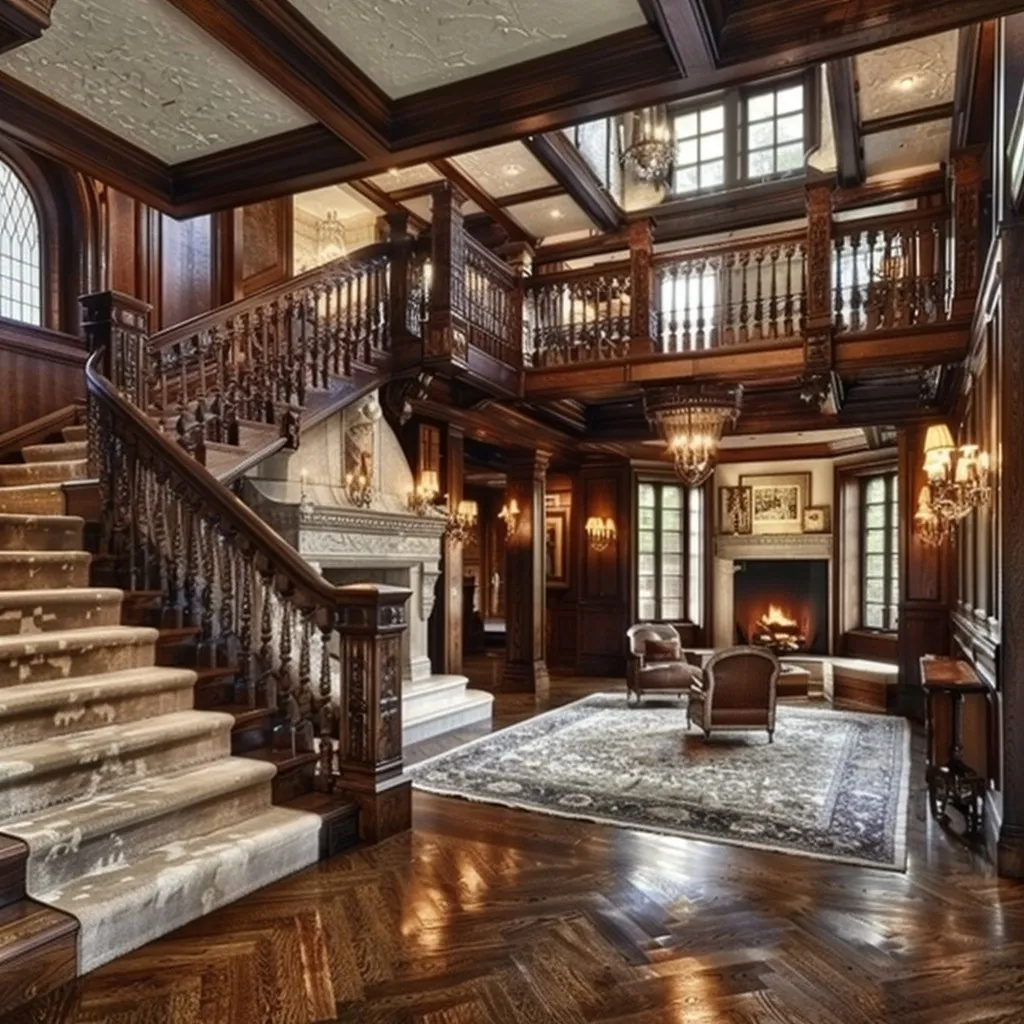
Natural materials work especially well with this style.
Wood
Use wood for beams, doors, furniture, flooring, and shelves.
Brick
Brick works beautifully for fireplaces, exterior walls, chimneys, and pathways.
Stone
Natural stone can add weight and texture to entrances and fireplaces.
Metal
Black or aged metal works well for lighting, door hardware, and furniture details.
Natural Fabrics
Linen, wool, cotton, and leather can make rooms feel warm and comfortable.
Tudor Style House Decorating Tips
Here are some simple tips to remember:
- Do not use too many dark colors. Balance them with lighter shades.
- Let architectural details stand out. Exposed beams and fireplaces can become focal points.
- Use natural materials. Wood, brick, stone, and linen fit the style well.
- Mix old and new. A modern sofa can work with a traditional fireplace.
- Keep decorations simple. Too many accessories can make the room feel busy.
- Use warm lighting. Soft lighting creates a cozy atmosphere.
- Add greenery. Plants can bring life to rooms with dark wood.
- Think about the whole house. Exterior and interior should feel connected.
For more simple decorating inspiration, explore Ideas Home Accessories.
Frequently Asked Questions About Tudor Style Houses
What is a Tudor style house?
A Tudor style house is a home inspired by English architecture from the Tudor period. Modern examples often use steep roofs, gables, brick or stucco, dark timber details, tall windows, and large chimneys.
What colors are common in Tudor houses?
Common colors include warm white, cream, beige, brown, dark gray, red brick, muted green, and black.
Are Tudor houses expensive to maintain?
Maintenance costs depend on the home’s age, materials, roof design, windows, brickwork, and other features. Older homes may require specialized repair work.
Can a Tudor house have a modern interior?
Yes. A Tudor house can have a modern interior. Light walls, simple furniture, modern lighting, and contemporary kitchens can make the home feel fresh while keeping traditional architectural details.
How can I make my house look Tudor?
Start with simple details such as dark wood, warm colors, traditional lighting, brick or stone accents, classic furniture, and natural landscaping. You do not need to change the entire house.
Conclusion
A Tudor Style House is known for its strong character, steep roofs, gables, timber details, brick, stone, tall windows, and cozy interiors. Its storybook appearance makes it different from many other home styles.
The best way to use Tudor design today is to focus on the details that make the style special while keeping the home comfortable for modern life.
You can use dark wood with light walls, traditional architecture with modern furniture, and classic materials with updated kitchens and bathrooms. This creates a home that feels warm, timeless, and personal.
Whether you own an older Tudor home or simply love the style, you do not need to copy every traditional detail. Start with a few elements you love and build your design from there.
Tudor Style Home Costs: What to Budget
A full Tudor style home makeover can cost anywhere from $5,000 for small interior touches to $60,000 or more for a full exterior redo. Most owners spend $10,000 to $30,000 when they update the front of a Tudor style home with brick, timber, and a new door. The table below gives typical US ranges for common Tudor style home projects so you can plan in stages.
| Project | Typical cost | What affects the price |
|---|---|---|
| Half-timbering on one gable | $2,500–$6,000 | Size of the gable, real wood or wood-look beams |
| Brick veneer accent wall | $3,000–$8,000 | Wall size, brick type, mortar color |
| New arched front door | $1,200–$4,500 | Wood type, iron hardware, glass panels |
| Steep roof re-shape (new build) | $15,000–$40,000 | Roof pitch, area, roofing material |
| Chimney rebuild or repoint | $2,000–$7,000 | Height, brick condition, cap and flashing |
| Exposed beam install (living room) | $1,500–$5,000 | Number of beams, real or faux wood |
| Stone fireplace surround | $2,500–$8,000 | Stone type, size, hearth work |
| Lantern-style lighting set | $300–$1,200 | Number of lights, metal finish |
For most Tudor style home projects, labor is half the bill or more. Brick and stone work is slow, and a steep roof needs scaffolding and extra safety gear. Get two or three written quotes that list materials, labor, and cleanup, and keep 10 percent of the budget aside for surprises behind old walls.
How to Plan a Tudor Style Home Project in 5 Steps
A Tudor style home project goes smoother when you plan the big shapes first and the small details last.
- Walk the outside. Note the roof pitch, the gable shapes, and where timber will read best from the street. On a Tudor style home, the front gable is usually the best place for a timber feature.
- Pick two main materials. Brick plus stucco, or stone plus timber, is enough. Three or four materials can make a small house look busy.
- Set the door and windows. An arched door 36 to 42 inches wide suits most entries. Tall windows 24 to 36 inches wide, grouped in twos or threes, keep the Tudor proportions.
- Plan the inside to match. Carry one wood tone and one metal finish through the main rooms so the outside and inside of your Tudor style home feel like one design.
- Phase the work. Start with the roof and door, then add timber and brick, then finish with lighting and plants. That order keeps the house weather-tight while you work.
More Tudor Style Home Mistakes to Avoid
These are the slip-ups that make a Tudor style home look like a costume instead of a classic:
- Too much timber. Timber on every wall looks fake. Use it on one or two gables and let brick or stucco do the rest.
- Wrong roof pitch. A shallow roof kills the Tudor shape. Aim for a pitch of 10:12 or steeper on the main gable.
- Copying every old detail. A Tudor style home does not need leaded glass in every window or a moat at the door. Pick three or four details and repeat them.
- Dark rooms with no light. Dark beams need light walls and good lamps, or the rooms feel heavy by midday.
- Cheap fake stone. Thin plastic stone panels crack and fade. If the budget is tight, use real brick on a small area instead.
- Forgetting the garden. A plain lawn and a concrete path fight the Tudor look. A brick path and a few shrubs tie a Tudor style home to its garden.
More Tudor Style Home Questions
How much does a Tudor style home cost to build?
A new-build Tudor style home costs about $200 to $350 per square foot in most US regions, or $400,000 to $700,000 for a 2,000 square foot house. Steep roofs, brick, and custom timber add 10 to 20 percent over a simple modern build. A remodel of the front alone runs $10,000 to $30,000.
Is a Tudor style home hard to maintain?
A Tudor style home needs the same care as any brick house, plus a check on the roof and timber every year or two. Look for cracked mortar, loose timber, and worn paint on the stucco. Most owners spend $1,000 to $2,500 a year on upkeep, which is close to other brick homes.
Can a Tudor style home have an open floor plan?
Yes, but keep one or two strong features, such as a big fireplace or a beamed ceiling, so the rooms still feel Tudor. Open plans suit modern Tudor style home designs well when the materials stay warm and the lighting stays soft.
What is the best color for a Tudor style home?
Warm white or cream stucco with dark brown timber and red brick is the classic mix. If you want a lighter feel, try sage green trim with warm white walls. Avoid bright white, which can make old brick look harsh.
Do Tudor style home designs work on small houses?
Yes. Small Tudor style home designs work well because the style is about shape and detail, not size. A steep gable, an arched door, and one timber panel can give a small cottage the full Tudor feel for under $10,000.
How do I light a Tudor style home without losing the mood?
Mix warm ceiling lights with wall sconces and table lamps. Keep bulbs at 2700K for a warm glow, and add one brighter light over work areas such as the kitchen counter. Mirrors and light walls bounce the light around dark wood rooms.
For more ideas on planning a Tudor style home on a budget, start with the front door and one gable, then add details over time. For room-by-room help, see our bedroom trends by birth year for period style ideas, our guide to make a boring room look better for simple updates, and our small patio ideas for the garden side of the project. For the history behind the look, Wikipedia’s Tudor architecture page explains where the steep roofs and half-timbering began.