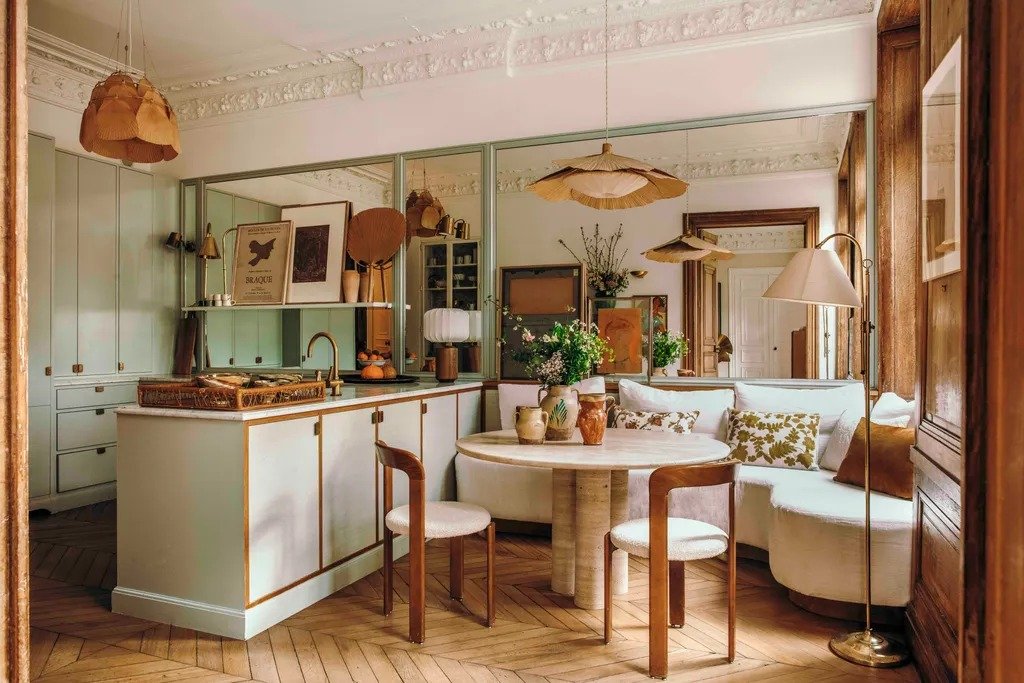
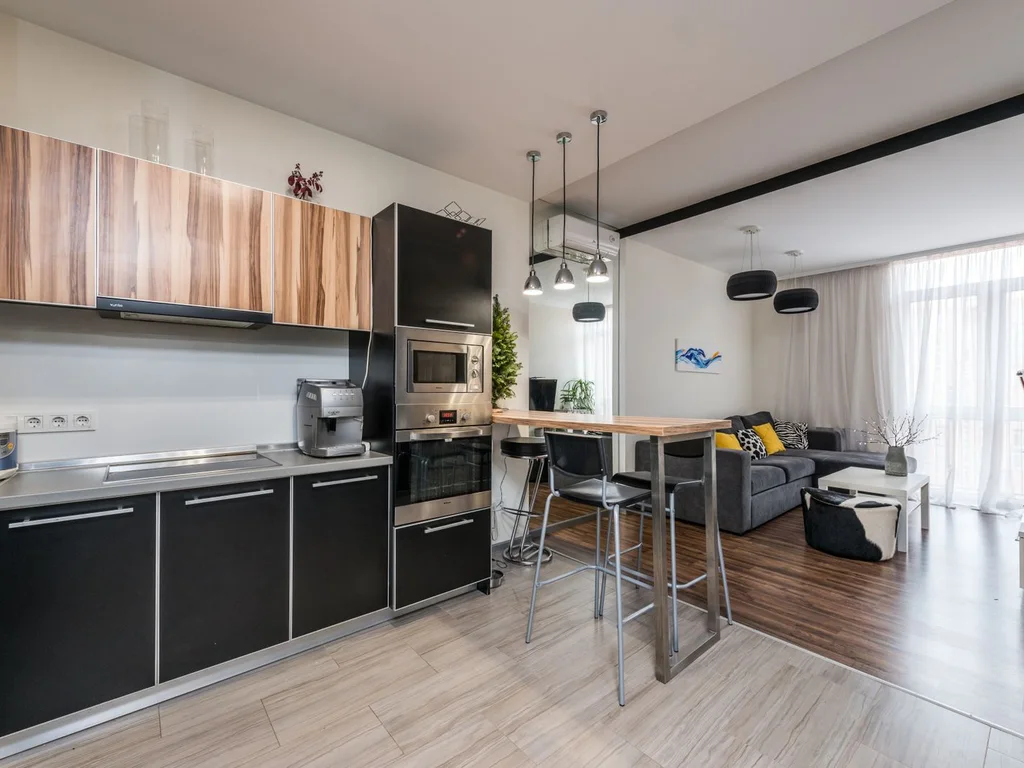
Small apartments are not a compromise — they are a design challenge with a very satisfying payoff. When every square metre has to earn its place, the right layout, the right furniture and a few clever visual tricks can make a compact flat feel open, calm and genuinely generous. This guide collects 100 apartment decor ideas for small spaces that feel bigger, covering every corner from the entryway to the balcony.
The ideas below work whether you rent or own, and most of them cost little or nothing. Pair them with our small bedroom design ideas if your bedroom is the tightest room, and add a little life with our greenery bedroom ideas once the layout is sorted. For more small-space inspiration from the design press, House Beautiful’s small apartment ideas are a useful second opinion.
The five fastest wins in this guide: keep one clear path through every room (Idea 1), float the sofa a few centimetres off the wall (Idea 2), hang one large mirror opposite the window (Idea 13), run shelving to the ceiling (Idea 31), and edit one thing out of every room each month (Idea 100). Do those five this weekend and the flat will already feel bigger.
Which size is yours? Studio: the layout ideas and the zoning answer in the FAQs below matter most. One-bedroom: the bedroom and hidden-storage sections carry the biggest wins. Two-bedroom or a flatshare: the shared living and dining ideas decide whether the home feels calm or crowded.
In this guide: Layouts That Make Small Apartments Feel Bigger · Light, Colour and Mirrors · Multifunctional Furniture · Storage That Disappears · Small Living Rooms · Small Apartment Bedrooms · Small Kitchens and Dining Corners · Small Bathrooms and Entryways · Balconies, Windows and Outdoor Corners · Rental-Friendly and Budget Ideas
How to Decorate a Small Apartment: The Right Order
Step 1 — Layout before decor. Clear paths, biggest piece placed first, zones marked with rugs. No decoration can rescue a layout that fights how you move.
Step 2 — Light and colour. One warm white, sheers instead of heavy drapes, layered lamps. Light is the cheapest square metreage you will ever buy.
Step 3 — Furniture that does two jobs. Sofa beds, storage ottomans, nesting tables, fold-down desks. In a small flat, single-purpose furniture is a luxury tax.
Step 4 — Storage that disappears. Ceiling-height shelving, above-door shelves, under-bed drawers. Storage you cannot see is what makes small rooms feel calm.
Step 5 — Room-by-room finishing. Apply the same rules in the bedroom, kitchen, bathroom and entry, keeping one accent colour repeated throughout.
Step 6 — Renters: reversible everything. Peel-and-stick, command strips, freestanding pieces, originals kept safe. A deposit-safe flat can still be a designed flat.
Move-out checklist: photograph every wall before and after removing strips; keep the original fittings — showerhead, knobs, light shades — in one labelled box; never make a change you cannot undo, sand and repaint in an afternoon. Reversible in, reversible out: that is the whole game for renters.
1. Layouts That Make Small Apartments Feel Bigger
1. Keep One Clear Path Through Every Room
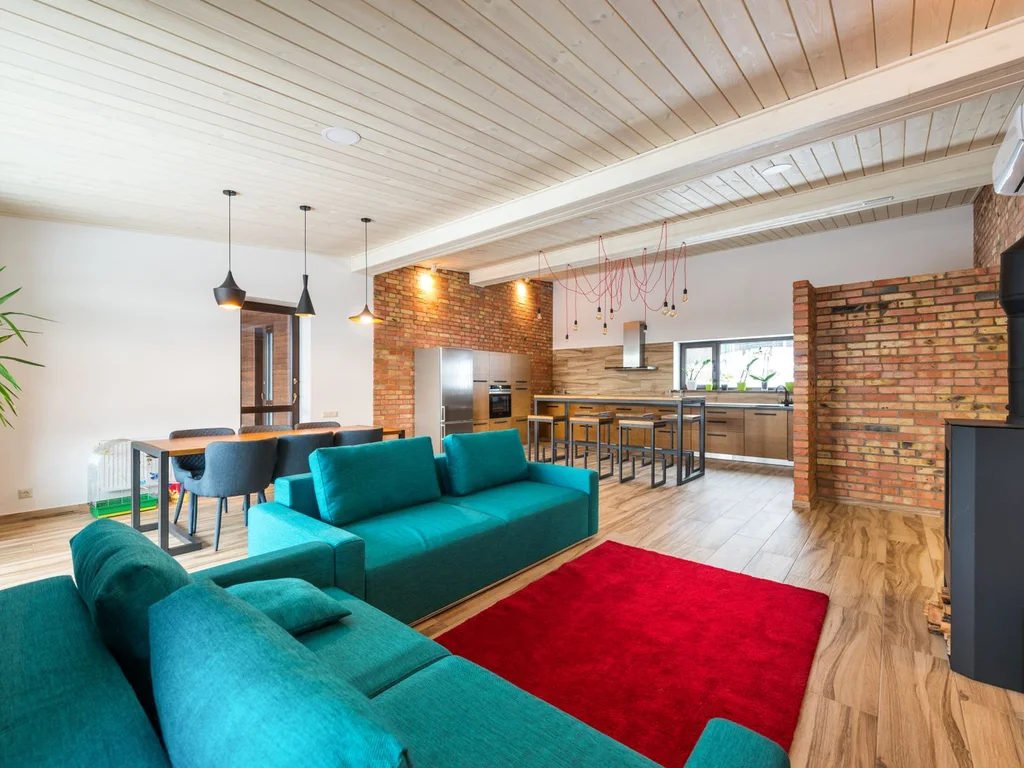
Before buying anything, walk the natural route through each room and keep it completely clear. A blocked path makes a flat feel cramped even when it is tidy, while one open walkway instantly reads as space. Arrange furniture so you never have to shuffle sideways or squeeze past a chair to reach the kitchen or bathroom.
2. Float Furniture Away From the Walls
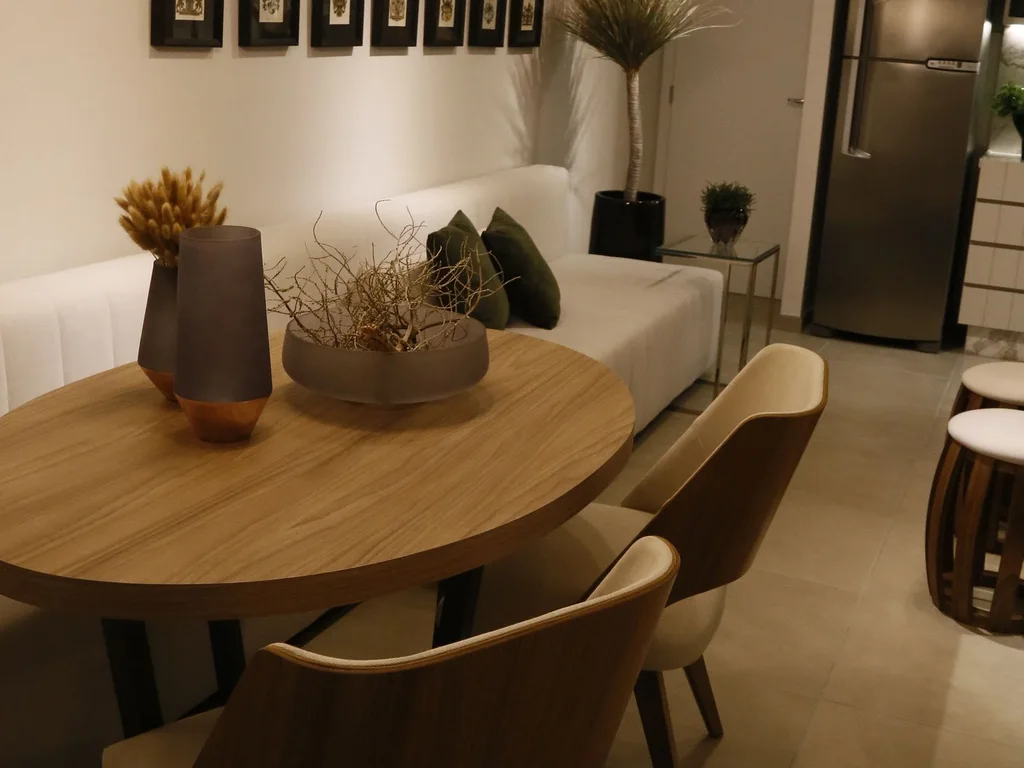
Pushing everything against the walls is the classic small-flat mistake. Pulling a sofa even 10 centimetres out creates a shadow gap that makes the room feel deeper, and it leaves space behind for cables, slim storage or a trailing plant. The room breathes, and the layout looks considered rather than crammed.
3. Zone an Open Plan With Rugs, Not Walls
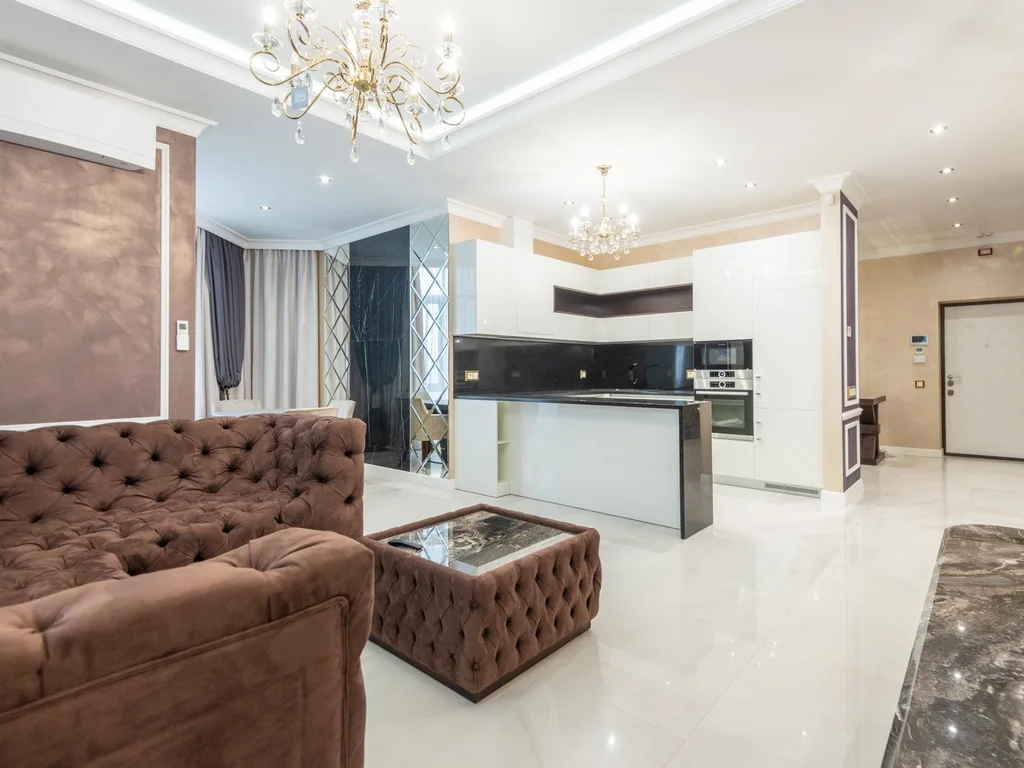
In an open-plan flat, rugs are the gentlest way to mark zones: one under the sofa for living, one under the table for dining, bare floor between them for flow. The zones read clearly without a single wall, so the whole space still feels like one generous room instead of three tiny ones.
4. Put the Biggest Piece First, Then Build Around It
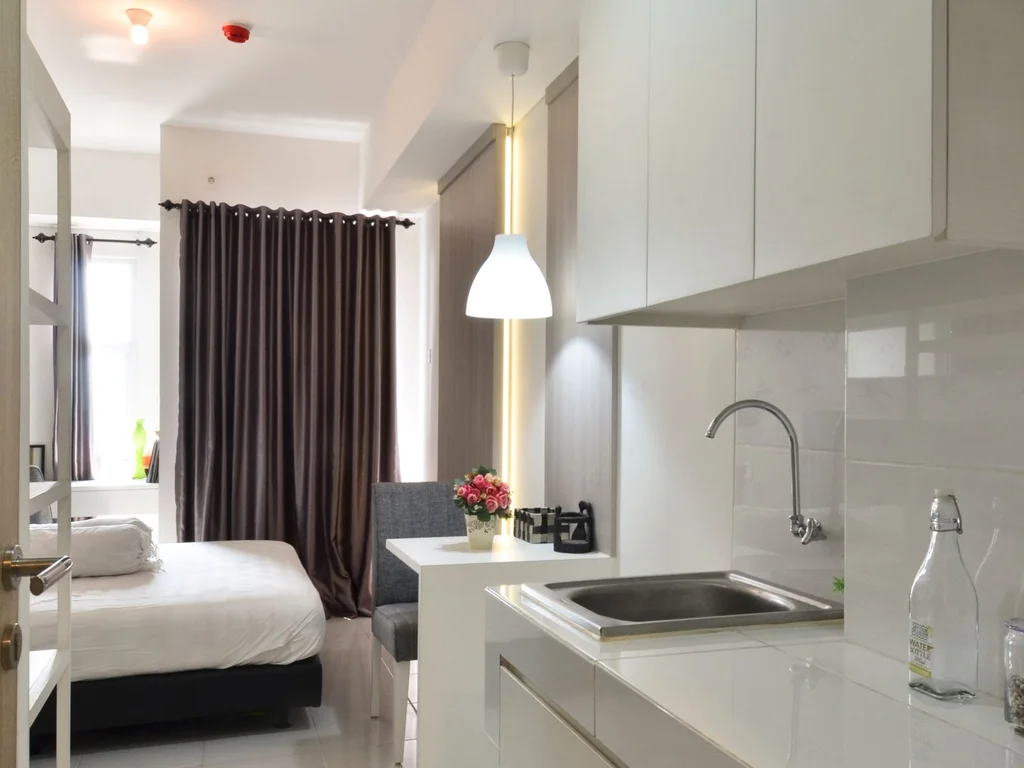
Start every room with its largest item — usually the sofa or the bed — and place it in the best spot before anything else arrives. Every other piece then earns its place around it. This stops the common problem of a room full of small, floating furniture that adds up to clutter without ever feeling furnished.
5. Use Low Furniture to Keep Sightlines Open
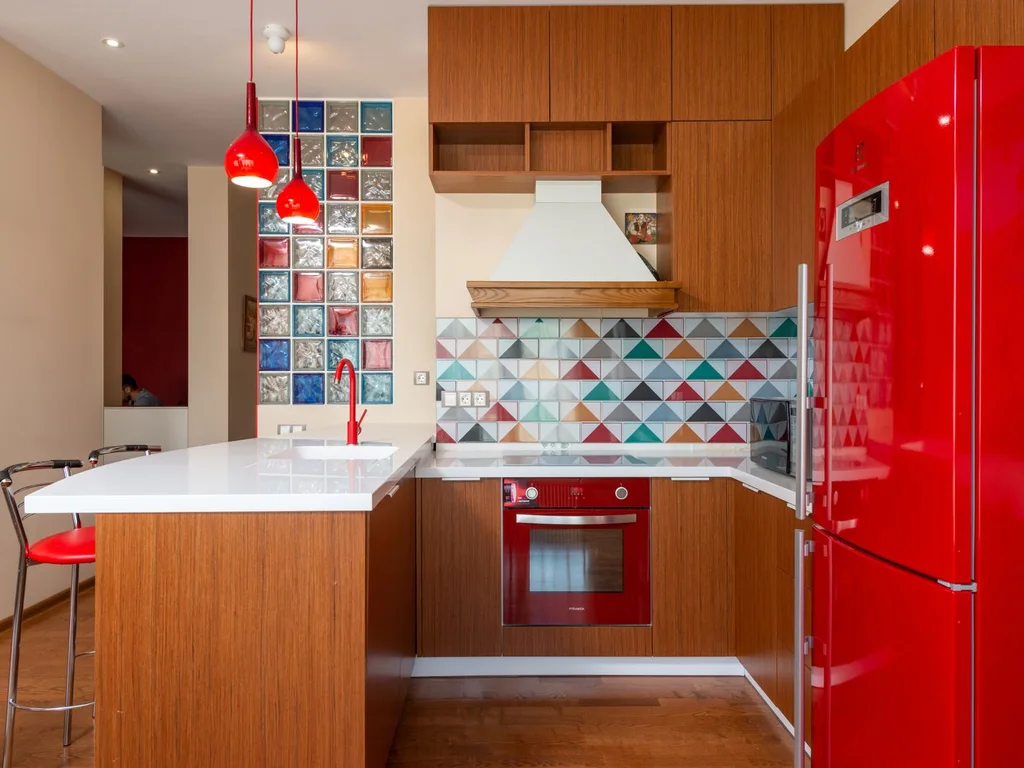
Low sofas, low shelving and low beds keep your eye travelling across the room to the far wall or window, which is exactly what makes a space feel large. Tall bookcases and wardrobes are fine on one wall, but if every wall is tall furniture, the room closes in fast. Keep at least one long sightline low and open.
6. Angle One Chair to Break the Box
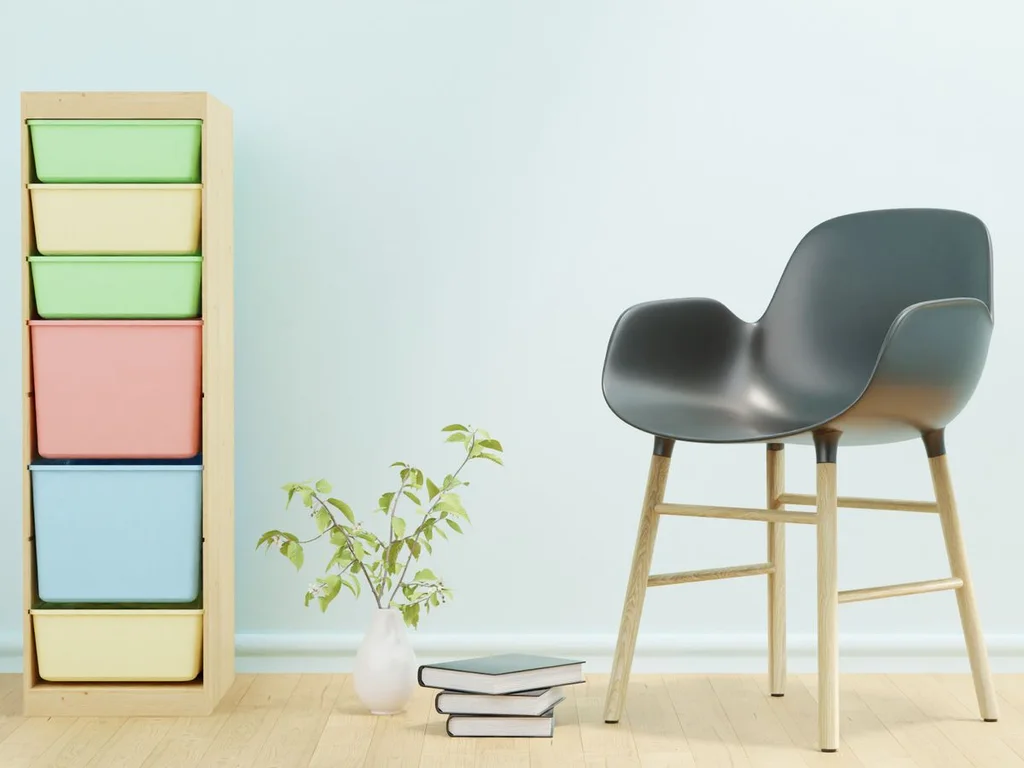
When every piece of furniture sits parallel to the walls, a small room can feel like a box. Angling a single armchair or reading chair by a few degrees breaks the grid, creates a natural conversation corner and makes the layout feel designed rather than default. One angled piece is enough — angle everything and the room feels chaotic.
7. Let the Dining Table Do Double Duty as a Desk
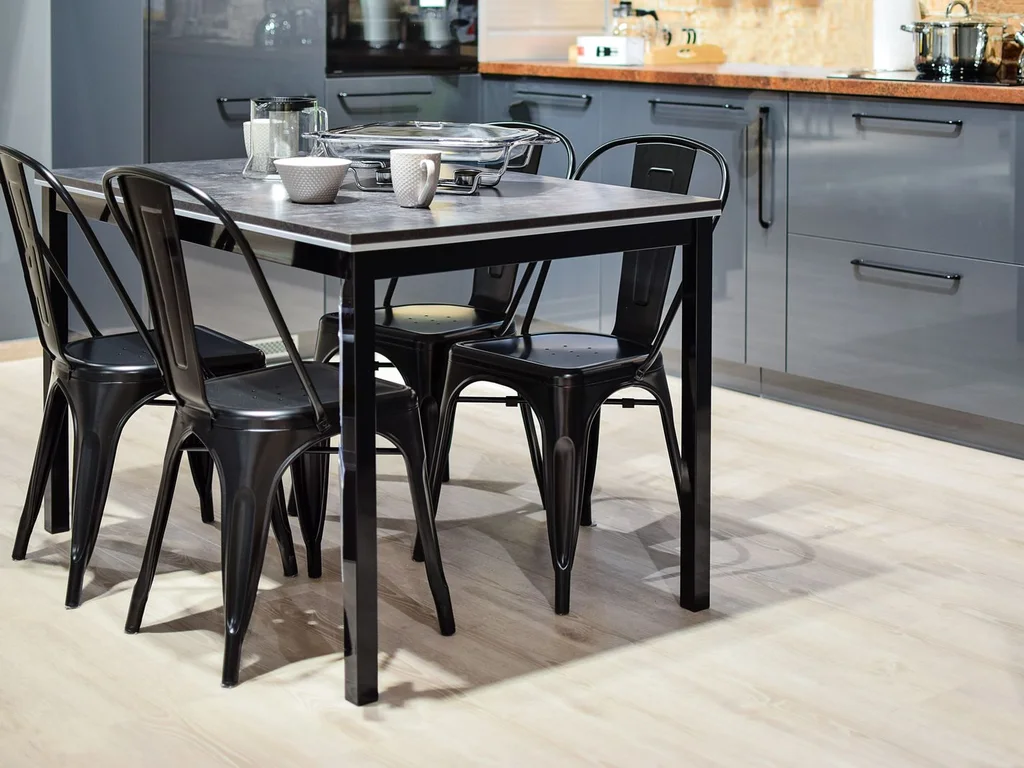
Most small flats cannot fit a dining table and a desk, so let one table serve both. A simple rectangular table near a window works for meals, laptops and homework, and a couple of good chairs mean nobody eats on the sofa. Keep work gear in one basket so the table can switch roles in under a minute.
8. Keep the Centre of Each Room Empty
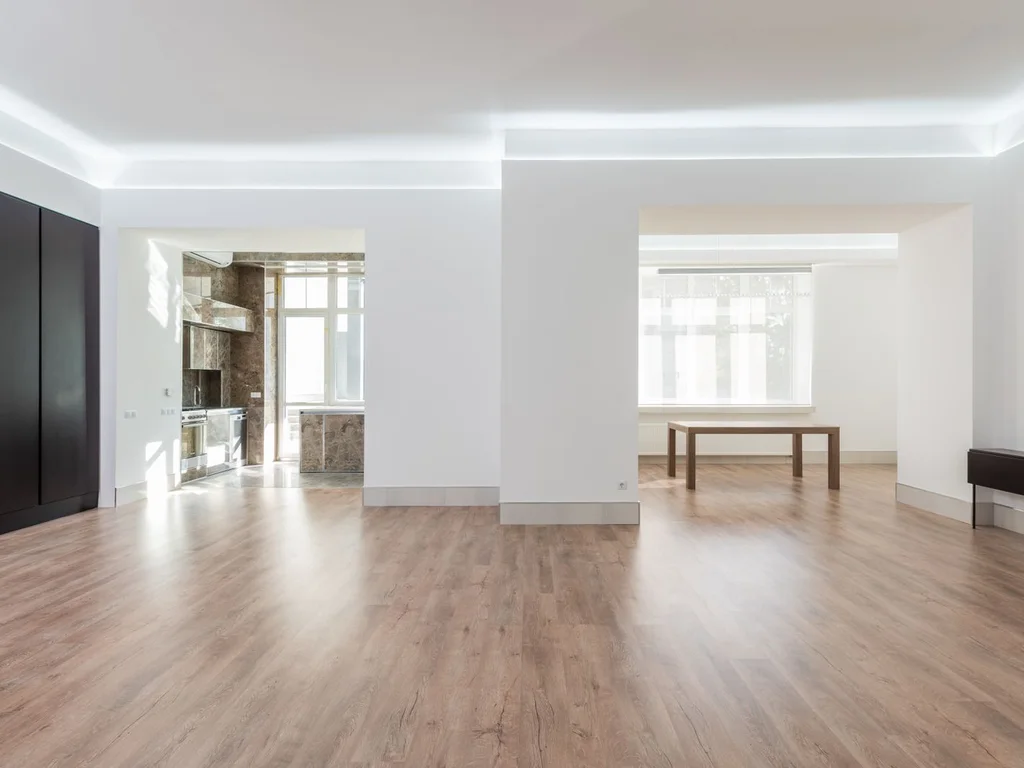
An empty centre is the fastest way to make a room feel bigger, and it costs nothing. Push seating and storage to the edges, choose a small coffee table or none at all, and resist filling the middle with a pouf or plant stand. The breathing room in the middle is what your eye registers as space.
9. Arrange Seating for Conversation, Not for the TV
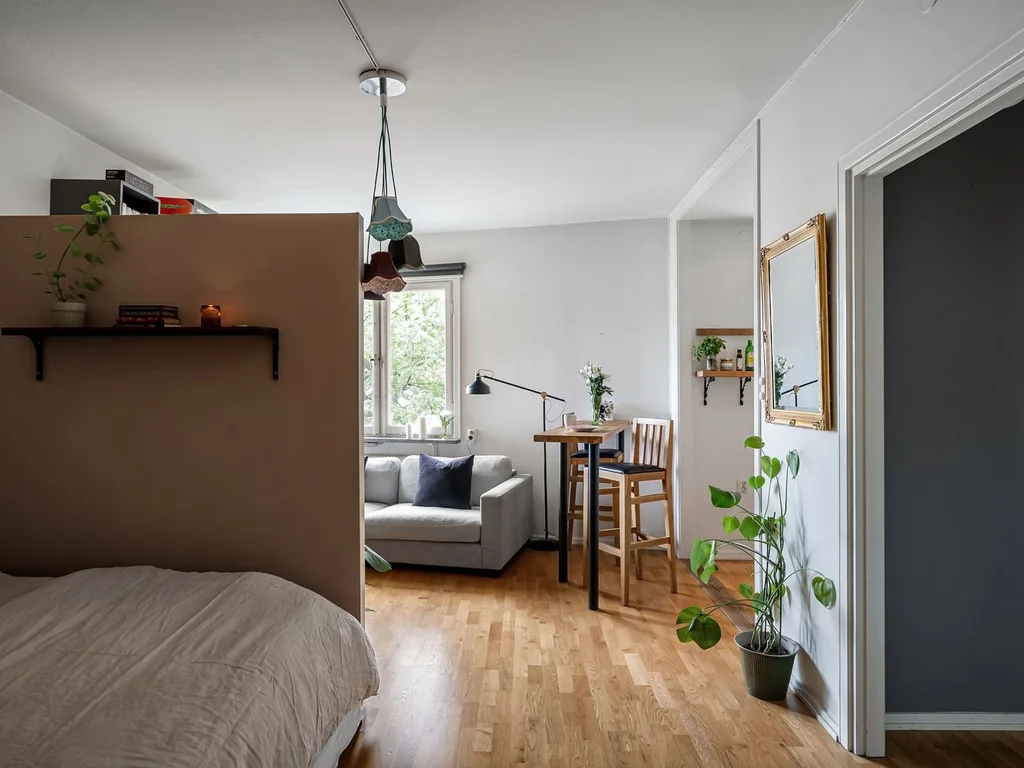
When all seating faces one wall, the room becomes a corridor to the television. Turning chairs slightly toward each other creates a social centre that feels welcoming and makes the room feel wider, because people sit across the space rather than along it. Wall-mount the TV so it does not dictate the whole layout.
10. Repeat One Layout Trick in Every Room
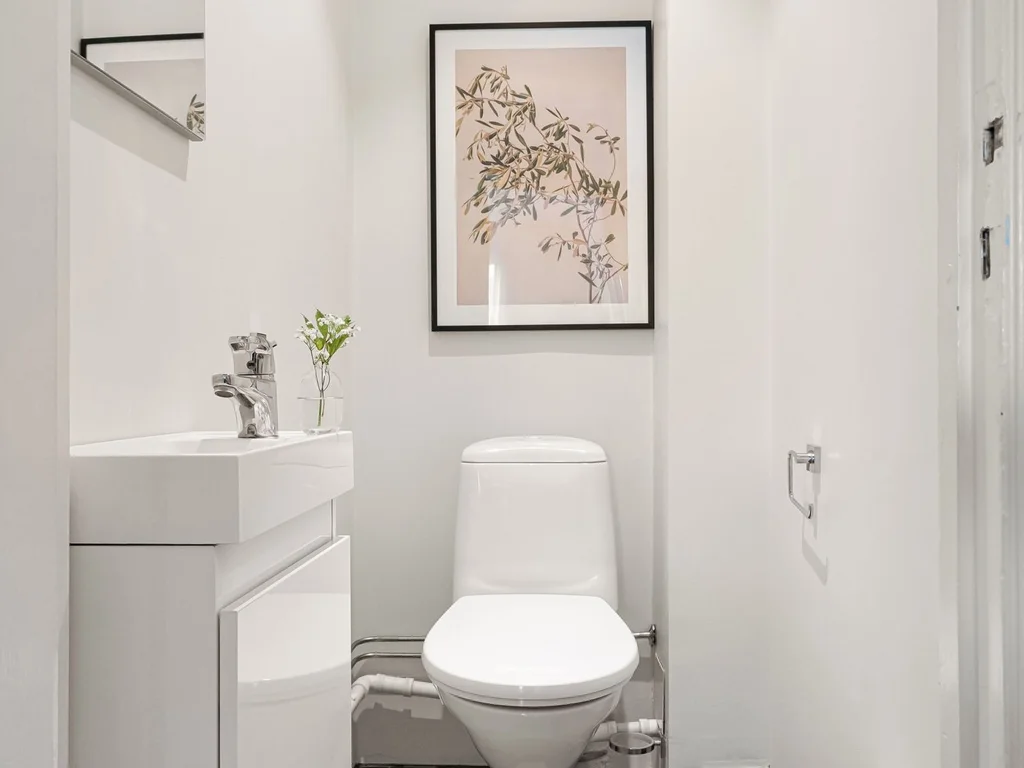
Pick one space-making habit — clear paths, low furniture, or rug-defined zones — and repeat it in every room. Consistency makes a small flat feel like one coherent home instead of a collection of unrelated rooms, and the repetition trains your eye to see the whole apartment as larger than the sum of its parts.
2. Light, Colour and Mirrors
11. Paint Walls One Light, Warm White
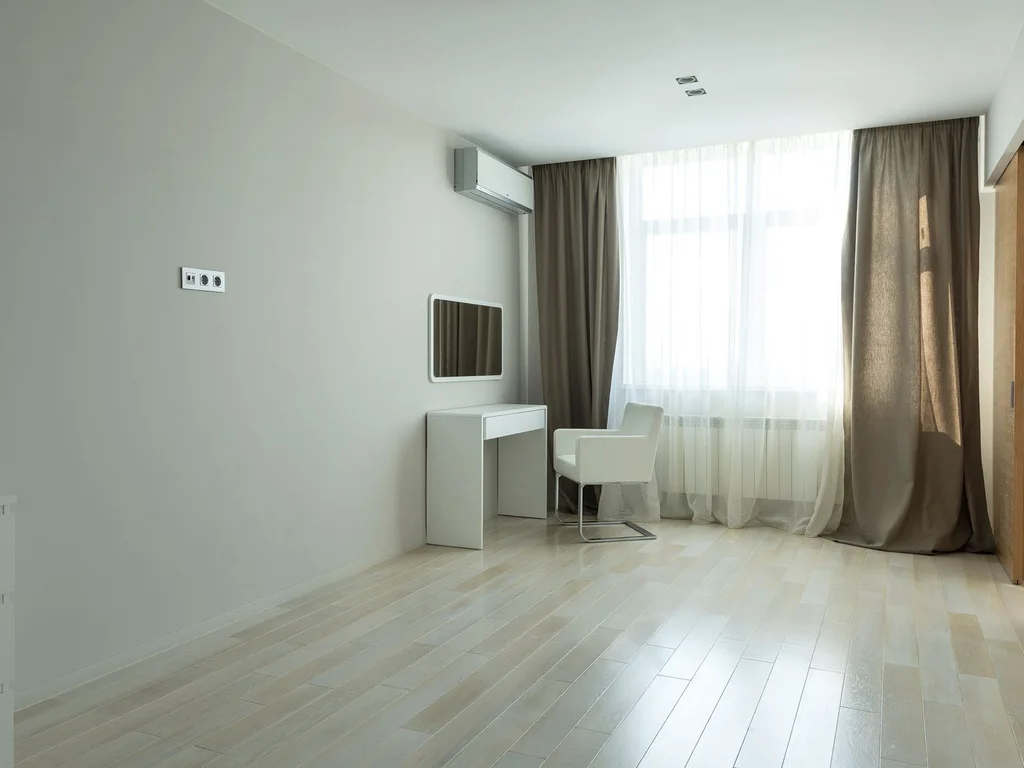
A single warm white across walls and ceilings erases the visual breaks between rooms and bounces the most light around. Cool whites can feel clinical in small spaces, so choose a white with a hint of warmth. The result is a calm backdrop that makes the flat feel brighter and the rooms feel connected.
12. Paint the Ceiling the Same Colour as the Walls
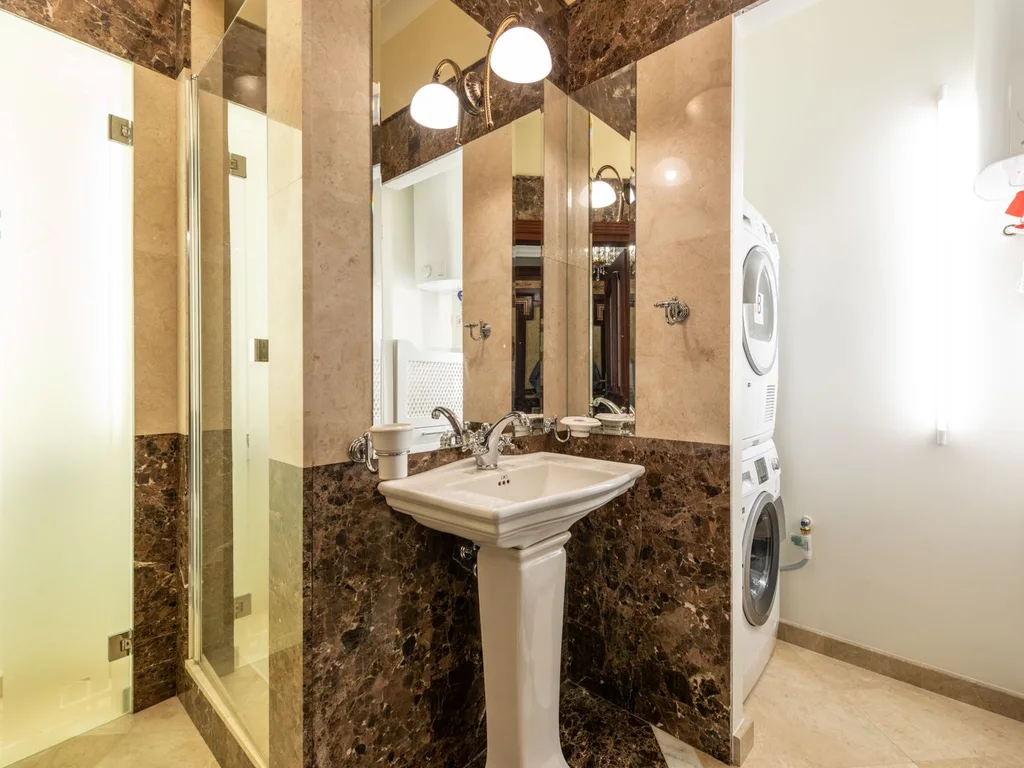
The usual white ceiling line chops a room’s height in two. Painting the ceiling the same colour as the walls removes that hard edge, so the eye travels upward without stopping and the ceiling feels higher. This works best in pale colours, and it is one of the cheapest height tricks in decorating.
13. Hang a Large Mirror Opposite the Window
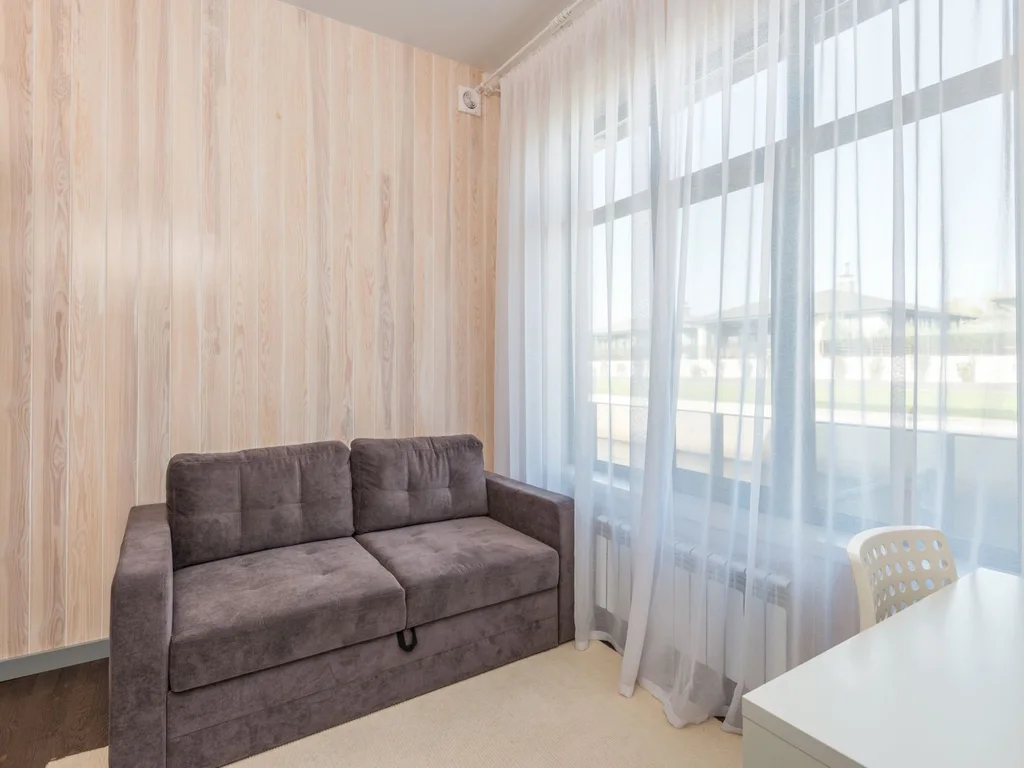
A large mirror opposite a window doubles the daylight and the view, and it visually doubles the room behind it. Lean a full-length mirror against the wall if you rent, or hang a framed one at eye level. Avoid mirrored furniture everywhere — one big mirror does the work, several small ones just add sparkle and clutter.
14. Use Sheer Curtains Instead of Heavy Drapes
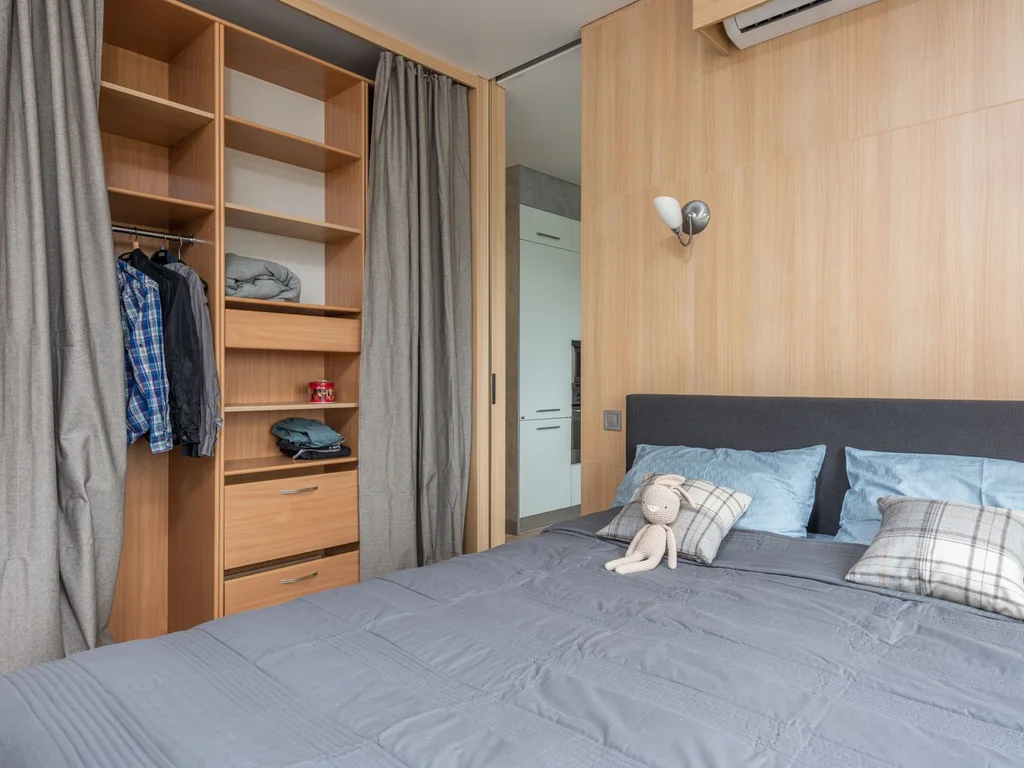
Heavy curtains eat light and wall space in a small flat. Sheers let daylight through while keeping privacy, and they make windows look larger because the eye reads the whole window, not the fabric. Hang the rod high and wide so the window appears taller and broader than it really is.
15. Layer Three Kinds of Light in Each Room
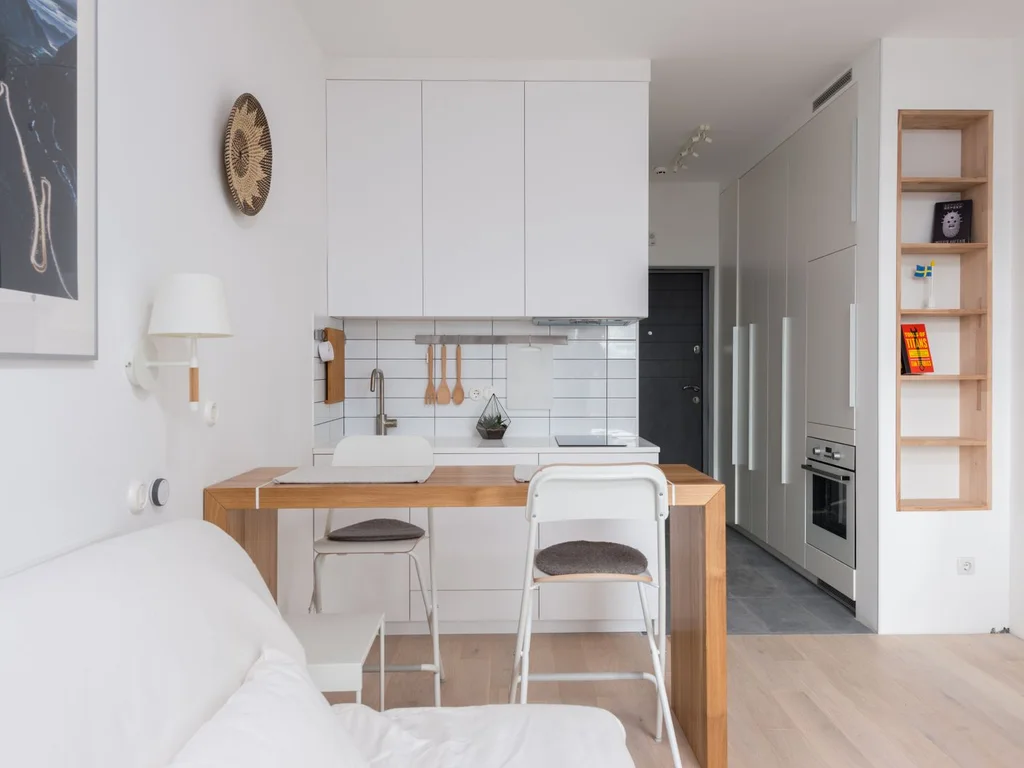
One ceiling light flattens a small room and leaves corners dark. Combine overhead light, a table or floor lamp, and one small accent — a picture light, a candle-style lamp or a strip behind a shelf. Layered light creates depth and warmth, and it lets you change the mood of a room without changing a single piece of furniture.
16. Choose One Accent Colour and Repeat It
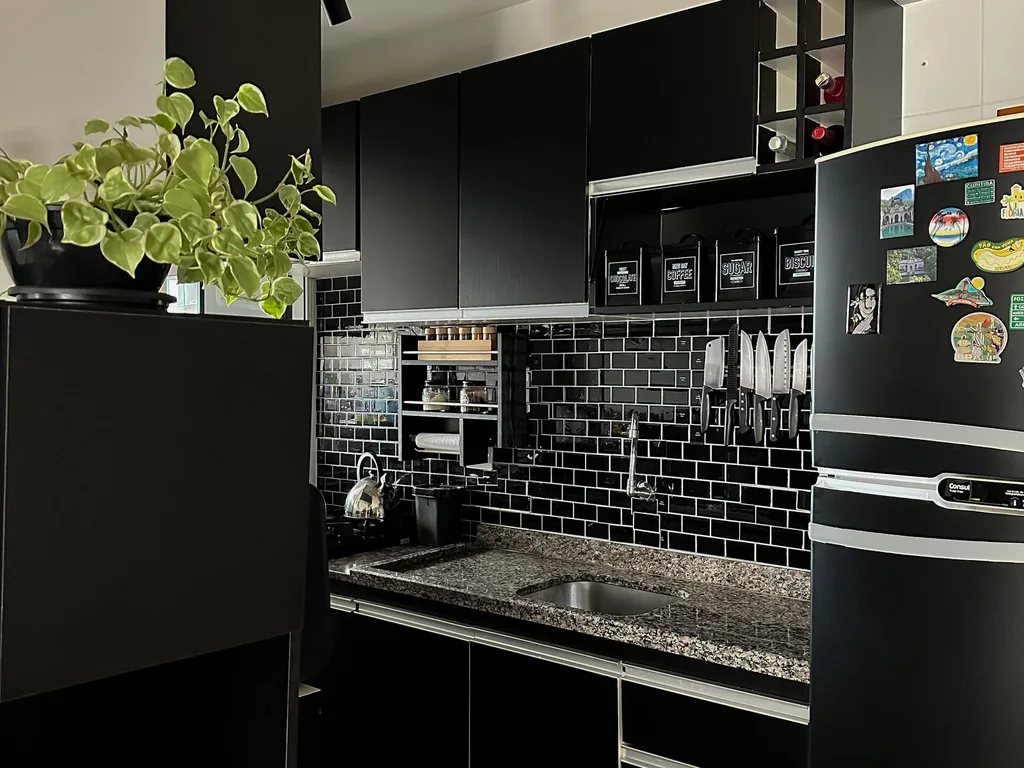
Too many colours chop a small flat into visual fragments. Pick one accent — sage, terracotta, navy or mustard — and repeat it in cushions, art and one larger piece. The repetition ties rooms together, and the calm background makes the whole apartment feel larger and more intentional than a rainbow of unrelated choices.
17. Keep Floors One Continuous Material
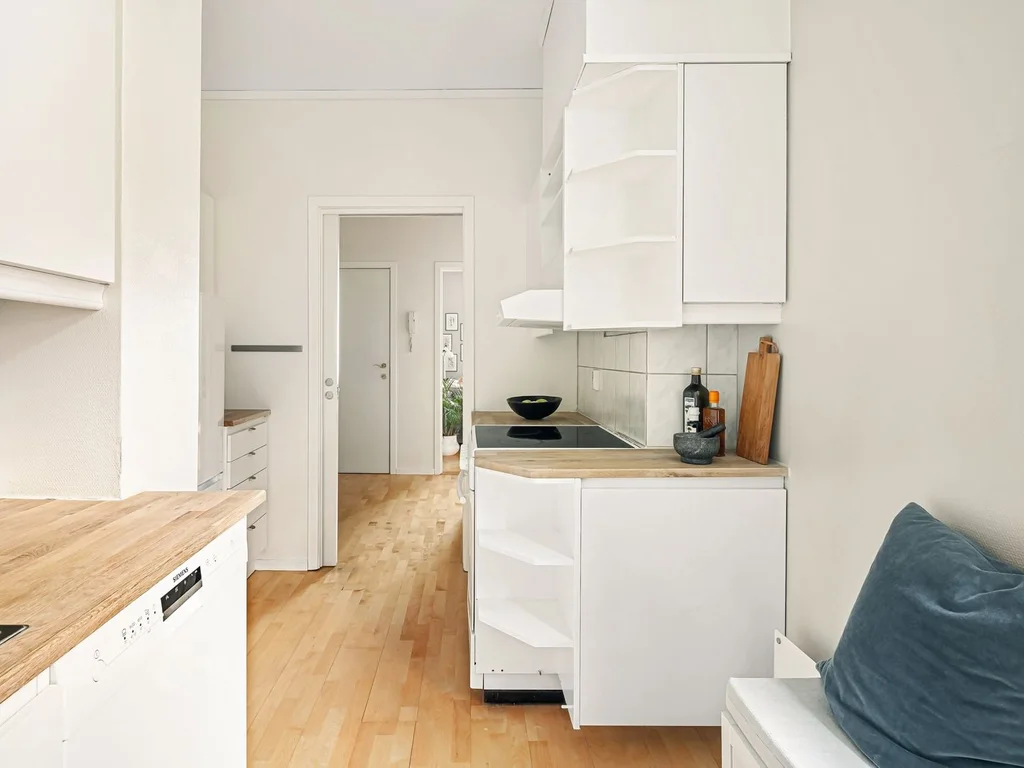
Changing floor material at every doorway makes each room feel smaller. One continuous floor — wood, laminate or large tiles — lets the eye glide from room to room and reads the flat as one space. If you cannot replace floors, use rugs in similar tones to bridge the changes and soften the transitions.
18. Use Glass and Acrylic Where Furniture Gets Bulky
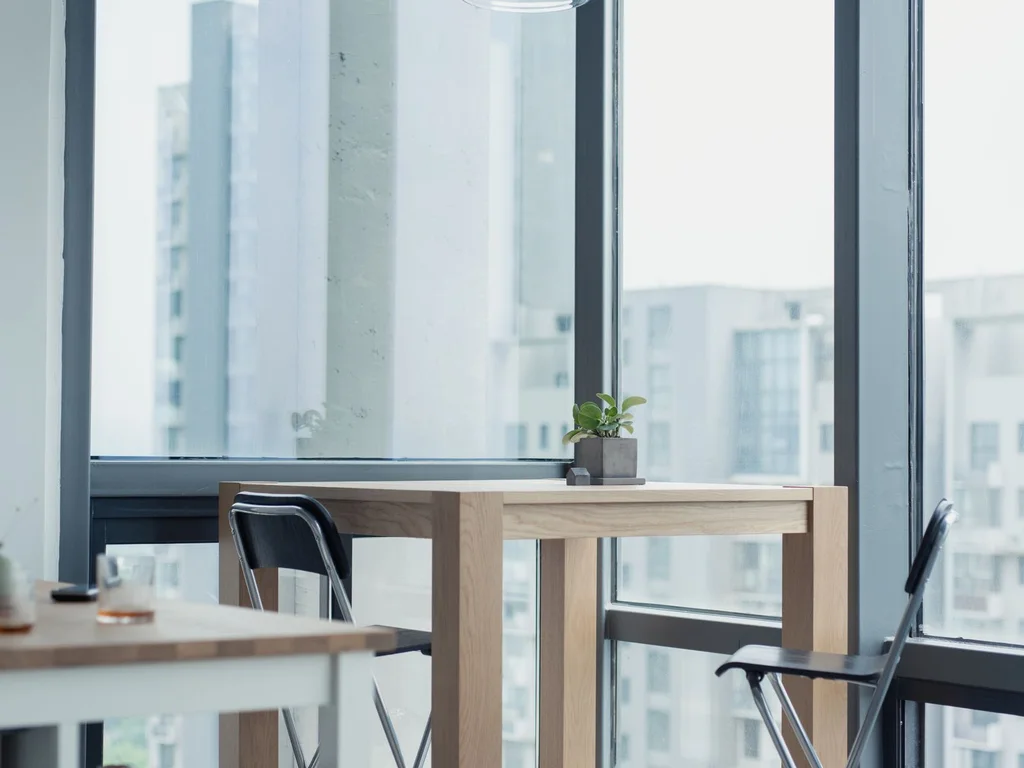
A glass coffee table, acrylic chairs or a glass-topped console take up physical space but almost no visual space, because you see straight through them. They are ideal for dining corners and entryways where a solid piece would block the view. Keep glass clean and the trick works; smudged glass just looks messy.
19. Brighten Dark Corners With a Small Lamp
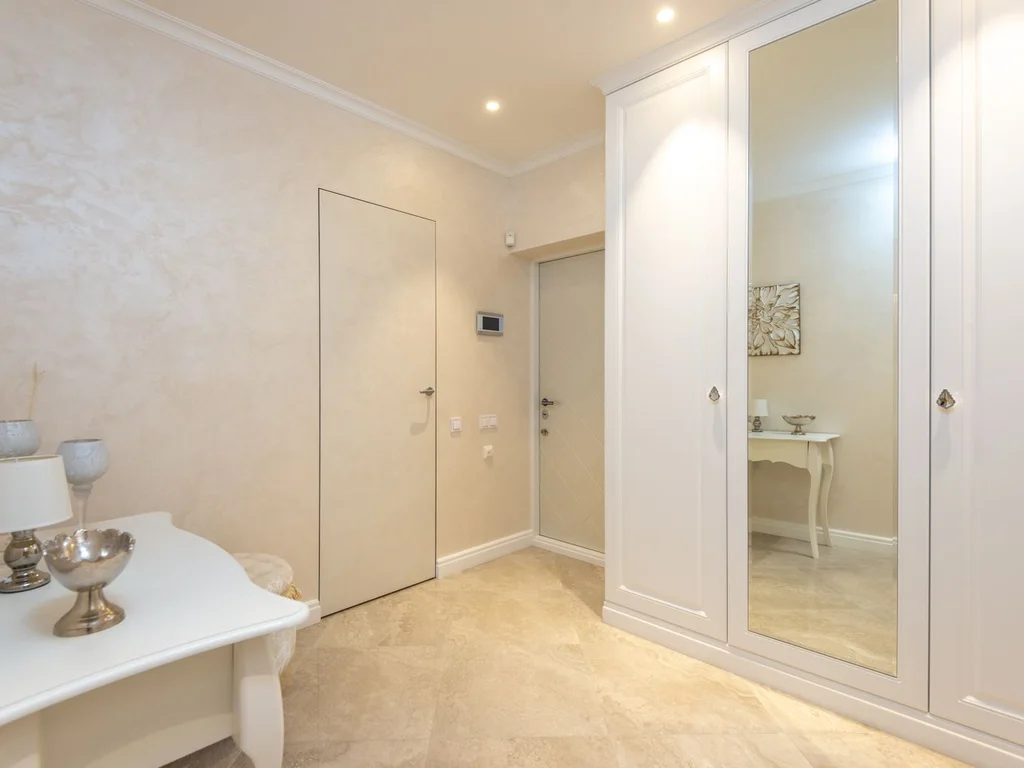
Every flat has a corner that swallows light, and dark corners make rooms feel smaller. A small lamp, a battery puck light inside a shelf, or a candle-style light on a dark bookcase turns a dead corner into a warm pocket. Light in the corners is what makes the whole room feel finished and full-sized.
20. Match Curtain Colour to Wall Colour
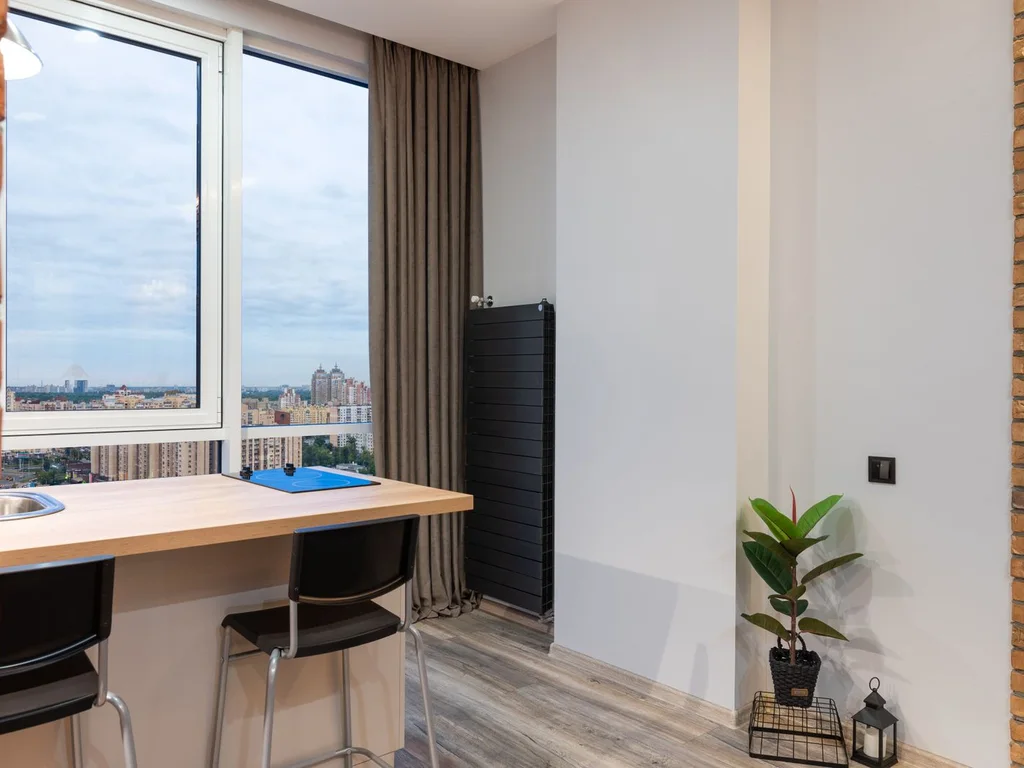
Curtains in the same tone as the walls blend into the background instead of framing the window as a separate feature. The window then reads as part of the wall, the room feels wider, and the eye is not stopped by a bold rectangle of fabric. This works especially well in bedrooms and living rooms with limited wall space.
3. Multifunctional Furniture
21. Choose a Sofa Bed Guests Actually Sleep Well On
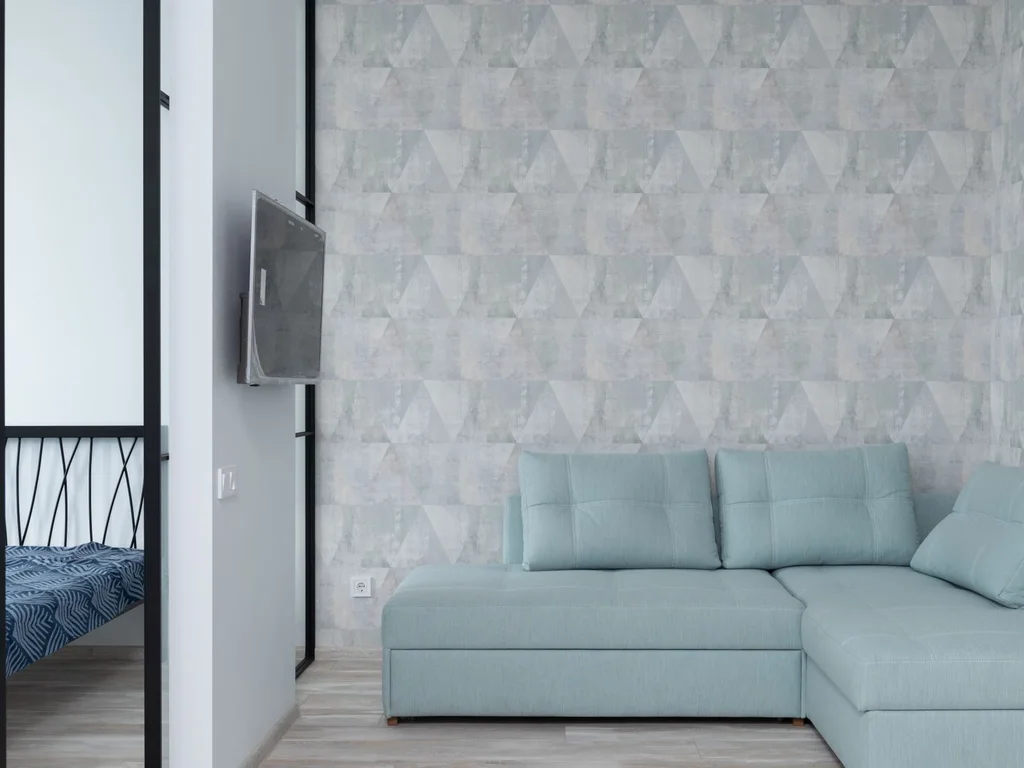
A good sofa bed turns a one-bedroom flat into a two-guest home without a spare room. Look for a proper mattress rather than a thin fold-out, and test it lying down before buying. A sofa bed you dread opening will never be used, while a comfortable one quietly doubles your flat’s hospitality.
22. Use a Storage Ottoman as Coffee Table and Toy Box
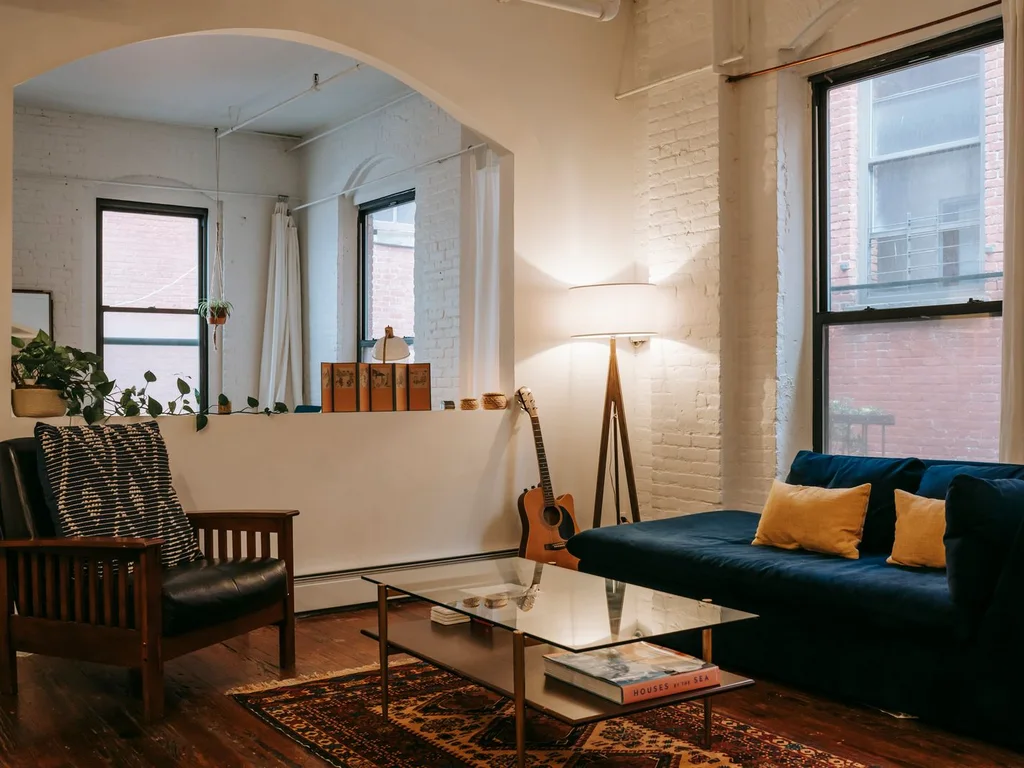
A storage ottoman works as a coffee table, extra seat, footrest and a hiding place for blankets, chargers and games all at once. Choose one with a firm, flat top so drinks sit safely, and in a fabric that matches the sofa so it reads as furniture, not as a storage bin that wandered into the living room.
23. Pick Nesting Tables Over One Big Coffee Table
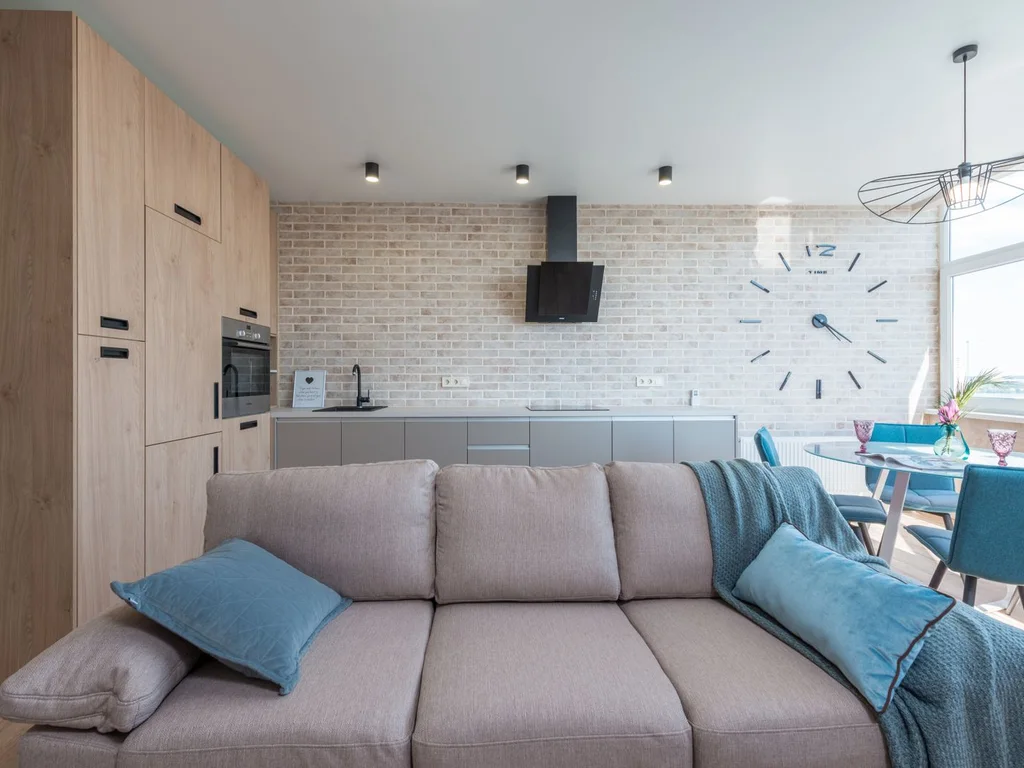
Nesting tables give you a full coffee-table surface when you need it and tuck away to almost nothing when you do not. Pull one out for a guest’s drink, slide it back for floor space, and the living room adapts to the moment. They are lighter, cheaper and far more flexible than a single heavy table.
24. Mount a Fold-Down Desk on a Spare Wall
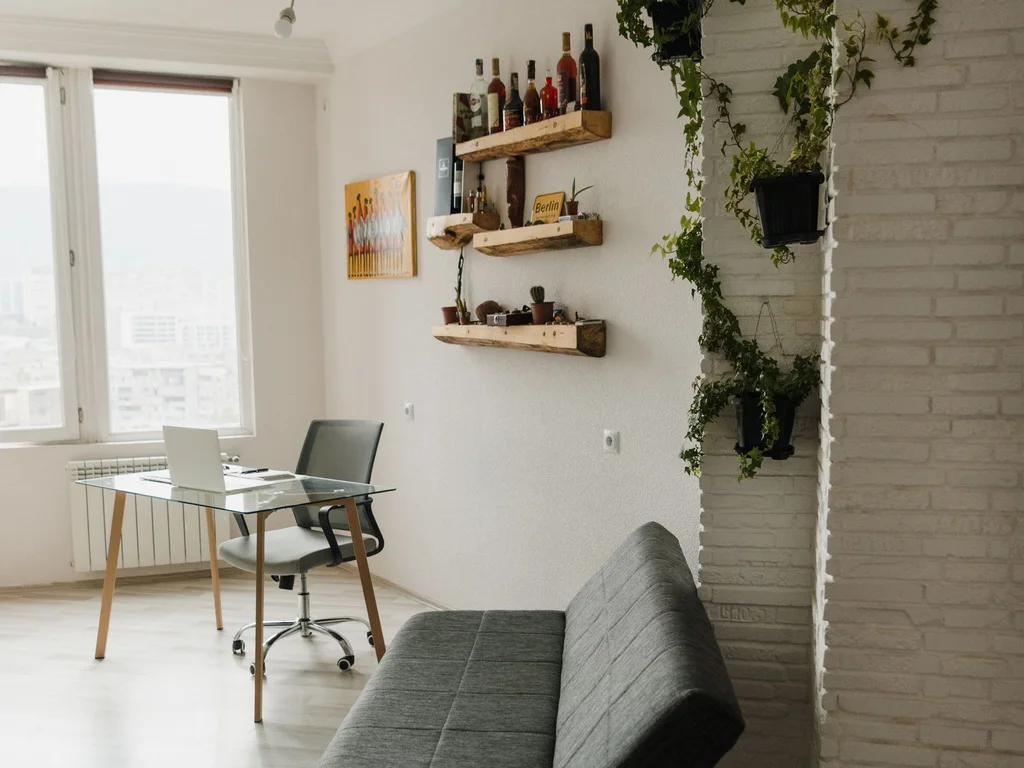
A wall-mounted fold-down desk gives you a real workspace that disappears after work. Fold it up and the wall is free for art or a mirror; fold it down and you have a proper desk depth for a laptop. Add a small wall shelf above it for supplies, and the whole office occupies less than a metre of wall.
25. Buy an Extendable Dining Table for Occasional Guests
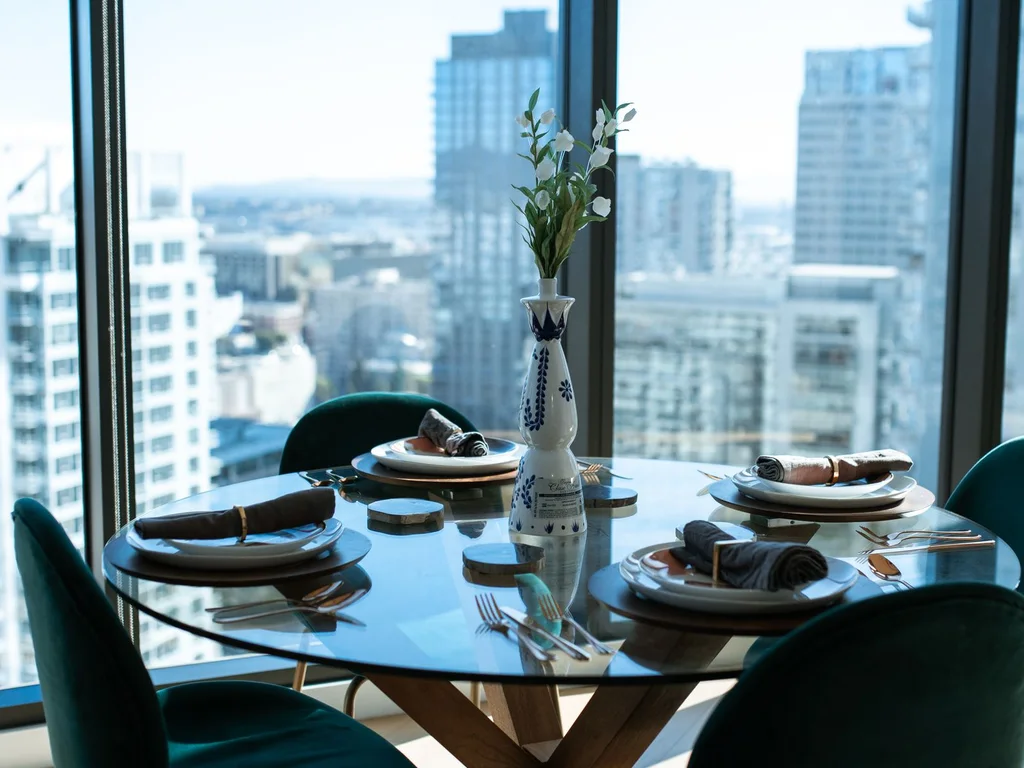
An extendable table seats two on weekdays and six when friends visit, which is exactly what a small flat needs. Keep it compact daily, store the extra leaves inside the table or under the bed, and choose chairs that stack or fold so guest seating does not live in the hallway all year.
26. Use a Daybed as Sofa by Day, Bed by Night
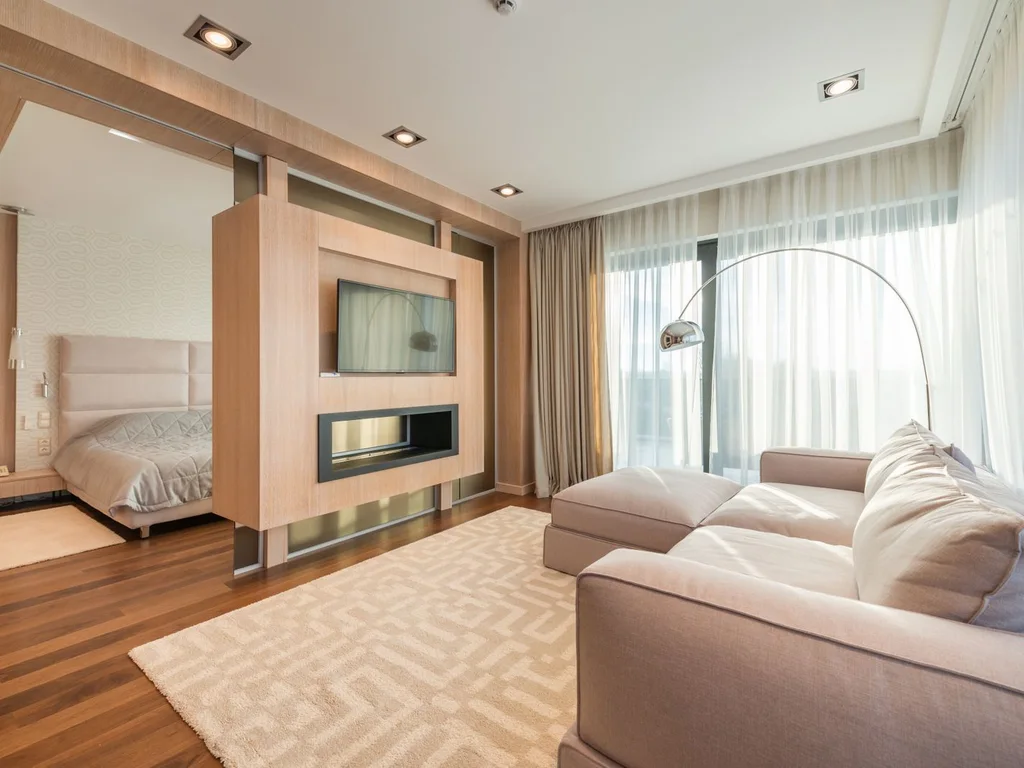
A daybed with a back of cushions reads as a deep sofa during the day and becomes a proper single bed at night, making it ideal for a living room that hosts guests or a bedroom that doubles as a lounge. Dress it with a throw and structured cushions so it never looks like an unmade bed in the living room.
27. Choose a Bed Frame With Drawers Underneath
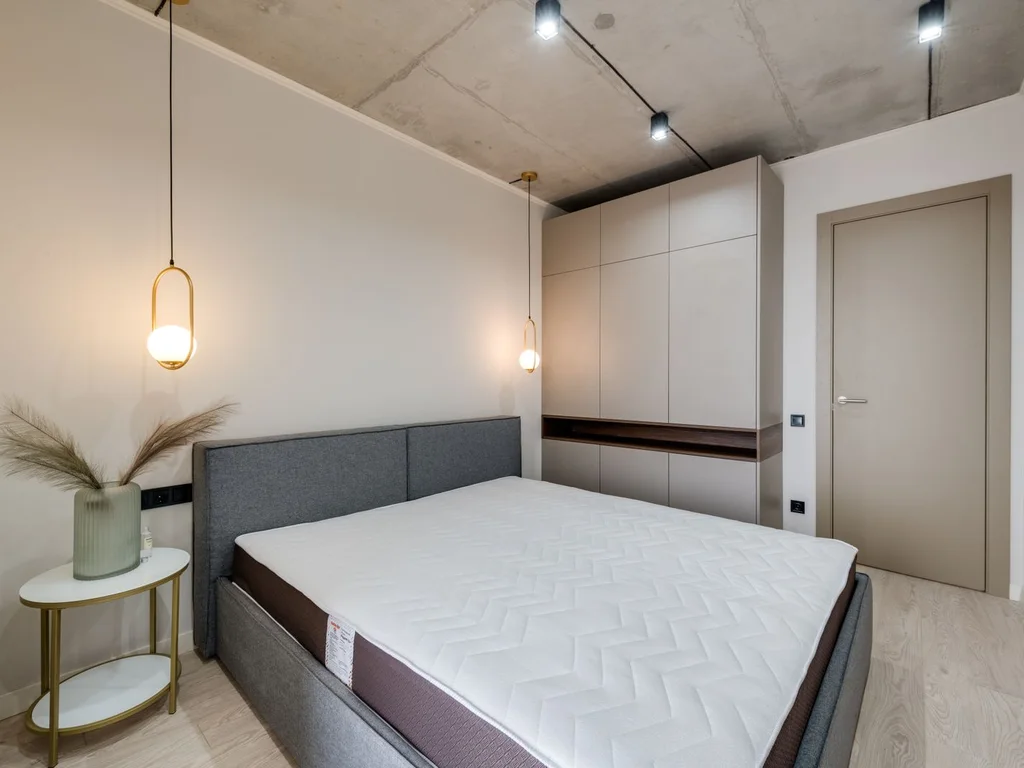
Under-bed drawers turn the largest dead space in a flat into a dresser. Seasonal clothes, spare bedding and suitcases all live out of sight, freeing wardrobe space for daily clothes. Choose drawers on smooth runners rather than boxes you drag out, or the storage will be too annoying to actually use.
28. Let a Console Table Serve as Desk, Bar and Entry Table
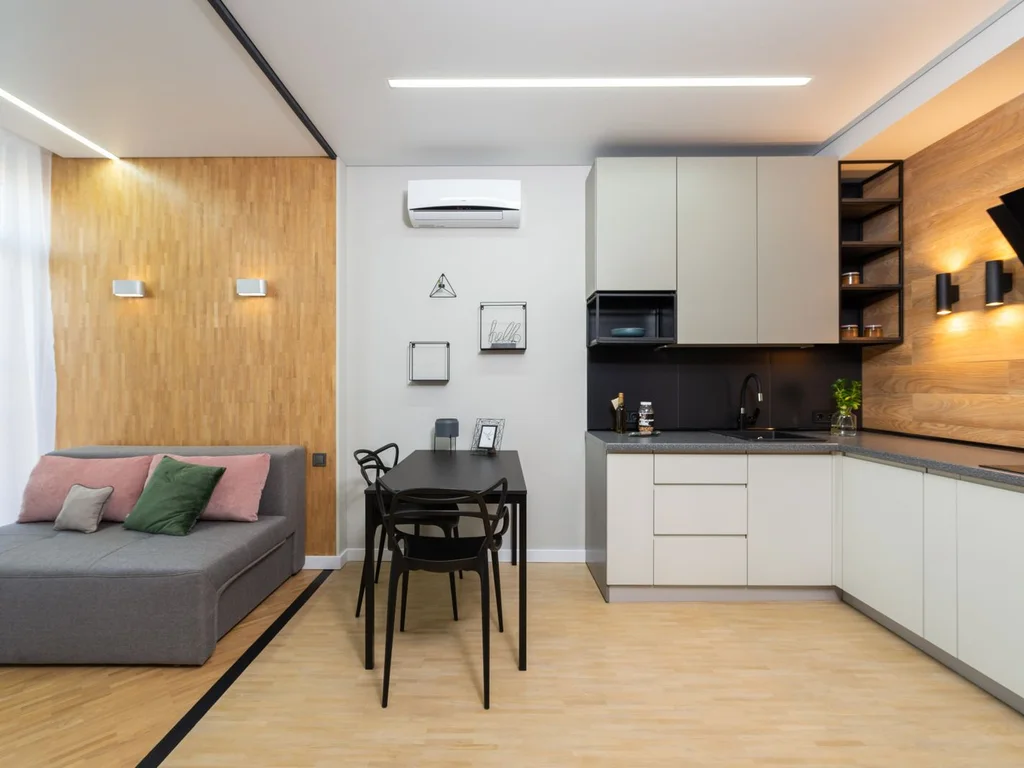
One slim console can be an entry table by the door, a laptop desk in the corner, or a drinks station at a dinner party, simply by moving it and changing what sits on top. Its narrow depth suits hallways and tight walls, and it costs far less than three separate pieces doing the same jobs badly.
29. Stack Stools That Double as Side Tables
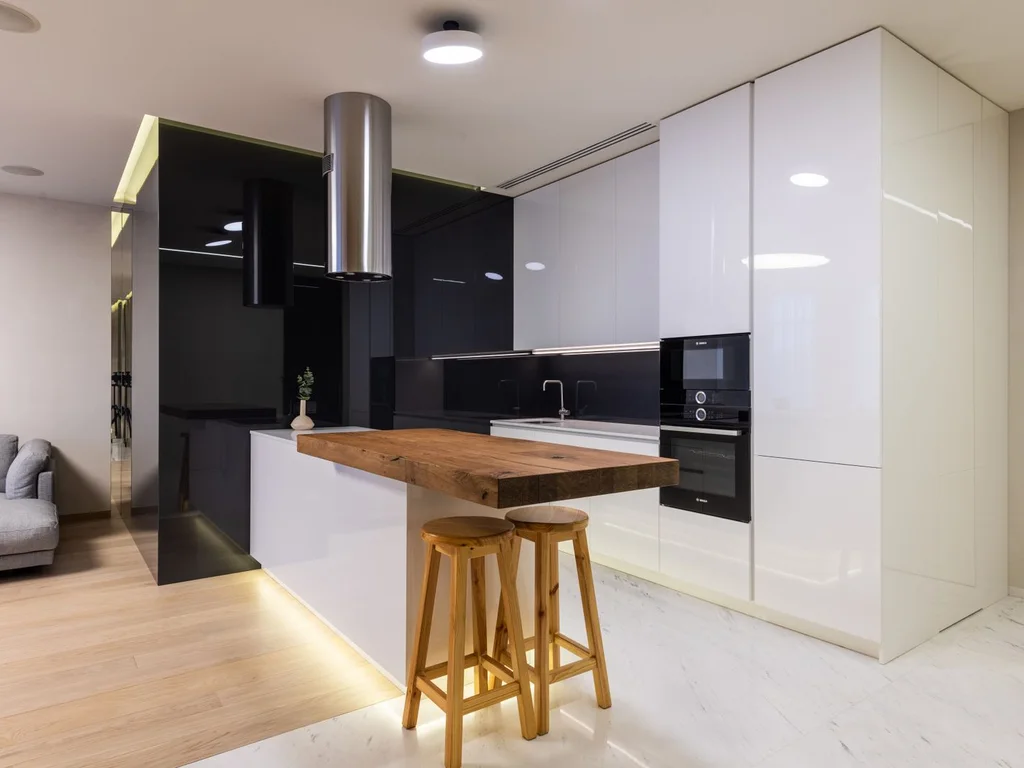
Stacking stools are the small flat’s secret weapon: stacked, they are a sculptural side table; separated, they are extra seats for six. Choose a set in wood or rattan that looks good in a stack, and keep them near the living area so guests never have to perch on an armrest.
30. Pick a Wardrobe With Sliding Doors
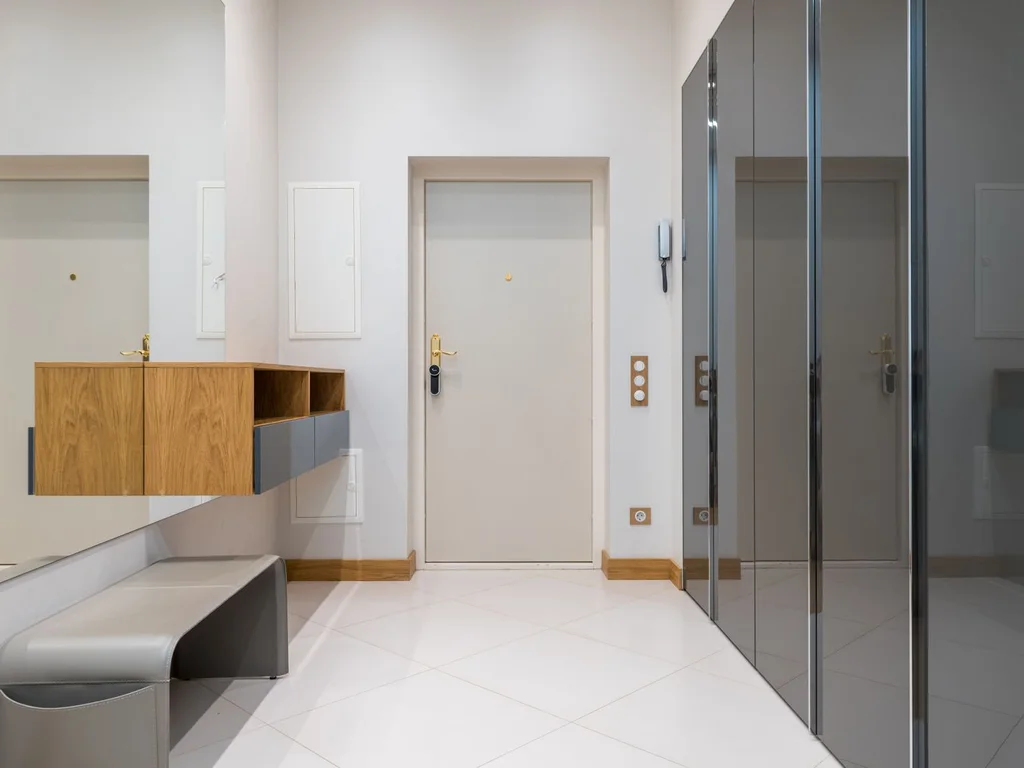
Hinged wardrobe doors need a metre of clear floor to open, which a small bedroom rarely has. Sliding doors need none, so the bed can sit closer and the room instantly feels more usable. Mirrored sliding doors add the mirror trick too, bouncing light and doubling the room in one piece of furniture.
4. Storage That Disappears
31. Run Shelving All the Way to the Ceiling
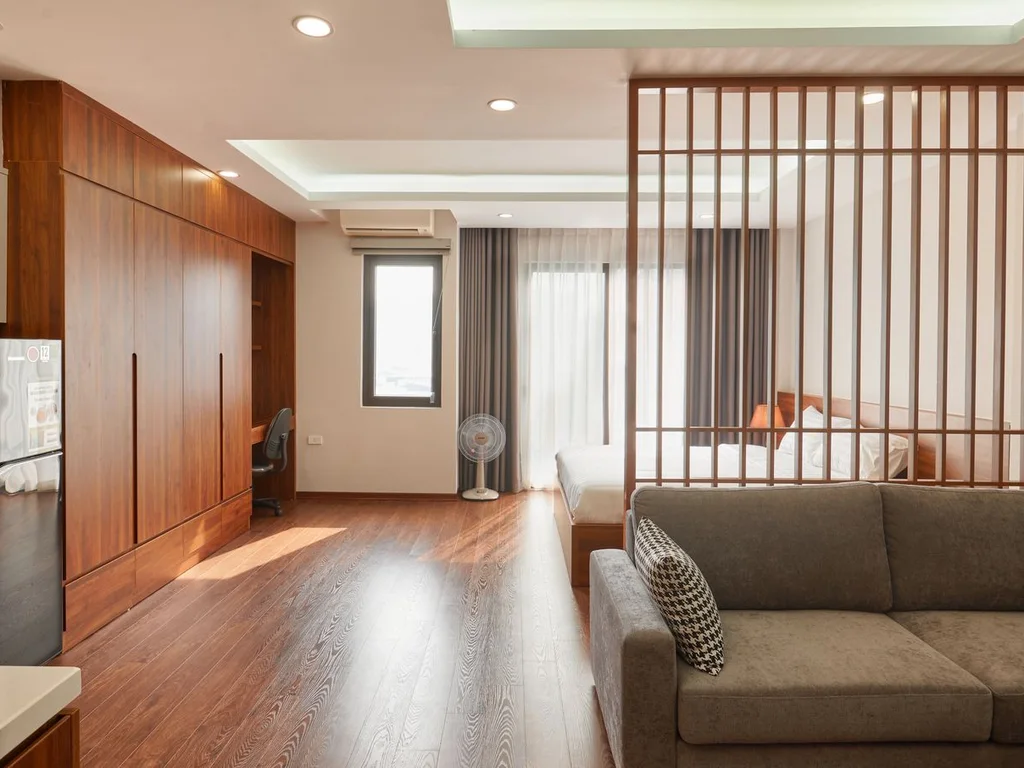
The top 30 centimetres of every wall is usually wasted, yet it is perfect for books, baskets and rarely used items. Run one shelf high around a room, or stack bookcases to the ceiling, and you gain a whole shelf of storage without losing a centimetre of floor. Keep the highest shelf for things you reach for monthly, not daily.
32. Use the Space Above Door Frames
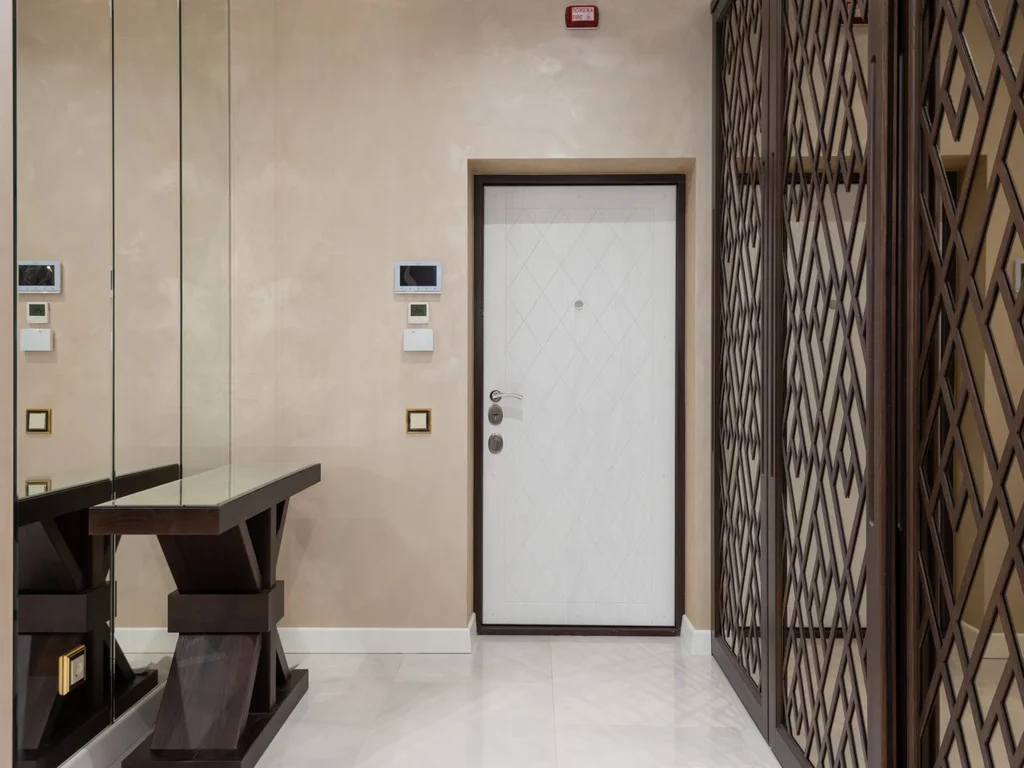
A single shelf above a door frame holds board games, photo boxes or spare towels in space that was doing nothing at all. It works in hallways, bedrooms and bathrooms, and because it sits above eye level, it never makes the room feel crowded. Use matching baskets so the shelf reads as intentional storage, not overflow.
33. Hide Storage Behind a Headboard Wall
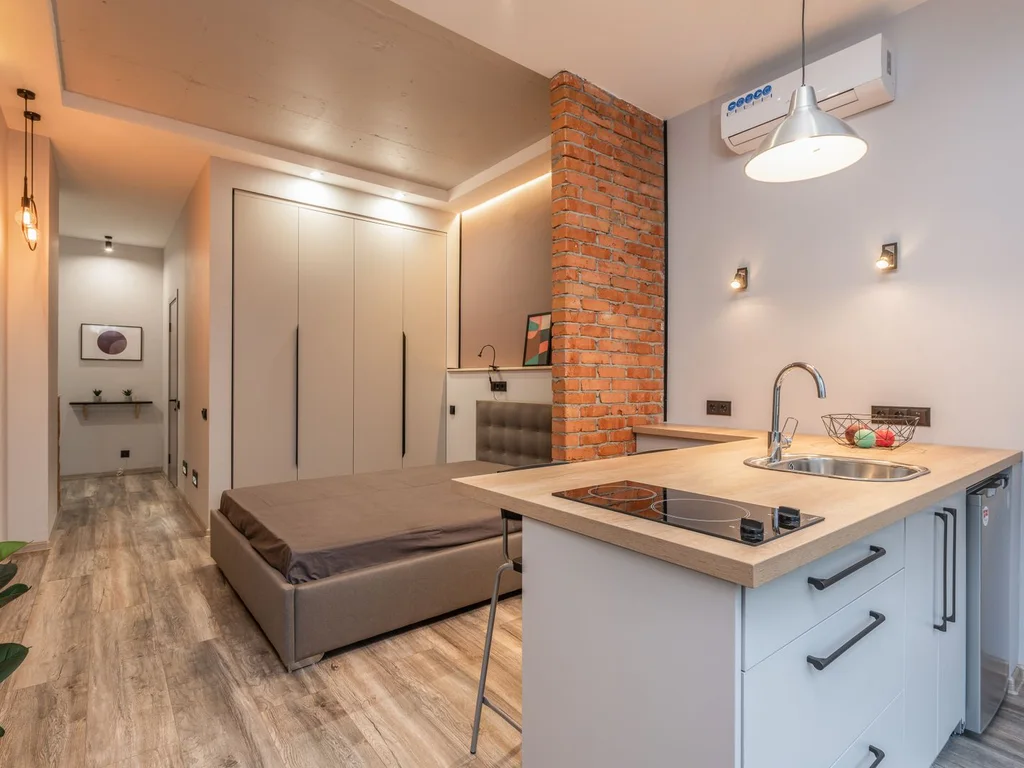
A shallow false wall or a headboard with built-in niches gives you shelves, charging points and a reading light exactly where you need them, without a nightstand on each side. Even a simple upholstered panel with pockets behind it frees the floor on both sides of the bed and makes a small bedroom feel designed.
34. Turn the Hallway Into a Slim Library
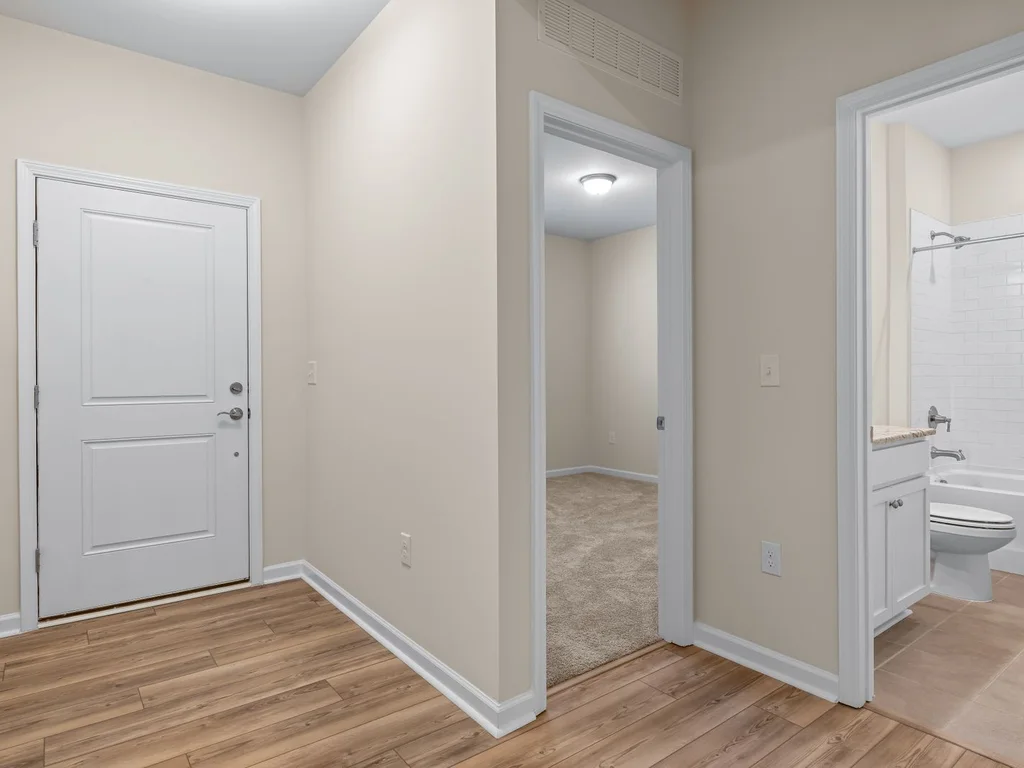
Hallways are usually just passages, but a single row of shallow shelves turns one into a library, a shoe store or a display wall. Keep shelves no deeper than 20 centimetres so the passage stays comfortable, and the hallway stops being wasted space and starts being one of the flat’s best features.
35. Store Shoes in a Bench by the Door
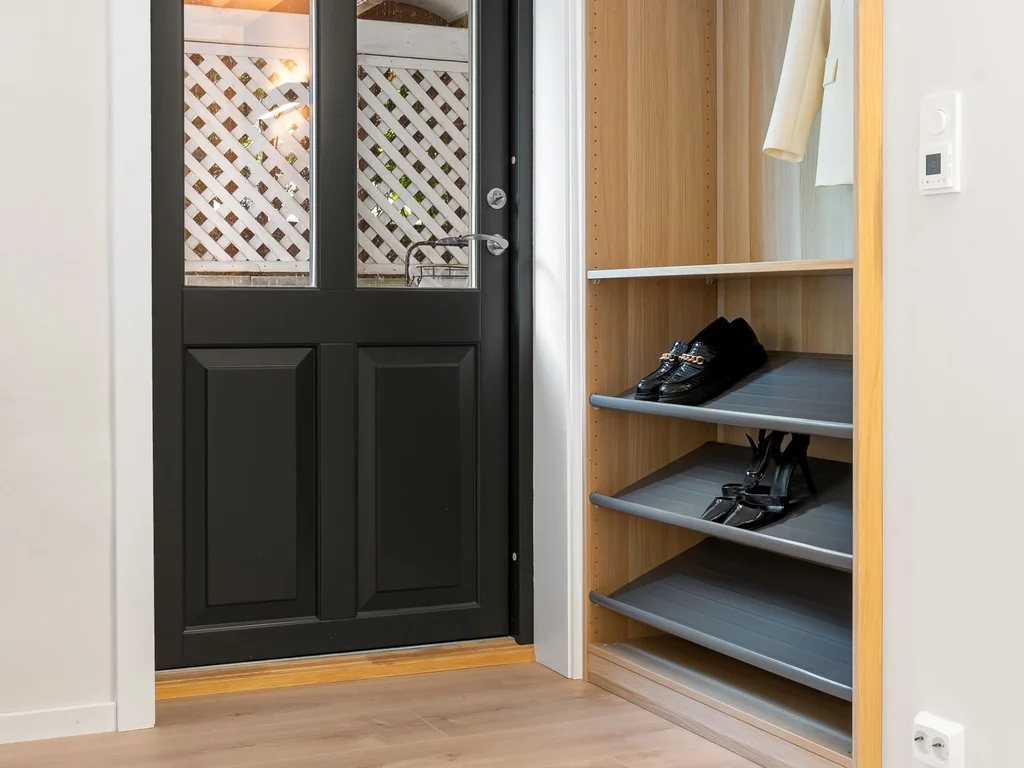
Shoes by the door are the fastest way to make an entryway feel chaotic. A bench with shoe storage underneath solves seating and storage in one piece: sit to take shoes off, slide them away, and the entry stays clear. Add hooks above for coats and bags, and the whole arrival routine has one tidy home.
36. Use Vacuum Bags for Seasonal Bedding
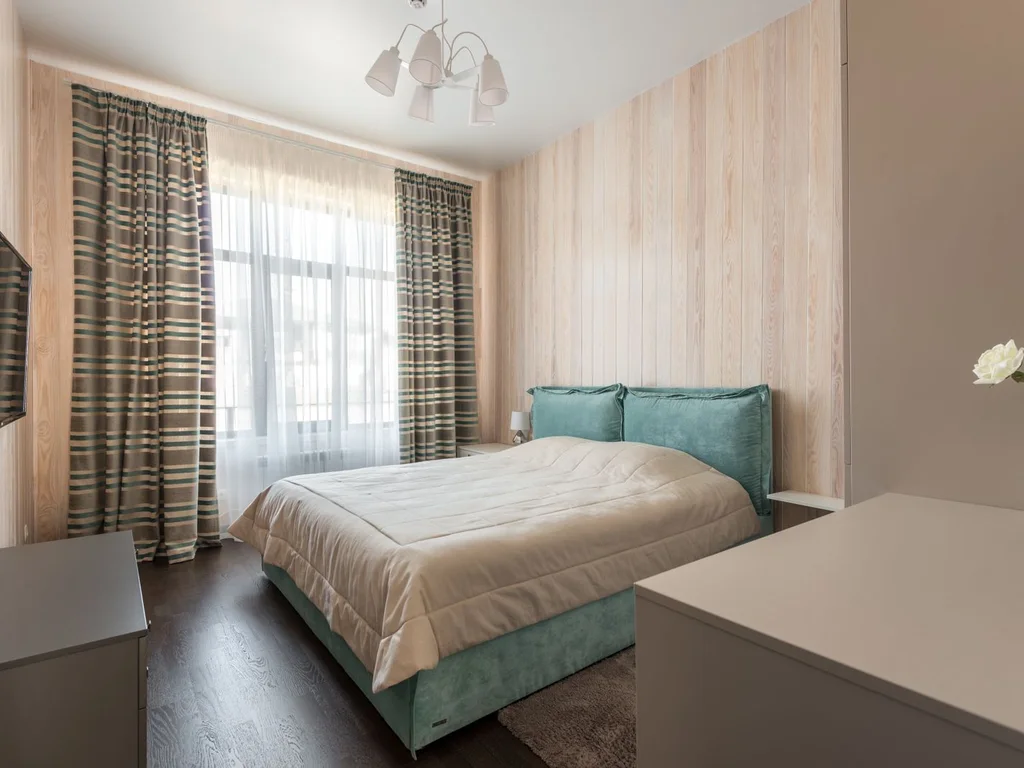
Winter duvets, spare blankets and off-season clothes eat wardrobe space all summer. Vacuum bags shrink them to a fraction of their size, so they slide under the bed or onto a high shelf and free a whole wardrobe section. Label each bag, or you will open four of them looking for the one you actually need.
37. Hang Pots and Pans to Free Kitchen Cupboards
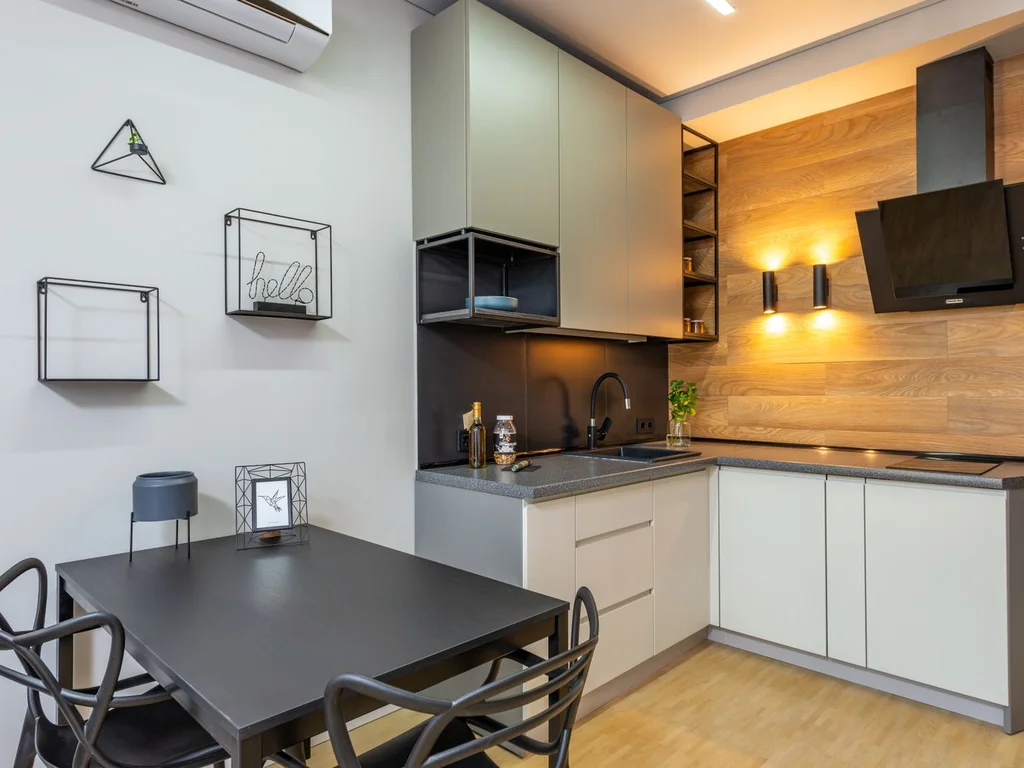
A wall rail or ceiling rack for pots and pans frees an entire kitchen cupboard for food, and it turns everyday cookware into a display that suits a small kitchen’s character. Keep the rail near the hob, hang only the pans you actually use, and the kitchen gains storage without a single new cabinet.
38. Add a Slim Rolling Cart Between Appliances
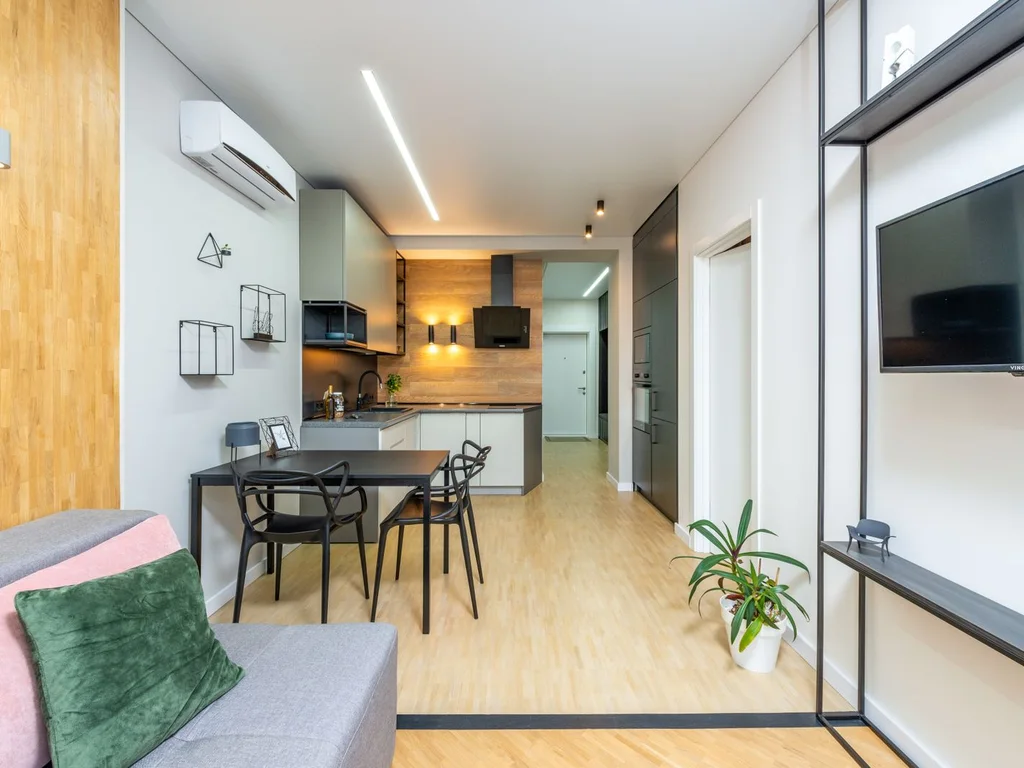
The 15-centimetre gap beside the fridge or cooker is usually dead space, but a slim rolling cart turns it into a pantry for oils, spices and cleaning supplies. Pull it out when you cook, push it back when you are done, and a gap you never noticed becomes one of the kitchen’s most useful features.
39. Use Clear Boxes on High Shelves
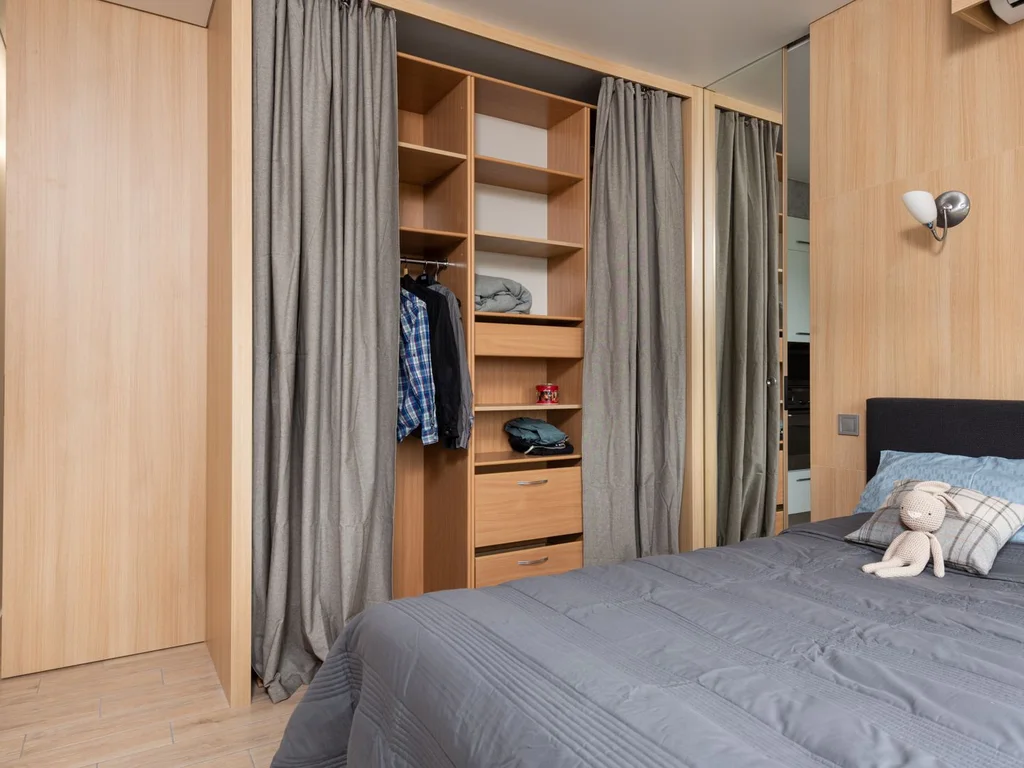
High storage only works if you can see what is inside without climbing up. Clear boxes with labels let you spot the right box from the floor, so high shelves stay useful instead of becoming a graveyard of forgotten things. Use one size of box so the shelves look calm and uniform from below.
40. Put a Shelf Over the Toilet Tank
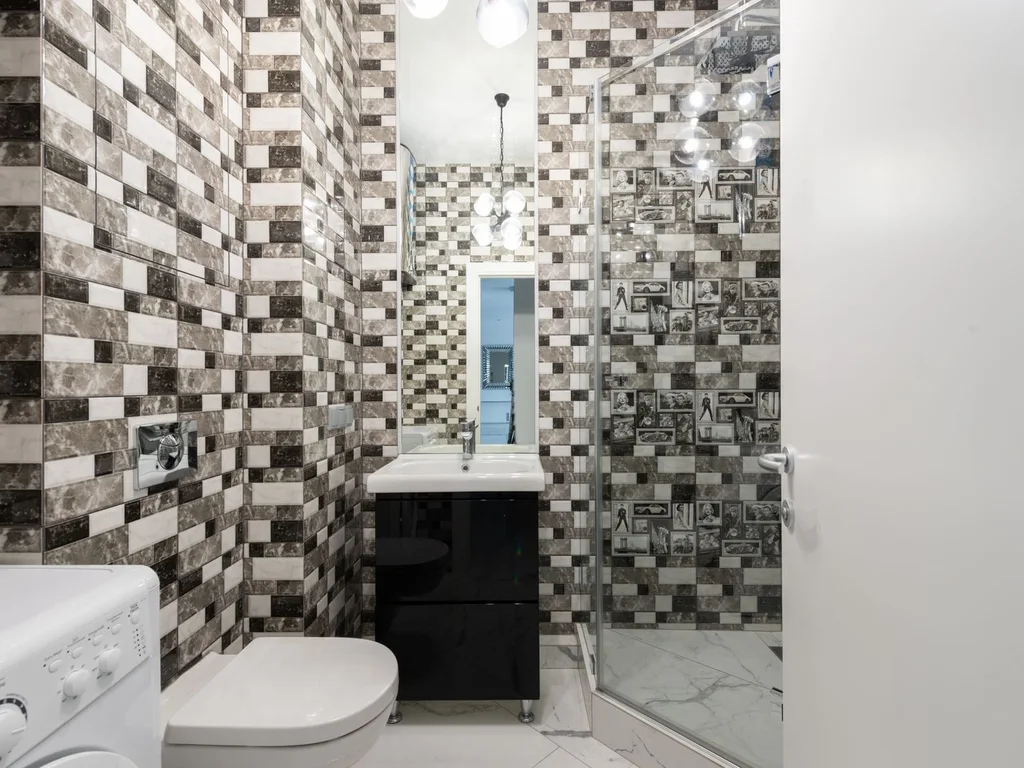
The wall above a toilet tank is prime bathroom storage that most flats ignore. A small shelf or a slim cabinet there holds toiletries, spare rolls and a plant, freeing the sink area for daily use. Keep it shallow and tidy, and the smallest bathroom gains storage exactly where it is needed.
5. Small Living Rooms
41. Choose a Sofa That Fits the Wall, Not the Room
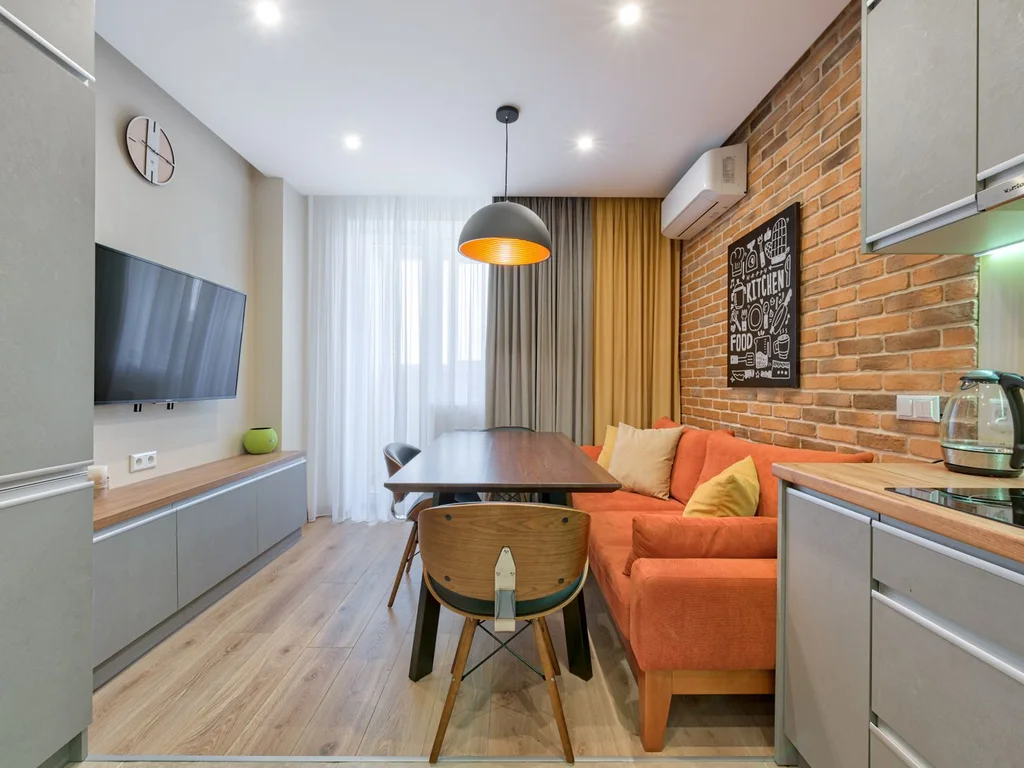
Measure the wall before the sofa, and leave at least 15 centimetres of breathing room on each side. A sofa that exactly fills its wall looks built-in and generous, while one that overflows onto the next wall makes the whole room feel squeezed. Two-seater sofas with slim arms often seat as many people as a bulky three-seater.
42. Size the Rug to the Seating, Not the Floor
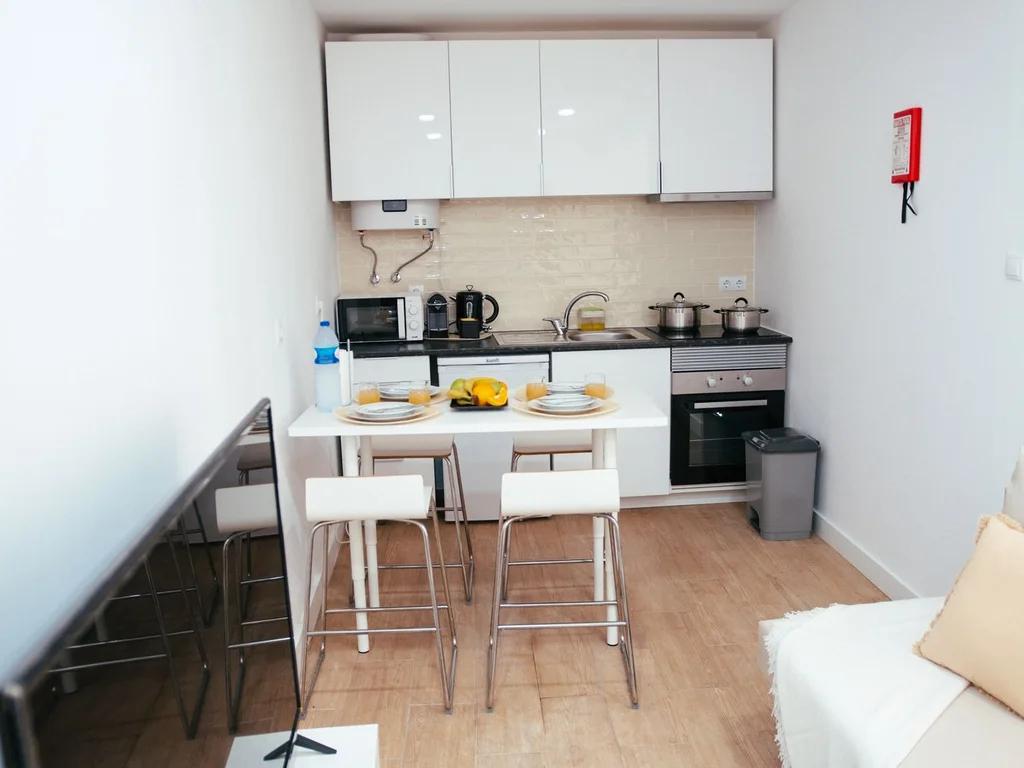
A rug that sits under the front legs of the sofa and chairs ties the seating group together and makes it feel like a proper room. A rug that is too small floats like a doormat and chops the floor up, while one that covers everything swallows the room. Front legs on, back legs off is the rule that almost always works.
43. Wall-Mount the TV and Hide the Cables
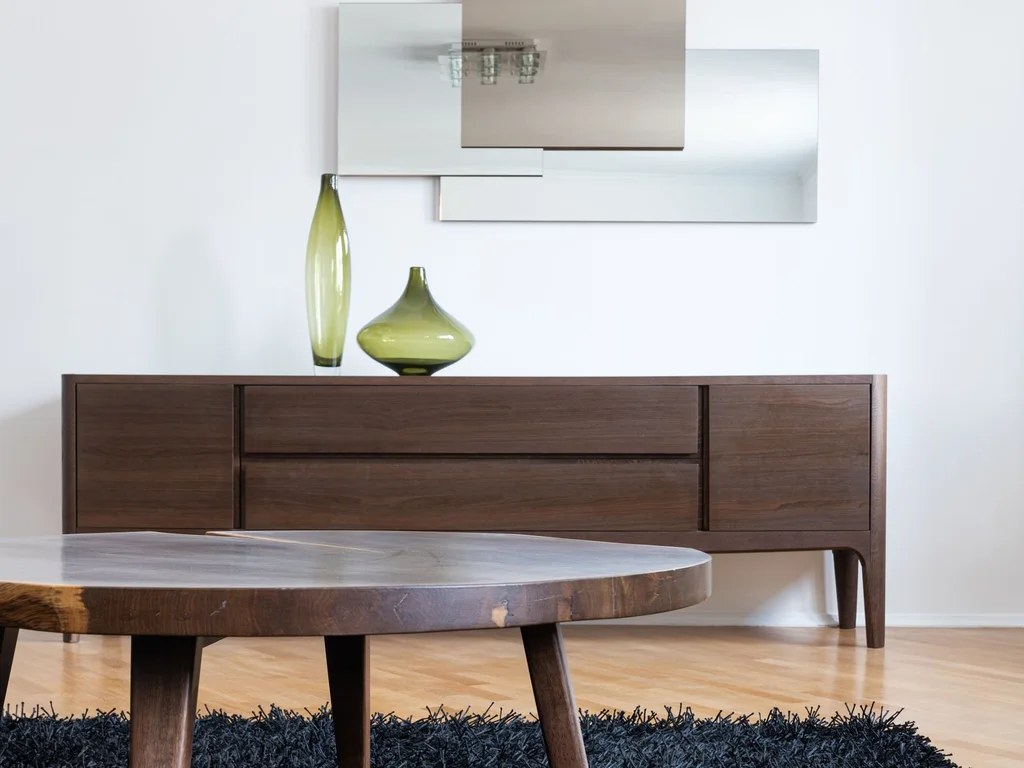
A wall-mounted TV frees the entire console below it for storage, plants or a soundbar, and it lets you place seating for conversation instead of for screen-watching. Run cables through a slim trunking painted the wall colour, and the wall looks clean rather than wired. The floor space you gain is the real prize.
44. Use One Statement Art Piece Instead of a Gallery Wall
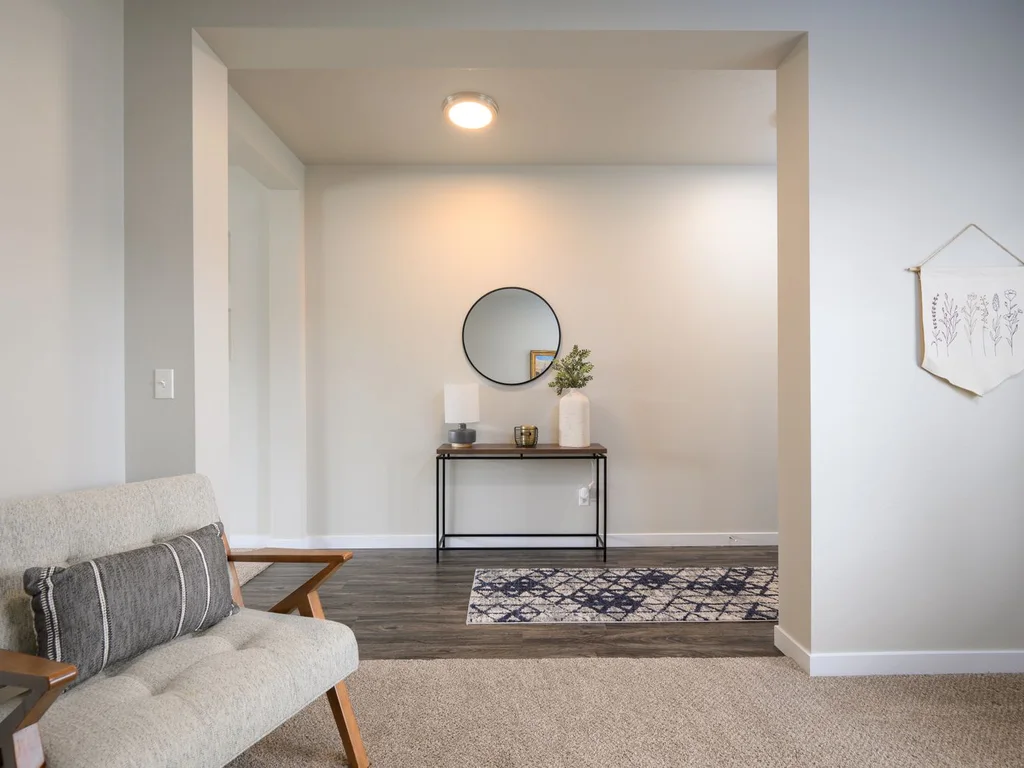
A gallery wall can be wonderful, but in a small living room it often reads as visual noise. One large, confident piece of art gives the room a focal point and lets the rest of the wall breathe. Hang it at eye level, centred over the sofa, and the room instantly feels more spacious and more grown-up.
45. Keep the Coffee Table Small and Round
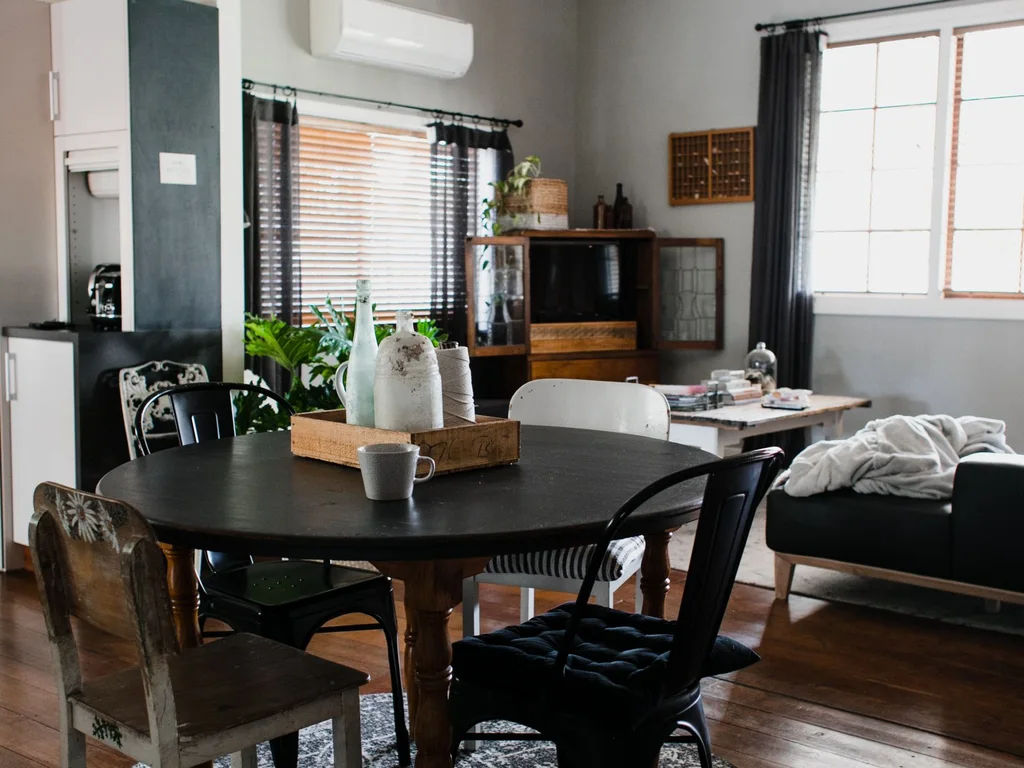
Round coffee tables are kinder to small rooms than rectangular ones: no sharp corners to bruise shins in tight passages, and their shape leaves more usable floor around them. Choose the smallest table that still holds two drinks and a book, and the living room will feel noticeably roomier overnight.
46. Add a Floor Lamp Instead of a Table Lamp
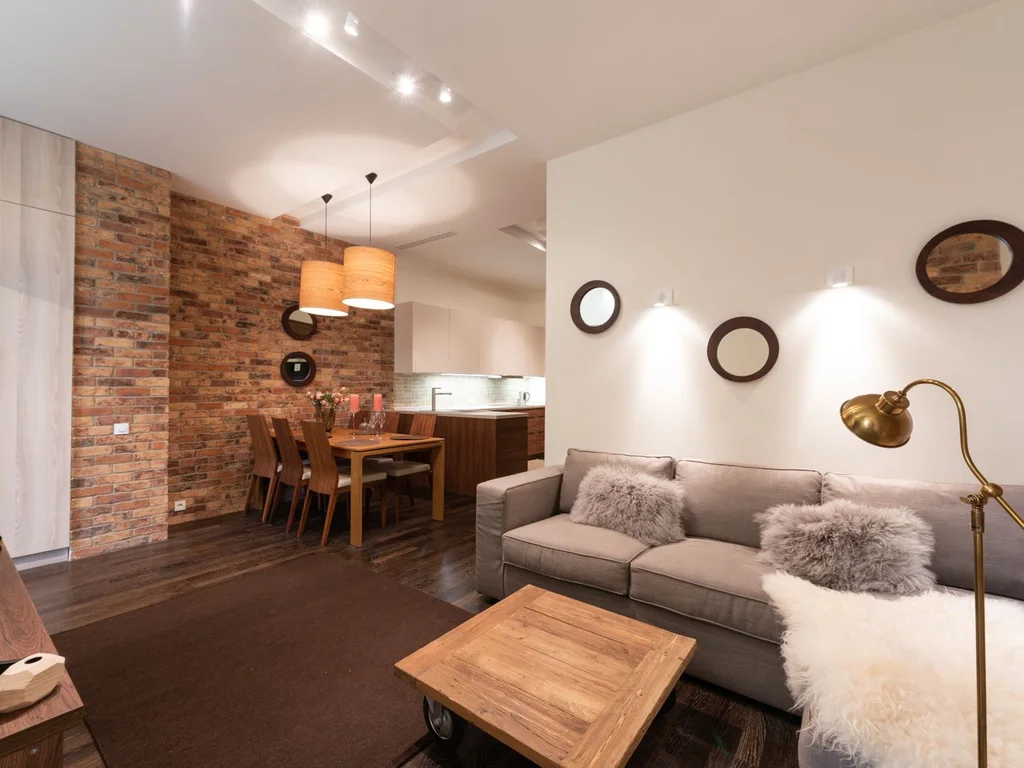
Table lamps eat the very surface space small rooms lack. A slim floor lamp tucked behind a sofa or chair gives the same warm light without touching a tabletop, and its vertical line draws the eye upward, making the ceiling feel higher. Choose one with a dimmer so it works for reading and for evenings alike.
47. Use Curtains to Frame, Not Cover, the Window
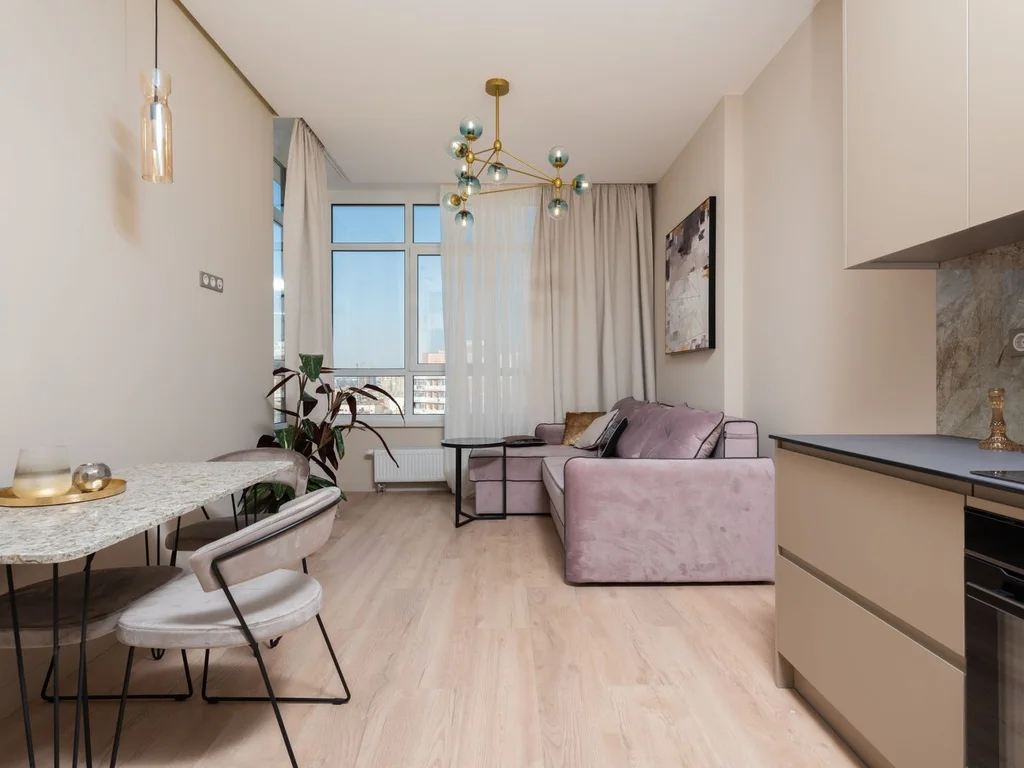
Hang curtains at the sides of the window rather than across it, so daylight floods in and the window looks as large as possible. Panels that stack neatly on the wall frame the view like art, and in the evening they close fully for privacy. The trick is a rod that extends well beyond the frame on both sides.
48. Keep Bookshelves to One Wall Only
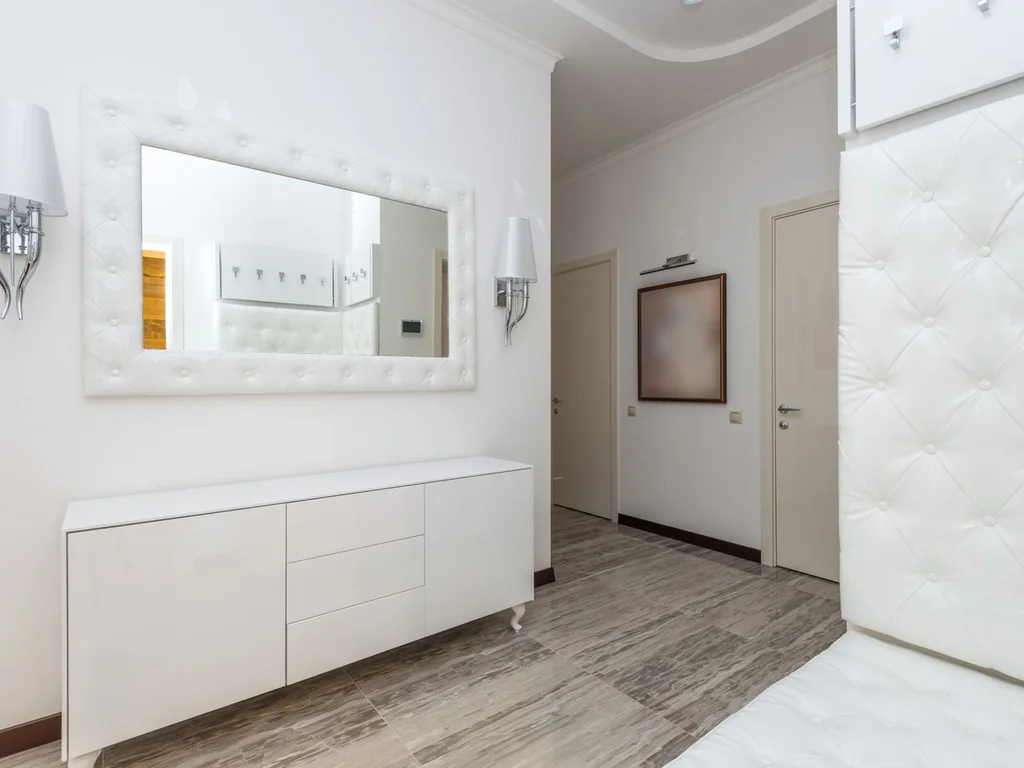
Books are wonderful, but bookshelves on every wall turn a living room into a library corridor. Confine books to one wall, style the shelves with breathing room and a few objects, and let the other walls stay calm. The room keeps its bookish character without feeling like it is closing in on you.
49. Let One Plant Anchor Each Corner
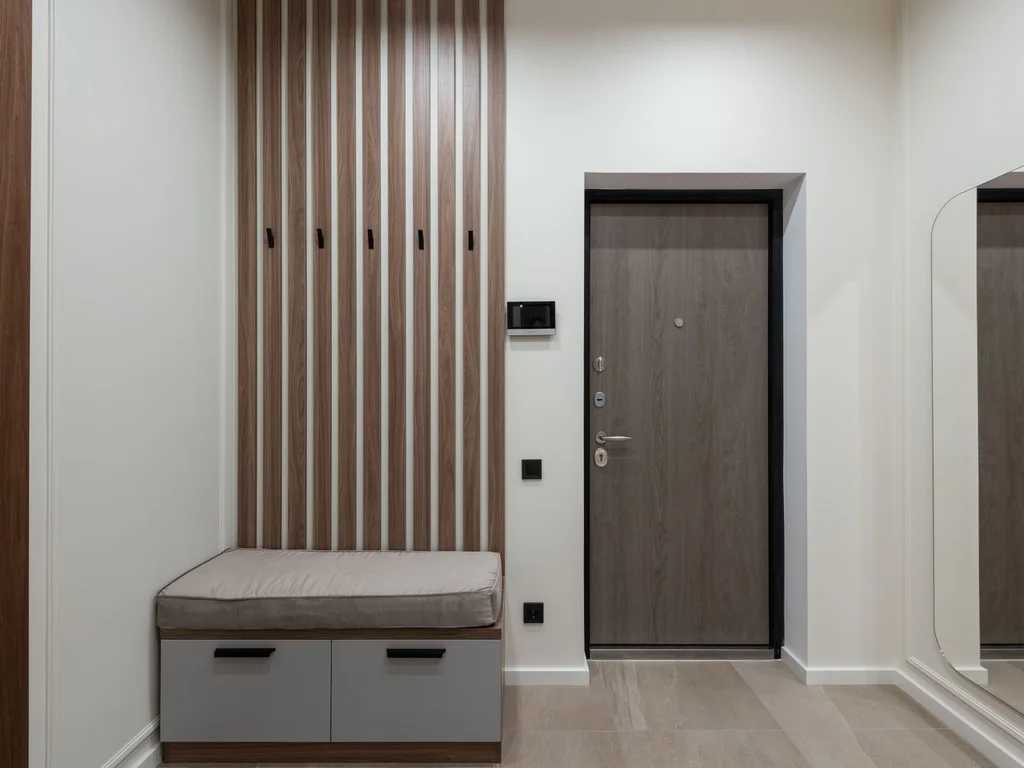
One well-chosen plant per corner softens a small living room without turning it into a jungle. A tall plant in the darkest corner, a trailing plant on the highest shelf, and nothing in between keeps the greenery intentional. Too many plants in a small room compete with the furniture instead of complementing it.
50. Leave One Wall Completely Empty
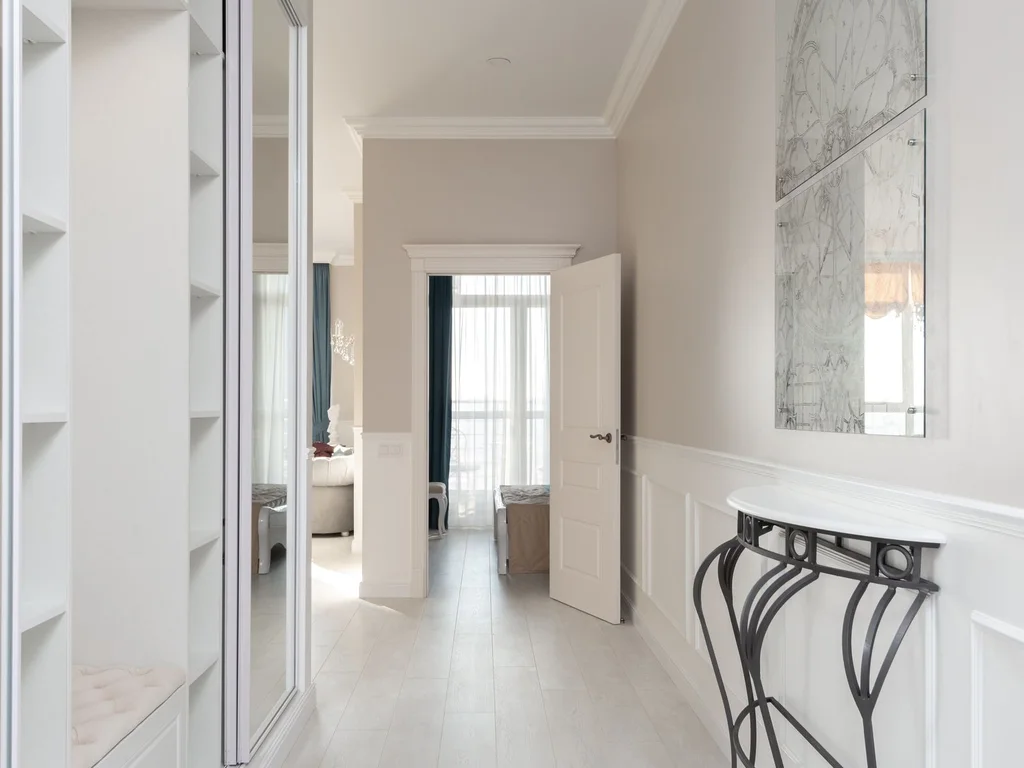
An entirely empty wall is the boldest small-room move, and it works because the eye needs somewhere to rest. In a flat where every surface is decorated, one blank wall feels like a deep breath. It also gives you flexibility later — the perfect spot for a future piece of art, a mirror or a fold-down desk.
6. Small Apartment Bedrooms
51. Choose a Bed Without a Bulky Frame
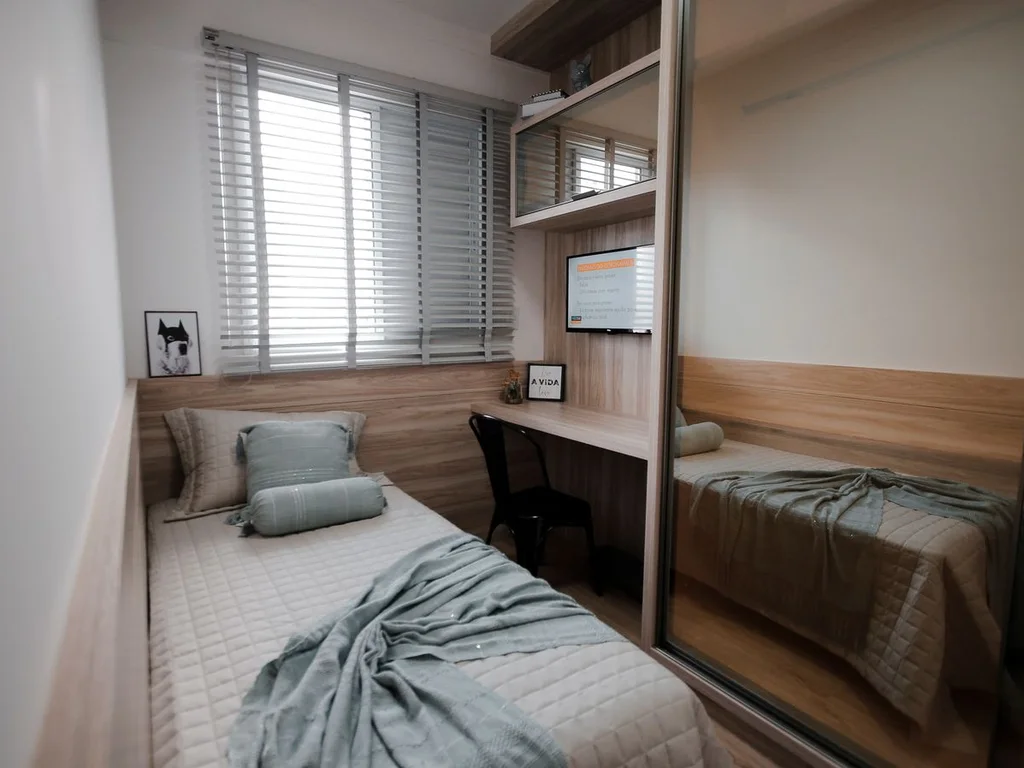
A low platform bed or a simple metal frame takes up far less visual space than a chunky wooden frame with a tall footboard. The room feels larger because you see more floor, and the bed itself becomes a calm platform for bedding rather than a piece of furniture dominating the room. Add storage drawers underneath and it works even harder.
52. Use a Headboard With Built-In Shelves
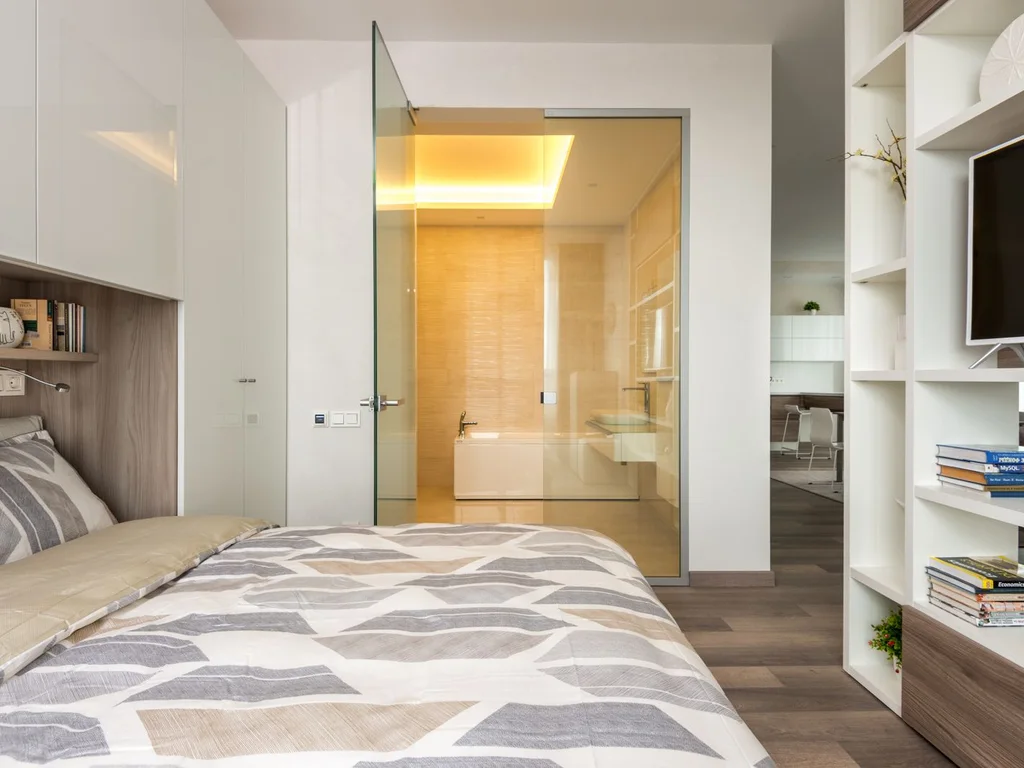
A headboard with shelves or a ledge replaces both nightstands in a bedroom too narrow for them. Books, a phone, a glass of water and a lamp all live within arm’s reach, and the floor on both sides of the bed stays clear for walking. It is one of the most effective small-bedroom ideas for rooms under ten square metres.
53. Hang Pendant Lights Instead of Bedside Lamps
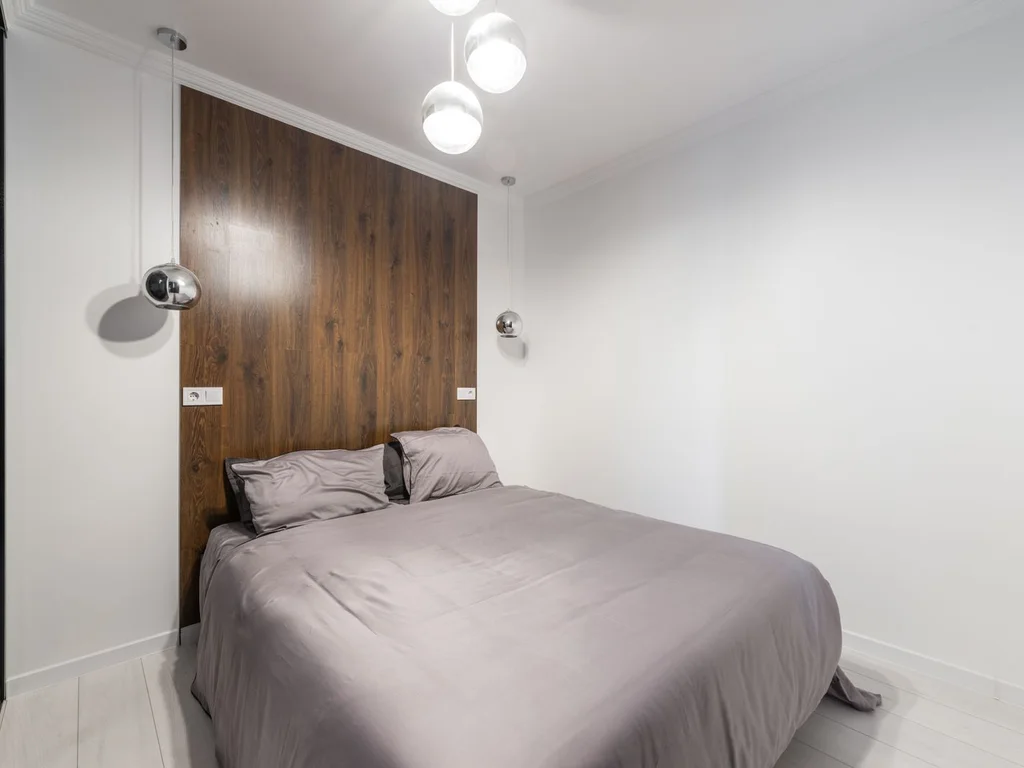
Pendant lights hung beside the bed free the entire nightstand surface and look deliberately stylish at the same time. Hang them low enough to read by, at slightly different heights for a relaxed feel, and wire them to a dimmer. The nightstand can then hold just a book and a glass, which is all it ever needed.
54. Keep Bedding Light and Simple
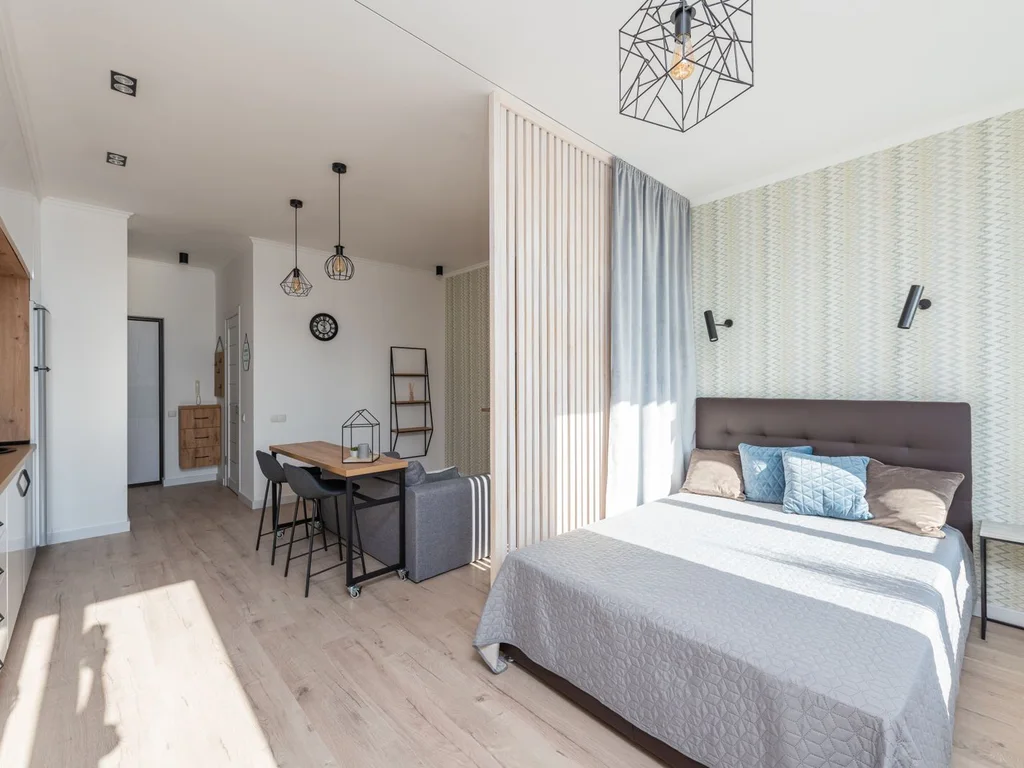
Heavy, dark, heavily patterned bedding makes a small bedroom feel like a cave. Light duvet covers, one or two cushions and a single throw keep the bed looking generous and calm. The bed is the largest object in the room, so its dressing sets the tone for the whole space — dress it lightly and the room follows.
55. Use the Wall Behind the Door for Hooks and Storage
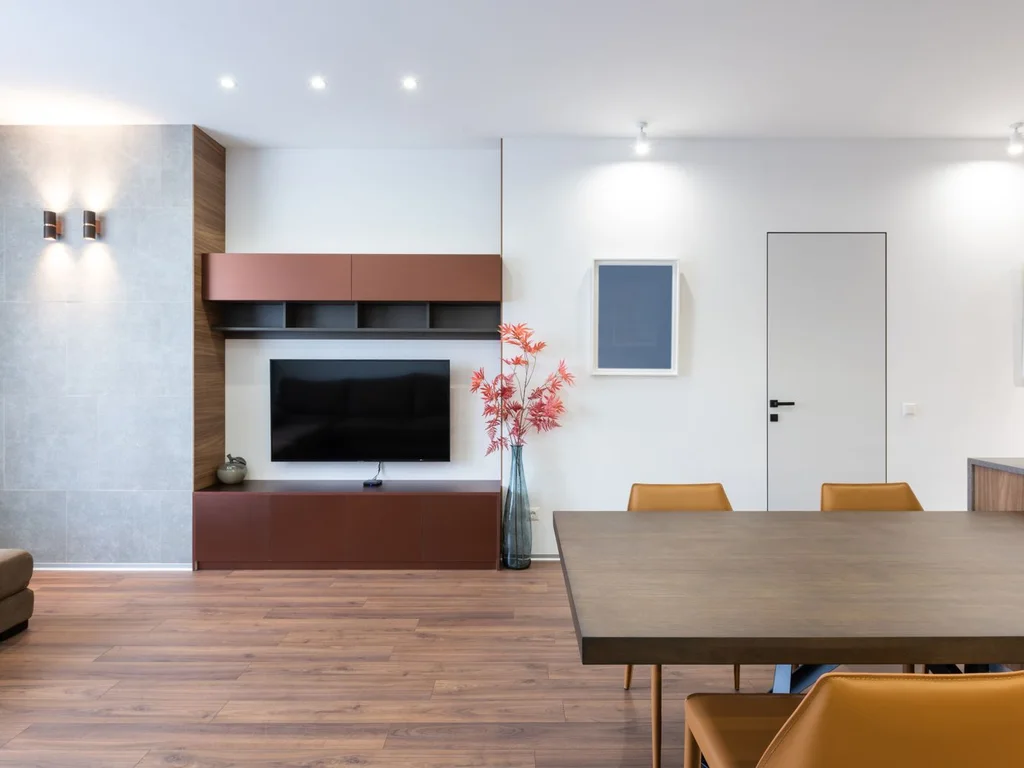
The wall behind a bedroom door is usually blank, yet it holds a row of hooks for tomorrow’s clothes, bags and robes perfectly. It keeps chairs free of the dreaded clothes pile and puts outfits where you can grab them in the morning. A few slim hooks cost almost nothing and save the room from daily clutter.
56. Pick a Wardrobe That Reaches the Ceiling
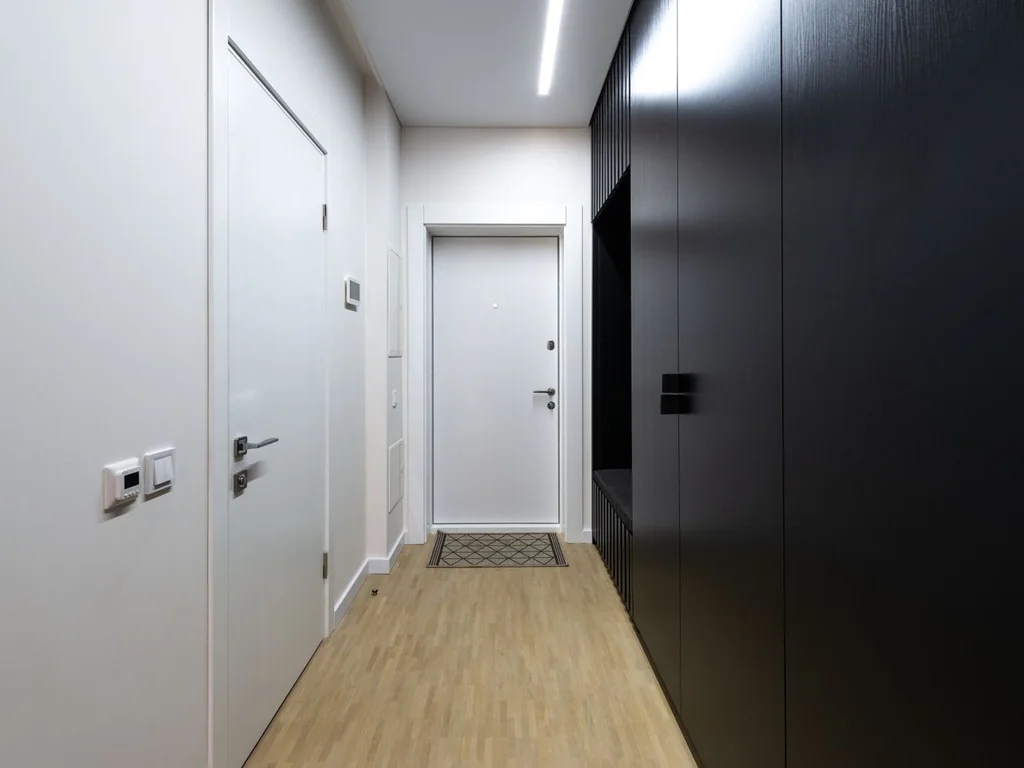
A wardrobe that stops short of the ceiling wastes its most useful shelf and collects dust on top. One that reaches the ceiling looks built-in, holds seasonal items up high, and makes the wall feel taller. If a full-height wardrobe is out of budget, add a matching top box to an existing one for the same effect.
57. Place the Bed Against the Longest Wall
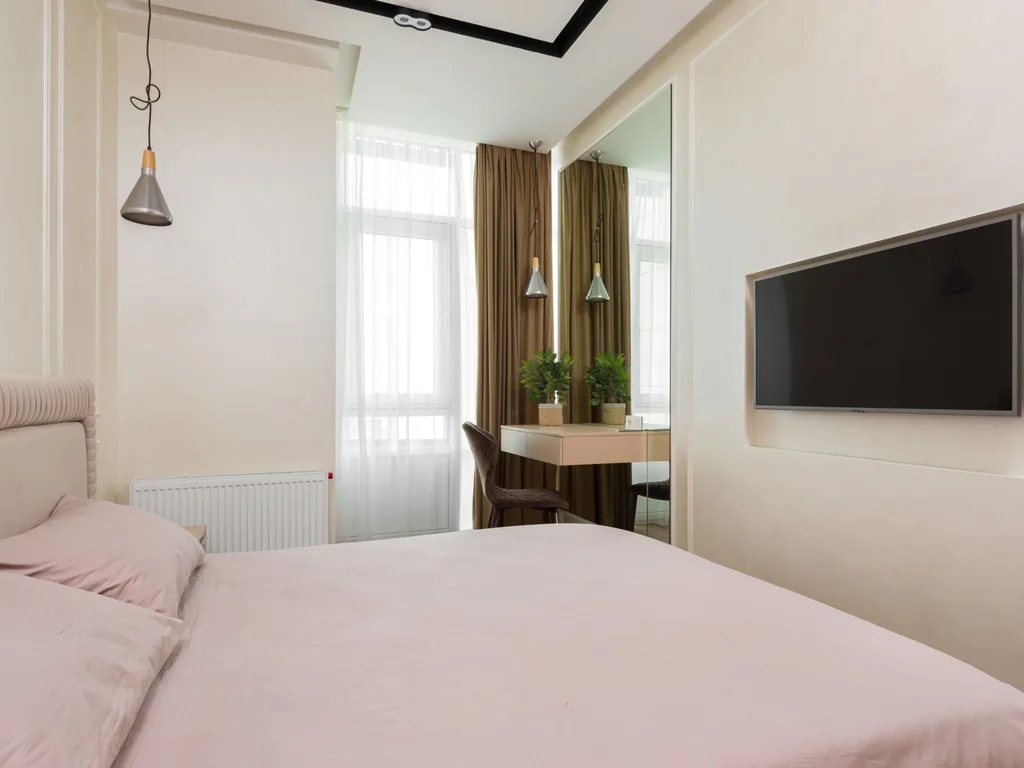
The longest wall usually gives the bed the most breathing room on both sides and leaves the rest of the room usable. Beds pushed into corners feel cramped and make one side impossible to make. Even in a tiny room, a bed on the long wall with a narrow gap on each side feels more generous than a bed wedged into a corner.
58. Use Under-Bed Boxes for Shoes and Bags
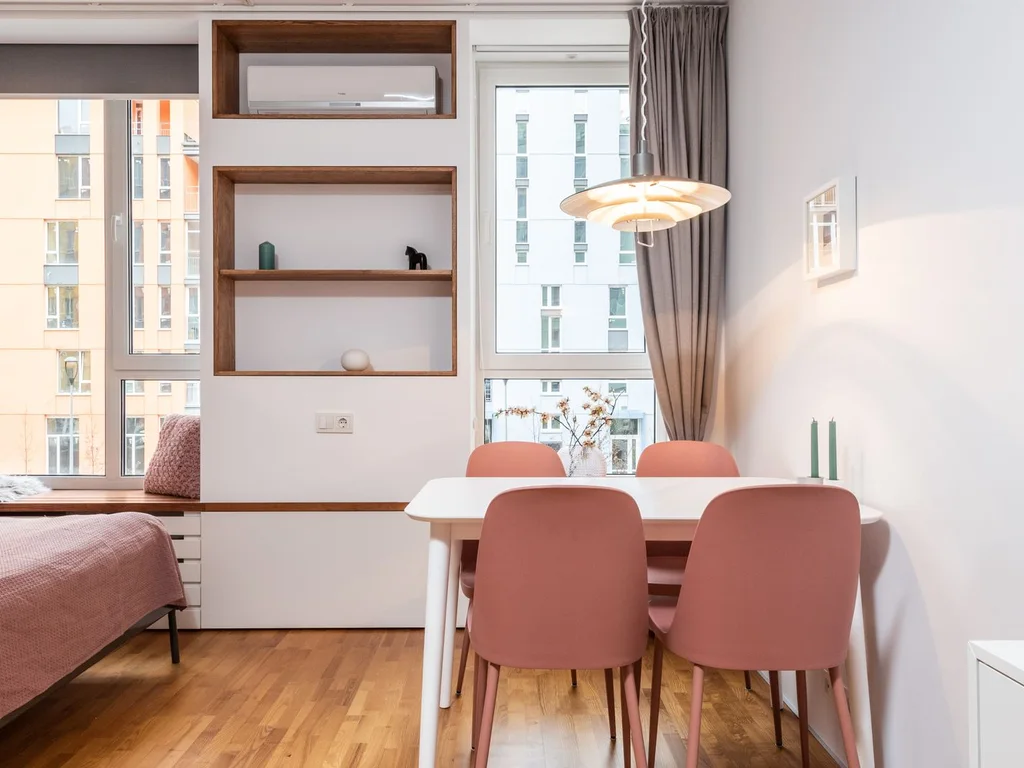
Shoes and bags are the two things that most often end up on bedroom floors. Flat boxes under the bed swallow both, keep them dust-free and free the wardrobe for clothes. Choose boxes with lids and handles so they slide out easily, and keep one box per person so nothing gets mixed up.
59. Add a Full-Length Mirror to the Bedroom Door
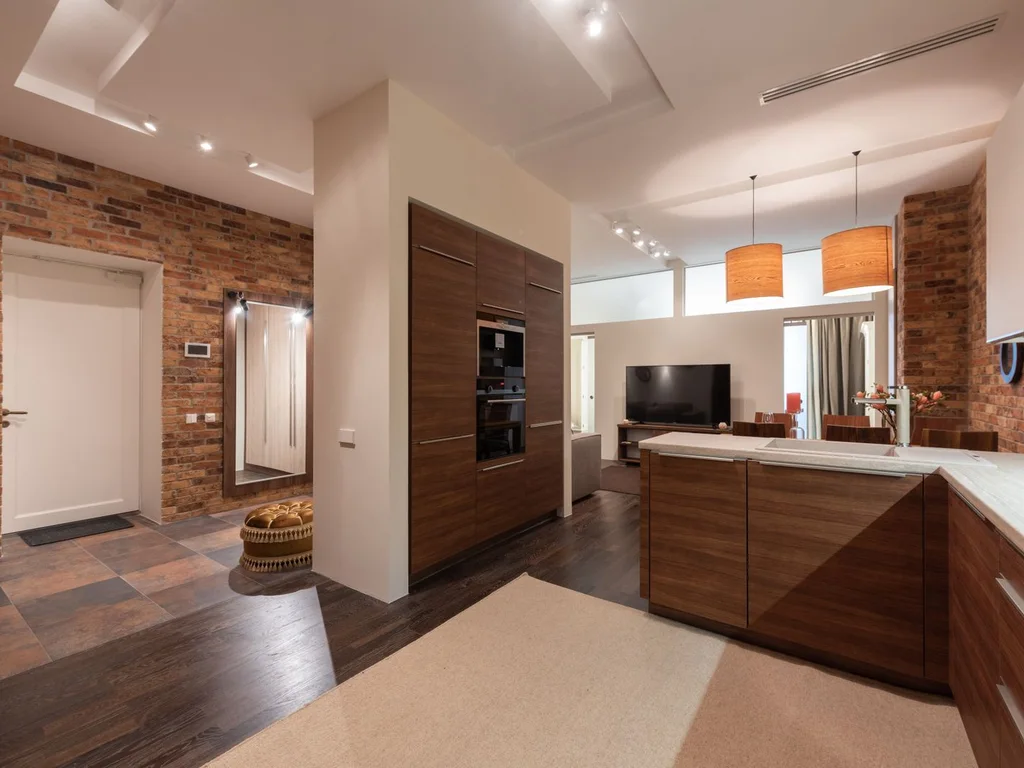
A full-length mirror on the bedroom door or wardrobe door does three jobs: it lets you check your outfit, it doubles the light, and it visually doubles the room. Over-door mirrors need no wall space and no drilling, which makes them perfect for rented flats. Position it to reflect a window, not a blank wall, for the best effect.
60. Keep One Surface Completely Clear
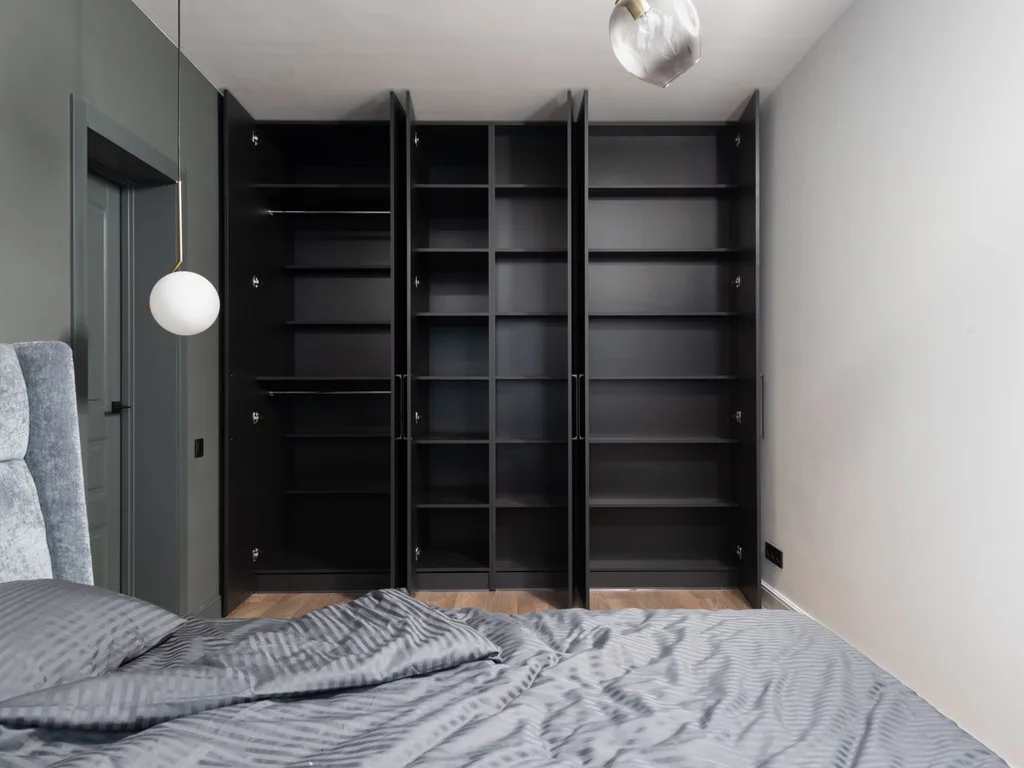
Choose one surface — the top of the dresser, one nightstand, or the window sill — and keep it permanently clear except for one beautiful object. In a small bedroom, one calm surface makes the whole room feel tidier, even when other areas are busy. It becomes a visual resting place your eye returns to gratefully.
7. Small Kitchens and Dining Corners
61. Use Open Shelving for Everyday Items Only
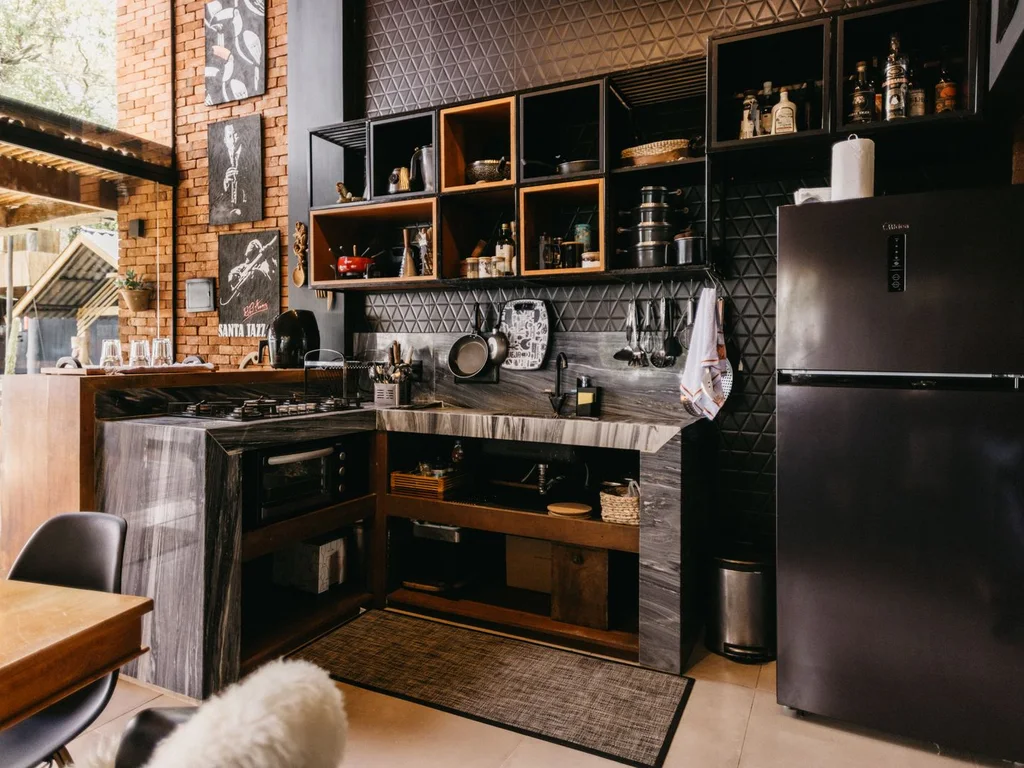
Open kitchen shelves look wonderful when they hold the dozen items you actually use daily, and chaotic when they hold everything you own. Keep daily plates, glasses and mugs on open shelves, hide the rest behind doors, and the kitchen feels airy and organised instead of cluttered. Style the shelves in groups, not single items.
62. Choose a Round Table for a Tight Dining Corner
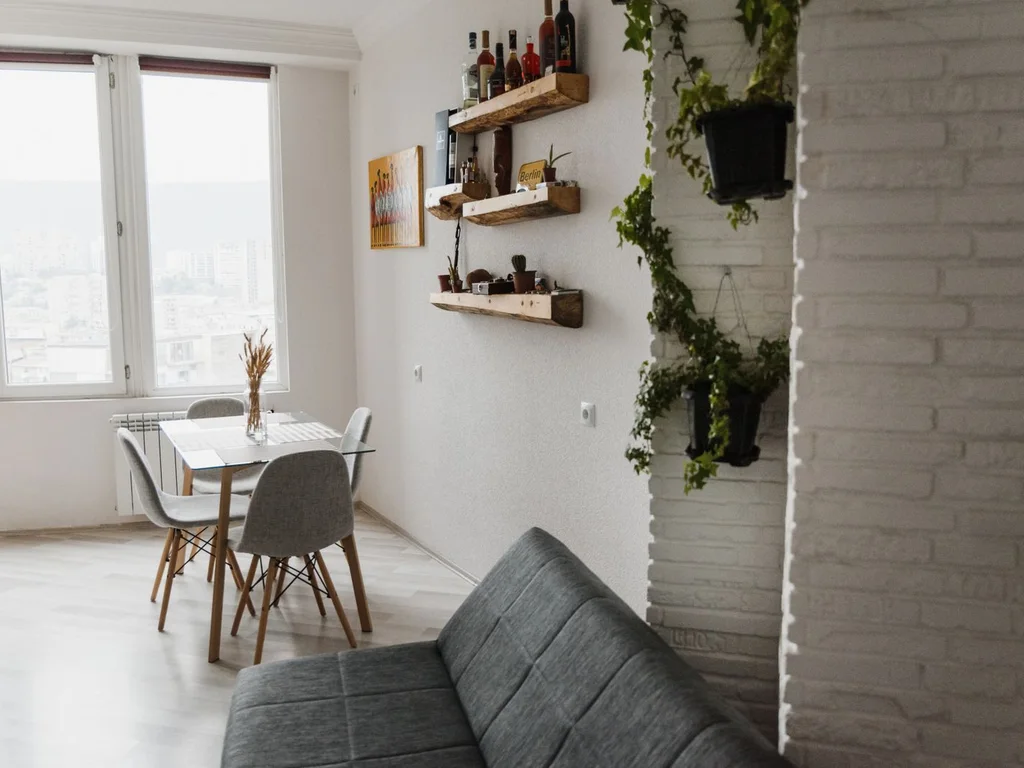
Round tables fit awkward corners better than rectangular ones because there are no corners to bump into and chairs can squeeze in from any angle. A 90-centimetre round table seats four comfortably in a space a rectangular table would waste. Pair it with chairs that tuck fully underneath to save even more room.
63. Hang a Rail for Utensils Above the Worktop
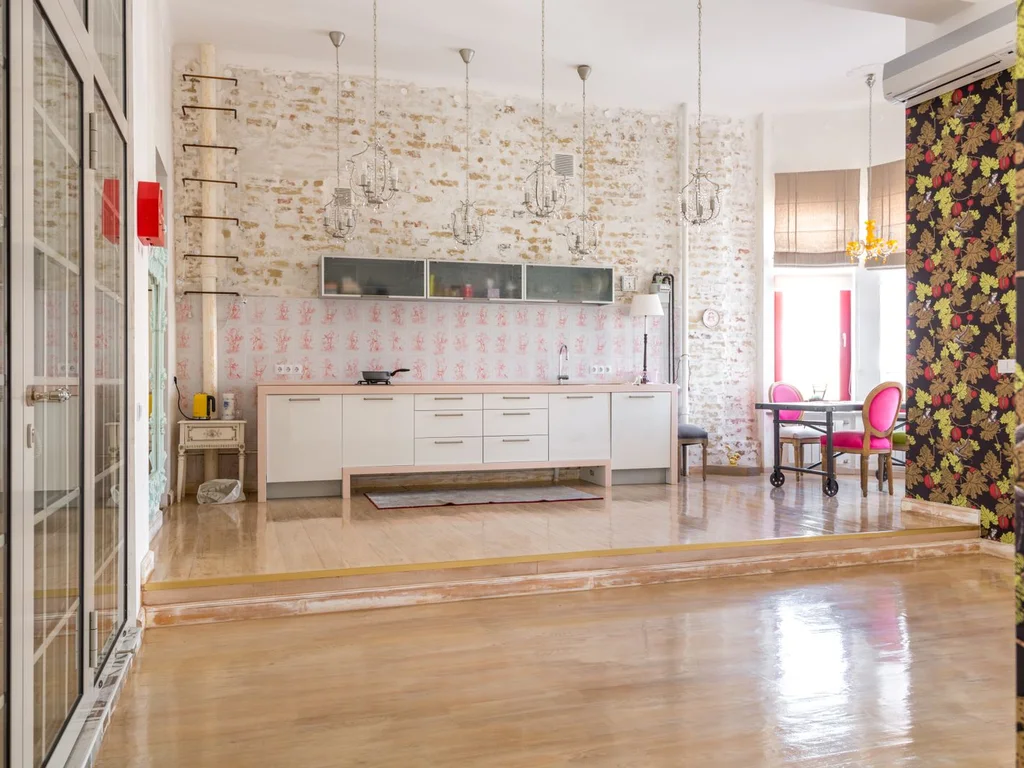
Utensils in a drawer block are a waste of drawer space in a small kitchen. A rail above the worktop holds spoons, spatulas and scissors within reach and frees a whole drawer for cutlery or gadgets. Keep the rail short and the tools you use weekly — a rail of twenty tools is a display, not a workspace.
64. Use the Inside of Cabinet Doors
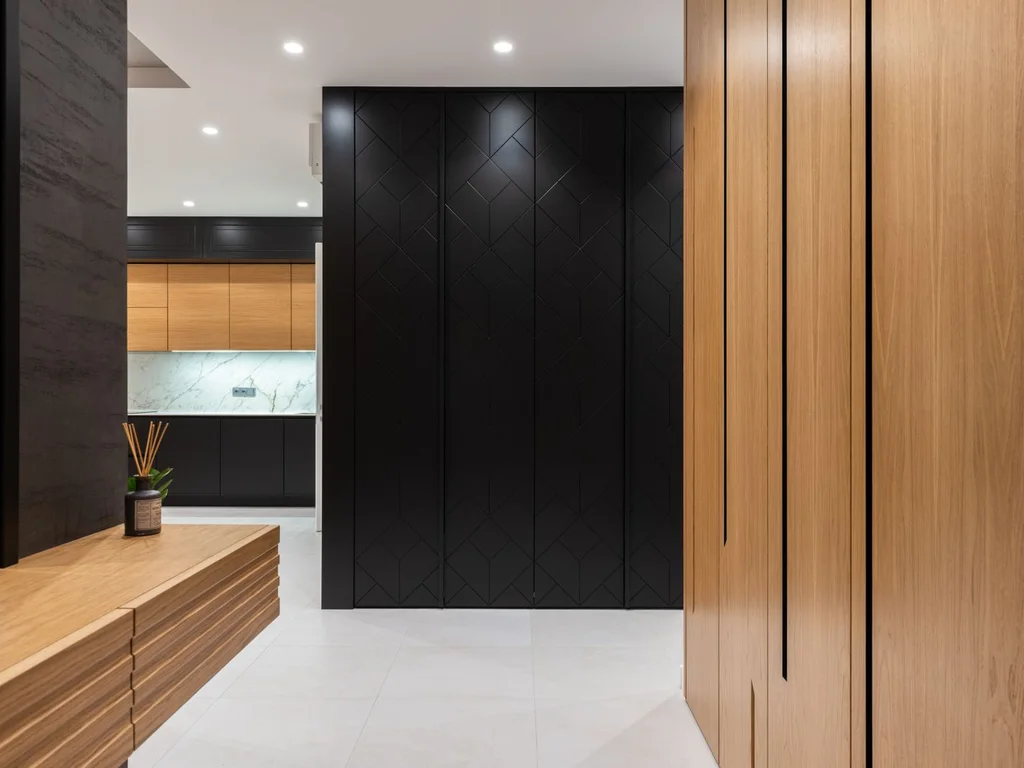
The inside of a cabinet door holds a spice rack, a measuring-cup rail, a bin lid or a cleaning caddy without taking any shelf space at all. It is the cheapest kitchen storage upgrade there is, it needs no drilling in most cases, and it puts small, fiddly items exactly where you look for them.
65. Pick Light Upper Cabinets and Open Lower Shelves
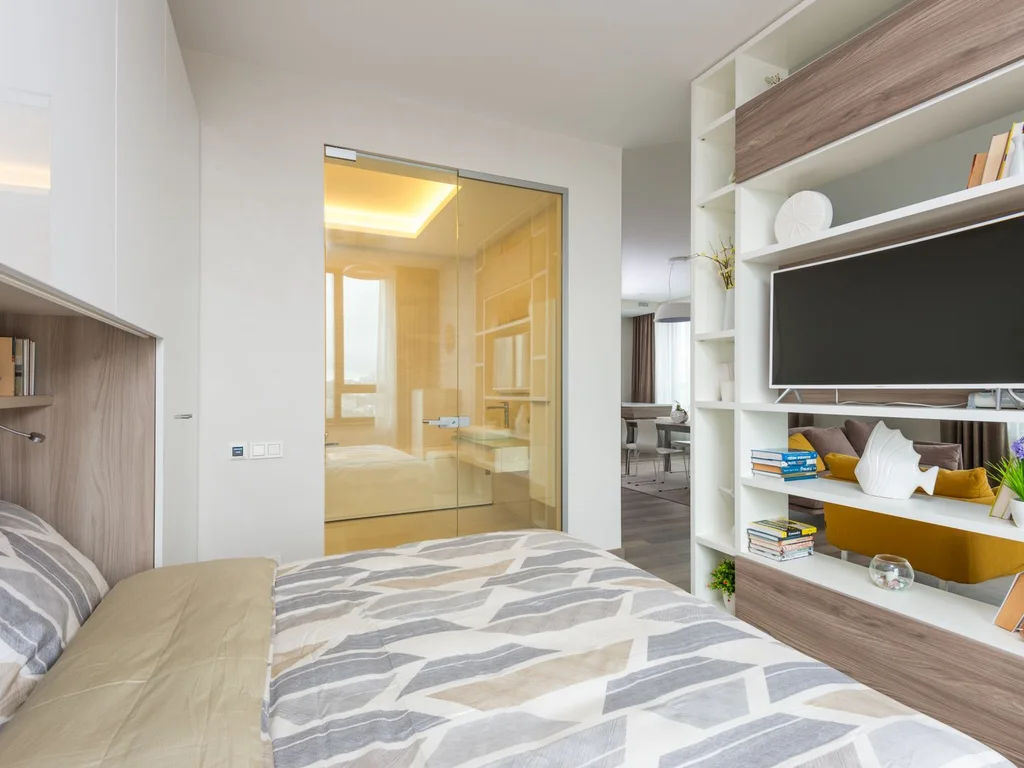
Dark upper cabinets press down on a small kitchen, while light ones recede. If you cannot replace cabinets, paint the uppers a pale colour and leave lower shelves open for heavy pots. The contrast keeps the kitchen feeling tall and light while the practical storage stays exactly where it is most useful.
66. Create a Breakfast Bar on a Windowsill
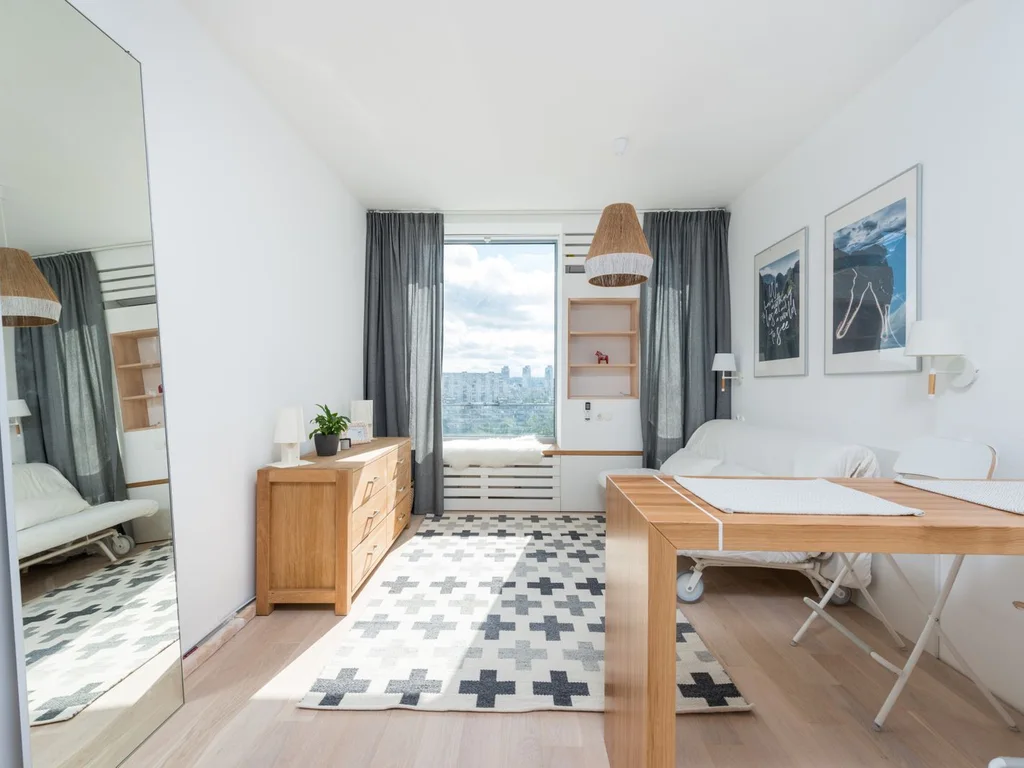
A deep windowsill at the right height becomes a breakfast bar for one or two with no table at all. Add two stools that tuck underneath and a small shelf for mugs, and morning coffee gets a view instead of a cramped table. It is the kind of small-flat idea that feels like a luxury once you use it daily.
67. Use a Fold-Down Table on the Kitchen Wall
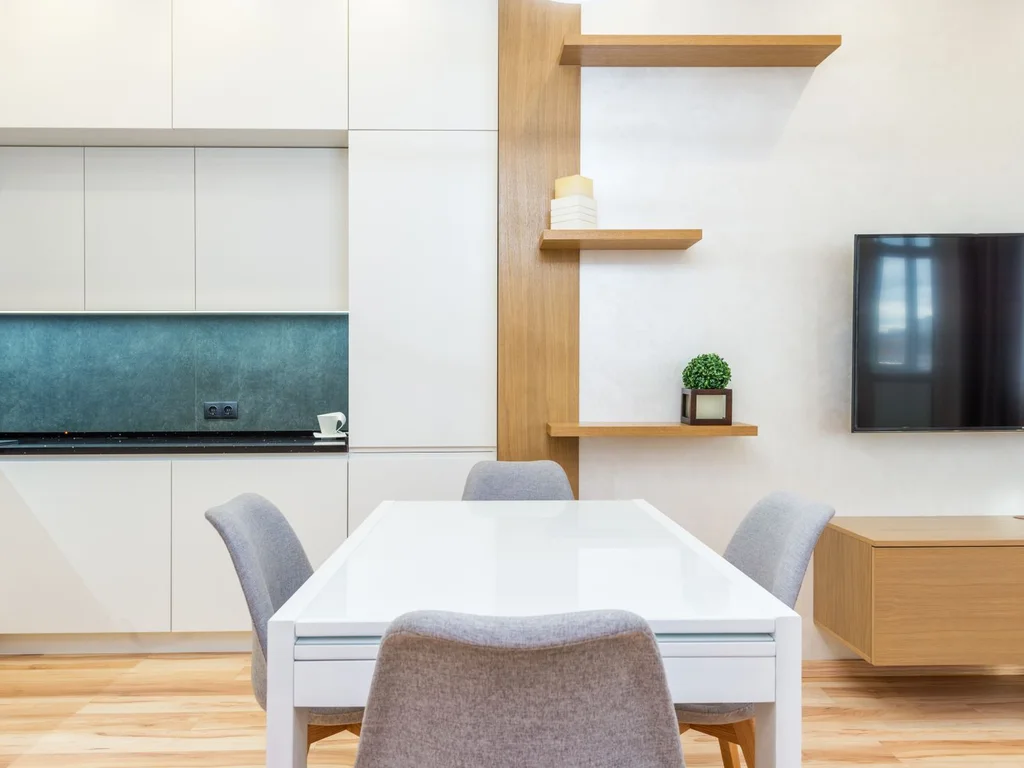
A wall-mounted fold-down table gives a small kitchen a real dining spot that vanishes after meals. Folded down it seats two comfortably; folded up it is a slim shelf for a plant or a picture. It is ideal for kitchens too small for a table, and it costs less than a single restaurant meal for two.
68. Keep Worktops Clear Except for Two Items
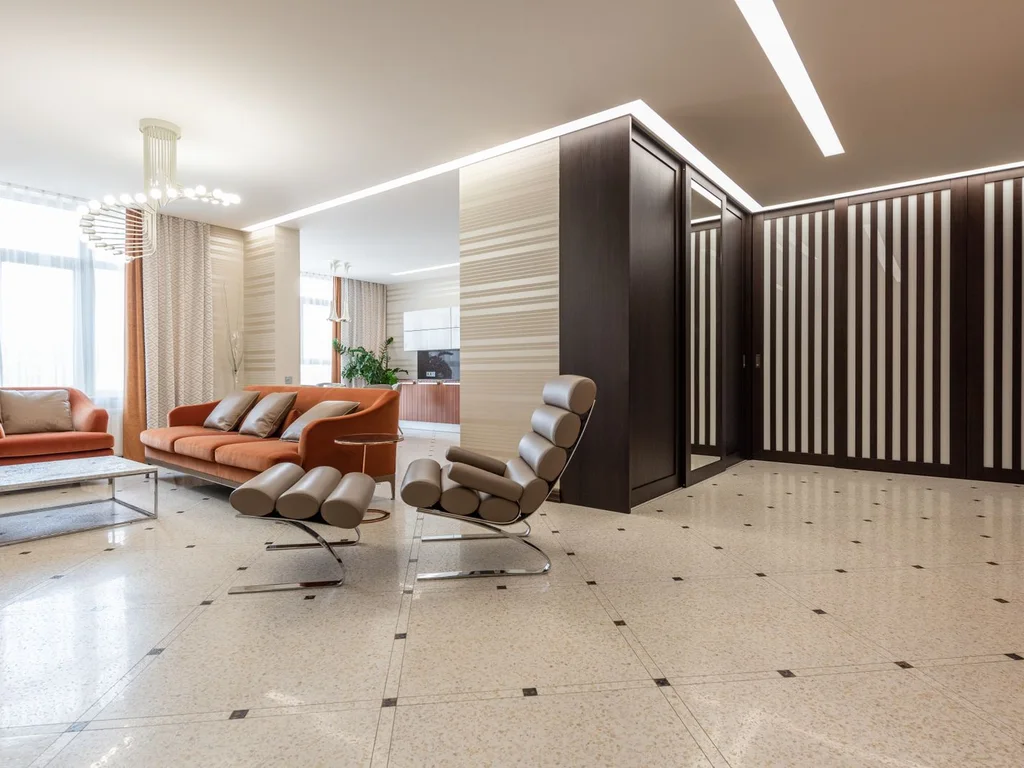
Worktops are the kitchen’s floor space: the clearer they are, the bigger the kitchen feels and the easier cooking becomes. Choose two permanent residents — usually the kettle and a knife block or a plant — and store everything else. A clear worktop also makes cleaning a two-minute job instead of a project.
69. Use a Magnetic Strip for Knives
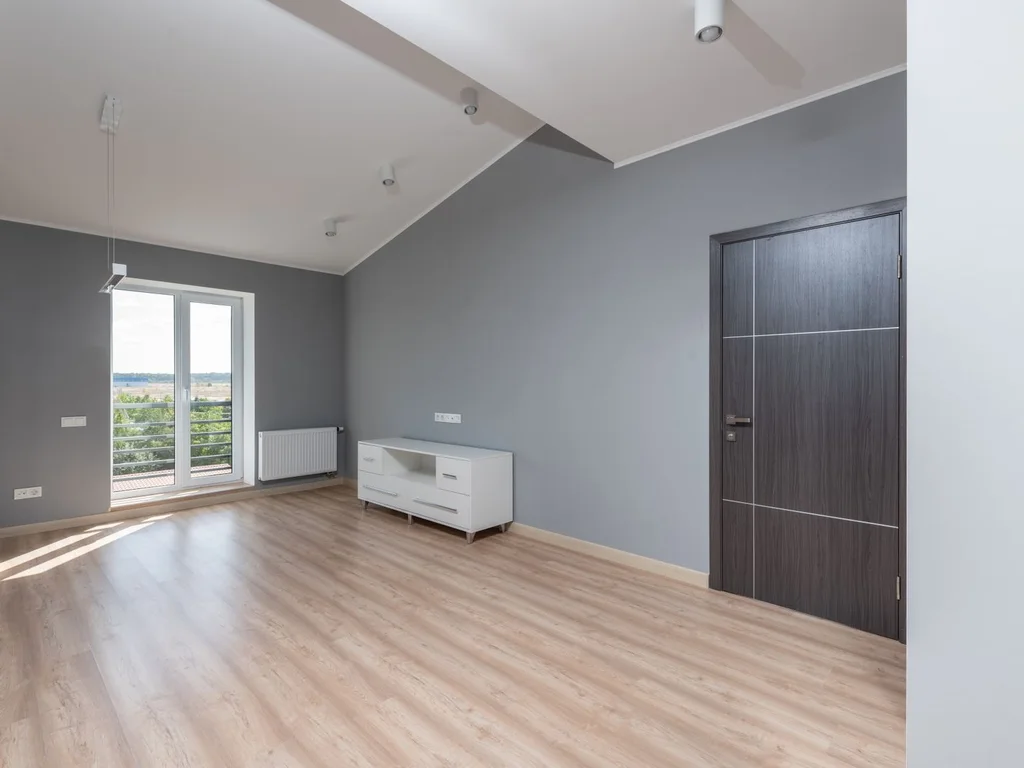
A magnetic knife strip on the wall frees a drawer, keeps knives sharper than a block, and looks professional. Mount it away from the hob’s steam and out of children’s reach, and keep only the knives you use regularly on it. The drawer it frees becomes space for the gadgets that previously lived on the worktop.
70. Add a Rug Runner to Warm a Galley Kitchen
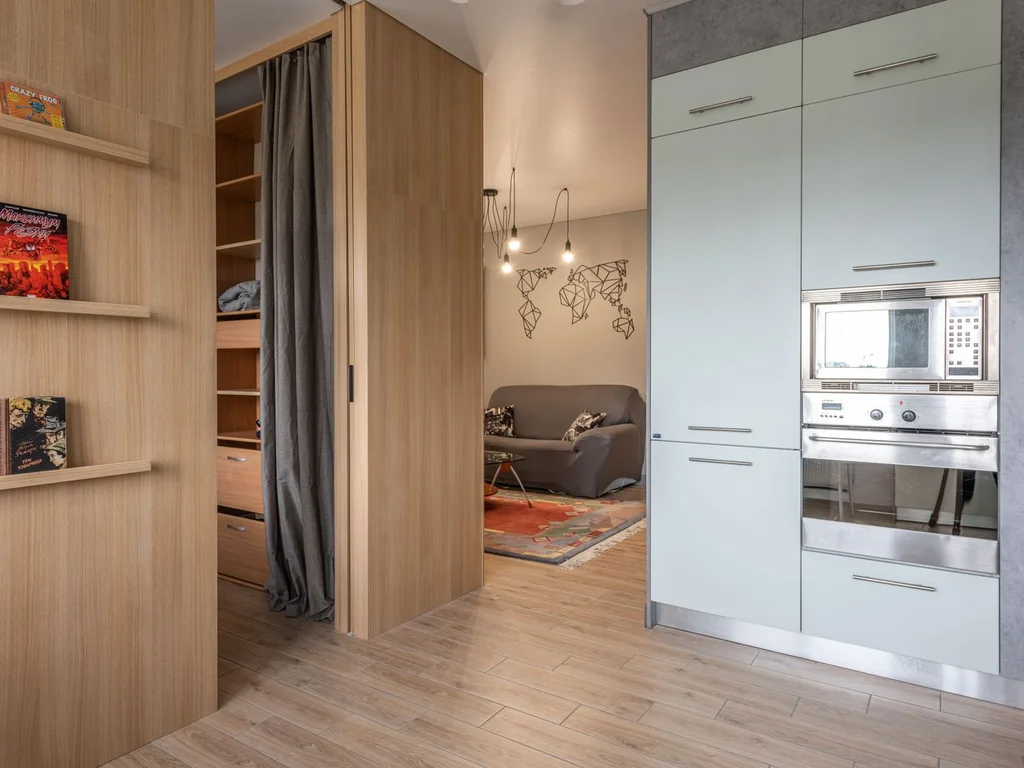
Galley kitchens can feel like corridors, but a washable rug runner down the middle adds colour, warmth and a sense of destination. Choose a low, flat weave that chairs and feet will not catch on, and a pattern that hides splashes. It turns a passage into a room you enjoy cooking in.
8. Small Bathrooms and Entryways
71. Use a Glass Shower Screen Instead of a Curtain
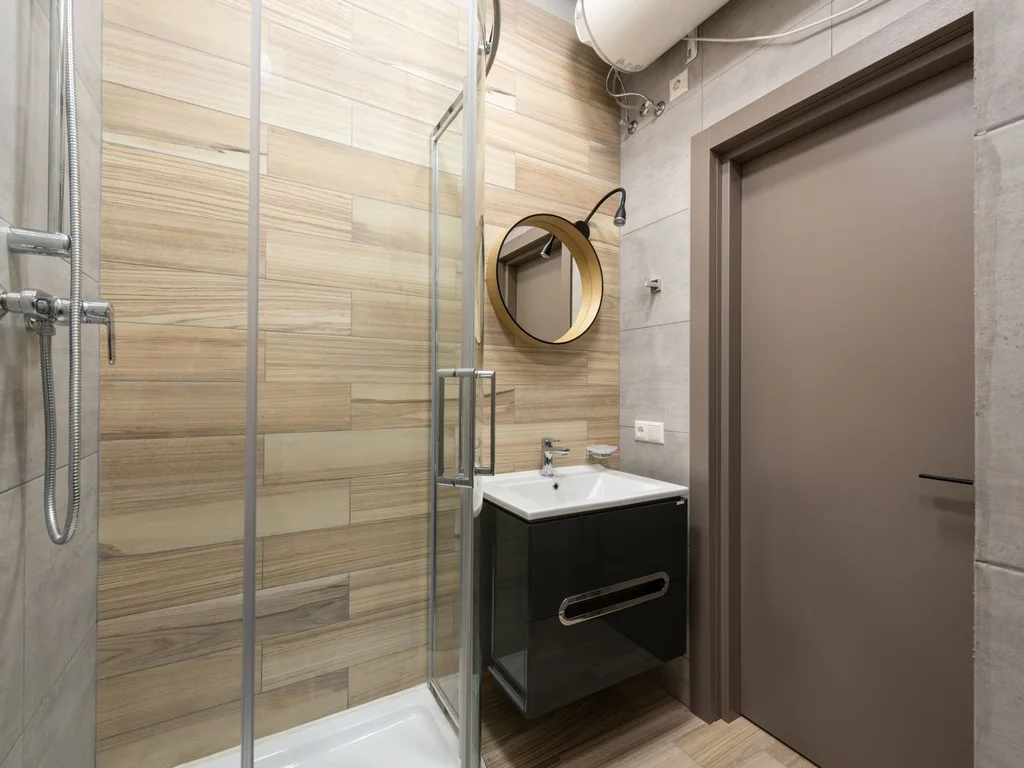
A shower curtain cuts a small bathroom visually in half, while a glass screen lets the eye travel the full length of the room. The bathroom instantly feels twice as big, and it stays brighter because light is not blocked. A squeegee after each shower keeps the glass clear and the trick working.
72. Hang a Large Mirror Over the Sink
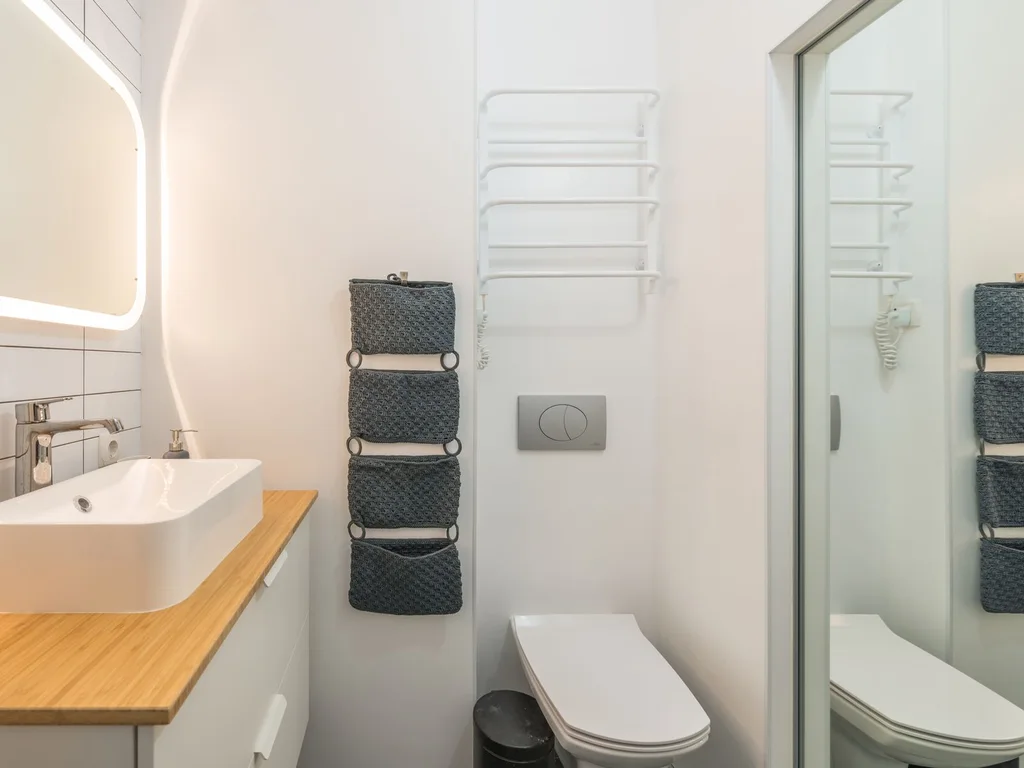
In a small bathroom, the mirror over the sink should be as large as the wall allows. It doubles light, doubles the room, and makes getting ready far more pleasant than a small mirror ever could. A mirrored cabinet gives you the same effect plus storage for toiletries behind the glass.
73. Use a Ladder Shelf for Towels and Toiletries
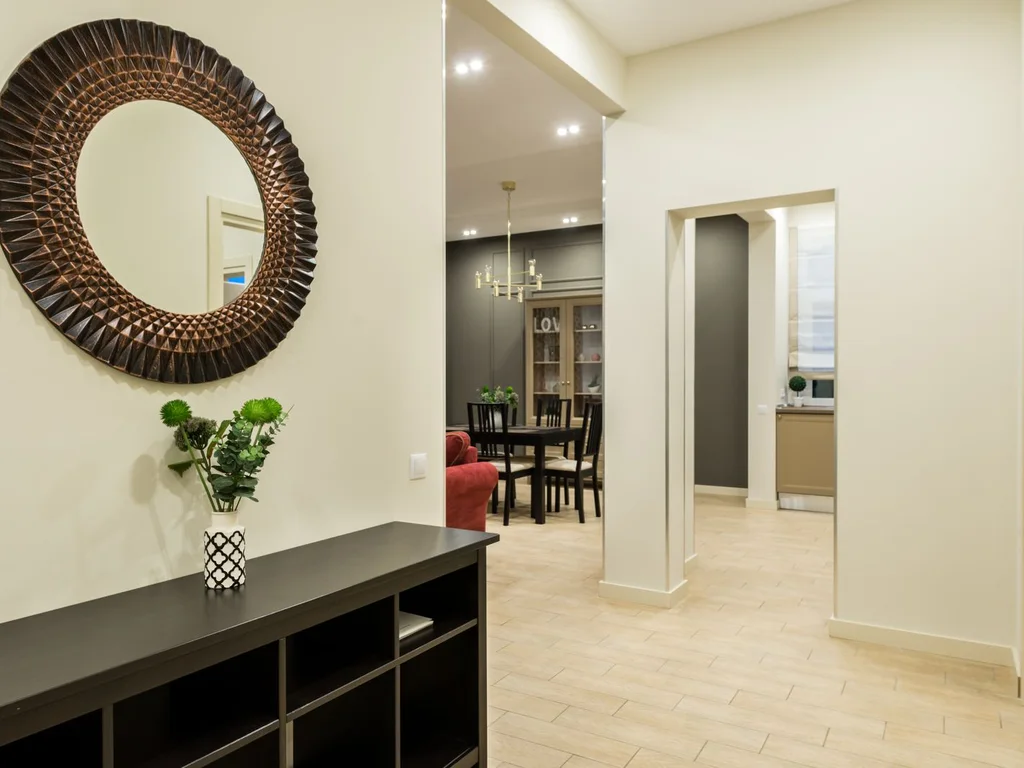
A leaning ladder shelf fits into narrow bathroom corners, holds towels at every level, and needs no drilling — ideal for rented flats. Keep the top rungs for display and the lower rungs for daily towels, and the bathroom gains storage that looks like a design choice rather than a compromise.
74. Keep Bathroom Colour Pale and Continuous
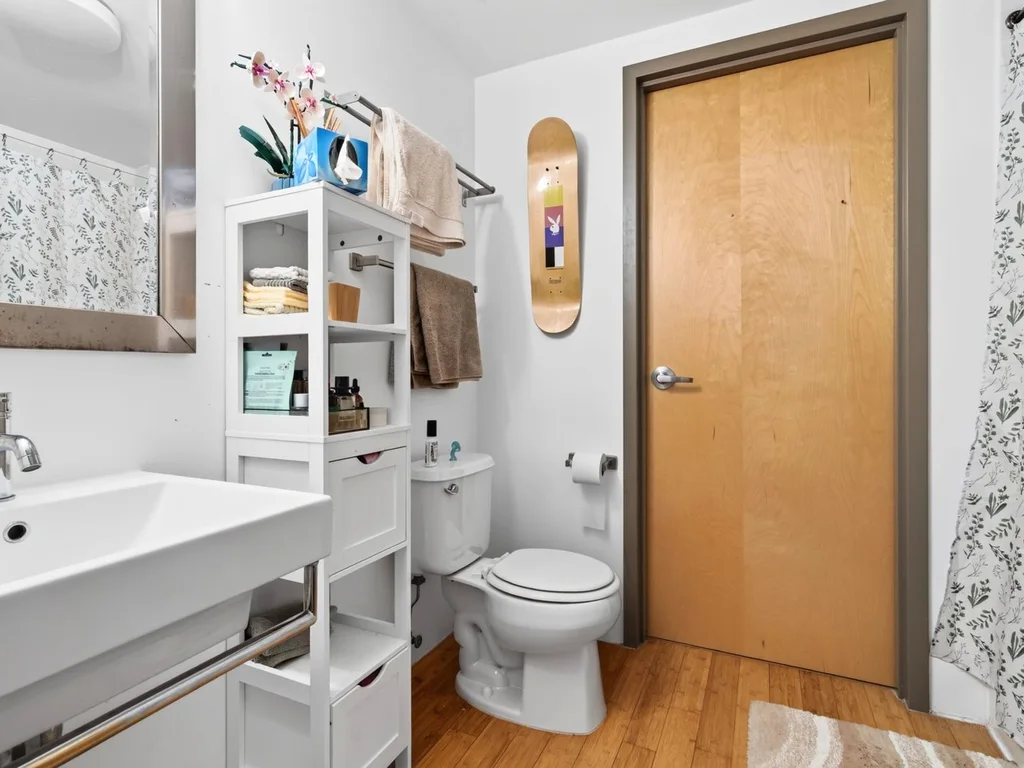
One pale colour across bathroom walls, tiles and towels makes the smallest bathroom feel calm and continuous. Strong contrasts chop it into pieces, while a single soft tone lets the eye glide. Add interest with texture — waffle towels, a wooden stool, a woven basket — instead of competing colours.
75. Add a Small Stool as a Bathroom Side Table
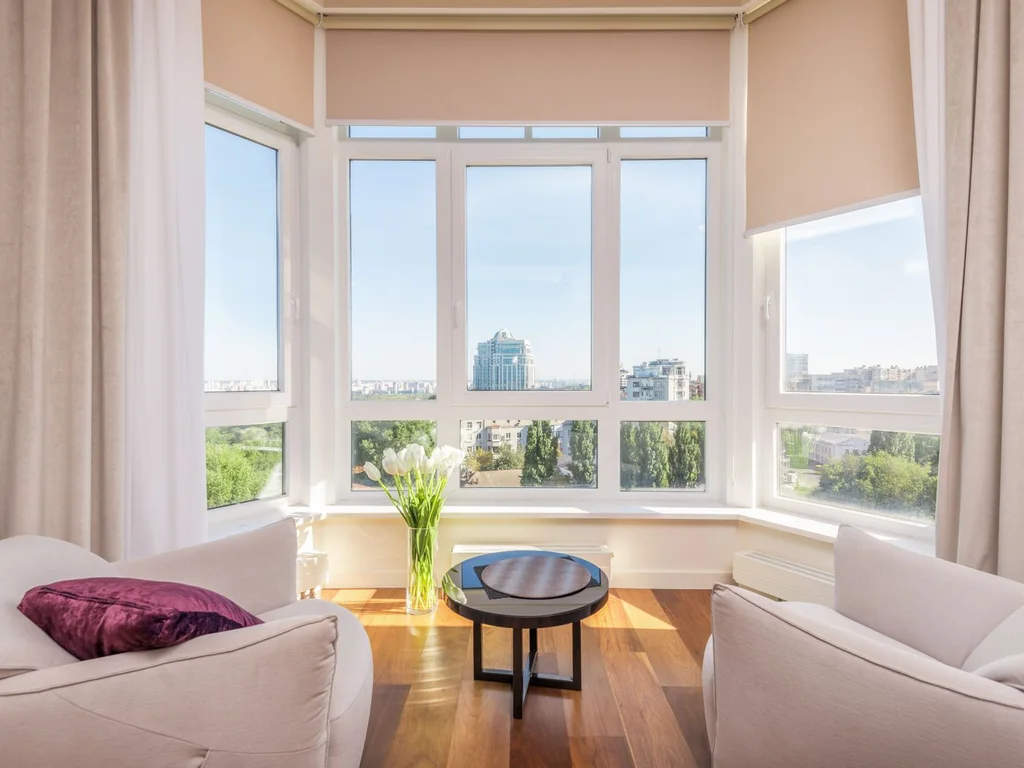
A small wooden stool beside the bath or sink holds a book, a candle or a towel exactly where you want it, and it moves wherever it is needed. It is warmer than a metal caddy and more flexible than a fixed shelf, and it gives a tiny bathroom a spa-like touch for the price of a takeaway.
76. Make the Entryway Work With a Tray and Hooks
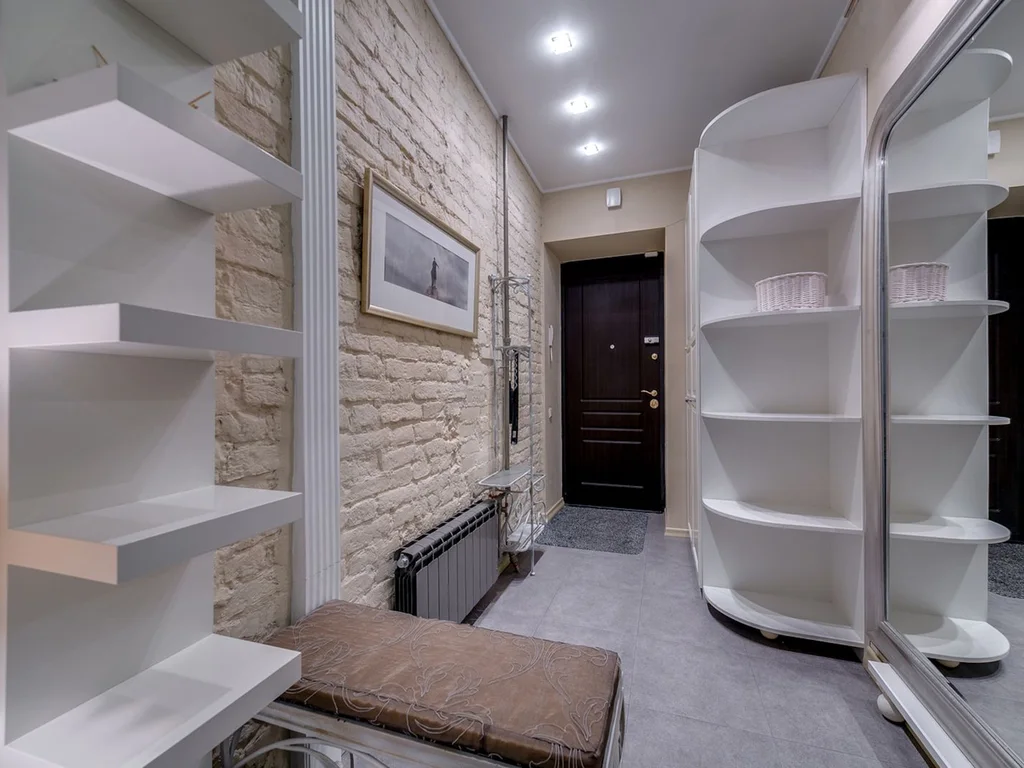
Every entryway needs three things: a tray for keys and coins, hooks for coats and bags, and a place for shoes. Give it those three and the whole flat stays tidier, because nothing migrates further inside. A tray on a console, three hooks at different heights, and a slim shoe bench cover it in under a metre of wall.
77. Use a Console Table That Fits the Hallway Width
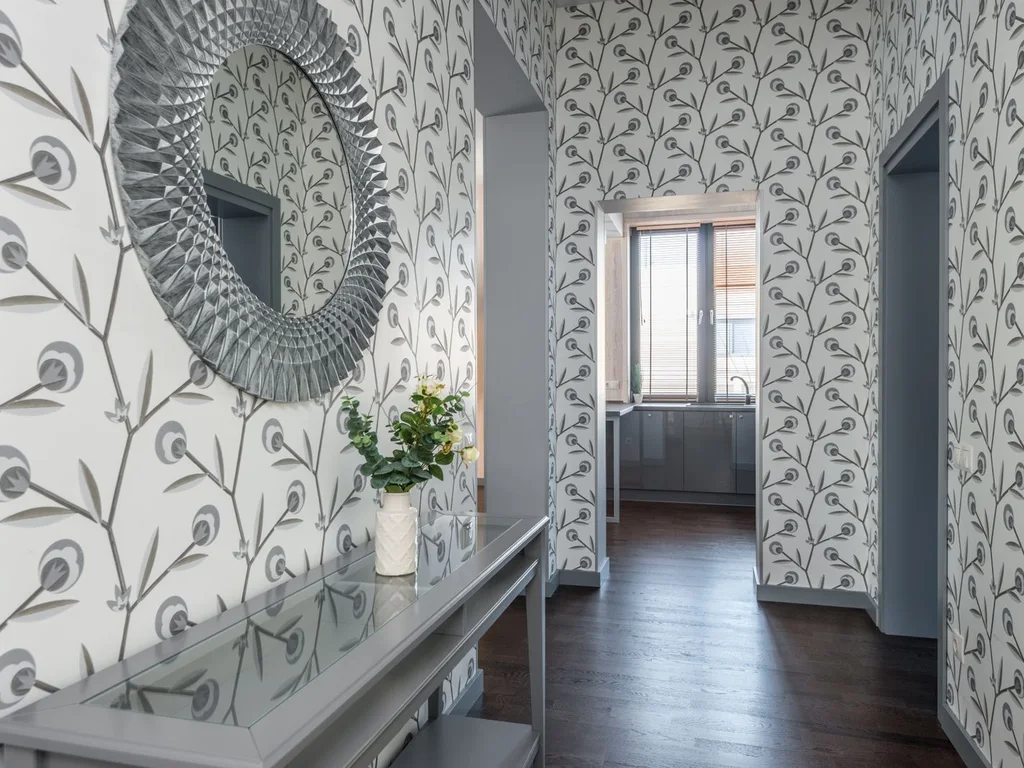
Measure the hallway before buying a console, and leave at least 80 centimetres of clear passage. A console that fits its space looks intentional and useful; one that narrows the passage makes every arrival feel cramped. Slim consoles with a lower shelf give you display space plus shoe storage in one piece.
78. Light the Entryway Warmly From Above
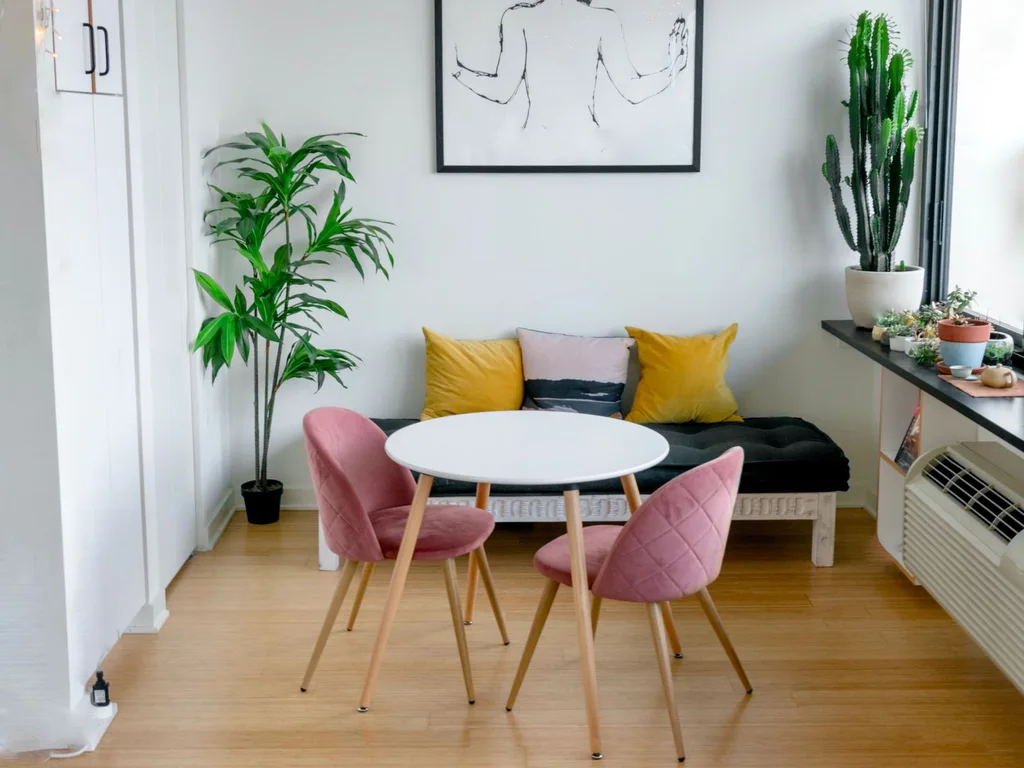
Entryways are often the darkest part of a flat, and a dark entry makes the whole home feel smaller. A warm pendant or flush light, left on when you come home, turns arrival into a welcome. Add a small mirror to bounce the light, and the entry feels twice as generous without any structural change.
79. Keep One Basket for Outgoing Items
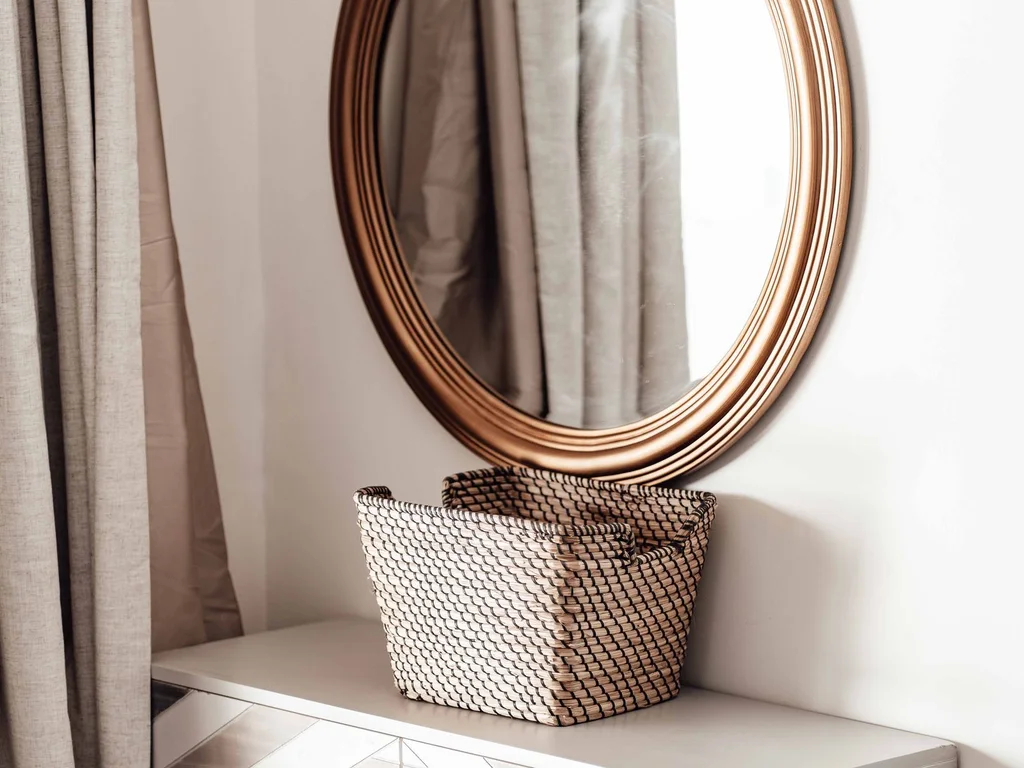
A basket by the door for parcels, returns, library books and bags to take out stops those items from colonising tables and chairs. Empty it on your way out each day, and the flat keeps a clear surface that would otherwise become a permanent dumping ground. It is a tiny habit with an outsized effect.
80. Use the Entry Door Itself for Storage
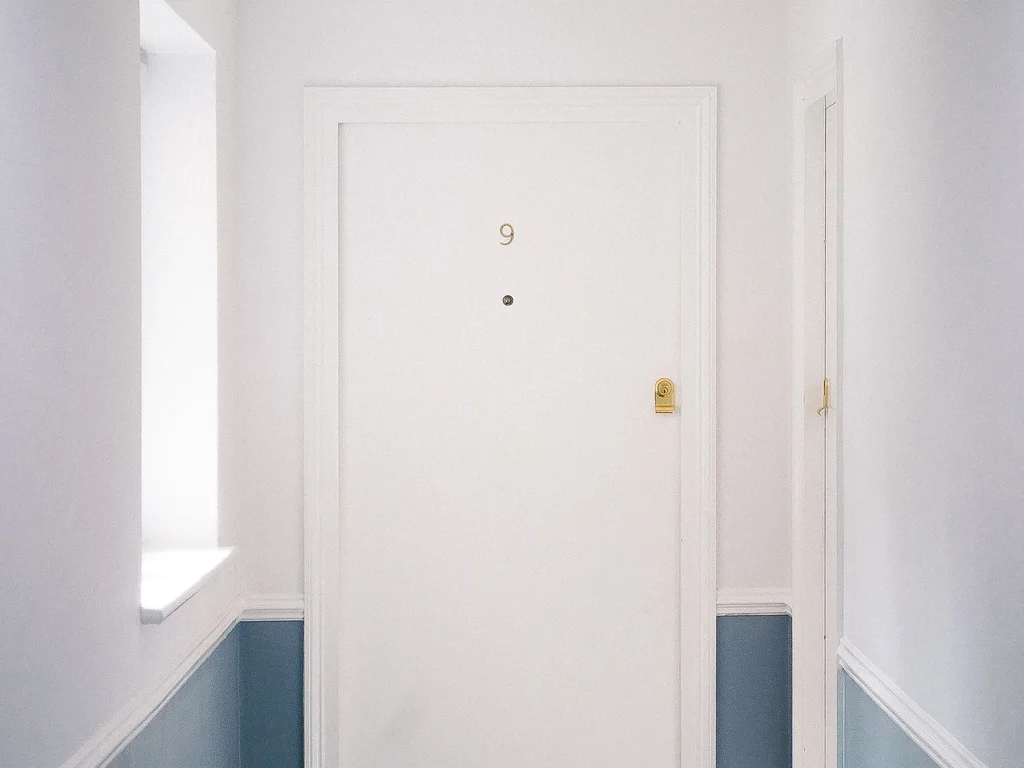
Over-door hooks and organisers hold bags, umbrellas, scarves and cleaning supplies without a single hole in the wall. They are renter-friendly, cheap and instantly removable, and they turn a door that was just a door into a whole extra storage wall. Keep it to one organiser per door to avoid a cluttered look.
9. Balconies, Windows and Outdoor Corners
81. Furnish a Tiny Balcony With Folding Chairs
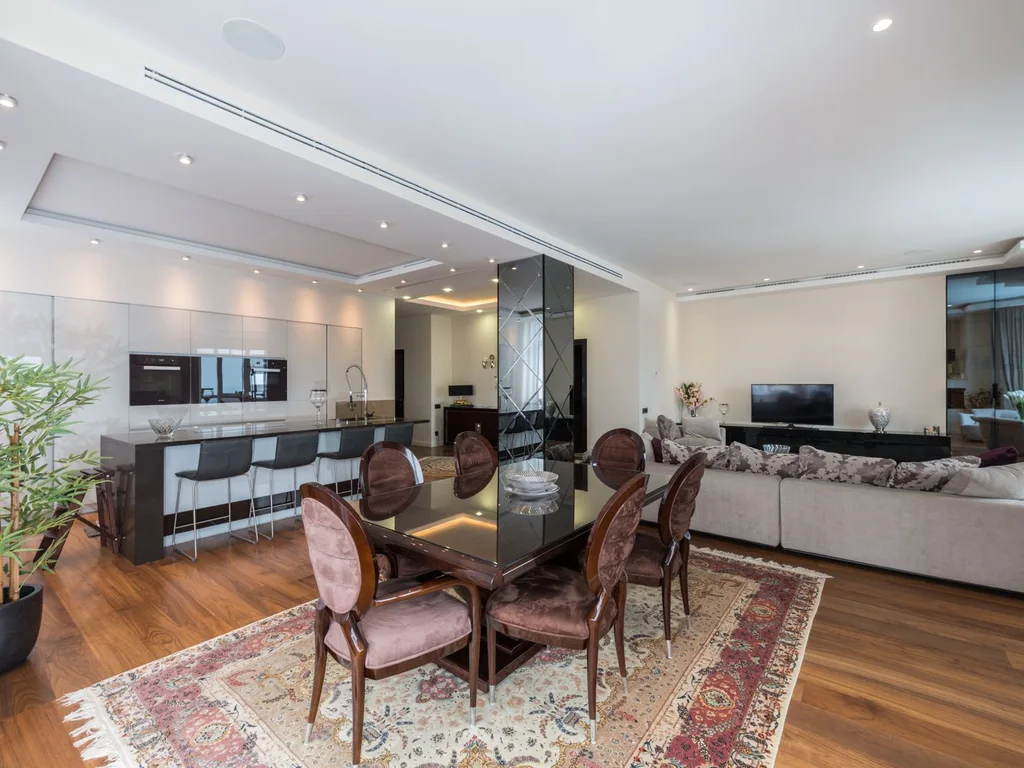
A tiny balcony only needs two folding chairs and a small table to become an outdoor room. Folding furniture can be stored inside in winter, so the balcony never becomes a storage yard. Add a weatherproof cushion in a bright colour, and the smallest outdoor space feels like a destination rather than an afterthought.
82. Use Vertical Planters on Balcony Walls
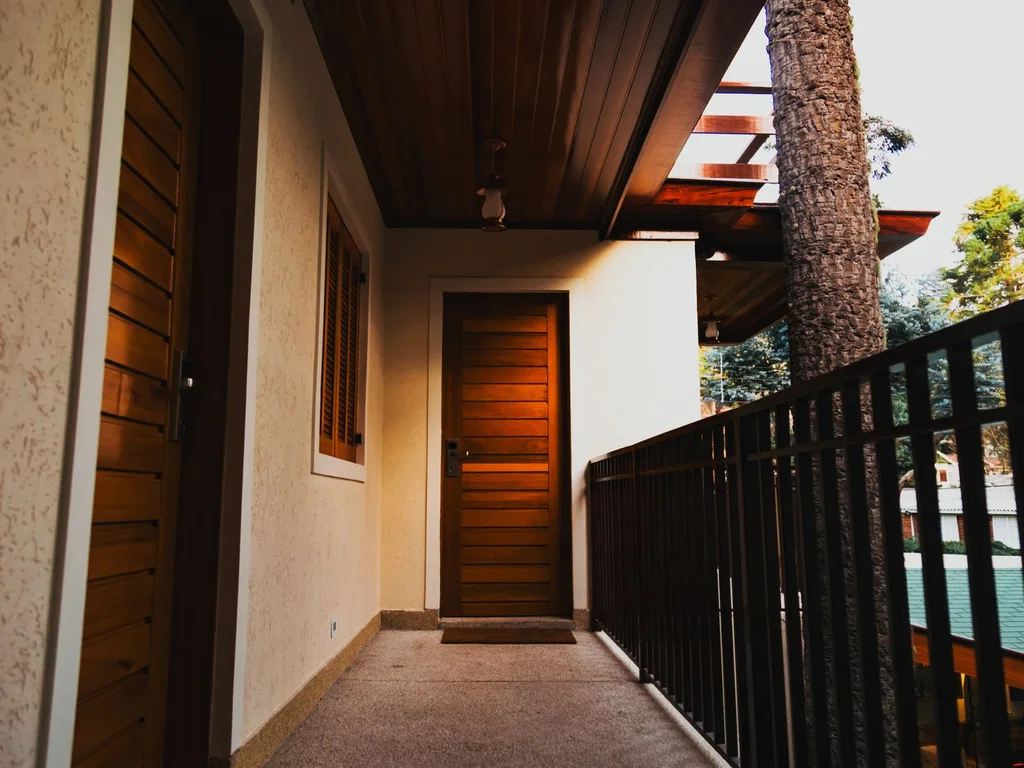
Balcony floors are precious, so grow upward: wall planters, railing boxes and hanging pots give you a green wall without sacrificing a single chair space. Herbs near the kitchen door are the most useful of all, and trailing plants soften railings beautifully. Keep pots light and secure against wind.
83. Add Outdoor Lighting for Evening Use
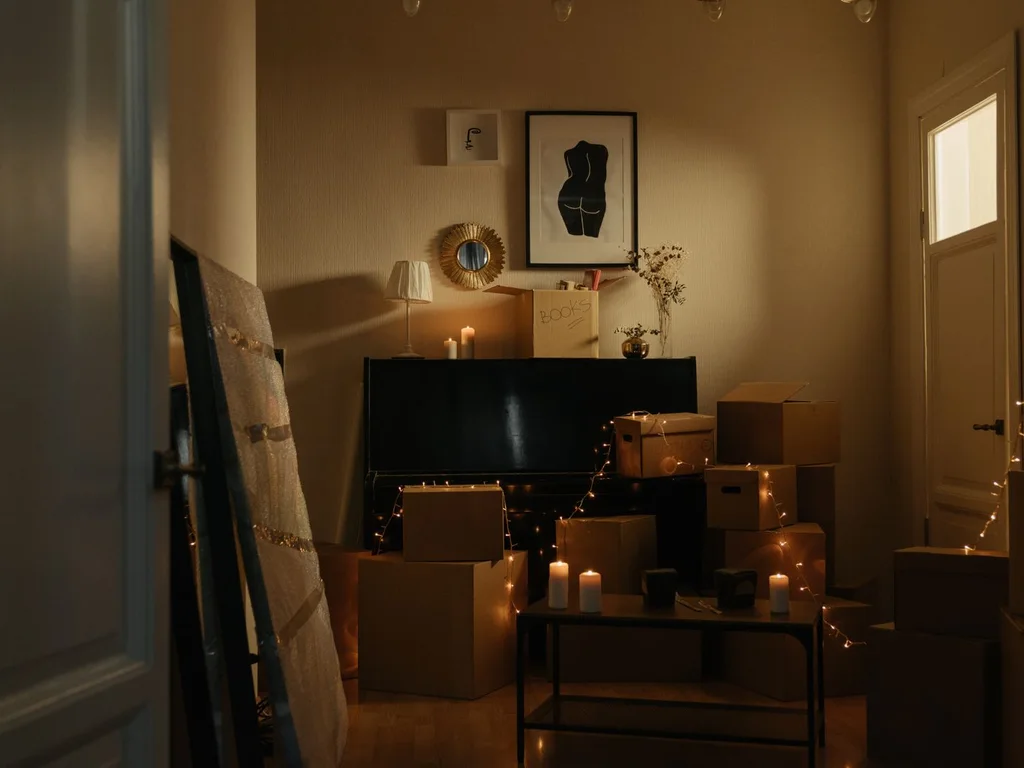
A string of warm outdoor lights turns a balcony from a daytime space into an evening room. Solar or battery lights need no wiring, which suits rented flats, and their glow makes the indoor rooms feel larger too, because the eye travels out through the glass. Choose warm white, not coloured, for a calm effect.
84. Use a Balcony Box as Seat and Storage
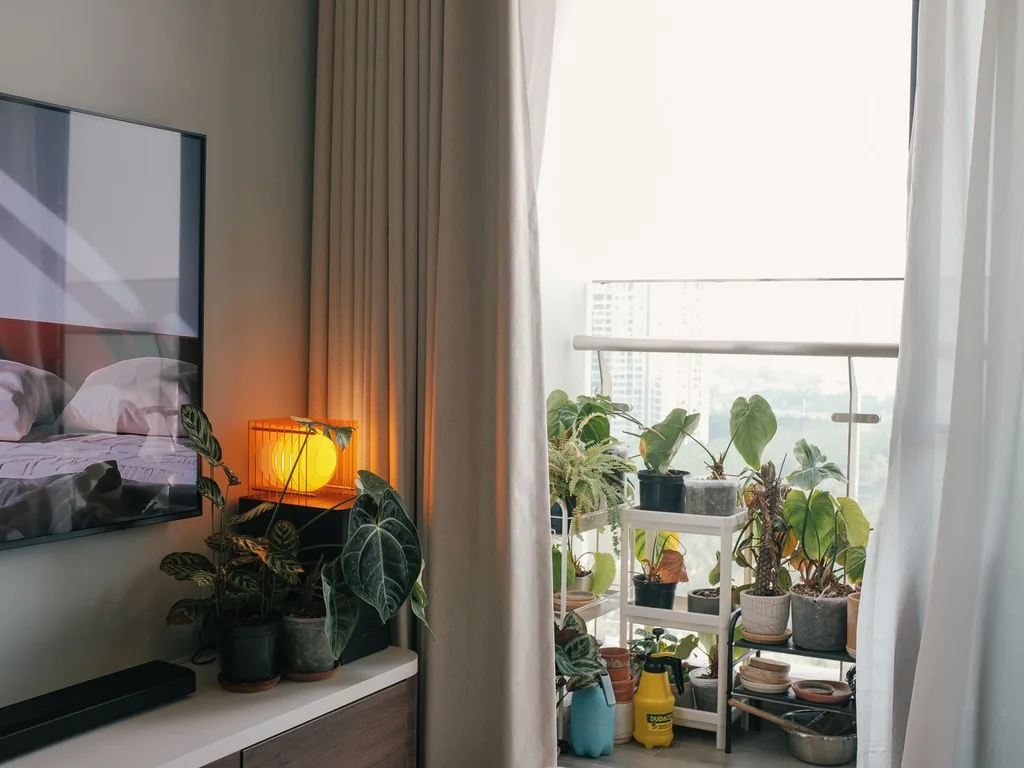
A weatherproof storage box with a cushion on top is a balcony seat, a footrest and a home for cushions, watering cans and outdoor games all at once. It keeps the balcony tidy in storms and gives you seating without buying a chair. Measure the balcony first — a box that is too big eats the very space it is meant to serve.
85. Hang a Privacy Screen That Still Lets Light Through
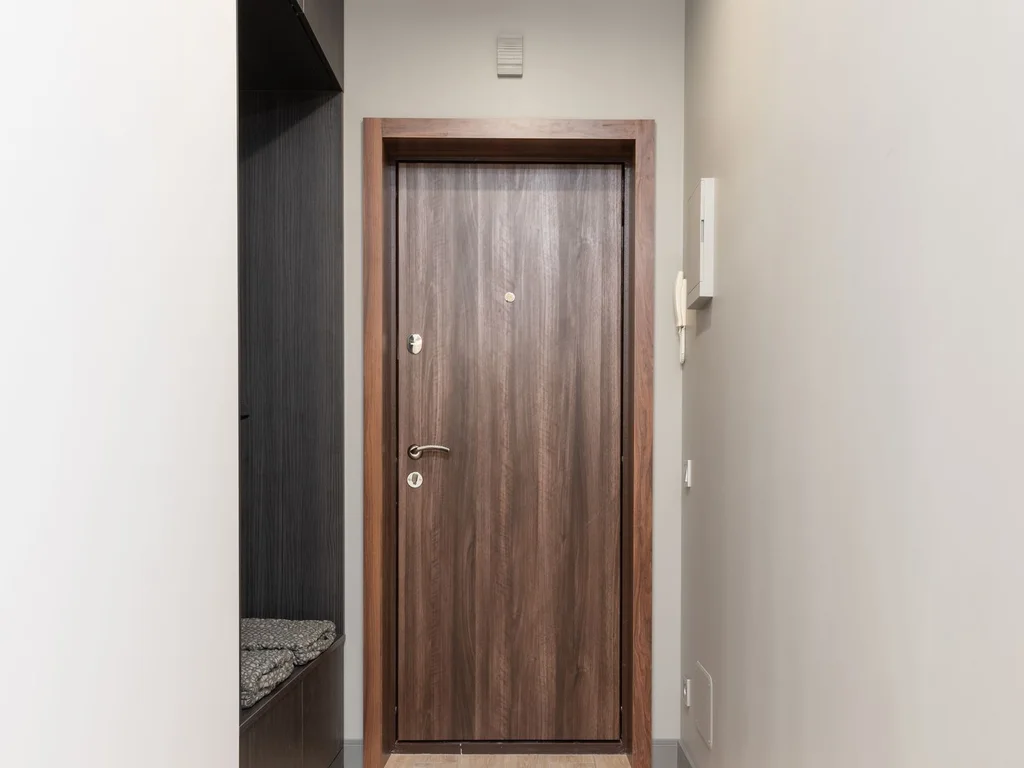
Overlooked balconies feel exposed, but solid screens block light and air. A slatted screen, a bamboo roll or a sheer outdoor curtain gives privacy while letting breeze and daylight through. The balcony becomes usable for morning coffee instead of only for drying laundry when nobody is watching.
86. Treat Windowsills as Display Shelves
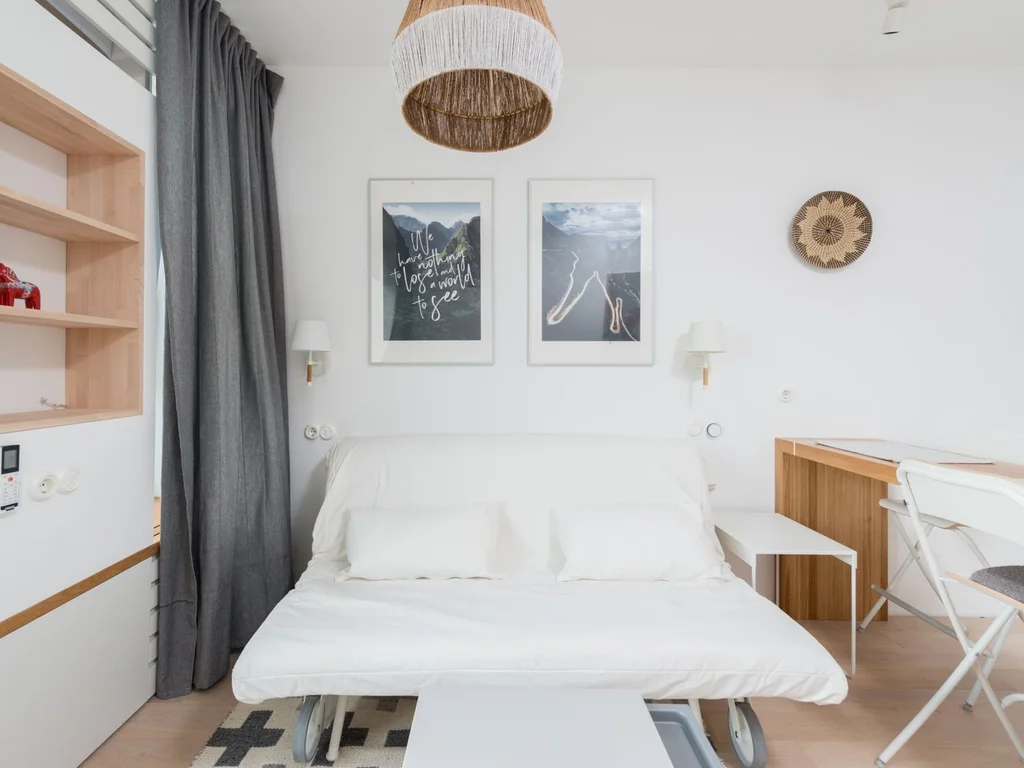
Deep windowsills are free display space: a row of small plants, a couple of books, or a collection of ceramics turns a sill into a feature. Keep the arrangement low and simple so light still floods in, and change it seasonally for a fresh look. A styled sill makes the whole room feel more cared for.
87. Use Window Film for Privacy Without Curtains
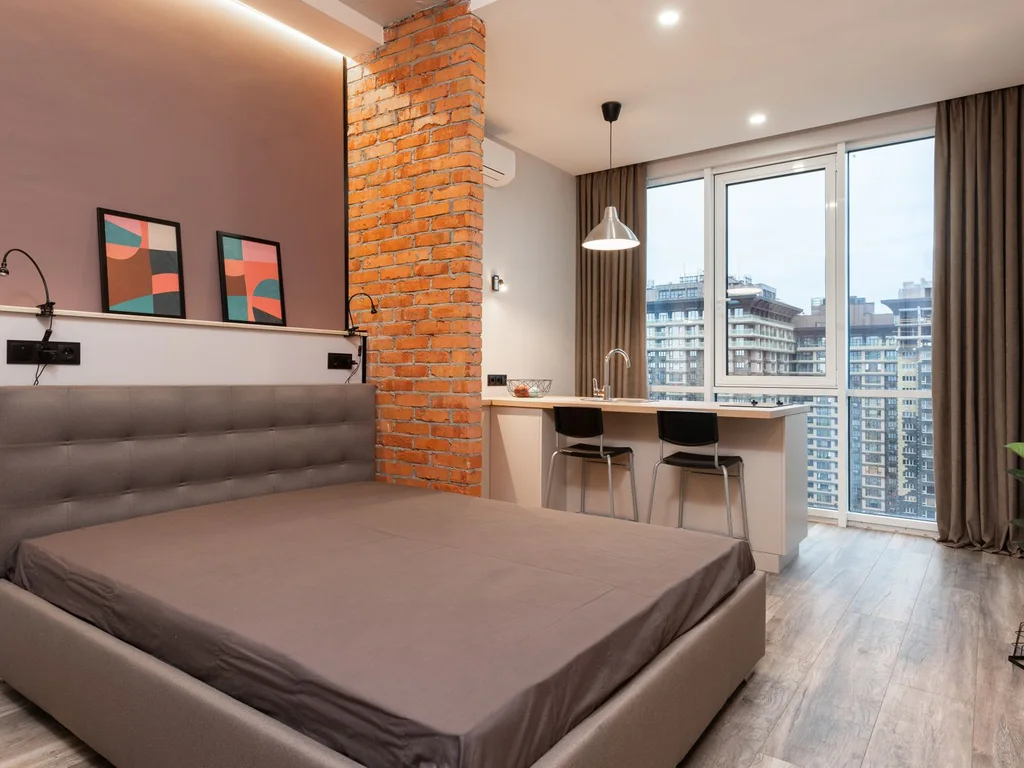
Ground-floor flats often need privacy but cannot spare the light that curtains take. Frosted or patterned window film gives privacy all day while letting almost all the daylight through, and it peels off cleanly when you move out. It is one of the best renter-friendly upgrades for street-facing windows.
88. Keep Balcony Flooring Light and Simple
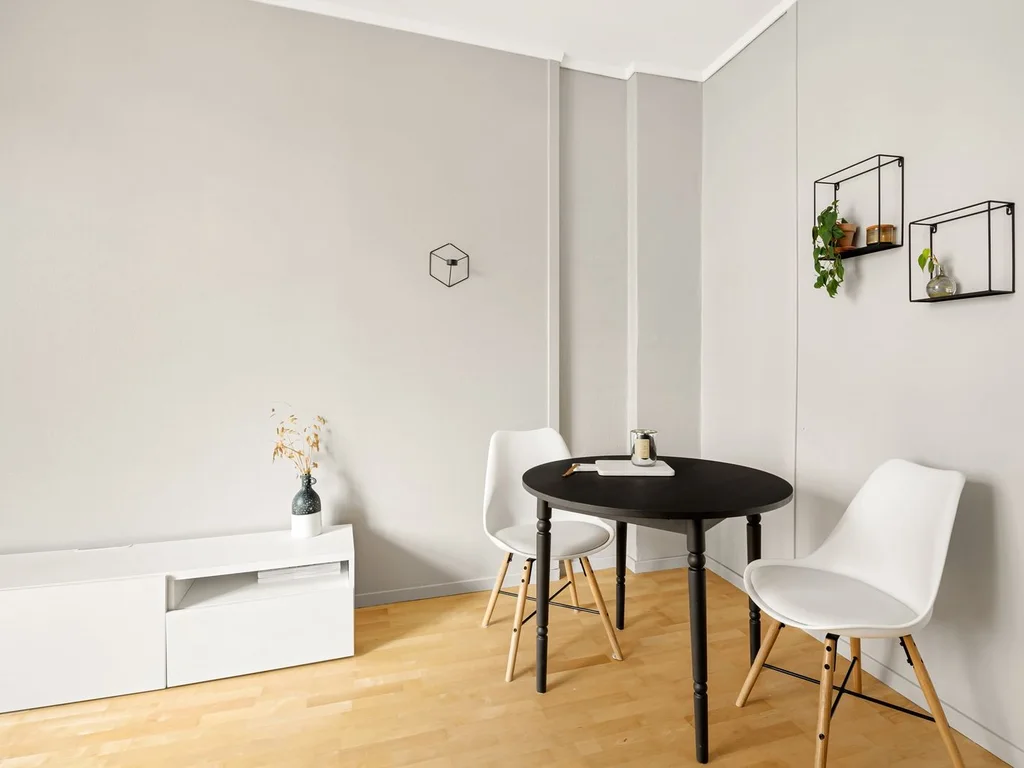
Dark balcony floors absorb light and make the outdoor space feel smaller, while light decking tiles or a pale outdoor rug brighten it instantly. Interlocking deck tiles need no glue and lift straight up when you move. The lighter floor also reflects light back into the adjoining room through the glass doors.
89. Add One Statement Plant by the Balcony Door
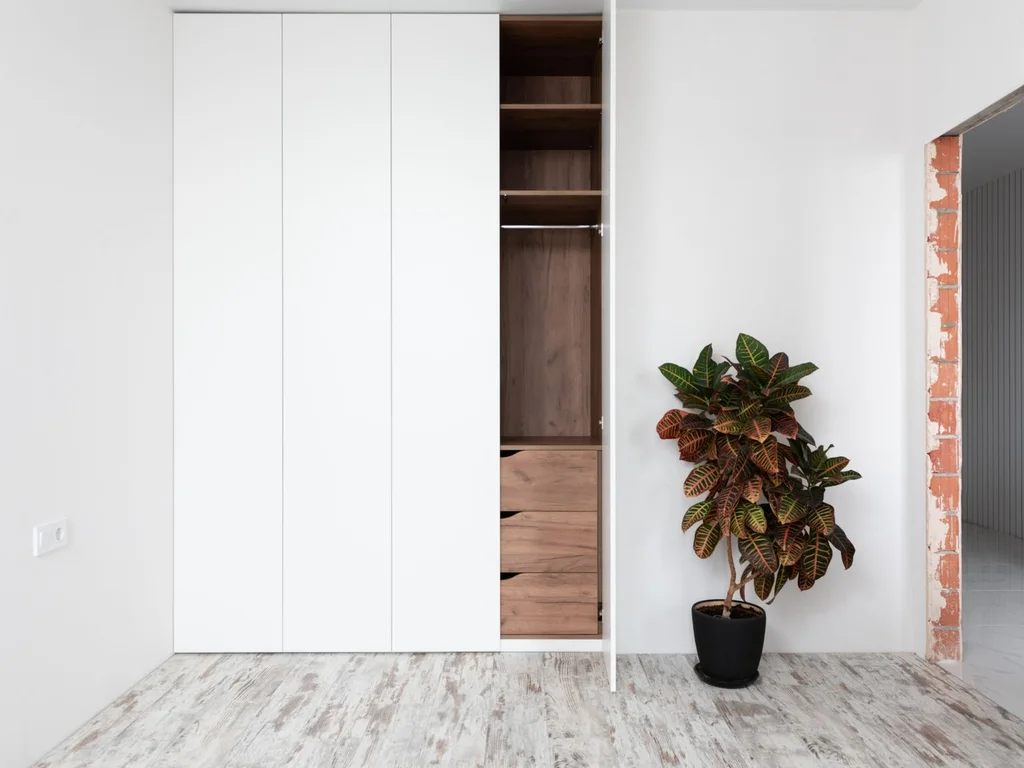
A single large plant beside the balcony door blurs the line between inside and outside, making both spaces feel larger. Choose something tough that tolerates draughts — an olive, a palm or a large fern — and keep it in a pot on wheels so it can move inside during cold snaps. One statement plant beats five small ones here.
90. Create a Reading Nook in a Bay Window
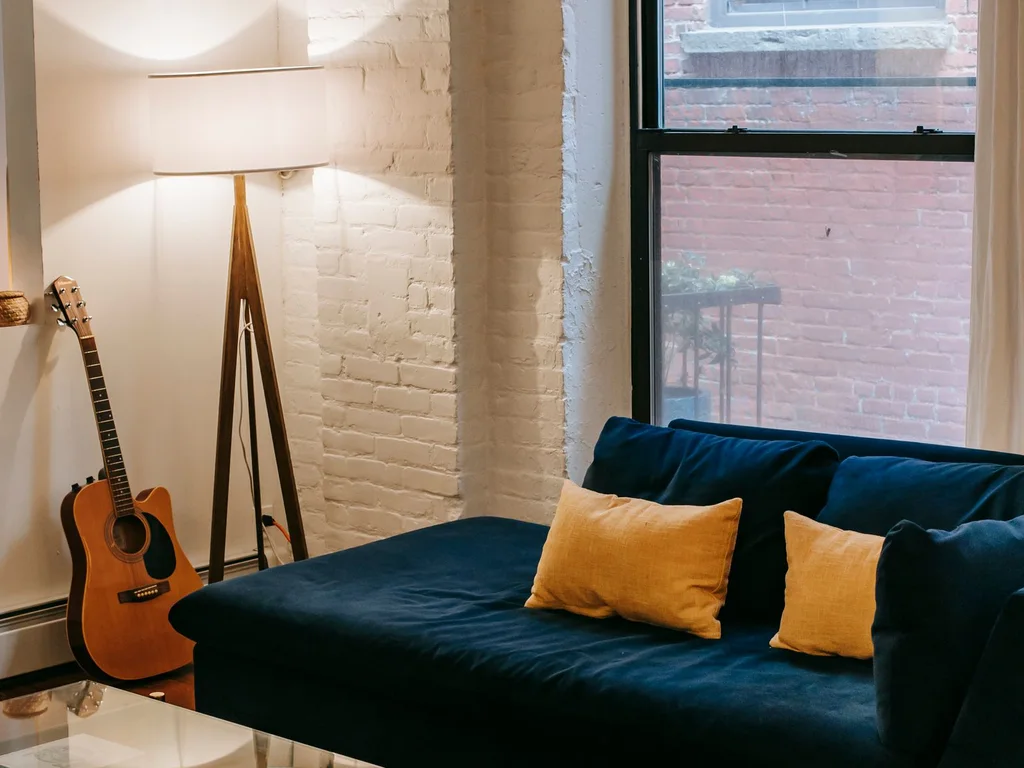
A bay window with a cushion, a throw and a small shelf becomes the flat’s favourite seat without any extra furniture. The nook uses space that was otherwise just glass, gives you the best light in the flat for reading, and adds a sense of luxury that belies the flat’s size. Keep it simple: cushion, light, book.
10. Rental-Friendly and Budget Ideas
91. Use Peel-and-Stick Wallpaper on One Wall
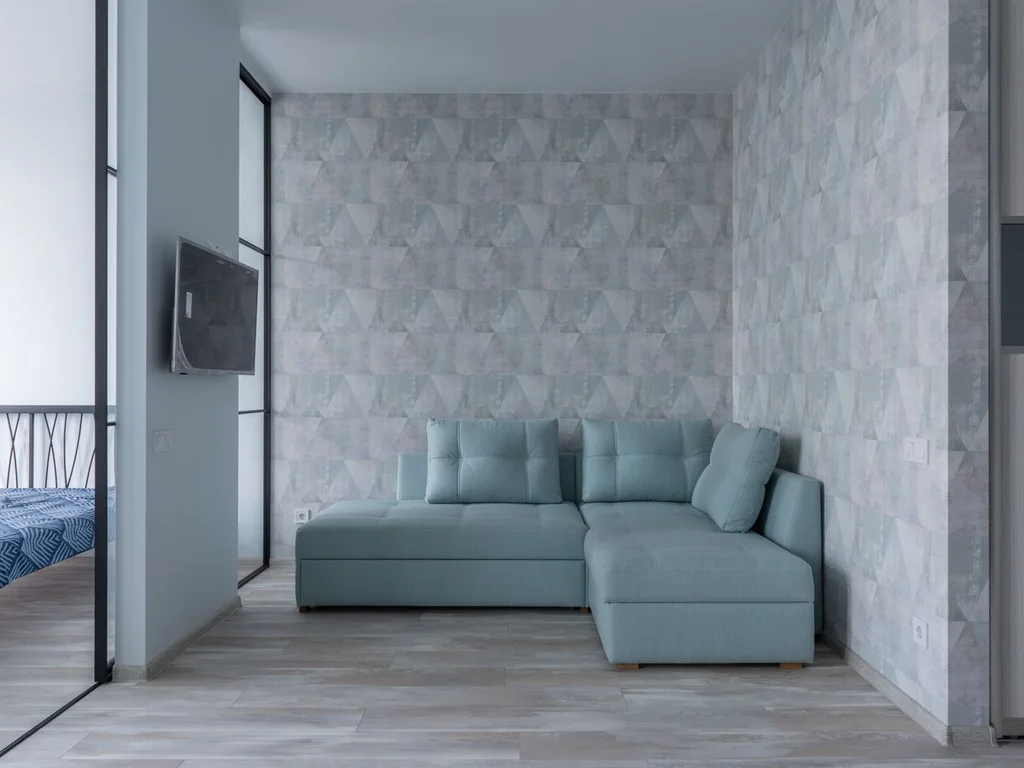
Peel-and-stick wallpaper gives renters a feature wall without risking the deposit. Choose one wall — behind the bed or sofa — and a pattern that is bold enough to matter but calm enough to live with. It peels off cleanly when you move, and it transforms a plain rental box into a room with personality in an afternoon.
92. Swap Light Fixtures and Keep the Originals
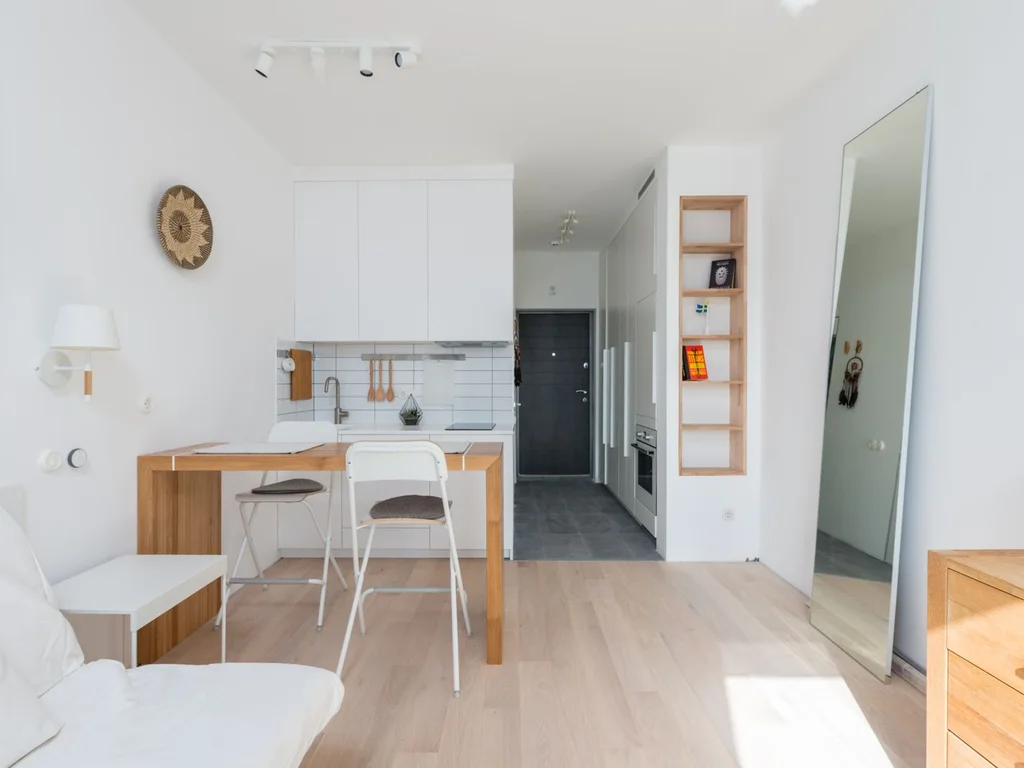
Landlord light fixtures are often the ugliest thing in a rental, and swapping them is usually allowed if you keep the originals to refit later. A pendant you love, a warm bulb and a dimmer change the whole mood of a room for very little money. Photograph the original wiring first, and always switch the power off.
93. Cover Ugly Floors With Large Rugs
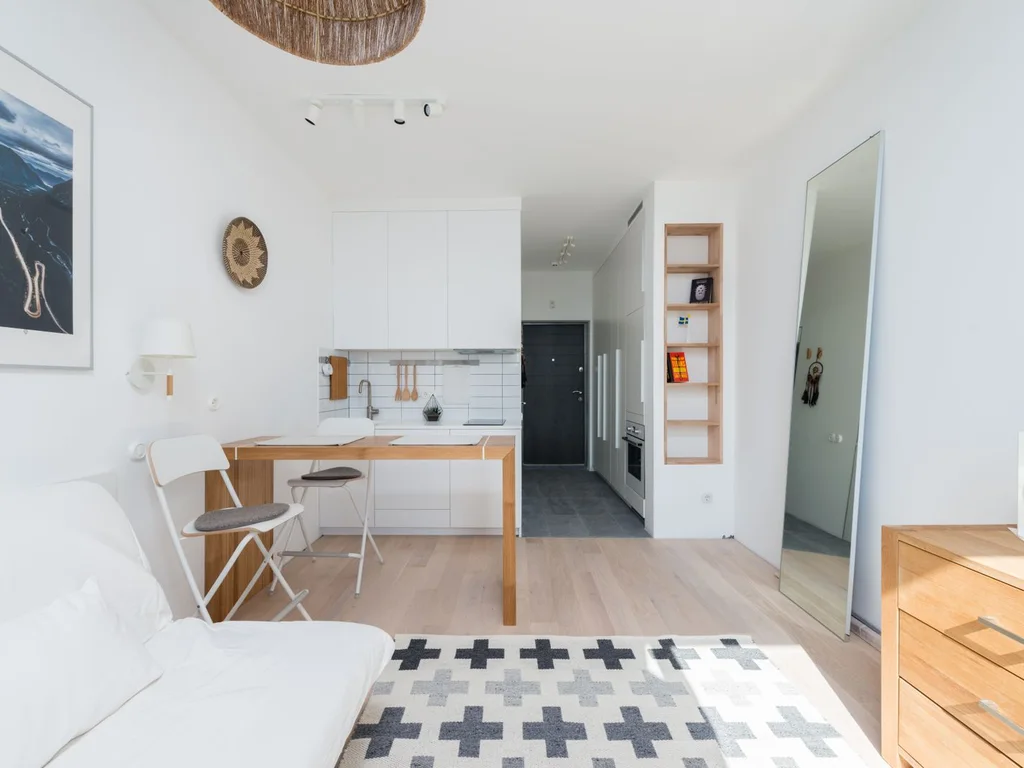
A large rug in a warm, neutral tone hides tired rental flooring and anchors the whole room at once. Choose the biggest rug the room can take — small rugs chop the floor up, large ones unify it. Layer a smaller patterned rug on top if you want pattern without committing to a bold, expensive piece.
94. Thrift Solid Wood Furniture and Paint It
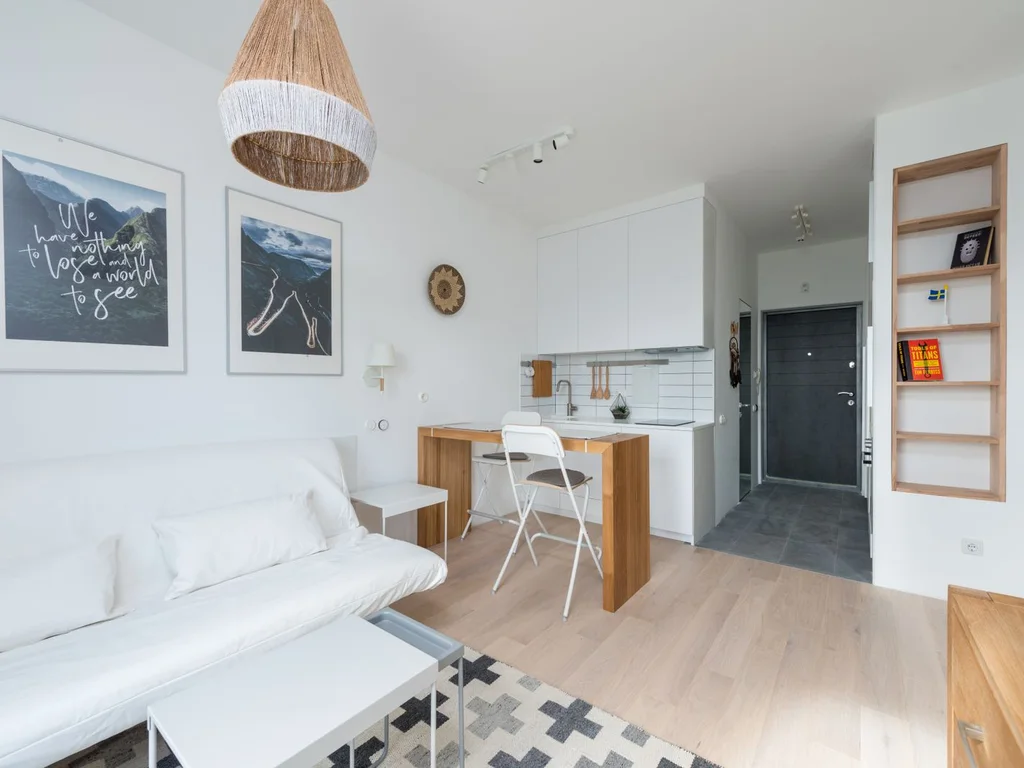
Solid wood furniture from charity shops and marketplaces is often better made than new flat-pack, and a coat of paint makes it look intentional. Sand lightly, prime, and paint in a colour that matches your scheme. A painted thrifted dresser or table gives a small flat character that new furniture rarely offers at the same price.
95. Use Command Strips for Art and Shelves
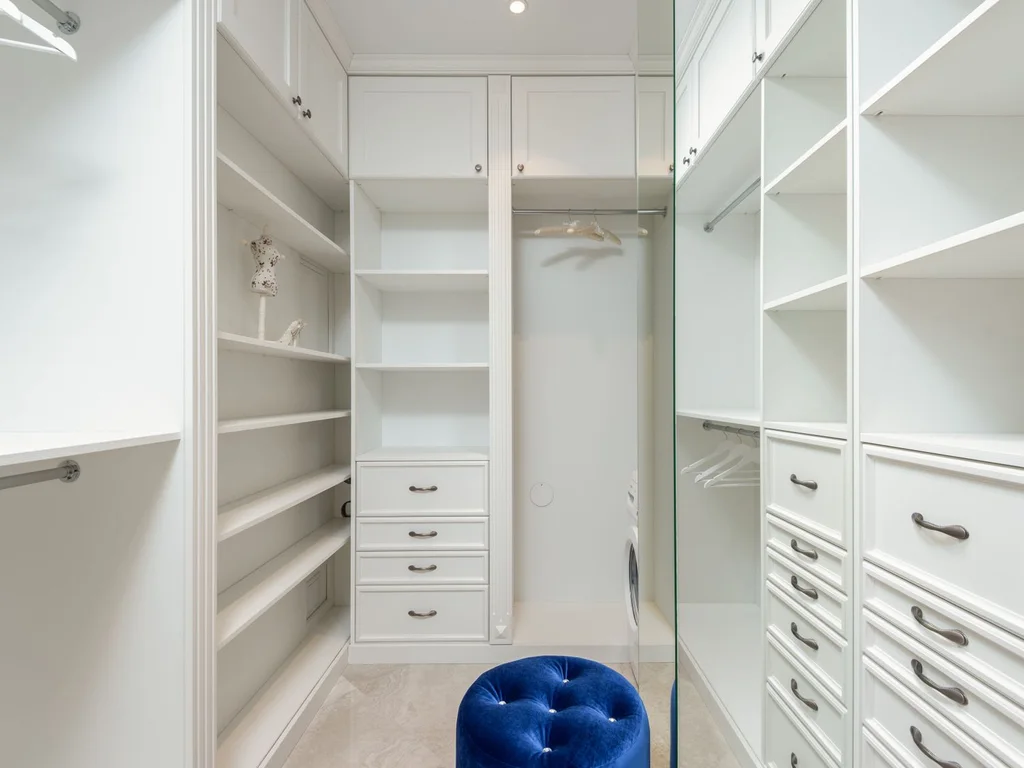
Adhesive strips and hooks hold art, mirrors and light shelves without a single hole, which makes them the renter’s best friend. Follow the weight limits, clean the wall first, and remove them slowly with the pull tab when you leave. They free you to decorate properly instead of living with blank walls for fear of the deposit.
96. Refresh a Room With New Cushion Covers Only
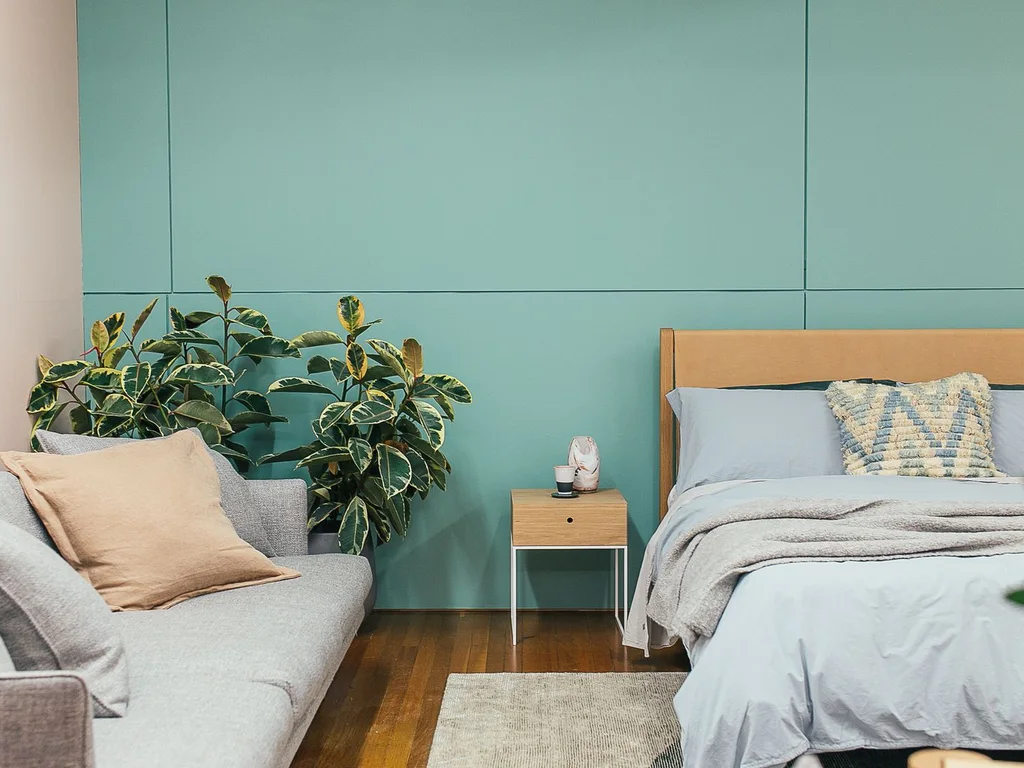
New cushion covers are the cheapest room refresh there is: a set in a new colour or texture changes a sofa’s whole character in minutes, and they store flat when the season changes. Pair them with a matching throw, and a room you were bored of feels new without buying a single piece of furniture.
97. Paint One Door a Bold Colour
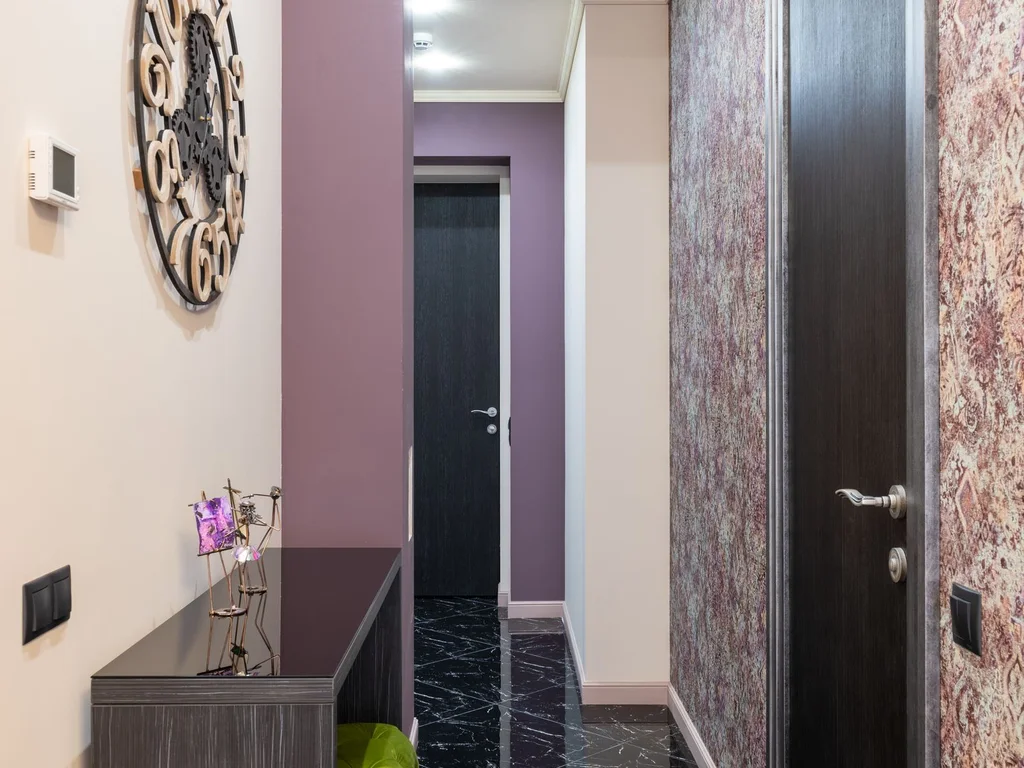
One painted interior door — the bedroom door, a cupboard door, or the front door inside — adds a focal point and a sense of design confidence to a small flat. It costs one small tin of paint and an afternoon, it is easy to repaint when you move, and it makes the whole flat feel more considered than a dozen small accessories.
98. Buy the Best Version of One Everyday Item
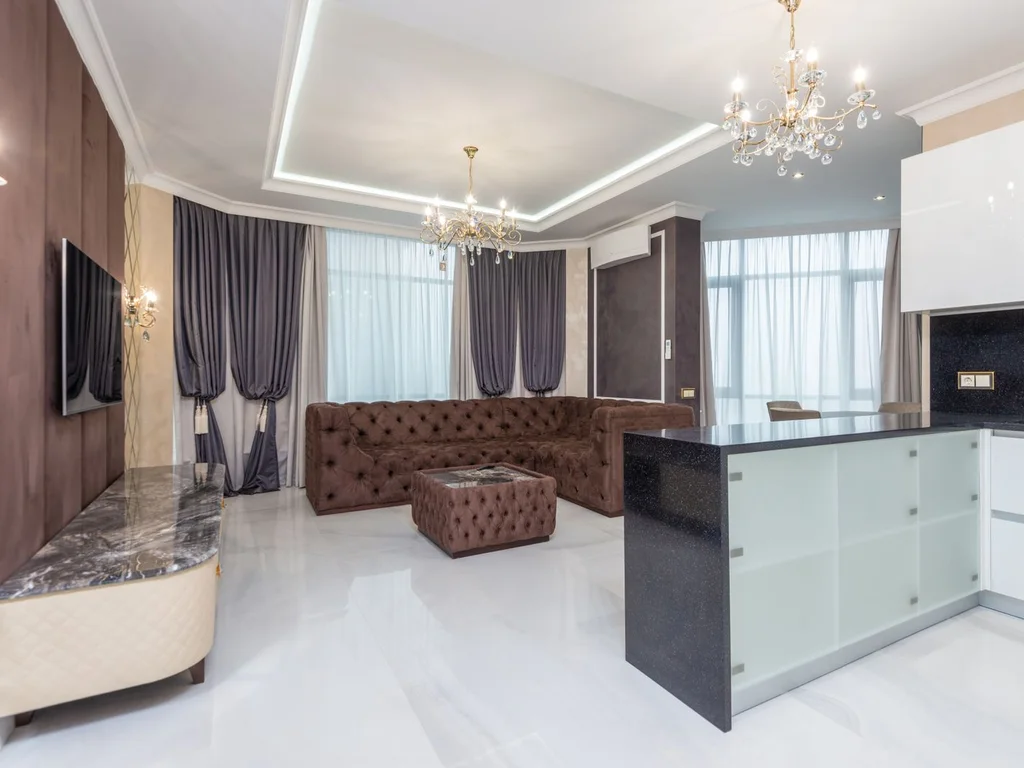
In a small flat, you see every object daily, so one beautiful everyday item — a kettle, a lamp, a throw, a set of mugs — lifts the whole room more than five mediocre ones. Spend where your eye lands most, save where it does not, and the flat feels curated rather than accumulated.
99. Style Open Shelves Like a Shop Display
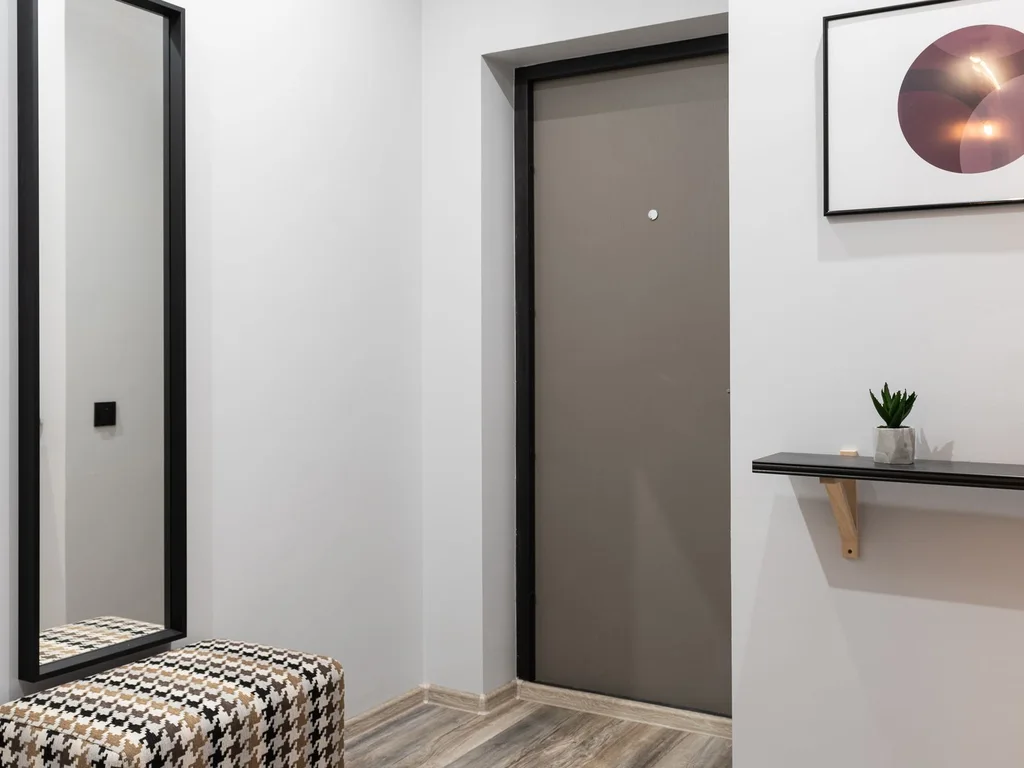
Open shelves in a small flat are always on show, so style them deliberately: group items in odd numbers, leave breathing room between groups, and mix heights. A shelf styled like a shop display looks intentional and generous, while a shelf crammed with everything you own looks like storage that escaped its cupboard.
100. Edit One Thing Out of Every Room Each Month
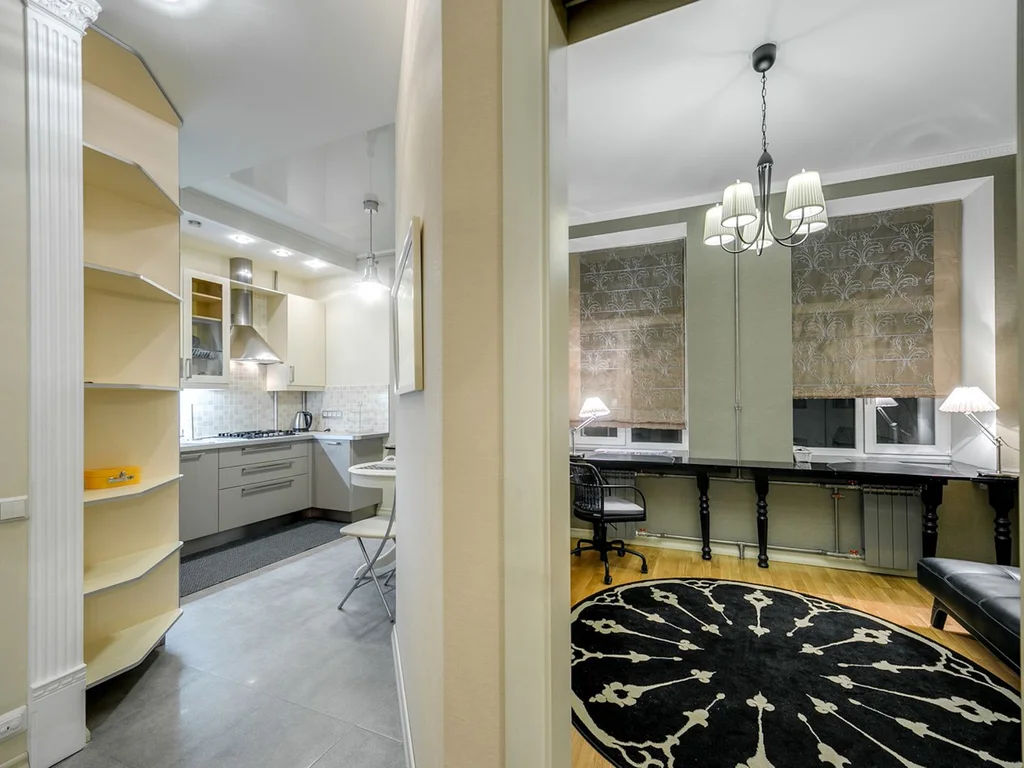
The final idea is a habit, not a purchase: once a month, remove one thing from every room — something unused, broken or unloved. Small flats accumulate quietly, and a monthly edit keeps the space at the size you designed it, not the size your belongings want it to be. The room you gain is the one you already had.
Mistakes That Shrink a Small Apartment
The most common small-flat mistakes are easy to undo: pushing all furniture against the walls, choosing oversized pieces for small rooms, hanging curtains across windows instead of beside them, and filling every surface because empty space feels wasteful. The fixes are mostly free — pull furniture out slightly, measure before buying, hang rods high and wide, and leave one wall and one surface empty in each room. If a room still feels cramped after those changes, check the light: one dark corner or one heavy curtain is often the real culprit, not the room’s size.
Frequently Asked Questions
What is the best colour for a small apartment?
One light, warm white across walls and ceilings is the safest choice, with a single accent colour repeated in soft furnishings. Pale colours bounce light and erase visual breaks between rooms, which is what makes a small flat feel larger. Dark colours can work on one feature wall, but only with good lighting.
How can I make a small apartment feel bigger without renovating?
Keep clear paths, use low furniture, hang mirrors opposite windows, choose sheer curtains, and keep one continuous floor colour. These five changes cost little, need no landlord permission, and together can make a flat feel noticeably larger within a weekend.
What furniture should I avoid in a small apartment?
Avoid bulky three-seater sofas with wide arms, heavy rectangular coffee tables, tall wardrobes on every wall, and any piece that blocks a walkway or a window. Slim arms, round tables, sliding wardrobe doors and glass or acrylic pieces all take up less visual space for the same function.
How do I create zones in an open-plan apartment?
Use rugs to mark living and dining areas, lighting to separate them in the evening, and low furniture or plants to suggest boundaries without walls. The zones should read clearly from the doorway but never block sightlines across the flat, so the whole space still feels like one room.
Can renters decorate a small apartment properly?
Yes. Peel-and-stick wallpaper, adhesive hooks and strips, freestanding shelving, rugs, and swappable light fixtures all transform a rental without holes or damage. Keep the originals of anything you swap, photograph walls before you start, and most landlords will be happy with careful, reversible changes.
How much storage does a small apartment really need?
Less than you think, if it is the right kind: under-bed drawers, high shelves, a hallway bench, and one good wardrobe usually cover it. The trick is storage that disappears — behind doors, above eye level, or under furniture — so the rooms themselves stay calm and open.
Are mirrors really effective in small spaces?
Yes, when placed well. A large mirror opposite a window doubles light and view, and a mirrored wardrobe door does the same job in a bedroom. Small decorative mirrors scattered around have little effect — one or two large, well-placed mirrors do far more than a dozen small ones.
What is the cheapest way to refresh a small apartment?
New cushion covers, a large rug, sheer curtains and a coat of paint on one door or wall together cost less than one piece of furniture and change a flat’s whole character. Start with whatever your eye lands on most — usually the sofa or the entryway — and work outward from there.
How do I decorate a studio apartment so it does not feel like one room?
Zone it: a rug and the sofa’s back to define the living area, a bookcase or curtain to soften the bed zone, and different lighting for each area — a lamp by the bed, brighter light at the desk. Keep the palette identical across zones so the studio reads as one calm home with neighbourhoods, not three competing rooms.
Conclusion
A small apartment does not need more space — it needs smarter decisions. Clear paths, layered light, furniture that does two jobs, storage that disappears, and one calm colour repeated throughout will make almost any compact flat feel generous. Start with the room that bothers you most, apply three ideas from this list, and notice how quickly the whole home feels bigger. For more room-by-room inspiration, explore our interior design ideas collection.