
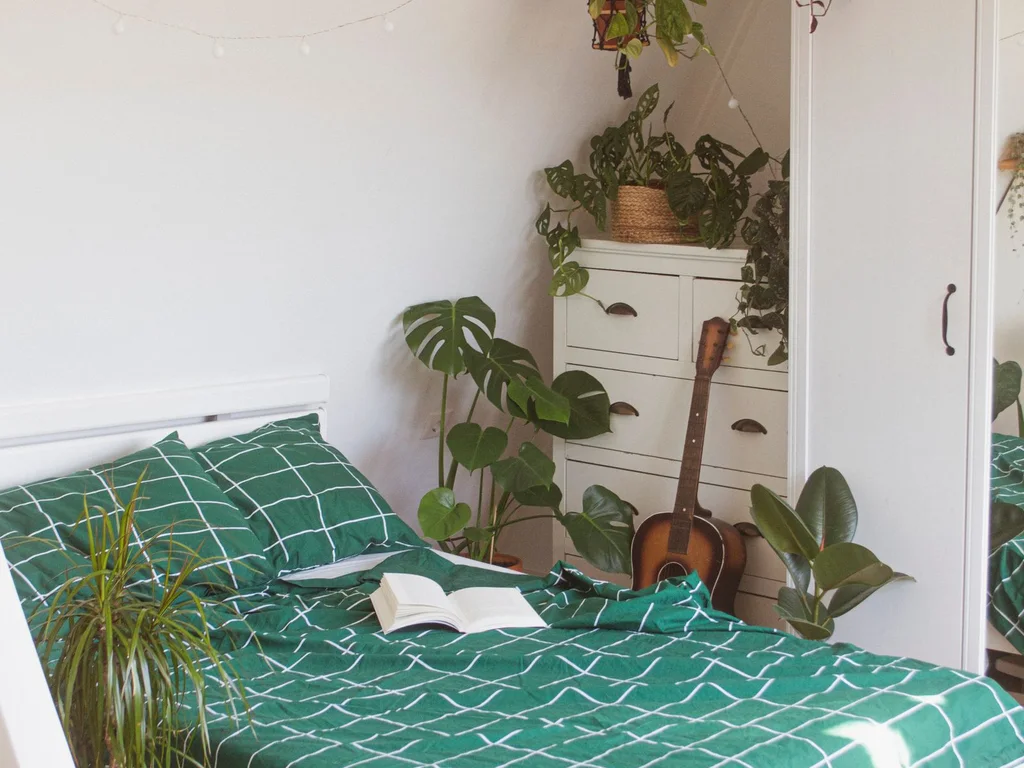
A greenery bedroom is not about turning your room into a jungle. It is about using plants, green colour and natural texture in the right places so the room feels calmer the moment you walk in. A single monstera in an empty corner, sage bedding against a cream wall, or a trailing pothos above the bed can change the whole mood without a full makeover.
Start with what you already have; small, dark and rented rooms all get specific ideas here, especially in the last section. Before you buy anything, look through our guide to the best indoor plants for bedrooms and low-light rooms, compare these small bedroom design ideas, and check the calming bedroom palette ideas. More rooms are in the Room design ideas category.
The 100 ideas below are grouped into ten themes, from plants around the bed to budget changes under $50. You do not need all of them. Pick three from one theme, live with them for a week, and add more only if the room still feels plain.
Best Greenery Bedroom Ideas
The strongest greenery bedrooms combine three things: one real plant with height, one green colour on a wall, textile or headboard, and one natural material such as wood, rattan or linen. Keep the rest quiet in cream, warm white or pale oak, so the green stands out and even a deep forest shade does not feel dark.
1. Plants Around the Bed
The bed is the largest piece of furniture in the room, so plants placed near it have the most effect. Use height at the corners, softness above the headboard and one small plant at eye level on a nightstand.
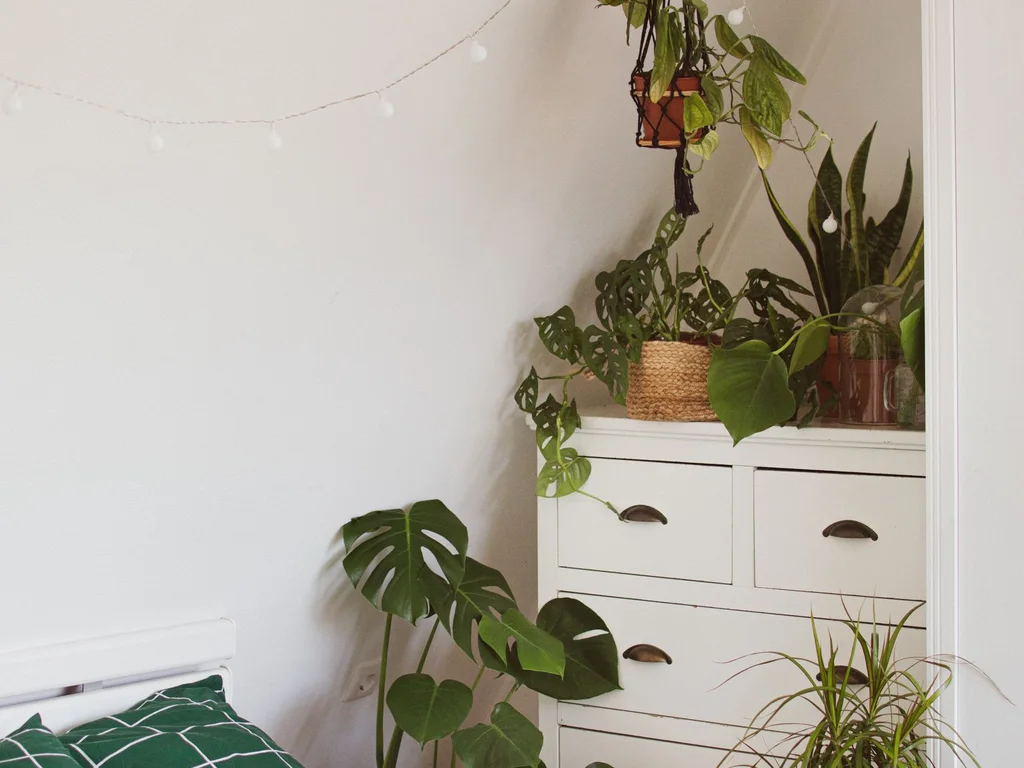
1. A Monstera in the Empty Corner Beside the Bed

Place a monstera deliciosa in a 10 to 12 inch pot in the corner closest to the window. Its large split leaves fill vertical space without taking up wardrobe room.
2. Trailing Pothos on a Shelf Above the Headboard
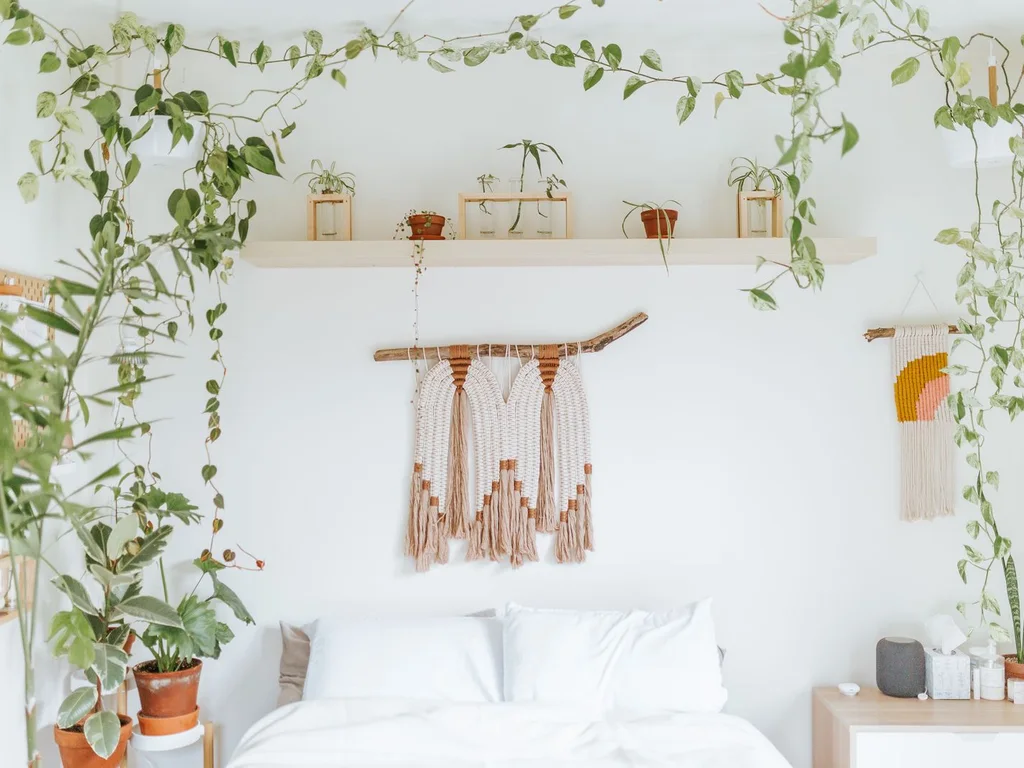
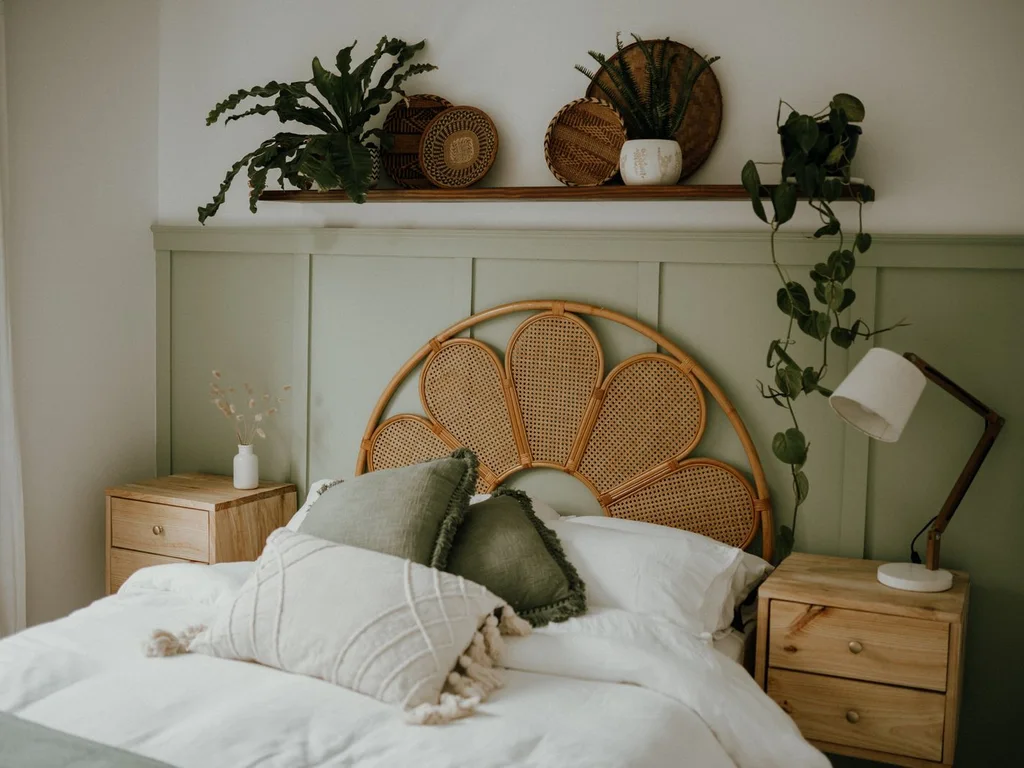
Fit a secure, shallow shelf 18 inches above the headboard and set two golden pothos in lightweight pots at each end. Let the vines fall unevenly, one longer than the other, for a softer look.
3. A Pair of Snake Plants on the Nightstands
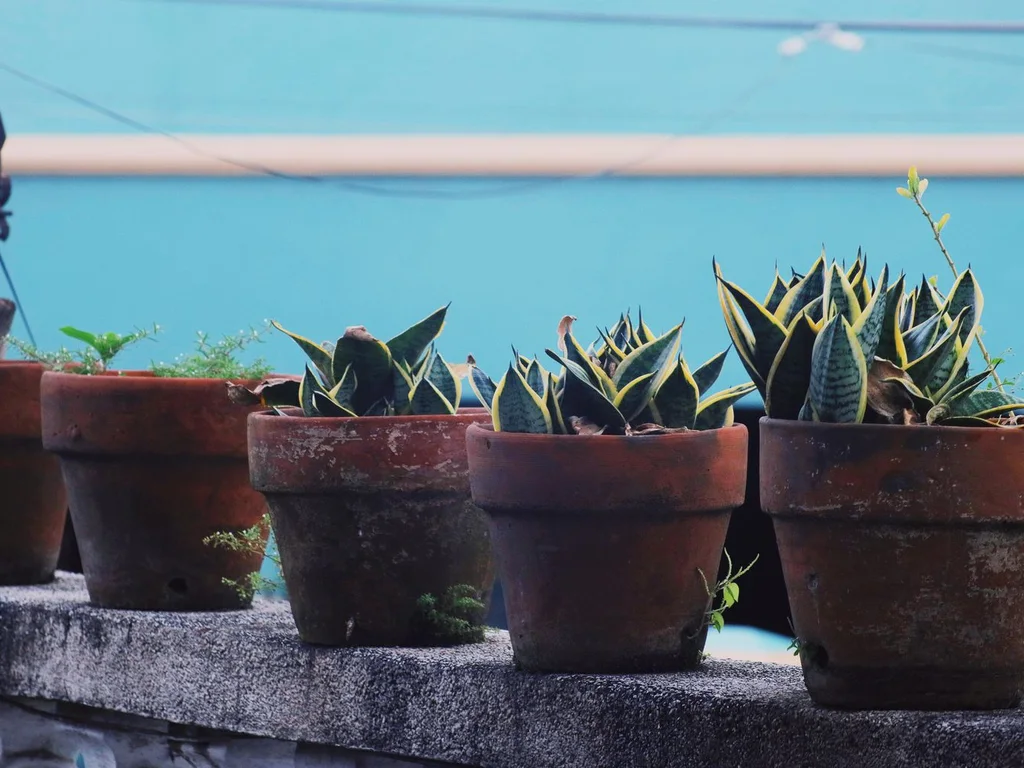
Two small snake plants, one on each nightstand, give a tidy, symmetrical frame to the bed. They tolerate low light and missed watering, which makes them practical beside lamps and books.
4. A Fiddle Leaf Fig Where the Morning Light Falls
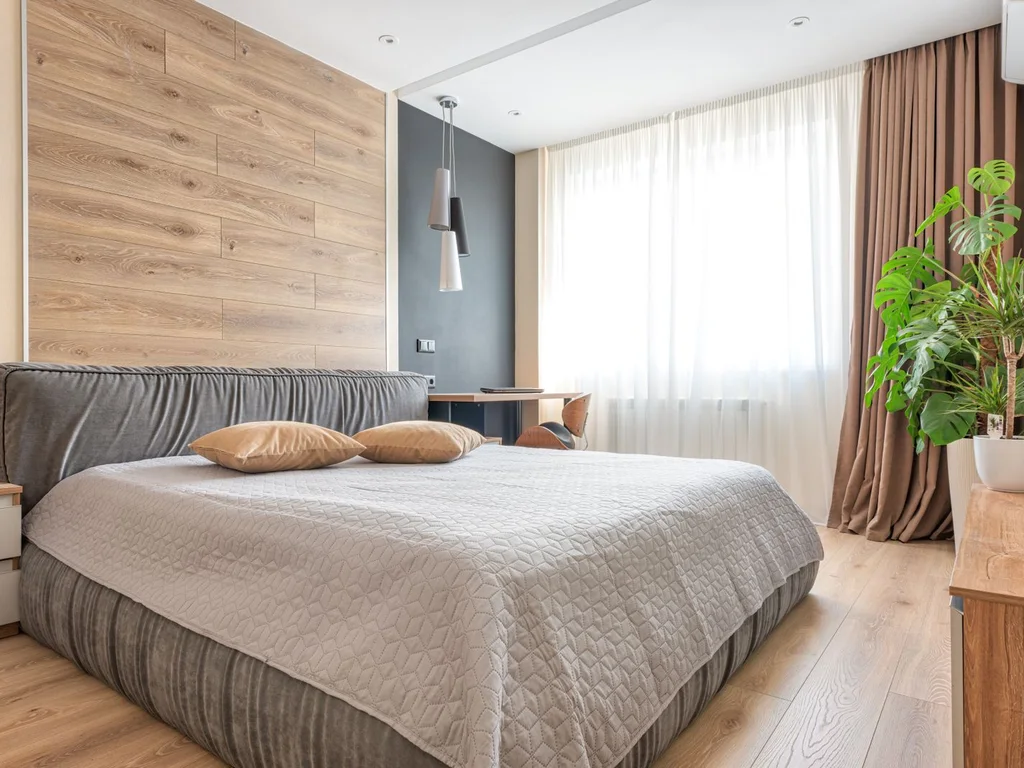
If you have a bright corner, a fiddle leaf fig adds height and a tree-like shape that suits larger bedrooms. Keep it out of direct midday sun and away from radiators, which dry its leaves.
5. A Peace Lily for Soft White Contrast
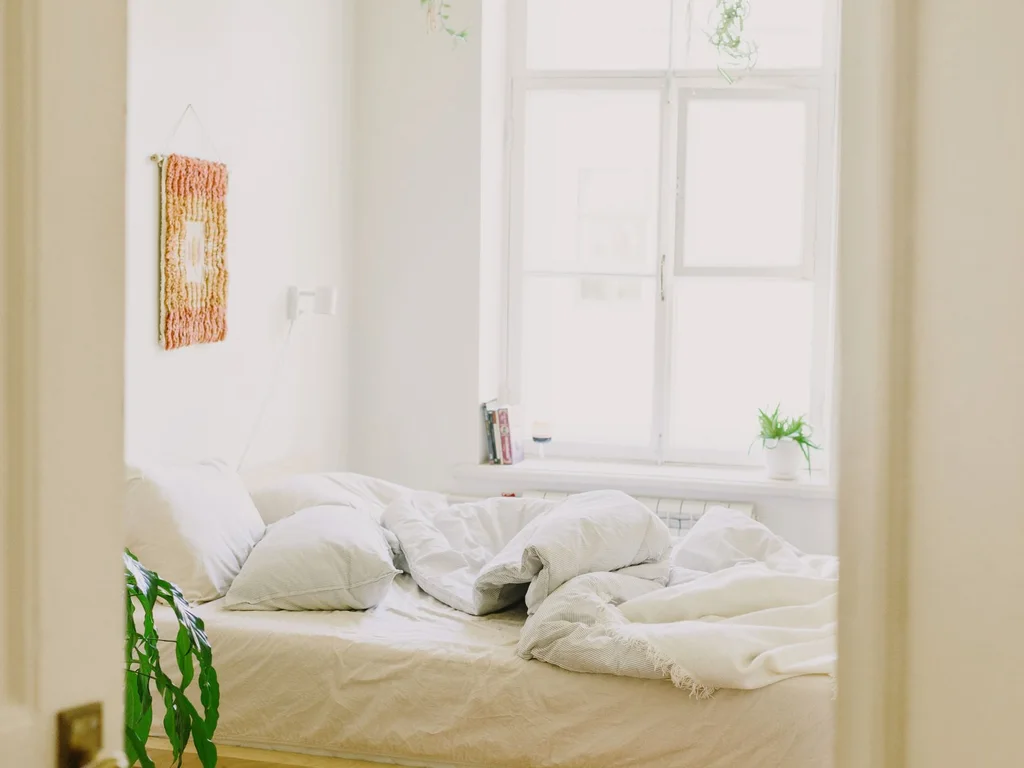
A peace lily works well on a dresser opposite the bed, where its white flowers lift a green scheme and stop it feeling flat. It prefers indirect light and evenly moist compost.
6. A Boston Fern on a Plant Stand

Raise a Boston fern on a wooden or metal stand beside the bed to bring soft, feathery texture at mattress height. Ferns like humidity, so mist the leaves in dry, heated rooms or stand the pot on a tray of pebbles and water.
7. Eucalyptus Stems in a Tall Vase
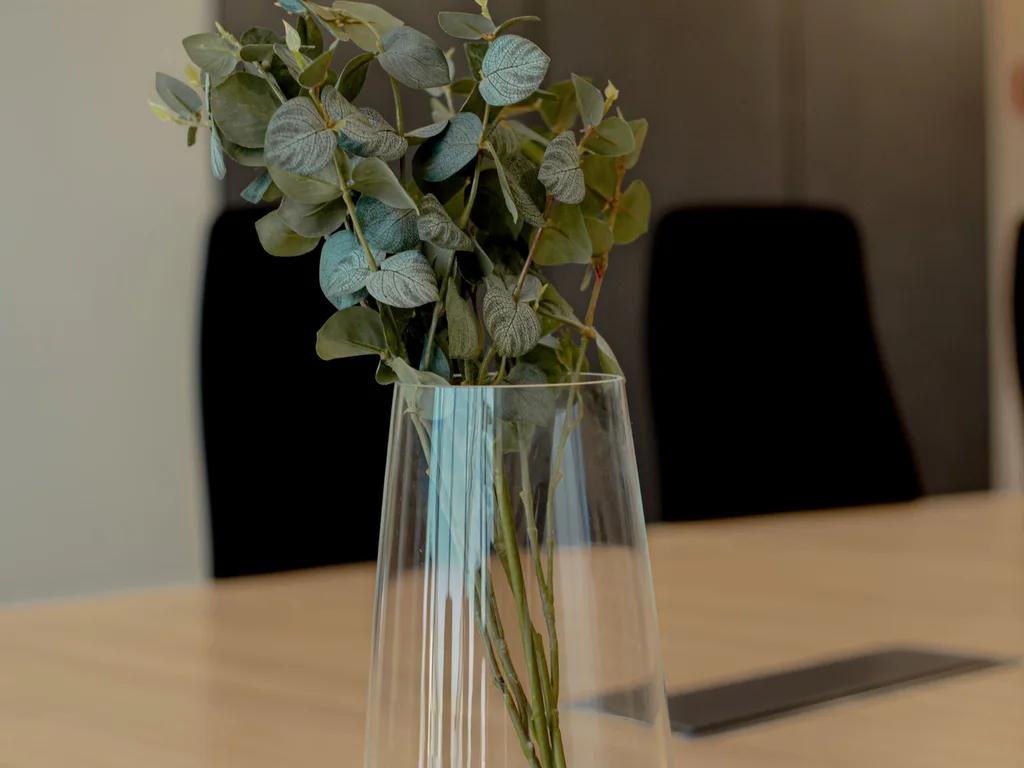
When a live plant will not suit a dark bedside, use fresh or dried eucalyptus stems in a tall stoneware vase. The blue-green colour reads as greenery, the shape is calm, and there is nothing to water.
8. A Small Olive Tree for a Mediterranean Feel
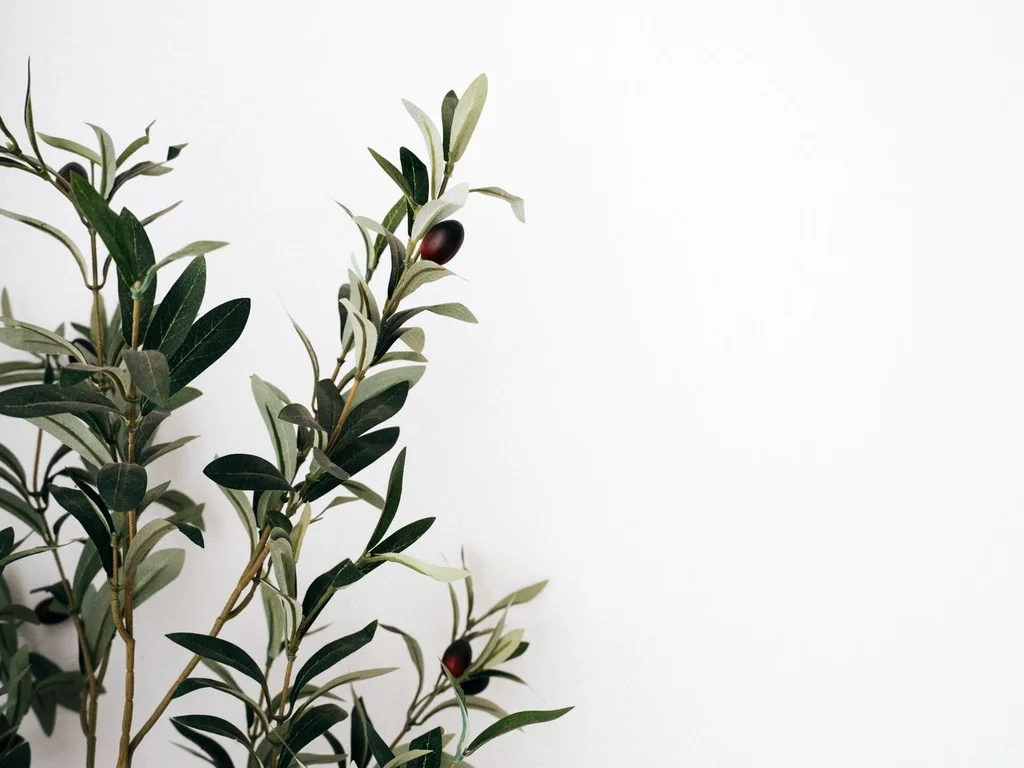
A compact olive tree in a terracotta pot suits sunny bedrooms with cream walls and linen bedding. It needs the brightest spot you have, ideally close to a south or west facing window.
9. A ZZ Plant on the Dresser Opposite the Bed

The ZZ plant has glossy, upright leaves that reflect a little light and look neat on a dresser or chest of drawers. It stores water in its thick stems, so it suits people who travel or forget a routine.
10. A Cluster of Three Plants at Different Heights
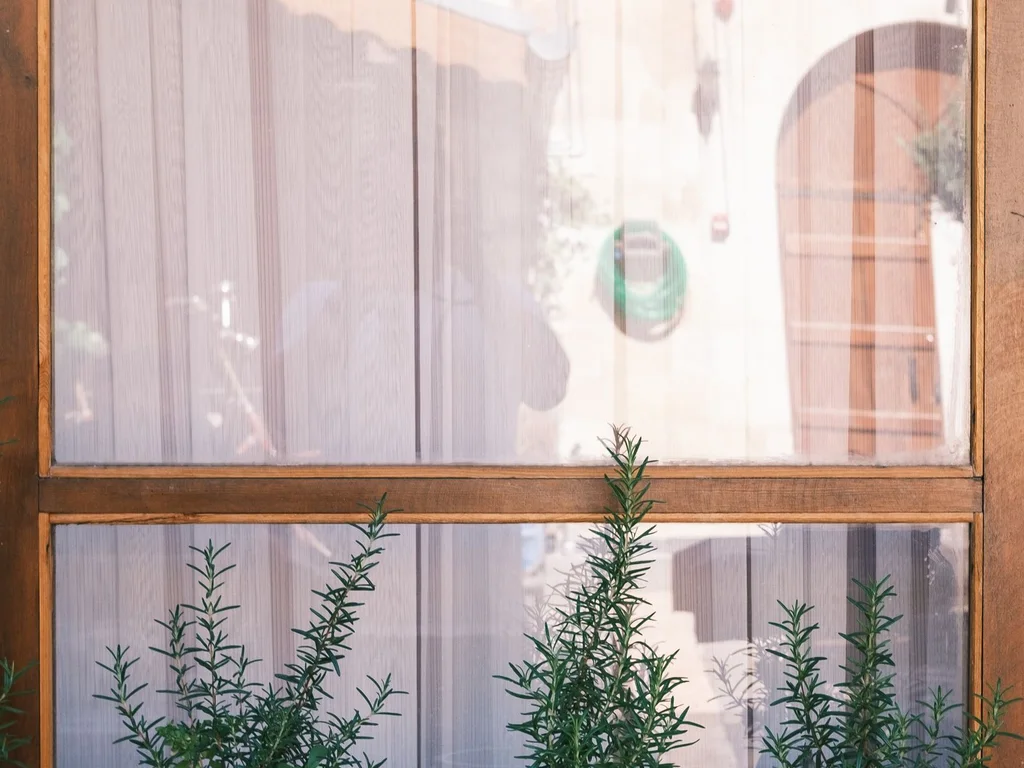
Group three plants together instead of scattering ten around the room: one tall floor plant, one medium plant on a stand, and one trailing plant on top. Odd numbers look natural, and grouping makes watering and care easier.
2. Walls in Sage, Forest and Emerald
Green paint does a lot of the work before you add a single plant. Sage is gentle and safe for small or north-facing rooms, forest is richer and better behind a bed, and emerald suits a confident, more formal room.
11. Sage Green on the Wall Behind the Bed Only
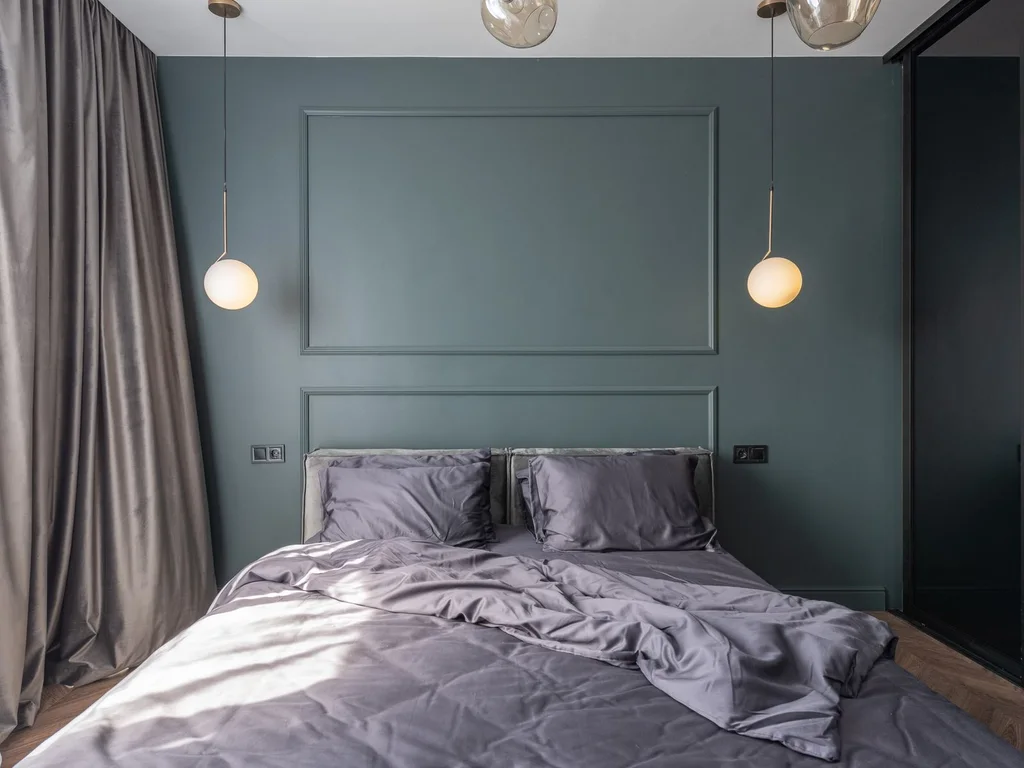
Paint only the headboard wall in sage and leave the other walls warm white. This gives you the green retreat feeling without darkening the whole room, and the bed becomes the clear focus.
12. Deep Forest Green on All Four Walls
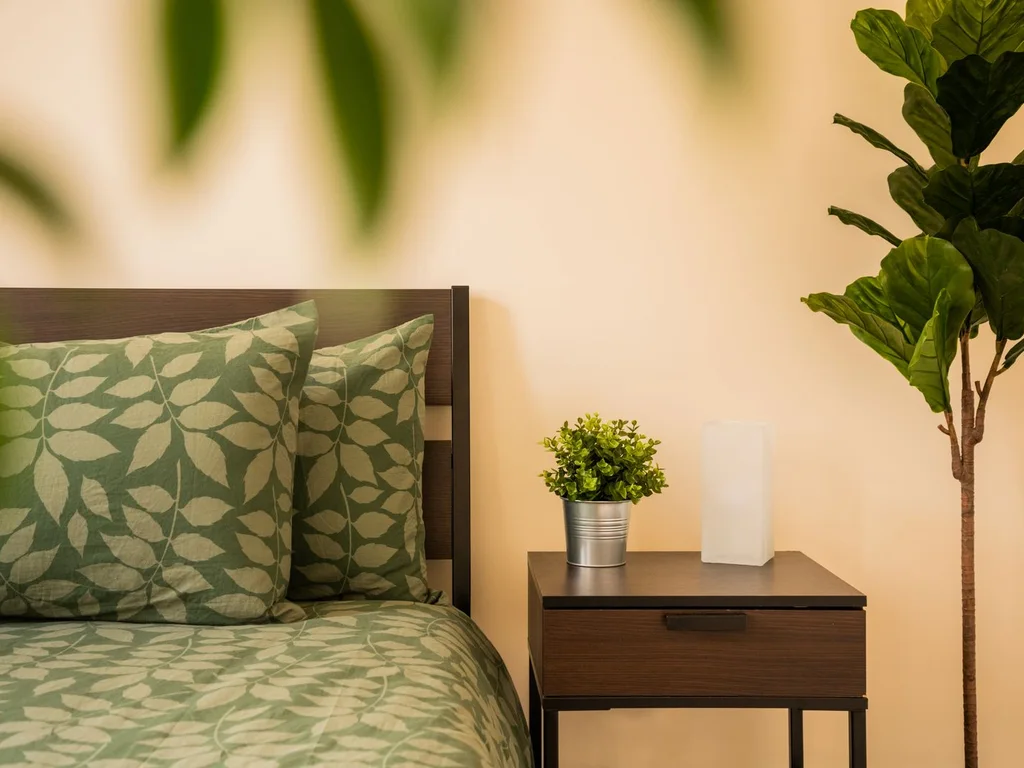
Forest green on every wall creates a cocoon that suits a larger, light-filled main bedroom. Balance it with pale bedding, a light rug and warm wood so the room feels restful rather than heavy.
13. An Emerald Accent With Brass and Cream
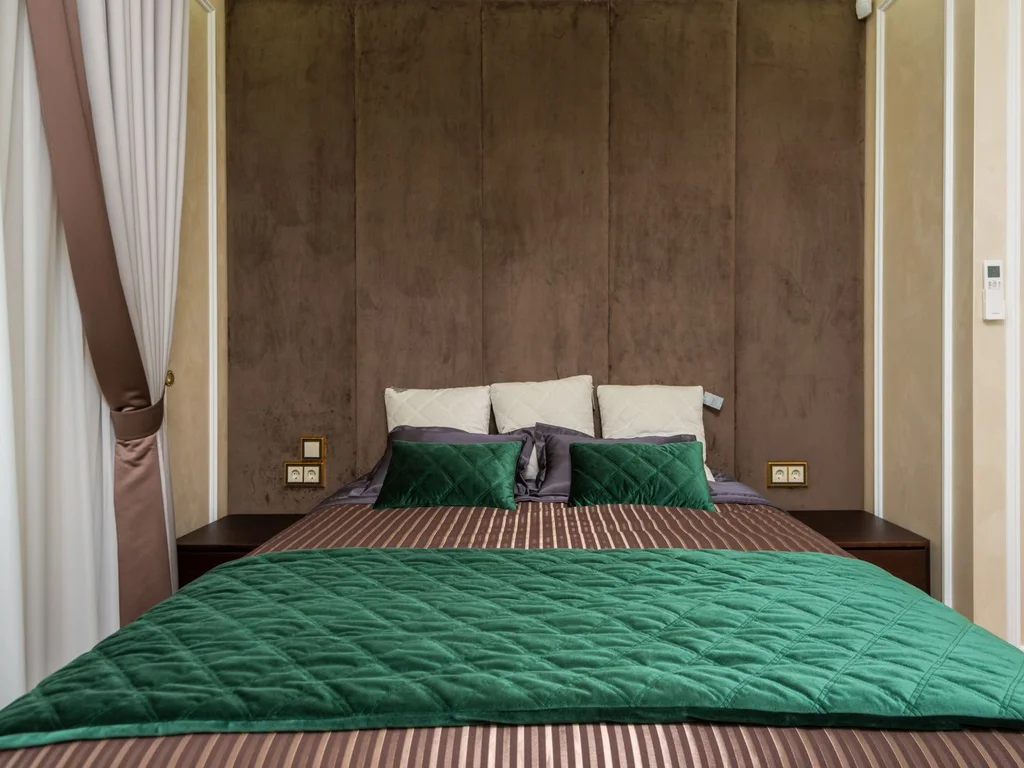
Emerald has a jewel quality that pairs well with brass lamps, cream upholstery and dark walnut. Use it on one wall or inside a panelled section behind the bed.
14. A Sage and Cream Two-Tone Wall

Split the wall horizontally, with sage on the lower two thirds and cream above, divided by a painted line or a slim picture rail. This works well in rooms with low ceilings because the pale upper section lifts the eye.
15. Olive Green for a Warmer, Earthier Room
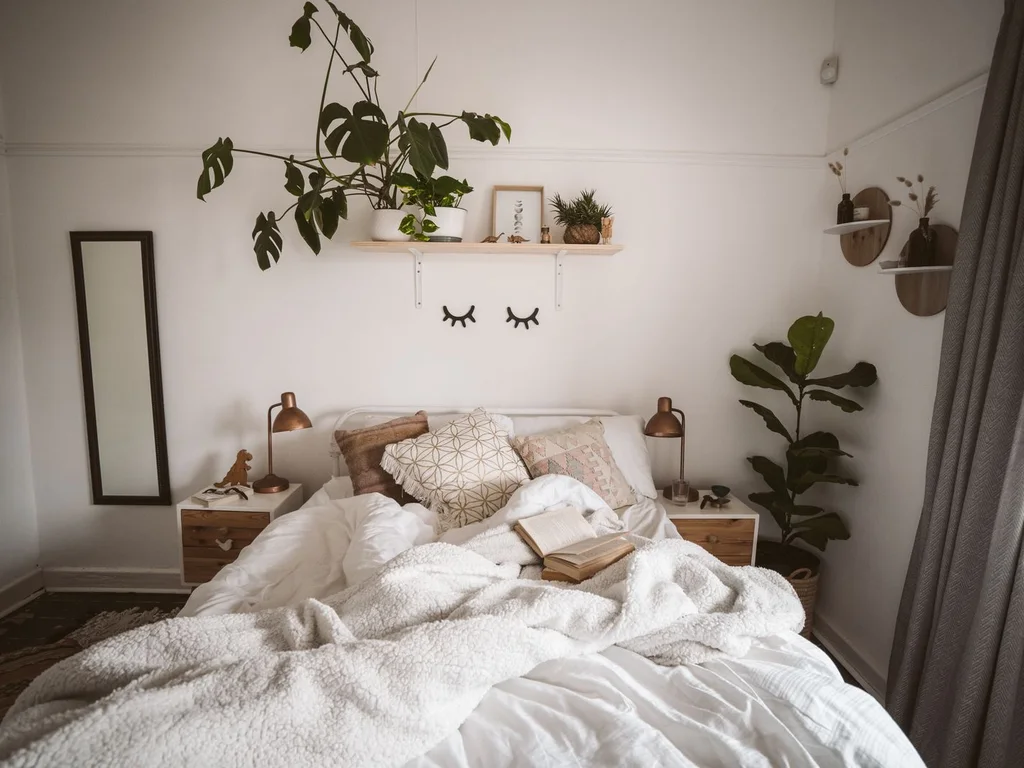
Choose olive when sage feels too cool and forest feels too dark. Olive has yellow in it, so it warms up north-facing light and sits well with tan leather, aged wood and terracotta.
16. Botanical Wallpaper on the Headboard Wall
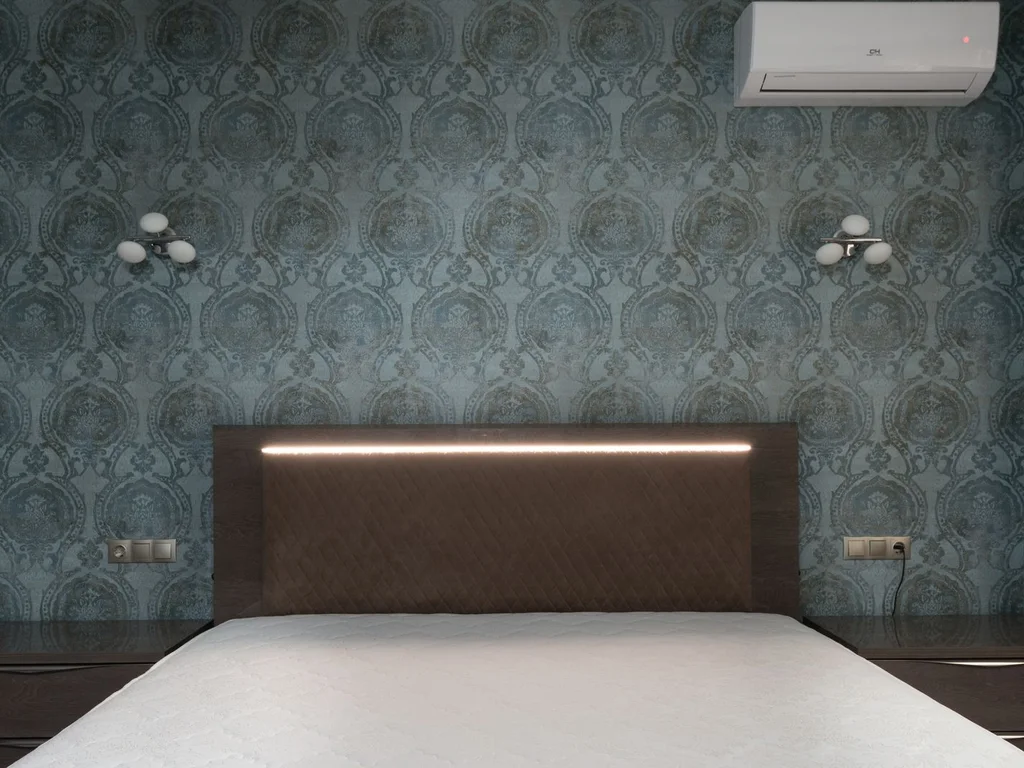
A leaf or garden print wallpaper gives you greenery even if you cannot keep plants alive. Pick a large-scale print for a main bedroom and a finer print for a small room so the pattern does not overwhelm it.
17. Green Limewash for Soft, Cloudy Texture

Limewash or a brushed texture paint in a muted green adds depth that flat paint cannot. The uneven finish suits relaxed, natural rooms and hides minor bumps in older walls.
18. Green Board and Batten or Wall Panelling
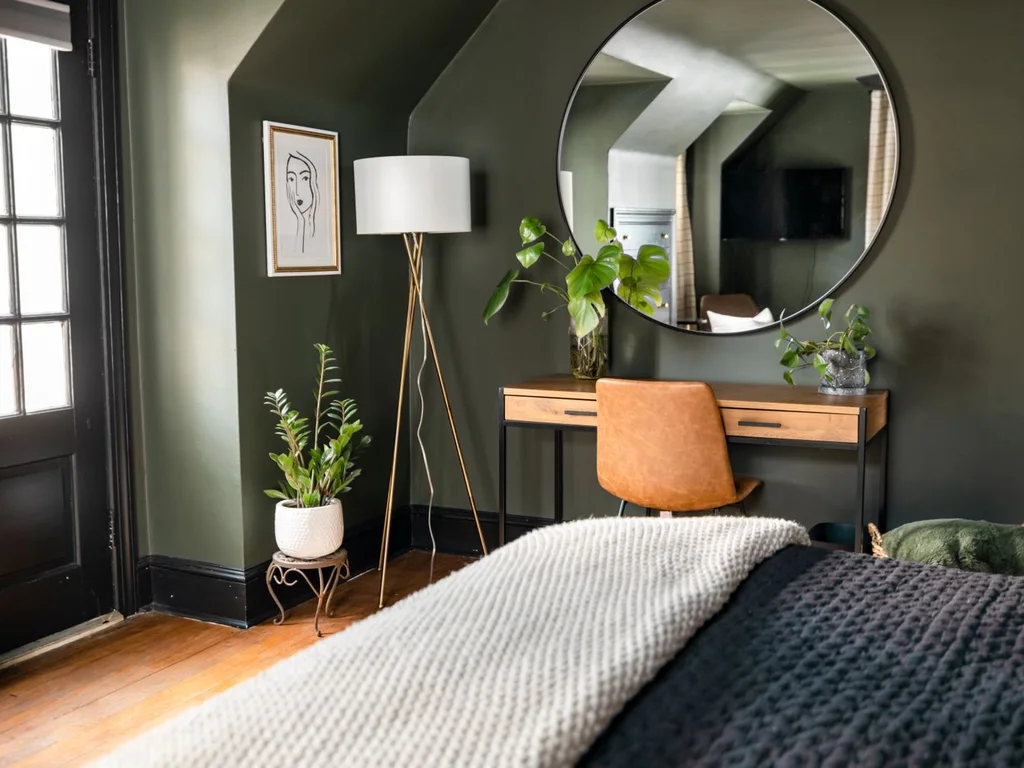
Panelling painted in the same green as the wall adds shadow and structure, especially behind a plain headboard. Use it to half height if full-height panelling feels too much.
19. Pale Mint or Soft Sage for a Dark Bedroom
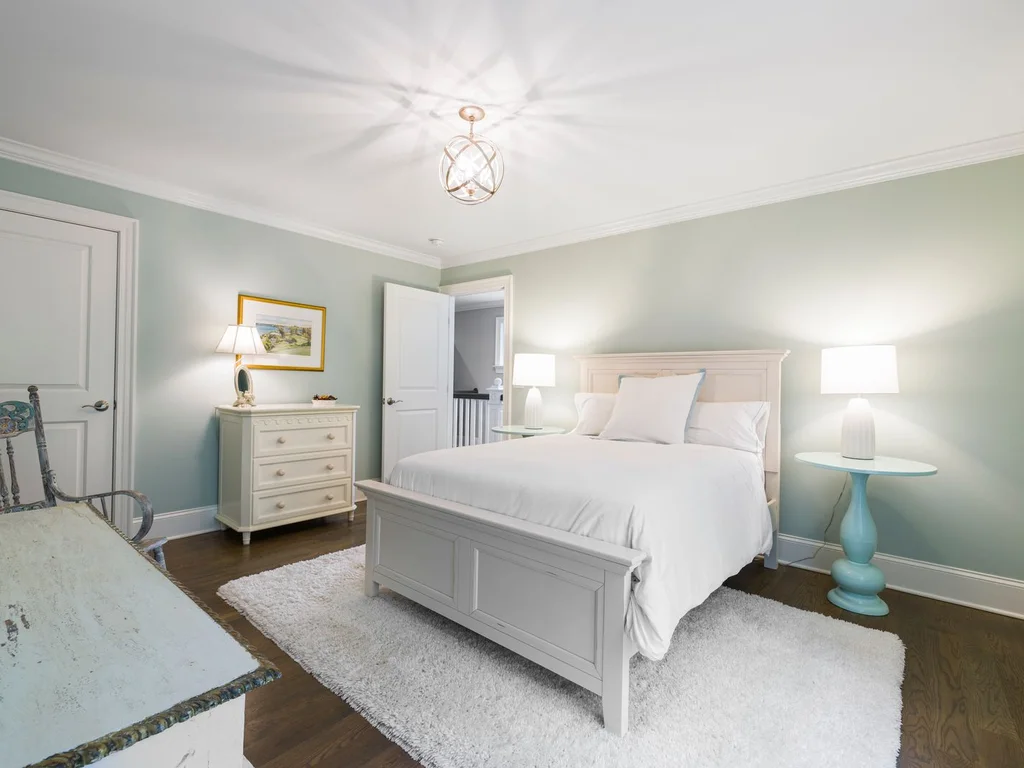
In a room with one small window, a pale green with grey in it reflects more light than mid or dark tones. Pair it with white bedding and light wood to keep the space open.
20. Colour Drenching in One Green Shade
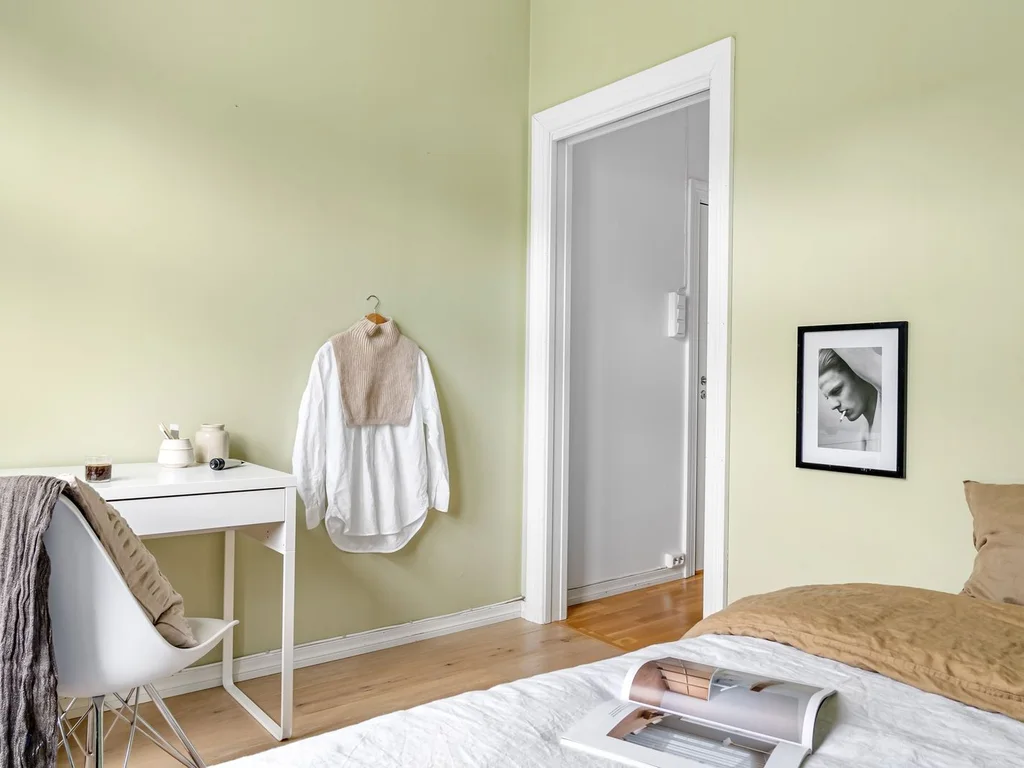
Colour drenching means painting walls, woodwork and even the ceiling in closely related greens. It looks calm in a room with good light and simple furniture.
3. Windowsills, Shelves and Hanging Plants
When floor space is tight, look up and look to the window. Sills, shelves and ceiling hooks let you add plenty of green without blocking drawers or walkways.
21. A Windowsill Row of Small Pots
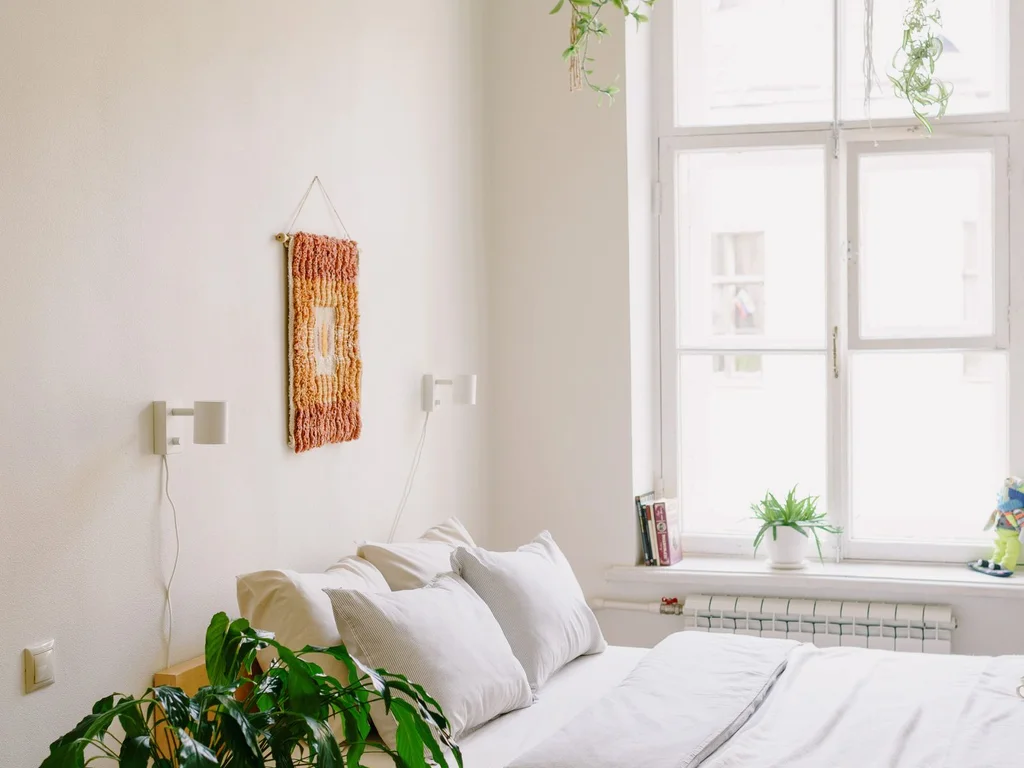
Line a wide sill with three to five small plants in matching pots: a succulent, a small fern and a herb such as rosemary all sit well together. Matching pots stop a collection looking messy.
22. Macrame Hangers in Front of the Window
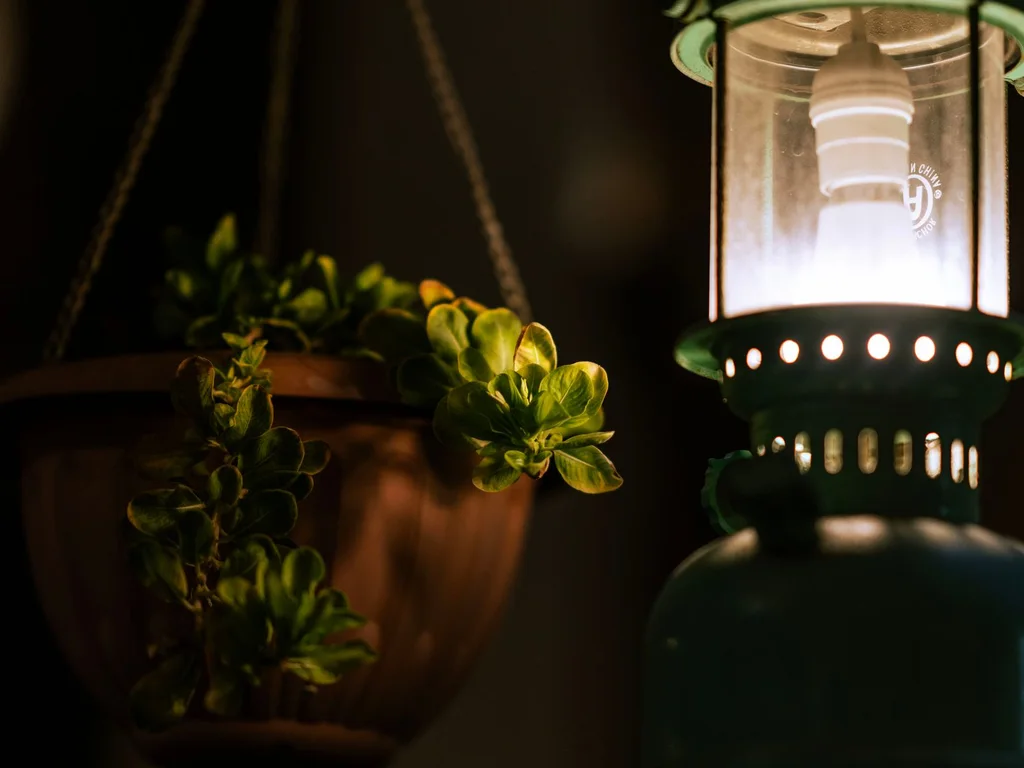
Hang two planters at different heights in macrame holders from a secure curtain pole bracket or ceiling hook. Trailing plants such as string of pearls or philodendron catch the light well here.
23. Floating Shelves Filled With Trailing Plants
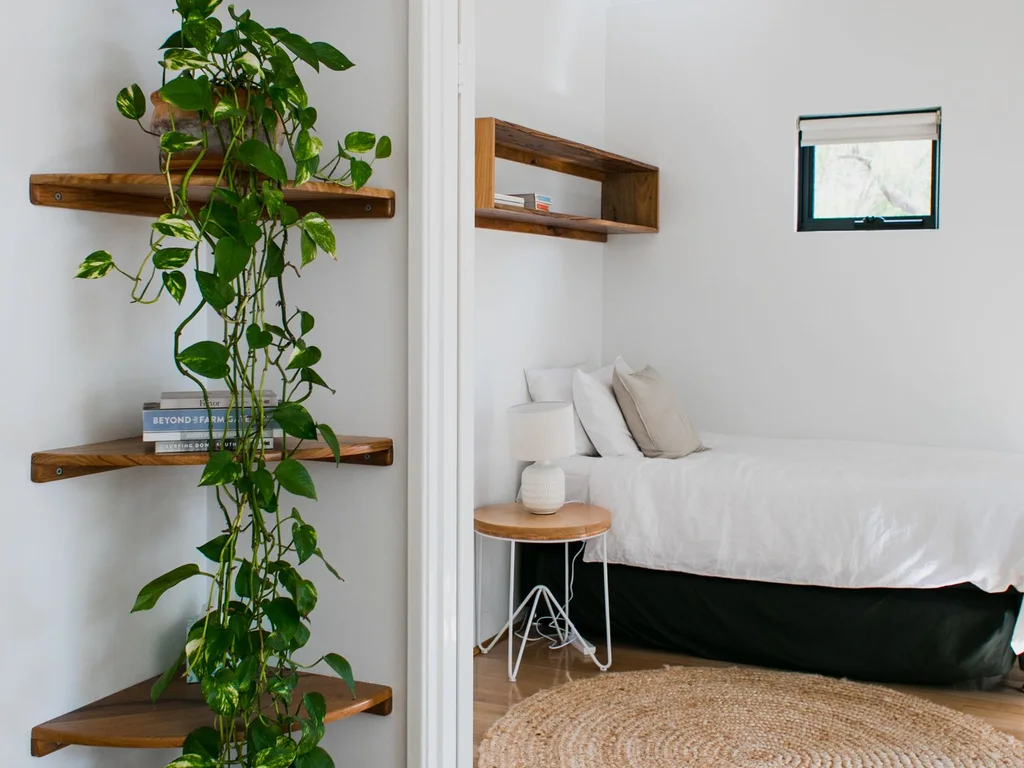
Fit two floating shelves on a blank wall and mix trailing pothos with upright small plants and a few books. The shelves give you greenery at eye level, which photographs well and is easy to enjoy from the bed.
24. A Continuous Plant Ledge Along One Wall

A long, shallow ledge above a low dresser or along the window wall creates the look of an indoor garden border. Use identical pots in a row for a calm line, then break it once with a taller plant.
25. A Trio of Hanging Baskets in a Corner
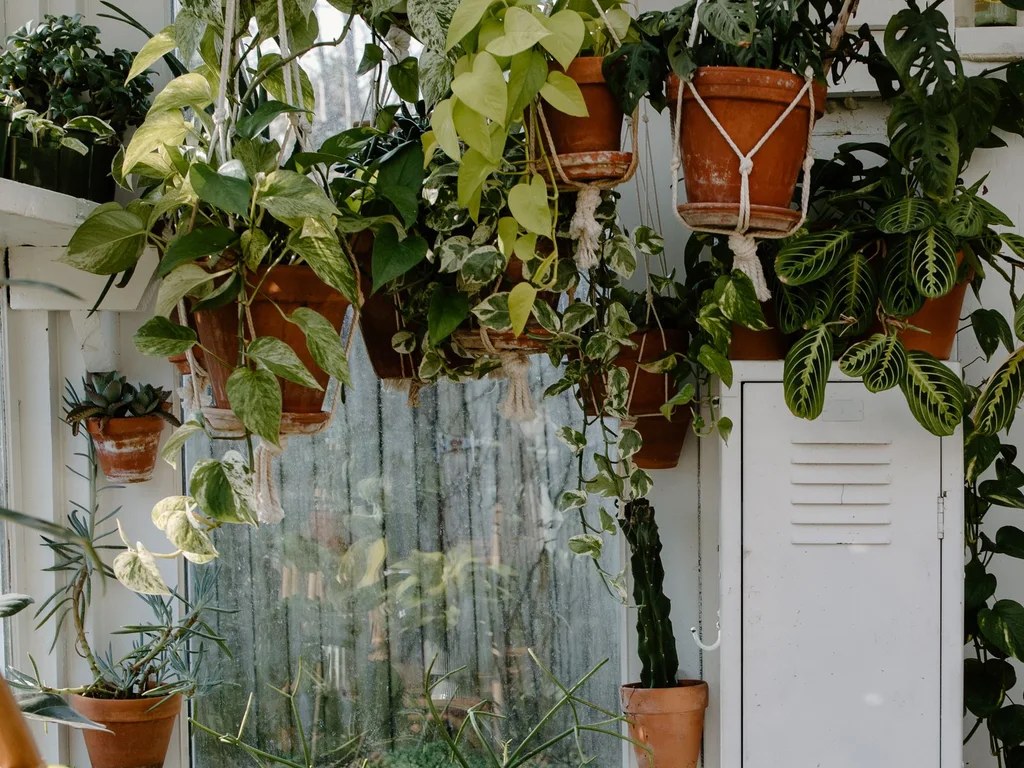
Three hanging baskets clustered in a bright corner fill dead space above head height. Choose plants with different leaf shapes, such as fern, trailing ivy and spider plant, so the group has texture.
26. Bookshelves Styled With Plants Between Books
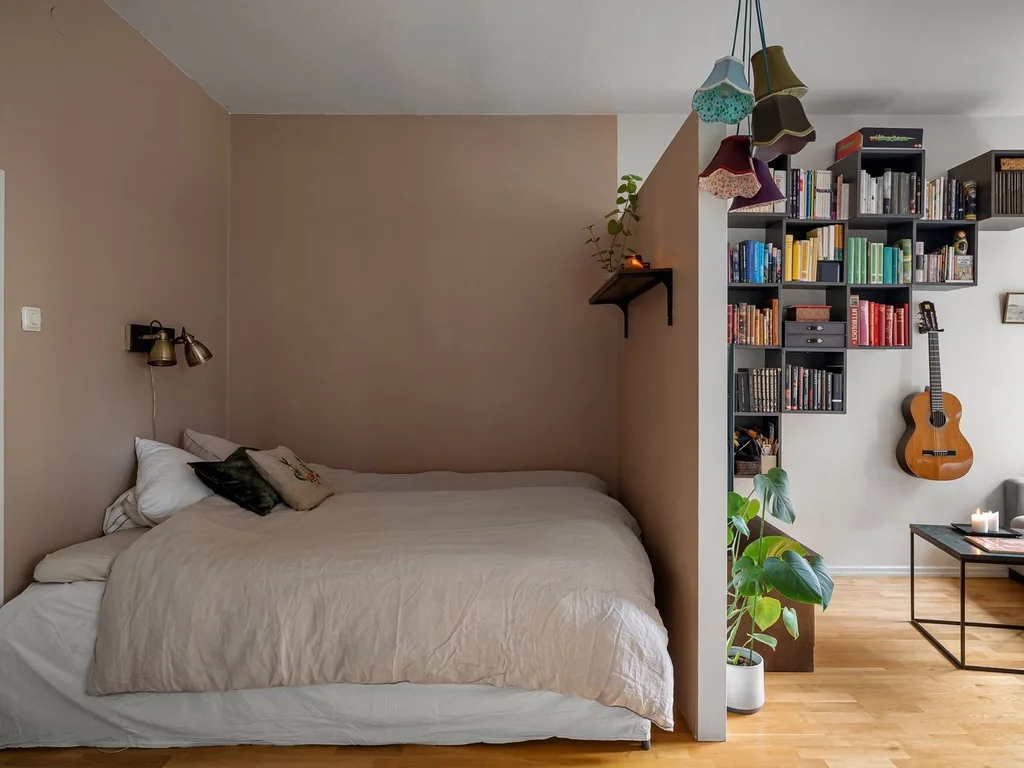
Place a small plant every second or third shelf, next to horizontal stacks of books rather than on top of them. The green breaks up spines and makes a bookshelf feel part of the room’s planting rather than separate storage.
27. Ceiling Hooks With a Trailing Ivy Trail

Guide a fast-growing pothos or ivy along ceiling hooks or a picture rail so the vines frame the room. This needs patience, loose clips and regular trimming so stems do not mark paintwork.
28. Plants on Top of the Wardrobe
The top of a wardrobe is often wasted and dusty, but a trailing plant in a light plastic pot softened by a basket looks good there. Water it by taking it down rather than stretching with a can over bedding.
29. A Climbing Plant Trained Around the Window Frame
Train a climbing philodendron around a window frame with small clear clips. The leaves soften hard edges and filter light gently as they grow.
30. A Glass Terrarium on a Shelf or Dresser
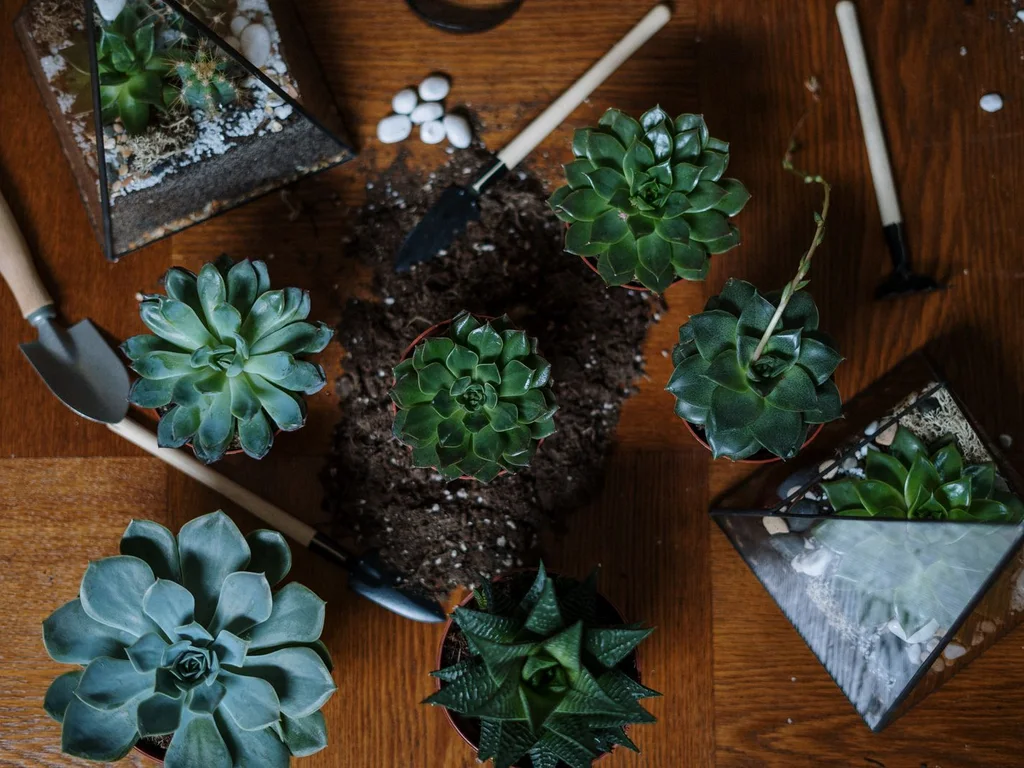
A terrarium suits a shelf where a pot might look heavy. Use small ferns, moss and fittonia in an open glass vessel if you are new to terrariums, because closed vessels are harder to balance.
4. Bedding and Textiles in Botanical Greens
Textiles are the fastest way to test a green scheme, because a duvet cover or throw can be changed in minutes. Start with one large green piece, usually the bedding, then add smaller pieces in a shade lighter or darker.
31. A Sage Linen Duvet Cover
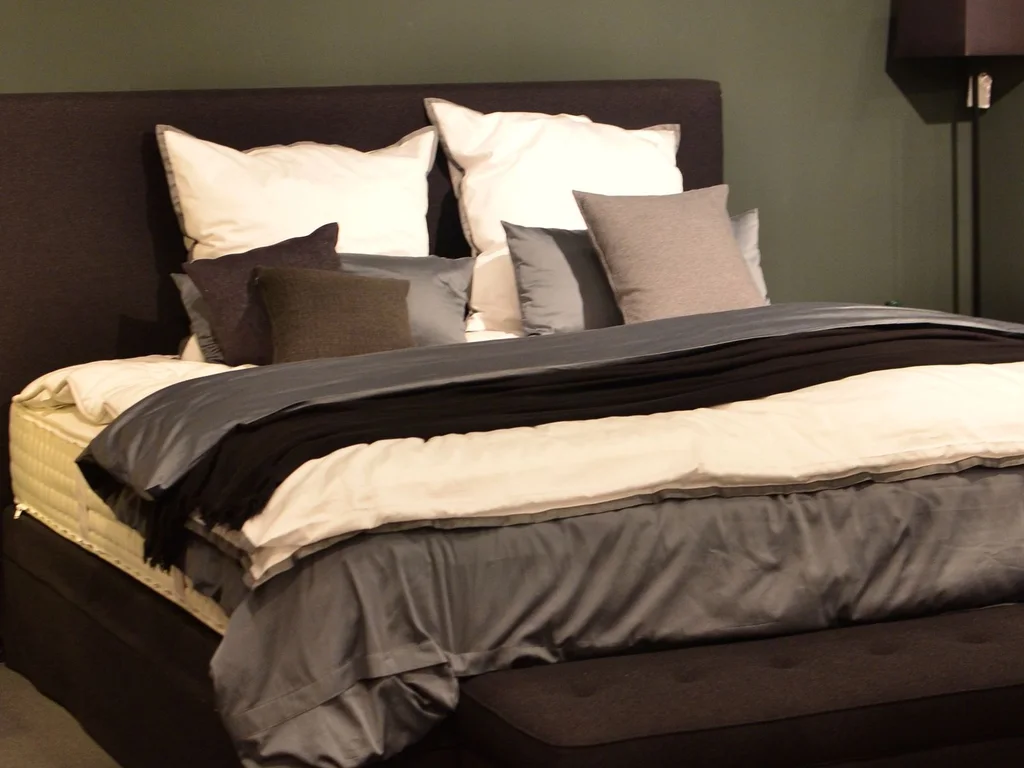
Washed linen in sage is forgiving, breathable and slightly rumpled in a way that suits greenery. It pairs with cream sheets and a natural wood bed frame.
32. Botanical Print Bedding Used in Reverse

If a full leaf print feels busy, use botanical bedding with the plain reverse side showing and just fold the top edge back to reveal the print. You get pattern at the head of the bed without covering the whole room in leaves.
33. Layers of Green Throws and Cushions
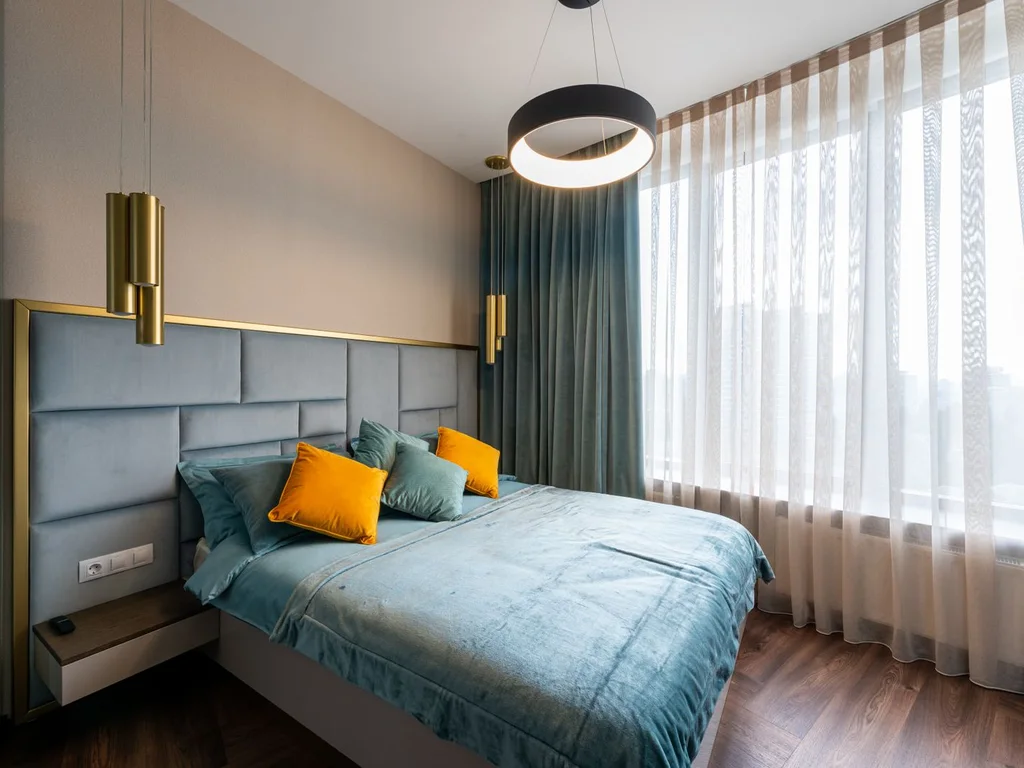
Build colour gradually with a forest throw, two sage cushions and one cream cushion for rest. Mix one smooth fabric, one woven fabric and one knitted texture so the layers look deliberate.
34. Forest Velvet Cushions for Evening Richness

Velvet in forest or emerald catches lamplight and makes plain cream bedding look more finished. Use it on one or two cushions only, not a full set, to avoid a heavy look.
35. Green and Cream Stripes for a Fresher Look
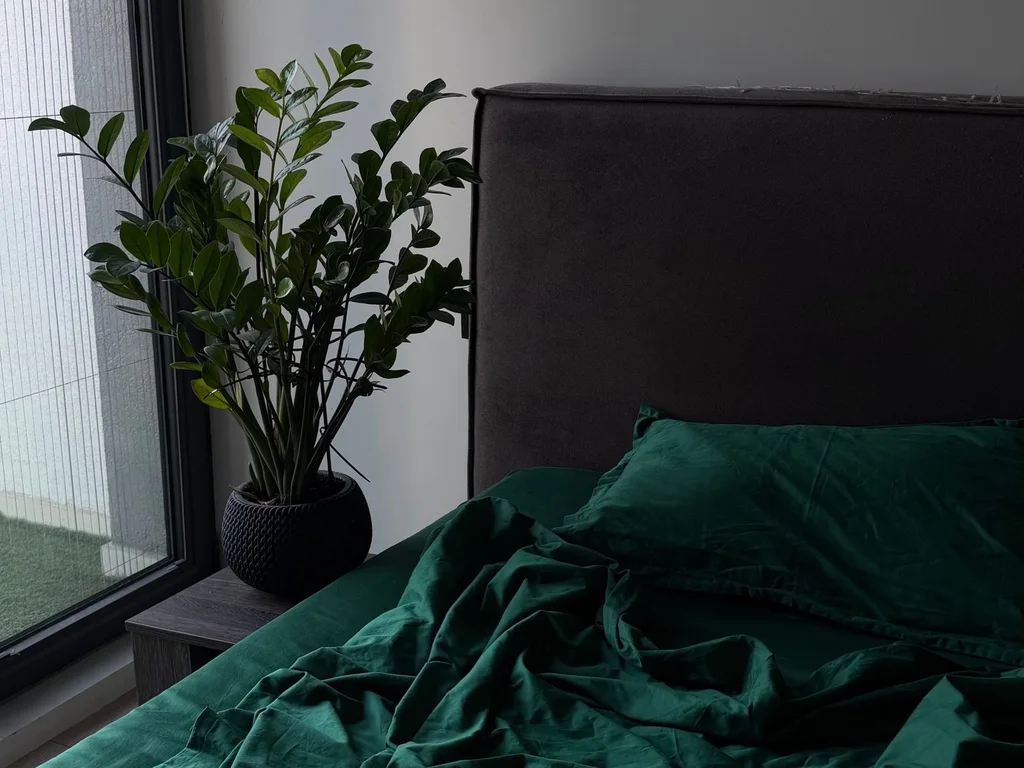
A wide stripe in sage and cream on bedding or a throw brings a lighter, almost coastal feel to a greenery scheme. It works well in guest bedrooms and in summer.
36. A Green Rug Under the Bed
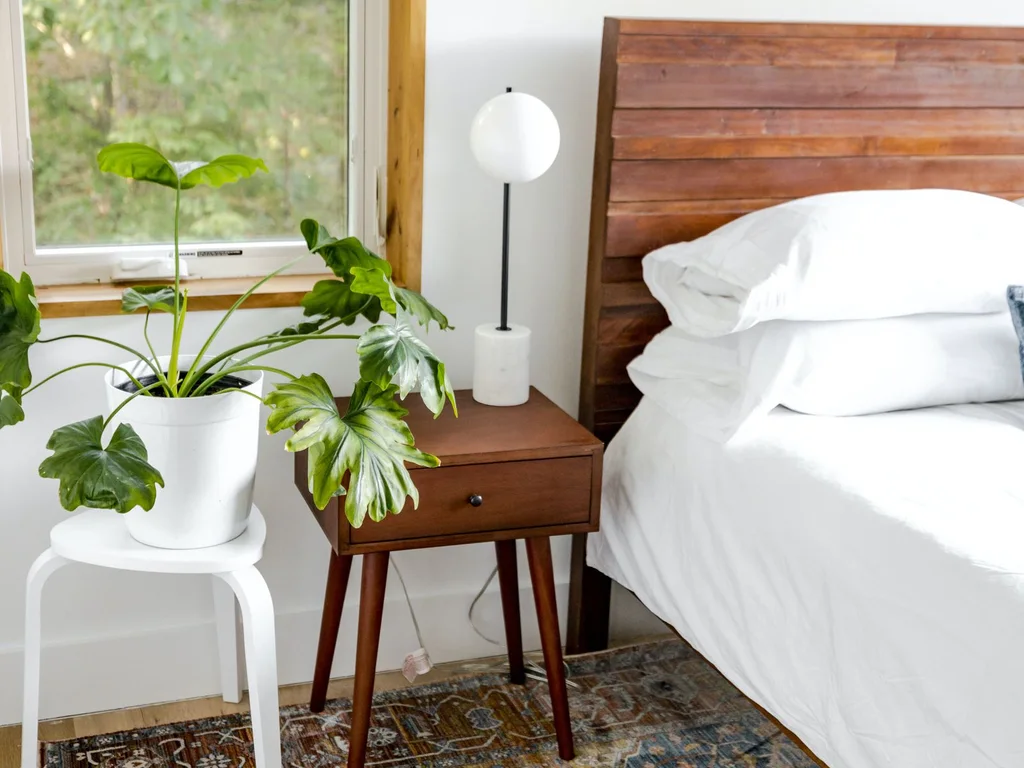
A rug in moss, sage or a faded botanical pattern grounds the bed and adds green without paint. Size it so it extends at least 18 inches on each side, giving you a soft landing.
37. Sage or Olive Linen Curtains

Full-length linen curtains in sage soften the window and connect the wall colour to the plants on the sill. Hang them high and wide so the fabric does not block daylight when open.
38. An Upholstered Green Headboard
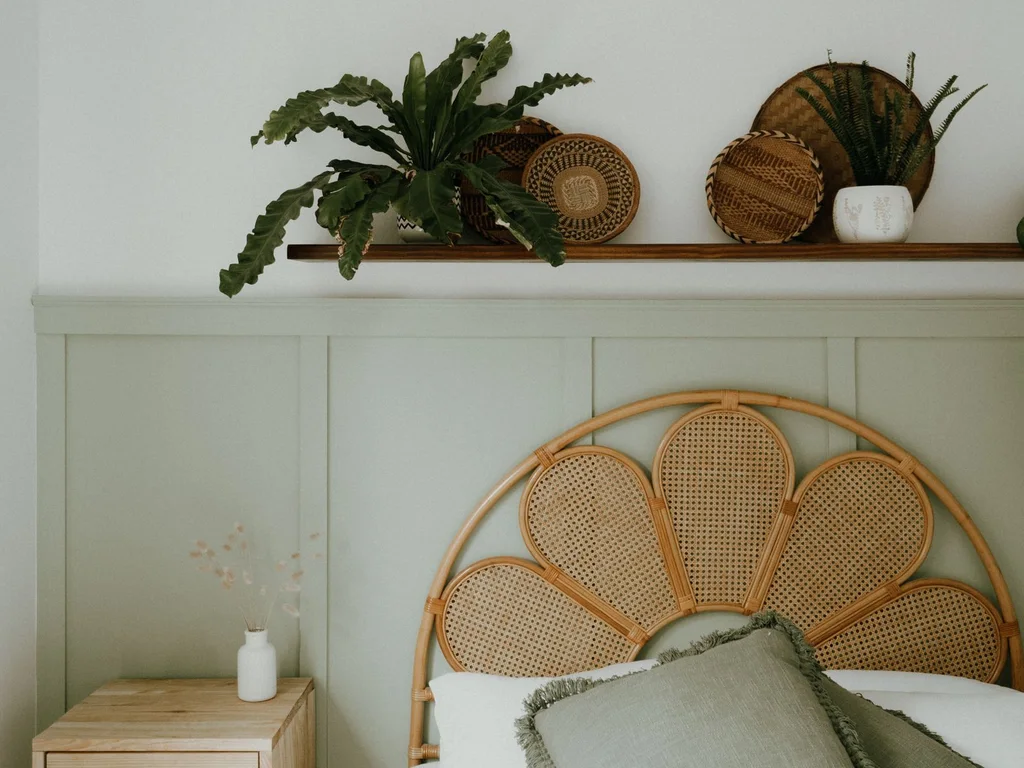
A headboard in olive velvet, sage boucle or deep green linen becomes the main green statement, so the walls can stay neutral. Choose a simple shape if the fabric is rich, or a channelled shape in a plainer fabric.
39. A Handmade Quilt or Kantha Throw in Green Tones
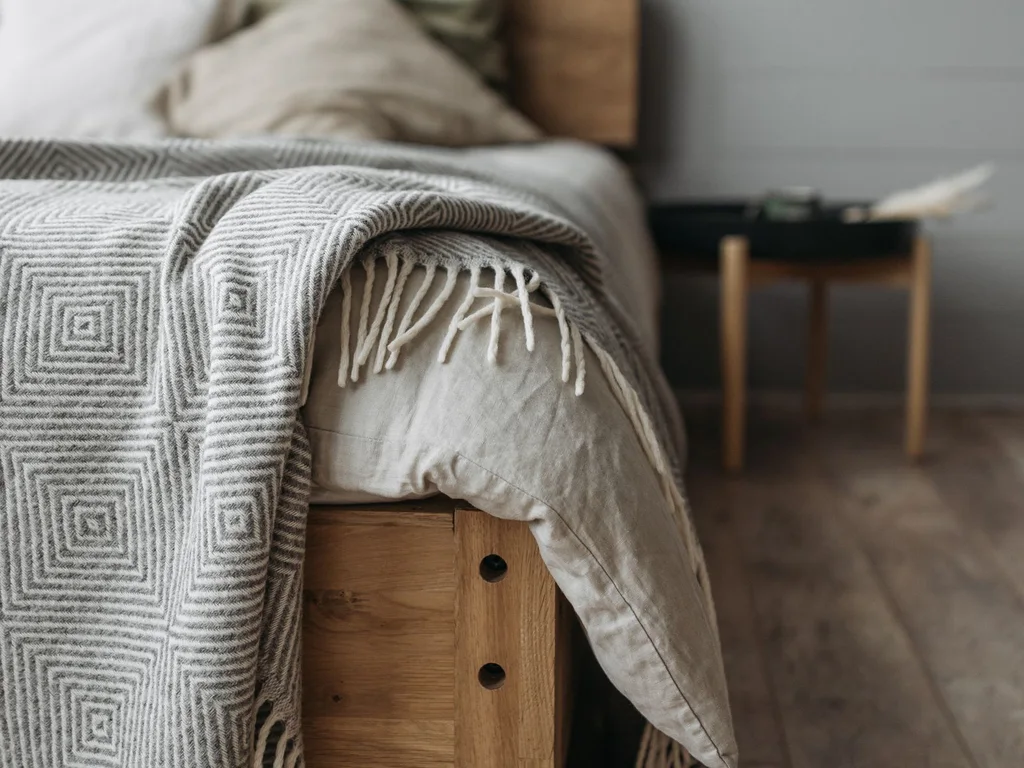
A stitched quilt adds the collected, personal detail that a matched bedding set lacks. Look for faded greens, small prints and visible hand stitching at markets or from independent makers.
40. A Seasonal Textile Swap Instead of a Redecorate
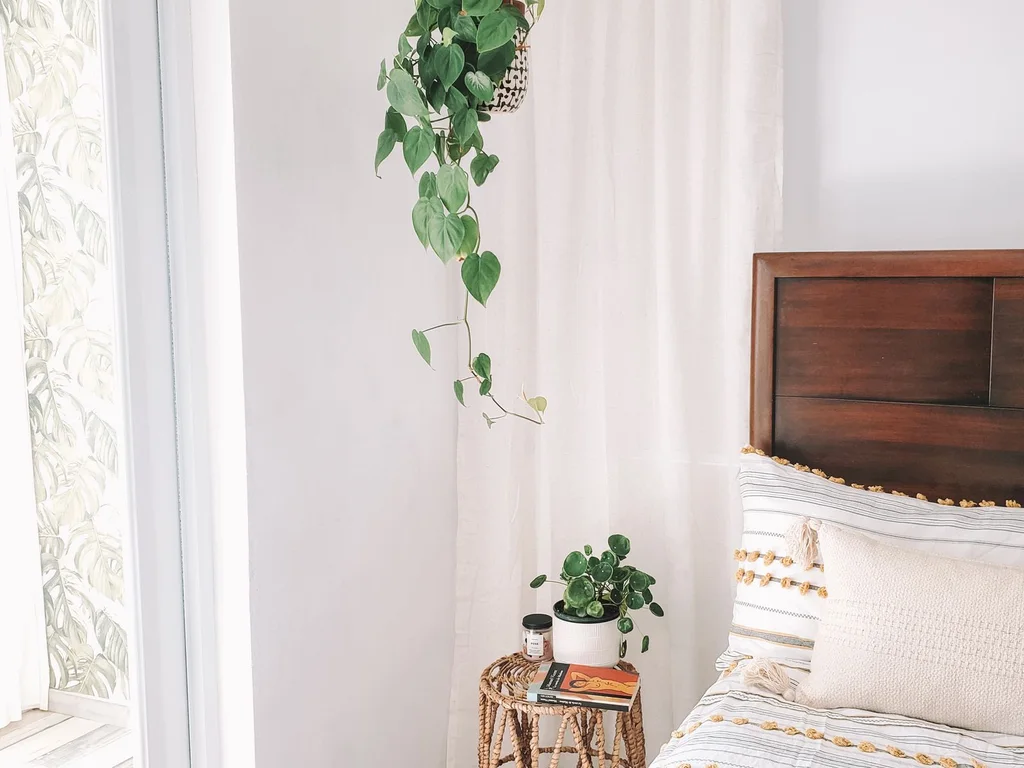
Keep a cream base all year and change only cushions and a throw: pale sage and white in spring, deeper forest and rust in autumn. This gives the room a fresh feel for the cost of covers, not a new bed set.
5. Natural Materials: Wood, Rattan, Linen and Stone
Greenery looks best next to materials that come from nature too. Wood warms green paint, rattan lightens it, linen softens it and stone cools it in a good way.
41. A Rattan or Cane Headboard
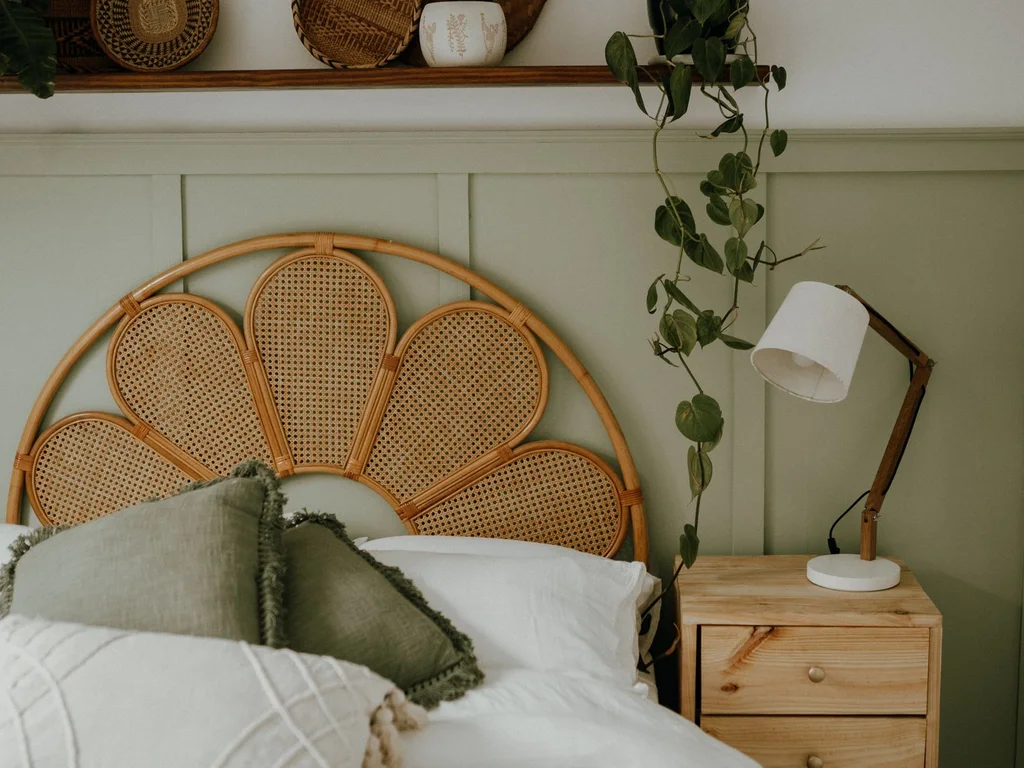
Rattan brings a light, woven texture that stops green walls looking flat. It suits sage, cream and botanical bedding particularly well.
42. Oak or Walnut Nightstands

Warm wood nightstands anchor the bed and give plants a natural base. Oak keeps a sage room light, while walnut deepens a forest or emerald scheme.
43. A Jute Rug Layered Over a Plain Carpet
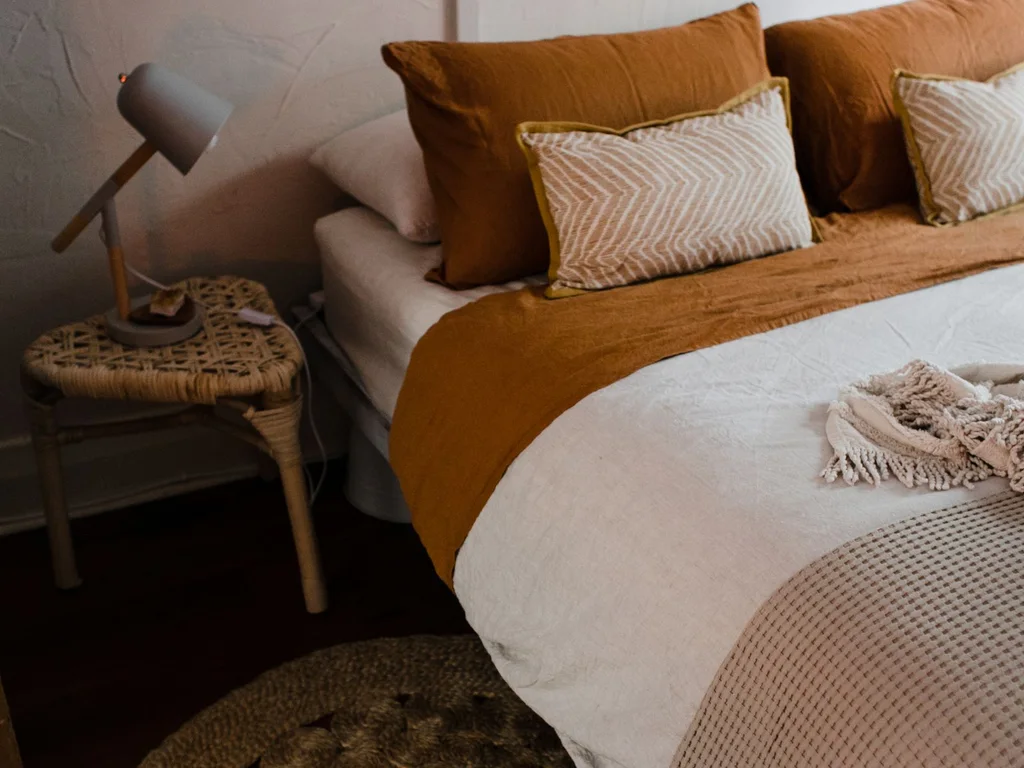
Jute adds a dry, natural texture underfoot and tones down a patterned or coloured carpet you cannot change. Layer a smaller jute rug over carpet or a larger plain rug under the bed area.
44. Organic Cotton and Linen Bedding
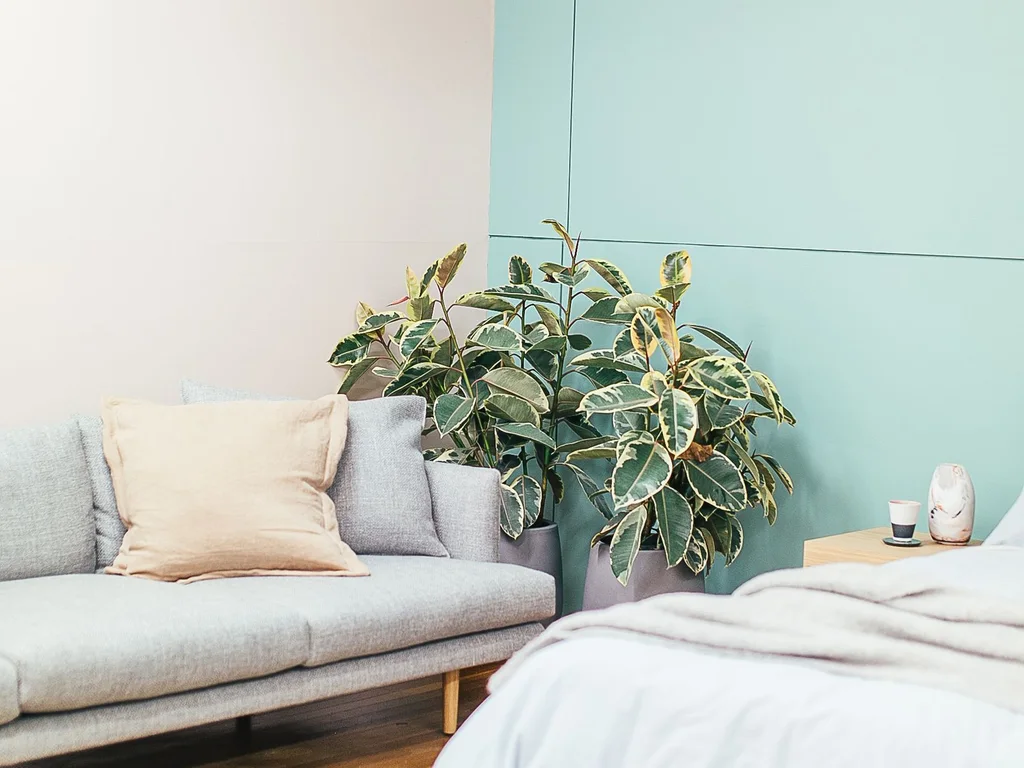
Breathable natural bedding feels better in a room designed for rest, and its slight texture suits plants and wood. Wash linen cooler and avoid heavy fabric softener if you want it to keep its character.
45. A Travertine or Stone Lamp Base
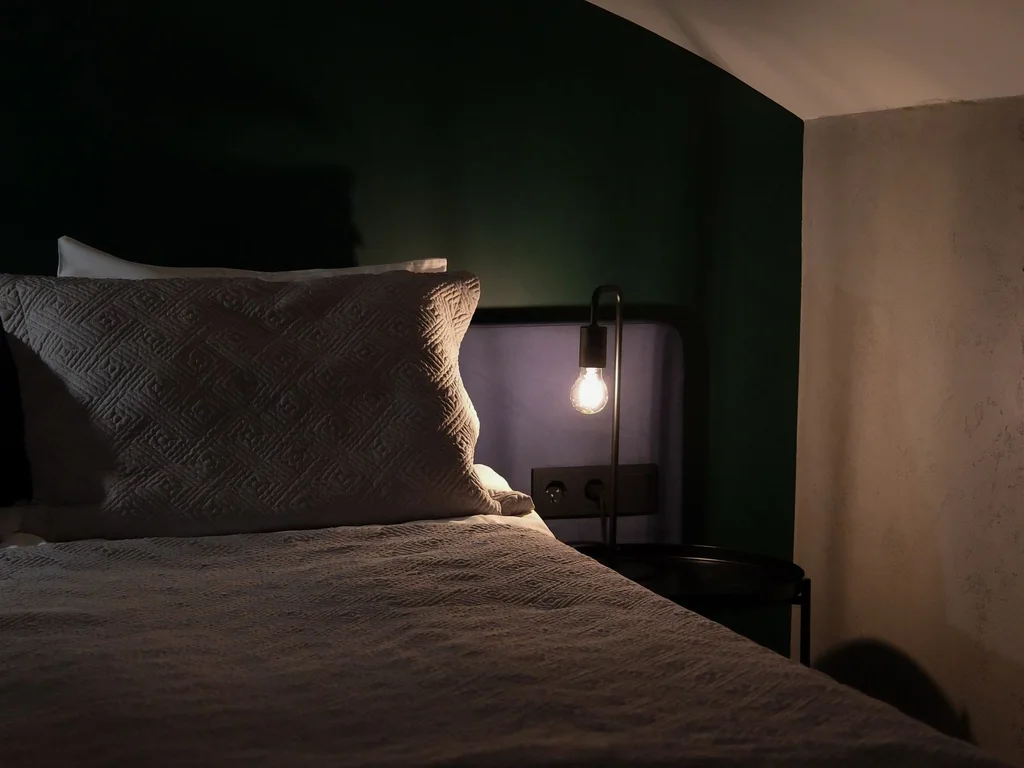
Stone lamp bases add weight and a cool, pale contrast to green leaves and bedding. Travertine, alabaster and rough ceramic all work; pick one warm white shade to soften the light.
46. Bamboo Blinds Under Sheer Curtains

Woven bamboo or wood blinds filter light in broken bands that look good through plant leaves. Layer them under sheer curtains for privacy at night.
47. Woven Baskets as Plant Pot Covers
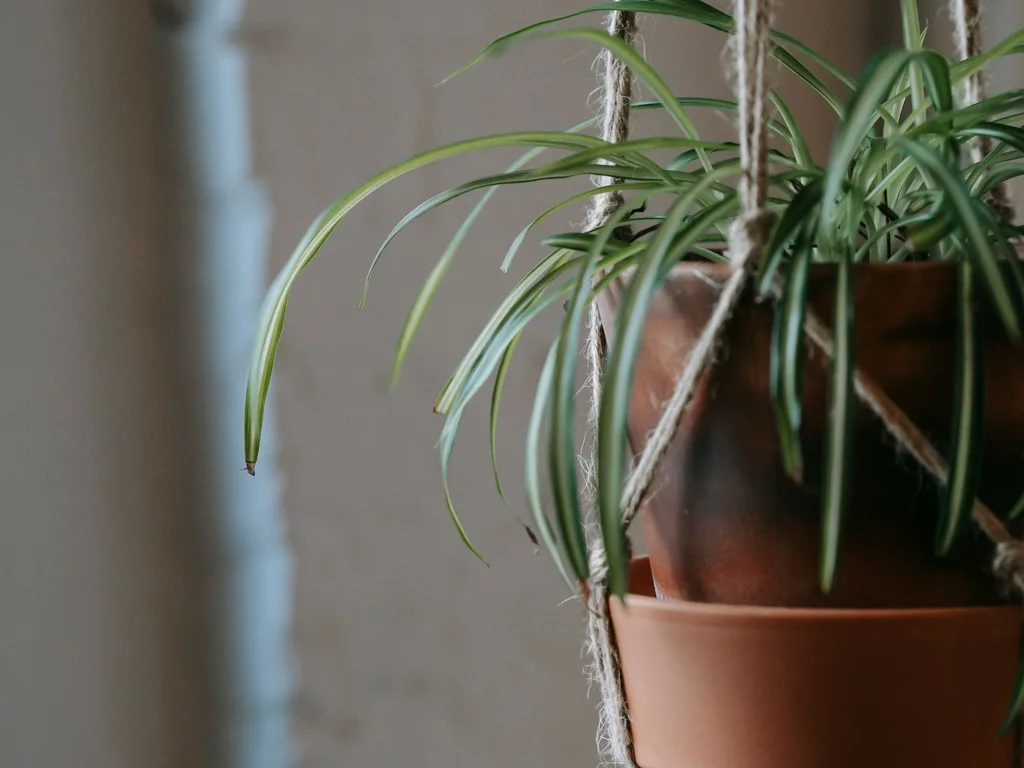
Seagrass and wicker baskets hide mismatched plastic pots and make a plant collection look planned. Line each basket with a waterproof saucer or plastic tray to protect floors.
48. Terracotta and Clay Pots in Mixed Sizes
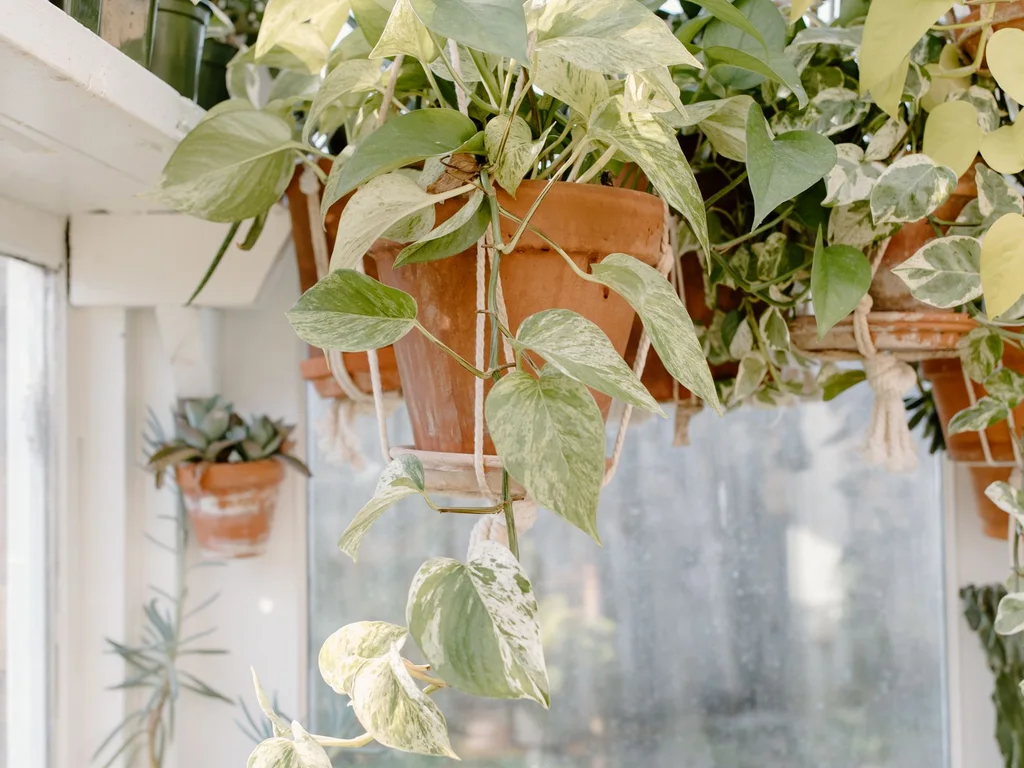
Terracotta’s warm orange-brown is the classic partner for green leaves. Mix tall, squat and ridged pots, but keep them all clay if you want a calm group.
49. A Live-Edge or Reclaimed Wood Shelf
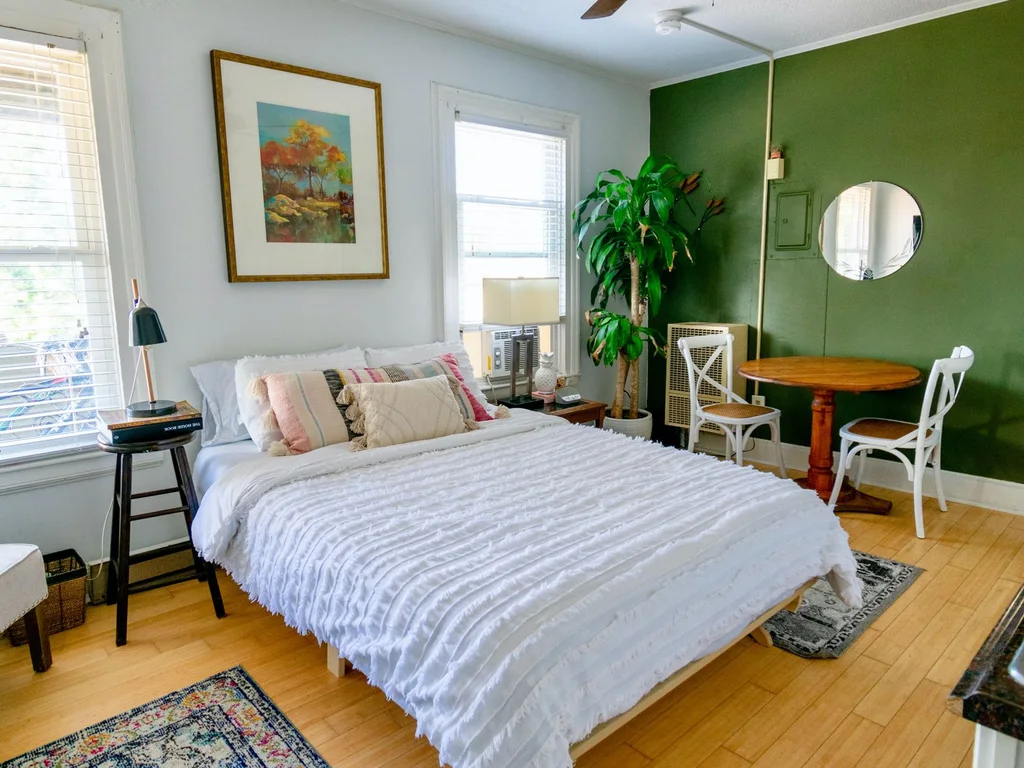
A shelf with a natural or reclaimed edge brings character to a plain wall and gives trailing plants a warm surface. Sand and seal it well in a bedroom so it does not shed dust onto bedding.
50. Seagrass, Cork and Other Quiet Details
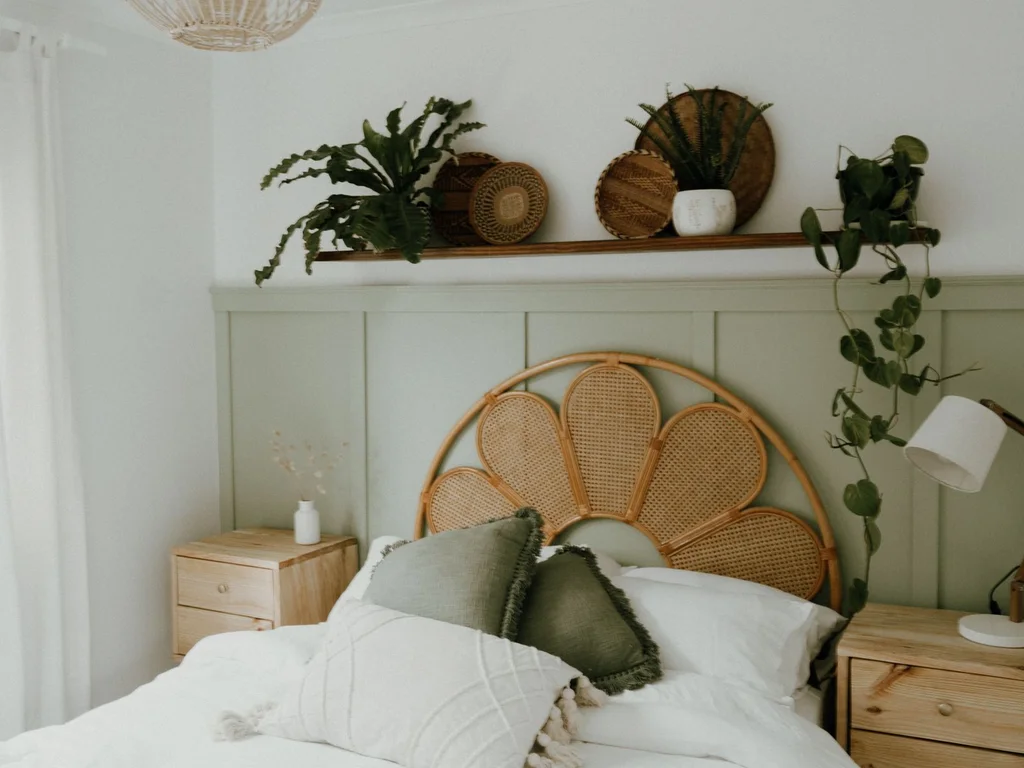
Small natural touches finish a room: a seagrass tray on the dresser, cork coasters on nightstands, a wool throw in undyed cream. These cost little and stop a green scheme relying only on colour.
6. Small Greenery Bedrooms and Apartments
Small rooms benefit most from greenery when it is placed vertically and edited hard. One tall plant, one wall colour and plants on shelves will do more than a dozen small pots on every surface.
51. One Statement Plant Instead of Many Small Ones
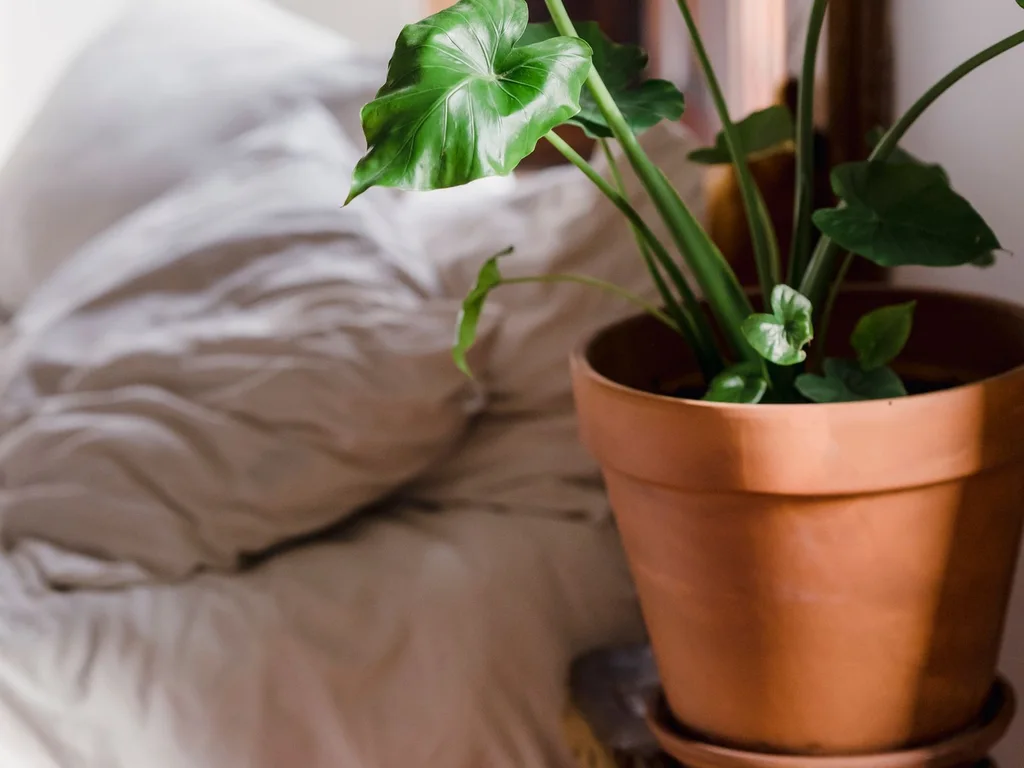
In a box room, choose one tall snake plant or olive tree and let it be the feature. A single generous plant looks calmer and costs less to care for than many small, thirsty pots.
52. Wall-Mounted Planters That Save Floor Space
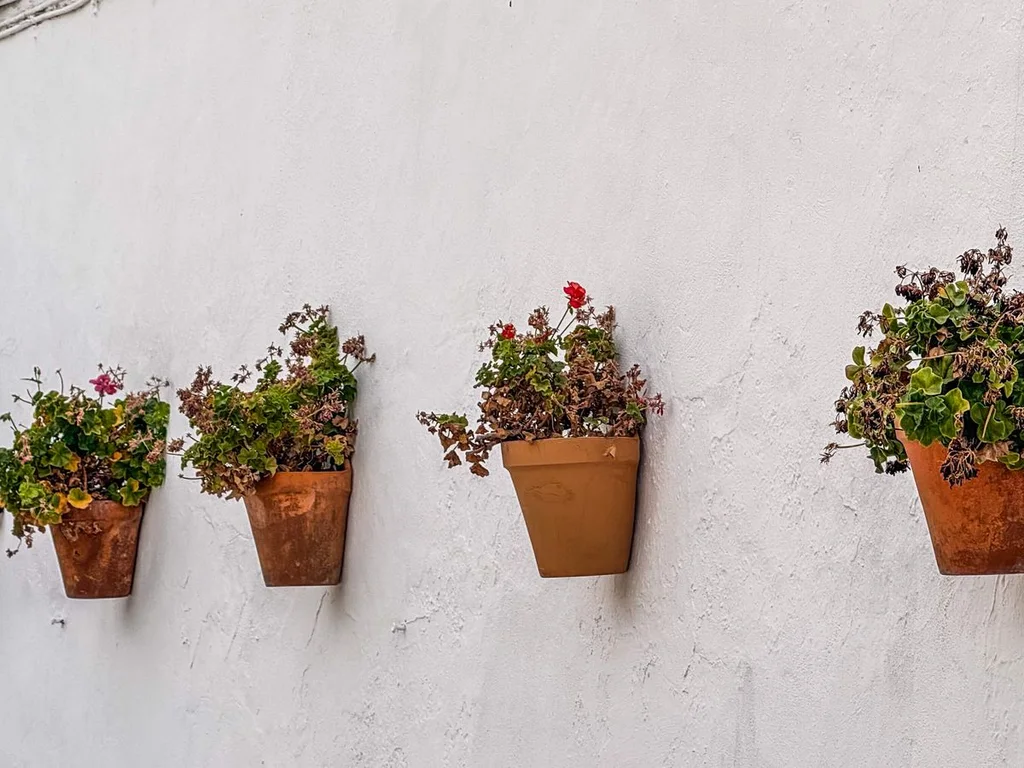
Half-moon or pocket planters fixed to the wall hold small trailing plants without using floor or shelf space. Fit them beside the bed or above a desk, not directly over pillows.
53. A Narrow Vertical Garden Panel
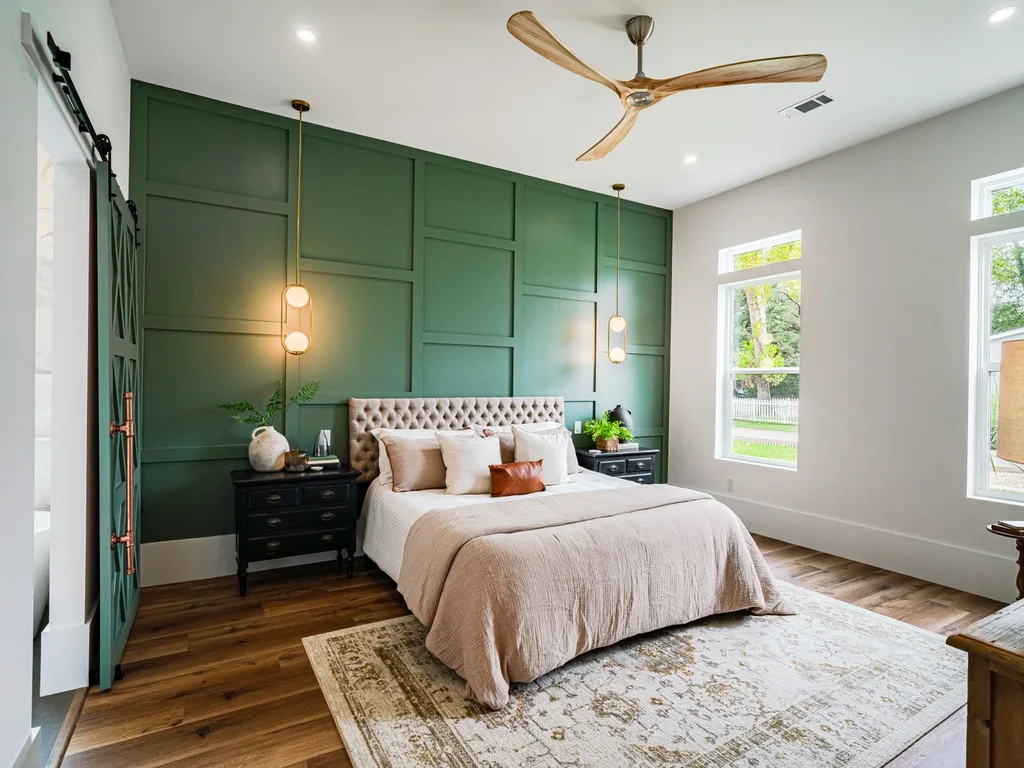
A slim panel with pockets or small shelves turns a blank strip beside a wardrobe into planting space. Faux panels are an option in a very dark room, but mixing in two or three real plants at reachable height looks more convincing.
54. Plants on Small Wall Shelves Beside the Bed
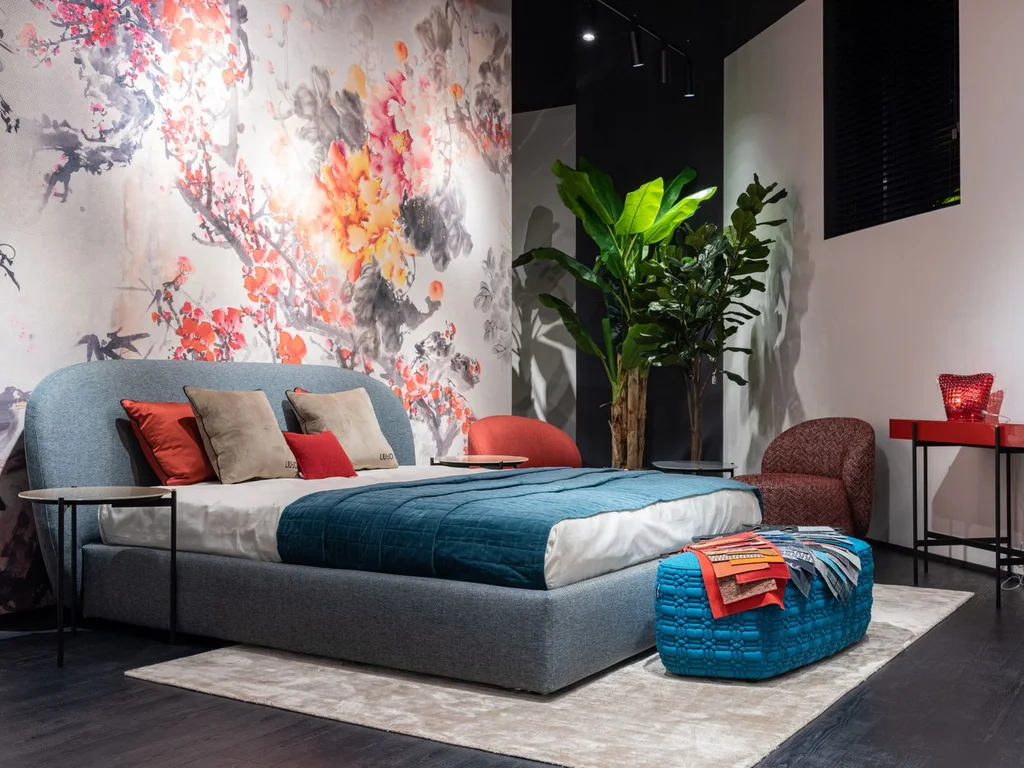
Replace one bulky nightstand with two small wall shelves that hold a lamp, a book and a tiny plant. This frees floor space and makes a small room easier to clean.
55. A Mirror That Doubles the Green
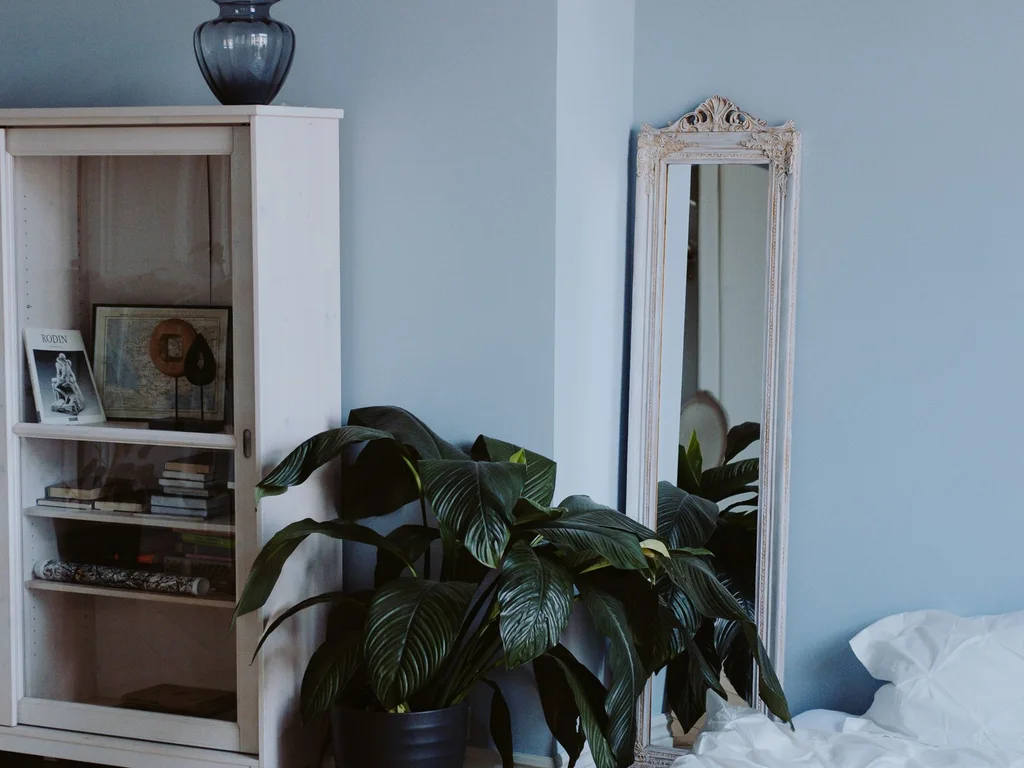
Hang a mirror opposite or beside a plant so the leaves reflect and the room appears to have twice the greenery. A round mirror softens a boxy rental room, while an arched mirror suits a taller ceiling.
56. A Light Green Palette That Keeps the Room Open
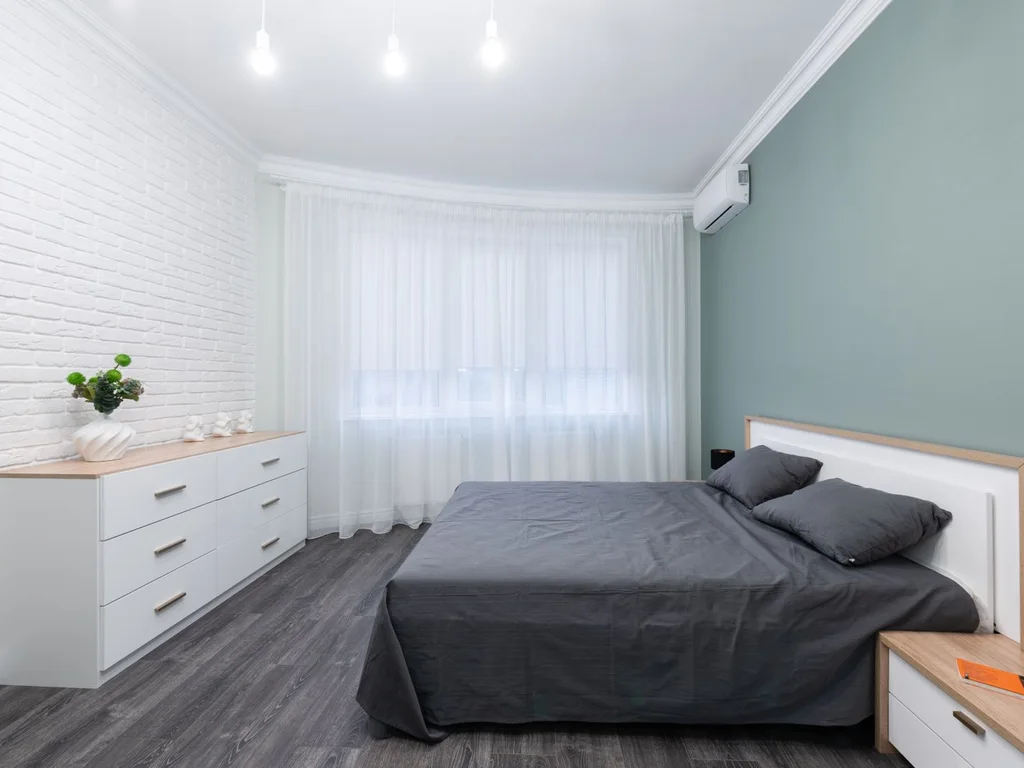
Use sage walls, cream bedding and pale wood in a small bedroom, saving dark green for one cushion or pot. Light colours do not make a room bigger, but they stop it feeling closed in.
57. A Plant Stand That Doubles as Storage
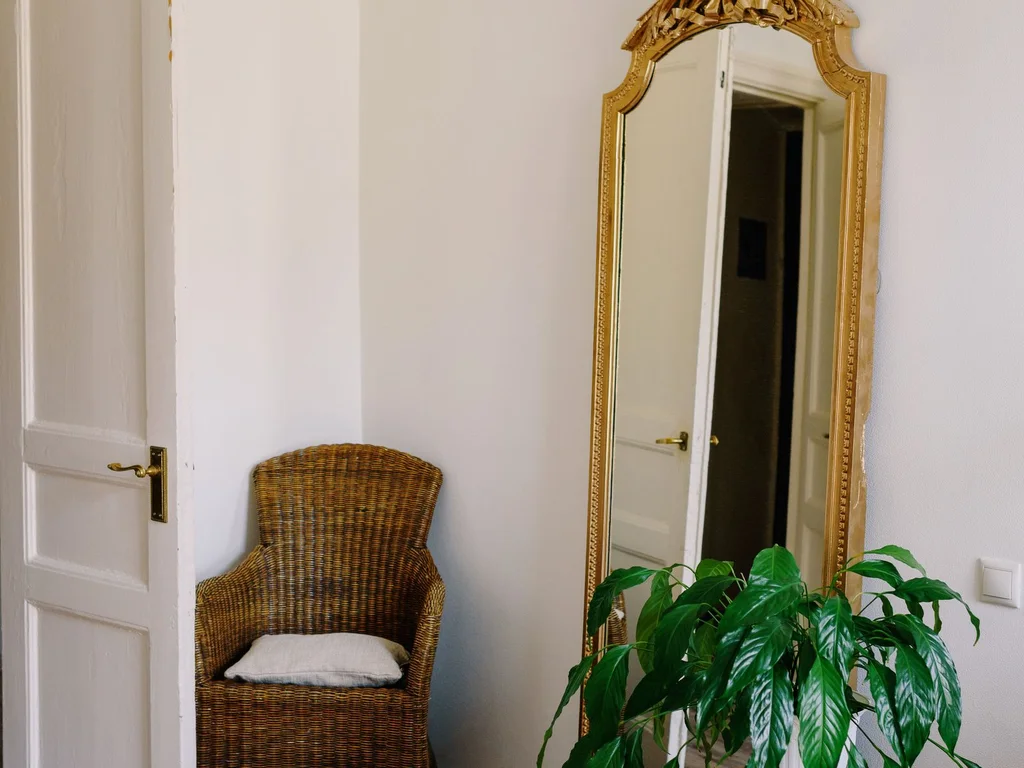
Choose a stand with a shelf below or a small stool with room for books underneath. In an apartment bedroom, every piece should earn its place twice.
58. A Plant Shelf as a Studio Room Divider
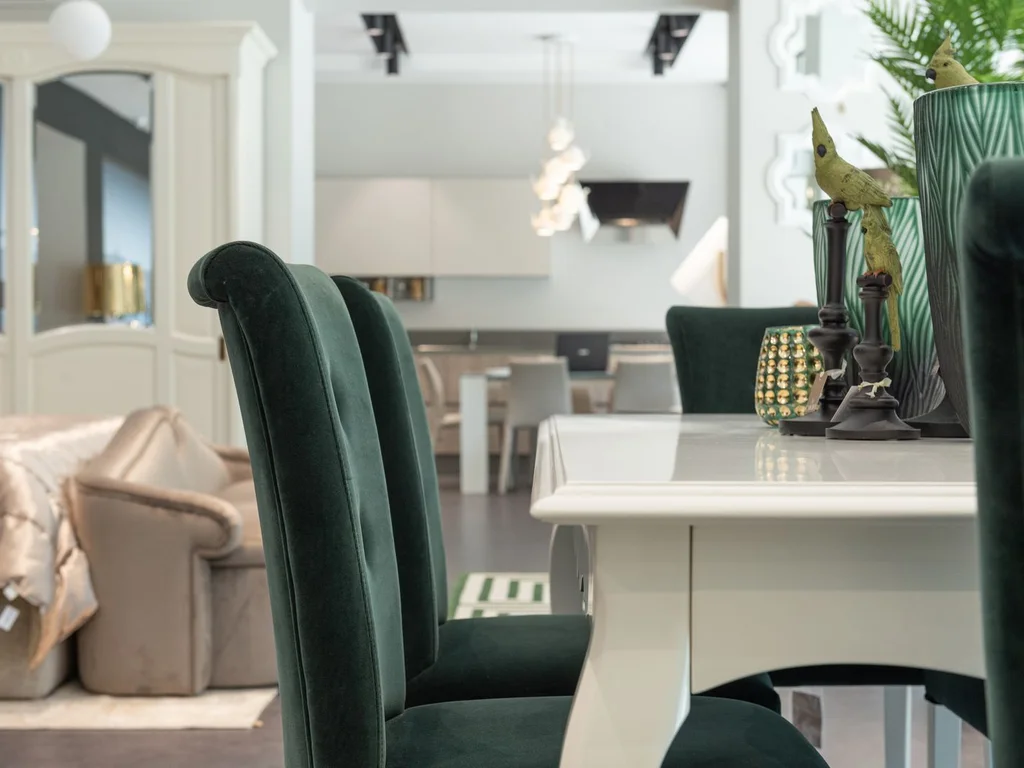
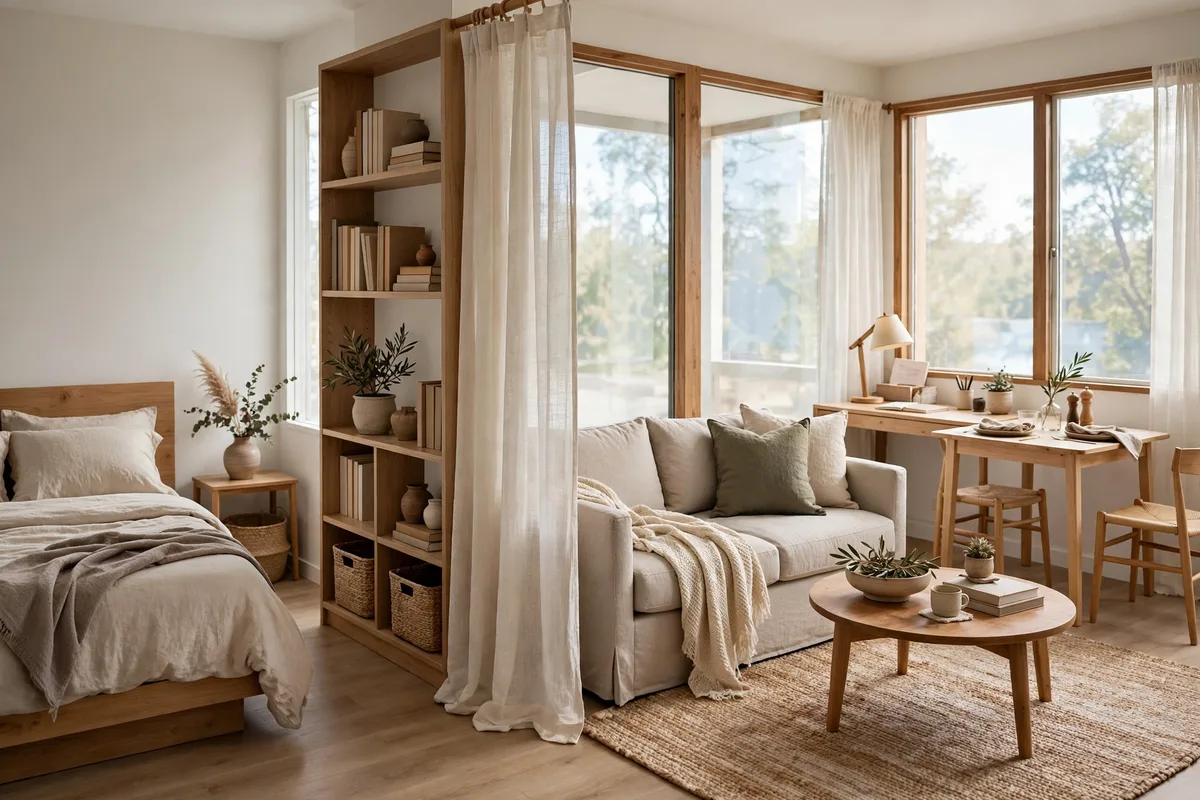
An open shelf unit filled with plants can separate a sleeping area from a living corner in a studio flat without blocking light. Leave some cubes empty or use them for books so air and light still pass through.
59. A Green Desk Corner in a Bedroom

If you work from your bedroom, mark the desk zone with a small plant, a green desk mat or a botanical print, and keep the bed area softer. That visual split helps you stop seeing work at night.
60. Greenery by the Balcony Door or Fire Escape Window
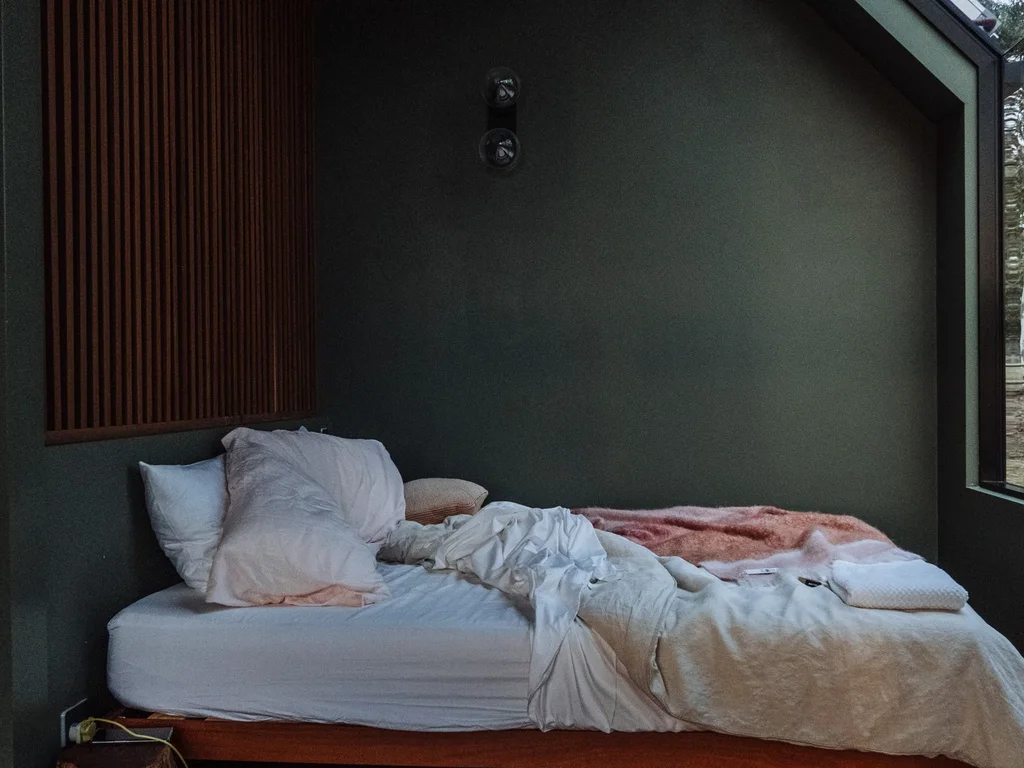
Place your most light-hungry plants near the brightest door or window in a small apartment, grouped on a low trolley. You can move the trolley for cleaning or when guests stay.
7. Greenery for Better Sleep and Air
Plants can make a bedroom feel fresher and calmer, but be honest about what they do. A few houseplants will not clean a room’s air the way ventilation does; large studies used many plants in sealed chambers.
61. Realistic Expectations About Air Cleaning
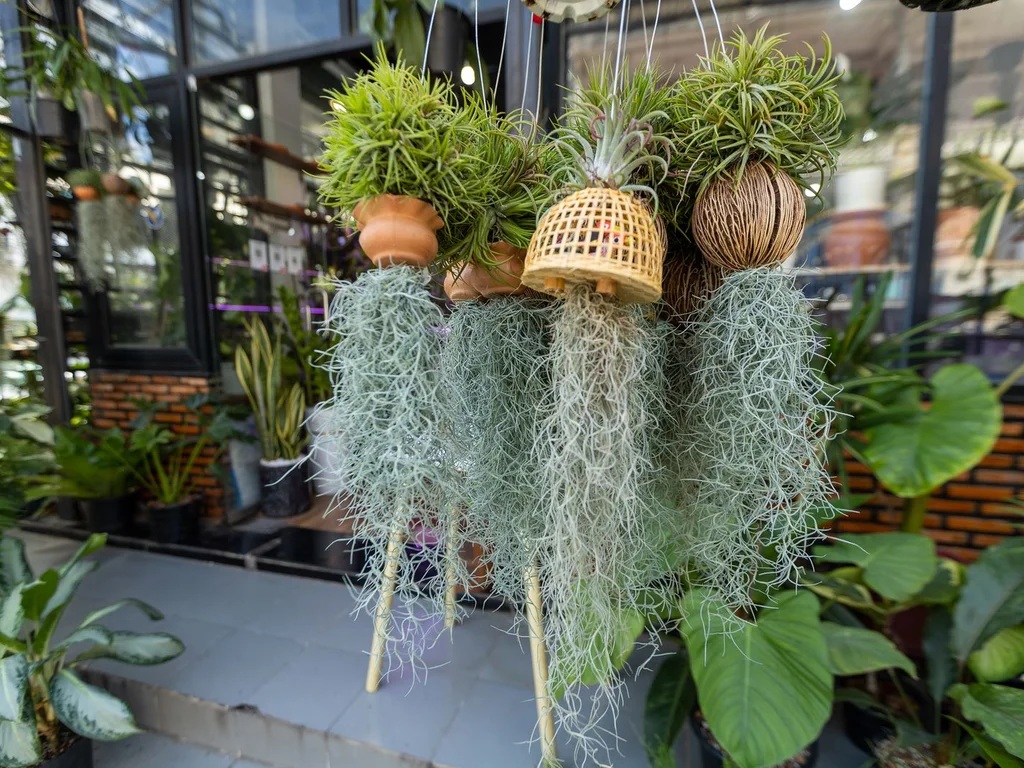
Enjoy plants for mood, humidity and looks, not as air purifiers. Opening a window for a short period does far more for stale air in most bedrooms.
62. Snake Plants for a Tidy, Low-Effort Corner

Snake plants are often recommended for bedrooms because they are upright, quiet in appearance and hard to kill. They suit a corner by the wardrobe where a bushier plant would catch on clothes.
63. Choosing Low-Pollen Plants if You Sneeze at Night
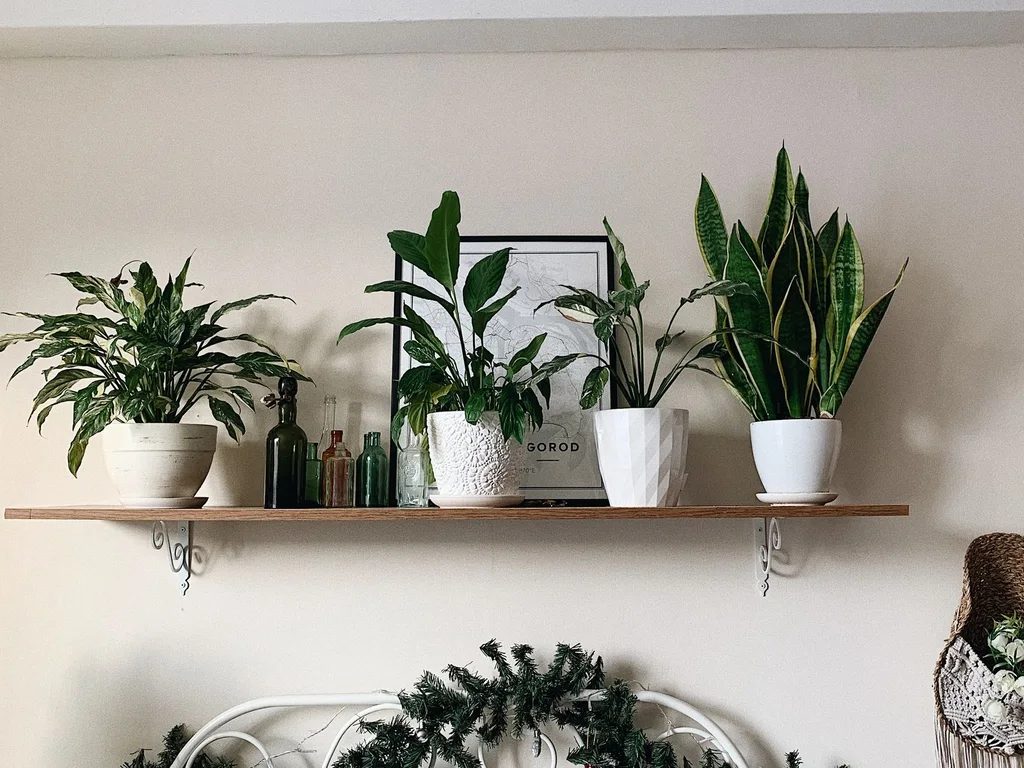
If allergies bother you, pick plants grown for leaves rather than flowers, such as pothos, philodendron and ZZ plants. Keep leaves dusted, avoid heavily scented plants on the nightstand, and do not let compost stay soggy.
64. Grouping Plants to Raise Humidity Gently
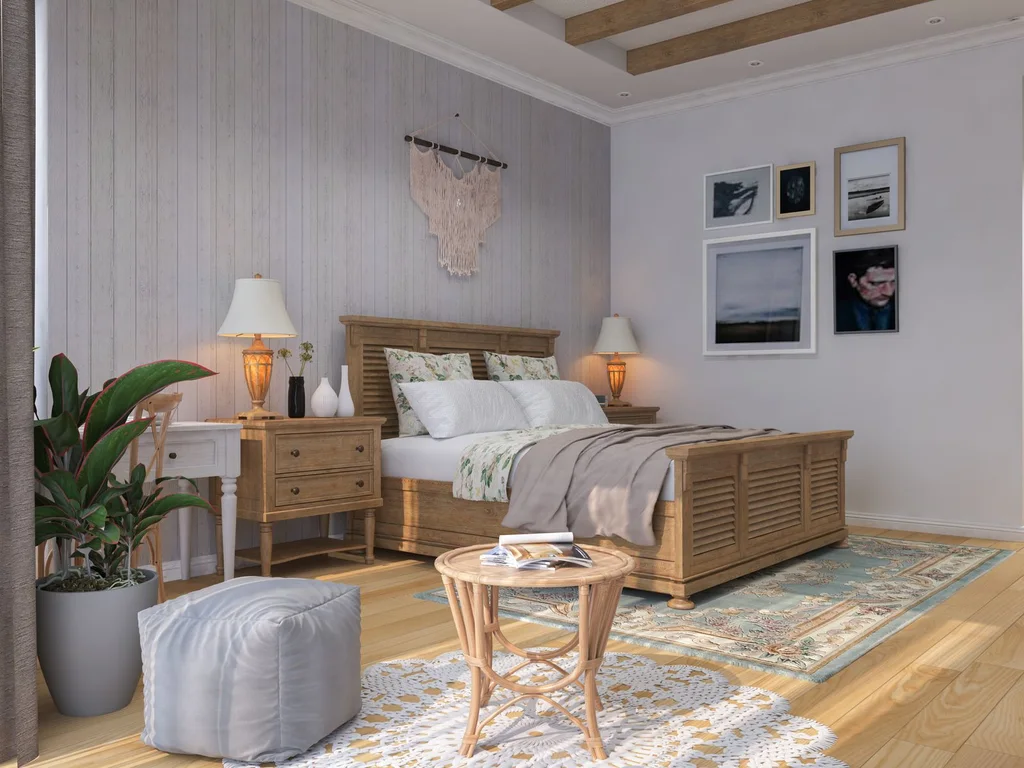
Plants release moisture as they grow, and a group raises humidity around itself more than a lone pot. This can feel comfortable in dry, centrally heated rooms in winter.
65. Calming Green Colour at Eye Level From the Bed
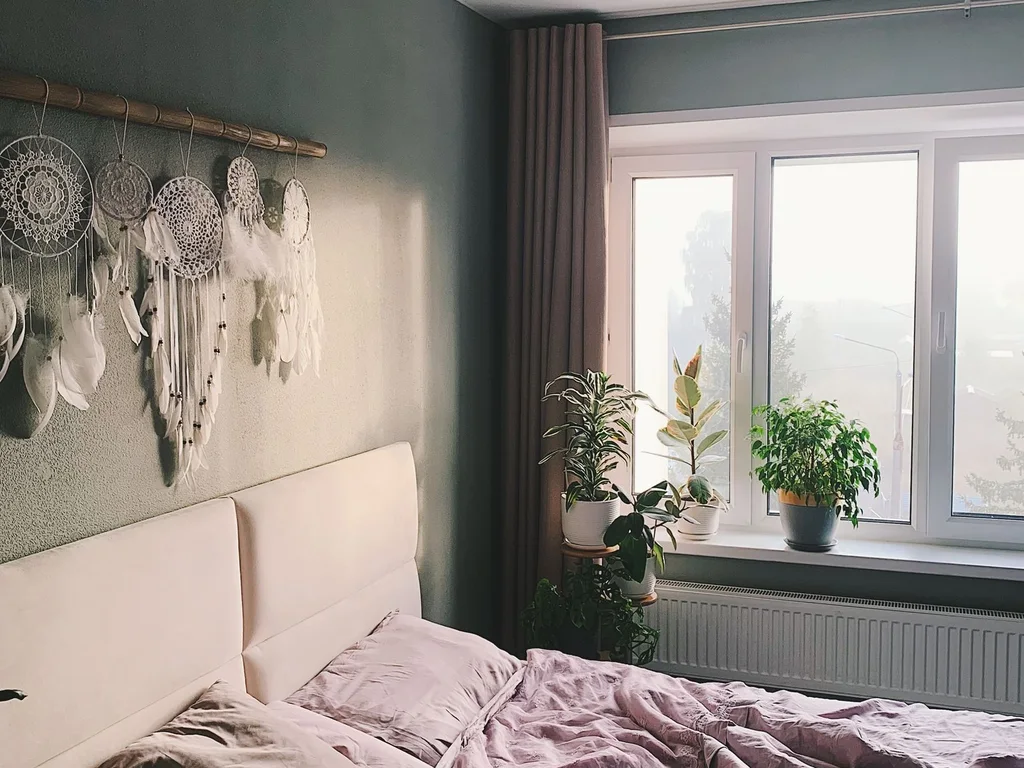
Put the green you see from your pillow at a restful level: a plant on the dresser, a botanical picture, or the sage headboard wall itself. Soft, mid-tone greens are easier to live with at night than bright lime.
66. A Reading Corner With a Plant and a Good Chair
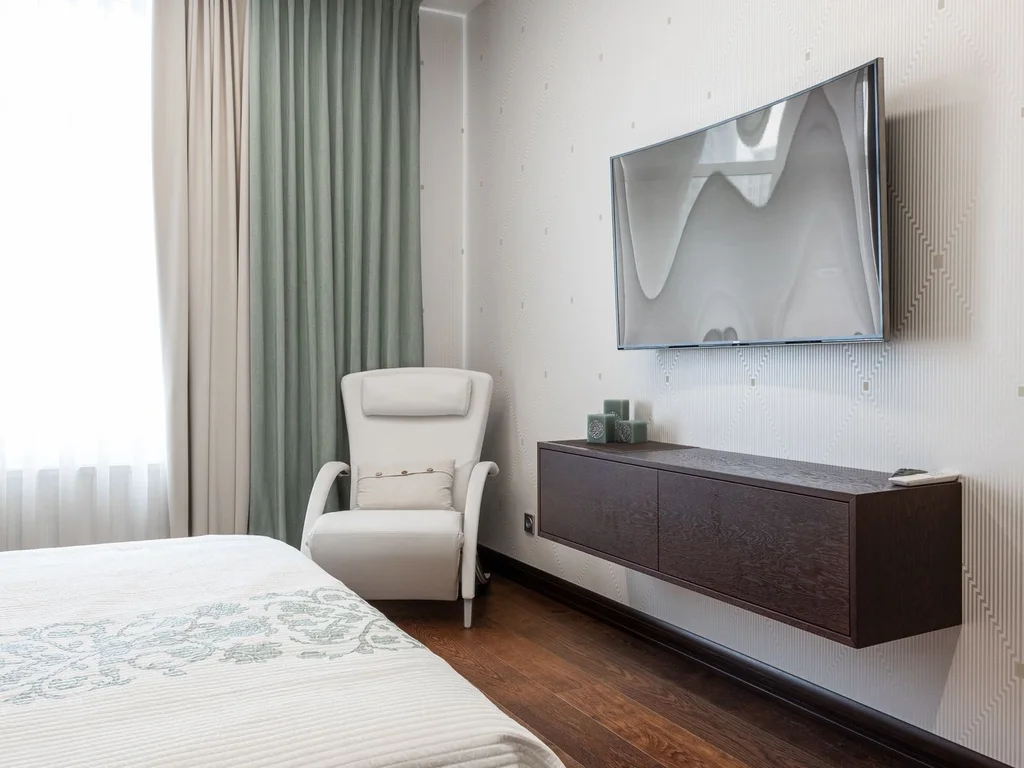
A chair, a lamp and one floor plant create a place to read instead of scrolling in bed. That small habit supports better sleep more reliably than any single plant claim.
67. Spider Plants Where Dust Gathers
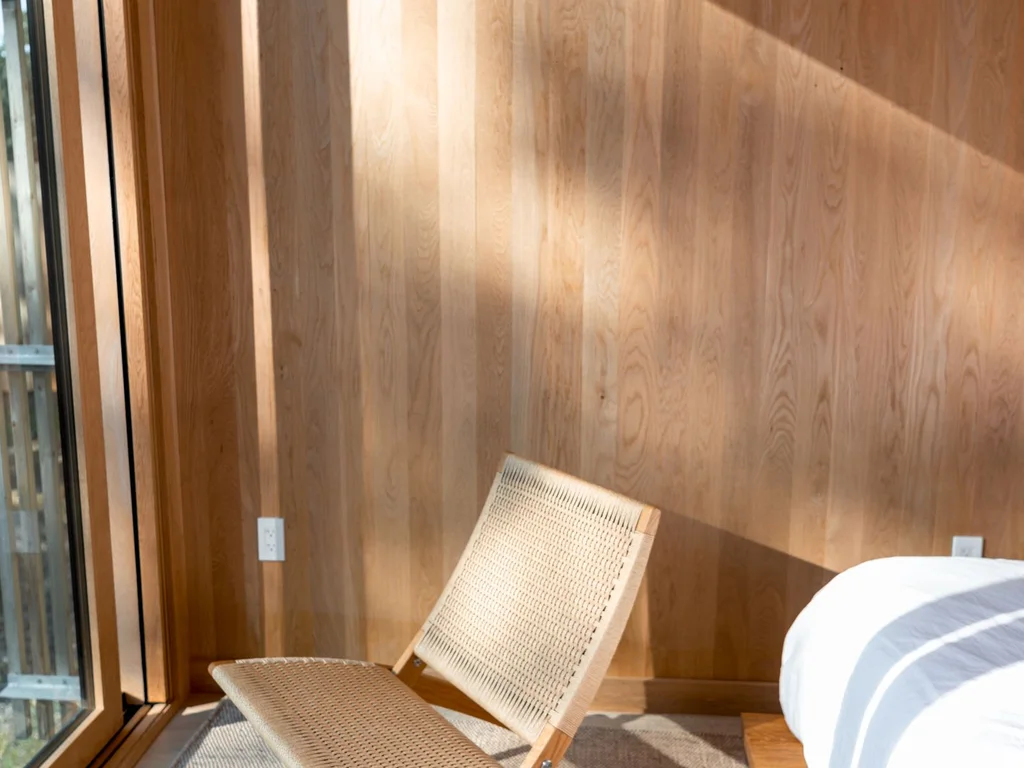
Spider plants are forgiving, produce arching leaves and small plantlets you can pot up free. Hang one where dust shows on shelves, as a reminder to wipe surfaces while you check the plant.
68. Keeping Plants Away From Pillows and Bedding

Leave a gap between foliage and the bed. Leaves brushing pillows can be irritating, and watering over bedding causes damp marks.
69. A Simple Evening Watering and Tidying Ritual
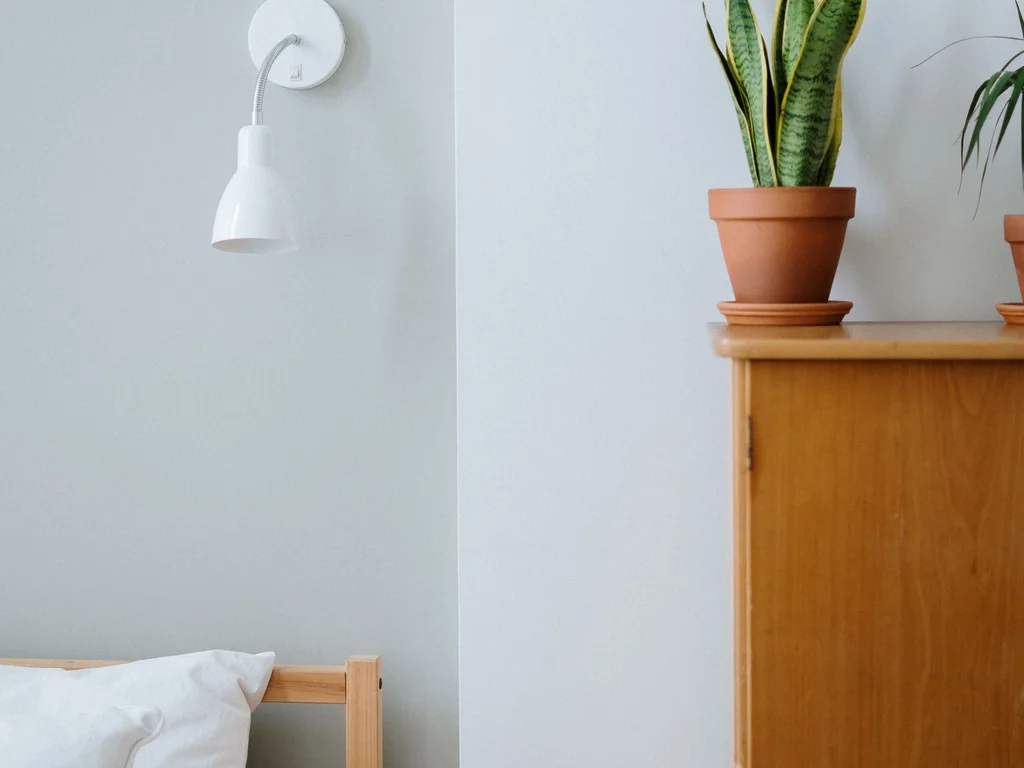
Check plants while you open or close curtains in the evening: remove a dead leaf, turn a pot, water only those that are dry. Five minutes keeps problems small and becomes part of winding down.
70. Plants and Blackout Curtains Working Together
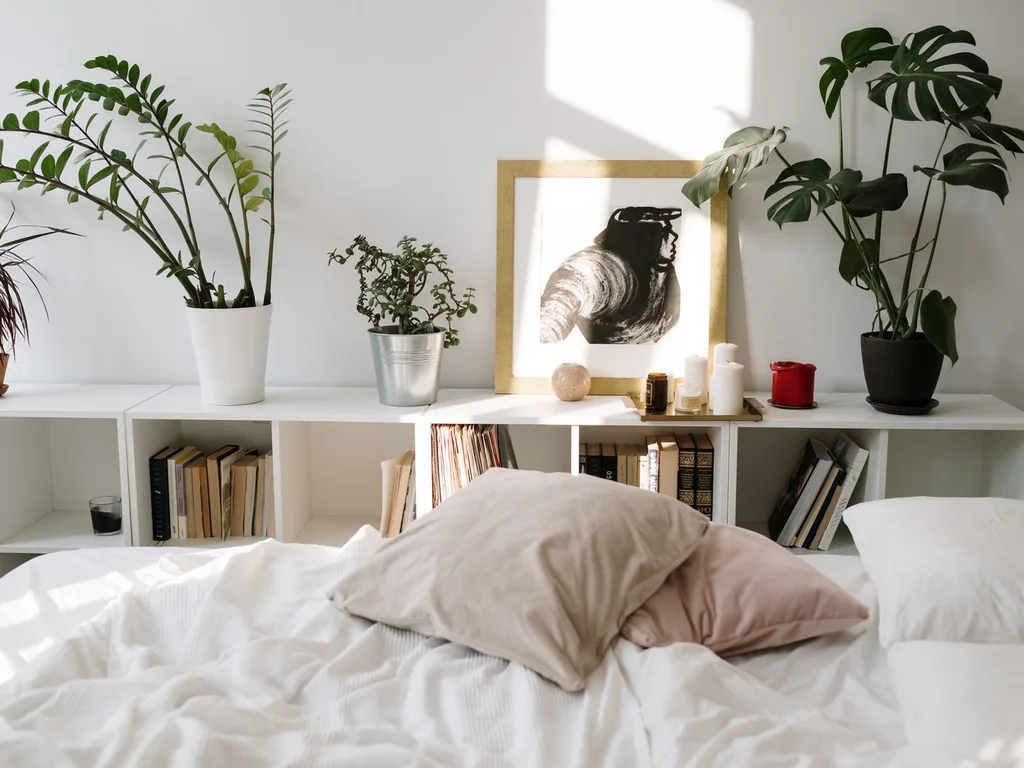
Do not let plants block the light you need in the day or stop blackout curtains closing at night. Keep tall plants to the side of the window and trailing plants above, not across, the curtain track.
8. Lighting That Makes Green Look Alive
Green can look fresh at noon and muddy by evening if the lighting is wrong. Warm, layered light brings out leaf colour and makes green walls feel rich. For broader background, Better Homes & Gardens covers bedroom lighting and plant care in useful detail.
71. Warm 2700K Bedside Lamps
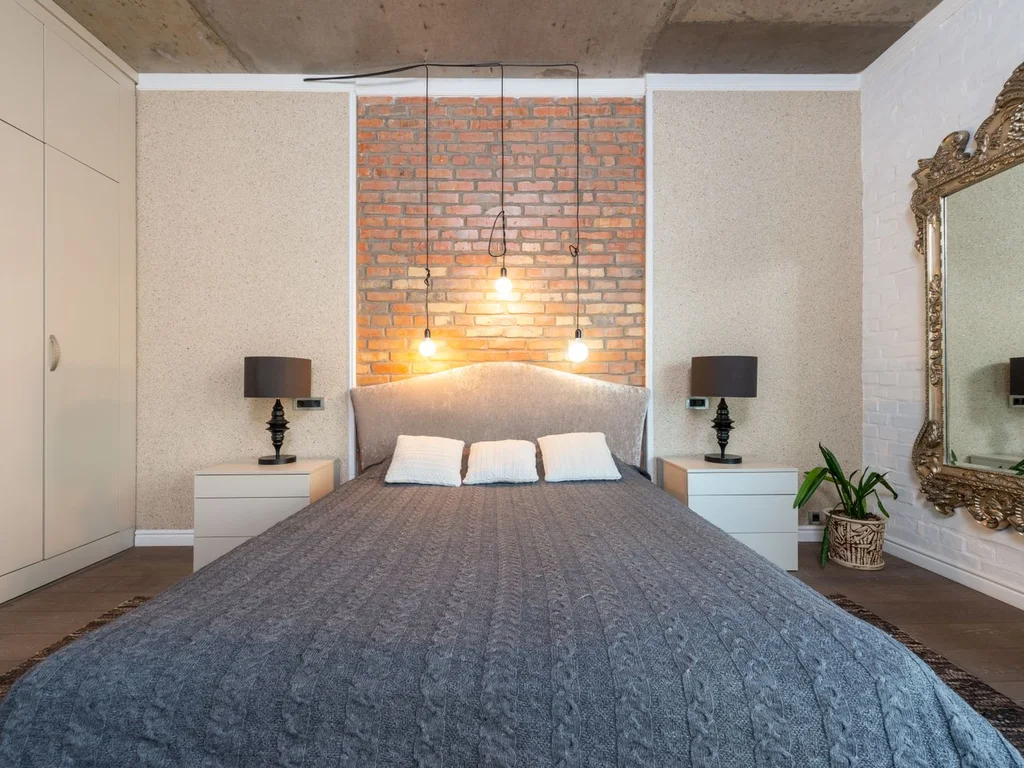
Use bulbs around 2700K at the bedside. This warm colour makes green walls look mellow and skin tones look natural, while cool daylight bulbs can turn sage grey and dull.
72. Three Layers of Light Instead of One Ceiling Light
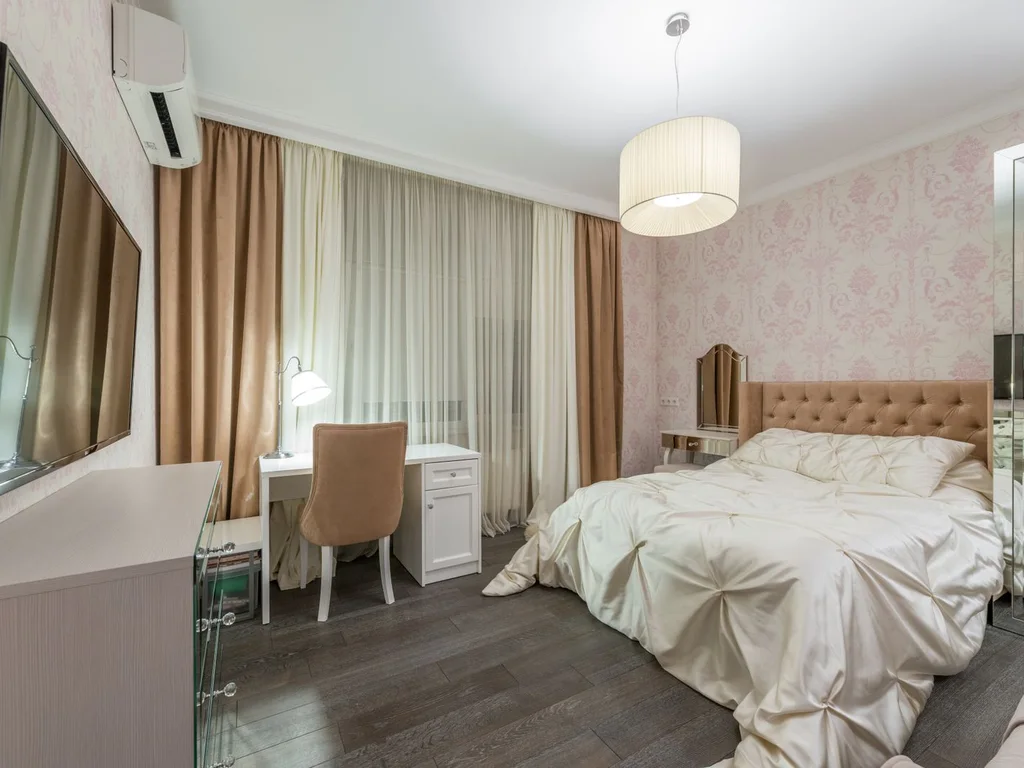
Combine a soft ceiling light, bedside lamps for reading and one low accent light near a plant or dresser. Switching off the main light and using the lower two layers is what gives a greenery bedroom its evening calm.
73. LED Fairy Lights Threaded Lightly Through a Shelf Plant
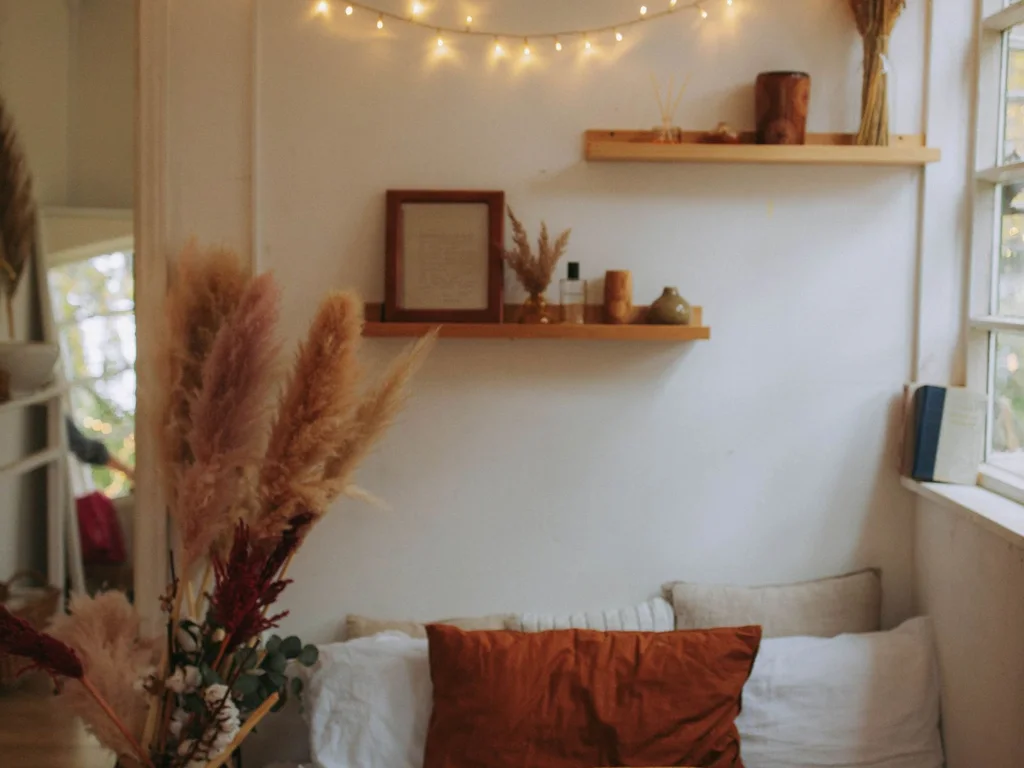
Cool-running LED fairy lights on a fine wire can pick out leaves on a shelf in the evening. Use them sparingly on one shelf, not around the whole bed, and keep battery packs accessible.
74. An Uplight Behind a Large Plant for Leaf Shadows
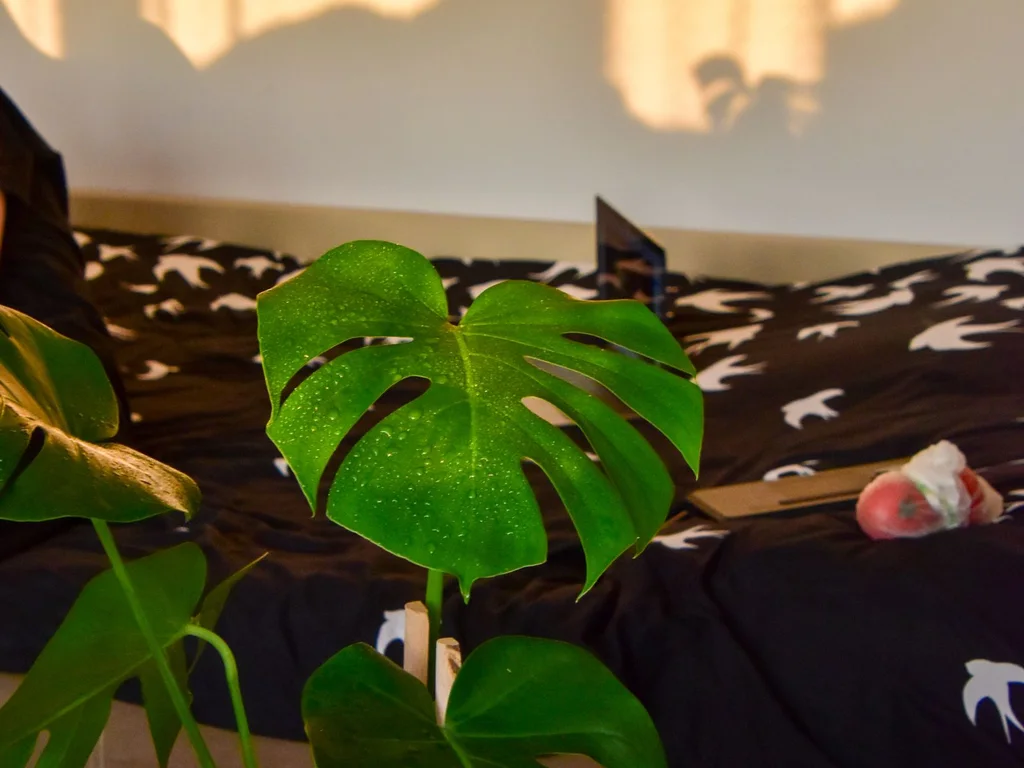
Set a small uplight on the floor behind a monstera or fig so it casts leaf shadows on the wall. This turns one plant into evening artwork for the cost of a fitting.
75. Sheer Curtains That Keep Daylight Soft

Sheers diffuse harsh sun that scorches leaves and fades green bedding, while keeping the room bright. They suit plant-filled windows where a heavy blind would block light all day.
76. Brass or Antique Gold Sconces With Green Walls
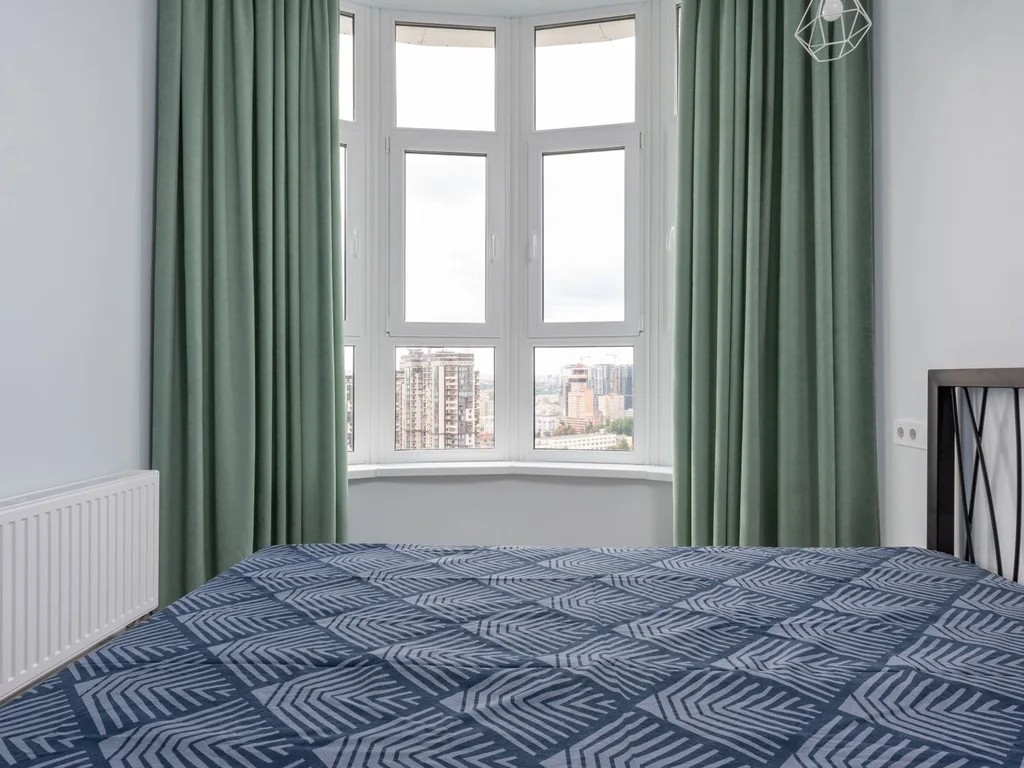
Warm metal sconces sit naturally with forest and emerald paint and bring light to face height, which is kinder than a ceiling light. Fit them either side of the bed in place of table lamps if nightstands are small.
77. Flameless Candles Among Pots on a Dresser
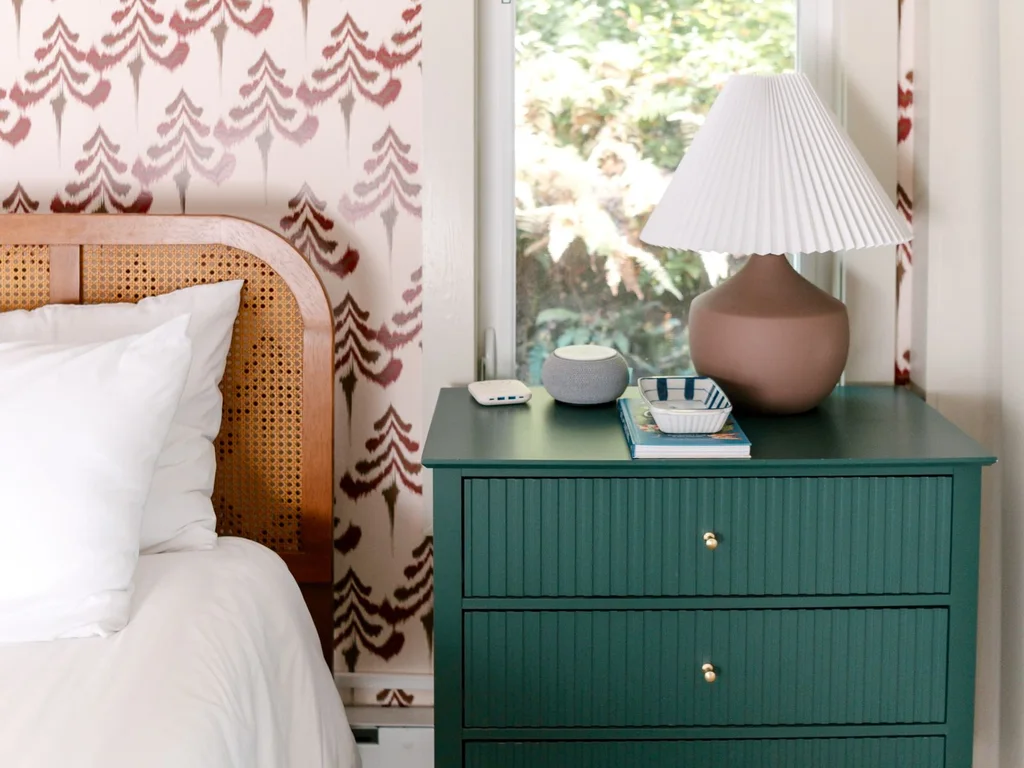
Flameless candles give the flicker that makes leaves and stone look warm, without an open flame near curtains or bedding. Group three at different heights beside, not inside, a plant arrangement.
78. A Dimmer for Paint That Changes With the Light

Forest and emerald walls change a lot as light drops. A dimmer lets you keep the richness without making the room gloomy while you dress or clean.
79. A Discreet Grow Light for a Dark Room
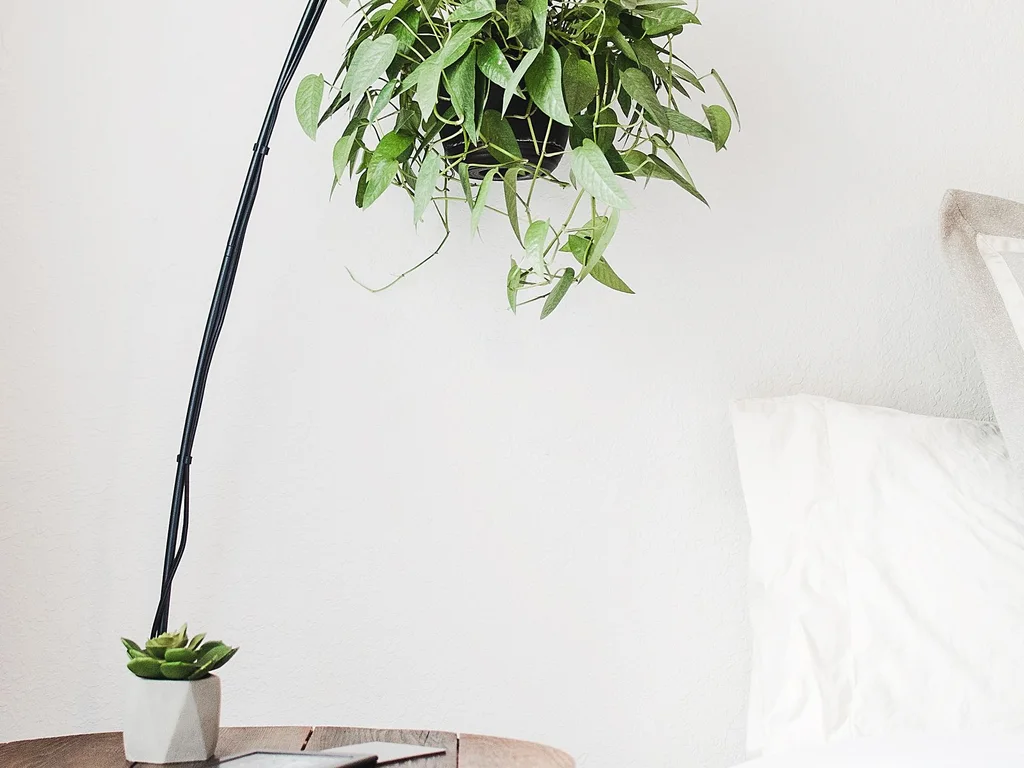
In a north-facing or basement bedroom, a small full-spectrum grow light on a timer can keep one shelf of plants healthy. Choose a warm-looking design that fits a lamp holder rather than a purple office-style bar.
80. Daylight Bounced With a Pale Rug and Bedding
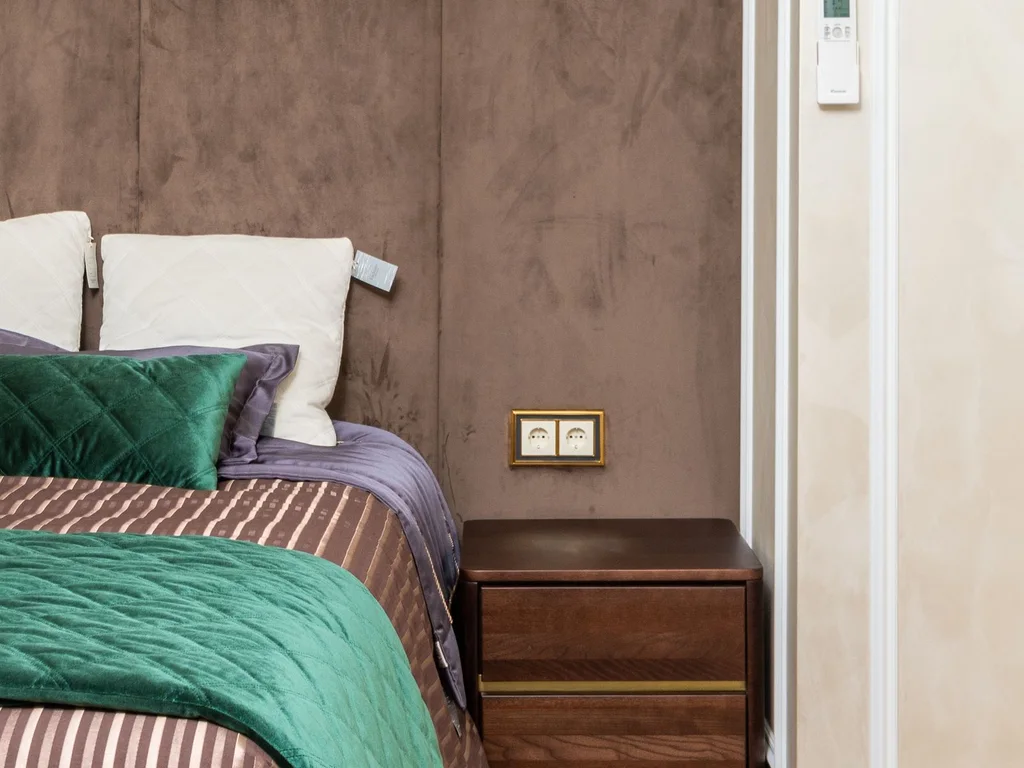
Light surfaces bounce daylight deeper into the room, which helps both you and your plants. A cream rug, pale duvet and white ceiling make sage walls and green leaves stand out without extra lamps.
9. Budget Greenery Ideas Under $50
You do not need a designer budget to get this look. Paint for one wall, cushion covers, cuttings from friends and thrifted pots can carry most of a room.
81. Pothos Cuttings Rooted in Water for Free
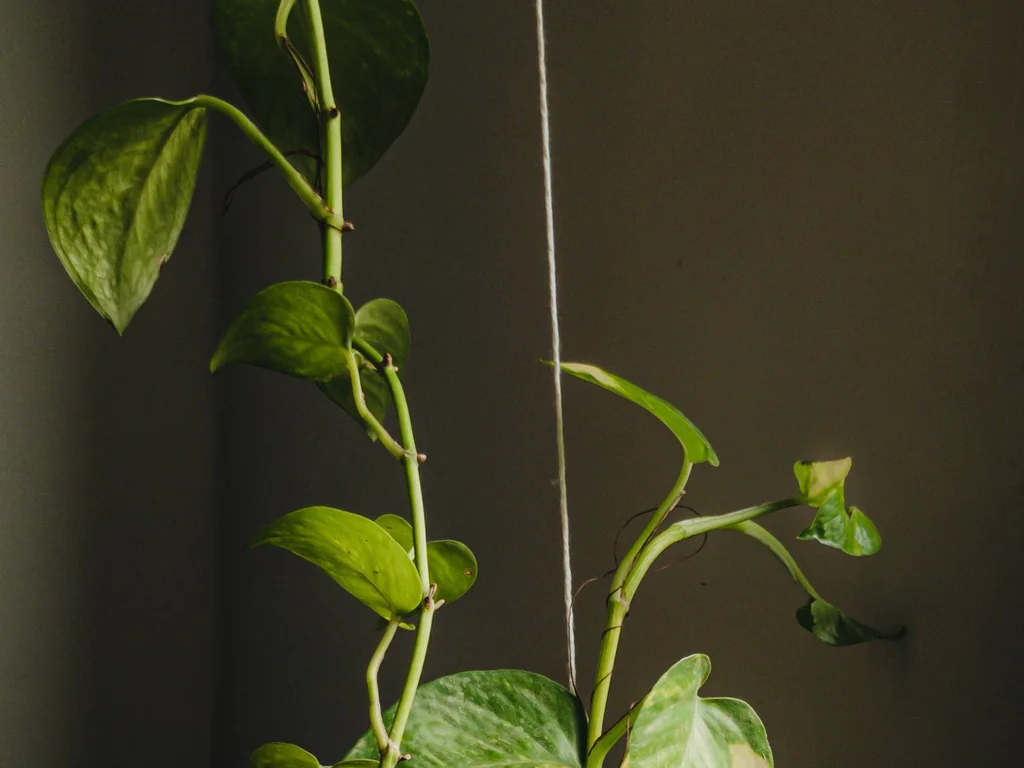
Ask a friend with a pothos for three cuttings, each with a node. Root them in a jar of water on the windowsill, change the water weekly, and pot them when roots are two inches long.
82. Painting One Wall Sage With a Careful Colour Match

One wall in a small bedroom often needs only a single tin of paint. Buy a sample first, paint a large board, and check it against your bedding.
83. Thrifted Pots, Baskets and Jugs as Planters
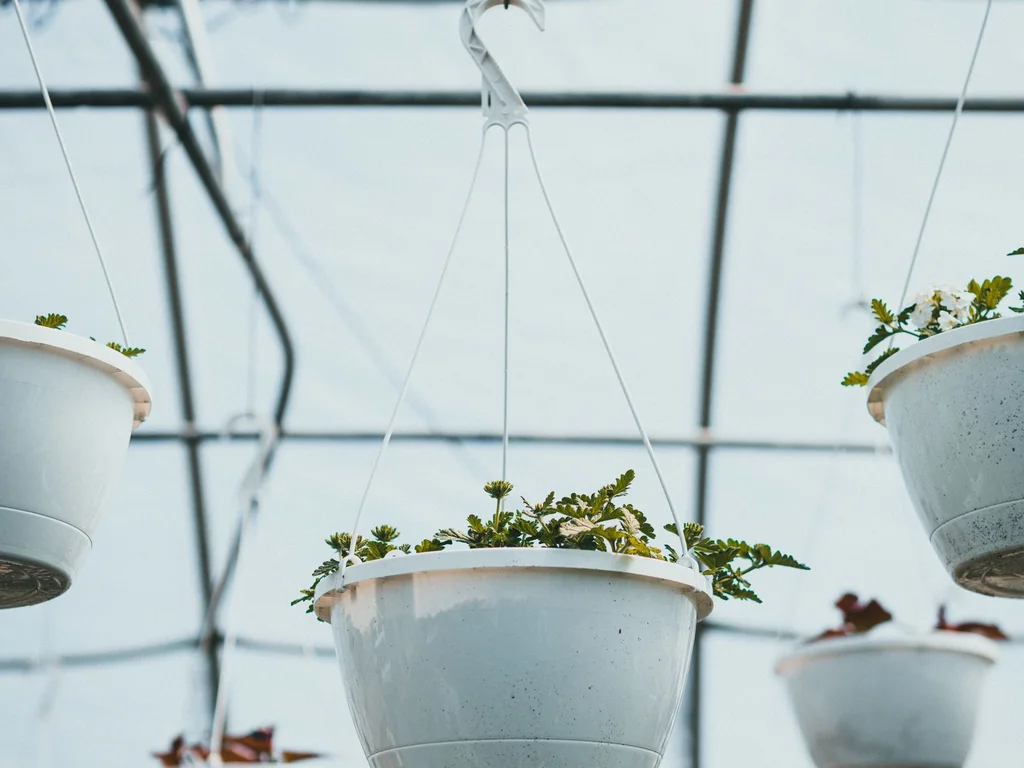
Charity shops and thrift stores are full of baskets, ceramic jugs and bowls that work as pot covers. Keep the plant in its nursery pot and drop it inside, so drainage stays simple.
84. A Plant Swap With Friends or a Local Group
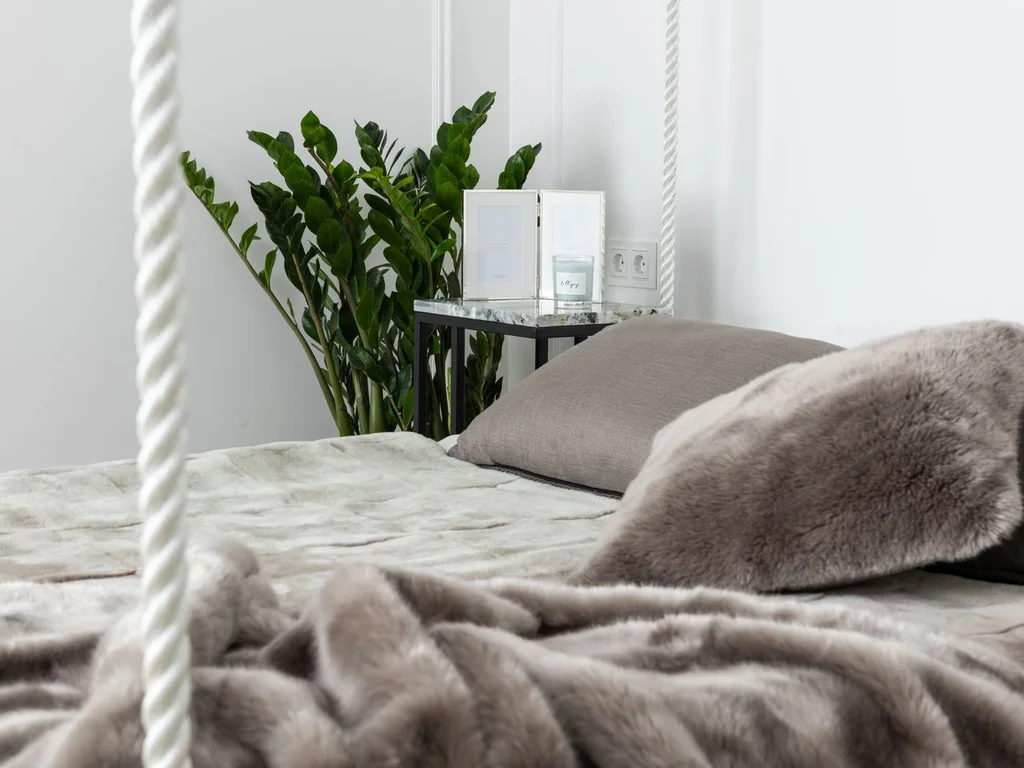
Swap cuttings, spider plant babies and divided ferns instead of buying every plant new. You get variety, advice from the person who grew it, and plants already used to home conditions.
85. Cushion Covers in Green Instead of New Cushions
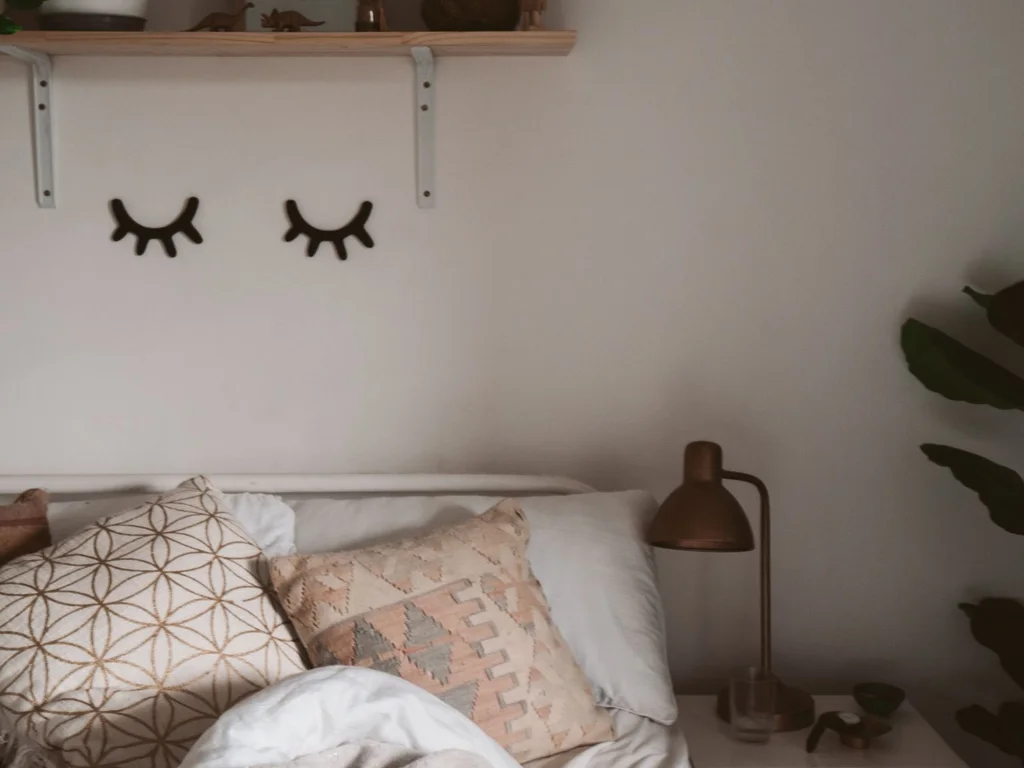
Covers cost a fraction of filled cushions and store flat when not in use. Buy two sage and one forest cover in washable cotton or linen-look fabric.
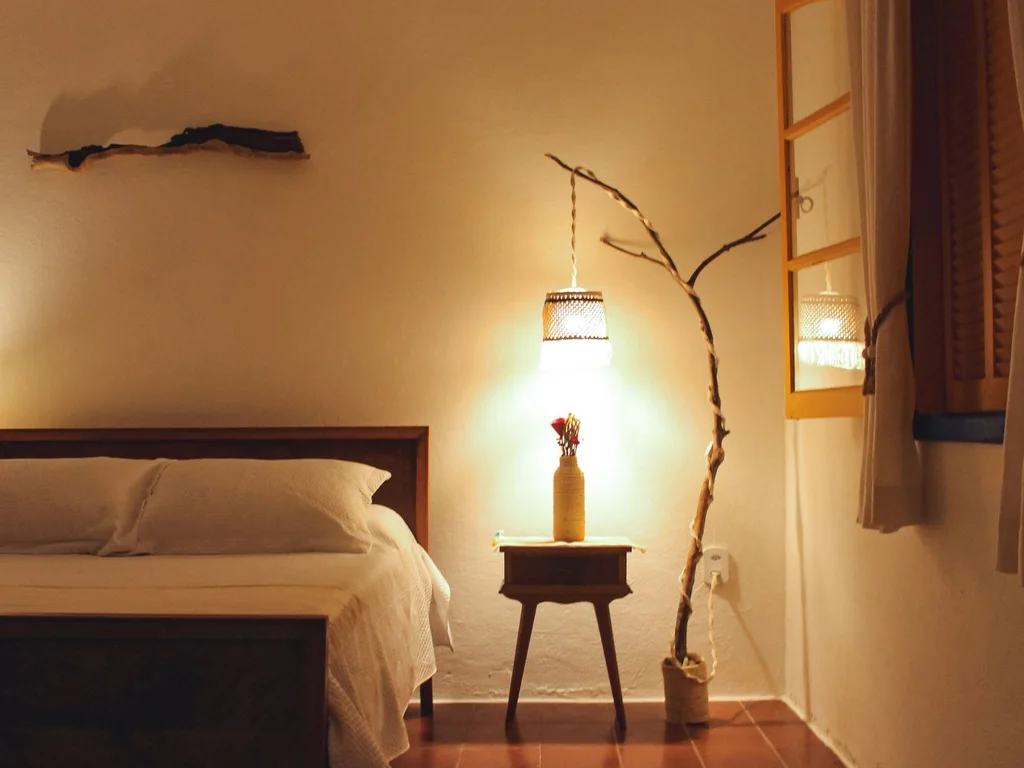
86. A Tall Branch or Foraged Stems in a Vase
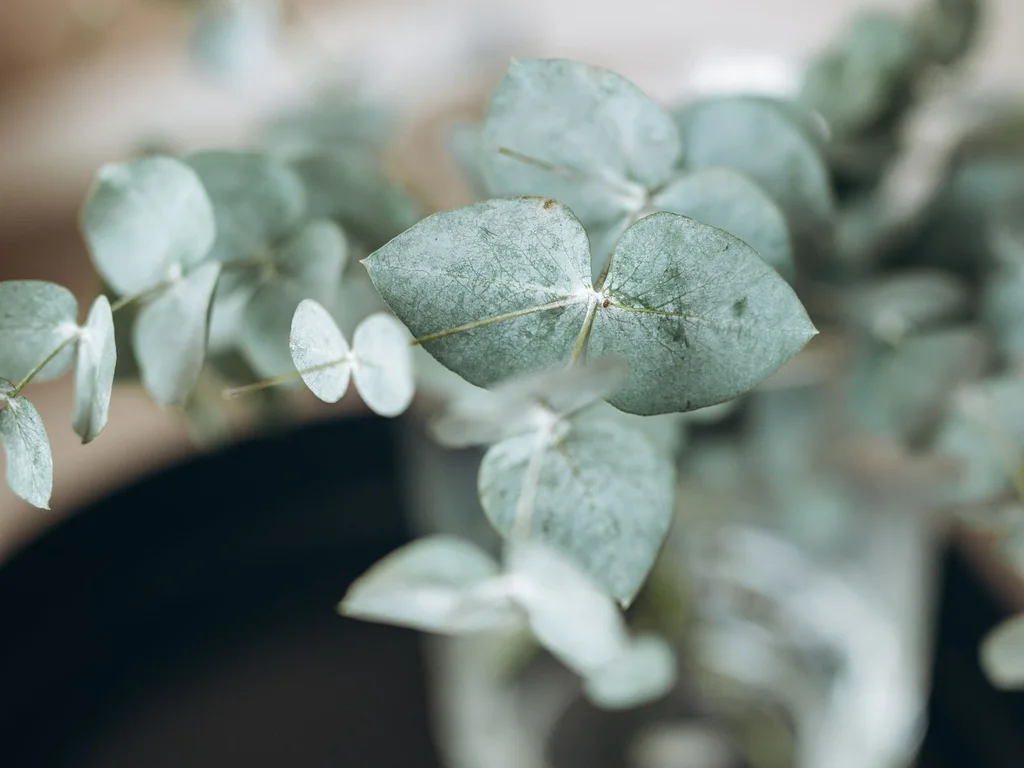
A single cut branch in a heavy vase gives height and a sculptural green shape for very little money, where local rules allow taking fallen material. Change the water often and keep it simple; one branch looks better than a crowded bunch.
87. Supermarket and Market Plants Bought Small
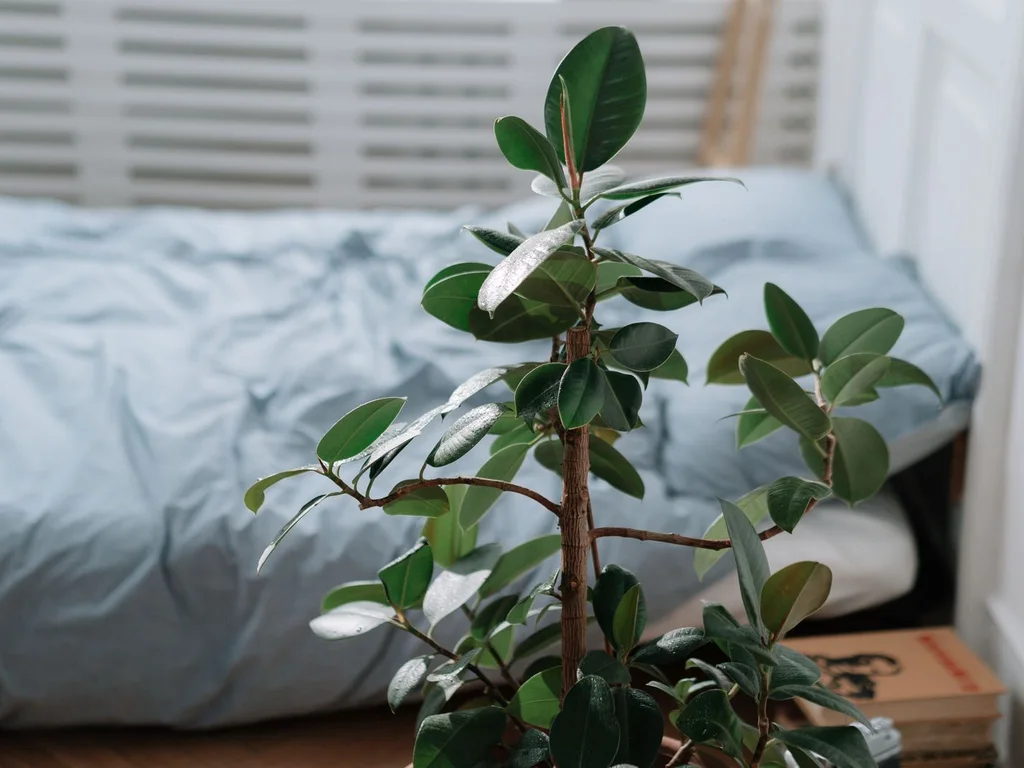
Small plants cost less and adjust to your room more easily than large specimens. A young monstera or fern bought small will fill its corner within a season or two in good light.
88. A Simple DIY Shelf From a Board and Brackets
A sanded board on two brackets makes a plant shelf for less than many ready-made units. Paint or oil it to match your nightstands so it looks built for the room.
89. Printed Botanical Art in Thrifted Frames
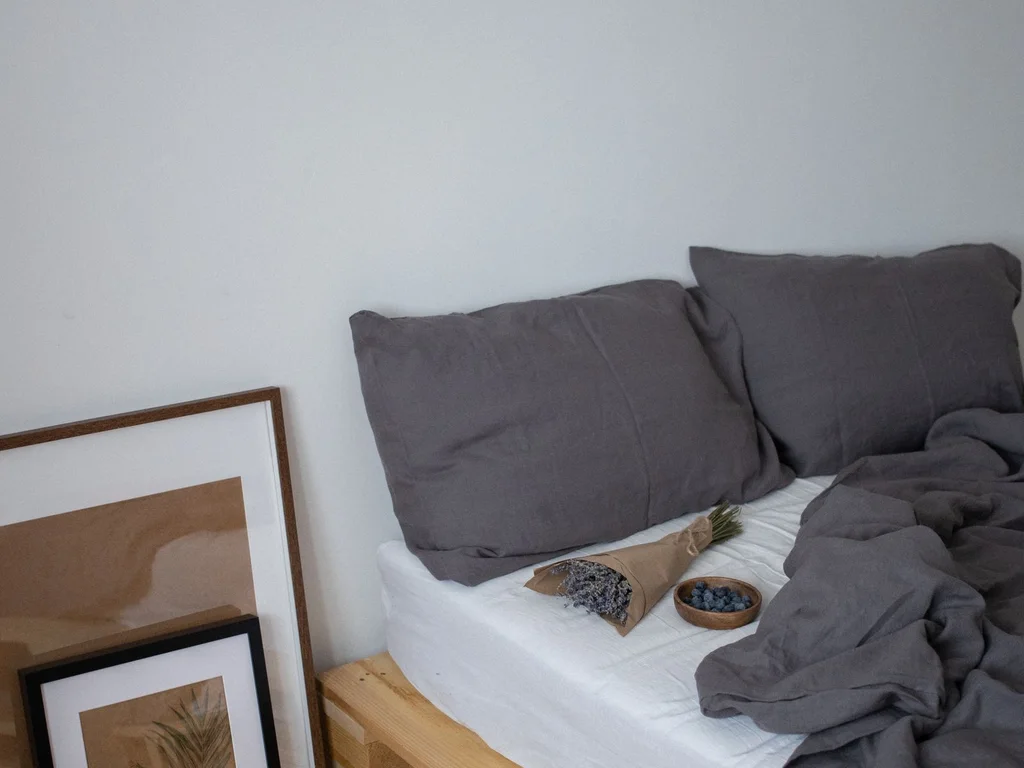
Downloadable botanical prints, old garden book pages you own, or your own pressed leaves in frames add green pattern without watering. Use two or three frames in the same finish above a dresser.
90. Mixing One Good Faux Stem With Real Plants
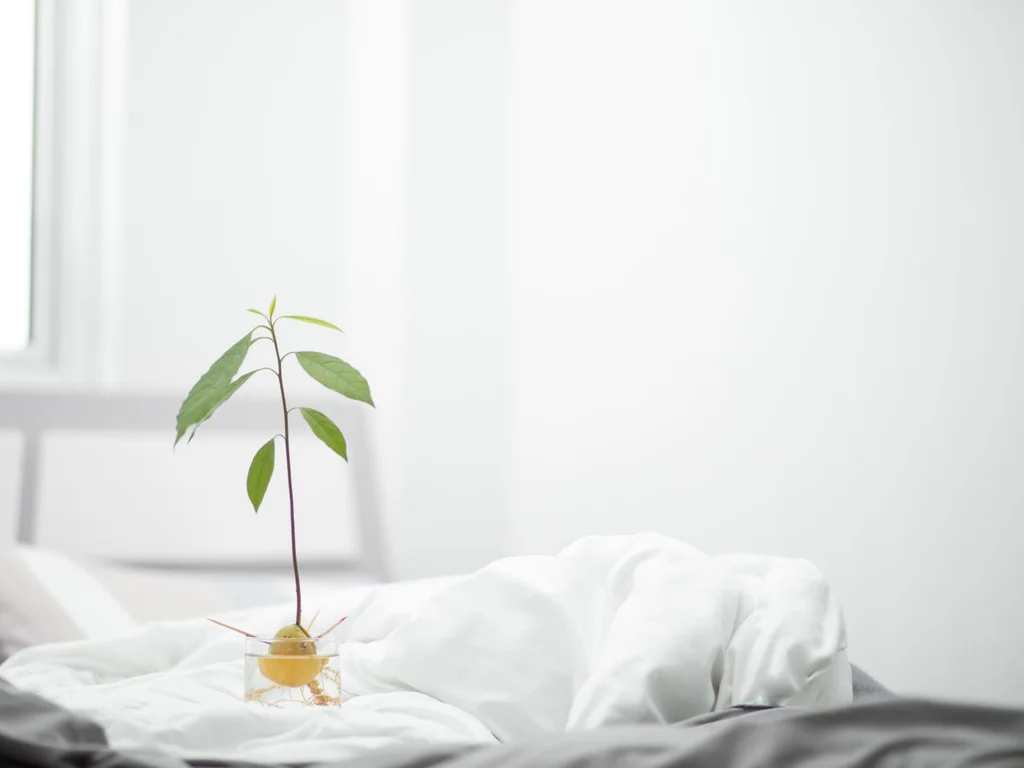
If one spot is too dark for anything real, use one convincing faux eucalyptus or olive stem there and keep the rest real. The real plants nearby lend it credibility, and most guests will not study it closely.
10. Low-Maintenance and Rental-Friendly Greenery
The best greenery scheme is the one still alive in six months. Choose plants that forgive a missed week, use pots and hooks that leave no damage, and set up a simple routine you can keep.
91. ZZ Plants and Snake Plants for Forgetful Waterers
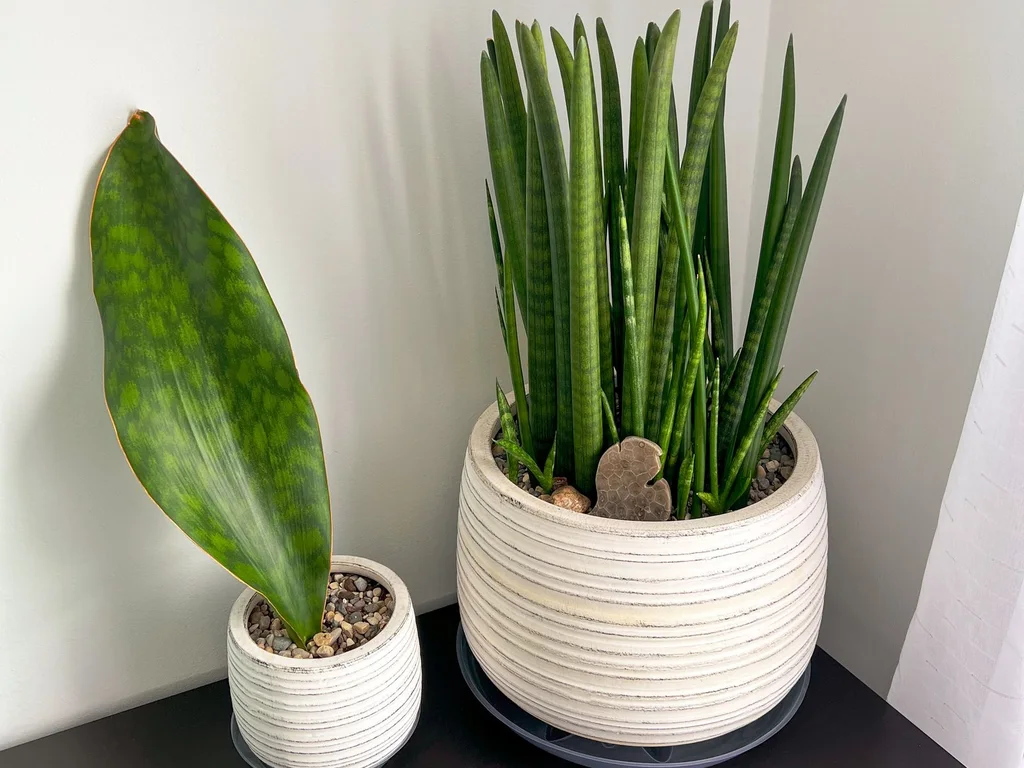
Start here if you have killed plants before. Both tolerate low light and long gaps between waterings, and both look tidy rather than wild.
92. Self-Watering Pots for Holidays and Busy Weeks
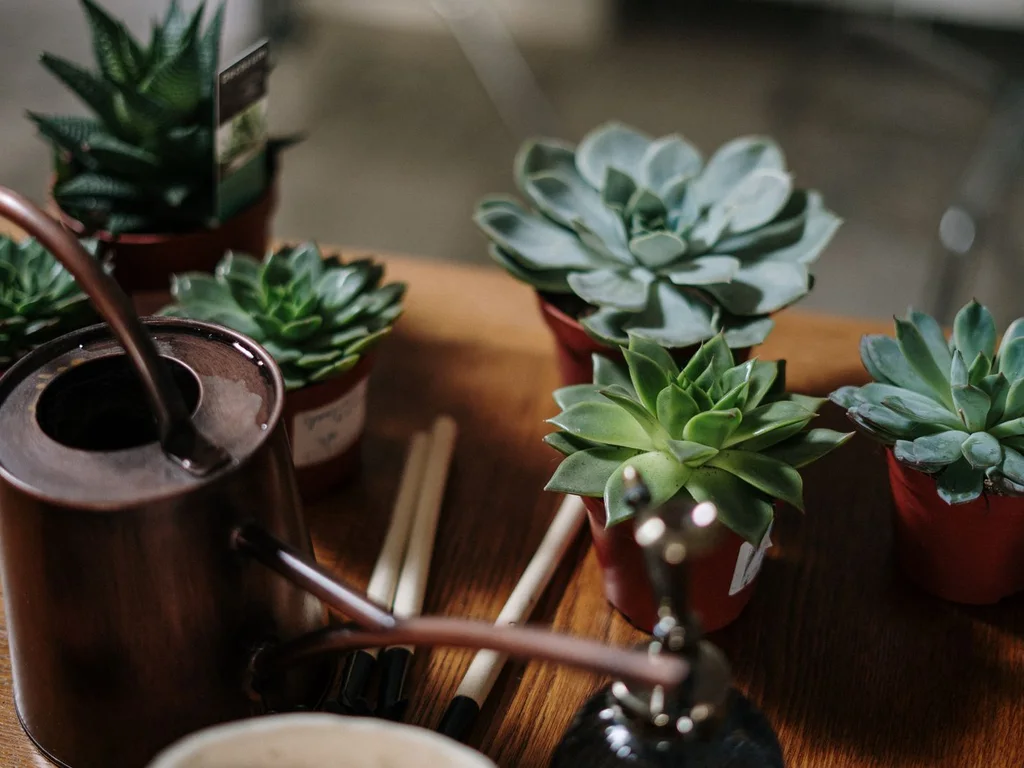
A self-watering pot with a reservoir smooths out an irregular routine and helps ferns and peace lilies that dislike drying out. It does not remove care altogether; check the reservoir weekly and refill it before trips.
93. Peel-and-Stick Botanical Wallpaper

Removable wallpaper gives renters a leaf-pattern headboard wall without paint. Smooth the wall first, work slowly from the top, and keep a spare piece for repairs.
94. No-Drill Hanging With Strong Removable Hooks
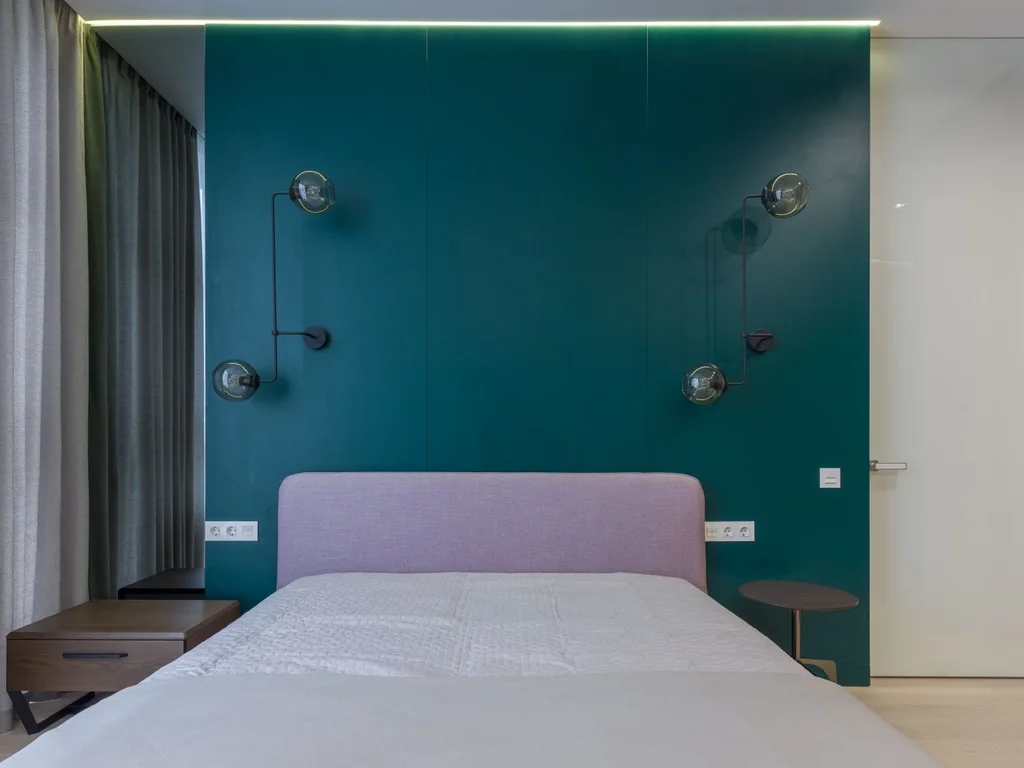
Use removable hooks rated well above a plant’s wet weight for lightweight hanging planters on smooth walls. Press and wait the full time stated on the pack before hanging anything.
95. Faux Trailing Plants Only Where Real Ones Cannot Reach
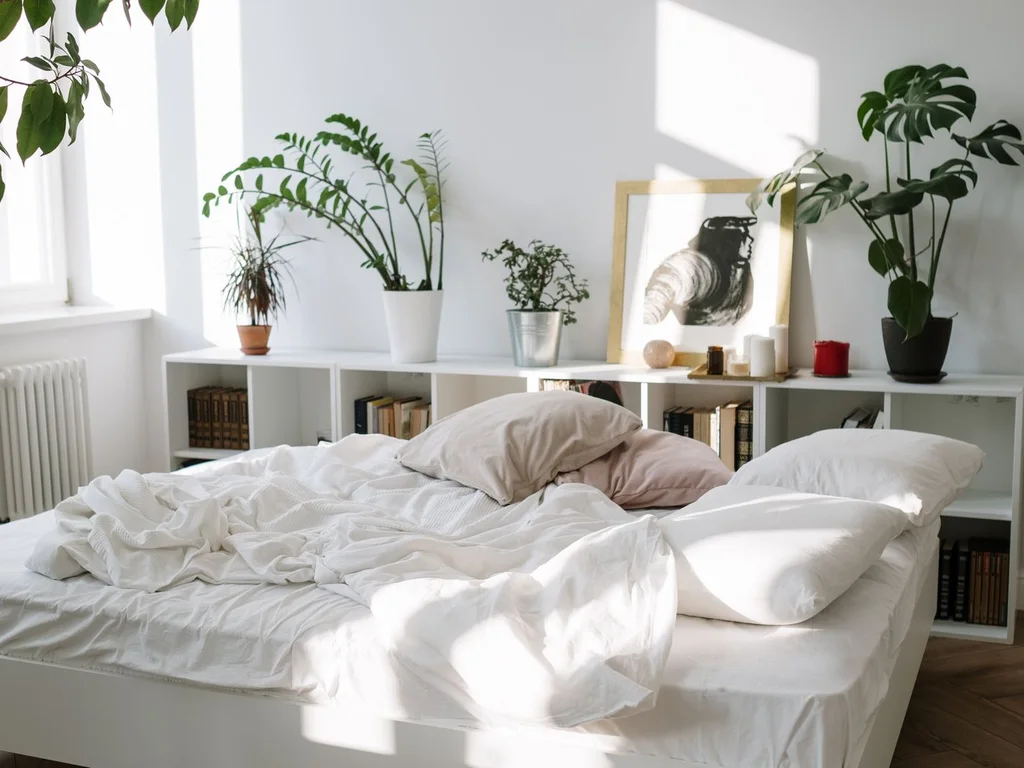
High wardrobe tops and dark corners above cupboards are honest places for faux trailers, because real plants there get forgotten and dusty. Keep them out of easy reach and sight lines, and use real plants at bed and desk level.
96. Freestanding Ladders and Trolleys Instead of Fixed Shelving
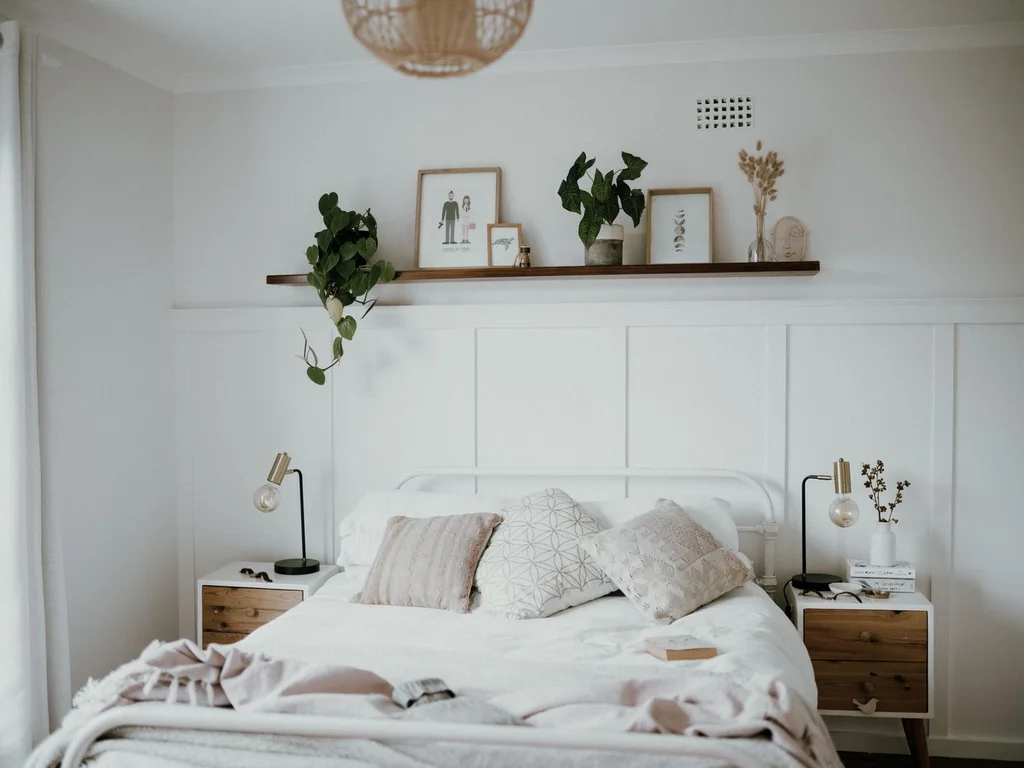
A leaning ladder shelf or a plant trolley gives tiers of planting with no screws into the wall. You can move it to follow seasonal light or to clean behind it.
97. A Plant Trolley You Can Move to the Light
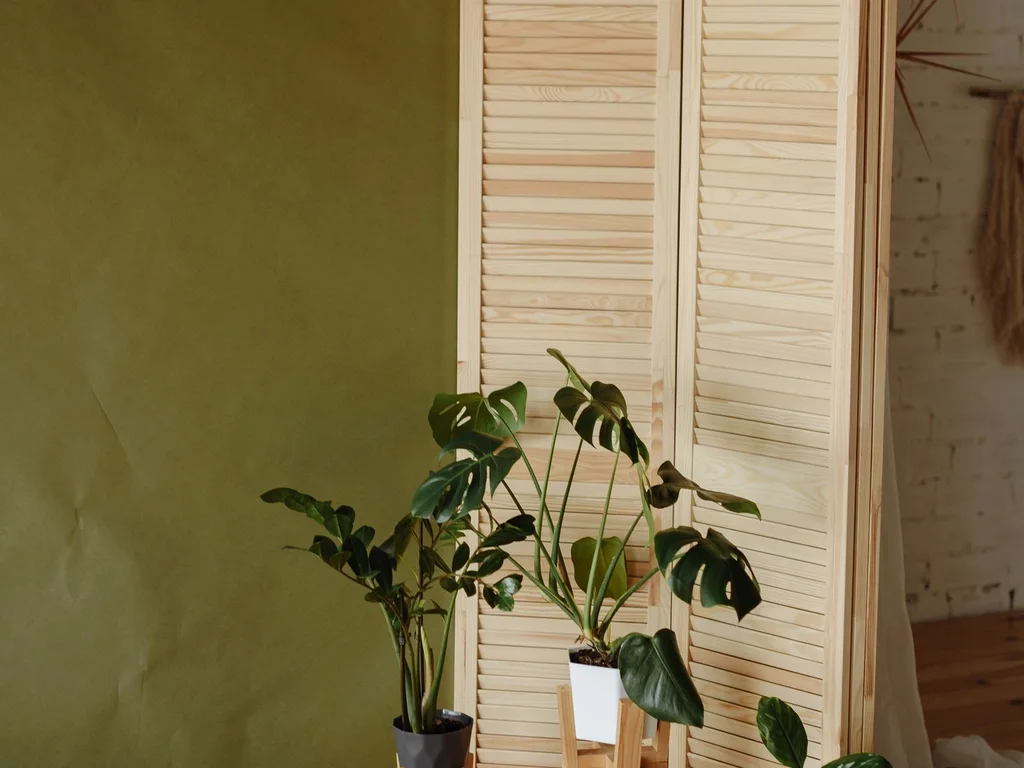
In a flat where only one window gets good sun, a trolley lets plants share that spot and move aside at night. Locking castors stop it rolling on wood floors.
98. Succulents and Cacti on a Sunny Desk
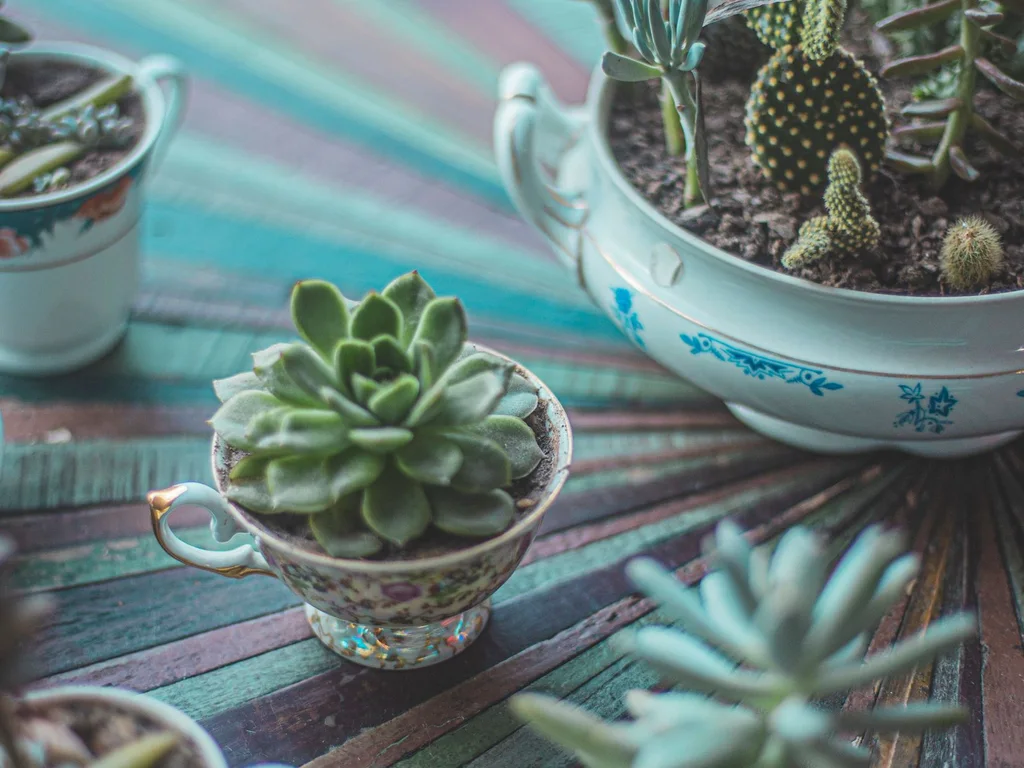
Small succulents suit a sunny desk or sill where space is tight and watering is rare. They need gritty, free-draining compost and a pot with a hole; a decorative cover pot alone will trap water.
99. A Monthly Dust, Feed and Check Routine
Once a month, wipe leaves with a damp cloth, check under leaves for pests, and feed only in spring and summer at the strength on the label. Dusty leaves take in less light, so this simple job keeps plants growing.
100. Starting With Three Plants and a Simple System

Begin with one tall, one trailing and one small nightstand plant, all suited to your light. Add a fourth only after a month of keeping the first three well.
Greenery Bedroom Mistakes to Avoid
Most greenery bedrooms that disappoint share the same few problems, and all of them are easy to avoid once you know them.
- Too many small plants, no height. A room full of tiny pots looks busy and still feels empty at eye level.
- Choosing plants for looks, not light. A sun-loving olive tree in a dark corner will thin and drop leaves.
- Overwatering. More houseplants die from wet compost than from thirst.
- Dark green everywhere in a dark room. Forest walls, dark bedding and heavy curtains together can feel gloomy.
- Plants blocking light, drawers or exits. Greenery should not stop curtains closing, drawers opening or a door swinging fully.
- Ignoring dust and pests. Dusty leaves and an unnoticed infestation spread through a grouped collection quickly.
- No drainage. Dropping a plant into a sealed decorative pot with no hole or inner pot traps water at the roots.
If you recognise one of these in your room, fix that first before buying anything new.
Frequently Asked Questions About Greenery Bedroom Ideas
What are the best plants for a greenery bedroom?
Snake plants, ZZ plants, pothos, philodendron, peace lilies and spider plants are the most reliable starting points. They tolerate a range of light, forgive missed watering and have the leaf shapes that suit this look.
Do bedroom plants really clean the air?
Not in any meaningful way in a normal room. The famous studies used many plants in sealed, small chambers, and later reviews found you would need an unrealistic number of plants per room to match simple ventilation.
How many plants should I have in a bedroom?
Three to seven is a comfortable range for most rooms: one tall, one or two medium, and a few small or trailing plants. Small rooms look better with three good plants than with fifteen small ones.
What plants work in a bedroom with very little light?
Snake plants, ZZ plants and pothos cope best with low light, though they grow slowly and still need some daylight. No real plant thrives in a windowless room.
Should I choose sage green or forest green for my bedroom?
Choose sage if your room is small or north facing; it keeps the room open and pairs easily with cream. Choose forest for a larger, bright room, balanced with pale bedding and warm wood. Sample both first.
Are fake plants better than real plants in a bedroom?
Real plants look and feel better in the places you see up close, and caring for them is part of the calm of this style. Faux plants have a place in dark, high or hard-to-reach spots where real ones would fail.
How do I add greenery to a very small bedroom?
Go vertical: one tall corner plant, wall or shelf plants, and a trailing plant up high. Use sage and cream on large surfaces, add a mirror to reflect the leaves, and keep the nightstand top mostly clear.
Are bedroom plants safe and easy to care for around children and pets?
Some common plants, including pothos, philodendron and peace lilies, can be harmful if eaten, so keep them out of reach or check a reliable pet safety list first. For care, match plants to your light and water only when compost is dry.
Conclusion
A calm greenery bedroom is built in layers: one green colour you have tested in your own light, a few real plants placed where they can thrive, natural materials to warm the scheme, and light that flatters all of it in the evening. Start with three ideas from this list, not thirty. A sage wall behind the bed, a monstera in the corner and pothos trailing from a shelf will already change how the room feels tonight.
From there, let the room grow with you: add a plant when a spot is genuinely empty, swap textiles with the seasons, and keep the simple care routine going. If you want to balance the layout as you add pieces, our guide to feng shui bedroom tips for a calmer layout is a helpful next read. The goal is not a perfect photo; it is a bedroom that helps you rest.


Pingback: 100 Green Aesthetic Bedroom Ideas in Sage, Forest and Emerald
Pingback: 50 Greenery Bedroom Ideas With Real Plants for a Calm Room
Pingback: 100 Bedroom Decor Ideas to Style a Room You Love
Pingback: 100 Home Decor Aesthetic Ideas for a Beautiful, Cohesive Home
Pingback: Kitchen Decor Ideas: 100 Ways to Refresh Your Kitchen
Pingback: House Interior Design Ideas: A Room-by-Room Plan for Your Home
Pingback: Apartment Decor Ideas: 100 Small-Space Tricks That Feel Bigger
Pingback: Laundry Room Design Ideas: 20 Layouts, Storage and Style Fixes
Pingback: Bedroom Inspo Ideas: Find Your Style Among 100 Looks