
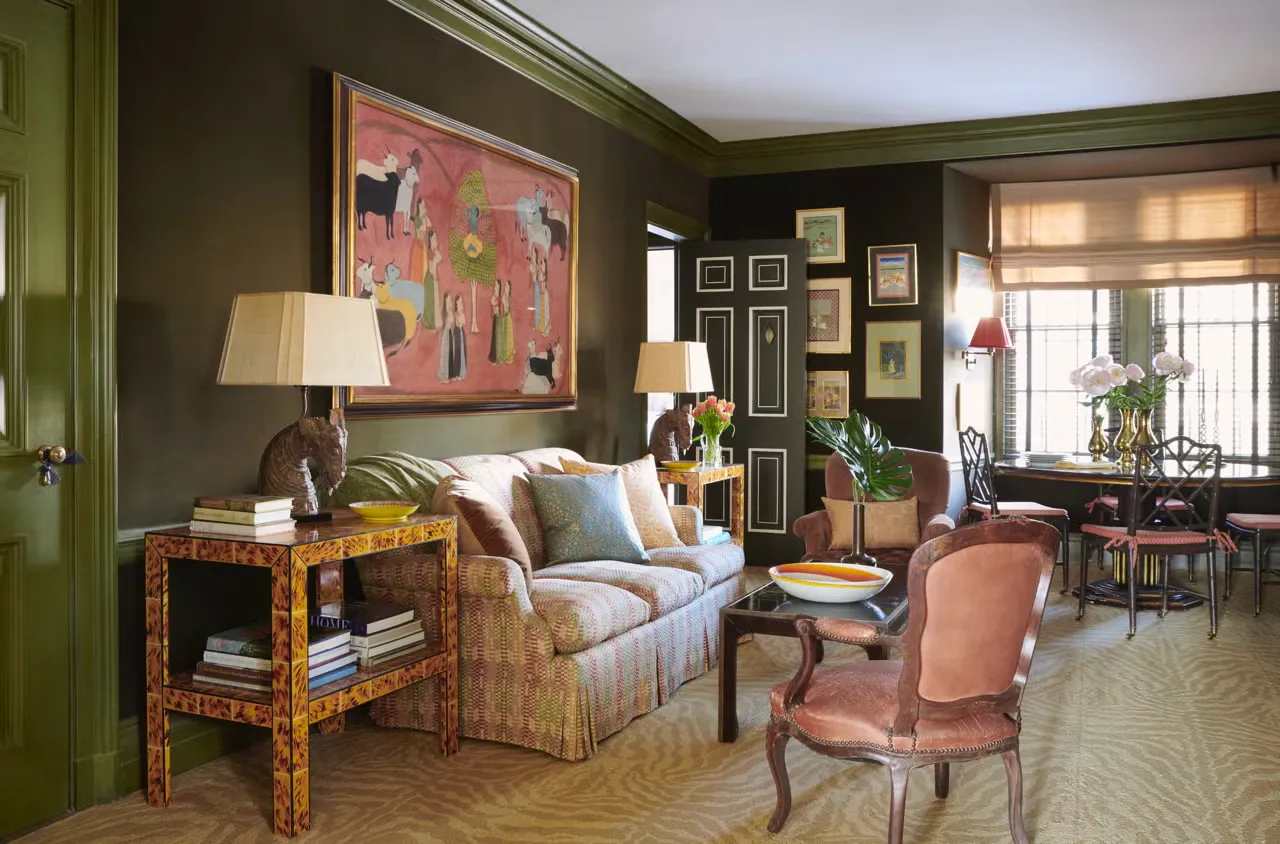
A timeless living room does not have to look old-fashioned, formal, or boring. In good interior design, “timeless” usually means that the room continues to feel comfortable, balanced, beautiful, and useful even when decorating trends change. The goal is not to freeze your living room in one particular style. Instead, it is to create a strong foundation that can accept small updates over the years without requiring a complete makeover.
Quick answer: A timeless living room uses classic shapes, warm neutrals, natural wood and stone, good light, and simple lines that do not follow short-lived trends. The 12 features in this guide, from layered lighting and real materials to balanced color and honest proportions, keep a room looking right for years, not just one season.
Designers often achieve this by paying attention to things that are bigger than trends: proportion, comfort, natural materials, useful furniture, lighting, architectural details, color, texture, and personal character. A trendy cushion or lamp can be replaced easily, but a poorly planned layout, an uncomfortable sofa, or furniture that is the wrong size can make a room feel dated or awkward much faster.
A timeless living room should also feel like it belongs to the people who live there. You do not need to copy a designer showroom or buy an entire matching furniture set. Family photographs, books, collected objects, vintage pieces, artwork, plants, and meaningful accessories can make the space feel personal. The best rooms often combine old and new instead of trying to make every item look as if it came from the same collection.
This guide explains 12 designer-approved features that can help a living room look timeless while still feeling fresh and practical. If you are planning a complete room update, start with the layout and major furniture first. Then work through color, materials, lighting, textiles, artwork, storage, and accessories. This order helps you spend money where it matters most and prevents unnecessary decorating purchases.
Top Designer-Approved Features That Make Your Living Room Look “Timeless”
1. A Well-Proportioned and Comfortable Sofa

The sofa is usually one of the largest pieces in a living room, so its size and shape have a major effect on how the entire space feels. A timeless sofa should fit the room instead of simply looking impressive in a showroom. Before buying one, measure the wall, doorways, windows, walking paths, and surrounding furniture. A sofa that is too large can make a room feel crowded, while one that is too small can make a large living room feel empty and disconnected. Comfort matters just as much as appearance. Think about seat depth, seat height, back support, cushion firmness, and how your household actually uses the room. If your family spends several hours watching television, reading, talking, or relaxing on the sofa, choose a design that supports those activities rather than buying a sofa only because it photographs well.
For a timeless look, consider a simple silhouette that can work with different decorating styles. Clean lines, gently rounded shapes, classic upholstery, and well-made frames can remain useful even when your taste changes. You do not necessarily need a beige or cream sofa. Soft gray, warm taupe, muted green, navy, brown, or another restrained color can also provide a flexible foundation. If you prefer a stronger color, make sure you genuinely love it before making a major investment. Removable cushions and changeable throws can introduce new colors later without replacing the sofa. A good sofa should also allow the rest of the room to breathe. Leave enough space around it for movement and avoid pushing every piece of furniture tightly against the walls simply because there is open floor space in the center. A carefully sized sofa creates a natural anchor and makes it easier to build a balanced seating arrangement.
2. Natural Materials That Age Beautifully
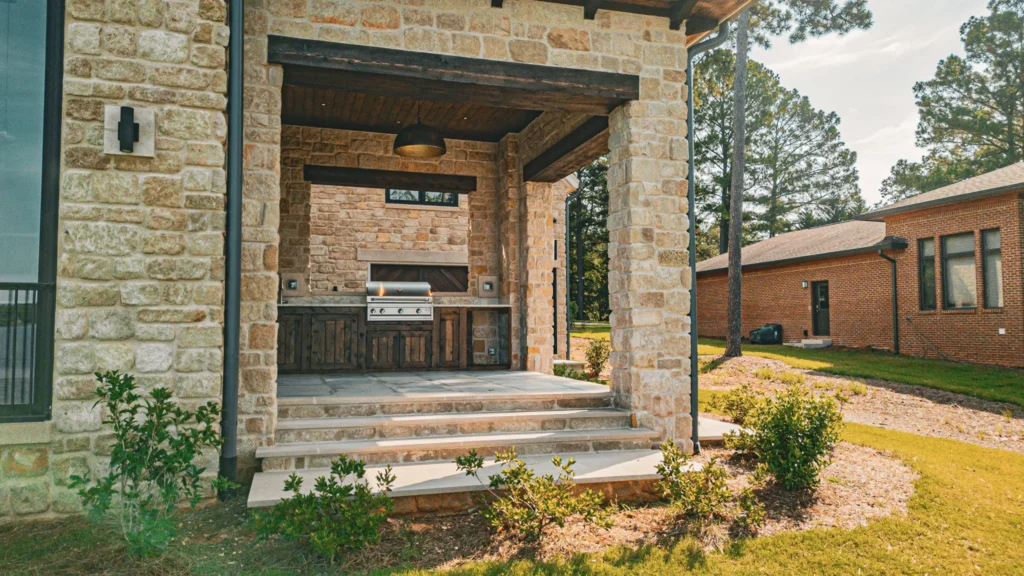
Natural materials are one of the easiest ways to give a living room lasting character. Wood, stone, linen, wool, leather, cotton, rattan, ceramic, and metal can bring depth to a room without depending on a short-lived decorating trend. Natural materials also tend to have variations in grain, texture, color, and surface that make a room feel more collected and authentic. A solid wood coffee table, wool rug, linen curtains, leather chair, stone side table, or ceramic lamp can add visual interest without requiring a complicated color scheme. You do not need to use every natural material in the same room. The goal is to create a thoughtful mix rather than a showroom filled with matching finishes. Even one or two carefully chosen natural materials can change the feeling of a space.
Another advantage is that some natural materials become more interesting as they are used. Wood can develop a richer appearance, leather can develop patina, and stone can show subtle changes that give the room a sense of history. This does not mean every natural material is automatically durable or suitable for every household. Consider maintenance, pets, children, sunlight, spills, and everyday use before purchasing. For example, a delicate fabric may not be practical for a frequently used family sofa, while a washable cover or durable performance fabric may be more sensible. A timeless living room is not about buying the most expensive materials. It is about choosing materials that are appropriate for your lifestyle and that will continue to look good as the room evolves. When you combine warm wood with soft textiles, stone or ceramic accents, and restrained metal details, the result can feel sophisticated without appearing overly decorated.
3. A Calm and Flexible Color Palette
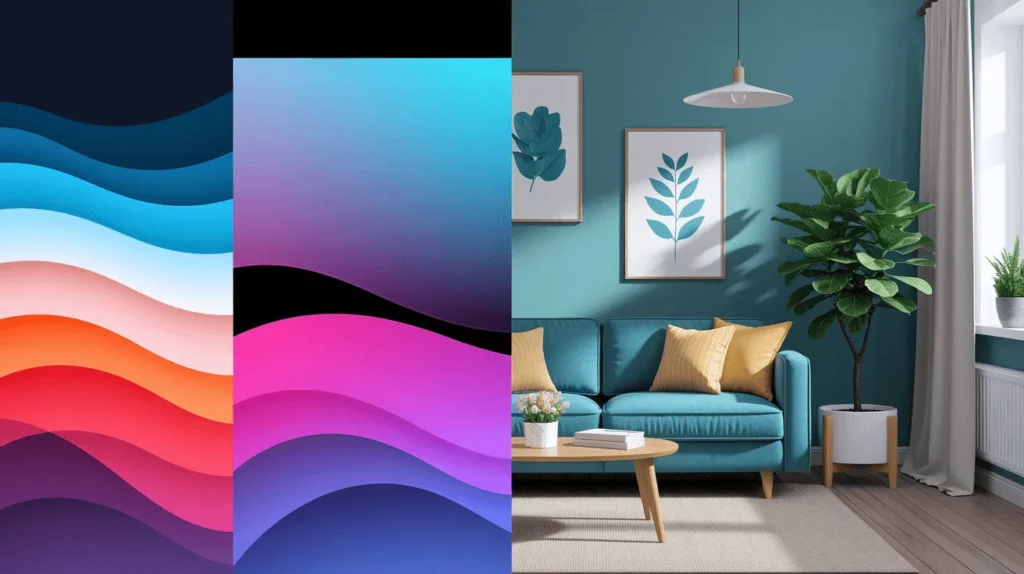
Color has a powerful influence on whether a living room feels peaceful, energetic, formal, or dated. A timeless color palette does not have to mean an entirely white room. Instead, designers often use a calm foundation that allows furniture, artwork, rugs, and accessories to change over time. Warm white, cream, beige, taupe, soft gray, muted blue, gentle green, and earthy brown can all work as flexible background colors. The important point is to understand how a color behaves in your actual room. Natural daylight, artificial lighting, flooring, furniture, and the direction of the windows can all change how paint looks during the day. Always test paint samples in the room before committing to a large area.
A useful approach is to place more permanent elements in adaptable colors and introduce stronger shades through easier-to-change items. Walls, large sofas, built-in cabinets, and major rugs are more expensive and time-consuming to replace. Cushions, throws, small lamps, artwork, vases, and decorative objects can be changed much more easily. This gives you freedom to enjoy color without rebuilding the entire room whenever your taste changes. You can also use several shades of the same color to create depth. For example, a warm cream wall can work with a beige sofa, camel leather, light oak, and deeper brown accents. If you love color, consider adding muted blue, olive green, terracotta, or another shade that connects naturally with the existing palette. A timeless room should not be colorless; it should have a color scheme that feels intentional rather than controlled by a temporary trend.
Related: 10 Best Sleeper Chairs for Small Spaces in Your Home
4. Layered Lighting at Different Heights
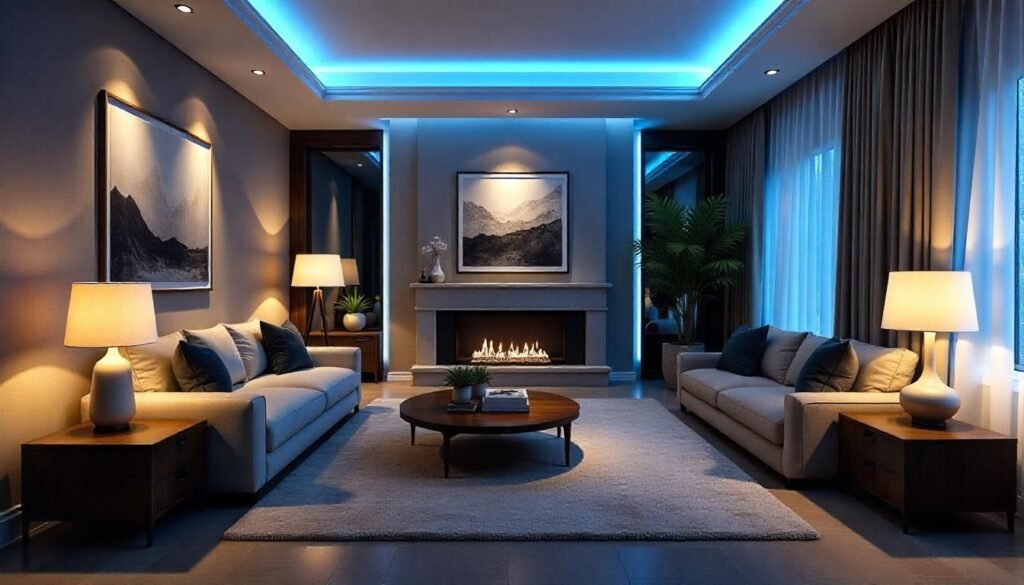
Lighting is often one of the most overlooked features in living room design, yet it can completely change how a space feels. A single ceiling light rarely creates enough variety for a room that is used for relaxing, reading, entertaining, watching television, and spending time with family. A timeless lighting plan should include several sources at different heights. Ceiling lighting can provide general illumination, while floor lamps, table lamps, wall sconces, picture lights, and accent lighting can create smaller areas of light around the room. This layered approach allows you to make the living room bright during the day and softer and more comfortable at night.
Think about lighting as part of the room’s design rather than as an afterthought. A floor lamp beside a reading chair can make an unused corner functional. A table lamp on a console can add warmth behind a sofa. Wall lighting can highlight artwork or architectural features. Dimmers can also make the same room work for different activities. Warm white bulbs are often useful in living rooms because they can create a more relaxed atmosphere, but the exact light level and color should suit the room and the activities taking place there. The size of the fixture matters too. A very small pendant can disappear in a large room, while an oversized fixture can dominate a small space. When selecting lighting, consider the ceiling height, furniture scale, viewing angles, and the amount of natural daylight. Good lighting should make the room comfortable first and decorative second.
5. A Properly Sized Area Rug
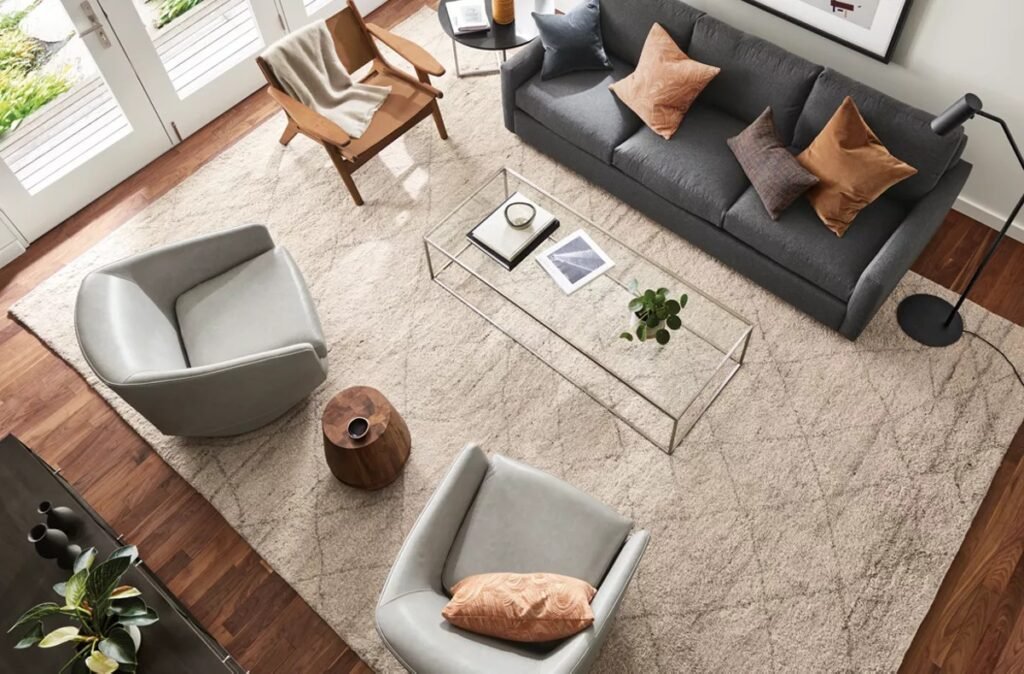
An area rug can visually connect the furniture and define the seating area, but its size is critical. One of the most common living room decorating mistakes is choosing a rug that is too small for the furniture. A tiny rug floating underneath a coffee table can make the room feel disconnected because the sofa and chairs appear to belong to separate areas. In many living rooms, a larger rug that reaches under at least the front legs of the main seating pieces creates a stronger visual relationship. In a particularly large room, placing most or all of the furniture on the rug can create an even more unified arrangement. Always measure the seating area before shopping rather than guessing based on appearance.
A timeless rug does not need to be plain. Subtle patterns, traditional motifs, faded designs, natural textures, and understated colors can add character without overwhelming the room. Wool is popular because it can offer warmth, texture, and durability, while flatweaves and other materials can work well depending on the household. Consider how the rug will handle foot traffic, pets, children, food, and sunlight. The rug should also connect with the wider color palette. If your sofa is plain, a rug can introduce pattern. If the room already contains several patterns, a quiet textured rug may create better balance. The most important thing is not to select a rug only because it is fashionable. Choose one that works with your furniture size, room proportions, maintenance needs, and personal style. A well-sized rug can make even a simple living room feel more finished.
6. Classic Furniture Shapes With Modern Comfort
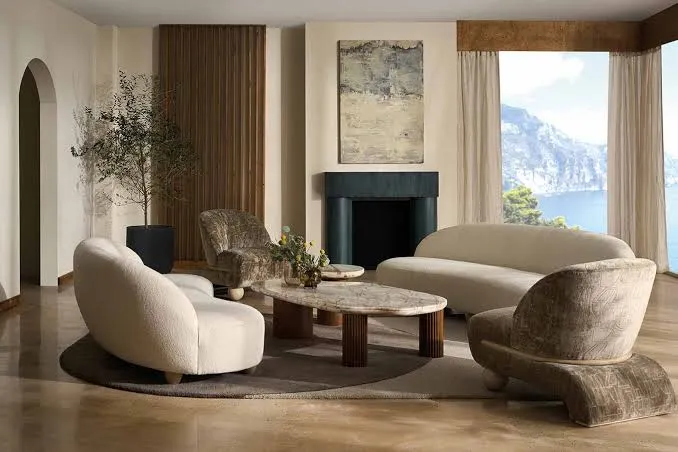
Timeless furniture does not have to be traditional. Some of the strongest living room designs combine classic proportions with modern comfort. A simple upholstered armchair, a solid wood coffee table, a curved occasional chair, a clean-lined sideboard, or a traditional-style console can all work in different settings. The key is to select pieces because their shape, function, and construction make sense for the room rather than because they are currently popular. Furniture with recognizable and practical forms tends to be easier to live with when decorating preferences change.
Avoid the temptation to purchase every major item from the same collection. Matching furniture sets can sometimes make a living room feel flat because every piece has the same height, material, shape, and visual weight. Mixing furniture can create more personality. You might combine a modern sofa with a vintage wooden table, contemporary lighting, and a traditional rug. Or you might place classic upholstered chairs beside a modern coffee table. The goal is not to create random contrast. Look for connections between pieces through color, material, shape, or scale. If several pieces are visually heavy, introduce something lighter such as a glass table, open-leg chair, or slim metal lamp. This creates rhythm and prevents the room from feeling overloaded. A timeless living room should look assembled over time rather than purchased in one afternoon.
7. Architectural Details and Built-In Features

Architectural details can give a living room a sense of permanence that furniture alone cannot provide. Built-in bookcases, wall paneling, crown molding, ceiling beams, fireplaces, niches, deep window trim, cabinetry, arches, and other structural features can add character to a room. If your home already has original architectural details, consider making them part of the design rather than covering them with excessive decoration. A simple wall color, carefully positioned furniture, and good lighting can allow an attractive architectural feature to become the focal point naturally.
If your living room lacks architectural character, you can introduce details carefully. Built-in shelving can provide storage while creating a strong visual framework. Simple wall molding can add depth, but it should be scaled appropriately for the room. A fireplace or media wall can also become an anchor when designed around the proportions of the space. Avoid adding decorative details simply because they are popular online. Architectural features are more successful when they relate to the home’s existing style, ceiling height, windows, flooring, and overall character. For example, ornate molding may feel natural in a traditional home but forced in a very minimal apartment. A timeless room respects its architecture instead of trying to disguise it. When built-ins are painted or finished in a way that connects with the walls, they can feel integrated and intentional rather than like separate pieces of furniture.
8. A Conversation-Friendly Furniture Layout
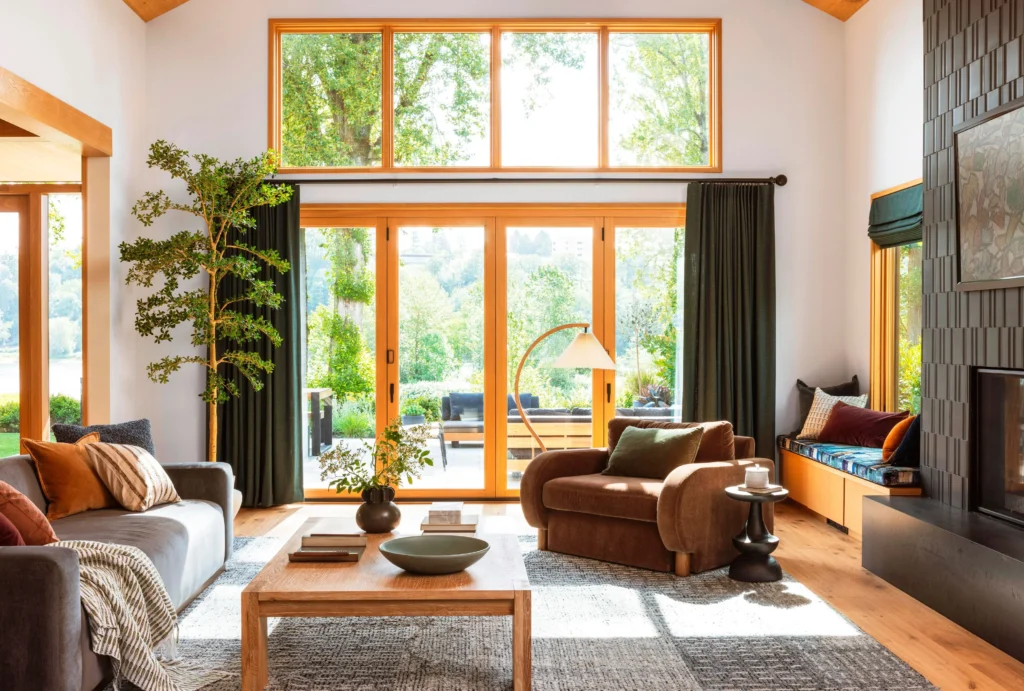
A beautiful living room can still fail if the furniture arrangement makes it difficult for people to talk or move around. Timeless design begins with how the room will actually be used. Think about where people sit, where they walk, where they place drinks, how they enter the room, and which views should remain open. Instead of automatically pointing every chair toward the television, consider creating a seating arrangement that encourages conversation. Depending on the room, this might mean positioning two chairs opposite a sofa, creating an L-shaped arrangement, or placing seating around a fireplace or central coffee table.
Traffic flow is just as important as visual balance. Leave practical pathways between major furniture pieces and entrances. Make sure drawers, cabinet doors, and recliners can open without blocking movement. A coffee table should be reachable from the main seating without forcing people to lean excessively. Side tables should be useful rather than decorative objects that are impossible to reach. If the room is large, create more than one functional zone. One area can be for conversation, another for reading, and another for media. This approach makes a large living room feel intentional instead of empty. In a small room, use fewer pieces but make each one work harder. A timeless furniture layout is one that continues to function when your household changes, because good design begins with human movement and comfort rather than a photograph.
9. Meaningful Artwork and Personal Objects

A timeless living room should have personality. Without personal elements, even a beautifully designed neutral room can feel like a hotel or furniture showroom. Artwork is one of the best ways to introduce character because it can express your interests, memories, and taste. A large painting, framed photograph, vintage poster, textile, collection of smaller works, or handmade piece can become an important part of the room. You do not need expensive art to create an impressive display. The value comes from choosing something you genuinely enjoy and presenting it thoughtfully.
Personal objects can also give the room a sense of history. Books, family photographs, travel finds, ceramics, inherited furniture, handmade objects, and vintage pieces can add layers that are difficult to create with new decorations alone. The key is editing. A timeless room is not necessarily a minimalist room, but too many small objects competing for attention can make the space feel cluttered. Group related objects together and leave some empty space around them. If you have a collection, display only the strongest pieces and rotate the rest. This keeps the room fresh without constant shopping. Artwork should also be positioned at a comfortable viewing height and sized appropriately for the furniture below it. A large sofa usually benefits from artwork or a grouping that has enough visual weight to relate to it. Personal design choices are what prevent timeless decorating from becoming generic.
Related: Top 10 Tacky Small Living Room Decor Mistakes – Designer Advice
10. Textural Layers Instead of Too Many Trends

Texture is one of the easiest ways to make a neutral living room feel rich and comfortable. When a room uses several similar colors, texture gives the eye something to explore. Consider combining smooth painted walls with woven baskets, soft linen curtains, a wool rug, a wooden table, ceramic accessories, leather upholstery, and knitted or textured throws. These materials can create depth without relying on strong patterns or bright colors. Texture is particularly useful when you want a calm living room but do not want it to look flat or unfinished.
The important distinction is between layering and clutter. You do not need dozens of pillows, blankets, vases, and decorative objects. Instead, select a few different textures and repeat them in a controlled way. For example, the warmth of wood can appear on a coffee table and shelving, while woven fabric can appear in curtains and cushions. A stone or ceramic object can introduce a harder surface to balance soft upholstery. If everything is smooth, the room may feel cold. If everything is heavily textured, the room may feel visually noisy. Timeless interiors often find a middle ground. Texture should support the room’s color palette and furniture rather than compete with it. This is especially helpful for people who like neutral living room ideas because texture provides personality without forcing the use of bold colors.
11. Smart Storage That Keeps Clutter Under Control
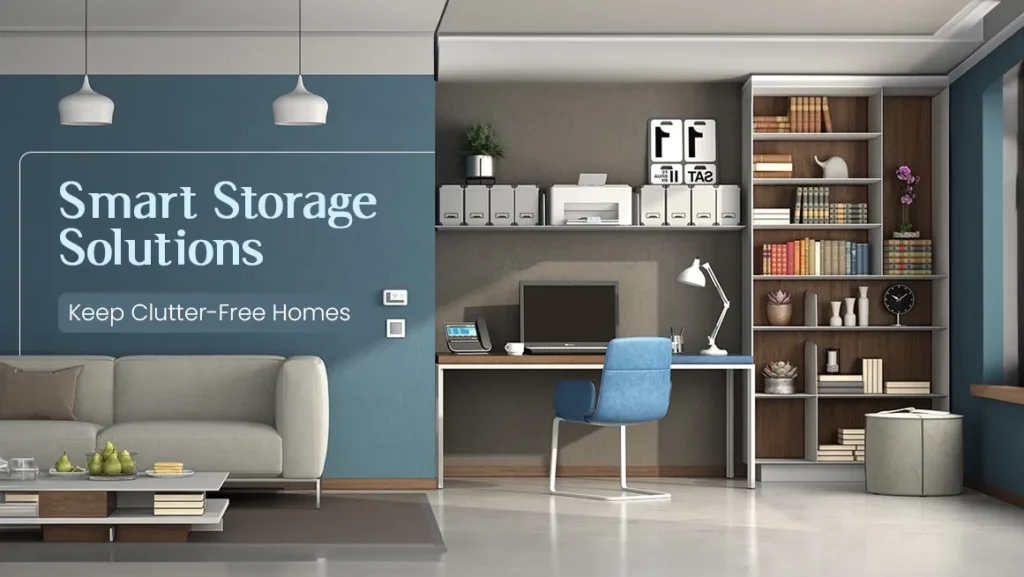
Storage is a design feature, not simply a practical necessity. Even the most beautiful living room can look dated and stressful when everyday objects are scattered across every surface. A timeless room needs places for the things you actually use: remote controls, books, blankets, games, electronics, children’s items, charging cables, magazines, and other household objects. Closed cabinets, built-in shelving, baskets, drawers, storage ottomans, and sideboards can help keep frequently used items organized while maintaining a clean visual appearance.
Good storage should be planned around your lifestyle. If your family watches television every evening, create a practical place for electronics rather than trying to hide them completely. If you read regularly, keep books accessible instead of storing them in a cabinet where they are never used. If blankets are part of your daily routine, a large basket beside the sofa may be more useful than a decorative container placed across the room. Built-in storage can be especially effective because it can use wall space efficiently and create architectural structure. However, avoid filling every shelf. Open storage looks better when books and objects are arranged with breathing room. A combination of closed and open storage often works well because it allows useful items to disappear while leaving space for artwork, books, and personal objects. The goal is not to make the room look empty. The goal is to make everything have a sensible home.
12. A Mix of Old, New, and Personal Character

One of the strongest secrets behind a timeless living room is the ability to mix different periods and styles. A room where every object looks brand new can feel temporary because it reflects one shopping moment. Adding something older, handmade, inherited, vintage, or simply different can give the room depth. A vintage side table beside a modern sofa, an antique-style mirror above a contemporary console, or an older rug under modern furniture can create a sense that the room has developed over time.
This does not mean that every living room needs antiques. The principle is simply to avoid making the space too predictable. Include objects that have a story or that connect with your life. A handmade ceramic vase from a local artist, a family photograph, a secondhand wooden table, or a favorite painting can have more emotional value than a room full of expensive decorative pieces. At the same time, modern conveniences should not be hidden simply for appearance. Comfortable seating, practical lighting, technology, charging points, and durable fabrics are all part of contemporary living. The best timeless living room combines the emotional warmth of personal history with the practical needs of today. This creates a space that can evolve naturally instead of needing a complete redesign whenever a new decorating trend appears.
How Do You Make a Living Room Look Timeless Without Making It Boring?
The biggest mistake people make when trying to create a timeless living room is assuming that timeless means plain. A room filled entirely with white walls, beige furniture, and identical accessories can technically be neutral, but it may still lack personality. Timeless design is better understood as a balance between a stable foundation and flexible character. Start with good furniture proportions, a practical layout, quality materials, useful lighting, and a cohesive color palette. Then add personality through artwork, books, vintage pieces, plants, textiles, and accessories. These smaller details can change without forcing you to replace the entire room.
Another useful approach is to let one or two elements provide visual interest while keeping the rest of the room supportive. A patterned rug can become the starting point for the color palette. A large piece of artwork can determine accent colors. A beautiful fireplace can become the architectural focal point. A vintage cabinet can introduce character into a modern room. You do not need ten statement pieces. In fact, too many focal points can make the room feel chaotic. Think about what you want people to notice first when they enter the room. Then arrange the furniture and lighting to support that feature. A timeless living room feels interesting because the elements work together, not because every element is trying to attract attention.
What Colors Make a Living Room Look Timeless?
Warm neutrals are often a practical starting point for a timeless living room because they can work with many different furniture styles and accent colors. Cream, warm white, beige, taupe, soft gray, muted green, dusty blue, and earthy brown can create a calm background. However, the best color is not simply the one that appears most often in design photographs. It should work with your home’s natural light, flooring, architecture, and furniture. A north-facing room may need warmer tones, while a very sunny room can sometimes handle cooler or deeper shades. Always look at paint samples during both daytime and evening before making a final decision.
Timeless color design also depends on where you use the color. A bold shade on a small cushion or piece of artwork is much easier to change than the same shade on expensive built-in cabinetry. If you love deep green, blue, terracotta, or another strong color, you do not have to avoid it. Use it thoughtfully. A colored armchair, rug, artwork, or pair of curtains can provide personality while the larger foundation remains flexible. You can also repeat the same accent color in several small places so it feels intentional. The goal is not to eliminate color. The goal is to make sure the color scheme supports the room rather than being completely controlled by a short-term trend.
How Can You Make a Small Living Room Look Timeless?
Small living rooms benefit from the same principles as large rooms, but scale becomes even more important. Before buying furniture, measure the complete room and mark doors, windows, radiators, outlets, and other fixed features. Choose furniture that provides enough comfort without overwhelming the available floor area. A compact sofa, appropriately sized coffee table, and one or two chairs can often work better than filling the room with many small pieces. Too many small furniture items can actually make a room feel more cluttered than a few well-proportioned pieces.
Visual lightness can also help. Furniture with exposed legs can allow more of the floor to remain visible, while glass or slim tables can reduce visual weight. Mirrors can reflect light and make a room feel more open, although they should be positioned thoughtfully rather than used on every wall. Keep the color palette connected throughout the room and avoid creating too many separate visual zones. Storage becomes especially valuable in small spaces because clutter takes up both physical and visual room. A storage ottoman, built-in cabinet, floating shelf, or slim sideboard can provide useful organization without consuming unnecessary floor space. A small living room can look sophisticated when every item has a purpose and the furniture is scaled to the people who use it.
How Do You Make a Living Room Look Expensive and Timeless?
A sophisticated living room is usually less about expensive products and more about careful decisions. Correct furniture scale, a large enough rug, attractive lighting, coordinated colors, good curtains, natural materials, and controlled clutter can make a room look more considered. Curtains are particularly important because poorly sized window treatments can make an otherwise attractive room feel unfinished. In many rooms, hanging curtains higher and wider than the window can help frame the architecture, provided the installation suits the window and wall structure. The fabric should also have enough length and fullness to create a finished appearance.
Details matter too. Replace mismatched temporary lighting where practical, organize visible cables, choose artwork that is appropriately sized, and avoid covering every surface with small decorations. Quality does not always mean high price. A well-designed secondhand table can look more interesting than an expensive mass-produced piece if it has good proportions and works with the rest of the room. You can also spend strategically. Invest more in items that receive daily use and choose affordable accessories for elements that you expect to change. This creates a room that looks intentional without requiring an unlimited decorating budget. Timeless luxury is often about editing: fewer random purchases, better relationships between objects, and more attention to how the room functions.
How Often Should You Change a Timeless Living Room?
A timeless living room should not require frequent complete makeovers. That is one of its main advantages. Instead of replacing the sofa, rug, tables, and lighting every time a new trend becomes popular, you can make small seasonal or occasional changes. Swap cushions, throws, artwork, flowers, plants, or smaller accessories when you want a different feeling. Rearranging furniture can also change how a room works without spending money. Before buying something new, look at what you already own and consider whether moving or repurposing it could solve the problem.
Major furniture should generally be replaced when it no longer works for your household, becomes uncomfortable, reaches the end of its useful life, or no longer fits the room. Do not replace a well-made piece simply because an online trend has changed. At the same time, timeless does not mean keeping everything forever. Your lifestyle may change, your family may grow, or your priorities may become different. A successful living room should adapt to those changes. The strongest foundation allows you to update details while keeping the major elements that still work. This is why choosing flexible colors, durable materials, comfortable furniture, and practical storage at the beginning can save money and effort later.
Timeless Living Room Design Mistakes to Avoid
One common mistake is buying furniture before measuring the room. A beautiful sofa or coffee table can become a problem if it blocks a doorway, overwhelms the room, or leaves insufficient space for movement. Another mistake is choosing a rug that is too small. These issues are not fixed by adding more accessories. They require correcting the basic proportions. It is also easy to create visual clutter by buying decorative items simply because they look attractive individually. A room needs relationships between objects, not just attractive objects.
Another mistake is following a trend too literally. If every permanent feature in your living room comes from the same short-lived style, the room may quickly feel tied to a specific period. Instead, use trends as inspiration and place them where they are easy to change. You can enjoy a current color in a cushion, artwork, or small chair without repainting the entire room. Avoid buying everything as a matching set, and do not ignore comfort for appearance. A living room exists to be lived in. If a chair looks beautiful but nobody wants to sit in it, it is not doing its job. Timeless design succeeds when appearance, comfort, function, scale, and personal character work together.
A Simple Designer Checklist for a Timeless Living Room
Before finishing your living room, step back and check the whole space rather than focusing on individual decorations. Ask whether the sofa and chairs are comfortable, whether the furniture fits the room, and whether people can move easily between doors and seating. Check whether the rug connects the seating area and whether the coffee table is easy to reach. Look at the lighting during both daytime and nighttime. If the room depends entirely on one ceiling fixture, add another level of light where practical. Then check the color palette and make sure the major elements work together rather than competing.
Next, look at materials and texture. Do you have a balance of hard and soft surfaces? Is there enough natural texture to prevent the room from feeling flat? Is there a place for everyday clutter? Can books, blankets, electronics, and other frequently used objects be stored easily? Finally, ask whether the room actually feels like your home. Add artwork, photographs, books, plants, or collected objects that have meaning to you. Remove anything that you bought only because it was popular but no longer feels right. A timeless living room is not a room that never changes. It is a room with a strong enough foundation that changes can happen naturally.
Frequently Asked Questions
What is a timeless living room?
A timeless living room is a space designed around lasting principles rather than short-term trends. It usually has comfortable and well-proportioned furniture, a practical layout, adaptable colors, quality materials, layered lighting, useful storage, and personal details. It can still include modern pieces and current colors, but the overall room is not dependent on one decorating trend.
What furniture is best for a timeless living room?
Choose furniture based on comfort, proportion, construction, and how you use the room. Simple sofas, comfortable chairs, useful tables, natural wood pieces, quality upholstery, and classic silhouettes are flexible choices. You do not need to buy a complete matching set. Mixing styles and periods can make the room more personal.
What is the best rug size for a living room?
The right rug size depends on the room and furniture arrangement, but the rug should generally connect the main seating rather than sit as a small island under the coffee table. In many arrangements, placing at least the front legs of the sofa and chairs on the rug creates a stronger connection. Measure the seating area before purchasing.
How can I make a modern living room look timeless?
Keep the permanent foundation simple and focus on proportion, natural materials, comfort, and lighting. Then add character through artwork, vintage pieces, books, textiles, plants, and accessories. A modern room does not need to become traditional to feel timeless. It simply needs a strong design foundation that is not dependent on one temporary trend.
architecture.
How do I make a timeless living room cozy?
Layer soft textiles, warm lighting, comfortable seating, rugs, natural materials, and personal objects. Use several light sources instead of relying only on an overhead fixture. Add texture through wool, linen, cotton, wood, leather, baskets, or ceramics. Cozy does not mean filling every surface; a comfortable and edited room can feel much warmer than a cluttered one.
Can I use bold colors in a timeless living room?
Yes. Bold colors can work beautifully when they are used thoughtfully. Consider introducing stronger colors through artwork, cushions, chairs, rugs, curtains, or other elements that can be changed more easily. If you love a bold wall color, test it carefully in the actual room and consider how it works with natural light and permanent materials.
Key points
- Start with proportion and comfort: a well-sized sofa anchors the room and sets every other choice.
- Use natural materials that age well: wood, stone, linen, wool, leather, cotton, rattan, ceramic and metal.
- Keep the permanent pieces in calm, flexible colours and add stronger shades through cushions and throws.
- Layer lighting at different heights, and size the rug so it connects the seating group.
- Mix old, new and personal pieces, and do not buy every major item from the same collection.
About the author
Adeel Ramzan runs Ideas Home Accessories and writes about home design.
Keep reading
- Living room ideas and guides
- Best washable rugs for living rooms with kids and pets
- Mens living room ideas
- Fireplace mantel sizes and measurements
- Family living room sizes: sofa, rug, TV and clearance guide