
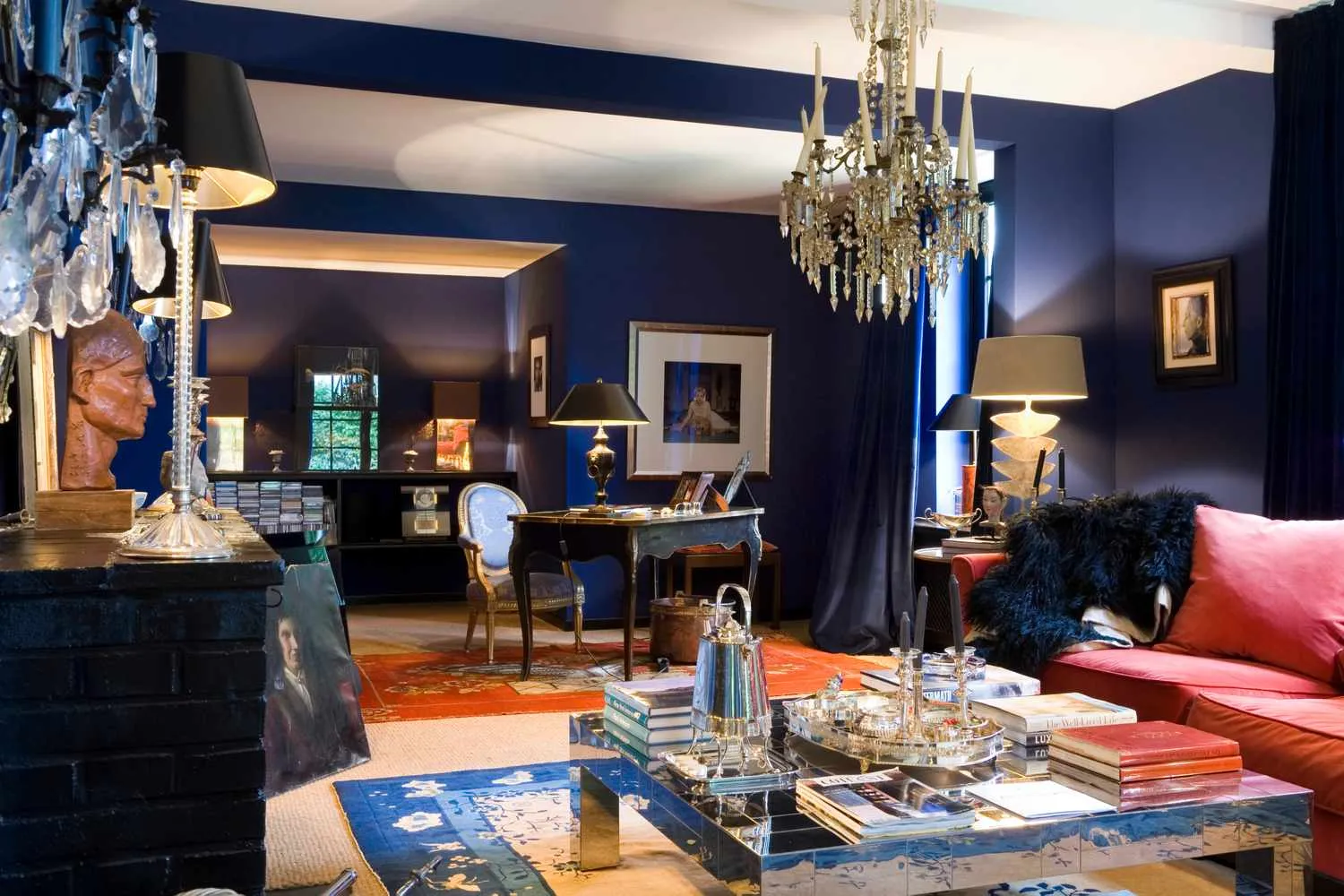
A small living room can be beautiful, comfortable, and full of personality. The problem is not always the size of the room. Many small living rooms look cramped, messy, dated, or tacky because the furniture, colors, lighting, rugs, and decorations are not working together.
Quick answer: The common small living room decor mistakes are too many tiny furniture pieces, a rug that is too small, furniture pushed against every wall, too many colors, one harsh ceiling light, and every corner filled with decor. Fix the scale first: fewer, larger pieces, a rug big enough for front legs, and three layers of light.
When every inch matters, even one wrong choice can change the whole feeling of the room. A rug that is too small can make the seating area look disconnected. Too many tiny decorations can make the room feel cluttered. Furniture that is pushed tightly against every wall can leave the middle of the room strangely empty while making the seating area uncomfortable. These problems are common because people often try to make a small room look bigger by simply buying smaller things.
Good small living room design is more about scale, proportion, balance, function, and editing than filling every empty corner. Designers often recommend using fewer, better-chosen pieces instead of lots of small furniture and accessories. A recent Architectural Digest guide also highlights scale, purposeful furniture, layered textures, and reflective surfaces as important elements in making compact rooms feel comfortable and visually interesting.
The good news is that most decorating mistakes can be fixed without completely remodeling your living room. You may only need to move the furniture, replace an undersized rug, improve the lighting, remove unnecessary decorations, or create a more controlled color palette.
If you are searching for small living room decor ideas, small living room decorating mistakes, or ways to make a tiny living room look expensive and stylish, this guide will help. Here are 10 common mistakes that can make a small living room look tacky and what you can do instead.
Top Small Living Room Decor Mistakes
1. Using Too Many Small Furniture Pieces
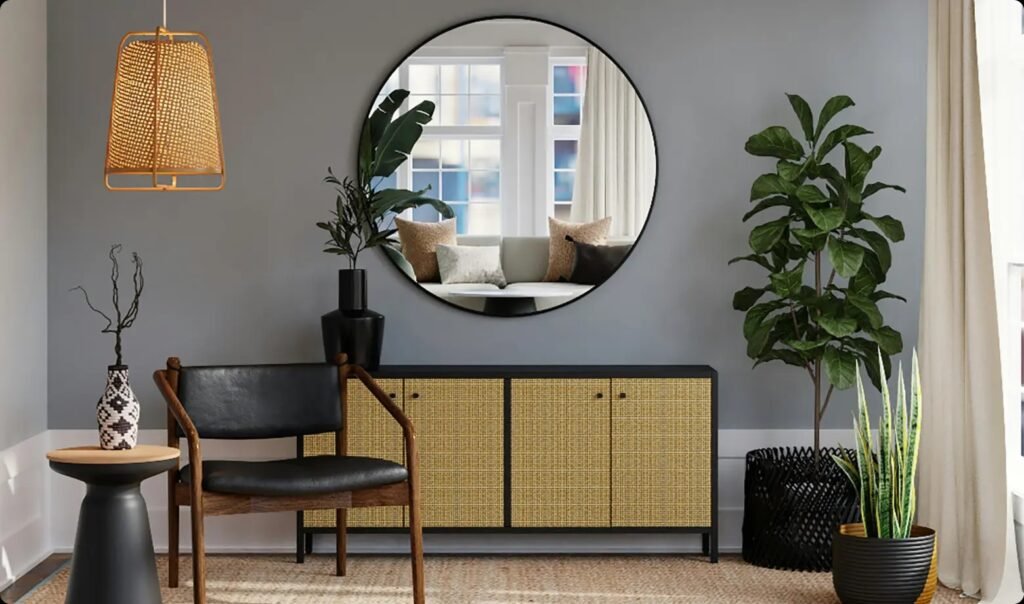
One of the biggest mistakes in a small living room is thinking that everything needs to be small. Homeowners often buy a tiny sofa, two tiny chairs, a small coffee table, a narrow side table, a little cabinet, several stools, and many other small pieces because they believe smaller furniture will create more space. Instead, the room can start looking crowded and visually confused.
The problem is not simply the number of furniture pieces. It is the number of visual breaks they create. Your eyes have to move from one small object to another, and the room loses a clear focal point. A collection of small furniture can also make the room look like it was assembled piece by piece without a design plan. Designers often consider scale and proportion together, because a piece can technically fit in a room while still looking wrong for the space. A small sofa with too many tiny tables around it can make the seating area feel weak rather than spacious.
A better approach is to choose a few pieces that do important jobs. Start with one comfortable sofa or loveseat that fits the room properly. Add one coffee table or ottoman and perhaps one compact chair if the walking space allows it. If you need extra seating, consider an upholstered bench or storage ottoman that can serve more than one purpose. A piece that provides seating and hidden storage is much more useful than adding two separate pieces. Look for furniture with clean lines and enough visual breathing room around it. Furniture with exposed legs can also help the floor remain visible, which can make the room feel less heavy.
Before buying anything, measure the room and make a simple floor plan. Mark doors, windows, heating vents, and walking paths. Then measure the furniture you already own. If everything barely fits on paper, it will probably feel even more crowded in real life. The goal is not to fill the room. The goal is to create a comfortable seating area where every piece has a reason to exist.
2. Choosing a Rug That Is Too Small
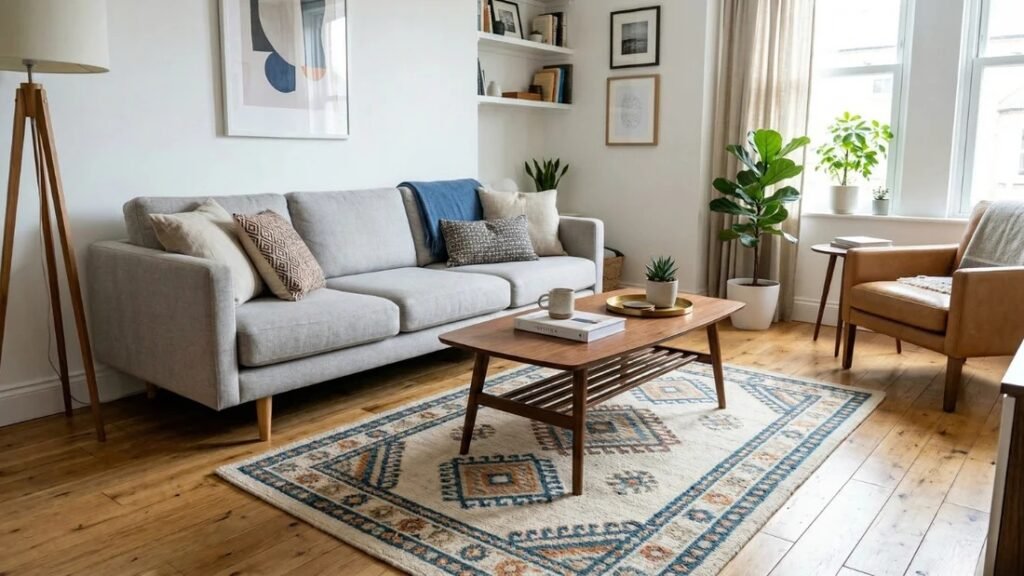
A tiny rug under the coffee table is one of the fastest ways to make a small living room look disconnected. Many people choose a small rug because it costs less or because they are afraid a larger rug will overwhelm the room. In reality, an undersized rug can make the furniture look like separate objects instead of one organized seating area.
Think of a rug as a visual frame. It should help connect the sofa, chairs, coffee table, and other important pieces. When only the coffee table sits on a small rug, the sofa may appear to be floating outside the design. The room can feel fragmented even when everything is clean and attractive. Professional staging advice frequently emphasizes choosing a rug according to the furniture arrangement rather than simply choosing the largest rug that fits an empty floor. The important thing is how the rug relates to the seating group.
For many small living rooms, a useful starting point is to choose a rug large enough for at least the front legs of the main seating pieces to sit on it. If the room and budget allow it, getting all of the major furniture onto the rug can create an even stronger visual connection. Always measure your furniture arrangement first. Do not buy a rug based only on the dimensions of the empty room.
If your existing rug is too small, you do not necessarily have to throw it away. You can layer it over a larger natural-fiber rug if the styles and colors work together. This can be a smart way to keep a favorite patterned rug while creating a larger visual foundation. Another option is to move the rug to a bedroom, entryway, or reading corner where its smaller scale makes more sense.
For more guidance on small-space proportions, see this useful small living room design guide from Architectural Digest.
When choosing a new rug, think about color, texture, furniture placement, and maintenance at the same time. A medium-tone rug with a subtle pattern can hide everyday marks better than a completely plain light rug. The most important rule is simple: the rug should visually connect the furniture instead of making the room look like a collection of unrelated islands.
Related: 10 Best Sleeper Chairs for Small Spaces in Your Home
3. Pushing Every Piece of Furniture Against the Walls
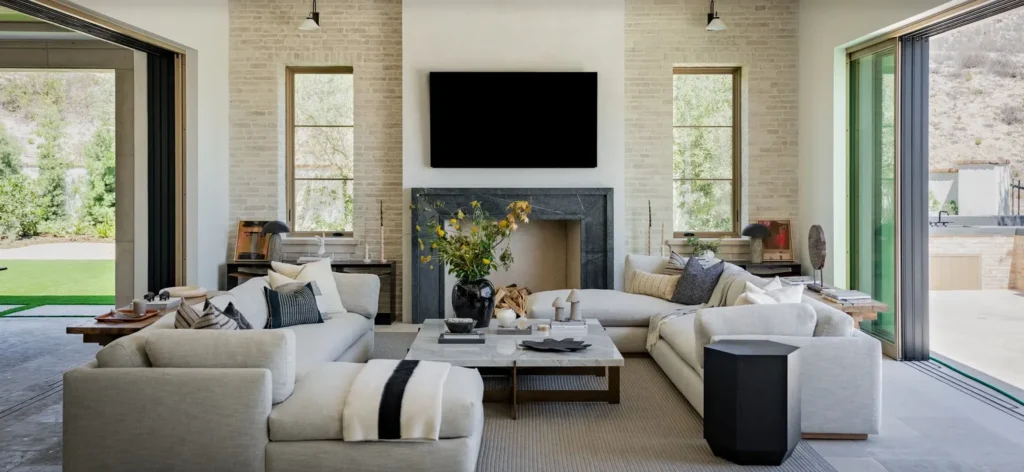
It is natural to believe that pushing furniture against the walls will create more floor space. In some very narrow rooms, placing certain pieces close to a wall is necessary. But automatically pushing every sofa, chair, and table against the perimeter can create an awkward layout.
When all the furniture is pressed against the walls, the center of the room can become a large empty area while the seating itself feels far apart. Instead of creating openness, the arrangement can make conversation difficult. You may have to turn your body or raise your voice to speak with someone sitting across from you. The room can also begin to resemble a waiting room rather than a comfortable home.
Try creating a defined conversation zone. Start with the sofa and then position the coffee table at a comfortable distance in front of it. If you have an accent chair, angle it slightly toward the sofa rather than pointing it directly at a wall. You do not need to pull every piece dramatically into the middle of the room. Sometimes moving a sofa several inches away from a wall is enough to improve the visual balance.
At the same time, do not ignore walking space. A beautiful furniture arrangement is not successful if you cannot move through the room comfortably. Create a clear route between the main entrance, sofa, hallway, windows, and other frequently used areas. Keep doors and important pathways free from furniture.
There is an important difference between floating furniture and simply putting furniture in the middle of the room. Floating means the pieces create a purposeful zone. The arrangement should have a reason. A sofa can define one side of the seating area, while a rug and coffee table visually complete it.
If your room is extremely narrow, you may not have much flexibility. In that situation, prioritize the main walkway first and use slimmer furniture along the walls. The goal is not to follow a design rule perfectly. The goal is to create a layout that feels intentional, comfortable, and easy to use.
4. Using Too Many Colors and Patterns
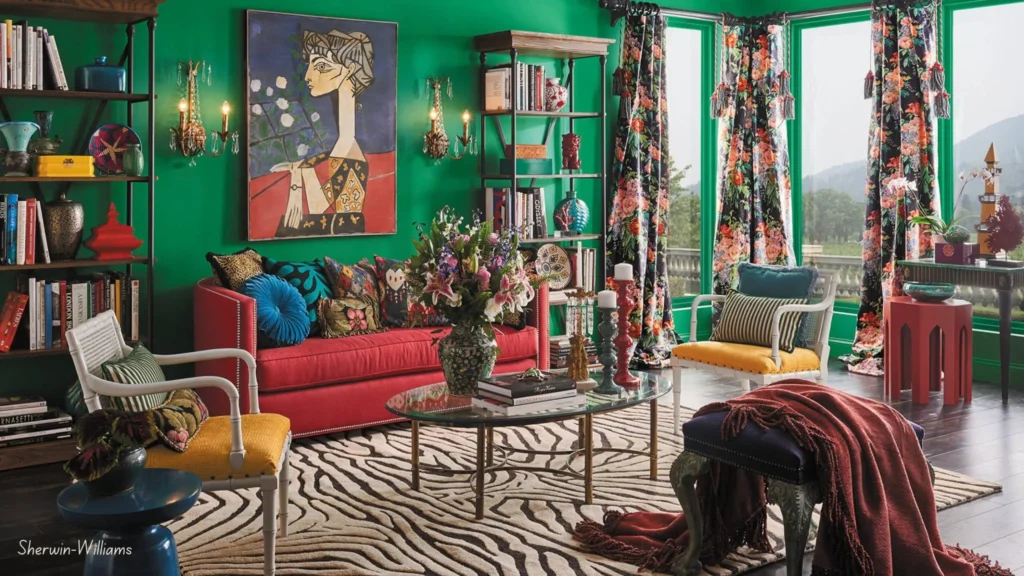
Color can make a small living room exciting, but too many unrelated colors can quickly make it look tacky. This is especially true when every accessory introduces a different shade. You might have a blue sofa, red cushions, yellow curtains, green plants, patterned artwork, a multicolor rug, and several metallic finishes. Individually, each item may look attractive. Together, they may compete for attention.
Small rooms have fewer visual areas, so colors become more noticeable. A large room can sometimes absorb many different patterns because there is more space between them. In a small living room, patterns may sit close together. This can create visual noise.
Instead of removing all color, create a simple color story. Choose one main color, one or two supporting colors, and a neutral background. For example, a warm beige room could use cream, olive green, and natural wood. A white and gray room could introduce soft blue through pillows and artwork. If you love strong colors, choose one dominant accent rather than giving every object a different bright shade.
Patterns should also have a relationship. You can combine a geometric pillow, a striped throw, and a subtle patterned rug, but they should share at least one color or similar visual character. Scale matters too. If everything has a large, busy pattern, the room can feel overwhelming. If everything is tiny and detailed, it can also become visually restless.
A simple test is to photograph your living room and look at the picture instead of the actual room. Photos often reveal visual problems that you do not notice when you live with the space every day. If your eye jumps randomly from pillow to curtain to wall art to rug, you probably have too many competing elements.
You do not need a completely neutral living room to make it stylish. A small room can handle bold color when the color is intentional. The key is repetition and restraint. Repeat one accent color in two or three places, then allow neutral areas to give the eye somewhere to rest.
5. Relying Only on One Harsh Ceiling Light
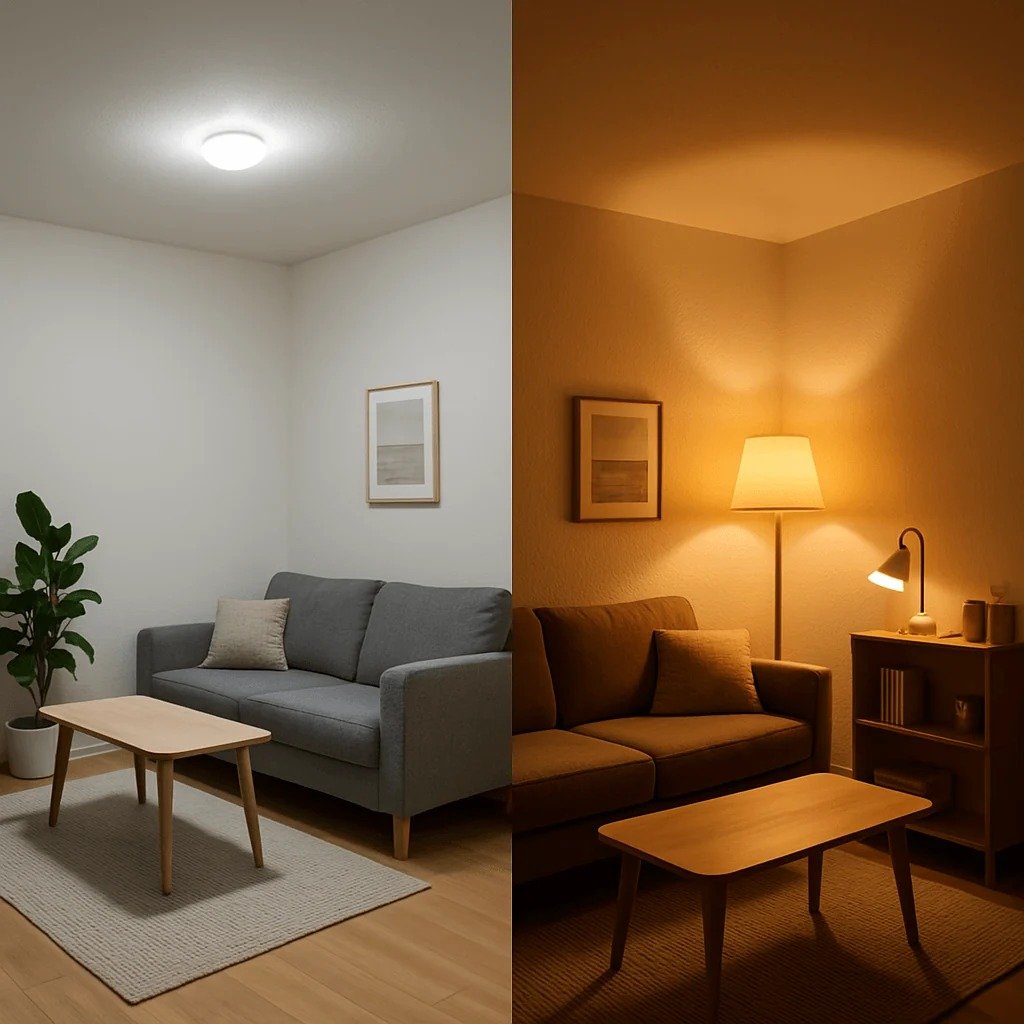
Lighting is often treated as an afterthought, but it can completely change how a small living room looks. A single bright ceiling fixture can make an otherwise beautiful room feel flat, harsh, or uncomfortable.
The problem is not that ceiling lighting is bad. It is that one overhead source rarely provides enough visual depth for a living room. It can create strong shadows and make the room feel less warm in the evening. When every corner receives the same level of light, there is little contrast or atmosphere.
Instead, build layers of light. Think about three basic levels: general lighting, task lighting, and accent lighting. A ceiling fixture can provide general light. A floor lamp beside the sofa can support reading. A table lamp can brighten a dark corner. Wall lighting or picture lighting can highlight artwork or architecture.
Different light sources also create visual height. A floor lamp reaches upward, a table lamp works around eye level, and ceiling lighting illuminates from above. This variety makes the room more interesting even when the furniture is simple.
Warm light can also make a major difference. For a cozy living room, many designers prefer warm-toned lighting rather than very cool, blue-looking light. The exact bulb depends on your preference and the rest of your home’s lighting, but the goal is to avoid making a relaxing room feel like an office or showroom.
For a small living room, choose lamps that are proportional to the furniture. A giant floor lamp may become an obstacle, while a tiny lamp may disappear beside a large sofa. Wall sconces can be especially useful when floor space is limited because they provide light without taking up valuable floor area.
Do not forget natural light. Keep windows as clear as possible during the day. Avoid placing tall furniture directly in front of the main window unless there is no alternative. Curtains can also be mounted higher and wider than the window frame when appropriate, helping the window feel more generous.
6. Filling Every Empty Corner With Decor

An empty corner does not automatically mean something is missing. One of the most common small living room mistakes is decorating every available surface simply because there is room for something there.
People often add a plant to one corner, a basket to another, a floor vase beside the sofa, a small table under the window, wall shelves above the TV, and several decorative objects on every surface. After a while, the room may contain many attractive items but still look messy.
Good decorating requires editing. Instead of asking, “What can I put here?” ask, “Does this area need anything?” That small change in thinking can dramatically improve a compact room.
Every decorative item should contribute something. It might add color, texture, height, personality, storage, or visual interest. If it does none of those things, it may simply be taking up space.
Try grouping small objects rather than spreading them throughout the room. Three related objects on a coffee table can look more intentional than seven objects placed separately. Vary their height and shape, but keep enough empty surface visible.
Books, candles, small plants, ceramics, framed photographs, and collected objects can all work beautifully in a small living room. The trick is not to display everything you own. Rotate collections throughout the year. Keep some items stored and bring them back later. This gives the room a fresh appearance without requiring new purchases.
Storage is particularly important. If you can see every remote control, cable, magazine, toy, blanket, and electronic accessory, the room will feel cluttered even after you clean it. Use baskets, storage ottomans, closed cabinets, and attractive boxes to control everyday items.
A small living room should feel lived-in, not empty. But there is a difference between warmth and visual clutter. Leave some negative space around important objects so each feature has room to breathe.
7. Choosing Furniture That Is Too Large—or Too Tiny
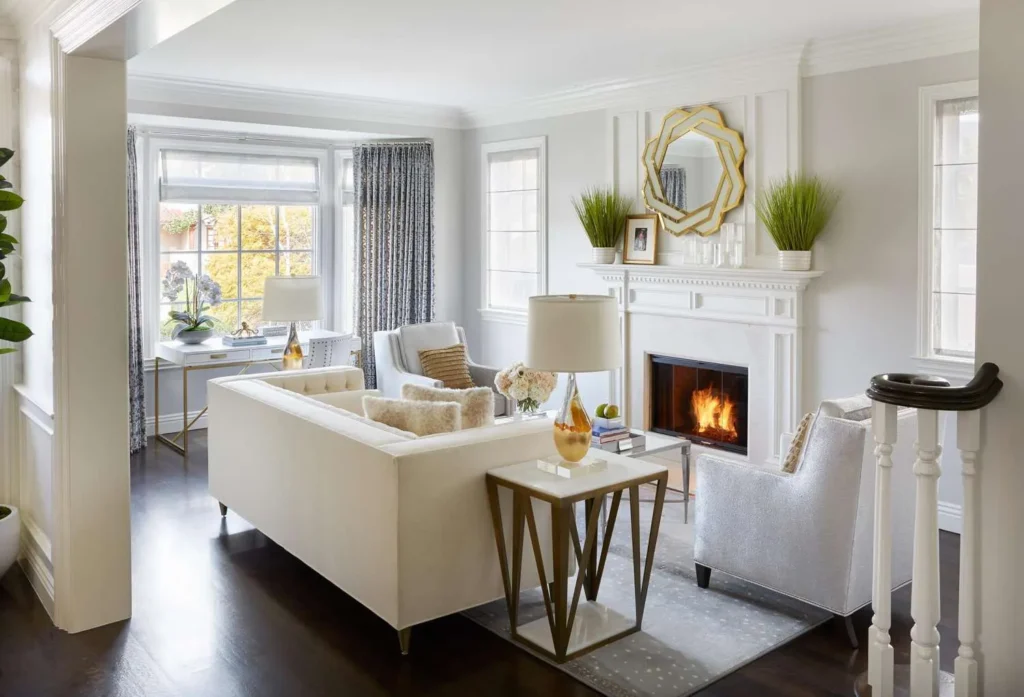
Furniture scale is one of the hardest parts of decorating a small living room. A sofa that is too large can block pathways and overwhelm the room. But furniture that is too small can also make the room look awkward and poorly planned.
The common belief that every piece must be miniature is not always correct. A small living room may look better with one properly sized sofa than with several tiny chairs. The important question is not, “Is this furniture small?” It is, “Is this furniture correctly proportioned for the room and for the other pieces around it?”
Measure before buying. Check the sofa’s total width, depth, and height. Then measure the doorways, hallways, stairways, and turns that the furniture must pass through. A sofa can fit beautifully inside the living room but still be impossible to bring into the house.
Pay close attention to depth. A deep sofa can consume valuable floor space even when its width is reasonable. If the room is narrow, a shallower sofa with supportive cushions may give you more usable space. Slim arms can also provide more seating width without increasing the overall footprint.
Do not automatically choose the smallest coffee table. A tiny table can make a normal-size sofa look oversized. Instead, choose a table that works with the seating arrangement and leaves enough room for movement.
The same principle applies to artwork, mirrors, lamps, and plants. A small room can often benefit from one larger statement piece rather than many tiny accessories. Large art can create a strong focal point without using floor space. A tall plant can draw the eye upward and add life.
The goal is balance. If you have a large sofa, balance it with a substantial rug and appropriately sized coffee table. If your sofa is slim, you can use lighter side tables and smaller accessories.
When everything is correctly scaled, the room can feel much more polished even if the furniture itself is inexpensive.
8. Making the TV the Entire Focus of the Room

For many homes, the television is an important part of the living room. There is nothing wrong with designing around it. The mistake happens when the TV becomes the only reason the room exists.
When every chair points directly toward the television, the room may become uncomfortable for conversation. If you have friends or family visiting, everyone may sit facing a screen rather than facing each other. The room can also lose personality because the TV becomes the largest visual feature.
Try to create a living room that supports several activities. You might want to watch television, talk with guests, read, play games, work on a laptop, or simply relax. The furniture arrangement should allow more than one activity whenever possible.
If the television must be prominent, balance it with surrounding elements. A simple console, built-in storage, artwork, or carefully arranged shelving can help integrate the TV into the room. Avoid covering every inch around it with decorations, though. Too many accessories can make the TV wall even more visually busy.
Consider furniture that performs multiple jobs. A storage ottoman can work as a footrest, extra seating, and a place to hide blankets. A small console can provide storage without taking up much floor area. A narrow desk can create a work area when needed and remain visually quiet when not in use.
Think about viewing height and glare as well. The screen should be comfortable to watch from the main seating position. Windows and lamps should be considered so bright reflections do not make the television difficult to use.
Most importantly, do not let technology determine every design decision. A living room should support the people who use it. If your family loves movie nights, prioritize that. If you frequently host guests, create a seating arrangement that encourages conversation. Good design responds to real life instead of creating a room that looks good only when nobody is using it.
9. Hanging Art and Curtains at the Wrong Height
Walls are valuable in a small living room because they provide decorating opportunities without taking away much floor space. But badly placed artwork and curtains can make the room look shorter, smaller, and less finished.
A common mistake is hanging a small piece of art too high above the sofa. Another is placing a tiny picture in the center of a large empty wall with no relationship to the furniture below it. The problem is usually not the artwork itself. It is scale and placement.
Start by thinking about the furniture beneath the artwork. Art should visually connect to the sofa, console, or other feature below it. A single large piece may work better than several tiny pieces. If you prefer a gallery wall, arrange the pieces as one composition rather than treating every frame as a separate decoration.
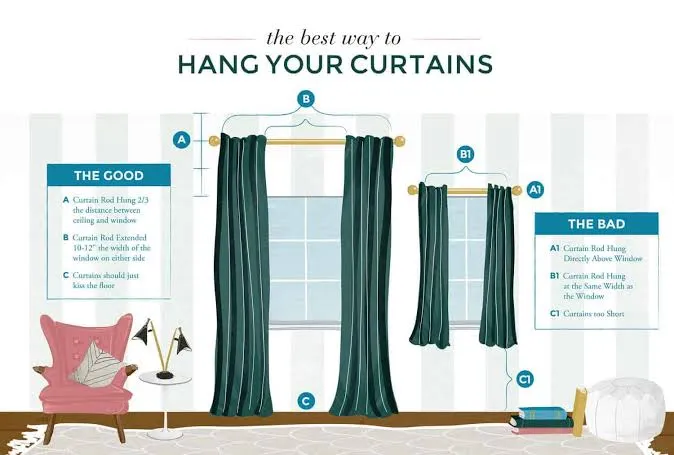
Curtains can also change the proportions of the room. Hanging curtain rods very close to the top of the window frame can emphasize a low window. Depending on the architecture, mounting the rod higher and extending it wider can make the window feel taller and more substantial.
Make sure curtains do not block useful natural light when they are open. Choose a length that suits the room and allows the fabric to fall neatly. Poorly fitted curtains can make even expensive furniture look less polished.
Mirrors can be useful too, especially when positioned where they reflect natural light or an attractive part of the room. But do not cover every wall with mirrors simply because the room is small. One carefully placed mirror can have more impact than several small decorative mirrors.
When styling walls, step back regularly. Do not judge the placement from six inches away. Look at the whole room. Does the artwork relate to the sofa? Does the curtain height work with the ceiling? Does the wall feel balanced with the furniture?
These small details are often what separate a room that feels professionally designed from one that feels randomly decorated.
10. Mixing Too Many Decor Styles Without a Clear Plan

Eclectic decorating can be beautiful, but random decorating is different. A small living room can quickly look tacky when modern furniture, farmhouse signs, glamorous accessories, rustic baskets, coastal decorations, industrial metal, and traditional artwork are all competing without a common connection.
You do not need to follow one strict design style. Your home should reflect your personality. The goal is simply to create relationships between different pieces.
Choose a dominant design direction first. It could be modern, traditional, organic, contemporary, vintage, transitional, or something else. Then add pieces from other styles carefully. For example, a modern sofa can look beautiful with a vintage wooden table. A traditional room can include a contemporary lamp. A neutral space can include colorful artwork from a completely different design period.
Color is one of the easiest ways to connect different styles. If your furniture comes from different sources, repeat two or three colors throughout the room. Materials can also create unity. Natural wood, linen, metal, glass, or woven textures can appear in several places without everything matching.
Avoid buying complete matching furniture sets simply because they seem safe. A room where the sofa, loveseat, chairs, coffee table, and side tables all look identical can feel flat. On the other hand, completely unrelated pieces can feel chaotic. The best middle ground is coordination without perfect matching.
Your accessories should also tell a story. Instead of buying decorative objects just because they are trendy, choose pieces that mean something to you or work with your home’s overall feeling.
Finally, edit your room every few months. Remove anything that no longer works. Move accessories to different rooms. Try the sofa in another position if the layout allows it. Take photographs before and after changes.
A professional-looking small living room does not need to be expensive. It needs to feel intentional. When furniture, color, lighting, artwork, texture, and accessories all support the same overall idea, even a very small room can feel stylish and comfortable.
How Can I Make a Small Living Room Look More Expensive?
You do not need a large budget to make a small living room look polished. Start with the fundamentals instead of buying more decorations. A well-sized rug, properly arranged furniture, good lighting, and a controlled color palette can have a greater impact than a shelf full of inexpensive accessories.
Pay attention to details that are easy to overlook. Keep cables organized. Make sure curtains hang neatly. Remove damaged or unnecessary items. Use matching or coordinated hangers for visible storage. Keep coffee tables and shelves edited rather than completely covered. These small improvements create a feeling of order.
Lighting is another affordable way to change the mood. Add a table lamp or floor lamp instead of relying entirely on the ceiling fixture. Use warm, comfortable lighting for evening activities. A lamp with an attractive shade can also become a decorative feature.
Textiles can add richness without requiring major furniture changes. Layer a throw over the sofa, add one or two quality-looking cushions, and choose fabrics with different textures. You might combine linen, cotton, wool-like textures, or woven materials while keeping the colors connected.
Artwork can also make a large difference. Rather than buying many small decorative prints, consider one larger piece that you genuinely love. It can become the focal point of the room.
Most importantly, avoid buying things simply because you have an empty corner. Expensive-looking rooms often have fewer objects, not more. Give your favorite pieces enough space to be noticed.
What Colors Make a Small Living Room Look Bigger?
There is no single color that automatically makes every small living room look larger. The amount of natural light, ceiling height, furniture color, flooring, and room layout all affect how a color feels.
Light neutrals can help create an airy appearance because they reflect more available light. Soft white, warm beige, light gray, pale taupe, and gentle greige can all work well. However, you do not have to make your room completely white.
A darker color can also be beautiful in a small room when used intentionally. Instead of assuming dark colors are forbidden, think about the mood you want. A deep green, navy, brown, or charcoal can create a cozy atmosphere when balanced with suitable lighting and furnishings.
The biggest mistake is often using too many unrelated colors rather than using a dark or bold color itself. A controlled palette can make a small room feel much more organized.
If you love color, choose one main accent and repeat it. For example, use sage green in a cushion, artwork, and plant pot. Or use warm terracotta in a rug pattern, ceramic vase, and throw.
The goal is visual continuity. When colors repeat naturally, the eye can move around the room without constantly stopping at unrelated objects.
How Do I Decorate a Small Living Room Without Making It Look Cluttered?
Start by deciding what the room actually needs. A sofa, seating, table, lighting, storage, and a few personal decorations may be enough. You do not need to decorate every wall and surface.
Use closed storage for objects that create visual clutter. Remotes, chargers, paperwork, children’s items, blankets, and other everyday objects should have a designated home. Open shelves should be reserved for things you actually want to display.
Group decorative items instead of spreading them everywhere. A small collection on one shelf usually looks more intentional than one item on every shelf.
Use vertical space carefully. Wall shelves, tall artwork, curtains, and plants can draw the eye upward. But do not fill every inch of the wall. Empty space is part of good design.
One of the best ways to reduce clutter is to remove items before buying new ones. Take everything decorative out of the room and put it aside. Then return only the pieces you genuinely like or need. You may discover that your room already has enough decoration.
How Do I Arrange Furniture in a Very Small Living Room?
Start with the largest piece, usually the sofa. Position it based on the main function of the room, the location of doors and windows, and the natural walking path.
Next, add the coffee table or ottoman. Make sure people can comfortably move between the sofa and table. Then add another chair only if there is enough room.
Do not block important windows, doors, heating equipment, or pathways. Furniture should make movement easier rather than create obstacles.
Create a clear visual zone. A rug can connect the seating pieces, while a coffee table can act as the center of the arrangement.
If your room is extremely small, consider furniture with multiple functions. Storage ottomans, nesting tables, slim consoles, wall-mounted shelves, and compact chairs can help you use the available space more efficiently.
The final test is simple: walk through the room. Sit on every seat. Open the doors. Look out the windows. Turn on the lights. If something makes normal daily movement difficult, change the arrangement.
What Is the Biggest Small Living Room Decorating Mistake?
There is rarely one mistake that applies to every room. However, a common underlying problem is decorating without considering scale, function, and editing.
A person may buy a tiny rug, several small furniture pieces, lots of decorations, and bright accessories because each choice seems to save space. Together, those decisions can make the room feel more crowded and less cohesive.
Instead, think about the room as one complete composition. Choose the main furniture first. Establish the rug and lighting. Select a controlled color palette. Then add personality through art, plants, textiles, and meaningful objects.
Do not ask only whether an individual item looks good. Ask whether it works with everything around it.
That change in thinking can make a bigger difference than following any single decorating trend.
Small Living Room Decor Mistakes: Quick Fix Table
| Common Mistake | Why It Looks Wrong | Better Solution |
|---|---|---|
| Too many tiny furniture pieces | Creates visual clutter | Use fewer, purposeful pieces |
| Tiny area rug | Separates the seating area | Use a rug that anchors the furniture |
| Furniture pushed everywhere against walls | Weakens conversation and balance | Create a defined seating zone |
| Too many colors | Makes the room visually noisy | Use a controlled color palette |
| One harsh ceiling light | Creates flat, uncomfortable lighting | Layer floor, table, wall, and ceiling lights |
| Decorating every corner | Makes the room feel crowded | Keep some negative space |
| Furniture too large | Blocks movement | Measure depth, width, and pathways |
| Furniture too tiny | Makes the room look fragmented | Use properly scaled statement pieces |
| TV dominates the room | Reduces flexibility | Design for conversation and multiple activities |
| Random decor styles | Makes the room feel unplanned | Mix styles through color, material, and proportion |
Final Thoughts
A small living room does not need to look cheap, crowded, or boring. In fact, a compact room can become one of the most comfortable and stylish areas of your home when every decision has a purpose.
The biggest lesson is to stop thinking that small room equals small everything. A successful small living room is not created by filling the floor with miniature furniture. It comes from choosing the right scale, creating a clear layout, using a properly sized rug, controlling clutter, and giving the room enough visual breathing space.
Lighting deserves special attention because it can completely change the atmosphere. Instead of depending on one ceiling light, create layers with lamps and accent lighting. Use your walls intelligently with artwork, shelves, and mirrors, but avoid covering every available surface.
Color should support the room rather than compete with it. You can use bold colors in a small space, but repeat them intentionally. The same applies to patterns, furniture styles, materials, and accessories.
Most importantly, design your living room around the way you actually live. If you read, create a comfortable reading light. If you host friends, prioritize conversation. If you watch movies every night, make the television comfortable to use without allowing it to control the entire room. If storage is a constant problem, choose furniture that provides hidden storage.
A professional-looking room is not necessarily the room with the most expensive furniture. It is the room where scale, proportion, function, lighting, color, texture, and personality work together.
Before buying another decoration, look at your room and ask one simple question: What is missing—and what is simply taking up space? That question can help you avoid many of the tacky small living room decor mistakes and create a room that feels intentional, warm, stylish, and truly yours.
Key points
- Think in scale and proportion, not in smallness: a few well-chosen pieces beat a crowd of tiny ones.
- Size the rug so at least the front legs of the sofa and chairs sit on it.
- Keep the palette controlled: one main colour, one or two supporting shades, and repeat them.
- Layer light at three levels — ceiling, table and floor — and use warm white bulbs, around 2700K, for a cosy feel.
- Leave some corners empty, hang art and curtains at the right height, and edit the room every few months.
About the author
Adeel Ramzan runs Ideas Home Accessories and writes about home design.
Keep reading
- Living room ideas and guides
- Best washable rugs for living rooms with kids and pets
- Mens living room ideas
- Fireplace mantel sizes and measurements
- Family living room sizes: sofa, rug, TV and clearance guide