A bedroom becomes a room you love through its finishing touches: the bedding you reach for every night, the curtains that frame the morning light, the art that makes the walls feel like yours. Big furniture decisions matter, but decor is what turns a furnished room into a personal one — and the good news is that most of it can change in an afternoon, without tools or a renovation budget.
This guide collects 100 bedroom decor ideas, all focused on items and finishes rather than whole-room styles: bedding layers, cushions, curtains, wall art, mirrors, lamps, rugs, headboards, bedside styling and seasonal swaps. If you love the calm of real plants too, our 100 greenery bedroom ideas pair beautifully with this list, and the ideas work just as well in compact rooms — see our small bedroom design ideas for layout help. For timeless styling principles, House Beautiful’s bedroom decorating guides are a reliable place to check current looks against classics that last.
Short on time? Use the Layered Bedroom Formula: decorate in five layers, in this order — one palette, the bed wall, textiles, warm light, and one personal piece. It turns 100 separate ideas into one method: get the layers right and almost any combination below will work.
Start here if… your room is small: the mirrors and rugs sections, especially Idea 45, a mirror opposite the window. You rent: picture ledges (Idea 33) and peel-and-stick wallpaper (Idea 75) — everything that leans or sticks, nothing that drills. Your room is dark: the lighting section first, then Idea 45. It is a guest room: do Section 1 (bedding) properly and skip the rest until later. It is a teen room: fairy lights (Idea 55) and a personal photo display (Idea 99) carry the whole scheme.
In this guide: Bedding Layers and Bed Dressing · Cushions, Throws and Textures · Curtains, Blinds and Window Dressing · Wall Art, Prints and Gallery Walls · Mirrors and Reflective Details · Lamps, Lighting and Glow · Rugs, Floors and Underfoot Comfort · Headboards and Accent Walls · Bedside Styling and Storage That Looks Good · Seasonal Swaps and Finishing Touches
How to Decorate a Bedroom in 5 Layers
Layer 1 — Palette. Choose three colours maximum (the designers’ 60-30-10 split: 60% one calm base, 30% a supporting tone, 10% an accent). Every later choice gets tested against them.
Layer 2 — The bed wall. Headboard, art or a colour block behind the bed (Ideas 71–80). The bed is the room’s anchor; decorate its wall first and the room already looks intentional.
Layer 3 — Textiles. Bedding layers, cushions, curtains and a rug (Sections 1, 2, 3 and 7). Textiles are the cheapest layer and the one your skin actually meets.
Layer 4 — Light. Warm bulbs around 2700K, a light at each side of the bed, and one low, soft source for evenings (Section 6). Bedrooms fail on light more than on furniture.
Layer 5 — One personal piece. A photo display, a framed textile, an object with a story (Ideas 35 and 99). One is enough — it is what makes the room yours rather than a showroom’s.
1. Bedding Layers and Bed Dressing
1. A White Duvet as a Clean, Changeable Base
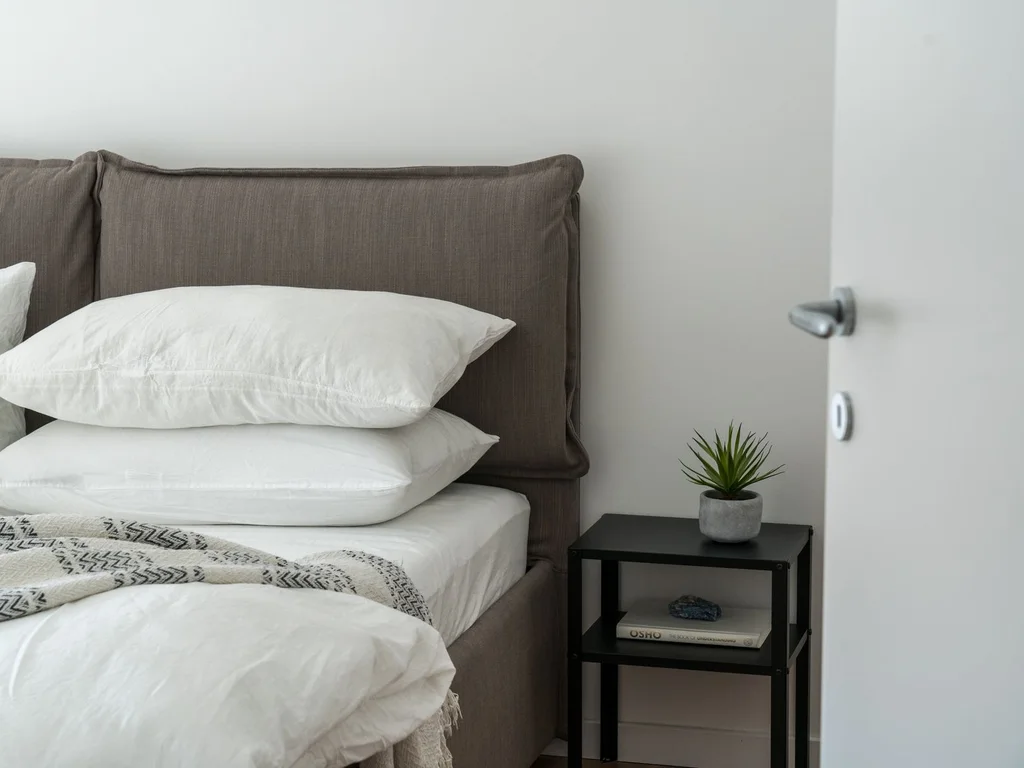
Start with a plain white duvet cover and everything else becomes easy to swap. White bedding reads fresh in any season, shows off cushions and throws instead of competing with them, and can be refreshed with a single coloured layer rather than a whole new set. Choose a natural fibre that softens with every wash.
2. A Folded Throw Across the Foot of the Bed
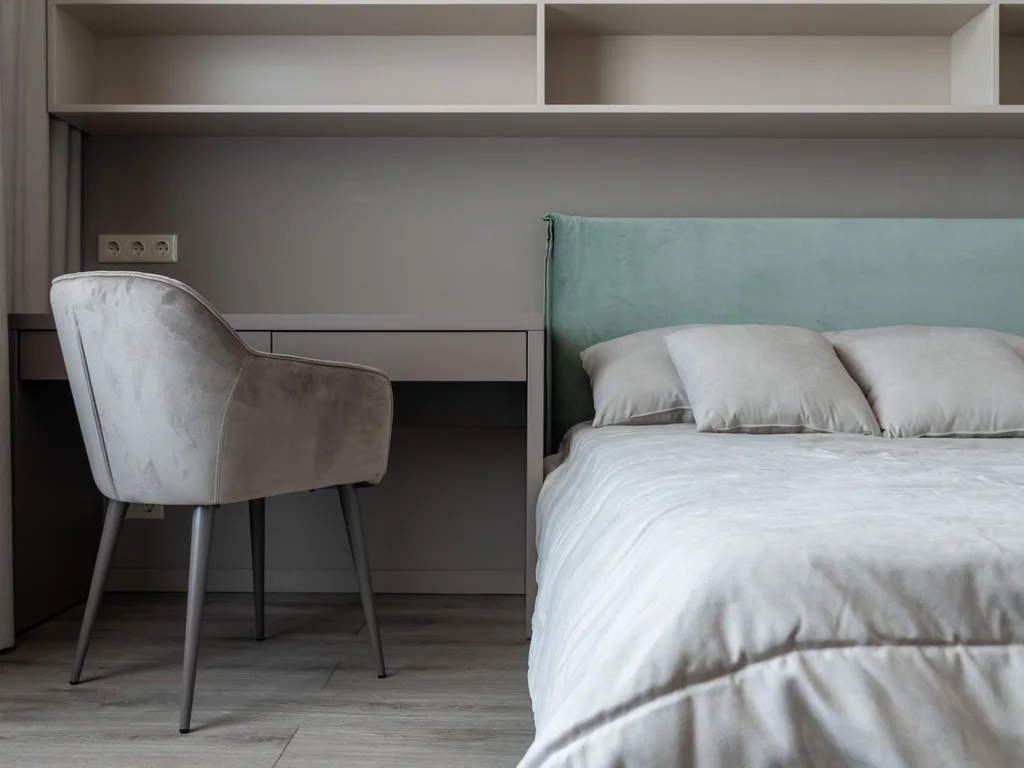
Fold a throw into a neat band across the foot of the bed and the whole bed looks intentionally dressed. It adds a stripe of colour or texture without hiding the bedding, and it is genuinely useful on cool evenings. Keep the fold roughly a third of the bed’s length for the most balanced look.
3. Two Pillow Layers Instead of One
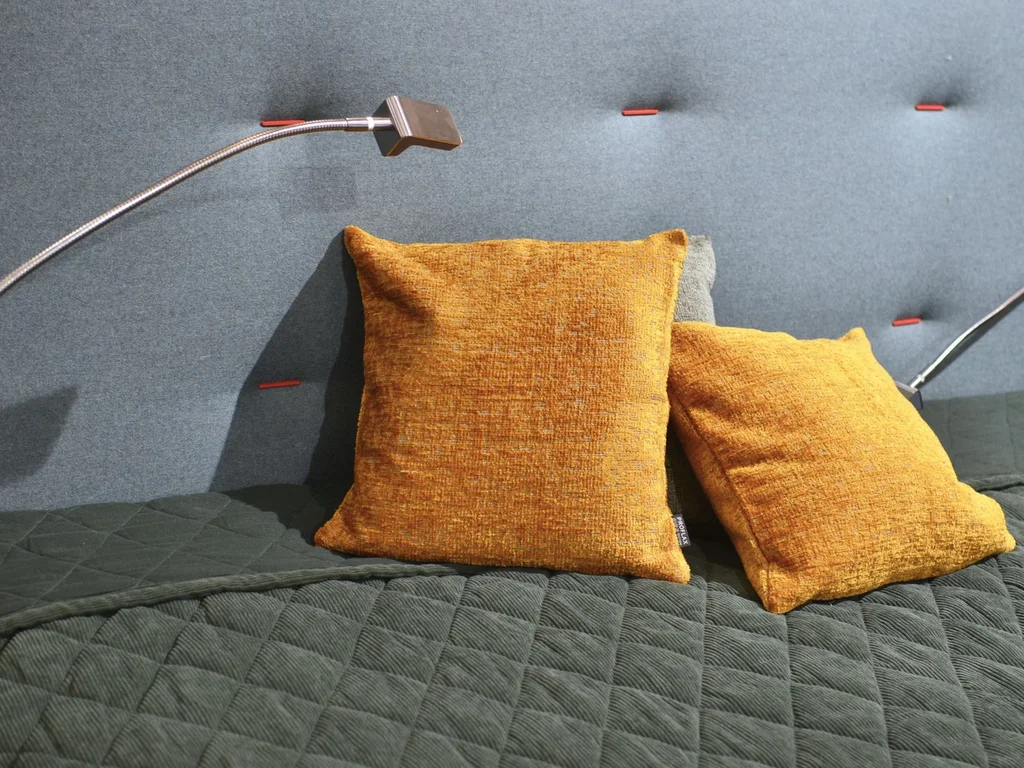
Layer sleeping pillows flat against the headboard, then stand a second row of plumper pillows in front. The bed instantly looks taller and more inviting, and the front row doubles as back support for reading. Two layers cost nothing extra if you already own spare pillows — just give them matching or toning cases.
4. A Quilt Over the Duvet for Extra Texture
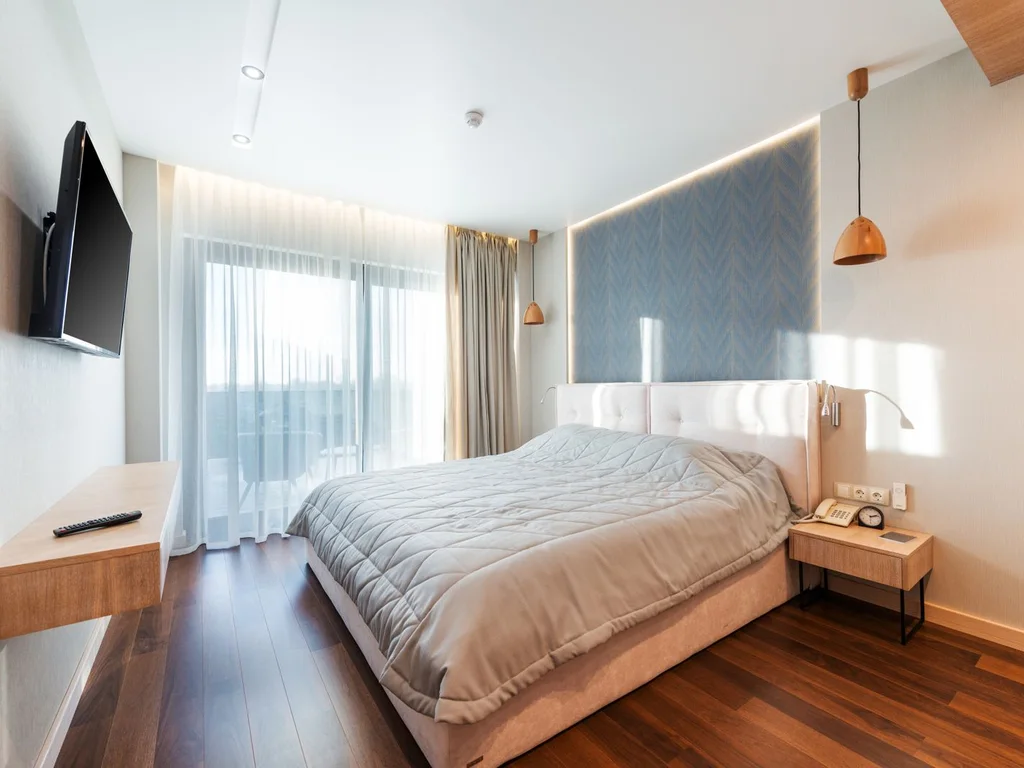
Spread a lightweight quilt over the top half of the duvet to add pattern and weight without warmth you do not need. Quilts in stitched cotton or soft kantha-style fabric bring a handmade feel that plain bedding lacks. Fold it back with the duvet each morning for a relaxed, lived-in finish.
5. Linen Bedding for a Relaxed, Wrinkled Look
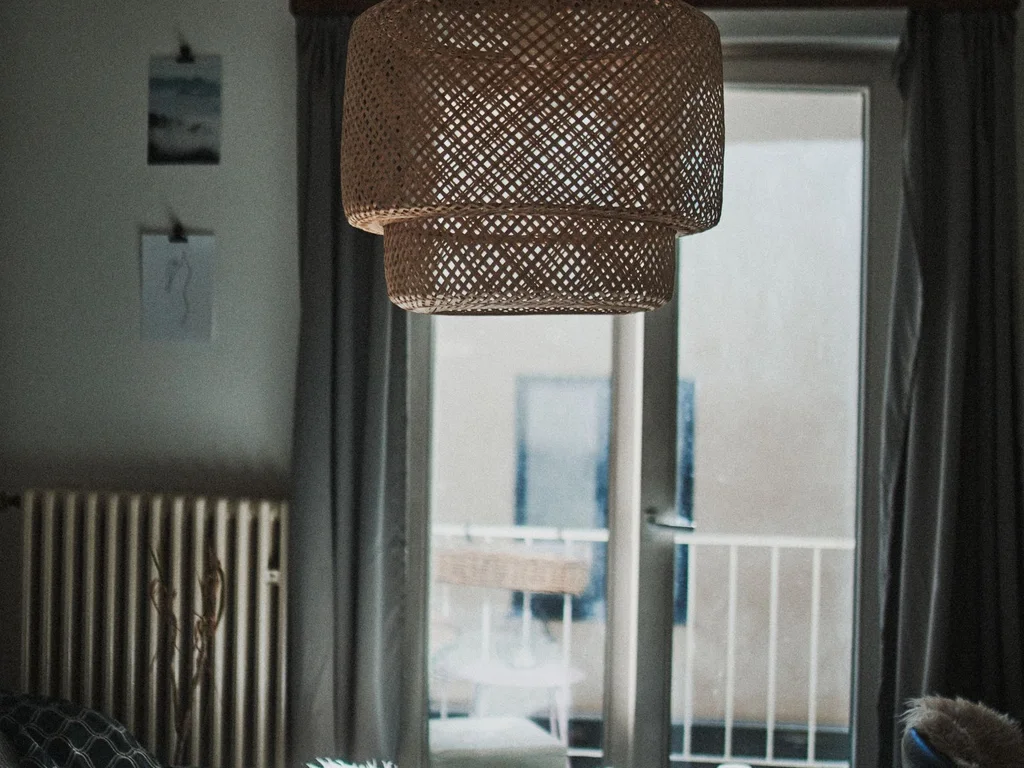
Washed linen bedding embraces its wrinkles, which makes the bed look effortlessly styled instead of stiffly made. It breathes in summer, layers warmly in winter, and improves with age. If perfect smoothness stresses you, linen is permission to stop ironing and start enjoying the bed.
6. A Bedspread Pulled Taut for a Hotel Finish
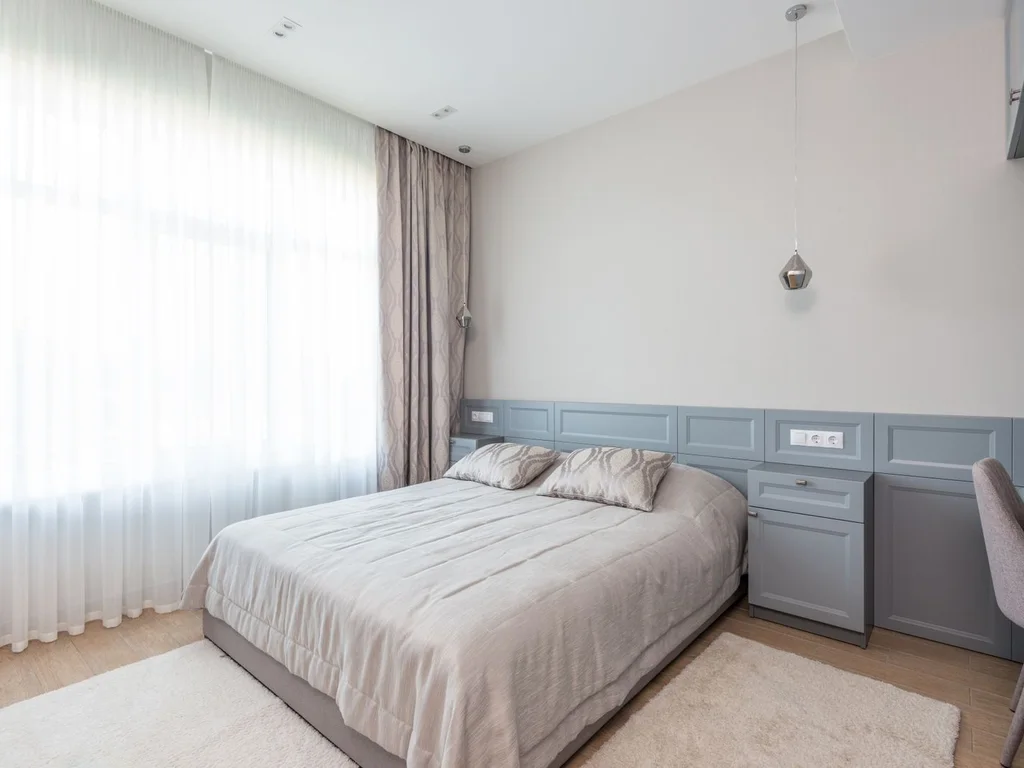
For the opposite effect, pull a woven bedspread taut, tuck the corners sharply, and finish with two neat pillows. The hotel look suits rooms where calm comes from order, and it makes the bed the visual anchor of the room. Shake the spread out daily rather than remaking it fully to keep the finish fresh.
7. Contrasting Pillowcases as a Colour Accent
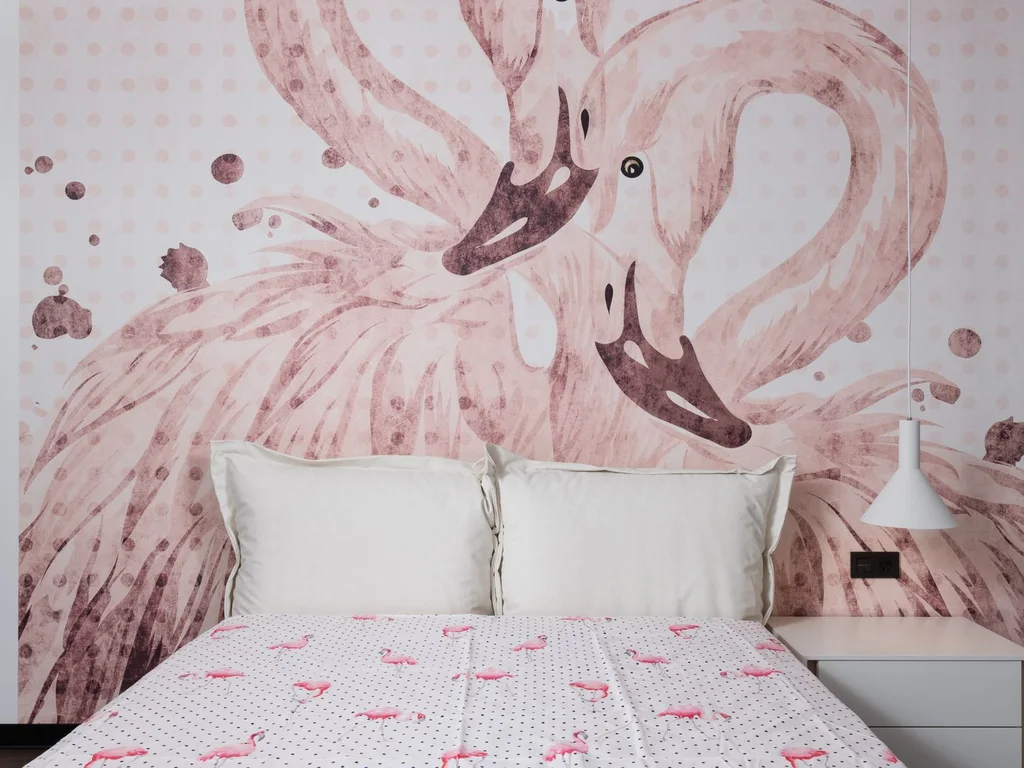
Swap just the pillowcases for a contrasting colour and the bed’s whole palette changes in seconds. This is the cheapest colour experiment in the room: try a deep tone against white bedding, or a soft pastel against grey. Keep the rest of the bedding quiet so the pillowcases read as a deliberate accent.
8. A Bed Runner in Place of a Full Throw
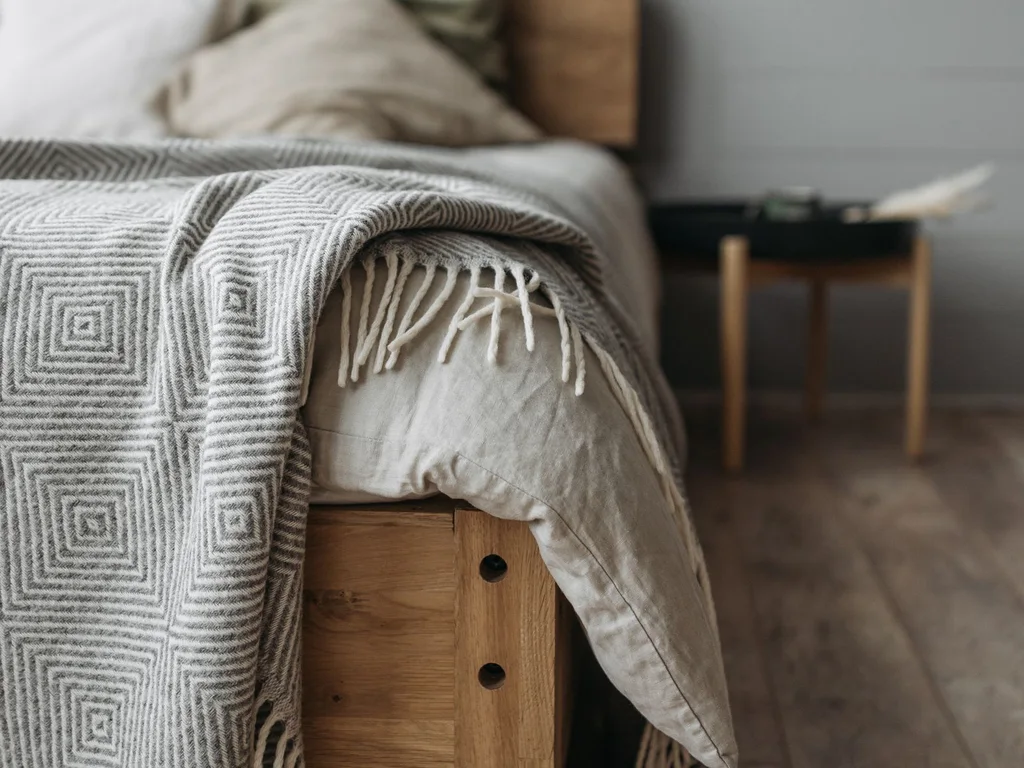
A bed runner — a narrow strip across the foot of the bed — gives the layered look without a throw’s bulk. It suits beds with beautiful bedding you do not want to cover, and it is easy to change with the seasons. Choose a structured fabric so it lies flat.
9. Matching Bed Skirt for a Tailored Base
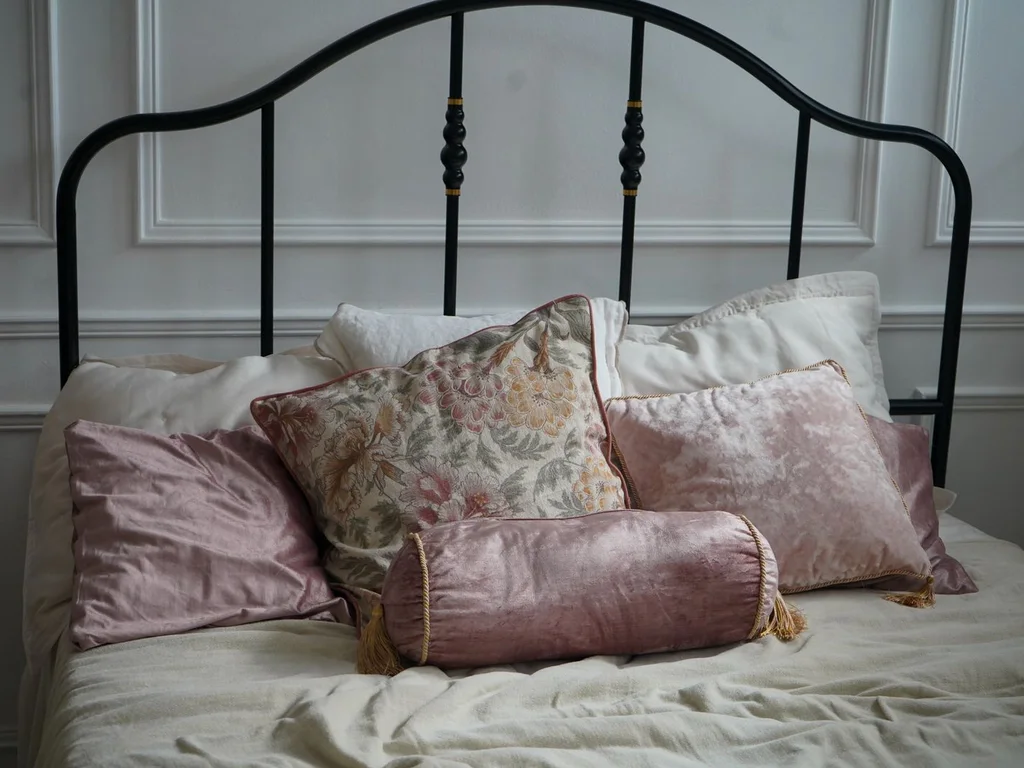
A bed skirt hides the frame and under-bed storage while giving the bed a tailored base. In small rooms it makes the bed look like one piece of furniture rather than a frame with legs. Match its colour to the bedding so it reads as part of the bed.
10. Fresh Bedding as the Weekly Reset
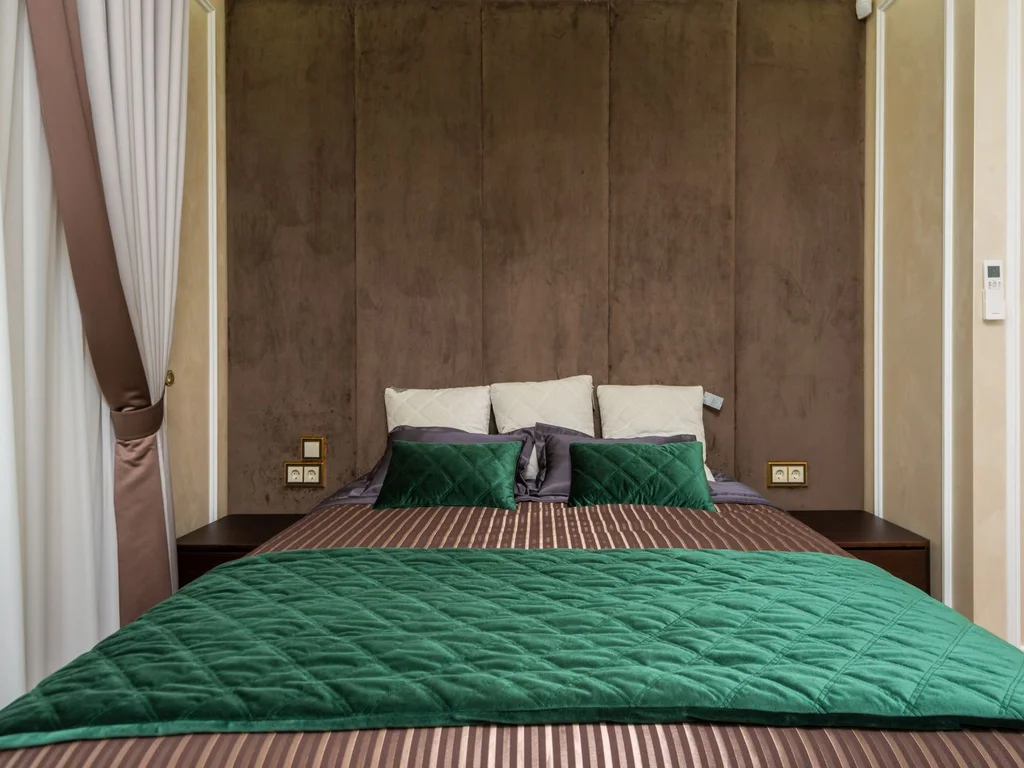
The simplest decor idea of all is a weekly bedding change treated as a ritual, not a chore. Fresh sheets change how the whole room smells and feels, and the few minutes spent remaking the bed neatly reset the room visually. Pair it with opening the window and the bedroom feels new every single week.
2. Cushions, Throws and Textures
11. The Odd-Number Rule for Cushion Groups

Groups of three or five cushions look naturally arranged, while even numbers can look stiff and symmetrical. Start with two larger cushions at the back, add two medium ones, and finish with one small statement cushion in front. The odd count gives the eye somewhere to land without feeling forced.
12. A Velvet Cushion for Evening Richness
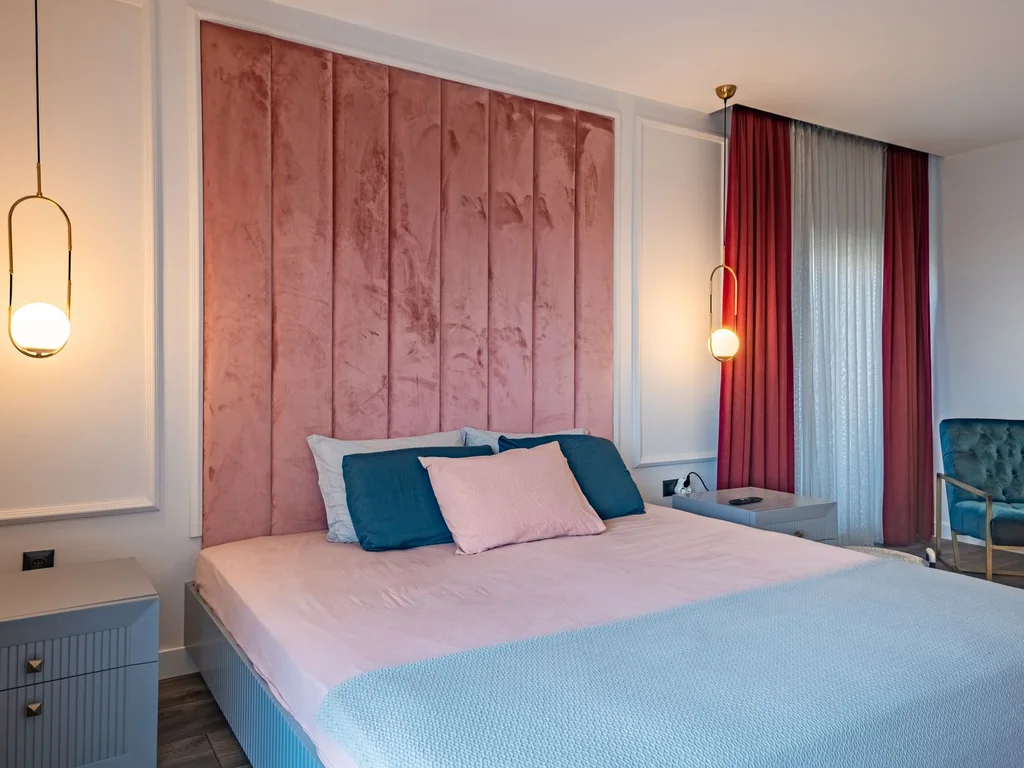
One or two velvet cushions change how a bed feels after dark: the fabric catches lamplight and adds depth that flat cotton cannot. Velvet works in almost any colour, but deep tones show its sheen best. Keep velvet to accents — a whole bed of it can feel heavy rather than luxurious.
13. A Chunky Knit Throw for Winter Weight
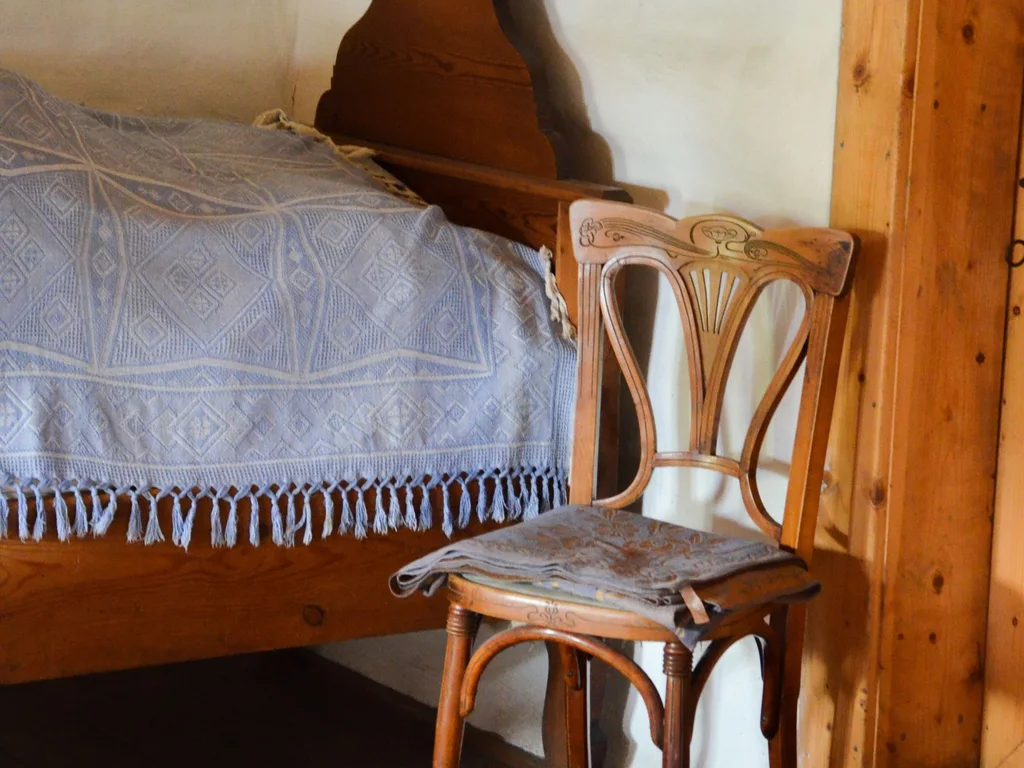
A chunky knit throw draped over the bed or a chair adds visible warmth before anyone touches it. The texture reads cosy from the doorway, which matters in winter when a room needs to invite you in. Choose a knit with some weight so it drapes rather than sliding off the bed.
14. A Faux-Fur Throw for Instant Softness

Faux fur is the fastest softness upgrade in the room: one throw over the bed or folded on a chair makes the whole space feel warmer and more tactile. Use it in small doses — a single throw is a luxury, while fur everywhere tips into costume. Cream and natural tones blend with most bedding.
15. Mixing Textures Instead of Matching Sets
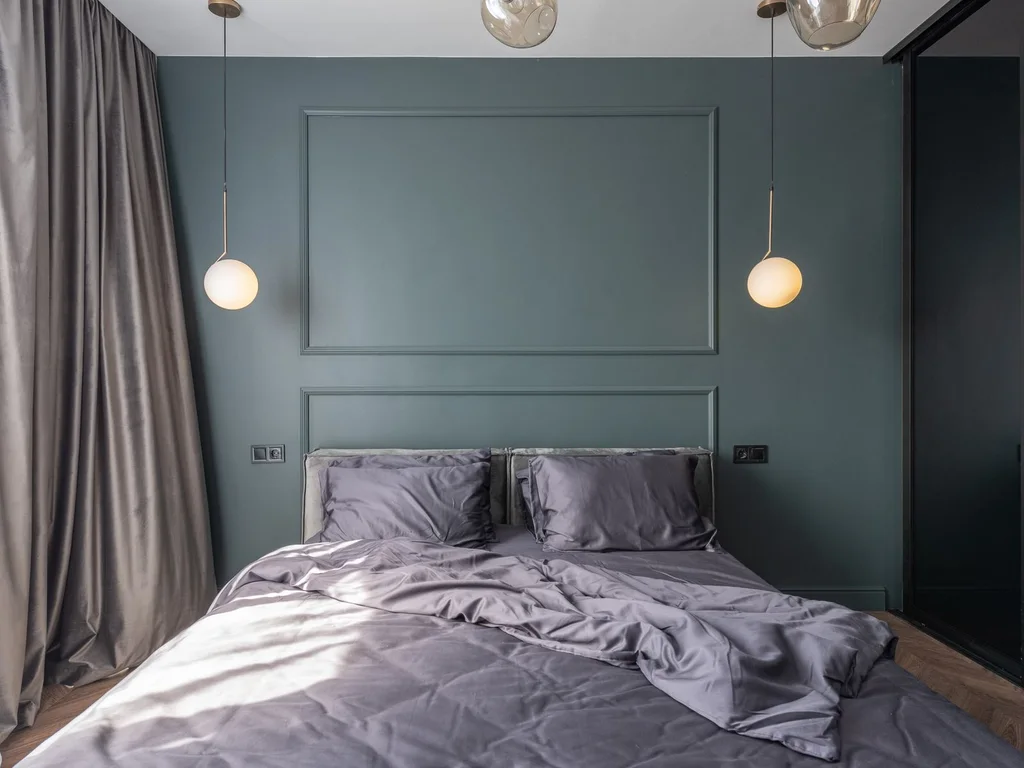
Bedding sets that match perfectly can look flat. Mix linen, cotton, velvet and knit across the bed’s layers and the bed gains depth even in a single colour family. The trick is to keep the palette tight — two or three tones — while letting textures do the decorating work.
16. A Bolster Cushion Along the Headboard
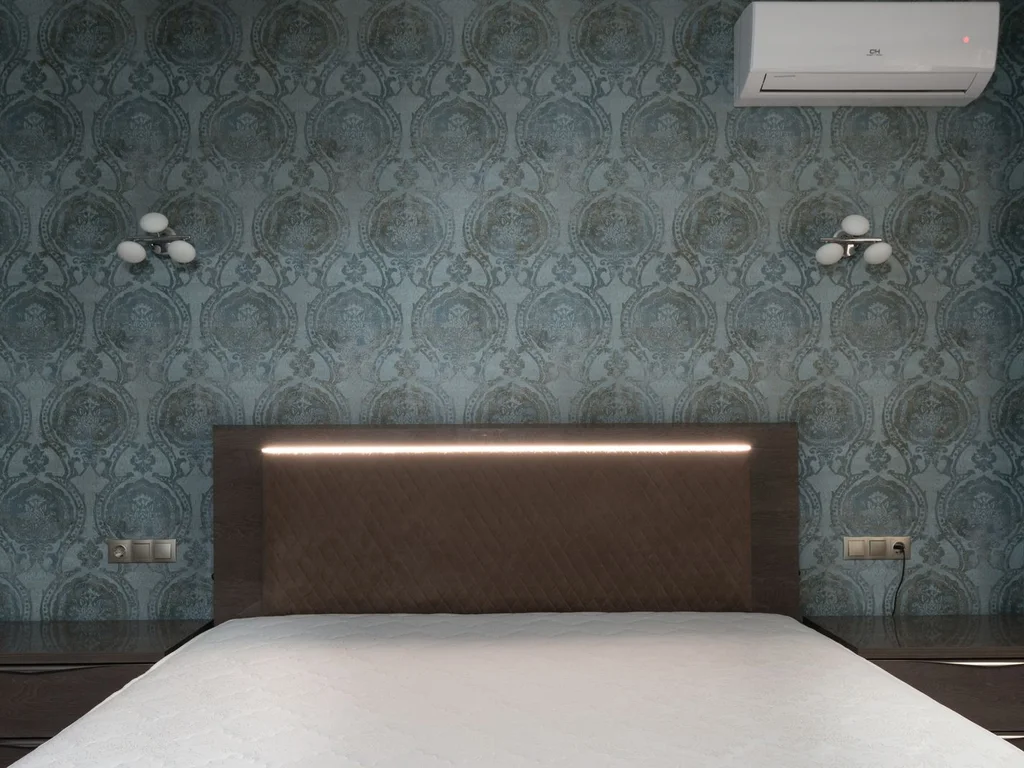
A long bolster across the front of the sleeping pillows finishes the bed like a tailored seam. It hides the gap between pillows and headboard, makes the bed look wider, and supports your back when you sit up. Echo the throw’s colour for a pulled-together look.
17. Cushion Covers Swapped With the Seasons
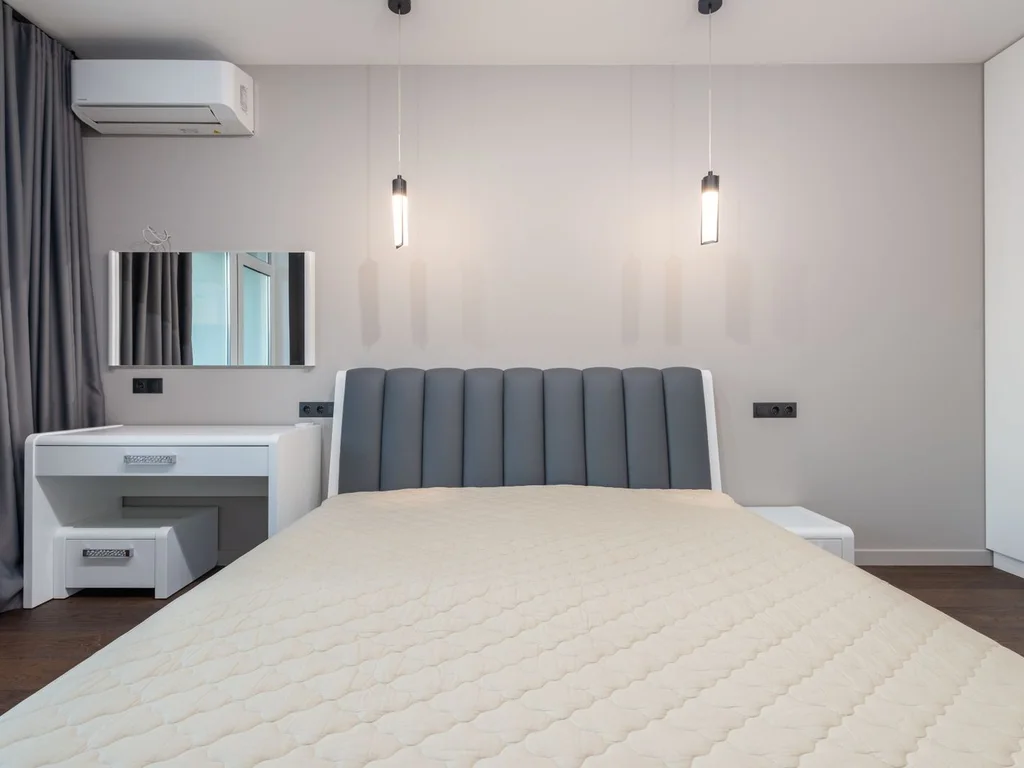
Store two sets of cushion covers — warm tones for winter, pale ones for summer — and swapping them becomes a five-minute seasonal refresh. Covers take almost no storage space, cost far less than new cushions, and change the room’s mood more than any single item. Wash and fold them flat between seasons.
18. A Single Statement Cushion in a Bold Print
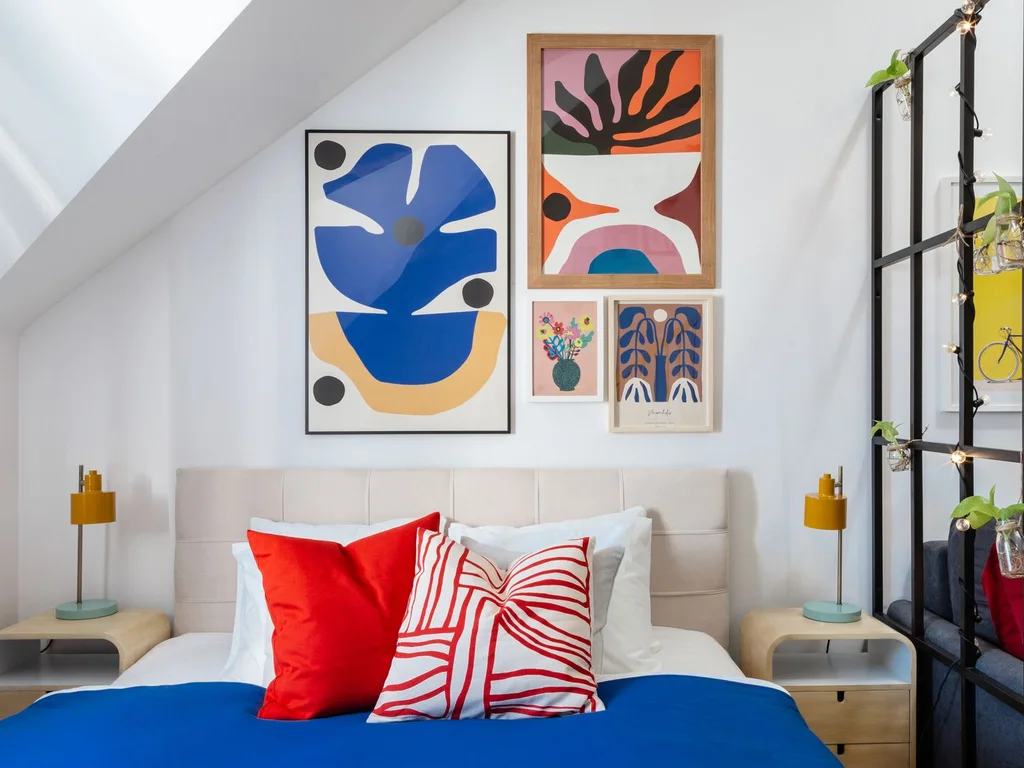
When the rest of the bedding is quiet, one bold-print cushion can carry the room’s personality: a large floral, a graphic stripe, or an illustrated design. Keep it to one, and echo its accent colour in one small item elsewhere, like a candle.
19. A Waffle-Weave Throw for Summer Layers

Summer bedding needs texture without warmth, and a waffle-weave throw delivers exactly that. The small grid pattern adds visual interest to white or pale bedding while staying breathable on warm nights. Fold it at the foot of the bed during the day so it is there when evenings cool down.
20. A Throw Draped Over the Bedside Chair
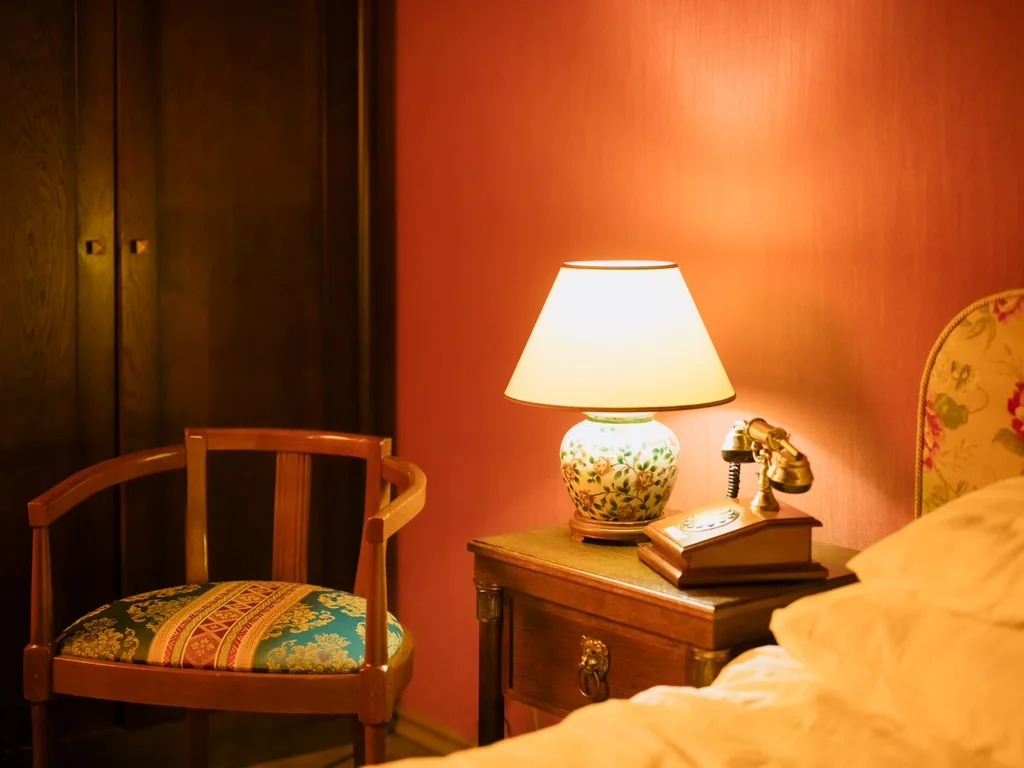
Not every throw belongs on the bed. Draping one over the bedroom chair or the end of a bench spreads the softness around the room and makes the chair look used and welcoming. It also keeps an extra layer within reach for reading, without adding bulk to the bed itself.
3. Curtains, Blinds and Window Dressing
21. Floor-Length Curtains for Instant Height

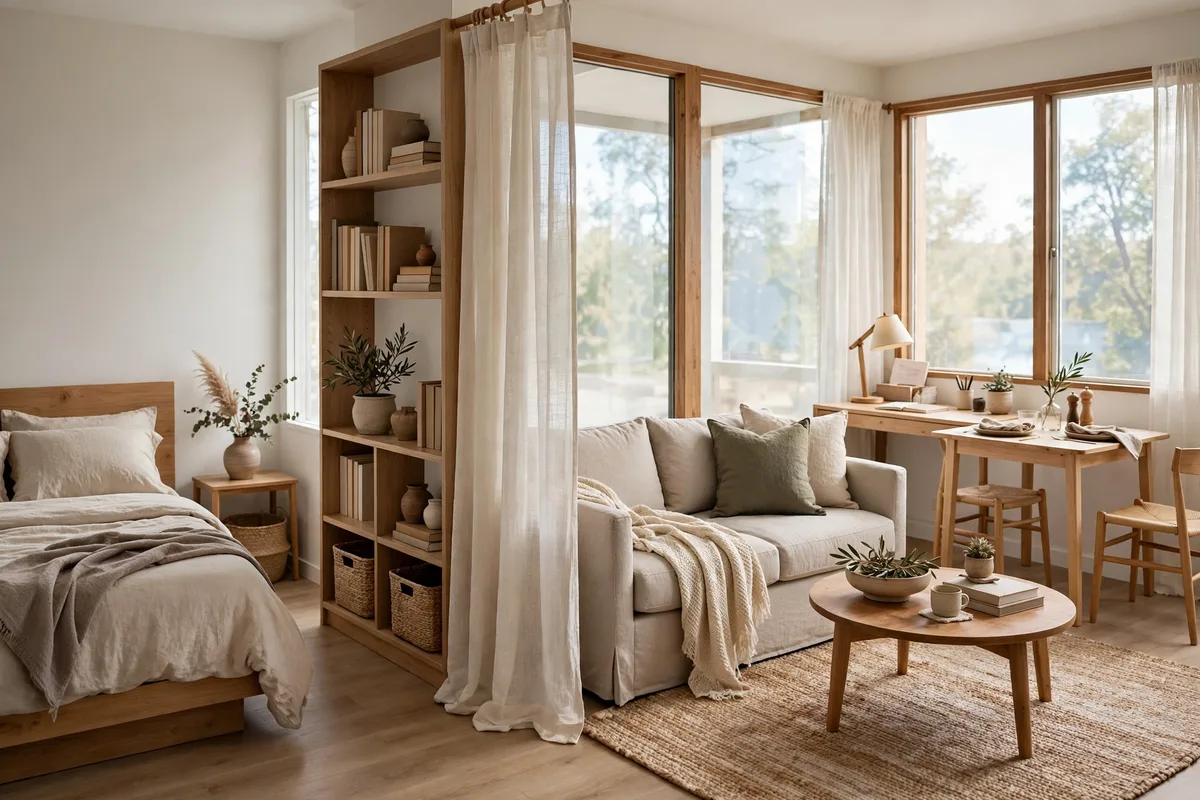
Hang curtains from just below the ceiling to the floor and the window — and the room — immediately looks taller. A hem that just kisses the floor looks tidiest, and a rod wider than the window lets open curtains clear the glass.
22. Sheer Curtains for Soft, Private Daylight
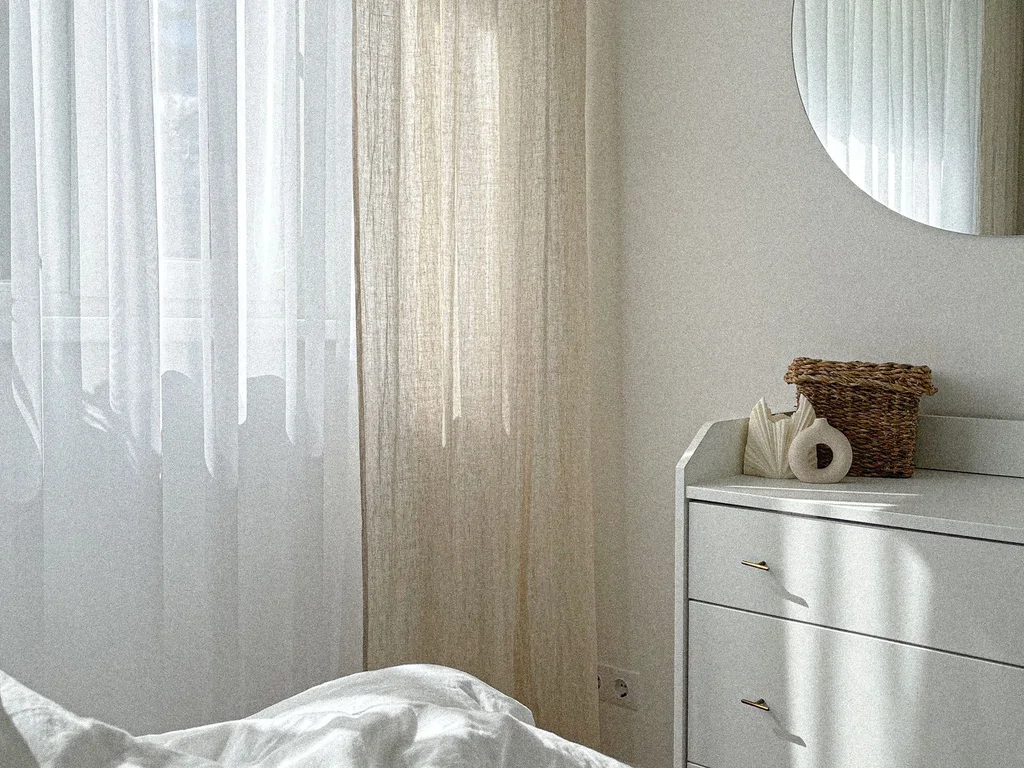
Sheers filter harsh sun into a soft glow while keeping the room private during the day. They suit bedrooms that face neighbours or busy streets, and they let you keep curtains closed without living in gloom. White or ivory sheers suit almost every scheme and wash easily.
23. Blackout Curtains Behind Sheers
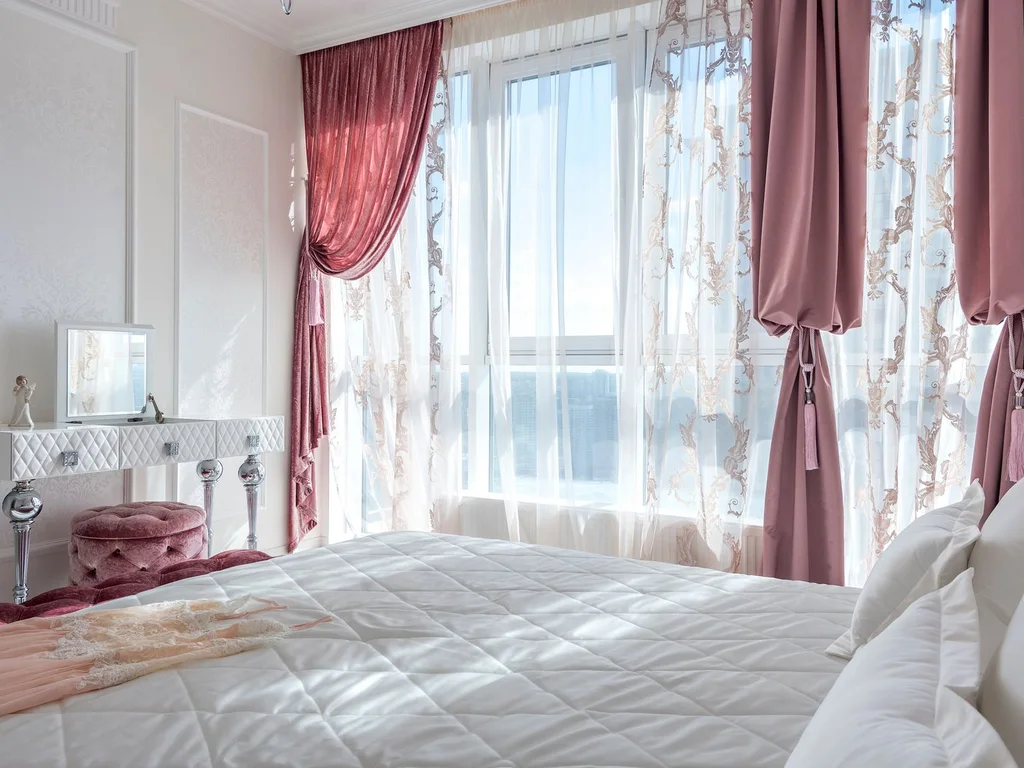
Layer blackout curtains behind sheers for the best of both: soft light by day, true darkness at night. The double layer also insulates against draughts and street noise. Choose blackouts in the same tone as the sheers so the pair reads as one generous window treatment.
24. A Curtain Rod That Extends Past the Window
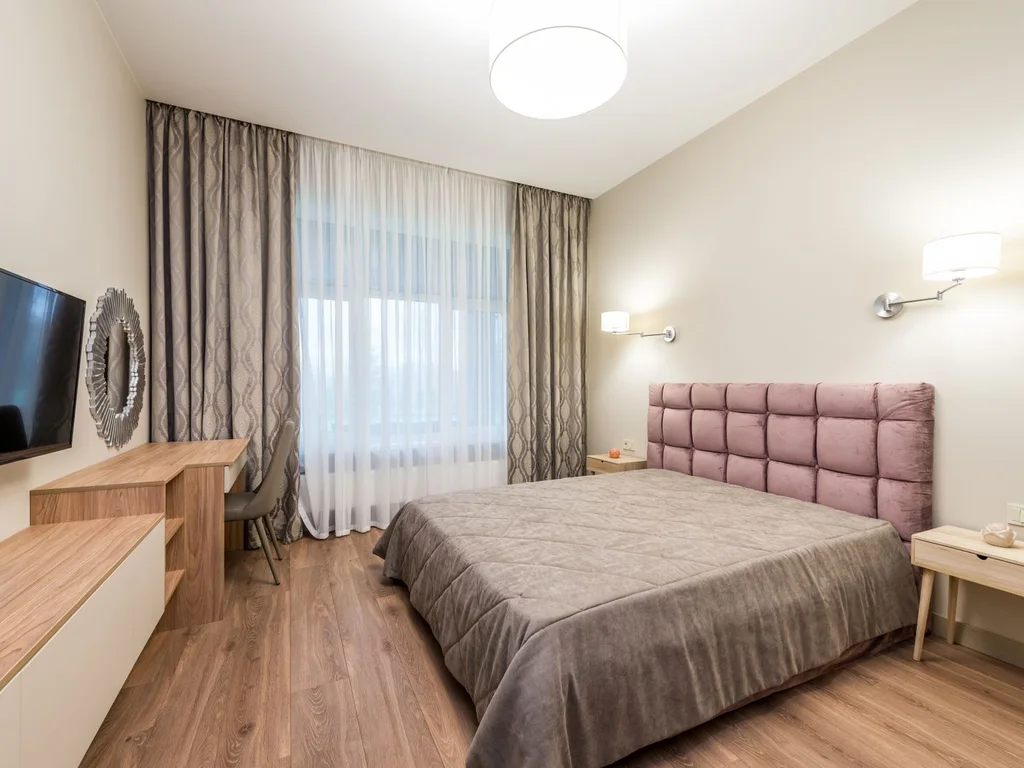
Extending the rod 15 to 25 centimetres beyond each side of the window makes the window look wider and lets curtains stack clear of the glass. This small hardware choice changes the proportions of the whole wall. It costs nothing extra beyond a longer rod.
25. Roman Blinds for a Tailored Window
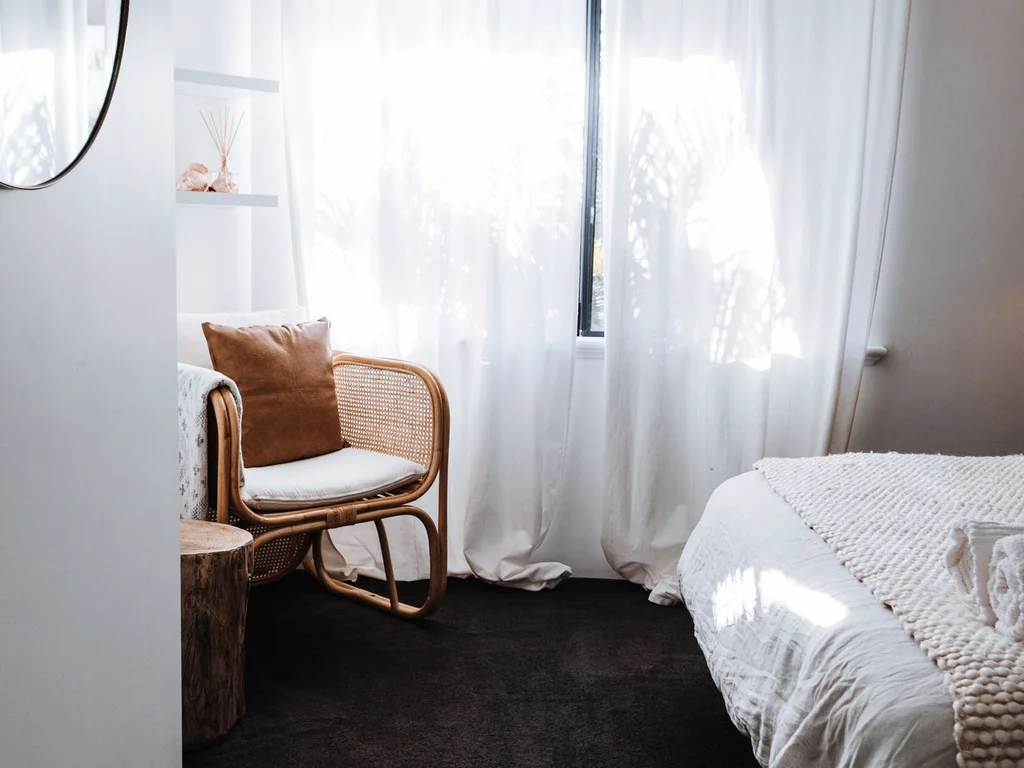
Roman blinds give a crisp, tailored window when curtains feel too soft or the room is small. Their flat folds stack neatly and the fabric can echo the bedding or cushions. In bedrooms, choose a lined version so the blind also blocks early morning light.
26. Wooden Blinds for Warmth and Control
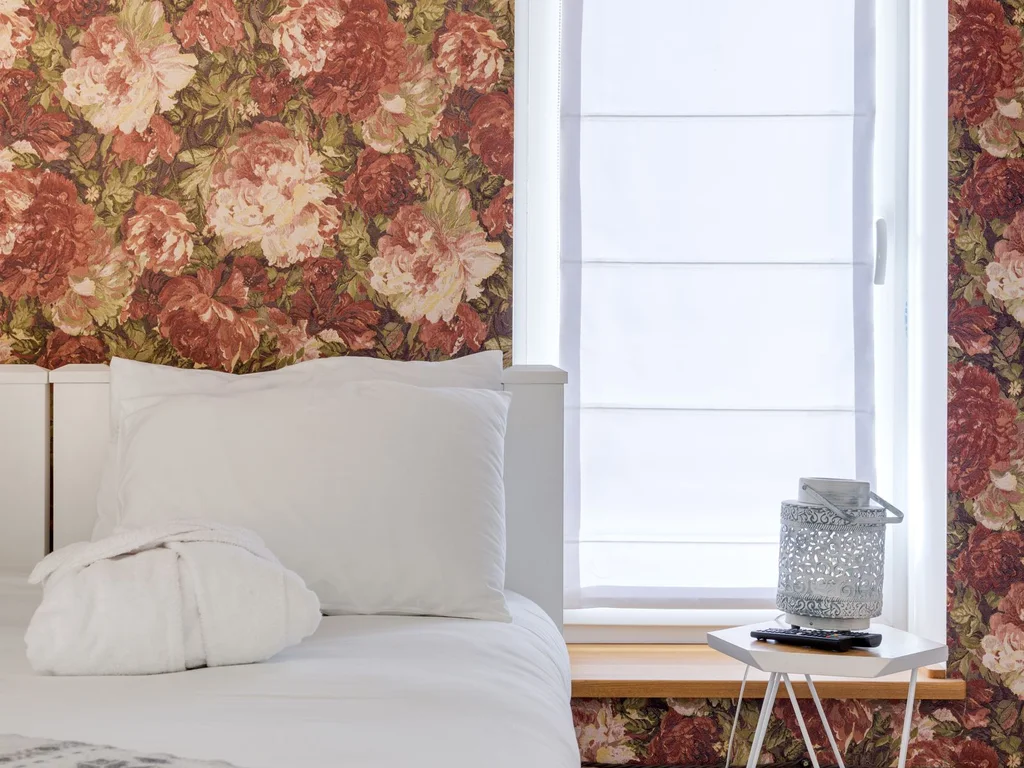
Wooden blinds add natural warmth and precise light control: tilt the slats for privacy while keeping daylight, or close them fully at night. Their horizontal lines suit both modern and traditional bedrooms. Keep the wood tone close to other wooden furniture for a calm, coordinated room.
27. A Valance to Hide Curtain Hardware
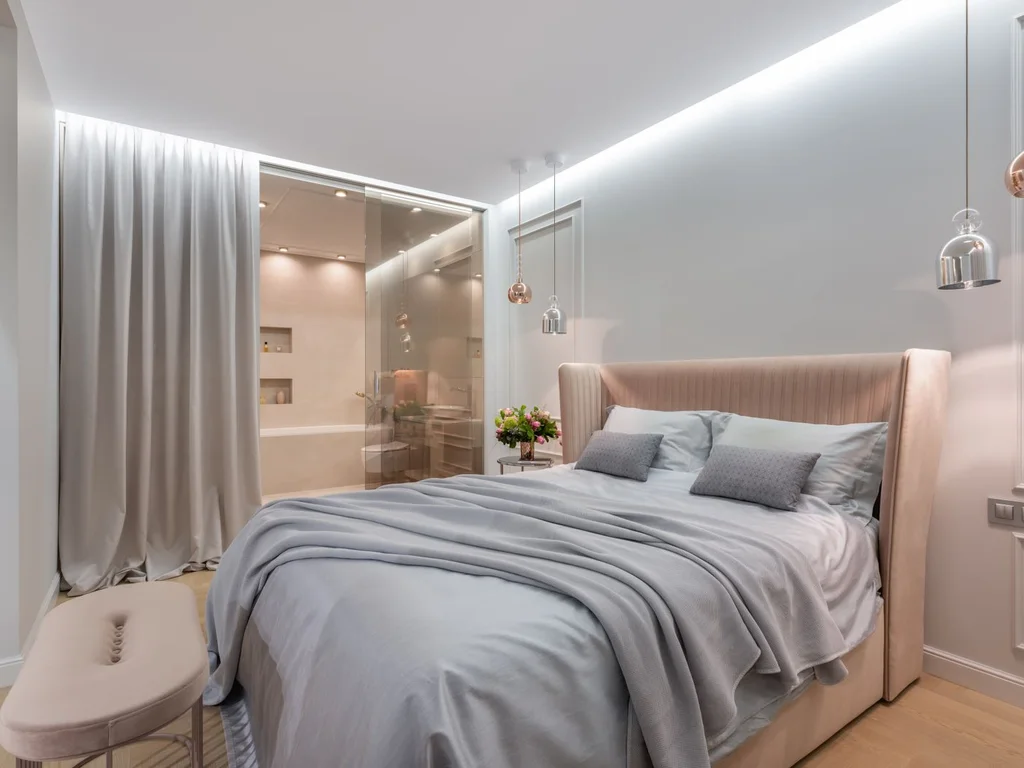
A simple fabric valance across the top of the window hides rods, rings and blind headers, giving a finished, hotel-like frame. It also adds a horizontal accent that can carry a pattern the rest of the room only hints at. Keep valances shallow so they do not darken the room.
28. Curtain Tiebacks as Jewellery for the Window
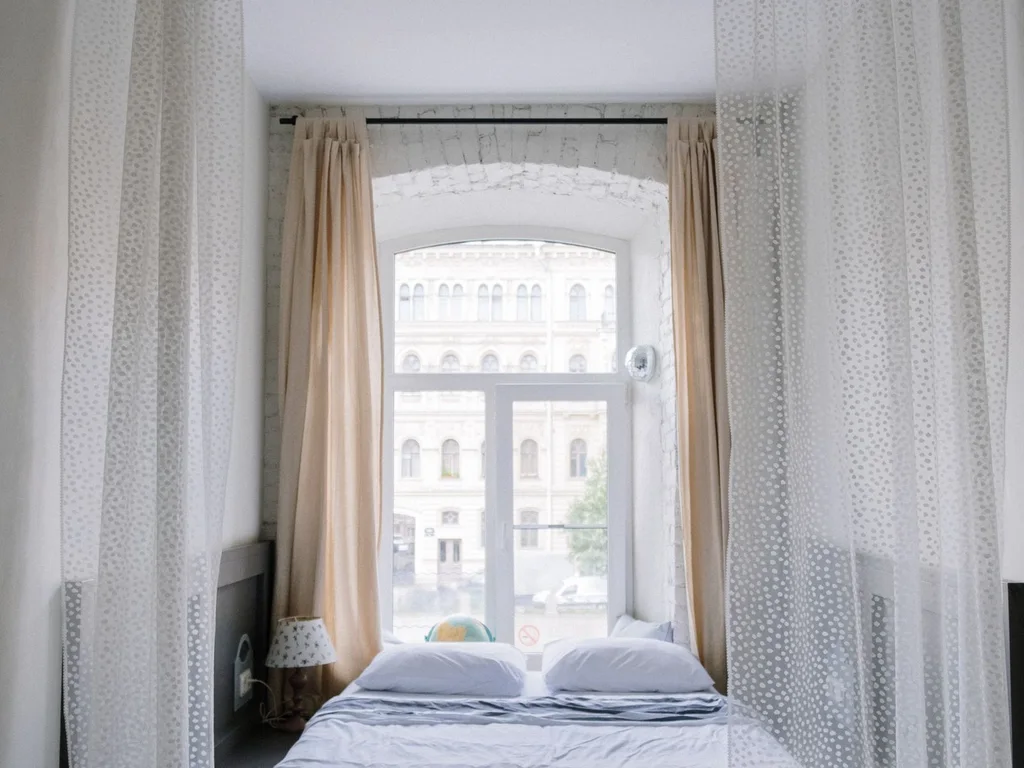
Tiebacks in rope, tassel or simple fabric bands gather curtains into elegant folds and let in more light. They are the window’s jewellery: small, inexpensive, and able to change the room’s mood. Match tiebacks to the curtain fabric for subtlety, or choose metal ones for contrast.
29. Patterned Curtains as the Room’s Artwork
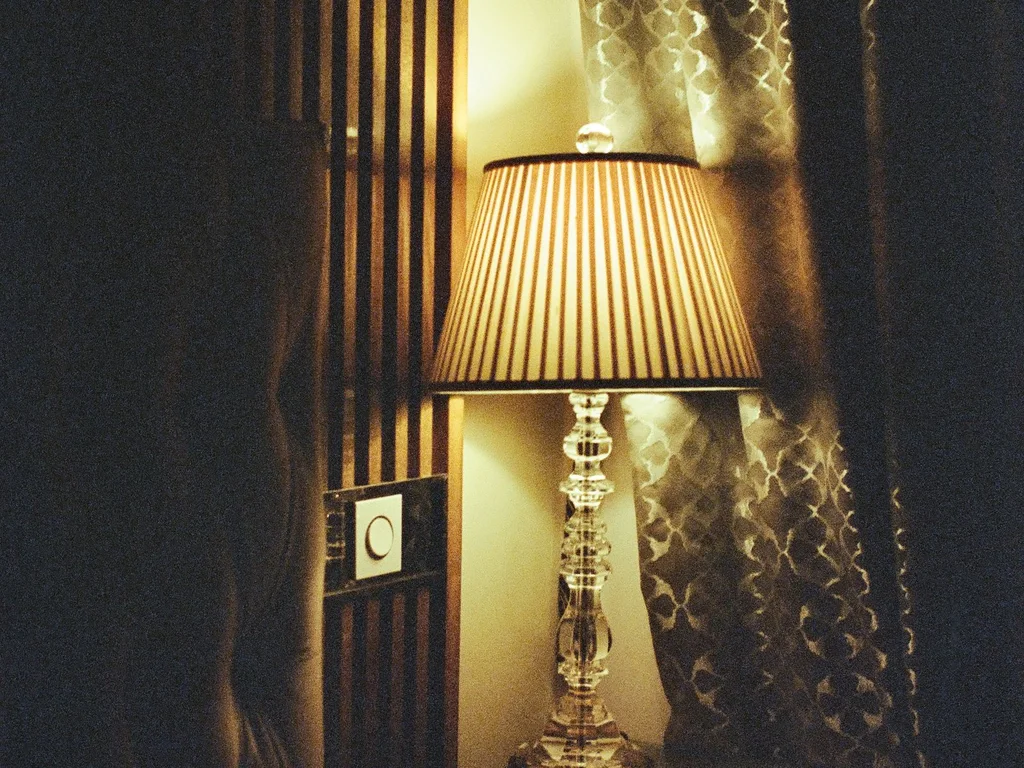
When wall space is limited, patterned curtains can be the room’s largest artwork. A bold botanical or geometric print on full-length curtains fills a whole wall with colour. Keep bedding and walls quieter so the curtains can lead without competing.
30. Café Curtains for Lower-Window Privacy
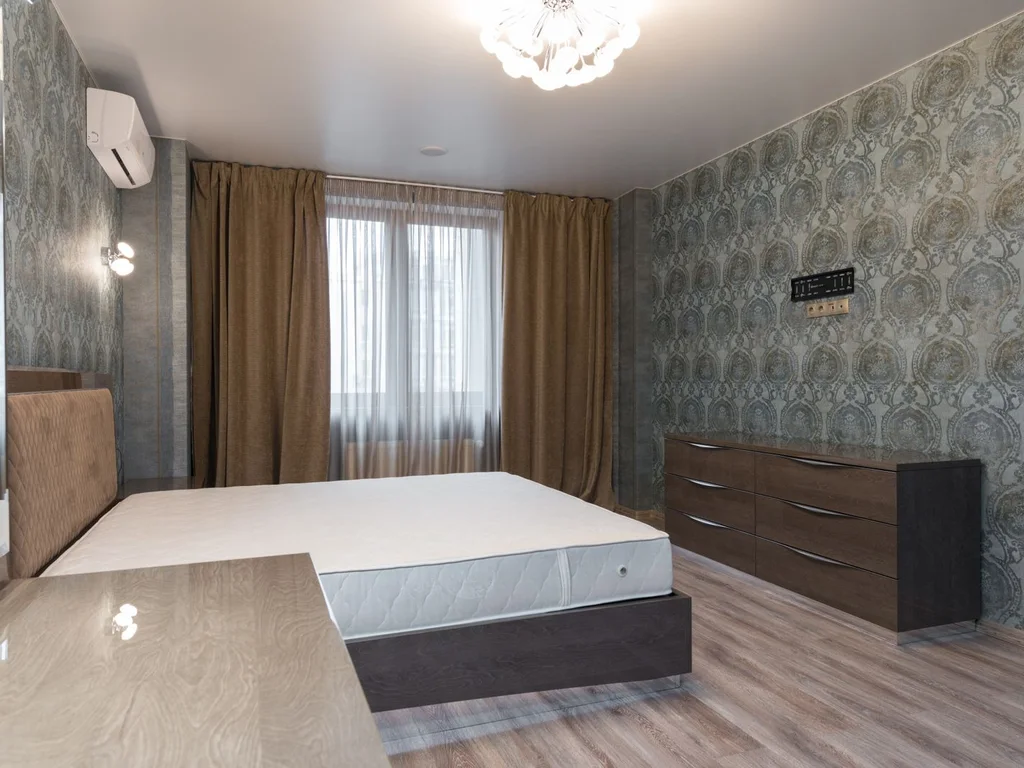
Café curtains cover only the lower half of the window, giving privacy where it matters while leaving the top open for light and sky. They suit bedrooms that face a street or a neighbour’s garden, and their cottage charm softens modern rooms. Pair them with a simple rod at mid-window height.
4. Wall Art, Prints and Gallery Walls
31. One Large Print Above the Bed
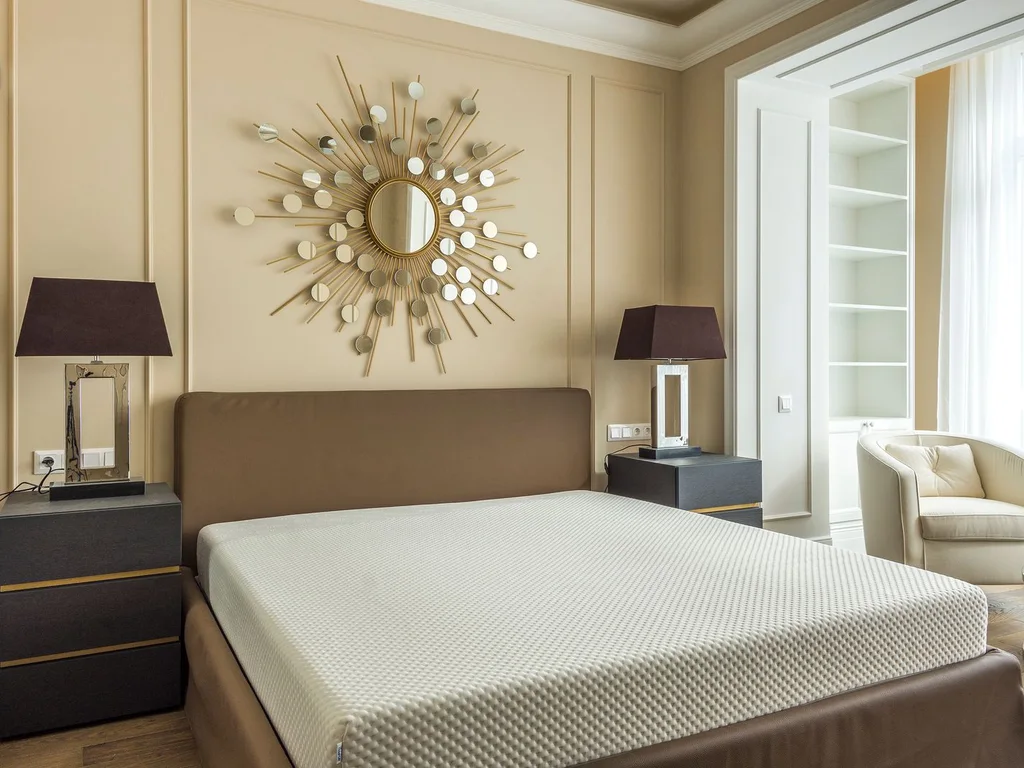
A single large print above the bed anchors the room more effectively than several small ones scattered around. Choose art roughly two-thirds the width of the bed and hang it so its centre sits at eye level when standing. One strong image gives the bed wall a clear focal point.
32. A Gallery Wall of Matching Frames
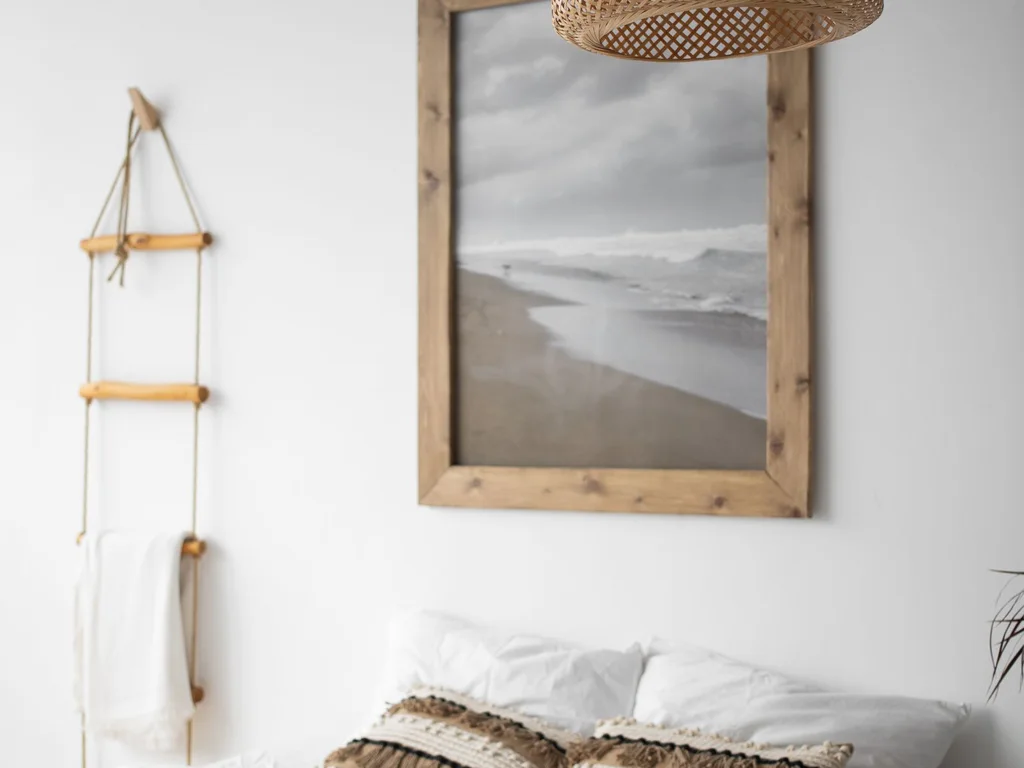
Matching frames unify a gallery wall even when the prints inside differ wildly. Use one frame colour and one mount style, then mix photographs, prints and small illustrations freely. Lay the arrangement on the floor first to test spacing before any nails go in.
33. A Picture Ledge for Changeable Art
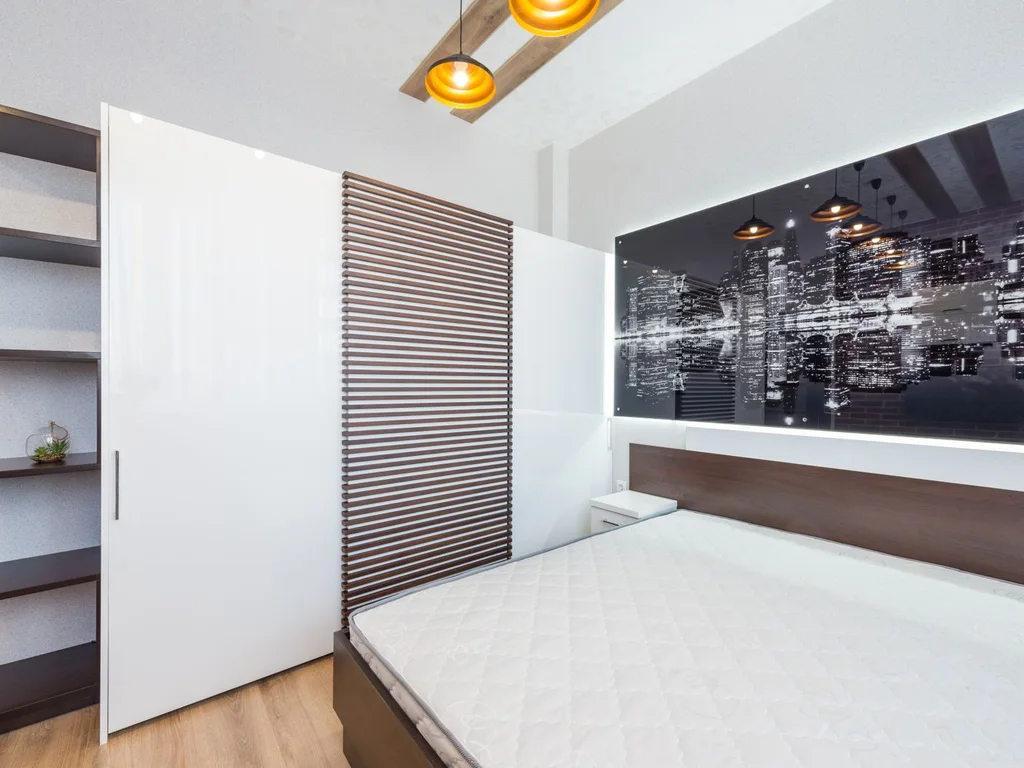
Picture ledges let you lean art against the wall and swap pieces without new holes. This suits renters and anyone who likes to refresh the room often. Overlap frames slightly and vary their heights for a collected, gallery feel rather than a rigid row.
34. Black-and-White Photography for Calm Walls
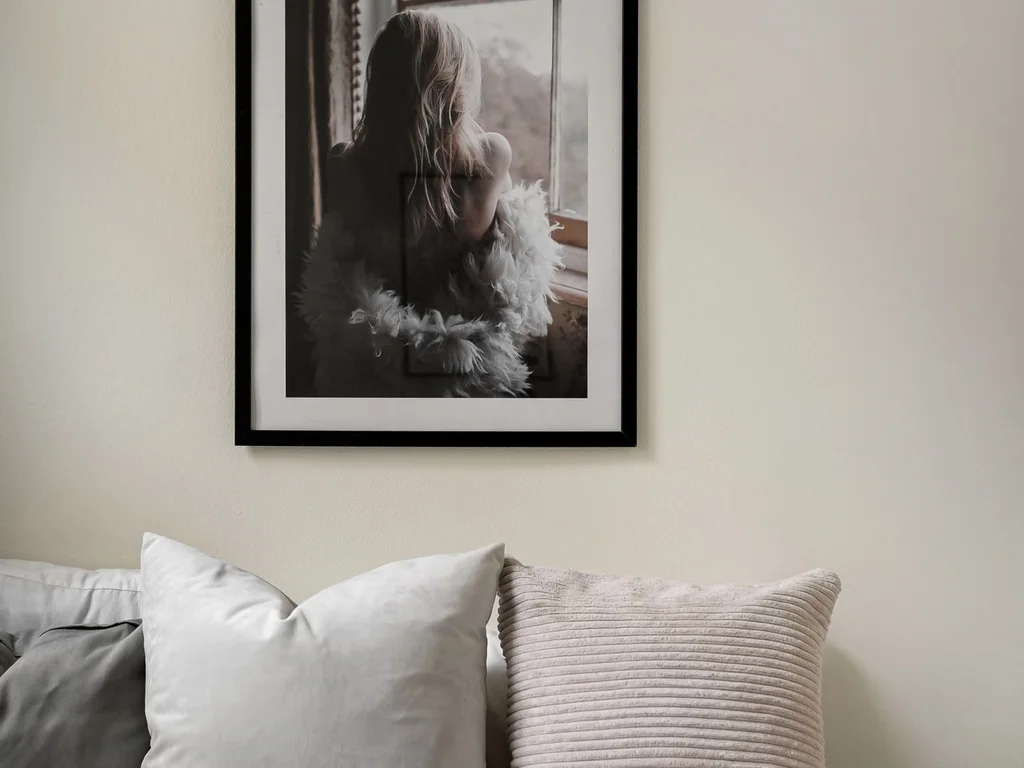
Black-and-white photographs bring interest to bedroom walls without adding colour that competes with bedding. Landscapes and portraits both work; the monochrome palette keeps the room restful. Use consistent mounts and spacing so the set reads as one intentional collection.
35. A Framed Textile as Soft Wall Art
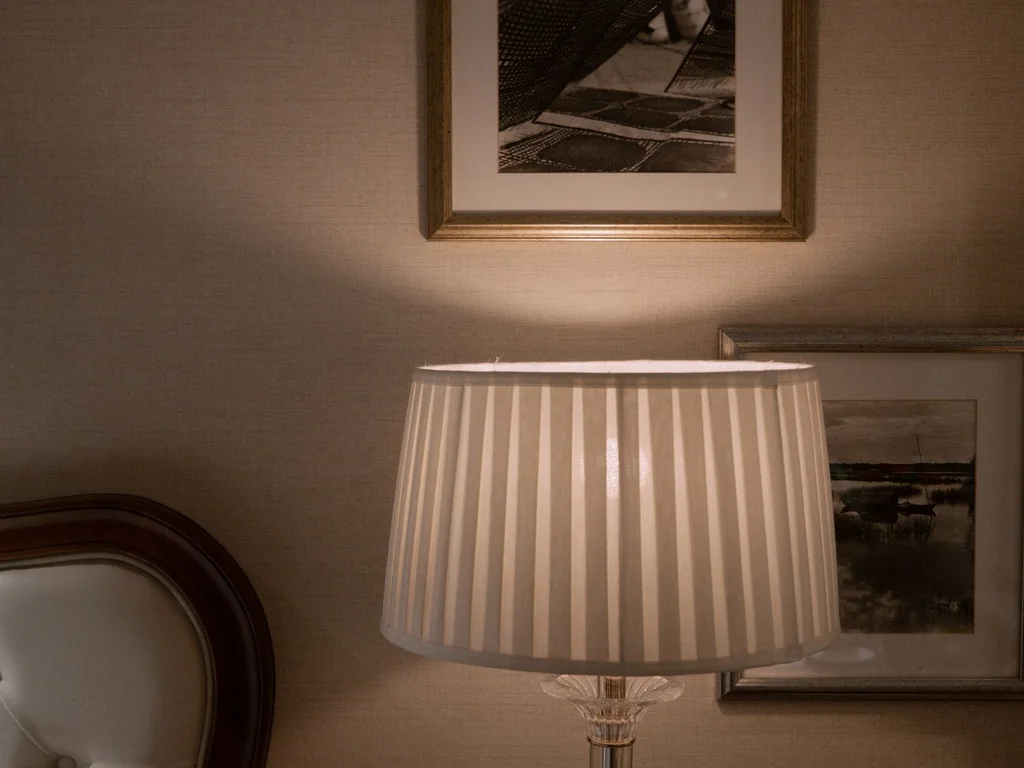
Framing a piece of embroidery, a woven textile or a beautiful scarf gives the wall softness that paper prints cannot. Textiles also absorb a little sound, which suits bedrooms. Choose a deep frame so the fabric sits proud of the glass and keeps its texture.
36. Art Hung Low Beside the Bed
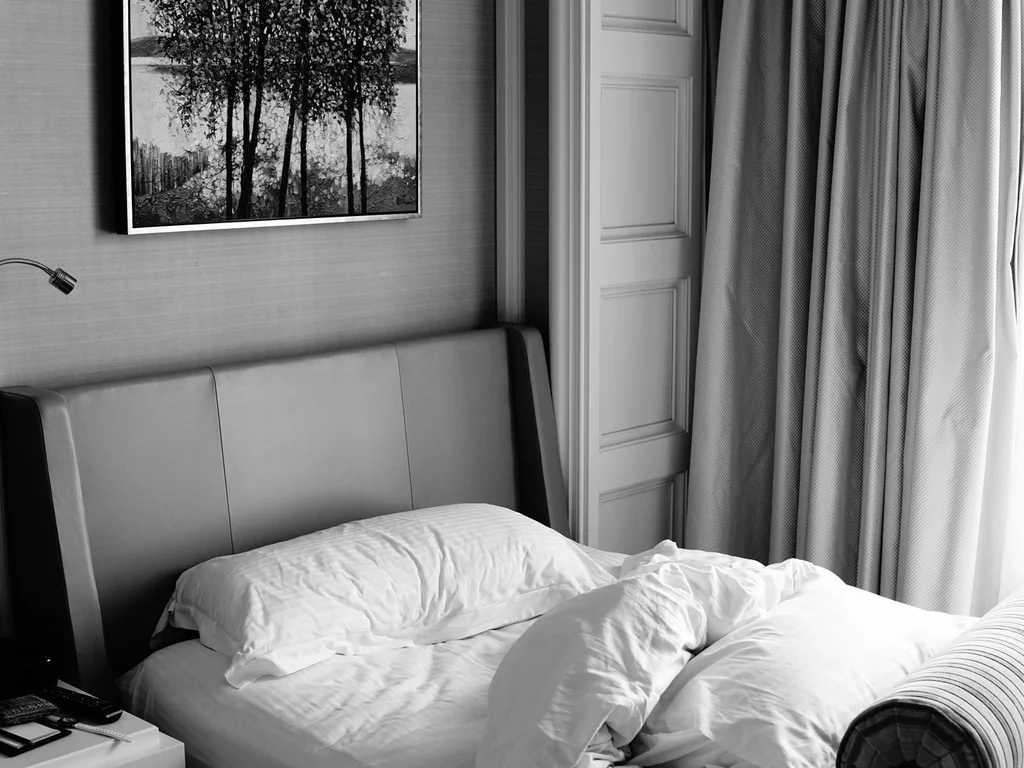
Most art hangs too high. Hanging a print low beside the bed, at pillow height, makes it part of the bed’s own composition and visible when you are lying down. It turns a blank side wall into a thoughtful detail rather than an afterthought.
37. A Triptych Split Across Three Frames
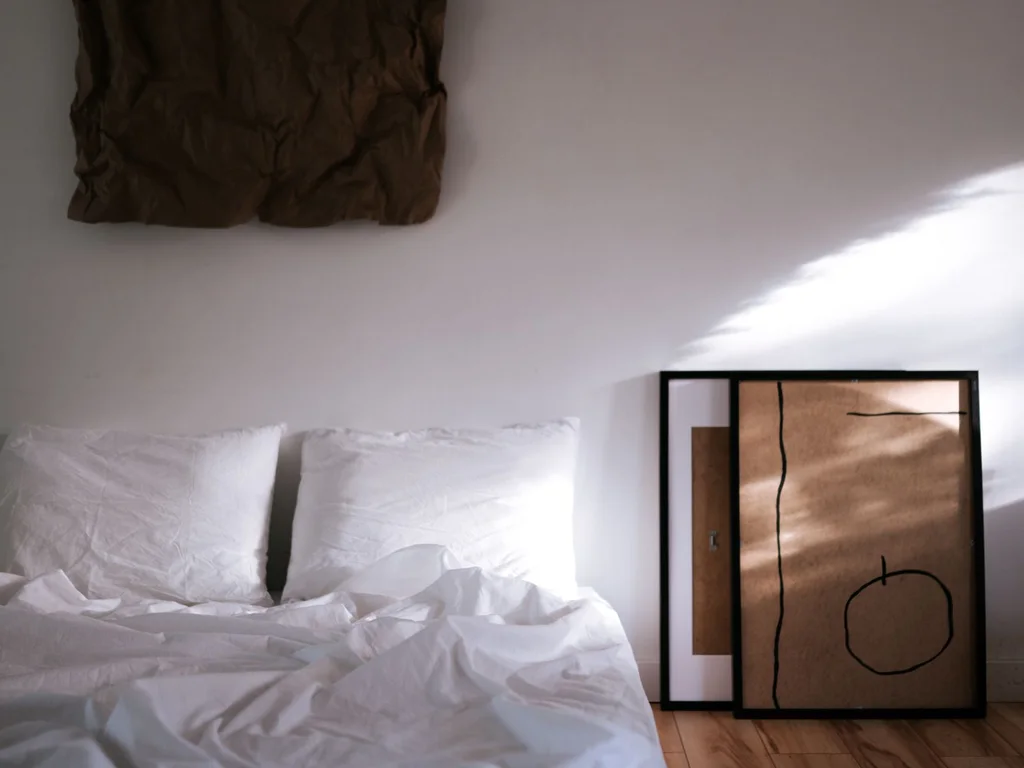
A triptych — one image split across three matching frames — fills a wide wall above a bed or dresser with a single coherent scene. Keep the gaps between frames equal and small, and hang the set as one unit. Landscapes and abstract colour fields work particularly well in this format.
38. Children’s Artwork in Proper Frames
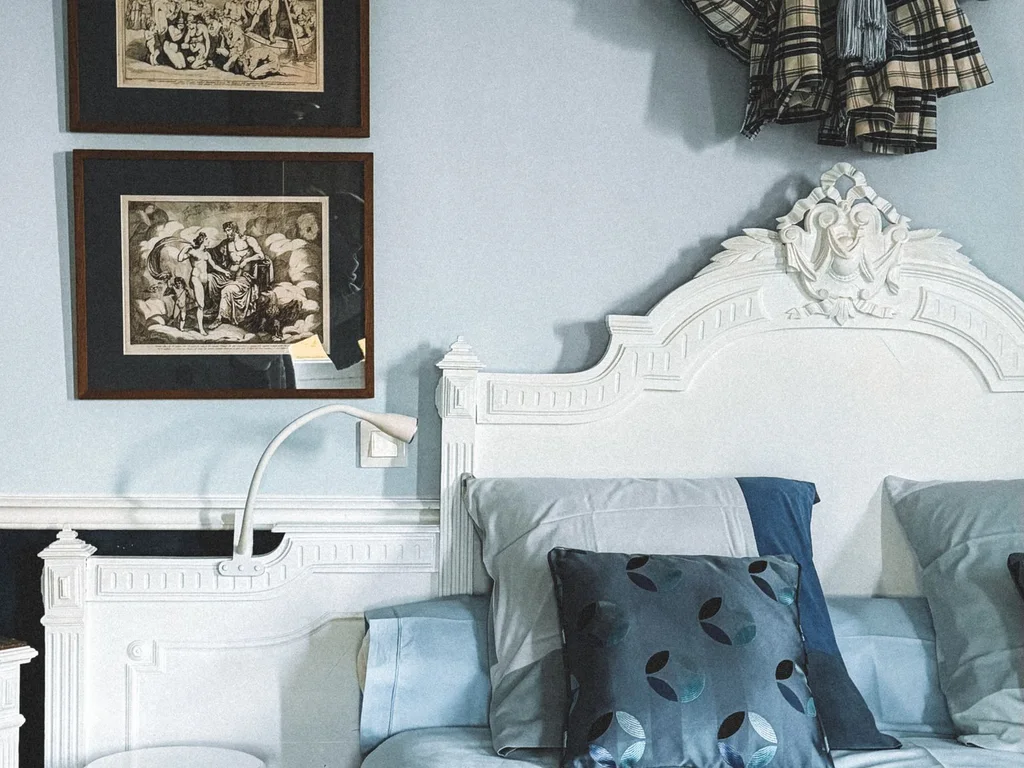
Framing children’s drawings properly turns them from fridge clutter into genuinely charming bedroom art. A simple white mount and a dark frame make even a crayon drawing look considered. Rotate the pieces seasonally so the wall stays fresh and every child gets a turn.
39. A Mirror-Framed Print Pair on Either Side
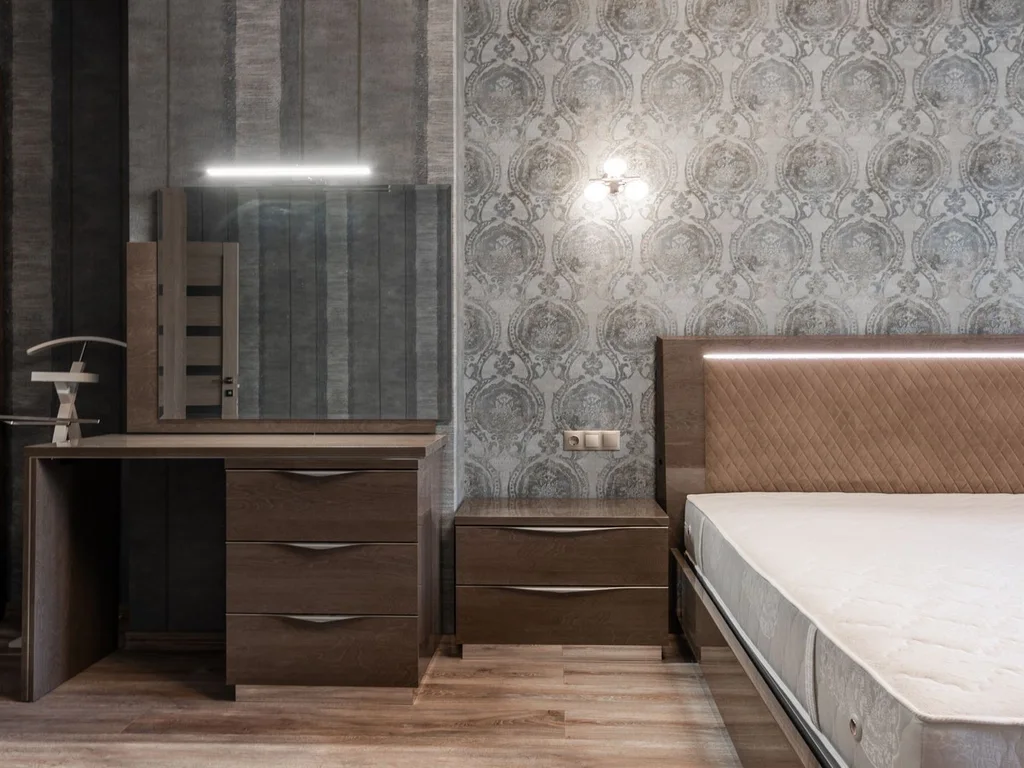
Flanking the bed with two identical prints creates symmetry that calms the room, especially in smaller bedrooms where a large piece would overwhelm. Keep the pair at the same height and size, and let the bedding’s colours appear in at least one print for cohesion.
40. Leaning a Large Frame on the Dresser
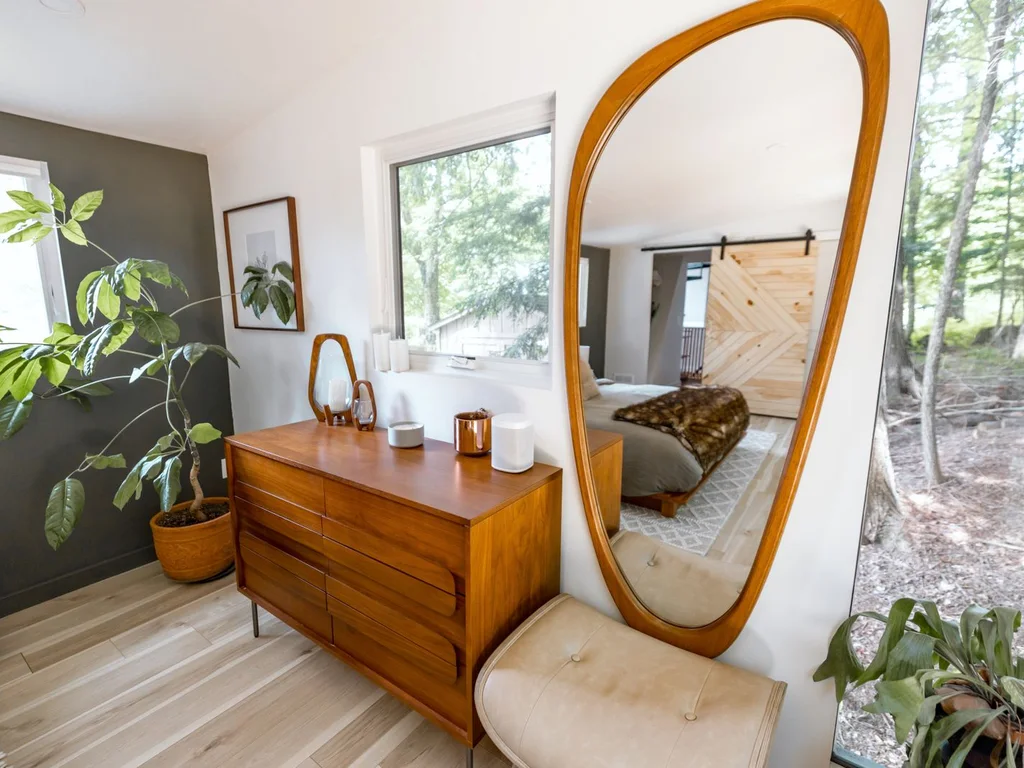
Leaning a large framed print on top of the dresser, rather than hanging it, gives a relaxed studio feel and avoids wall damage. The frame’s reflection in the dresser mirror adds depth. Anchor the arrangement with a small vase or candle in front so the leaning frame looks styled, not temporary.
5. Mirrors and Reflective Details
41. A Full-Length Mirror by the Wardrobe

A full-length mirror beside the wardrobe completes the dressing area and makes the space feel larger. Lean it against the wall for a relaxed look, or fix it securely if children or pets share the house. Place it to reflect a window, not a blank wall.
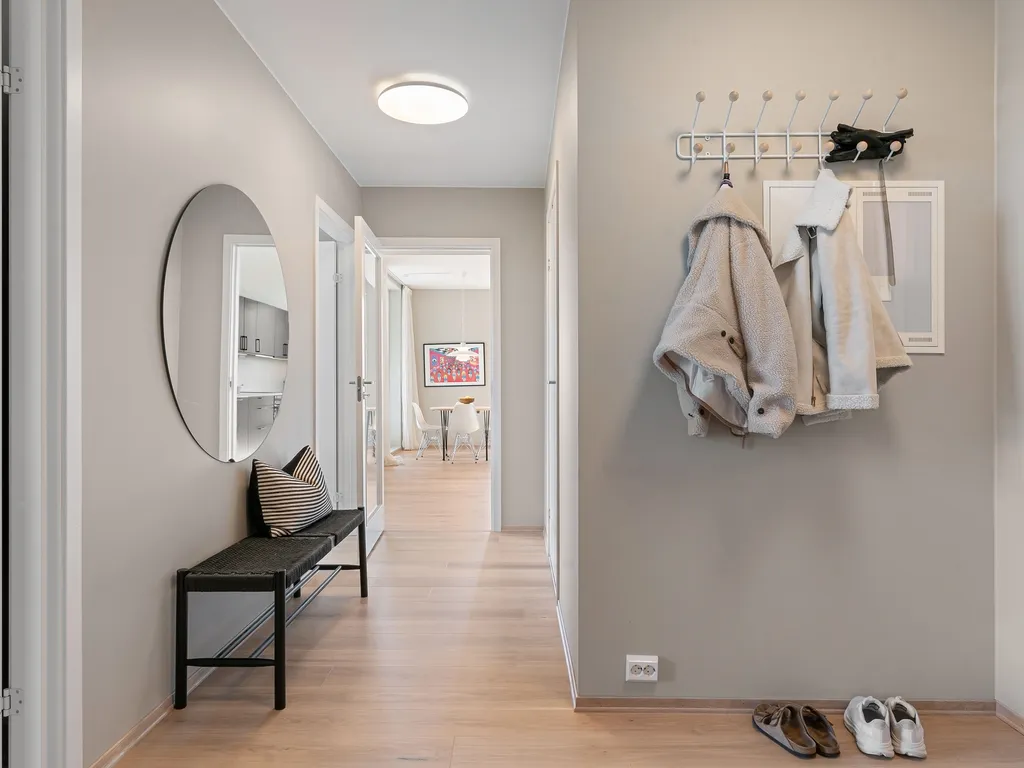
42. A Round Mirror Above the Dresser
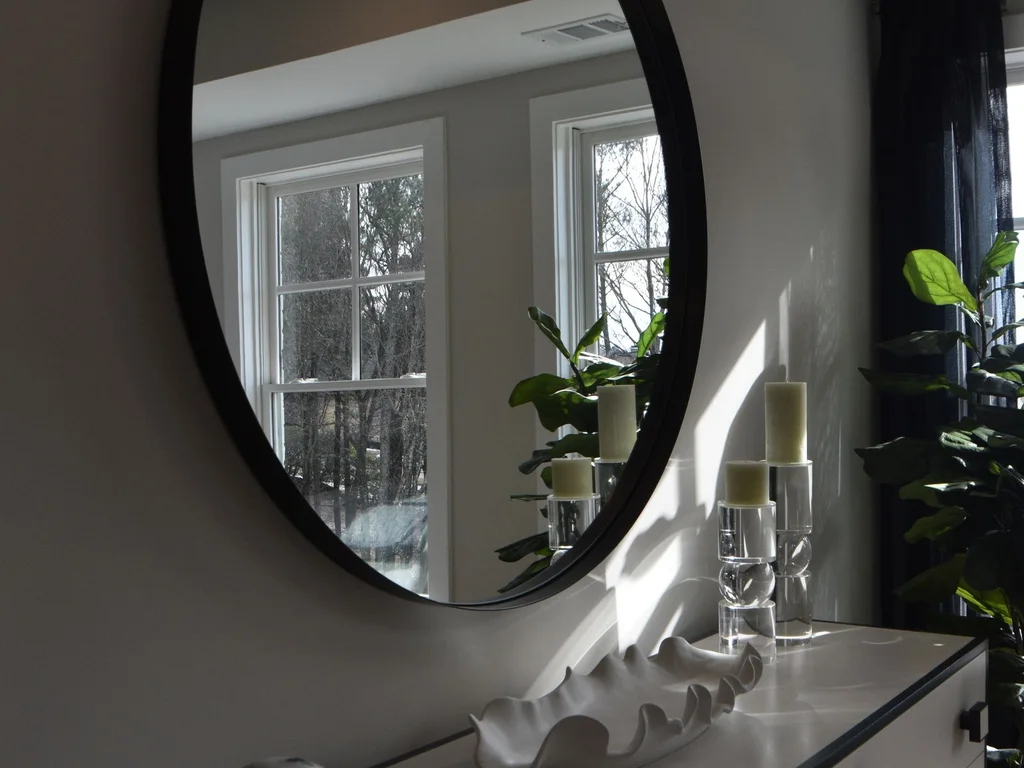
A round mirror above the dresser softens the room’s many rectangles and becomes a natural focal point. Its curved shape contrasts with the dresser’s straight lines, and the reflection doubles the dressing table’s styling. Keep the mirror’s diameter smaller than the dresser’s width for balance.
43. Mirrored Bedside Tables for Lightness
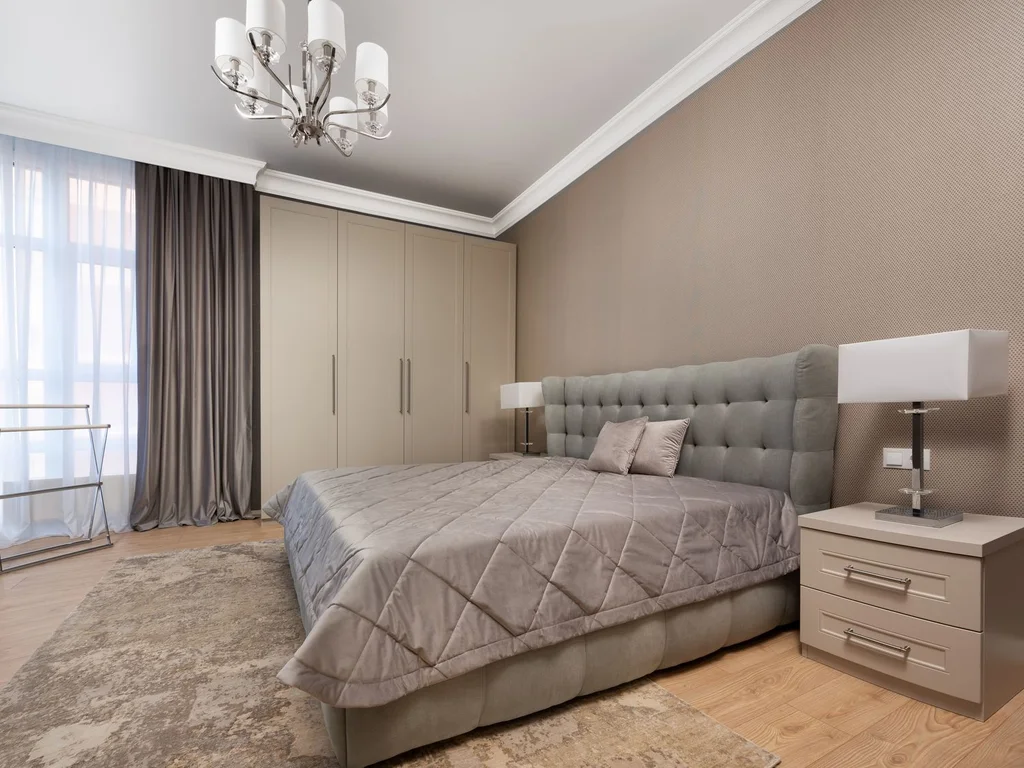
Mirrored bedside tables reflect light and bedding colours, making small bedrooms feel less crowded. They disappear visually in a way solid wood cannot, which is why designers love them in compact rooms. Keep the surfaces tidy — mirrored furniture shows every fingerprint and cluttered corner.
44. A Sunburst Mirror as a Statement Piece
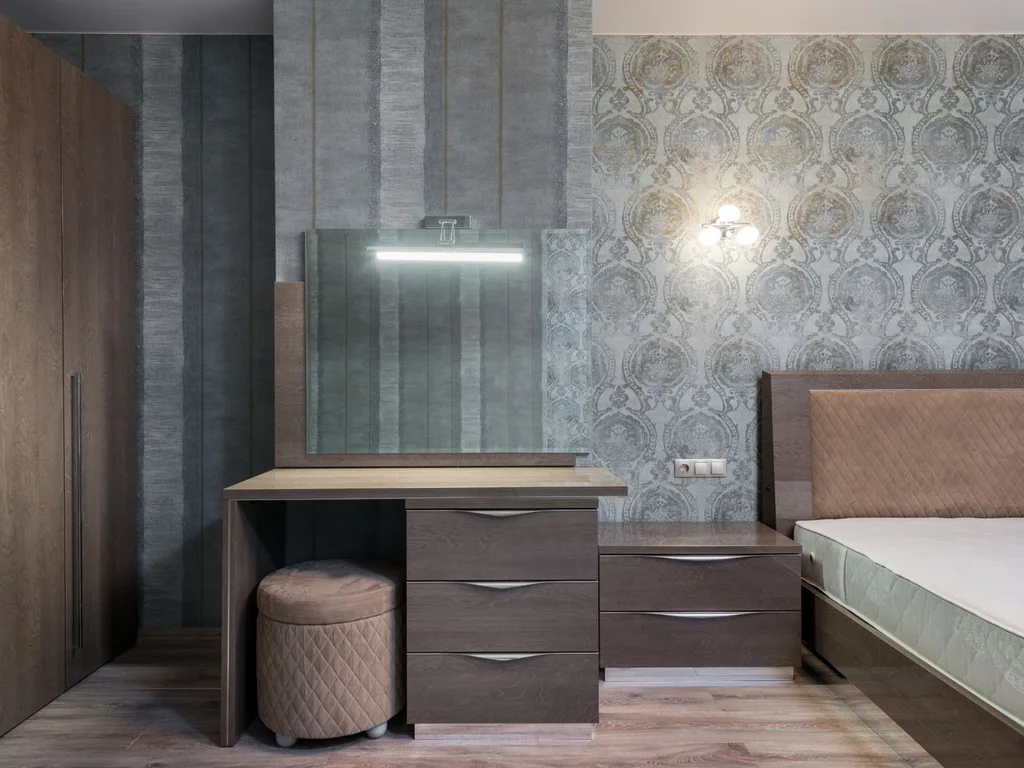
A sunburst mirror works as sculpture as much as reflection, with metal rays that catch the light from every angle. Hang one on a plain wall where it can be the room’s jewellery, and keep the surrounding wall bare so the rays have space to shine. Gold finishes warm a room; silver keeps it cool.
45. A Mirror Opposite the Window
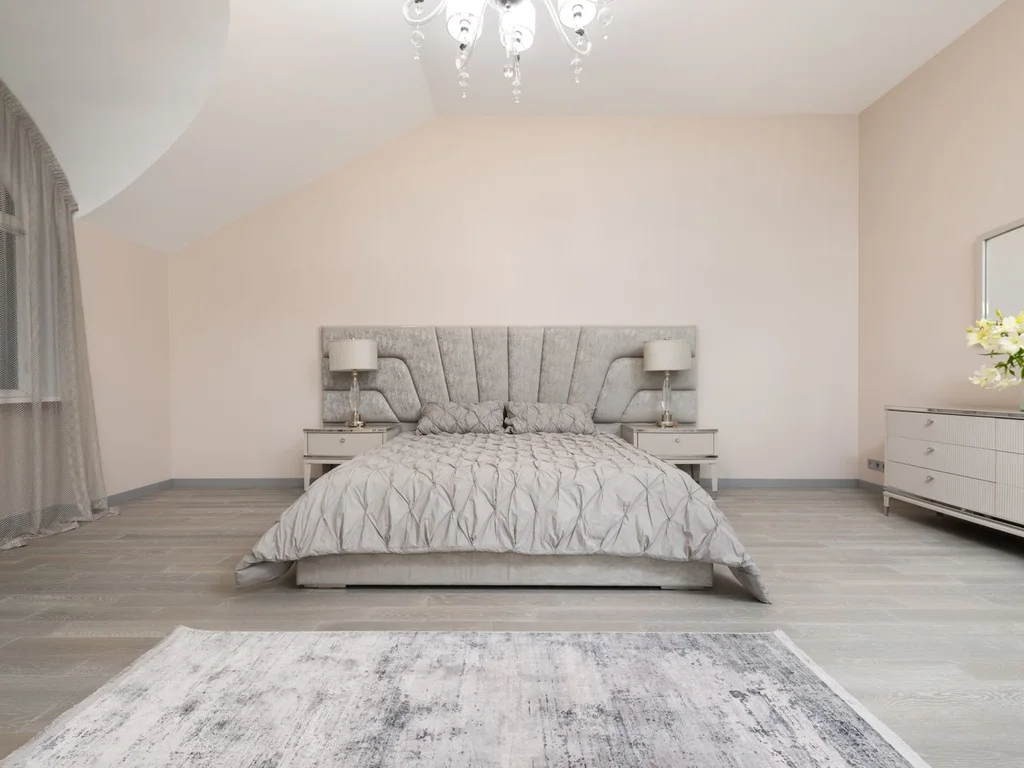
Placing a mirror directly opposite the window doubles the daylight and the view, brightening the whole bedroom. This is the single most effective trick for a dark room, and it costs nothing beyond repositioning a mirror you already own. Avoid placing it where it reflects clutter or the bed’s messiest angle.
46. Antique-Style Mirrors for Character
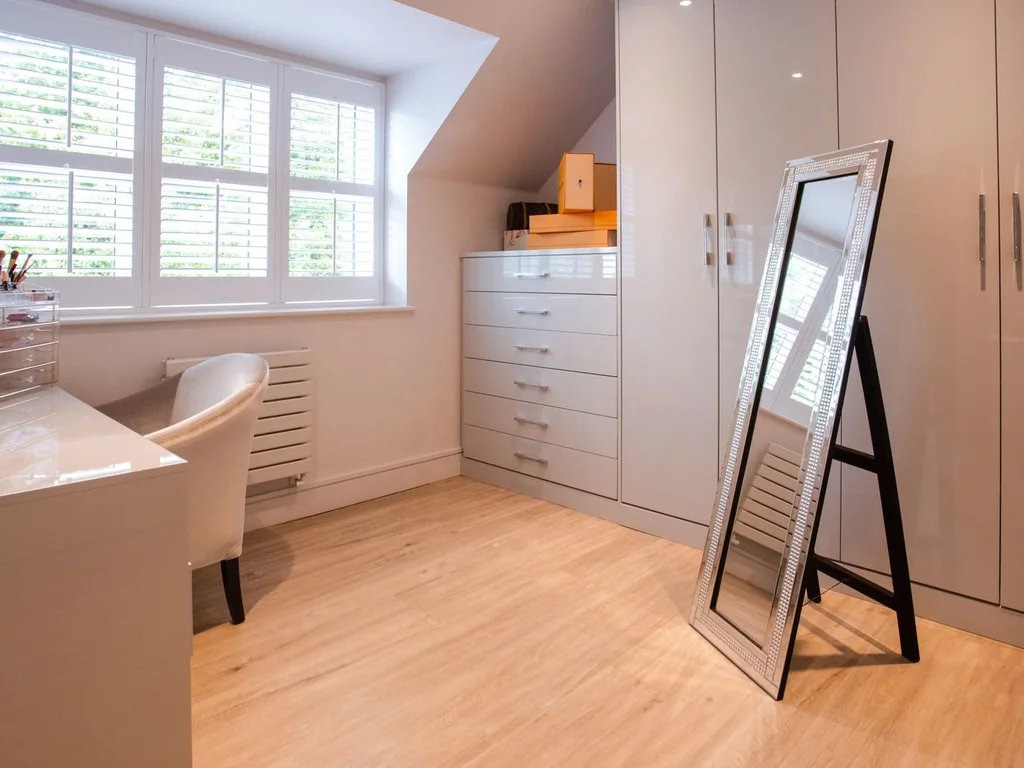
An antique-style mirror with a distressed or ornate frame adds instant character to a plain bedroom. Its aged finish tells a story that new furniture cannot, and it pairs well with both traditional and modern bedding. One such mirror is enough — two can tip the room into a period set.
47. A Cheval Mirror in a Dressing Corner
A freestanding cheval mirror, which tilts on its frame, creates a dedicated dressing corner without any wall fixing. It suits renters and anyone who likes to adjust the angle for different outfits. Tuck it beside the wardrobe with a small stool and the corner becomes a proper dressing area.
48. Mirror Tiles as a Decorative Panel
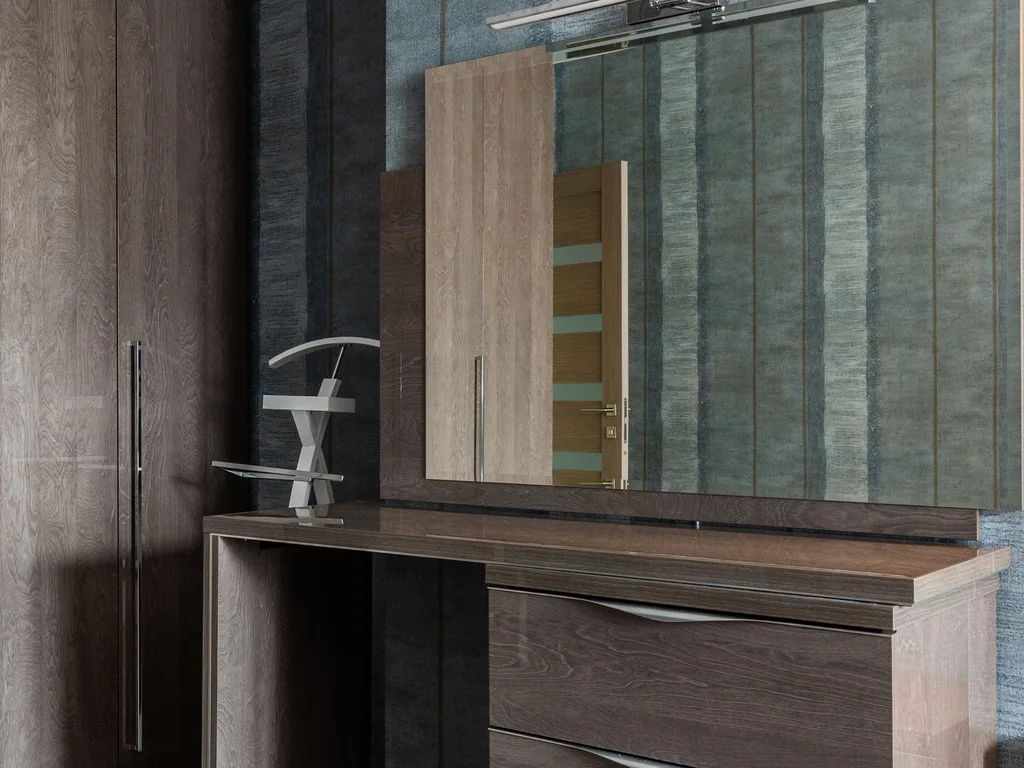
A panel of mirror tiles behind the bed or dresser adds glamour and reflected light in a controlled, geometric way. Antiqued or bevelled tiles look softer than plain ones and suit bedrooms better. Keep the panel to one wall section — a whole mirrored wall belongs in a dance studio, not a bedroom.
49. A Small Vanity Mirror With a Stand
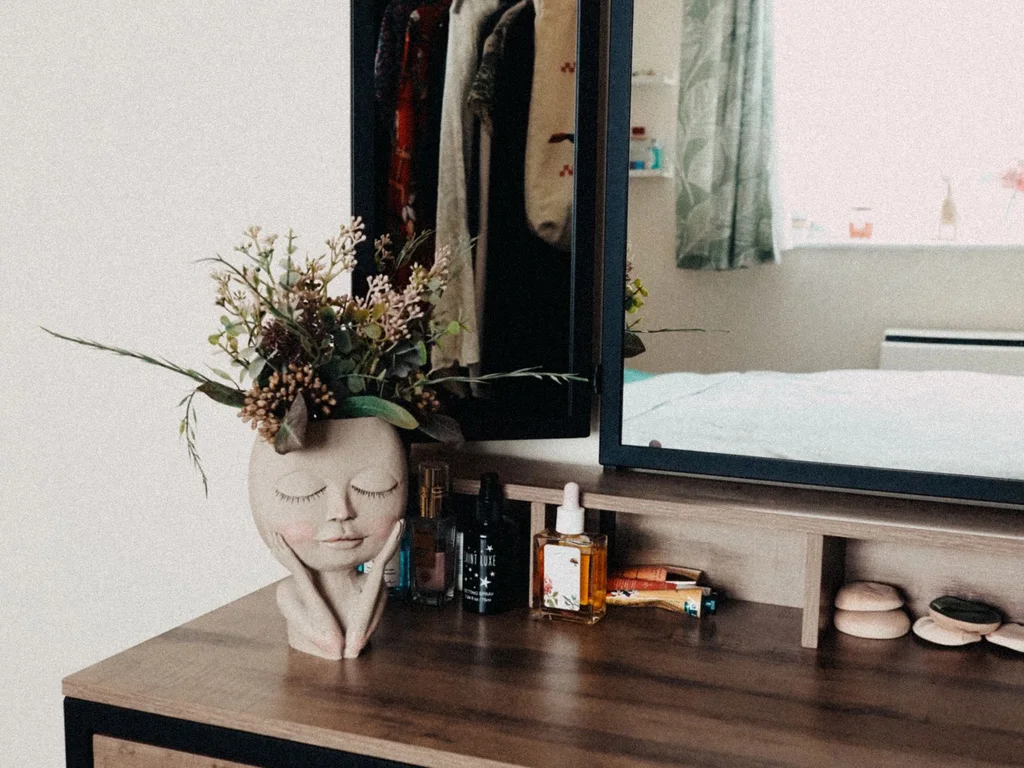
A small standing vanity mirror on the dresser makes morning routines easier and the dressing table look complete. Choose one with magnification on the reverse side for detail work, and a base heavy enough not to tip. It is a small item that earns its place every single day.
50. Mirrored Trays for Bedside and Dresser Styling
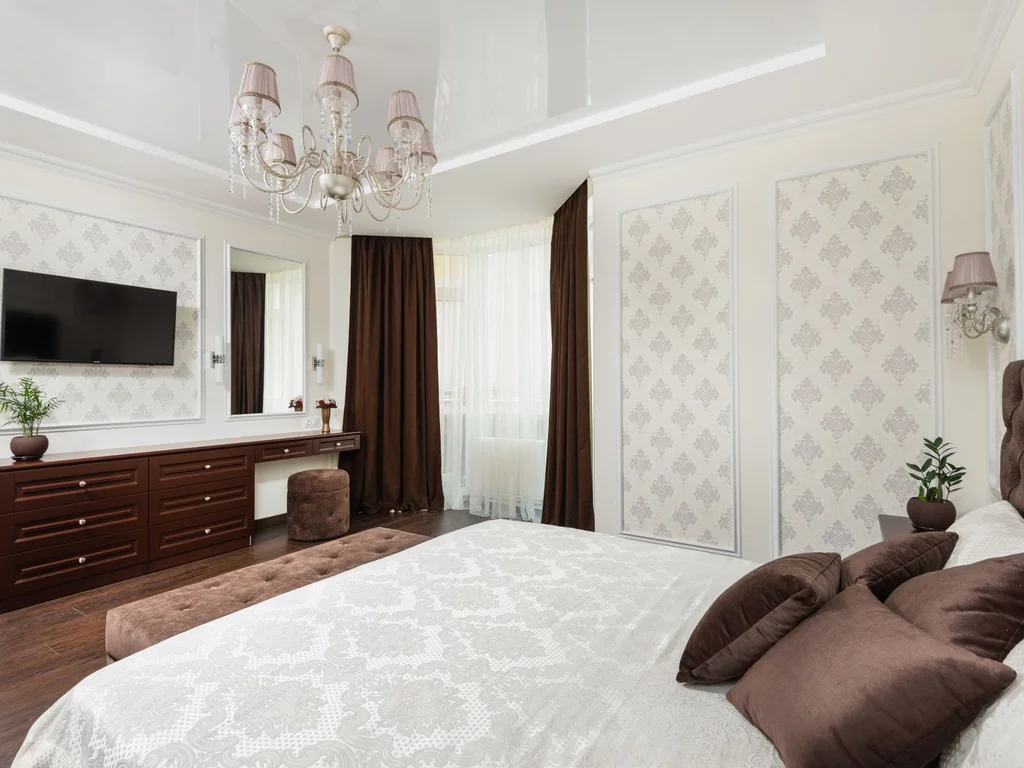
A mirrored tray gathers bedside or dresser items — a candle, a small vase, a watch dish — into one tidy, reflective group. The tray makes scattered objects look curated and protects the surface beneath. It is the easiest way to make a cluttered top look styled in under a minute.
6. Lamps, Lighting and Glow
51. Matching Bedside Lamps for Symmetry
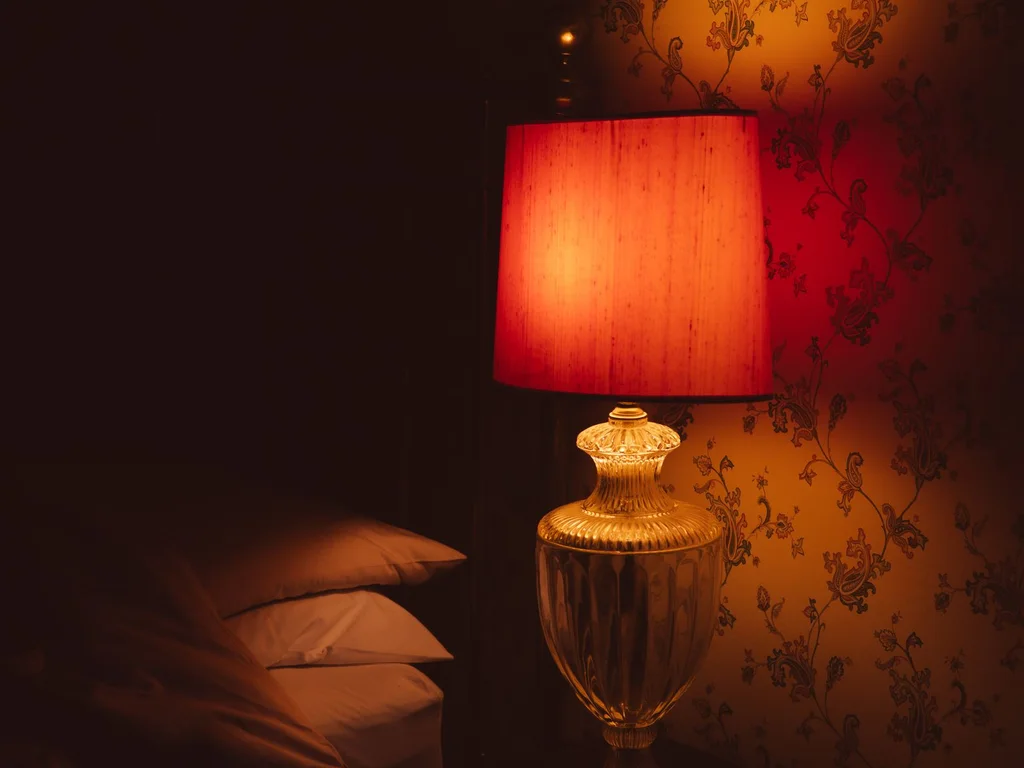
Matching bedside lamps give the bed instant symmetry and a finished, hotel-like frame. The pair does not need to be expensive — identical shades matter more than identical bases. Keep both lamps at the same height so the symmetry reads clearly from the doorway.
52. A Statement Pendant Above Each Bedside Table

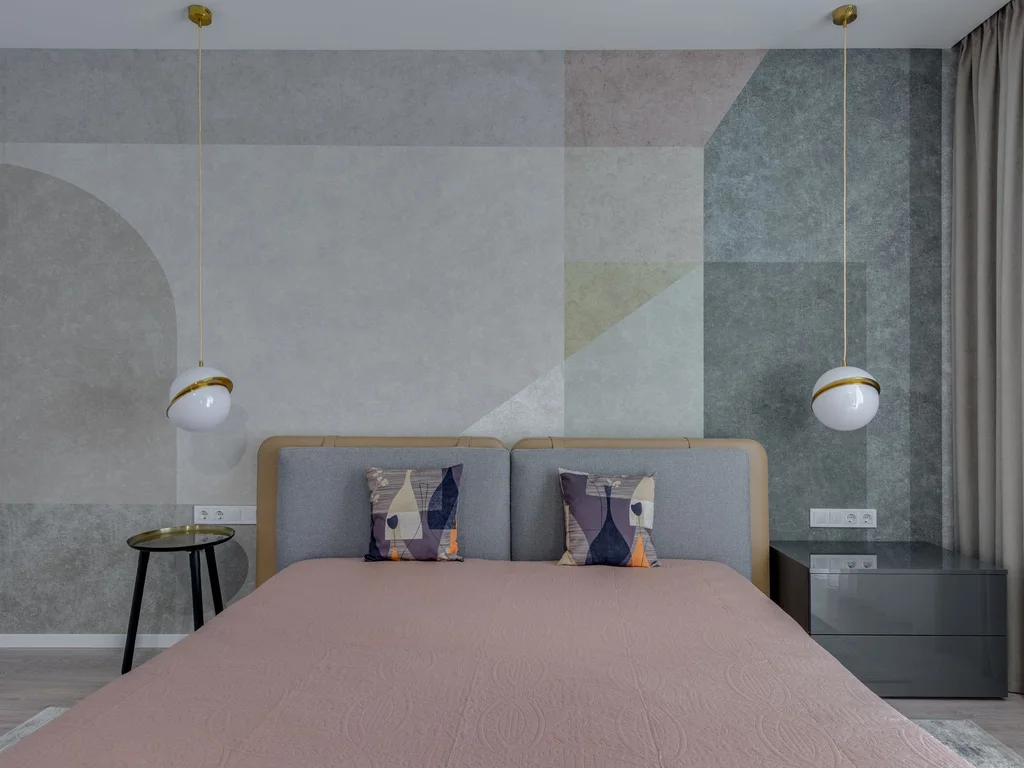
Hanging pendants above the bedside tables frees the table surfaces entirely and adds a modern, designed feel. Choose pendants that hang low enough to read by but high enough not to block the view across the bed. They suit small bedrooms where every centimetre of table space counts.
53. Warm Bulbs for a Relaxing Evening Glow
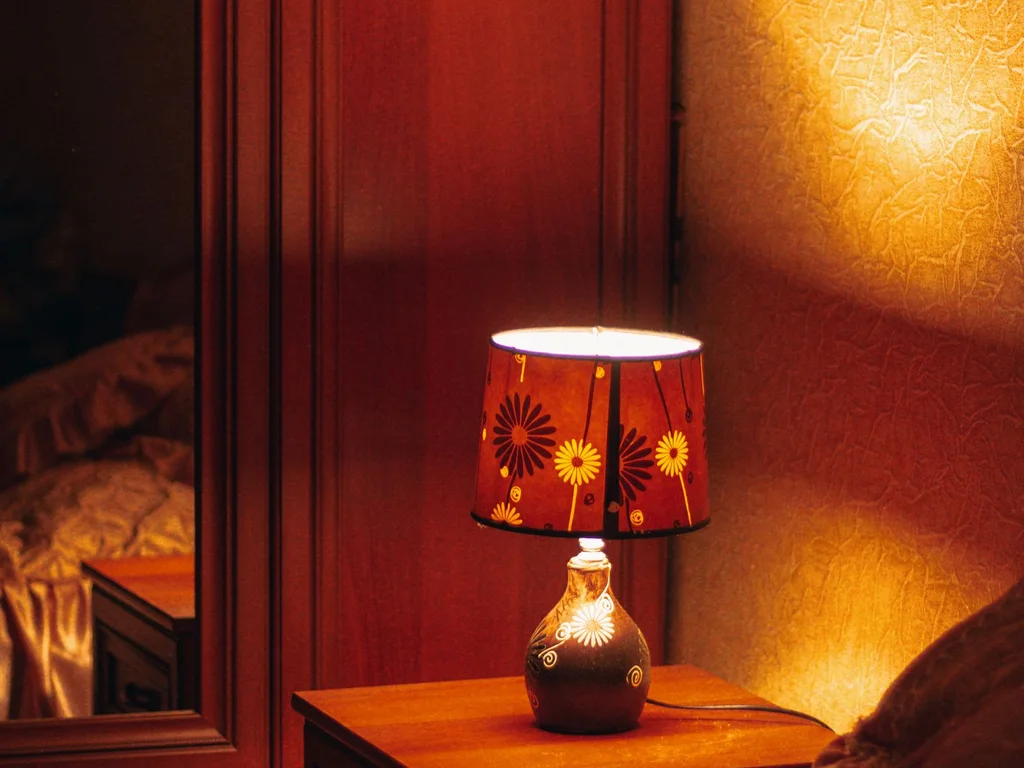
Swapping cool white bulbs for warm ones — around 2700K — changes the whole evening mood of the bedroom for a few pounds. Warm light flatters skin, softens colours and signals the brain that it is time to wind down. Check the colour temperature on the bulb box before buying.
54. A Dimmer Switch for Flexible Light
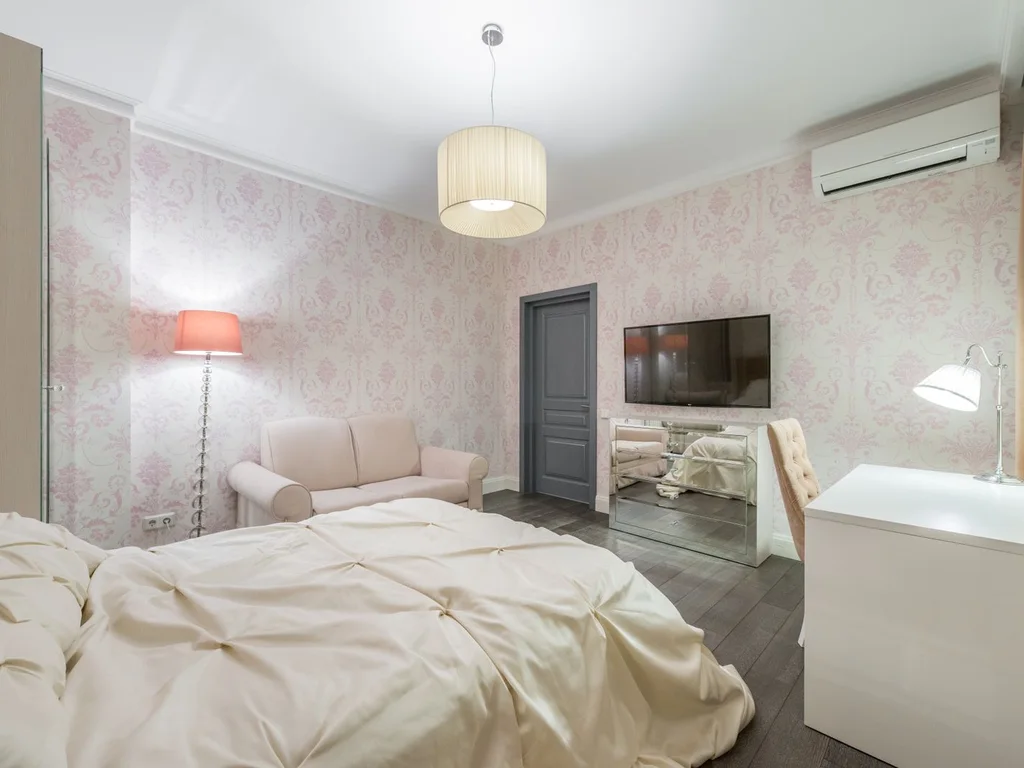
A dimmer on the main bedroom light lets one fitting serve bright mornings and soft evenings. It is the cheapest lighting upgrade with the biggest daily effect, and it makes every other lamp in the room look better. If wiring work is not possible, dimmable smart bulbs give the same flexibility.
55. Fairy Lights Along a Shelf or Headboard

Warm fairy lights threaded along a shelf or headboard add a gentle evening glow that overhead lights cannot match. Keep them subtle — one strand, warm white, on a timer — so the room feels magical rather than festive all year. Battery versions avoid trailing wires.
56. A Floor Lamp in a Dark Corner
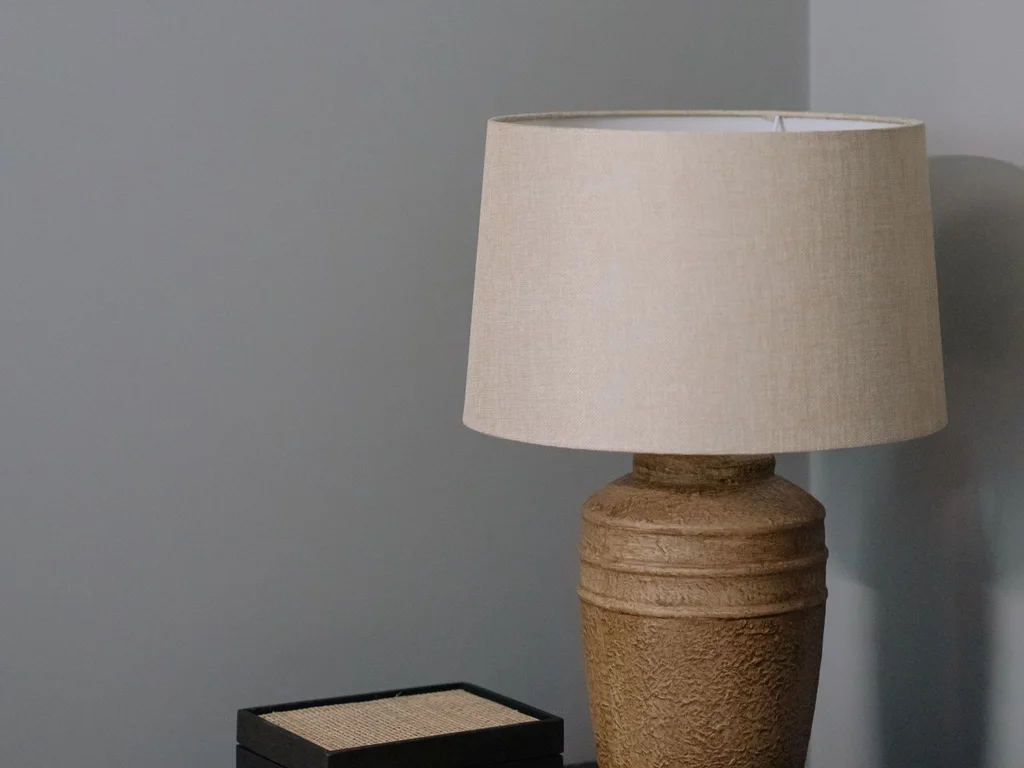
A floor lamp rescues the bedroom’s darkest corner and creates a reading spot without any wiring. Arc lamps reach over chairs, while simple upright lamps suit corners beside the wardrobe. Choose a shade that directs light downward for reading and upward for general glow.
57. Wall Sconces to Free the Bedside Table
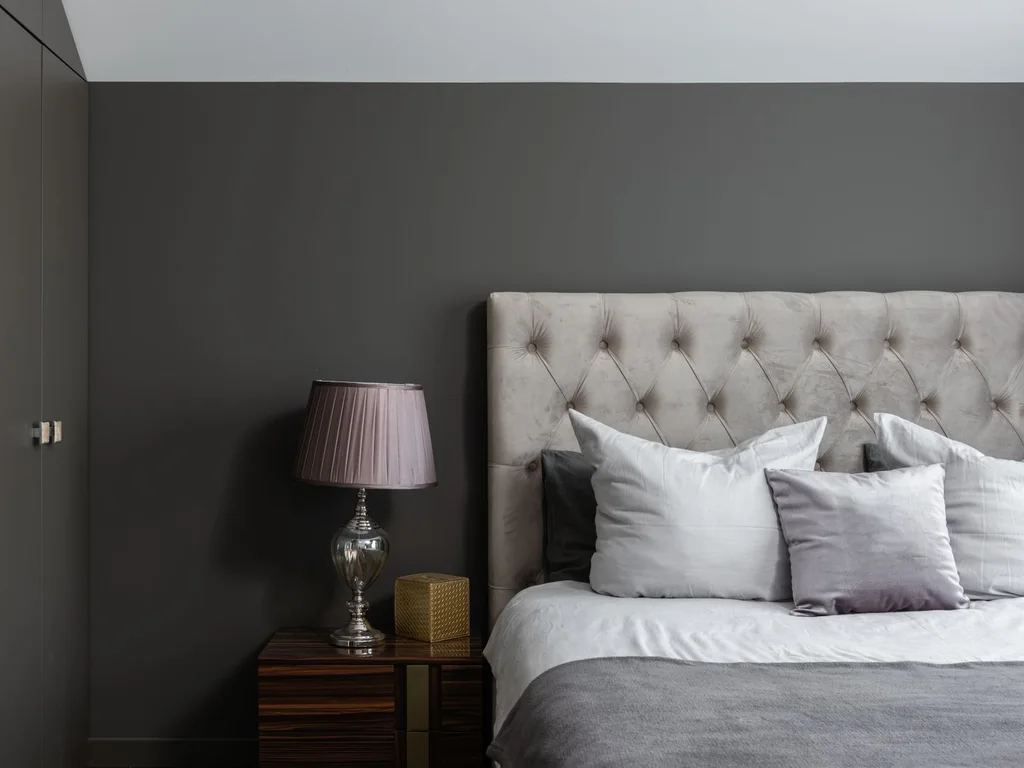
Wall sconces beside the bed give focused reading light while leaving the bedside table completely free. Fixed at shoulder height when sitting up, they are more practical than they look and add a tailored, hotel feel. Plug-in versions suit renters who cannot rewire.
58. A Himalayan Salt Lamp for Soft Ambience

A salt lamp’s warm pink glow makes a lovely low night light for a dresser or bedside table. Use it as an accent, not a main light — its charm is the colour of its light, not any health claim. It pairs well with natural wood and linen.
59. Candles Grouped on a Dresser Tray
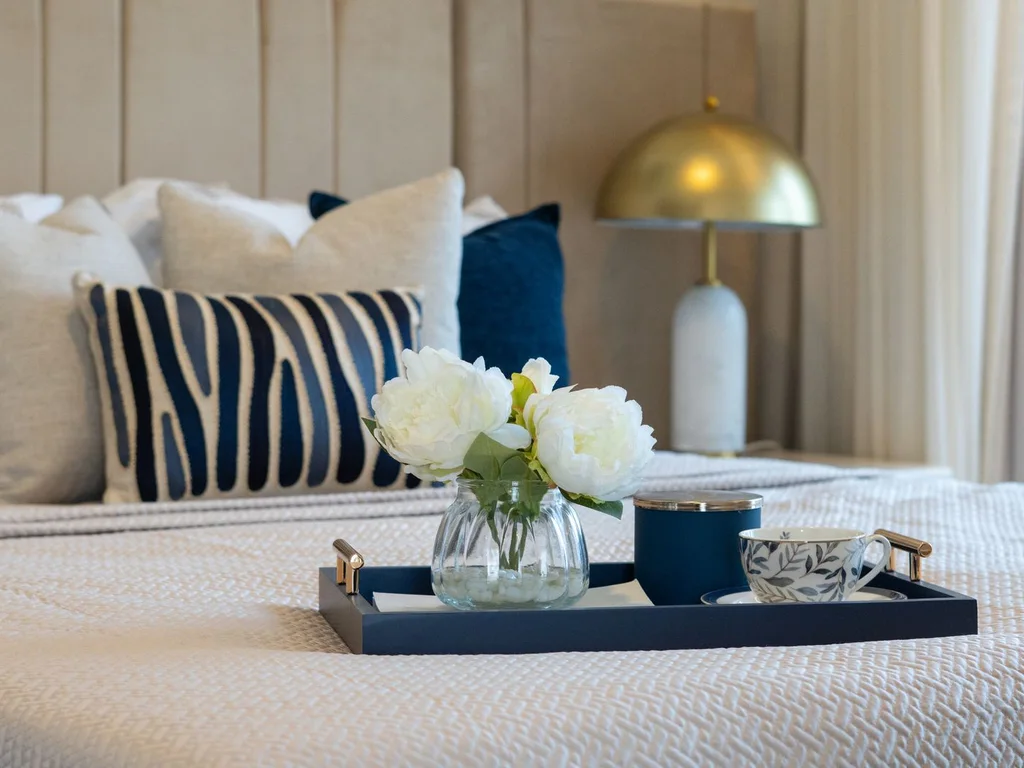
Grouping candles of different heights on a tray turns them into a single decorative arrangement instead of scattered items. The tray contains wax drips and makes the group easy to move for cleaning. Never leave lit candles unattended, and keep them away from curtains and bedding.
60. A Paper Lantern for Diffused Ceiling Light
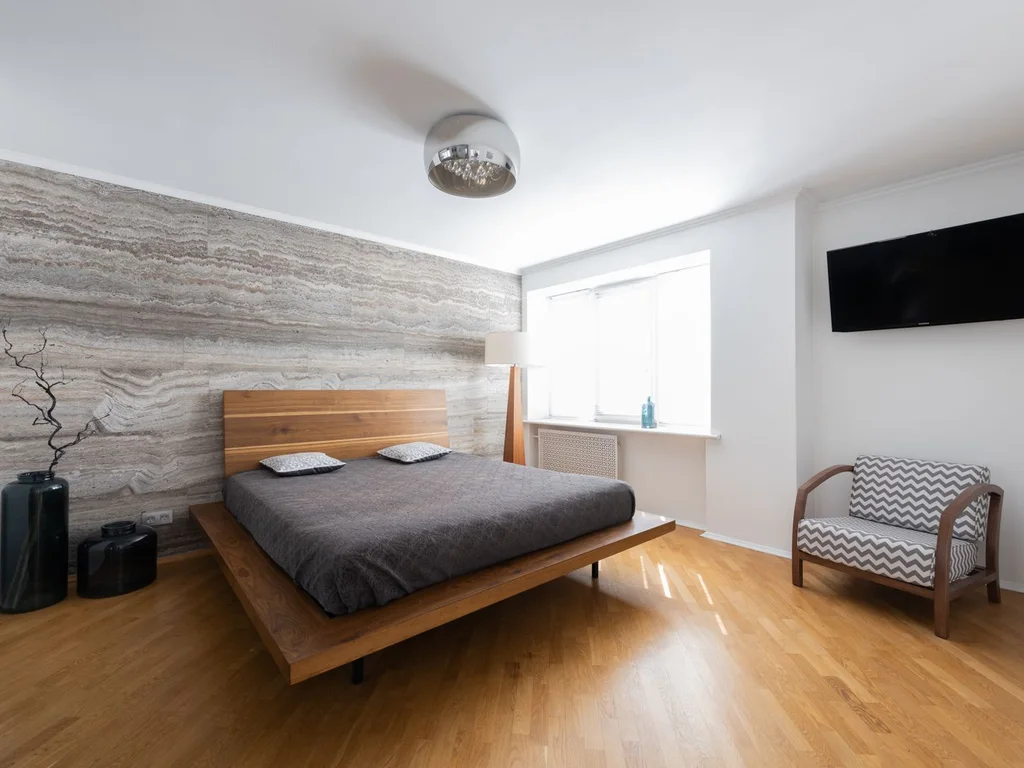
A paper lantern softens harsh ceiling light into a gentle, even glow and adds a sculptural shape overhead. It is inexpensive, lightweight and easy to change with the seasons. Choose a size that suits the room — too small looks lost, too large dominates the ceiling.
7. Rugs, Floors and Underfoot Comfort
61. A Rug That Extends Beyond the Bed
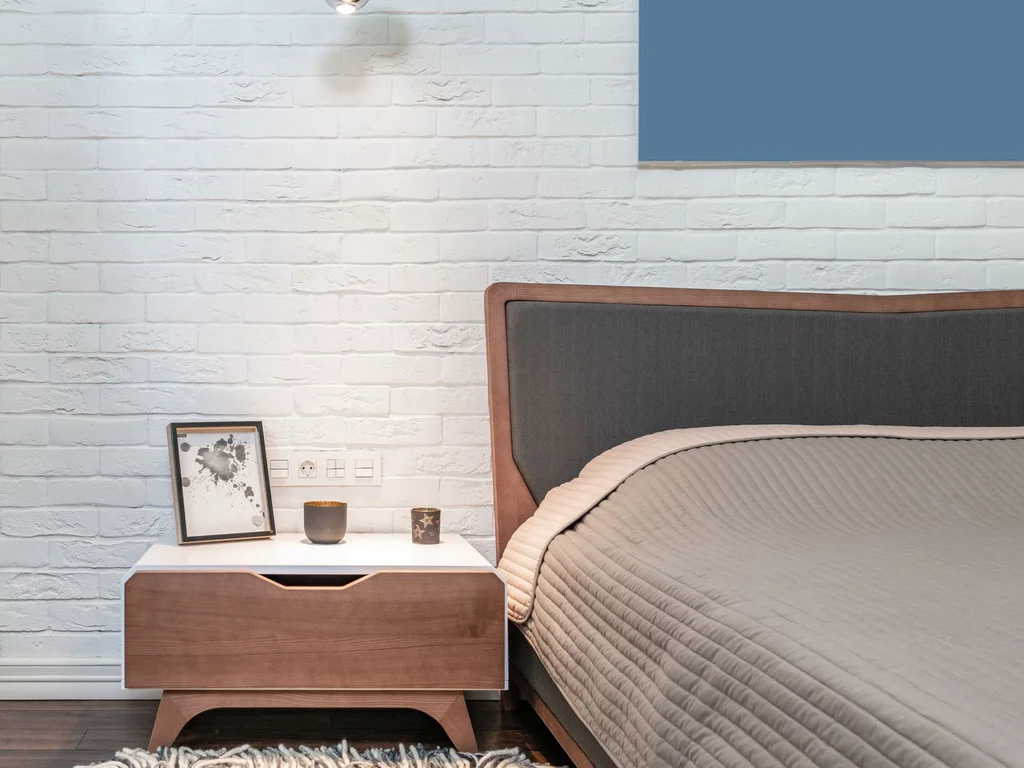
A rug should extend at least 45 centimetres beyond the bed on each side so bare feet land on softness, not cold floor. Too-small rugs are the most common bedroom mistake — when in doubt, size up. The rug then anchors the bed and makes the whole room feel grounded.
62. A Fluffy Rug Beside the Bed
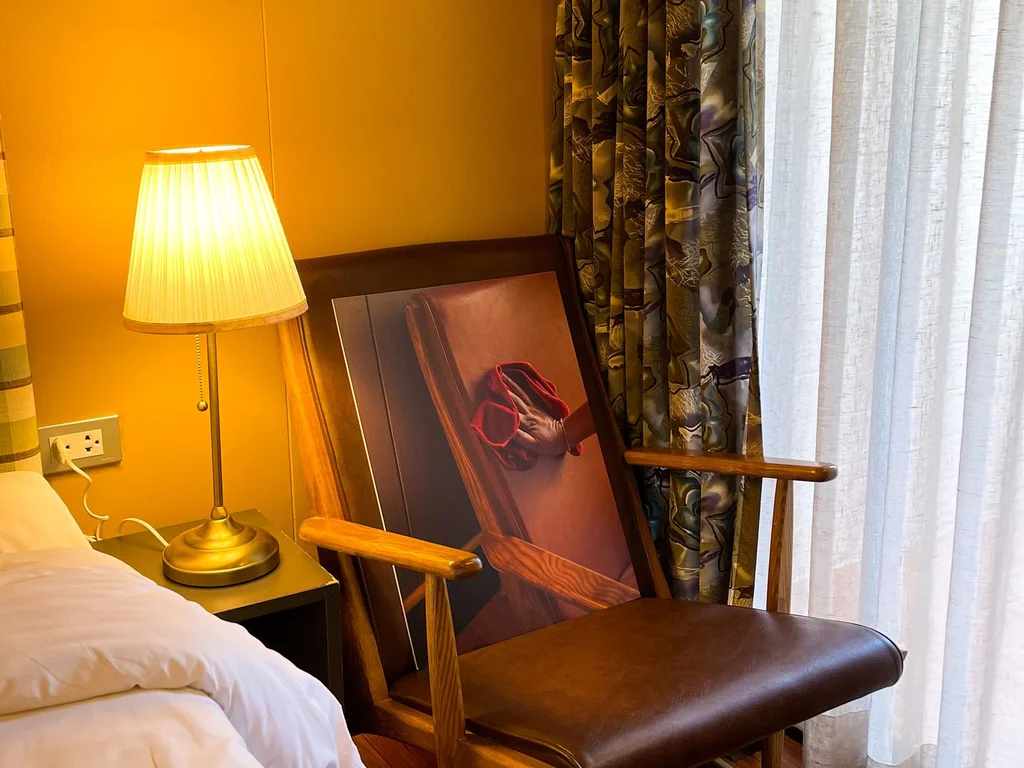
A small fluffy rug on each side of the bed gives the luxury of a hotel suite without the cost of a full-size rug. Choose washable fibres for easy care, and keep the colour close to the bedding so the pair of rugs reads as one intentional choice rather than two afterthoughts.
63. A Flat-Weave Rug for Easy Cleaning
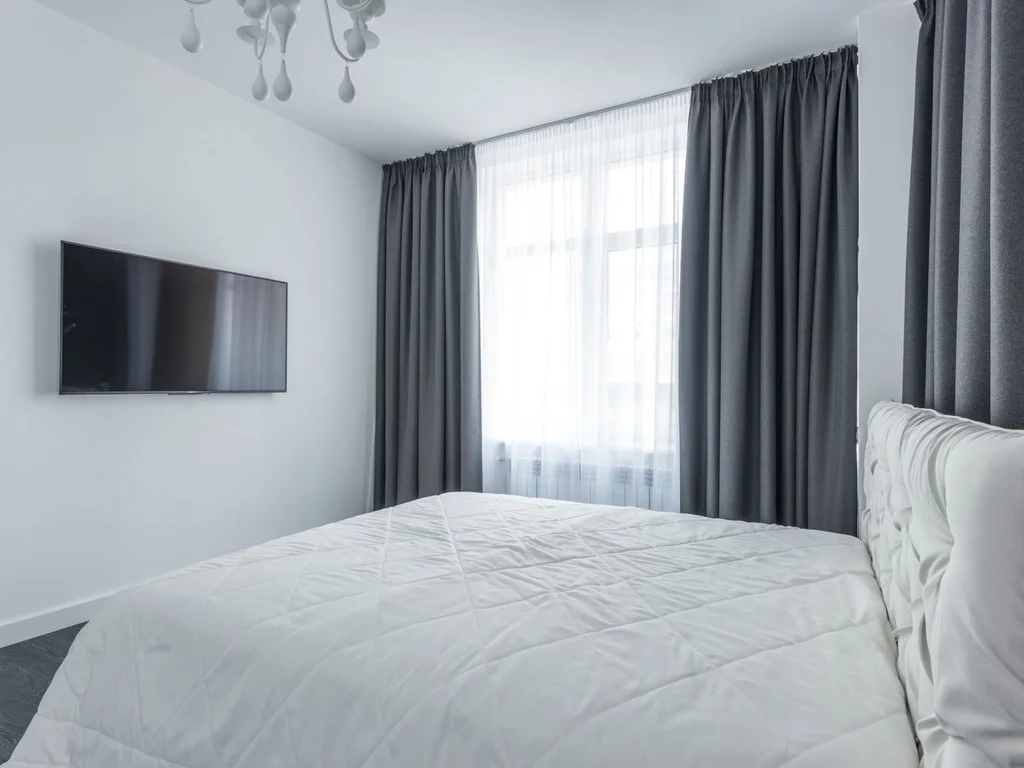
Flat-weave rugs suit bedrooms with pets or allergies: they trap less dust, vacuum easily, and slide less underfoot than deep pile. Their crisp patterns also add graphic interest to plain floors. Layer a flat-weave rug over carpet for colour without bulk.
64. Layering a Small Rug Over a Large One

Layering a small patterned rug over a large neutral one adds depth and lets you introduce colour without committing to a big purchase. Keep the top rug smaller and bolder than the base, and centre it on the bed’s foot or the seating area. The layered edge adds a designer touch.
65. A Runner Along the Bedside
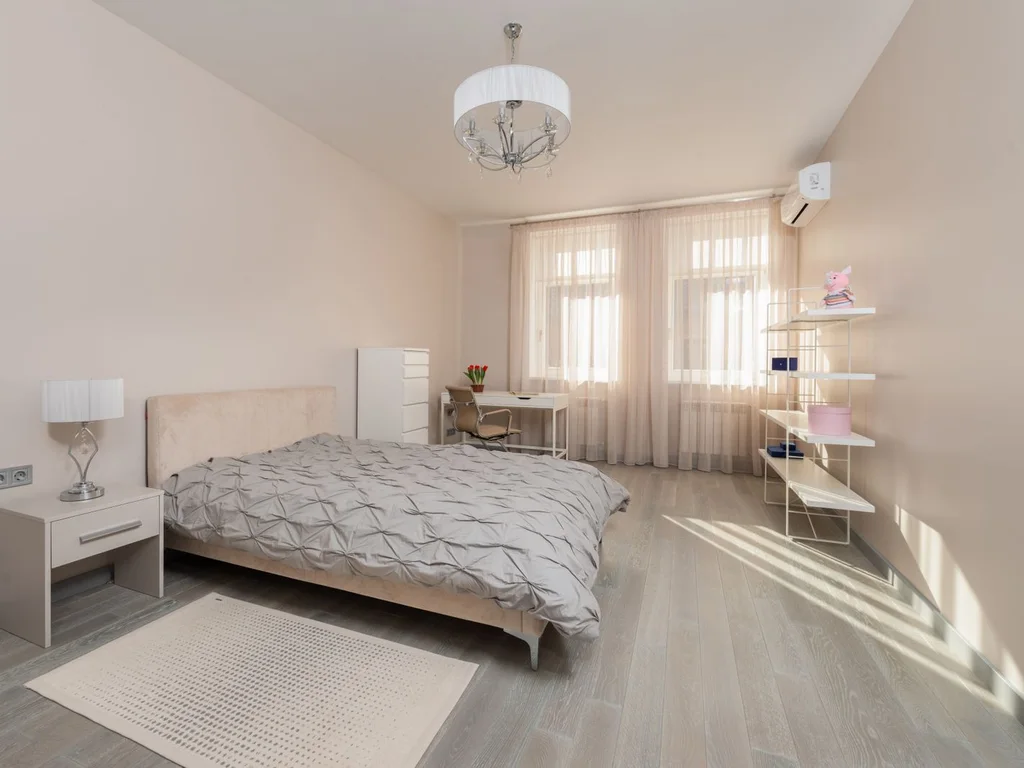
A long, narrow runner along one side of the bed gives a soft landing strip in narrow bedrooms where a wide rug will not fit. It also visually lengthens the room. Choose a runner in a durable, low-pile weave so it lies flat against the wall and does not bunch.
66. Natural Fibre Rugs for Texture
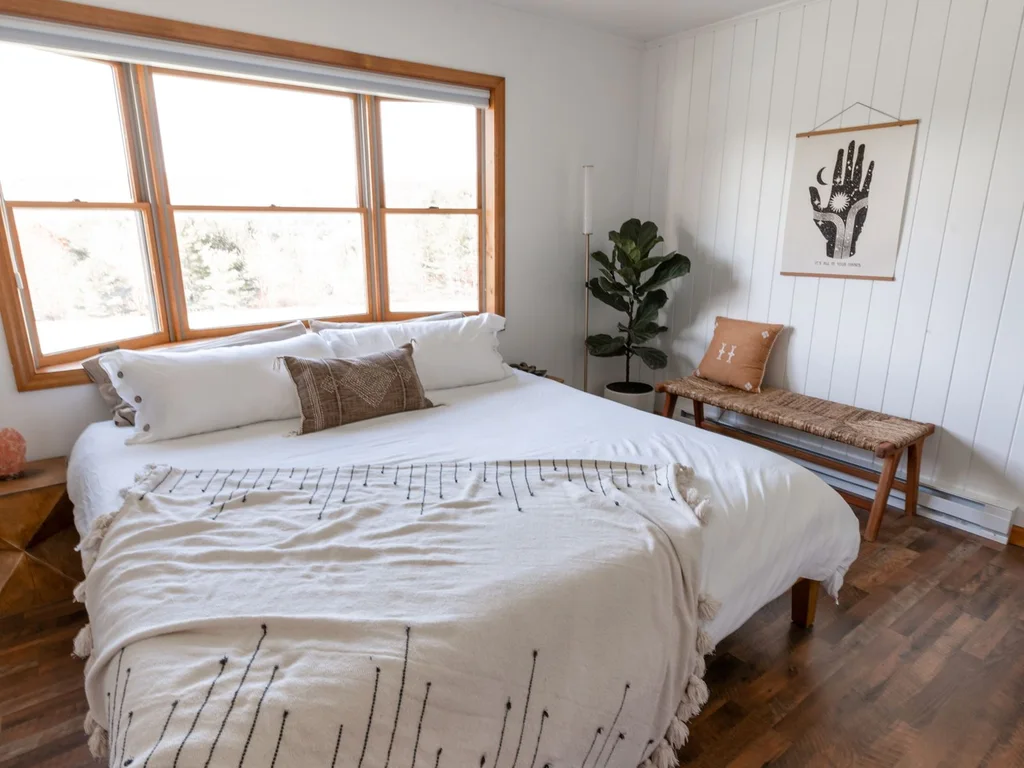
Jute, sisal and seagrass rugs bring organic texture and a relaxed, coastal feel to the bedroom floor. Their neutral tones suit almost any bedding, and their firm weave wears well in high-traffic spots. Add a rug pad beneath for cushioning and to stop slipping on hard floors.
67. A Round Rug to Soften a Square Room
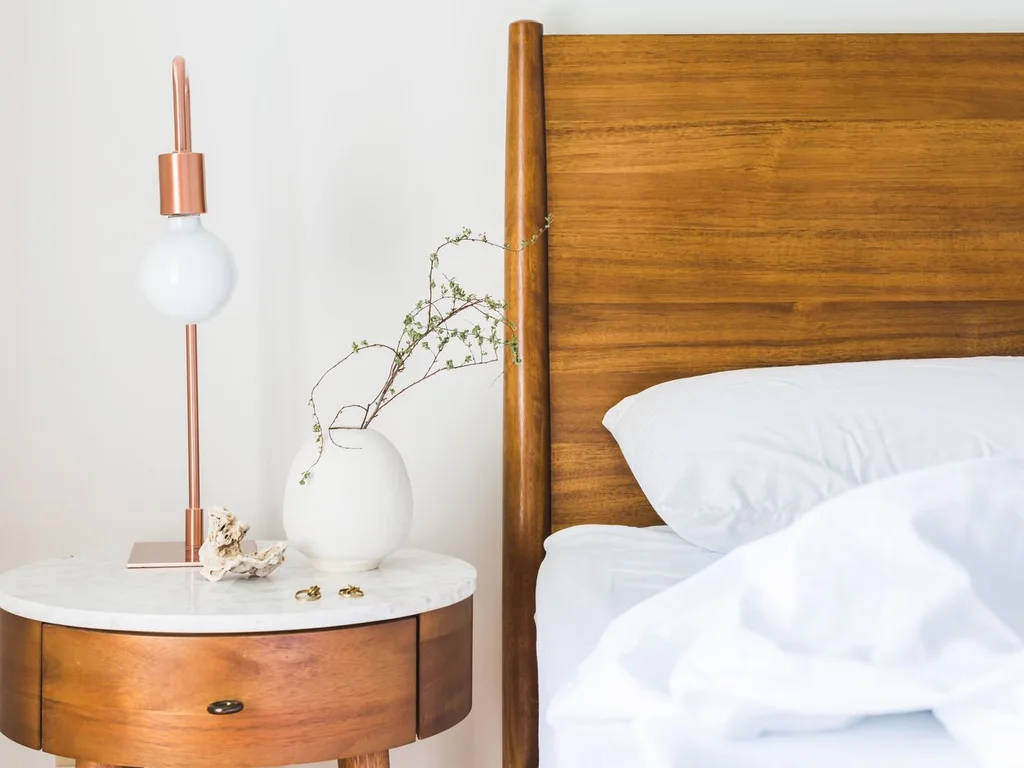
A round rug under a chair or in a reading corner breaks up a bedroom’s many rectangles and makes the corner feel deliberately styled. It works best in spaces that are not already round-heavy — one circle is a feature, several become a theme. Keep the diameter generous enough for the chair’s legs.
68. A Rug in the Room’s Accent Colour
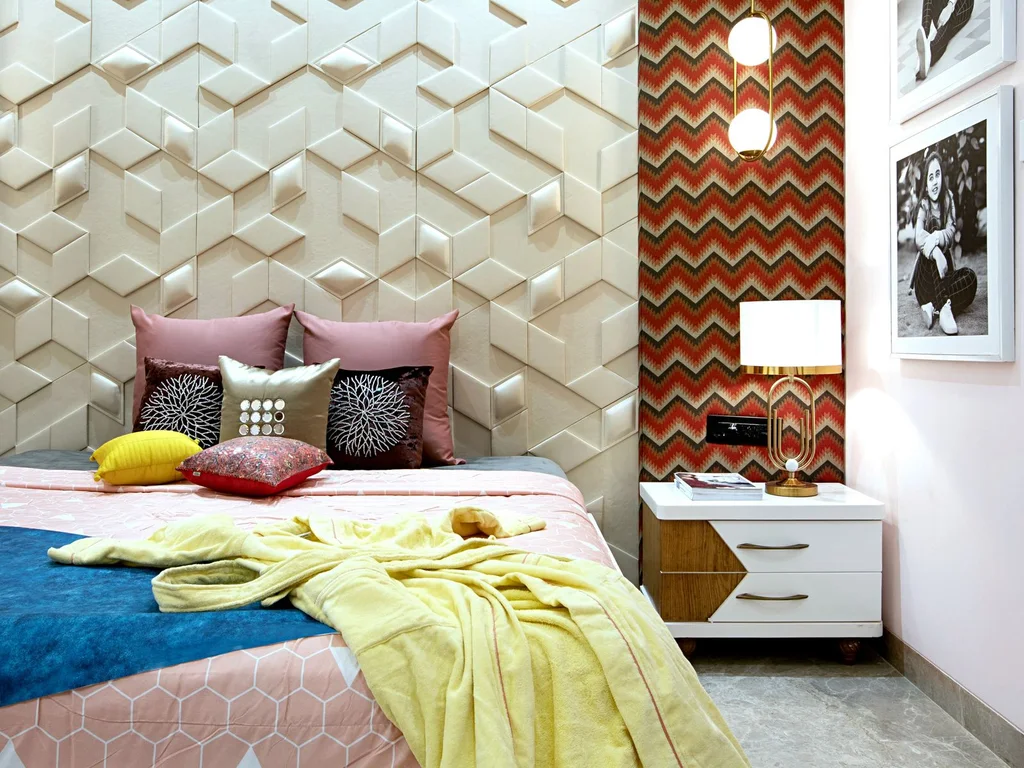
Using the rug to carry the room’s accent colour grounds the palette from the floor up. If cushions and art share the same tone, the rug ties them together and the scheme feels complete. A rug in a strong colour is a commitment — sample it in daylight before buying.
69. Sheepskin Rugs Draped Over a Chair
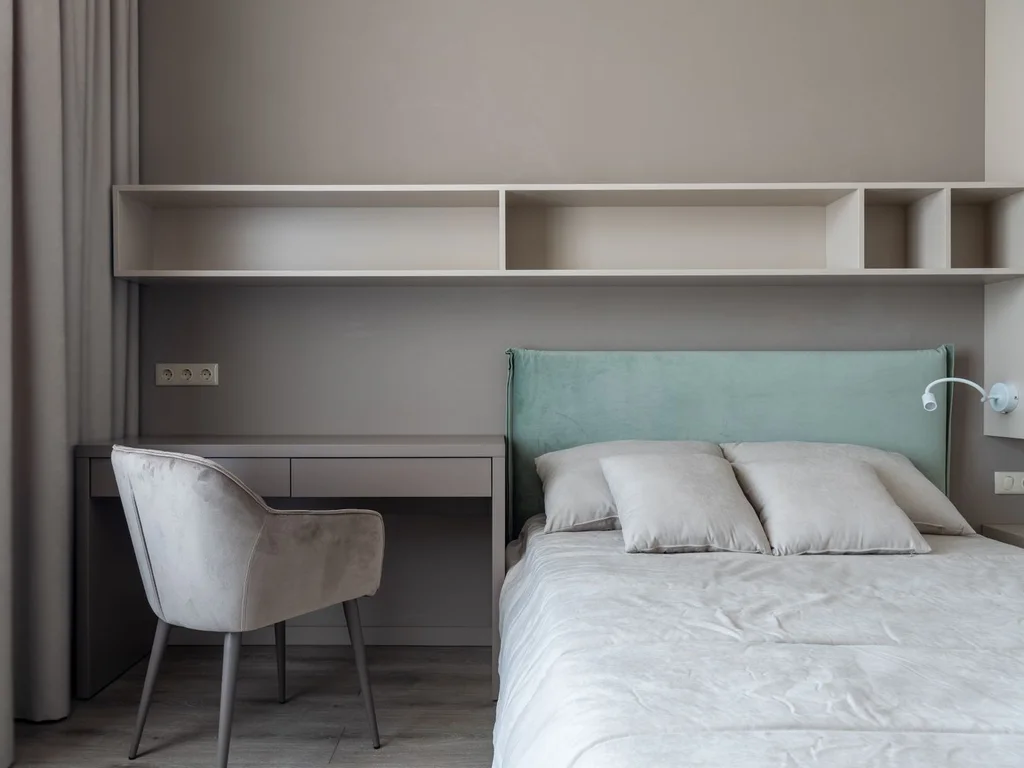
A sheepskin draped over the bedroom chair adds softness and warmth exactly where you sit to read or dress. It also makes a plain chair look expensive. Choose a natural or dyed sheepskin that echoes the throw on the bed, and brush it occasionally to keep it fluffy.
70. Rug Pads for Comfort and Safety

A rug pad under any bedroom rug adds cushioning, stops slipping, and protects both rug and floor. It is invisible decor with a real daily effect: the rug feels plusher and stays put. Replace pads every few years, as compressed pads lose their grip and comfort.
8. Headboards and Accent Walls
71. An Upholstered Headboard for Comfort
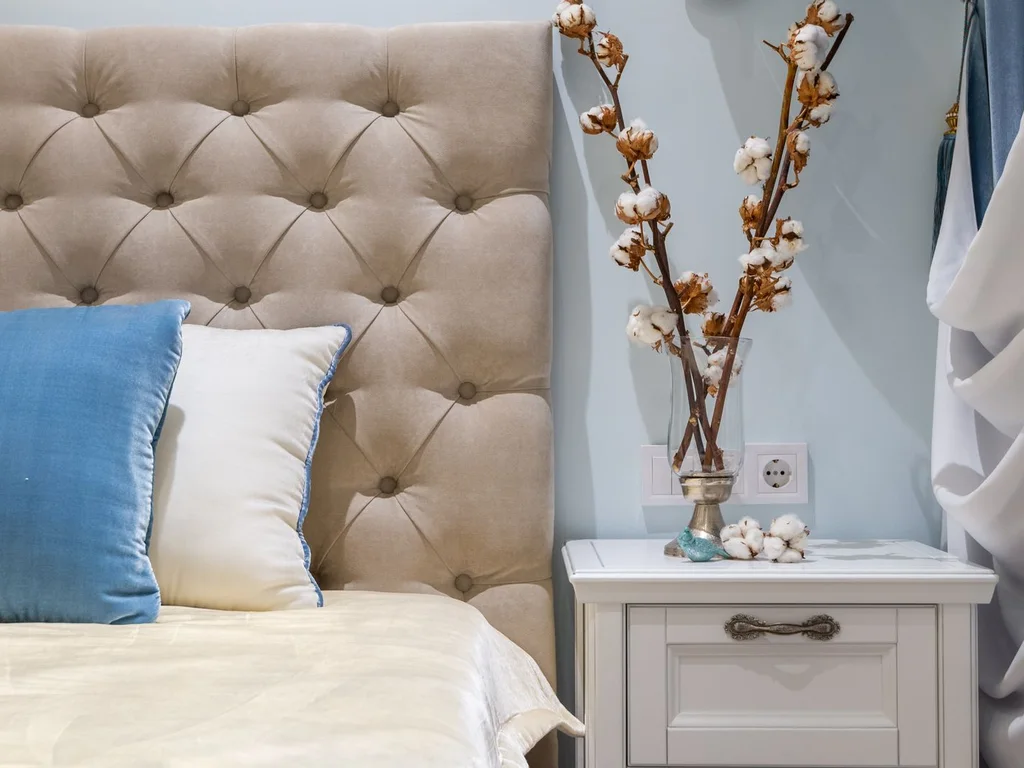
An upholstered headboard turns the bed into a comfortable place to sit up and read, and it softens the whole bed wall. Buttoned, channelled or plain panels each give a different character — channels feel modern, buttons feel classic. Choose a wipeable fabric if you read with coffee in bed.
72. A Wooden Headboard for Natural Warmth

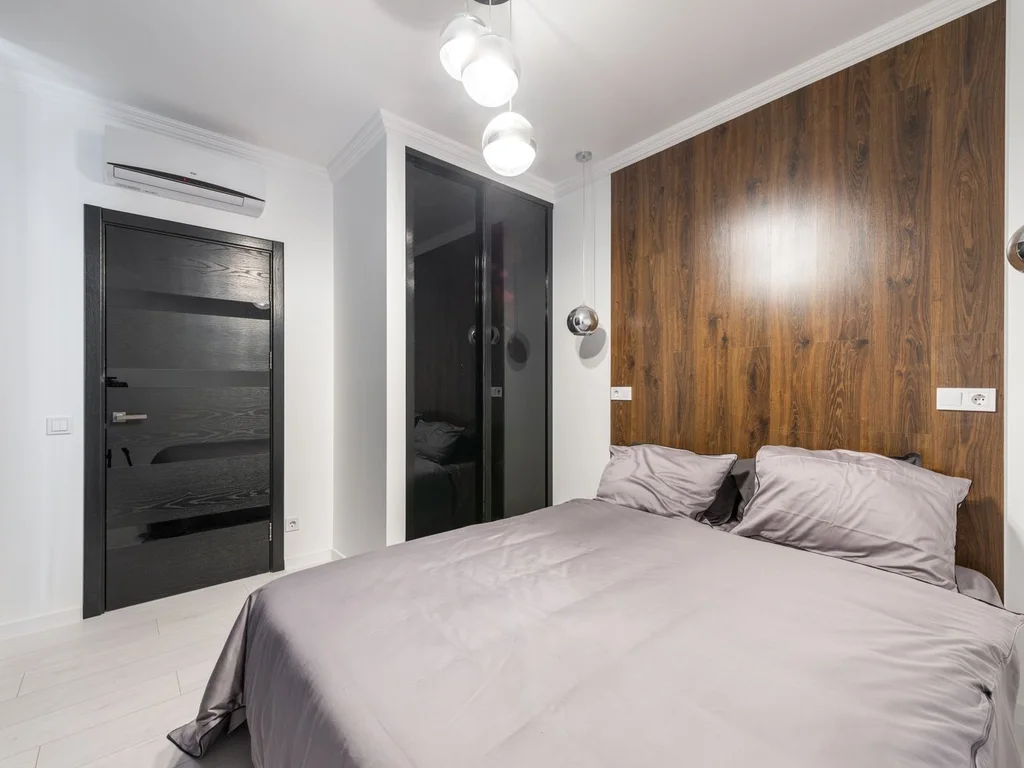
A wooden headboard — slatted, panelled or reclaimed — brings natural warmth and texture to the bed wall. Its grain echoes other wooden furniture and suits both rustic and modern rooms. A pale wood keeps the room light; a dark stain adds drama behind white bedding.
73. A Rattan Headboard for a Relaxed Feel
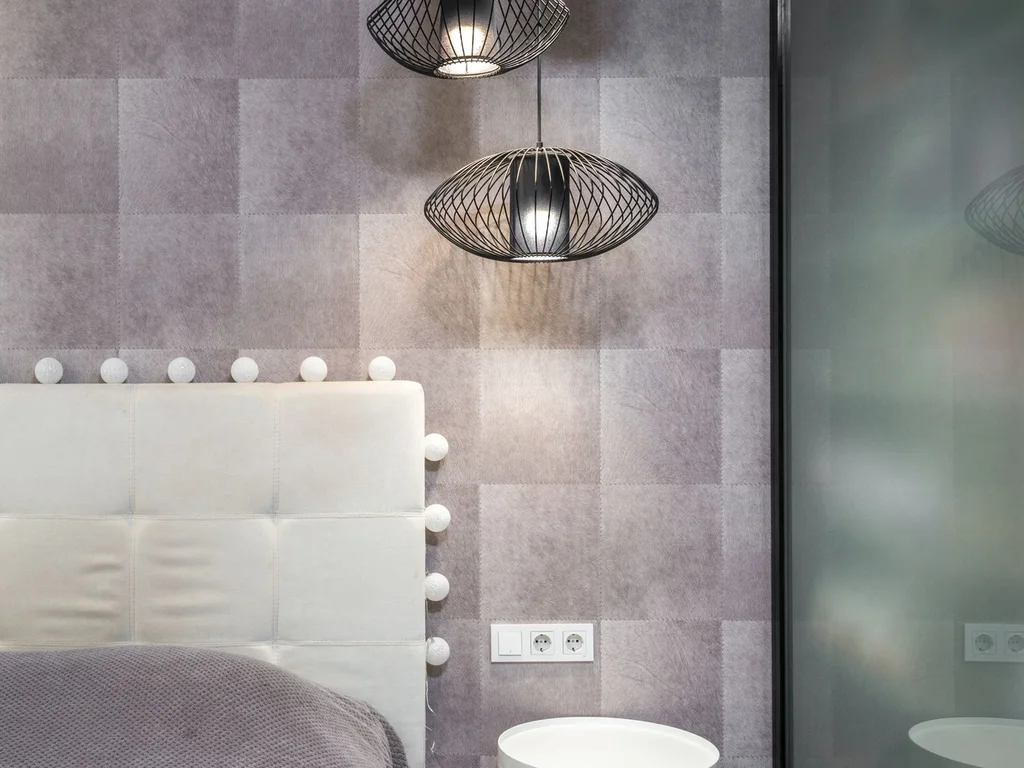
Rattan headboards give a relaxed, holiday feel and let wall colour show through their open weave. They suit light, airy bedrooms and pair beautifully with linen bedding and natural-fibre rugs. Keep the rest of the room’s rattan to one or two pieces so the headboard stays the feature.
74. A Painted Accent Wall Behind the Bed
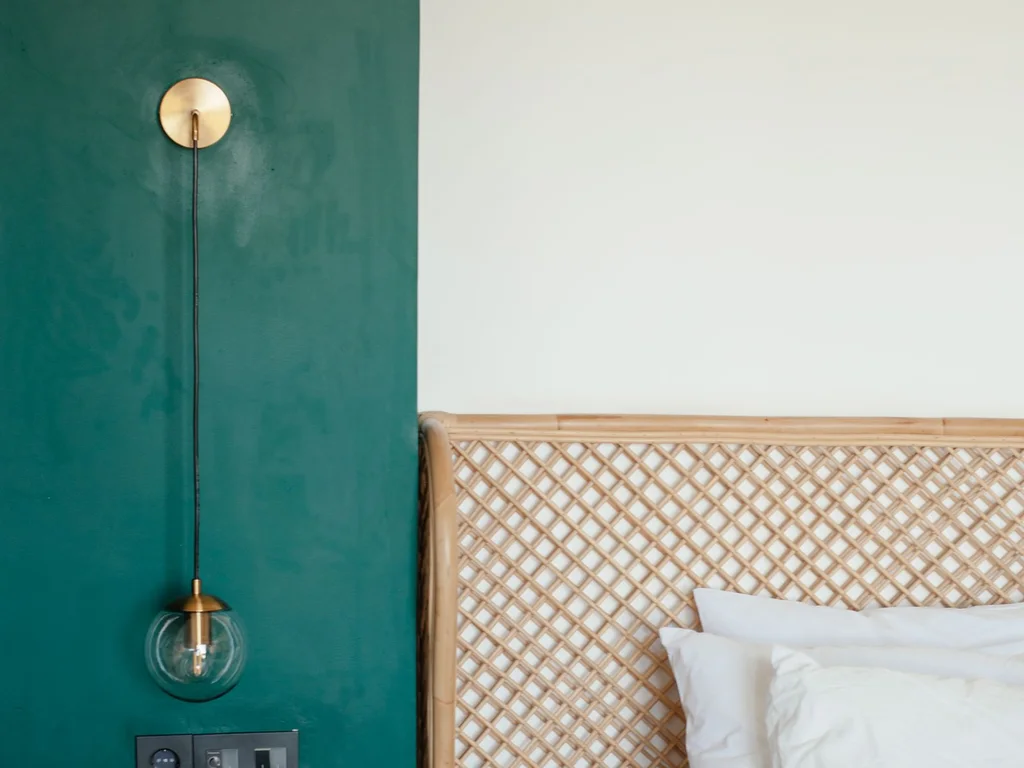
Painting just the wall behind the bed creates a headboard effect for the cost of one tin of paint. A deeper tone than the other walls makes the bed the room’s focus, while a soft tone adds gentle contrast. Test the colour in morning and evening light before committing.
75. Peel-and-Stick Wallpaper on One Wall
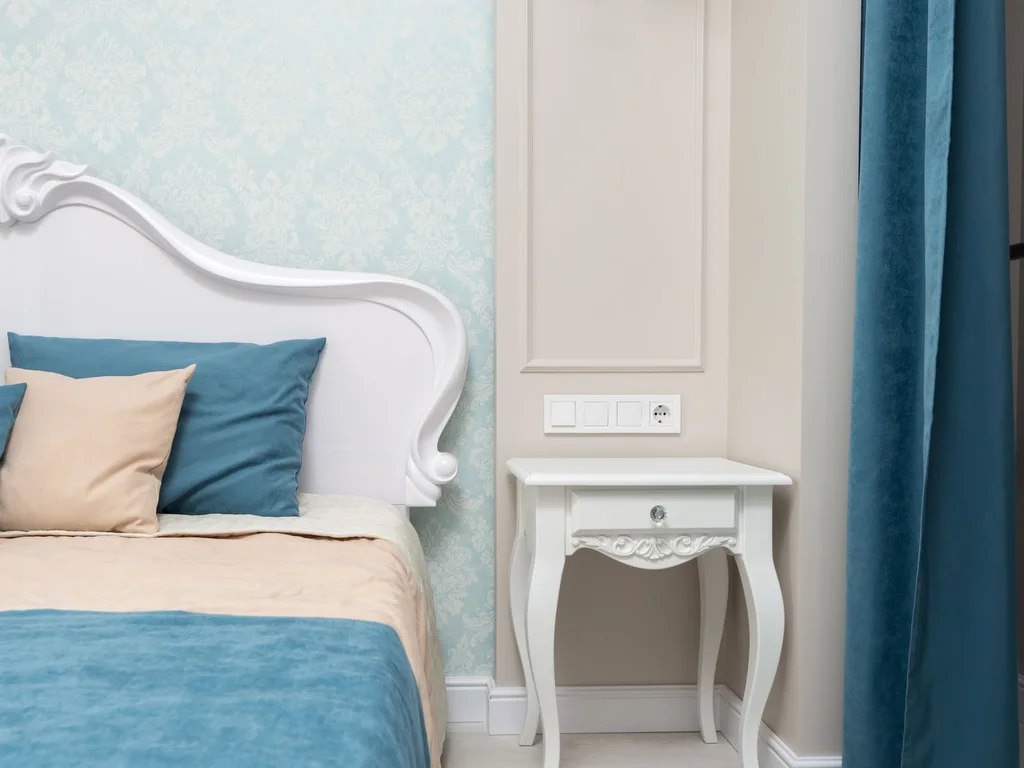
Peel-and-stick wallpaper gives an accent wall without paste, commitment or landlord trouble. Modern designs range from subtle textures to bold botanicals, and removal leaves no damage. Apply it to the bed wall only, and keep the other walls plain so the pattern can lead.
76. A Fabric Panel Hung Behind the Bed
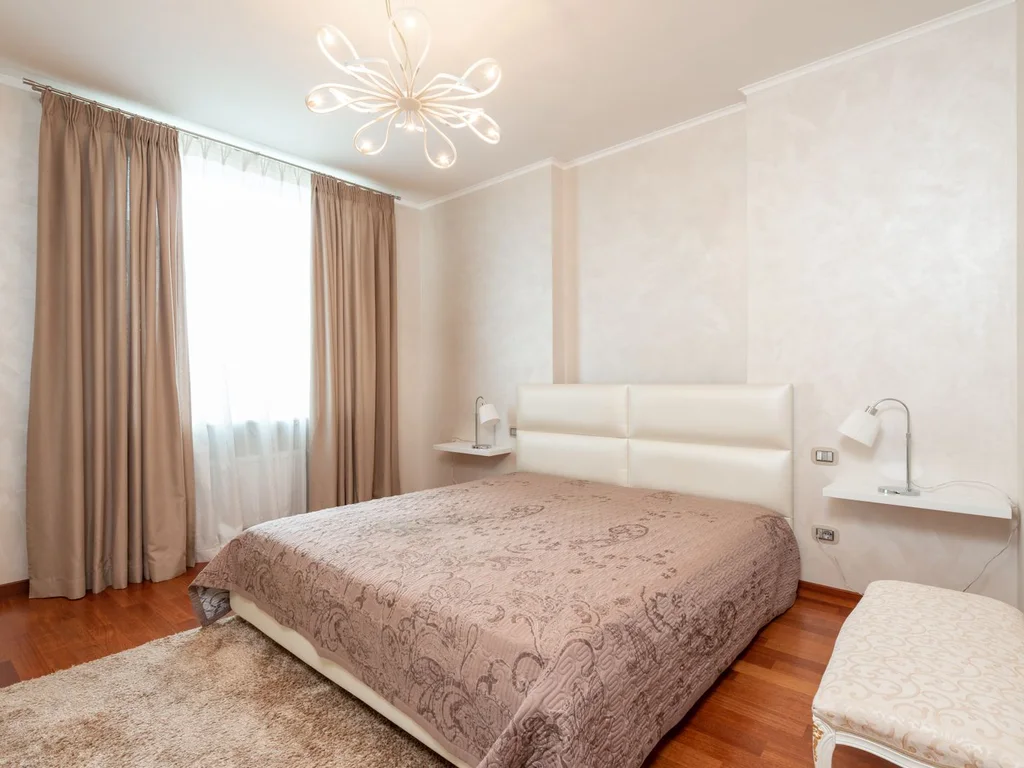
Hanging a length of beautiful fabric behind the bed creates a soft, textile headboard that can change with the seasons. Use a curtain rod or a simple dowel, and let the fabric fall to just below pillow height. This is an easy way to test a bold pattern before painting or papering.
77. A Gallery of Frames as a Headboard
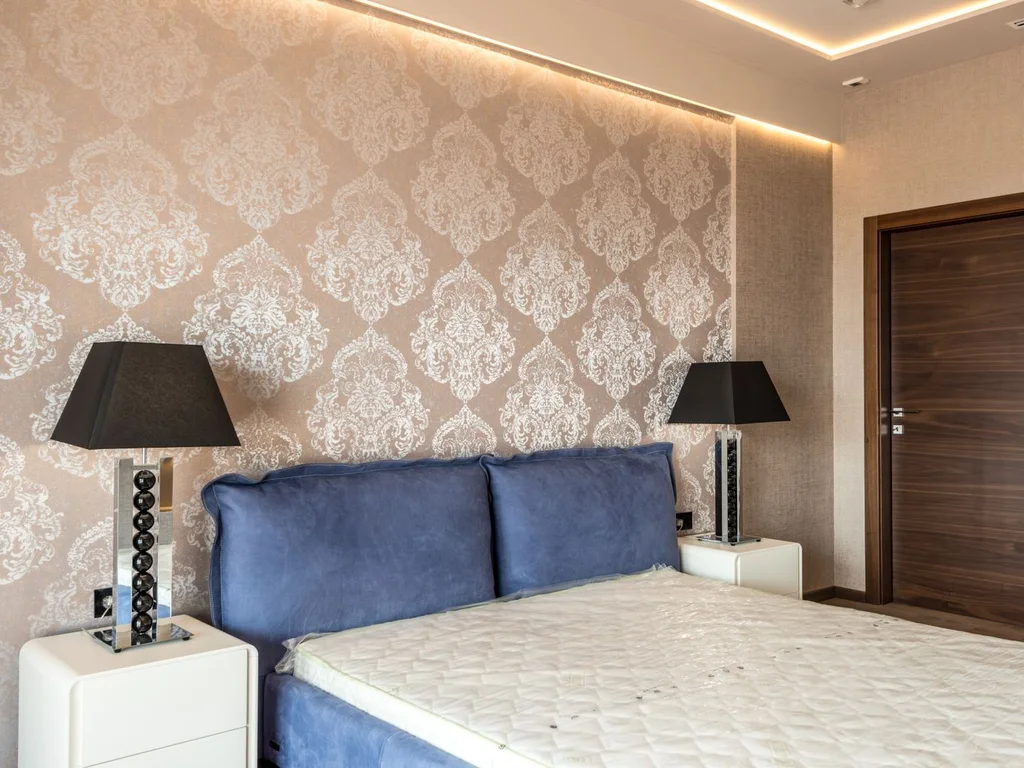
Arranging framed prints in a wide, low grid behind the bed forms a headboard made of art. Keep the frames aligned and the images in a shared palette so the grid reads as one piece. This idea suits beds without a headboard and rooms where art matters more than furniture.
78. A Canopy Frame Without Curtains

A four-poster or canopy frame, left bare without curtains, gives architectural structure and a sense of occasion without blocking light or air. The frame itself becomes the decor. It suits larger bedrooms best — in small rooms, choose a slim metal frame to avoid visual bulk.
79. A Woven Wall Hanging Above the Bed

A woven wall hanging adds handmade texture above the bed that paper art cannot match. Macramé, woven wool or embroidered pieces soften the wall and absorb a little sound. Hang it centred above the bed at a height where its lowest point clears the pillows comfortably.
80. A Shelf Ledge as a Display Headboard

A long picture ledge mounted at headboard height turns the bed wall into a display shelf for small art, candles and treasured objects. It gives the bed a headboard effect while staying changeable — swap the display whenever the mood changes. Keep objects low and secure so nothing falls on sleepers.
9. Bedside Styling and Storage That Looks Good
81. A Bedside Carafe and Glass Set
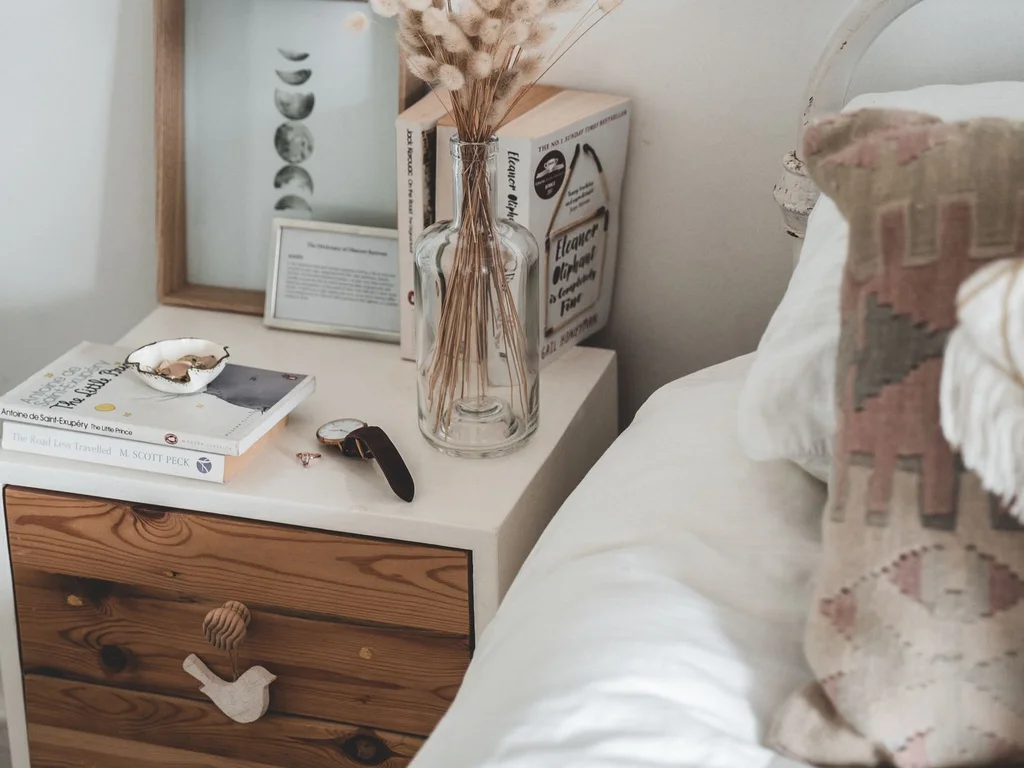
A matching carafe and glass on the bedside table looks considered and saves midnight trips to the kitchen. Echo the lamp base’s tone, and keep the set to one side so books and chargers still fit.
82. A Small Stack of Books as Decor
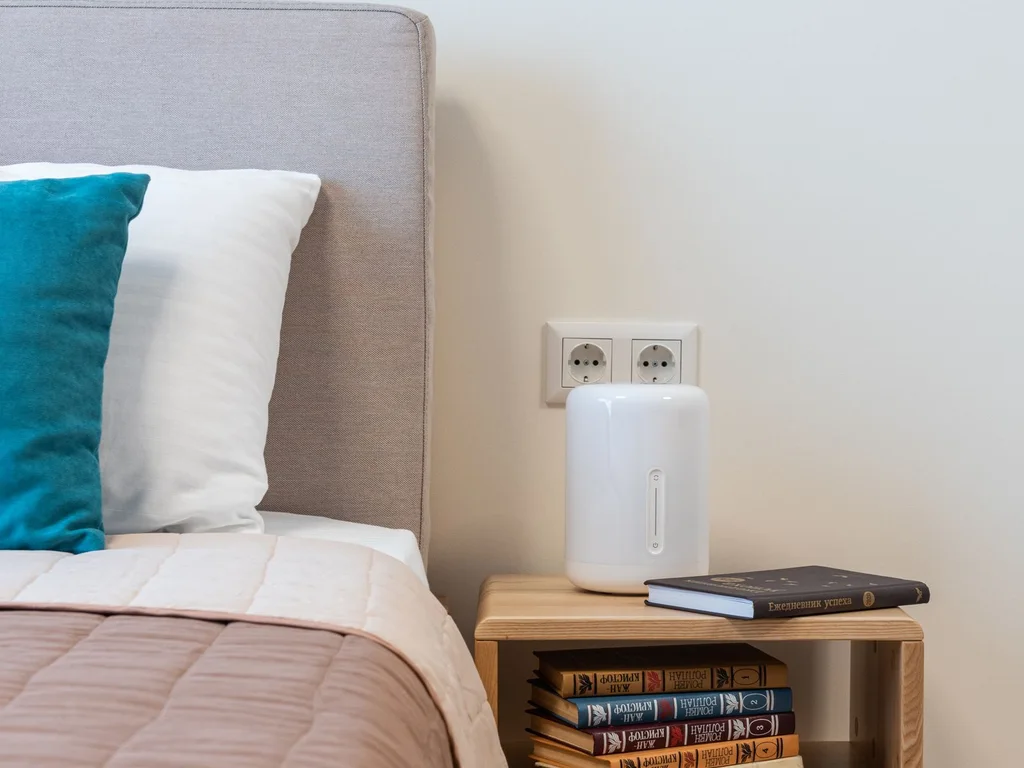
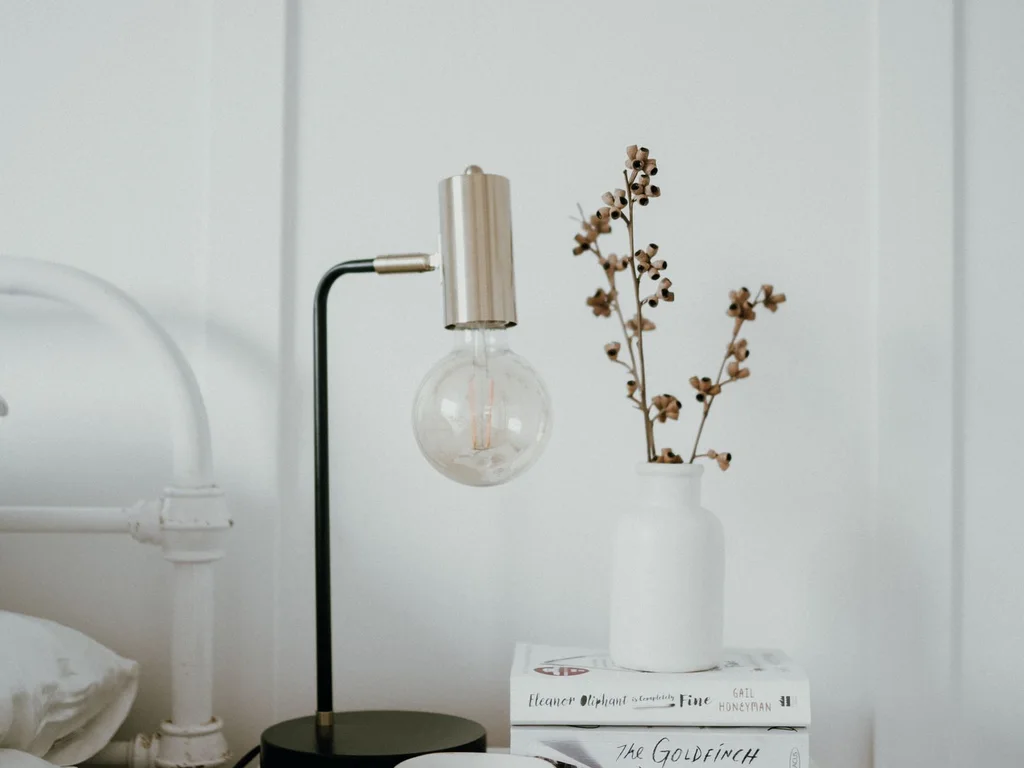
Two or three books stacked on the bedside table add personality and a place to rest a reading light or glasses. Choose books you actually enjoy — their spines become part of the room’s colour story. Keep the stack low so it never towers over the lamp.
83. A Decorative Box for Small Essentials
A lidded box on the dresser or bedside table hides chargers, medicines and small essentials while looking like decor itself. Wood, lacquer or woven boxes each suit different rooms; the point is one beautiful container instead of scattered clutter. Label nothing — you will remember what lives inside.
84. A Jewellery Stand on the Dresser
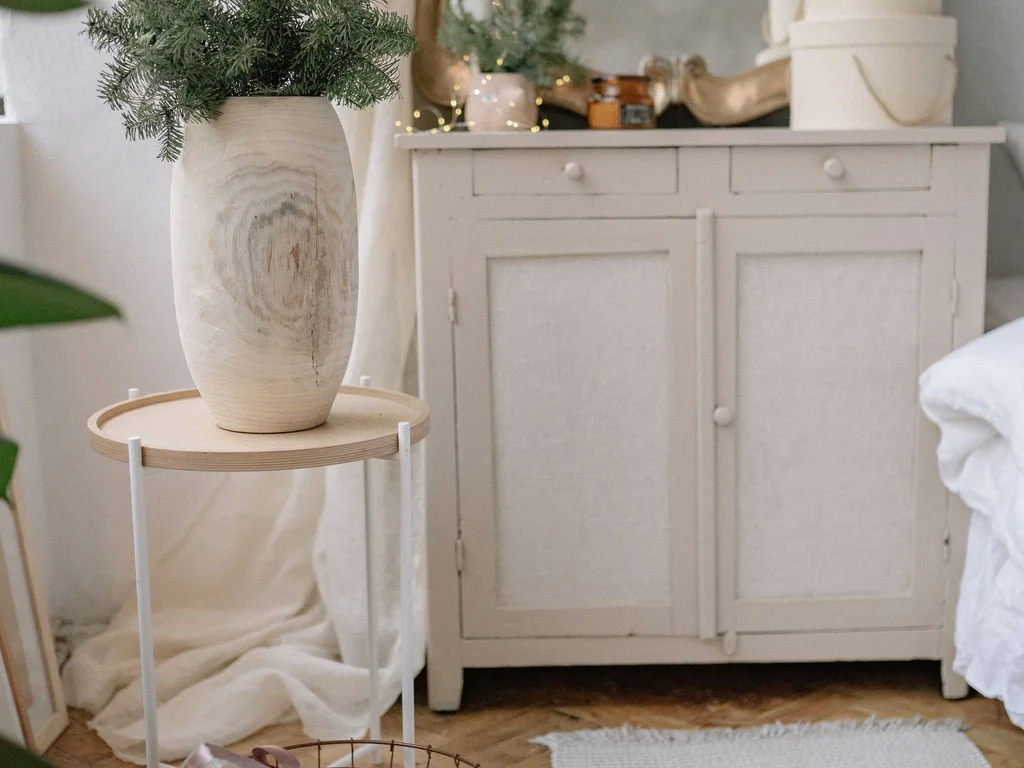
A small jewellery stand or dish on the dresser keeps daily pieces visible, untangled and easy to reach. It also turns necklaces and rings into a display. Choose a stand that matches the dresser mirror’s finish so the dressing area feels like a set.
85. Open Shelving Styled With Space to Breathe
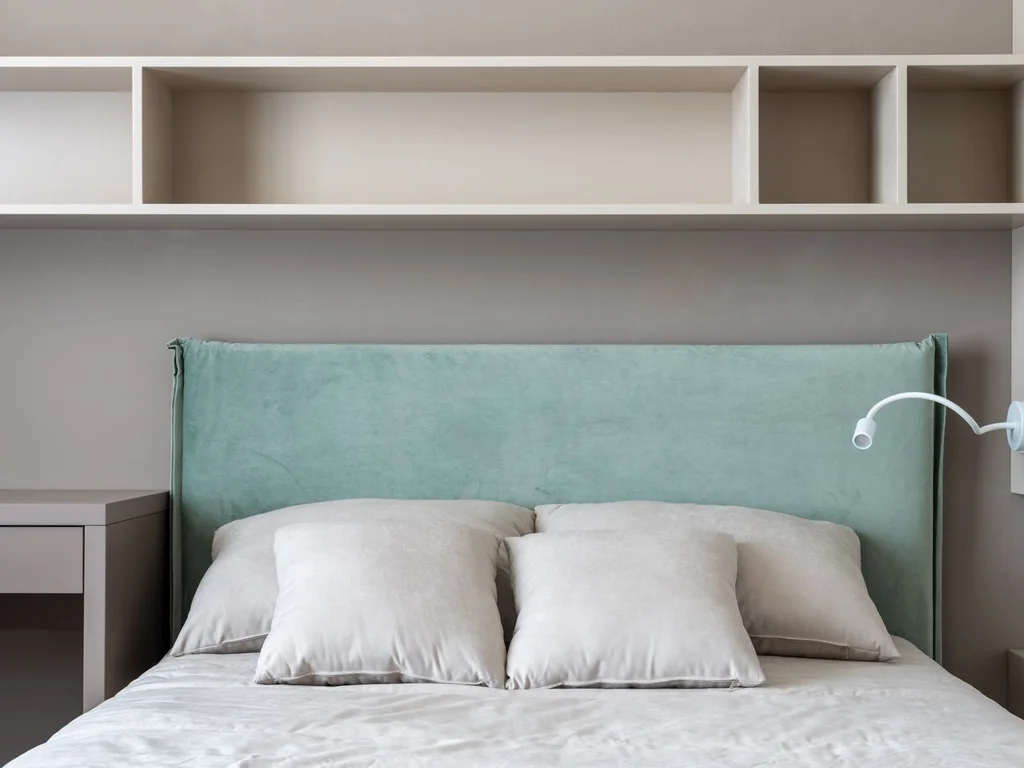
Open shelves look best when they are not full: leave a third of each shelf empty and group the rest in small clusters. The empty space is what makes the shelf read as styling rather than storage. Rotate the objects seasonally to keep the display feeling intentional.
86. Matching Baskets for Open Storage

Matching baskets on open shelves or under a bench hide everyday clutter behind a single, calm material. Woven, fabric or felt baskets all work; consistency matters more than the material. Label baskets discreetly inside the rim if more than one person uses them.
87. A Bench at the Foot of the Bed

A bench at the foot of the bed gives somewhere to sit while dressing, lay out tomorrow’s clothes, or store extra blankets inside. It also finishes the bed’s silhouette from the doorway. Choose a bench slightly narrower than the bed so it does not crowd the walkways.
88. A Single Potted Plant as Living Decor
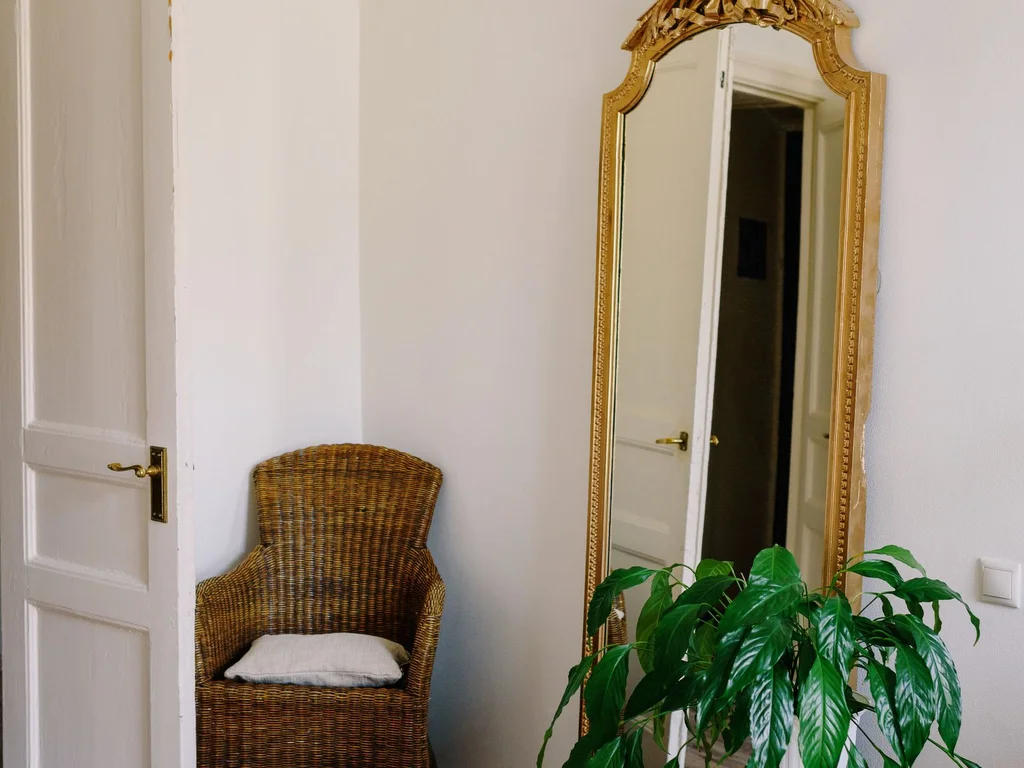
One healthy potted plant on the dresser is enough living decor for a bedroom that is otherwise styled with objects. A trailing pothos or a compact fern adds life without turning the room into a greenhouse. Keep it to one so the plant reads as a deliberate accent.
89. A Tray to Corral Dresser Clutter
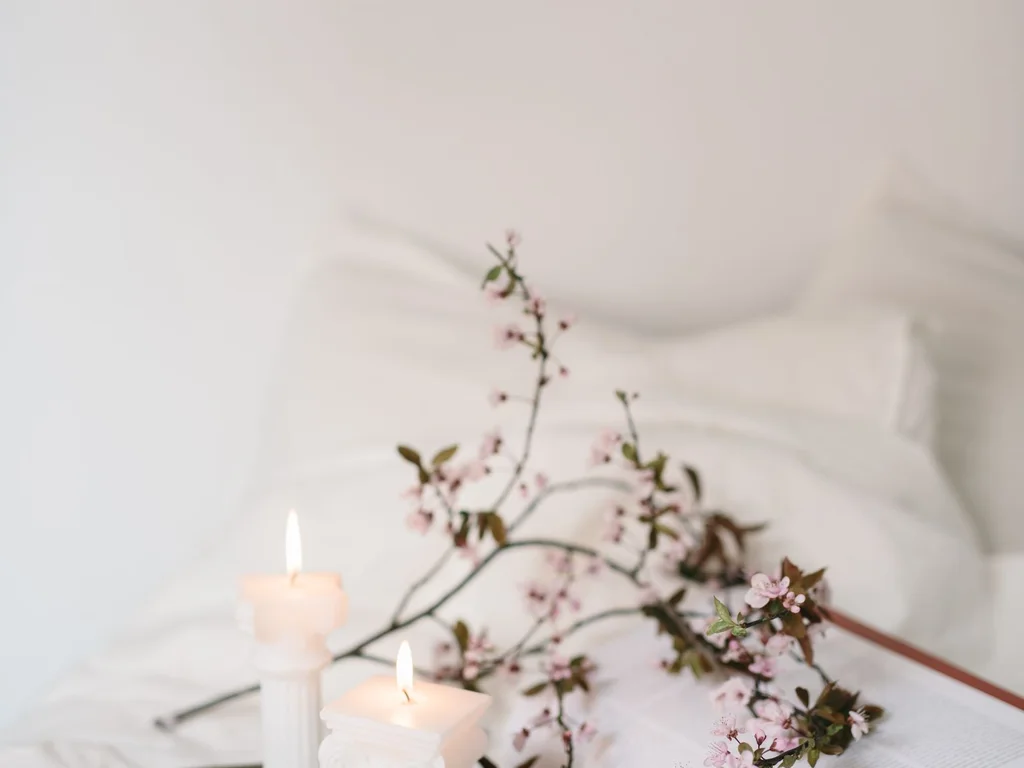
A tray on the dresser — wood, marble or mirrored — gathers perfume bottles, watches and keys into one tidy island. Without a tray, the same objects look like clutter; with one, they look like a collection. Choose a tray large enough for everything that normally lands there.
90. Hooks Behind the Door for Robes and Bags

Hooks behind the bedroom door keep robes, bags and tomorrow’s outfit off chairs and the floor. They cost almost nothing and prevent the chair-drobe that makes rooms look untidy. Use matching hooks and limit them to four so the door stays a door, not a wardrobe.
10. Seasonal Swaps and Finishing Touches
91. Heavier Bedding Swapped In for Winter

Swapping to a heavier duvet and a wool throw in winter is decor as much as comfort: the bed visibly changes with the season. Store the summer set in a breathable bag under the bed so the swap takes ten minutes. The ritual itself marks the change of season in the room.
92. Lighter Layers for Summer Nights
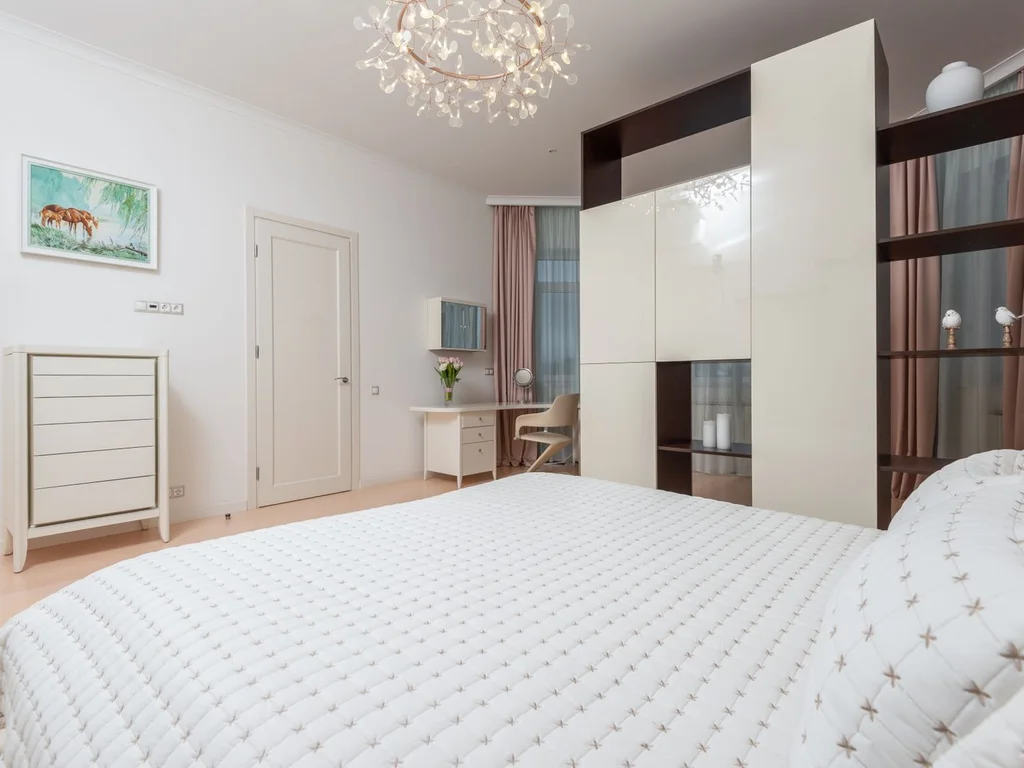
In summer, replace the heavy duvet with a light coverlet and a single cotton throw. The bed looks airier, the room feels cooler, and washing becomes easier. Keep the colour palette the same so the summer bed still feels like the same room.
93. A Seasonal Scent on the Dresser
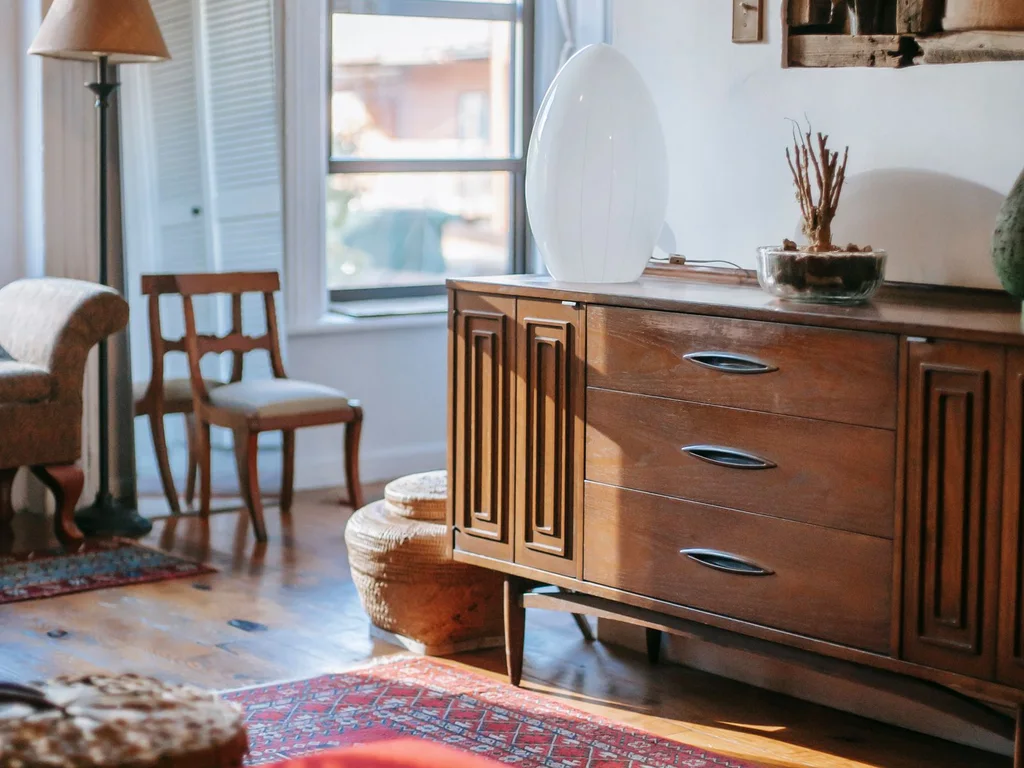
A reed diffuser or a scented candle on the dresser gives the bedroom a seasonal signature: fresh linen in spring, warm spice in winter. Scent is invisible decor, but guests notice it immediately. Keep it subtle — one scent source is enough for a bedroom.
94. Fresh Flowers as a Weekly Treat
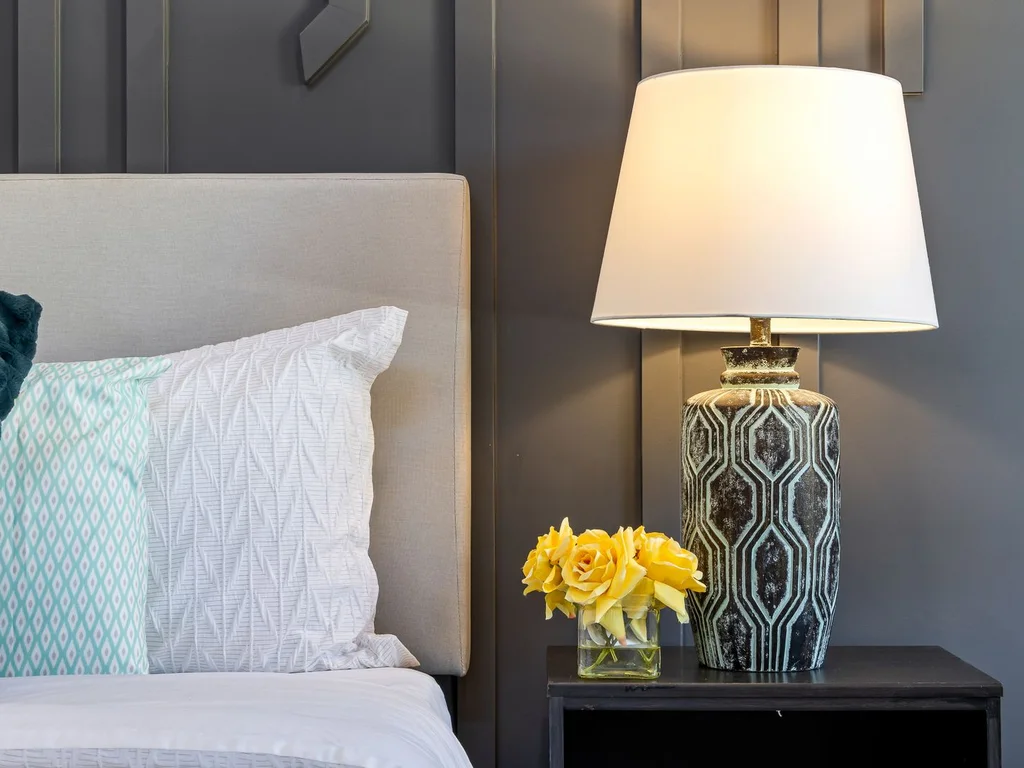
A small bunch of fresh flowers on the bedside table or dresser is the most joyful finishing touch, and a supermarket bunch costs less than a takeaway coffee. Change the water every two days and trim the stems to keep the bunch alive for a full week.
95. Holiday Decor Kept to the Bedroom’s Palette
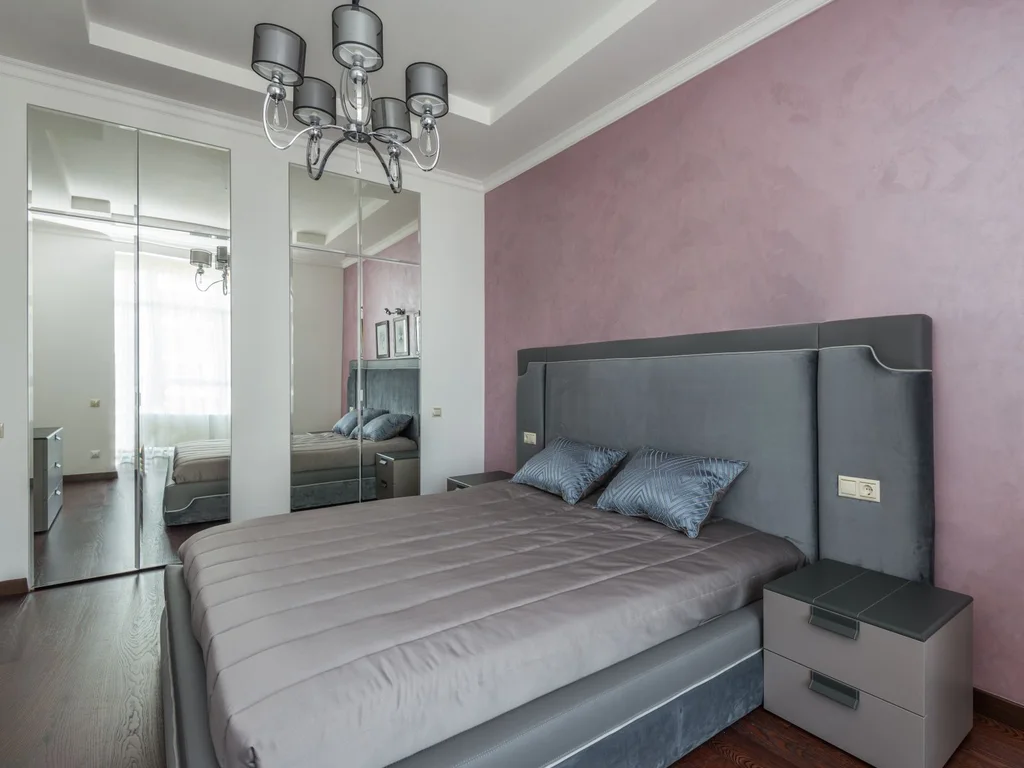
For festive seasons, keep bedroom decorations within the room’s existing palette instead of importing loud holiday colours. A few metallic ornaments, a garland on the mirror or a seasonal cushion cover nod to the occasion without turning the bedroom into a different room.
96. A New Doormat-Style Rug at the Threshold
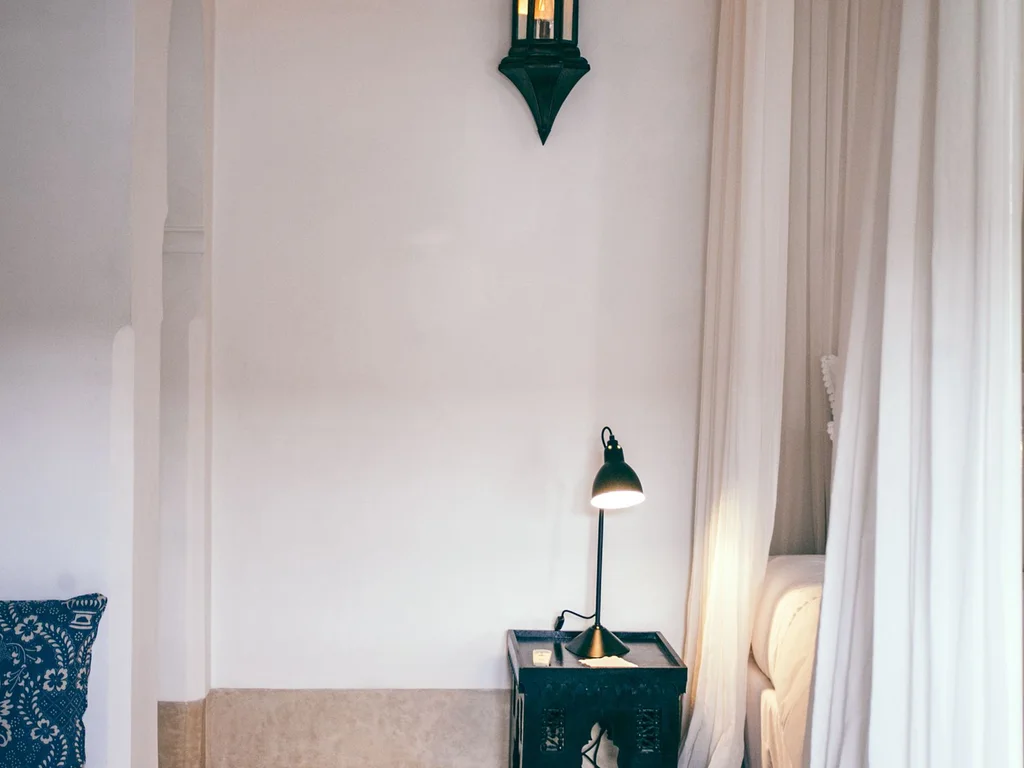
A small rug just inside the bedroom door marks the threshold and catches dust before it reaches the bed area. It also gives the room a finished entrance, like a tiny hallway. Choose a low, washable rug so the door still swings freely over it.
97. Artwork Rotated With the Seasons
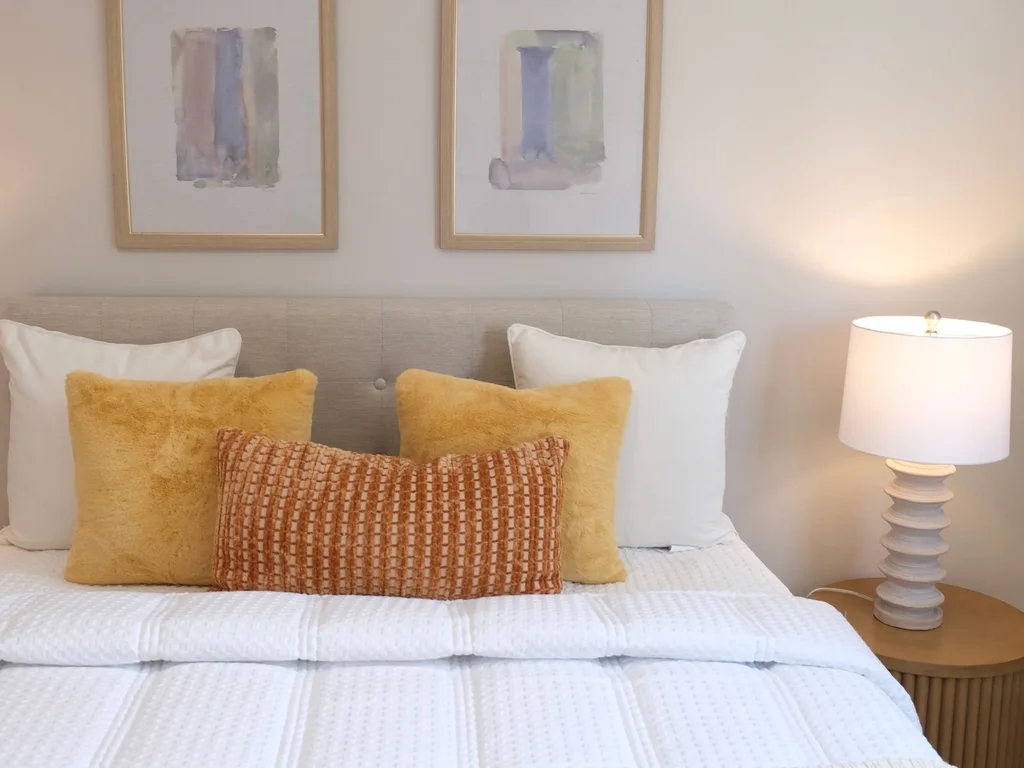
Rotating one or two framed prints with the seasons keeps the bedroom feeling current without redecorating. Use picture ledges or easy-change frames so the swap takes minutes. Store off-season prints flat behind the wardrobe, protected in their mounts.
98. A Clock That Suits the Room’s Style
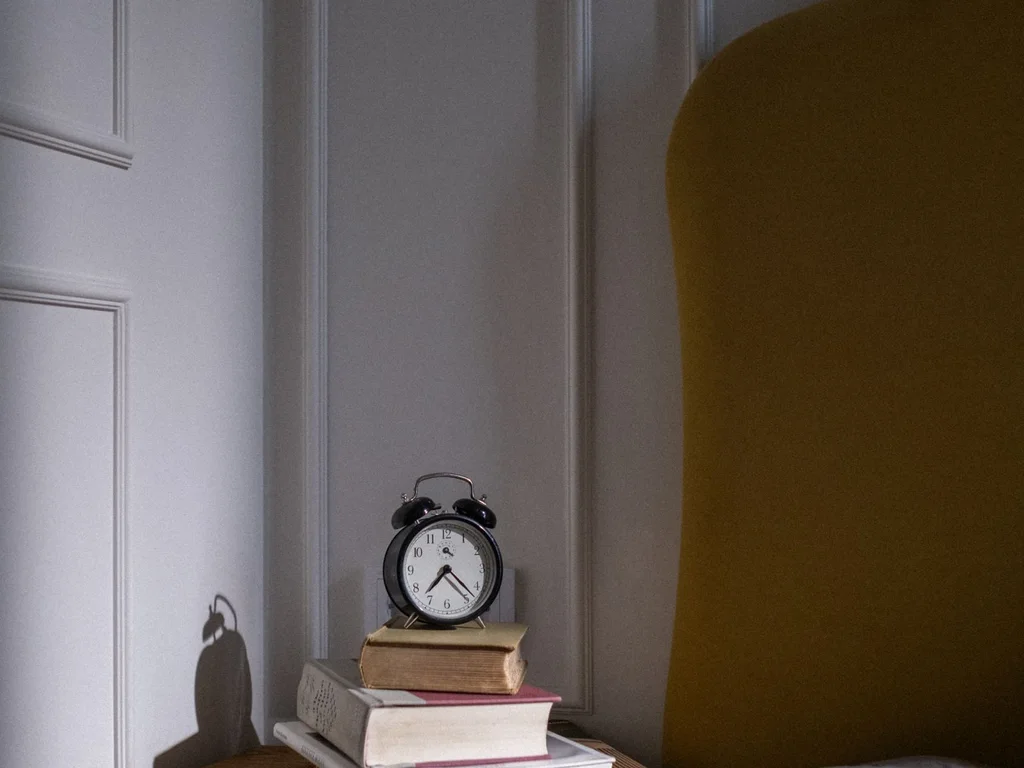
A wall or bedside clock in the room’s style — minimal, vintage or wooden — finishes the bedroom like jewellery finishes an outfit. Choose a silent movement for the bedroom; ticking clocks and light sleep do not mix. Place it where it is visible from the bed without dominating the wall.
99. Personal Photos in a Single Display
Grouping personal photographs in one display — a ledge, a grid of matching frames, or a single multi-photo frame — keeps memories visible without scattering them across every surface. One display reads as decor; photos on every surface read as clutter.
100. The Final Walk-Through Tidy

The last decor idea is a habit: a two-minute walk-through before bed — straightening the throw, fluffing cushions, clearing the bedside table — makes every other idea in this list look its best. Decor only works when the room is tidy enough to show it, and two minutes a night is all it takes.
Bedroom Decor Mistakes to Avoid
The most common bedroom decor mistake is buying everything at once from one set, which leaves the room looking like a showroom rather than a home. Collect pieces gradually, mix old and new, and let the room grow. The second mistake is scale: oversized art on a small wall, or a tiny rug under a king bed, both undermine otherwise good choices. Measure before buying, especially for rugs, art and headboards. Finally, resist filling every surface — empty space is part of the decor, and a room with breathing room always feels calmer than a room stuffed with beautiful things.
Frequently Asked Questions
How many cushions should a bed have?
Three to five is the sweet spot for most beds: two sleeping pillows, one or two decorative cushions, and optionally a bolster. More than five looks styled for photographs but becomes a nightly chore to remove and replace.
What is the easiest way to refresh a bedroom cheaply?
Change the pillowcases and add a throw — both cost little and change the bed’s whole look. Fresh flowers, a new candle and a rug by the bed complete a refresh for very little money.
Should bedroom curtains touch the floor?
Yes, in most cases. Curtains that just kiss the floor look tailored and make the room feel taller. A slight puddle suits formal rooms, while curtains ending above the floor look unfinished unless they are café curtains.
How big should a rug be under a bed?
Large enough to extend at least 45 centimetres beyond the bed on both sides and at the foot. For a queen bed that usually means a rug around 240 by 300 centimetres; for a king, larger still.
Can I mix metals in bedroom decor?
Yes — mixed metals look collected rather than matched. Keep one dominant metal, such as brass, and let a second, like black iron, appear in smaller accents. Two metals are plenty; three can look accidental.
How do I decorate a rented bedroom without damage?
Use picture ledges, peel-and-stick wallpaper, freestanding mirrors, and removable hooks. All of these leave no marks, and most can move with you to the next home.
How high should bedside wall sconces be mounted?
About 120–150 cm from the floor — roughly shoulder height when you are sitting up in bed — so the light falls on your book, not in your eyes. Pair them with warm bulbs around 2700K; bedrooms lit cooler than that tend to feel like offices, however good the decor is.
Conclusion
Bedroom decor is not about buying more — it is about choosing the right layers, the right light and the right finishing touches, then giving them room to breathe. Start with the bed, add one idea at a time, and stop when the room feels like yours. For more ideas organised by room, browse our Room design ideas collection and keep building a bedroom you genuinely love living in.