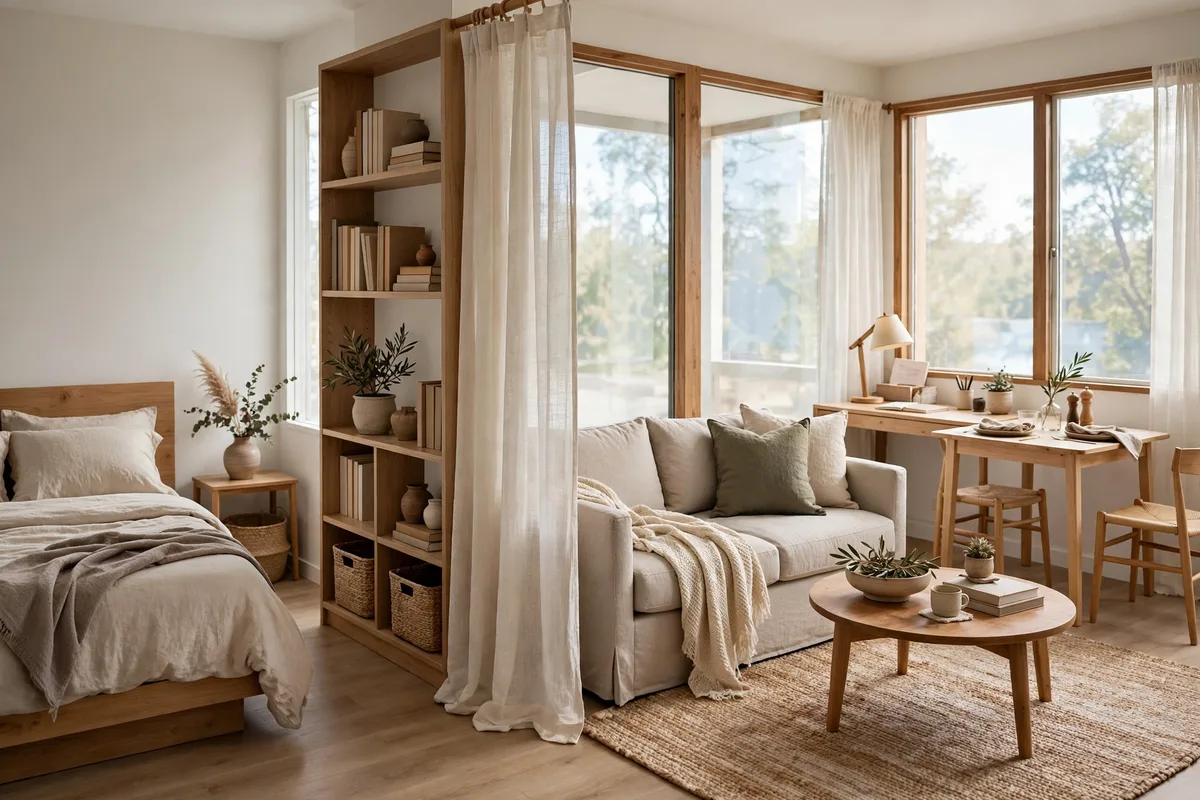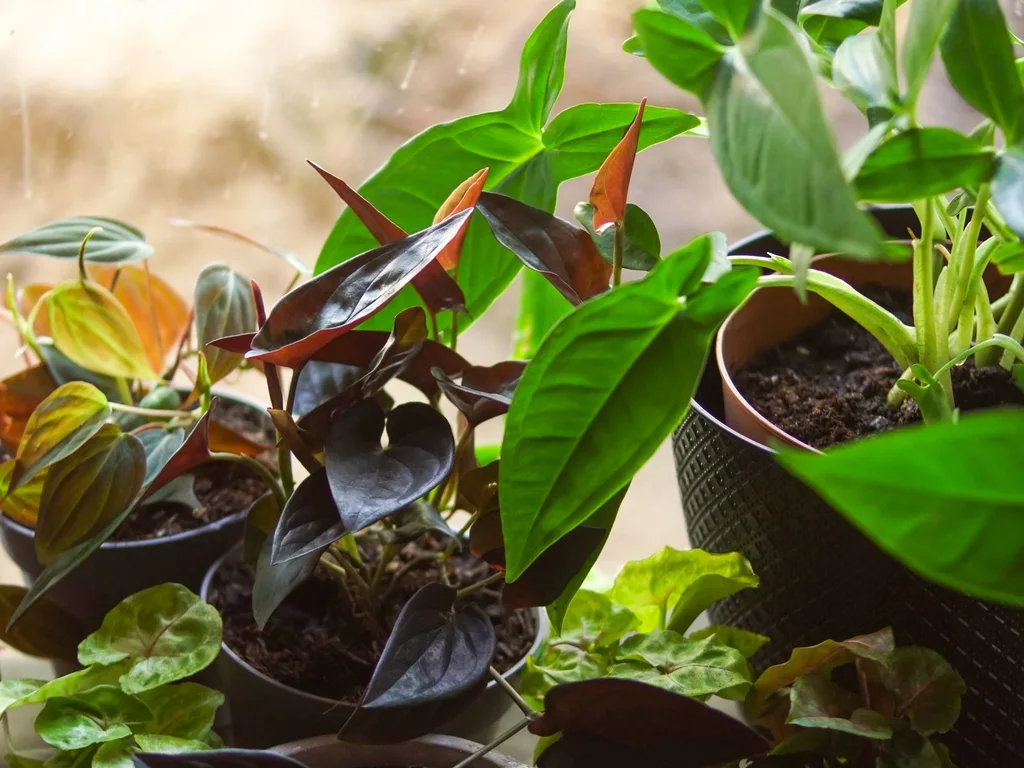
Some bedrooms feel calm the moment you walk in, and very often the secret is not the furniture or the paint — it is the plants. Greenery softens hard edges, fills empty corners with life and gives a room that fresh, looked-after feeling that fabric alone cannot create. This guide collects 50 greenery bedroom ideas that are all about real plants: statement leaves, trailing vines, pet-safe picks, scented favourites and clever ways to match plants to the light your room actually gets.
If you want the bigger collection, start with our 100 greenery bedroom ideas for every corner of the room, and pair this list with our guide to the best indoor plants for care basics. Every idea below is a fresh one, chosen to work in real bedrooms — including small ones, rented ones and ones shared with pets. For plant safety around animals, the ASPCA plant list is the reference worth bookmarking before you buy anything new.
1. Big Leafy Statement Plants
1. A Bird of Paradise in the Sunniest Corner
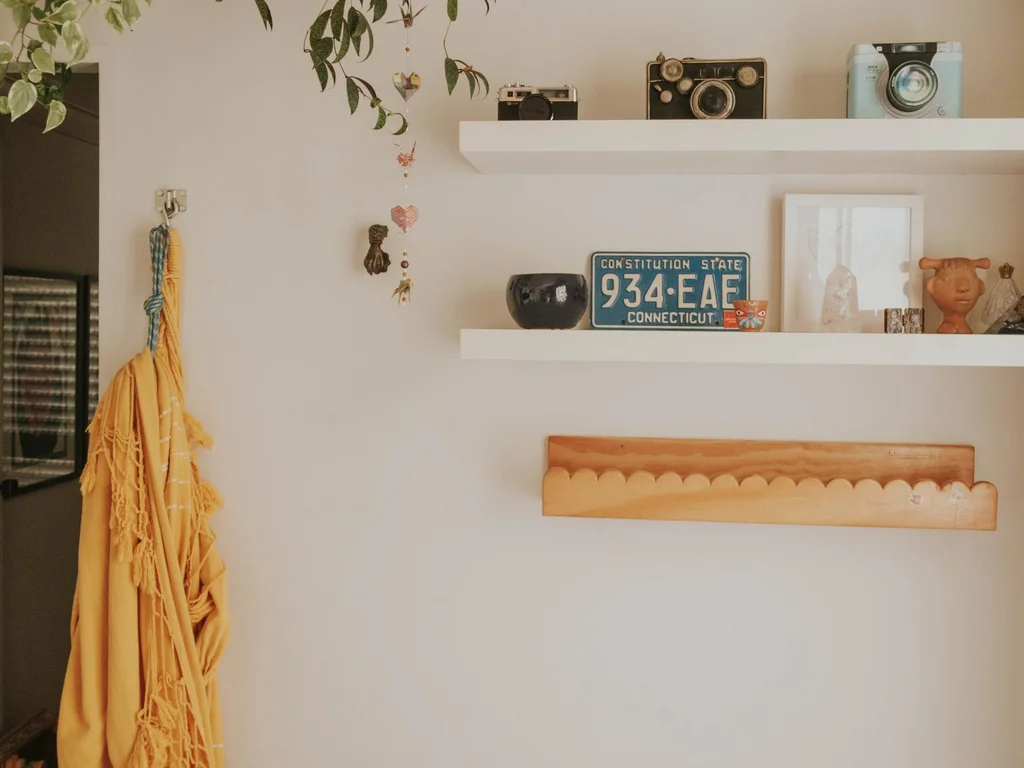
One tall bird of paradise turns an empty corner into the whole point of the room. Its paddle leaves read almost like sculpture, so keep everything around it simple: a plain pot, a clear floor space and as much sun as the corner can offer. Water deeply, then let the top of the soil dry before watering again.
2. A Kentia Palm Softening a Bare Wall

Kentia palms have arching fronds that soften a long, blank wall without blocking light or making the room feel crowded. They tolerate lower light better than most palms and grow slowly, which makes them a calm, long-term choice beside a dresser or reading chair. Dust the fronds monthly so they keep their deep green shine.
3. A Dragon Tree Trio for Height Without Width
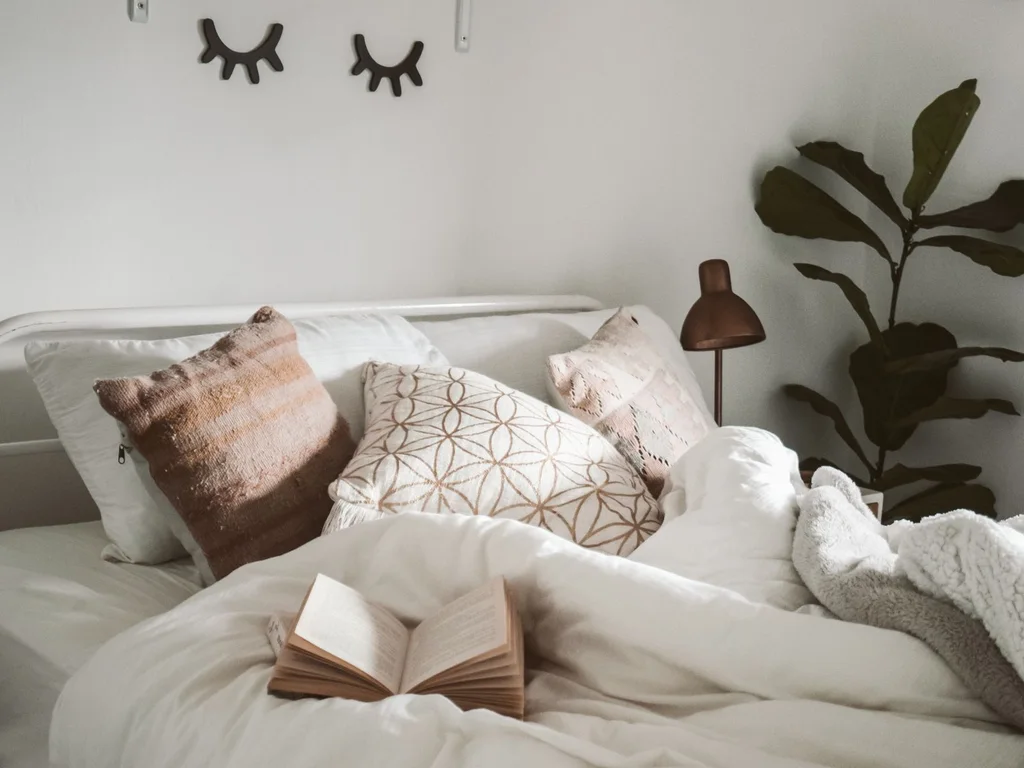
When floor space is tight but the ceiling feels wasted, group three dragon trees at staggered heights in one corner. The thin trunks give you vertical drama on a tiny footprint, and the spiky crowns draw the eye upward so the room feels taller. They forgive missed waterings, which suits busy bedrooms perfectly.
4. A Rubber Tree Trained as a Small Indoor Tree
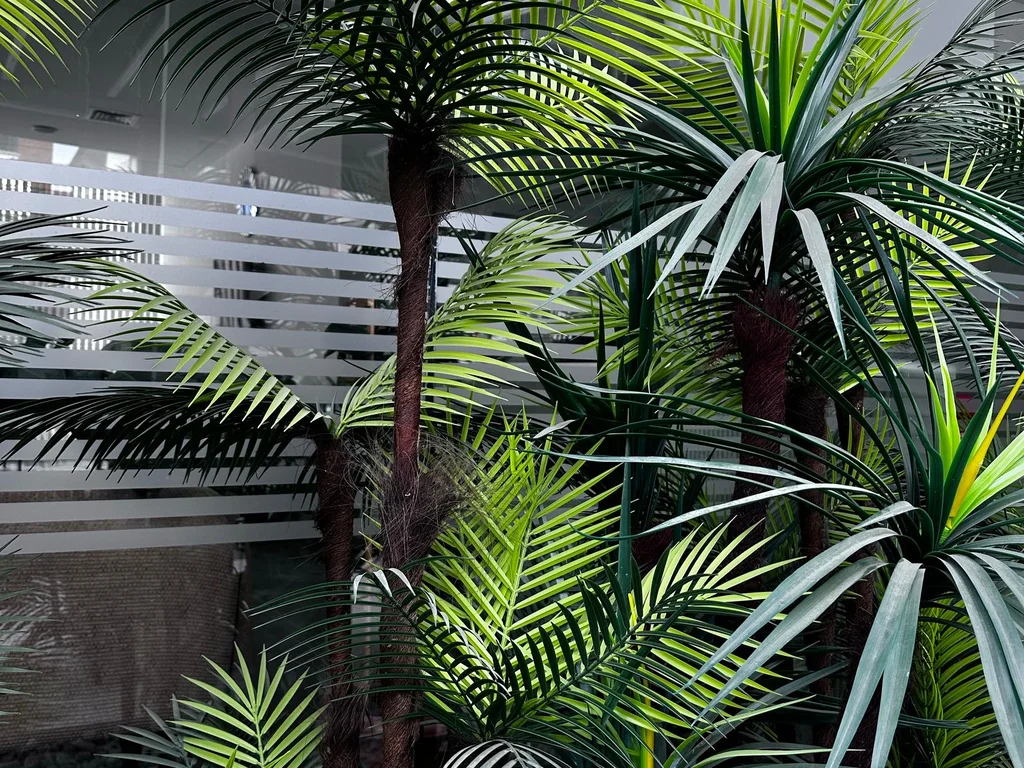
Prune a rubber plant lightly and stake the main stem, and within a couple of seasons you have a small tree with glossy, dinner-plate leaves. Place it where morning light lands, rotate it a quarter turn each week, and wipe the leaves so they can breathe. It is one of the most architectural plants you can grow indoors.
5. A Banana Plant for a Tropical Hotel Feel
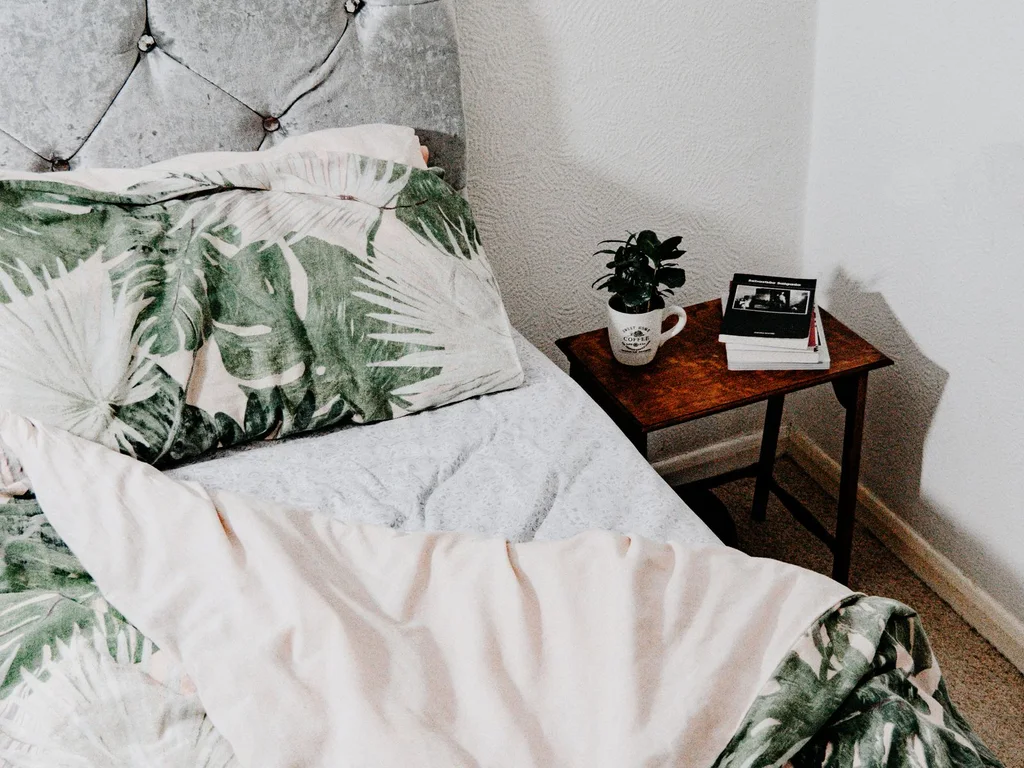
Huge, soft banana leaves instantly give a bedroom that boutique-hotel, somewhere-warm feeling. Banana plants drink more than most houseplants and love humidity, so group them near other plants and mist in dry winters. Give the leaves room — a leaf brushing the wall or curtain will brown along the edge where it touches.
6. An Areca Palm as a Soft Room Divider
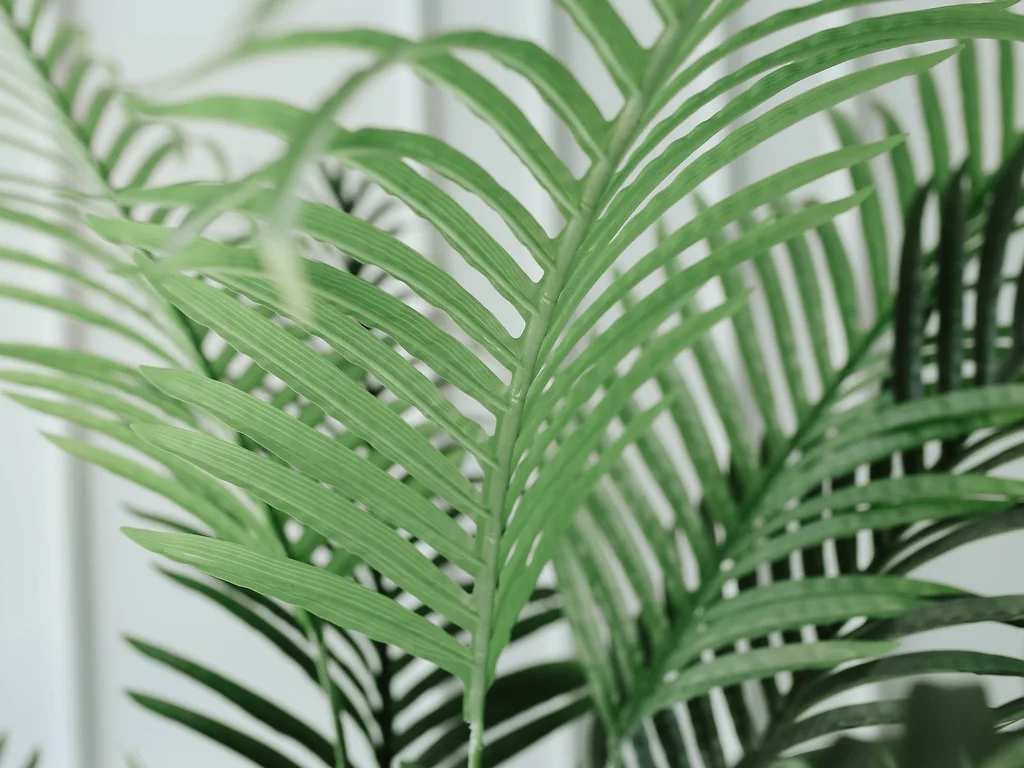
In a studio or a bedroom that doubles as a workspace, a wide areca palm screens the bed from the desk without a wall or a curtain. The fronds filter light rather than blocking it, so both sides stay bright. Choose a wide, low pot to keep the screen stable and full at the base.
7. Monstera Adansonii on a Moss Pole by the Dresser
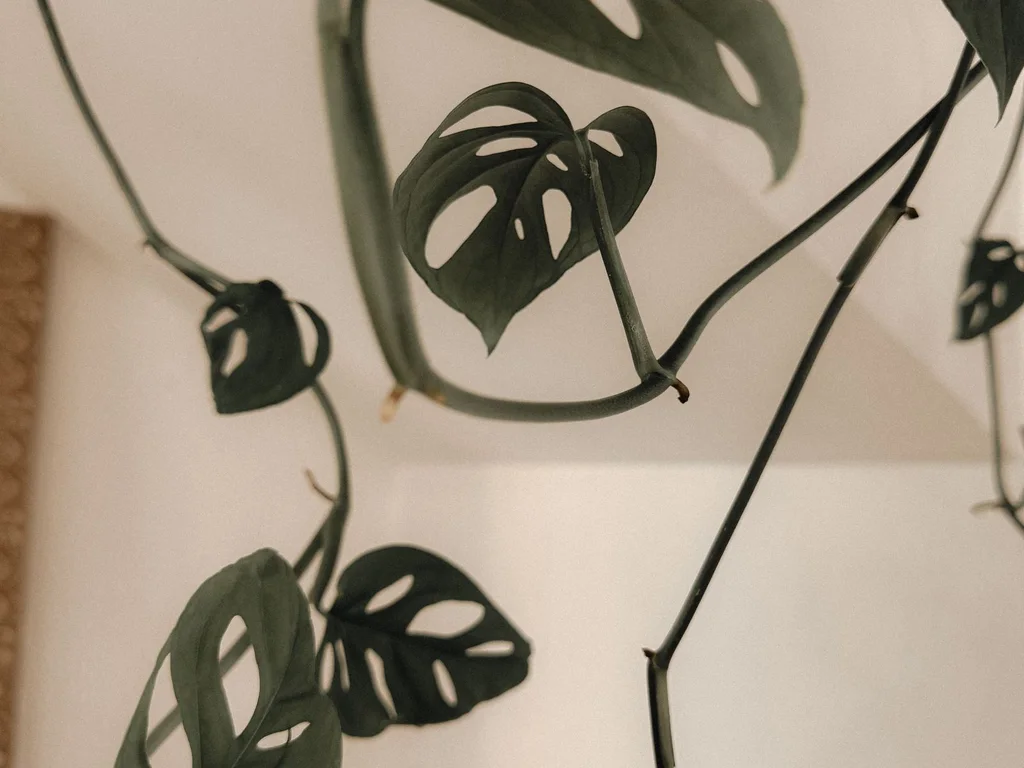
The Swiss-cheese vine looks completely different when it climbs instead of trails. Tie it gently to a moss pole, keep the pole damp, and the leaves grow larger with more holes as it rises. Parked beside a dresser, it turns a plain storage wall into a green feature you see every morning.
8. A Staghorn Fern Mounted on the Wall
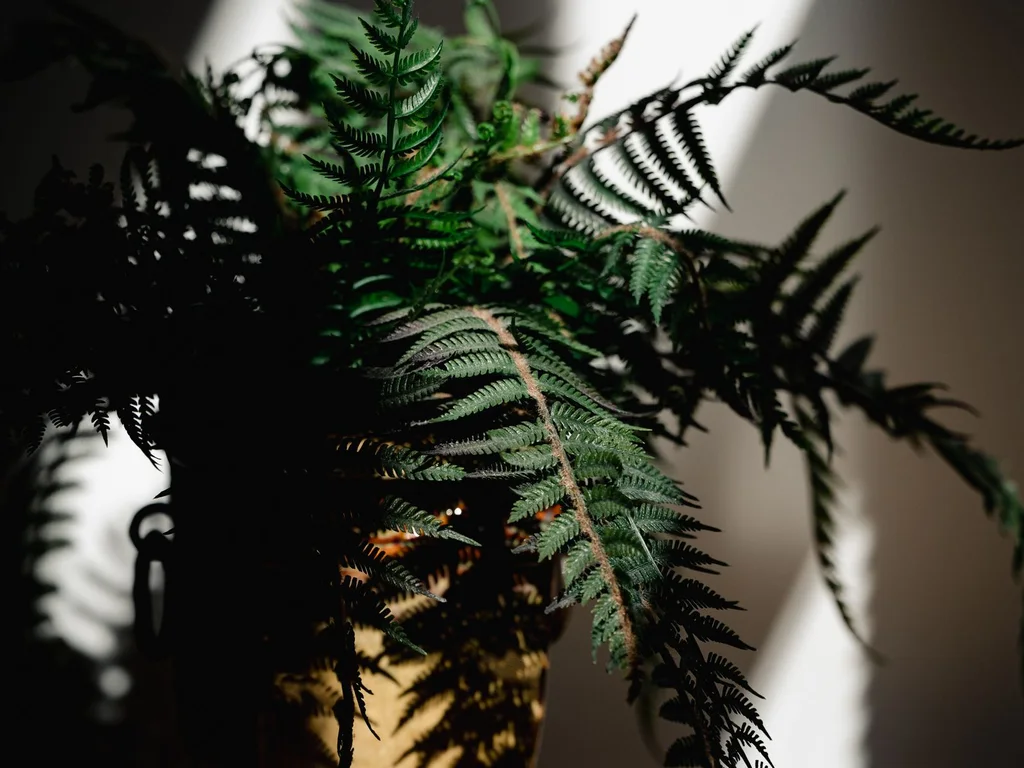
Staghorn ferns grow on boards, not in pots, which makes them living wall art for the space above a headboard or chest. Soak the whole mount in the sink once a week, let it drain, and hang it back up. Few plants start conversations like this one, and it uses zero floor or surface space.
9. A Norfolk Island Pine for Year-Round Structure
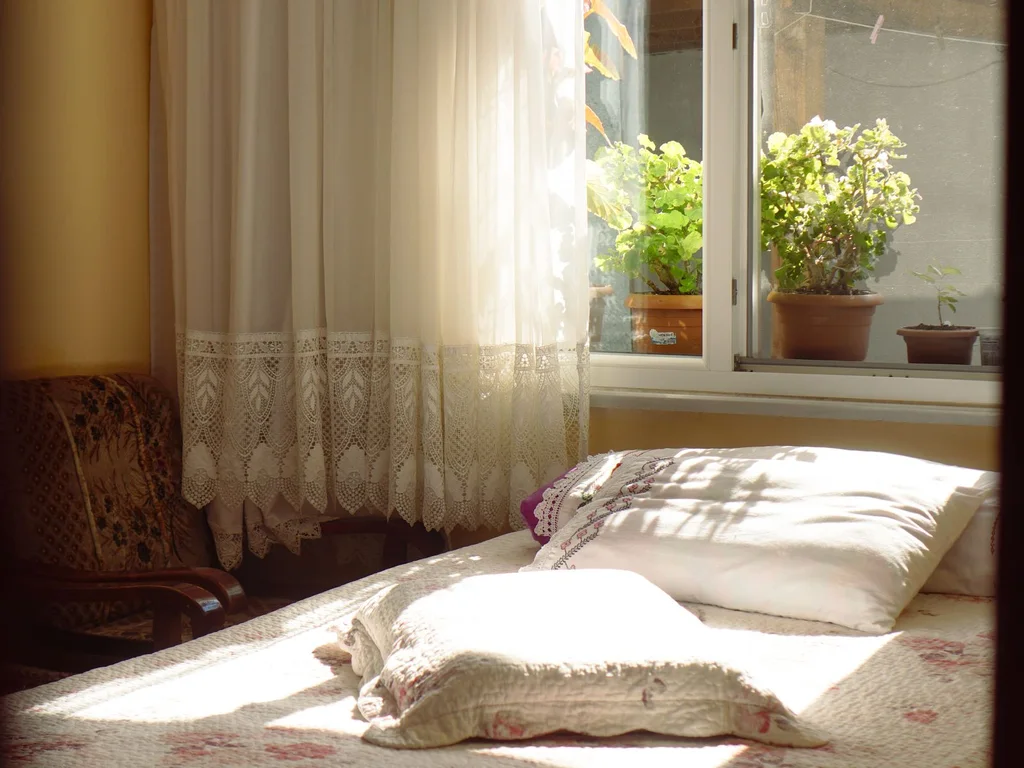
With its neat, symmetrical tiers, a Norfolk Island pine works like a small living Christmas tree that earns its place all year. It likes bright light and steady moisture, and it hates hot, dry air from radiators. In December, add a few tiny decorations; in January, it simply goes back to being elegant greenery.
10. A Cast Iron Plant in the Darkest Corner
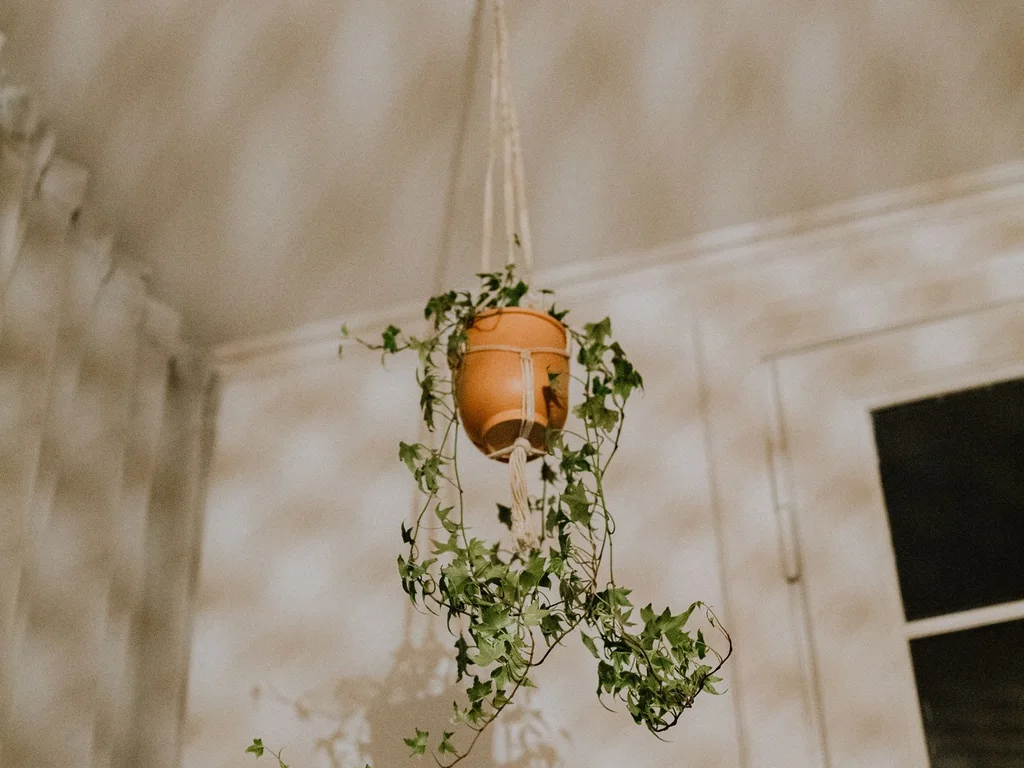
Every bedroom has one corner where nothing thrives — that is exactly where the cast iron plant belongs. Its dark, upright leaves tolerate low light, irregular watering and general neglect with complete indifference. It grows slowly, so buy the biggest one you can afford and enjoy a corner that finally looks finished.
2. Trailing, Climbing and Hanging Greenery
11. String of Hearts Curtaining a Narrow Window
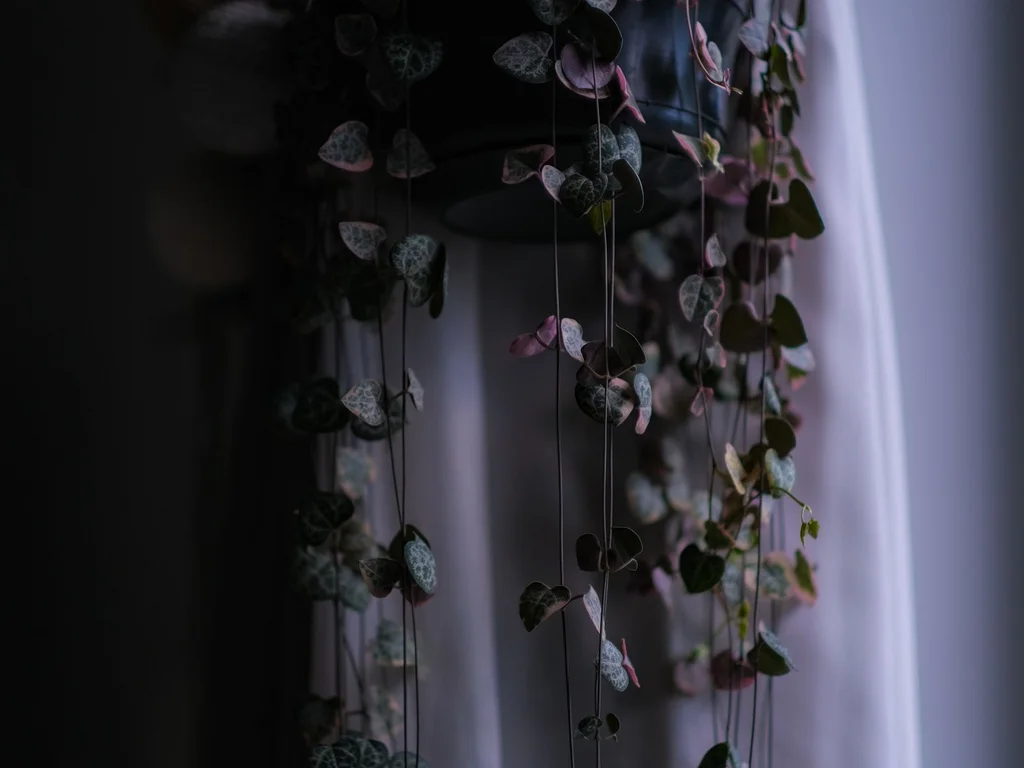
A string of hearts hung at the top of a narrow window falls like a beaded curtain, filtering light while it grows. The tiny heart-shaped leaves are delicate up close and surprisingly tough in practice. Hang it where the strands will not be brushed daily, and trim the longest trails to keep the plant bushy at the top.
12. A Hoya Trained Around a Brass Hoop
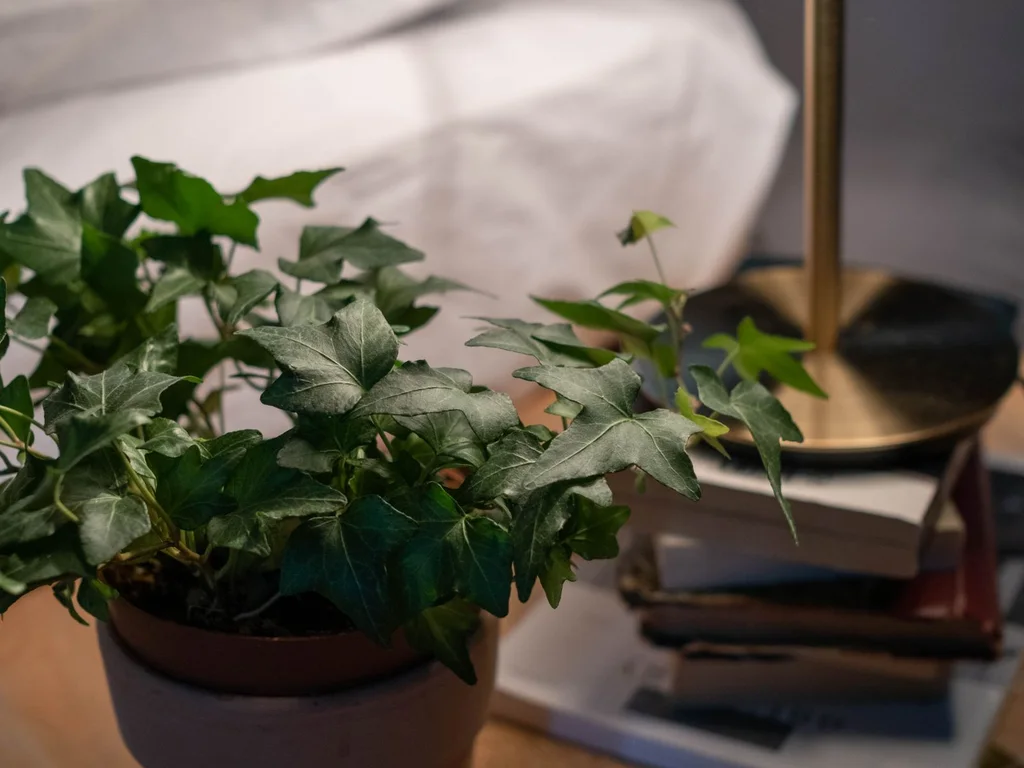
Wind a hoya gently around a brass or bamboo hoop and you get a living wreath for the wall or window. Hoyas are patient plants that reward bright light with clusters of waxy, scented flowers. Never cut the short flower stalks after blooming — the plant reflowers from the same spurs year after year.
13. English Ivy Along a Canopy Bed Frame

If your bed has a frame or four posts, loosely guide ivy along the top rail for a storybook canopy of leaves instead of fabric. Use soft ties, never wire, and check weekly that stems are not strangling themselves. Keep ivy for homes without plant-chewing pets, as the leaves are not pet-safe.
14. A Burro’s Tail on a High Shelf Edge
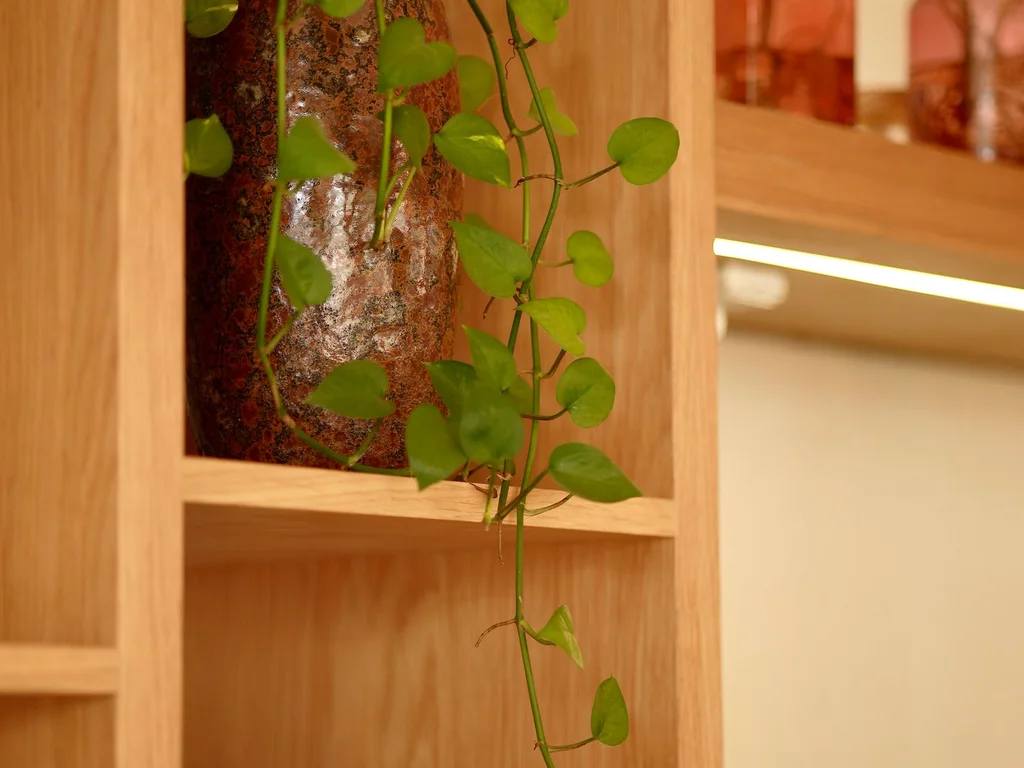
Burro’s tail is a succulent that spills over an edge in long, braided ropes of blue-green beads. It needs a high, sunny shelf where nothing will knock it, because the beads drop at the slightest touch. Once settled, it asks for almost nothing — a sip of water now and then and to be left alone.
15. Tradescantia in a Hanging Terracotta Pot
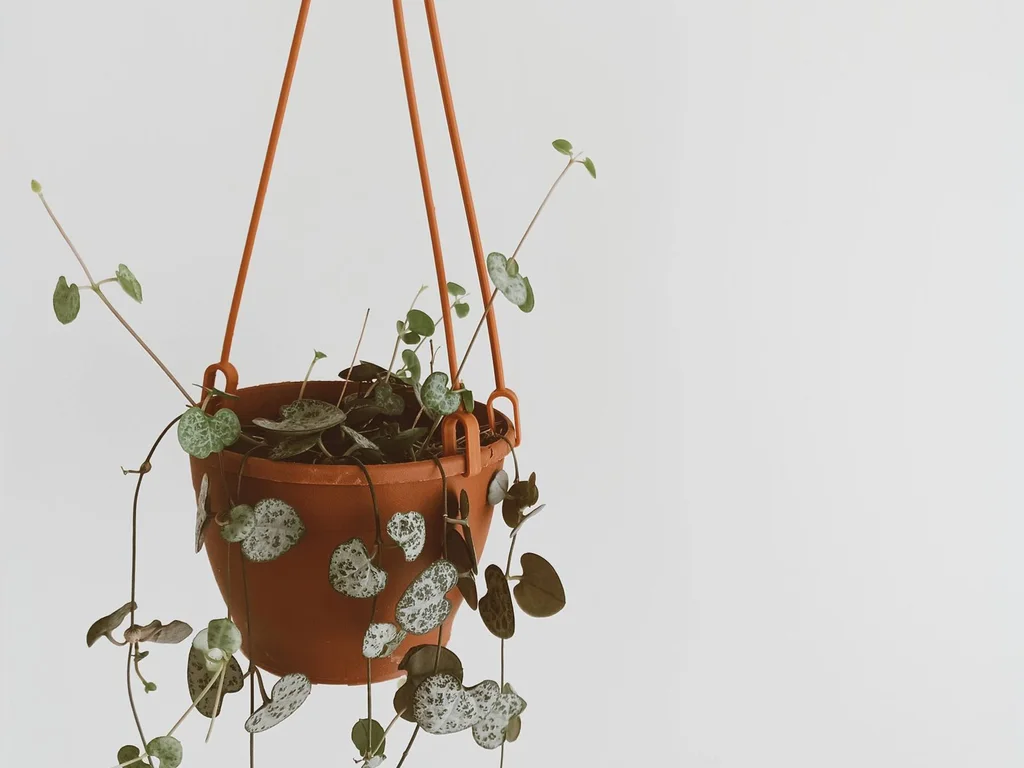
Purple-and-silver tradescantia grows so fast it feels generous, and a simple terracotta hanging pot suits its cottage character perfectly. Hang one by the door or window where its colour catches the light. Pinch the tips every few weeks and poke the cuttings back into the soil to keep the pot full instead of leggy.
16. A Fern Hanging in Front of a Frosted Window
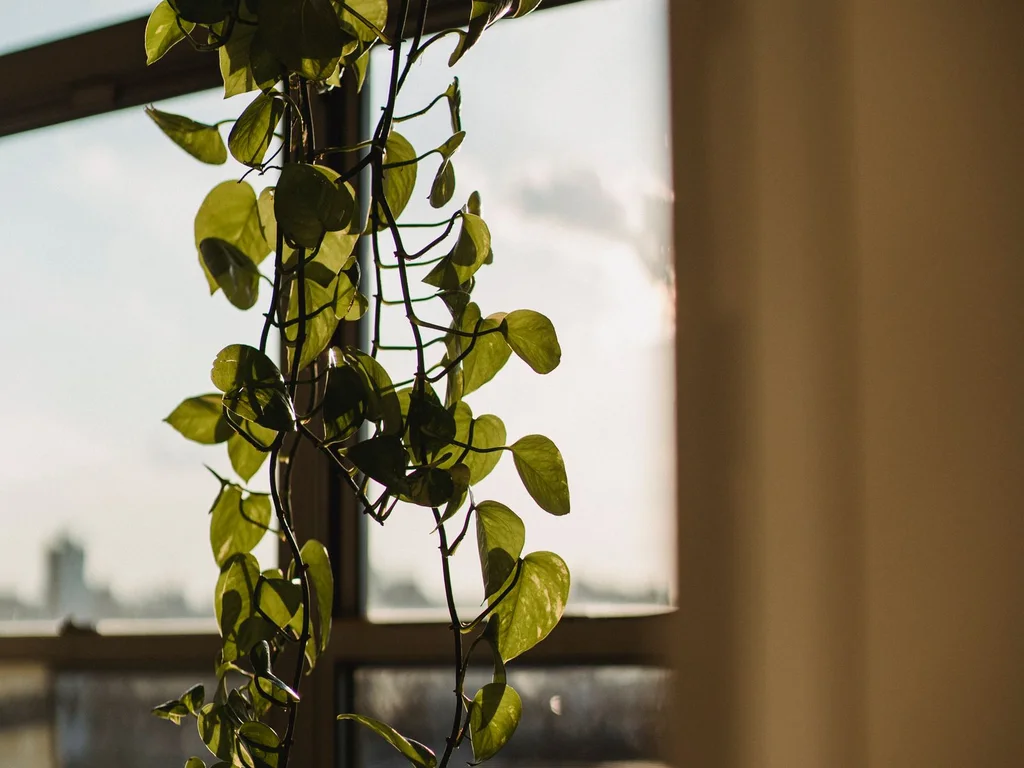
Bathroom-style frosted glass in a bedroom or ensuite door is a fern’s favourite light: bright, but never harsh. A hanging fern basket in front of it glows green all day and enjoys the humidity drifting from the bathroom. Keep the soil evenly damp and turn the basket weekly so it grows evenly on all sides.
17. Climbing Rhaphidophora on a Wall Trellis
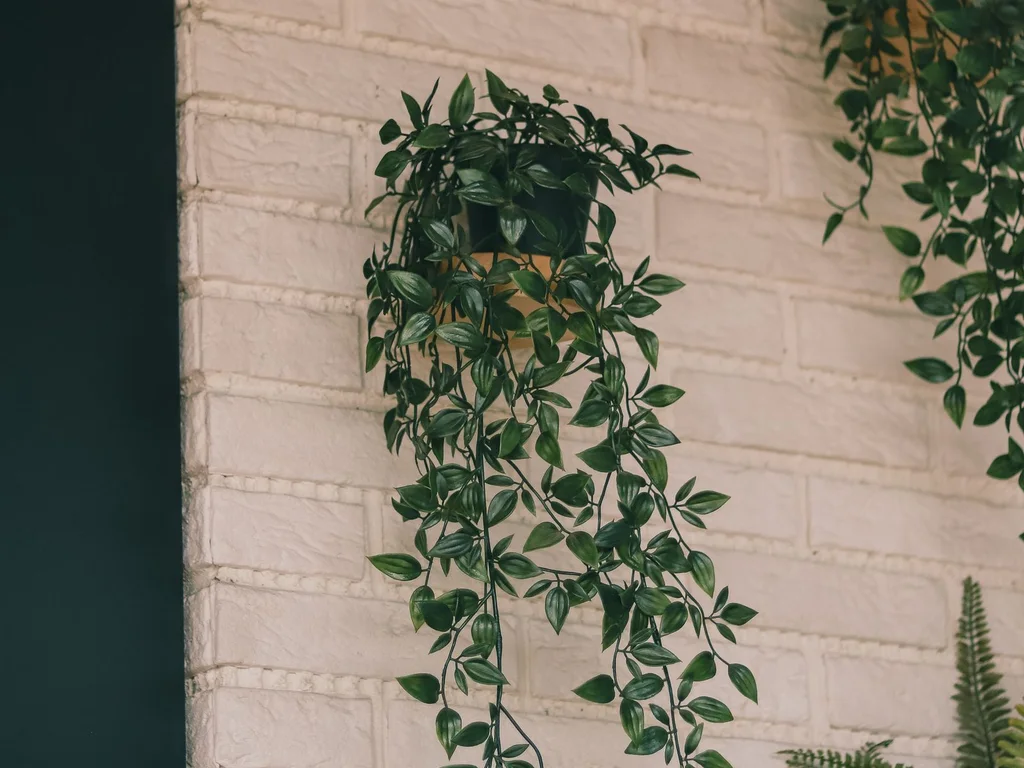
Rhaphidophora tetrasperma, the mini monstera, climbs eagerly up a slim wall trellis and looks far more expensive than it is. A trellis beside the bed or around a mirror turns a blank patch of wall into a green pattern. Fix the trellis with removable strips in rented rooms and tie new growth in as it appears.
18. A Lipstick Plant Trailing From a Cabinet
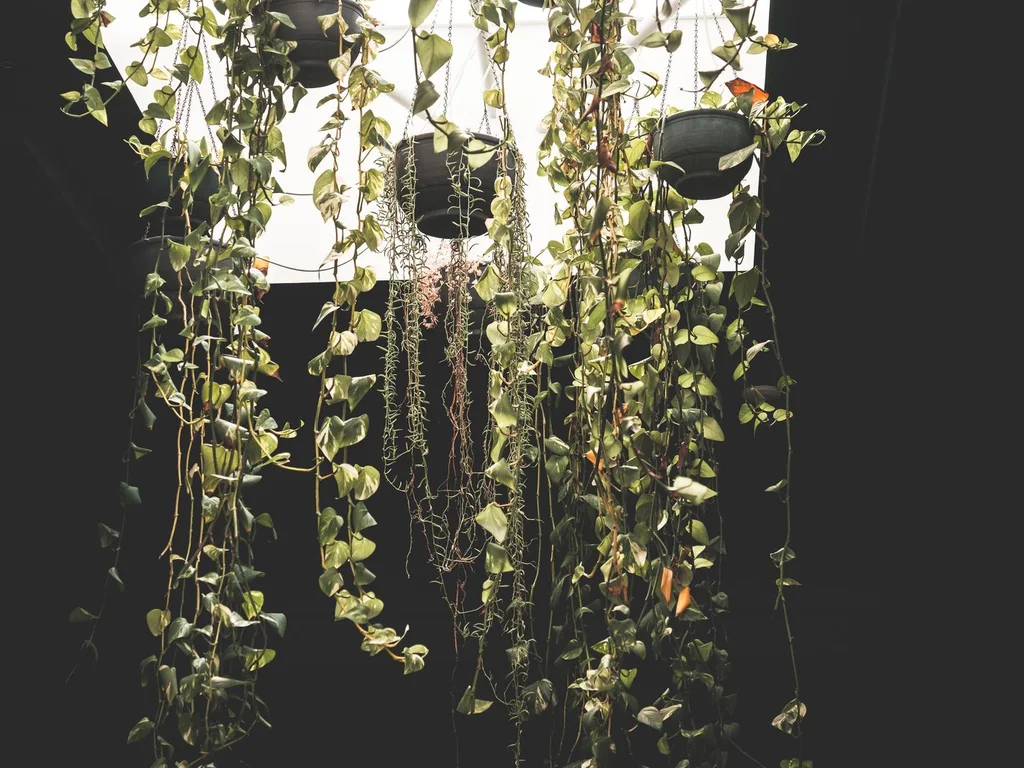
The lipstick plant trails glossy green ropes from the top of a wardrobe or tall cabinet, then surprises you with red tubular flowers that emerge like lipstick from a tube. It enjoys the warm air that collects near the ceiling and needs watering only when the top soil dries. Height also keeps it safely away from pets.
19. Asparagus Fern as a Soft Cloud on a Chest
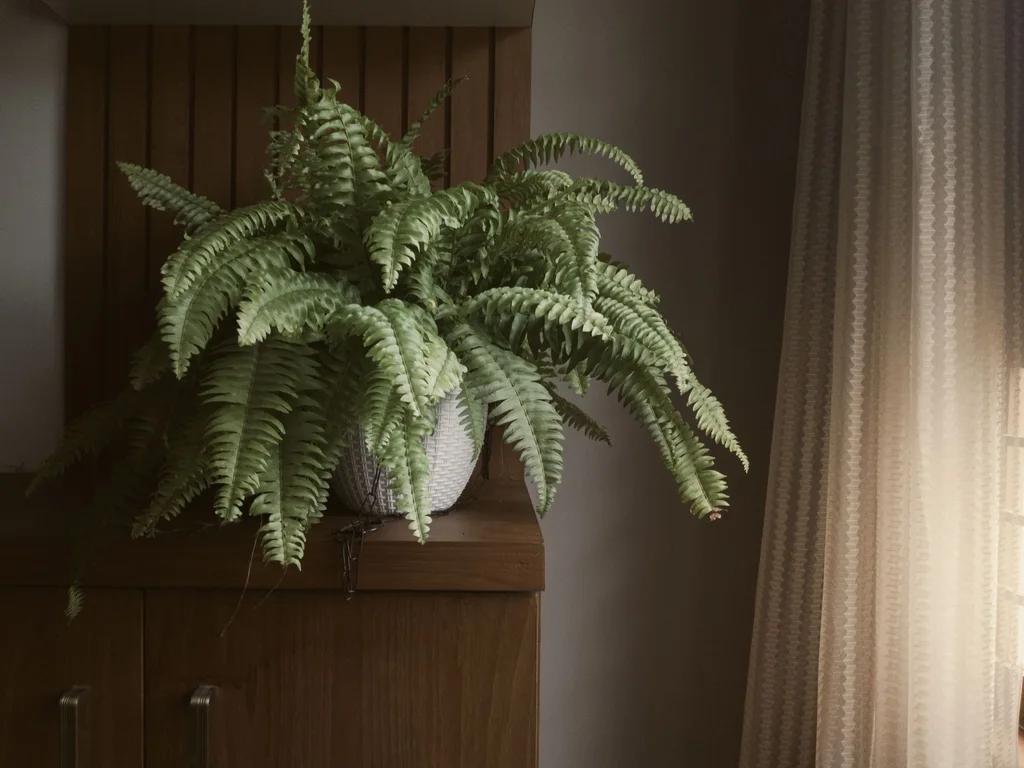
Asparagus fern is not a true fern but a cloud of fine, feathery needles that softens the hard lines of a chest of drawers beautifully. Give it a wide, shallow pot to spread into, keep it out of direct sun, and snip out any yellowing stems at the base to keep the cloud fresh and green.
20. A Golden Pothos Across a Ceiling Beam
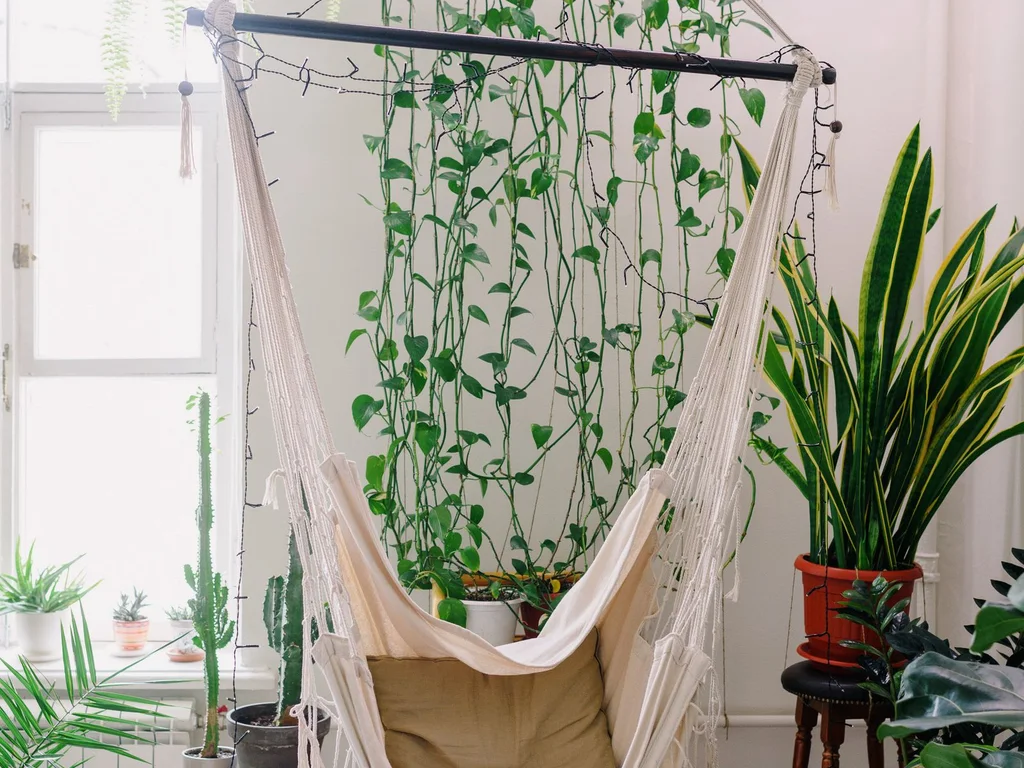
Rooms with beams or a high picture rail are begging for a pothos highway. Train one long vine along the beam with clear clips and let a few strands drop at the corners. Pothos tolerates the dimmer light near ceilings better than most trailers, and a single plant can cover a surprising distance in one season.
3. Greenery Matched to Your Light
21. Calathea Orbifolia for Bright Indirect Light

The silver-striped orbifolia is widely called the most beautiful calathea, and it earns the title in bright rooms away from the window itself. It is particular about water — rain or filtered water prevents crispy edges — but the painted leaves are worth the small effort. Watch the leaves fold up at night and open each morning.
22. A Maranta Prayer Plant on the Nightstand
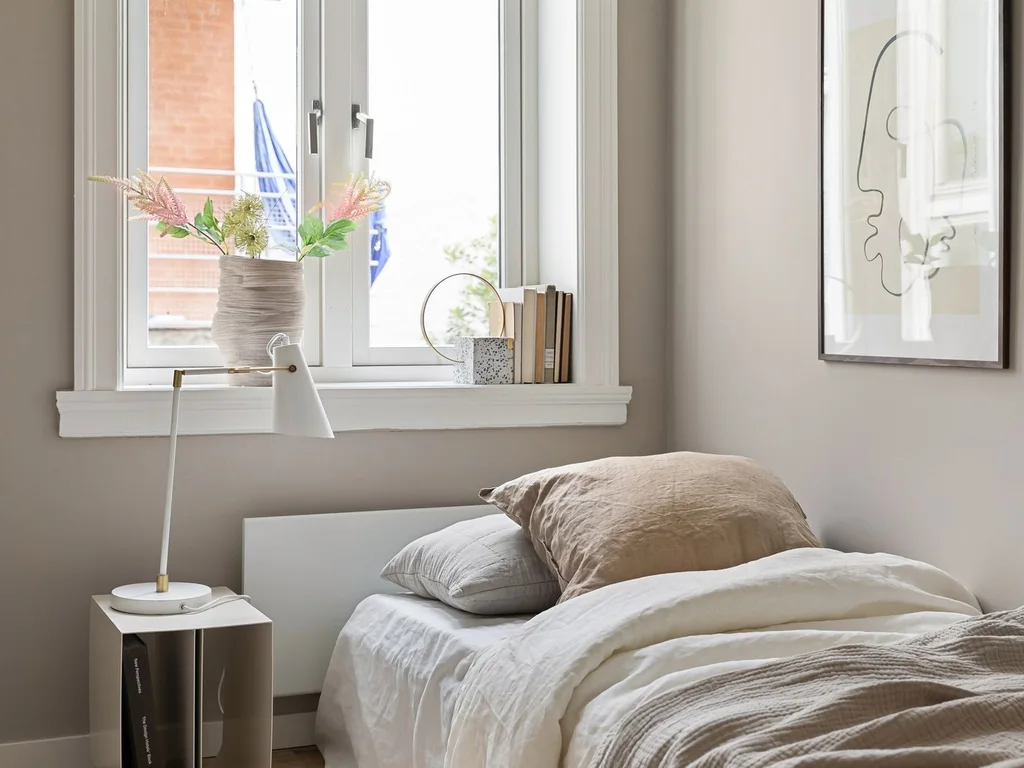
Small enough for a nightstand and endlessly entertaining, the prayer plant raises its patterned leaves every evening like hands in prayer. That nightly movement makes it a lovely plant to fall asleep beside. Keep the soil lightly moist, give it humidity where you can, and it will trail gently over the pot’s edge in time.
23. Peperomia on a Shaded Dresser

Peperomias are the answer for dressers that never see sun: compact, cheerful and available in rippled, silver, watermelon and trailing forms. Their semi-succulent leaves store water, so they forgive a forgotten watering far better than ferns do. Group three different peperomias in matching pots and a dull dresser becomes a small collection.
24. Aloe Vera on a South-Facing Sill
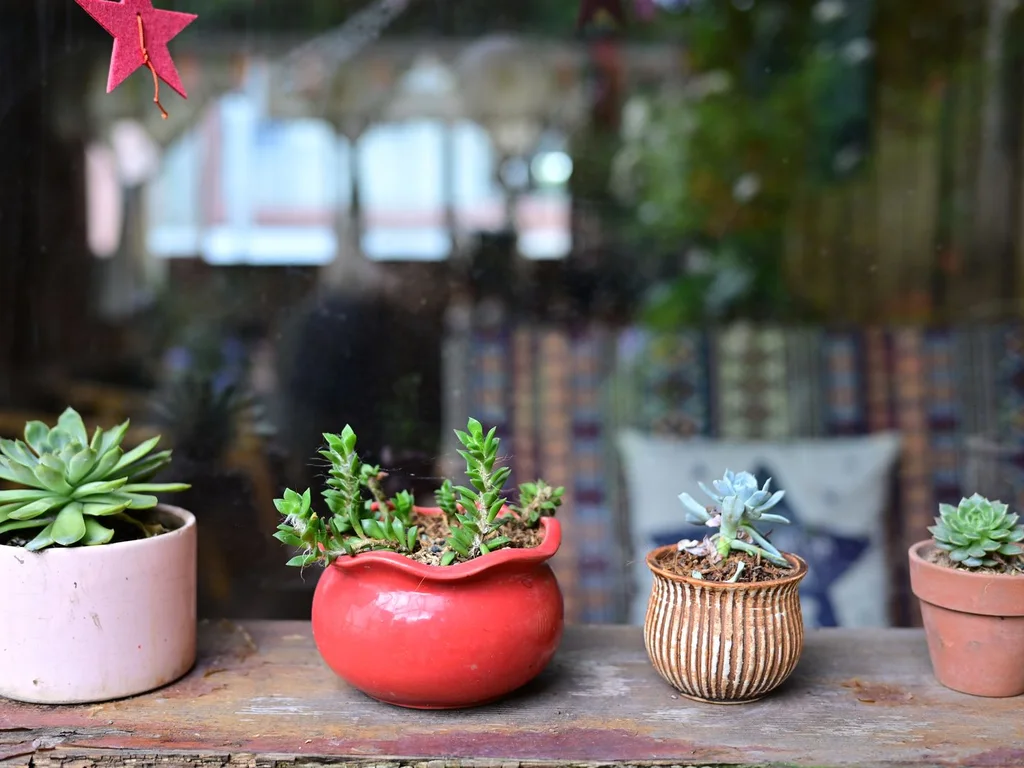
The sunniest sill in the bedroom is prime real estate — give it to an aloe vera, which soaks up direct sun that would scorch softer plants. The sculptural rosette looks good all year, the gel inside the leaves soothes minor burns and bites, and the plant asks for water only every few weeks.
25. A Ponytail Palm for a Bright Corner
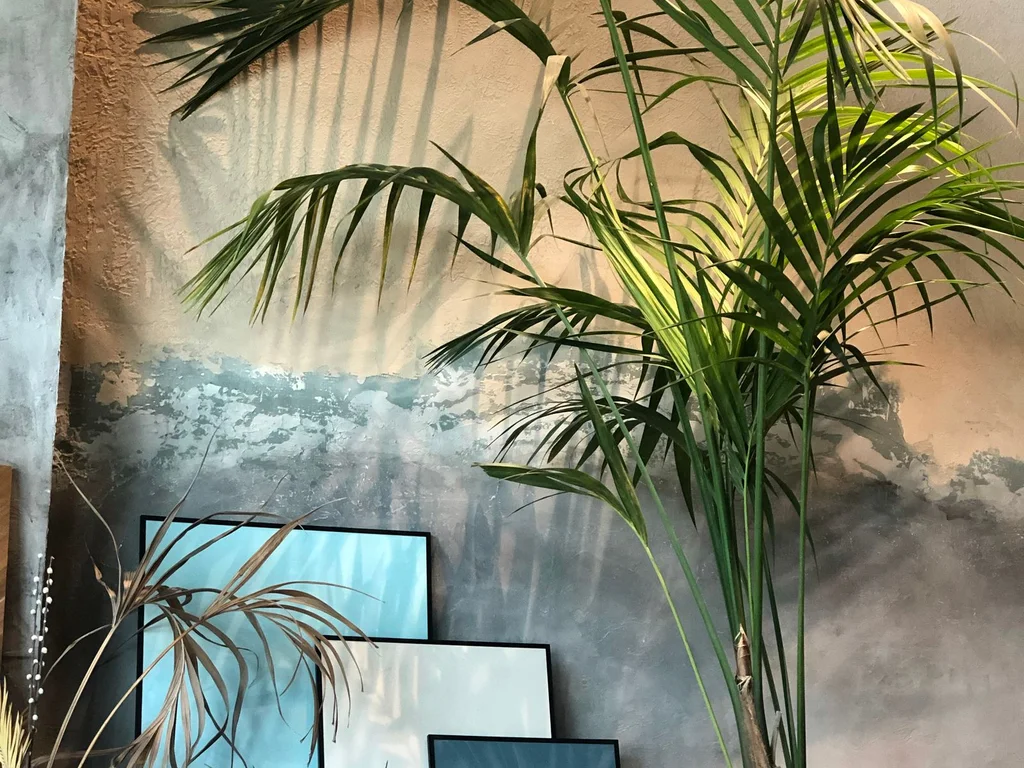
Part palm, part sculpture, the ponytail palm stores water in its swollen trunk and sprays a fountain of curly leaves from the top. It suits bright corners by the window where its silhouette shows against the light. Because it grows slowly and sips water rarely, it is one of the easiest statement plants to own.
26. An Aglaonema for Low-Light Colour
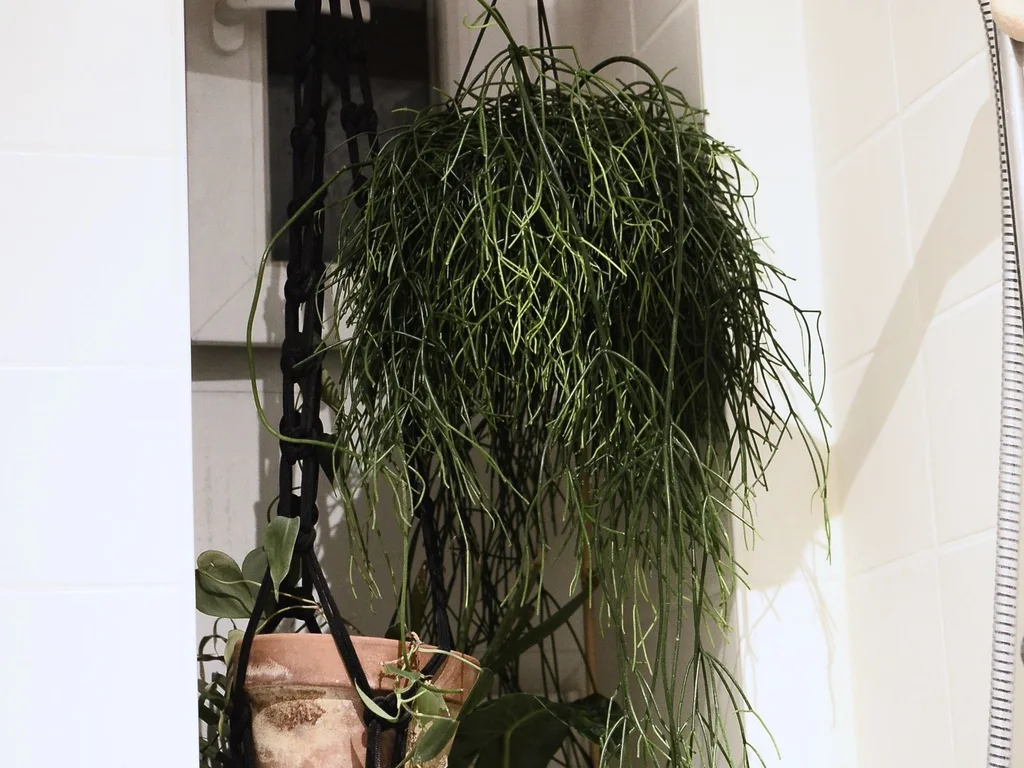
Chinese evergreens bring colour to rooms where green plants merely survive: silver, cream and even pink-splashed leaves that hold their pattern in shade. Put one in the corner your other plants rejected and it will quietly thrive. They grow slowly and dislike soggy soil, so a light hand with the watering can is essential.
27. Maidenhair Fern on a Humidity-Loving Dresser
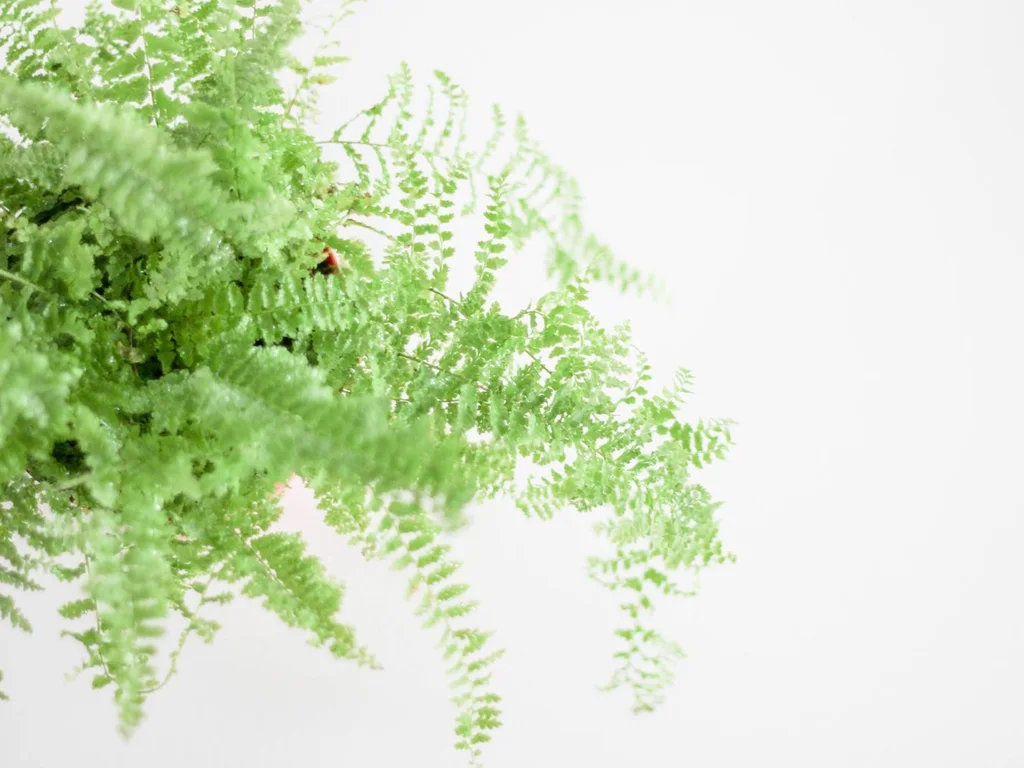
Maidenhair fern has a reputation for drama, but it is really just specific: constant gentle moisture and humid air. A dresser near an ensuite door, with a small pebble tray beneath the pot, keeps it in lacy green clouds. Cut any brown fronds at the base and new black-wire stems will quickly replace them.
28. A Money Tree With a Braided Trunk by the Window
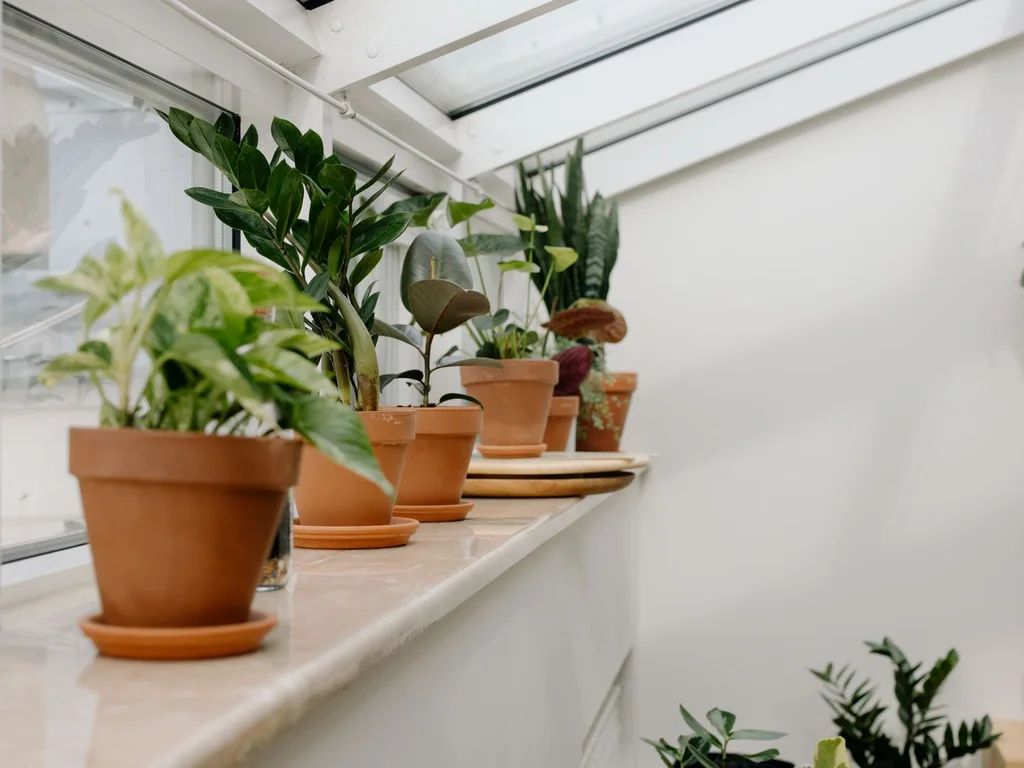
Money trees are sold with braided trunks and a hand-shaped crown of leaves that suits both modern and classic bedrooms. Bright, indirect light by the window keeps the braid’s crown full; rotate the pot so it does not lean. Tradition says it invites good fortune — at minimum, it invites compliments from everyone who visits.
29. A Bird’s Nest Fern for Gentle North Light
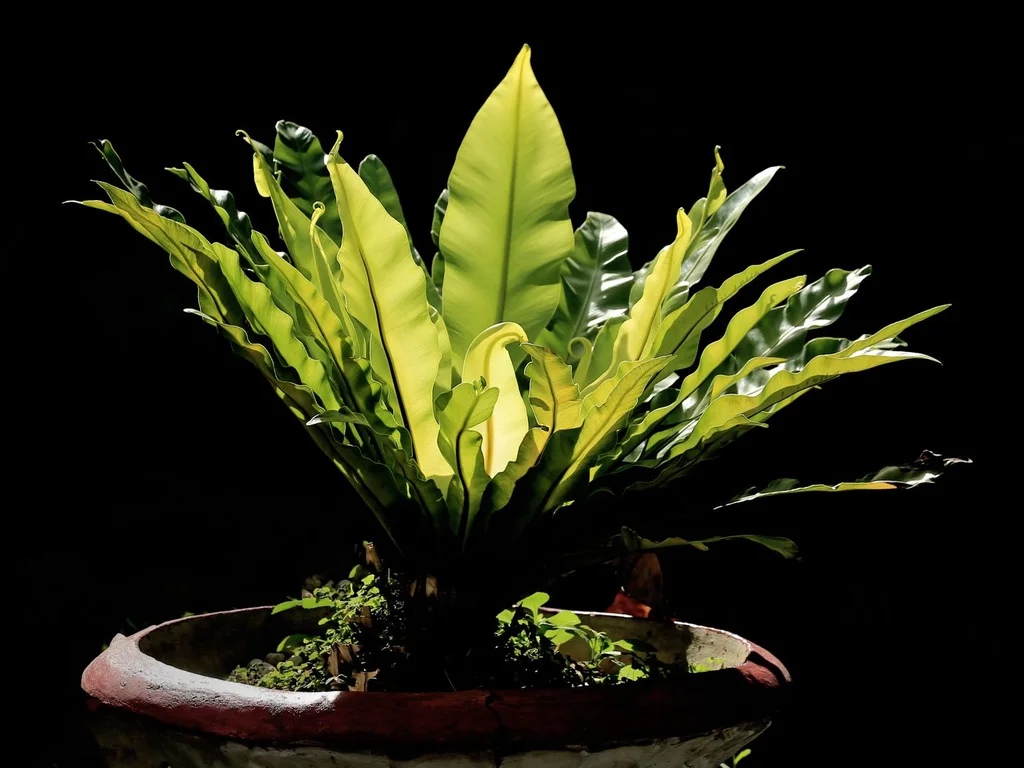
North-facing bedrooms get soft, even light all day, and the bird’s nest fern is built for exactly that. Its crinkled, apple-green fronds unfurl from a central nest in a perfect rosette. Water around the edges, never into the centre crown, and it will sit happily on a dresser or stand for years.
30. Rotating Plants Weekly So Every Side Gets Light
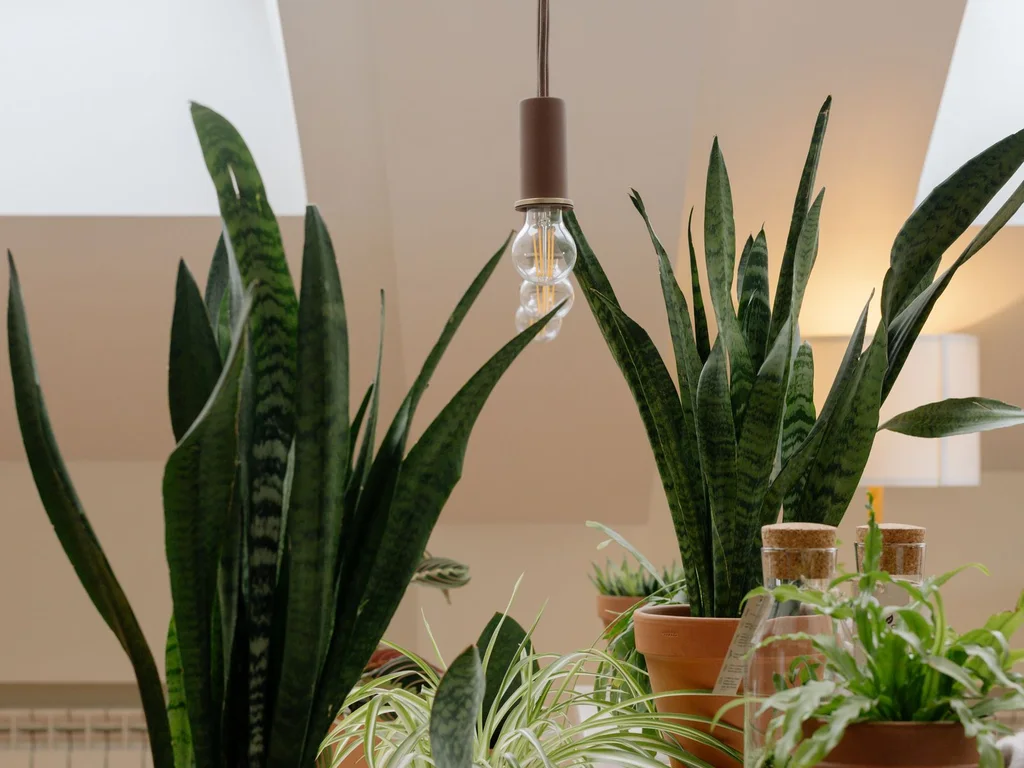
The simplest greenery idea costs nothing: turn every pot a quarter each week when you water. Plants grow toward the window, and rotation is what keeps them round and full instead of lopsided and leaning. It also gives you a weekly moment to check for dry soil, dust and new growth on every plant.
4. Pet-Safe and Family-Friendly Greenery
31. A Parlor Palm Where Cats Nap Nearby
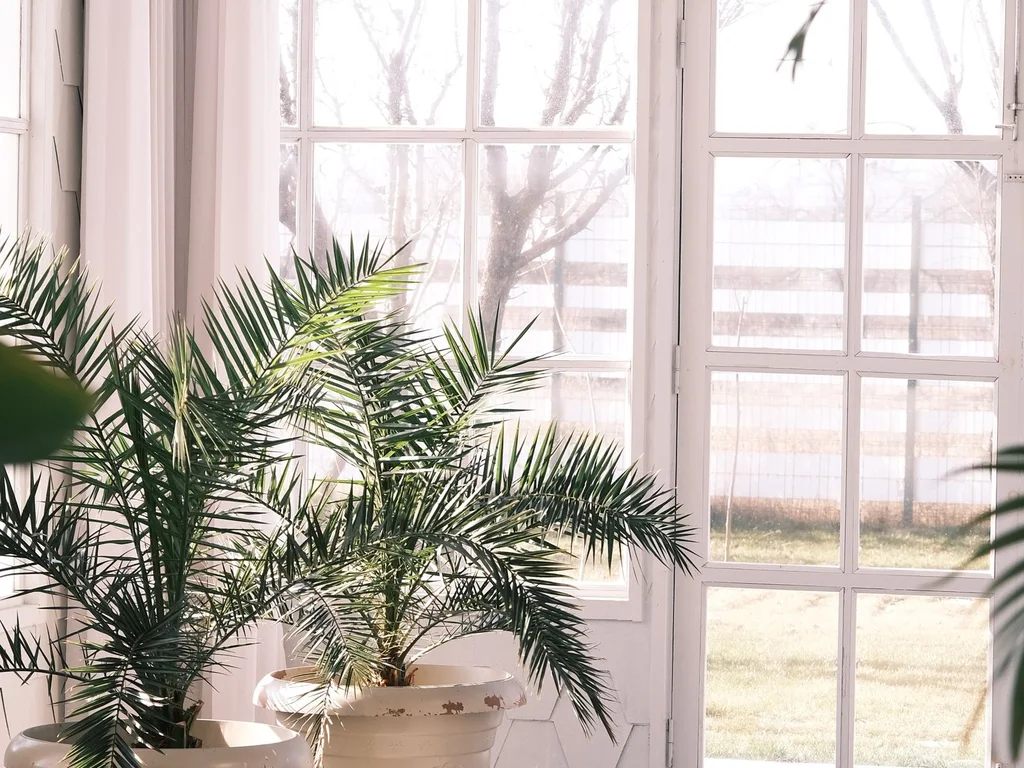
The parlor palm is the classic pet-safe statement plant: fully non-toxic, tolerant of shade and slow-growing enough not to take over. Cats tend to ignore its strappy fronds, and if a leaf does get chewed, it is not a vet emergency. It has been a favourite indoor plant since Victorian parlours for good reason.
32. Calathea Medallion on a Low Table
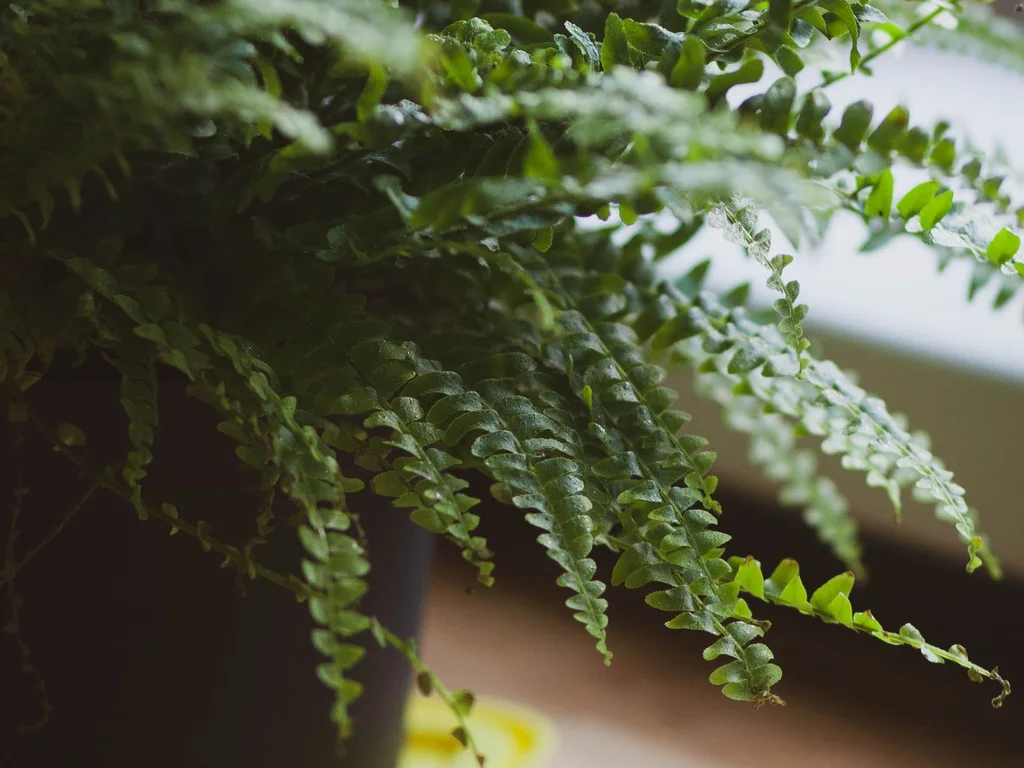
With leaves patterned like painted medallions — dark green, silver and a purple underside — this calathea is safe around pets and spectacular on a low side table where you can see the tops of the leaves. Like all calatheas it loves humidity and soft water, and it folds its leaves up each night.
33. A Pilea With Pups to Share
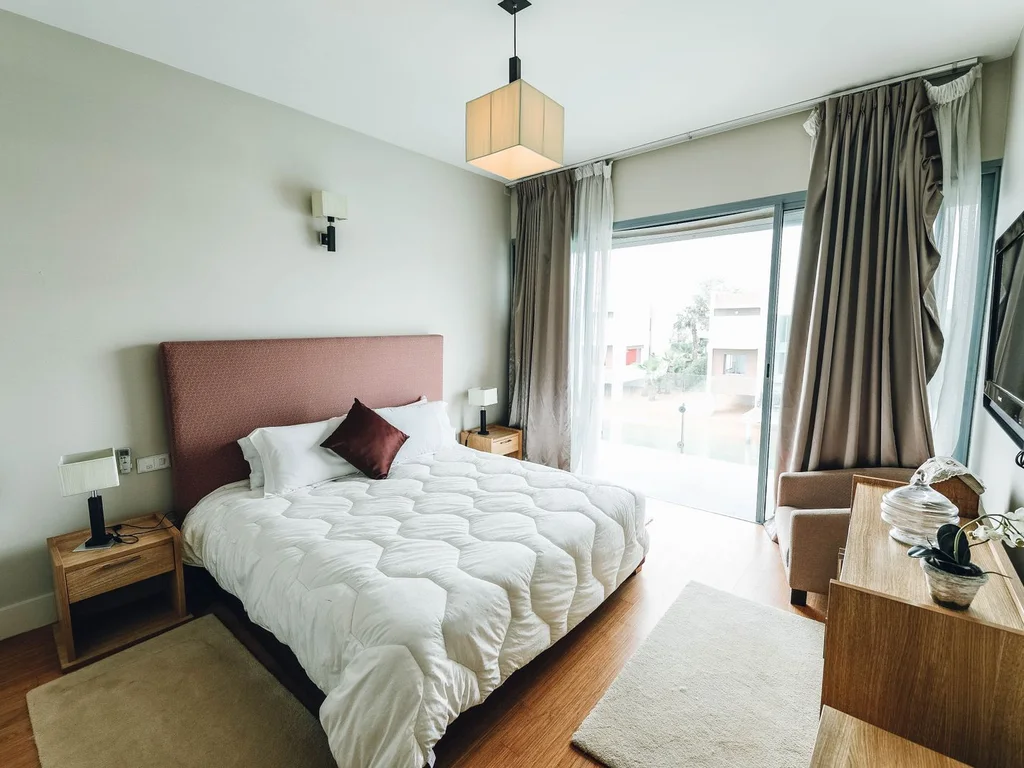
The Chinese money plant holds its round leaves on thin stems like a handful of green coins, and it constantly produces baby pups around its base. Pot the pups up and give them away, or start a matching pair on both nightstands. It is pet-safe, fast-growing and almost impossible to look at without smiling.
34. Haworthia on a Child’s Desk
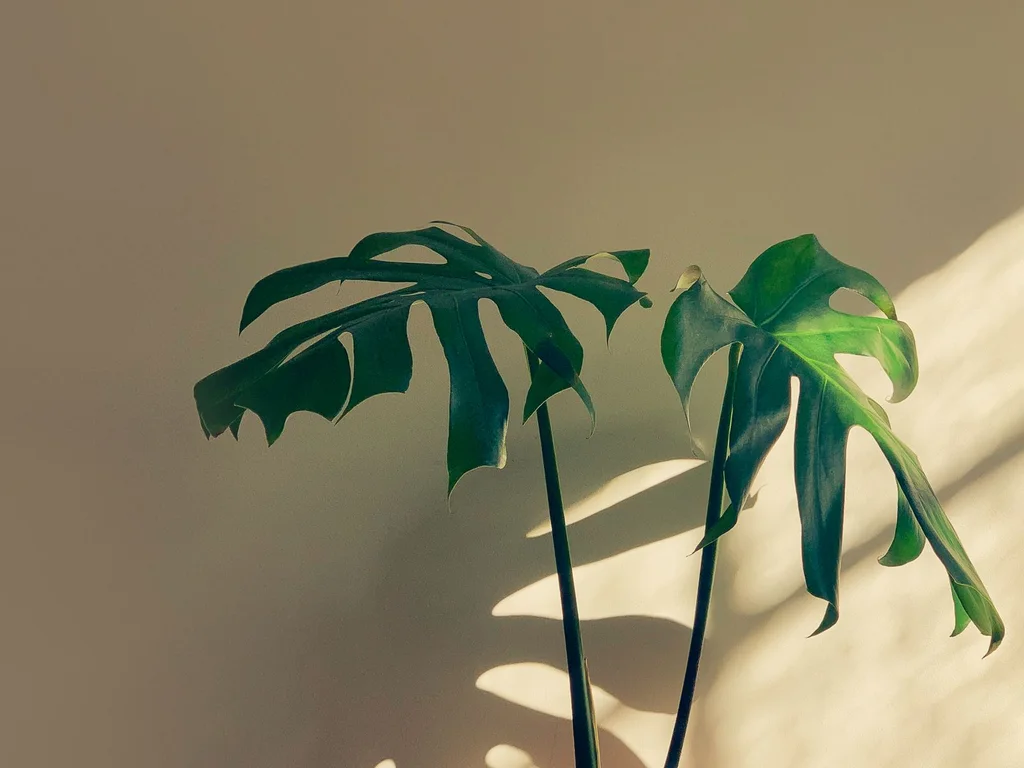
For a child’s bedroom desk, haworthia is the perfect first plant: small, spiky-looking but soft to touch, non-toxic and nearly indestructible. It needs bright light and a drink only when the soil is fully dry. Letting a child water it on a fixed day each week builds the habit that keeps adult plant collections alive.
35. A Fittonia in a Glass Cloche on the Dresser
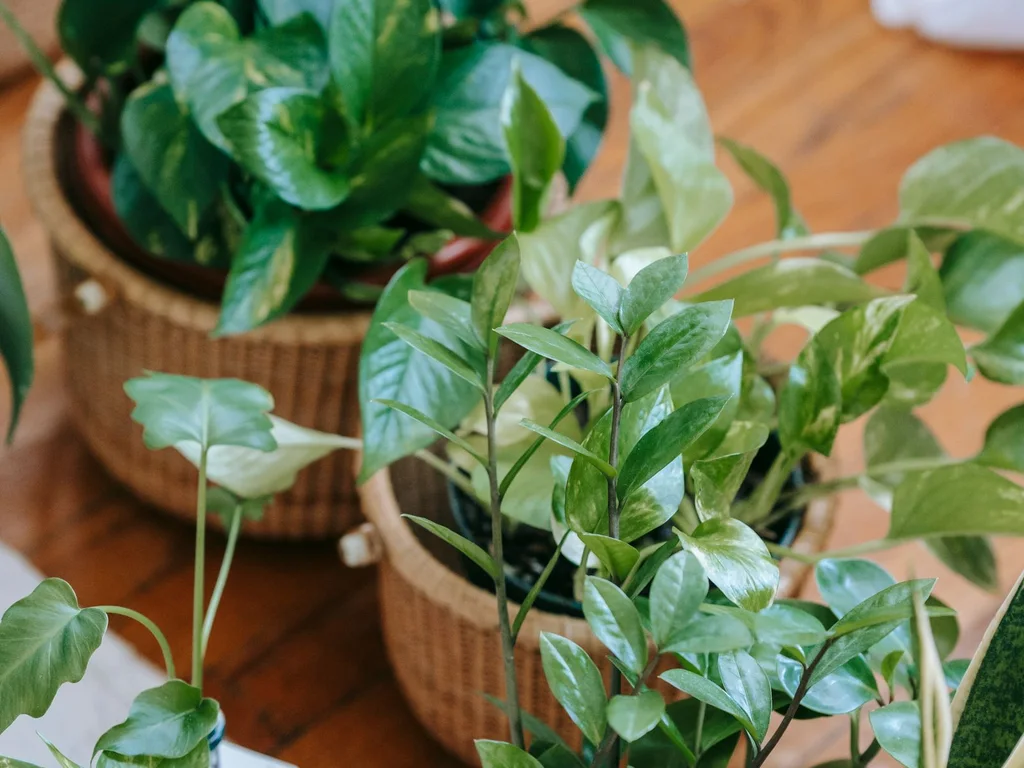
Nerve plants wilt dramatically when thirsty and recover within hours of watering, which makes them oddly communicative little pets of the plant world. Under a glass cloche on the dresser, a pink-and-green fittonia keeps its own humid microclimate and stays safely behind glass where curious paws and small fingers cannot dig.
36. A Watermelon Peperomia Cluster on a Tray
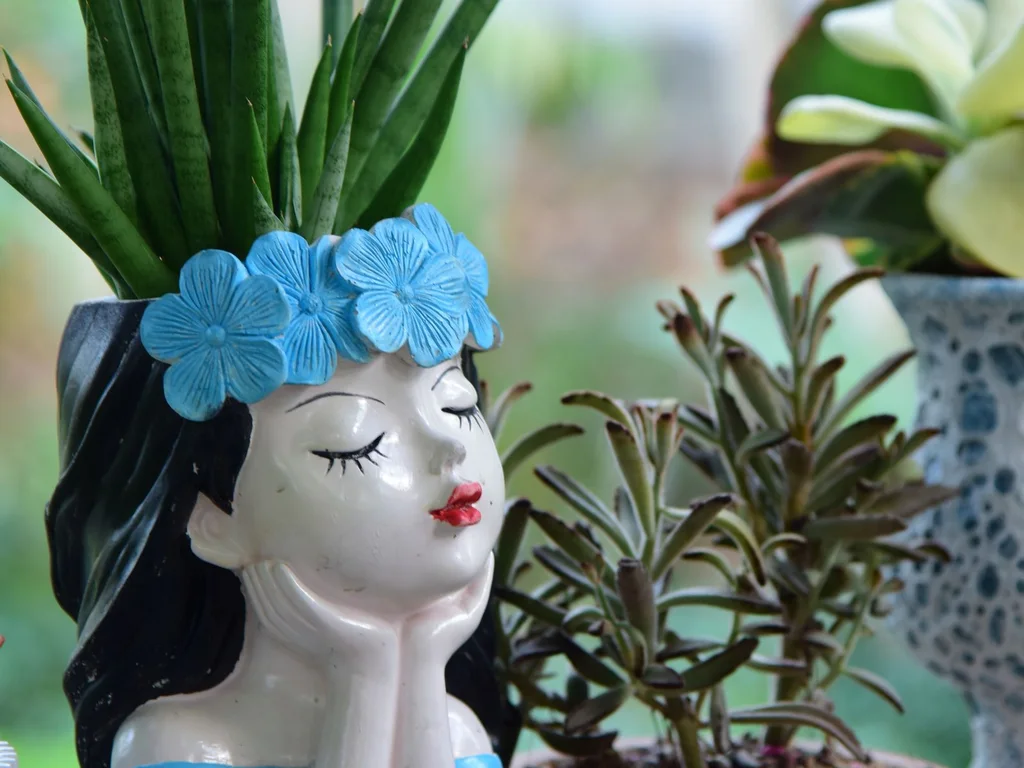
Watermelon peperomia leaves are striped exactly like tiny watermelons, and a cluster of small pots on a tray makes a display children and guests always notice. The whole tray lifts away in seconds for watering or cleaning, and every plant in it is pet-safe. Rotate the tray weekly for even, upright growth.
37. A Rosemary Standard on the Floor by the Window
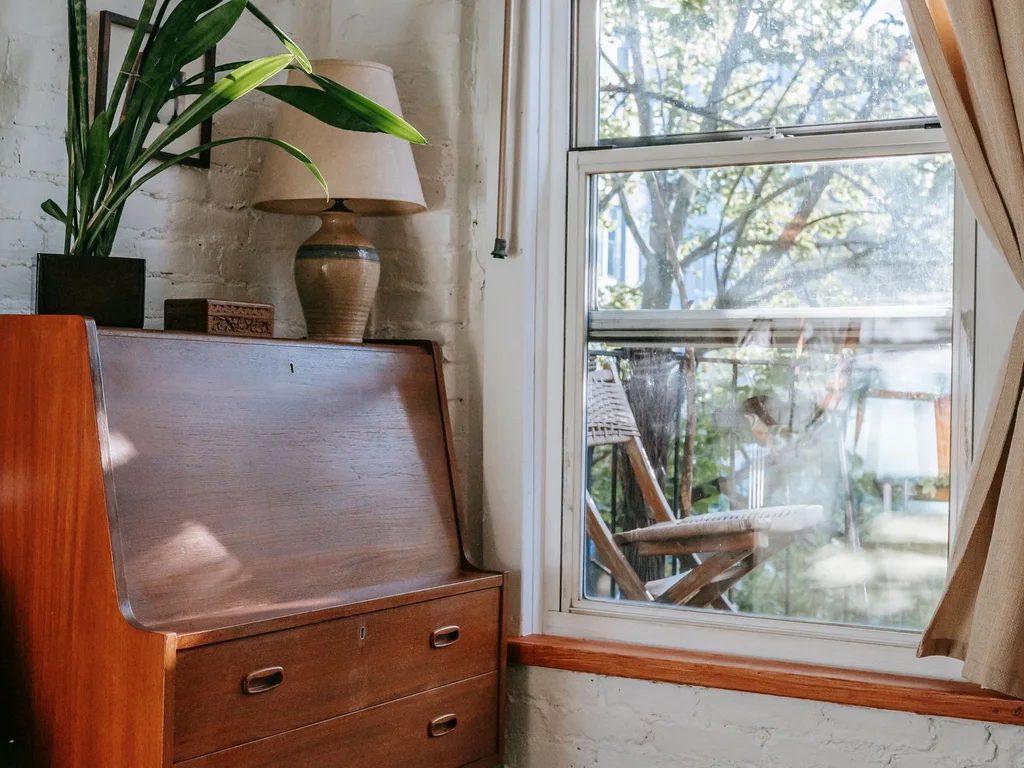
A rosemary trained as a small lollipop standard brings scent, structure and a plant the whole family can actually use. Brush the foliage when you pass and the room smells like a Mediterranean kitchen garden. It wants the sunniest floor spot you have and sharp drainage — a terracotta pot on a stand suits it best.
38. A Hanging Hoya Basket Out of Reach
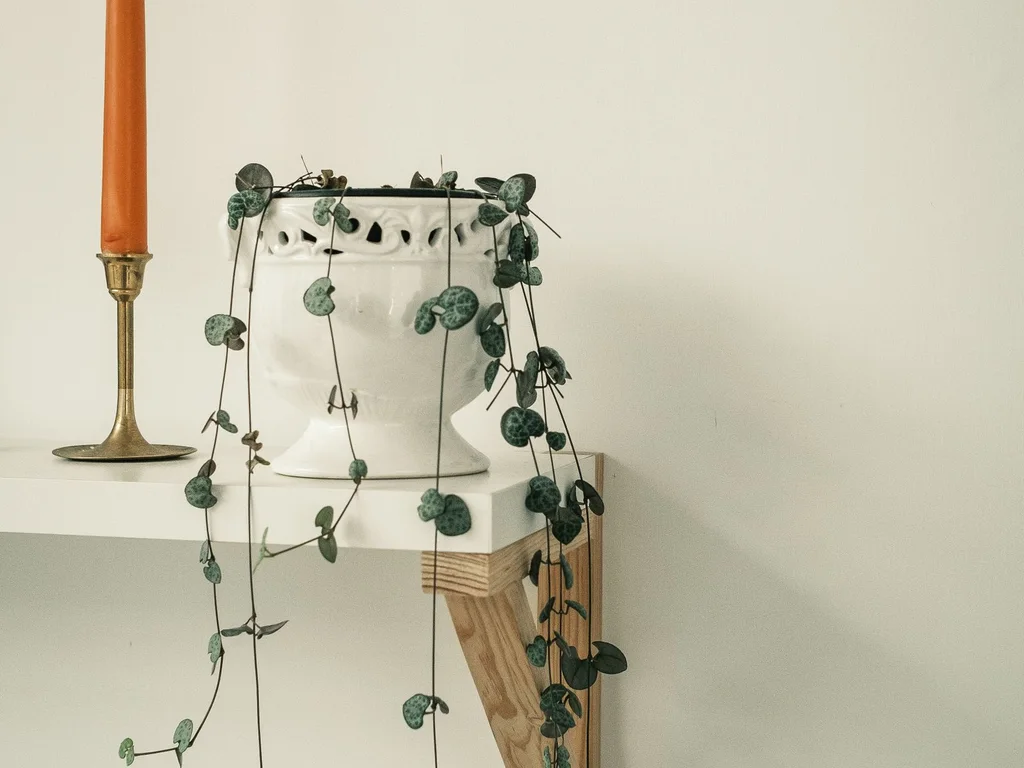
Hoyas are non-toxic, but their trailing stems are cat magnets at floor level — so hang them high instead. A hoya basket near the ceiling gets warm air and bright light, trails safely out of paw reach, and may reward you with scented star flowers. Check soil moisture with a finger before watering; high pots dry faster.
39. A Group of Peperomias on a Wall Shelf Cats Cannot Reach
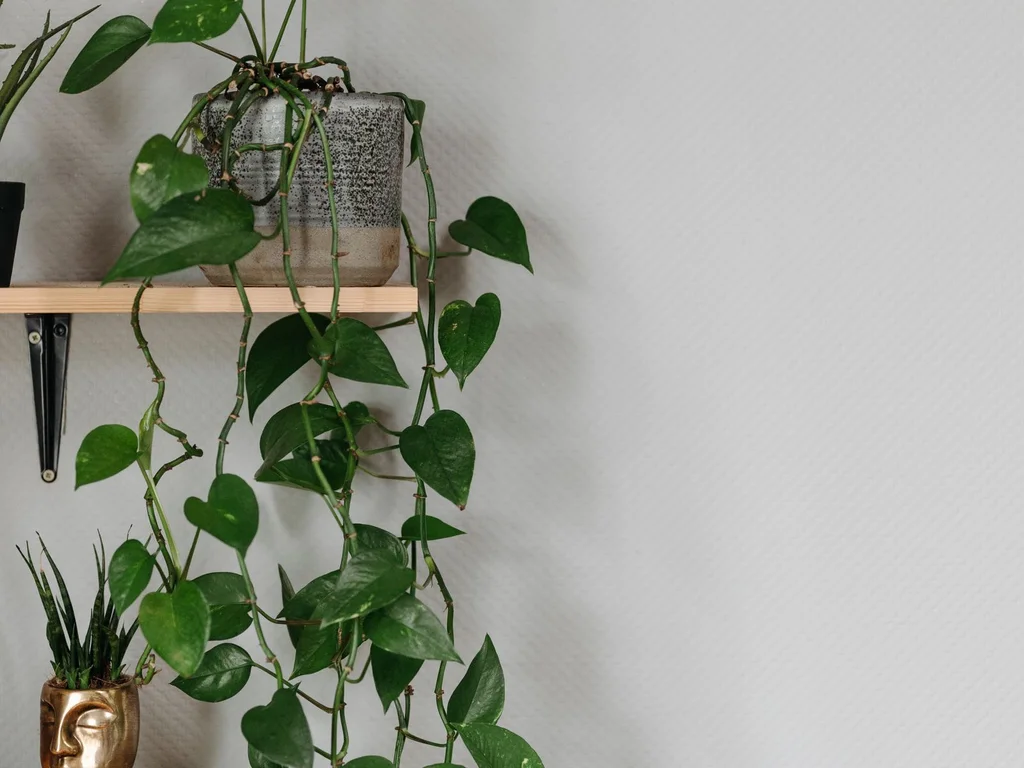
One high wall shelf, placed where there is no furniture staircase leading to it, becomes a safe green library of peperomia varieties. They are all non-toxic, so even a determined climber causes no emergency — but height keeps the display tidy. Mix leaf shapes and pot heights for a collection that looks designed, not stored.
40. Checking Every New Plant Against the ASPCA List
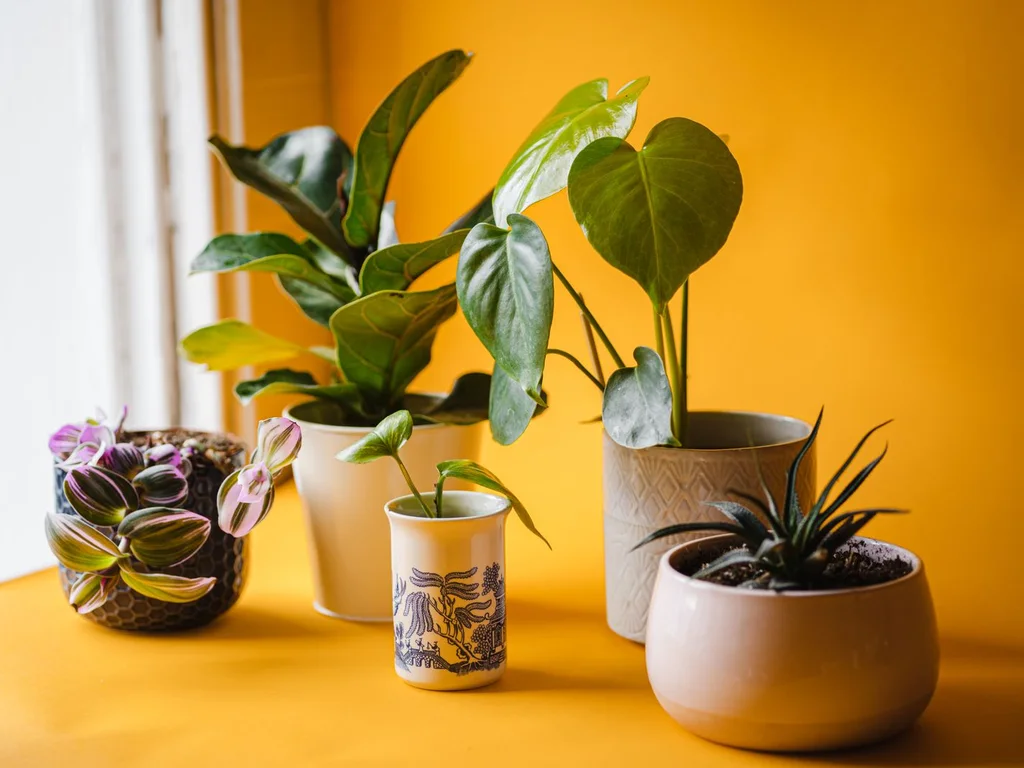
The most important pet-safe idea is a habit, not a plant: before anything new enters the bedroom, search it on the ASPCA’s toxic and non-toxic plant list. Many beloved plants — lilies, pothos, snake plants — are unsafe for cats and dogs. Two minutes of checking keeps your greenery beautiful and your pets out of danger.
5. Scented and Seasonal Greenery
41. A Scented Geranium on the Nightstand
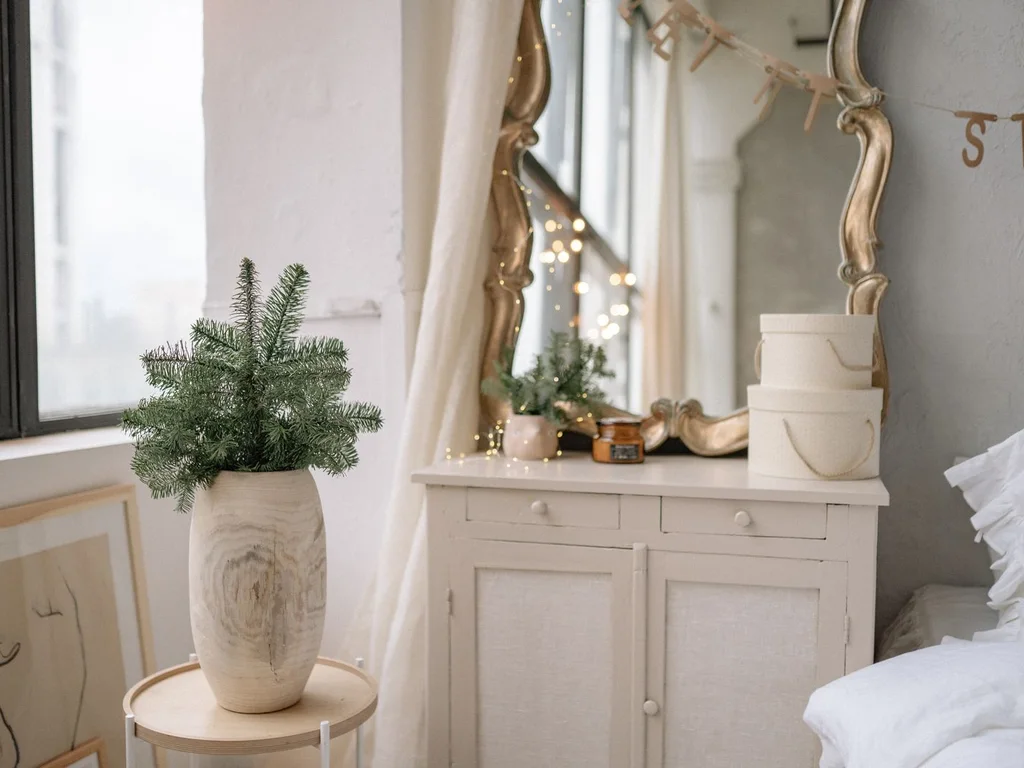
Scented geraniums release fragrance from their leaves whenever they are brushed — rose, lemon, mint and even chocolate varieties exist. Keep one small pot on the nightstand, touch the leaves as you get into bed, and the scent becomes part of your wind-down routine. They like sun by day, so a bright nightstand is ideal.
42. Lavender in a Pot by the Sunniest Window
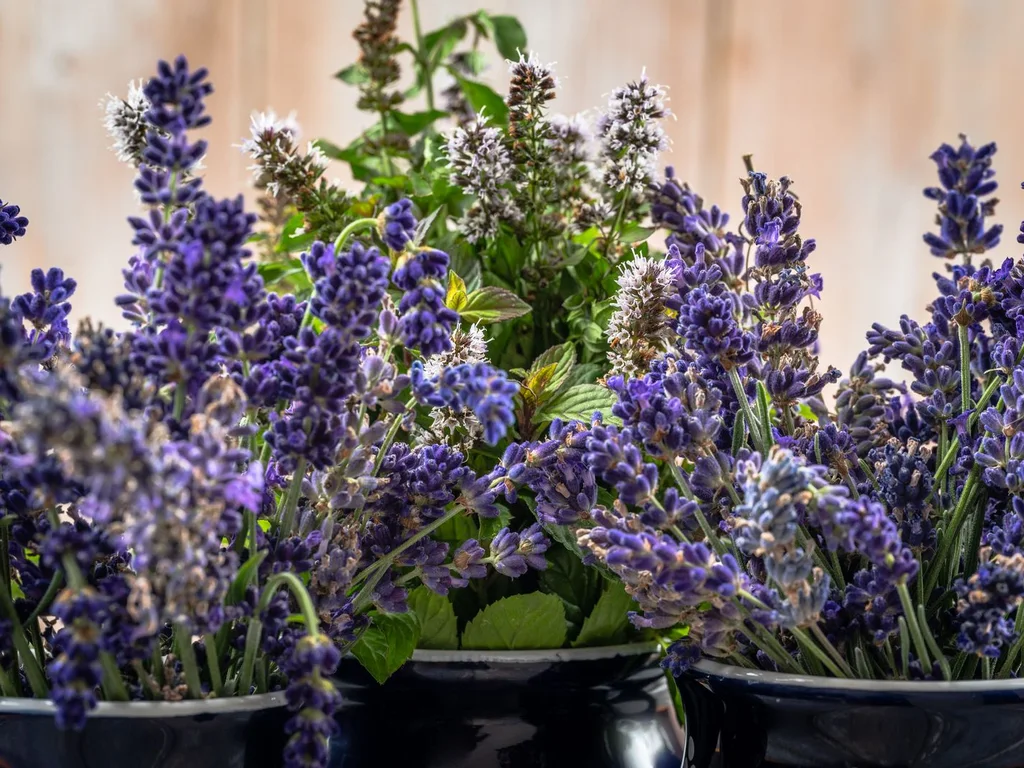
Lavender indoors is a challenge worth attempting for the scent alone: it needs the strongest sun your bedroom offers and gritty, fast-draining soil that stays on the dry side. A small French lavender by the window perfumes the room whenever the sun warms it, and dried sprigs can move into drawers afterwards.
43. A Jasmine on a Small Indoor Obelisk
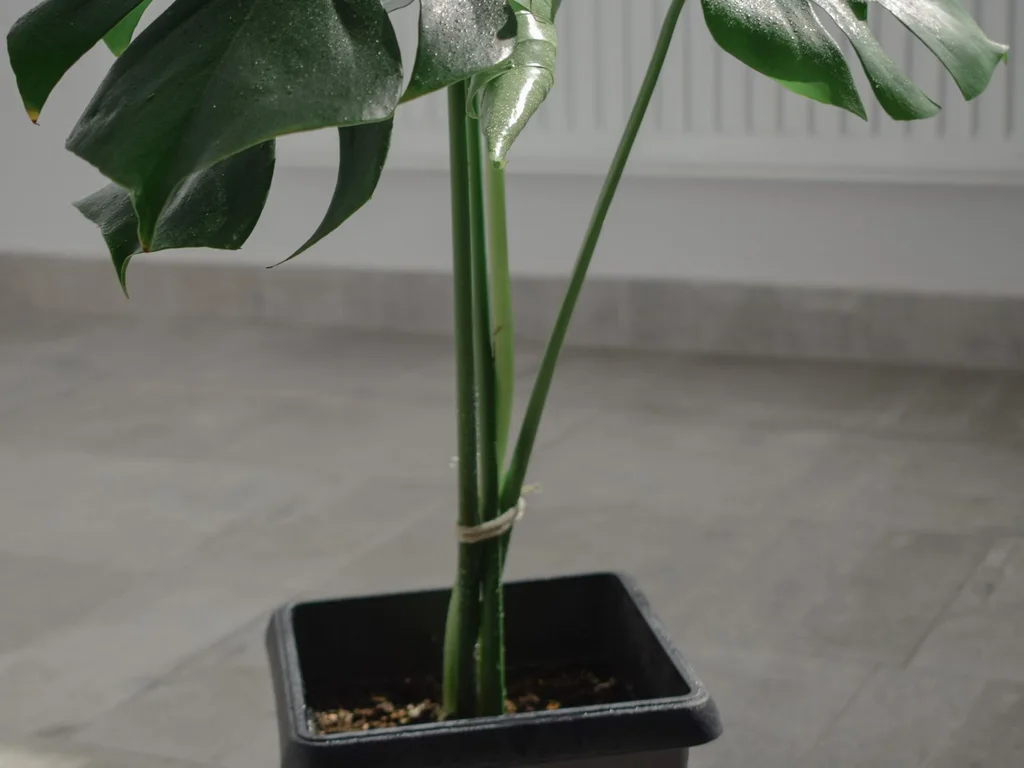
A jasmine trained up a small obelisk in its pot gives you height, shape and — when it flowers — one of the finest scents in the plant world, strongest in the evening. Give it a cool, bright spot and support every new twining stem as it grows. Few bedroom plants feel this romantic.
44. A Lemon Tree in a Bright Corner
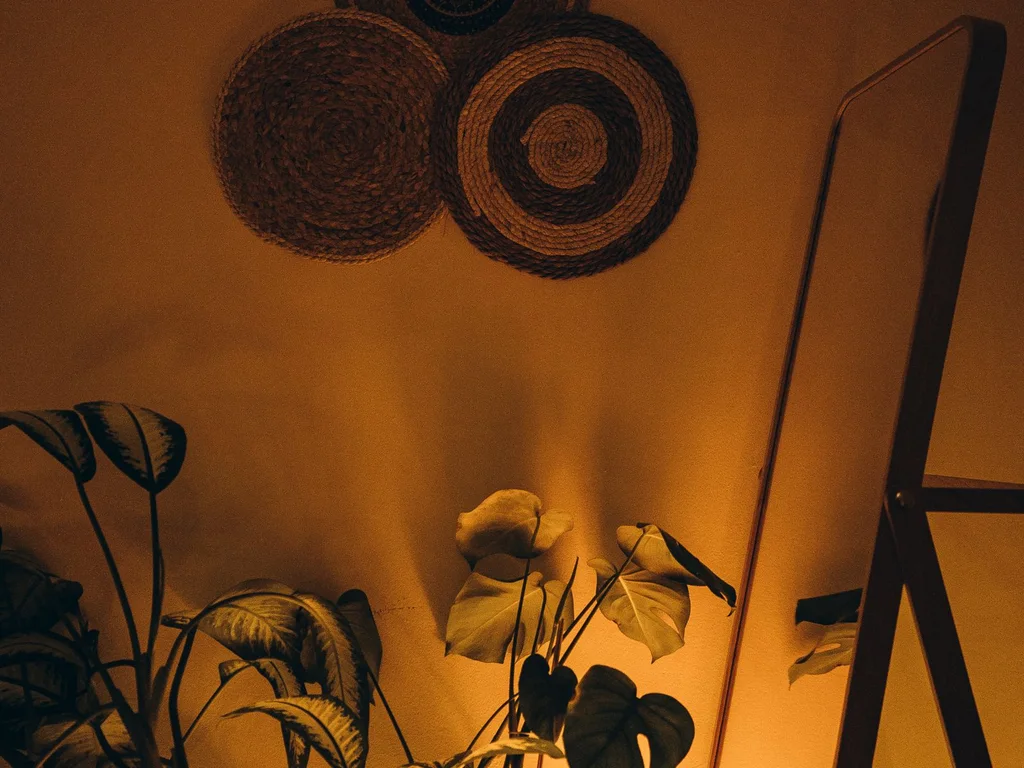
A small lemon tree asks for your brightest corner and repays you with glossy leaves, fragrant white blossom and, with luck, actual lemons. Rotate it weekly, feed it during the growing season, and expect a few dropped leaves when it first moves indoors — it settles quickly once it trusts the light is staying.
45. A Bay Laurel Standard by the Door
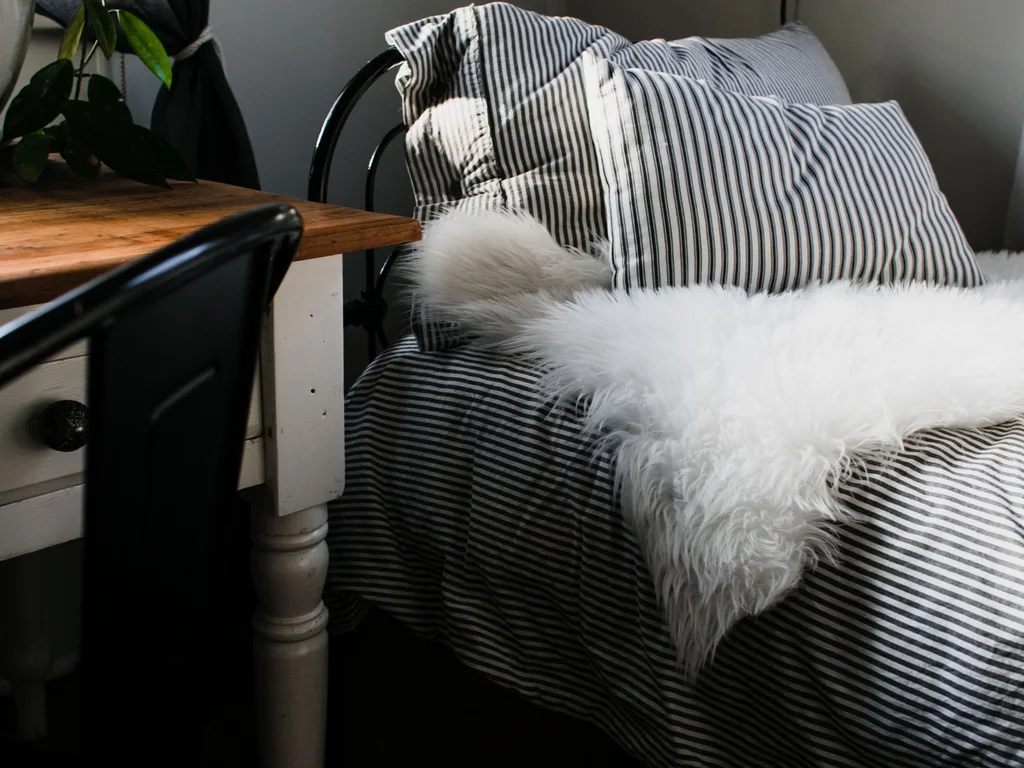
Bay laurel clipped as a standard makes a formal green exclamation mark beside the bedroom door, and its leaves can go straight into soups and stews. It tolerates the lower light near a doorway better than most herbs and grows slowly enough to hold its shape with two light trims a year.
46. Spring Bulbs in a Bowl on the Dresser
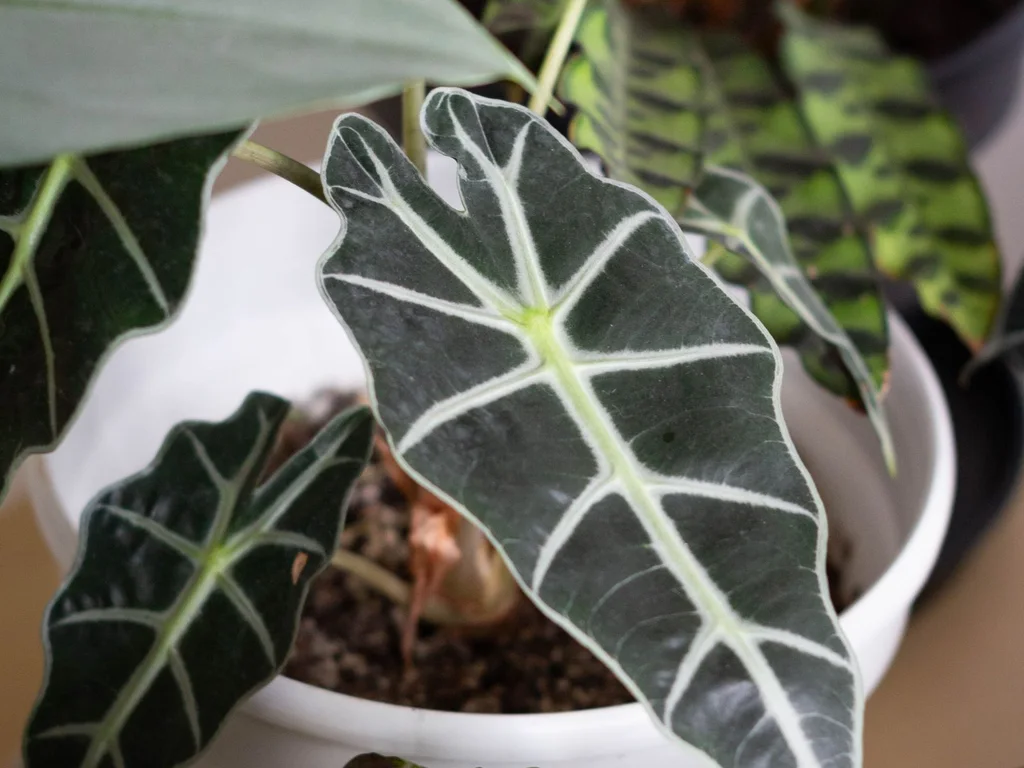
In late winter, a wide bowl of forced hyacinths or paperwhite narcissi on the dresser brings spring into the bedroom weeks early, with a scent no diffuser can match. Plant bulbs close together in gritty compost, keep them cool and bright, and stake the stems gently as the flowers open and grow heavy.
47. A Vase of Pussy Willow Stems for Spring
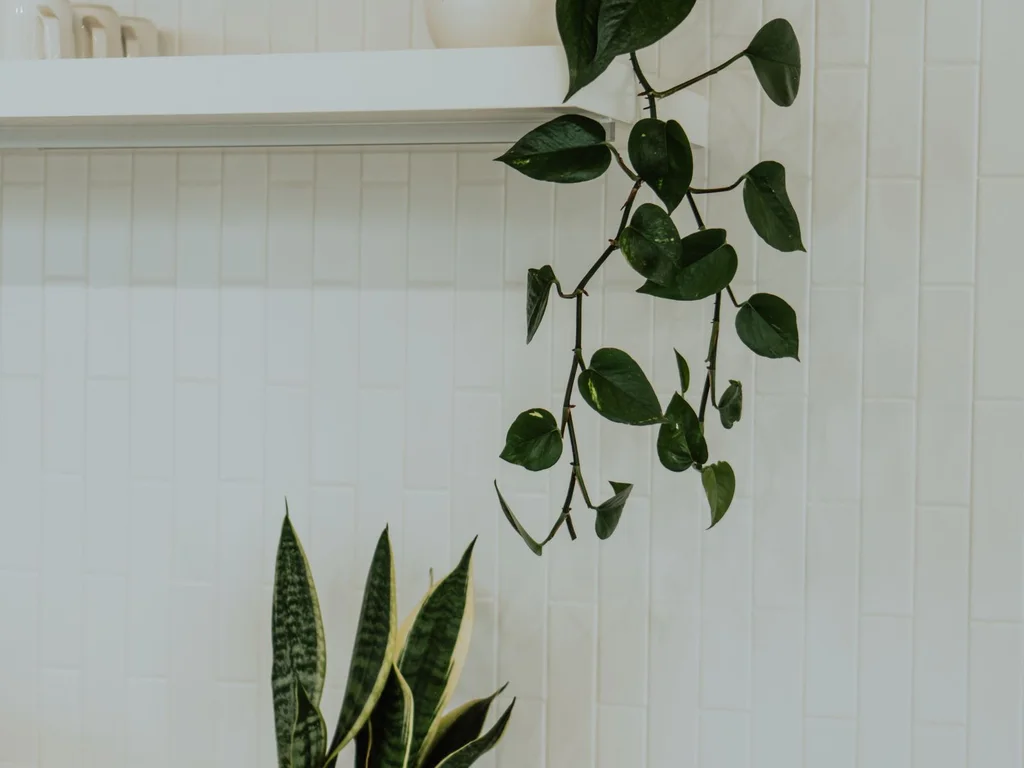
Tall pussy willow stems in a floor or dresser vase give height and softness with zero maintenance: the silvery catkins last for months and never need water. They suit the pale, quiet light of early spring bedrooms beautifully. Swap them for tall dried grasses in autumn and the same vase carries you through the seasons.
48. A Mint Plant in a Hanging Pot by the Window
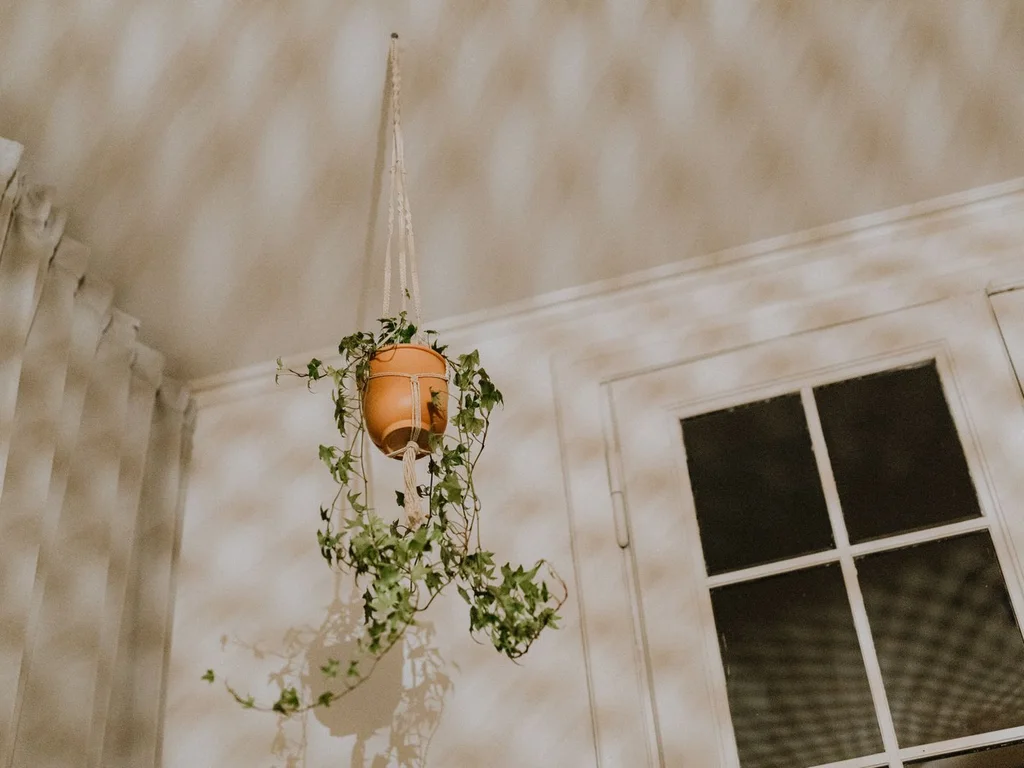
Mint grows too eagerly for mixed pots, which makes a hanging pot of its own by the window the perfect home for it. The fresh scent lifts the room every time the curtain moves, and leaves are always at hand for tea. Keep it picked and it stays bushy; let it flower and the bees will thank you instead.
49. A Gardenia for Evening Fragrance Near the Bed
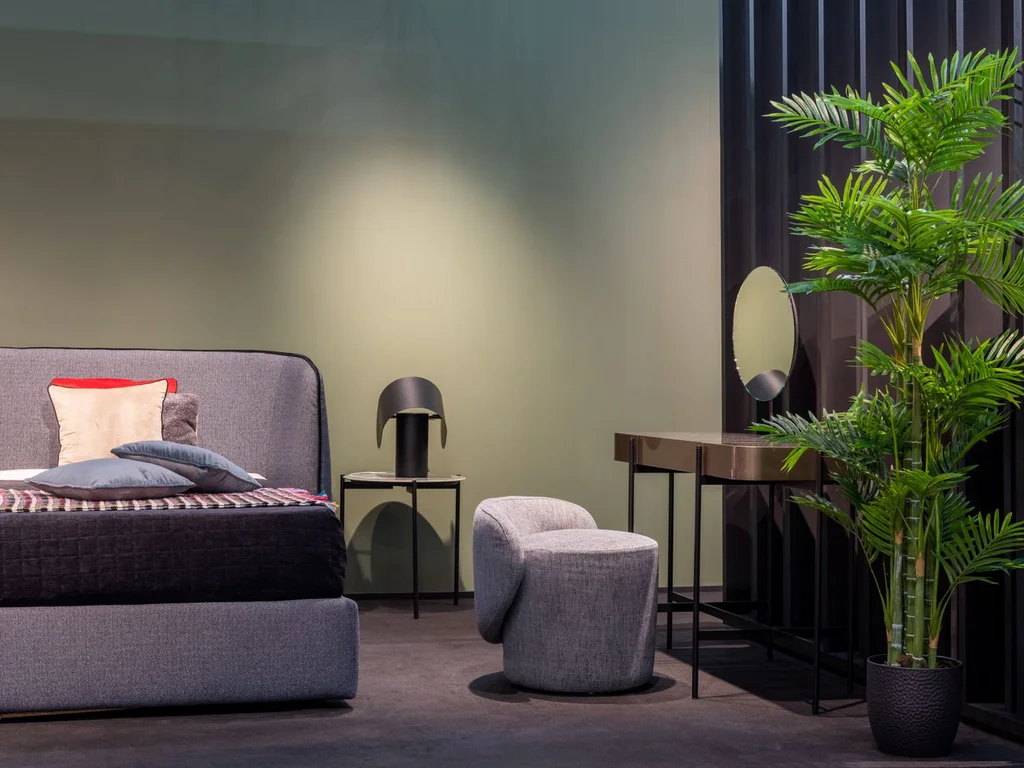
Gardenias are demanding — steady humidity, soft water, no cold draughts — but a single open gardenia flower can perfume a whole bedroom at night like nothing else. If you enjoy a plant ritual, keep one on a humidity tray near the bed and learn its ways. The glossy leaves look handsome even between flowerings.
50. A Seasonal Wreath of Fresh Greenery on the Bedroom Door
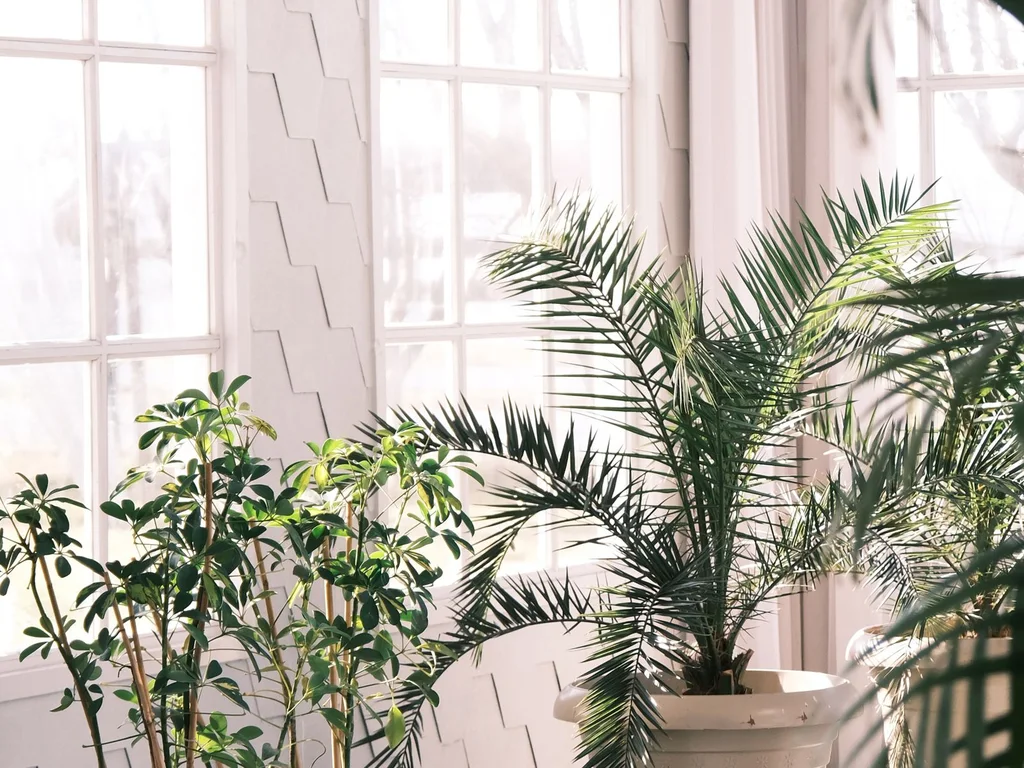
A simple wreath of fresh greenery on the bedroom door changes with the year: eucalyptus and olive in spring, herbs and lavender in summer, conifer and bay in winter. Making a new one each season takes half an hour and refreshes the whole room’s mood. Hang it inside the door so you enjoy it, not the hallway.
How to Keep Bedroom Greenery Looking Good
Most bedroom plant failures come from three things: watering on a schedule instead of by need, pots without drainage, and plants placed for looks in light they cannot use. Check soil with a finger before every watering, empty saucers after half an hour, and be honest about your light — a low-light plant in a dark corner will always beat a sun-lover slowly starving there. Our small bedroom design ideas show how to fit plants into compact rooms without clutter, and the RHS houseplant advice is a reliable reference for the care of almost any species mentioned here.
Frequently Asked Questions
How many plants should a bedroom have?
There is no required number. One statement plant can transform a room, while collectors happily keep twenty. Start with three — one tall, one trailing, one small — and add plants only when the first ones are thriving and you understand your room’s light.
Is it healthy to sleep in a room full of plants?
Yes. The idea that bedroom plants steal your oxygen at night is a myth at any realistic scale: the tiny amount of carbon dioxide plants release overnight is far less than a sleeping partner or pet produces. Normal, healthy plants are perfectly safe bedroom companions.
Which greenery is best for a dark bedroom?
Cast iron plant, aglaonema, parlor palm and bird’s nest fern are the most reliable choices for low light. No plant thrives in true darkness, so in a very dark room, place plants near the window’s reach of light and rotate them regularly, or add a small grow light.
What are the safest bedroom plants for cats and dogs?
Parlor palm, calathea, peperomia, pilea, haworthia, hoya and fittonia are all listed as non-toxic by the ASPCA. Always confirm a specific variety before buying, and remember that even safe plants can upset a stomach if a pet eats a lot of them.
How do I keep plants alive when I travel?
Water thoroughly before you leave, group pots together in the bath or on a tray to raise humidity, and move plants out of harsh direct sun. For trips over ten days, self-watering spikes or a neighbour with a simple written note are more reliable than any gadget.
Can greenery really make a bedroom feel calmer?
For most people, yes — softly. Living shapes, natural green tones and the small daily ritual of caring for a plant all nudge a room toward feeling slower and softer. It will not fix a chaotic room on its own, but paired with tidy surfaces and warm light, it makes a visible difference.
Conclusion
Greenery is the fastest way to make a bedroom feel alive: a palm softening a wall, a hoya circling its hoop, a scented geranium waiting to be brushed past at bedtime. Pick two or three ideas from this list that match your light and your household — especially the pets in it — and start there. Plants reward small beginnings; within a season, you will be planning the next one. For even more inspiration, explore the Room ideas in our bedroom and room design collection.