

Disclosure: As an Amazon Associate I earn from qualifying purchases. This article contains affiliate links. If you purchase through these links, we may earn a commission at no additional cost to you.
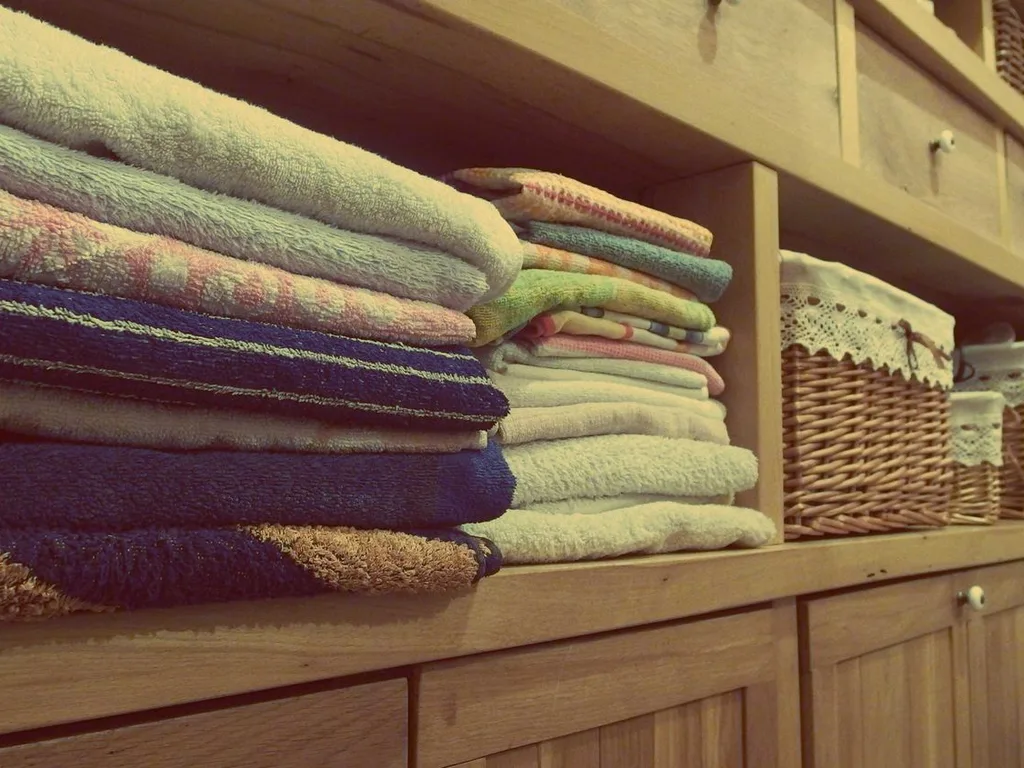
Every linen closet has the same shelf: a leaning stack of folded sheets where the fitted sheet never matches its partner, the pillowcases hide in a different pile, and pulling one set out disturbs all of them. The best bed sheet organizer for linen closet storage solves that untidiness by keeping each complete set — flat sheet, fitted sheet and pillowcases — together as one labeled unit. The two main ways to do it are elastic organizer bands that wrap around a folded set, and rigid or semi-rigid storage boxes that hold a folded set like a file.
This comparison walks through both systems honestly: how much shelf space each saves, how well each fits twin, queen and king sets, what the labels actually tell you at a glance, and which closets suit which system. If your sheet collection is due a refresh as well, our guide to a microfiber duvet cover set covers the other half of the bedding shelf.
Quick Verdict
If your closet shelves are shallow or your sets are bulky, choose organizer bands: they add almost no bulk, adjust to any fold, and their size labels (Twin, Queen, King) end the guessing. If your shelves are deep and you like a tidy, uniform look, choose storage boxes: they stack, stand upright like files, and keep dust off. Many households end up using both — boxes for the everyday sets, bands for the guest-room and seasonal sets stored elsewhere.
Important: Measure your shelf depth and the height between shelves before ordering boxes. Sheet storage boxes come in several footprints, and a box that is half an inch too tall for the shelf gap is the most common sizing mistake in this category.
What to Look For Before You Buy
Capacity per set size
A queen or king set with a thick fitted sheet folds much bulkier than a twin set. Check that the bands stretch wide enough, or that the box interior fits your largest set folded the way you actually fold it. Listings usually state which bed sizes a product suits — trust that over photos, which are often shown with twin bedding.
Labeling system
The whole point is identification at a glance. Bands usually carry woven or printed size labels; better ones leave room or include tags for room names (“Guest”, “Master”). Boxes often have a label window or handle tag. If your household stores several same-size sets in different fabrics, a system that lets you note fabric or season saves real time.
How the set is held together
Bands rely on elastic tension around a neat fold. Boxes rely on structure: you fold the set to the box and the walls keep it tidy even when the shelf is bumped. If your folding is approximate at best, boxes are more forgiving. If you fold carefully and shelf space is precious, bands waste nothing.
Material and durability
For bands, look for wide elastic that will not dig into fabric, with stitching that survives repeated stretching. For boxes, look for stiffened panels, reinforced corners, and handles that are sewn around the box rather than glued. Dust covers and lids matter if your closet is open to a bathroom’s humidity.
How many sets you actually own
Count before you buy. Most households keep two to three sets per bed. Organizing ten sets needs a multi-pack of bands or several boxes, and the per-set cost difference between systems grows with quantity — one reason bands are popular for whole-house overhauls.
Sheet Bands vs Storage Boxes: Which Suits Your Linen Closet?
| Factor | Organizer bands | Storage boxes |
|---|---|---|
| Shelf space used | Almost none beyond the folded set | Fixed footprint per set; some wasted space |
| Best shelf type | Shallow or adjustable shelves | Deep, tall shelves; stacks well |
| Identification | Size label on the band | Label window or tag on the front |
| Forgiveness for rough folding | Low — the fold is the structure | High — the box is the structure |
| Dust protection | None | Good, especially lidded boxes |
| Storing elsewhere (under bed, drawers) | Excellent — flexible shape | Good if dimensions fit the space |
| Scaling to many sets | Cheap and compact in multi-packs | Costs and space grow per box |
When bands are the better system
Choose bands if your linen closet is a typical shallow hall closet, if you store extra sets in drawers or a blanket chest, or if your collection spans many sizes and fabrics. Bands also travel well: a banded guest set can go straight into a suitcase or a camper without repacking. Their weakness is discipline — a set folded carelessly and banded loosely will still slump, so they reward a consistent folding routine, like the file-fold many people use for the cooling sheet sets they rotate all summer.
When boxes are the better system
Choose boxes if you want the closet to look uniform, if sets are handled by several people (including kids making their own beds), or if dust is a genuine issue. Boxes turn sheet storage into filing: pull one out, the rest stay upright and undisturbed. Their weakness is rigidity — an oversized king duvet set may simply not fit, and the boxes themselves occupy shelf space even when empty or half-used.
The hybrid setup most closets end up with
After a season or two, many households settle into a mix rather than a single system, and it is worth planning for that from the start. Everyday sets for the main beds live in boxes on the middle shelf, where they are pulled out weekly and the structure earns its space. Guest sets, spare sets, and the flannel sets that only come out in January live banded on the top shelf or in a drawer, where flexibility matters more than looks. Out-of-season bedding that leaves the closet entirely — stored under a bed or in a blanket chest — almost always travels better banded, because a banded set keeps its shape without a rigid box dictating the space it must fit.
The hybrid approach also solves the growth problem. Sheet collections grow one gift set and one sale purchase at a time, and a bands-first system expands for pennies per set, while boxes can be added later for whichever sets turn out to be the permanent weekly rotation. Start with bands for everything if you are unsure; promote your three most-used sets into boxes once you see your real habits, and you will have spent money only where the structure genuinely helps.
Pros and Cons
Pros
- Every set stays complete — no more orphaned fitted sheets or missing pillowcases.
- Labels end the unfold-and-refold search for the right size.
- Sets pull out one at a time without toppling the whole stack.
- Bands add virtually no bulk; boxes add dust protection and a uniform look.
- Both systems make rotating sets (fresh set on, washed set stored) simple enough to stick with.
Cons
- Any system fails if sets go back unfolded — the first fold still matters.
- Boxes need accurate shelf measurements and can waste space in shallow closets.
- Cheap elastic bands lose tension and can leave marks on delicate fabrics if over-stretched.
- Neither system adds storage space; an over-full closet may first need overflow moved, for example into under-bed storage containers with wheels.
Who Should Buy It — and Who Should Skip It
Buy a sheet organizer system if you own more than one bed’s worth of bedding, host guests regularly, or share linen duties with family members who all fold differently. It is also a quiet quality-of-life buy for anyone with a small closet, because it converts a frustrating stack into something closer to a filing cabinet.
Skip it if you own exactly one set per bed and wash-and-remake the same day — there is nothing to organize. Skip boxes specifically if your shelves are under about 12 inches deep, and skip bands if you know nobody in the house will fold a set before banding it; in that case, open bins you can drop a set into are the honest choice.
Helpful Tips for Daily Use
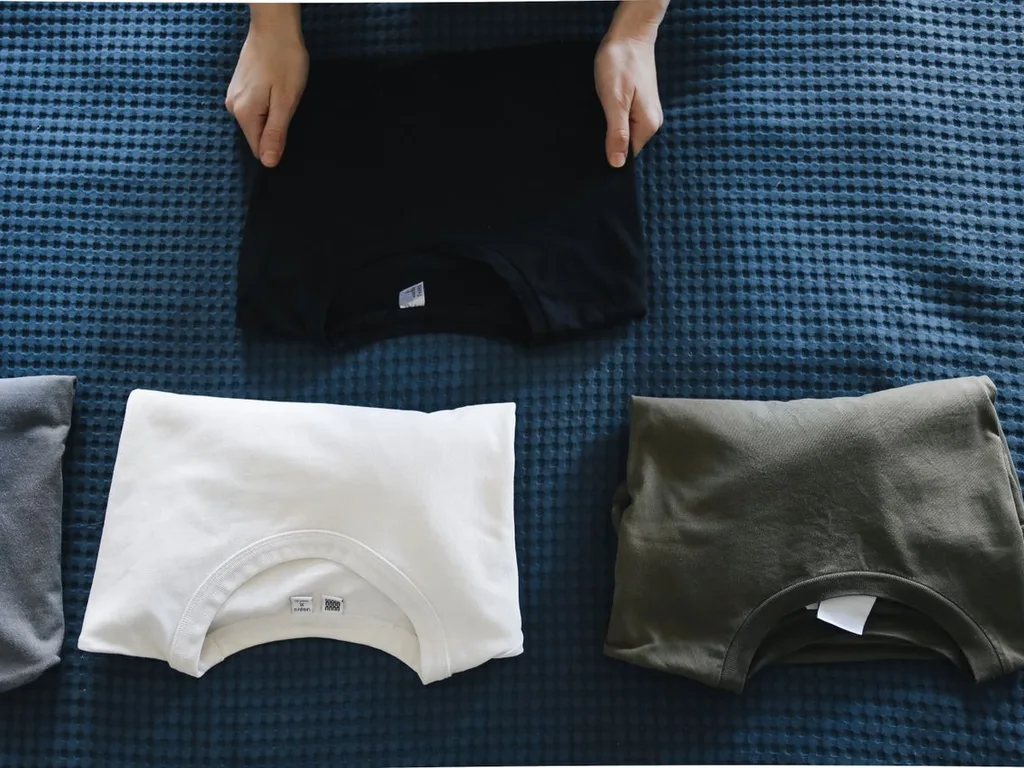
Fold each set into its own pillowcase before banding or boxing if you want a backup system that survives a lost band. Keep the fold width consistent — measure your box or your shelf stack once, then always fold to that width. Store the set you use most at waist height, guest and seasonal sets up high, and keep one clearly labeled spare set per bed for midnight accidents and unexpected guests.
Wash and fully dry sets before storing them; trapped moisture in a closed box can leave a stale smell that takes another wash to remove. Every spring, do a five-minute audit: retire worn sets to the rag or pet-supply pile instead of letting them take organized space they no longer earn.
Important: Do not overfill a storage box to force the lid closed. Compressing folded sheets into a too-small box wrinkles them badly and stresses the box corners — fold the set smaller or move up a size.
Small labeling habits compound: add the room name under the size label, keep flannel sets banded separately from percale, and you will never again unfold three sets looking for the winter one. More closet and bedroom storage ideas live on Ideas Home Accessories.
Frequently Asked Questions
Do sheet organizer bands work for king-size sets?
Yes, as long as the bands are sized or stretchy enough for a bulky folded king set. Check the listing’s stated size range and the band’s stretched length rather than assuming. Thick flannel or high-loft king sets are the tightest fit, so measure your folded set and compare before ordering.
Are sheet storage boxes better than bands?
Neither is universally better. Boxes give structure, stacking and dust protection, which suits deep shelves and shared households. Bands use almost no space, cost less per set, and store anywhere, which suits shallow closets and large collections. Many people use boxes for everyday sets and bands for the rest.
How many sheet organizers do I need?
One per complete set you store — typically two to three sets per bed, including the guest bed. Count your sets before ordering, and include the set currently on each bed if you rotate on wash day. Multi-packs of bands usually work out cheaper per set than individual boxes.
Will organizing sheets really save closet space?
It saves usable space rather than raw space. Banded or boxed sets stack and file neatly without air pockets and half-folded lumps, so the same shelf holds the same sets in a form you can actually access. Most people find they can see and reach everything, which is the real gain.
How do I fold a fitted sheet neatly enough to organize it?
Tuck each corner into the next to make a flat rectangle, fold the elastic edges inward, then fold into thirds. It takes a little practice, and it does not need to be perfect — the band or box hides minor unevenness. A consistent fold width matters more than crisp edges.
Can I use sheet organizers for duvet covers and blankets too?
Bands work for duvet covers and thin blankets if they stretch far enough, and larger boxes suit folded duvet cover sets. Heavy quilts and comforters are usually too bulky for either and store better in vacuum bags or a blanket chest. Check the product’s stated capacity before assuming.
Final Thought
An organized linen closet is not about owning a system — it is about never unfolding the wrong set again. Bands win on space and flexibility, boxes win on structure and dust protection, and either one beats the leaning stack. Count your sets, measure your shelves, pick the system that matches both, and your next full bed change will take half the time and none of the irritation.
Disclosure: As an Amazon Associate I earn from qualifying purchases.






Pingback: Best Under Bed Storage Containers with Wheels Low Profile