Disclosure: As an Amazon Associate I earn from qualifying purchases. This article contains affiliate links. If you purchase through these links, we may earn a commission at no additional cost to you.
If you kick the duvet off by midnight, stick one leg out to find a cool patch, or wake up warm in an air-conditioned room, the best cooling blanket for hot sleepers in summer can change how the whole night feels. Cooling blankets are thin, smooth blankets made from cool-touch synthetic fibers, bamboo viscose, or light cotton weaves that feel cold against the skin and move heat away faster than a standard throw. They are not air conditioners, and they will not fix a hot room — but the right fabric, weight and size can make the difference between sleeping under something and sleeping under nothing.
This review looks at cooling blankets as a product type: how the fabrics actually differ, what the cool-touch numbers on listings mean, which size to order for a twin, queen or king bed, and who is better off with breathable cotton instead. It pairs well with our guide to a cooling pillow for hot sleepers with neck pain, since a cool head and a cool blanket together solve most of the summer sleep problem.
Quick Verdict
For most hot sleepers, the right buy is a double-sided cooling blanket: one side in a smooth cool-touch fabric for hot nights, the other in a soft, more neutral fabric for the in-between evenings. Choose a true bed size rather than a throw size if you share the bed, and check the washing instructions before ordering, because some cool-touch fabrics ask for a laundry bag or line drying. If your bedroom runs genuinely hot, set expectations fairly — this blanket feels cool and stays light; your room temperature still does most of the work.
Important: A cooling blanket is a comfort product, not a treatment for night sweats or hot flashes with a medical cause. If night sweating is new, heavy, or comes with other symptoms, talk to a doctor instead of shopping for bedding.
What to Look For Before You Buy

Fabric: where the cooling actually comes from
Cool-touch blankets usually use nylon or polyethylene-blend yarns that conduct heat away from your skin quickly, so the fabric feels cold the moment you touch it. Bamboo viscose feels silky and breathes well but reads “cool and dry” rather than cold. Cotton percale is the mildest option: no cool-touch effect, just an open, airy weave. Microfiber is the budget fabric to approach carefully — cheap versions trap heat, which is the opposite of what you are buying.
The Q-Max number on listings
Many listings quote a Q-Max value, a lab measure of how cool a fabric feels on first contact. As a general guide, values around 0.3 and above feel noticeably cool to most people, and higher numbers feel cooler still. Treat it as a comparison tool between listings rather than a guarantee, because it measures the first touch, not eight hours of sleep. Fabric type and blanket weight still decide the all-night result.
Weight and thickness
A summer cooling blanket should feel like a substantial sheet, not a winter throw. Very light blankets drape close and feel coolest, but some sleepers miss a sense of coverage. If you like weight without warmth, look at the breathable options in our weighted blanket guide for hot sleepers instead — glass-bead blankets and cooling blankets solve different problems.
Size: throw vs. real bed sizes
Throws (often about 50 by 60 inches) are for the sofa and for solo sleepers who do not mind short coverage. For a bed you share, order the size made for your mattress — twin, queen or king — so the blanket reaches both edges without a tug-of-war. Check the listing’s size chart in inches rather than trusting size names, which vary between brands.
Care instructions
Cool-touch synthetics often ask for a gentle cycle, cold water, and a mesh laundry bag; some are line-dry only. Bamboo viscose is similarly gentle-wash. If you know you will machine wash and tumble dry everything, a cotton or cotton-blend summer blanket will survive your routine better, even if it feels less cold on contact.
A Closer Look at This Type of Cooling Blanket
The most useful design in this category is the reversible, double-sided blanket. One side is the cool-touch performance fabric — smooth, slightly slippery, and cold against the skin when you first get into bed. The other side is usually a softer, brushed or jersey-style fabric that feels neutral, for nights when the room is already cool or for the early weeks of spring and fall when a full cooling side is more than you need.
In practice, the cool-touch side does its best work in the first part of the night, which is exactly when hot sleepers struggle to fall asleep. As the night goes on, the blanket’s lightness and breathability take over: thin fabric does not trap a layer of warm air the way a fleece or a duvet does, so you stay closer to room temperature. That is the honest mechanism — fast heat transfer at the start, low insulation all night — and it is why fabric and weight both matter.
Edge finishing and drape separate the better examples from the flimsy ones. Look for neat, even stitching, a slight sheen on the cooling side (typical of nylon blends), and a fabric weight that drapes over your legs rather than floating. A blanket that slides off the bed at every turn is a common complaint in this category, so a little body in the fabric is a good sign, not a flaw.
Key Features Explained
Double-sided construction
Two sleep surfaces in one blanket extend its useful season from late spring through early fall. Use the cooling side on hot nights and the soft side when the air conditioning is already doing the job.
Cool-touch synthetic fibers
Nylon-rich and polyethylene fabrics pull heat from the skin faster than plant fibers, producing the “cold side of the pillow” feeling across the whole blanket. The effect is strongest on bare skin, so summer pajamas in light fabrics pair best.
Breathability and moisture handling
Thin, smooth weaves let warm air escape instead of building a humid layer. If you also deal with sweating, combine the blanket with moisture-managing sheets — our guide to cooling sheets for night sweats in queen size covers the base layer that matters most.
| Fabric type | First-touch feel | Breathability | Care | Best for |
|---|---|---|---|---|
| Cool-touch nylon / polyethylene blend | Cold | Good | Gentle wash, often line dry | Very hot sleepers, humid nights |
| Bamboo viscose | Cool and silky | Very good | Gentle wash, low heat | Sensitive skin, dry heat |
| Cotton percale | Neutral, crisp | Excellent | Easy machine wash and dry | Mild sleepers, low-maintenance homes |
| Microfiber | Neutral to warm | Fair to poor | Easy | Budget layers in air-conditioned rooms |
Pros and Cons
Pros
- Feels genuinely cool on contact, which helps you fall asleep faster on hot nights.
- Far lighter than a duvet or fleece, so no trapped layer of hot air.
- Double-sided designs work across more of the year than a single-purpose summer throw.
- Packs small for travel, guest rooms, and afternoon naps on the sofa.
- Works with air conditioning instead of fighting it — you can often run the thermostat a degree or two warmer.
Cons
- The cool-touch effect fades as the fabric warms to your body temperature; it is a head start, not all-night refrigeration.
- Smooth fabrics can slide on smooth sheets, especially in smaller throw sizes.
- Several performance fabrics need gentle washing or line drying.
- It will not compensate for a mattress that sleeps hot and holds heat all night.
Who Should Buy It — and Who Should Skip It
Buy a cooling blanket if you run warm year-round, live where summer nights stay humid, or share a bed with a partner who sleeps at a different temperature than you — the warmer partner uses the cooling blanket while the other keeps the regular bedding. It is also a kind purchase for guest rooms in warm climates, where visitors rarely bring the right layers.
Skip it if your real problem is a hot room: fix airflow, a fan, or the thermostat first, because no blanket cools a room. Skip it, too, if you want the tucked-in weight of a duvet for comfort — you will likely find any thin blanket unsatisfying, and a breathable weighted option will suit you better. And if you cannot follow gentle-care instructions, choose cotton percale and accept a milder effect in exchange for easy laundry.
Helpful Tips for Daily Use
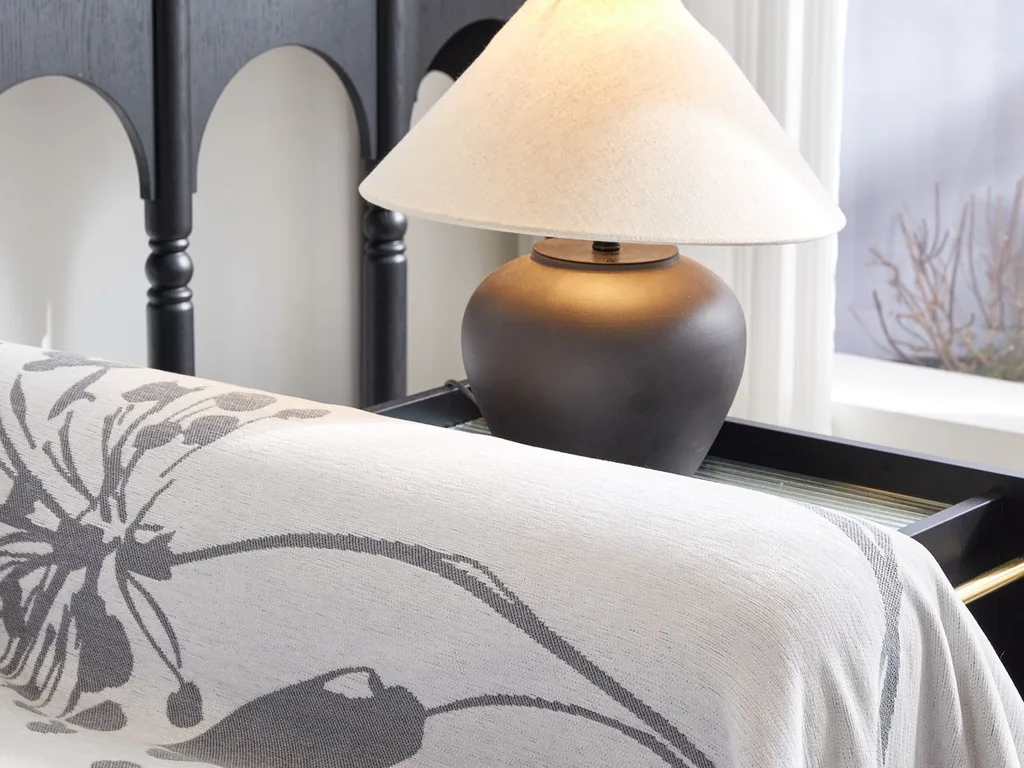
Store the blanket where air reaches it during the day rather than sealed in a plastic bin; a fabric that starts the night at room temperature feels cooler than one pulled warm from a sunny spot. On very hot nights, lay it over a flat cotton sheet rather than directly on a waterproof protector, because protector layers can reflect heat back toward you.
Wash before first use to remove finishing treatments, follow the care label exactly the first few washes, and use a mesh bag if the listing recommends one — it prevents the smooth fabric from snagging on zippers and hooks in the same load. Keep a second, inexpensive cotton summer blanket in rotation for laundry days, and you will never have to fall back to the winter duvet in July.
Important: Order by the inch measurements on the listing, not the size name alone. Cooling blankets are often cut smaller than duvets in the same named size, and a queen that falls short on both sides is the most common reason for returns in this category.
Finally, build the cool bed as a system: breathable sheets, a pillow that does not hold heat, and this blanket as the top layer. Each piece removes a little trapped warmth, and together they do what no single product can. More summer bedroom ideas are collected on Ideas Home Accessories.
Frequently Asked Questions
Do cooling blankets really work?
Yes, within limits. Cool-touch fabrics transfer heat away from your skin quickly, so they feel cold at first touch, and their thin construction traps far less warm air than a normal blanket. They do not lower the temperature of the room or stay cold all night, but most hot sleepers find the combination noticeably more comfortable in summer.
What is the best fabric for a cooling blanket?
For the strongest cold feeling, look for nylon-rich or polyethylene-blend cool-touch fabrics, often listed with a Q-Max value around 0.3 or higher. For a softer, more natural feel, bamboo viscose breathes well and feels cool and silky. Cotton percale is the easiest-care choice but has no cool-touch effect.
What size cooling blanket should I buy for a queen bed?
Buy the queen size and confirm its dimensions in inches on the listing, ideally wide enough to drape over both sides of the mattress. Throw sizes are meant for one person on a sofa or chair. If you share the bed and one of you pulls the covers, consider the king size for extra width.
How do I wash a cooling blanket?
Most cool-touch blankets wash on a gentle, cold cycle, ideally inside a mesh laundry bag, and many are line-dry or tumble-dry-low only. High heat can damage the fibers that create the cooling feel. Always follow the care label on your specific blanket, since fabric blends differ between products.
Cooling blanket or cooling sheets — which should I buy first?
Sheets first, because they are against your skin over the largest area and stay in place all night. Add the cooling blanket when your top layer is the problem — for example, if you need some coverage to sleep but every blanket you own is too warm. Together they form the most comfortable summer setup.
Will a cooling blanket help with night sweats?
It can improve comfort because thin, breathable fabric traps less heat and moisture than a heavy blanket. It does not treat the cause of night sweats. Choose quick-drying fabrics, keep a spare blanket nearby for mid-night changes, and speak to a doctor if night sweats are frequent, new, or severe.
Final Thought
A cooling blanket will not turn a hot bedroom cold, but the best ones do something simpler and very welcome: they stop your top layer from working against you. Pick a double-sided design in a fabric that matches how you actually sleep, order a true bed size measured in inches, and be honest about the care routine you will follow. With those three checks done, it is one of the easiest summer upgrades a hot sleeper can make.
Disclosure: As an Amazon Associate I earn from qualifying purchases.