Disclosure: As an Amazon Associate I earn from qualifying purchases. This article contains affiliate links. If you purchase through these links, we may earn a commission at no additional cost to you.
The case for the best silk pillowcase for frizzy hair and skin is simple physics: cotton is thirsty and rough at the microscopic level, so all night it pulls moisture from your hair and skin while its fibers drag against both. Hair answers with frizz, tangles, and broken ends; skin answers with sleep creases that take longer to fade as the years pass. A genuine mulberry silk pillowcase flips that relationship — its long, smooth protein fibers let hair glide instead of snagging, and absorb far less of the moisture and night cream you actually want to keep.
But silk is also a category full of shortcuts: polyester satin sold in silk’s clothing, thin 16 momme fabric that tears at the seams, and “silk” cases that are silk on one side only. This guide shows you how to check a listing properly — momme weight, silk grade, closure, and size — how to fit and use the pillowcase so it actually delivers the smooth-sleep benefit, and how to wash it so it lasts years instead of months.
Quick Verdict
For most buyers, the right specification reads like this: 100 percent mulberry silk, grade 6A long fibers, 22 momme weight (19 momme is the acceptable floor), silk on both sides, a hidden zipper or deep envelope closure, and an exact match to your pillow size — standard, queen, or king. That combination gives you the glide that fights frizz, enough fabric density to survive regular washing, and a case that stays on the pillow instead of sliding off at 2 a.m.
Skip anything that will not state its momme or calls itself “silk satin” without saying mulberry — that wording usually hides polyester, which is a legitimate budget fabric but not silk and not entitled to silk’s claims. Also manage the expectation honestly: a silk pillowcase reduces friction and moisture loss, which visibly calms frizz and morning creasing for most people; it is not a hair treatment or a wrinkle cure, and it works best alongside the routine you already have, not instead of it.
Important: Momme (mm) is silk’s weight measure, and it is the fastest honesty check on a listing. Below 19 momme, silk tears and pills quickly with nightly use; 22 momme is the durability sweet spot for pillowcases; 25 momme is heavier and longer-lasting still. If a listing hides the momme number or buries it, treat the fabric as thin until proven otherwise — and never pay silk prices for polyester satin, which must legally be labeled as polyester.
What to Look For Before You Buy
Mulberry silk, grade, and momme
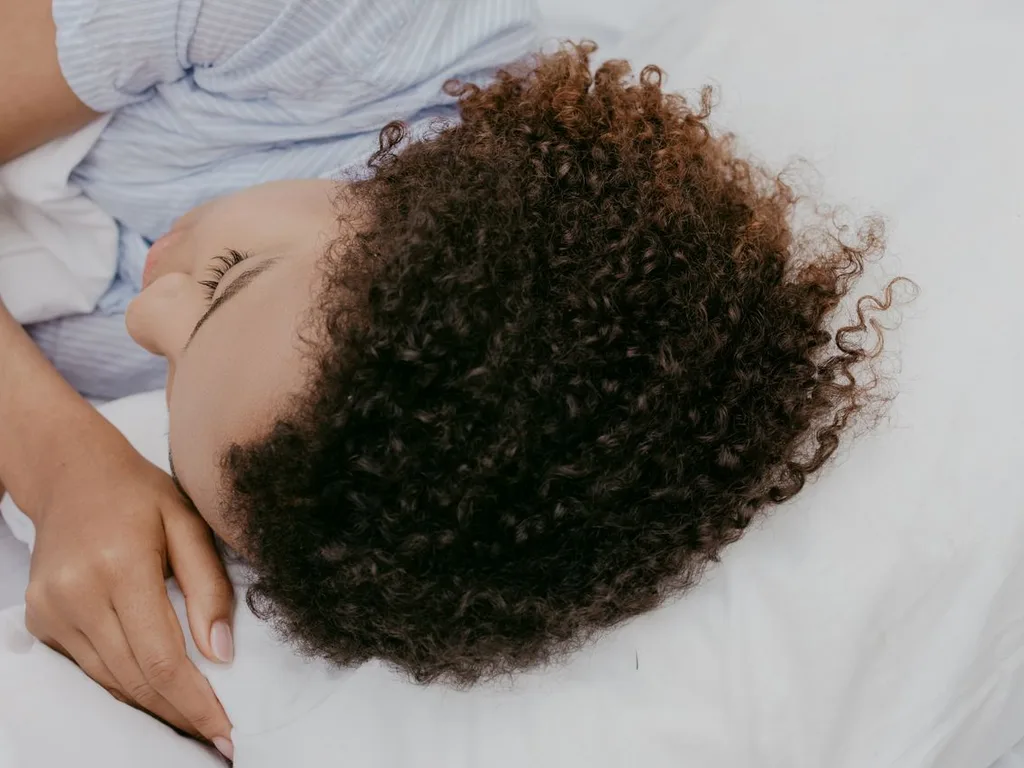
Mulberry silk comes from silkworms raised on mulberry leaves, producing the longest, most uniform natural silk fibers — the smoothness is structural, not a coating that washes off. Grades run from lower short-fiber grades up to 6A, the top grade, with the fewest slubs and weak points. Pair grade 6A with 22 momme and you have the standard specification serious silk bedding is sold against. One-sided silk cases (silk top, cotton or microfiber back) exist at lower prices; they work if you never flip the pillow, but two-sided silk is the safer buy for restless sleepers.
Closure: hidden zipper vs envelope
A silk pillowcase for hair only works while it stays smooth and in place. Hidden zipper closures keep the pillow fully enclosed and the surface taut — the better choice for frizz control — provided the zipper is small-toothed and concealed so it cannot snag hair or scratch skin. Envelope closures avoid zippers entirely and wash without hardware worries, but a shallow envelope lets a plump pillow work its way out overnight. If you choose envelope, look for a deep overlap of at least several inches.
Size and fit
Buy the exact size of your pillow: standard (about 20 by 26 inches), queen (20 by 30), or king (20 by 36). Silk has almost no stretch, so a standard case forced over a queen pillow strains the seams every night, while an oversized case bunches — and bunched fabric prints creases on your cheek, defeating the purpose. Measure a plump, lofty pillow at its fullest point; contoured pillows may need a case a size more generous than the label suggests.
Silk vs satin: know what you are actually comparing
“Satin” names a weave, not a fiber. Silk satin is silk woven smooth; polyester satin is plastic woven smooth — slippery at first touch, but it builds static, breathes poorly, and does not share silk’s moisture behavior. The table below keeps the three real options straight, because a silk vs satin pillowcase decision made on honest information is a fine decision either way.
| Factor | Mulberry Silk (19–25 momme) | Polyester Satin | Cotton (percale/sateen) |
|---|---|---|---|
| Friction on hair | Lowest — long smooth protein fibers | Low at first, static builds over time | Highest — fibers grip and drag |
| Moisture behavior | Absorbs little; keeps hair/skin hydration | Absorbs almost none, but traps heat and sweat | Absorbs the most — dries hair and skin out |
| Breathability | Good; natural temperature regulation | Poor; can feel clammy | Good |
| Durability | Years at 22 momme with gentle care | Good, but heat-sensitive and can snag | Excellent |
| Care | Cold gentle wash, pH-neutral detergent, air dry | Easy machine wash | Easiest — hot wash tolerant |
| Price position | Highest | Lowest | Middle |
How to Use a Silk Pillowcase, Step by Step
- Wash it before the first night. New silk carries finishing residue. Wash cold on a gentle cycle in a mesh laundry bag with pH-neutral or silk-specific detergent, then air dry flat or on a line out of direct sun. This first wash is also your fabric test: genuine silk softens, while coatings wash away and reveal rough fabric beneath.
- Fit it smooth and snug. Turn the case inside-out, reach in, grip the pillow corners, and pull the case over — the same technique as a duvet cover — so you never drag seams across the pillow. Zip or tuck it closed, then smooth the surface flat with your palms. Wrinkles in the case become wrinkles printed on skin.
- Pair it with your night routine, in the right order. Apply skin care 15 to 20 minutes before bed so creams absorb into skin instead of transferring to silk. For hair, brush gently to remove shed strands, and if your hair is long or curly, a loose braid or high, soft scrunchie bun keeps it gliding as one unit rather than rubbing strand on strand.
- Sleep on the smooth side — and use the whole pillow. If your case is one-sided silk, check the orientation before bed. Combination sleepers who move between back and side get the most from two-sided silk, since every position lands on the same low-friction surface.
- Wash weekly, the gentle way. Hair oil and skin products build up and dull silk’s glide. Weekly washing — cold, gentle, mesh bag, pH-neutral detergent, no bleach, no wringing, air dry — restores the surface. Owning two cases makes this rotation painless and is the setup most long-term silk sleepers settle on.
- Store and rotate. Keep the spare case folded in a dry drawer away from rough zippers and hooks that can snag the weave, and rotate the pair so they wear evenly over the years.
Mistakes to Avoid
- Using regular detergent or bleach. Alkaline detergents and chlorine bleach dissolve silk protein — the damage looks like thinning, dull patches that no rinse reverses. pH-neutral or silk-labeled detergent only.
- Hot water and tumble drying. Heat sets wrinkles into silk and weakens the fibers. Cold wash, air dry, every time.
- Buying by thread count. Thread count is a cotton metric that tells you nothing about silk quality; momme and grade are the silk numbers that matter.
- Expecting a treatment in pillowcase form. Silk reduces the friction and dryness that worsen frizz — it does not repair split ends, replace conditioner, or erase wrinkles. Sellers implying otherwise are overselling a genuinely useful product.
- Ignoring the pillow inside. A silk case over a lumpy, wrong-height pillow still gives you a bad night. Support comes first; if your pillow itself is the problem, solve that alongside — the cooling pillow guide for hot sleepers covers loft and fill in depth.
Pros and Cons
Pros
- Noticeably less friction: hair glides instead of snagging, so morning frizz, tangles, and breakage reduce for most hair types.
- Absorbs far less moisture and night cream than cotton, so products stay on your skin where you put them.
- Smooth surface means fewer and shorter-lived sleep creases on the face.
- Natural temperature regulation — cool in summer, comfortable in winter, unlike clammy polyester satin.
- At 22 momme and grade 6A, a case lasts for years, spreading the higher upfront cost thin.
Cons
- Costs several times more than cotton or polyester satin, and two-case rotation doubles the outlay.
- Demands gentle washing — cold water, special detergent, air drying — forever.
- Thin or mislabeled silk is common online; the buyer has to verify momme and grade on the listing.
- Silk’s smoothness can let a restless sleeper’s head slide on a very lofty pillow until they adjust.
- Benefits are real but modest — it supports a hair and skin routine rather than replacing one.
Who Should Buy It — and Who Should Skip It
Buy a mulberry silk pillowcase if frizz, tangles, or breakage are your morning routine — especially with curly, wavy, fine, bleached, or chemically treated hair, which all suffer most from friction. Side and stomach sleepers whose faces spend the night pressed into the pillow benefit most on the skin side. It also pairs naturally with a full low-friction, breathable bed: think cooling sheets beneath you and a smooth duvet cover set above.
Skip silk if you know you will not do the gentle wash routine — a neglected silk case degrades faster than the cotton one it replaced, and polyester satin (bought honestly, at satin prices) would serve you better. Skip it as a medical hope: silk is not a treatment for eczema, acne, or hair loss, whatever the boldest listings imply. And skip one-sided budget silk if you toss and turn — half the night on the cotton backing side buys you half the benefit at most of the price.
Helpful Tips for Hair, Skin, and Silk Care
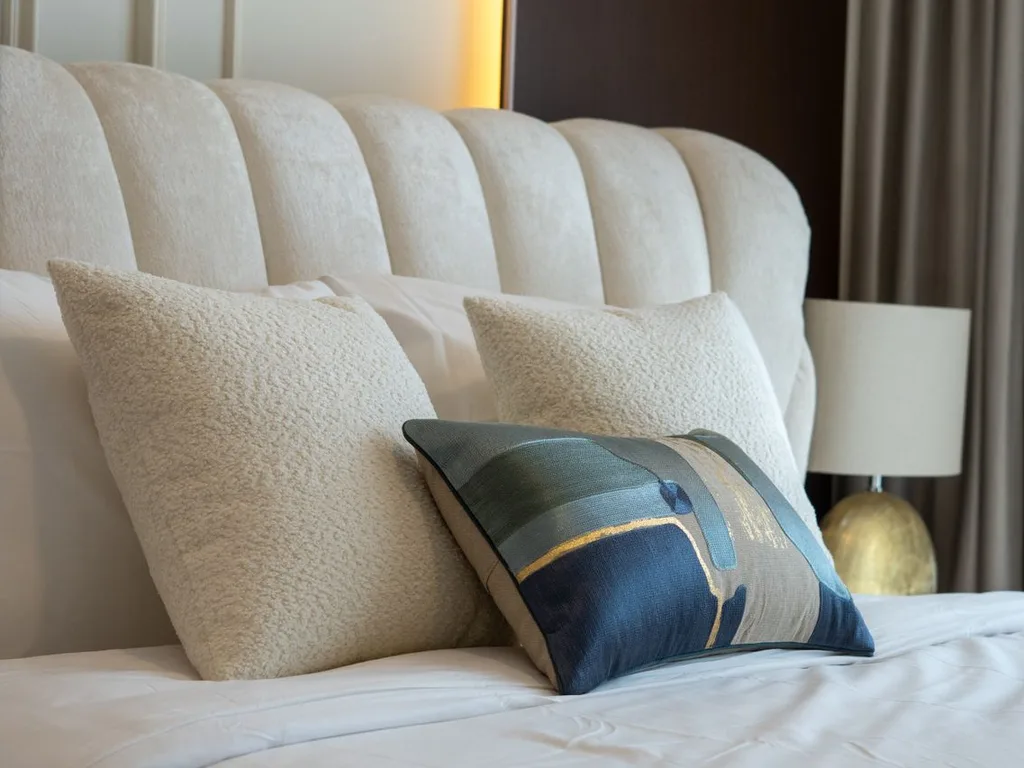
The single best upgrade after the pillowcase itself is the second pillowcase. Silk washed weekly lasts; silk washed “whenever” accumulates oil and product until its glide is gone and its fibers suffer. Two cases, rotated, washed together in their mesh bags, is the system that keeps the benefit permanent.
For hair, give the silk a head start: never go to bed with soaking-wet hair, which is at its weakest and most friction-sensitive, and keep metal-snagging hair ties out of the bed — a silk or satin scrunchie matches the pillowcase’s low-friction logic. For skin, let serums absorb before your face meets the pillow, and pat the case dry-clean of any heavy ointment spots in the morning wash rotation. A light steam or a cool iron on the silk setting restores the showroom sheen if the case comes out of storage creased. Explore the wider bedding guides from the homepage if you are rebuilding the whole sleep setup around gentler fabrics.
Frequently Asked Questions
Does a silk pillowcase really help frizzy hair?
Yes, within honest limits. Frizz is worsened when rough fibers roughen the hair cuticle and strip moisture overnight; silk’s long, smooth fibers let hair slide instead of snagging, and absorb far less moisture than cotton. Most people with wavy, curly, fine, or treated hair notice easier mornings within the first week. Silk will not change your hair type or repair existing damage — it stops adding new friction damage night after night.
What momme silk pillowcase should I buy?
Choose 22 momme for the best balance of durability, drape, and value; it withstands weekly washing for years. 19 momme is the acceptable minimum and often suits a tighter budget, while 25 momme is heavier and longer-wearing at a higher price. Avoid anything below 19 momme for nightly use, and be cautious with any listing that does not state a momme number at all.
Is silk better than satin for hair and skin?
Real silk outperforms polyester satin in breathability, moisture behavior, and static control, and its smoothness is in the fiber itself rather than a surface finish. Polyester satin is far cheaper, easier to wash, and still much slicker than cotton, so it is a reasonable budget step. What matters is buying each under its true name and price — satin performance at satin prices is fair; satin sold as silk is not.
How do I wash a silk pillowcase without ruining it?
Turn it inside out, place it in a mesh laundry bag, and machine wash cold on the gentle cycle with a pH-neutral or silk-specific detergent — or hand wash in cool water. Never use bleach or hot water, never wring it, and air dry away from direct sunlight and radiators. That routine takes five minutes and is the difference between a case that lasts six months and one that lasts years.
Zipper or envelope closure — which is better?
A hidden zipper keeps the pillow fully enclosed and the silk surface taut all night, which suits frizz control and restless sleepers best; check that the zipper is concealed so it cannot catch hair. Envelope closures have no hardware to worry about and some sleepers prefer them, but choose a deep overlap so a plump pillow stays inside. Both work when well made — fit and closure depth matter more than the style itself.
Will a silk pillowcase help with wrinkles and acne?
Silk reduces the friction that creates deep sleep creases, and creases fade faster on skin that is not being dragged and dried by cotton, so many sleepers see softer morning lines. It is not a wrinkle treatment, and no pillowcase treats acne — though a case washed weekly, as silk routines require, is at least a clean surface against your skin each week. Keep medical expectations with medical professionals, and enjoy silk for what it genuinely does.
Final Thought
The best silk pillowcase for frizzy hair and skin is a specification, not a slogan: 100 percent mulberry silk, grade 6A, around 22 momme, both sides silk, in the exact size of your pillow, closed with a hidden zipper or a deep envelope. Buy that, wash it gently and weekly, and the glide works for you every night for years — calmer hair, less morning creasing, and a cooler, smoother surface than cotton ever offered. Use the listing here as your starting point, verify the momme and grade before you order, and let the first week’s mornings make the case.
Disclosure: As an Amazon Associate I earn from qualifying purchases.