
Disclosure: As an Amazon Associate I earn from qualifying purchases. This article contains affiliate links. If you purchase through these links, we may earn a commission at no additional cost to you.
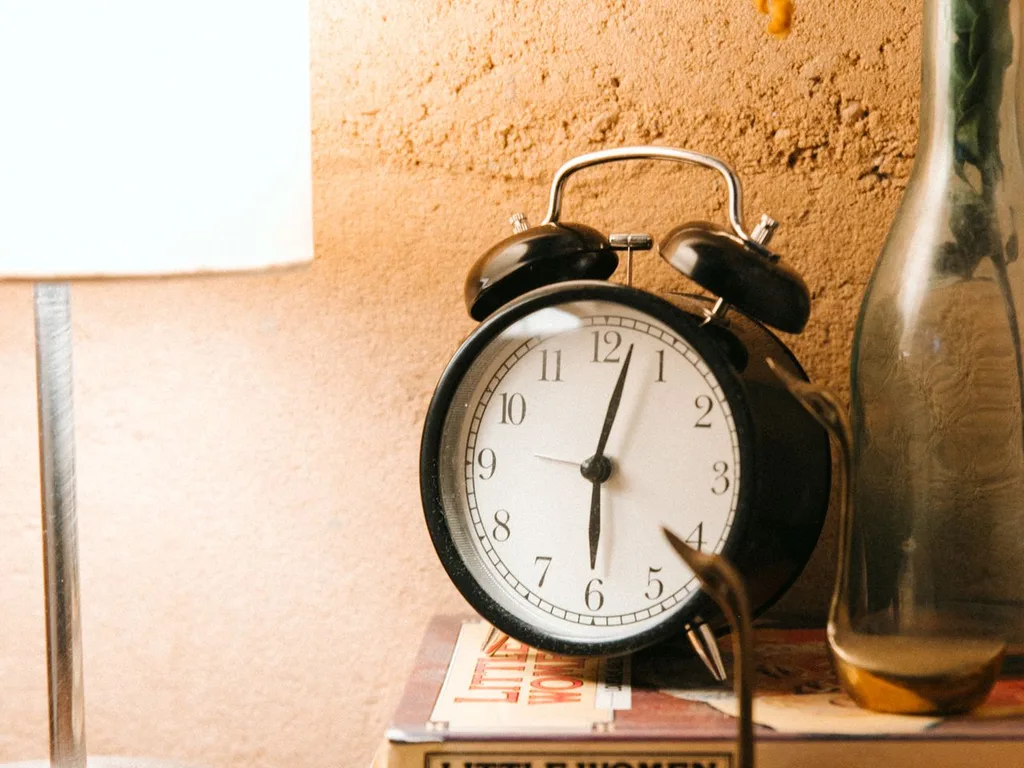
The best sunrise alarm clock for heavy sleepers in the bedroom has to do a harder job than the gentle dawn simulators in most ads. A standard wake up light alarm clock assumes light alone will float you awake — a lovely idea for light sleepers that fails completely on someone who can sleep through a neighbor’s car alarm. For a genuinely heavy sleeper, the sunrise simulation is the first stage, not the whole alarm: light that builds gradually over 20 to 30 minutes to pull you toward the surface, followed by a sound alarm with enough volume and the right escalating character to finish the job on the nights the light does not.
This buying guide breaks down the specifications that decide whether a sunrise simulation alarm clock will work for a deep sleeper: maximum brightness, sunrise duration settings, the sound library and its top volume, sunset fading for the evening, display behavior in a dark room, and the battery backup that keeps the alarm honest through a power cut. Read it once and you can judge any listing in about a minute.
Quick Verdict
Heavy sleepers should look for a sunrise alarm clock with four things together: a long, adjustable sunrise (up to 30 or even 60 minutes, not a fixed 10), a high maximum brightness, an alarm sound that starts gentle and escalates to a genuinely loud top volume with several sound choices, and battery backup so the alarm survives an overnight outage. Add a sunset feature if falling asleep is also a battle, and a display that dims to near-black or switches off entirely so the cure does not light up the room all night.
Skip the minimalist dawn simulators with no sound alarm or a whisper-quiet beep — they are made for people who wake if someone opens the curtains. Also be honest with yourself for the first week: keep your old phone alarm set 10 minutes later as a safety net while you learn whether light alone, light plus sound, or sound at full volume is your reliable combination. Most heavy sleepers end up keeping the sunrise for the quality of the wake-up and the sound as the guarantee.
Important: Place the clock where the light actually reaches your face — on the nightstand at roughly pillow height, angled toward the bed, not behind you on a dresser. Sunrise alarms fail heavy sleepers most often because of placement and a buried face, not because the brightness was too low. If you sleep facing away from the nightstand or under the covers, position matters more than any specification on the box.
What to Look For Before You Buy

Sunrise duration and brightness
The sunrise is the product. Look for adjustable duration — better models let you choose anything from about 10 to 60 minutes — and a color progression that starts at deep warm red-orange and ends at bright warm white, mimicking a real dawn rather than snapping on like a bathroom light. Maximum brightness should be strong enough to light a small bedroom noticeably; listings quote this in lux at a set distance or in brightness levels. More levels (often 10 to 20 steps) means a smoother climb with no jarring jumps in the final minutes, which is when heavy sleepers begin to surface.
The sound stage: library, escalation, top volume
For heavy sleepers this section matters as much as the light. Check three things: how many alarm sounds (nature sounds, gentle tones, FM radio, and a classic beep cover most tastes), whether the volume ramps up gradually instead of starting at full blast, and the maximum volume — a loud alarm clock for heavy sleepers should be able to get properly loud, not just polite. A radio option is a sleeper feature: waking to voices and music cuts through sleep differently than a tone you have learned to ignore. Dual alarms (weekday and weekend settings) save nightly reprogramming.
Sunset fading and wind-down features
An alarm clock with sunset feature reverses the trick at night: light starts bright and dims over your chosen period, often paired with fading nature sounds, giving your body the darkening cue modern evenings lack. It is genuinely useful if your problem is a racing mind rather than the morning. Reading-lamp brightness with warm color temperature doubles the clock’s value on the nightstand, and some models offer breathing-guide light programs for wind-down routines.
Display, controls, and the dark-room test
A bedroom clock must disappear at night. Look for a display with multiple dimming levels including fully off, large readable digits for bleary eyes, and controls you can operate by touch in the dark — a tap-top snooze beats hunting for a small button at 6 a.m. Check what the time display color is; warm amber digits disturb sleep less than bright white or blue. USB charging for your phone is a welcome extra that keeps the nightstand to one device — see the bedside charging station guide if your nightstand needs a fuller reorganization.
Battery backup and reliability
An alarm that dies in a power cut is a missed shift. Battery backup should preserve the time and, ideally, still sound the alarm (some backups keep time only and stay silent — read the listing carefully). Also check how settings survive: a clock that forgets your sunrise duration and sound choice after every outage becomes a nightly chore. Simple, physical-feeling controls and a clear manual matter more on this product than on most, because you will program it half-asleep.
How to Choose the Right One
Match the clock to the specific way you fail to wake up. The decision table below translates the common heavy-sleeper patterns into the features that actually answer them — work down the first column honestly, because buying a prettier clock with the wrong alarm profile changes nothing.
| Your Situation | Must-Have Features | Nice to Have | Skip Paying For |
|---|---|---|---|
| You sleep through ordinary alarm tones | High max volume, escalating sound, multiple sound choices or radio | Dual alarms for weekday/weekend | Extra nature sounds you will never select |
| Light alone never wakes you, but you hate being startled | Long sunrise (30–60 min) plus gentle-to-loud sound ramp | Sunset fading to protect the evening wind-down | App connectivity and color-changing party modes |
| You wake, snooze, and fall back into deep sleep | Tap snooze limited in repeats, clock placed across the room | Light that stays on after the alarm until you get up | A giant snooze button designed for easy half-asleep hits |
| Your partner wakes far earlier or later than you | Narrow light direction, personal sound ramp, display that can go fully dark | Dual independent alarms | Maximum brightness showpieces that flood the whole room |
| Power cuts or travel make reliability the worry | Battery backup that sounds the alarm, not just keeps time | USB charging port | Wi-Fi features that fail offline |
| Falling asleep is as hard as waking up | Sunset feature with fading light and sounds | Reading light mode, breathing-guide programs | Extra-loud alarm stage beyond your real need |
Pros and Cons
Pros
- Waking on a light gradient feels fundamentally better than a sound ambush — less grogginess and a calmer first five minutes.
- The staged design (light first, sound second) gives heavy sleepers both gentleness and a guarantee in one device.
- Sunset fading supports the other end of the day, turning one purchase into a full sleep-routine tool.
- A proper bedside clock gets the phone — and its midnight notifications — out of the bedroom.
- Consistent light-based waking works even better across dark winter mornings, when natural dawn arrives after your alarm.
Cons
- Light cannot reach a face buried in a pillow or turned to the wall; placement and sleep position limit any model.
- The loudest, longest-sunrise models are the pricier end of the alarm clock category.
- Partners on different schedules may find one person’s sunrise is the other’s too-early glare.
- Feature-rich clocks take an evening to program well, and cheap ones forget settings after power cuts.
- No alarm clock fixes a sleep debt: five hours of sleep will defeat the best dawn simulator made.
Who Should Buy It — and Who Should Skip It
Buy a sunrise alarm clock if you are a heavy sleeper who has burned through phone alarms, if winter mornings mean waking in full darkness for months, or if you want the phone out of the bedroom without losing a reliable alarm. It is also the right tool for shift-adjacent households — early starters who need to wake without flooding the room with ceiling light and waking everyone. Combine it with sound masking at night if street or household noise fragments your sleep in the first place; the white noise machine guide covers that half of the routine, and a weighted blanket for settled sleep completes the wind-down end.
Skip it if you already wake easily to a small sound — a simple, inexpensive alarm does your job and the sunrise is a luxury. Skip light-only models entirely if you know, from experience, that bedroom light does not wake you; your money belongs in the sound stage, not the lamp. And skip the purchase for another month if your real problem is a chaotic sleep schedule: a clock cannot compensate for going to bed at a different time every night, and fixing the schedule first will tell you whether you still need the hardware.
Helpful Tips for Heavy Sleepers
Set the sunrise longer than you think you need — 30 minutes is the working default for deep sleepers, and the full hour suits the darkest winter weeks. For the first week, keep a backup phone alarm 10 minutes after the clock’s sound stage; retire it once the clock has a perfect record, not before. Place the clock on the nightstand at pillow height, angled at your face, and if you habitually roll away from it, put it on the side you roll toward.
Ration the snooze. One snooze of 9 to 10 minutes, taken in brightening light, is a gentle ramp; four snoozes is just fragmented sleep that leaves you groggier. A stricter trick that works: once the sound stage starts, the light stays at full brightness — keep that feature on, because returning to a dark room invites relapse. On weekends, let the sunrise run without the sound stage when you can afford to wake naturally; it trains the light association without the alarm stress. More bedroom routine ideas live among the sleep guides on the homepage.
Frequently Asked Questions
Can a sunrise alarm clock really wake a heavy sleeper?
Yes — provided you buy the right kind. The gradual light raises your sleep toward the surface over 20 to 30 minutes, which makes the following sound alarm land on a brain that is already in light sleep and far easier to wake fully. Light-only models with quiet beeps do fail heavy sleepers regularly; the reliable design for deep sleepers is a long, bright sunrise followed by an escalating sound stage with a properly loud maximum.
How long should the sunrise be set for?
Start with 30 minutes. That gives the light time to work through a full climb from deep red-orange to full brightness and catches most sleepers in a light phase of their cycle before the sound starts. Very deep sleepers and midwinter risers often prefer 40 to 60 minutes. If you consistently wake well before the sound, shorten it; if the sound still startles you awake from depth, lengthen it.
What if I sleep facing away from the clock?
Placement is the fix, not more brightness. Move the clock to the side of the bed you face, keep it near pillow height, and angle the lamp toward your face. Some sleepers put the clock across the room so the sound stage forces them upright — the sunrise effect is weaker at distance, so this suits people who mainly need the sound guarantee. Blackout sleep masks and sunrise alarms obviously cancel each other out; choose one strategy.
Is the sunset feature worth paying for?
If falling asleep takes you a long time, yes. A sunset program dims light and sound over 15 to 60 minutes, giving your body the fading-light cue that screens and ceiling lights have removed from modern evenings, and many people find it ends the lying-awake hour. If you fall asleep within minutes already, the feature is decoration — spend the difference on a brighter sunrise and a better sound stage instead.
Does the battery backup actually sound the alarm?
It depends on the model, and this is worth checking word by word on the listing. Some clocks use the backup battery only to remember the time and settings, and will not wake you during an outage; better designs will still run the alarm (usually sound only, without the full sunrise) on battery power. If outages are common where you live, treat “alarm sounds on backup power” as a required feature, not a bonus.
Will a sunrise alarm disturb my partner?
It can, since light spreads through the room as it brightens — though most partners report a gradual dawn glow is far less disturbing than a blaring alarm at full volume from the first second, which is the alternative. Angle the lamp toward your side, choose a model whose display can go fully dark, and use the sound stage at the lowest effective volume. Couples on very different schedules sometimes each keep a personal solution rather than sharing one clock.
Final Thought
The best sunrise alarm clock for heavy sleepers is honest about the order of operations: light to lift you gently toward waking, sound with real volume to guarantee it, backup power to protect both. Choose an adjustable sunrise up to 30 minutes or more, a smooth multi-step brightness climb, an escalating alarm you can set loud, and placement on the nightstand where the dawn actually reaches your face. Check the option linked here against those criteria, run it alongside a backup alarm for the first week, and you will likely find the backup becomes the one you no longer need.
Disclosure: As an Amazon Associate I earn from qualifying purchases.



Pingback: Best Bedside Charging Station for Phone Watch Earbuds
Pingback: Best White Noise Machine for Babies and Light Sleepers