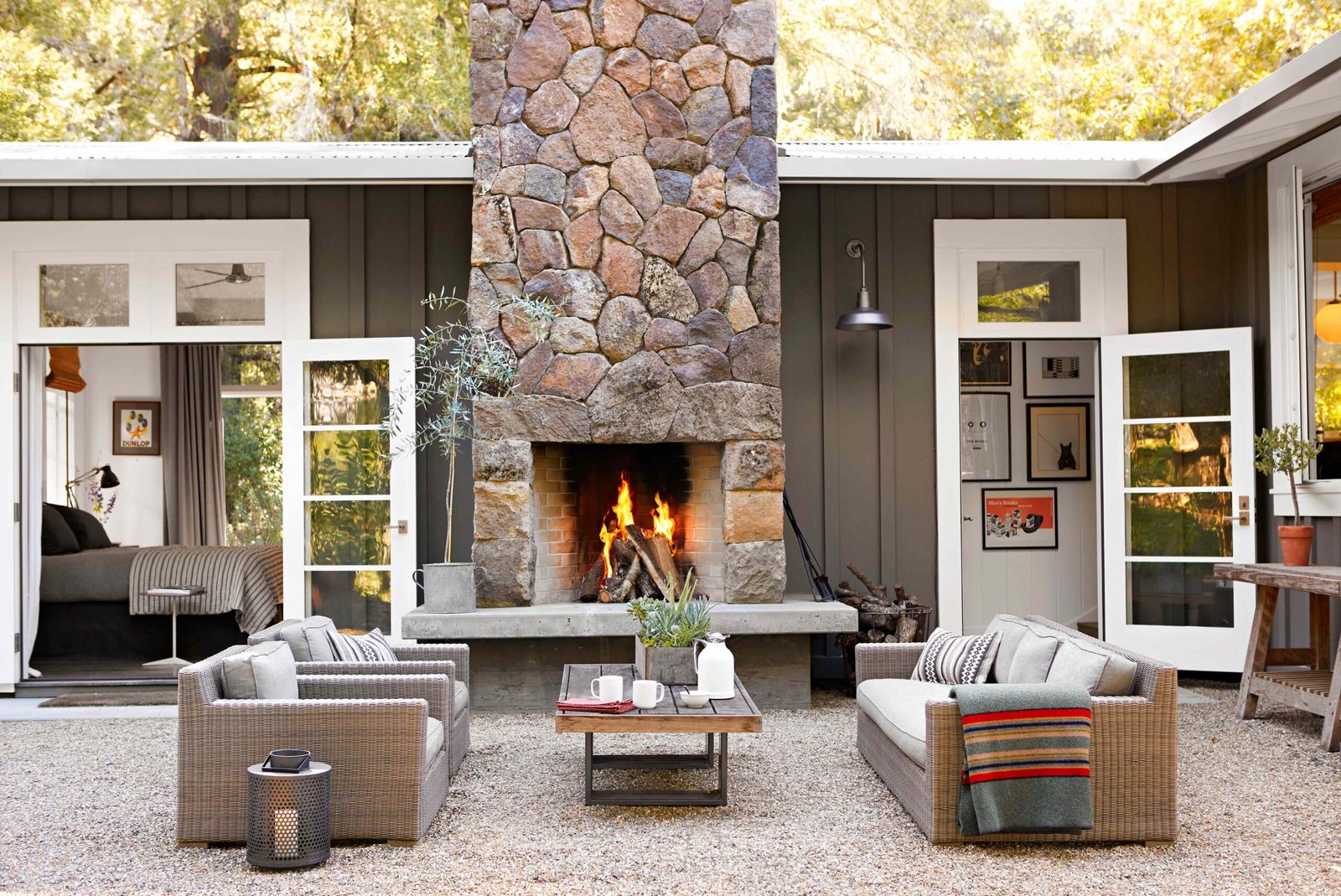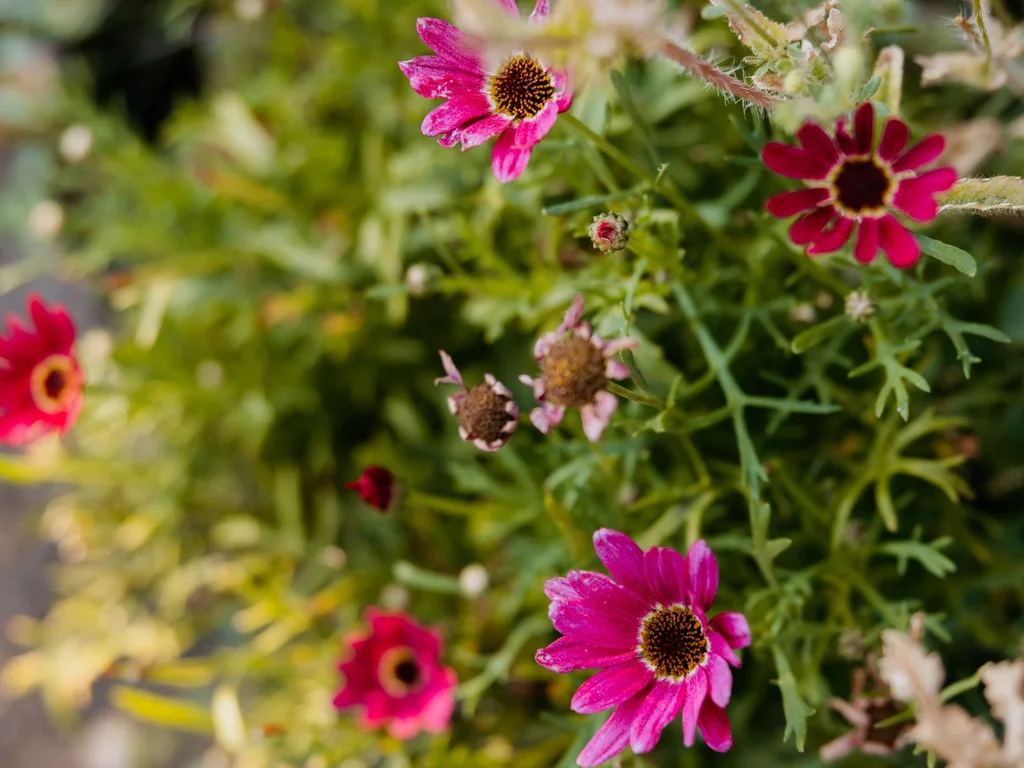
The best garden ideas are not the most expensive ones — they are the ones in the right order. A garden you love to spend time in comes from a few good design decisions: a layout that fits how you live, a comfortable place to sit, planting that earns its place in more than one season, and paths that make the whole space easy to use. This guide collects 100 garden design ideas that cover the whole process, from the first sketch to the finishing touches.
Short on time? Start with these five. Divide the garden into outdoor rooms (Idea 1), sketch it to scale before you buy anything (Idea 2), plant in drifts rather than rows (Idea 21), light paths before anything else (Idea 61), and mulch generously every spring (Idea 95). Those five moves alone will improve almost any garden.
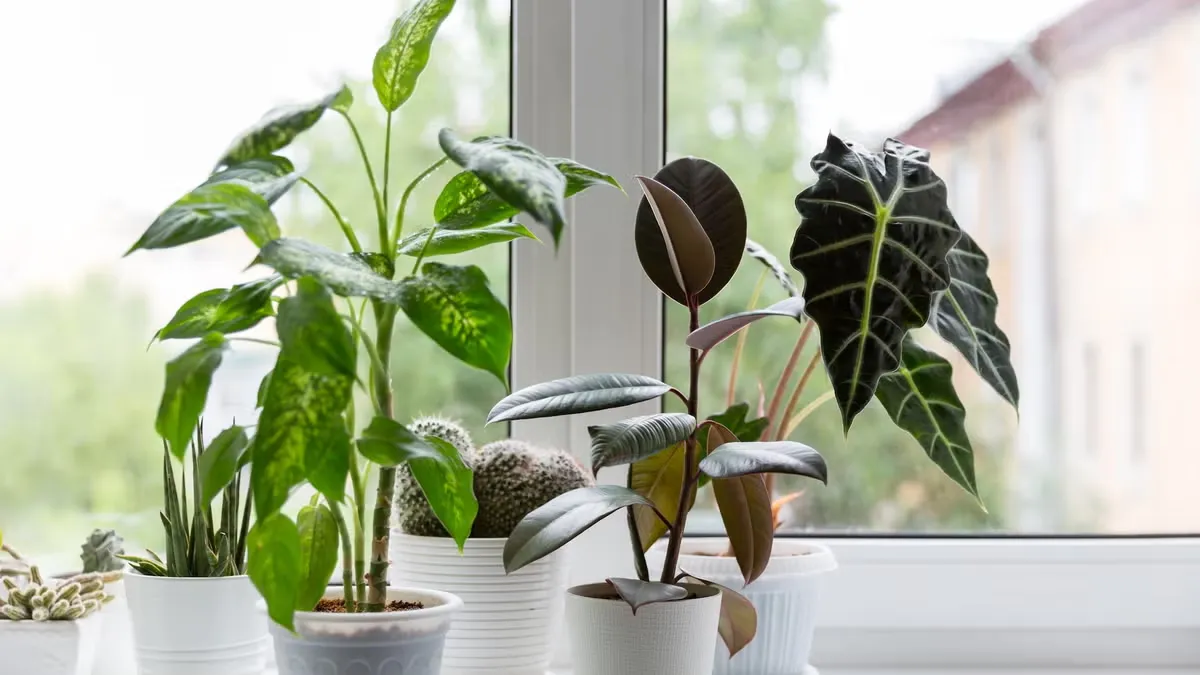
Whether you are starting with a blank patch of lawn or improving a garden you already have, the ideas below work for small courtyards, family gardens and larger plots alike. If you want more outdoor inspiration first, take a look at our beautiful backyard landscaping ideas, and for help choosing plants that also thrive indoors, see our guide to the best indoor plants. For authoritative planting and design advice, the Royal Horticultural Society’s garden design guidance is an excellent reference to keep beside you.
In this guide: 1. Garden Layouts That Work · 2. Patios and Seating Areas · 3. Planting Schemes and Flower Beds · 4. Small Gardens and Courtyards · 5. Front Gardens and Kerb Appeal · 6. Water Features and Wildlife Gardens · 7. Garden Lighting for Evenings · 8. Fences, Walls and Boundaries · 9. Cottage, Modern and Themed Gardens · 10. Budget Garden Ideas and Seasonal Interest
How to Design a Garden: A Simple Step-by-Step Plan
If 100 ideas feel overwhelming, use this order. It is the sequence professional designers follow, scaled down for a home garden.
Step 1 — Sketch what you have. Draw the plot to scale on graph paper: house, boundaries, doors, windows, existing trees and anything that cannot move. Mark the path of the sun at morning, midday and evening, because sun decides where seating and sun-loving plants belong.
Step 2 — Decide the zones. Before any planting, choose where the seating area, lawn or open space, beds, paths and utility corner (bins, compost, shed) will go. This is the ‘outdoor rooms’ idea (Idea 1) turned into a floor plan.
Step 3 — Fix the structure first. Paths, patio, edging, fences and any walls come before plants. Hard landscaping is the most expensive part to change later, and plants can always be added, moved or divided.
Step 4 — Place the anchors. One focal point (Idea 3), any trees or large shrubs, and the hedging or screening that gives privacy. These are the slowest things to mature, so they go in earliest.
Step 5 — Build the planting in layers. Evergreen structure first, then shrubs, then perennials planted in drifts (Idea 21), then bulbs and seasonal colour (Idea 30). Choose plants for your soil and light, not just your taste (Idea 24).
Step 6 — Add water, wildlife and light. A bird bath or small pond (Ideas 51 and 57), pollinator planting (Idea 26) and path lighting (Idea 61) turn a tidy garden into a living one.
Step 7 — Phase the spending. You do not have to do everything in one year. The phased plan in the budget section below (Ideas 91–100) keeps a redesign affordable: structure this year, planting next, finishing touches after that.
1. Garden Layouts That Work
1. Divide the Garden Into Outdoor Rooms
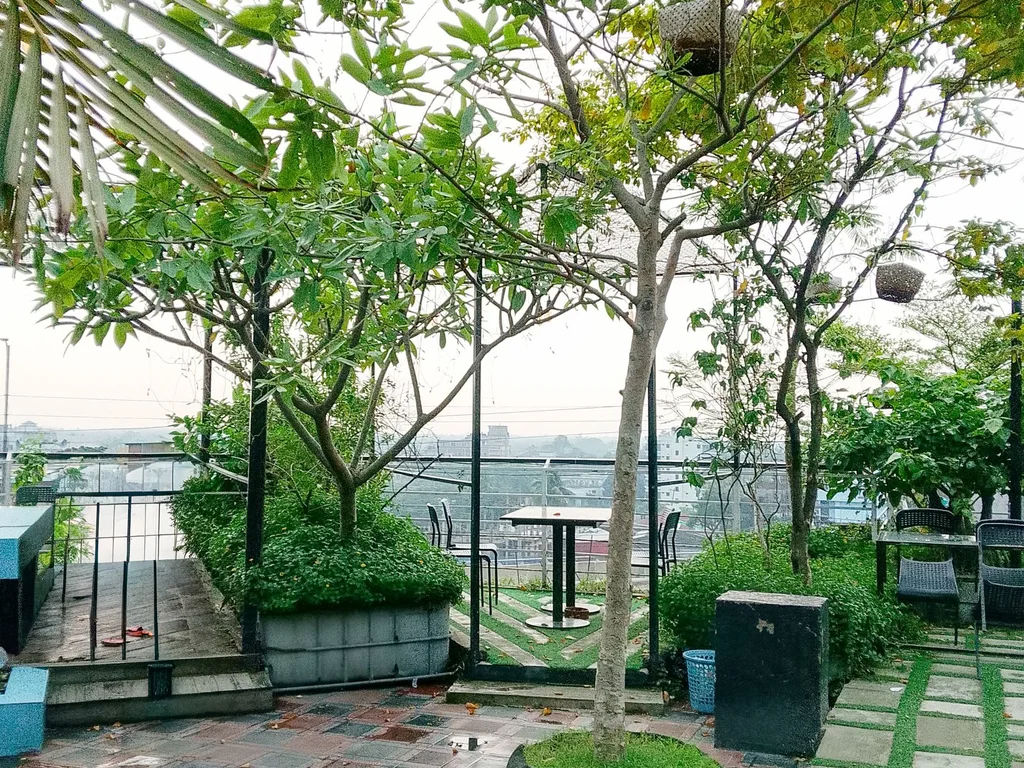
Treating a garden as a series of outdoor rooms — a dining area, a quiet reading corner, a play lawn — makes even a modest plot feel larger and more purposeful. Use low hedges, a change of paving or a simple trellis to mark each zone without building solid walls. Every area then earns its keep instead of competing for attention.
2. Start With a Simple Scale Sketch
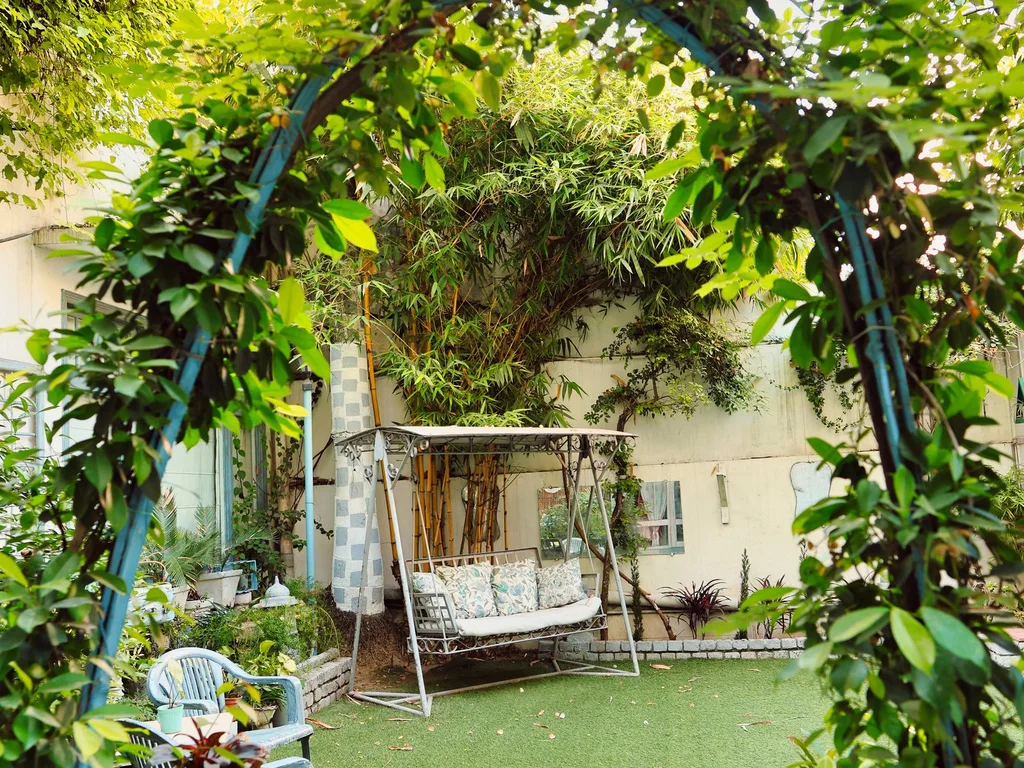
Before buying a single plant, draw the garden to scale on graph paper and mark the house, boundaries, trees and the path of the sun. A sketch exposes problems early, such as a patio that will sit in shade all afternoon or a path that leads nowhere. It is the cheapest design tool you will ever own.
3. Use a Central Focal Point
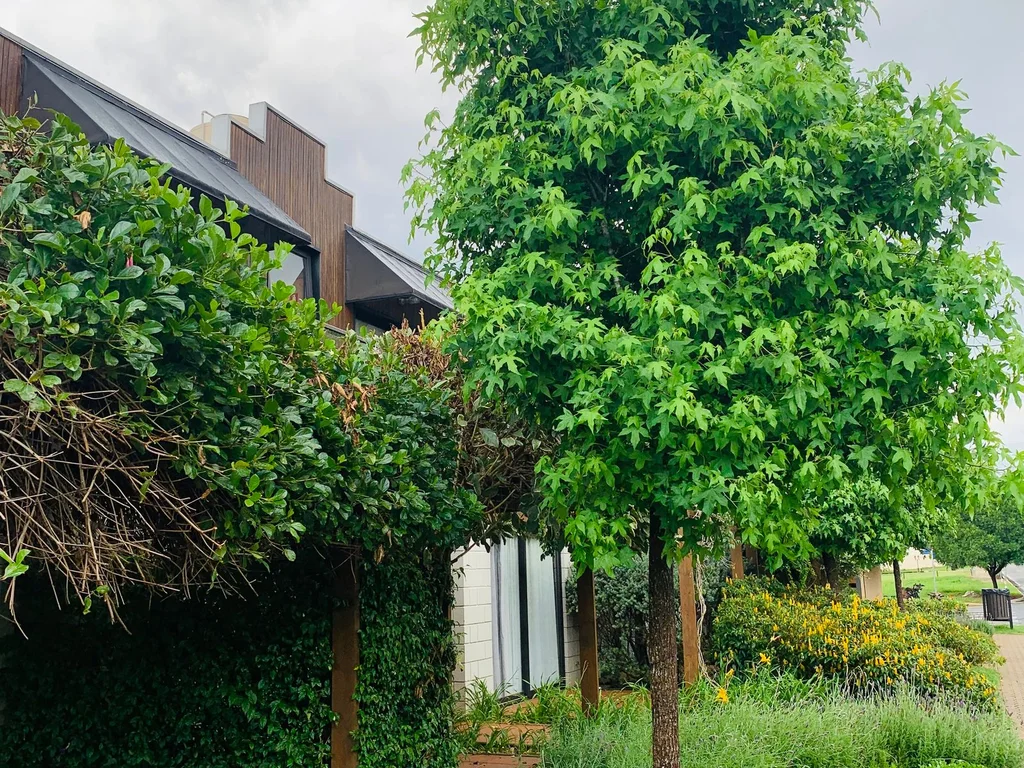
Every good layout has something to look at: a small tree, a sculpture, a bird bath or a handsome pot. Placing a focal point where it can be seen from the house window draws the eye deep into the garden and gives the whole design a sense of intention. Keep it in proportion to the space around it.
4. Keep the Main Path Wide and Direct

The main path from the back door deserves to be generous — at least a metre wide — and to follow a route people actually walk. Narrow, winding paths look charming in photographs but frustrate daily use, especially with a wheelbarrow or a pram. Save the meandering routes for secondary wander paths.
5. Shape Beds With Curves, Not Corners

Gently curved bed edges soften a rectangular garden and make mowing and edging far easier than fussy angles do. Sweeping curves also let you plant in generous drifts rather than thin lines, which looks more natural and gives wildlife more cover. Mark curves with a hose pipe before cutting the turf.
6. Leave Room for a Proper Lawn

A lawn does not have to dominate the garden, but a simple, well-shaped area of grass gives children somewhere to play and adults somewhere to sit. Keep the shape easy to mow — avoid tight corners and narrow strips — and let beds and paths do the decorative work around its edges.
7. Plan for Views From Inside the House
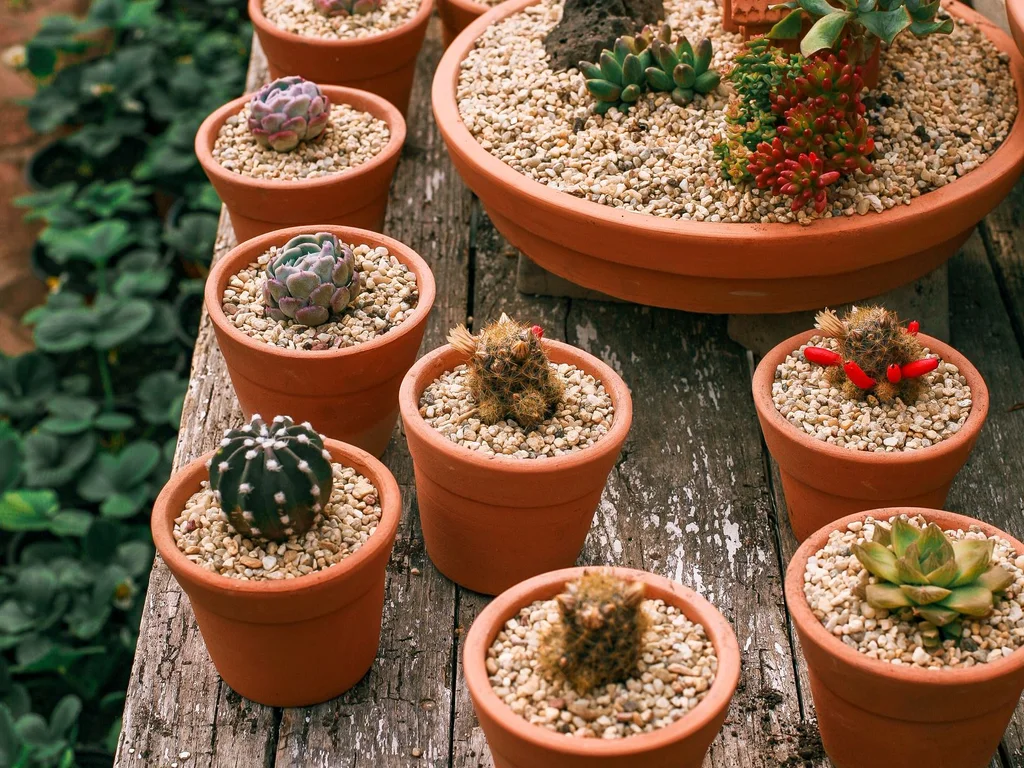
You see your garden from indoors far more often than from within it, so design the view from the kitchen window and the sofa. Frame it with planting at the edges, place something beautiful at the far end, and hide the bins and the compost heap behind screening where they will not spoil the picture.
8. Create a Journey, Not a Single View

A garden that reveals itself in stages feels bigger than one seen all at once. A curved path, a taller shrub or an arch that hides what lies beyond invites exploration and makes a short walk feel like a proper outing. Even a small garden gains mystery from one well-placed screen.
9. Balance Hard and Soft Landscaping
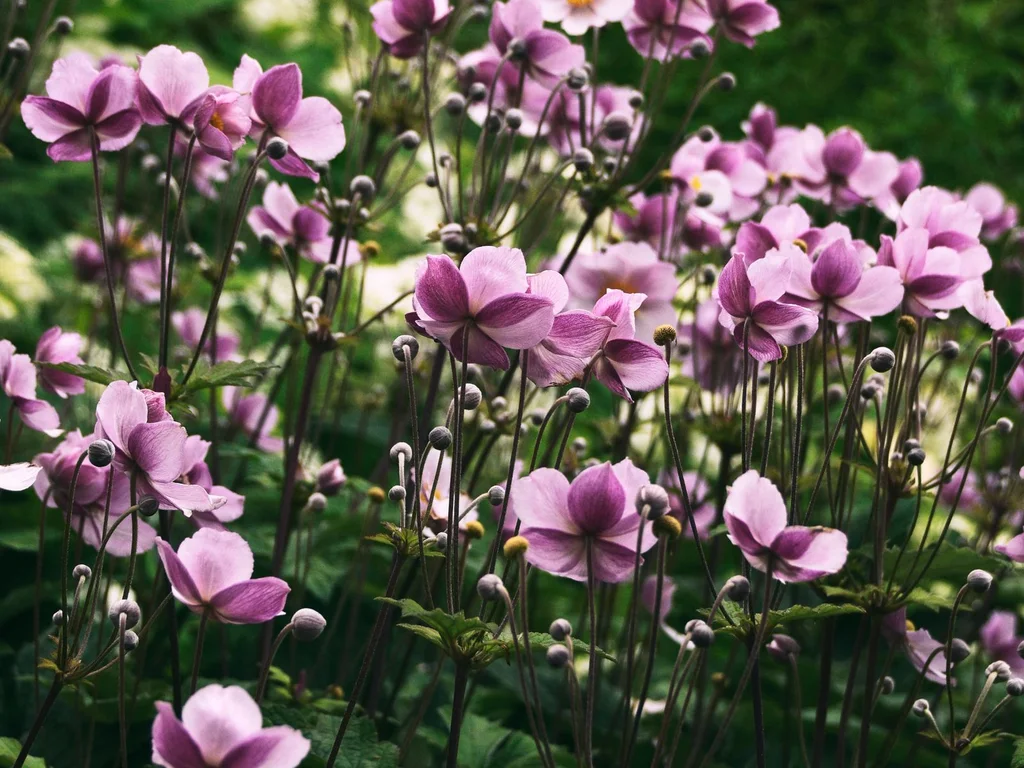
Paving, decking and gravel give structure and dry feet, but too much hard surface makes a garden hot, hard and unwelcoming. Aim for roughly two-thirds planting to one-third hard landscaping in a family garden, and soften every paved edge with plants spilling over the border.
10. Design for All Four Seasons
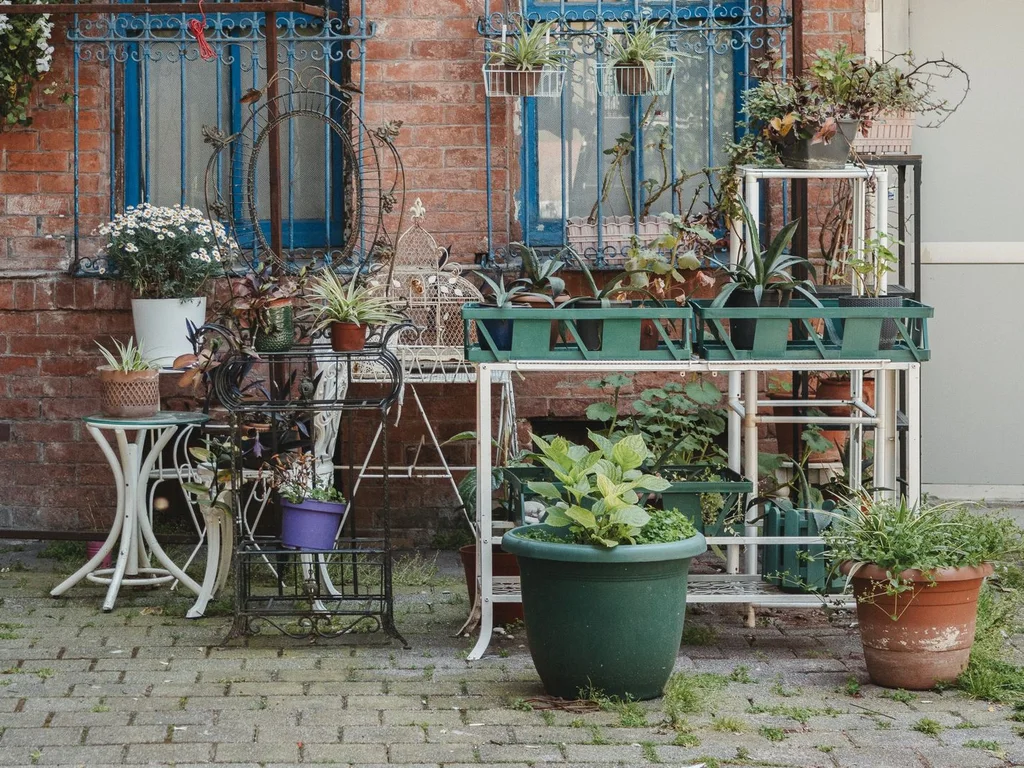
A garden designed only for summer will disappoint for nine months of the year. Mix evergreen structure, spring bulbs, summer flowers and autumn colour so there is always something to notice. Winter interest comes from bark, berries, seed heads and the shape of bare branches against the sky.
2. Patios and Seating Areas
11. Site the Patio Where the Sun Actually Is
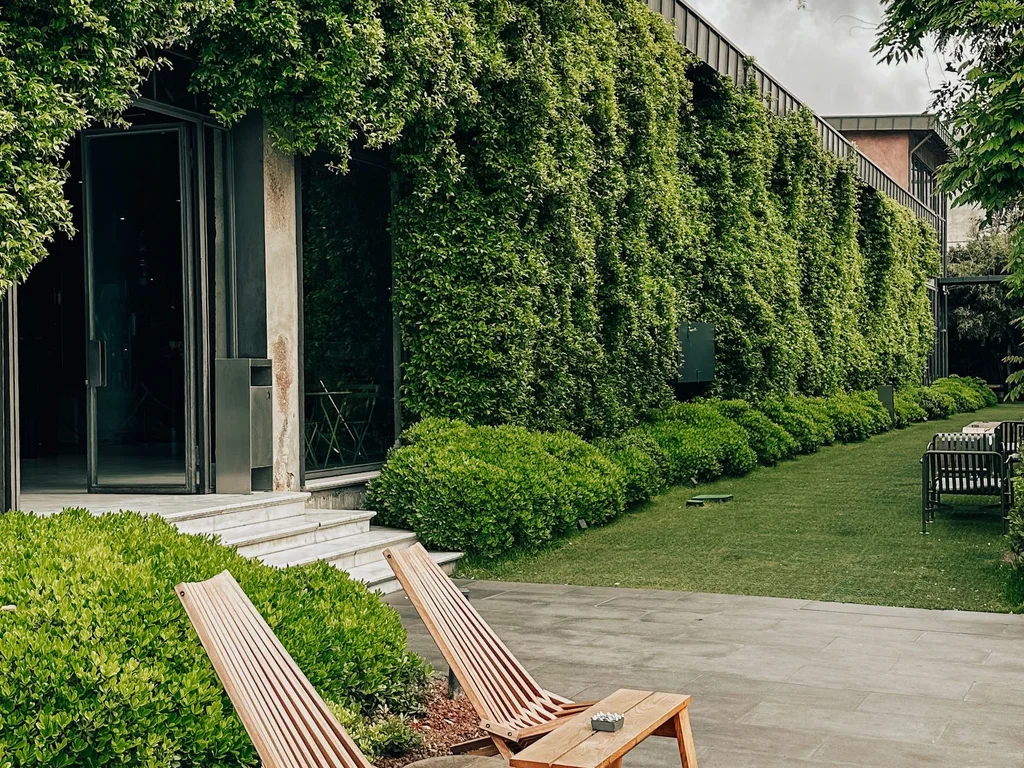
Watch where sunlight falls at the times you will actually sit outside — usually evenings and weekends — before fixing the patio position. A patio in morning sun but evening shade will sit empty when you want it most. A sunny corner near the house beats a large paved area in permanent shadow.
12. Make the Patio Big Enough for Furniture
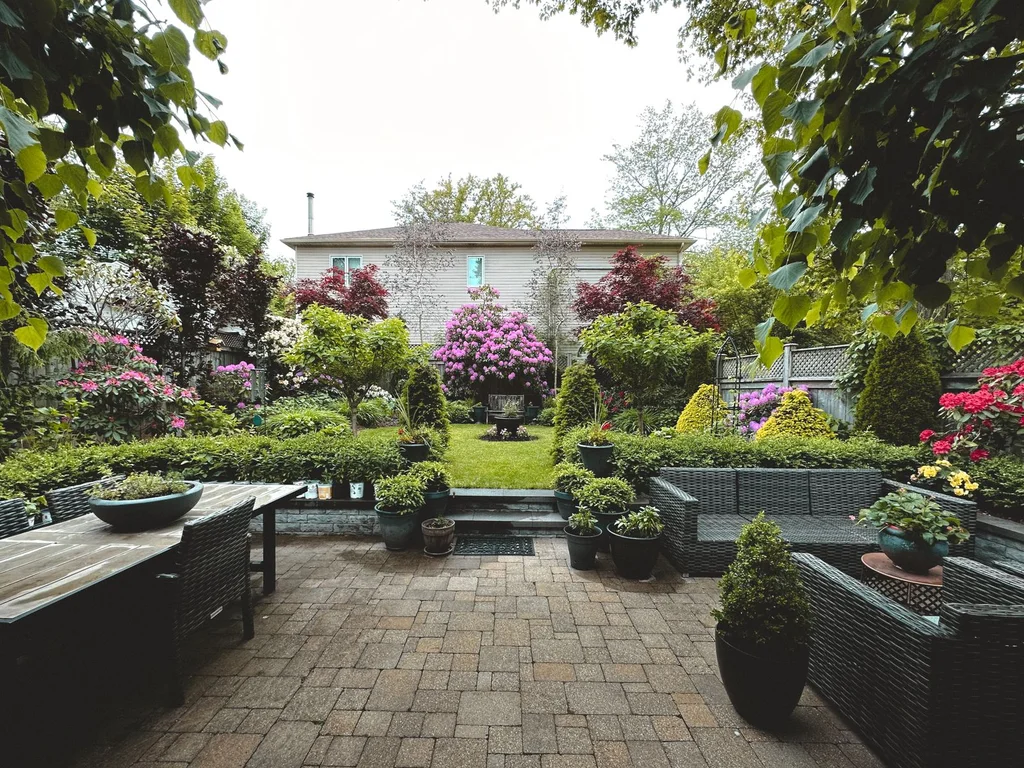
Measure your table and chairs, add room to pull chairs out and walk around them, and only then size the patio. A cramped patio where chairs catch on the fence edge is one nobody enjoys. As a guide, a table for six needs a paved area of at least three by three metres.
13. Use Two Seating Areas for Sun and Shade
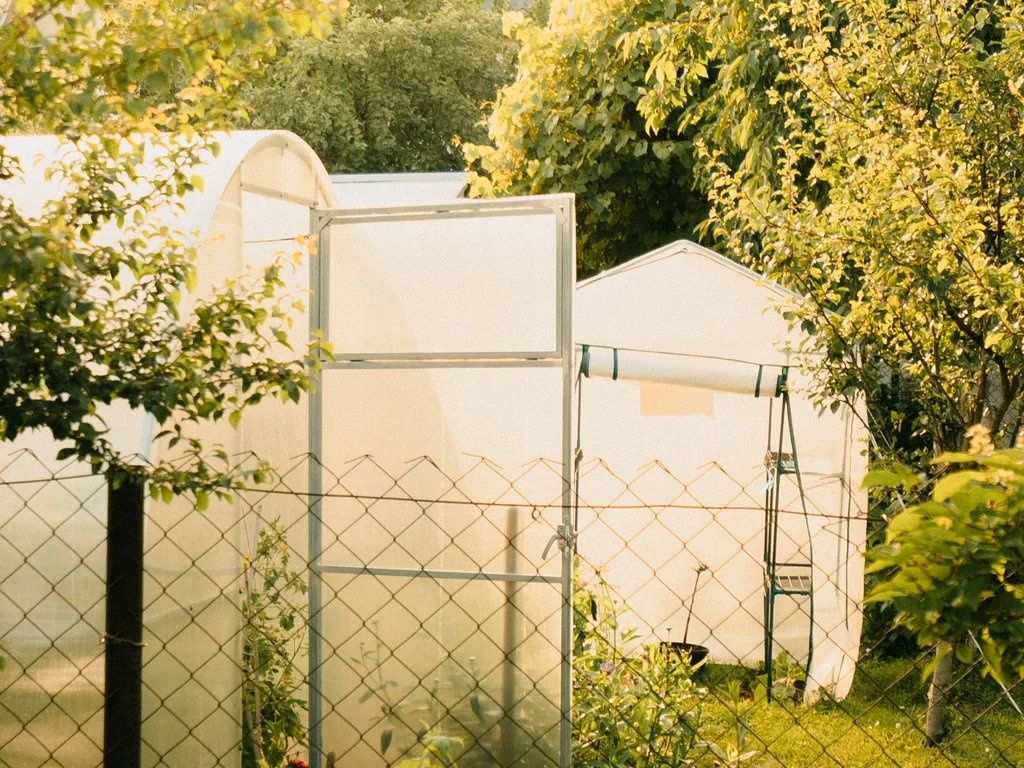
One sunny patio and one shaded corner give you a choice through the day and through the seasons. A small second seating spot under a tree or a pergola costs little and doubles the hours the garden is comfortable. Even a single bench in the shade changes how the garden is used.
14. Build a Pergola for Dappled Shade
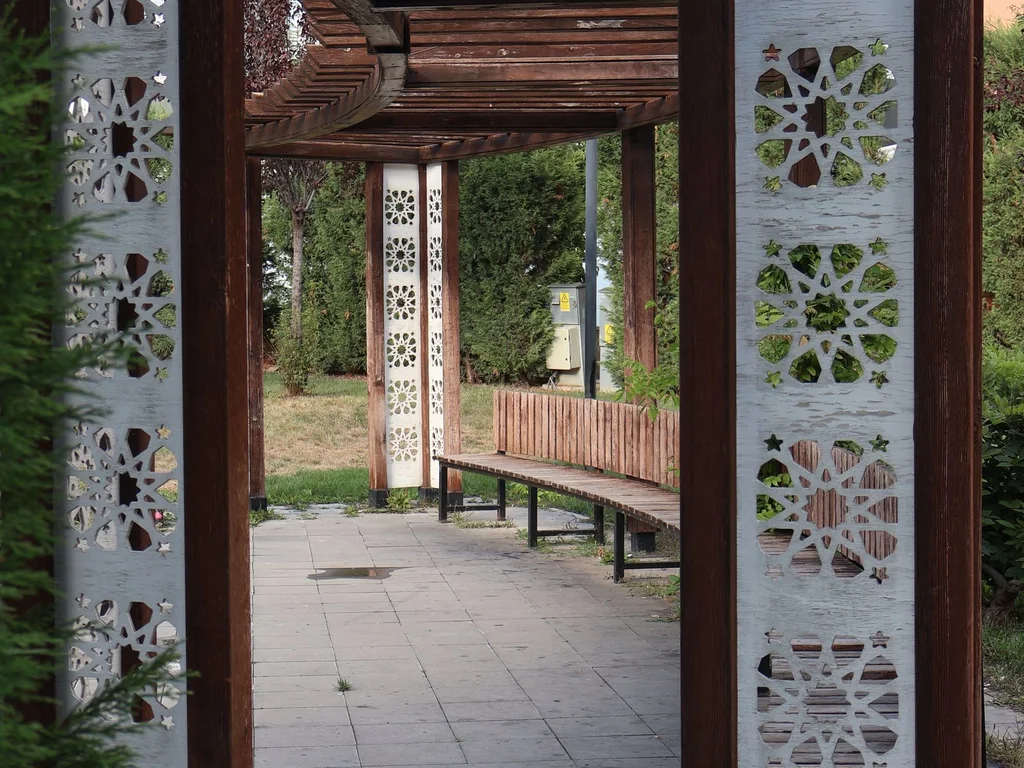
A pergola gives shade without darkness and structure without a roof. Train a vine or a climbing rose over the top and the light beneath turns soft and green. Keep the posts chunky and well fixed, and site it so it frames a view rather than blocking one.
15. Add a Fire Pit for Longer Evenings
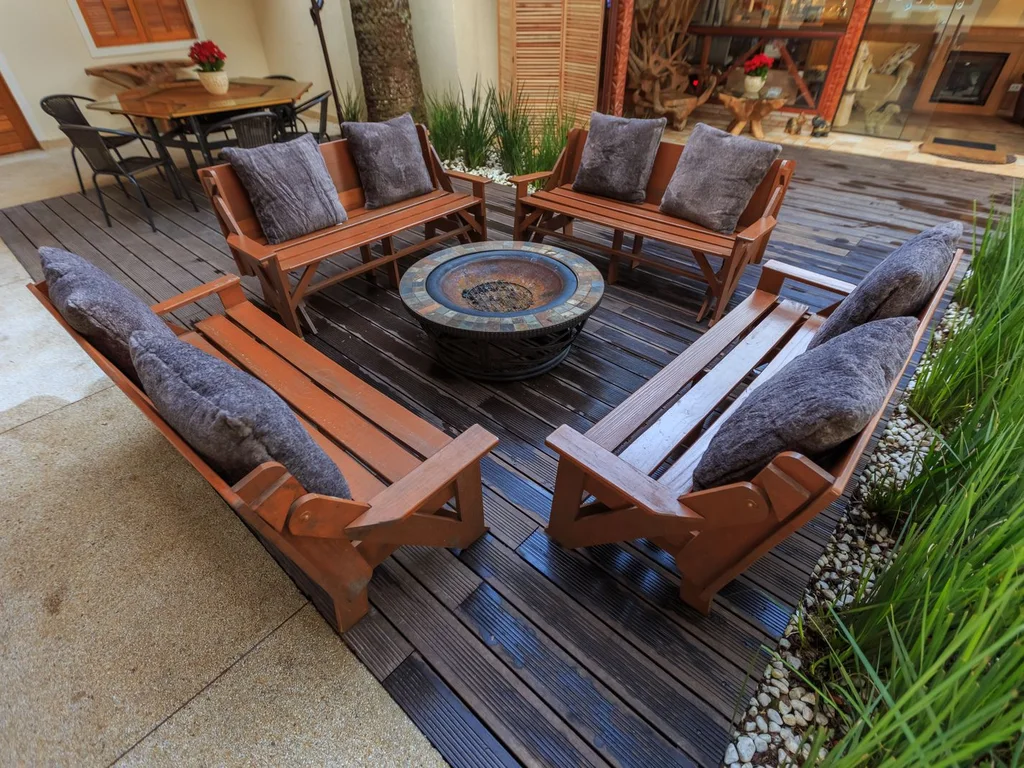
A fire pit or fire bowl extends the garden season deep into autumn and turns an ordinary evening into an occasion. Site it away from fences and overhanging branches, on a non-flammable surface, and keep seating in a loose circle so everyone can see the flames and each other.
16. Create a Sunken Seating Nook
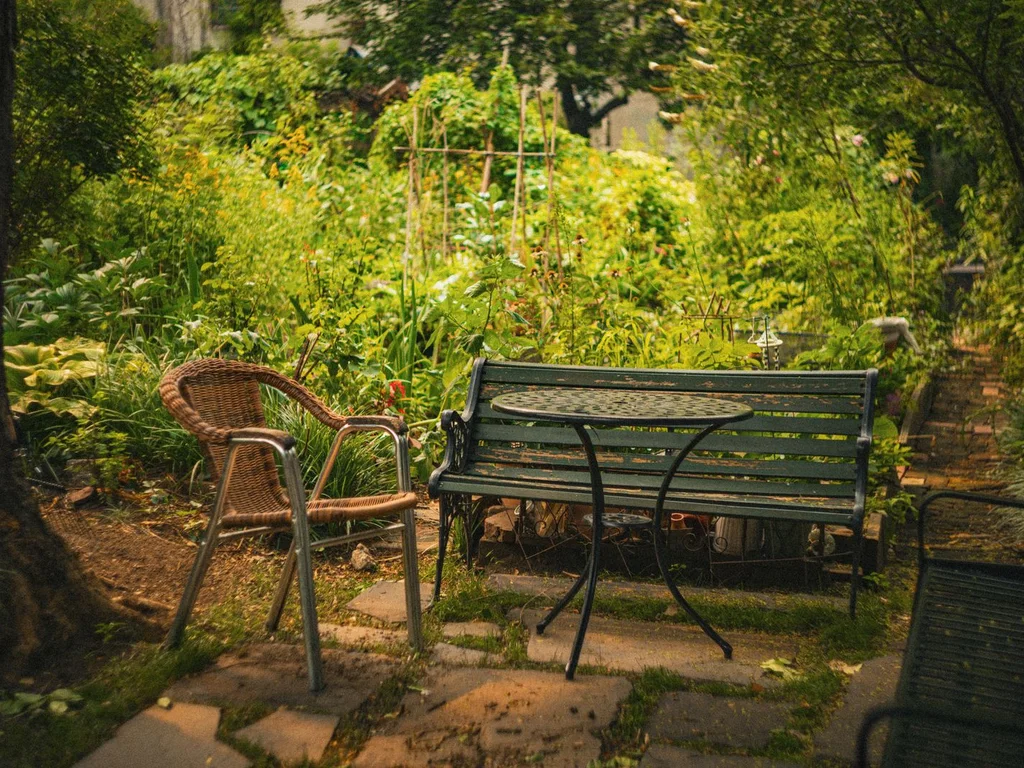
Dropping a seating area by even one or two steps creates a sense of enclosure and shelter from wind that flat patios never achieve. Low retaining walls double as extra seating, and the change of level makes a small garden feel designed rather than merely paved. Check drainage before you dig.
17. Choose Paving That Suits the House
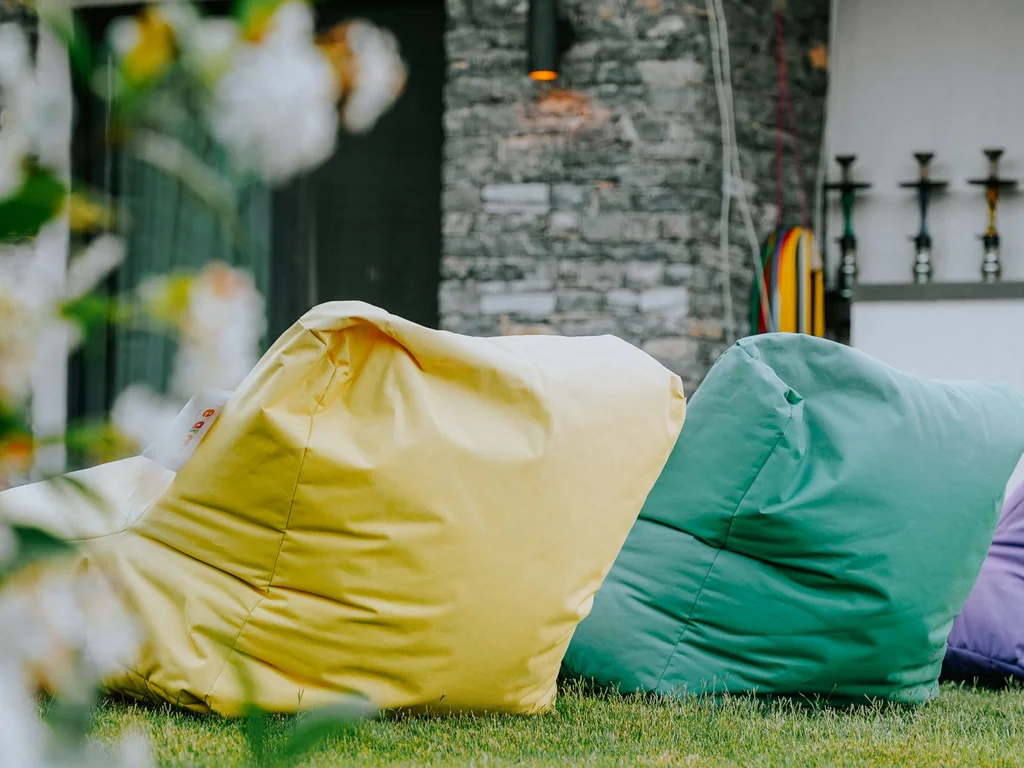
Paving should feel like a continuation of the house, not a separate world. Warm stone suits brick and cottage styles, while large-format slabs and porcelain suit modern homes. Pick one main material and one accent, and repeat them elsewhere in the garden for a coherent look.
18. Soften Patio Edges With Planting
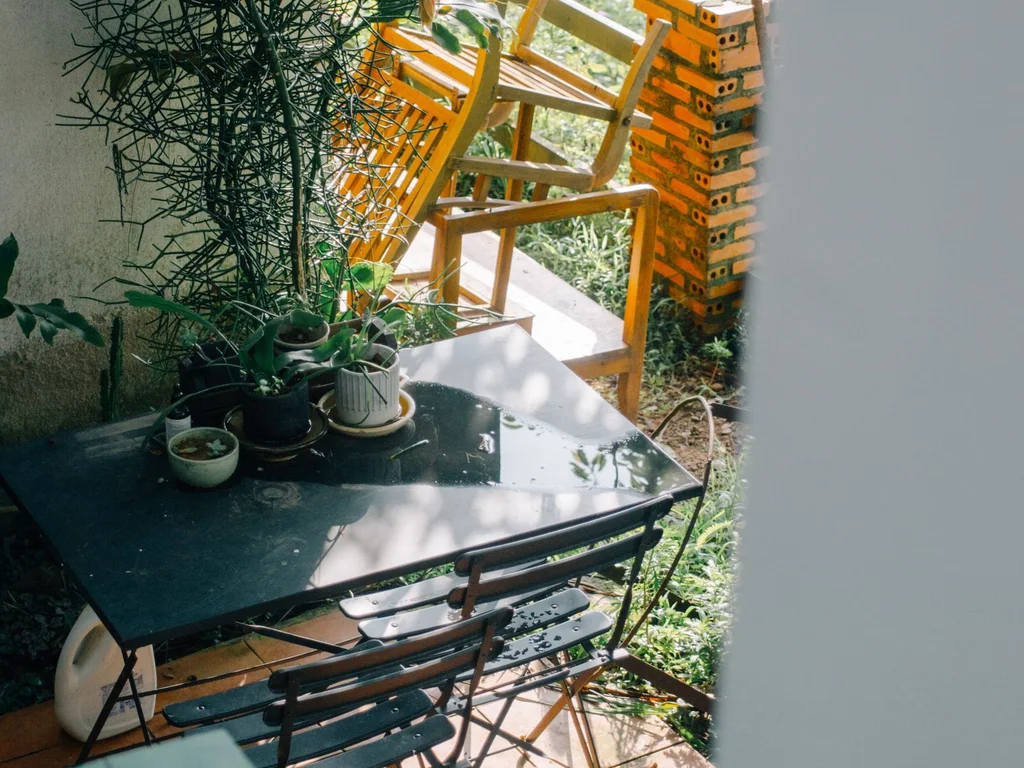
The edge of a patio is where hard meets soft, and it deserves planting: lavender along a sunny edge, ferns in shade, or grasses that sway over the paving. Plants at the edge blur the boundary, cool the stone in summer and make the seating area feel like part of the garden.
19. Add an Outdoor Dining Kitchen Corner
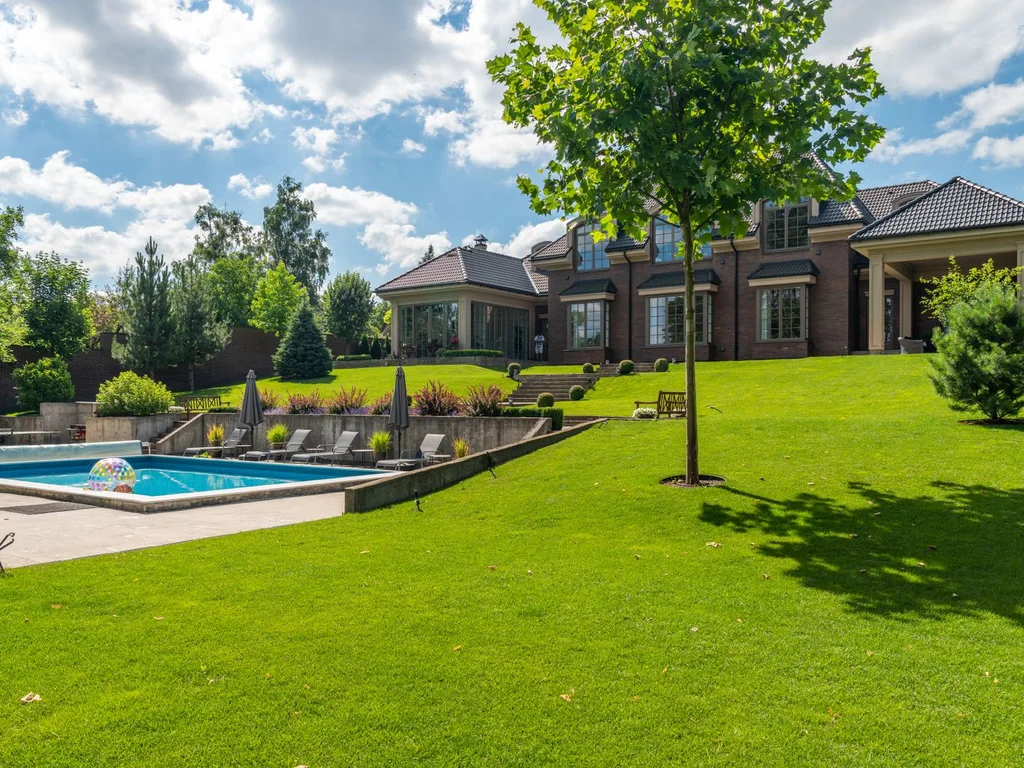
You do not need a full outdoor kitchen to cook outside well. A sheltered corner near the back door with a barbecue, a small work surface and somewhere to store tools covers most summer cooking. Keep it close to the house for water and power, and downwind of the seating area.
20. Make a Reading Corner Away From the House
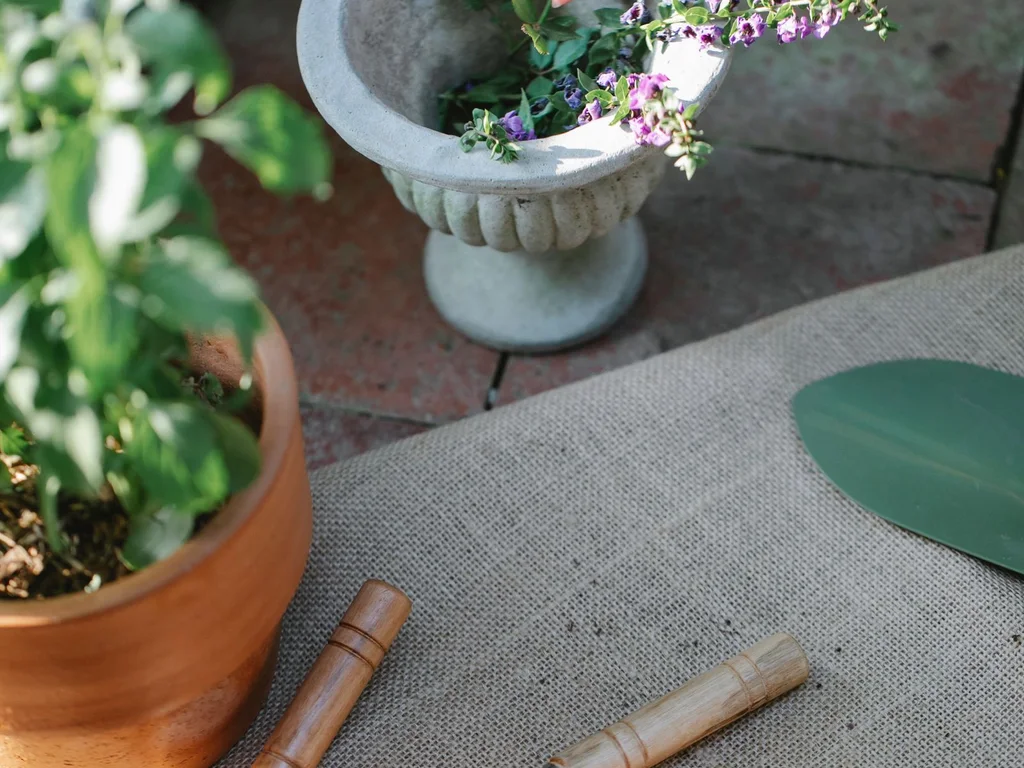
A single comfortable chair, a small table and a plant or two at the far end of the garden creates a private retreat that costs almost nothing. The short walk to it becomes part of the pleasure, and because it is away from the house, it feels like a genuine escape.
3. Planting Schemes and Flower Beds
21. Plant in Drifts, Not in Rows
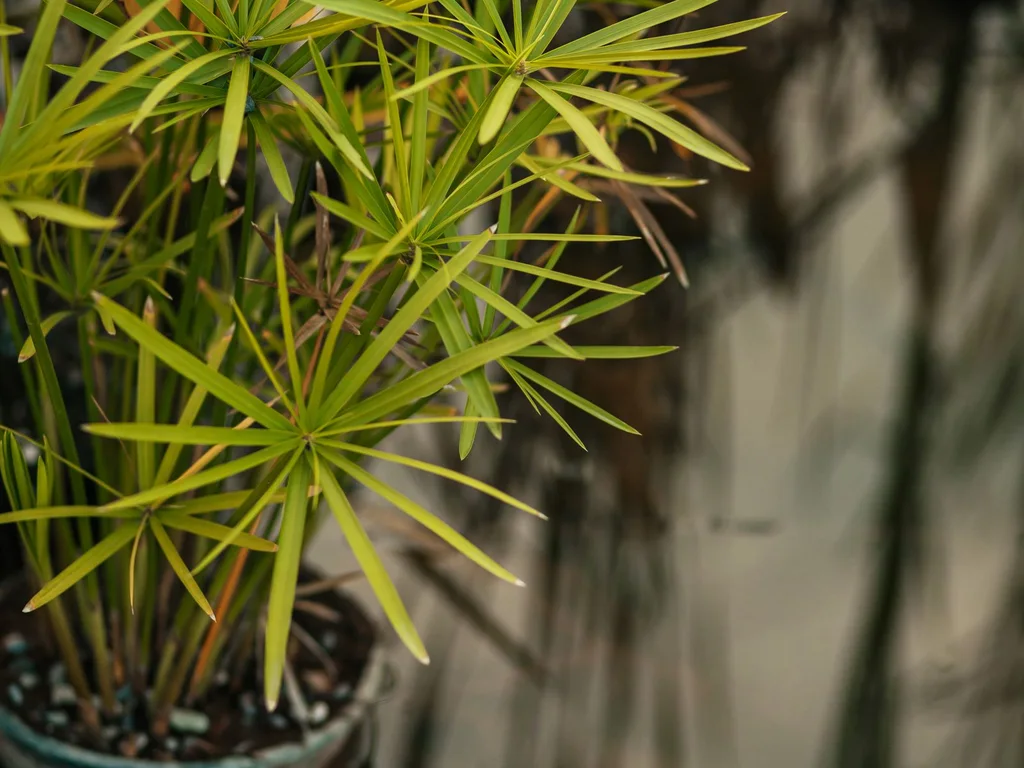
Groups of five, seven or nine of the same plant read as natural sweeps of colour, while single plants dotted in a row look thin and fussy. Drifts also help pollinators, which can work one patch efficiently. Repeat each drift at intervals through the bed to tie the whole scheme together.
22. Layer Plants by Height
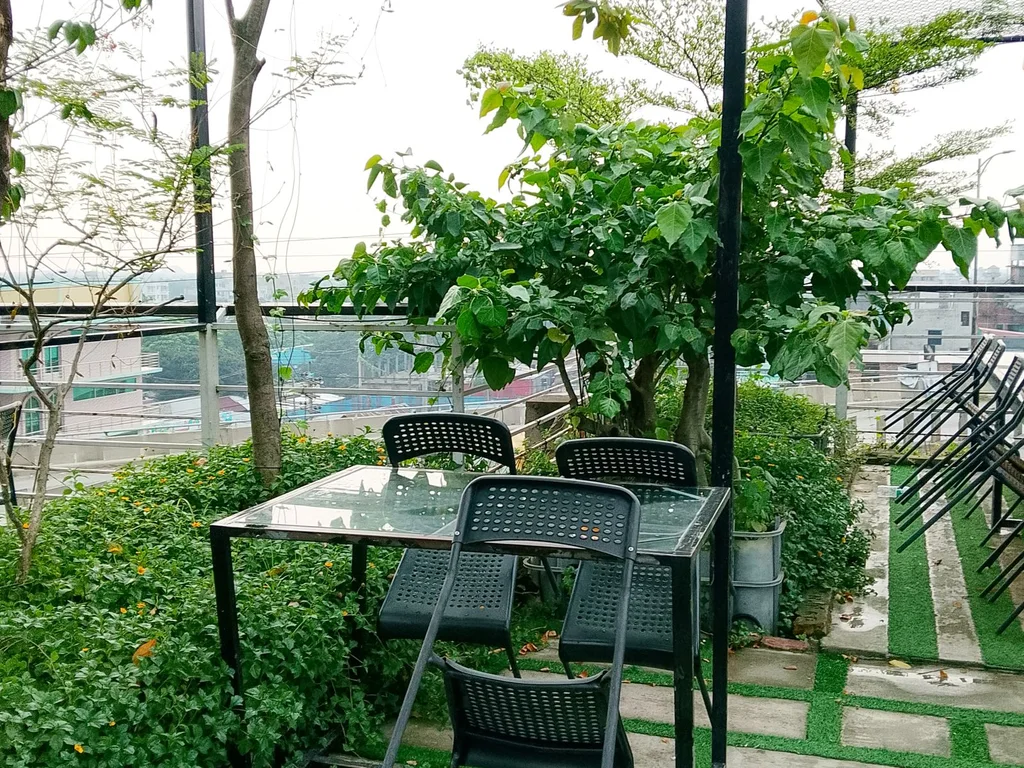
A bed that works has tall plants at the back, medium plants in the middle and low plants at the front, like steps down to the lawn. Layering hides bare stems, gives every plant its light and creates a full look even when only a few things are flowering. Leave gaps for plants to grow into.
23. Mix Evergreens With Seasonal Stars
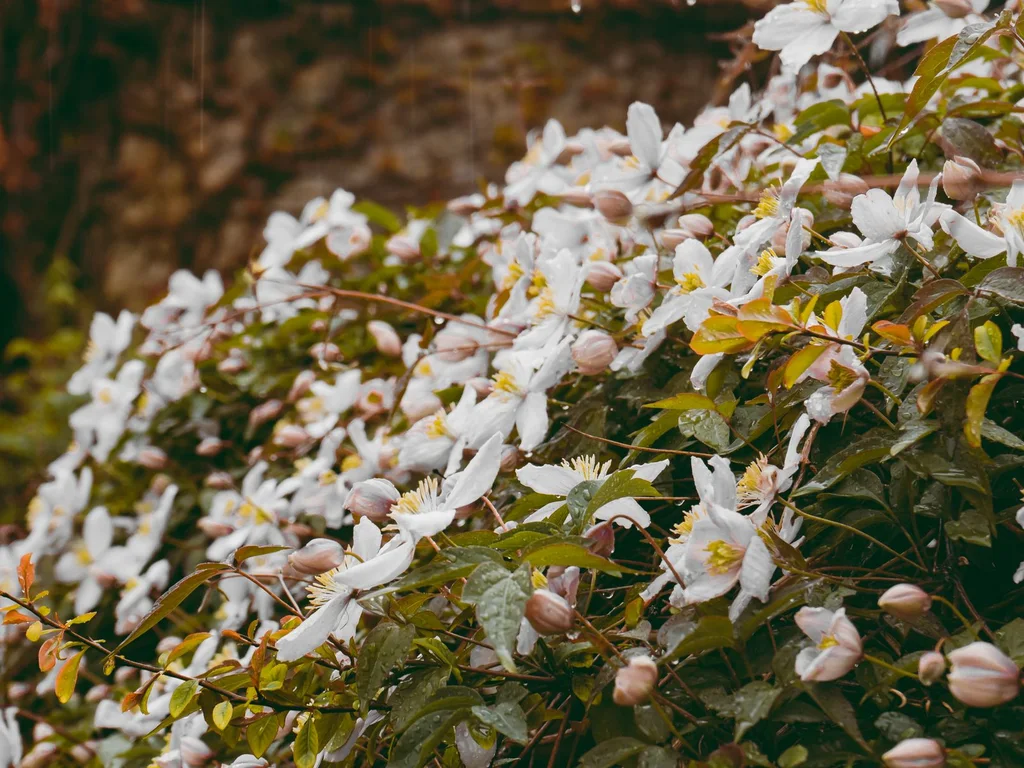
Evergreen shrubs are the backbone that keeps beds looking intentional in winter, while perennials and bulbs provide the seasonal show. A ratio of about one evergreen to three seasonal plants keeps beds lively without looking bare when flowers fade. Choose evergreens with interesting leaves, not just green blobs.
24. Choose Plants for Your Soil, Not Just Your Taste
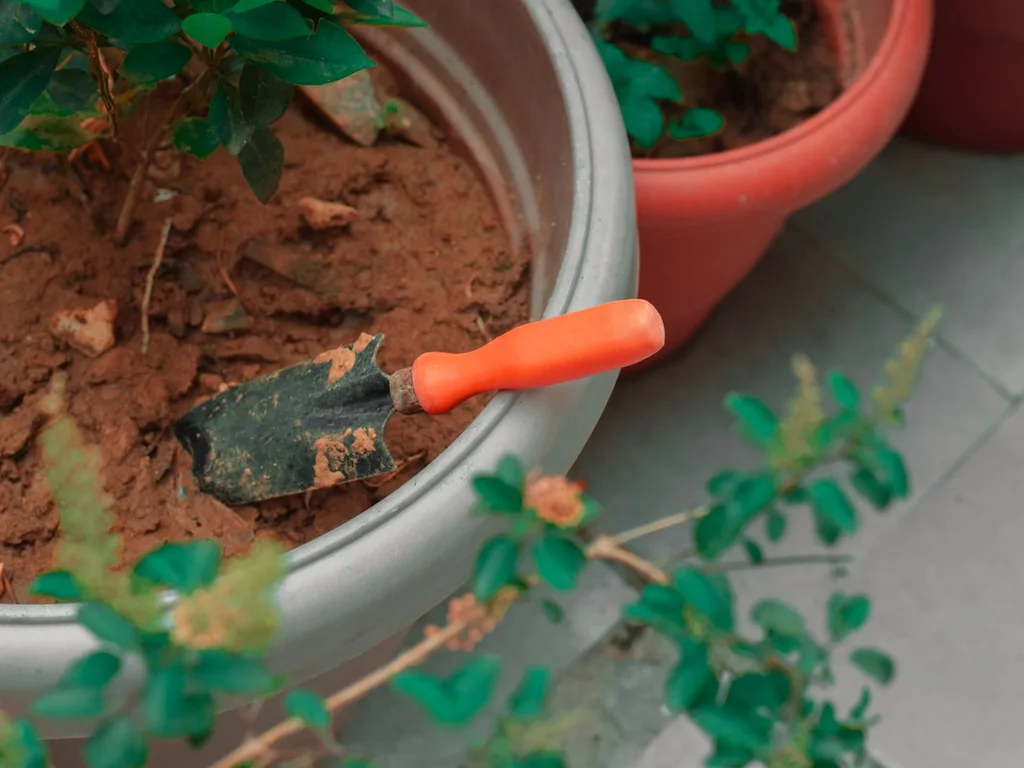
The plants that thrive with least effort are the ones suited to your soil and light. Test whether your soil is acid or alkaline, clay or sand, and shortlist accordingly. Fighting your soil with constant feeding and watering is expensive; working with it is the quiet secret of low-maintenance gardens.
25. Repeat Key Plants Through the Garden
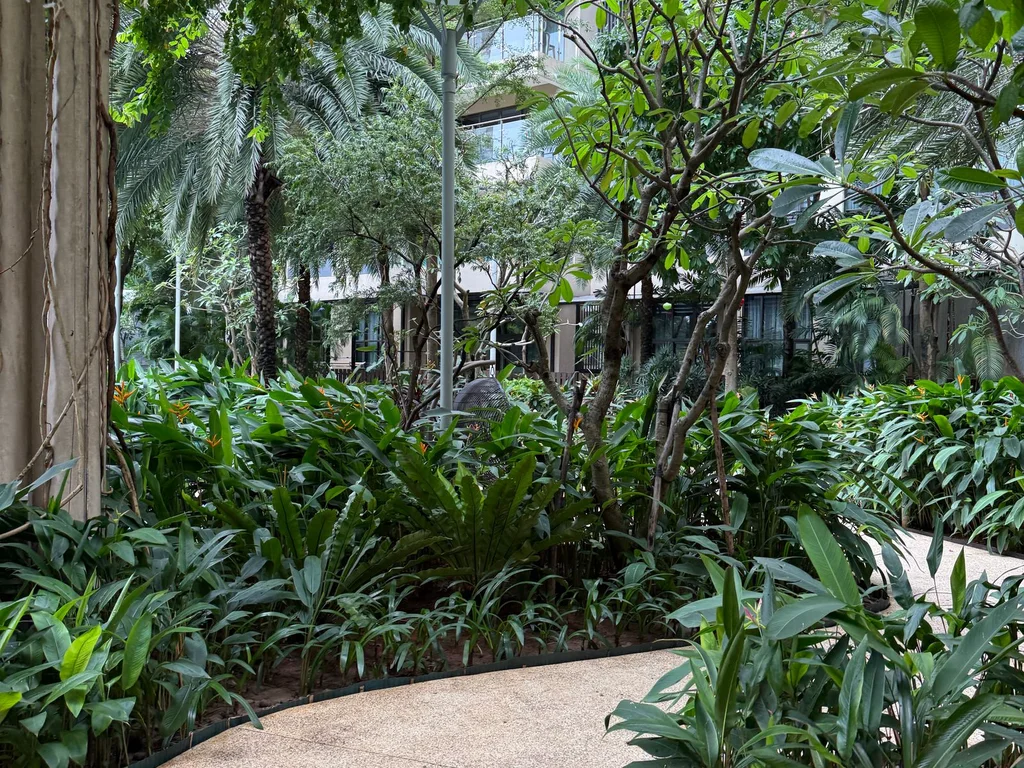
Repeating the same plant in several beds is what makes a garden feel designed rather than collected. Pick three or four reliable favourites — a grass, a shrub, a perennial — and echo them in different combinations. Repetition calms a busy scheme and links separate areas into one garden.
26. Plant for Pollinators All Season
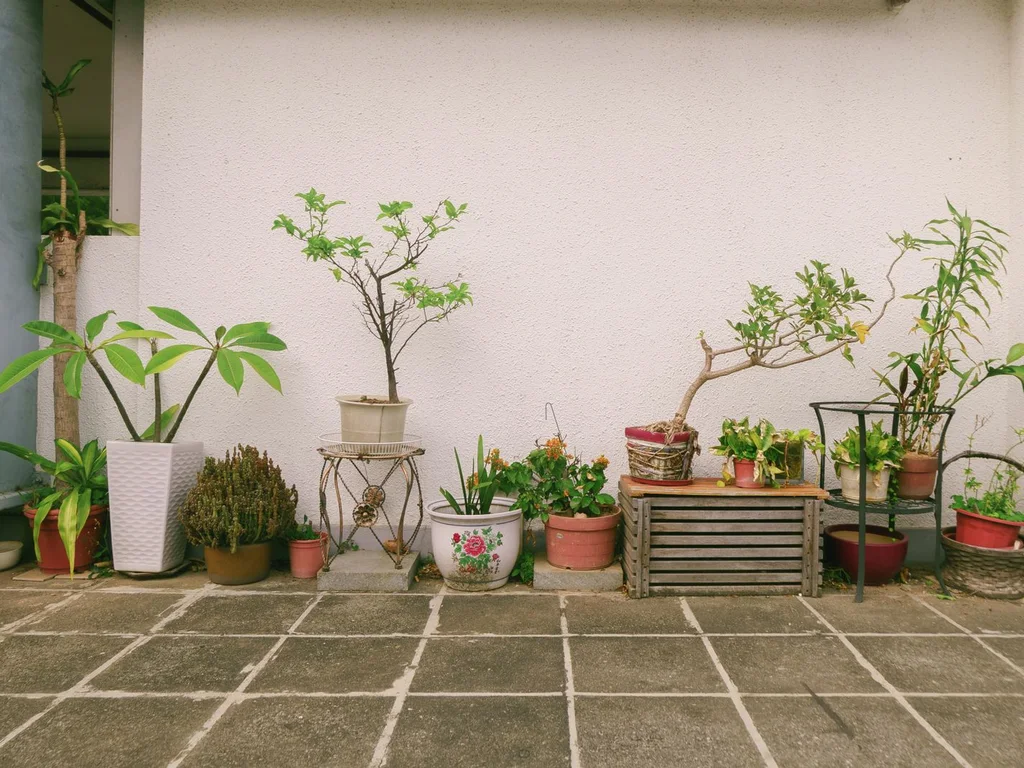
Bees and butterflies need flowers from early spring to late autumn, not just a summer flush. Include early bulbs and blossom, mid-season perennials and late asters and sedums. Single, open flowers feed insects far better than double blooms, so favour simple flower shapes where you can.
27. Use Grasses for Movement and Texture
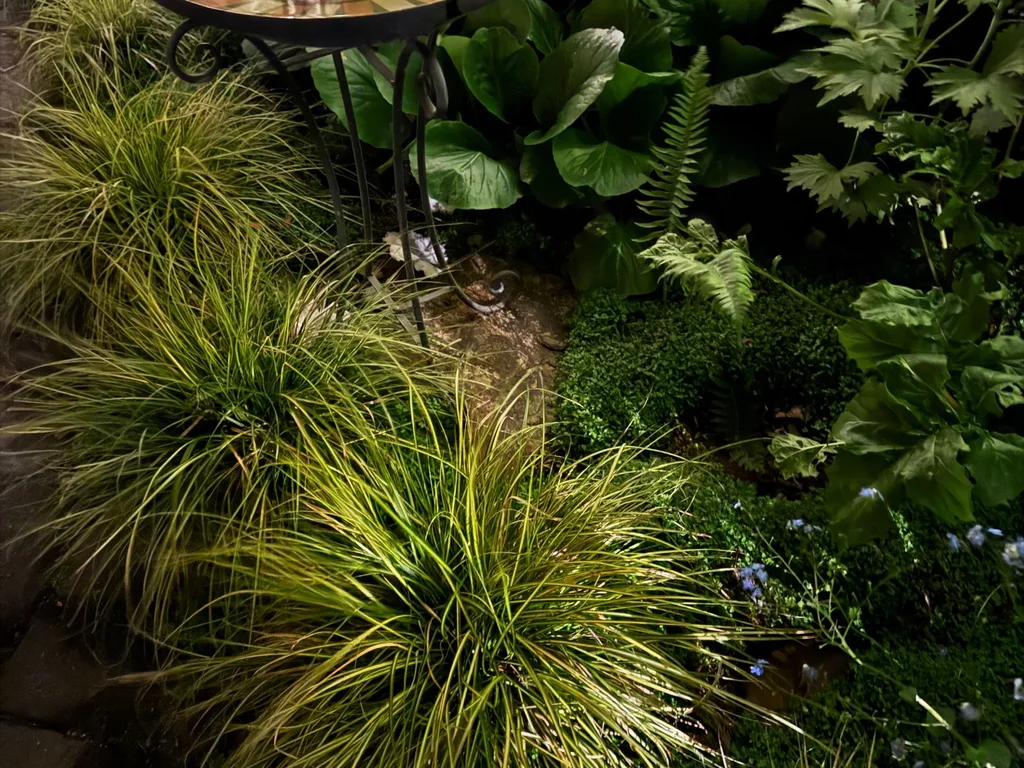
Ornamental grasses catch light, move in the breeze and look good for months, including winter when their seed heads frost beautifully. Mix fine grasses among perennials to soften stiff planting, and use one large specimen grass as a focal point in a sunny bed. Cut them back in early spring.
28. Edge Beds With Low, Tough Plants
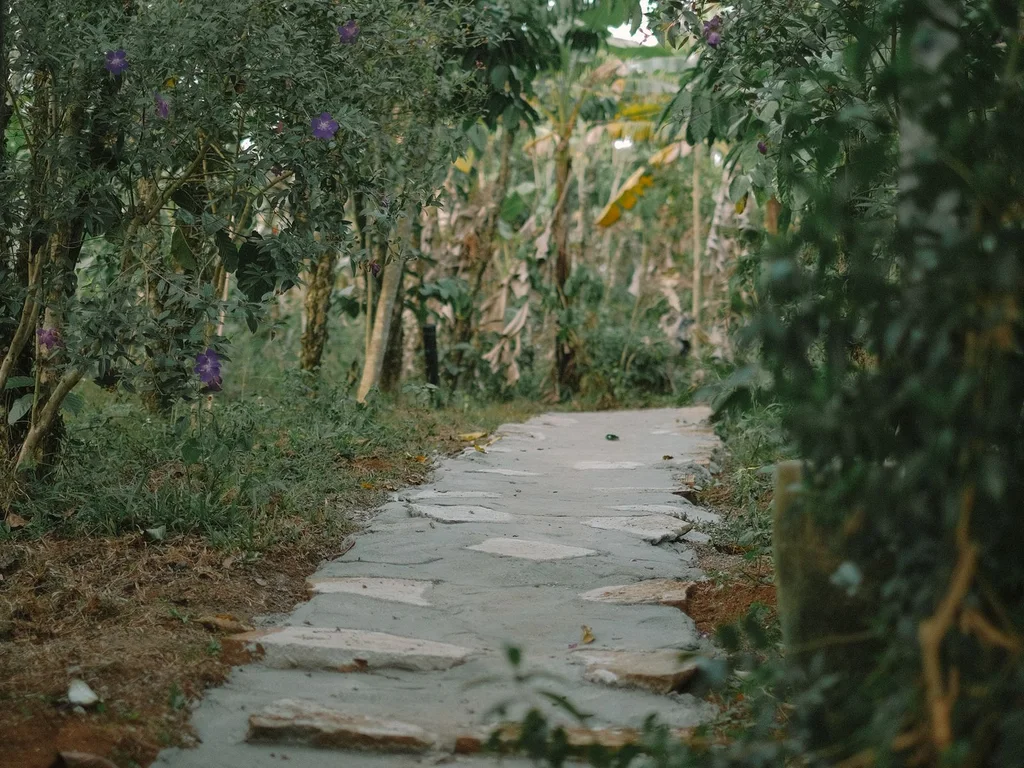
A tidy bed edge makes the whole garden look cared for. Low edging plants such as lavender, geranium or box alternatives hold the line between bed and lawn, suppress weeds and survive the occasional mower wheel. Keep the edging plant the same along a run for a clean, finished effect.
29. Add Scent Near Paths and Doors
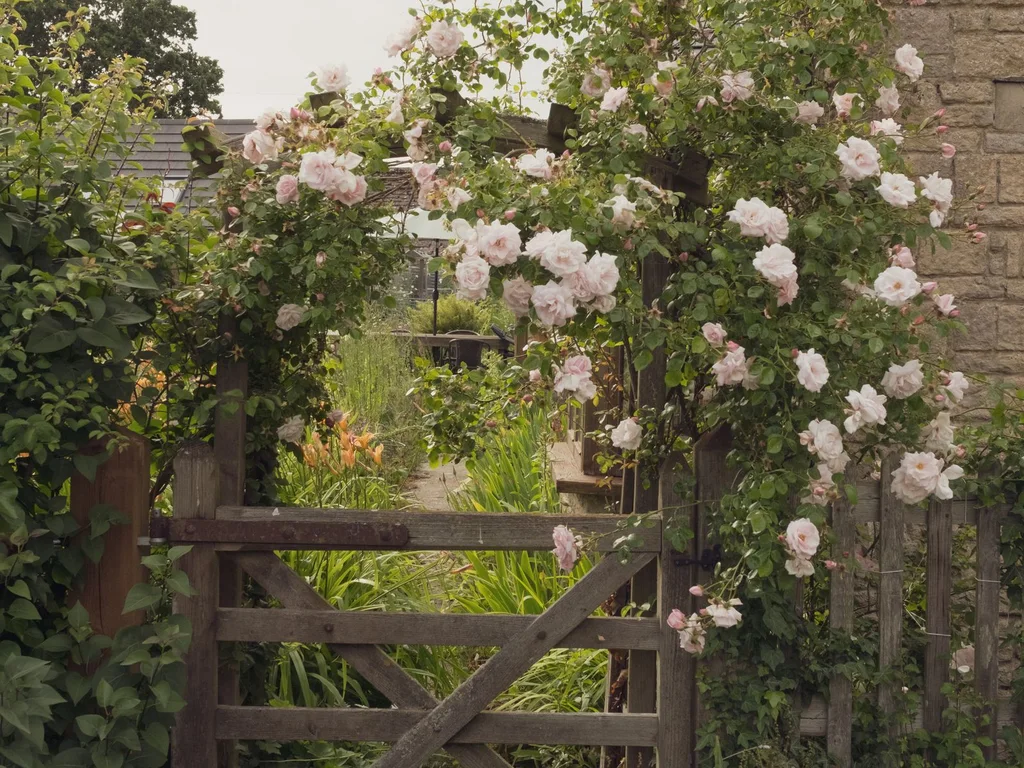
Scent is the most underused design tool in gardens. Plant roses, lavender, jasmine or herbs where people brush past them — beside paths, by the back door and near seating — so fragrance is released by touch and warm air. Scented planting turns a walk through the garden into an experience.
30. Plan a Succession of Colour
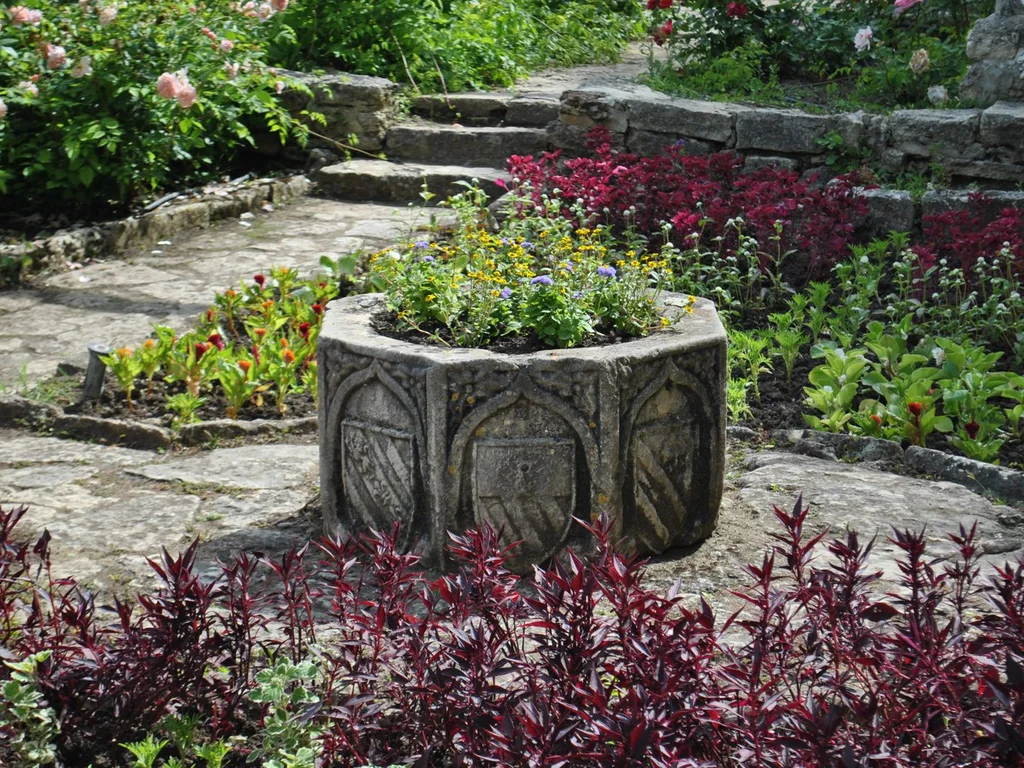
Note what flowers in each month and fill the gaps deliberately: bulbs for spring, roses and perennials for summer, asters and grasses for autumn, berries and bark for winter. A simple month-by-month list on paper prevents the common problem of a garden that peaks for three weeks and then goes quiet.
4. Small Gardens and Courtyards
31. Use Vertical Space in Small Gardens
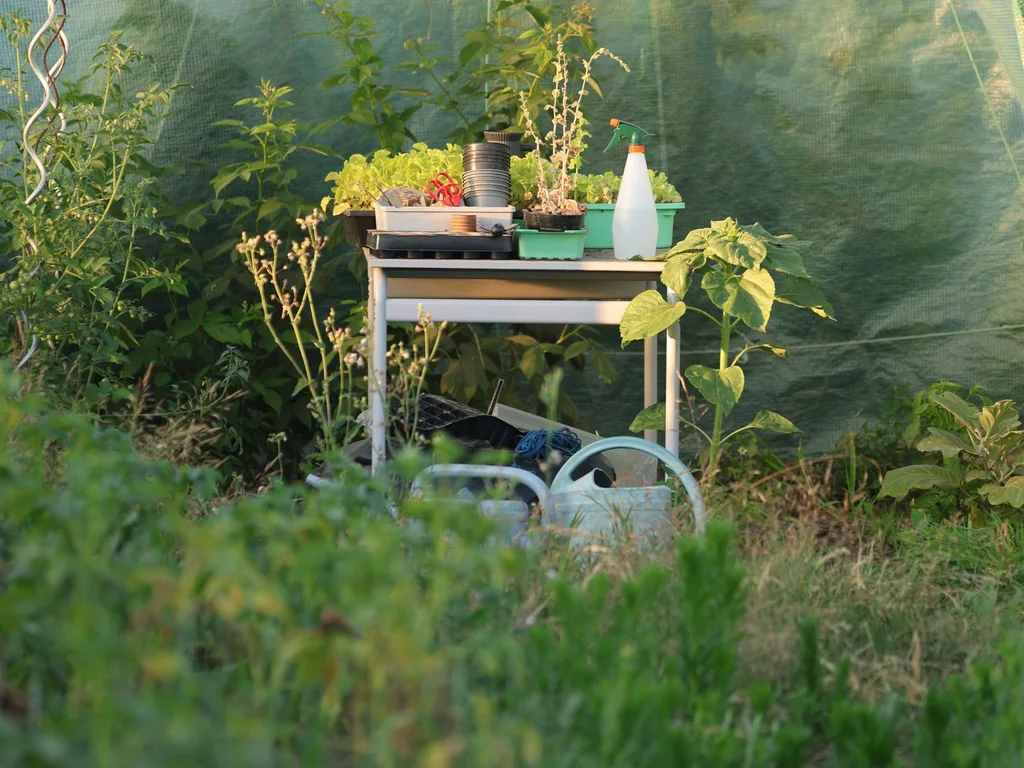
When the ground is small, the walls and fences become your garden. Trellis, wall-mounted planters and climbing plants multiply the planting area without taking floor space. A green wall of jasmine or clematis can hold more plants than a whole small border and looks spectacular from the house.
32. Choose One Large Pot Instead of Many Small Ones
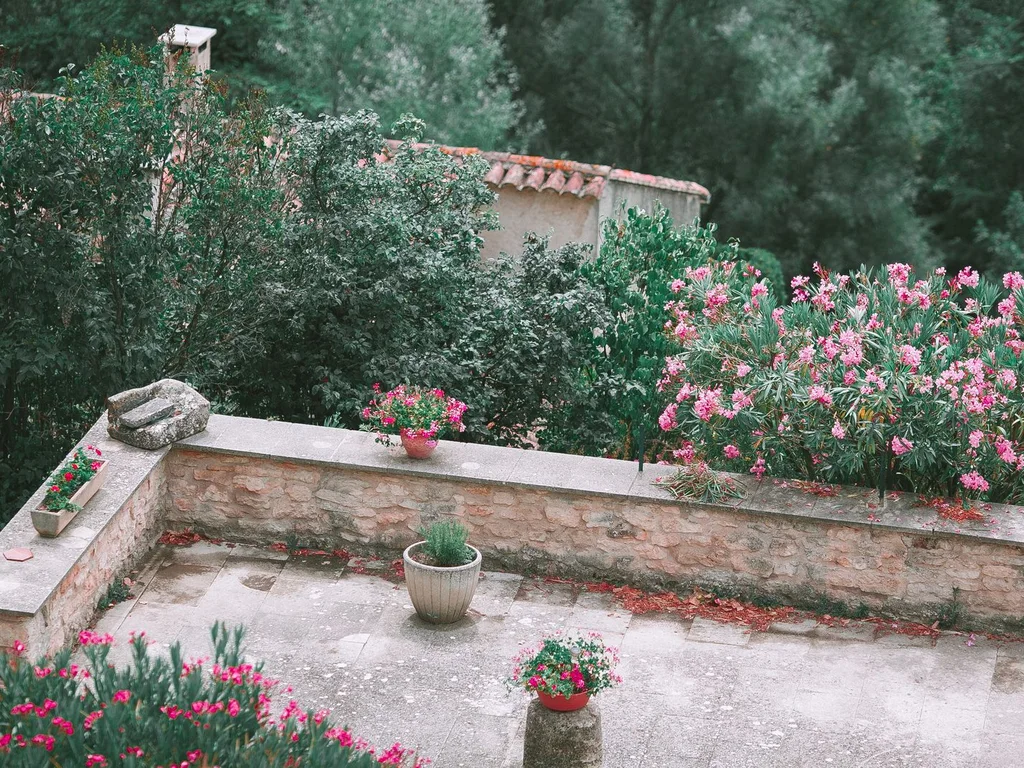
Small pots dry out fast and look cluttered. One or two large containers with a small tree, a shrub and trailing plants underneath make a stronger statement, hold moisture longer and need less watering. In a courtyard, a single handsome pot can be the entire focal point.
33. Mirror the Space With Reflective Surfaces
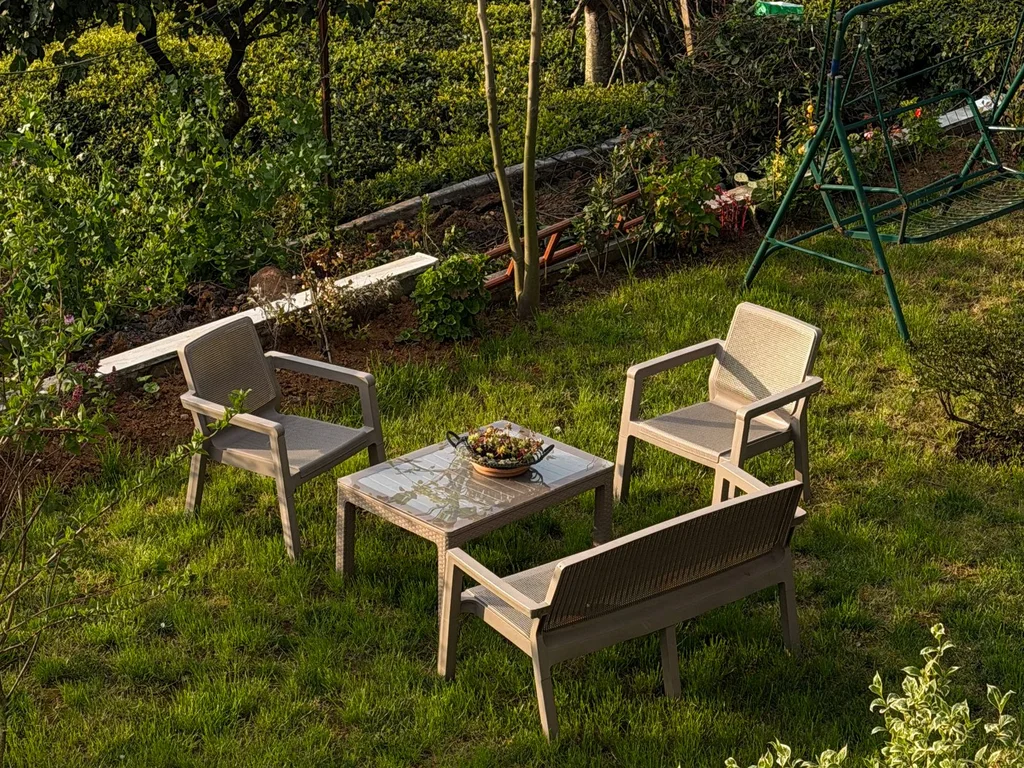
A mirror fixed to a shaded wall, a still water bowl or light-coloured paving can make a courtyard feel twice its size. Use reflection sparingly and safely — angle mirrors so they do not dazzle or confuse birds — and pair them with real planting so the effect stays natural.
34. Keep Small Garden Layouts Simple
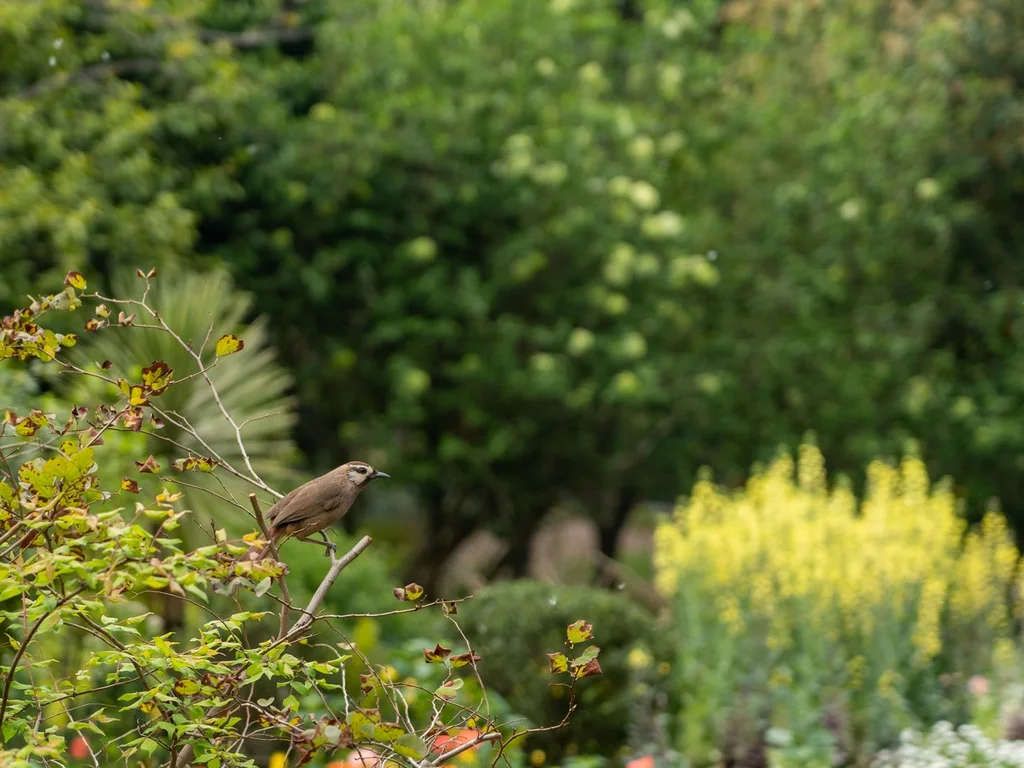
Small gardens suffer most from too many ideas at once. One path, one seating area, one focal point and generous planting beat a patchwork of features every time. Simplicity reads as calm and generous; clutter reads as smaller than the garden really is.
35. Use Pale Paving to Brighten a Courtyard
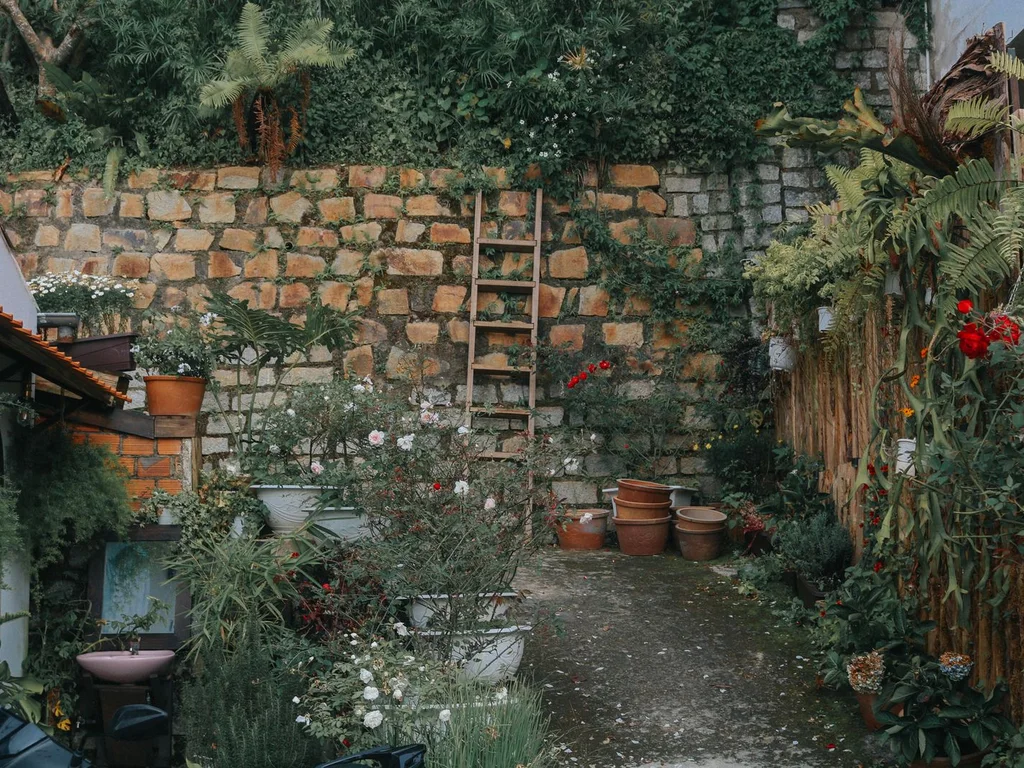
Dark paving absorbs light and makes enclosed courtyards feel gloomy. Pale stone, light gravel or white-painted walls bounce daylight around and lift the whole space. Combine pale surfaces with green foliage and one bright flower colour for a courtyard that feels fresh, not washed out.
36. Grow a Small Tree in a Courtyard
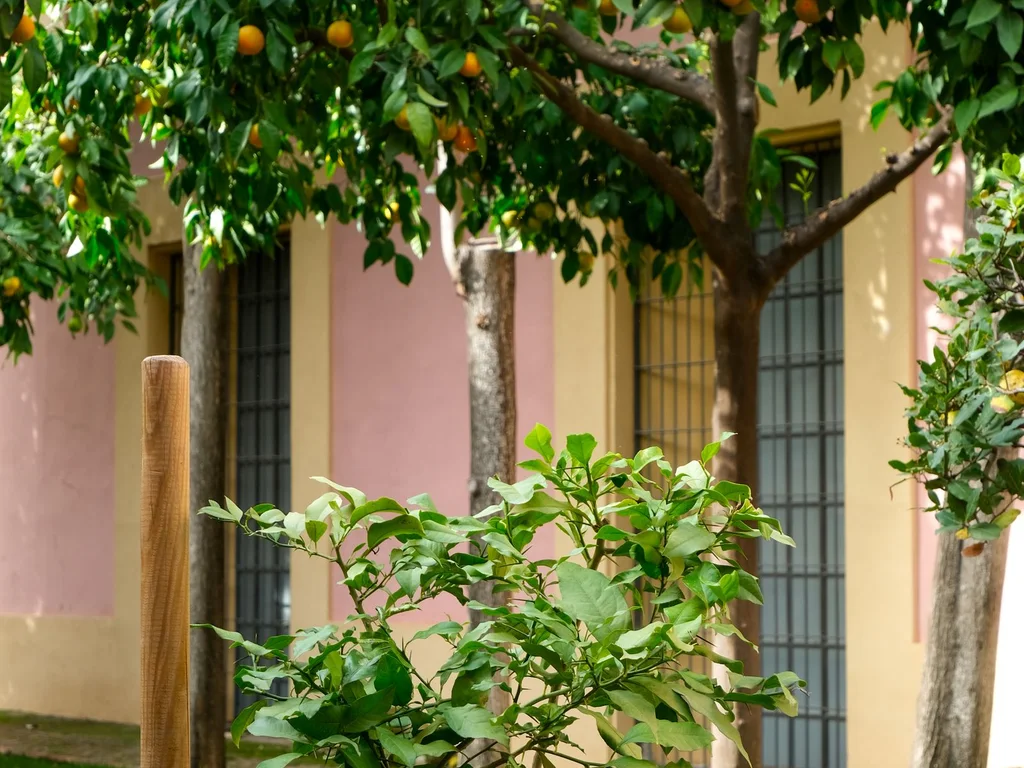
Even a tiny courtyard can hold a small tree — an amelanchier, a crab apple or an olive in a large pot — and the vertical canopy transforms the space. A tree gives shade, seasonal change and a sense of scale that no amount of small pots can match. Choose a variety that stays naturally compact.
37. Make Narrow Side Passages Useful
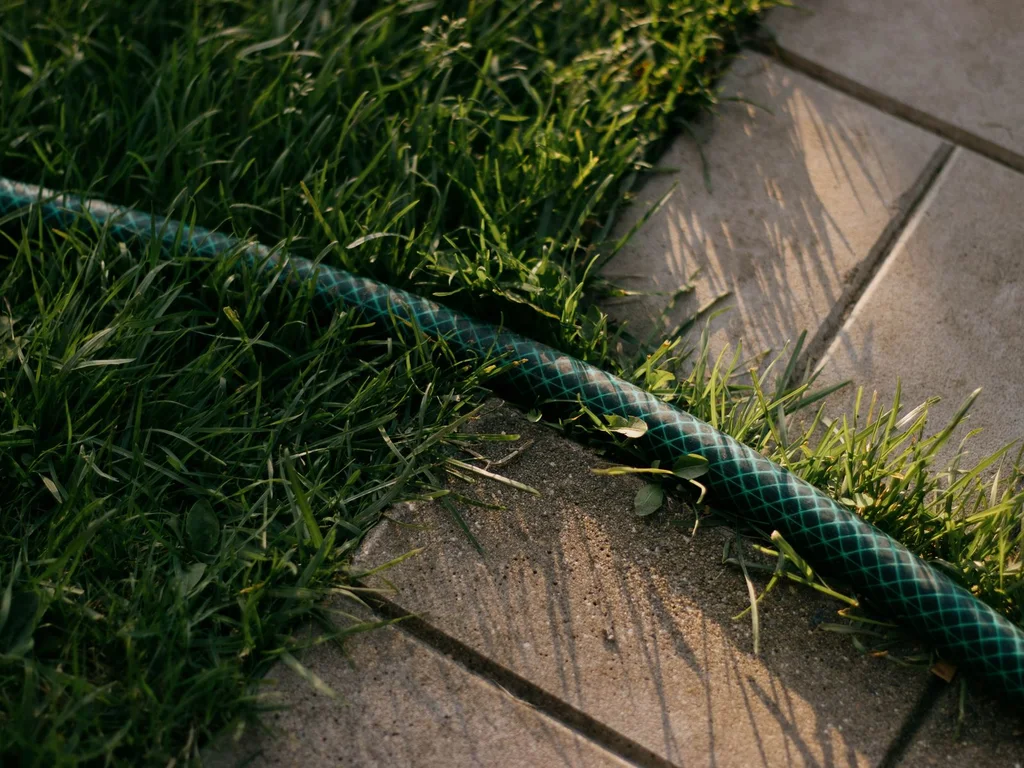
The narrow strip beside the house is often wasted, yet it can hold a herb bed, a bin store screened by trellis, or a shady fern walk. Pave it properly, add wall planters, and a forgotten passage becomes a productive part of the garden rather than a dumping ground.
38. Use Foldable Furniture in Tiny Gardens

In a courtyard, furniture that folds or stacks keeps the space flexible: breakfast table out in the morning, clear floor for children or plants by afternoon. Choose pieces that hang on the wall or fold flat against it, and store cushions in a weatherproof box that doubles as a seat.
39. Plant a Living Screen for Privacy
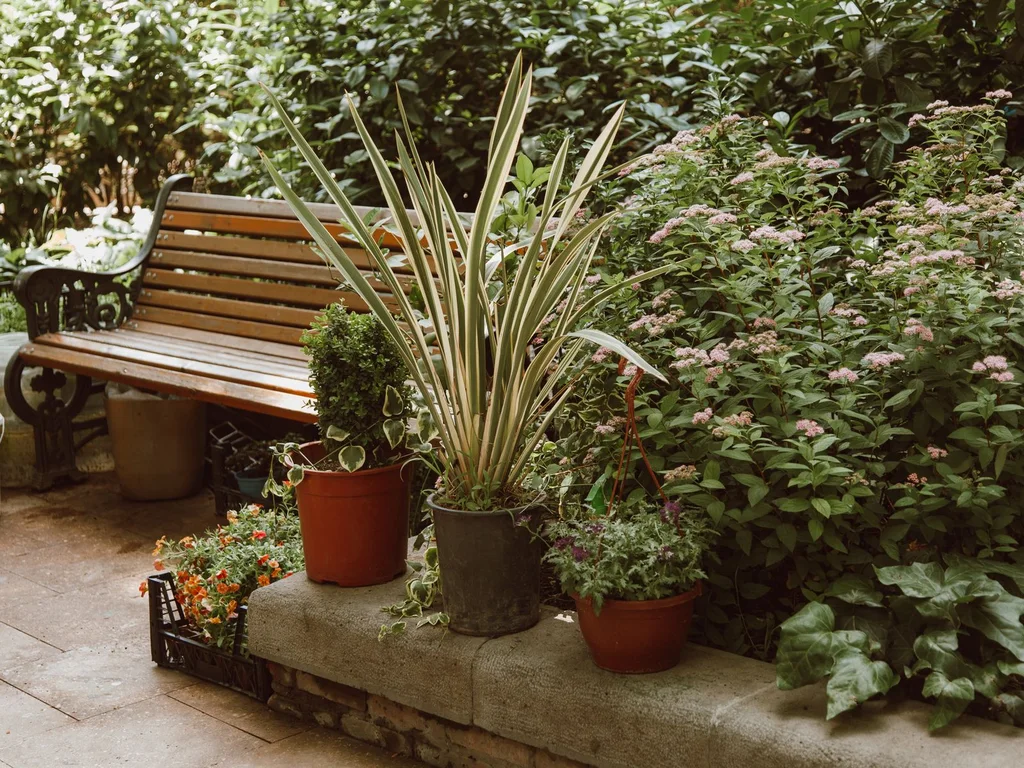
Bamboo in containers, pleached trees or a tall hedge screen overlooking windows without the harshness of a high fence. Living screens also soften noise and give birds somewhere to nest. Check the mature height and spread before planting, and keep bamboo in pots to stop it spreading.
40. Light a Small Garden From Below
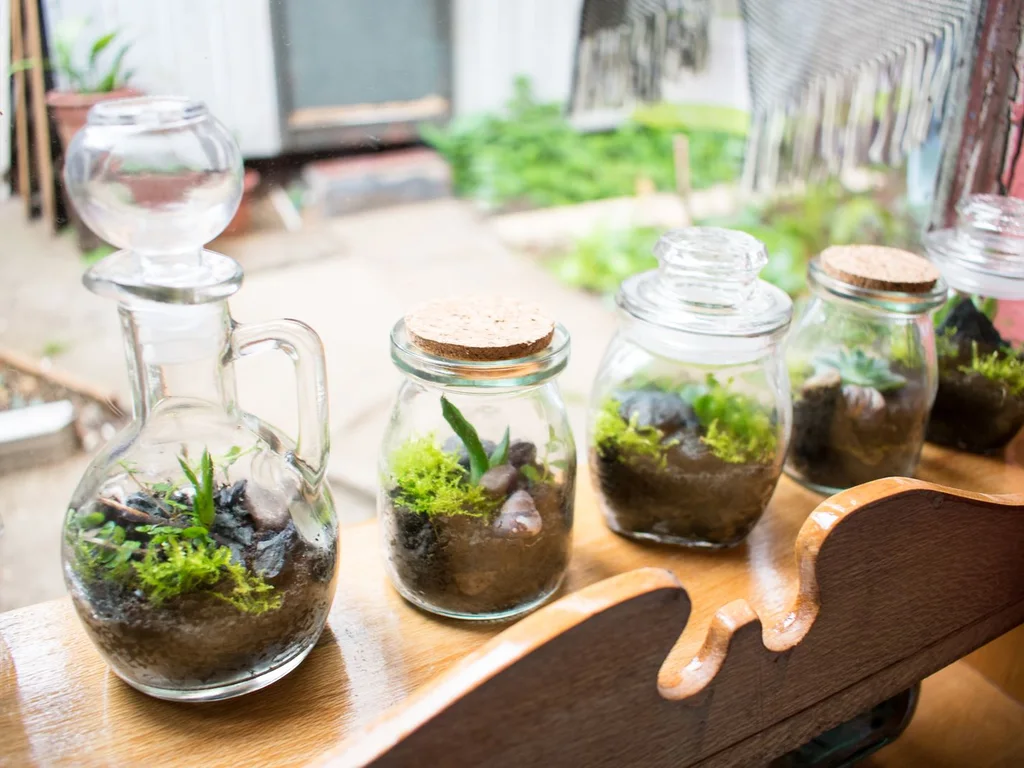
Uplighting a tree, a wall or a sculptural plant makes a small garden feel dramatic after dark and doubles its usable hours. A few low-voltage spotlights, carefully aimed, create depth and shadow that flat overhead lighting destroys. Keep lights warm white for a welcoming glow.
5. Front Gardens and Kerb Appeal
41. Frame the Front Door With Planting
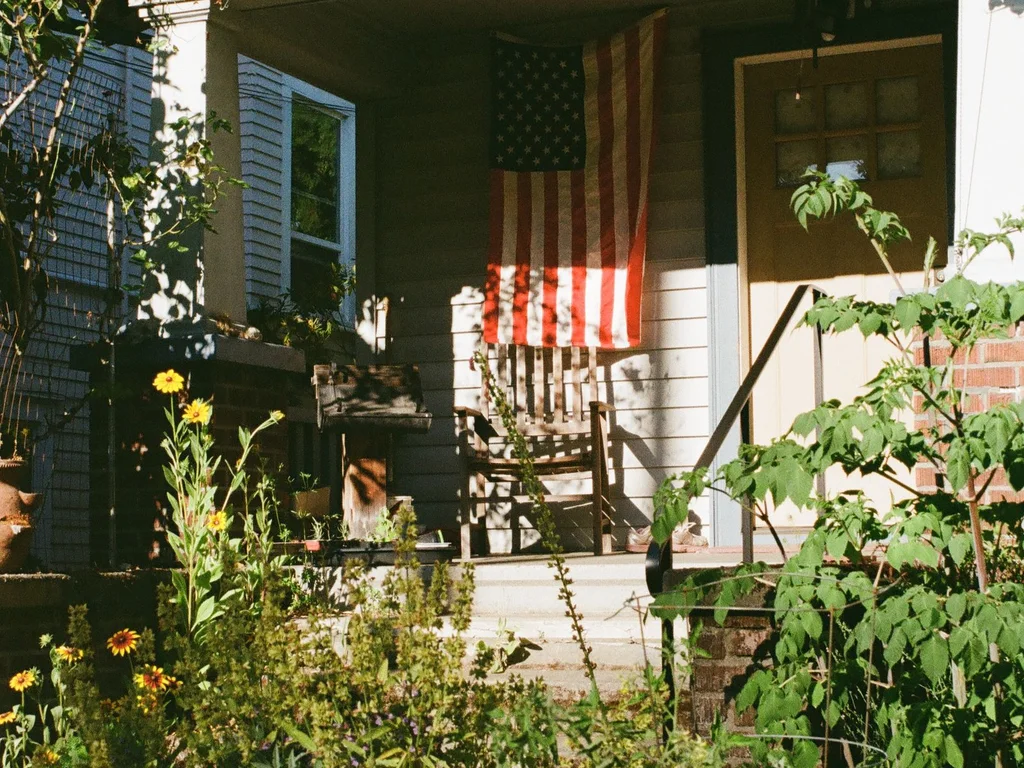
Two matching pots or a pair of clipped shrubs either side of the front door instantly make a house look cared for. Keep the planting neat and in scale with the doorway, and add seasonal colour in the pots so the entrance changes through the year without any replanting of beds.
42. Keep the Path to the Door Clear and Wide
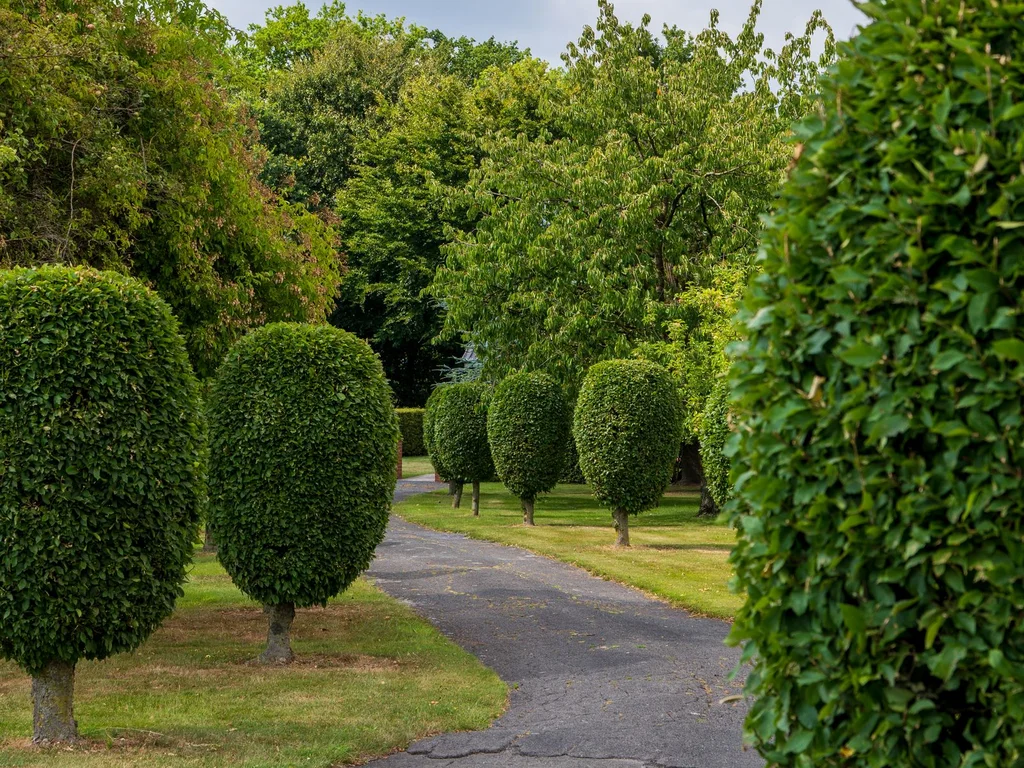
The front path is used daily, so it should be wide, level and well lit, with planting kept back from the edges. A clear, welcoming route says more about a home than any ornament. Repair cracked slabs promptly — a tidy path is the cheapest kerb-appeal improvement there is.
43. Replace Front Lawns With Planting

A small front lawn is often more work than it is worth. Replacing it with shrubs, grasses and perennials cuts mowing, feeds pollinators and looks good all year. Keep a clear sightline for drivers and pedestrians, and leave access for bins and deliveries.
44. Add a Low Front Hedge, Not a High Fence
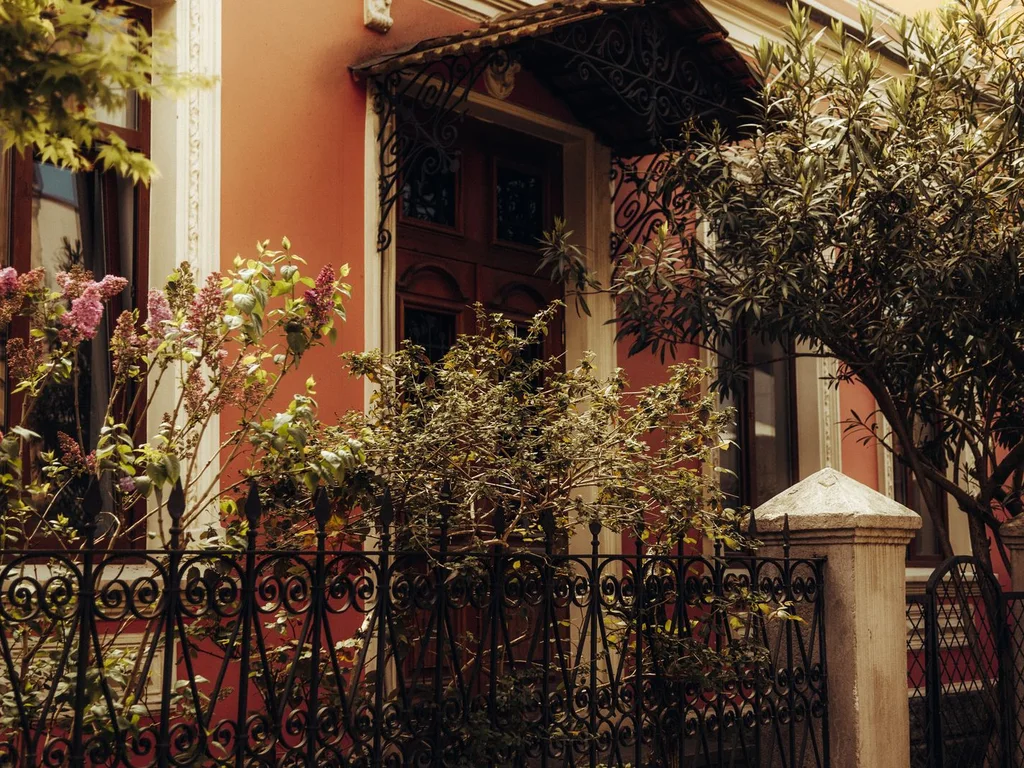
A low hedge marks the boundary, shelters wildlife and looks friendly, while a tall solid fence can make a house feel closed off. Keep front hedges below a metre so the house stays visible and neighbours can chat over them. Trim twice a year to hold a crisp shape.
45. Light the Entrance for Evenings
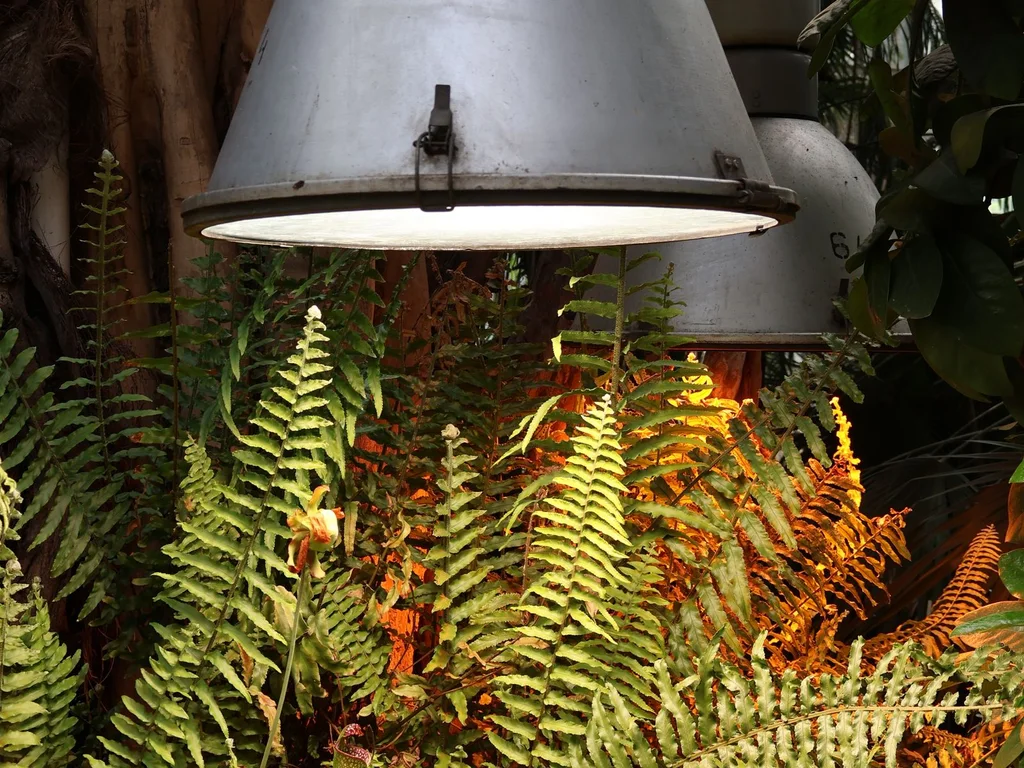
A warm light beside the door and low lights along the front path make a home welcoming and safer after dark. Solar lights work well for paths, but a wired fitting by the door gives reliable light exactly where visitors need it. Keep the glow soft, not glaring.
46. Use Evergreens at the Front for Year-Round Structure

Front gardens are on show all year, so evergreen shrubs, small conifers and clipped shapes carry the design through winter. Mix leaf shapes and greens for interest, and add bulbs and seasonal pots for colour without disturbing the permanent structure.
47. Hide Bins Behind a Screen or Hedge
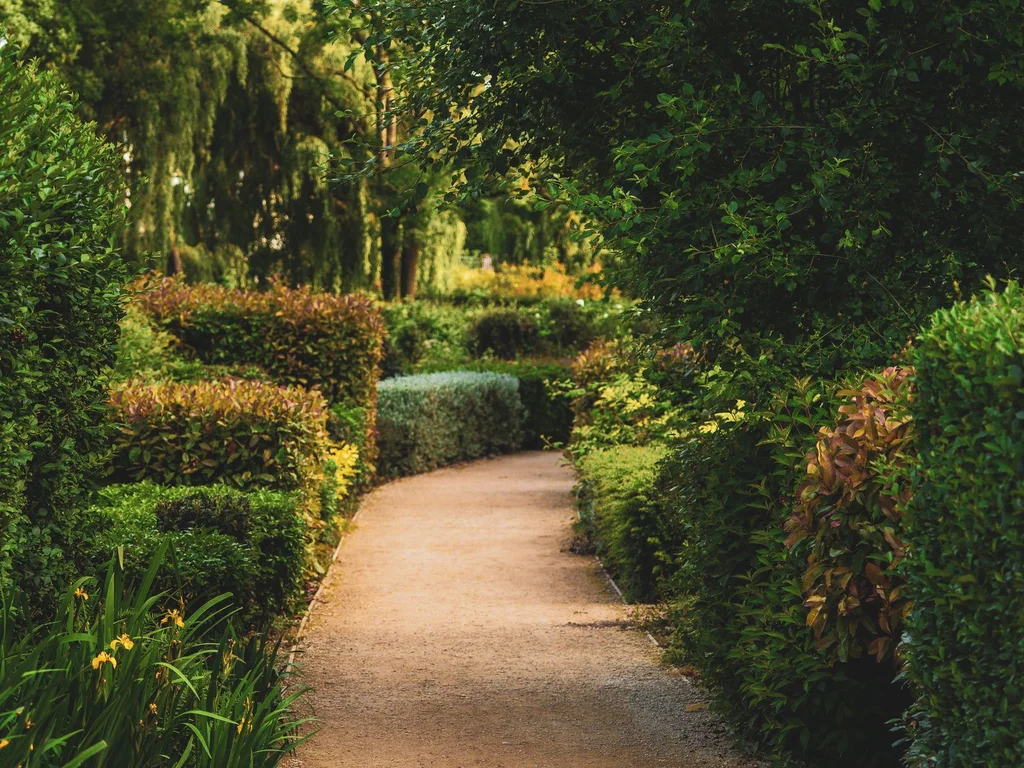
Bins by the front door spoil an otherwise lovely entrance. A simple trellis screen, a small hedge or a purpose-built bin store keeps them accessible but out of sight. Site the store where collection crews can reach it easily, and keep the path to it clear.
48. Plant a Street Tree in the Front Garden
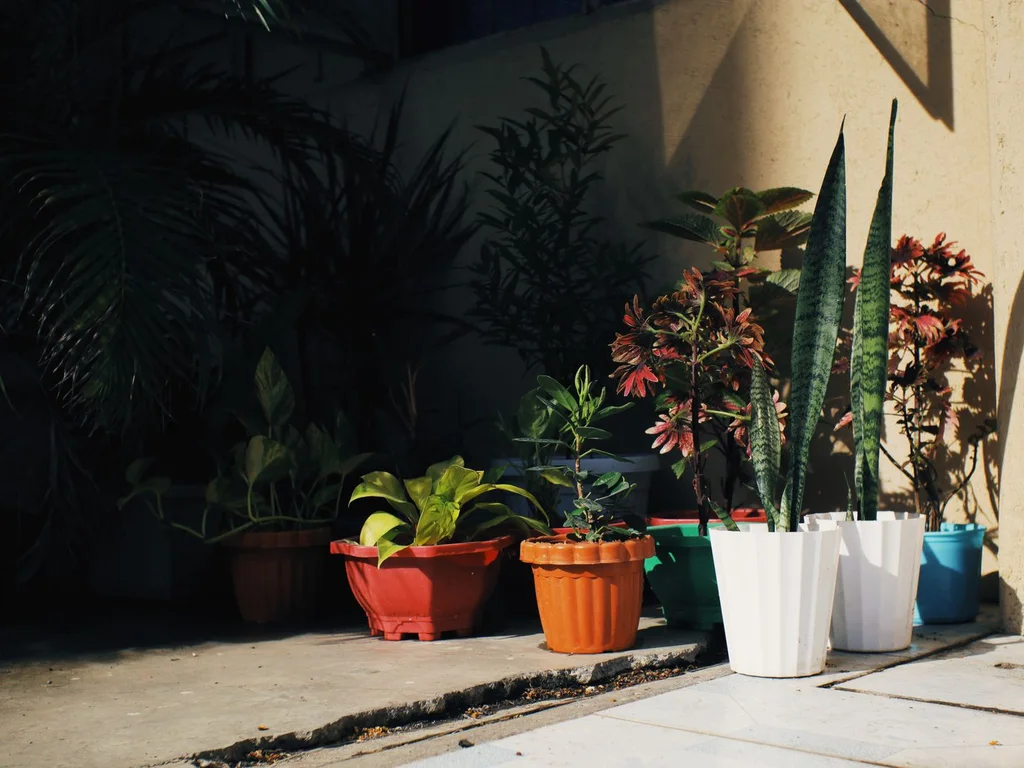
Where space and local rules allow, a small street-facing tree softens the whole house, shades the pavement in summer and supports wildlife. Choose a variety with a tidy crown and non-invasive roots, and check for overhead wires before planting anything that will grow tall.
49. Add Seasonal Colour in Front Pots
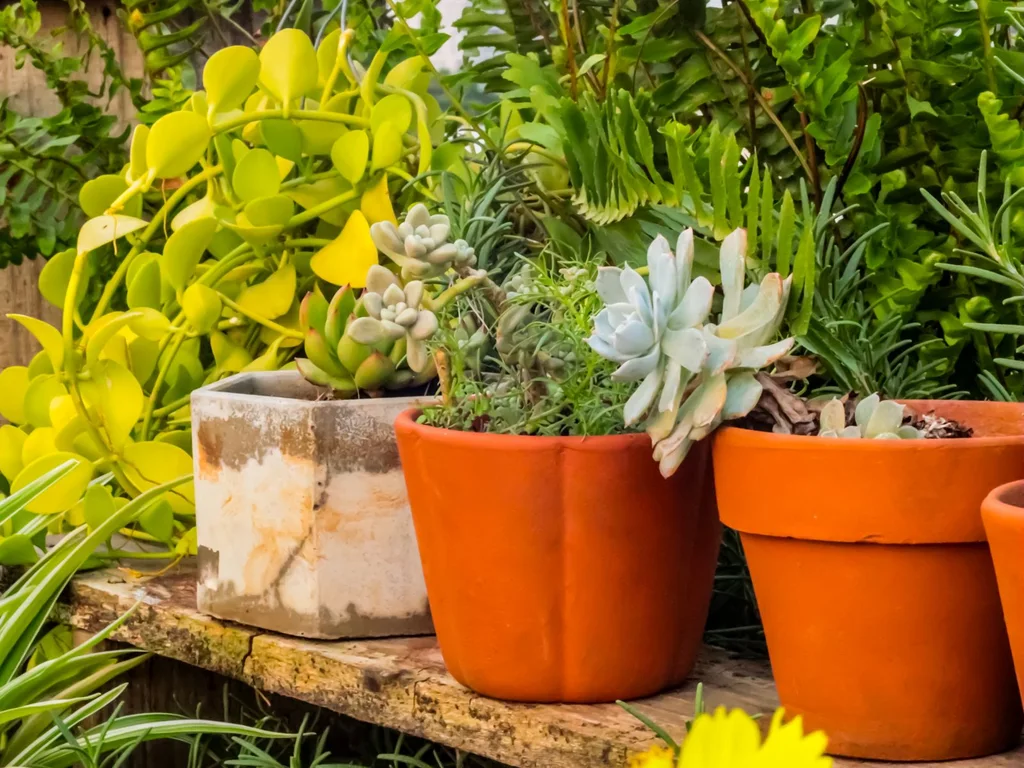
Front pots are the easiest place to change a garden’s mood: spring bulbs, summer bedding, autumn grasses and winter evergreens in turn. Two large pots by the door, replanted four times a year, give a front garden a cared-for look with very little effort.
50. Keep the Front Garden Tidy but Not Bare
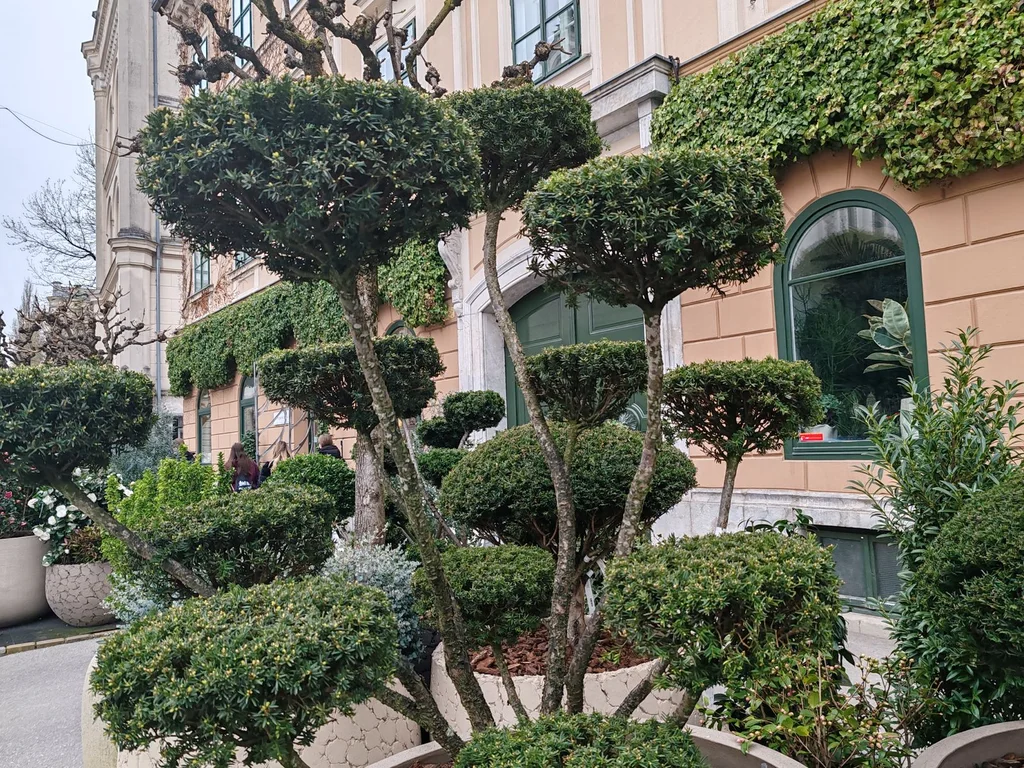
A front garden does not need to be immaculate to look good, but weeds, litter and overgrown paths undo good design fast. A monthly sweep, a quick weed and a trim keep it presentable, while generous planting stops it looking stark. Tidy and lush beats bare and perfect.
6. Water Features and Wildlife Gardens
51. Add a Small Pond for Wildlife
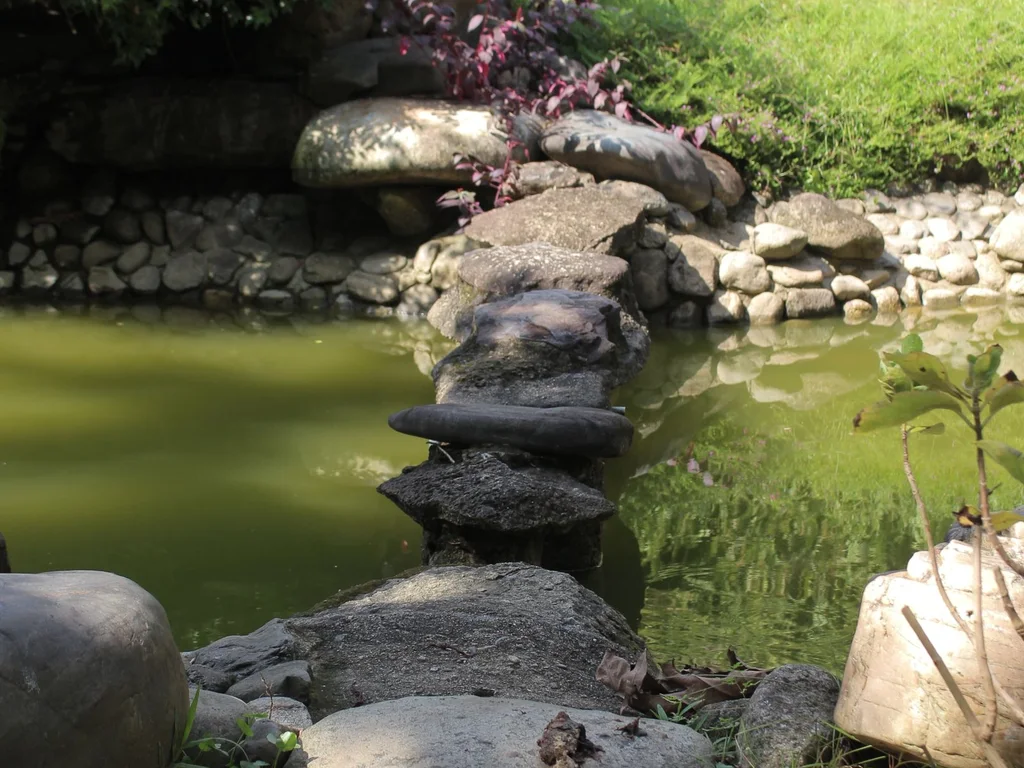
Even a washing-up bowl sunk into the ground and planted with a water plant will attract frogs, birds and insects. A proper small pond with shallow, sloping edges lets wildlife get in and out safely and becomes the most biodiverse square metre in the garden. Site it in partial sun.
52. Use a Bubbling Rock for Sound
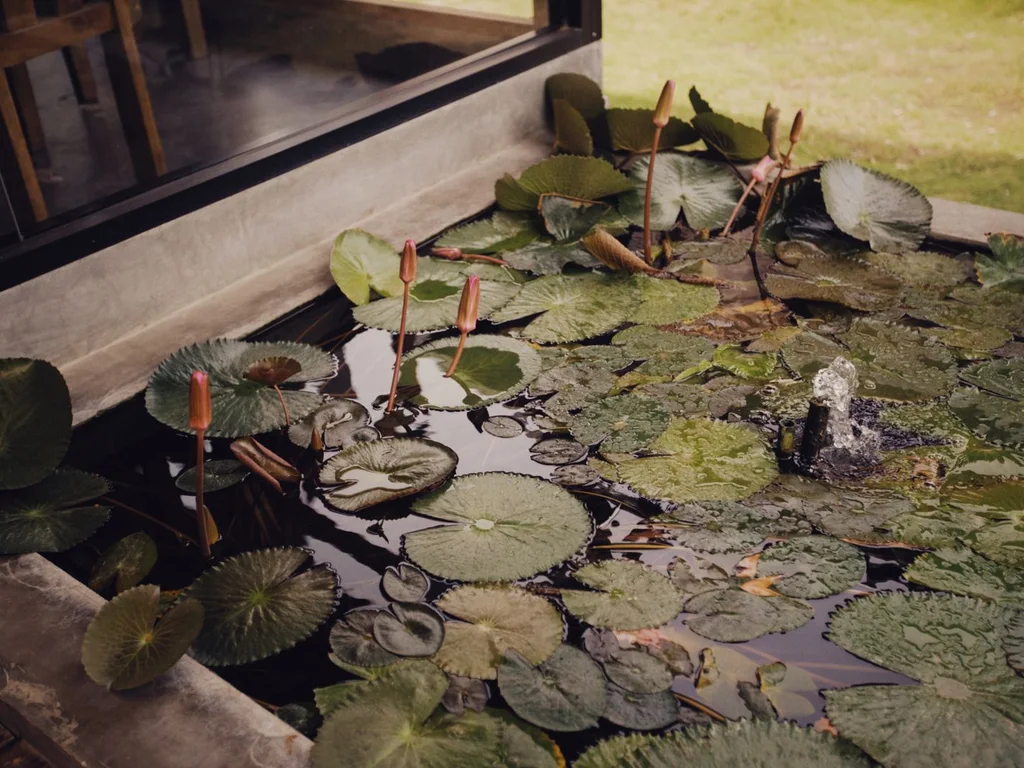
A small bubbling rock or wall fountain adds the sound of moving water without the work of a large pond. The gentle trickle masks traffic noise, attracts birds for bathing and drinking, and needs only a small pump and a hidden reservoir. Keep it running in dry spells for thirsty wildlife.
53. Build a Bog Garden for Damp Corners
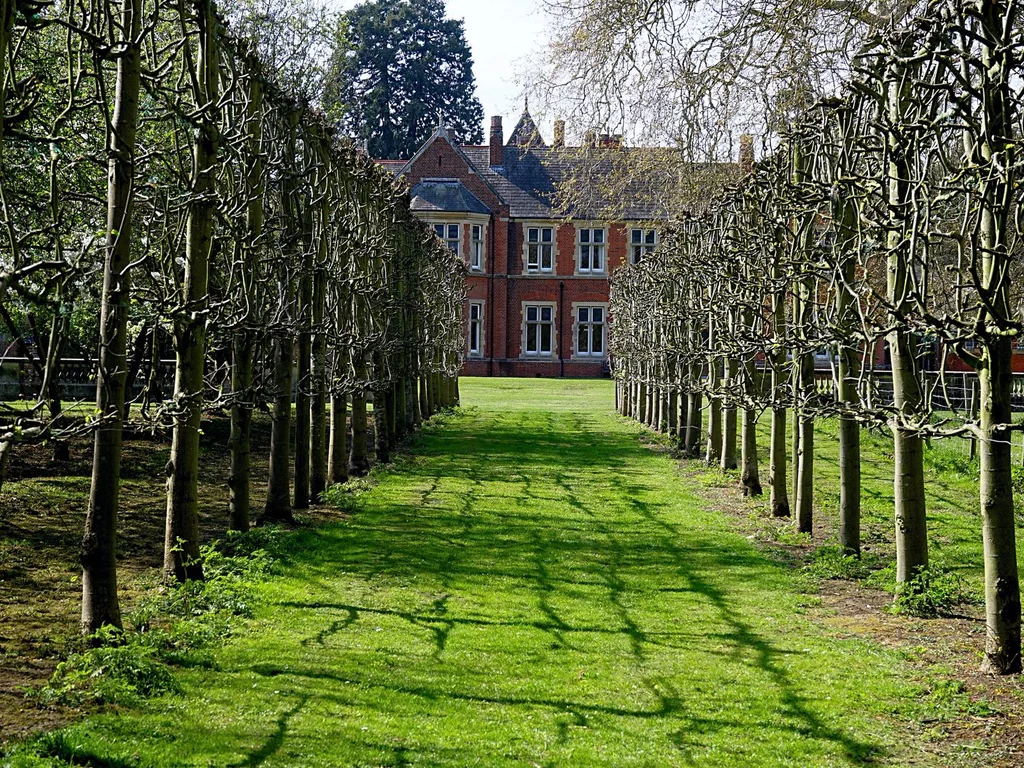
Damp, low corners where nothing else thrives are perfect for a bog garden of irises, ligularia and ferns. Lining a shallow hollow keeps the soil moist without creating standing water, and bog plants turn a problem area into one of the lushest parts of the garden.
54. Leave a Wild Corner for Nature
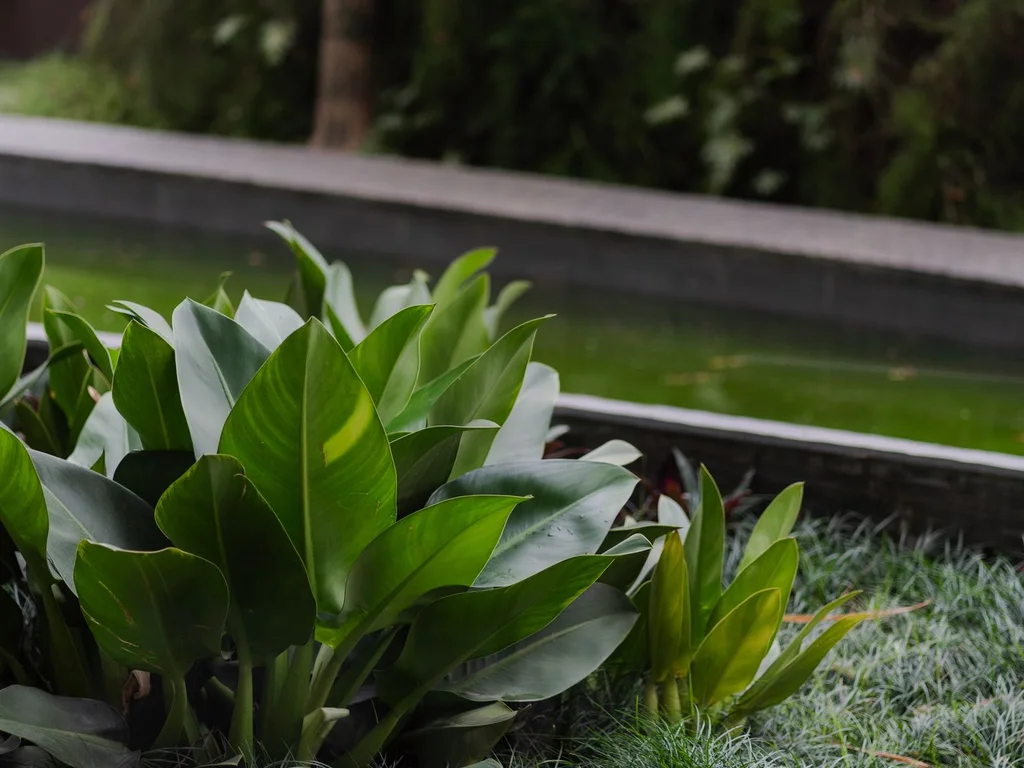
One unmown corner with long grass, a log pile and native plants gives insects, hedgehogs and birds a refuge that manicured beds cannot. It does not need to look messy — a mown edge around the wild patch frames it deliberately and shows it is a choice, not neglect.
55. Plant a Hedgehog Highway
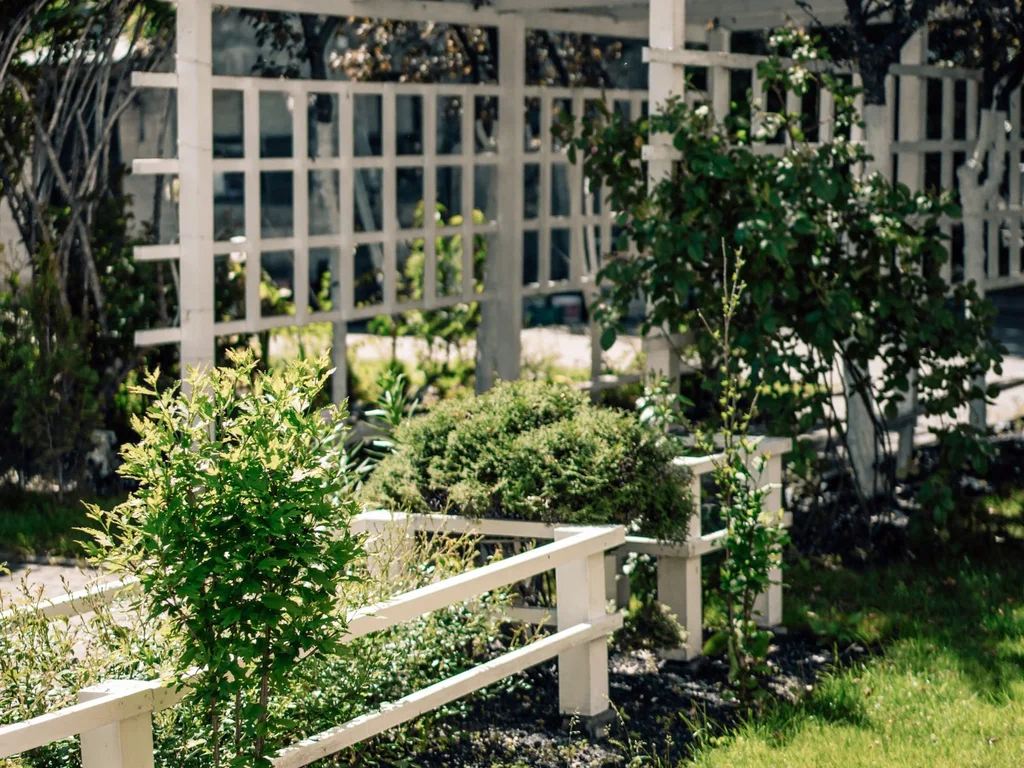
A small 13-centimetre gap under fences lets hedgehogs roam between gardens, which they must do to find food and mates. Talk to neighbours about linking gaps, and avoid slug pellets and netting that can harm them. A hedgehog-friendly garden is a sign of a healthy local ecosystem.
56. Grow a Meadow Strip Instead of Lawn
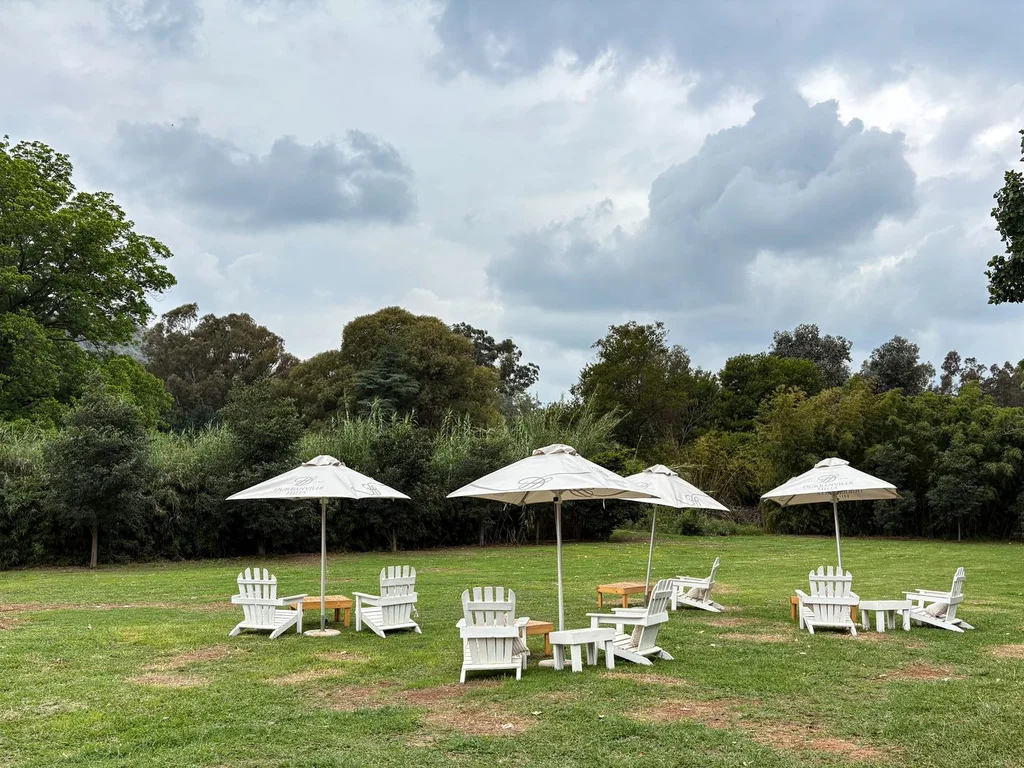
Replacing part of a lawn with a wildflower meadow strip cuts mowing and fills the garden with colour and insects. Sow a mix suited to your soil, mow once in late summer, and leave the cuttings to dry so seeds drop. Meadow strips look best as deliberate ribbons through or beside lawn.
57. Add a Bird Bath in Open Ground
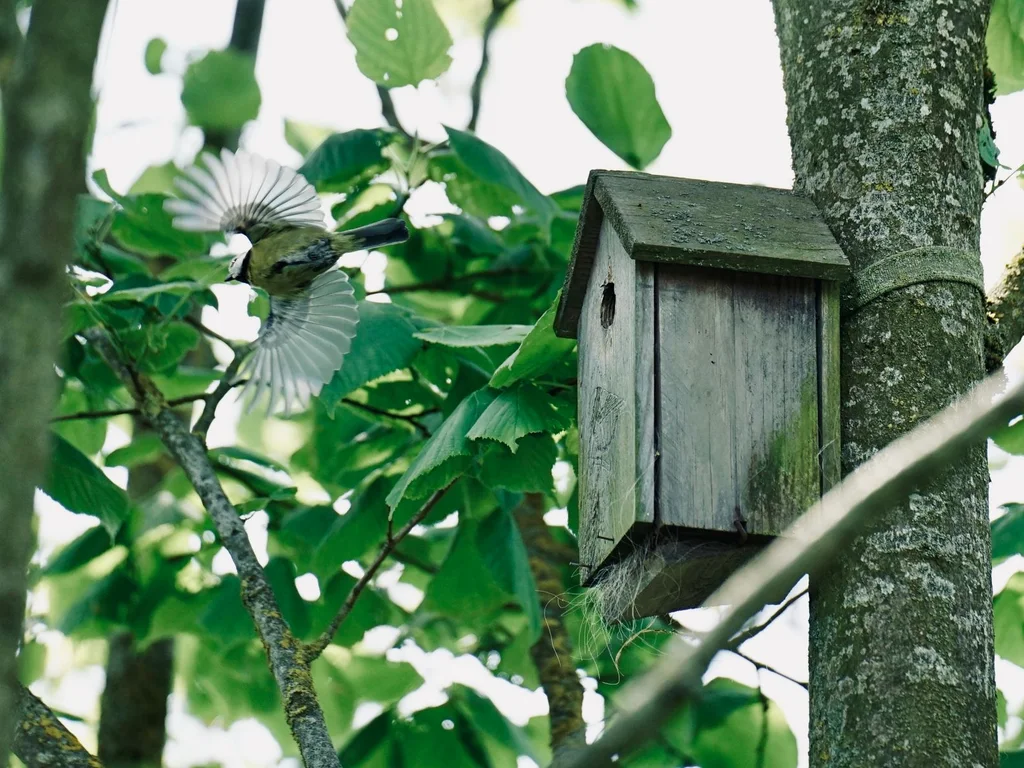
A bird bath placed in open ground, where cats cannot ambush from nearby cover, will be used daily for drinking and bathing. Keep the water shallow and clean, top it up in dry weather and break ice in winter. Birds repaying you with song is the best return on any garden feature.
58. Build a Bug Hotel From Garden Materials
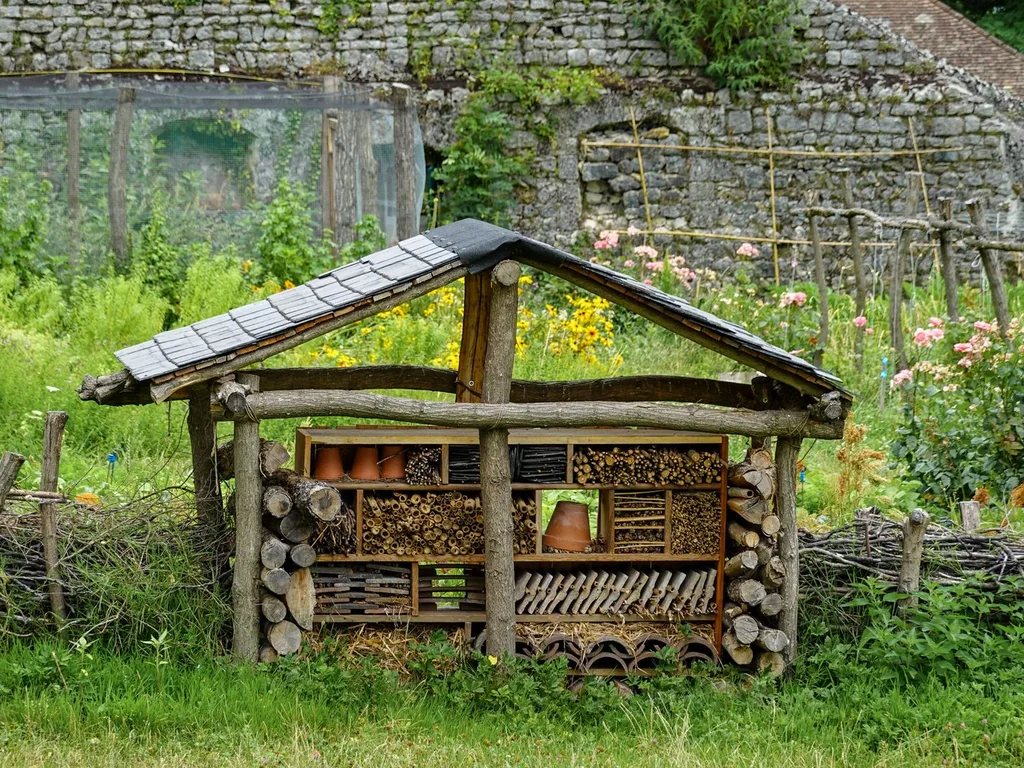
Bundled hollow stems, drilled logs, pine cones and bricks stacked in a sheltered, dry spot give solitary bees and other insects somewhere to nest and overwinter. Build it facing south-east, keep it dry, and leave it undisturbed — a good bug hotel works for years with no maintenance.
59. Keep Water Safe for Children and Pets
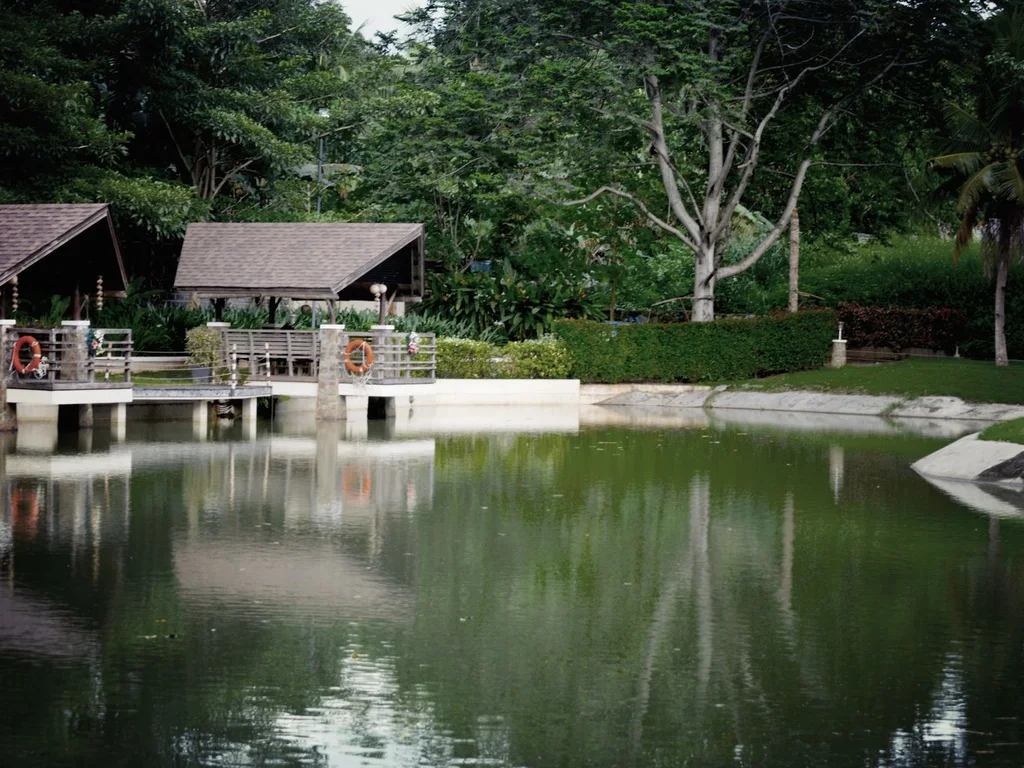
Any water feature in a family garden needs a safety plan: shallow depths, secure grills over reservoirs and fences around deeper ponds. A raised water table or a bubbling feature with a covered reservoir gives children the joy of water with far less risk than an open pond.
60. Plant Native Species for Local Wildlife
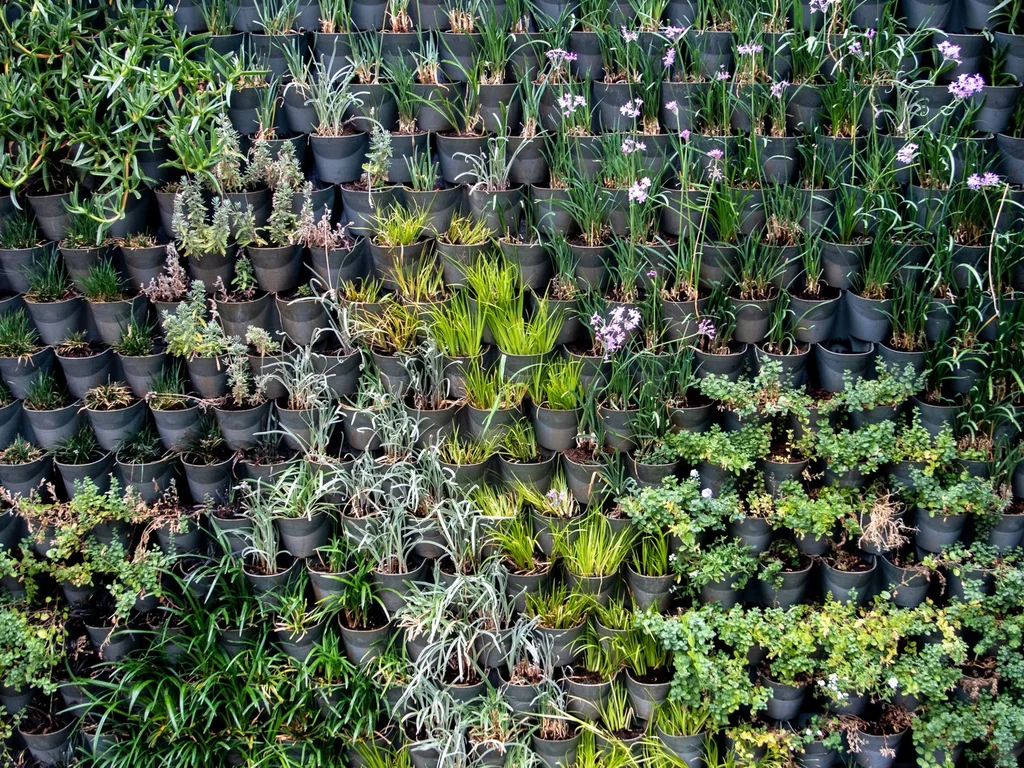
Native plants feed the insects and birds that evolved alongside them, so they support far more wildlife than exotic lookalikes. Mix natives with garden favourites rather than insisting on purity — a hawthorn hedge plus garden roses feeds more life than either alone.
7. Garden Lighting for Evenings
61. Light Paths for Safety First

Low path lights along steps, changes of level and the main route prevent trips and make the garden usable after dark. Space them evenly, keep the light low and warm, and avoid lighting every inch — pools of light with darkness between look far more elegant than a runway.
62. Uplight a Tree for Drama
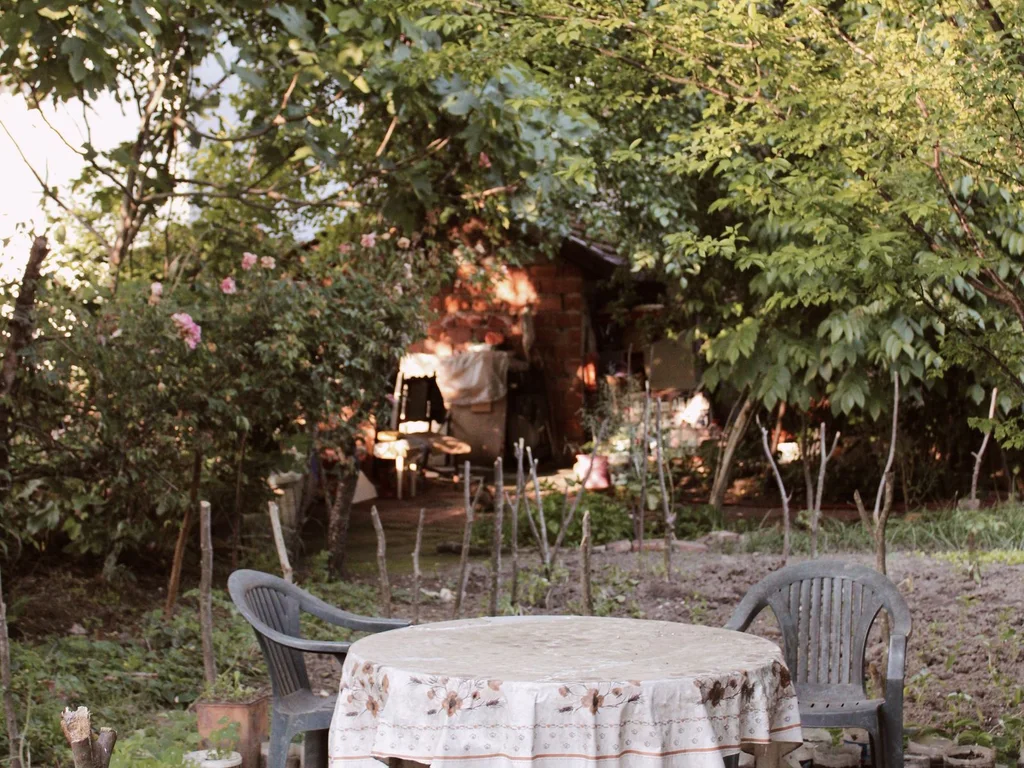
One well-aimed uplight at the base of a handsome tree turns it into a night-time sculpture, casting branches against the sky. Choose a tree with interesting bark or shape, keep the fitting hidden among plants, and use a warm bulb so the effect feels natural rather than theatrical.
63. Use String Lights for Instant Atmosphere

Festoon lights strung along a fence, pergola or tree canopy are the fastest way to make an evening garden feel celebratory. Choose warm white bulbs, hang them with a gentle sag rather than a tight line, and put them on a timer so the magic happens without remembering to switch them on.
64. Light Water to Double the Effect

A small light in or beside a pond or fountain doubles the feature at night through reflection. Keep pond lights subtle and wildlife-friendly — switch them off late at night — and never place electrics where they can fall into the water. Reflection does the work; brightness is not needed.
65. Add Candlelight in Sheltered Corners
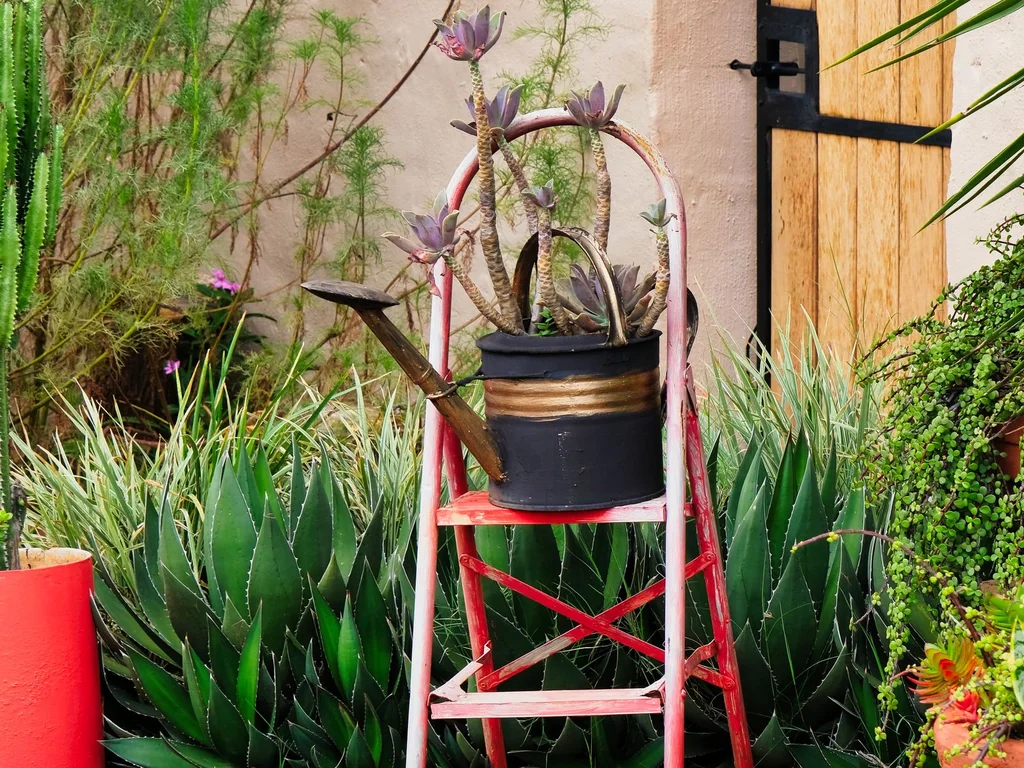
Hurricane lanterns and chunky candles in sheltered seating corners give a flickering, human light that electric fittings cannot match. Use them only where they cannot blow over or be knocked, keep them off dry foliage, and never leave them burning unattended in the garden.
66. Wash Walls With Soft Light

Washing a garden wall or fence with a wide, soft beam makes the space feel larger and gives the eye somewhere to rest after dark. It also shows off climbing plants and textures that daylight flattens. Aim the fitting upward from the base and keep the beam even rather than spotty.
67. Keep Garden Lighting Warm White
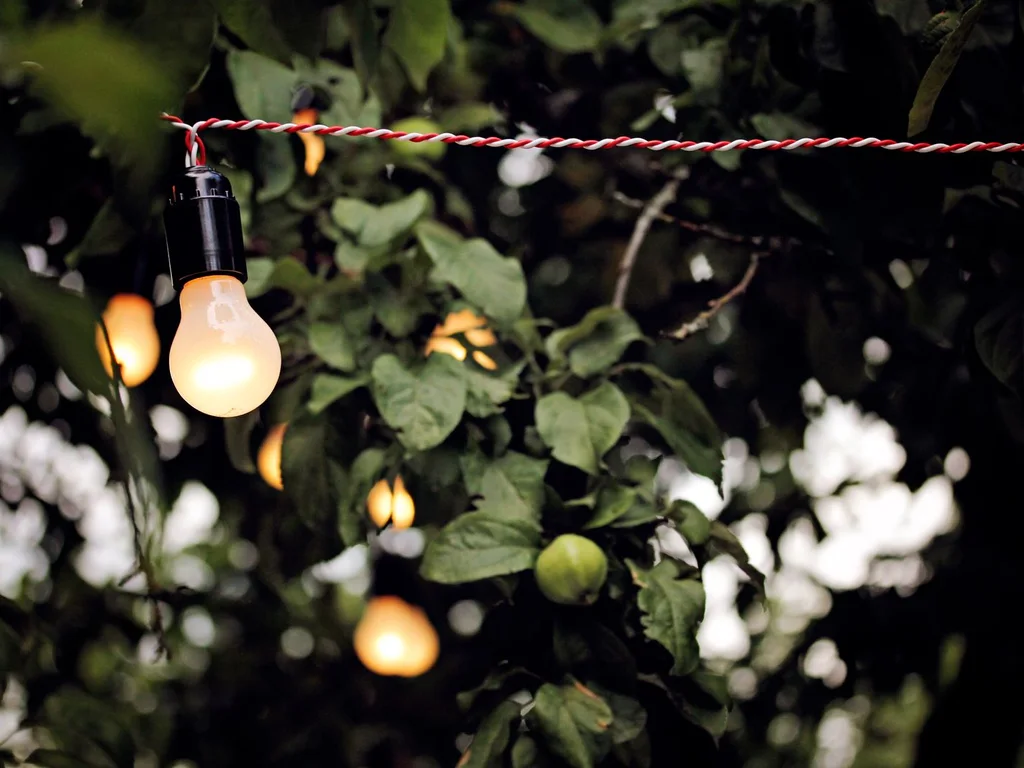
Cool white light makes gardens look clinical and washes out flower colours. Warm white, around 2700K, flatters plants, stone and skin alike and feels like an extension of indoor lighting. Check the colour temperature on the box before buying, and keep all fittings in the garden the same tone.
68. Put Garden Lights on Timers and Sensors
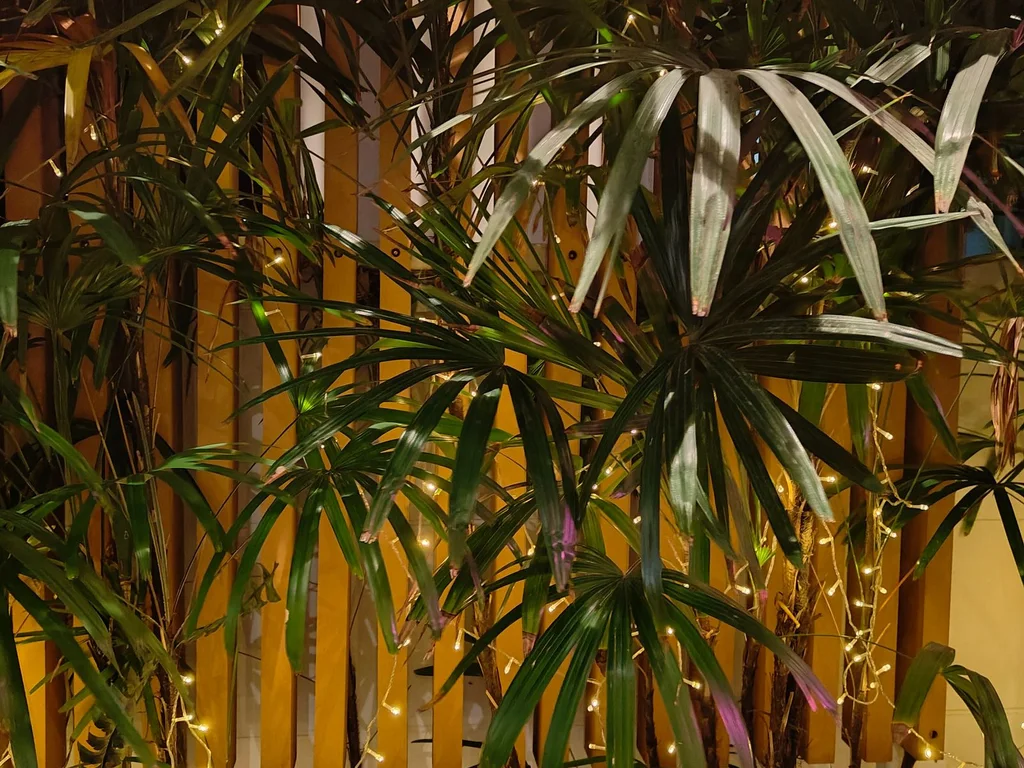
Timers switch lights on at dusk and off when the garden is empty, saving energy and effort. A sensor by the back door adds security lighting exactly when someone approaches. Automation means the garden looks its best every evening, not only on the nights you remember.
69. Light Steps and Changes of Level
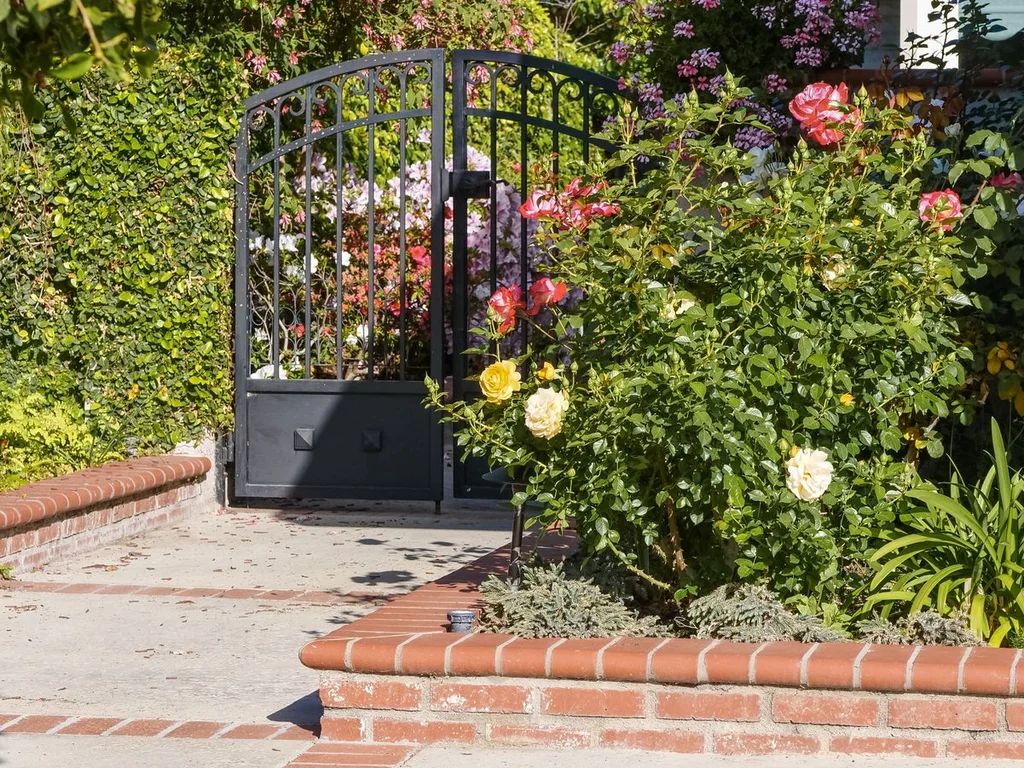
Steps are the most dangerous feature in a dark garden, so light them directly: small recessed lights in risers, a strip under a tread, or a low bollard beside the flight. Well-lit steps look beautiful and prevent falls, and they quietly signal quality in the whole garden design.
70. Avoid Lighting Everything at Once
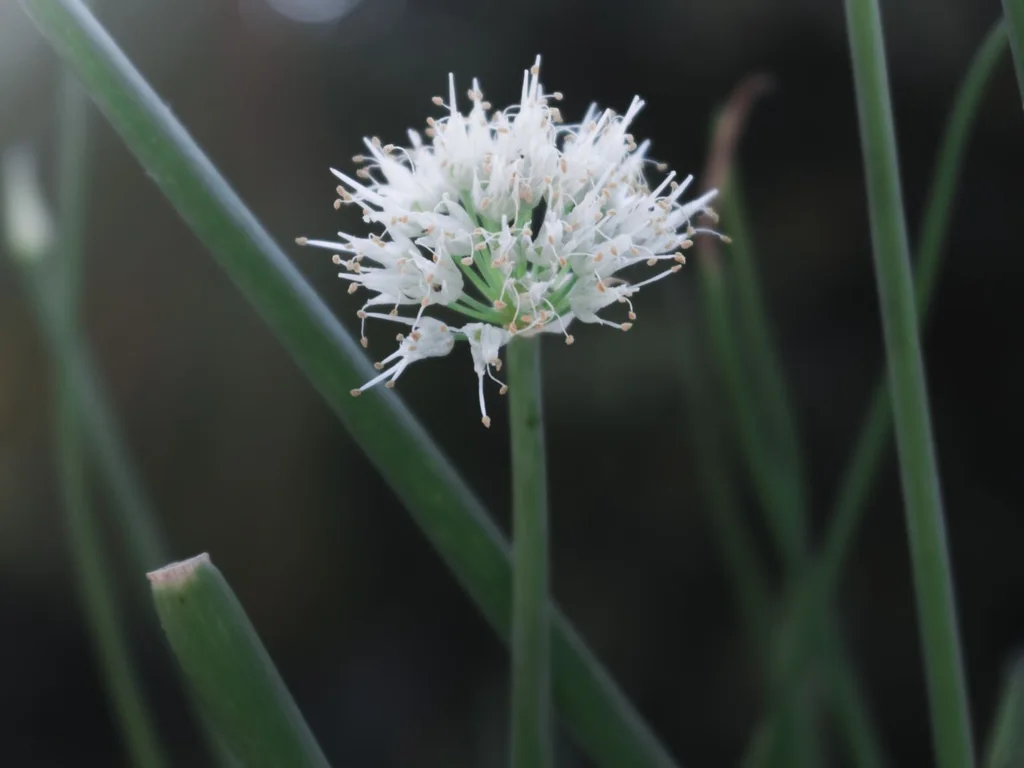
The most common lighting mistake is flooding the garden with light until it looks like a car park. Choose three or four features to light — a tree, a wall, a path, a seat — and leave the rest in darkness. Restraint creates depth, mystery and a garden that still feels like night.
8. Fences, Walls and Boundaries
71. Soften Fences With Climbing Plants

A bare fence dominates a garden, but climbers turn it into a green wall. Clematis, roses, jasmine and honeysuckle each suit different aspects, so match the plant to the fence’s sun and wind. Fix trellis a few centimetres off the fence so air circulates and the wood lasts longer.
72. Mix Fence Panels With Open Trellis
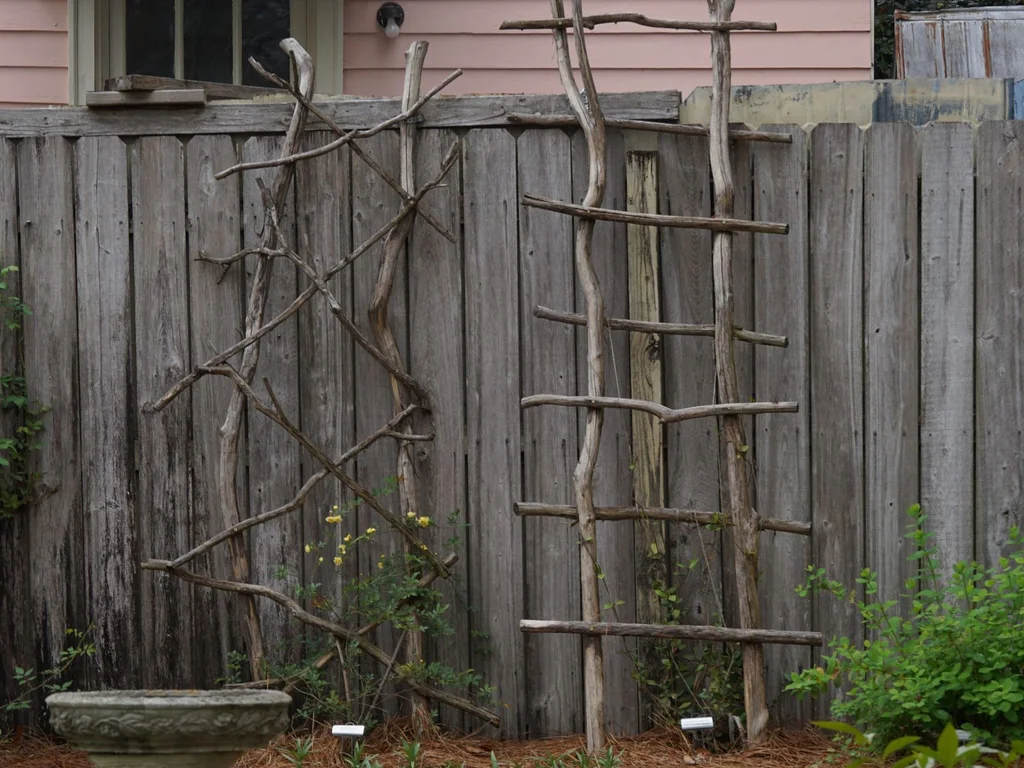
Solid fence panels at the bottom with open trellis above give privacy at eye level while letting light and breeze through at the top. The trellis also supports climbers, so the boundary greens up within a season or two. Keep the total height within local rules and neighbourly norms.
73. Paint Fences a Colour That Recedes
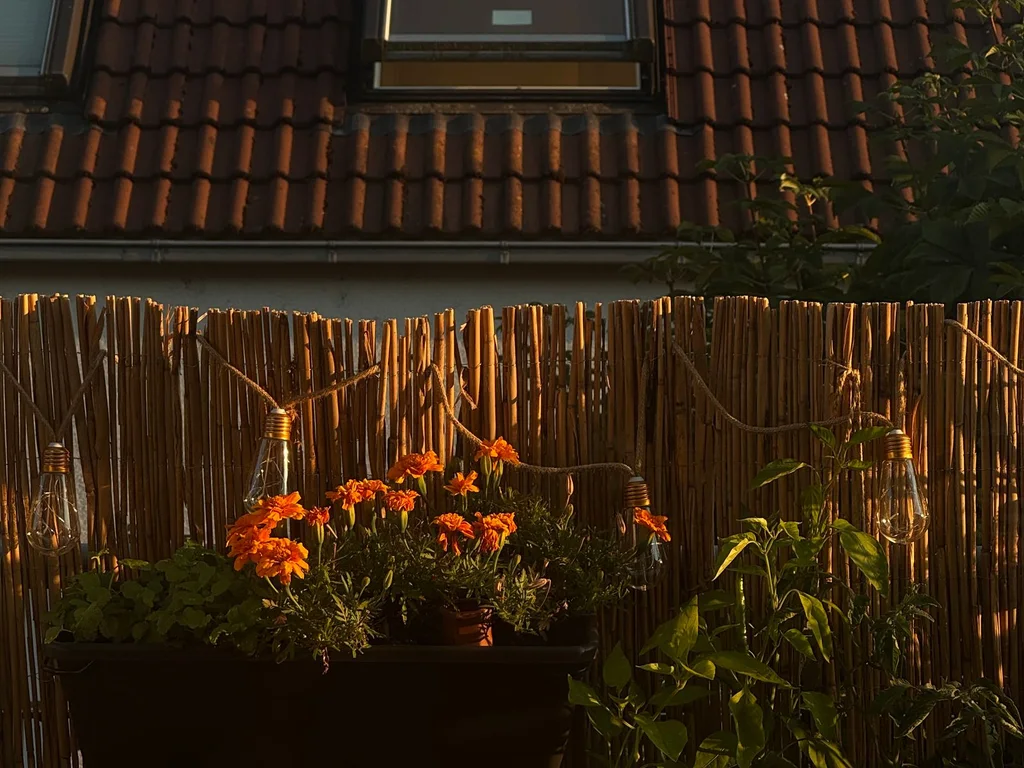
Dark green, grey or black fence paint makes boundaries disappear behind planting, while bright colours draw the eye to the fence itself. A receding colour lets flowers and foliage take centre stage and makes a small garden feel larger. Repaint every few years to keep the effect.
74. Build a Dry Stone Wall for Character
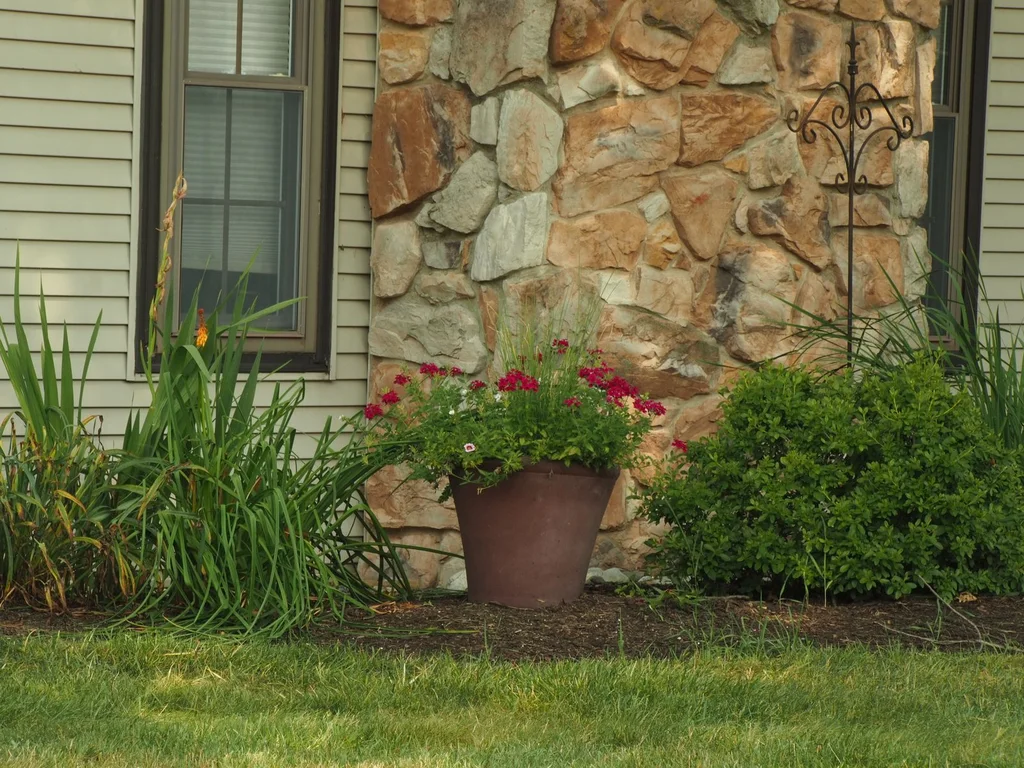
A dry stone wall brings instant character, shelter for wildlife in its crevices and a surface that ages beautifully. It suits cottage and rural gardens especially well, and its gaps host ferns, sedums and insects. Building one well takes skill, so consider a professional for anything structural.
75. Use Hedging Instead of Fencing Where Possible
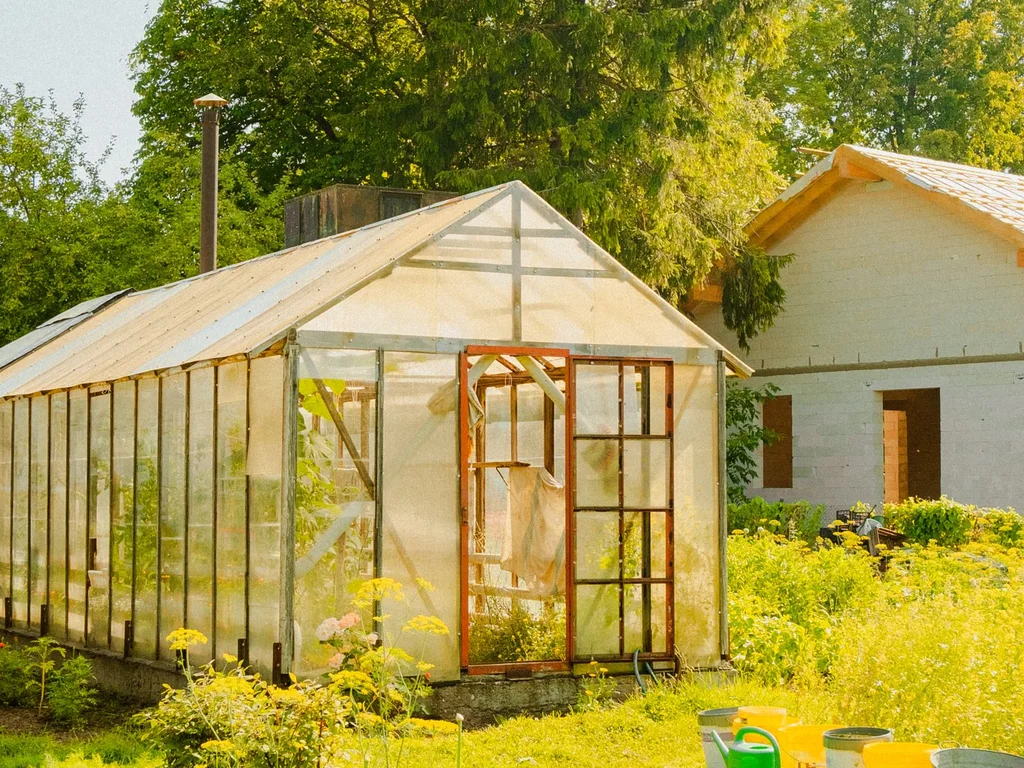
A hedge is a living boundary that filters wind rather than blocking it, shelters birds and softens noise. Mixed native hedges give year-round interest and food for wildlife, while a single-species hedge gives a crisp formal line. Trim at the right time of year for the species you choose.
76. Screen Ugly Views With Planting, Not Boards
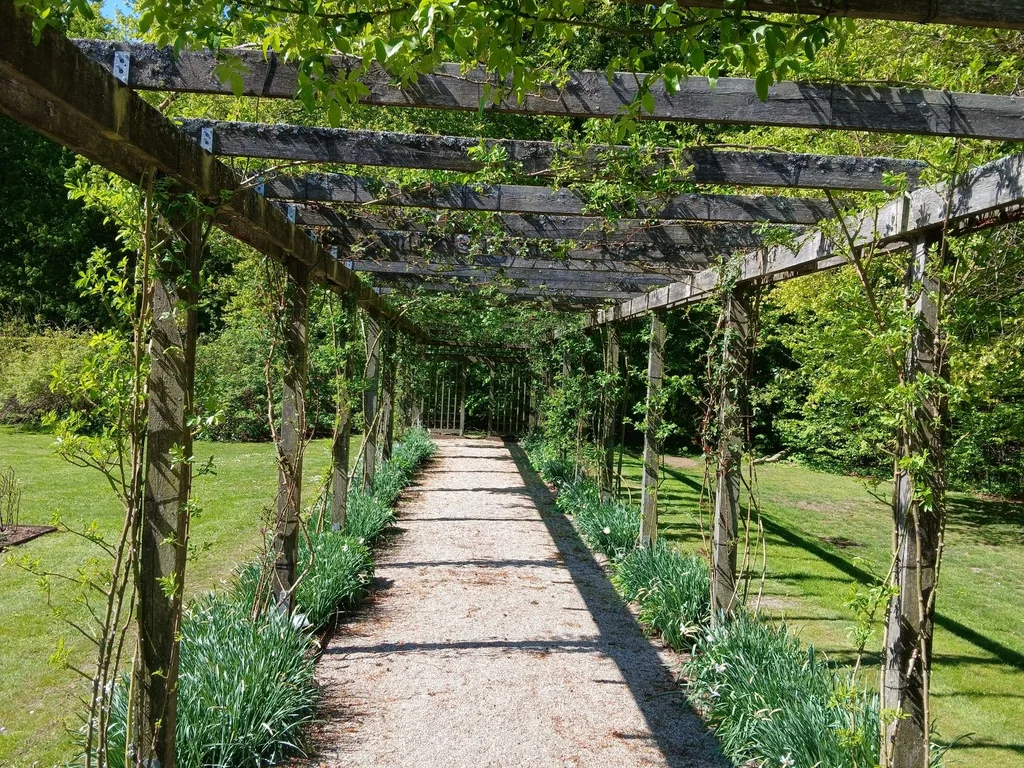
An ugly view is better screened by layered planting — a shrub, a small tree and climbers — than by a taller fence, which only advertises what it hides. Planting at different heights breaks up the view gradually, and from the seating area the eye stops at greenery instead of a neighbour’s shed.
77. Add a Gate That Matches the Garden
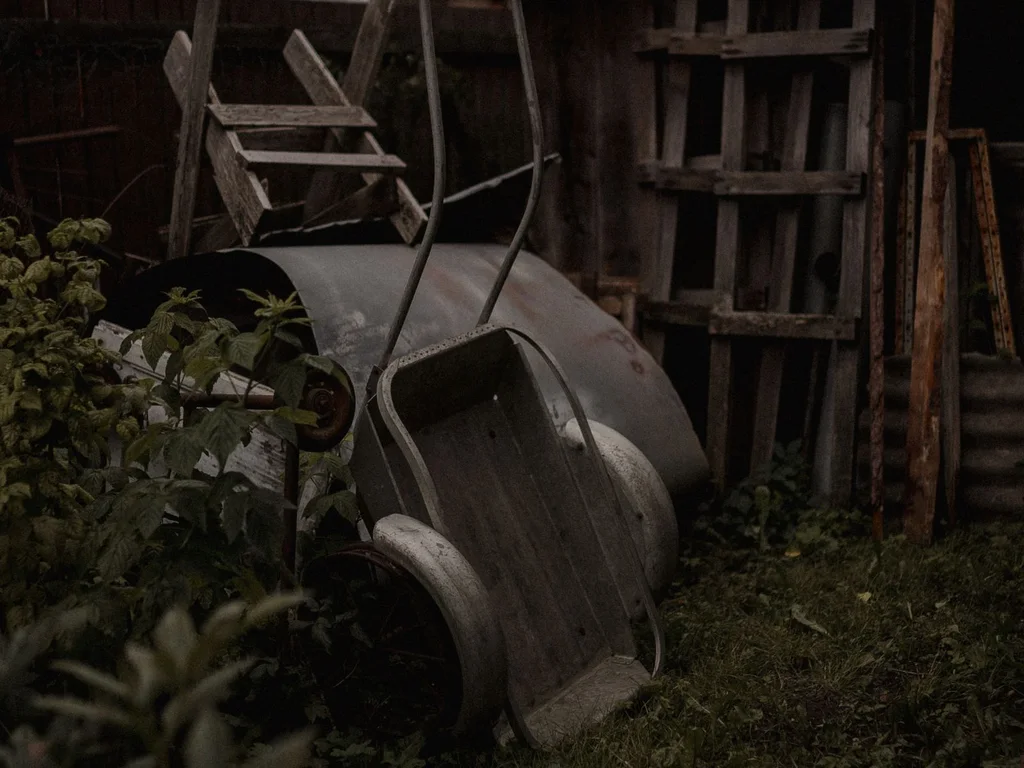
A gate is the garden’s handshake: it should match the style of the fence, swing freely and latch securely. A well-made wooden gate with solid hinges and a simple latch outlasts and out-charms a cheap metal one. Keep the path through it clear and well lit for visitors arriving after dark.
78. Create a Boundary With a Raised Bed

A long raised bed along a boundary marks the edge, adds planting height and improves drainage all at once. It works especially well beside patios, where the bed’s edge doubles as informal seating. Build it from materials that match the house, and fill it with soil suited to what you plan to grow.
79. Check Boundaries Before You Build

Before replacing a fence or planting a hedge, confirm who owns the boundary and whether local rules limit its height or position. A friendly conversation with neighbours prevents most disputes, and a written agreement avoids arguments later. Good boundaries start with good neighbour relations.
80. Let Boundaries Age Gracefully
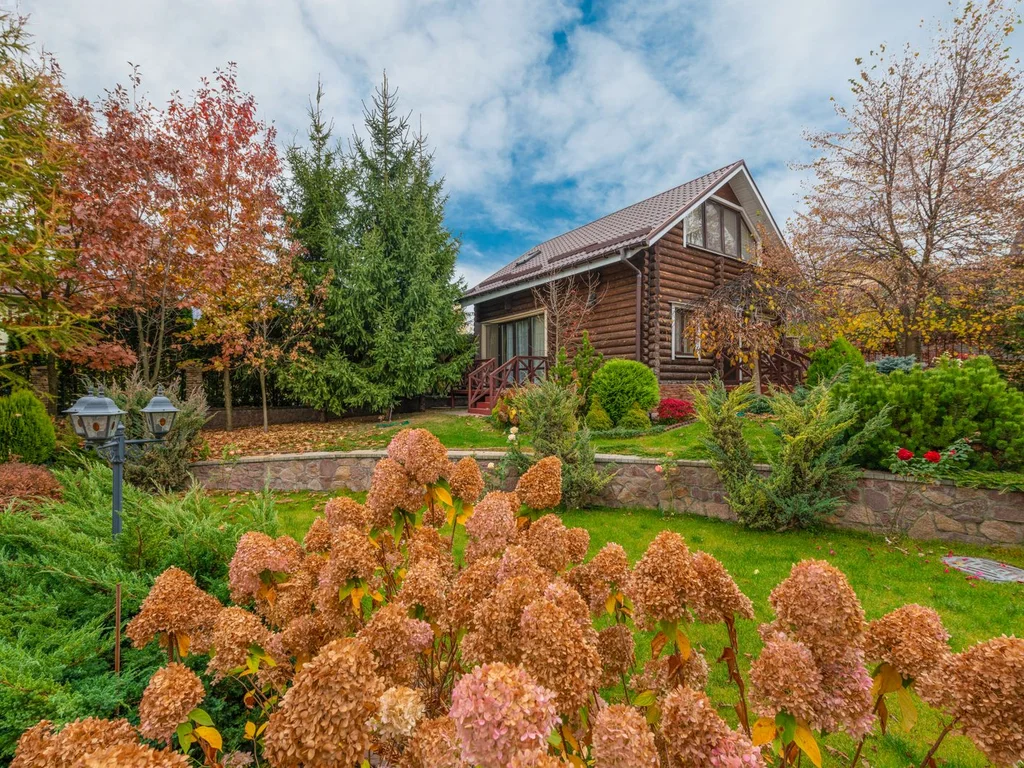
Weathered wood, mossy stone and mature climbers give boundaries a settled look that new materials cannot fake. Rather than replacing every aged fence panel, repair what is sound, let climbers soften the rest and accept a little patina. A garden that looks established feels more welcoming than one that looks brand new.
9. Cottage, Modern and Themed Gardens
81. Design a Cottage Garden With Abundance
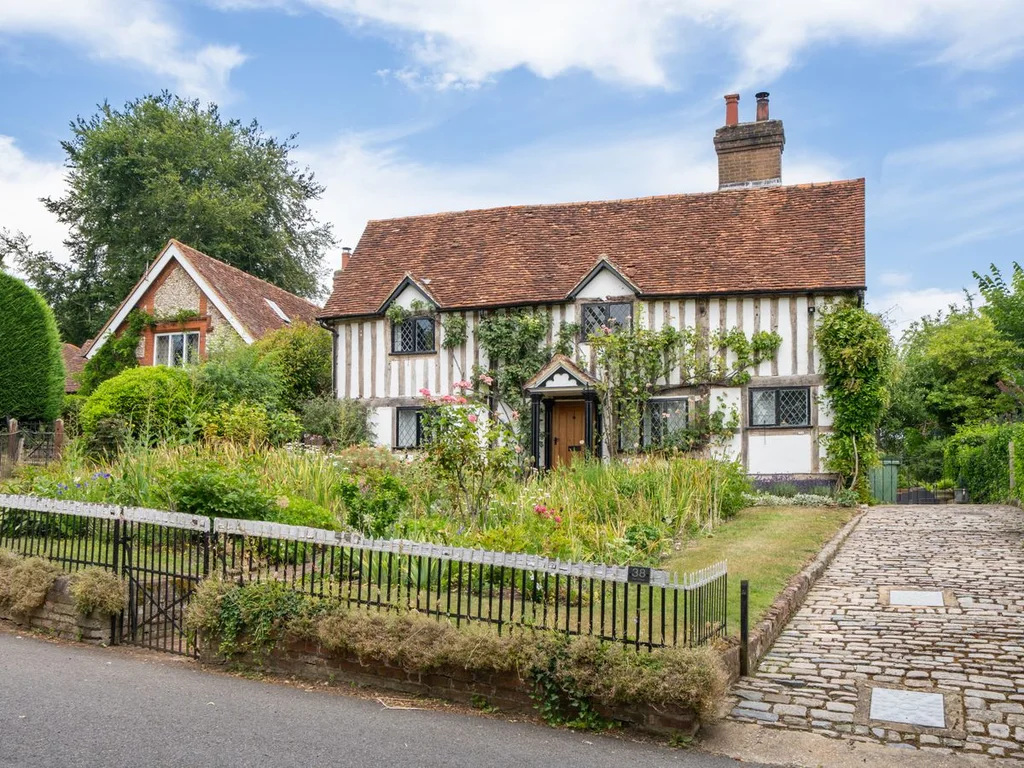
Cottage gardens celebrate abundance: roses over the door, herbs by the path, self-seeded flowers in every gap. The look is generous rather than chaotic when a simple structure of paths and a few shrubs holds it together. Let plants seed and wander, but edit ruthlessly where they block paths or smother neighbours.
82. Keep a Modern Garden Calm and Minimal
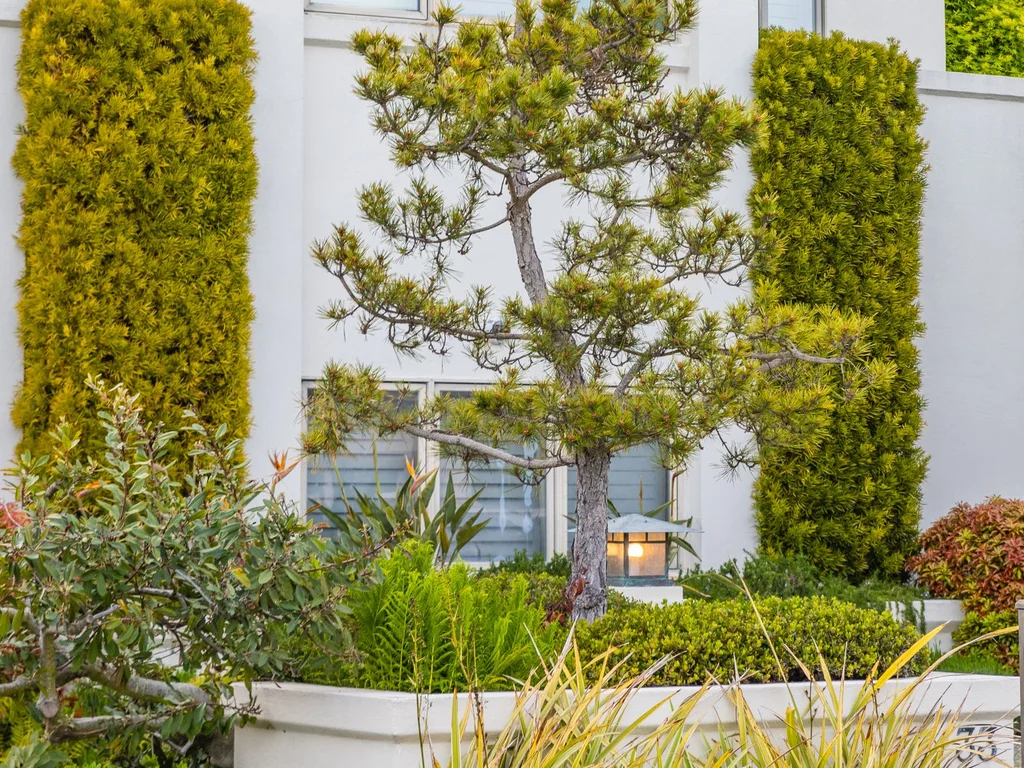
Modern gardens work through restraint: a limited palette of materials, strong lines and repetition of a few plants. Choose one paving, one timber and one metal, then repeat grasses and a single flower colour for impact. Empty space is part of the design, not a gap to fill.
83. Create a Mediterranean Garden in a Sunny Spot
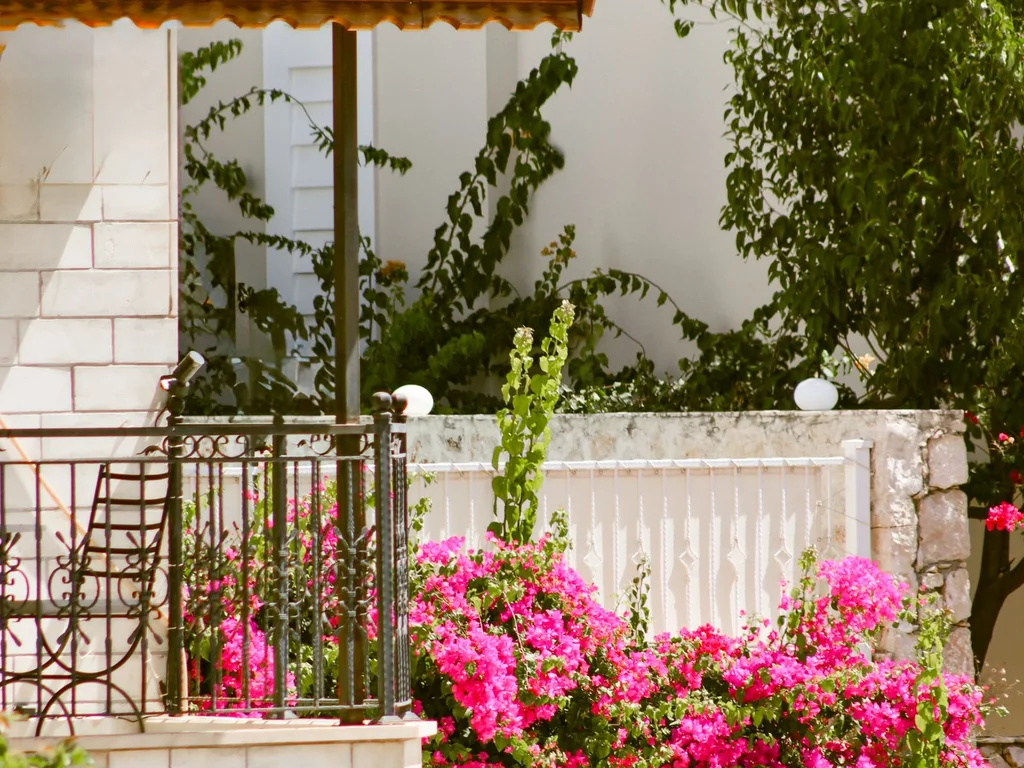
Gravel, terracotta pots, olive trees and lavender recreate a Mediterranean feel even in cooler climates, provided the spot is sunny and well drained. Gravel suppresses weeds and suits herbs, while pale walls bounce heat back onto plants. Protect tender plants in hard winters with fleece.
84. Build a Woodland Garden in Shade
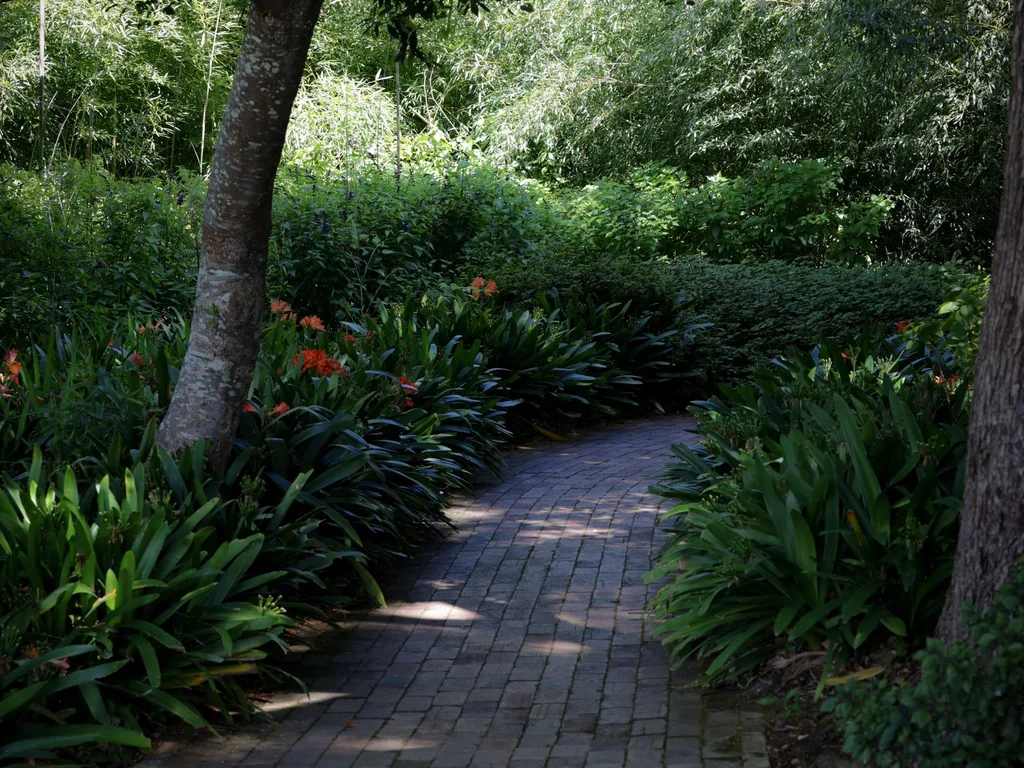
Shade is an opportunity, not a problem: ferns, hostas, hellebores and spring bulbs thrive under trees where sun-lovers fail. A woodland garden of layered greens, a winding path and a bench feels cool and secretive in summer. Improve the soil with leaf mould and keep watering new plants until established.
85. Design a Garden for Children to Explore
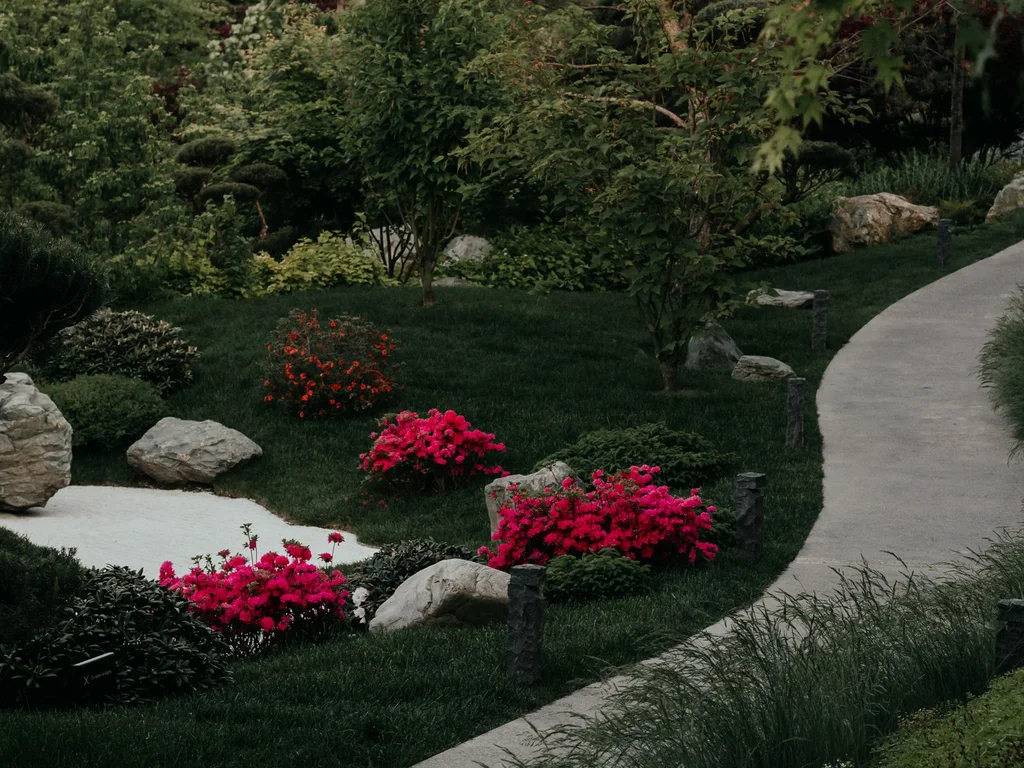
A child-friendly garden needs more than a lawn: a den corner, a digging patch, a path to follow and plants that are safe to touch and smell. Keep thorny and toxic plants out of play areas, provide shade and water for hot days, and let children own one small bed each.
86. Make a Fragrant Evening Garden
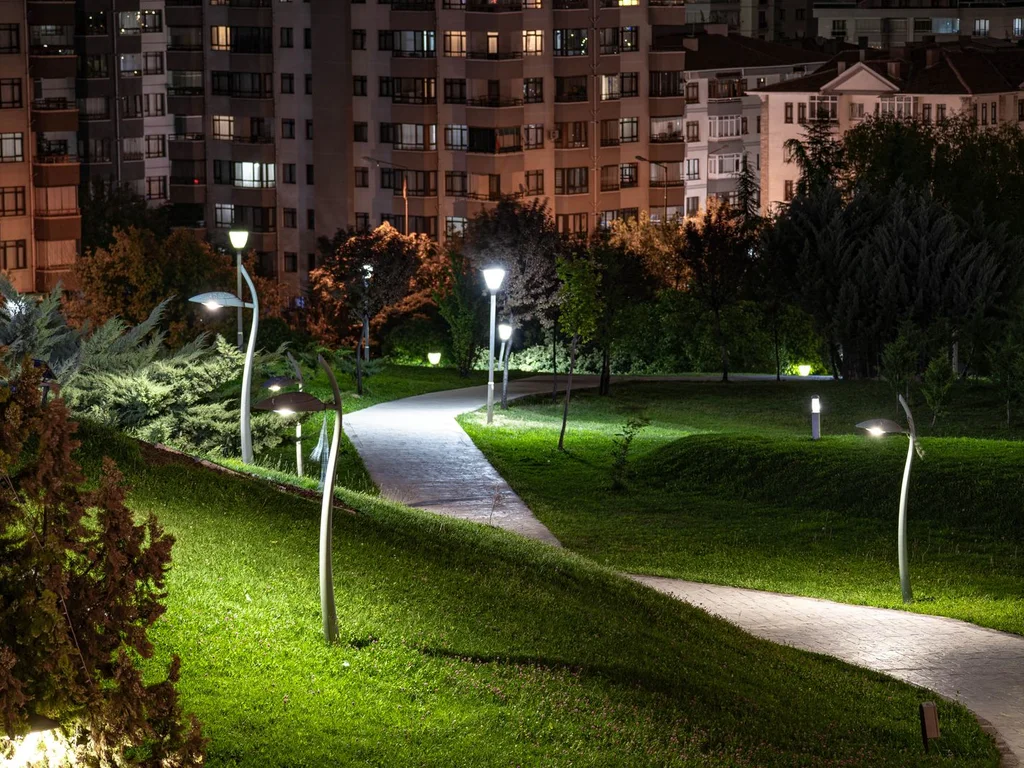
An evening garden prioritises scent and pale flowers that glow at dusk: night-scented stock, jasmine, evening primrose and white roses near seating. Pale blooms show up in low light, and fragrant plants release their scent as the air cools. Add soft lighting and the garden becomes a different place after sunset.
87. Create a Kitchen Garden That Looks Good Too
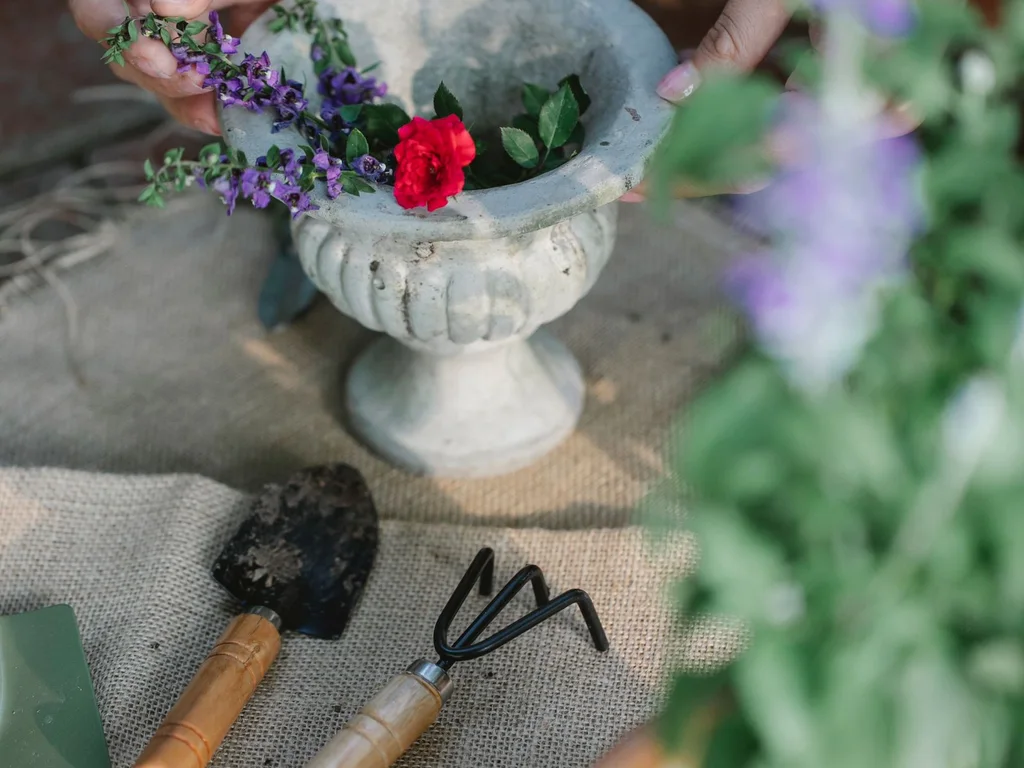
A vegetable garden can be beautiful: straight rows of lettuce edged with herbs, wigwams of beans as vertical features, and flowers among crops to attract pollinators. Site it in sun near the kitchen door, build raised beds for easy working, and plant what your household actually eats.
88. Design a Japanese-Inspired Corner
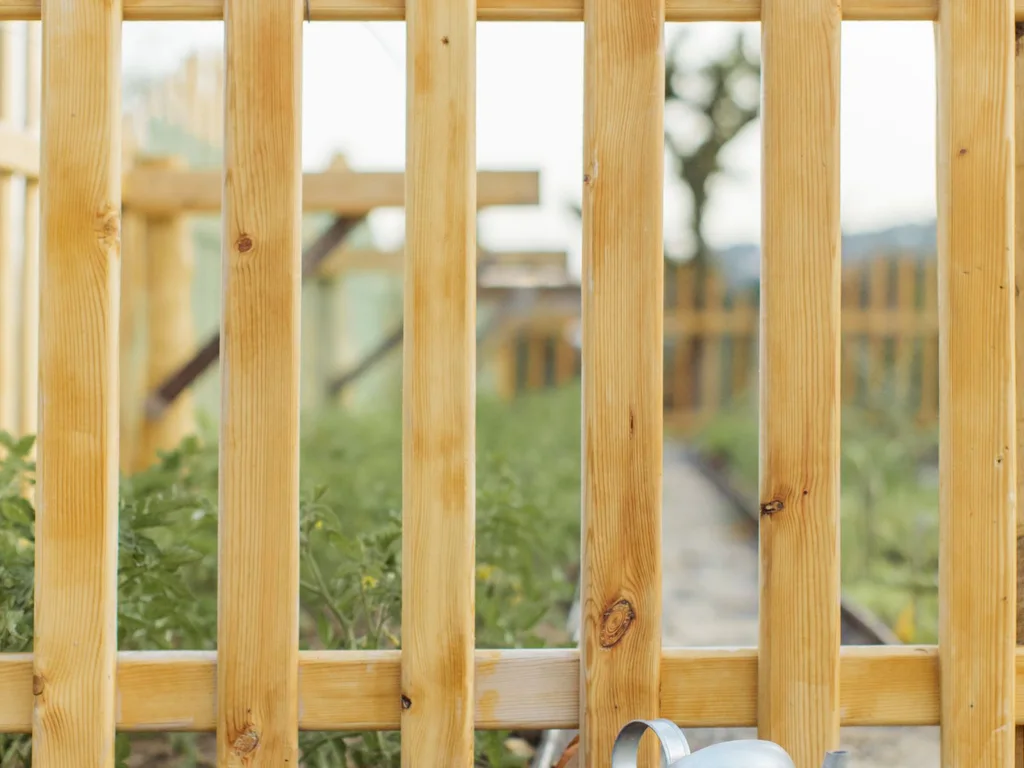
A Japanese-inspired corner uses restraint, asymmetry and natural materials: a stone lantern or basin, raked gravel, a maple and mossy planting. Keep it simple and uncluttered, and resist adding too many ornaments — one well-chosen feature with space around it carries the whole idea.
89. Build a Garden Around a Single Colour
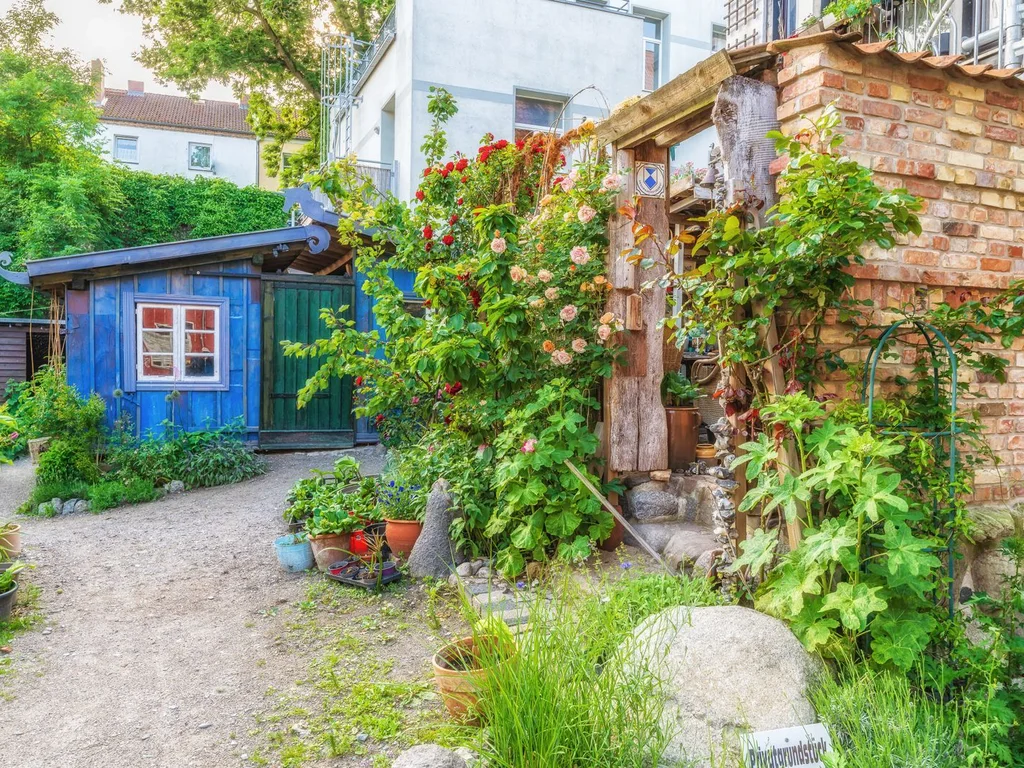
A single-colour garden — all white, all purple, all silver — looks sophisticated and makes plant shopping simpler. Use different flower shapes and leaf textures to stop it feeling flat, and add one contrasting accent sparingly for moments of surprise. White gardens are especially magical in evening light.
90. Mix Styles With a Unifying Material
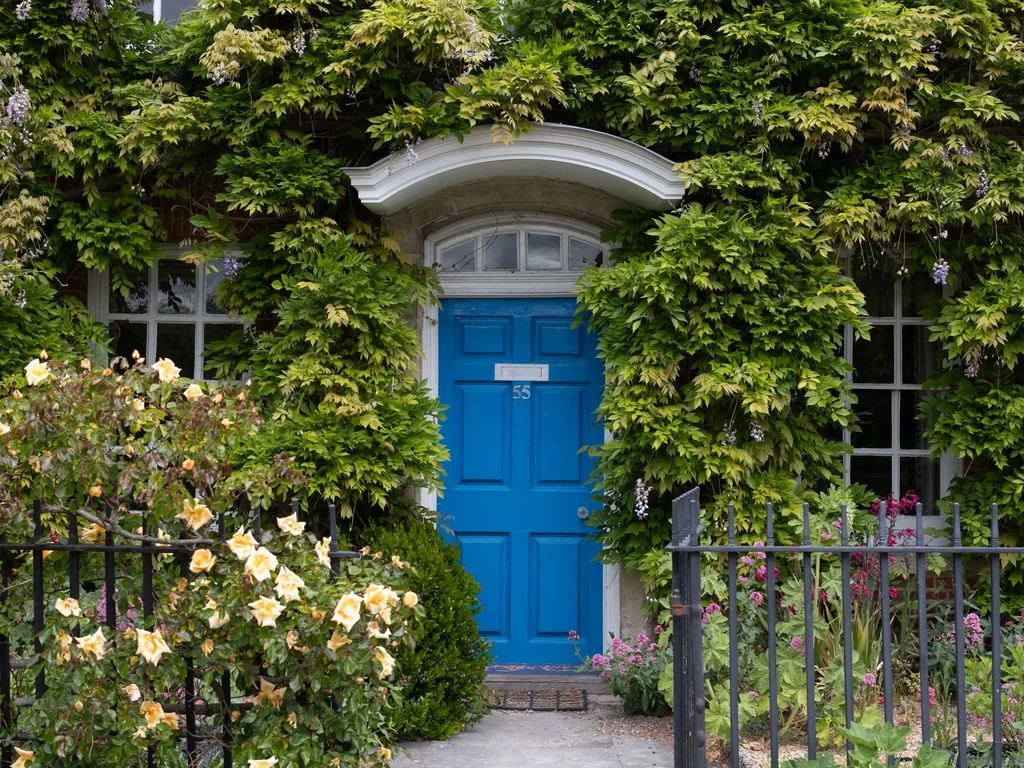
Most real gardens mix styles over time, and that is fine if one material ties them together: the same stone, the same timber or the same hedge repeated throughout. A unifying material stops a cottage bed, a modern patio and a wildlife corner feeling like three separate gardens.
10. Budget Garden Ideas and Seasonal Interest
91. Start With Cuttings and Divisions
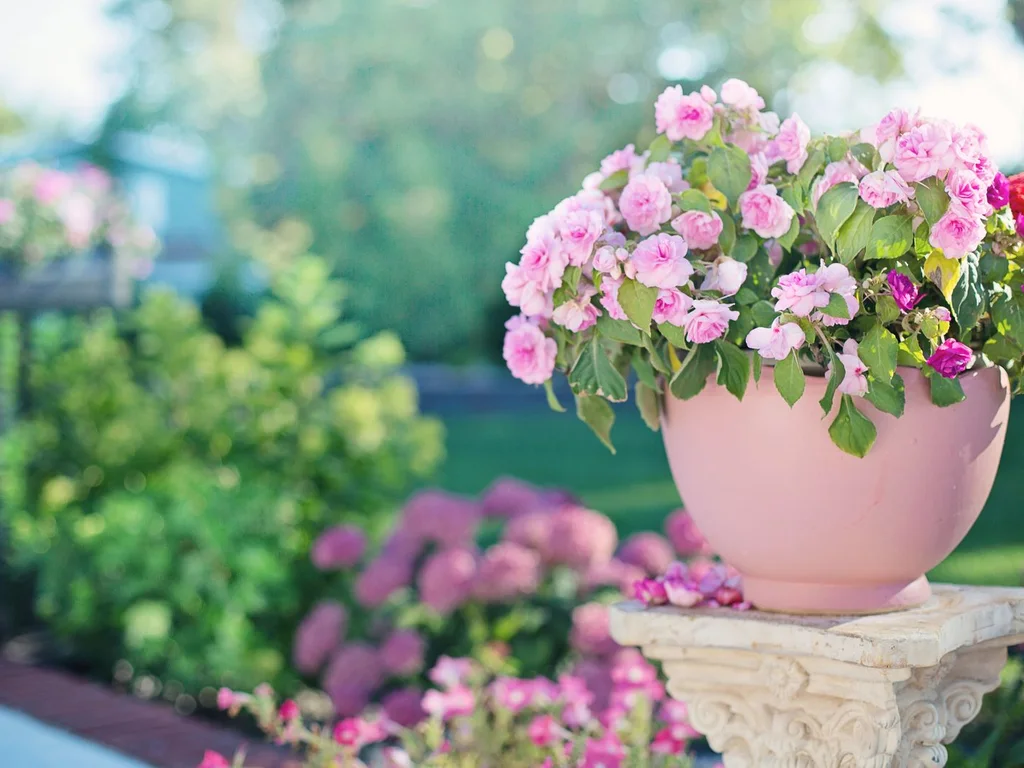
The cheapest plants are the ones you propagate yourself: cuttings from friends’ gardens, divisions of your own perennials and seeds sown in spring. A garden built from cuttings takes a season longer to fill, but it costs almost nothing and every plant comes with a story and a known track record.
92. Use Gravel Instead of Paving
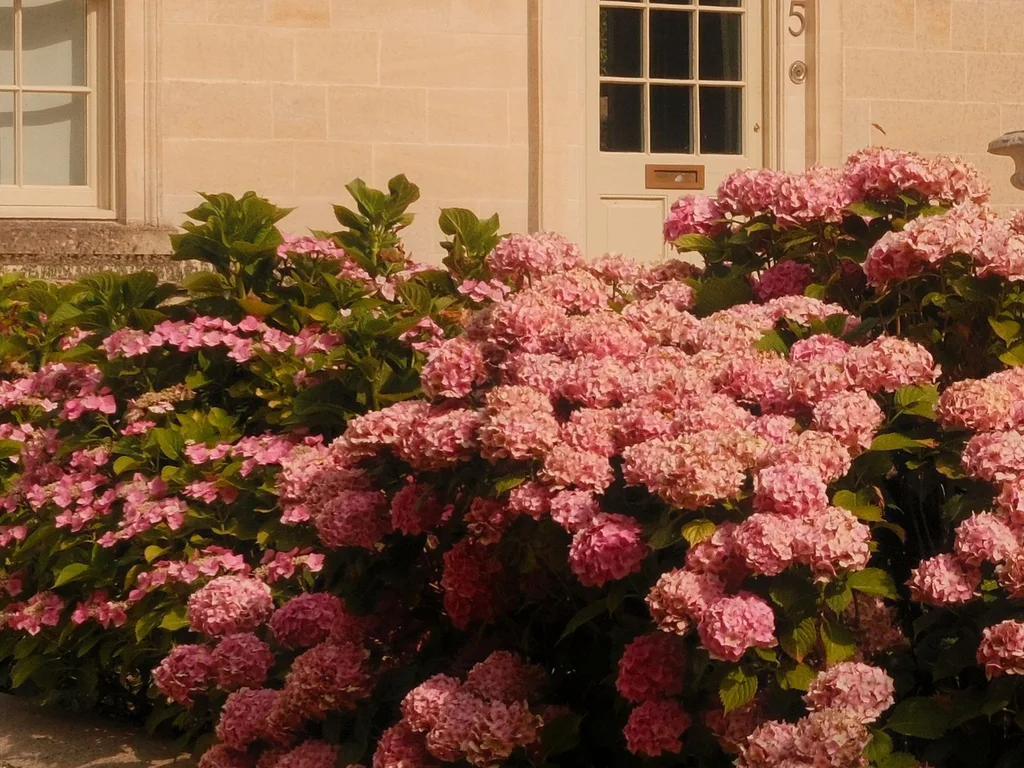
Gravel costs a fraction of paving, drains well and suits plants that like dry conditions. Lay it over a weed membrane on a compacted base, edge it firmly, and rake it level a few times a year. Choose a local stone colour so it sits naturally with the house and surroundings.
93. Buy Bare-Root Plants in Winter

Bare-root trees, shrubs and roses bought in winter cost far less than potted plants and establish quickly in cool, moist soil. Order early for the best selection, plant on a mild day and water well. By spring, bare-root plants are often ahead of their more expensive potted rivals.
94. Reuse and Upcycle in the Garden
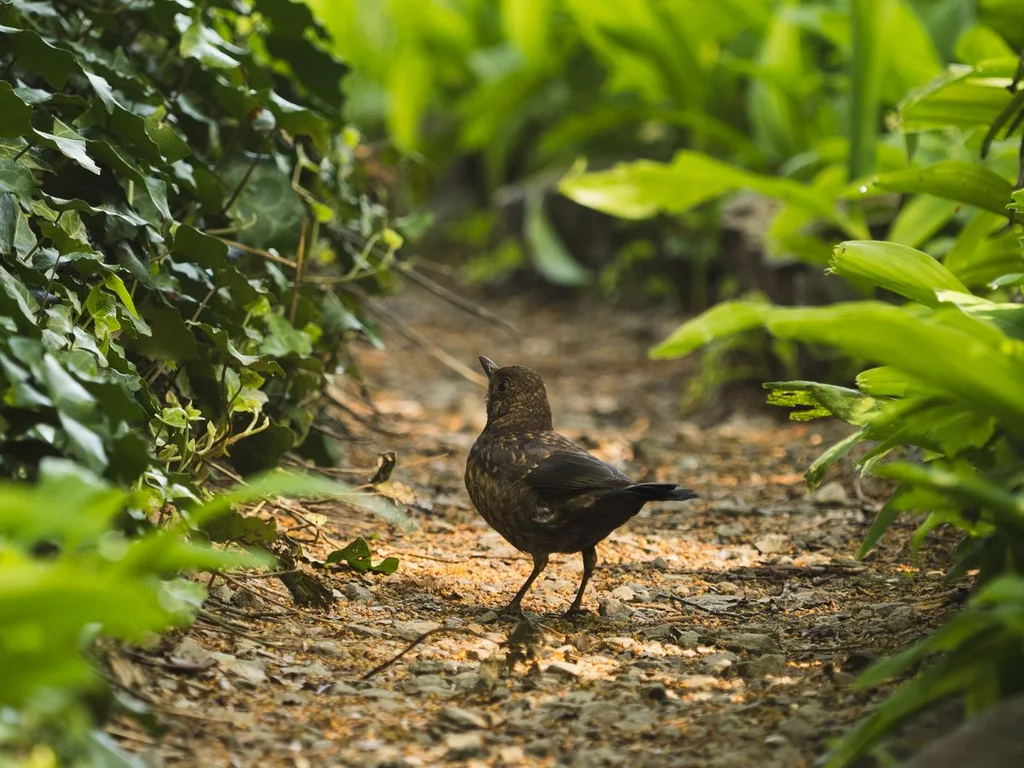
Old bricks become edging, a fallen branch becomes a plant support, and a chipped sink becomes a miniature alpine garden. Upcycling saves money and gives a garden character that shop-bought features rarely match. Keep upcycled features safe and sturdy, especially near paths and play areas.
95. Mulch Generously Every Spring

A thick spring mulch of compost or bark suppresses weeds, holds moisture and feeds the soil, saving hours of work and watering through summer. Apply it to moist soil after weeding, keep it away from plant stems, and top it up where it thins. Mulch is the single best-value garden job there is.
96. Plant Bulbs in Layers for Months of Colour
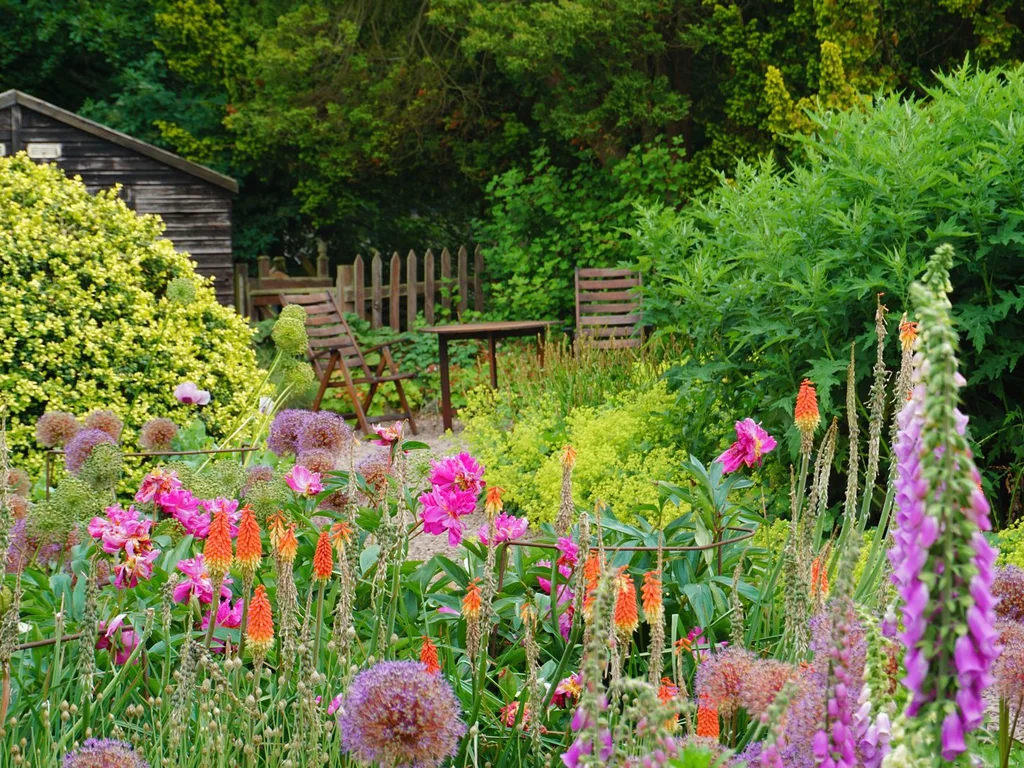
Lasagne planting — bulbs layered in one pot or patch at different depths — gives months of flowers from a single planting effort. Put late tulips deepest, daffodils in the middle and crocuses on top, and one container will flower from early spring into early summer with no further work.
97. Keep a Garden Diary Through the Year
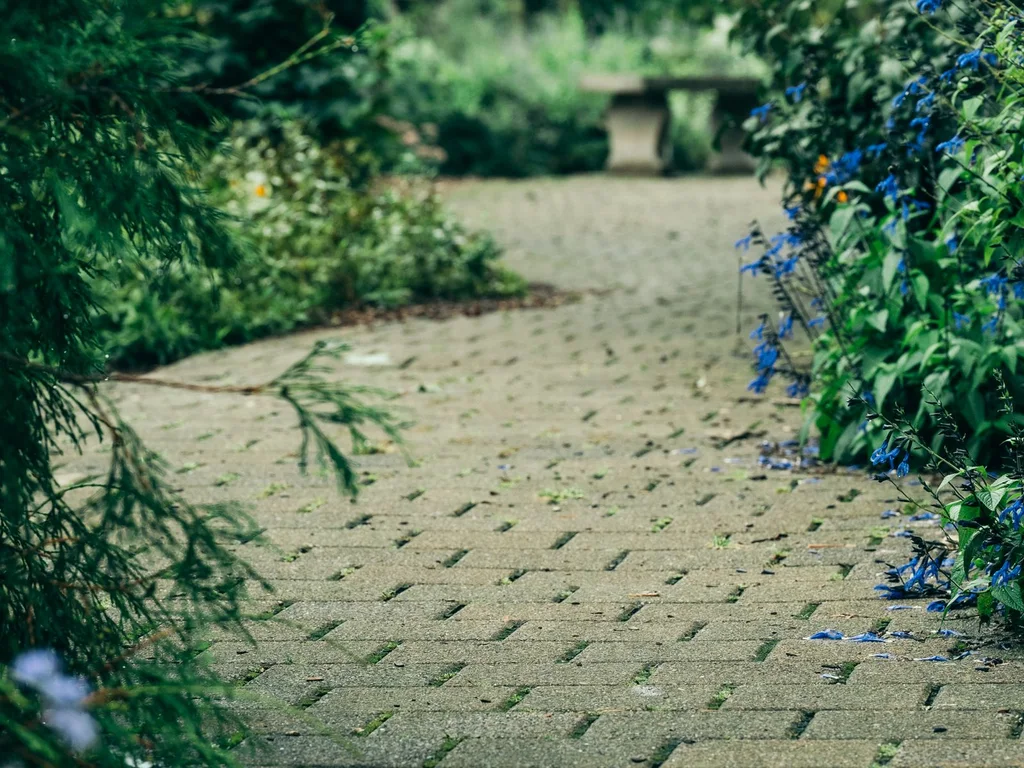
A simple notebook recording what flowered, what failed and what you want to change turns guesswork into progress. Note the dates of first frosts, the best-performing plants and the jobs you ran out of time for. Next year’s garden improves on this year’s evidence instead of repeating its mistakes.
98. Add Autumn Colour Deliberately

Autumn colour is easy to miss when planning in spring, so choose trees and shrubs specifically for October: acers, amelanchier, liquidambar and Virginia creeper. One well-placed autumn star, seen from the house window, makes the whole season feel designed rather than merely ending.
99. Protect Tender Plants Before the First Frost

Move tender pots under cover, wrap vulnerable plants in fleece and lift dahlias and cannas before hard frosts strike. A single cold night can undo a season’s growth, while an hour of protection in autumn saves the cost and effort of replacing plants in spring.
100. Refresh One Area Each Year

Instead of trying to redesign the whole garden at once, improve one area properly each year: a new bed, a rebuilt path, a refreshed patio. Steady annual progress keeps costs manageable, lets you learn what works, and within a few years the whole garden will have been transformed.
Common Garden Design Mistakes to Avoid
The most common mistake is planting without a plan — buying plants because they look good in the nursery and discovering they need sun, space or soil the garden cannot offer. The second is forgetting access: beds too wide to reach the middle, paths too narrow for a wheelbarrow, and taps or compost heaps placed where they are hardest to use. The third is designing only for summer and forgetting winter structure. Avoid these three errors, keep a simple scale sketch, and most other decisions become much easier. For more structure ideas, our small space design ideas show how the same principles work indoors too.
Frequently Asked Questions
Where should I start when designing a garden?
Start with a scale sketch showing the house, boundaries, sun path and existing trees, then decide where seating, paths and the main focal point will go. Planting comes last — structure first makes every plant choice easier and prevents expensive changes later.
How much should a garden redesign cost?
It varies enormously: a planting-only refresh can cost a few hundred pounds, while new paving, walls and lighting can run into thousands. Phasing the work — one area per year — keeps costs manageable, and cuttings, seeds and bare-root plants cut the planting bill dramatically.
What is the easiest garden style to maintain?
A simple layout with evergreen structure, mulched beds and plants suited to your soil needs the least work. Grasses, hardy shrubs and ground cover suppress weeds and survive dry spells, while fussy bedding and large lawns demand constant attention.
How do I make a small garden look bigger?
Use a simple layout, one focal point, pale surfaces, vertical planting and a path that curves out of sight. Avoid clutter and too many small features — generosity of planting and a clear structure make small spaces feel larger than a patchwork of ideas.
When is the best time to plant a new garden?
Autumn and early spring are best for most trees, shrubs and perennials, when soil is moist and roots can establish before summer heat or winter cold. Bare-root plants must go in during winter dormancy, while tender plants should wait until after the last frost.
How can I attract more wildlife to my garden?
Add water, leave a wild corner, plant native species and flowers across the seasons, and create gaps under fences for hedgehogs. Avoid pesticides and slug pellets, and provide nesting spots such as a log pile, a bug hotel and dense hedging.
Do I need planning permission for garden features?
Most garden features — beds, paths, patios and small ponds — need no permission, but walls, fences above certain heights, large structures and trees with protection orders can. Check local rules before building anything tall, structural or near a boundary.
What are the best low-maintenance garden ideas?
Choose a simple layout with evergreen structure, mulch beds thickly every spring so weeds and watering shrink, and plant perennials, grasses and ground cover instead of annual bedding. Gravel instead of paving (Idea 92), meadow strips instead of extra lawn (Idea 56) and plants matched to your soil (Idea 24) cut the weekly workload more than any gadget.
How can I redesign a garden on a small budget?
Phase the work: fix the layout and one seating area first, then add planting gradually using cuttings, divisions, seeds and bare-root plants bought in winter (Ideas 91 and 93). Reuse what you already own — old bricks become edging, a fallen branch becomes a plant support (Idea 94) — and refresh one area properly each year (Idea 100) instead of spreading money thinly over the whole garden.
Conclusion
A garden you love to spend time in is built from simple decisions made well: a layout that works, a comfortable seat in the sun, planting that rewards you in every season and a few details that make the space yours. Start with one idea from this guide — perhaps a focal point, a seating corner or a single new bed — and let the garden grow from there. For more outdoor inspiration, browse our gardening design ideas collection and keep refining a space that brings you outside every day.