
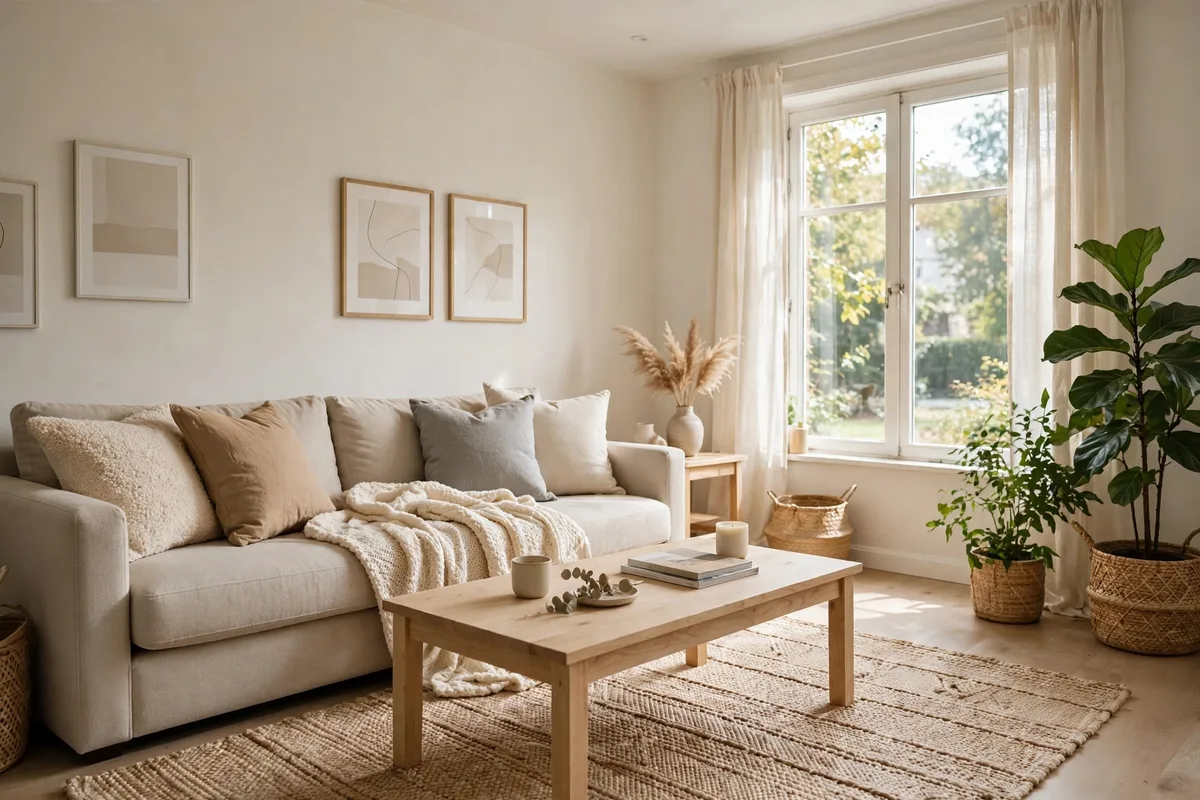
A neutral sofa is often sold as the safe choice, but anyone who has lived with one knows the real question comes later: what should the room actually look like? A beige, cream, or grey sofa can become calm and Scandinavian, crisp and contemporary, breezy and coastal, or warm and layered — the sofa stays the same while everything around it decides the style.
This guide takes a different approach. Instead of a layering routine, it compares the seven styling styles that work best on a neutral sofa, side by side: what defines each look, the palette and textures that carry it, how pillows are handled, and which rooms and households each style genuinely suits. You will also find a simple method for choosing between them, and a reliable way to mix two styles without the room falling apart. If you want the hands-on layering sequence itself, our companion neutral sofa styling guide walks through it step by step — this article is about picking the destination before you start the journey.
Seven neutral sofa styling styles, judged on the same four levers — palette, texture family, pillow approach and contrast level — so the choice is a comparison, not a guess.
In this guide: How to Read a Neutral Sofa Style Before You Choose One · Scandinavian Calm: Light, Wood and Breathing Room · Modern Minimalist: Fewer Pieces, Sharper Choices · Tonal Monochromatic: One Colour Family, Many Textures · Coastal Light: Breezy, Washed and Sun-Faded · Warm Layered Traditional: Symmetry, Depth and Welcome · Boho Eclectic: Collected, Patterned and Personal · Contemporary High-Contrast: Neutral Base, Bold Decisions · How to Pick the Right Style for Your Room and Your Life · How to Mix Two Styles Without Clashing · Frequently Asked Questions About Neutral Sofa Styling Styles · Conclusion
1. How to Read a Neutral Sofa Style Before You Choose One
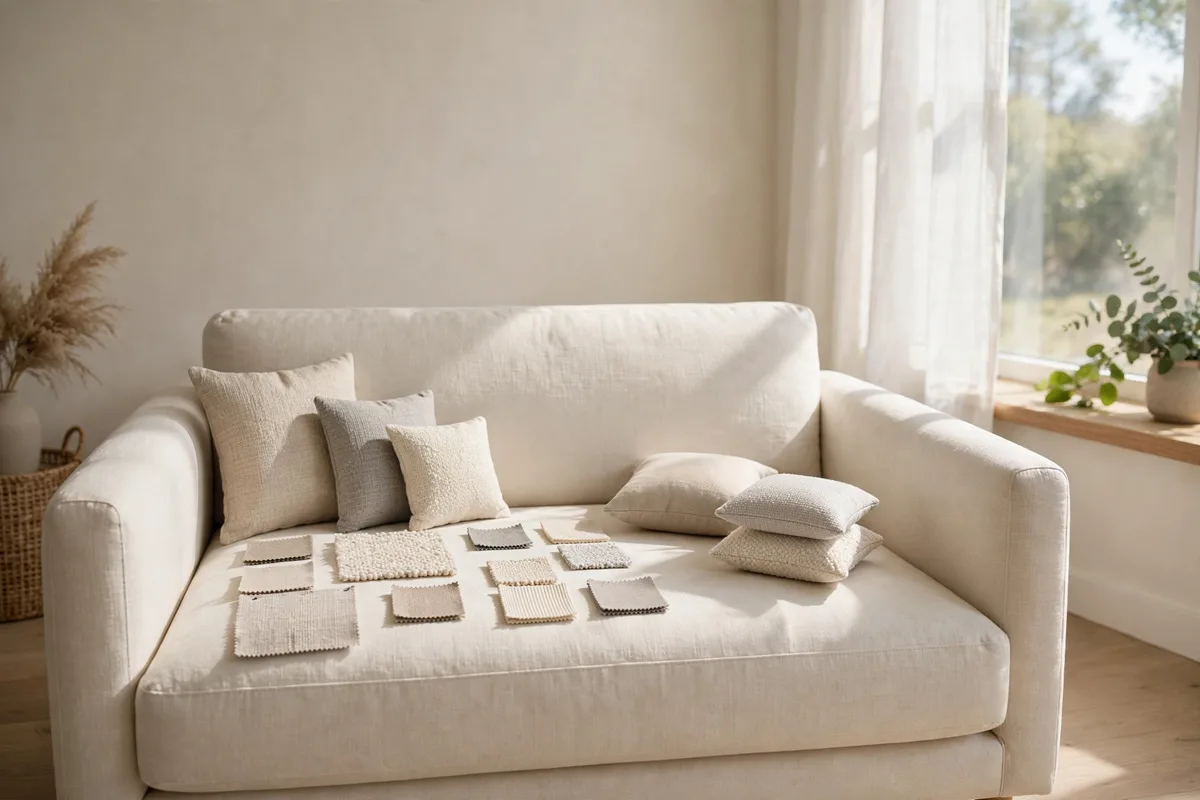
Every recognisable style is really just four decisions made consistently: a palette, a texture family, a pillow approach, and a level of contrast. Scandinavian calm and boho eclectic can share the exact same cream sofa, but they diverge on all four decisions — one restricts the palette and loosens nothing, the other widens the palette and loosens everything. Once you can see those four levers, style names stop being vague labels and become recipes you can follow.
Start with your sofa’s undertone, because it favours some styles over others. Warm beige and cream sofas lean toward warm layered, boho, and coastal looks; cool grey sofas lean toward Scandinavian, minimalist, and high-contrast looks. Working with the undertone is always cheaper than fighting it — warm accessories can heat up a grey sofa, and crisp black accents can sharpen a beige one.
| Style | Palette | Key textures | Pillow approach | Best for | Watch out for |
|---|---|---|---|---|---|
| Scandinavian calm | White, pale grey, soft beige, muted sage | Light wood, wool, linen, sheepskin | 3 pillows, tonal, texture over pattern | Bright, smaller rooms; calm-seekers | Can feel cold without warm wood |
| Modern minimalist | White, greige, stone, one muted accent | Smooth leather, boucle, flat-weave wool | 2 pillows, architectural, matched pair | Small rooms; tidy households | Shows every crease and crumb |
| Tonal monochromatic | One neutral family, light to deep | Everything tactile: boucle, velvet, knit, linen | 4 to 5 pillows, same family, varied texture | Tricky multi-neutral rooms | Flattens without value range |
| Coastal light | White, sand, pale blue, sea green | Jute, rattan, cotton, driftwood tones | 3 to 4 pillows, stripes and washed solids | Sunny rooms; relaxed family life | Tips into theme-park beach kitsch |
| Warm layered / traditional | Cream, camel, warm brown, burgundy or navy | Velvet, wool, leather, dark wood | 4 to 5 pillows, symmetrical pairs | Larger rooms; entertainers | Can feel heavy in low light |
| Boho eclectic | Cream base, rust, ochre, olive, clay | Macrame, kilim, rattan, raw linen | 5+ pillows, mixed pattern and shape | Collectors; creative households | Tips into clutter without editing |
| Contemporary high-contrast | Neutral base plus black and one bold accent | Lacquer, metal, velvet, graphic weave | 3 pillows, one graphic statement | Open-plan rooms; art lovers | Contrast dates fastest of all |
The four levers, in plain terms
- Palette width: Minimalist and tonal styles use the fewest colours; boho uses the most. Narrower palettes look calmer and date more slowly.
- Texture family: Natural and matte (Scandi, coastal, boho) versus smooth and reflective (minimalist, contemporary). Mixing families is where clashes are born.
- Pillow behaviour: Symmetry signals traditional order; odd, loose groupings signal relaxed styles. Pillows are the cheapest style signal you own.
- Contrast level: Tonal styles keep everything close in value; high-contrast styling deliberately separates light sofa from dark accents.
Each style below follows the same order — definition, palette, textures, pillows, best fit — so you can compare like with like.
Counts are only half the pillow question — the sizes, against your sofa’s back height, and the rug and art widths that follow, are our neutral sofa measurements.
2. Scandinavian Calm: Light, Wood and Breathing Room
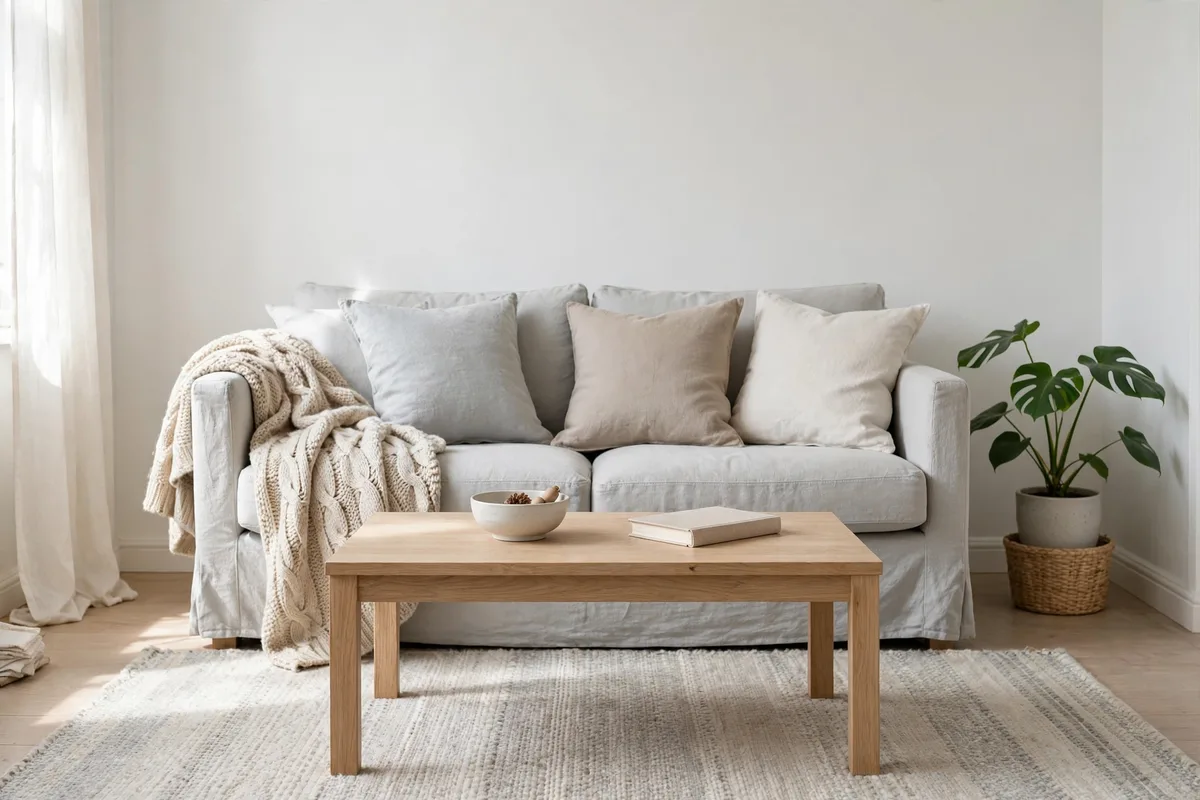
Scandinavian styling treats the neutral sofa as one quiet element in a room built around light. The defining idea is restraint with warmth: pale surfaces to bounce daylight around, natural wood to stop the paleness feeling sterile, and very few objects, each earning its place.
The palette stays close to the sofa: warm white, pale grey, soft beige, and gentle accents of muted sage or dusty blue. Black appears only as a whisper — a picture frame, a slim lamp stem. Textures are matte and natural: light oak, a wool rug, linen cushions, and one chunky knit throw.
Pillows and finishing touches
Pillow discipline is strict: three on a three-seater, in tonal shades with texture doing the work that pattern does elsewhere — a slubby linen, a fine knit, one subtle woven stripe at most. Scandinavian calm suits north-facing rooms, smaller living rooms, and anyone who finds visual noise tiring. Its weakness is coldness: skip the warm wood and warm bulbs, and the same room reads clinical instead of calm.
3. Modern Minimalist: Fewer Pieces, Sharper Choices
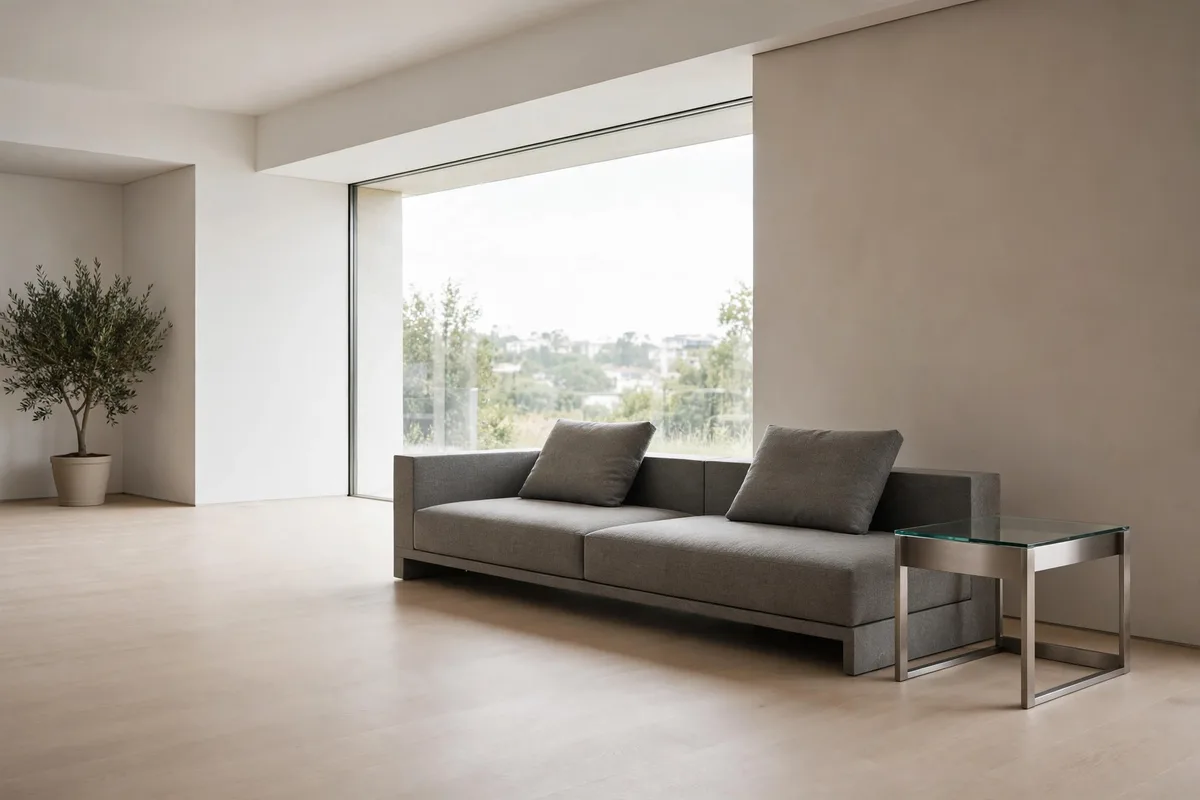
Modern minimalism is Scandinavian restraint taken further: cleaner lines, smoother surfaces, larger areas of deliberate emptiness, and furniture chosen for silhouette rather than comfort signals.
The palette is the narrowest of all seven styles: white, greige, stone, and charcoal, with at most one muted accent. Textures are smooth and close-woven — boucle, leather, flat-weave wool, glass, brushed metal — and pattern is essentially banned; interest comes from proportion and shadow.
Pillows and finishing touches
Two pillows — a matched pair or a single long lumbar — used as punctuation, not layers. The throw, if there is one, is folded with precision. This style suits small rooms, tidy households who enjoy resetting a room, and modern architecture with large windows. Minimalist rooms show every crease and crumb, and punish casual buying, because one wrong object has nowhere to hide. For more finished-room inspiration in this direction, browse these neutral sofa styling ideas and notice how few pieces the calmest rooms actually use.
4. Tonal Monochromatic: One Colour Family, Many Textures
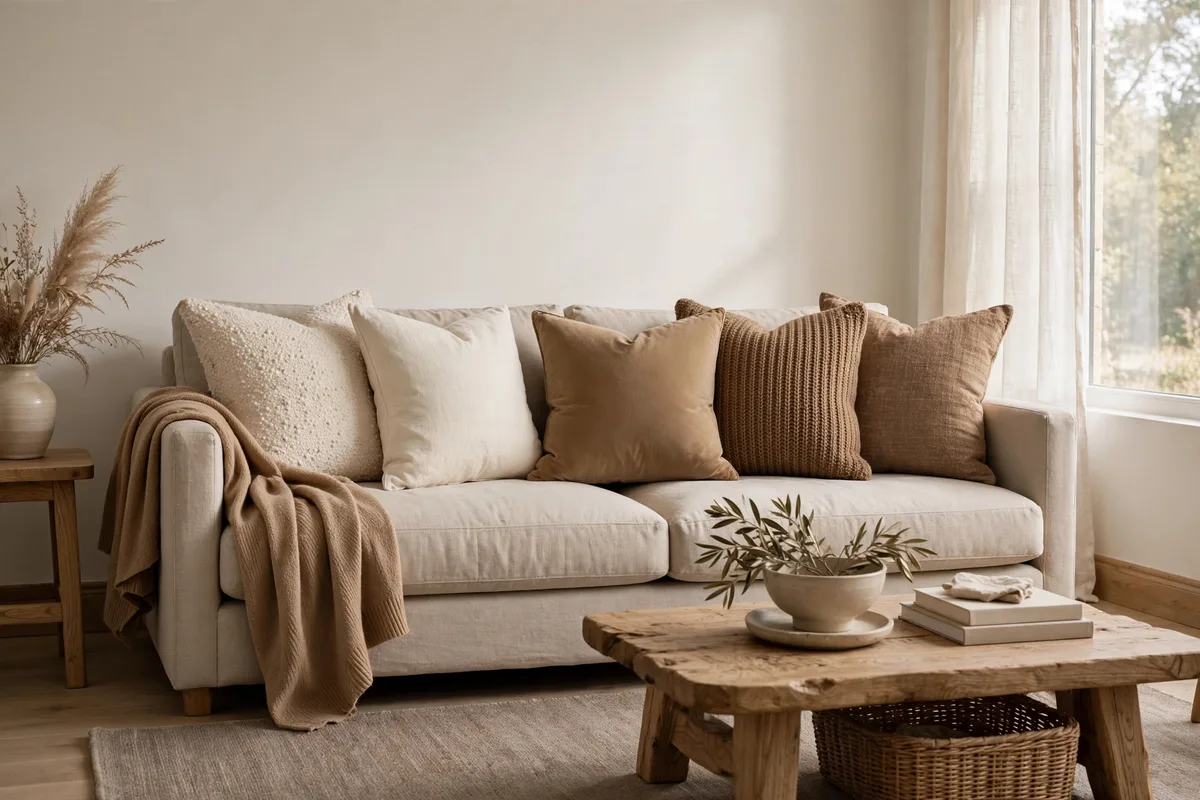
Tonal styling builds the entire room from one neutral family and lets texture and value create all the interest. A beige sofa sits among cream cushions, a camel throw, and a taupe rug; a grey sofa among silver, stone, and charcoal. Done well, it is the most expensive-looking style on this list. Done carelessly, it produces the dreaded flat beige box.
The secret is value range. Within your family you need at least three clearly different depths — pale, mid, and deep — or everything melts into one mass. Texture then does the separating work that colour does in other styles: boucle against linen, velvet against flat-weave cotton, a chunky knit over a smooth seat.
Pillows and finishing touches
This is a generous-pillow style: four to five, all inside the family, each in a different texture and depth. Add one material from outside the palette — warm wood, black metal, or aged brass — repeated twice, to stop the room feeling airless. Tonal styling suits rooms where several neutrals already coexist awkwardly, because it turns that accident into a scheme.
5. Coastal Light: Breezy, Washed and Sun-Faded
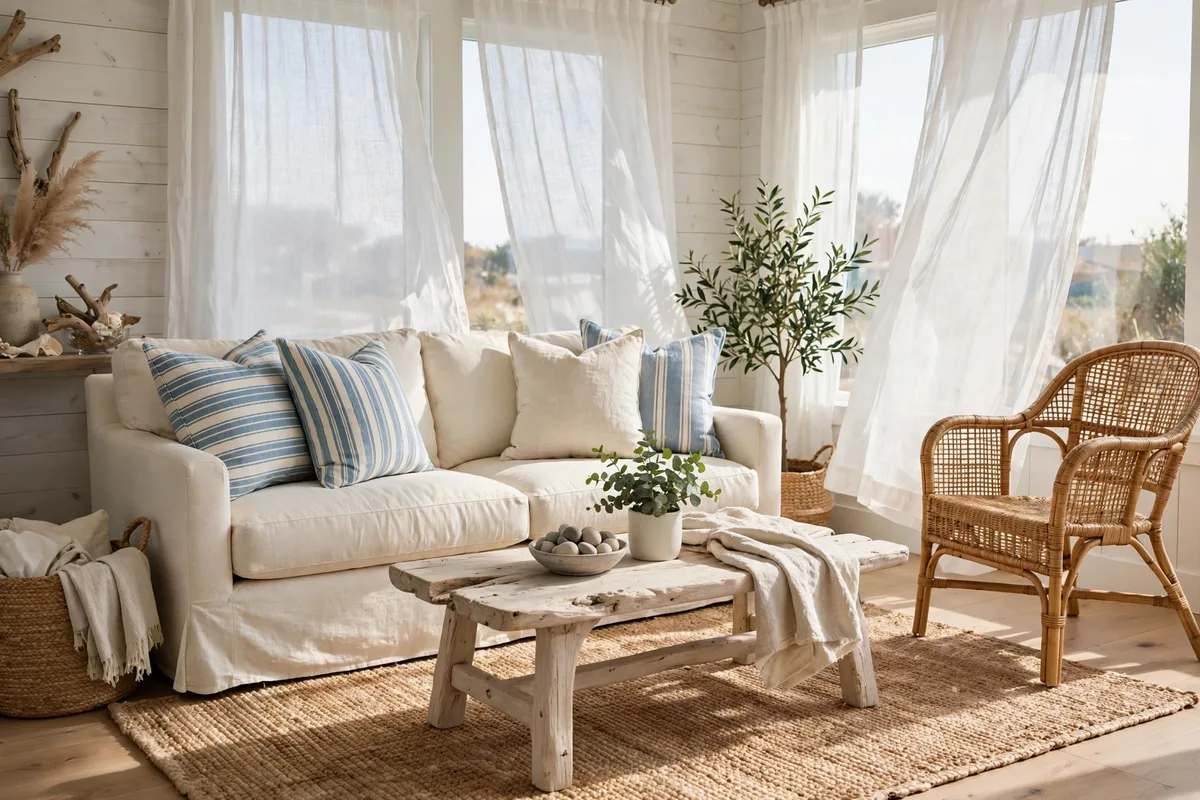
Coastal styling brings a bright shoreline palette indoors: white and sand around the sofa, pale blue and sea-glass green as accents, and textures that look sun-dried rather than polished. The defining feeling is air movement — nothing heavy, nothing dark, nothing that would trap heat or light.
Textures are the most casual of any style here: jute and sisal rugs, rattan and wicker, washed cotton and slubby linen, pale driftwood-toned wood. Blue enters through cushions, a striped throw, or art rather than large furniture, so the room stays neutral first and coastal second.
Pillows and finishing touches
Three to four pillows in washed solids plus one stripe — coastal’s signature pattern, ideally indigo or faded navy on white. Finishing touches include woven baskets and airy greenery. Coastal suits sunny rooms, warm climates, and relaxed family life. Its failure mode is theme: shells on frames, rope on everything, and anchor motifs tip it into beach-shop kitsch. Keep references to texture and colour, not souvenirs.
6. Warm Layered Traditional: Symmetry, Depth and Welcome
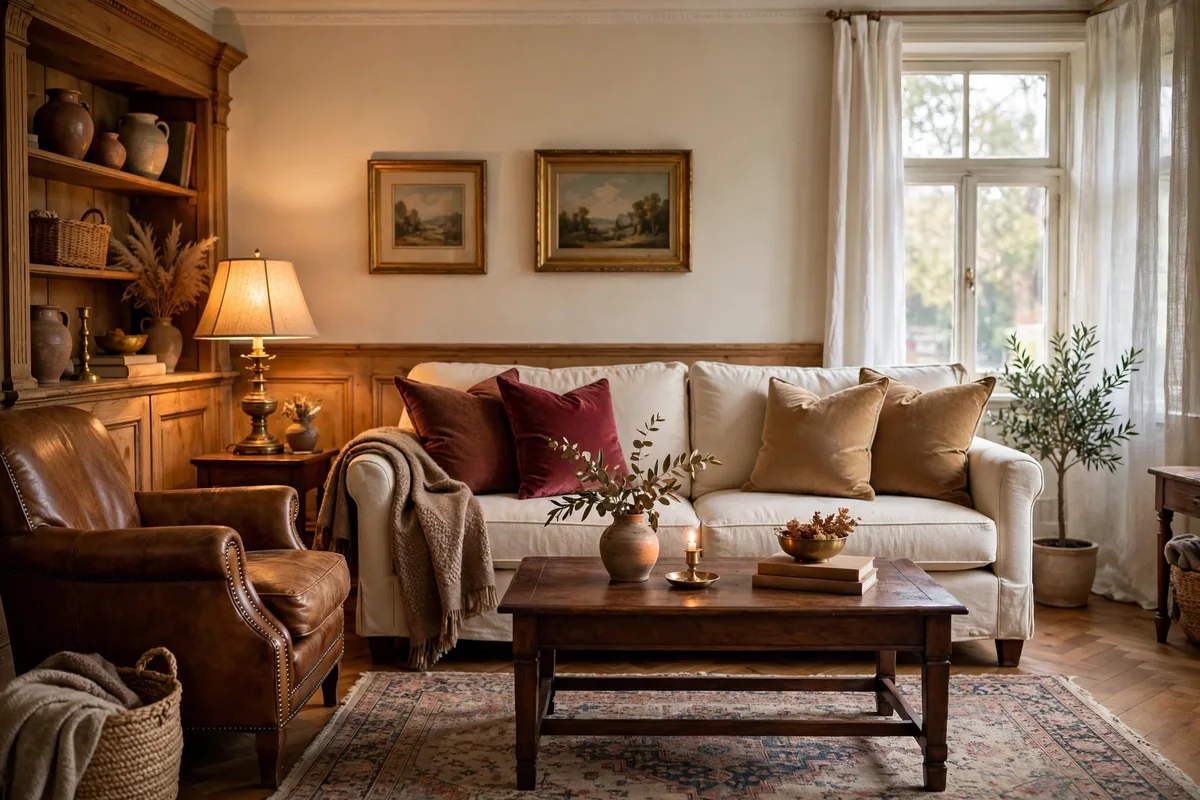
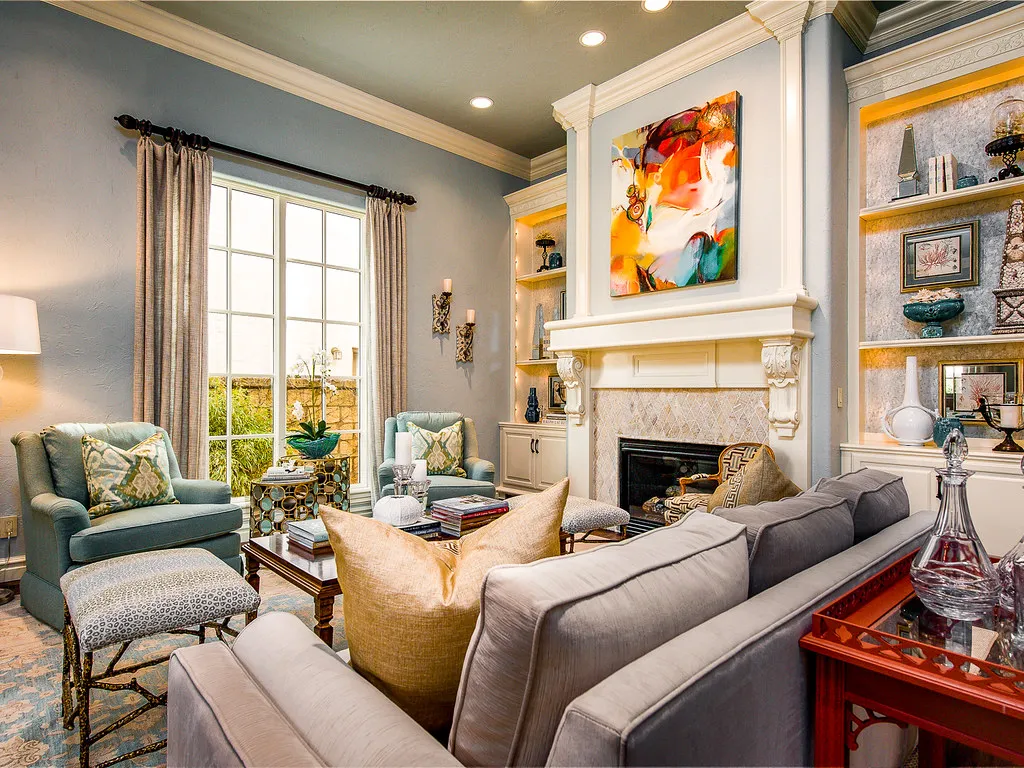
Traditional styling is the warmest and most formal of the seven, built on symmetry, deeper colours, and layers that signal permanence. A neutral sofa — cream and beige bases suit it best — is dressed like a well-made bed: paired cushions, a folded throw, balanced furniture arrangements, and lighting at more than one height.
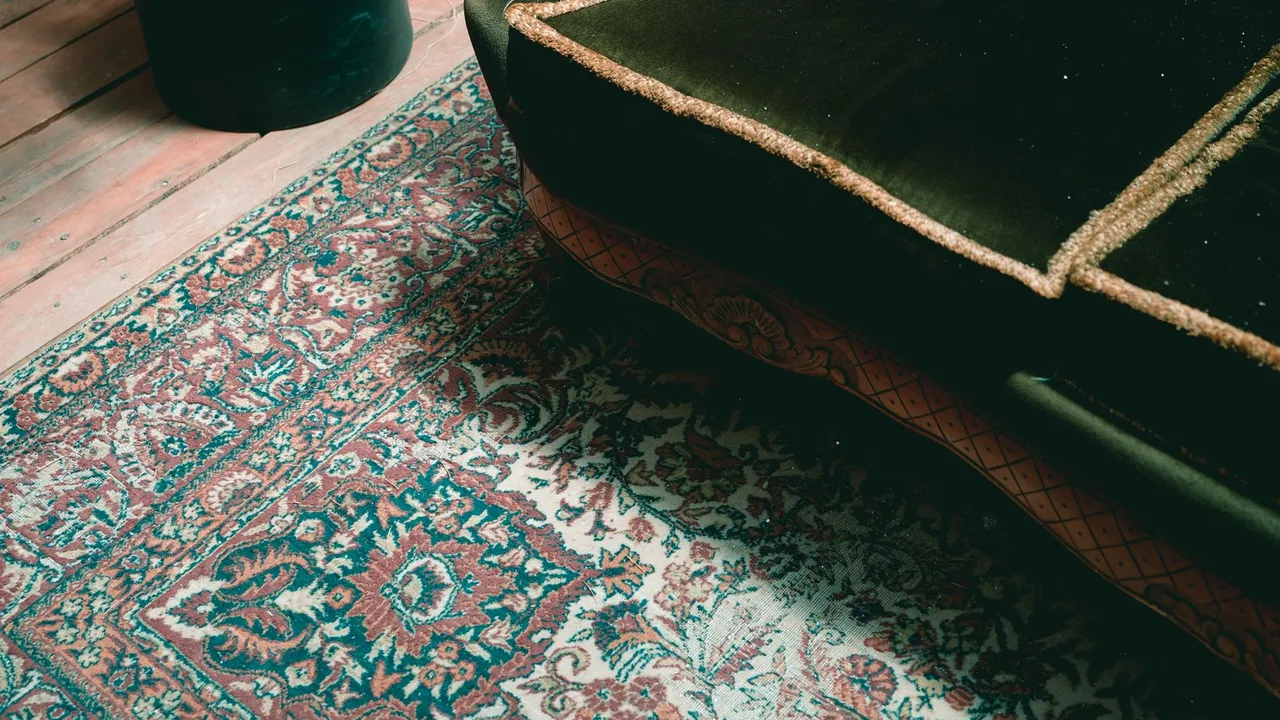
The palette deepens the neutral base with camel, warm brown, and one heritage accent: burgundy, navy, forest green, or brass-toned gold. Textures are rich and touchable: velvet cushions, a wool throw, leather in a chair or ottoman, dark wood tables, and a patterned rug — a faded Persian-style rug is the classic foundation, because its pattern hides everyday life beautifully.
Pillows and finishing touches
Pillows are this style’s signature: four to five, arranged as symmetrical pairs — two larger matching cushions at the ends, two smaller patterned ones inside, and one lumbar in the accent colour at the centre. Symmetry is what makes a layered room feel composed rather than accumulated. Traditional styling suits larger rooms, homes that entertain often, and period architecture. In a small or dark room, scale the layers down or the warmth tips into heaviness.
7. Boho Eclectic: Collected, Patterned and Personal
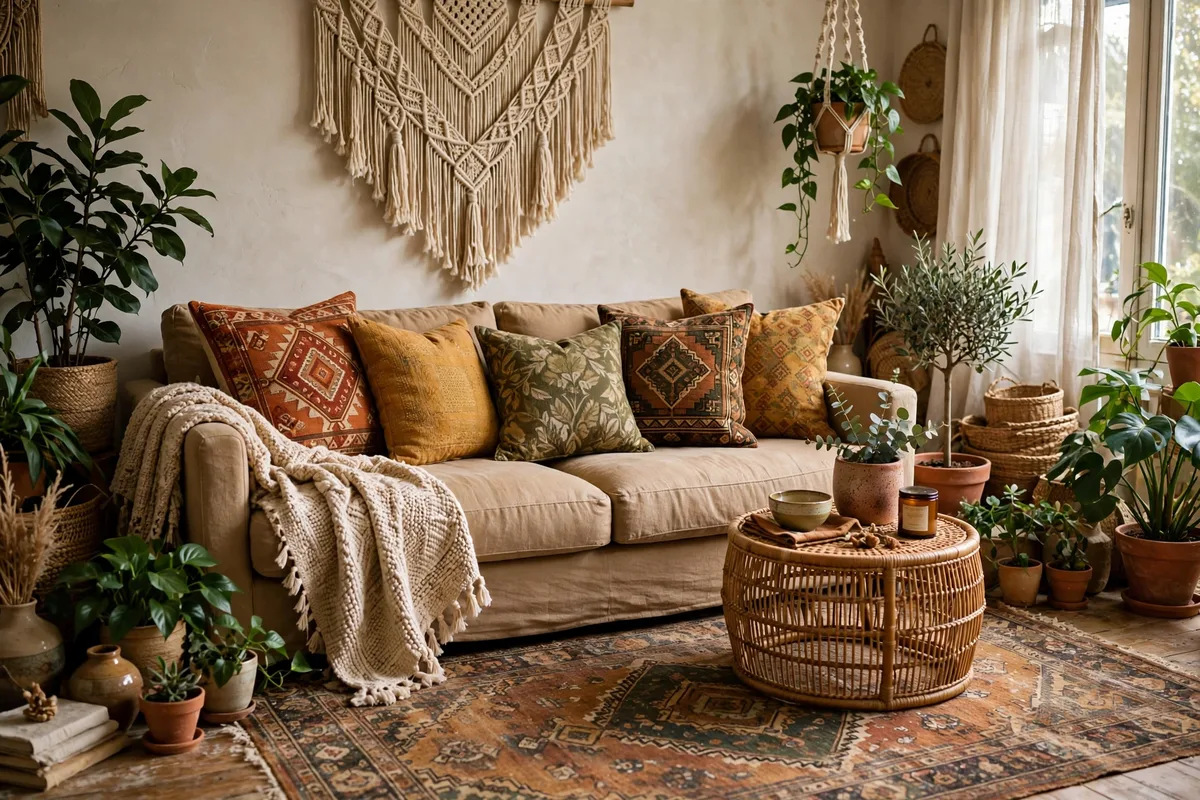
Boho styling treats the neutral sofa as the calm base that makes collecting possible. Because the sofa says nothing loudly, everything around it can: patterned cushions, a kilim throw, rattan, plants, and travel finds. The defining skill is not buying — it is editing, because boho sits one basket away from clutter.
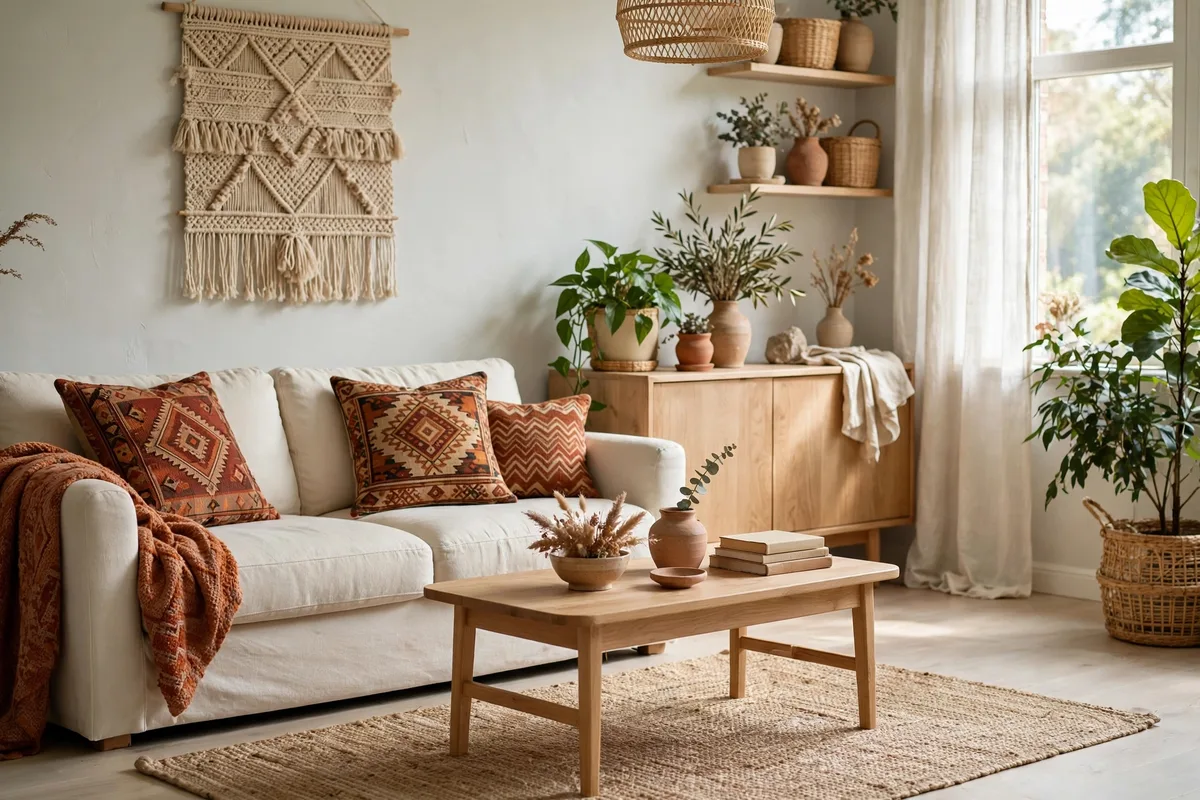
The palette starts from cream or warm beige and adds earthy saturation: rust, ochre, olive, clay, and warm brown, with black used sparingly to sharpen. Textures are handmade-looking and natural: macrame and woven wall pieces, raw linen, embroidered or block-printed cotton, chunky knits, rattan and cane, and a patterned rug with a worn, vintage feel. Nothing matches exactly, but everything shares warmth and a matte, natural finish — that shared thread is what separates eclectic from random.
Pillows and finishing touches
Pillows are maximal: five or more, mixing sizes, shapes, and patterns that share the earthy palette — a kilim square, a mudcloth lumbar, a plain rust velvet to rest the eye. One quiet piece in every grouping keeps it working. Boho suits collectors, creative households, and renters who personalise with textiles rather than paint.
8. Contemporary High-Contrast: Neutral Base, Bold Decisions
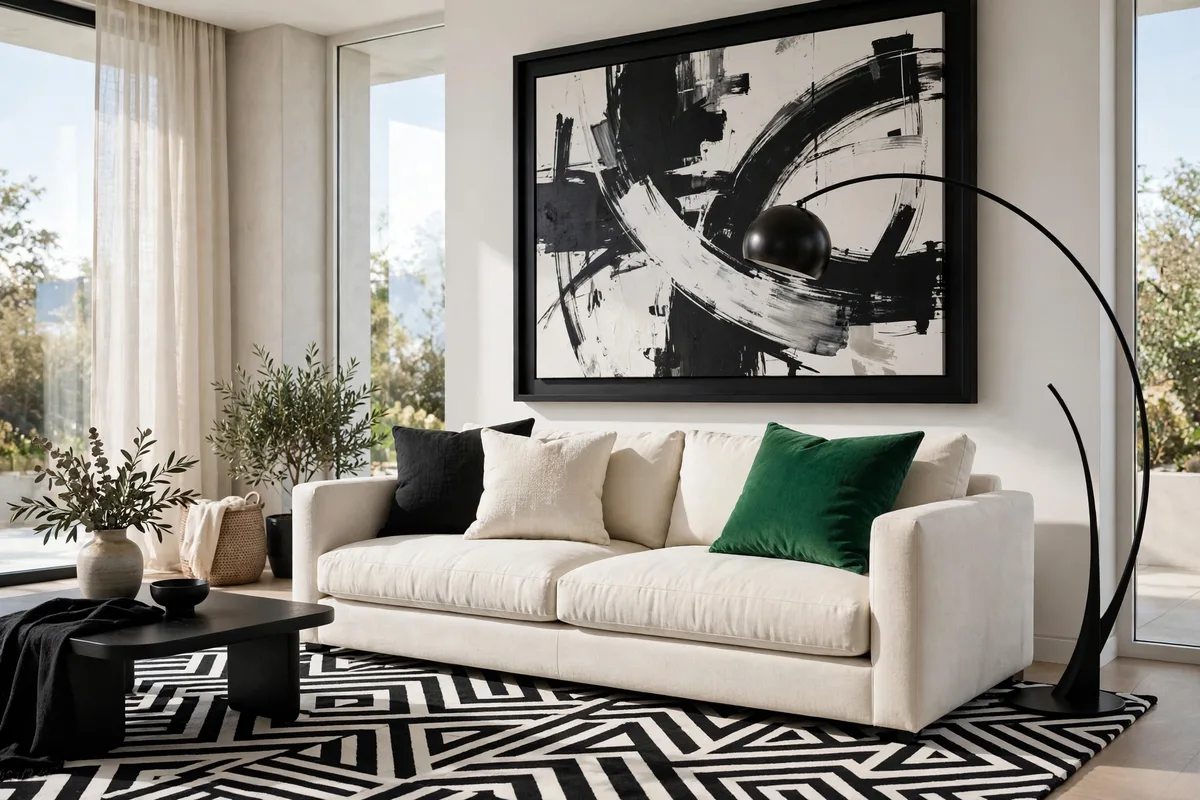
Contemporary styling uses the neutral sofa as a foil: the quieter the sofa, the louder everything else can be. Black-framed art, a graphic rug, sculptural lighting, and one bold accent colour — cobalt, emerald, or burnt orange — create a room that feels current and deliberate.
Contrast here is about value, not just colour: the light sofa is answered by genuinely dark accents — black metal, charcoal, deep-stained wood. Textures mix smooth and plush, and pattern returns in graphic, large-scale forms: a bold stripe, an oversized abstract, a geometric weave.
Pillows and finishing touches
Three pillows is the sweet spot: two in a bridging neutral, one graphic or saturated statement piece — more pillows soften the edge this style depends on. Finishing touches lean sculptural, because contemporary rooms are furnished with fewer, stronger objects. The honest warning: high-contrast styling dates faster than any other look here. Refreshing the look usually means new cushions, art, and one accent, not new furniture — the expensive pieces stay neutral.
9. How to Pick the Right Style for Your Room and Your Life
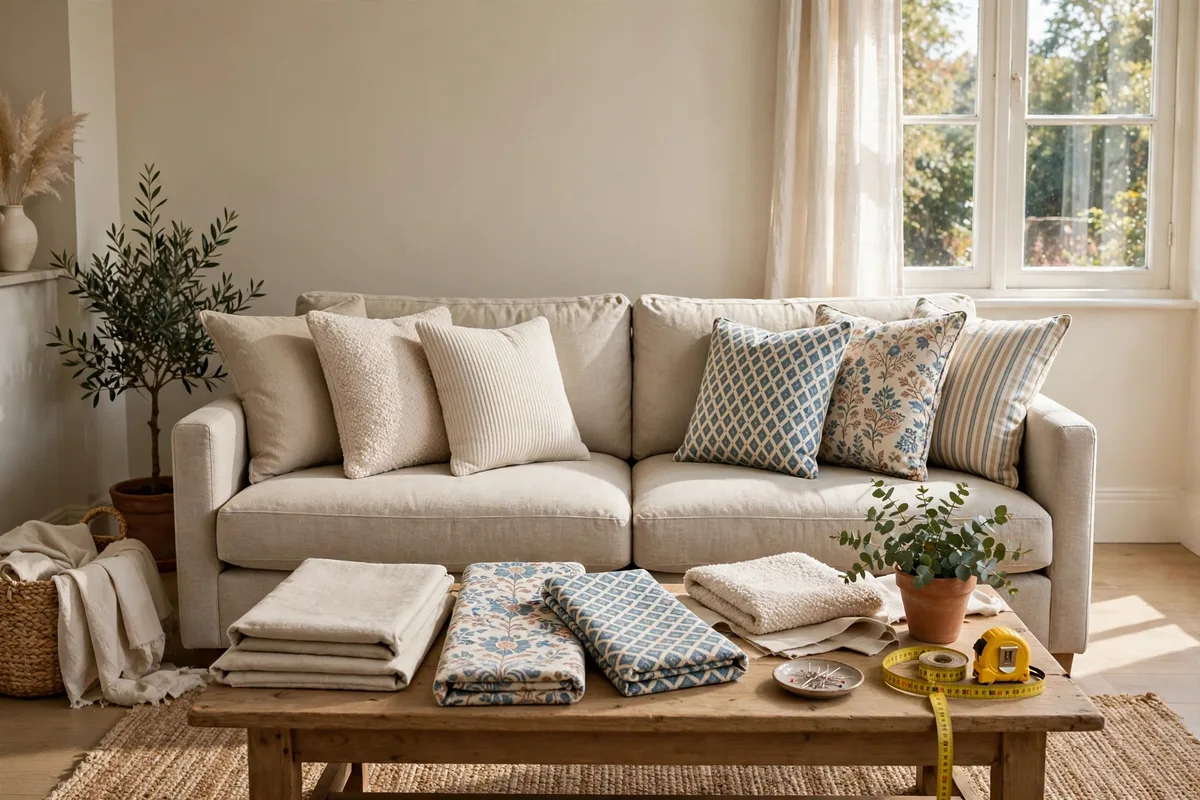
With seven good options, choosing feels harder than it is — because the room itself eliminates most of them. Work through the fixed facts first and let them narrow the field before taste has its say. A style that fights the room’s light, size, or architecture will lose every day, no matter how much you love it in photographs.
- Light: Bright rooms carry coastal, Scandinavian, and high-contrast looks easily. Low-light rooms need warmth and mid-tones — warm layered, boho, and tonal styles — because pale schemes turn grey and cold without sun.
- Size: Small rooms reward narrow palettes and fewer objects: minimalist, Scandinavian, tonal. Large rooms can absorb the layering and pattern of traditional and boho styles.
- Architecture: Period details partner naturally with traditional and warm tonal looks; clean modern architecture flatters minimalist and contemporary styling. Featureless rooms — most rentals — are the most flexible of all.
- Household reality: Children and pets favour forgiving styles: coastal’s washable cottons, boho’s busy patterns, traditional’s patterned rugs. Minimalist and tonal looks demand the most upkeep.
- Tidiness: Choose the style whose everyday state you can maintain. A rumpled coastal or boho room still looks intentional; a rumpled minimalist room just looks unfinished.
A quick way to decide
Pick the two styles that survive the fixed facts, then test with pillows only — the cheapest full-style trial there is. Dress the sofa in style A for a week, then style B, photographing both from the doorway. The style that looks composed in a flat phone photo, without you adjusting anything, is the one your room wants.
Chosen? The moves that execute your style — pillows arranged, the throw draped, the rug grounded — live in our neutral sofa styling ideas.
10. How to Mix Two Styles Without Clashing
Most real rooms are hybrids. Mixing works when one style clearly leads and the other flavours — a 70/30 split, roughly, between a dominant style that owns the palette, furniture shapes, and rug, and a secondary style that appears in textiles, small furniture, and objects. A 50/50 split is where rooms start to argue with themselves, because two styles compete to define every decision.
The second rule is the shared thread: the two styles must agree on at least one lever from section one — usually temperature or texture family. Scandinavian plus boho is the classic safe mix because both share natural matte textures and warm neutrals; boho supplies the pattern Scandi lacks. Coastal plus Scandinavian works for the same reason. Traditional plus contemporary works when both keep a tight palette.
Pairings that work, and the ones to avoid
- Safe: Scandi + boho, coastal + Scandi, tonal + traditional, minimalist + contemporary. Each pair shares temperature or texture.
- Tricky but possible: Boho + contemporary — keep boho to textiles only, and let contemporary lines own the furniture, or the room splits in two.
- Avoid: Coastal + traditional (washed casual textures fight formal symmetry), and minimalist + boho at anything near equal strength (one style’s whole point is the other style’s failure mode).
- The rescue move: If a mix feels off, do not add anything. Remove the secondary style’s largest item and re-add it smaller — a boho rug swapped for boho cushions fixes most failed mixes, because scale, not taste, is usually the problem.
Finish any mix with one unifying repeat: the same wood tone, metal finish, or accent colour appearing in both styles’ pieces at least twice. That echo convinces the eye the combination was planned — which, now, it was.
Frequently Asked Questions About Neutral Sofa Styling Styles
What is the best styling style for a neutral sofa?
There is no single best style — only a best match for your room. Bright, smaller rooms suit Scandinavian, minimalist, and coastal looks; larger or low-light rooms suit warm layered, tonal, and boho styles. Choose by light, size, and upkeep, then confirm with the pillow test in section nine.
Which neutral sofa style is most timeless?
Tonal monochromatic and warm layered traditional date the slowest, because both rely on texture and proportion rather than trend signals. Contemporary high-contrast dates fastest — but the sofa stays neutral in every style, so refreshing a dated look means changing textiles and art, not furniture.
Can a grey sofa work in warm styles like boho or traditional?
Yes, with temperature correction. Grey leans cool, so warm styles need their warmest versions around it: rust, ochre, camel, and warm wood in the cushions, throw, and tables, plus warm-white lighting. Avoid adding cool greys elsewhere, and the grey sofa reads as a calm base rather than a cold one.
What style makes a small living room look bigger?
Scandinavian and modern minimalist styles — pale palettes, fewer objects, and furniture with visible legs that let light pass. Tonal styling also works if the value range stays light. Avoid heavy traditional layering and dark, large-scale patterns in compact spaces.
How many pillows does each style use?
Minimalist uses two, Scandinavian and contemporary use three, coastal uses three to four, tonal and traditional use four to five, and boho uses five or more. The count is part of the style’s signal: too many pillows make a minimalist room look cluttered, and too few make a boho or traditional room look unfinished.
What is Scandi-boho, and why is it so popular?
Scandi-boho is the 70/30 mix of Scandinavian structure with boho textiles: a pale, calm, uncluttered room warmed by patterned cushions, woven textures, plants, and earthy accents. It is popular because it solves each style’s weakness — Scandi’s coldness and boho’s clutter — while keeping both styles’ strengths. It is also the easiest mix to attempt first.
Which style is best with kids and pets?
Coastal and boho are the most forgiving: washable covers, busy patterns that hide marks, and rumple-friendly textures. Traditional styling with a patterned rug is a close third. Minimalist and pale tonal looks are hardest to live with, since every mark shows.
How do I style a beige sofa in a modern way without it looking traditional?
Use the contemporary or minimalist playbook: add genuine contrast with black-framed art, a graphic rug, or sculptural lighting, keep pillows to two or three with one strong piece, and choose smooth or architectural textures over cosy ones. Beige turns traditional by default when it is paired with symmetry, dark wood, and heritage patterns — remove those three signals and it reads modern.
Can I change my neutral sofa’s style seasonally?
Yes, in flavour rather than in full: lighter coastal textiles in summer, warmer boho or traditional layers in winter, while the sofa and furniture stay constant. A complete style change is harder, since rugs, art, and furniture shapes belong to the style too. Swaps work best between close cousins like Scandi and Scandi-boho.
What is the biggest mistake when mixing two styles?
Splitting the room 50/50, so neither style leads and every object argues with another. The fix is proportion discipline: let one style own about seventy percent — palette, rug, and furniture shapes — and confine the second style to textiles and small pieces. If the mix still feels off, shrink the secondary style’s largest item rather than adding anything new.
Conclusion
A neutral sofa is not one look — it is at least seven, and the difference between a flat room and a finished one is usually that a style was chosen on purpose. Read your room honestly first: its light, size, architecture, and the life lived in it. Pick the style those facts support, dress the sofa in that style’s palette, textures, and pillow approach, and borrow from a second style only at thirty percent, along a shared thread. Do that, and the safest furniture choice you ever made becomes the most expressive one in the house.


Pingback: Neutral Sofa Styling Ideas for a Cozy Living Room