Disclosure: As an Amazon Associate I earn from qualifying purchases. This article contains affiliate links. If you purchase through these links, we may earn a commission at no additional cost to you.
The best waterproof mattress protector quiet noiseless queen size buyers want solves a trust problem: a mattress is a several-hundred-dollar purchase you cannot wash, in a room where coffee, kids, pets and night sweats all happen. A protector is the washable layer that takes the spill instead — a fitted cover, usually polyester or cotton terry on top with a thin waterproof film laminated underneath. The “quiet, noiseless” part is the real filter in this category: cheap waterproof layers use a crinkly vinyl-like film that crackles every time you roll over, while better ones use a soft TPU membrane you cannot hear or feel through the sheet.
This how-to guide covers the checks that decide whether a protector disappears under your bedding — film type, surface fabric, pocket depth — and then walks step by step through fitting and washing one so it stays quiet and keeps working. A queen mattress is 60 by 80 inches; everything below is written for that size, though the same steps apply to any bed.
Quick Verdict
For most queen beds, the right protector is a fitted-sheet style model with a TPU waterproof membrane (not vinyl or PVC), a soft knit or cotton terry top that does not change the feel of the mattress, and a pocket depth matched to your mattress plus any topper — measure before ordering, because pocket depth is where most purchases go wrong. Properly fitted and smoothed, a good protector is genuinely silent: no crinkle, no plastic smell after the first wash, and no change to how the bed sleeps. If a listing cannot tell you its film material or its pocket depth in inches, keep looking.
Important: Measure your mattress depth — including any topper — before you buy. A protector with a 12-inch pocket on a 16-inch mattress-and-topper stack will ride up and bunch, and a bunched protector is a noisy protector. Most queen protectors offer pockets in the 14–18 inch range; pick the one that covers your full stack with an inch or two to spare.
What to Look For Before You Buy
Waterproof film type. This is the quiet-versus-crinkly decision. TPU (thermoplastic polyurethane) laminate is soft, flexible and silent, and it is what “noiseless” listings are usually built on. Older or very cheap protectors use vinyl or PVC layers that rustle and can feel warm. Some listings just say “waterproof membrane” — check the questions and answers or the material details for TPU before assuming.
Top surface fabric. Cotton terry feels like a towel-soft sheet layer and absorbs a little surface moisture before the film stops it. Smooth polyester microfiber knit is thinner and changes the mattress feel least. Bamboo-derived viscose blends are marketed as cooler. Any of them can work; the surface decides feel and a little of the noise, while the film underneath does the waterproofing.
Pocket depth and skirt. Protectors fit like a fitted sheet, with an elasticated skirt that grips under the mattress. Depths are sold in ranges, and the elastic quality matters as much as the number: strong all-round elastic keeps corners seated. If you use a mattress topper for side sleepers, its thickness counts toward the pocket you need.
Protector vs encasement. A protector covers the top and sides like a fitted sheet — easy on, easy off for washing. A zippered encasement wraps the whole mattress, aimed more at allergy and bed-bug barriers, and is a two-person job to fit. For spill protection and quiet sleep, the fitted protector is the normal choice; encasements are a different tool for a different problem.
Breathability claims. A waterproof layer always trades some airflow. Better TPU membranes are described as breathable — letting vapour pass while blocking liquid — and in practice the better protectors sleep noticeably less warm than vinyl. Hot sleepers should look for that breathable-membrane wording plus a lighter surface fabric, and accept that no protector sleeps quite as cool as bare bedding.
Wash instructions. The waterproof film is the fragile part in the wash: most makers specify warm or cool water, no bleach, and tumble dry low or line dry — high heat can delaminate the film and silently end the waterproofing while the protector still looks fine. A listing that states these limits plainly is telling you how to keep the product working.
How to Use a Waterproof Mattress Protector, Step by Step
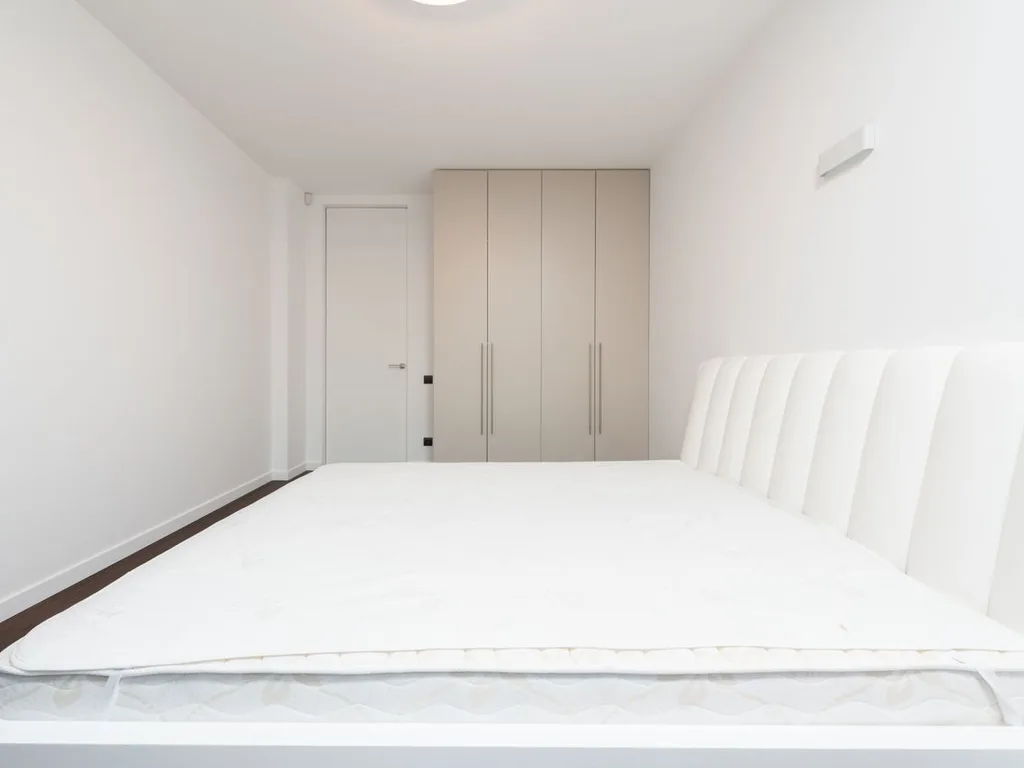
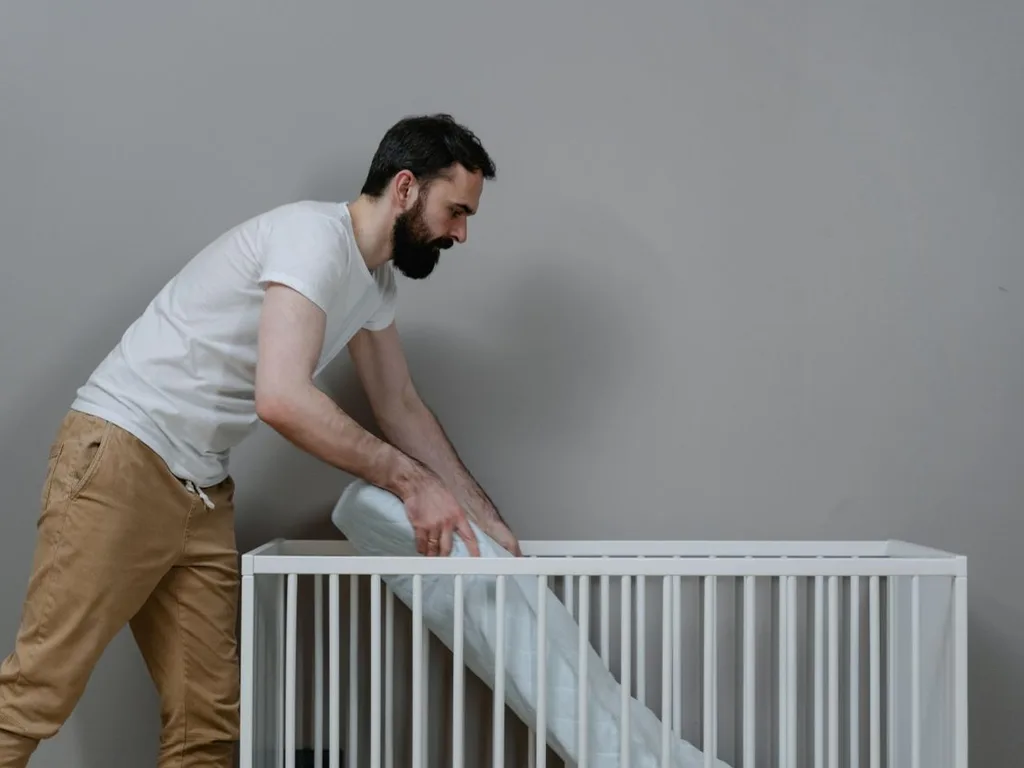
- Strip the bed completely. Remove sheets, and any old protector. If the mattress has any existing dampness or stains, let it dry fully first — sealing moisture under a waterproof layer is the one start you cannot undo easily.
- Wash the new protector before first use. A gentle wash removes factory finishes and any packaging smell, and softens the surface fabric so it lies flatter and quieter from night one. Dry it exactly as the label says — low heat or line dry.
- Find the top corners. Lay the protector over the mattress with the sleep surface facing up (the smoother or terry side) and the waterproof side down against the mattress. Line up two corners at the head of the bed first.
- Pull the skirt fully under. Work around the bed, pulling each corner down and under so the elastic grips beneath the mattress, not just around its edge. The skirt should be taut, with the top surface smooth and unwrinkled — wrinkles under the sheet are what telegraph as texture and faint noise.
- Smooth from the centre out. Run your hands from the middle of the bed toward the corners, easing out any trapped air or folds. A protector fitted under slight tension stays silent; a loose one shifts and rustles.
- Refit the sheet over it. Put your fitted sheet on top as normal. The protector is not a sheet substitute — sleeping directly on it feels warmer and wears the film faster. Then make the rest of the bed, whether that is a duvet in its microfiber duvet cover set or a flat sheet and blanket.
- Do the roll test. Lie down and roll side to side. Silence means the fit is right. If you hear crinkling, the usual causes are a skirt corner not fully tucked, excess fabric bunched under the sheet, or — on a brand-new protector — a surface that needs one more wash to soften.
| Check | Quiet protector signs | Noisy / risky signs |
|---|---|---|
| Film material | TPU membrane stated | Vinyl or PVC, or material not stated |
| Surface fabric | Cotton terry or soft knit polyester | Shiny, plasticky top surface |
| Pocket depth | Stated in inches, matches your mattress + topper | “Fits most mattresses” with no depth figure |
| Skirt | Elastic all the way around | Elastic at corners only |
| Wash rules | Machine wash, tumble low, no bleach, stated plainly | No wash instructions anywhere on the listing |
Mistakes to Avoid
Drying it on high heat. The classic protector killer. High dryer heat can separate the waterproof film from the fabric in a few cycles; the cover looks normal, then fails completely at the first real spill months later. Low heat or line drying keeps the laminate intact.
Using bleach or fabric softener. Bleach attacks the membrane, and softeners coat the surface and reduce both absorbency and the film’s bond. Mild detergent is all a protector needs.
Buying by bed size alone. “Queen” only fixes length and width. Depth is the variable that decides fit, and queen mattresses range from slim 8-inch foam models to 16-inch pillow-tops with toppers. Measure the depth at the corner, topper included.
Expecting it to fix a hot bed by itself. A protector is neutral at best for temperature. If the bed sleeps hot, solve that with breathable sheets and the right topper, and choose a breathable-membrane protector so you are not adding a new problem — our other bedroom guides on Ideas Home Accessories cover the cooling side of the bed in detail.
Pros and Cons
Pros
- Protects an expensive, un-washable mattress from spills, sweat and accidents.
- TPU-film models are genuinely silent — no crinkle when you move.
- Fitted style installs in minutes and removes in seconds for washing.
- Adds a washable hygiene layer that extends the fresh life of the mattress.
- Most mattress warranties expect reasonable protection from stains; a protector is cheap insurance.
Cons
- Any waterproof layer sleeps slightly warmer than no protector.
- The film can be ruined by high dryer heat or bleach — care rules are real.
- Cheap vinyl versions are noisy and are the source of the category’s bad reputation.
- It protects against liquids, not smells already in the mattress or comfort problems.
Who Should Buy It — and Who Should Skip It
Buy a waterproof mattress protector if: your mattress is new or worth protecting; children or pets share the bed; you eat or drink in bed; you sweat at night; or you simply want the layer touching your sheets to be one you can wash hot and often. For a queen bed in daily use, a quiet TPU protector is close to a default purchase.
Skip it (or choose differently) if: your actual problem is dust-mite or bed-bug protection, where a full zippered encasement is the right tool; your mattress is a budget stopgap you plan to replace within the year; or you are extremely heat-sensitive and your current bed already runs too warm — in that case prioritise breathable bedding first and add the thinnest breathable-membrane protector you can find after.
Helpful Tips for Daily Use
Own two, rotate them. Spills do not schedule themselves around laundry day. A second protector means the bed is never left bare while the first one dries properly — and drying properly, fully, is what keeps the film healthy. Store the spare with the rest of your bedding in a bed sheet organizer for the linen closet so the set stays together.
Wash on a rhythm, not a crisis. Every one to two months is a sensible cadence for a protector under a sheet; more often for kids’ and guest beds after use. Regular gentle washing keeps body oils from building up on the film, which is what slowly degrades waterproofing in protectors that are only washed when something goes wrong.
Check the corners monthly. The skirt corners do the work and take the strain. A corner that has started riding up is your cue to refit the protector properly before it becomes the bunching, rustling nuisance that gives protectors a bad name. While you are there, confirm the elastic still grips — tired elastic is the honest end-of-life sign for a fitted protector.
Frequently Asked Questions
Are waterproof mattress protectors really noiseless?
The good ones are. Noise comes from stiff waterproof films — vinyl and PVC crinkle when they flex. Protectors built on a TPU membrane with a soft fabric face flex silently, and once a fitted sheet is over them and the fit is smoothed, most sleepers cannot tell the protector is there. If a listing does not state its waterproof material, assume it is the noisy kind until proven otherwise.
Will a mattress protector change how my mattress feels?
A thin protector changes feel very little — it sits under your sheet and follows the mattress surface. Thick, padded or quilted protectors change feel more, adding a cushion layer; that is a feature if you want softness and a drawback if you bought a firm mattress on purpose. Terry and knit surfaces are the least intrusive options.
How often should you wash a mattress protector?
Every one to two months in normal use, and immediately after any spill. Wash cool or warm with mild detergent, skip bleach and fabric softener, and tumble dry low or line dry — heat is what damages the waterproof laminate. Always let it dry completely before refitting it to the bed.
What pocket depth do I need for a queen mattress protector?
Measure your mattress depth at the corner and add any topper you sleep on. If the total is 13 inches, choose a protector whose pocket range covers at least 14–15 inches so the skirt grips fully underneath. Too shallow rides up; a little extra depth is fine because the elastic skirt takes up the slack.
Does a waterproof protector make you sleep hot?
A little warmer than bare bedding, because any waterproof film slows airflow through the mattress surface. Breathable TPU membranes reduce the effect, and for most sleepers it is minor. Vinyl protectors are the warmest. Hot sleepers should pick a breathable-membrane model with a light surface fabric and breathable sheets over it.
Is a mattress protector the same as a mattress pad?
No. A protector is a thin defensive layer focused on waterproofing and hygiene, designed to be unnoticeable. A pad adds cushioning and changes the feel of the bed, and many pads are not waterproof at all. Confusingly, some products combine both — a quilted waterproof pad — so buy by the job you need done: protection, padding, or both.
Final Thought
The best waterproof mattress protector quiet noiseless queen size buyers end up happy with is almost boring: TPU film, soft terry or knit face, pocket depth measured against their own mattress, and wash rules they actually follow. Fit it smoothly, keep dryer heat away from it, and it disappears under the sheet for years while quietly standing between your mattress and every spill life sends at it. Start with the option linked here and check it against the table above — if it ticks the film, depth and wash boxes for your bed, it is the right kind of purchase: the kind you forget you made.
Disclosure: As an Amazon Associate I earn from qualifying purchases.