Disclosure: As an Amazon Associate I earn from qualifying purchases. This article contains affiliate links. If you purchase through these links, we may earn a commission at no additional cost to you.
The best avocado slicer tool for toast and salads exists because of one awkward moment: a ripe avocado in one hand, a knife in the other, and a round, slippery pit in between. A 3-in-1 avocado slicer replaces that juggling act with three safer steps — a straight edge that splits the fruit, a pitting head that grips and twists the pit out, and a fan of curved blades that slices the flesh and scoops it free in one motion.
This review looks at that tool type in detail: what each end actually does, the materials worth paying for (stainless steel blades over all-plastic), and the small listing details that decide whether a slicer feels clever or flimsy. It is written for the breakfast-toast crowd and the big-salad crowd here at Ideas Home Accessories — anyone who opens avocados more than twice a week.
Quick Verdict
A 3-in-1 avocado slicer is a worthwhile small buy for regular avocado eaters. The pitting head alone justifies it — twisting a pit out with the tool is far safer than the classic (and genuinely dangerous) knife-whack-and-twist. The slicing fan gives even pieces that sit neatly on toast and look tidy in salads. Look for stainless steel slicing wires or blades, a comfortable non-slip grip, and full dishwasher safety. Skip it if you eat an avocado a month, or if your main use is guacamole, where a fork honestly beats any slicer.
Important: Never hold an avocado in your palm and push a blade or pitter toward the pit with force. Rest the fruit on a board, cut around the pit lengthwise, and twist the halves apart first. “Avocado hand” sends people to urgent care every year — the tool only helps if the fruit is stable.
What to Look For Before You Buy
Blade and slicer material
The slicing end is either a row of stainless steel blades/wires set in a plastic frame, or a one-piece plastic fan. Stainless versions cut cleaner, keep their edge, and do not flex on firmer fruit. All-plastic fans are gentler on very soft avocados but can bend and mash rather than slice. For daily toast, steel is the better buy; the rest of the body is usually BPA-free ABS or polypropylene plastic, which is fine.
The pitting head design
Most pitters are a small cup or ring of short blades/teeth that you press onto the pit and twist. It should grip without needing a hard push. A few designs use a push-button or spring ejector to drop the pit off the tool — a small feature that saves fishing a slippery pit off the blades with your fingers.
Size and fruit range
Standard slicers are sized around the common Hass avocado. Very large Florida avocados or small, undersized fruit can mismatch the curve of the fan, leaving flesh behind. If you buy mixed sizes, check the listing photos for how wide the slicing fan spans, and accept that the last scoop may still need a spoon.
Grip, storage and washing
A soft, slightly rubberised grip matters because avocado oil makes everything slick. The tool should be fully dishwasher safe — avocado flesh dries into the fan slots and hand-washing them with a brush gets old quickly. Length is usually around 7 to 9 inches, so it fits a standard utensil drawer or crock.
A Closer Look at This Type of Avocado Slicer
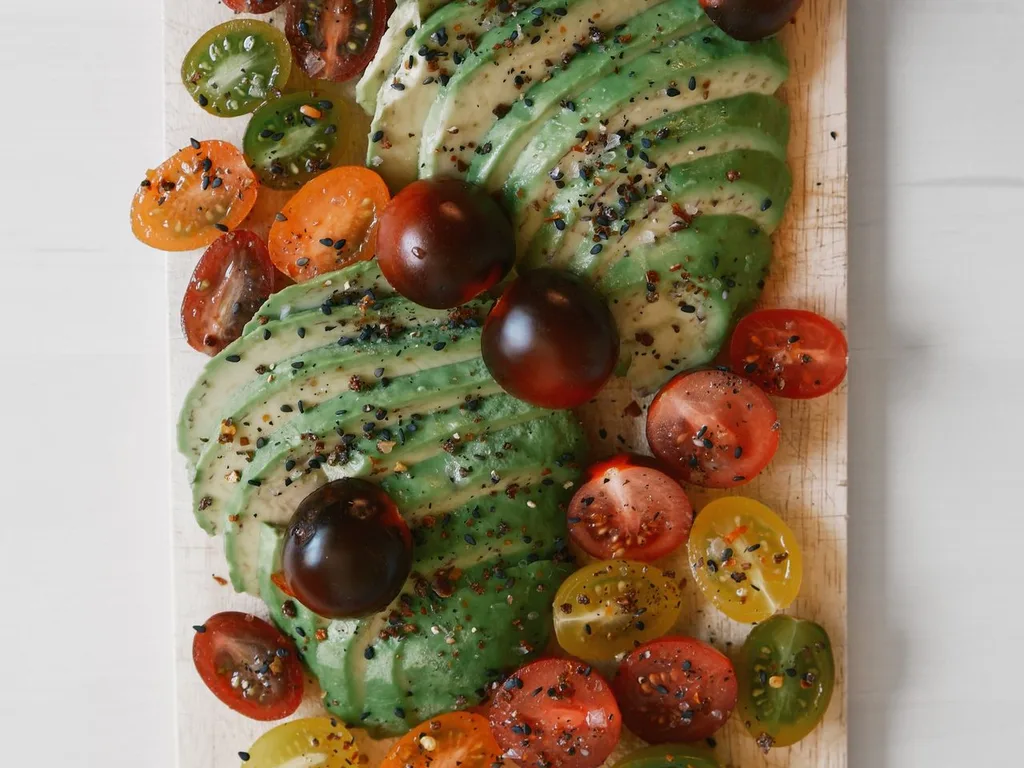
Hold the tool and you have three implements end to end. One end is a straight, usually plastic, splitting edge — blunt enough to be drawer-safe, firm enough to open a ripe avocado. The middle or opposite end carries the avocado pit remover. The working end is the fan: five to seven curved blades arranged like a scoop, sized so one push-and-lift motion turns a half avocado into even slices that stay in the skin until you lift them out.
The reason this layout won over separate gadgets is sequence. Splitting, pitting and slicing happen in one pass without putting the tool down or picking up a knife and a spoon in between. For a single avocado that saves maybe thirty seconds. For the six avocados behind a brunch board or a Cobb salad, it saves real time and gives slices of matching thickness, which is what makes toast look composed instead of scooped.
How the three steps feel in practice
Splitting is the least impressive step — any table knife does it — but a dedicated edge means your good knives stay out of the pit’s path. Pitting is the star: press, quarter-turn, lift, done, with your other hand nowhere near a blade. Slicing is the step with a learning curve. The fan works best pushed straight down through the flesh to the skin, then drawn toward you; on underripe fruit it drags, and on overripe fruit the slices are soft no matter what tool you use.
Key Features Explained
Even slices for toast and salads
Uniform slices are not vanity. On toast, even pieces layer without gaps and season evenly with flaky salt and chilli flakes. In salads, matching slices hold dressing and sit among leaves instead of sinking as mush. As an avocado slicer for guacamole base it is less ideal — you will cube or mash anyway — but for presentation jobs the fan is the point of the tool.
Safer pitting than a chef’s knife
The knife method concentrates force on a round target held in a hand. The pitter spreads the grip across the pit’s surface and works with a twist, not a strike. Combined with working on a board, it removes the two riskiest parts of avocado prep. This is also why the tool suits teenagers making their own breakfast and anyone whose knife confidence is low — the same readers who benefit from the guard-first approach in our garlic press guide.
One tool instead of three
Knife, spoon and board become slicer and board. Fewer items to wash, fewer drawer raids. If counter space is your constraint, a slicer stored in the utensil crock replaces a specialty pit tool entirely. Keep your actual knives sharp for everything else — our guide to the best knife sharpener for dull kitchen knives covers that side of the drawer.
| Check | What good looks like | Why it matters |
|---|---|---|
| Slicing fan | Stainless steel blades or wires, firmly set | Clean cuts on ripe fruit; no flexing or mashing |
| Pitter | Toothed cup or ring, twists pit out; ejector a bonus | Safer, faster pitting with hands away from edges |
| Splitting edge | Firm plastic or steel edge, not razor sharp | Opens fruit without risking good knives on the pit |
| Grip | Non-slip, comfortable in a wet hand | Avocado oil makes smooth handles treacherous |
| Washing | Fully dishwasher safe | Flesh dries into fan slots; hand-washing is a chore |
| Size | Roughly 7–9 in long; fan suits Hass avocados | Oversized fruit leaves flesh behind in the skin |
Pros and Cons
Pros
Genuinely safer pitting than the knife method. Even, presentation-ready slices in one motion. One dishwasher-safe tool replaces knife-plus-spoon for a daily job, and the low price of this category means the convenience does not need much justifying. It also encourages using ripe avocados at their peak instead of avoiding them because prep feels fiddly.
Cons
It is a single-fruit specialist in a world of multi-tools. The fan struggles at both ripeness extremes — rock-hard fruit drags, very soft fruit smears. Large non-Hass varieties can outsize the fan’s curve. And for guacamole or smoothies, where the avocado gets mashed or blended, the slicer adds a washing step without adding value. Storage is easy but it is one more item in the drawer.
Who Should Buy It — and Who Should Skip It
Buy it if avocado toast is a standing breakfast, salads are a weekly event, or you prep avocados for children, guests or meal-prep bowls and want the slices to look intentional. It also suits anyone who has ever felt nervous removing a pit with a knife — that nervousness is information, and this tool is the cheap fix. Meal-preppers pairing it with a vegetable chopper for onion-heavy salads can build a whole lunch station around these two tools.
Skip it if avocados are an occasional treat, your kitchen is already gadget-heavy, or your avocado destiny is almost always guacamole. A spoon and a table knife will cover three avocados a month without any drawer guilt.
Helpful Tips for Daily Use
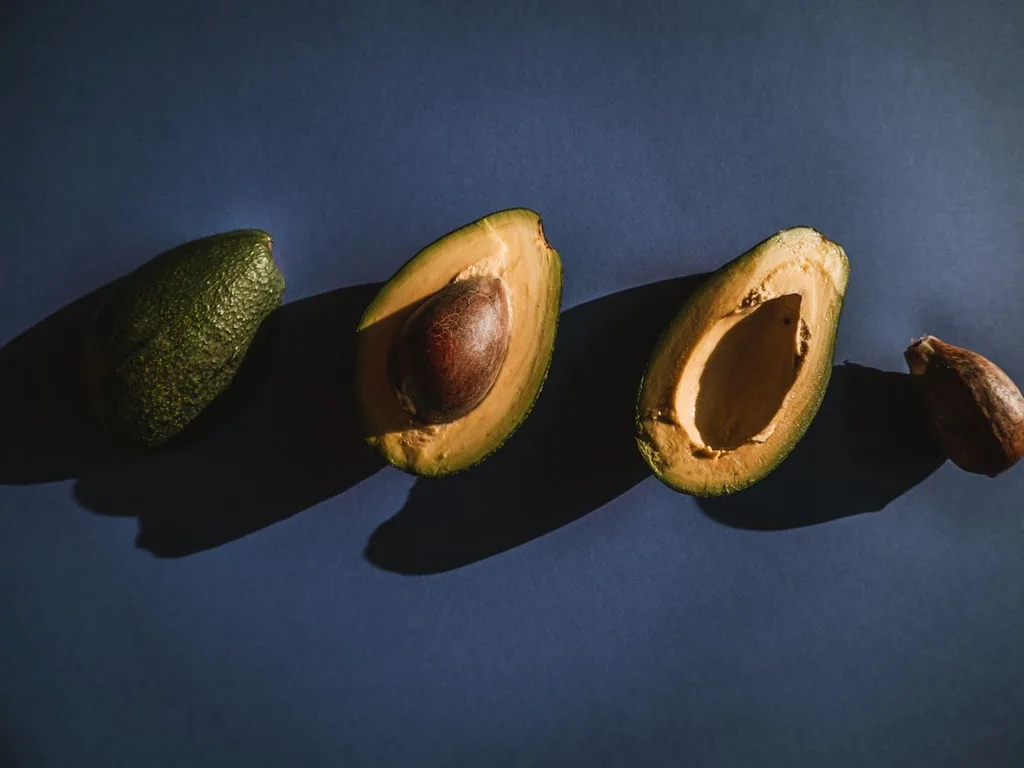
Judge ripeness by the stem cap. Flick the small stem nub off: green underneath means ready, brown means past its best inside. A gentle palm squeeze — not fingertips — confirms it without bruising.
Slice in the skin, serve with a spoon for the last bits. The fan gets most of the flesh in clean slices; a quick spoon pass collects the remainder for the cook’s own toast.
Slow the browning properly. Acid is the tool: a squeeze of lemon or lime over slices, pressed against cling film or stored cut-side down in a sealed box, keeps toast-ready slices bright for hours. Onion in the container also helps — the same sulphur compounds that make chopping onions an event protect cut avocado.
Rinse the fan straight away. Avocado dries into a stubborn film between blades. Thirty seconds under the tap now beats a brush session later; then let the dishwasher finish the job.
Use the slicer for more than avocados. The fan slices soft kiwi, ripe mango cheeks (carefully), hard-boiled eggs and even soft mozzarella with the same even result. It will not replace an egg slicer for daily use, but for a salad plate it is already in your hand.
Frequently Asked Questions
Does an avocado slicer work on all avocado sizes?
It works best on standard Hass avocados, which the fan’s curve is sized for. Very small fruit may not reach the outer blades, and large smooth-skinned varieties can leave a ring of flesh behind. A spoon finishes those in seconds. If you mostly buy large avocados, look for listings that show a wider fan or adjustable design.
Is a 3-in-1 avocado slicer safer than using a knife?
For pitting, yes. The pitter grips the pit and twists it free, so no blade strikes toward a hand-held fruit. The splitting edge is also far less sharp than a chef’s knife. Safe technique still matters: work on a board, keep the fruit stable, and never push any part of the tool toward your palm.
Can I use an avocado slicer for guacamole?
You can use it to pit and slice, then mash the slices with a fork — the slices actually mash faster and more evenly than chunks. But if guacamole is your only avocado job, the tool is optional. Its strengths are neat slices for toast, salads and bowls, where appearance and even seasoning matter.
Are stainless steel or plastic slicing blades better?
Stainless steel blades cut cleaner, resist flexing on firmer fruit and keep their edge for years. Plastic fans are cheaper, gentler on very soft fruit, and safer for children to handle, but they can bend and mash ripe avocados. For a tool you expect to use several times a week, steel is the more durable choice.
How do I stop avocado slices from turning brown?
Browning is oxidation. Coat slices lightly with lemon or lime juice, store them pressed against cling film or in a sealed container with a piece of onion, and keep them cold. For toast, slice at the last moment when you can — no storage trick beats fresh. Browning is cosmetic; the flavour holds a little longer than the colour.
Is an avocado slicer dishwasher safe?
Most are, and full dishwasher safety is a feature worth confirming on the listing because avocado residue dries hard between the fan blades. Rinse the worst off first, place the tool on the top rack if the listing advises it, and check that the pitter’s teeth are clear before you put it away.
Final Thought
An avocado slicer will not change your cooking, but it removes the one risky, fiddly step between you and breakfast. Buy the version with stainless slicing blades, a pitter that twists rather than stabs, and full dishwasher safety, and it becomes one of those rare single-job tools that earns its place. If your avocados mostly end up mashed, save the drawer space — the fork has you covered.
Disclosure: As an Amazon Associate I earn from qualifying purchases.