
Disclosure: As an Amazon Associate I earn from qualifying purchases. This article contains affiliate links. If you purchase through these links, we may earn a commission at no additional cost to you.
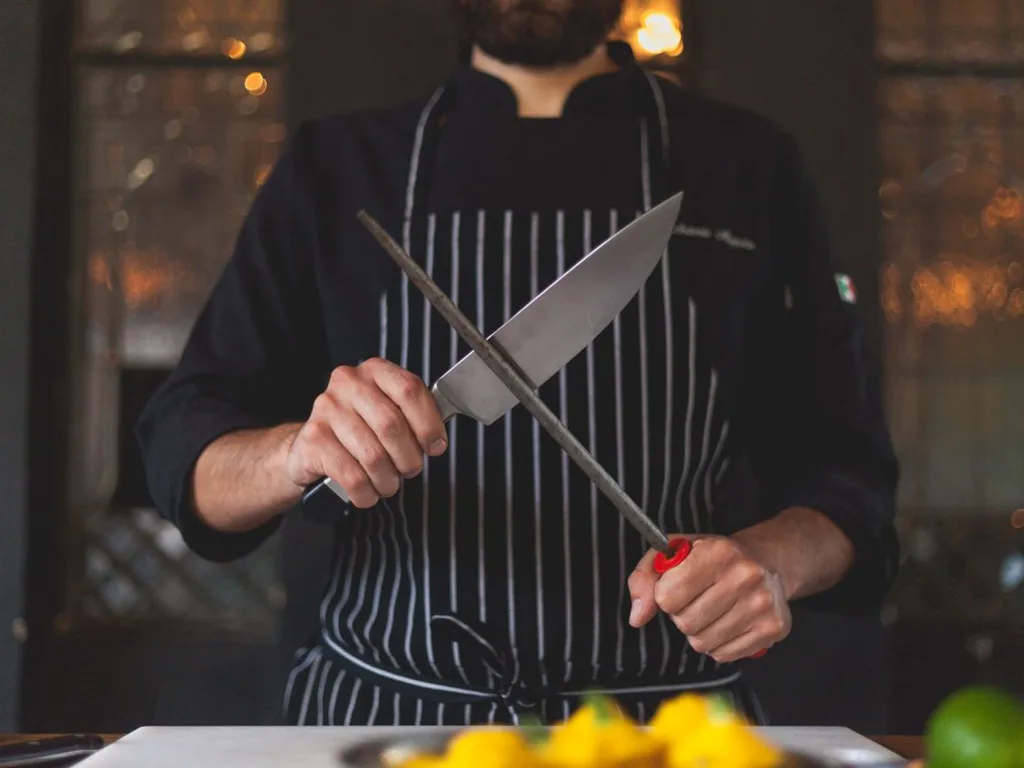
The best knife sharpener for dull kitchen knives beginners can actually use is a guided 3-stage pull-through sharpener — because dull knives are rarely a steel problem, they are a confidence problem. A knife that skids across a tomato skin and crushes herbs instead of slicing them makes cooking slower and less safe: dull edges need force, and force is what slips. A pull-through sharpener fixes the edge with preset angle guides, so the only skill required is drawing the blade straight through the slot.
This buying guide explains the three stages (coarse, fine, and polishing), how a pull-through sharpener compares with a whetstone and a honing rod, and which knives should never go near one. It is written for home cooks whose knife set has slowly gone dull over years, new cooks setting up a first kitchen, and anyone deciding whether guided sharpening is enough — it usually is — or whether their knives need a different route.
Quick Verdict
Choose a 3 stage knife sharpener with a coarse slot for genuinely dull or nicked edges, a fine slot for routine sharpening, and a ceramic or stropping stage for polishing — all set at a fixed angle suited to Western-style kitchen knives (most guides are built around roughly 15 to 20 degrees per side). Add a non-slip base or suction feet, a handle positioned away from the slots, and honest listing language about which knives it suits. That combination revives the average dull chef’s knife or santoku in a few minutes with zero learning curve.
Skip the pull-through route for high-end Japanese knives with very hard, thin steel, for serrated blades, and for scissors — those need a whetstone, a specialist sharpener, or a professional. And skip single-slot bargain sharpeners for a whole dull set: without a coarse stage they polish a dull edge rather than rebuild it, which is why so many people conclude, wrongly, that their knives are “just bad knives.”
Important: Test sharpness with paper or a tomato, never with your thumb. A freshly sharpened edge should slice notebook paper cleanly and bite a tomato skin under the knife’s own weight. Running a fingertip along an edge to “check” is how sharpening day ends with a bandage.
What to Look For Before You Buy
The three stages, and what each one does
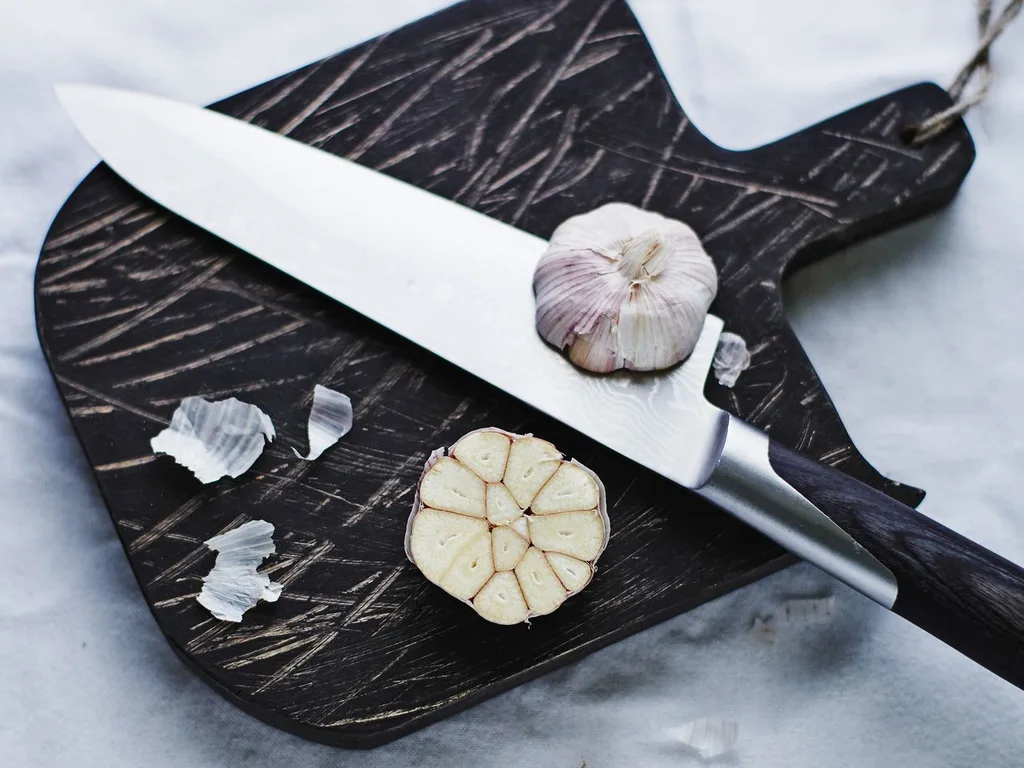
Stage one (coarse) is usually carbide or coarse diamond abrasive; it removes metal and rebuilds a bevel on a truly dull or lightly damaged edge — expect it to be needed only a few times a year. Stage two (fine) uses a gentler abrasive to refine that bevel into a working edge; this is the routine slot. Stage three, typically ceramic rods or a stropping surface, polishes and aligns the edge’s final burr. A beginner sharpener that labels these clearly, in order, prevents the classic mistake of polishing first.
Angle guides: the beginner’s whole advantage
The fixed slot angle is the product. Western kitchen knives are commonly ground around 15 to 20 degrees per side, and the sharpener’s guides hold that angle for you on every pass — the exact thing a beginner’s hand cannot yet do on a whetstone. Check that the listing states the intended knife style; a sharpener built for thick Western blades will not suit a thin Japanese gyuto, and the reverse is also true.
Stability and hand safety
Look for a wide non-slip base, suction feet, or a design meant to be held by a handle well away from the blade path while the other hand draws the knife. The knife should move in one direction — heel to tip, drawn toward you through the slot with light, even pressure — and the unit should not rock while it happens. Compact countertop size is a bonus; a sharpener left visible gets used, which is the maintenance habit that actually keeps knives sharp.
What it should NOT claim
Be skeptical of listings promising to sharpen everything: serrated knives, ceramic knives, scissors, and single-bevel Japanese blades each need different treatment. A focused tool that clearly names its limits — straight-edge steel kitchen knives, not serrated, not ceramic — is a more trustworthy buy than a universal miracle. Also check whether abrasive elements are replaceable on electric cousins or whether the unit is sealed; sealed manual units are cheap enough to replace whole, but the listing should be honest about it.
How to Choose the Right One
| Your Situation | Best Route | Why |
|---|---|---|
| Whole set dull for years, zero sharpening experience | 3-stage pull-through sharpener | Coarse stage rebuilds edges; guides remove the skill barrier |
| Knives sharpened recently, just feel “off” | Honing rod first, fine stage second | The edge is likely bent, not worn (honing rod vs sharpener distinction) |
| One premium Japanese knife, hard thin steel | Whetstone or professional service | Pull-through angles and abrasives can chip hard, thin edges |
| Serrated bread knife gone dull | Specialist or professional | Serrations need individual gullets sharpened — slots cannot do it |
| Weekly maintenance for everyday knives | Fine + ceramic stages of a pull-through, or a rod | Light, frequent care beats rare, heavy restoration |
Pull-through vs whetstone: an honest comparison
The whetstone vs pull through question has a real answer: a whetstone, in skilled hands, produces the finest, longest-lasting edge and suits every blade geometry — after hours of practice and a few badly sharpened knives along the way. The pull-through produces a good, honest working edge in three minutes with no practice. For a beginner with a dull everyday set, “good edge today” beats “perfect edge someday,” and nothing stops a cook from graduating to stones later, once knife care is a habit instead of a rescue mission.
Honing is not sharpening
The honing rod vs sharpener confusion wastes more edges than dullness does. A honing rod does not remove metal; it straightens the microscopic bend that normal cutting creates at the edge, which is why a freshly honed knife suddenly “feels sharp” again. Sharpening rebuilds the edge by removing metal and belongs to stones and pull-through slots. Use the rod weekly, the fine stage monthly, and the coarse stage only when honing stops working — that sequence keeps a set alive for years.
Matching the sharpener to your actual knives
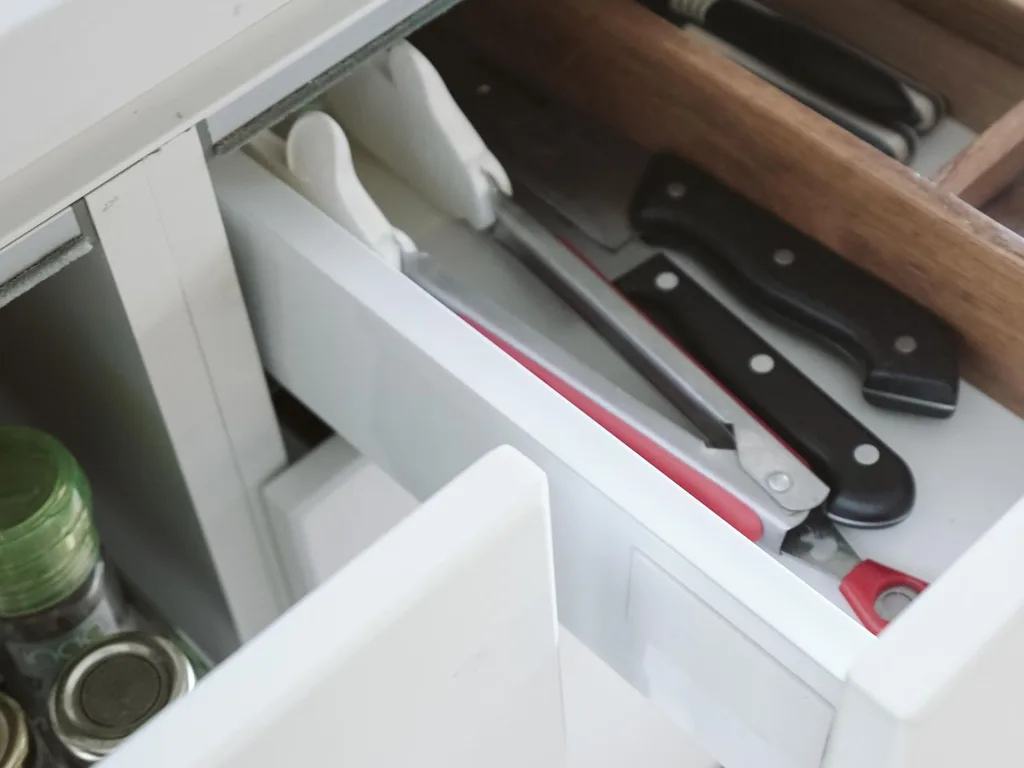
Inventory before you buy: most households own a chef’s knife, a santoku or utility knife, a paring knife, and a serrated bread knife. A 3-stage pull-through serves the first three — the working majority — while the bread knife goes to a professional when its time comes. Storage matters too: edges rebuilt today are destroyed by a jumbled drawer, so pair this purchase with the wall solution in our best magnetic knife strip for wall space saving guide or a simple in-drawer tray.
Pros and Cons
Pros
- Preset angle guides make correct sharpening automatic for beginners
- Three stages handle everything from neglected to weekly maintenance
- Minutes per knife, with no water, oil, or setup
- Restores safety — sharp knives need less force and slip less
- Small, inexpensive tool that rescues knives people were ready to replace
Cons
- Not suitable for serrated, ceramic, or high-end single-bevel knives
- Coarse stages remove metal; overuse shortens a blade’s life
- Fixed angles cannot match every knife’s original grind exactly
- Edges are very good, not whetstone-perfect
Who Should Buy It — and Who Should Skip It
Buy a 3-stage pull-through if your knives crush tomatoes, your set came as a block years ago, and sharpening has never made it onto your calendar. It is the natural companion to the slicing tools in this series — the guarded mandoline in our best mandoline slicer for vegetables with safety guard guide assumes prep knives that can trim ends cleanly — and to any household resolving to cook more at home this year.
Skip it if your collection is mostly premium Japanese steel (book a professional or learn the whetstone properly), if your only dull blade is serrated, or if your knives are chipped, bent, or have broken tips — those need grinding repair, not maintenance. For everyone else, more knife and kitchen guidance is gathered on the Ideas Home Accessories homepage.
Helpful Tips for Daily Use
Use the paper test to decide the stage. If the knife tears paper, start at the coarse stage with a few light passes; if it slices paper roughly, start at fine; if it slices cleanly but drags on tomato skin, the ceramic stage plus a honing pass is enough. Matching the stage to the edge stops needless metal removal — the rule behind how to sharpen a chef knife without wearing it out early.
Light pressure, full-length draws. Place the heel of the blade in the slot, draw smoothly toward the tip in one motion, and let the abrasive work — three to five passes per stage is a sensible starting point, checking as you go. Pressing down hard does not sharpen faster; it gouges the bevel and can pull the unit off its footing. Alternate nothing, rush nothing.
Protect the edge you just built. Wash and dry the knife by hand right after sharpening and cutting — dishwashers bang edges against racks — and store it on a strip, in a block slot, or with a blade guard. The board matters too: wood and plastic are kind, glass and stone boards undo a sharpening session in a week. With a sharp edge restored, the thermometer habits in our best instant read meat thermometer for grilling chicken guide complete the other half of confident weeknight cooking: cut cleanly, cook accurately.
Frequently Asked Questions
Can a beginner really sharpen knives with a pull-through sharpener?
Yes — that is exactly what the design is for. The slots hold a fixed angle, so instead of learning to steady your wrist at 15 to 20 degrees over a stone, you simply draw the knife heel to tip through the correct stage with light pressure. A few passes on the coarse stage, a few on fine, and a polish produces a genuinely sharp working edge.
How often should kitchen knives be sharpened?
For a home cook using knives daily, expect to use the fine stage every few weeks to every couple of months, the coarse stage only once or twice a year, and a honing rod weekly in between. The paper test tells the truth: when the knife stops slicing paper cleanly and honing no longer restores it, the fine stage is due.
Will a pull-through sharpener damage my knives?
Used as directed on ordinary straight-edge steel knives, no — it removes a small, controlled amount of metal at a preset angle. Damage happens with misuse: forcing the blade, using the coarse stage constantly, or running unsuitable knives through it. Never use one on serrated, ceramic, or expensive hard-steel Japanese knives; those need stones, specialists, or a professional service.
What is the difference between honing and sharpening?
Honing straightens the edge that bending and board contact push out of line during normal cutting; it removes no metal and restores the feeling of sharpness. Sharpening grinds away metal to form a new edge when the old one is worn or rolled beyond honing’s help. Most “dull” knives need honing first — sharpening is the next step when honing stops working.
Why is my knife still dull after sharpening?
Usually one of three reasons: the burr was never fully formed (too few coarse-stage passes for a very dull edge), the blade was polished before it was sharpened (stages used out of order), or the knife is being tested on the wrong material. Work the stages in order — coarse until the edge bites paper, fine until it slices, ceramic to finish — and retest between stages.
Can I sharpen a serrated knife in a 3-stage sharpener?
No. Serrated edges are a row of individual scallops (gullets) that must be sharpened one at a time with a tapered rod or by a professional. Pulling a serrated blade through flat slots flattens the points unevenly and makes the knife worse. The same goes for scissors and ceramic blades — each has its own tool, and a good pull-through listing will say so plainly.
Final Thought
A 3-stage pull-through sharpener is the shortest honest route from a drawer of dull, frustrating knives to a set that slices the way it should. Pick one with clearly labeled stages, a stated angle suited to your Western-style knives, and a stable base; use the coarse stage sparingly, the fine stage routinely, and a honing rod in between. Check the listing against those points, and the first tomato you slice afterward will tell you the purchase was right.
Disclosure: As an Amazon Associate I earn from qualifying purchases.



Pingback: Best Mandoline Slicer for Vegetables With Safety Guard
Pingback: Best Vegetable Chopper for Onions Without Crying Fast