
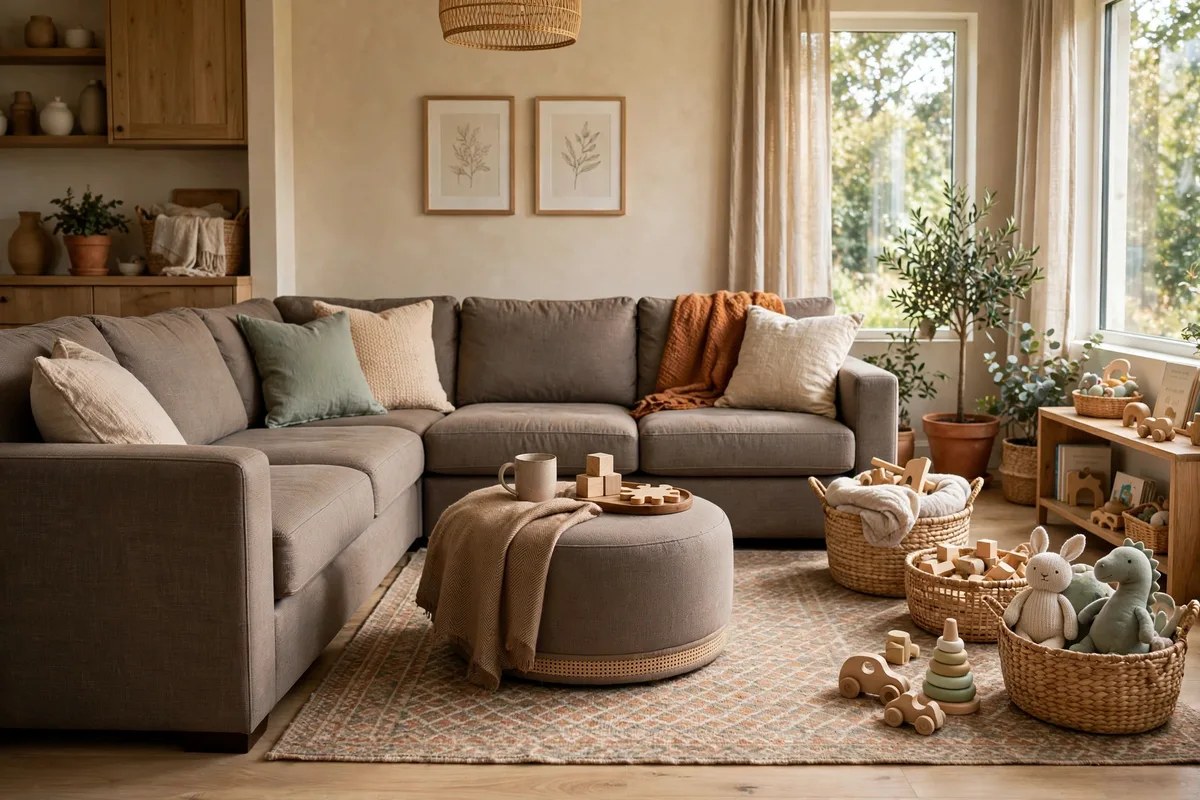
Kids, pets, guests and everyday life all land in the living room first, which is why a family room has to work harder than any other space in the house. The most welcoming family rooms share a pattern: deep, washable seating, tough flooring underfoot, rounded corners where small heads are, and storage that swallows toys in two minutes flat. None of that needs to look like a playroom. With the choices in this guide you can have a room that survives juice spills, fort-building and movie nights, and still looks like the grown-up space you enjoy after bedtime.
1. Choose Deep, Forgiving Seating for Everyday Life
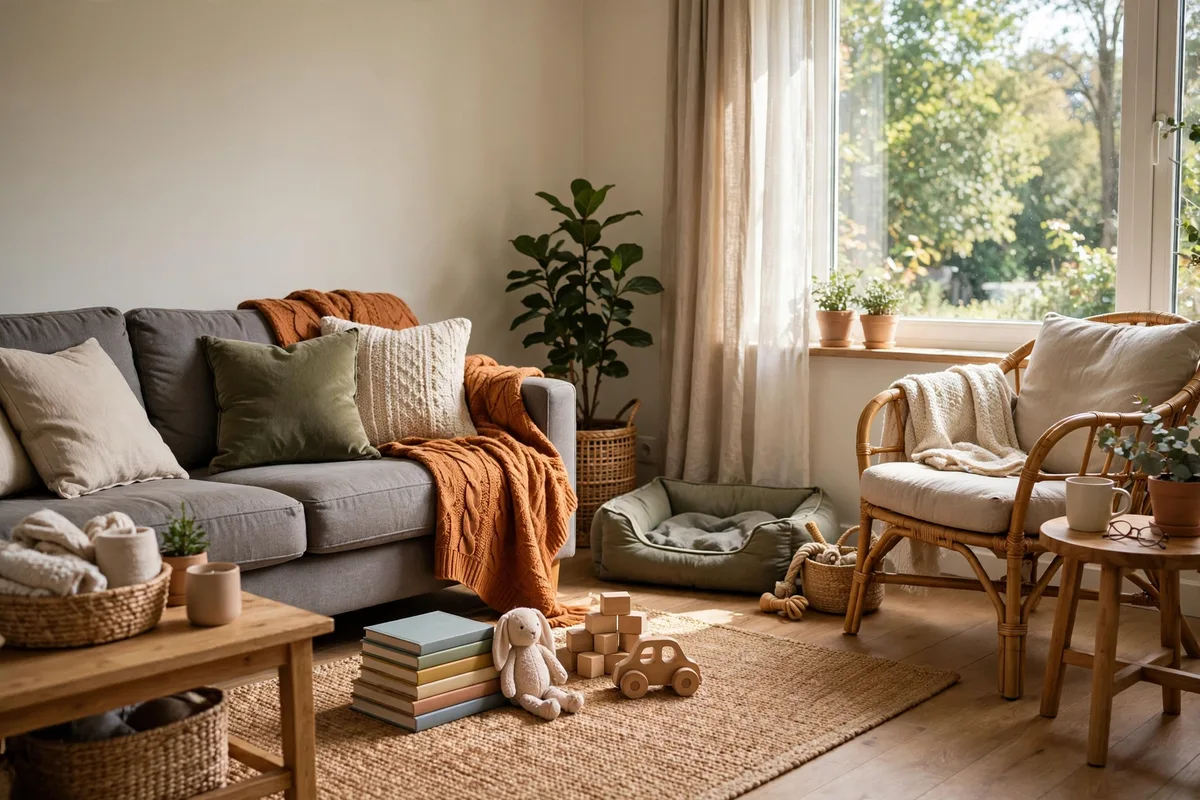
Seating is the biggest purchase in the room, and for a family it needs to be deep enough for sprawling, low enough for small climbers, and covered in fabric that forgives. Look for cushions you can unzip and wash or wipe, arms wide enough to hold a book or a bottle, and a layout that lets everyone face each other as easily as the television. A large sectional or an L-shaped arrangement anchors most family rooms because it creates one shared, generous seat instead of scattered chairs.
Seating choices that last
- Performance fabrics and removable, washable covers in mid-tone colours hide everyday marks best.
- Low, wide arms and backrests double as extra seating for older children and guests.
- Add one easy chair or a pair of stools that can move for games, guests or fort duty.
- Keep walkways behind and around the seating clear so the room never becomes an obstacle course.
If your budget is tight, spend it here and simplify everything else. Good seating still looks right in ten years, and it is what the room actually gets used for every single day.
2. Layer Washable, Low-Pile Rugs for Warmth and Grip
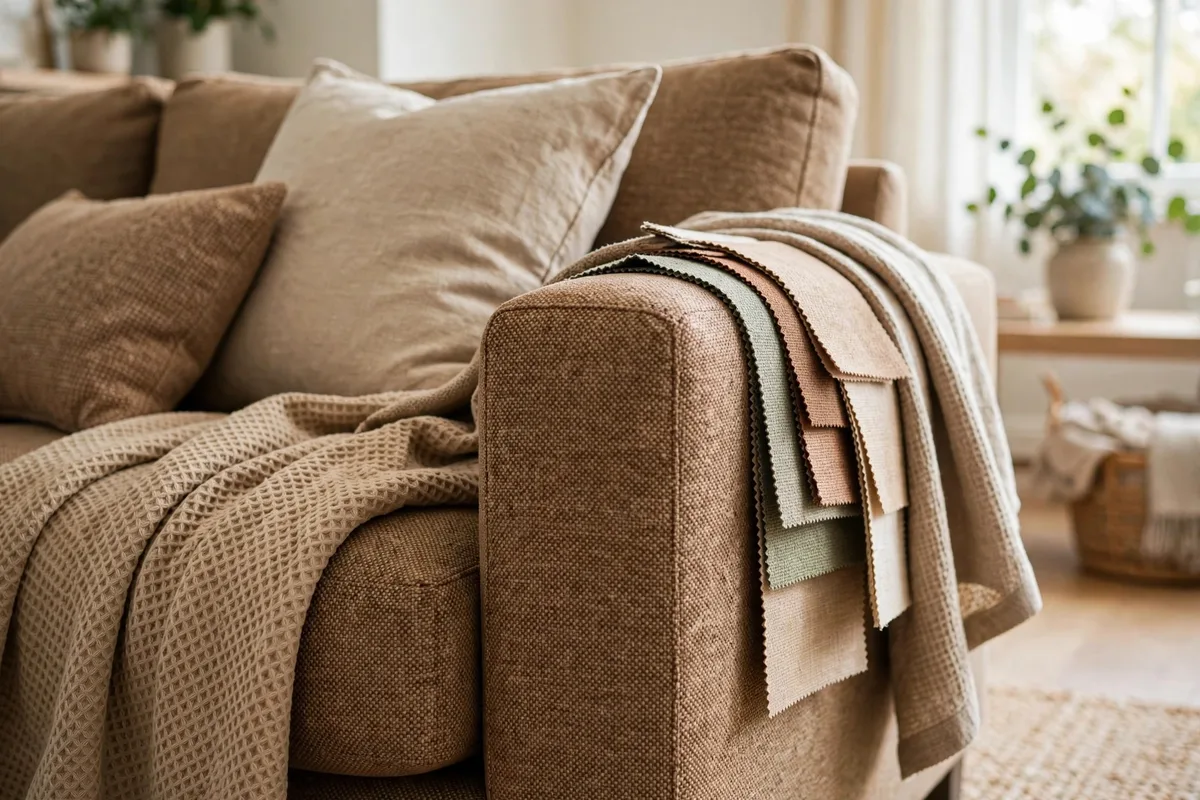
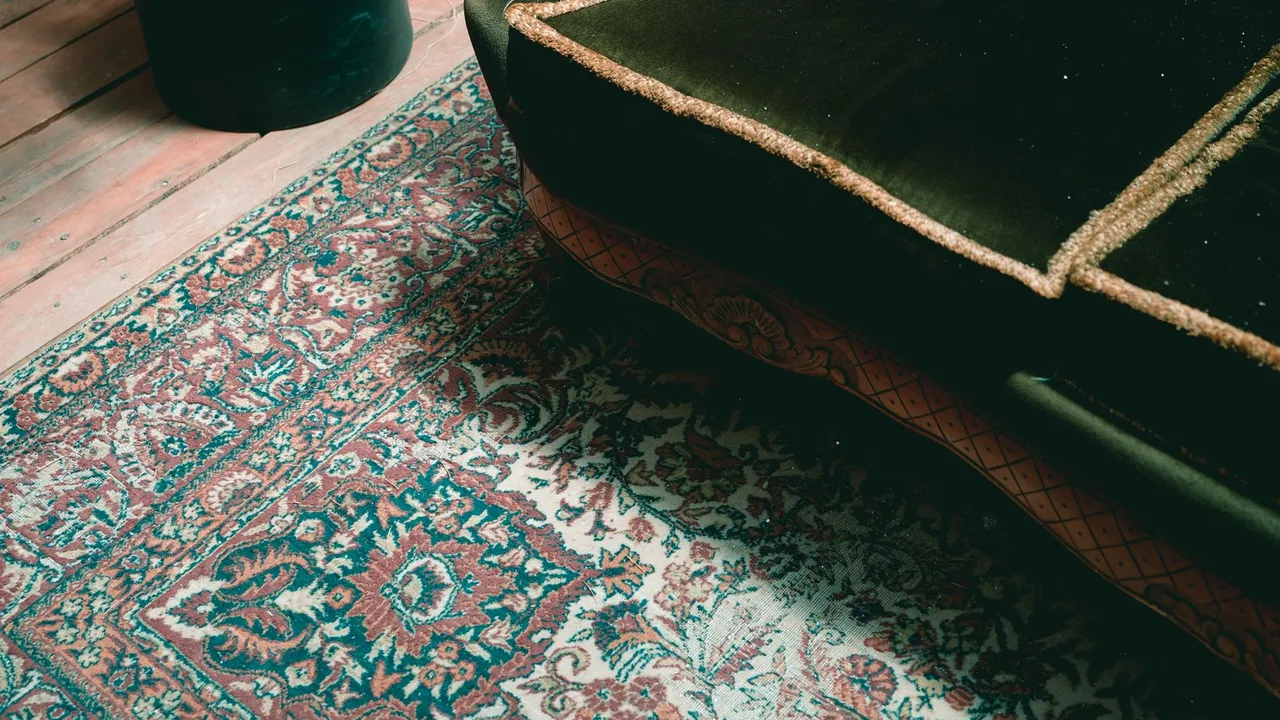
Bare floors are cold, loud and slippery, and a family room needs the opposite. A large, low-pile rug grounds the seating, absorbs noise, softens falls and gives babies a clean surface to crawl on. Choose a pattern with several tones woven through it, because a patterned mid-tone rug hides crumbs, pet hair and small marks far better than any solid pale colour ever will.
Making rugs work hard
- Buy the largest rug the layout allows so the front legs of all seating sit on it and nothing wobbles at the edge.
- Washable and low-pile options are best for under the coffee table and in the main traffic path.
- A grippy underlay stops the rug creeping when children charge across it.
- Layering a smaller patterned rug over a plain base adds style and lets you rotate or wash just the top layer.
Treat the rug as the room’s colour anchor. Pull your cushion and curtain colours from its pattern and the whole room will feel collected rather than assembled by accident.
3. Set Up Zones So Play, Rest and Work Can Share the Room
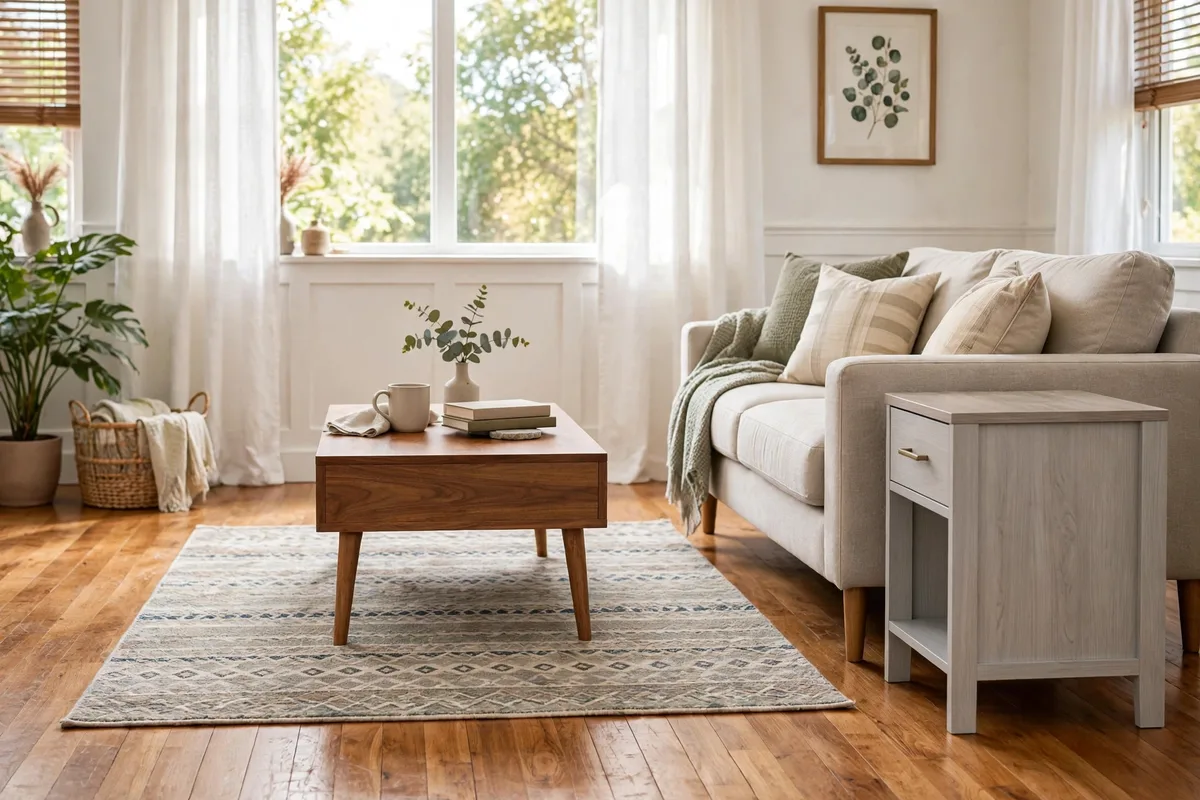
The families who love their living rooms most rarely have bigger rooms; they have better zones. A main seating zone for conversation and television, a small play corner with a basket and a floor cushion, and a quiet corner with a chair and a lamp gives every age group a place to be, together but not on top of each other. Zoning also makes tidying faster, because everything already has a defined home.
Simple zoning that stays flexible
- Use the back of the sofa or a low bookcase as a gentle divider without closing the room off.
- Give the play zone a defined edge, such as its own small rug or mat, so toys spread with a limit.
- Keep a homework or laptop spot near natural light, away from the television side of the room.
- Review zones as children grow; a toddler corner becomes a reading or gaming spot surprisingly quickly.
When the day ends, each zone resets in minutes, and the room returns to feeling like a living room that adults chose, not a play area that adults tolerate.
4. Add Storage That Hides Clutter in Two Minutes
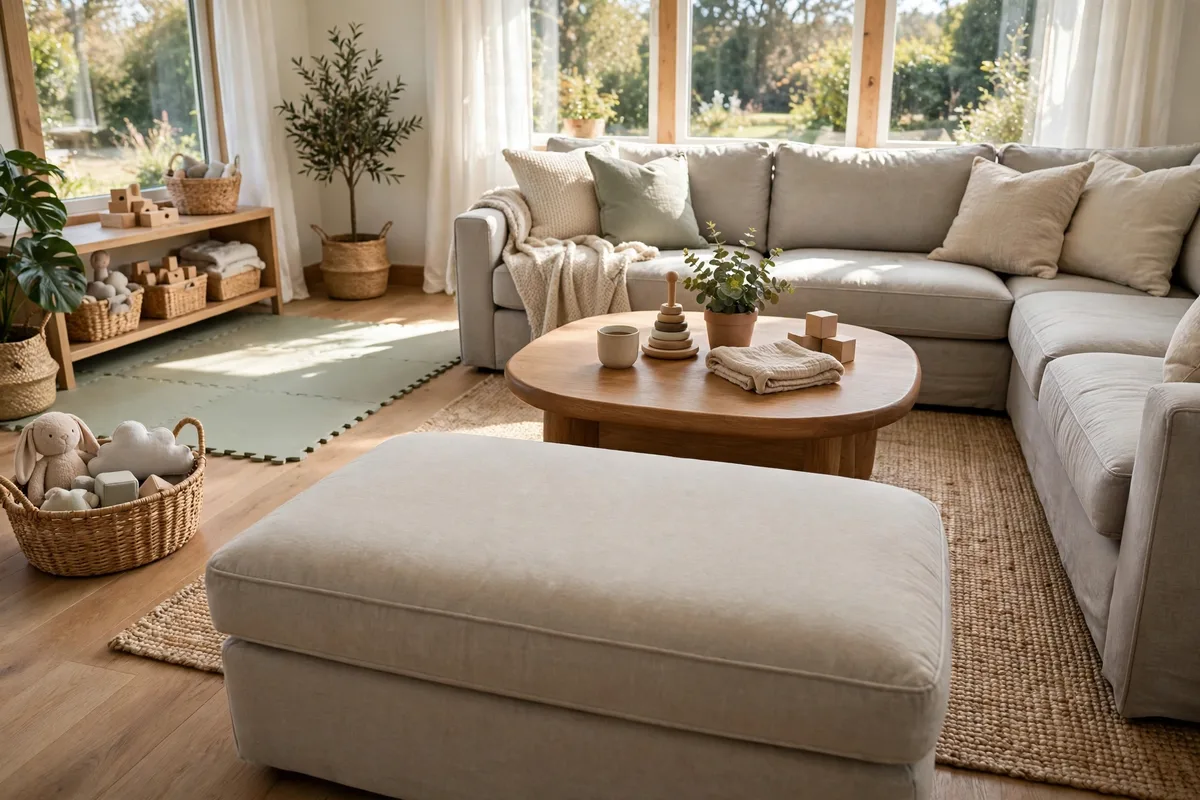
Family clutter is not the problem; family clutter with nowhere to go is. Closed storage is the cheat code: ottomans with lids, a media console with doors, baskets with liners, and a trunk or bench that swallows blankets and games. The rule is simple. If it cannot be put away in two minutes, it will live on the floor forever.
A storage mix that covers real life
- One large lidded ottoman or trunk for blankets, cushions and the biggest toys.
- Small baskets at child height for daily toys, so children can tidy up after themselves.
- A closed console for remotes, chargers, games and everything adults use at night.
- Wall hooks or a slim shelf near the door for bags, headphones and the things that drift in from the hall.
Label nothing, colour-code nothing, keep it this simple: every category gets one home. That is what makes the two-minute reset possible even when guests are at the door.
5. Pick Sturdy, Round-Edged Furniture and Secure the Tall Pieces
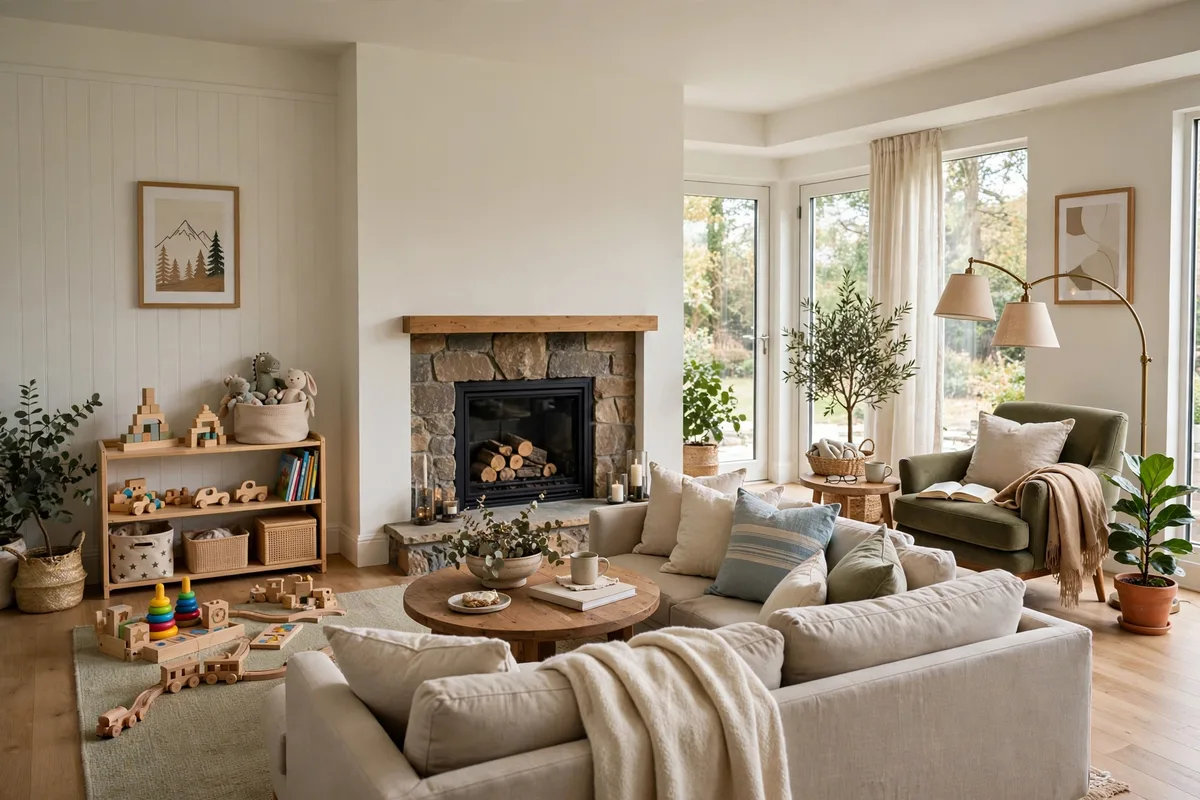
Sharp corners, wobbly side tables and tall unsecured bookcases are the three real hazards in a family living room, and all three are easy to design out. Choose coffee tables with rounded or softened edges, side tables with weight to them, and sofas with solid frames. Anything tall and narrow should be fixed to the wall, whether or not you think your children will climb it.
Safety that still looks good
- Round or oval coffee tables remove the worst corner risks and improve flow around the seating.
- Choose stable, heavier occasional tables over spindly tripod styles that tip when leaned on.
- Anchor tall bookcases, media units and dressers to the wall with the straps or brackets provided.
- Route cables along skirting or inside channels so nothing dangles within a child’s reach.
These choices are invisible when done well. Guests will notice a calm, sturdy room. Only you will know how deliberately it was made safe.
6. Use Cheerful Colour That Hides Real Life
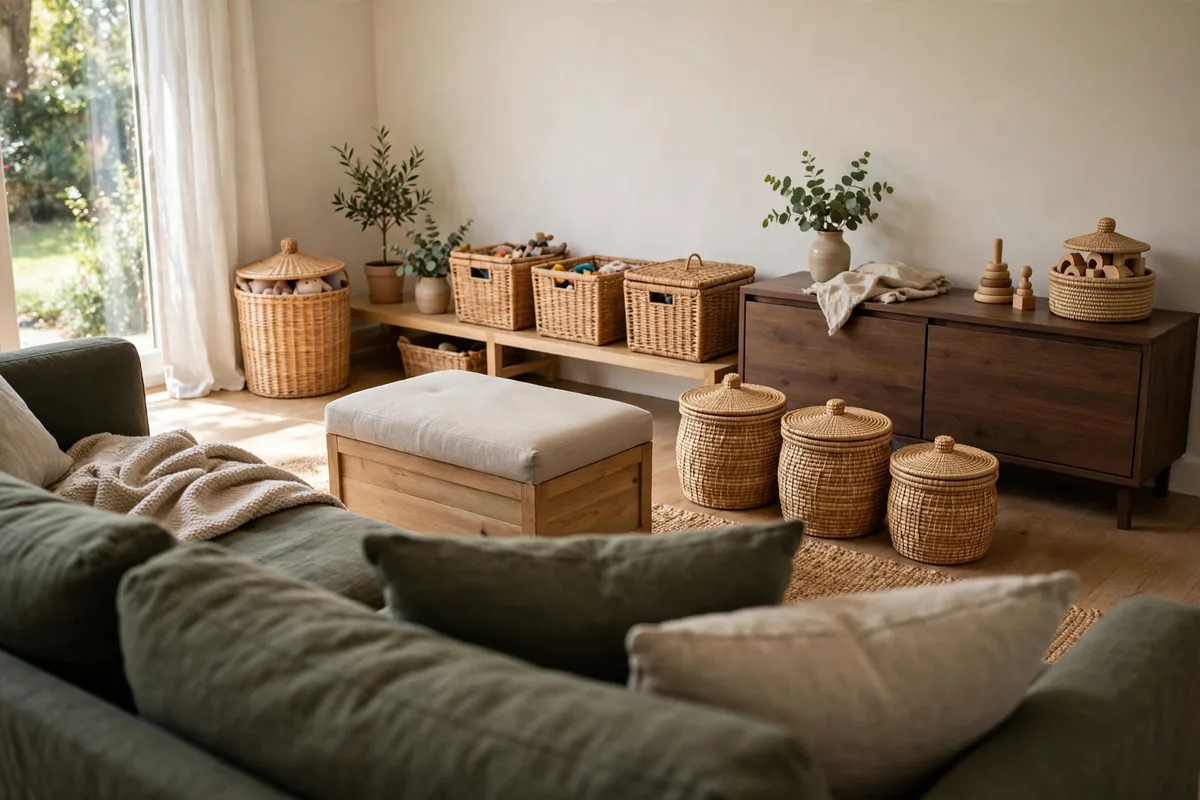
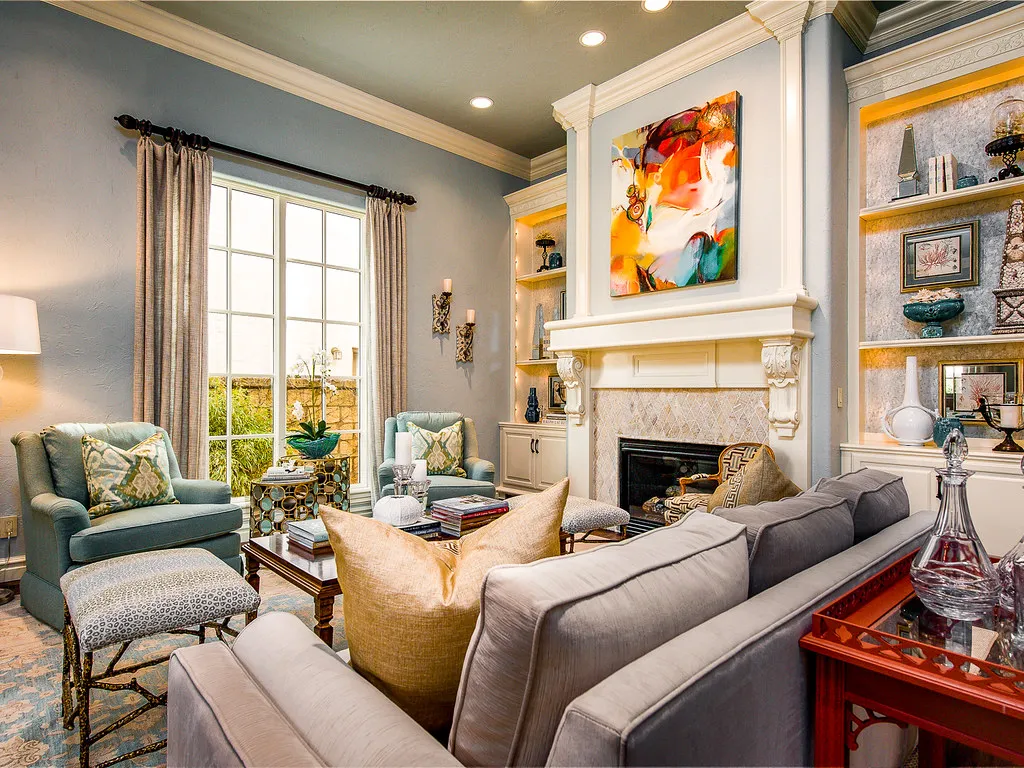
White sofas and pale solid rugs are beautiful in photographs and exhausting in a house with children and pets. Family-friendly colour means mid-tones, patterns and fabrics that camouflage the week between cleans. Warm greys, deep blues, forest tones, terracotta and busy vintage-style patterns on soft furnishings all work hard while looking intentional and grown-up.
Where to put colour
- Carry the boldest colour in cushions, throws and art, which are cheap and easy to change.
- Keep big pieces, sofas and rugs, in practical mid-tones so they never fight each other.
- Use washable paint in a warm, forgiving finish on walls, and keep a small pot for touch-ups.
- Let children choose colours inside their zone, in cushions and art, so their taste is in the room without ruling it.
Done this way, the room feels cheerful and personal, and nobody has to panic when a drink goes over during a film.
7. Light the Room for Homework, Games and Movie Nights
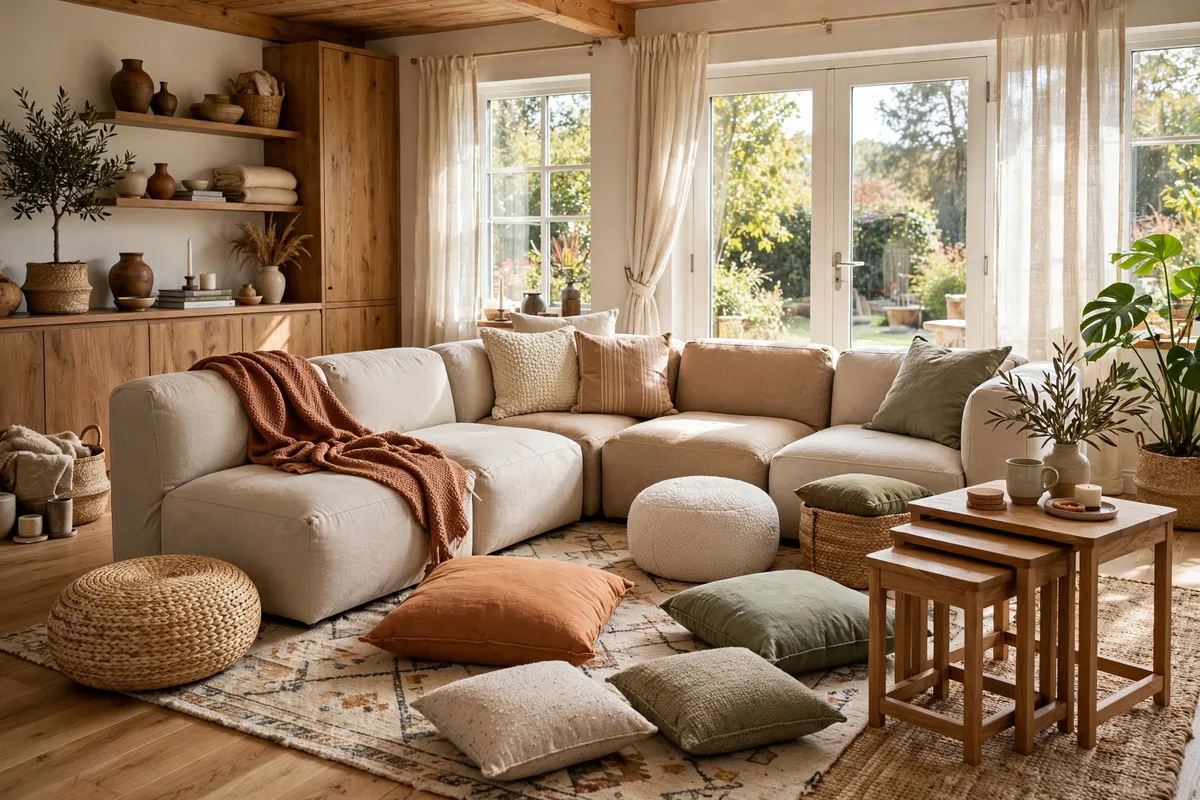
A family room needs light at three speeds: bright enough for homework and board games, medium for ordinary evenings, and low and warm for films. One ceiling light on full blast cannot do all three. Layer a ceiling fitting with a lamp or two and, if you can, wall lights or a floor lamp, then put the main sources on dimmers or use lamps with their own switches so the room can change mood without rewiring.
Lighting layers for families
- Overhead light for cleaning, games and homework when full brightness genuinely helps.
- A floor or table lamp beside the main sofa for reading and calmer evening light.
- Low, warm light for movie nights so the room feels cosy without screen glare.
- Choose shades and enclosed fittings with little fingers in mind; avoid hot exposed bulbs.
When lighting is flexible, the same room supports a science project at four o’clock and a film at eight, without anyone squinting or reaching for their phone torch.
8. Design the Media Corner for Shared Screen Time
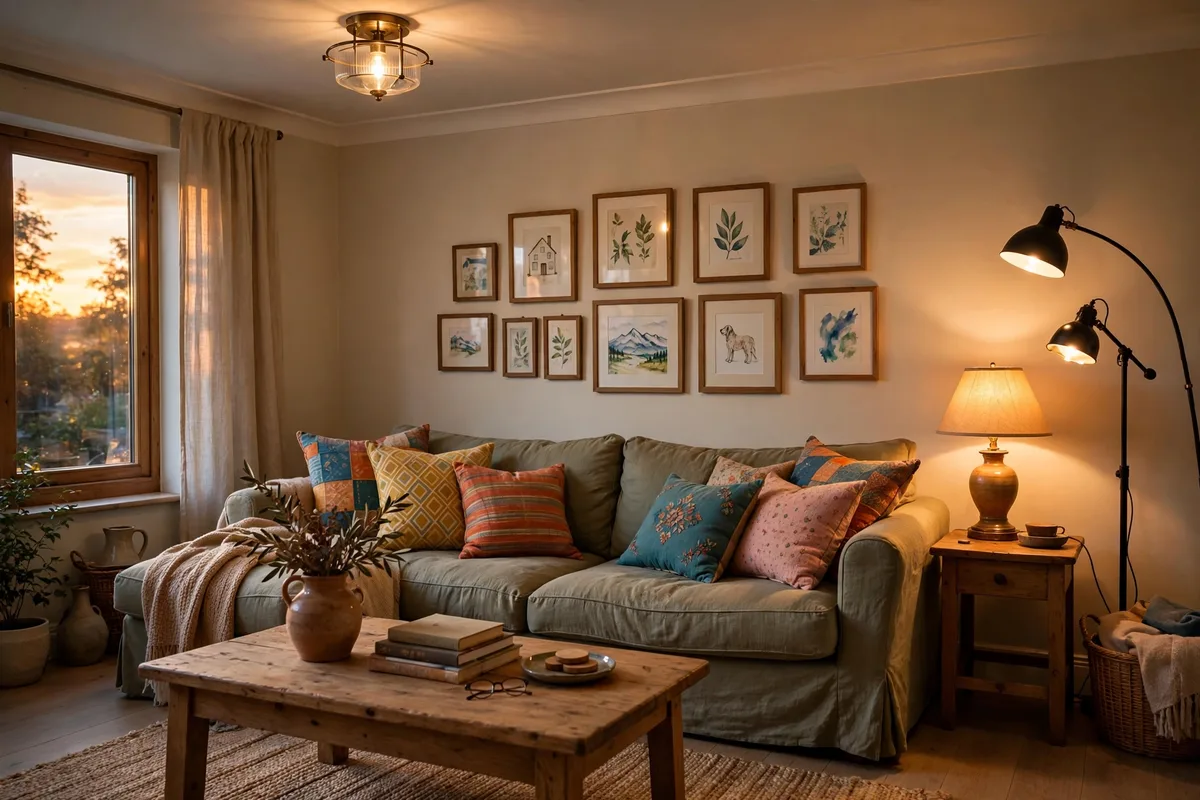
The television is part of family life, so plan for it instead of pretending the room is above it. Screen height at seated eye level, a console with doors for devices and games, and enough sockets planned in advance keep the media corner tidy and the arguments about cables to a minimum. If your seating faces the television, a low, wide console beneath it keeps everything at a comfortable height for children and adults alike.
Media corner checklist
- Mount or place the screen at seated eye level, with a console wide enough to anchor it visually.
- Hide devices, remotes and chargers inside the console; keep one charging spot for the whole family.
- Leave the floor in front of the screen clear for games consoles, dancing games and floor play.
- Where two focal points compete, let the television and fireplace share or sit adjacent rather than fighting.
For focused advice on the wall itself, browse these TV wall design ideas, which show how to make the screen wall look deliberate in rooms of every size.
9. Make Space for Reading, Hobbies and Quiet Time
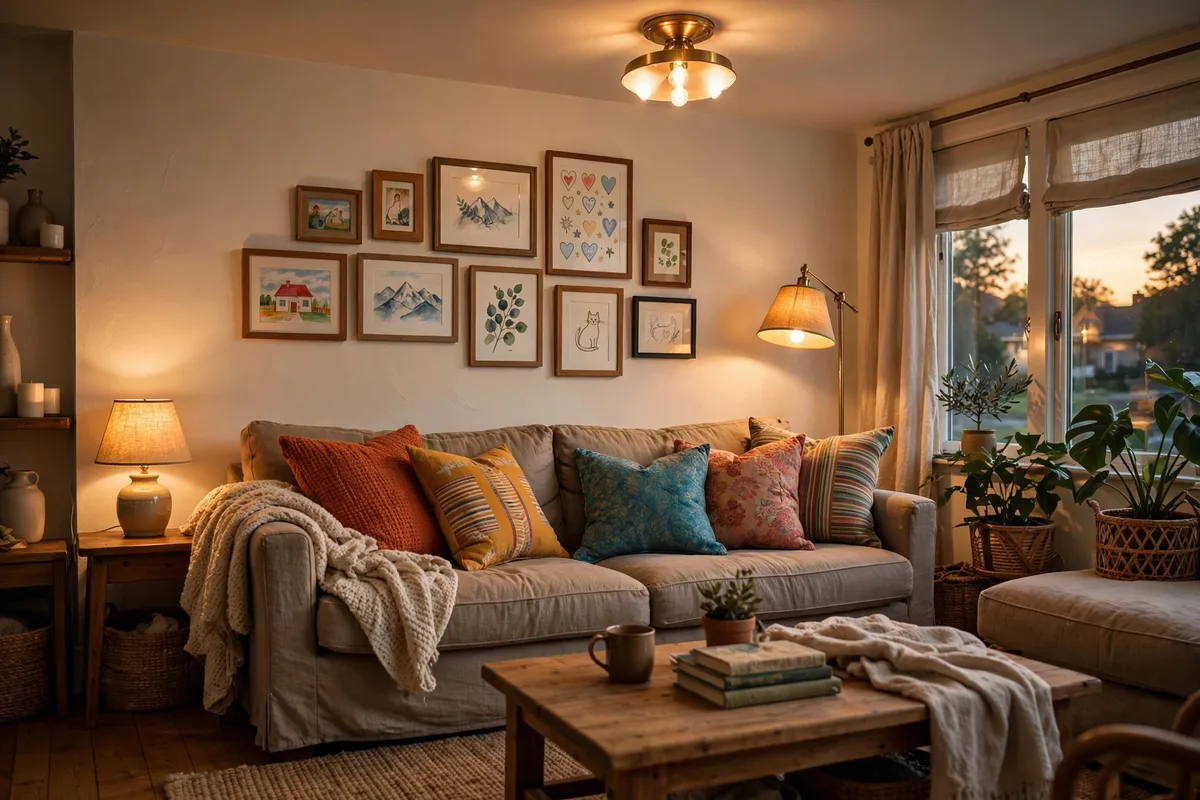
The secret to a family room that does not descend into noise is one quiet seat. A comfortable chair with a small side table and a lamp, slightly outside the main television zone, gives a parent somewhere to read, an older child somewhere to do homework away from the game, and everyone a retreat that is still inside the room. Quiet does not need its own room; it needs its own corner.
Building a quiet corner
- Choose a chair with real support and a cushion, not a leftover dining chair.
- Add a small table for a drink, a book and glasses, and a lamp at reading height.
- A bookcase end or a basket of books nearby makes the corner feel established, not improvised.
- Headphones live here too, so quiet time can happen even when the film is loud.
This is also where the house’s best blanket lives. Some corners earn their keep quietly, and this one will be fought over within a week.
10. Keep It Flexible as the Family Changes
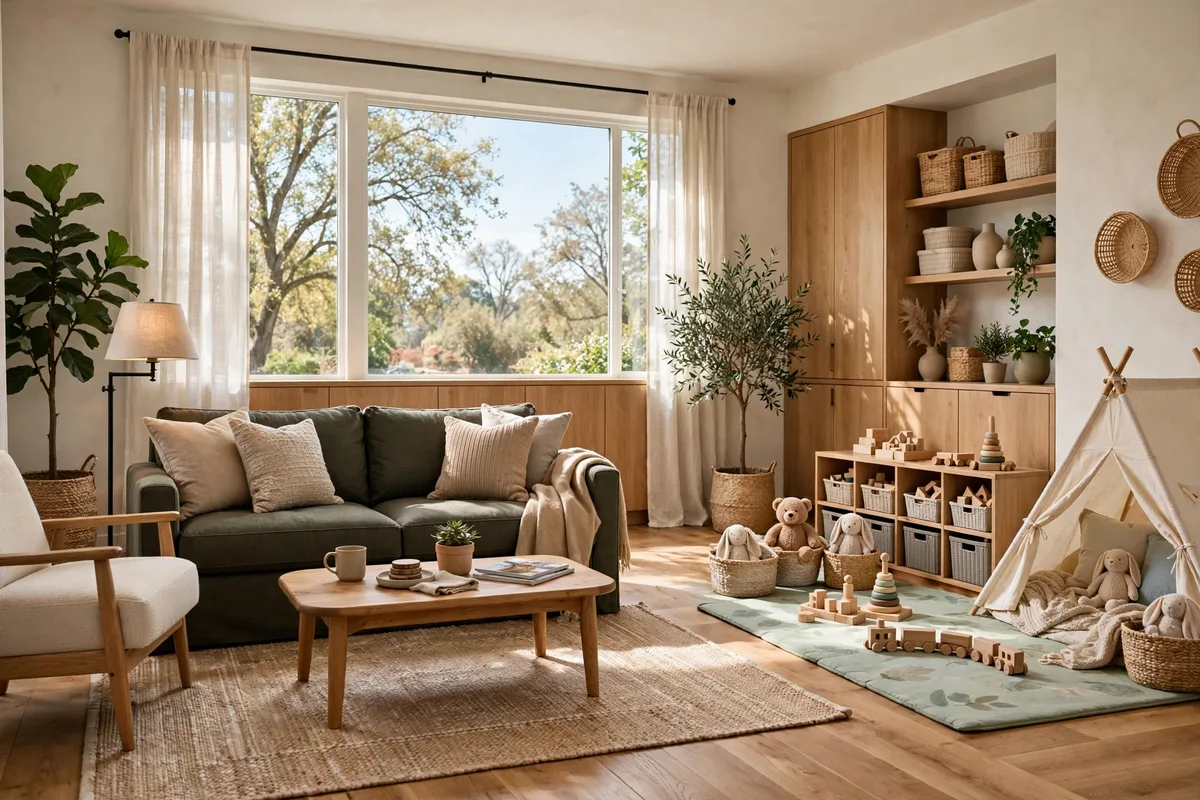
Families change faster than furniture wears out, so the best family rooms are built to adapt. Lightweight side tables that move, a play corner that can become a desk area, seating that rearranges for parties and holidays, and storage that changes jobs as toys turn into books and games. Planning for change at the start is what stops a family room needing a full redesign every three years.
Future-proof choices
- Favour modular or movable pieces over one fixed built-in layout.
- Choose classic shapes in practical fabrics; change cushions and art for trends, not sofas.
- Review the room once a year, at the start of a school year or a birthday season, and adjust zones once.
- Keep a small reserve of floor space; the empty patch today is the drum kit, desk or train set of next year.
Flexibility is also kindness to your future self. A room that can change quietly absorbs new hobbies, growing children and visiting grandparents without drama.
Frequently Asked Questions
What is the most family-friendly sofa fabric?
Tight-weave performance fabrics and removable washable covers are the most forgiving options. They resist stains, wipe clean after spills, and survive pet claws better than loose weaves. Mid-tone colours and subtle patterns hide everyday marks between cleans, so the sofa looks good far more of the time.
How do I make a living room feel cosy but still tidy with kids?
Start with closed storage near where things land, add one large patterned rug, and keep a simple two-minute reset routine at the end of the day. Cosiness comes from layered textiles and warm light, not from leaving things out. When everything has a home, the room resets fast and stays welcoming.
What coffee table is safest for toddlers?
A round or oval table with softened edges and a stable, weighted base is the safest choice. Avoid glass tops and sharp metal corners at head height. An upholstered ottoman with a tray on top is an even softer alternative that doubles as extra seating and hidden storage.
How can I childproof a living room without it looking like a nursery?
Choose the grown-up versions of safe design: round-edged furniture, anchored bookcases, cables in channels, and rugs with grip underneath. Keep toys in closed baskets and consoles that match the room’s style. Safety done this way is invisible; visitors see a calm, sturdy living room rather than obvious childproofing.
What colours hide dirt and pet hair best in a family room?
Mid-tones close to your pet’s fur colour, warm greys, deep blues and patterned fabrics hide the most between cleans. Avoid very pale solids and pure black, which show everything. Carrying colour in cushions, throws and art keeps the big pieces practical while the room still feels cheerful and personal.
How do I divide a living room into zones for play and relaxing?
Use the sofa back or a low bookcase as a soft divider, give the play area its own small rug or mat as a boundary, and keep the quiet chair near a window or lamp away from the television. Defined edges make zones obvious to children and tidying faster, because everything already belongs somewhere.
How much storage does a family living room really need?
Enough closed storage for everything that lives in the room on a busy day: toys, blankets, games, remotes, chargers and hobby kit. One large lidded piece plus baskets at child height plus a closed console covers most families. If something has no home, it will live on the floor, so add storage before adding decor.
Is an open-plan family room better than a separate playroom?
Neither is automatically better; open-plan suits families who like being together, with zoning and storage keeping it calm, while a separate playroom suits louder hobbies and bigger toy collections. Many homes do best with a zoned open living room plus one cupboard or corner elsewhere for overflow.
What lighting works best in a family living room?
Layered light on separate controls: bright overhead light for homework and games, lamps for ordinary evenings, and low warm light for films. Dimmers or individually switched lamps let one room do all three. Avoid hot exposed bulbs and dangling cords where small children can reach them.
How often should I update a family room as children grow?
A light yearly review is enough for most families. Adjust zones, swap the play corner for a desk or reading spot, and refresh cushions and art. Because the big pieces were chosen for durability and classic shapes, the room adapts with small changes rather than needing full redesigns every few years.
Conclusion
A family-friendly living room is not a compromise between style and survival; it is a set of deliberate choices. Deep washable seating, a patterned low-pile rug, clear zones, closed storage that resets in two minutes, round edges and anchored tall pieces, cheerful colours that hide the week, flexible light and a media corner planned rather than improvised. Make those choices once, revisit them once a year, and the room will carry your family from toddler years to film nights with teenagers, looking like a place adults chose and children love in equal measure.


Pingback: Guide to Family-Friendly Living Room Styles: 8 Styles Compared
Pingback: Size Family-Friendly Living Room Inspiration: Measurements Guide