Disclosure: As an Amazon Associate I earn from qualifying purchases. This article contains affiliate links. If you purchase through these links, we may earn a commission at no additional cost to you.
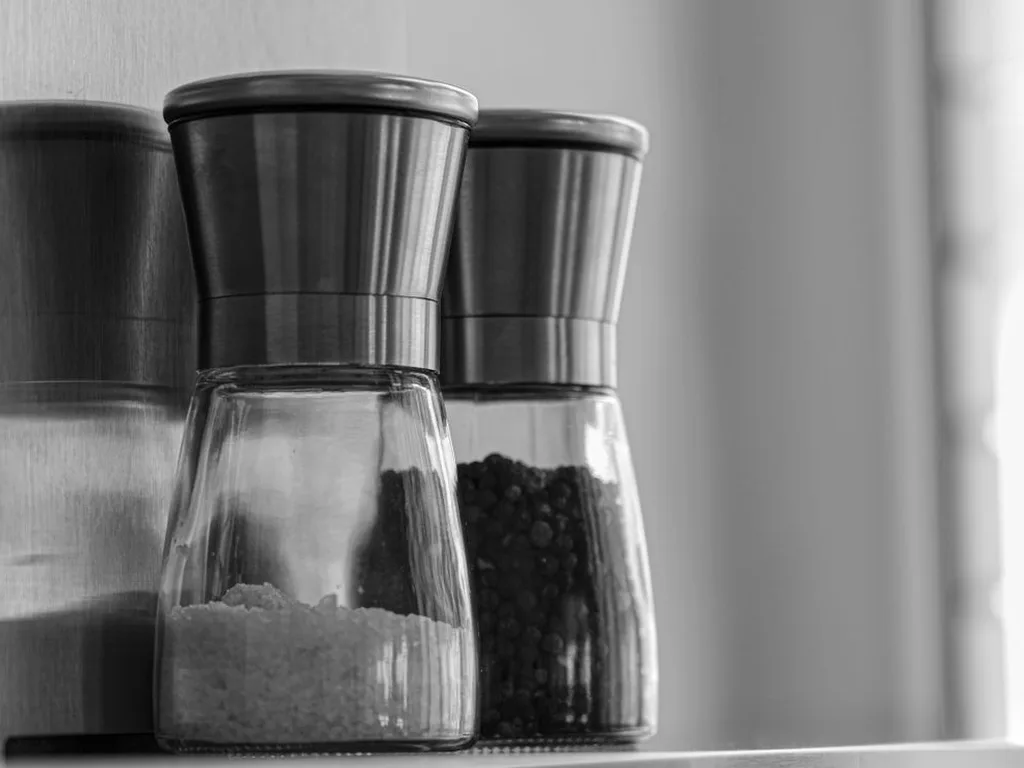
The case for the best electric salt and pepper grinder set rechargeable shows up mid-recipe: one hand is holding a pan handle, your fingers are slick, and the dish needs seasoning now. A rechargeable electric mill grinds one-handed — many models start automatically when tilted (a gravity salt and pepper grinder design) or with a single top button — and the built-in battery removes the disposable-battery guilt of older electric mills. USB charging, a ceramic grinding mechanism and an adjustable coarseness dial are the three features that define a good modern set.
This guide explains how to set up, fill, charge and use a rechargeable set step by step, the checks to make before buying, and the handful of habits that clog or corrode mills early. It is written for everyday cooks at Ideas Home Accessories who season at the stove and at the table and are done with two-handed twist mills.
Quick Verdict
A rechargeable electric set is the right buy if you cook most days and season while you stir, toss or plate. The one-handed operation is not a gimmick; it changes when you season, which changes how food tastes. Prioritise a ceramic grinding mechanism (it handles salt without corroding), a wide, visible coarseness adjustment, and USB-C charging with a charge that lasts weeks of normal use. Keep one manual mill if you love the ritual of grinding or cook over heavy steam constantly — steam is the electric mill’s one real enemy, and the mistakes section below explains why.
Important: Only grind dry salt and whole peppercorns in these mills. Pink curing salt, flaky finishing salt and damp or flavoured blends can clog the mechanism or corrode metal parts. Flaky sea salt belongs in a pinch bowl, applied by hand — it is a finishing texture, not a grinding salt.
What to Look For Before You Buy
Ceramic vs stainless grinding mechanism
For a set that grinds both salt and pepper, a ceramic grinding mechanism is the safer spec. Ceramic is hard, sharp and — critically — does not corrode, while plain steel burrs can rust in a salt mill over time. Stainless mechanisms are excellent for pepper-only mills. If a listing does not state the burr material, treat that silence as your answer and keep looking.
Activation style: gravity or button
Gravity models start grinding when you tilt them past a threshold angle and stop when upright — elegant at the table, occasionally enthusiastic in a busy hand. Button-top models grind only while pressed, giving more control at the stove. Neither is better; think about where you will use them most. A lock or a sensitive-button guard helps if the set will live in a drawer or travel to a holiday home.
Battery, charging and capacity
Most rechargeable sets use built-in lithium batteries charged by USB — USB-C is the current, convenient standard and often shared with a small charging base that holds both mills. A full charge typically covers several weeks of family seasoning. Chamber capacity matters more than battery bragging: a chamber holding roughly 60–80 ml (about a quarter cup) of peppercorns refills monthly rather than weekly. A clear chamber window helps you see levels at a glance.
Coarseness adjustment
The dial usually sits at the grinding head or the base and moves the burr closer (fine) or wider (coarse). Good dials click or mark settings so you can return to a favourite. Fine for eggs and sauces, coarse for steaks and salads — if a set only grinds one texture well, it is a pepper mill with a salt-shaped partner, not a set.
How to Use a Rechargeable Electric Grinder Set, Step by Step

Step 1 — Charge fully before first use. Plug the set or its base in until the indicator shows full. A first full charge conditions the battery and sets your baseline; most sets then need charging only every few weeks. Use the cable supplied, and charge from a standard USB port rather than a high-output fast charger unless the listing approves it.
Step 2 — Open and fill each mill separately. Twist or lift the top per the listing’s diagram. Fill the pepper mill with whole black peppercorns and the salt mill with dry coarse salt or sea salt crystals made for mills. Fill to about three-quarters — overfilling jams the feed. A small funnel or a folded sheet of paper stops the countertop scatter, and label which mill is which if the set is identical: most have S/P markings, use them.
Step 3 — Set the grind. Start mid-dial. Grind a little onto a dark plate (pepper) or light plate (salt) and look at the particle size. Turn finer for soups, eggs and finished plates; coarser for steaks, roast vegetables and salads. Re-check after refilling — a fresh full chamber feeds slightly differently than a near-empty one.
Step 4 — Grind at the right moment. Tilt (gravity models) or press and hold (button models) about 10–15 cm above the food, moving slowly so the fall spreads evenly. Season in light passes and taste, rather than one long grind — electric mills deliver faster than your instincts from manual grinding expect. At the table, grind over the plate, not the tablecloth.
Step 5 — Park them dry and upright. Return the set upright on its base or a dry counter spot away from the stove’s steam column. A quick wipe of the grinding head weekly prevents the fine dust paste that builds up when salt dust meets kitchen humidity.
Step 6 — Refill and recharge on a rhythm. Top up when the chamber drops to a quarter, and recharge when grinding slows rather than after it dies mid-service. Both habits take a minute and prevent the two small frustrations this product type is known for.
Mistakes to Avoid
Grinding over a steaming pot for minutes
Steam rises straight into the grinding head, where it meets salt and pepper dust and forms a clogging paste — the most common cause of weak, uneven grinding. Season over the pot in short passes, or pull the pan off the heat for the long seasoning moment. This is exactly the scenario where a manual mill still earns its place; treat it as a rotation, not a failure. The same steam awareness applies to the manual coffee grinder routines many of our readers keep for weekends.
Putting the wrong salt in the mill
Table salt is too fine and often contains anti-caking agents that gum the burrs; flaky salt is too large and fragile; wet sea salts cake as they dry. Use dry coarse salt or mill-specific sea salt crystals. For pepper, standard whole black peppercorns feed most reliably — save soft pink peppercorns for blends in small proportions, as their husks can jam fine settings.
Storing the set on the stove or in a steamy corner
Heat and humidity drain batteries, corrode contacts and cake the chambers. A counter spot a step away from the hob, or a place in your countertop utensil crock zone, keeps them dry and within reach — reach being the entire point of the tool.
Ignoring the grind dial after day one
One setting for everything wastes the set’s main advantage. Fine salt disappears into a soup; coarse pepper disappears on a steak — in the wrong way. Two seconds at the dial per dish is the whole technique, and it is still faster than a manual mill.
| Setting | Dial position | Best for | Note |
|---|---|---|---|
| Fine | Almost closed | Eggs, soups, sauces, mashed potato | Grinds slowest; season in two light passes |
| Medium | Mid-dial | Everyday vegetables, pasta, salads | The default to return to after experiments |
| Coarse | Widely open | Steaks, roast potatoes, focaccia, tomato slices | Stays visible; adds texture as well as heat/salt |
Pros and Cons
Pros
True one-handed seasoning while the other hand stirs, flips or holds a pan — the core benefit, delivered many times a day. Consistent particle size once the dial is set, which makes seasoning repeatable. No disposable batteries, no fading twist power for cooks with weak grip or arthritis, and a tidy matching pair that looks right on the table. Guests can use them without instruction.
Cons
They need charging — a dead mill at a dinner party is a small but real failure mode. Steam discipline is required, unlike an all-manual mill. Ceramic mechanisms are durable but can chip if the mill is dropped on tile. And a set costs more than basic manual mills, so the value only lands if you actually season often.
Who Should Buy It — and Who Should Skip It
Buy a set if you cook daily, season at the stove, have any grip or wrist limitation, or host often enough that table seasoning matters. Barbecue cooks also benefit — one hand for tongs, one for the mill. Kitchens already set up around powered convenience, like readers of our electric kettle guide, will find the rhythm familiar.
Skip it if you cook over constant heavy steam (large-batch soup and stock makers), strongly prefer the manual ritual, or season so rarely that a pinch bowl of flaky salt covers your life. Also skip gravity models if small children will treat them as toys at the table — button models with a lock suit those households better.
Helpful Tips for Daily Use

Season higher than feels natural. From 10–15 cm, ground pepper and salt disperse in an even cone; from 3 cm they land in a salty stripe. Restaurants season high for distribution, not drama.
Keep a paper towel under the set’s parking spot for a week. It shows you how much dust your set sheds after use — a lot means you are storing it freshly ground-side down on residue; a quick head wipe after cooking fixes it.
Run a dry brush around the head monthly. A soft toothbrush clears the dust ring before humidity turns it to paste. Never rinse the motor body; if a listing says a part is washable, it will be the chamber only — confirm before any part meets water.
Buy peppercorns and salt in small, fresh batches. Ground flavour fades from whole spices slowly, but a chamber sitting half-full for a year in a warm kitchen is not the set’s fault. Date the refill underneath with a sticker if you are forgetful — most people are, with spice ages.
Use the set at the table for finishing, not just cooking. A last coarse grind over tomatoes, eggs or a green salad at the table is where an attractive rechargeable set stops being a gadget and becomes part of the meal.
Frequently Asked Questions
How long does a rechargeable salt and pepper grinder set stay charged?
It depends on use, but most sets run for several weeks of normal family seasoning on one charge — grinding is brief and intermittent. Heavy daily cooking shortens that; grinding that slows or sounds strained is your low-battery warning. Charging via USB usually takes a few hours, and a charging base makes the habit effortless.
Can I put sea salt and pink Himalayan salt in an electric mill?
Dry coarse sea salt and standard pink Himalayan salt crystals made for mills grind well in a ceramic mechanism. Avoid damp, sticky salts, very fine table salt and flaky finishing salts, which clog or pass through unevenly. If a salt feels moist to the fingers, dry it on a tray first or keep it for the pinch bowl.
Is a ceramic or stainless steel grinding mechanism better?
For a combined set, ceramic: it is hard, stays sharp and cannot corrode from salt. Stainless steel mechanisms are excellent in pepper-only mills and grind aggressively, but plain steel in a salt mill risks rust over time. If the listing will not say which material the burrs are, that is a reason to choose a different set.
How do I refill an electric pepper grinder without spilling?
Work over a tray or sink, open the top, and pour through a small funnel or a sheet of paper folded into a chute. Fill to about three-quarters, tap the mill gently to settle the contents, and wipe any stray corns from the rim before closing so the seal seats properly. Refilling takes a minute when the funnel is ready first.
Why is my electric grinder grinding slowly or unevenly?
Usually one of three causes: a low battery, a chamber nearly empty so corns are not feeding, or dust-and-steam paste narrowing the grinding gap. Charge it, refill it, and brush the head clean. If output is still weak, check that the dial has not been turned fully fine, which naturally slows the flow.
Electric or manual pepper mill — which should I keep?
Keep the electric set for stove work and everyday table use, especially if grip strength is any kind of issue. Keep one manual mill if you do long steamy cooking sessions, travel with your spices, or simply enjoy the ritual. Many kitchens end up happily owning both, used in different moments rather than in competition.
Final Thought
A rechargeable electric salt and pepper set earns its money in moments, not minutes: the steak seasoned while the tongs never stopped, the soup salted without putting the spoon down. Choose ceramic burrs, a real coarseness dial and USB-C charging, learn the five-minute setup, and avoid steam and the wrong salts. Do that, and this is one of the rare countertop gadgets that quietly gets used at every single meal.
Disclosure: As an Amazon Associate I earn from qualifying purchases.