
Disclosure: As an Amazon Associate I earn from qualifying purchases. This article contains affiliate links. If you purchase through these links, we may earn a commission at no additional cost to you.
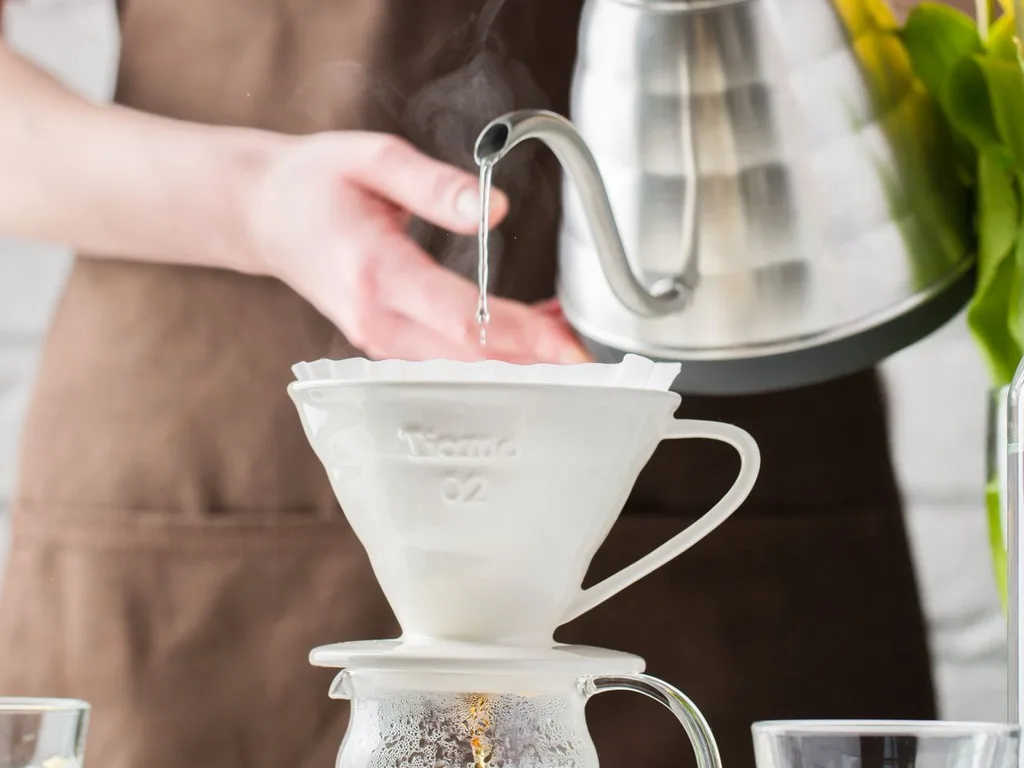
Finding the best electric gooseneck kettle for pour over coffee at home comes down to control: a thin, steady stream, water at the right temperature, and a handle that does not fight your wrist. A standard kettle dumps water too fast for a pour over dripper, flooding the coffee bed and washing out flavor. A gooseneck spout slows that stream down so you can pour in slow circles and let the grounds bloom evenly.
This guide walks through the checks that actually matter — capacity in liters, temperature settings, hold mode, spout shape, and materials such as 304 stainless steel — so you can compare any listing with confidence. It suits home brewers working with a V60, Kalita-style wave dripper, Chemex, or a simple Melitta cone, whether you brew one mug before work or a full carafe on weekends.
Quick Verdict
For most home brewers, the right pick is a variable-temperature electric gooseneck kettle in the 0.8 to 1.0 liter range, with a counterbalanced handle, a matte 304 stainless steel body, and a hold mode that keeps water at your chosen temperature while you finish grinding and rinsing the filter. Precise temperature control matters more than extra presets you will never use, and a well-shaped spout matters more than a long feature list.
Skip the gooseneck style if you only make French press, tea in a big pot, or instant drinks — a standard wide-spout kettle pours faster and costs you nothing in cup quality there. But for pour over, the difference is real: flow control is the one upgrade you can taste, because even extraction starts with an even pour. Check three things first on any listing: the temperature range and increments, whether the interior is fully stainless steel with no plastic touching hot water, and the spout-to-handle balance described in buyer photos.
Important: Never run an electric kettle empty or below its minimum fill line. Boil-dry protection is a safety backup, not a habit — repeated dry heating shortens the life of the heating element and can damage the base.
What to Look For Before You Buy
Temperature control and hold mode
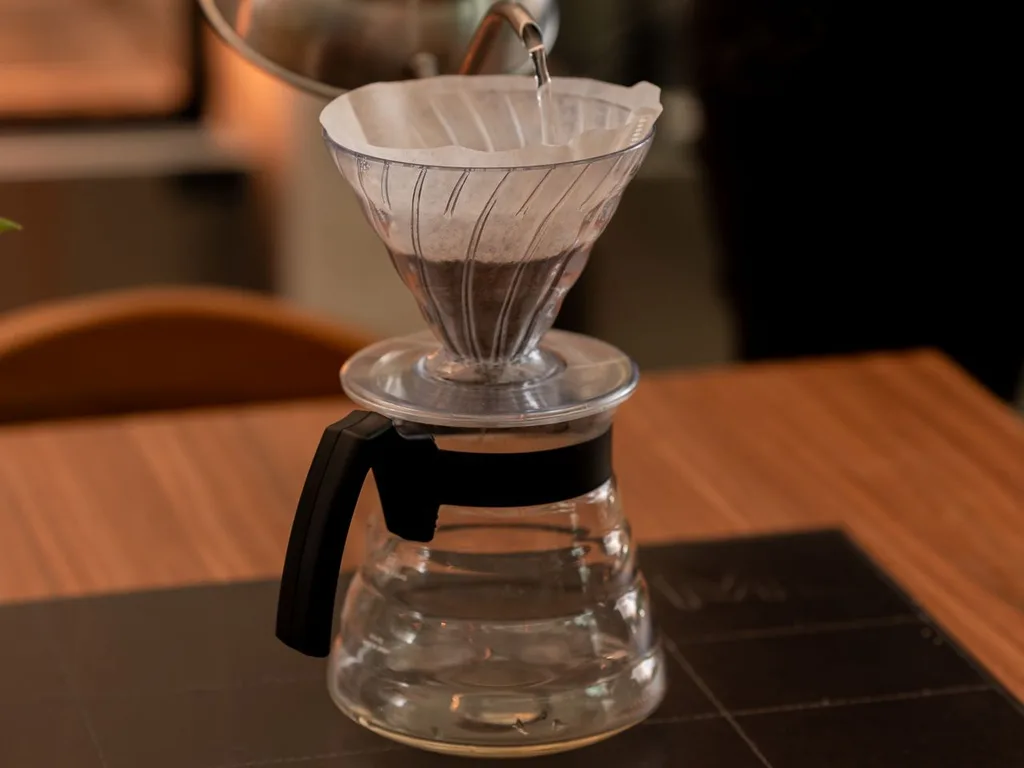
Light-roast pour over usually brews best a little below boiling, while darker roasts prefer slightly cooler water still. A variable temperature kettle lets you dial that in instead of guessing with a thermometer or waiting with the lid open. Look for adjustment in small increments — one or five degrees — and a hold mode that maintains the set temperature for at least 30 to 60 minutes. Most models in this category offer a range roughly from 100°F to 212°F, which also covers green tea and white tea if your household drinks both.
Capacity and fill lines
Most gooseneck kettles hold between 0.8 and 1.2 liters. For one or two mugs of pour over, 0.8 to 0.9 liters is plenty and keeps the kettle light at the wrist; for a large Chemex or regular guests, look closer to 1.0 liter or above. Check that minimum and maximum fill lines are stamped or clearly marked inside — overfilling a gooseneck causes sputtering at the spout, and underfilling can trip the boil-dry sensor mid-brew.
Spout shape and handle balance
The spout should rise low from the body and curve to a fine, slightly tapered tip. That geometry is what produces the slow, vertical stream pour over needs. A counterbalanced handle — weighted so the kettle does not tip forward as it empties — reduces wrist strain during a three-minute pour. If buyer photos show the kettle held at steep angles just to keep water flowing, that design will tire your arm and rush the final third of every brew.
Materials and the inside of the kettle
Look for 304 stainless steel (also labeled 18/8) for the body and interior. It resists rust, does not hold flavors, and tolerates daily descaling. Pay attention to the lid and the underside of the spout area too; the better designs keep plastic away from the water path entirely. A matte or brushed finish hides fingerprints and water spots better than a mirror polish in a busy kitchen.
Power, base, and everyday details
Most electric kettles in this class draw around 1,000 to 1,500 watts, which brings a liter of water to temperature in a few minutes. A 360-degree swivel base suits left- and right-handed pouring, cord storage under the base keeps counters tidy, and an auto shut-off is non-negotiable. A clear temperature display you can read at arm’s length beats a row of preset buttons you have to memorize.
The Main Types Compared
| Type | Temperature Control | Best For | Watch Out For |
|---|---|---|---|
| Variable-temperature electric gooseneck | Dial or buttons, with hold mode | Daily pour over, mixed coffee and tea households | More electronics; descale on schedule |
| Basic electric gooseneck (boil only) | Boils, then you wait and guess | Dark roasts and simple routines on a budget | No hold mode; temperature drifts between pours |
| Stovetop gooseneck | Separate thermometer needed | Gas stoves, camping-style setups, minimal counters | Slower, and temperature drops off the heat fast |
Variable-temperature models
This is the type most pour over drinkers settle on. Set 200°F, let the hold mode keep it there, and your only job is the pour itself. Brands such as Fellow and Brewista are often mentioned in this category as design references, and the wider market has followed the same pattern: a low gooseneck spout, a weighted handle, and a small footprint base. Whatever the badge, judge the kettle by the criteria above, not the logo.
Basic boil-only models
A boil-only gooseneck still gives you the all-important spout control at a simpler spec sheet. The workaround for temperature is to boil, rest the kettle off its base for a minute, and pour — workable for forgiving dark roasts, frustrating for light roasts that need consistency. If you are deciding between this and a standard kettle, the gooseneck vs standard kettle question answers itself for pour over: spout control first, electronics second.
Stovetop gooseneck kettles
Stovetop versions suit cooks who already own a good burner and dislike countertop appliances. They pair well with the travel-and-camping routine described in our guide to the best manual coffee grinder for travel and camping, but at home the electric base wins on repeatability — same temperature, same hold, every morning, without watching a thermometer climb.
Pros and Cons
Pros
- Slow, precise stream for even extraction with any pour over dripper
- Exact temperature settings for light, medium, and dark roasts
- Hold mode keeps water ready while you grind and rinse the filter
- Compact footprint compared with a standard kettle plus thermometer setup
- Doubles as a precise kettle for delicate teas that scorch at a rolling boil
Cons
- Pours too slowly for filling large pots, French press, or pasta water
- Smaller capacity than family-size standard kettles
- Needs regular descaling in hard-water areas to stay accurate and quiet
- Electronics and displays add cost over a stovetop equivalent
Who Should Buy It — and Who Should Skip It
Buy a gooseneck kettle if pour over is your main brew method, if you are working through a bag of light-roast beans that tastes sour or sharp with boiling water, or if you share the kettle with a tea drinker who needs lower temperatures. It is also the right upgrade when your current setup already includes a decent grinder and a digital coffee scale — the kettle completes the control trio of dose, temperature, and pour.
Skip it if your mornings run on a drip machine, a pod brewer, or cold brew. Cold brew drinkers get more from the pitcher in our roundup of the best cold brew coffee maker pitcher for fridge door setups. And if counter space is the real problem, solve that first; a kettle you have to store in a cupboard is a kettle you stop using. More home coffee and kitchen ideas live on the Ideas Home Accessories homepage.
Helpful Tips for Daily Use
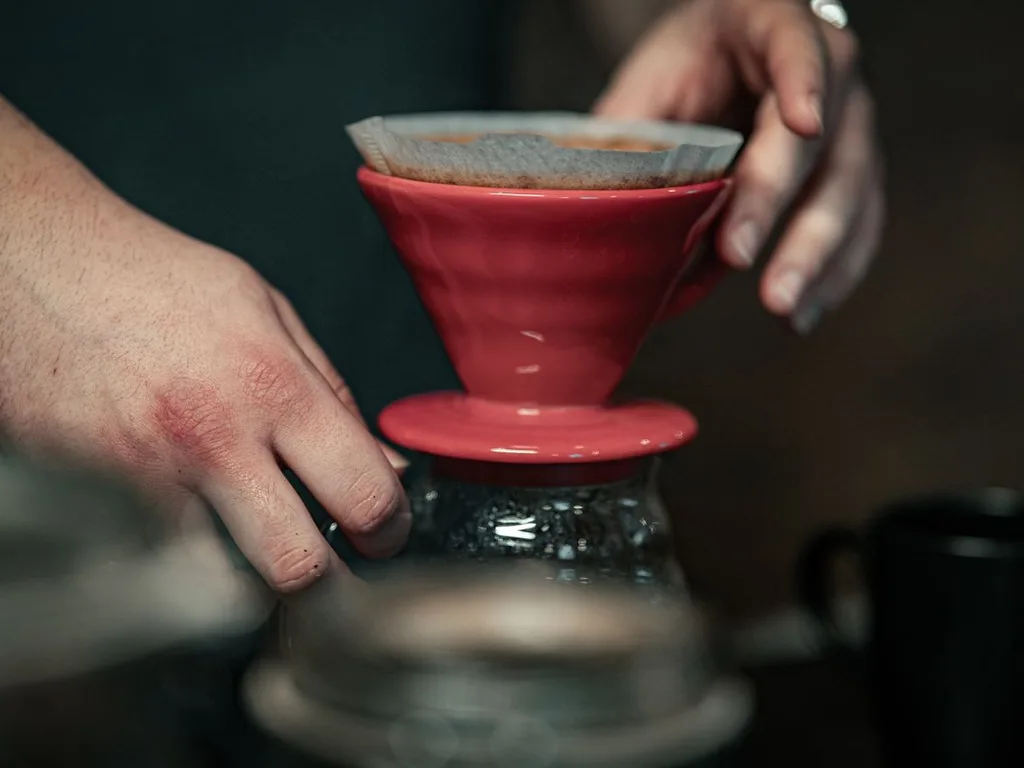
Weigh the water, not just the coffee. A kettle with hold mode plus the scale from our guide to the best digital kitchen scale for baking accurate grams — the same scale works for coffee — lets you repeat a 1:15 or 1:16 coffee-to-water ratio exactly. Consistency, not gear, is what makes Tuesday’s cup taste like Saturday’s.
Pour in stages. Bloom with about twice the coffee’s weight in water, wait 30 to 45 seconds, then add the rest in slow spirals from the center outward. The gooseneck’s fine stream keeps the coffee bed level instead of drilling a hole through it, which is where channeling and sour cups come from.
Descale on a schedule. Kettle descaling is simple: fill with equal parts water and white vinegar, bring it just to a simmer or use the highest setting, rest for 30 minutes, rinse twice, and boil a full kettle of plain water before the next brew. In hard-water regions, monthly is about right; mineral scale insulates the heating plate, slows boiling, and throws temperature readings off.
Mind the minimum line on small brews. Brewing a single mug still means filling to at least the minimum mark. Leftover water sitting all day grows stale-tasting; empty the kettle after the morning round and refill fresh tomorrow — coffee is mostly water, and old water is the cheapest flaw to fix.
Frequently Asked Questions
What temperature is best for pour over coffee?
Most pour over coffee brews well between 195°F and 205°F. Light roasts usually sit at the top of that range, around 200°F to 205°F, while dark roasts taste smoother nearer 190°F to 195°F. A variable-temperature gooseneck kettle lets you set the number directly instead of boiling and waiting, which is the main reason home brewers upgrade.
Is a gooseneck kettle really better than a standard kettle?
For pour over, yes. The narrow, low spout produces a slow, controlled stream you can aim in steady circles, so the coffee bed extracts evenly. A standard kettle pours in a thick rush that floods one spot and leaves other grounds under-extracted. For French press, tea pots, or filling a stockpot, the standard kettle’s faster pour is actually the better tool.
What size gooseneck kettle should I buy for home use?
A capacity of 0.8 to 1.0 liters suits most homes. That covers one large mug or two regular cups of pour over with water to spare for rinsing the filter. Choose closer to 1.2 liters only if you regularly brew a large Chemex for guests; bigger kettles are heavier at the wrist during a slow three-minute pour.
Can I use a gooseneck kettle for tea as well?
Yes, and the temperature control is the reason. Green and white teas scorch at a rolling boil and taste bitter; most variable-temperature models let you set 160°F to 175°F for those leaves, then climb to 200°F or above for black tea and pour over coffee. One kettle can honestly serve both routines if the temperature range is wide enough.
How often should I descale an electric kettle?
Descale about once a month if your tap water is hard, and every two to three months with soft water. Scale buildup shows up as white flakes, louder boiling, and slower heat-up times. A vinegar-and-water cycle followed by a plain-water boil keeps the heating plate efficient and the temperature sensor reading accurately.
Does hold mode use a lot of electricity?
Hold mode only tops up heat as the water cools, so it draws far less than a full boil cycle. Keeping a liter at 200°F for a 30 to 60 minute brewing window costs very little, and it is gentler on the coffee than reboiling, since repeatedly boiled water loses dissolved oxygen and can make the cup taste flat.
Final Thought
A gooseneck kettle is the rare kitchen upgrade that changes technique, not just equipment. Choose variable temperature control, a 0.8 to 1.0 liter stainless steel body, a spout that pours slowly without wrist strain, and a hold mode you will actually use — then let your grinder and scale do the rest. Check the listing against the criteria in this guide, confirm the interior is stainless steel with clear fill lines, and you will pour better coffee the first morning it lands on your counter.
Disclosure: As an Amazon Associate I earn from qualifying purchases.


Pingback: Best Electric Can Opener for Seniors with Arthritis Hands
Pingback: Best Compact Air Fryer for Small Kitchen Countertops Two People
Pingback: Best Digital Kitchen Scale for Baking Accurate Grams
Pingback: Best Handheld Milk Frother for Lattes at Home (Compared)
Pingback: Best Electric Salt and Pepper Grinder Set Rechargeable
Pingback: Best Manual Coffee Grinder for Travel and Camping — Guide