Disclosure: As an Amazon Associate I earn from qualifying purchases. This article contains affiliate links. If you purchase through these links, we may earn a commission at no additional cost to you.
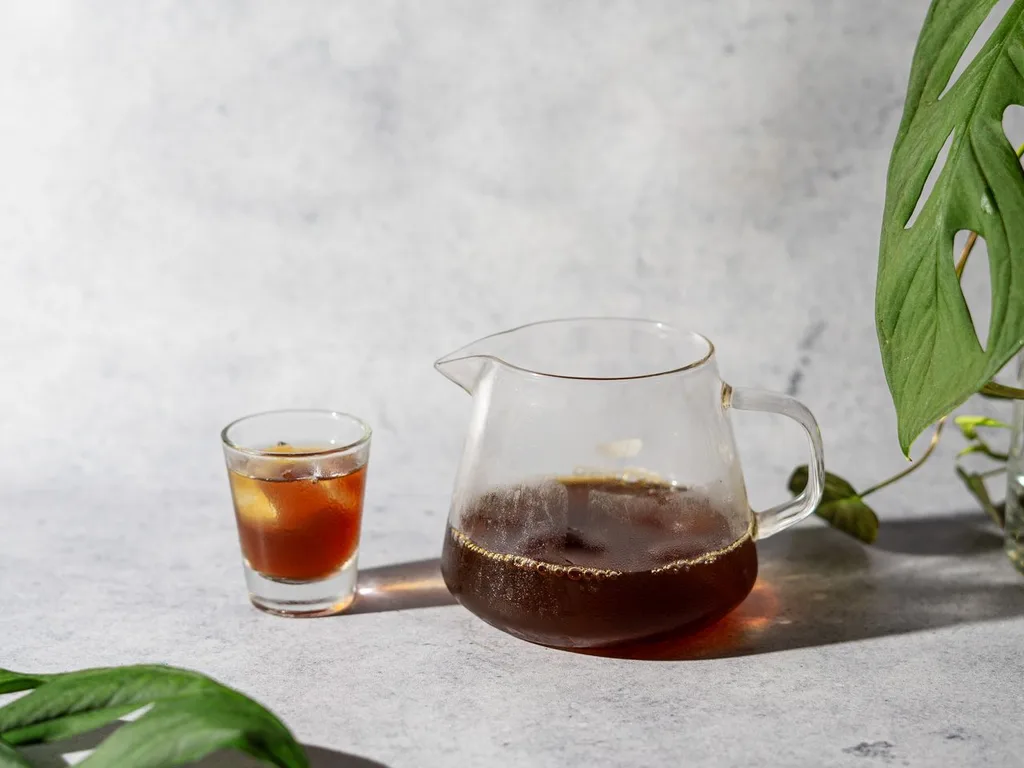
Cold brew fails in most kitchens for a boring reason: the pitcher does not fit the fridge. Mason jars roll around the main shelf, wide brewers hog the space meant for dinner, and the whole habit quietly dies by the second week. The best cold brew coffee maker pitcher for fridge door storage solves the logistics first — a slim body that slides into the door shelf like a bottle of milk — and the brewing second, with a fine filter that keeps the cup smooth and grit-free.
This guide walks through exactly how to use one, step by step, with the ratios and steep times that produce a concentrate you can drink all week. It also covers the checks that matter before you buy — door-shelf dimensions, filter material, seal quality — because a cold brew pitcher is a simple object that is surprisingly easy to buy wrong.
Quick Verdict
Look for a pitcher around 1 to 1.5 quarts (roughly 1–1.4 liters), slim enough for a door shelf, with a fine stainless steel mesh filter, a lid that seals well enough to prevent fridge odors getting in, and glass or sturdy BPA-free plastic construction. Brew with coarse grounds at about a 1:8 coffee-to-water ratio for 12–18 hours, and you get a concentrate that keeps for up to a week and dilutes into smooth, low-acid iced coffee.
Buy this type if you drink iced coffee more than twice a week, want to stop paying café prices for it, or find hot coffee hard on your stomach — cold brew’s slow, cold extraction produces a noticeably smoother, less acidic cup. Skip it if you drink one small iced coffee on occasional weekends; a French press you already own can improvise that job.
Important: Measure your fridge door shelf before ordering — height and depth. Door shelves vary more than any other fridge dimension, and “fits most fridges” on a listing is a hope, not a measurement. Compare the listing’s dimensions to your shelf with the door closed.
What to Look For Before You Buy
Size and shape. Most door-shelf models hold 1–1.5 quarts. A quart of concentrate, diluted roughly 1:1, gives you about eight glasses across the week. Taller and slimmer beats shorter and wider for door storage; check the listed height against your shelf clearance, especially if your door has a covered dairy compartment at the top.
Filter type. The heart of a cold brew filter pitcher is its infuser. Fine stainless steel mesh is the standard to look for: it keeps sediment out of the cup, rinses clean, and lasts. Paper filters give an even cleaner cup but are a recurring purchase and slow the pour. A coarse mesh or a loose-weave infuser lets fine grounds through — the last gritty inch in the glass is the tell.
Material. Borosilicate or soda-lime glass tastes neutral and does not hold odors, but it is breakable in a busy fridge door that swings. BPA-free plastic (often Tritan-style) survives drops and is lighter to lift when full, but can pick up flavors over time. There is no wrong answer — there is only your household’s clumsiness level, honestly assessed.
Lid and seal. The lid should seal firmly for two reasons: coffee absorbs fridge odors eagerly, and a door shelf moves every time the door opens. A flip-top pouring spout is a genuine convenience; a lid you must remove entirely to pour will drip on the shelf eventually.
Cleaning. Cold brew leaves coffee oils on everything it touches. A filter that lifts straight out and a body wide enough for a bottle brush or a hand keeps the pitcher fresh. Dishwasher-safe parts, stated on the listing, make the weekly reset painless — rancid oil buildup is the number one reason homemade cold brew starts tasting “off.”
The coffee itself still matters. A purpose-built pitcher cannot rescue stale beans. Medium and medium-dark roasts are the forgiving starting point for cold brew — their chocolate and nut notes survive cold extraction well, while very light roasts can taste thin and grassy without heat. Buy whole beans in quantities your household finishes within a few weeks, store them sealed away from the fridge (coffee absorbs odors in storage just as the finished brew does), and grind the night you brew rather than keeping pre-ground coffee around. The pitcher standardizes your process; the beans decide the ceiling.
How to Use a Cold Brew Coffee Maker Pitcher, Step by Step
- Grind coarse. Use coarse ground coffee for cold brew — the texture of raw sugar or coarse sea salt. Fine grounds over-extract, clog the filter, and turn the cup bitter and silty. Grinding fresh with a manual coffee grinder set to its coarsest setting gives the cleanest result.
- Load the filter. Add the grounds to the infuser. For a standard-strength concentrate, work at about a 1:8 cold brew concentrate ratio — roughly 100–120 grams of coffee per liter of water. A kitchen scale makes the ratio repeatable week after week.
- Add cool water slowly. Pour filtered water over the grounds in a slow circle so everything wets evenly. Dry pockets of grounds never extract, and they are the hidden reason one batch tastes weaker than the last.
- Stir or press gently, then seal. A gentle stir settles the grounds into the water. Seal the lid so fridge odors stay out of your coffee.
- Steep 12–18 hours in the fridge. Twelve hours gives a lighter, brighter cup; eighteen gives a deeper, stronger concentrate. Past 24 hours, extraction turns woody and flat rather than stronger — set a reminder rather than forgetting it for two days.
- Remove the filter and let it drain. Lift the infuser out slowly and let it drip for a minute. Do not squeeze or press the grounds; pressing pushes bitter compounds and sediment into a concentrate you worked to keep smooth.
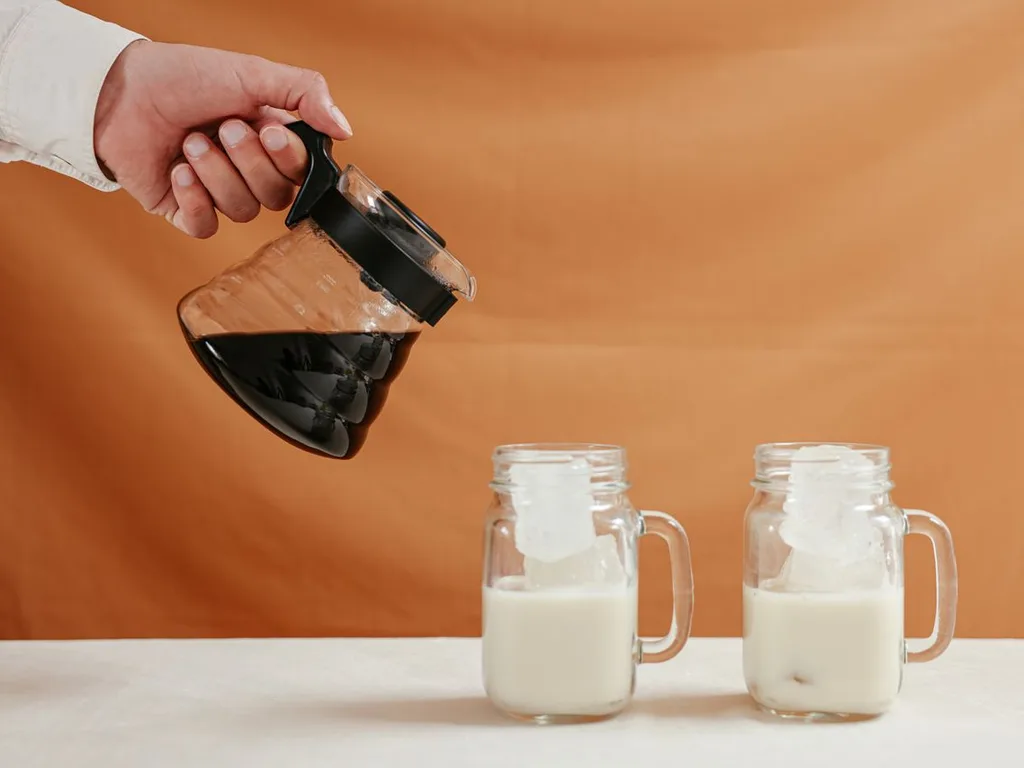
- Dilute, serve, store. Cut the concentrate with water or milk, roughly 1:1 to start, over ice. Keep the rest sealed in the fridge and use it within about a week for best flavor.
Mistakes to Avoid
Using fine or pre-ground drip coffee. It is the most common mistake and the hardest to forgive in the cup: sludge, bitterness, and a filter that takes forever to drain. Coarse is not a suggestion for this method; it is the method.
Steeping on the counter in a warm kitchen. Fridge steeping is slower but cleaner-tasting and safer across an 18-hour window. A warm counter speeds extraction unevenly and invites off-flavors.
Judging the concentrate undiluted. Concentrate is meant to be strong — it should taste too strong straight. Judge the batch after diluting it the way you will actually drink it.
Storing the concentrate with the grounds still in. Leaving the filter in “for one more day” keeps extraction going and adds bitterness daily. Pull the filter when the steep ends.
| Variable | Lighter Cup | Standard Concentrate | Stronger Concentrate |
|---|---|---|---|
| Coffee-to-water ratio | 1:10 | 1:8 | 1:6 |
| Steep time (in fridge) | 12 hours | 14–16 hours | 18 hours |
| Grind | Extra coarse | Coarse | Coarse |
| Dilution when serving | 1 part water/milk to 2 parts brew | 1:1 | 1:1 or less water |
| Best for | Drinking black over ice | Everyday iced coffee | Milky drinks and large glasses of ice |
Pros and Cons
Pros
- Slim door-shelf storage keeps cold brew a daily habit instead of a shelf-space negotiation.
- One weekly batch covers most of the week — mornings become pour-and-go.
- Smooth, low-acid coffee that is gentle on sensitive stomachs.
- The same pitcher works as an iced tea infuser in the off-season.
Cons
- It requires planning ahead — there is no cold brew in ten minutes when you forget.
- Glass models risk breakage in a frequently slammed fridge door.
- Capacity suits one or two coffee drinkers; a large household will brew twice a week.
- Filters need prompt rinsing — neglected coffee oil turns flavors stale quickly.
Who Should Buy It — and Who Should Skip It
Buy a cold brew pitcher if iced coffee is a daily or near-daily drink in your house, if café cold brew is a visible line in your monthly spending, or if hot coffee’s acidity bothers you. It is also the right buy for anyone whose mornings are rushed — the work happens the night before, in five minutes, and the morning version of you just pours.
Skip it if you prefer hot coffee year-round (your money belongs with a gooseneck kettle setup instead), or if your fridge door shelves are already claimed by condiments with no room to spare — measure first, honestly. Occasional iced-coffee drinkers can keep improvising with a French press. Find more kitchen guides on the homepage.
Helpful Tips for Daily Use
Keep a brew log for the first month. Ratio, steep time, and one line about the result. Four batches of notes will dial in your exact preference faster than a year of guessing, and the log makes every later batch repeatable.
Make coffee ice cubes. Freeze some diluted cold brew in a tray. Regular ice waters the last third of the glass down; coffee cubes keep the strength steady to the final sip.
Rinse the filter the moment it comes out. Grounds left sitting in a damp filter sour quickly. A rinse now, a proper wash with the weekly dishes, and a monthly soak in warm water with a little baking soda keeps flavors clean.
Rotate two batches if the house drinks a lot. One pitcher steeping while one is being poured means the supply never hits zero — the usual reason households drift back to buying coffee out.
Try it as a tea brewer in winter. The same infuser handles loose-leaf iced tea in summer and cold-steeped tea experiments year-round. A pitcher that works across seasons earns its door shelf honestly.
Frequently Asked Questions
How long should cold brew steep in the fridge?
Between 12 and 18 hours suits most tastes: 12 hours for a lighter, brighter cup and up to 18 for a stronger concentrate. Beyond 24 hours the coffee stops improving and starts tasting woody and flat, so set a reminder and pull the filter out when the time is up.
What is the best ratio for cold brew concentrate?
A 1:8 ratio of coffee to water by weight — about 100–120 grams of coarse coffee per liter of water — is the reliable starting point. Go to 1:6 for a stronger concentrate for milky drinks, or 1:10 for a lighter brew you can drink with less dilution.
Why does my cold brew taste bitter or muddy?
The usual causes are grounds that are too fine, steeping far past 24 hours, or pressing and squeezing the filter at the end. Switch to a coarse grind, respect the steep window, and let the filter drain on its own. Muddy cups almost always trace back to fine grounds slipping the filter.
How long does cold brew concentrate keep in the fridge?
Stored sealed, most people find it tastes best within about a week. It is generally safe a bit longer, but the flavor flattens and stale notes creep in. If your household drinks it daily, a weekly brew day keeps every glass in the best-tasting window.
Can I make cold brew with regular ground coffee?
You can, but standard drip grind is finer than ideal and usually gives a more bitter, sediment-heavy result that drains slowly through the filter. If that is what you have, shorten the steep toward 12 hours and pour the finished brew gently. Coarse-ground coffee is worth buying for this method.
Will a cold brew pitcher fit in my fridge door?
Most slim models are designed around door shelves, but door dimensions vary by fridge. Compare the pitcher’s listed height, width, and depth with your own shelf — with the door fully closed — before ordering. That thirty-second measurement prevents the most common return in this category.
Final Thought
Cold brew is the easiest coffee upgrade there is: five minutes of setup the night before, and a week of smooth iced coffee that costs a fraction of the café version. The pitcher that makes it stick is the one that fits your fridge door, filters fine enough to keep the cup clean, and seals well enough to keep last night’s leftovers out of this morning’s coffee. Measure the shelf, check the filter on the listing, and start the first batch tonight.
Disclosure: As an Amazon Associate I earn from qualifying purchases.