Disclosure: As an Amazon Associate I earn from qualifying purchases. This article contains affiliate links. If you purchase through these links, we may earn a commission at no additional cost to you.
The coffee is fine. It is the flat, sad milk on top that makes a homemade latte feel like a compromise. The best handheld milk frother for lattes at home fixes that for the price of a couple of café drinks: a slim wand with a spinning stainless whisk that turns warm milk into pourable foam in under a minute, then rinses clean under the tap and disappears into a drawer.
But a handheld wand is not the only way to foam milk, and it is not the best way for everyone. This comparison puts the handheld frother head-to-head with the espresso machine steam wand and the countertop electric milk frother and steamer, so you can see exactly what each one does well, what each one costs you in effort, and which one matches the drinks you actually make on a weekday morning.
Quick Verdict
For most home coffee drinkers, the handheld frother wins on the combination that matters daily: it foams hot or cold milk, takes seconds to clean, needs no counter space, and works with any coffee maker you already own — espresso machine, moka pot, French press, or pour over. Its honest limit is texture: it makes soft, airy foam rather than the glossy, paint-like microfoam a steam wand produces for latte art.
Buy the handheld type if you make lattes, cappuccinos, or cold foam drinks at home and want café-style milk without buying an espresso machine. Skip it if latte art is your hobby goal — that road runs through a real steam wand, and no wand with batteries will get you there.
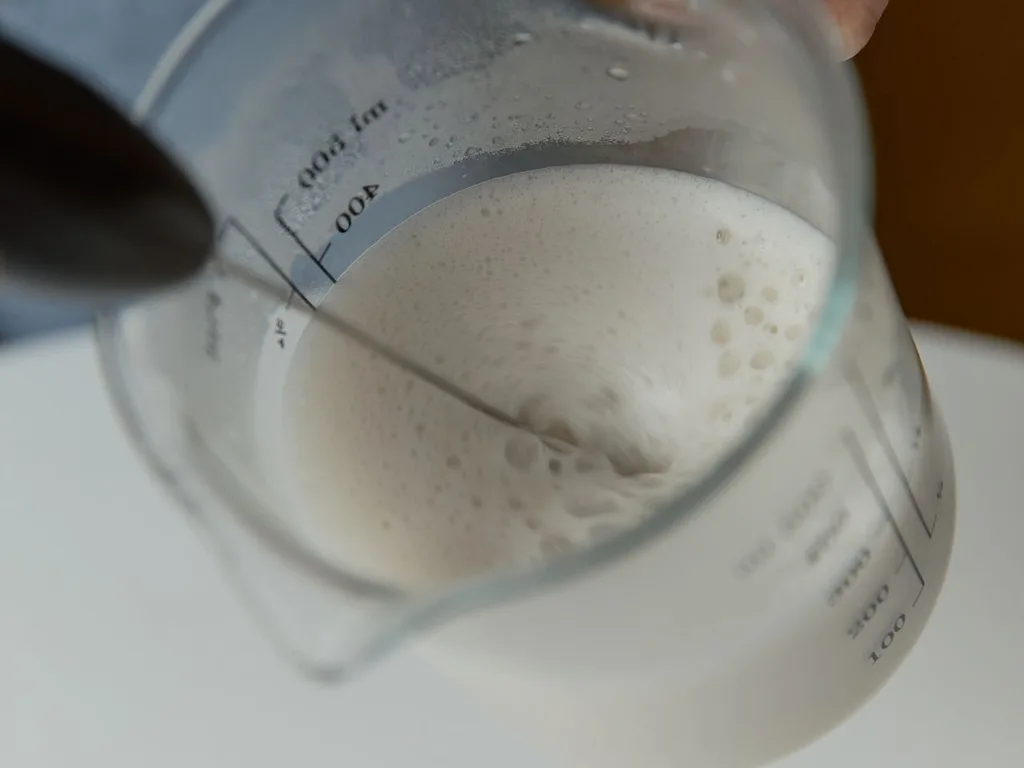
Important: Froth in a jug at least twice the milk’s volume, and keep the whisk just under the surface at first, then deeper. Milk foam expands fast; a small mug plus an enthusiastic frother equals milk on the counter every single time.
What to Look For Before You Buy
Power source. Handheld frothers run on AA batteries or a rechargeable battery. Rechargeable models cost a little more and remove the slow-fade problem — a battery-powered wand gets weaker as the cells drain, and weak spin means thin foam. If you choose AA, look for a listing that states the motor speed, and keep spare batteries with the coffee things, not in a junk drawer.
Motor strength and speeds. One speed is genuinely fine for most people. Two or three speeds help if you also whisk matcha, beat a single egg, or mix protein shakes, because the highest setting that foams milk will redecorate your kitchen with a thin matcha batter. A comfortable middle setting is the one you will use daily.
Whisk design. The standard is a small stainless steel spring whisk head. Some models add a second whisk or a balloon attachment. The whisk should be stainless (not bare plastic), firmly attached, and replaceable or at least included as a spare on better listings. A wobbly whisk makes uneven foam and a rattling noise against the jug.
Stand and storage. A countertop stand keeps the wand upright and the whisk clean between uses — worth having if it lives out. Without a stand, the wand stores in a drawer, where the whisk head should not be crushed under heavier utensils. Check the total length on the listing against your drawer and your tallest jug.
Cleaning. The honest routine: run the whisk in a glass of hot soapy water for ten seconds right after use, rinse, done. Any frother — handheld or electric — that sits with milk drying on it becomes unpleasant fast. Milk residue, not motor failure, is what kills most frothers’ reputations.
The jug matters more than you think. A frother is only half the system; the other half is the vessel. A tall, narrow jug or a straight-sided glass gives the milk depth to circulate in and room to double in volume, while a wide, shallow bowl throws milk over the sides and makes thin, bubbly foam. Most listings for frothers assume a jug you already own — if your kitchen has nothing taller than a coffee mug, add a small stainless milk pitcher to the plan and the same wand will perform noticeably better from the first morning.
Handheld Frother vs Steam Wand vs Electric Frother: Which Suits Your Kitchen?
All three tools foam milk. They differ in texture, heat, effort, and what else they demand from your kitchen. This table is the whole decision in one place.
| Handheld Frother | Steam Wand (Espresso Machine) | Electric Frother & Steamer | |
|---|---|---|---|
| Foam texture | Soft, airy foam; good for lattes and cappuccinos | Glossy microfoam; the latte art standard | Consistent foam, preset thickness levels |
| Heats the milk? | No — heat milk separately first | Yes, steams and heats together | Yes, heats while frothing |
| Cold foam | Yes — a milk frother for cold foam drinks | No | Most models, yes |
| Cleanup | 10 seconds under the tap | Purge and wipe every use; deeper cleaning regularly | Jug rinse; milk residue builds in corners |
| Counter space | None — drawer storage | A whole espresso machine | A permanent countertop footprint |
| Skill needed | Almost none | Real technique; weeks of practice | Press one button |
| Works with | Any coffee maker | Only its own machine | Any coffee maker |
The Case for the Handheld Frother
The handheld wins the weekday. It foams milk for one person in the exact mug or jug you are using, handles cold foam for iced coffee — something neither a steam wand nor most mornings allow — and doubles as a handheld frother for matcha, protein shakes, salad dressing, and whipped coffee. It asks for nothing: no descaling, no warm-up, no counter. If your coffee setup is a moka pot, a French press, or a pour over kettle ritual, this is the only one of the three that fits without changing anything else about your routine.
The Case for the Steam Wand
If the drink you dream about has a rosetta on it, the steam wand is not optional — it is the tool. Steaming stretches and textures milk into microfoam that pours like wet paint, and it heats in the same motion. The costs are real: an espresso machine’s price, its counter space, its learning curve, and a cleaning routine after every single use. Choose it when latte art is the hobby, not when you simply want a better Tuesday latte.
The Case for the Electric Frother and Steamer
The countertop electric milk frother and steamer is the push-button middle ground: it heats and foams to a preset consistency while you make the coffee, and it suits households making several milk drinks back to back. Its weaknesses are the footprint, a jug that needs proper washing rather than a rinse, and foam that is consistent but rarely better than a well-handled wand. It is the right answer for a busy family coffee station — and overkill for one person.
Pros and Cons
Pros
- Foams hot milk and makes cold foam for iced drinks — the most versatile of the three types.
- Cleans in seconds and stores in a drawer; zero counter space given up.
- Works with every coffee maker, and doubles for matcha, shakes, and dressings.
- The lowest-cost route to café-style milk at home by a wide margin.
Cons
- Cannot produce true latte-art microfoam; texture tops out at soft and airy.
- Does not heat milk — you warm it first on the stove or in the microwave.
- Battery models lose power gradually, and weak spin makes disappointing foam.
- Best suited to one or two drinks at a time, not a brunch crowd.
Who Should Buy It — and Who Should Skip It
Buy the handheld frother if your mornings involve a latte, cappuccino, matcha latte, or an iced coffee with cold foam, and your coffee comes from anything other than an espresso machine. Oat milk drinkers should note it works as a frother for oat milk lattes too — barista-style oat milk foams noticeably better than standard, whichever tool you use. It pairs neatly with a manual grinder and a small kitchen scale for a complete, drawer-sized coffee corner.
Skip it if you are actively learning latte art (save toward the machine), or if you regularly make milk drinks for four or more people at once (choose the electric countertop type). Everyone else is in handheld territory. More coffee-corner and kitchen ideas are on the homepage.
Helpful Tips for Daily Use
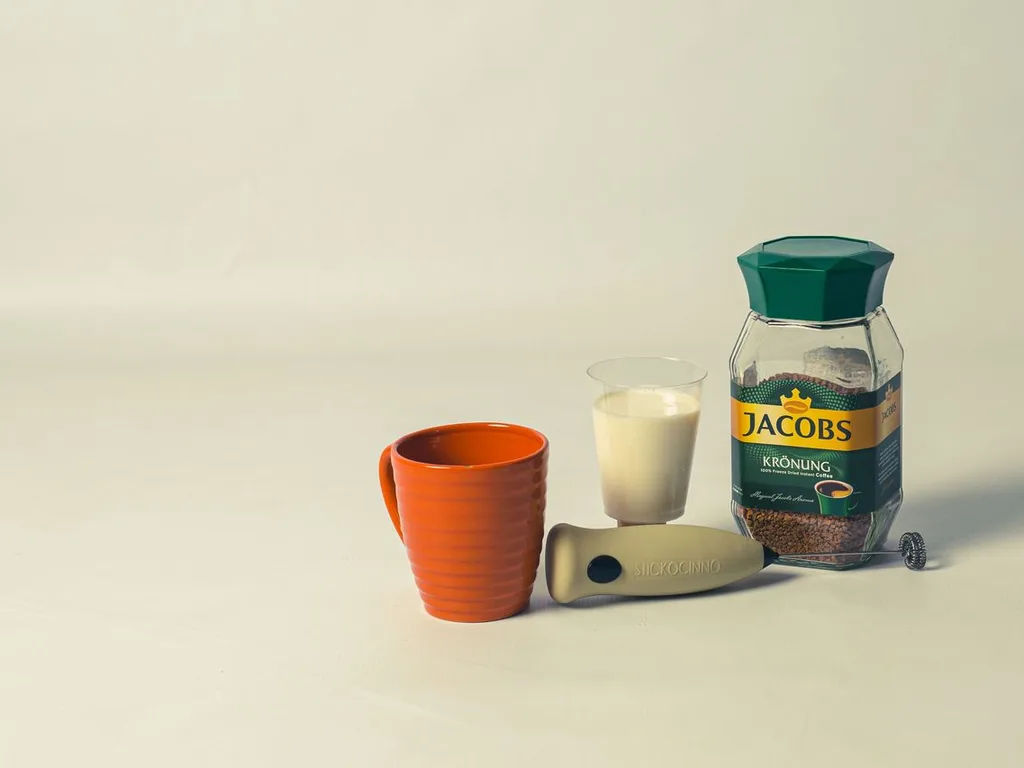
Start with cold milk, then warm it. Cold milk gives you more working time before the foam sets. Warm it to roughly 140–150°F — hot to the touch, never boiling; boiled milk tastes cooked and foams badly.
Use the two-stage technique. Whisk just under the surface for the first few seconds to draw in air, then sink the whisk deeper to roll the foam smooth and break the big bubbles. Thirty to sixty seconds total is typical.
Tilt the jug and find the whirlpool. Angling the jug slightly lets the milk spin into a vortex, which folds the foam into itself and gives you the smoothest texture a handheld can produce.
Tap and swirl before pouring. Set the jug down with one firm tap to pop surface bubbles, swirl twice, and pour promptly. Foam left sitting separates into foam on top and disappointment underneath.
Rinse the whisk immediately. Ten seconds in hot soapy water now saves ten minutes of scrubbing dried milk later. This single habit is the difference between a frother that lasts for years and one that smells faintly wrong by spring.
Use it beyond lattes. The same whisk foams hot chocolate into something closer to the café version, whisks a single serving of salad dressing so it actually emulsifies, blends protein powder without the shaker-ball clumps, and stirs powdered drink mixes that otherwise settle at the bottom of the glass. None of these jobs justify buying the tool alone — together, they are why a handheld frother gets used six days a week instead of living as a latte accessory.
Frequently Asked Questions
Can a handheld frother make real latte foam?
It makes genuine frothed milk — soft, airy foam that sits on a latte or cappuccino the way cafés serve them. What it cannot replicate is steam-wand microfoam, the glossy texture that pours into latte art. For taste and warmth, most drinkers are fully satisfied; for art, you need steam.
What milk foams best with a handheld frother?
Whole dairy milk is the easiest, thanks to its fat and protein balance. Barista-edition oat and almond milks are formulated to foam and work well. Skim milk foams into stiff, dry bubbles quickly but collapses fast. Very fresh milk of any kind foams better than milk near its date.
Do I heat the milk before or after frothing?
Before, for hot drinks: warm the milk first, then froth it, because a handheld wand does not heat. For cold foam, froth the milk straight from the fridge and spoon it over iced coffee. Frothing first and heating after collapses most of the foam you just made.
Are rechargeable frothers better than battery ones?
Rechargeable models keep a consistent motor speed until they need charging, while AA-powered wands fade gradually as the batteries drain — and foam quality follows motor speed. If you froth daily, rechargeable is the calmer ownership experience. Occasional users do fine with batteries and a spare set.
Can I use a handheld frother for matcha?
Yes — it is a popular electric stand-in for the bamboo whisk. Use a lower speed or short bursts in a wide bowl or jug, because matcha liquid is thin and splashes eagerly. Rinse the whisk right away; matcha stains and dries onto the spring faster than milk does.
Why is my foam full of big bubbles?
Usually the whisk spent too long at the surface adding air and not enough time below it smoothing the texture. Froth in two stages — air in briefly at the top, then deeper to roll it smooth — and finish with a tap and a swirl before you pour.
Final Thought
The handheld frother is the rare gadget that asks for nothing — no counter, no plumbing of your routine, no practice hours — and hands you back a noticeably better drink tomorrow morning. Buy it for soft foam and cold foam and speed. Save the steam wand dreams for the day latte art becomes the point. Check the power type and whisk build on the listing, and your café money starts staying home.
Disclosure: As an Amazon Associate I earn from qualifying purchases.