
Disclosure: As an Amazon Associate I earn from qualifying purchases. This article contains affiliate links. If you purchase through these links, we may earn a commission at no additional cost to you.
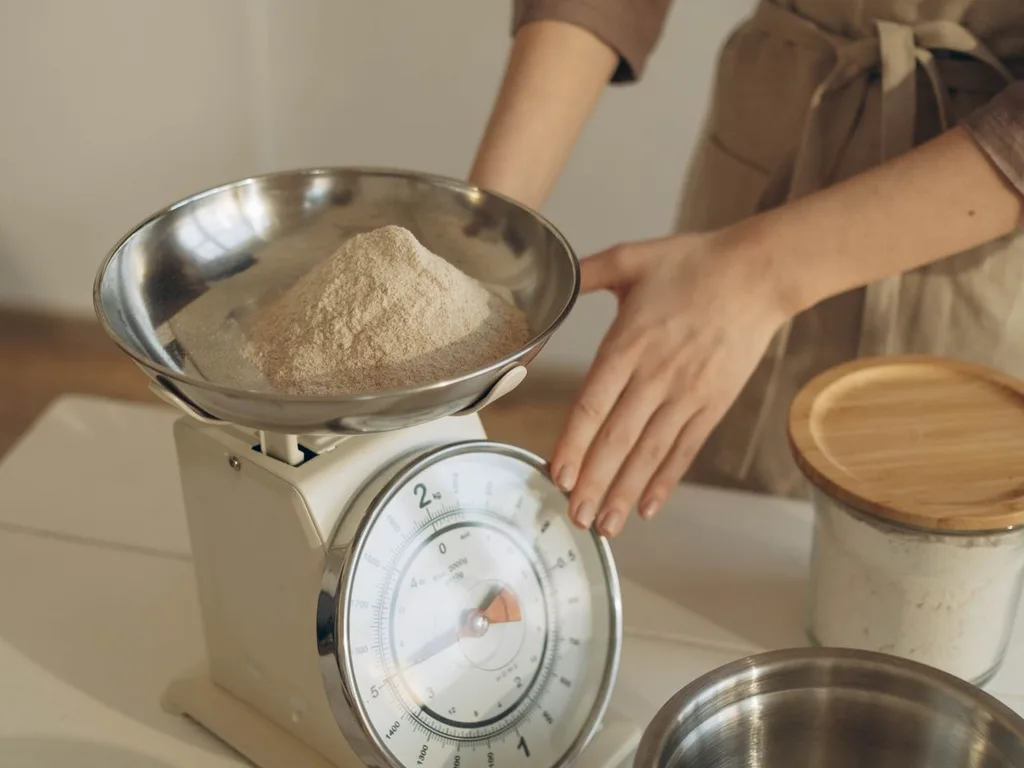
Bread that rises one week and sulks the next usually has the same culprit: flour measured by the cup. A cup of flour can swing by a full ounce depending on how it was scooped, which is why serious bakers weigh everything. Finding the best digital kitchen scale for baking accurate grams is less about fancy features and more about three basics — a true gram reading, a tare button that zeroes out your bowl, and a platform big enough for the mixing bowl you actually own.
This guide compares the four types of baking scale you will see on Amazon, the checks that separate an accurate one from a frustrating one, and who should skip a basic model and pay for finer resolution instead. Whether you bake sourdough on weekends, portion coffee every morning, or weigh ingredients for meal prep, the right pick depends on the numbers below — not on how sleek the listing photo looks.
Quick Verdict
For most home bakers, a flat digital scale with 1-gram resolution, at least an 11 lb (5 kg) capacity, a fast tare function, and a stainless steel or glass platform is the sweet spot. It handles bread dough, cake batter, and portion control without costing much counter space. Look for a display you can still read when a large bowl sits on top — that single detail causes more returns than any other.
Buy this type if you bake by weight at least a few times a month, follow recipes written in grams, or want consistent sourdough results. Skip a basic 1-gram model if you weigh coffee, yeast, salt, or spices in tiny amounts — you need 0.1-gram resolution for that, covered in the types section below.
Important: Check the platform size against your largest mixing bowl before ordering. A scale that is accurate but too small for your bowl is useless for bread dough — measure the bowl’s base, not its rim.
What to Look For Before You Buy
Resolution (1 g vs 0.1 g). Most baking scales read in 1-gram steps, which is plenty for flour, sugar, butter, and water. Recipes that call for 3 grams of yeast or 8 grams of salt expose the limit: a 1-gram scale rounds, and rounding is error. If small amounts matter to you, look for 0.1-gram resolution, at least as a second, smaller scale.
Capacity. A standard 11 lb (5 kg) capacity covers a loaded bread bowl with room to spare. Mini coffee scales often max out at 2–3 kg, which is fine for a pour over setup but tight for a big batch of pizza dough plus the bowl. Add the bowl’s weight to the dough’s weight before assuming a model is big enough.
Tare function speed. Tare zeroes the display so you can add ingredients one at a time into the same bowl. Every scale has it; the good ones respond instantly. A laggy tare makes you overshoot pour after pour. Listing videos and buyer comments about “slow to zero” are worth reading closely.
Units and modes. Grams are non-negotiable for baking. Most models also switch between ounces, pounds, and milliliters for water and milk. Note that the milliliter mode simply assumes the density of water — it is a convenience, not a true volume measurement for oil or honey.
Platform material and cleaning. A stainless steel platform wipes clean and shrugs off flour dust and butter smears. Tempered glass looks tidy and cleans just as easily but shows every fingerprint. Avoid textured or raised platforms — spilled batter works into the edges and is miserable to clean.
Power and auto-off. Most models run on AAA batteries; some recharge by USB. Either is fine, but check the auto-off timer. A scale that sleeps after 60 seconds will shut down mid-recipe while you are reading the next step. Models with a longer timer, or an adjustable one, are kinder to bakers who weigh, mix, then weigh again.
Footprint and storage. A typical flat scale is roughly the size of a paperback book and under an inch thick, which is why it survives in small kitchens where a stand mixer cannot. Measure your drawer or shelf before ordering — the listing dimensions are exact, and half an inch decides whether it stores flat or lives permanently on the counter. Neither is wrong, but a scale you must move before every use slowly stops being used, and consistency is the entire point of owning one.
The Main Types Compared
Kitchen scales look alike in listing photos, but they fall into four types with genuinely different strengths. This table sums up which type fits which kitchen job.
| Type | Typical Resolution | Typical Capacity | Best For | Watch Out For |
|---|---|---|---|---|
| Flat platform scale | 1 g | 11 lb / 5 kg | Everyday baking, bread dough, meal prep | Display hidden by large bowls |
| Pull-out / raised display scale | 1 g | 11 lb / 5 kg | Big mixing bowls, batch baking | Slightly larger footprint |
| High-precision mini scale | 0.1 g | 4.4 lb / 2–3 kg | Coffee, yeast, salt, spices | Too small and light for dough bowls |
| Scale with removable bowl | 1 g | 11 lb / 5 kg | Flour, snacks, pet food, portioning | Bowl takes storage space |
Flat Platform Scales — the Default Choice
This is the scale most bakers should start with: a slim glass or stainless slab, four corner sensors, and a backlit display. It stores in a drawer, wipes clean in seconds, and handles everything from a 500-gram sourdough loaf to holiday cookie batches. Its one weakness is the display position — a wide bowl can cover the readout, so you end up craning and shifting the bowl at the exact moment you are pouring flour. If your bowls are wide, the next type exists for you.
Pull-Out and Raised Display Scales — for Big Bowls
These models move the display out from under the load: it slides out, angles up, or sits on a raised front edge. The difference sounds minor until you are weighing dough in a 6-quart bowl and can still see every gram. Bakers who work in large batches, or who weigh ingredients straight into a stand mixer bowl, get the most from this design. The trade-off is size — they store less neatly than a flat slab.
High-Precision Mini Scales — for Coffee, Yeast and Spices
A 0.1-gram scale is the precision tool of the group. It is what a gram scale for coffee really is: small platform, fast response, fine enough steps to dial in an 18-gram dose or 2 grams of instant yeast. Many bakers own both — the flat scale for dough, the mini for the small stuff. If you only buy one and you mostly bake bread, choose the flat scale first; if your mornings start with pour over made on a gooseneck kettle setup, the mini scale earns its place sooner.
Scales With a Removable Bowl — for Flour and Portioning
These come with a bowl designed to sit on the platform, which makes them handy for flour, cereal, snacks, and pet food, and a natural fit for a kitchen scale for portion control at meal prep time. The included bowl removes the guesswork of matching your own bowl to the platform. The downside is storage: a scale plus bowl wants cabinet space that a flat model does not.
Pros and Cons
Pros
- Weighing in grams removes the biggest source of inconsistent baking results — scoop variation.
- One-bowl baking with tare means fewer dishes and faster cleanup.
- Slim models store in a drawer and cost very little counter space.
- The same scale covers portion control, meal prep, coffee, and postage-style small jobs.
Cons
- A 1-gram scale cannot accurately weigh yeast, salt, or spices in small amounts.
- Cheap sensors drift if the scale sits unevenly or a bowl hangs over the edge.
- Auto-off timers can cut power mid-recipe on basic models.
- Batteries are a recurring small cost unless you choose a rechargeable model.
Who Should Buy It — and Who Should Skip It
Buy a digital kitchen scale if you follow recipes in grams, bake sourdough or bread regularly, or keep getting different results from the same recipe. It is also the quiet fix for portion control and meal prep, where “about a cup” quietly becomes three different amounts across a week. Pair it with a manual coffee grinder and you have a complete weigh-and-brew corner for very little money.
Skip it, or buy the precision type instead, if your weighing is mostly coffee and spices under 10 grams, or if you only ever cook from volume recipes you know by heart. And if your kitchen has no drawer or shelf space to spare, be honest about that before ordering the bowl model — an unused scale helps no one. More kitchen ideas live on the homepage.
Helpful Tips for Daily Use
Weigh on a level, hard surface. Soft mats and wobbly boards flex the sensors and shift readings. A countertop or a firm table is right; a stovetop grate is not.
Tare in the right order. Bowl on, tare, ingredient in. If you add the bowl after the first ingredient, every number after that is wrong and there is no clean way back.
Keep a cheap check weight. A US nickel weighs exactly 5 grams. Drop one on the platform now and then; if the display disagrees, recalibrate per the manual or replace the batteries before blaming a recipe.
Use baker’s percentages for sourdough. Once everything is in grams, scaling a loaf up or down is simple math — this is where a kitchen scale for sourdough quietly pays for itself, because a failed loaf costs more than the scale did.
Wipe, never submerge. Flour dust brushes off; spills should be wiped with a damp cloth. Water inside the sensor feet is the most common way these scales die early.
Weigh liquids in grams too. Water, milk, and most thin liquids convert at almost exactly 1 gram per milliliter, so the scale replaces the measuring jug for them as well — one less thing to wash, and no squinting at a meniscus line at eye level. Thick liquids like honey and oil differ slightly in density; for baking quantities, the small difference rarely matters in practice.
Frequently Asked Questions
Is a 1-gram kitchen scale accurate enough for baking?
Yes, for flour, sugar, butter, water, and most ingredients, 1-gram steps are more accurate than any measuring cup. The exceptions are tiny amounts — yeast, salt, baking soda, and spices under about 10 grams — where rounding matters. For those, a 0.1-gram mini scale is the better tool.
What capacity kitchen scale do I need for bread dough?
Look for at least 11 lb (5 kg). A family-size dough can weigh 1–2 kg, and your mixing bowl may add another kilogram. Add bowl plus dough together before choosing, and remember that a stand mixer bowl is heavier than it looks.
What does the tare function actually do?
Tare sets the display back to zero with the bowl (or the bowl plus earlier ingredients) still on the scale. It lets you add each ingredient one after another into a single bowl and read each addition on its own, which is the whole basis of one-bowl baking and clean countertops.
Can I use a kitchen scale for coffee?
You can, and many people do. A standard 1-gram scale works for weighing beans and water for pour over or French press. If you pull espresso shots and weigh 18-gram doses precisely, a 0.1-gram scale with a fast refresh rate will serve you better.
Why does my scale give a different weight every time?
The usual causes are an uneven surface, a bowl overhanging the platform edge, low batteries, or air movement from a fan or open window. Move the scale to a firm counter, center the load, replace the batteries, and test it with a nickel — it should read 5 grams.
Is stainless steel or glass better for a baking scale?
Both clean easily and neither affects accuracy. Stainless steel hides smudges better and survives drops; glass looks sleeker and shows you exactly where the spill is. Choose based on your counter and your tolerance for visible fingerprints, not on performance.
Final Thought
A kitchen scale is the least glamorous gadget in this silo and the one most likely to change your results. Choose the flat 1-gram type with a readable display and an 11 lb capacity, and your recipes start coming out the same way twice — which is all most home bakers ever wanted. Check the platform size against your biggest bowl on the listing, confirm the resolution matches what you weigh, and let the cups go back to being for coffee.
Disclosure: As an Amazon Associate I earn from qualifying purchases.



Pingback: Best Cold Brew Coffee Maker Pitcher for Fridge Door