
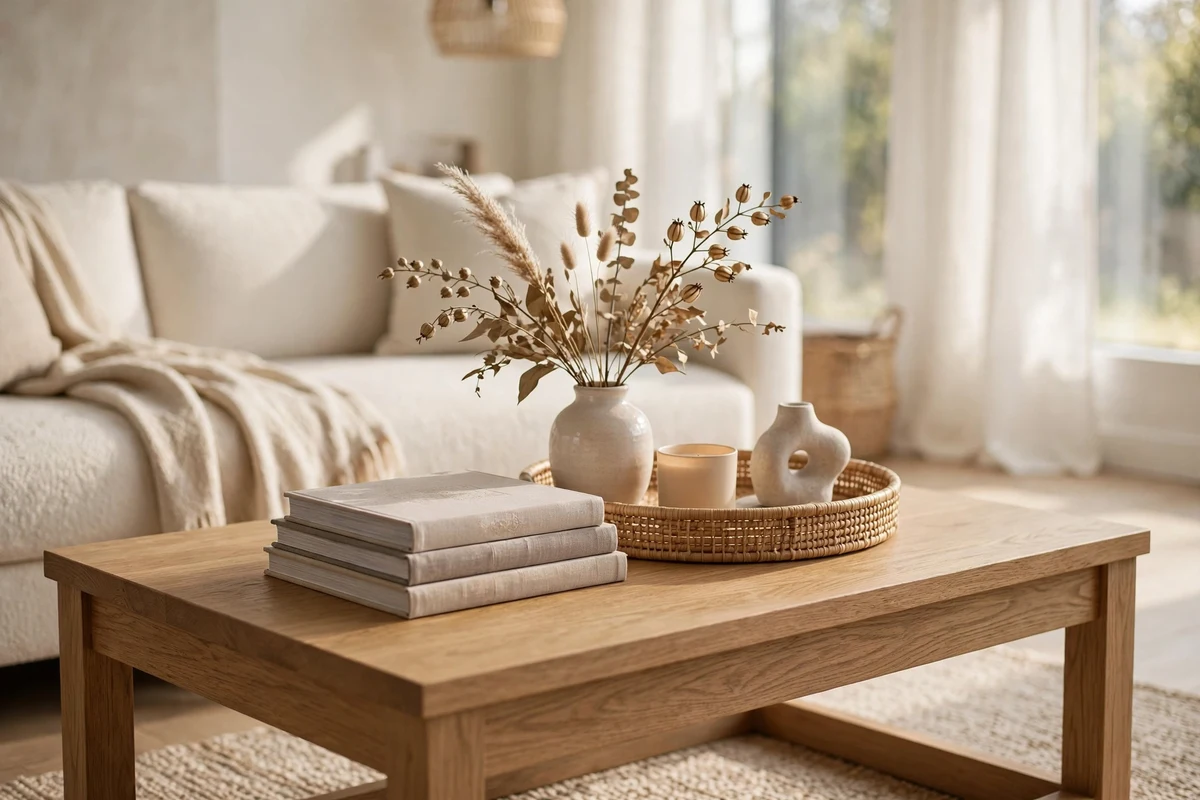
Your coffee table works harder than almost any other piece of furniture in your home. It holds morning coffee, remote controls, and late-night conversations — and it sits dead center in the room, which means everyone notices it. A well-styled coffee table makes the whole living room feel intentional, while a neglected one can quietly drag down even the nicest sofa.
The good news is that styling a coffee table like a designer is not about buying expensive objects. It is about composition: a few reliable ingredients, arranged with attention to height, texture, and breathing room. Below are ten coffee table decor ideas you can mix and match — plus five bonus variations, fifteen in all — whether your taste runs minimal or collected, and whether your table is a sleek marble slab or a well-loved oak hand-me-down.
The catalogue’s working instruments: the styling formula — a tray, books, a sculptural object, a candle and something living, in odd numbers with varied heights and about a third of the surface left clear; a tray at roughly a third of the table’s width; a shape table for rectangular, round, square and ottoman tops; and the step-back and photograph tests for the final edit.
In this guide: The Classic Book Stack · The Layered Tray Anchor · The Candle Cluster · The Living Touch · The Sculptural Statement · The Three-Height Rhythm · The Seasona Switch-Up · The Personal Collection · The Functional Corner · The Negative-Space Edit · Frequently Asked Questions About Coffee Table Decor · Conclusion
1. The Classic Book Stack
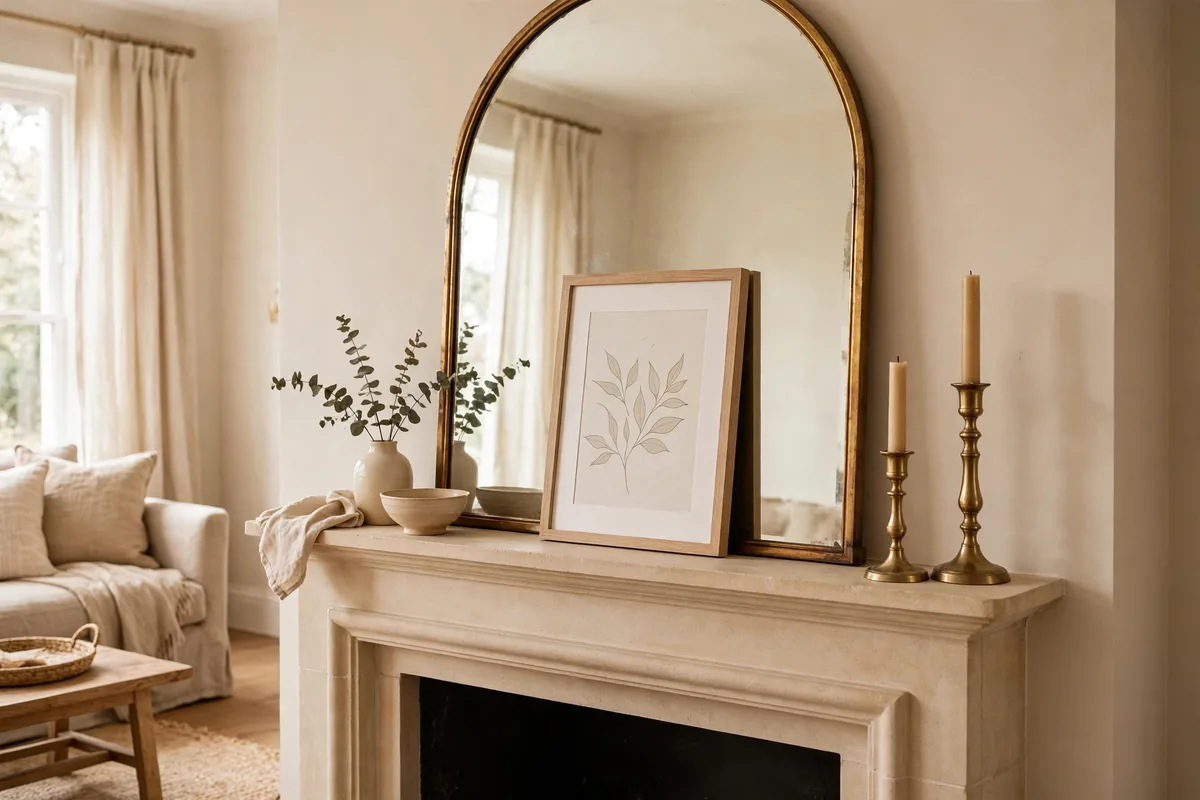
Nothing says “styled by a designer” faster than a stack of coffee table books. Books add height, which gives you a platform to layer smaller objects on top, and their covers and spines introduce color and personality in one move. Choose two to four books, lay them flat with the largest on the bottom, and turn the spines toward the sofa so guests can see the titles.
Pick books you genuinely like — travel photography, interiors, art, or fashion — because people will open them. A stack you never touch looks staged. Crown the top book with something small: a candle, a little bowl, or a brass object. This one gesture is the difference between a pile of books and a styled vignette. If your books all share a palette, the stack reads calm; if they clash, restack with a colorful cover facing down to keep the color story tight.
Making the stack work for you
- Keep it to three books or fewer on small tables so the stack stays stable.
- Use the top book as a riser for a candle or sculptural object.
- Rotate one book each season for a free refresh.
2. The Layered Tray Anchor

A tray is the single fastest way to make a coffee table look intentional. It draws a boundary, corrals small objects into one deliberate grouping, and protects the table surface underneath. Choose one roughly a third of the table’s width, and pick a material that contrasts with the table itself: a woven or wood tray on a stone or glass top, or a marble or brass tray on wood.
Inside the tray, gather three to five smaller pieces — a small vase with stems, a candle, a little dish. The magic of the tray is that when you need the table for dinner on the sofa, you can lift the whole vignette off in one move. Bonus practical tip: placing furniture-maker care guides worth of common sense aside, a tray lined with felt pads underneath keeps metal and ceramic from scratching the surface beneath it.
Bonus: Use a big book as the tray
No tray? A large-format art or photography book laid flat does the same anchoring job — it defines a zone, gives smaller objects a platform, and adds color through its cover. Stack two for extra height on a low table. It is the fastest zero-cost version of the tray trick, and swapping the top book refreshes the whole vignette.
3. The Candle Cluster

Candles bring warmth, scent, and glow — three things a coffee table desperately needs after dark. A cluster works better than a single candle: group pillars, tapers, and votives of different heights so the arrangement has movement. Three or five candles read more natural than two, and mixing finishes (a glass votive next to a matte pillar) keeps the cluster from looking like a gift set.
Place the tallest candle at the back or center and let the others step down around it. If your table gets heavy daily use, cluster the candles on a tray so you can move them at once. Always give candles a heat-proof base — a small stone dish or marble coaster — and never leave them lit unattended. Scent-wise, one fragrance per cluster is enough; competing candles just create noise.
4. The Living Touch
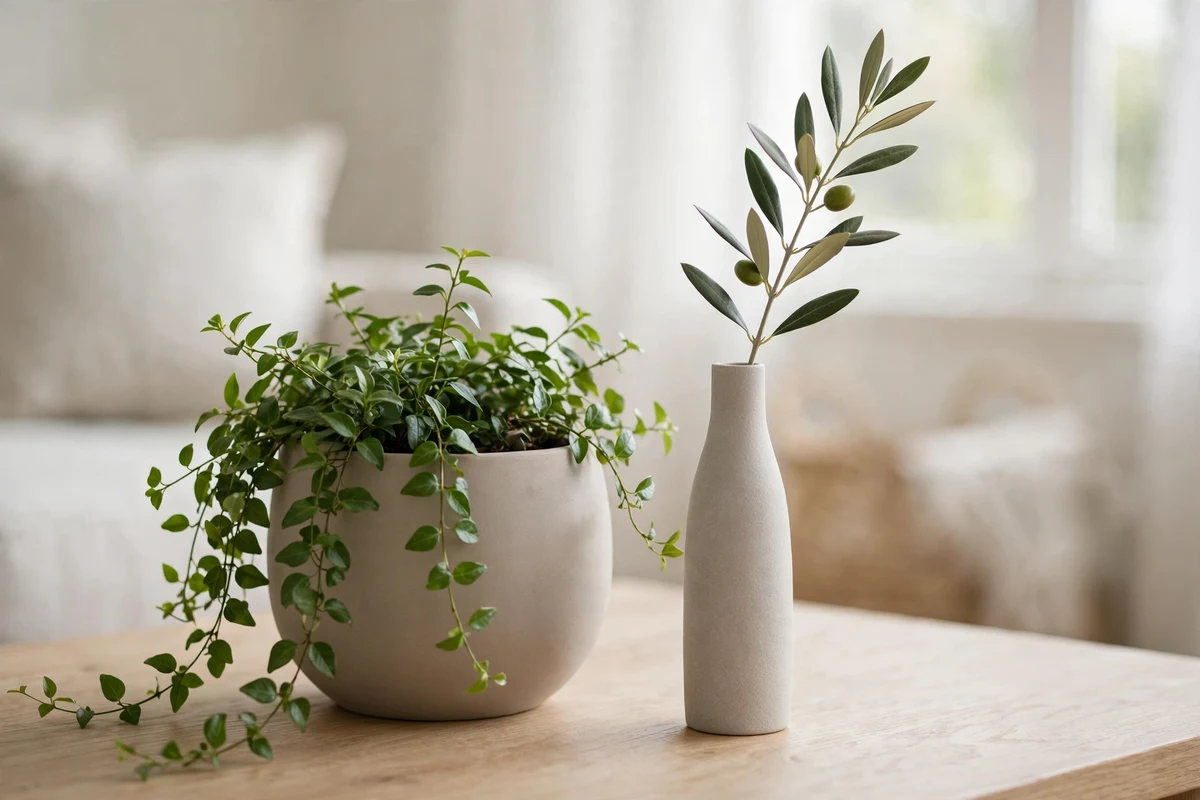
Something living is what keeps a styled table from feeling like a furniture showroom. A small plant, a bud vase with a single stem, or a low bowl of fresh greenery adds softness and color that no object can match. Trailing plants like pothos, compact ferns, or a simple olive branch in a slim stoneware vase all work beautifully.
If fresh flowers are not realistic every week, that is fine. Dried stems, a bowl of lemons, or a beautiful piece of driftwood give the same organic softness with zero maintenance. Just remember the water rule: anything with a pot or vase should sit on a saucer or coaster, because condensation rings on wood are the fastest way to ruin the table you just styled. Check your watering habits honestly — a dead plant is worse than no plant.
Bonus: Style one oversized branch
A single dramatic branch — curly willow, cherry blossom stems, or dried lunaria — in a tall narrow vase delivers more impact than a fussy bouquet and lasts for months. Keep every other object on the table low so the branch owns the vertical space. One stem, one vase, done: it is the lowest-effort high-impact move on this list.
5. The Sculptural Statement
Sometimes one great object does the work of five average ones. A sculptural piece — a ceramic orb, an abstract stone carving, a blown-glass form — becomes the hero of the table and a conversation starter when guests visit. This approach suits minimalist and modern rooms especially well, because it lets the table itself stay visible and the single object reads as art.
The rule is scale: the piece should feel generous on the surface but never dominate the room. Stand across the room and look — if the object is the first thing you see, it is too big. Shop your own home first before buying: that vase gathering dust on a shelf, a stone collected on a trip, or an inherited bowl often has more character than anything new. One honest, personal object always beats a generic “decor piece.”
6. The Three-Height Rhythm

The secret behind almost every styled table you have ever admired on Pinterest is a simple rhythm: one tall piece, one medium piece, one low piece. A vase with branches, a stack of books, and a shallow bowl, for example. The eye loves this movement from high to low, and it keeps the arrangement from feeling flat even when the individual objects are simple.
The same formula adapts to whatever table shape you own: The full pattern library behind that table — six named patterns and a diagnosis list — is our layout guide for coffee table decor inspiration.
| Table shape | Layout that works |
|---|---|
| Rectangular | Divide the surface into two or three zones, styling each lightly, or run one long tray down the center |
| Round | Build a single central grouping with a round or oval tray and radiate objects outward |
| Square | Anchor one quadrant with the tray-and-books stack, then balance it diagonally with a vase or object |
| Ottoman (soft top) | Always use a sturdy, flat tray as the base — it creates the firm surface the soft top lacks |
Whatever the shape, keep anything tall low enough that it never blocks the view across the table. Styling should never get in the way of conversation.
Bonus: Mirror the rhythm on long tables
On tables over 48 inches, one tall-medium-low grouping can look lost at one end. Build the rhythm twice — a smaller echo at the opposite end, using the same materials in smaller doses. The repetition makes a long surface feel designed end to end instead of decorated at one corner and abandoned at the other.
7. The Seasonal Switch-Up

A coffee table is the easiest place in the house to mark the seasons, and it takes ten minutes. Swap one or two pieces four times a year: pinecones and dried orange slices in fall, evergreen sprigs and a metallic candle in winter, fresh tulips and a pastel bowl in spring, a shallow dish of shells or citrus in summer. Everything else on the table stays put.
This works best when the base of your styling — the tray, the books, the permanent objects — stays neutral. Seasonal pieces then pop against a calm backdrop instead of fighting the color story. A single seasonal element is often enough; a whole table of fall leaves reads as a theme park. Store your off-season pieces in one small box so the swap stays effortless.
8. The Personal Collection

The difference between a styled table and a store display is one personal object. A shell from a favorite beach, a framed photo, a brass compass from a trip, a ceramic made by your kid — these are the pieces that make guests feel they are in someone’s home, not a showroom. Professional designers call this the “collected” look, and it is the direction taste is heading.
Display personal pieces in small groups of three rather than scattering them one by one. A trio of travel finds on a small stack of books tells a story; the same three items spread across the table look like clutter. If you collect something — matchbooks, small sculptures, vintage cameras — a rotating selection on the coffee table is a better gallery than a crowded shelf. Just keep sentimental items off tables that get rough daily use if they are fragile.
Bonus: Frame the postcard
That postcard or small print leaning against the books looks temporary — because it is. Slip it into a simple thin frame and it instantly reads as intentional art. A row of three small framed travel prints on a book stack costs almost nothing and gives the table a gallery-quality moment that loose paper never achieves.
9. The Functional Corner
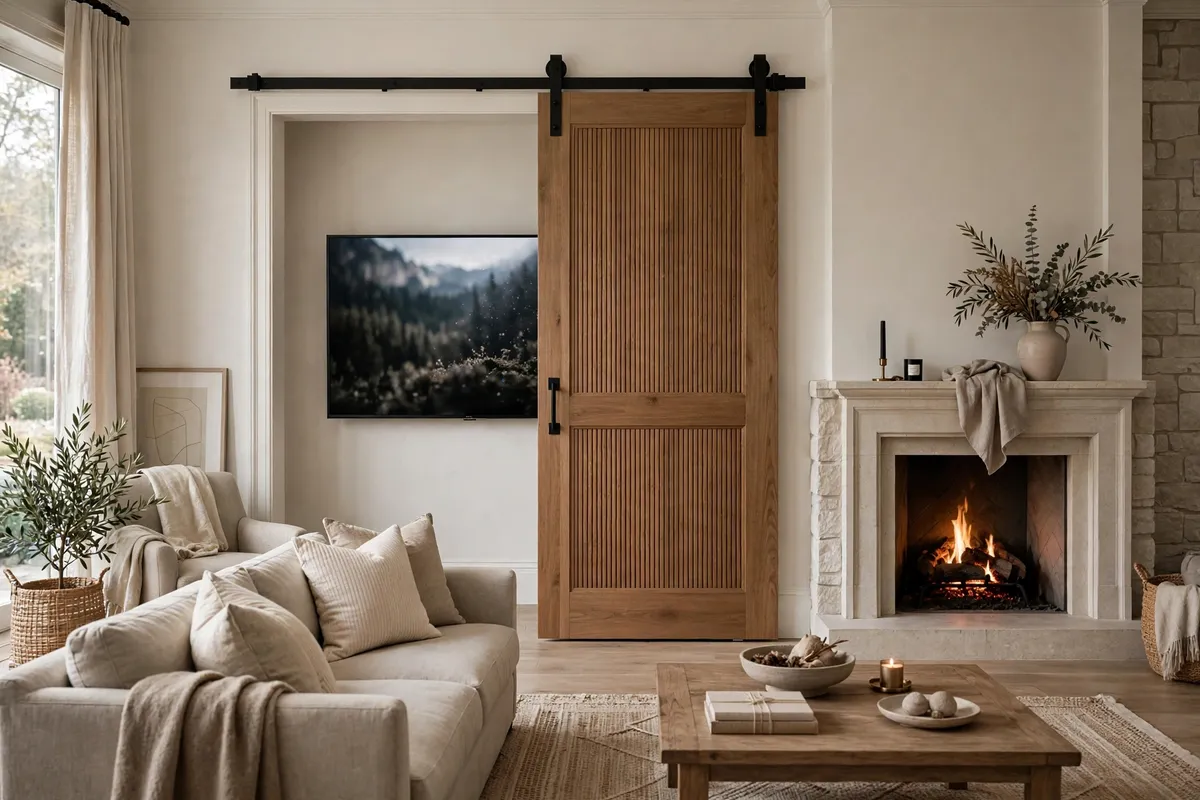
A coffee table still has a job to do, and styling should respect it. Dedicate one corner or tray to the everyday essentials: a handsome remote caddy, a set of coasters guests will actually use, a small box for odds and ends. When the functional pieces look good, you never have to choose between a pretty table and a livable one.
This is also where you protect your table. Coasters are non-negotiable on wood, marble, and stone — condensation and heat rings are real and expensive to fix. Lift objects rather than dragging them, and stick felt pads under anything ceramic or metal. As the American Society of Interior Designers would remind you, beautiful rooms are maintained rooms: a quick weekly dusting keeps both the decor and the table beneath it looking their best. Positioning those zones around daily use — defended sizes, clearances, reach from the sofa — is our placement guide to coffee table decor styles.
Functional essentials checklist
- Coasters within arm’s reach of every seat.
- One caddy or box for remotes and chargers.
- Felt pads under heavy or rough-bottomed objects.
- A clear landing zone for at least two mugs.
10. The Negative-Space Edit
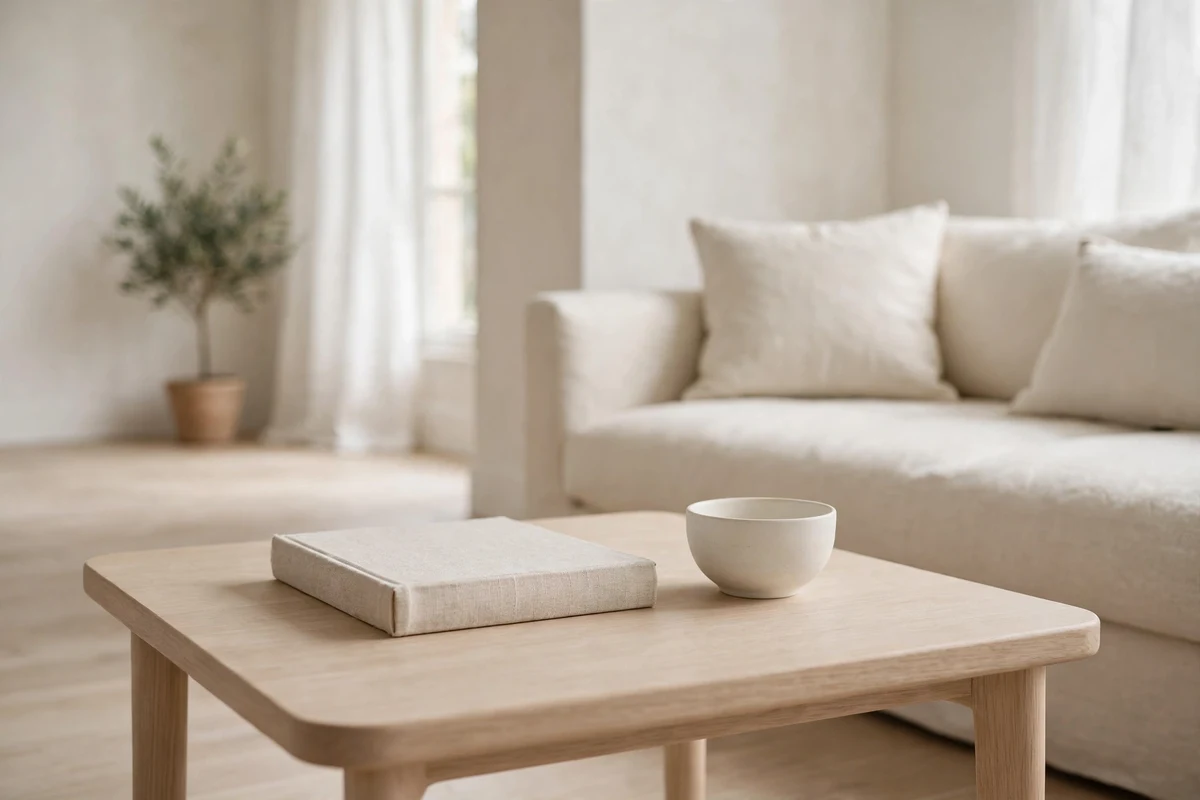
The final idea is really a discipline: leave room to breathe. The most elegant coffee tables keep at least a third of the surface empty — space for a cup of coffee, a book in progress, or simply calm. When in doubt, remove one thing. Designers style by editing as much as by adding.
Try the step-back test: finish your arrangement, leave the room, and come back in with fresh eyes. If your gaze bounces around with nowhere to rest, take something away. If the table looks lopsided, shift one grouping an inch or two rather than adding another object. This habit is also what separates a timeless living room from a trendy one — restraint does not go out of style, while a crowded table will date your whole room.
Bonus: Photograph the table to see it fresh
Your eyes adapt to your own styling and stop noticing clutter. A quick phone photo breaks the spell — the flat image reveals crowding, lopsided groupings, and color clashes your in-person view has been forgiving all along. Snap, study, remove one thing, repeat. Professional stylists do exactly this on every shoot.
Frequently Asked Questions About Coffee Table Decor
What is the rule of thumb for decorating a coffee table?
The most reliable formula is a tray to anchor the arrangement, a stack of two or three books for height, a sculptural object or two, a candle for warmth, and something living like stems or a small plant. Group pieces in odd numbers, vary the heights and textures, and leave about a third of the surface clear. Master that, and any table comes together in minutes.
How many items should I put on a coffee table?
Aim for three to five groupings rather than counting individual items. A tray with three pieces inside counts as one grouping. On a small table, three groupings are plenty; on a large rectangular table, four or five work. If you cannot set down a coffee mug without moving something, you have too much.
What size tray should I use on a coffee table?
Choose a tray roughly one-third the width of the table. On a 48-inch rectangular table, an 18-inch tray is about right. Round tables pair well with round or oval trays that echo the shape. The tray should be large enough to hold three to five small objects without crowding, but small enough to leave open surface around it.
How do I decorate a small coffee table without cluttering it?
Limit yourself to one strong grouping — a small tray with a bud vase and a candle, or a slim stack of two books topped with one object. Keep every piece low so sightlines stay open, and resist the urge to fill corners. For small living rooms, negative space is your most valuable styling tool.
Can I use candles on a coffee table safely?
Yes, with basic precautions. Use heat-proof bases like stone dishes or marble coasters, keep flames away from books, dried stems, and the sofa edge, and never leave them lit unattended. Cluster candles on a tray so you can move them off the table quickly. Flameless candles are a sensible alternative in homes with kids or pets.
Should coffee table books be real books?
Real books are always better. Choose titles you genuinely enjoy — travel, art, interiors, fashion — because guests will open them and they start conversations. If the covers clash with your palette, turn the least attractive spine to the back or place the book spine-in. Two books you love beat six you bought for the cover.
How do I protect a wood coffee table from my decor?
Use coasters for every drink and felt pads under ceramic, stone, or metal objects, which can scratch the finish when moved. Wipe up spills immediately, keep candles on heat-proof bases, and dust weekly with a soft cloth. Avoid dragging anything across the surface. A little prevention keeps the table looking new for years.
What goes on a round coffee table?
On a round table, build one central grouping since the table is seen from all sides. A round tray echoing the table’s shape works perfectly, holding a low vase of stems, a candle, and a small object. Arrange smaller pieces in a loose triangle around the centerpiece, and keep everything low enough that conversation flows across the table.
How often should I refresh coffee table decor?
A light seasonal refresh — swapping one or two pieces four times a year — keeps the table feeling current without constant shopping. Dust and tidy weekly, and do a full edit twice a year: remove anything you no longer love and check that every piece still earns its place. Small, regular updates beat dramatic overhauls.
What is the biggest coffee table styling mistake?
Overcrowding. Most struggling tables simply hold too many objects at too many heights, with no tray to anchor them and no empty space to rest the eye. The fix is free: remove half the items, group what remains in odd numbers inside a tray or on a book stack, and step back. Editing solves most common living room decor mistakes instantly.
Conclusion
Great coffee table decor is not about buying more things — it is about choosing a few good ones and arranging them with intention. Start with a tray, add books for height, bring in something living, and finish with one personal piece that makes the table yours. Respect the table’s everyday job, protect the surface, and edit ruthlessly until there is room to breathe. Do that, and your coffee table will do what the best design always does: make the whole room feel considered, without ever looking like it tried too hard. Refresh it with the seasons, enjoy the ritual, and let the center of your living room tell your story. That build, executed step by step from tray to final edit, is our coffee table decor ideas guide.




Pingback: 10 Valentine's Table Ideas That Feel Romantic, Not Cheesy
Pingback: Coffee Table Layout: Six Patterns and Shape Maps
Pingback: Placement Coffee Table Decor Styles: Zones, Thirds and Corners